HERA · Human Entity Reference Atlas by Masego Inc

← Jordan 🌐 3D View
Petra Jordan Treasury, Jordan
Jordan JOR
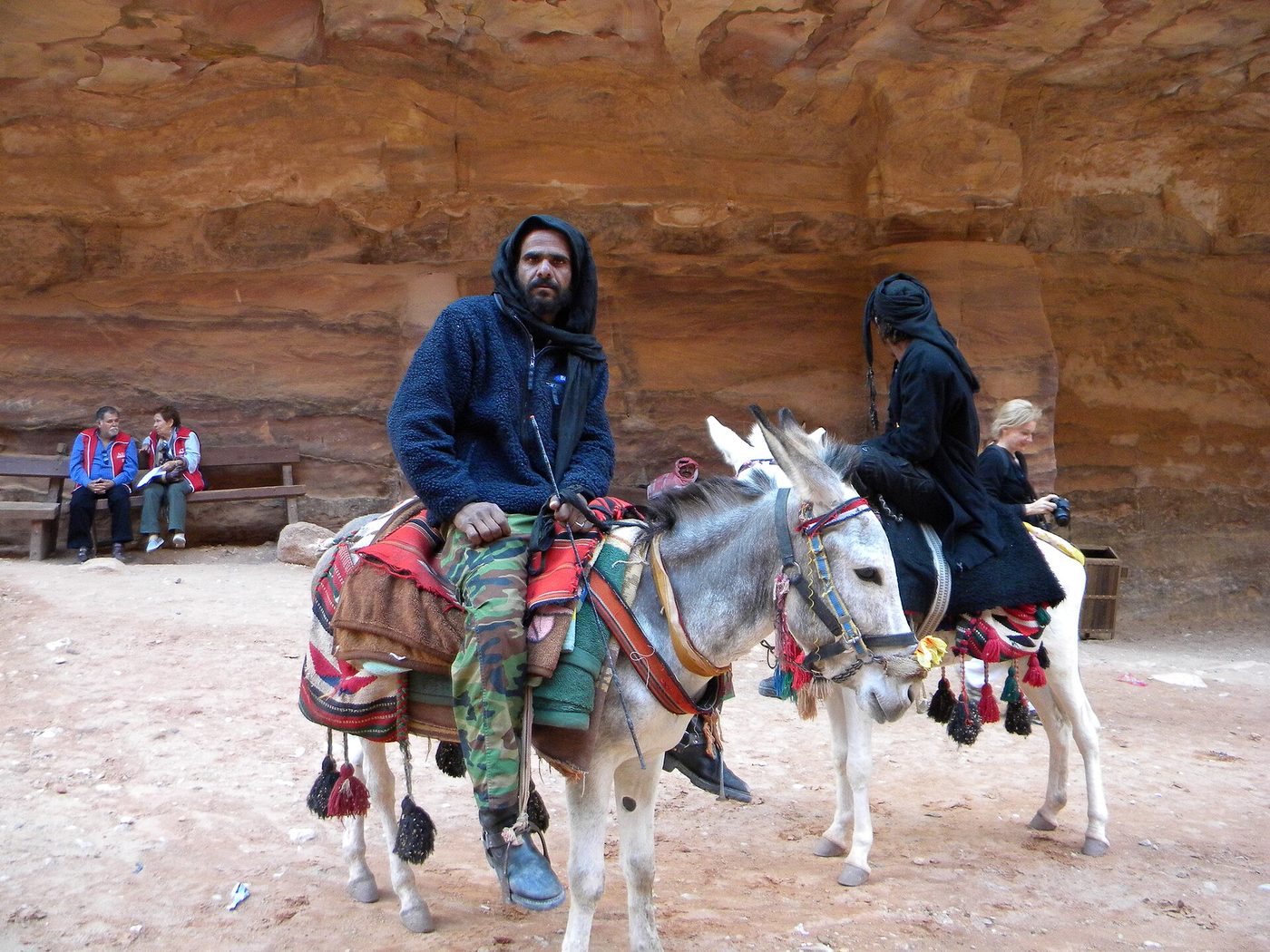
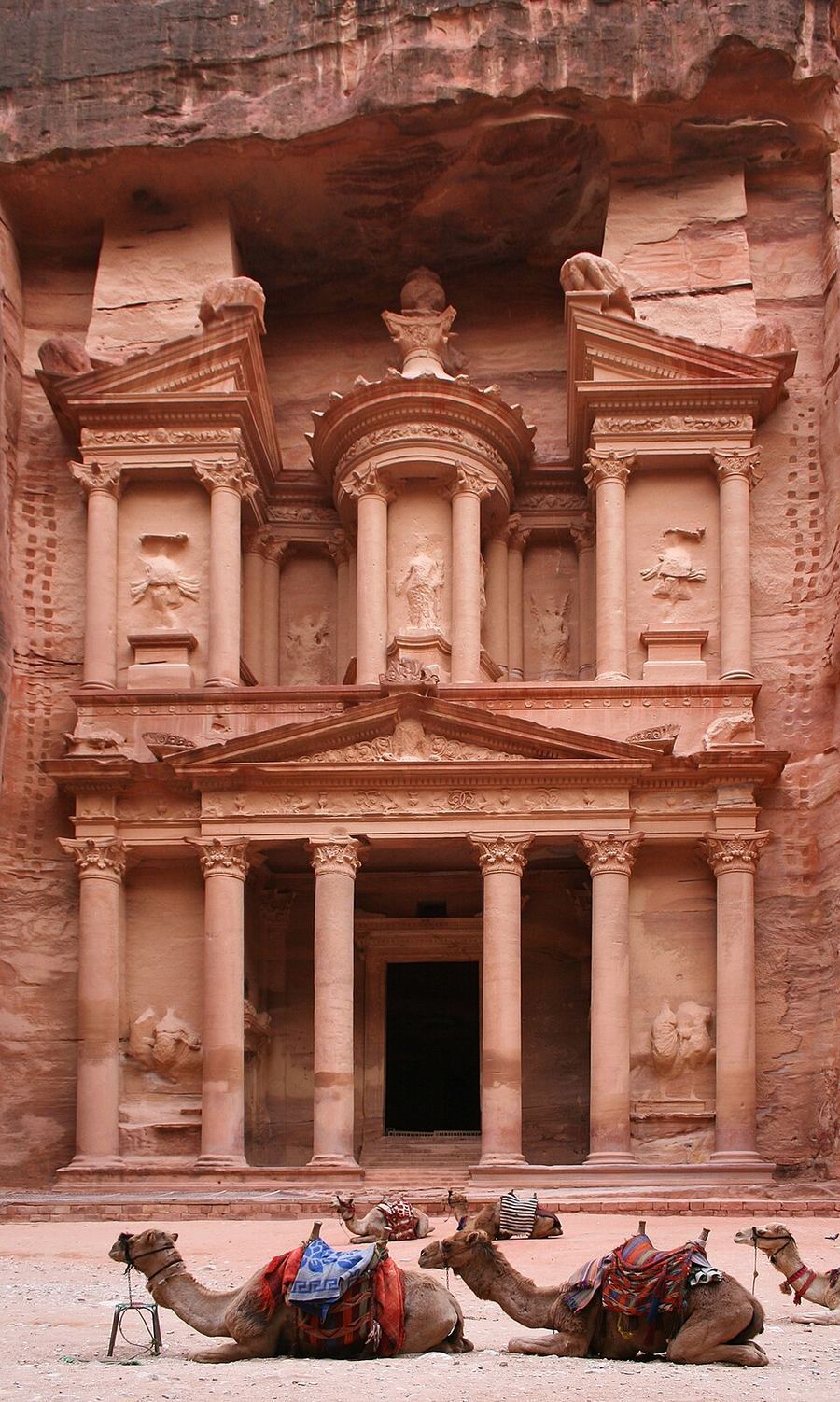
Petra Jordan Treasury — Photo: Britchi Mirela / CC BY-SA 4.0 via Wikimedia Commons
Did You Know The sixth-century mosaic floor in the Church of St George at Madaba is the oldest surviving map of the Holy Land, and archaeologists still use its depiction of Jerusalem to identify buried streets and buildings. — UNESCO World Heritage Centre

Jordan is a parliamentary constitutional monarchy of about 11.3 million people occupying roughly 89,000 square kilometres between the Jordan Rift Valley and the northern Arabian desert. Amman, the capital, spreads across a series of steep hills at around 800 metres and holds close to half the national population. The Hashemite family has ruled since the Emirate of Transjordan was created under British mandate in 1921; independence followed on 25 May 1946, and King Abdullah II has reigned since 1999. Arabic is the official language and English is widely used in business and higher education. About 97% of Jordanians are Muslim, predominantly Sunni, with a long-established Christian minority of roughly 2% holding reserved seats in parliament. The country's demography has been shaped repeatedly by displacement in its neighbours: Palestinians make up a very large share of the population, and Syrians, Egyptians and Iraqis account for most of the rest of the non-Jordanian residents, with more than 675,000 people registered as refugees. Jordan has almost no oil, very little water and a narrow export base of fertilisers, phosphates, potash and garments, and it has traded on stability, education and diplomacy in one of the world's most volatile regions.

CIA World FactbookEncyclopaedia BritannicaUNHCR
Population
11,312,507
Capital
Amman
Currency
None JOD
Time zones
Largest city
Amman
Human Geography Themes
Loading national figures…
Largest Cities
Amman6,425,246
Irbid729,682
Madaba151,891
Ar Ramtha146,324
Al Salt144,158
Aqaba127,841
Jerash113,468
Al Mafraq106,450
In Perspective

Amman's urban core is home to about 6,425,246 people.

That's bigger than Madrid, Toronto, Chicago and Sydney — each a great world city in its own right.

Amman6,425,246
Madrid5,680,137
Toronto5,566,382
Chicago5,318,735
Sydney4,375,394

Among the world's megacities, though, it's one of many — the giants of Asia and Latin America run larger still:

Amman6,425,246
Jakarta40,545,126
Dhaka37,307,160
Tokyo33,244,670
Shanghai30,678,616
Cairo25,230,325

More people live in Amman than in the entire nation of Denmark, Singapore, Finland or Norway.

The Country & Its People

History

The land east of the Jordan has been settled for as long as anywhere on Earth. The plaster figures excavated at Ain Ghazal outside Amman were made around 7200 BC and are among the oldest large human statues ever found. The Iron Age kingdoms of Ammon, Moab and Edom held the highlands; from the fourth century BC the Nabataeans, Arab traders controlling the incense route, carved Petra from its sandstone and grew rich on caravan tolls until Rome annexed the kingdom in AD 106. Roman cities of the Decapolis, above all Gerasa at modern Jerash, and Byzantine churches with elaborate mosaic floors followed. Muslim armies won the decisive Battle of Yarmouk in 636, and the Umayyads built the desert palaces of the eastern steppe. Crusader castles at Kerak and Shobak, Mamluk and then four centuries of Ottoman rule followed. Modern Jordan begins with the Great Arab Revolt of 1916, led by Sharif Hussein of Mecca against the Ottomans; his son Abdullah was installed over the Emirate of Transjordan in 1921, and the state became independent in 1946. Jordan held the West Bank from 1950 until the 1967 war, fought the Palestinian factions in the conflict of 1970, relinquished its claim to the West Bank in 1988 and signed a peace treaty with Israel in October 1994.
Culture

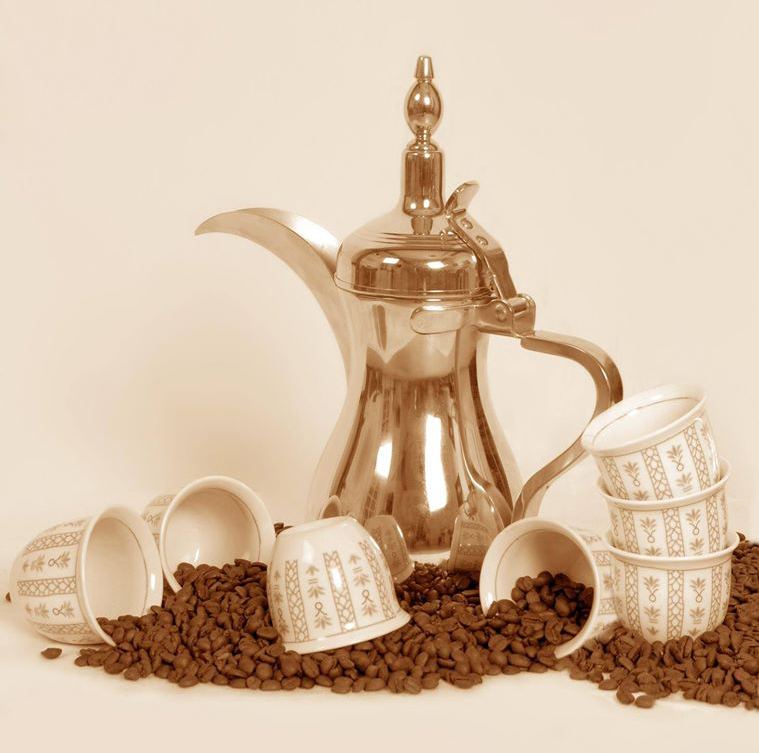
Jordanian culture is a negotiation between Bedouin inheritance, settled village tradition and a large, urban, largely Palestinian-origin population. Tribal identity remains a real organising force: the diwan, the tribal reception hall, still mediates disputes, and family and tribal networks shape employment, marriage and politics alongside the formal state. Hospitality is codified rather than merely customary — a guest is owed shelter and protection, coffee is served from a long-spouted dallah in small cups poured in a fixed order, and the Arabic coffee ritual shared across the region is recognised by UNESCO on its intangible heritage list. Islam structures the week and the calendar, with Ramadan transforming the rhythm of the day, and the Christian minority, largely Greek Orthodox, has lived in towns such as Al-Salt, Madaba and Fuheis for centuries with little friction. Circassians and Chechens, who arrived from the Caucasus from the 1870s and effectively refounded Amman, retain their own associations and a traditional place in the Royal Guard. Jordanians describe their country's defining quality as a kind of studied moderation, and the town of Al-Salt was inscribed by UNESCO in 2021 explicitly for its tradition of tolerance and hospitality.

Points Of Pride

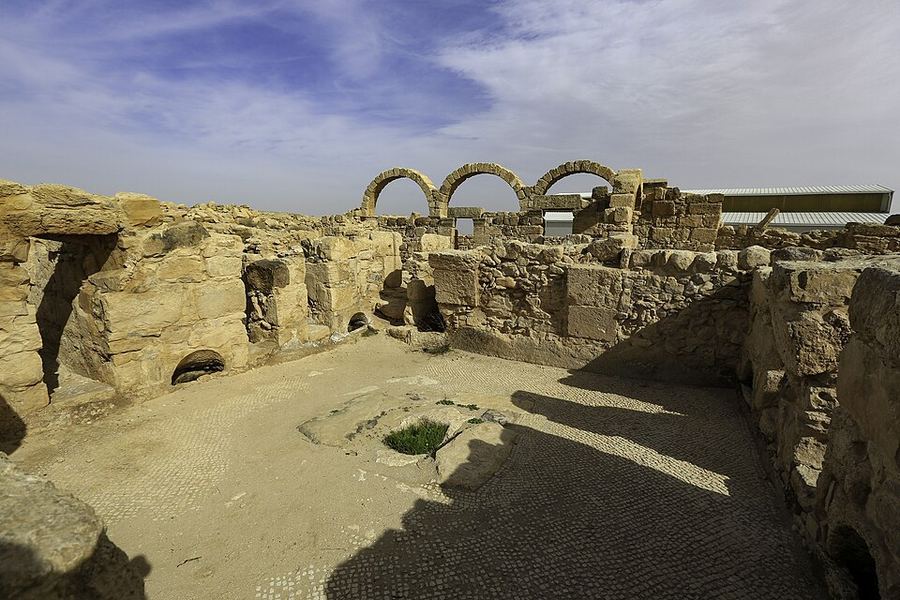
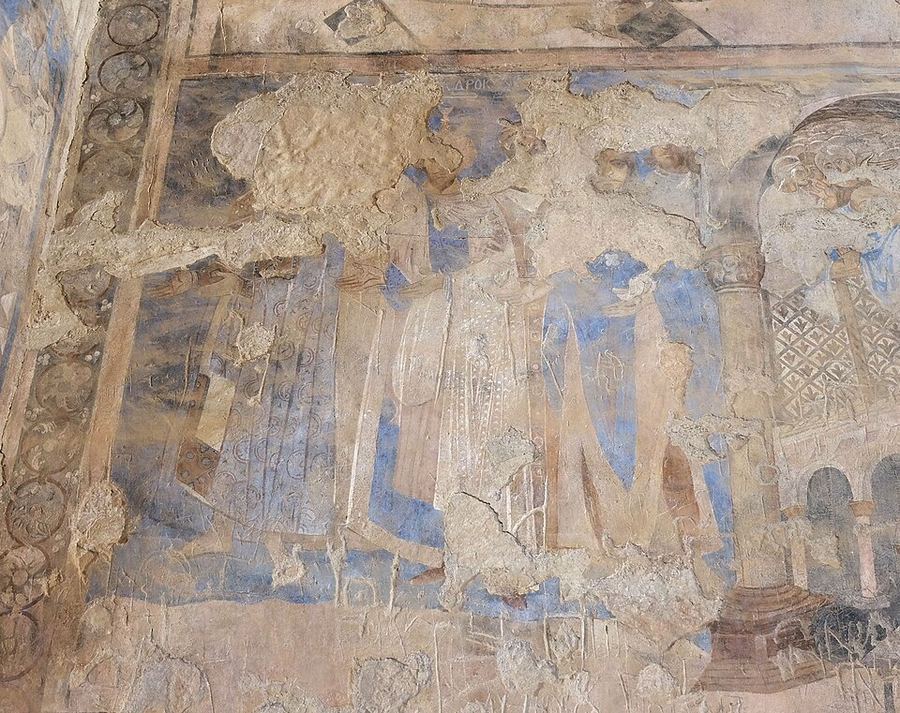
Petra is the country's emblem and its single greatest possession: a Nabataean city carved into rose-coloured sandstone, entered through a kilometre-long natural cleft that opens without warning onto the facade of Al-Khazneh, inscribed by UNESCO in 1985 and voted one of the New Seven Wonders of the World in 2007. Five further sites carry World Heritage status — the Umayyad bathhouse of Quseir Amra with its rare figurative frescoes, also inscribed in 1985; the Byzantine mosaic complex at Um er-Rasas in 2004; the desert landscape and rock art of Wadi Rum in 2011; the Baptism Site at Bethany Beyond the Jordan, identified as the place where Jesus was baptised, in 2015; and As-Salt in 2021. Mansaf, the national dish, was added to the intangible heritage list in 2022. Beyond heritage, Jordanians take pride in having kept a stable, functioning state through seventy-five years of regional war, and in the scale of refuge the country has offered: successive waves of Palestinians, Iraqis and Syrians have made Jordan one of the largest hosts of refugees relative to population anywhere in the world.

Cultural Fusion

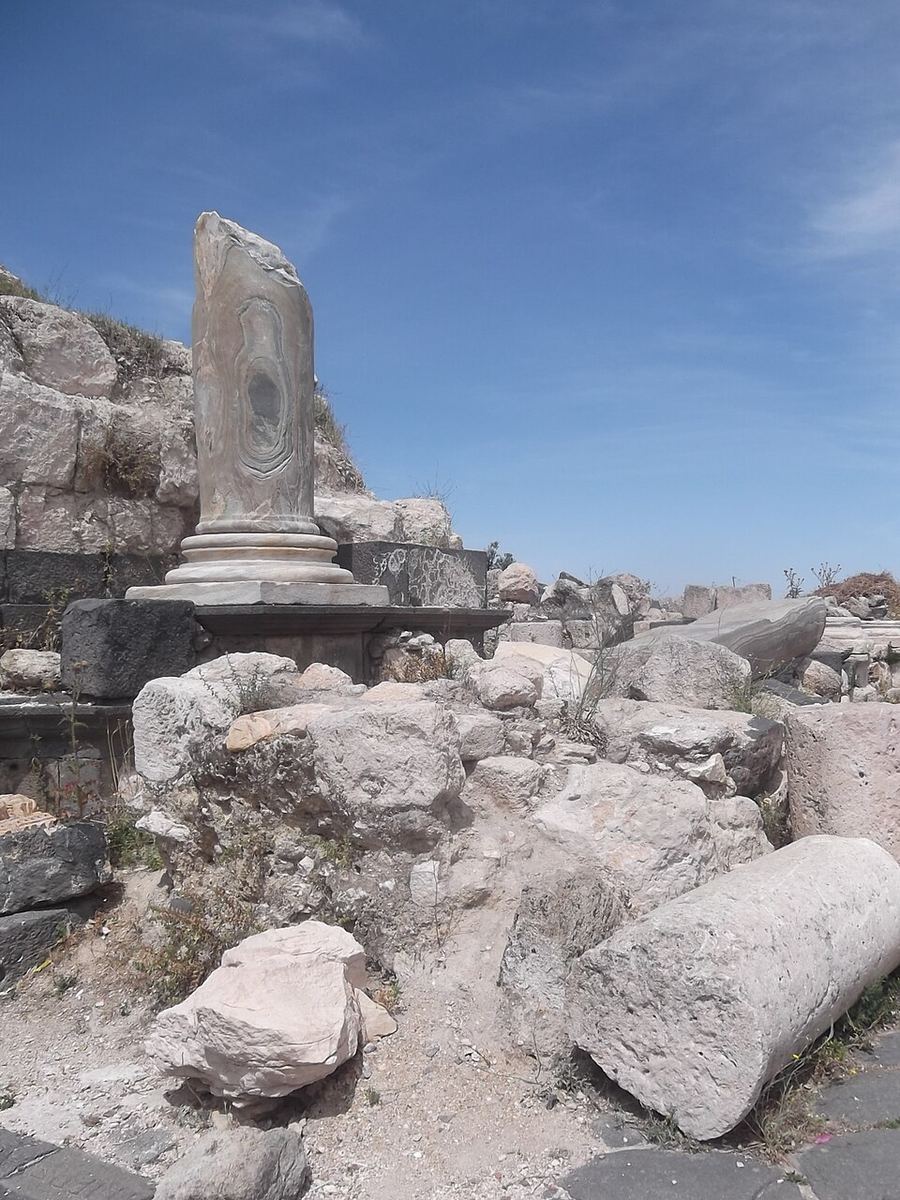
Jordan is a country assembled from arrivals. The Nabataeans blended Arabian, Hellenistic and Egyptian forms so thoroughly that Petra's tomb facades read as Greek architecture executed by Arab masons; Roman colonnades at Jerash, Byzantine mosaic workshops at Madaba and Umayyad frescoes in the eastern desert layered the same territory further. The modern population is equally composite. The largest element by far is Palestinian: refugees and their descendants from 1948 and 1967, many holding full Jordanian citizenship, whose food, embroidery and urban commercial culture are inseparable from Amman's. Circassian and Chechen families, displaced from the Caucasus by Russian expansion after 1864, settled the ruins of Roman Philadelphia and rebuilt it as Amman, bringing their own dress, dance and cuisine and a reputation for loyalty to the throne. Armenians, Iraqis who arrived after 2003, and Syrians who arrived after 2011 added further layers, so that Damascene and Baghdadi cooking are now part of the Amman restaurant landscape. The result is a national culture in which Bedouin symbols supply the official iconography — the red-and-white headcloth, mansaf, the camel — while urban life is Levantine, cosmopolitan and heavily Palestinian in texture.

Music & Dance

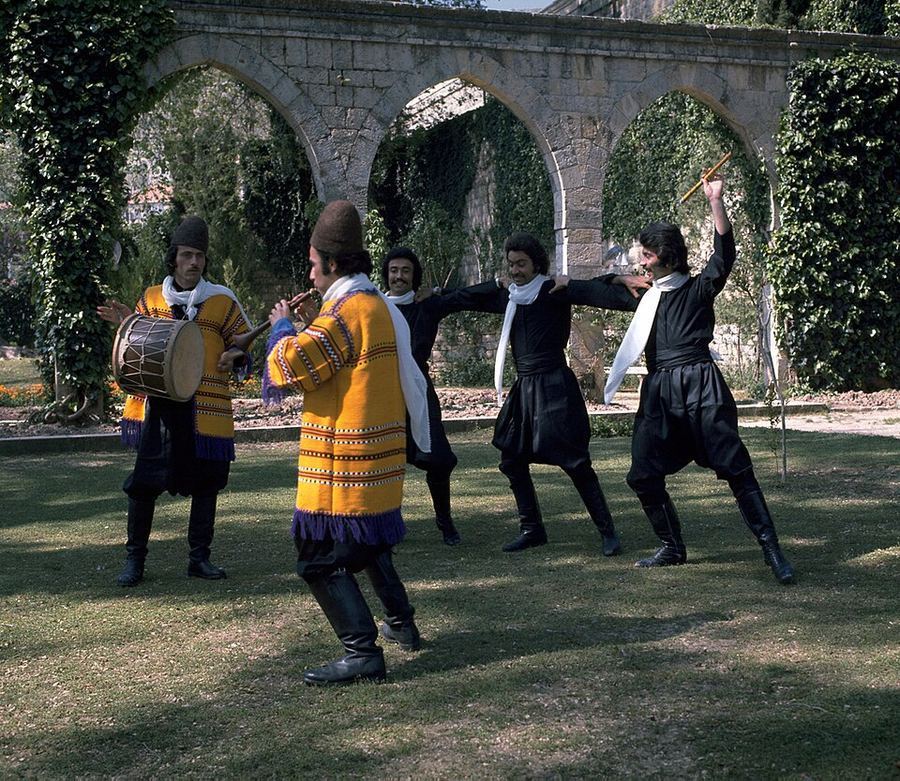
Jordanian music divides between Bedouin and Levantine traditions. The Bedouin repertoire is poetry-driven: nabati verse composed in colloquial Arabic and sung or chanted, often accompanied by the rababa, a single-stringed bowed instrument with a skin-covered box body whose thin, keening tone is the sound of the badia. Village and town music uses the mijwiz, a double-reed pipe played with circulating breath, along with the shubbabah flute and the tablah drum. The dominant dance across the Levant, and the one performed at every Jordanian wedding, is dabke, a line dance in which participants link shoulders or hands and stamp in unison, led by a dancer who improvises at the head of the line. Jordan's own contribution, as-samer, a men's dance performed in two facing rows at Bedouin weddings while a woman moves between them, was inscribed on the UNESCO Representative List in 2018. Military pipe bands, an inheritance from the British-officered Arab Legion, play bagpipes at state occasions, which surprises visitors. Contemporary Jordanian music runs from the patriotic Bedouin-styled songs of Omar Al-Abdallat to Amman rock and hip-hop bands, and the Jerash Festival has staged Arab music among the Roman ruins since 1981.

Cuisine & Misattributed Foods

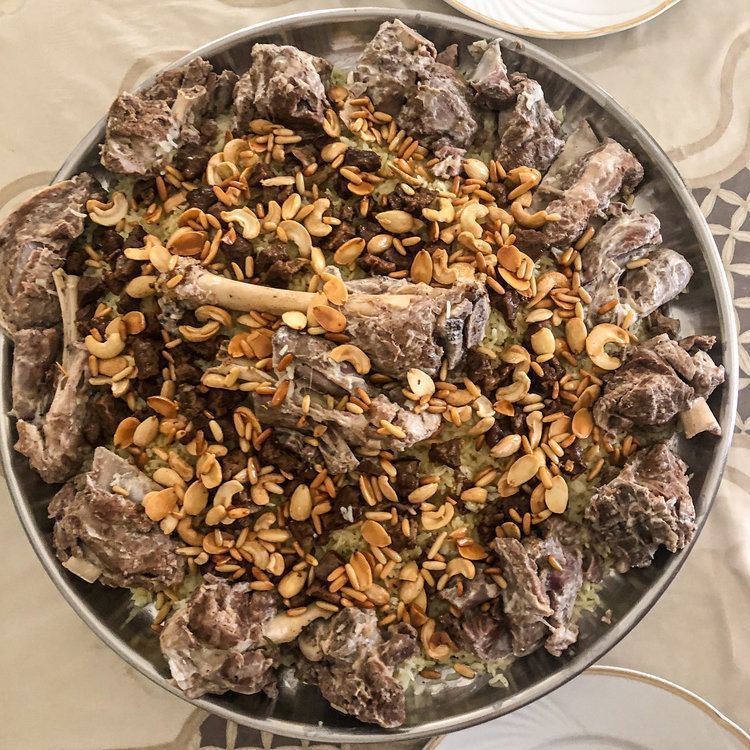
Mansaf is the national dish and something closer to a social institution than a recipe. Lamb is simmered in jameed, a hard dried yoghurt made from sheep's milk and reconstituted into a tart white sauce, then served over rice on a large round of shrak flatbread and shared from a communal tray, eaten standing with the right hand, with the head of the animal placed for the guest of honour. UNESCO inscribed the practice on its Representative List in 2022. Beyond it, Jordanian cooking is Levantine: hummus and ful for breakfast, falafel from stands that have operated for generations in downtown Amman, fatteh layered with yoghurt and toasted bread, maqluba turned out upside down from the pot with aubergine and chicken, and musakhan, the Palestinian dish of chicken roasted with masses of onion and sumac on flatbread. Bedouin cooking contributes zarb, meat and vegetables buried in a sand oven and cooked slowly underground, still made for visitors in Wadi Rum. Vegetables, olives and olive oil from the northern hills anchor the everyday table. Sweets mean knafeh, shredded pastry over stretchy cheese soaked in sugar syrup, and tea is drunk heavily sweetened with sage or mint.

National Dress

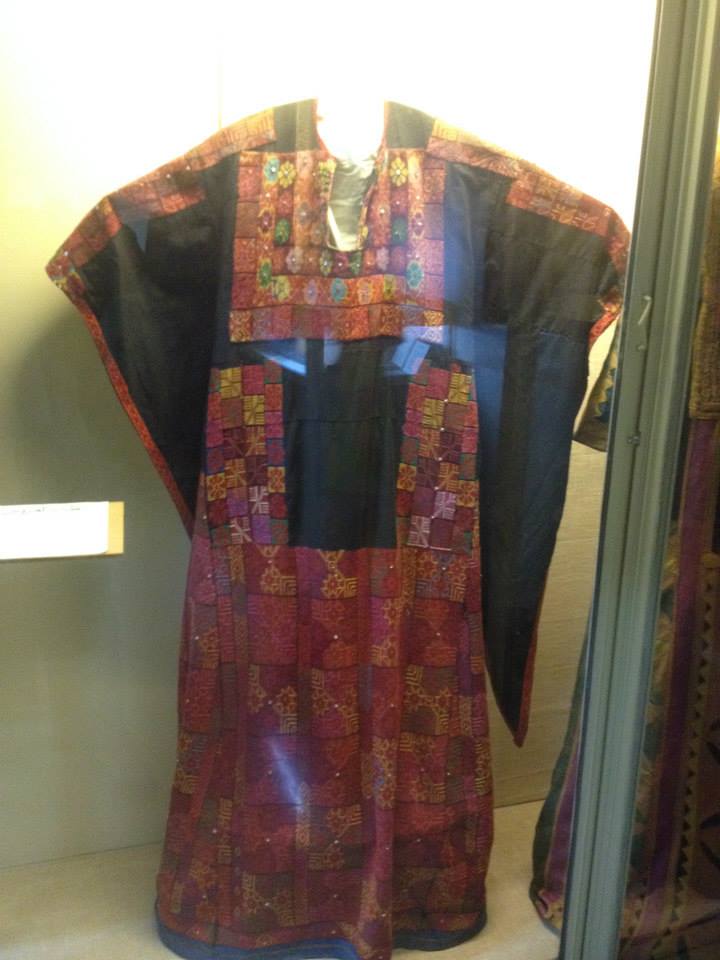
The single most recognisable item of Jordanian dress is the shemagh, the red-and-white chequered headcloth folded into a triangle and secured with the black double cord called an agal. The red-and-white pattern is specifically associated with Jordan, distinguishing it from the black-and-white worn elsewhere in the Levant, and it was standardised through the Arab Legion, which makes it as much a national as a tribal marker. It is worn over the thobe or dishdasha, a long plain robe, with the heavy embroidered bisht cloak added by sheikhs and dignitaries on formal occasions. Women's traditional dress is regional and highly specific. The thob is a long gown whose cut, colour and embroidery identify a district: the enormously long black thob ob dyal of the Al-Salt and Madaba hills, worn bloused up over a belt; the red and orange cross-stitch of the southern villages; and the tatreez embroidery of Palestinian origin, in which the chest panel and side seams carry motifs traceable to particular villages, now collected and exhibited as a serious textile art. Circassian dress, with the fitted long coat and cartridge pockets for men, appears at ceremonial occasions and in Royal Guard uniform.

Sports & Inspiring Athletes

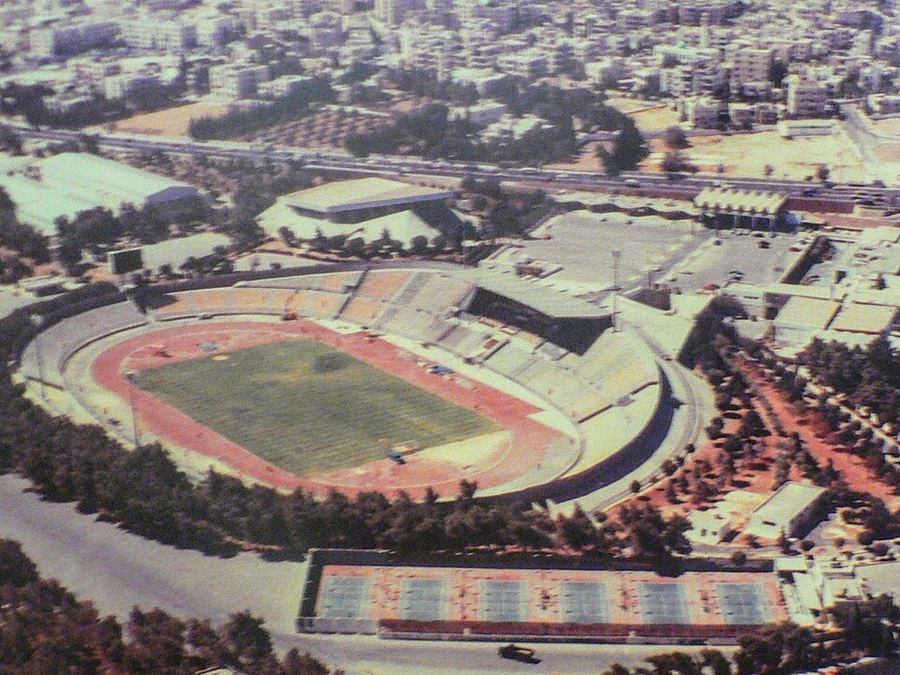
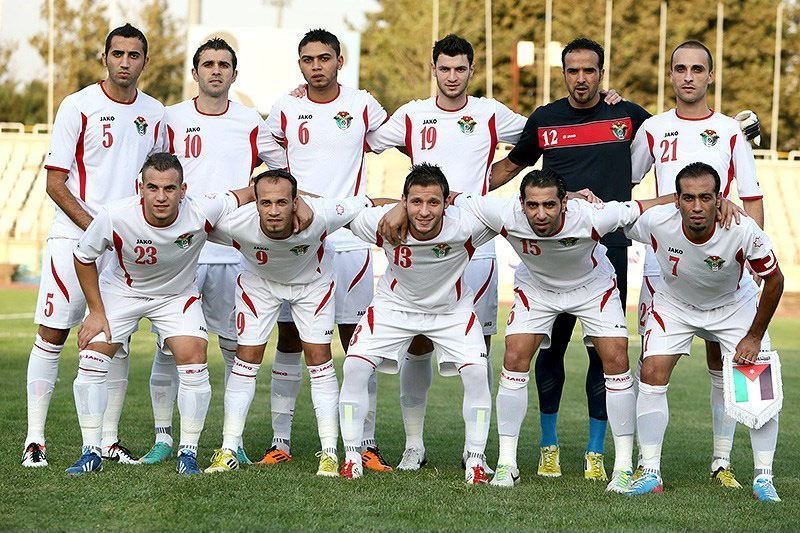
Football is comfortably the most popular sport. The domestic league is dominated by the Amman rivalry between Al-Faisaly, historically associated with East Bank Jordanian support, and Al-Wehdat, founded in and identified with the Palestinian refugee camp of the same name — a fixture in which the country's demographic politics are played out in the stands as much as on the pitch. The men's national team, known as the Nashama, reached the final of the AFC Asian Cup for the first time in 2024, losing to Qatar after beating South Korea in the semi-final. Basketball is the clear second sport, with a competitive domestic league and a national side that has qualified for multiple FIBA World Cups and finished runner-up at the Asian championship. Taekwondo has become Jordan's most successful Olympic discipline. Traditional pursuits retain a following: Arabian horse breeding is supported by the Royal Jordanian State Stud, and camel and horse racing are held in the badia. Motorsport has a strong local base, and Jordan has hosted a round of the World Rally Championship. The Dead Sea Ultra Marathon, run downhill from the Amman highlands to the lowest point on Earth, has been held annually since 1993.

Notable Educational Programs

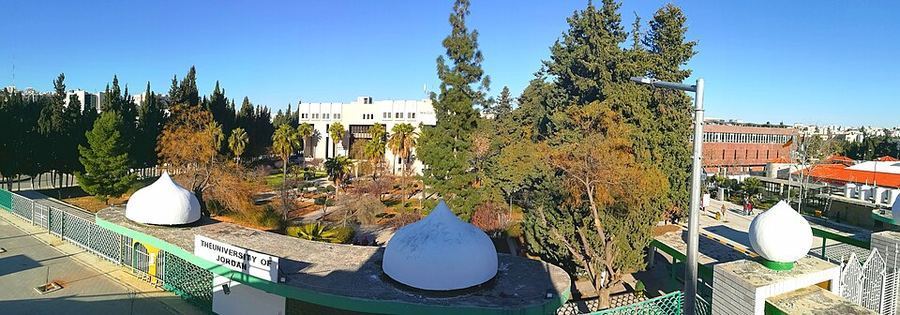
Jordan invested heavily in education from the 1960s in the explicit knowledge that it had no oil, and the strategy worked: literacy is close to universal, schooling is compulsory and free for ten years of basic education, and Jordanian teachers, doctors, engineers and accountants have staffed institutions across the Gulf for two generations, sending home remittances that have been a mainstay of the economy. The Tawjihi secondary certificate is a national event, its results published and celebrated, and it governs entry to university. The University of Jordan opened in Amman in 1962; the Jordan University of Science and Technology near Irbid, founded in 1986, has a strong medical and engineering reputation and draws students from across the region; Yarmouk University, the German Jordanian University and Princess Sumaya University for Technology complete the main public and specialist sector, alongside a large private one. The system carries an exceptional load. UNRWA runs one of its largest school networks in Jordan for registered Palestine refugees, and the arrival of Syrian refugees after 2011 forced hundreds of public schools onto double shifts, with a second afternoon session teaching refugee children — an arrangement sustained with international funding for more than a decade.
UNESCOUNICEFUNHCRWorld Bank

Wars & Conflicts

Jordan has been drawn into every phase of the Arab-Israeli conflict without ever choosing a war of its own. Its army held the West Bank and the Old City of Jerusalem in the 1948 war, and Jordan annexed the territory in 1950; it lost both in the Six-Day War of June 1967, along with control of the holy sites and a further wave of several hundred thousand refugees. In September 1970, in the fighting Palestinians call Black September, the Jordanian army moved against Palestinian guerrilla organisations that had built a parallel authority in the country, and by 1971 the PLO leadership had been expelled to Lebanon. Jordan sent an armoured brigade to the Syrian front in 1973, stayed out of the 1991 Gulf War coalition at considerable diplomatic cost, and signed a peace treaty with Israel in the Wadi Araba in October 1994, the second Arab state to do so. Terrorism reached Amman on 9 November 2005, when coordinated hotel bombings by al-Qaeda in Iraq killed around sixty people, most of them at a wedding. Jordan joined the coalition against the Islamic State, and the killing of the captured pilot Muath al-Kasasbeh in 2015 hardened public support for that campaign.
Current as of 2026-08-06

Land & Border Disputes

Jordan's land boundaries are settled by treaty, which distinguishes it from most of its neighbours. The frontier with Saudi Arabia was adjusted by agreement in 1965, when Jordan exchanged a large area of interior desert for a longer Red Sea coastline at Aqaba. The border with Israel was delimited in the 1994 peace treaty, which also created two small enclaves at Baqura in the north and Ghumar in the south where Israeli farmers continued to work Jordanian land under a twenty-five-year lease; Jordan declined to renew and resumed full control in 2019. Jordan renounced its claim to the West Bank in 1988. What remains contested is a matter of custodianship rather than sovereignty: the 1994 treaty recognises a special Hashemite role in the Muslim and Christian holy places of Jerusalem, and the Jordanian-funded Islamic Waqf administers the Al-Aqsa compound, an arrangement that generates recurring friction with Israel over access, policing and any change to the site's status. Water is the other running dispute, since the treaty allocations from the Jordan and Yarmouk rivers, upstream Syrian abstraction and purchases from Israel leave Jordan structurally short in a shrinking basin.
Land, Life & Legacy

Land & Climate

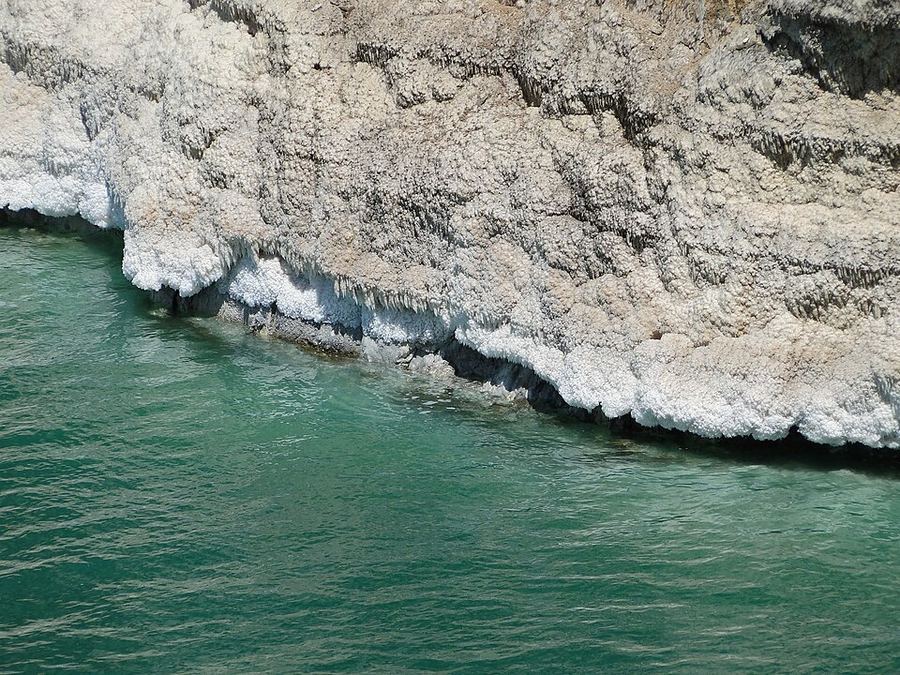
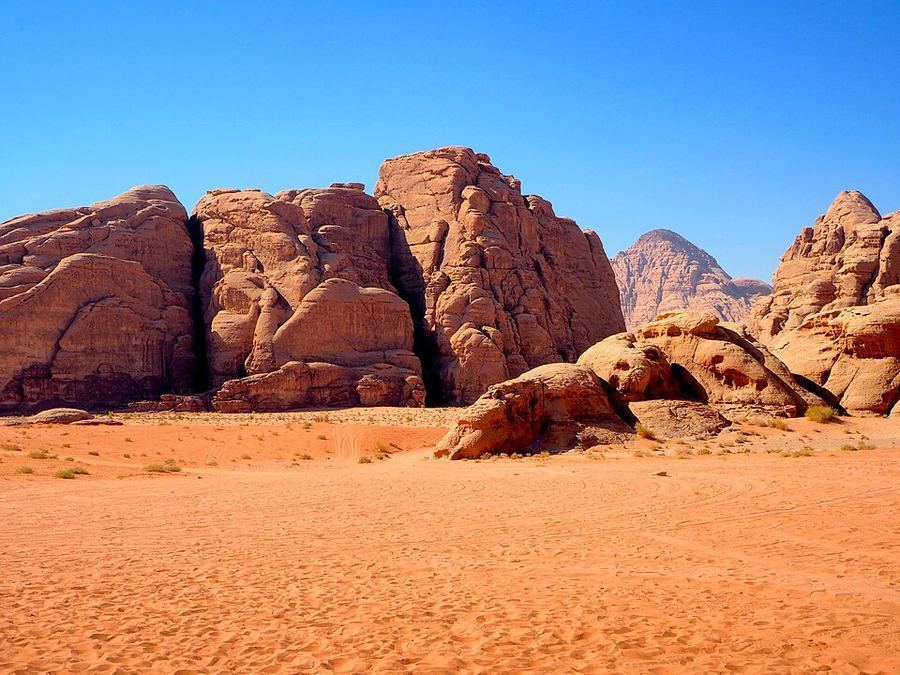
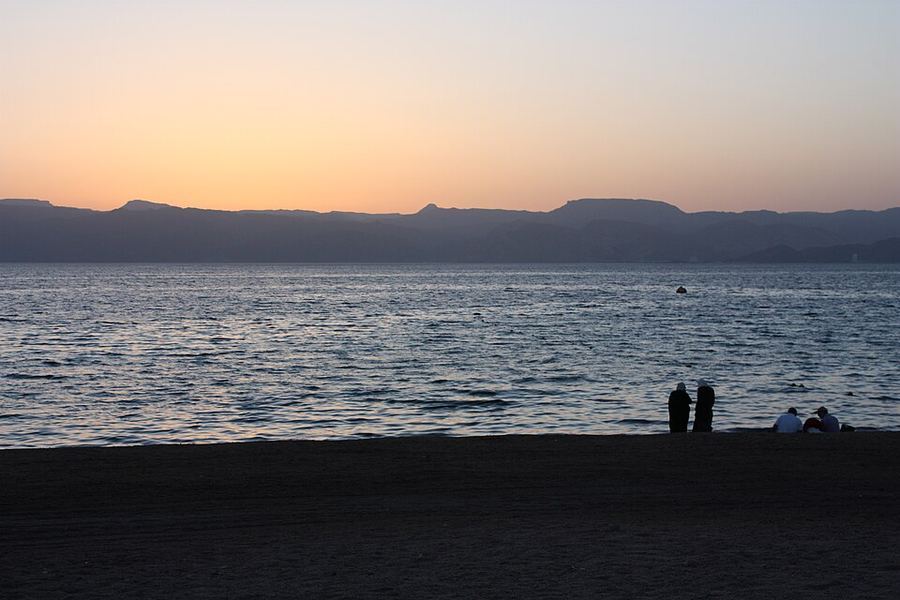
Jordan divides into three bands. In the west the Jordan Rift Valley, part of the great fracture running from Turkey to Mozambique, drops below sea level, and the shore of the Dead Sea at roughly 430 metres below sea level is the lowest exposed land on the planet; the valley floor is hot, humid and intensively farmed under irrigation. East of it rise the highlands, a north-south spine at 700 to 1,200 metres carrying Amman, Irbid, Al-Salt, Madaba and Kerak, which receive enough winter rain for wheat, olives and vines and occasional snow. Beyond the highlands, and covering roughly three quarters of the country, lies the badia, a basalt and limestone desert steppe extending to the Iraqi and Saudi borders. In the far south the sandstone and granite of Wadi Rum rise as isolated massifs from a red sand floor, and Jabal Umm ad Dami reaches 1,854 metres, the highest point in the country. Jordan's only sea access is a strip of about 26 kilometres at Aqaba on the Red Sea, with coral reefs at the northern limit of their range. The climate is Mediterranean in the north-west and arid elsewhere, and Jordan ranks among the most water-scarce countries in the world.

Entertainment

Jordanian leisure is family-centred and food-centred: long lunches, visits between households, and Friday picnics that spread rugs and portable grills across any patch of green during the brief spring when the hills are covered in wild flowers. In Amman, café culture is strong — shisha, cards and backgammon in the coffee houses of Jabal Amman and Rainbow Street, and a serious restaurant scene that has grown with the city's role as a regional base for aid agencies and media. The outdoors has been developed for domestic as much as foreign use. The Jordan Trail, a long-distance route of about 675 kilometres opened in 2017, runs the length of the country from Umm Qais in the north to Aqaba on the Red Sea and passes through Petra on the way; the Wadi Mujib gorge offers canyoning through a river that ends at the Dead Sea; and overnight camps in Wadi Rum, run by Bedouin families, combine desert driving with meals cooked underground. Floating in the Dead Sea and diving on the Aqaba reefs are the two set-piece excursions. Football is watched intently, and Jordan's Roman theatres double as concert venues in summer.

Art & Museums

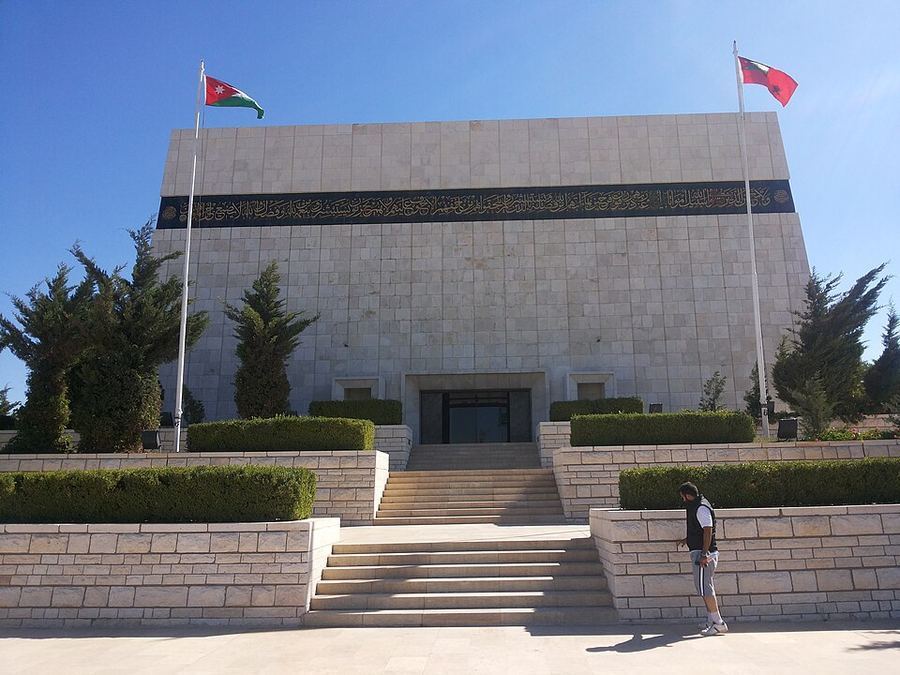
Jordan's territory holds art of exceptional historical importance. The Ain Ghazal statues, plaster figures with bitumen-ringed eyes made around 7200 BC and now divided between the Jordan Museum in Amman and the Louvre, are among the earliest attempts at monumental human representation anywhere. Petra's rock-cut facades, above all Al-Khazneh and the vast Ad-Deir, are architecture and sculpture at once. The Byzantine mosaic workshops of Madaba produced the sixth-century floor map in the Church of St George, the oldest surviving cartographic depiction of the Holy Land and still a working source for archaeologists, along with the great pavements at Um er-Rasas. At Quseir Amra, an eighth-century Umayyad bathhouse in the eastern desert, the walls carry hunting scenes, bathers and enthroned kings, and the dome of the caldarium bears one of the earliest known depictions of the night sky on a curved surface — figurative painting of a kind rare in early Islamic art. Modern Jordanian art is centred on the Jordan National Gallery of Fine Arts, founded in Amman in 1980, which holds one of the strongest collections of modern art from the Arab and Islamic world, and on Darat al Funun; the sculptor Mona Saudi is the country's best-known contemporary artist.

Notable People

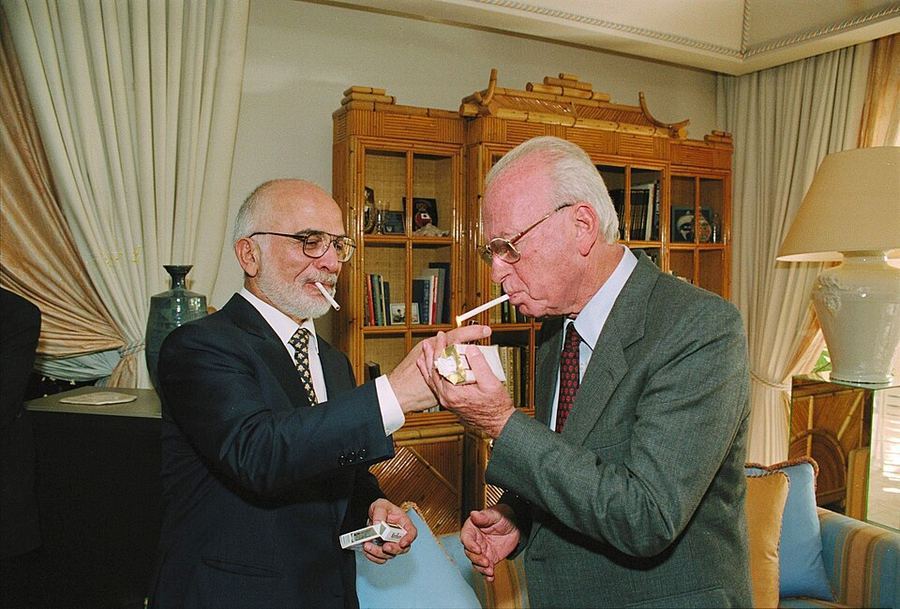
Aretas IV, the Nabataean king who ruled from Petra around the turn of the first millennium, presided over the city's most ambitious building. Modern Jordan's line begins with Sharif Hussein bin Ali of Mecca, who launched the Great Arab Revolt against the Ottomans in 1916, and continues through his son Abdullah I, the emirate's first ruler, assassinated in Jerusalem in 1951. King Hussein reigned for forty-six years from 1953, surviving repeated assassination attempts and the loss of the West Bank, and signing the peace treaty with Israel shortly before his death in 1999; his son Abdullah II has ruled since. Queen Noor and Queen Rania have both used the throne for international advocacy on education and children's welfare, and Prince Hassan bin Talal has been a prominent figure in interfaith dialogue and refugee policy. Mustafa Wahbi Al-Tal, known as Arar, is Jordan's national poet, a rebellious civil servant whose colloquial verse is still quoted. Fahrelnissa Zeid, the Turkish-born painter who married into the Hashemite family, spent her last years teaching in Amman. The director Naji Abu Nowar's Bedouin drama Theeb earned Jordan its first Academy Award nomination in 2016.

Inventions & Breakthroughs

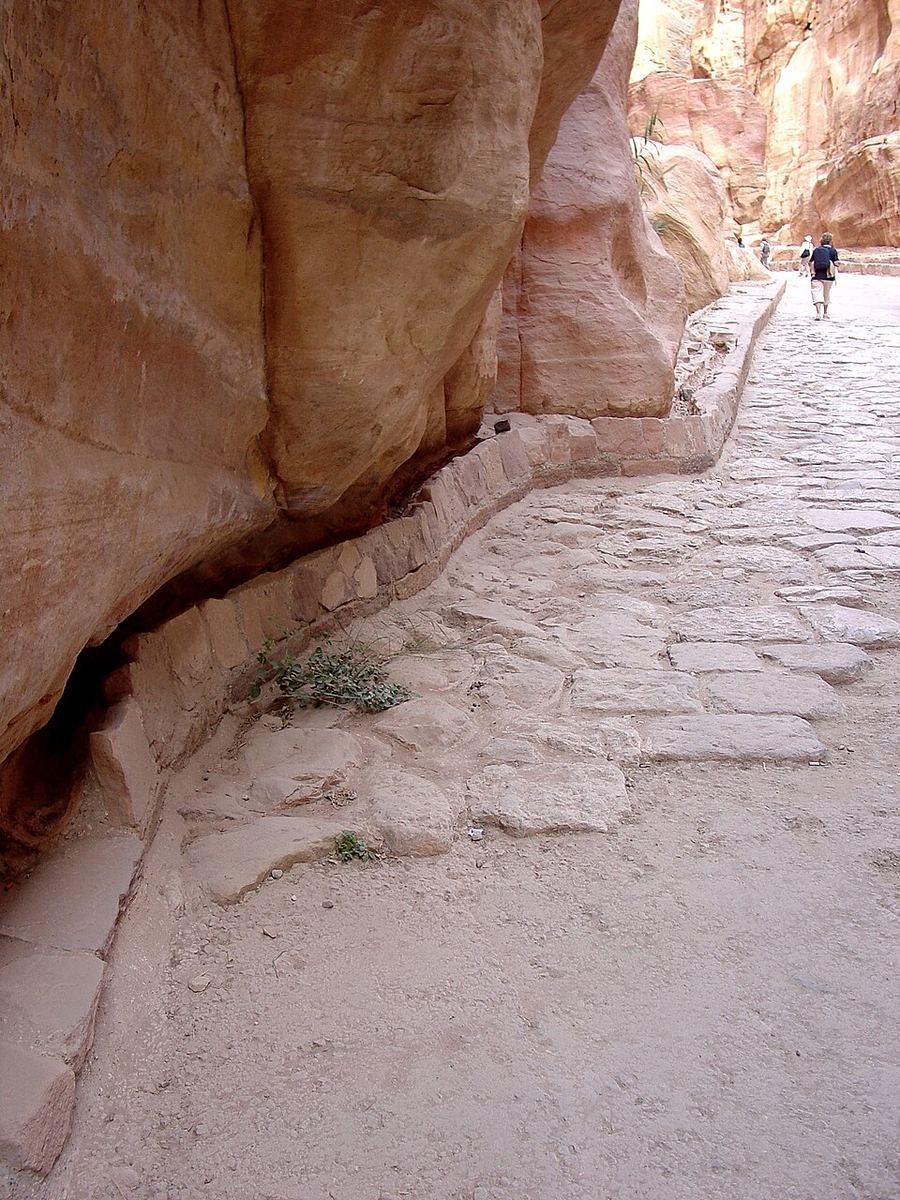
Jordan's most impressive technical achievement is ancient and hydraulic. The Nabataeans built a city for tens of thousands of people in a desert receiving barely 150 millimetres of rain a year by capturing almost every drop that fell on the surrounding catchment: check dams and diversion walls to slow flash floods, rock-cut channels contoured along cliff faces, ceramic pipe runs engineered to keep water flowing without air pockets, and hundreds of cisterns cut into the sandstone. The system is still studied by hydrologists as a model for arid-zone water management, and the barrier that diverts flash floods away from the entrance gorge at Petra is a reconstruction of a Nabataean original. Modern Jordan has had to be inventive about water for the same reason. The As-Samra treatment plant north-east of Amman is among the largest wastewater facilities in the region and generates much of its own power from biogas and from the fall of the water through turbines, and the treated effluent it returns is a significant component of the country's irrigation supply. Jordan also hosts SESAME, the synchrotron light source at Allan opened in 2017 under UNESCO auspices, the Middle East's first, built by a group of members that includes states with no diplomatic relations with one another.
UNESCOFAOScienceIEA

Science & Technology

Jordan's research profile is shaped by scarcity and by diplomacy. Water technology is a national necessity: the country reuses a very high proportion of its treated wastewater in agriculture, the As-Samra plant treats the bulk of Amman's sewage while generating most of its own electricity, and the Disi conveyance completed in 2013 pumps fossil groundwater 325 kilometres north from the Saudi border to the capital — a stopgap for a non-renewable aquifer. Energy has moved decisively toward renewables in a country importing almost all of its fuel: the Tafila wind farm, commissioned in 2015, was the first utility-scale wind project in the region, solar has expanded quickly across the southern desert, and the plant built at the Zaatari refugee camp in 2017 was the largest solar installation ever put in a refugee settlement. The most internationally visible institution is SESAME, the synchrotron light source at Allan north-west of Amman, established under UNESCO auspices and opened in 2017, whose members include states that do not recognise one another and whose beamlines serve archaeology, materials science and biology across the region. Jordan also operates a research reactor at its science and technology university and has built a substantial regional business in medical treatment and in software.
On The World Stage

Champions & Defining Moments

Jordan's breakthrough on the global sporting stage came at the Rio Olympics in 2016, when Ahmad Abughaush won the 68-kilogram taekwondo title — the first Olympic medal of any colour in the country's history, and a gold at that. Saleh El-Sharabaty added a taekwondo silver at Tokyo in 2020, confirming the discipline as the national specialism and the training centre behind it as one of the strongest in Asia. In football, the run to the 2024 AFC Asian Cup final in Qatar was the country's most significant international result, achieved by a squad drawn largely from the domestic league and including a semi-final victory over South Korea; the women's national team has also become a regular Asian Cup participant and Jordan hosted the FIFA Under-17 Women's World Cup in 2016. Jordanian basketball players have appeared in professional leagues across Asia and Europe, and the national team's World Cup appearances have made it one of the more consistent Arab sides in the sport. Boxing has produced Olympic qualifiers and Commonwealth-level competitors, and Jordanian athletes have won medals in athletics and weightlifting at the Asian Games.

IOCOlympediaFIFA
Economy, Trade & Government

Currency & GDP

Jordanian Dinar — JOD (None)

GDP (PPP): $109.986 billion (2024 est.)

Per capita: $9,500 (2024 est.)

Exports

$22.186 billion (2023 est.)

fertilizers, garments, phosphates, jewelry, phosphoric acid (2023)

Partners: USA 21%, India 13%, Saudi Arabia 11%, China 7%, Iraq 6% (2023)

Imports

$28.922 billion (2023 est.)

cars, refined petroleum, gold, crude petroleum, jewelry (2023)

Partners: China 17%, Saudi Arabia 14%, UAE 8%, India 6%, USA 5% (2023)

Government

Type: parliamentary constitutional monarchy

Independence: 25 May 1946 (from League of Nations mandate under British administration)

Terrain → Where People Live

How mountains, coasts, and rivers shape settlement (LandScan).

Coming — data

Migration & Ethnic Settlement

Where groups settled and how people move (GeoEPR + UNHCR).

Coming — data

Universities

Notable institutions, mappable as points.

Coming — data
Economy & government facts: CIA World Factbook (public domain), via OpenFactBook / factbook.json.
Every fact and narrative claim will carry a visible source citation. Data-driven sections light up automatically wherever HERA has coverage.