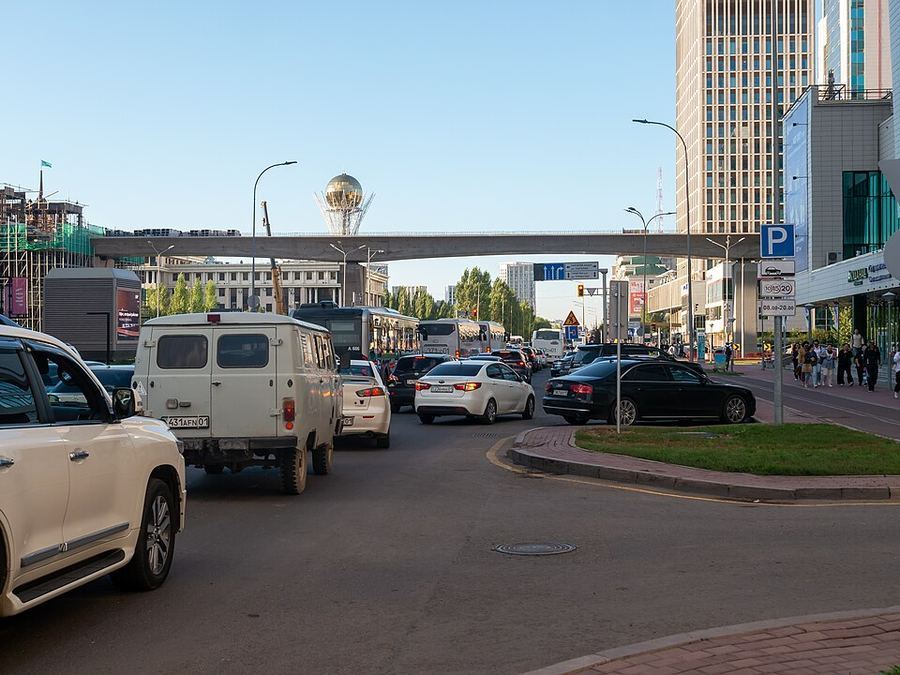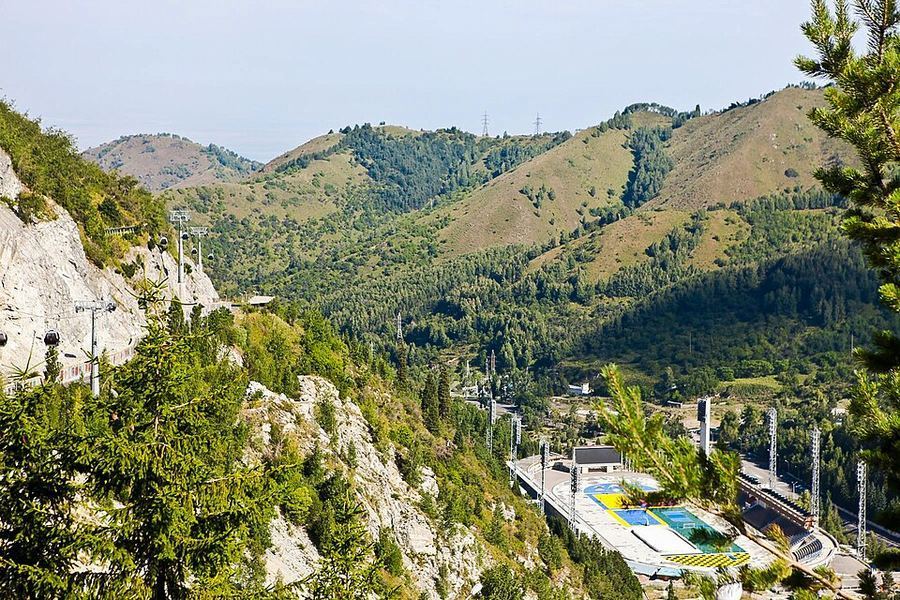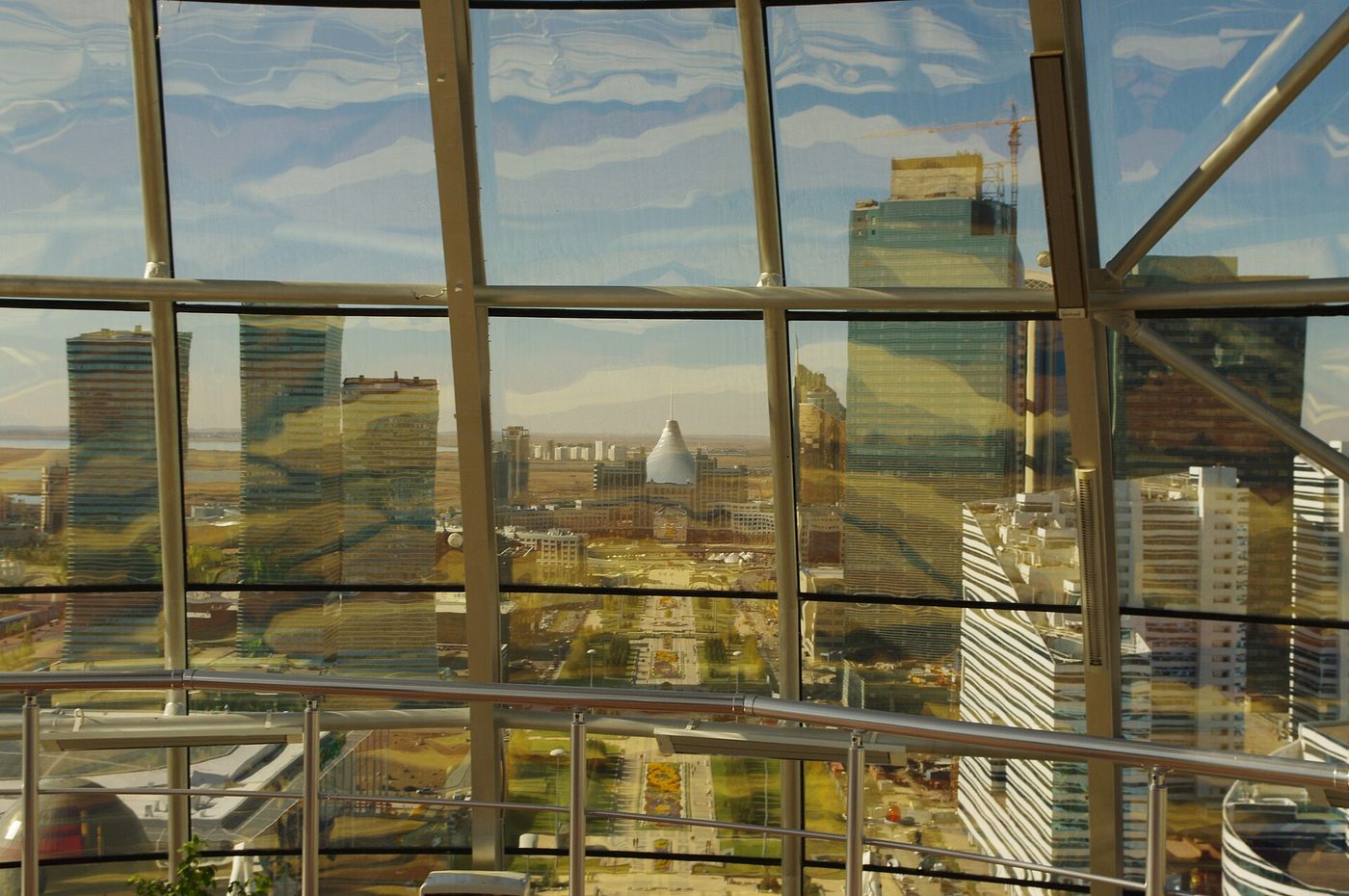
Kazakhstan is the world's largest landlocked country, a presidential republic of roughly 20 million people spread across some 2.7 million square kilometres of steppe, desert and mountain between the Caspian Sea and the Chinese frontier. It is the ninth-largest state on earth by area yet one of the most sparsely peopled, with the bulk of its population concentrated in the southern foothills and the industrial north. Almaty, nestled beneath the Tien Shan, remains the commercial and cultural capital and the largest city; Astana, purpose-built on the open northern steppe, has been the seat of government since 1997 and is among the coldest capitals in the world. The country became independent from the Soviet Union on 16 December 1991, the last of the union republics to declare, and inherited both an enormous hydrocarbon and mineral endowment and a Soviet industrial geography that still shapes where Kazakhs live and work. Ethnic Kazakhs make up about 71 percent of the population and Russians roughly 15 percent, with Uzbek, Ukrainian, Uyghur, German and Tatar communities reflecting a century of migration, deportation and return. Kazakh is the state language and Russian remains widely spoken, and Islam of the Sunni Hanafi school predominates alongside a substantial Orthodox Christian minority. Crude petroleum, uranium, gold and copper dominate exports, sold principally to China, the United Kingdom and Russia.
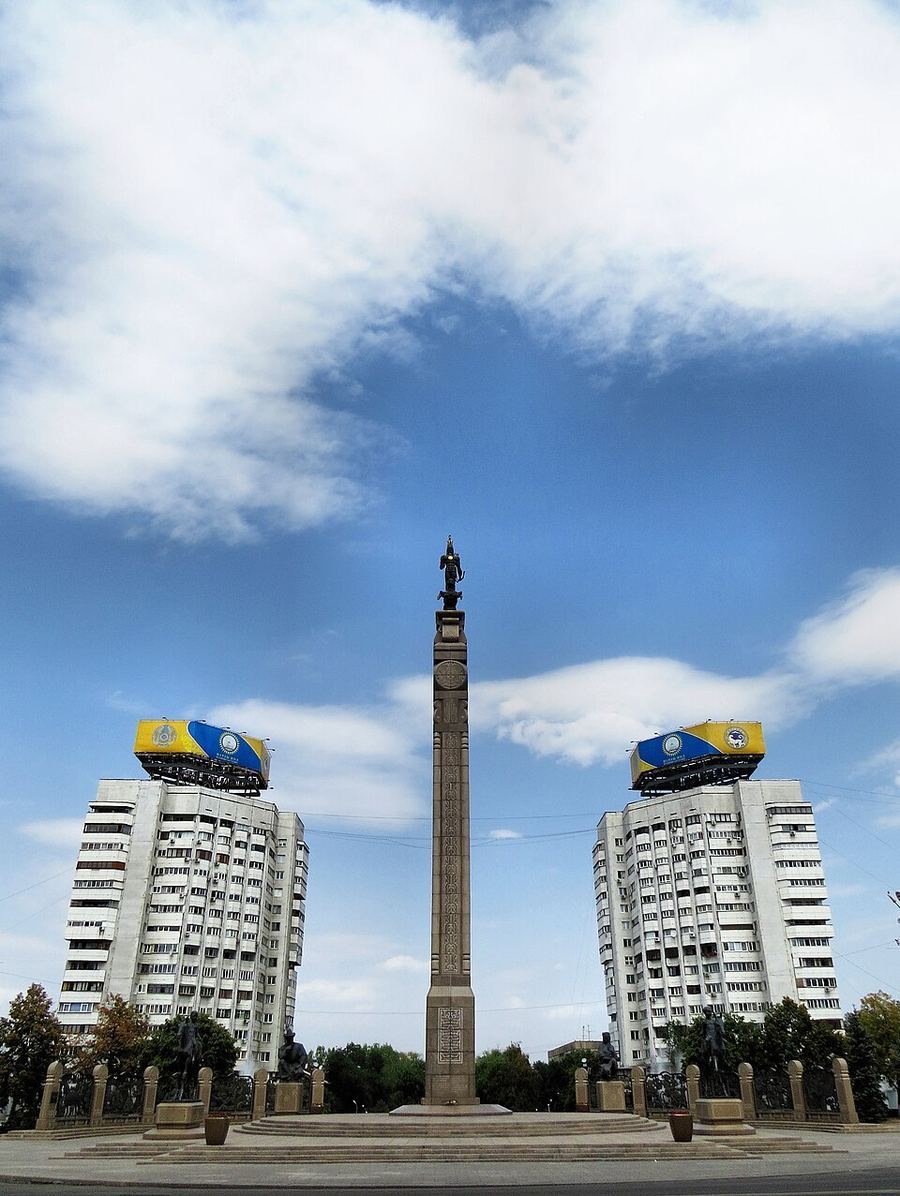
Almaty's urban core is home to about 2,315,538 people.
That's bigger than Amsterdam — each a great world city in its own right.
Among the world's megacities, though, it's one of many — the giants of Asia and Latin America run larger still:
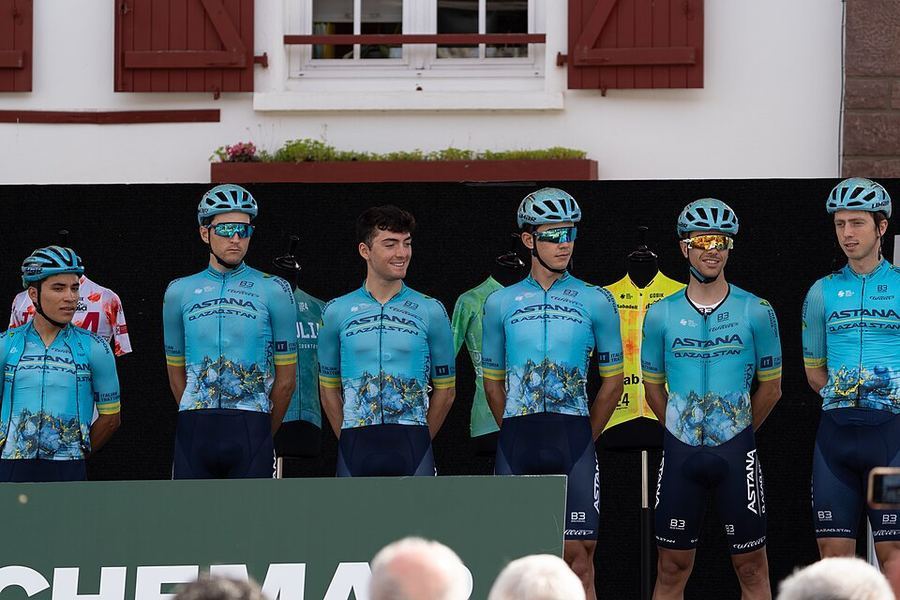
Kazakhstan first competed as an independent nation at the 1994 Winter Olympics and the 1996 Summer Games in Atlanta, where its athletes won gold in boxing and other disciplines, and it has appeared at every Games since. Boxing, weightlifting, wrestling and athletics have supplied the bulk of its Olympic medals, and Alexander Vinokourov's victory in the road race at London 2012 remains the country's most celebrated cycling result. That success rests partly on the state-backed Astana professional cycling team, founded in 2006, which has ridden in the Tour de France and whose riders have won Grand Tours. Gennady Golovkin held world middleweight titles for most of the 2010s and became one of the sport's biggest pay-per-view attractions in the United States. Elena Rybakina's Wimbledon singles title in 2022 was the first Grand Slam won by a player representing Kazakhstan, and the country reached the Billie Jean King Cup and Davis Cup latter stages in the same era. As a host, Kazakhstan staged the 2011 Asian Winter Games across Astana and Almaty and the 2017 Winter Universiade in Almaty, and it has twice bid unsuccessfully for the Winter Olympics.
Tenge — KZT (None)
GDP (PPP): $739.385 billion (2024 est.)
Per capita: $35,900 (2024 est.)
$91.908 billion (2024 est.)
crude petroleum, gold, radioactive chemicals, refined copper, copper ore (2023)
Partners: China 16%, UK 15%, Russia 10%, Turkey 6%, Italy 5% (2023)
$74.246 billion (2024 est.)
garments, cars, broadcasting equipment, vehicle bodies, packaged medicine (2023)
Partners: China 28%, Russia 24%, Gambia, The 4%, Turkey 4%, USA 4% (2023)
Type: presidential republic
Independence: 16 December 1991 (from the Soviet Union)
How mountains, coasts, and rivers shape settlement (LandScan).
Coming — dataWhere groups settled and how people move (GeoEPR + UNHCR).
Coming — dataNotable institutions, mappable as points.
Coming — data