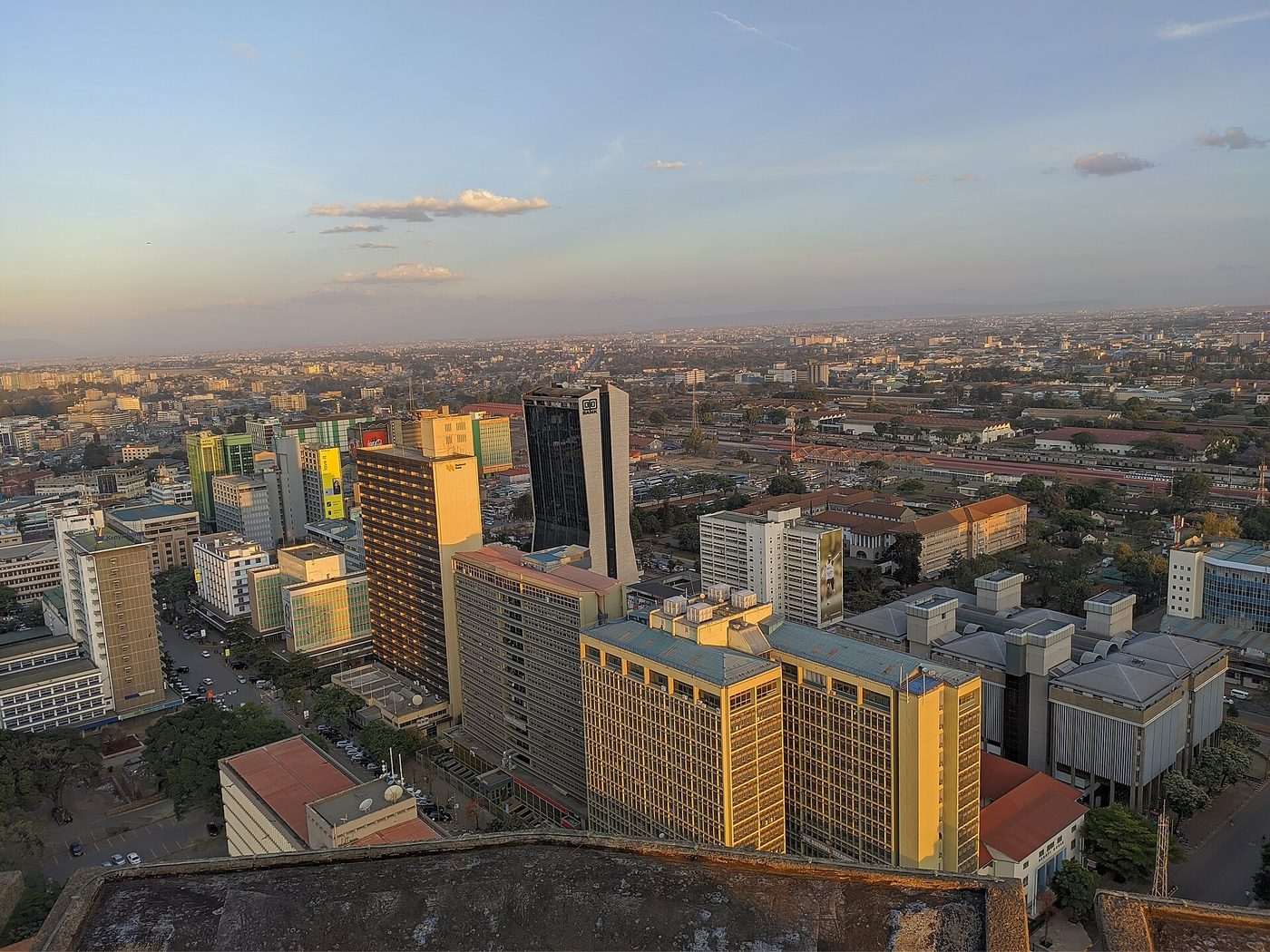
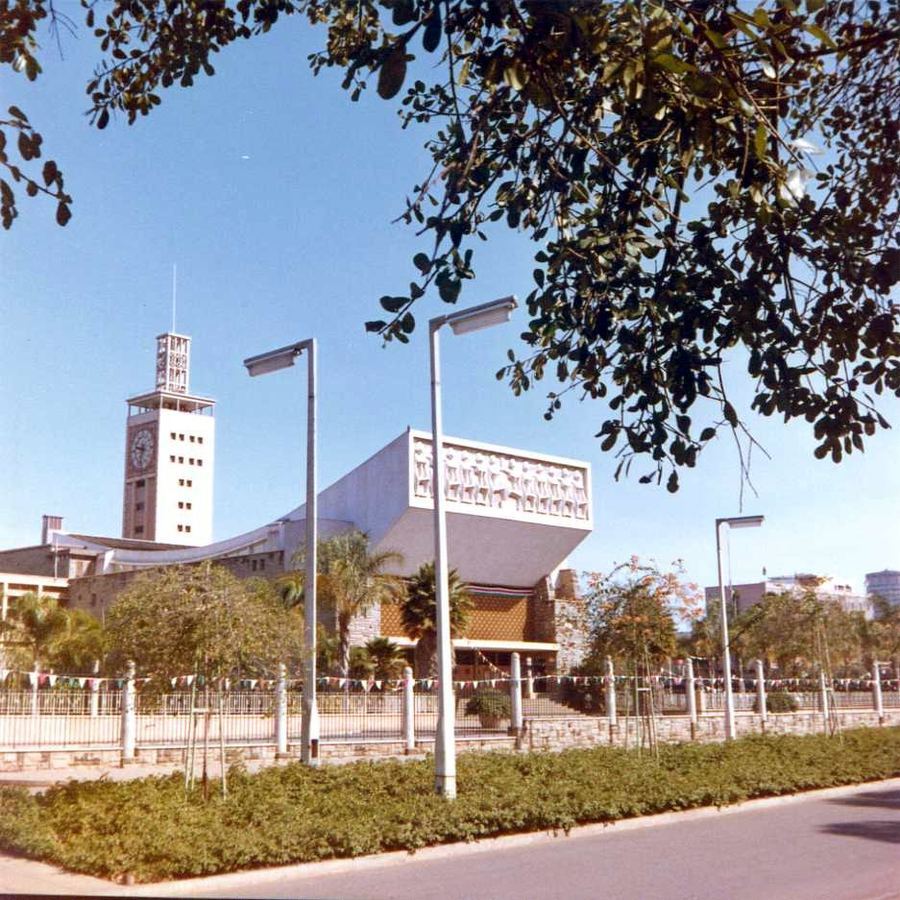
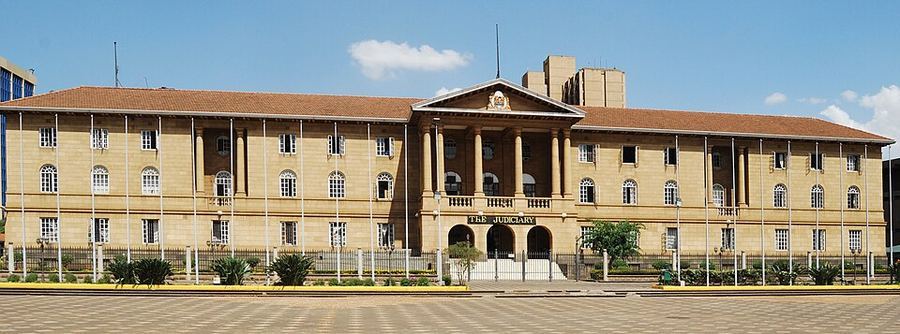
Nairobi skyline — Photo: Lebu Ayiga / CC BY-SA 4.0 via Wikimedia Commons
Did You Know
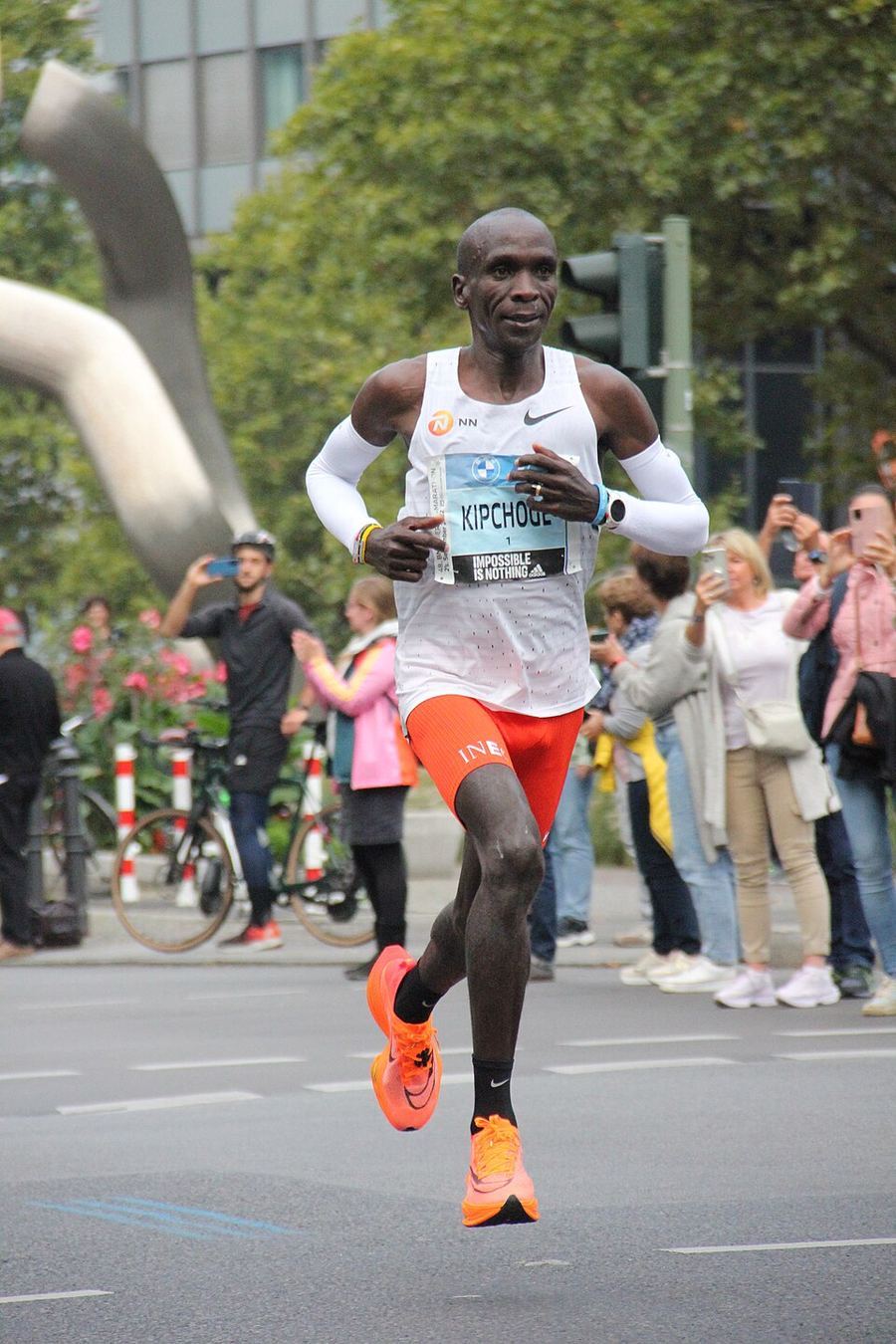
In 2019 Eliud Kipchoge covered the marathon distance in 1:59:40 in Vienna — the first human to break two hours, though the staged conditions meant it was not ratified as a record. — World Athletics
Kenya is a presidential republic of some 55 million people on the eastern shoulder of Africa, running from a coral-fringed Indian Ocean coast through arid rangeland to the highlands and the Great Rift Valley, and westward to the shore of Lake Victoria. It is the economic and logistical hub of East Africa: the port of Mombasa serves landlocked Uganda, Rwanda, South Sudan and eastern Democratic Republic of the Congo, and Nairobi is the region's centre for finance, aviation, media and the international aid and diplomatic community, hosting the only United Nations headquarters in the global South. Independence from the United Kingdom came on 12 December 1963 after the Mau Mau rebellion and a decade of emergency rule. The population is young, with a median age of about 21, and unusually plural: the Kikuyu, Luhya, Kalenjin, Luo, Kamba, Somali, Kisii, Mijikenda, Meru and Maasai are among more than forty recognised communities, and both English and Kiswahili are official. Roughly 85 percent of Kenyans identify as Christian and about 11 percent as Muslim, the latter concentrated on the coast and in the north-east. Tea, cut flowers, garments, gold and tropical fruit lead exports; the country also hosts more than 800,000 refugees, one of the largest such populations in Africa.
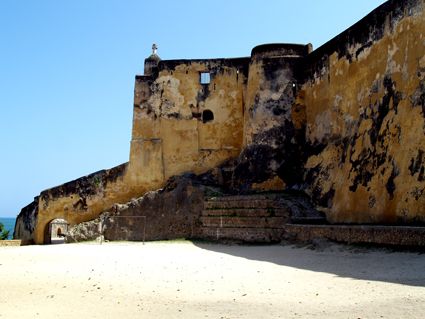
The Kenyan coast has been part of Indian Ocean commerce for two thousand years, and from the ninth century the Swahili city-states — Lamu, Malindi, Mombasa, Gedi — grew wealthy on trade in ivory, gold and mangrove poles with Arabia, Persia, India and China, producing the Swahili language and an urban Islamic civilisation in stone. Portuguese fleets seized the coast around 1500 and built Fort Jesus at Mombasa in 1593; Omani forces displaced them, and Zanzibar's sultans held nominal coastal authority into the colonial period. The interior, home to Bantu farmers, Nilotic pastoralists and Cushitic herders, was drawn in by the Uganda Railway, driven inland from Mombasa from 1896 and reaching Lake Victoria in 1901. Nairobi began as a railway depot in the swamp at mile 327. British settlement of the highlands displaced Kikuyu and Maasai land and created the grievance that fuelled the Mau Mau revolt of the 1950s, met with a state of emergency, mass detention and executions. Independence followed on 12 December 1963 under Jomo Kenyatta. Daniel arap Moi's long rule from 1978 was single-party for much of its span; multiparty politics returned in 1991, and the 2010 constitution devolved substantial power and revenue to 47 new counties.
Kenyan culture is best understood as a set of strong regional and community traditions overlaid by a genuinely national urban culture conducted in Kiswahili and English. Age-sets, initiation rites, cattle wealth and clan obligation still structure life among pastoralist communities such as the Maasai, Samburu, Turkana and Pokot, while agricultural communities of the highlands and lakeshore organise around land, lineage and church. On the coast, Swahili culture is its own world: Islamic observance, carved wooden doors, taarab music, the courtyard house and a poetic tradition in Kiswahili verse going back centuries. Binding these together is harambee, the practice of pulling together, in which relatives, neighbours and colleagues are convened to fund a school, a hospital bill or a funeral; it is a national watchword and appears on the coat of arms. Family and burial obligations tie urban Kenyans to rural homes they may visit only at Christmas and for funerals. Nairobi has generated its own idiom, including Sheng, a fast-moving mixture of Kiswahili, English and community languages spoken by the young. Christianity is pervasive and public, with church attendance, gospel radio and preaching woven into ordinary life.
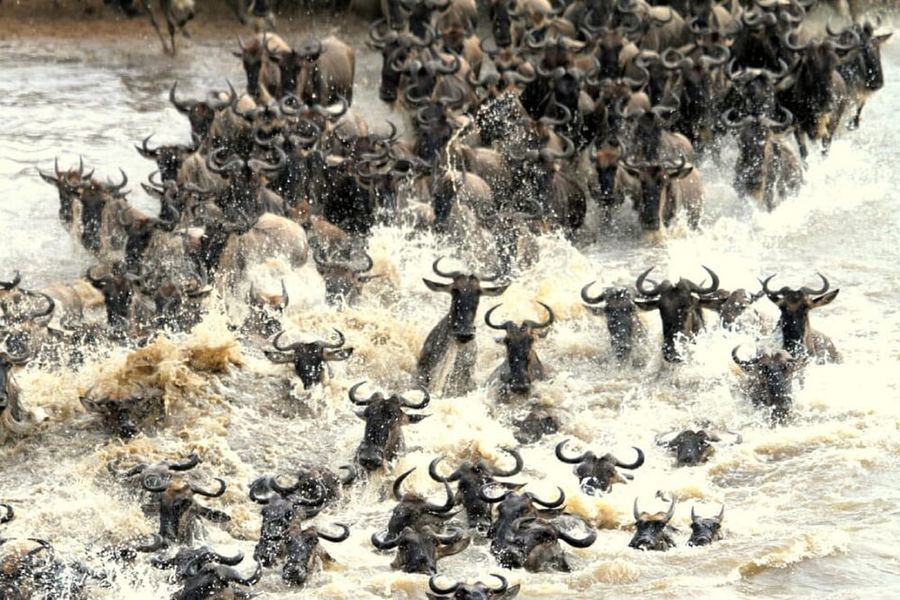
Kenya's best-known asset is its wildlife and the landscape that holds it. The Maasai Mara, contiguous with Tanzania's Serengeti, carries the annual wildebeest migration; Amboseli sits under the face of Kilimanjaro; and the Kenya Lake System in the Great Rift Valley — Bogoria, Nakuru and Elementaita — is inscribed by UNESCO for its flamingo populations and geothermal features. Mount Kenya, the second-highest mountain in Africa at 5,199 metres and the country's namesake, is a World Heritage site, as are Lamu Old Town, the oldest continuously inhabited Swahili settlement, the sacred Mijikenda Kaya forests, Fort Jesus in Mombasa, the archaeological site of Thimlich Ohinga and Lake Turkana's national parks. The Turkana basin has produced some of the most important hominin fossils ever found, including the Turkana Boy skeleton of Homo erectus recovered at Nariokotome in 1984, which is why Kenya is often called a cradle of humankind. Nairobi hosts the United Nations Environment Programme and UN-Habitat, the only UN headquarters agencies based in Africa. Kenyan distance runners have dominated middle- and long-distance athletics for half a century, and Wangari Maathai's Nobel Peace Prize in 2004 was the first awarded to an African woman.
Kenya is a meeting point of Africa's major language families and of the Indian Ocean world. Bantu, Nilotic and Cushitic speaking peoples all occupy substantial parts of the country, and Kiswahili itself is the product of centuries of contact — a Bantu language whose vocabulary absorbed Arabic, Persian, Portuguese, Hindi and English, and which now serves as the national language and a lingua franca across East Africa. The coast carries Arab and Persian ancestry in its family lines as well as its architecture, and the Bajuni, Swahili and Mijikenda communities each hold a distinct place in that mixture. A substantial South Asian community, descended in large part from labourers and traders who came with the Uganda Railway from the 1890s, shaped commerce, law and politics; it was recognised as Kenya's forty-fourth tribe by presidential proclamation in 2017, and its influence is obvious in the ubiquity of chapati, samosa and pilau in ordinary Kenyan cooking. Somali Kenyans in the north-east and in Nairobi's Eastleigh district connect the country to the wider Horn. Refugee settlement at Dadaab and Kakuma has added Somali, South Sudanese, Ethiopian and Congolese communities of long standing.
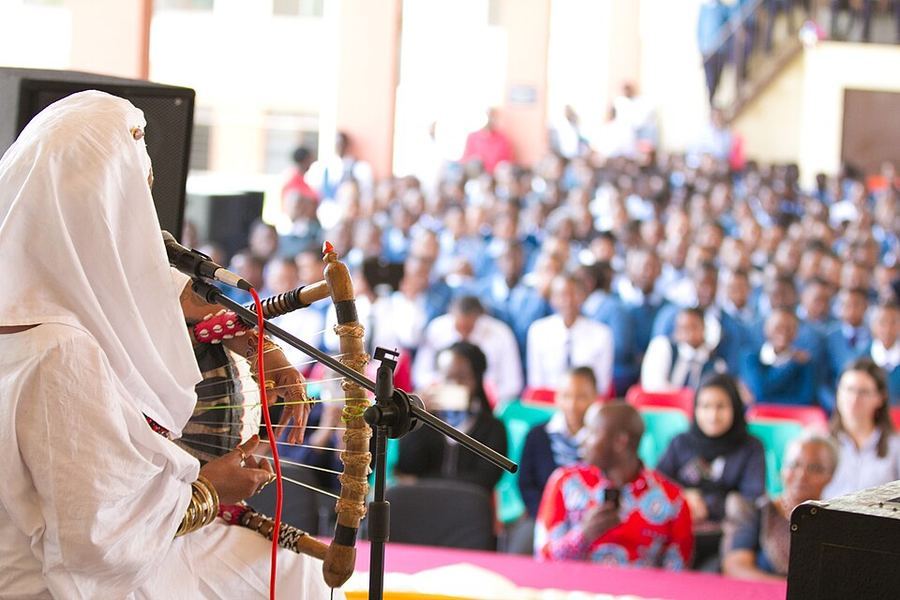
Kenya's traditional music is community-specific and typically tied to occasion — initiation, harvest, wedding, war memory — with the eight-stringed lyre known as the nyatiti among the Luo, the drum ensembles of the coast, the horn and whistle of Kalenjin ceremony, and the Maasai adumu, the jumping dance performed by young men without instrumental accompaniment beyond the voice. On the coast, taarab combines Swahili poetry with orchestras drawing on Egyptian and Indian film-music instrumentation, and the related chakacha is a wedding dance. From the 1960s Nairobi became a recording centre: benga, developed by Luo musicians who transferred nyatiti figures to the electric guitar, became the defining Kenyan popular style and spread across the region, with D. O. Misiani and his band among its most durable exponents. Congolese rumba bands settled in Nairobi and shaped local dance music heavily. Since the 1990s the city has produced genge and kapuka hip-hop performed in Sheng, gospel music that dominates radio and matatu sound systems, and more recently a club-oriented gengetone scene. The Kenya Music Festival, running annually since the colonial period, remains the country's largest performance event for schoolchildren.
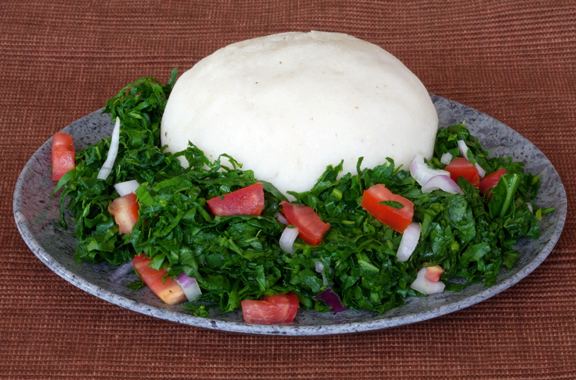
The staple of most Kenyan tables is ugali, a stiff porridge of white maize flour cooked with water and torn by hand to scoop up whatever accompanies it — usually sukuma wiki, collard greens fried with onion and tomato, whose name means to push the week and reflects its role in stretching a household budget. Nyama choma, meat roasted slowly over charcoal and served in chunks with kachumbari salad and salt, is the national social meal, eaten at roadside butcheries where the cut is chosen from the hook. Githeri, boiled maize and beans, is a Kikuyu staple that has become school and army food nationwide, and mukimo mashes maize, beans, potato and greens together. The coast cooks differently: rice and fish in coconut milk, biryani, pilau spiced with cumin and cardamom, mahamri doughnuts and viazi karai reflect the Swahili and Indian Ocean inheritance. South Asian settlement made chapati and samosa ordinary Kenyan food. Tea is drunk as chai, boiled with milk and sugar, and Kenya is among the largest tea exporters in the world; Kenyan arabica coffee from the highlands around Mount Kenya and Nyeri is prized abroad and increasingly at home in Nairobi's cafés.
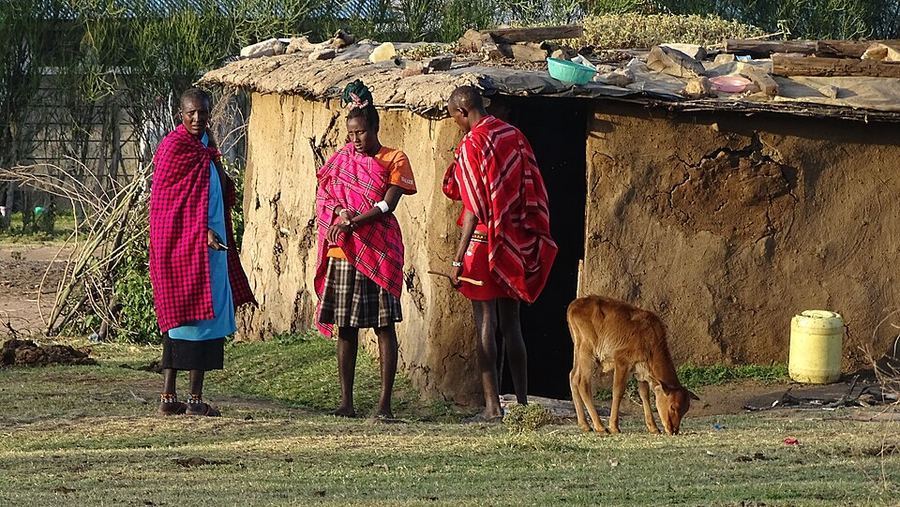
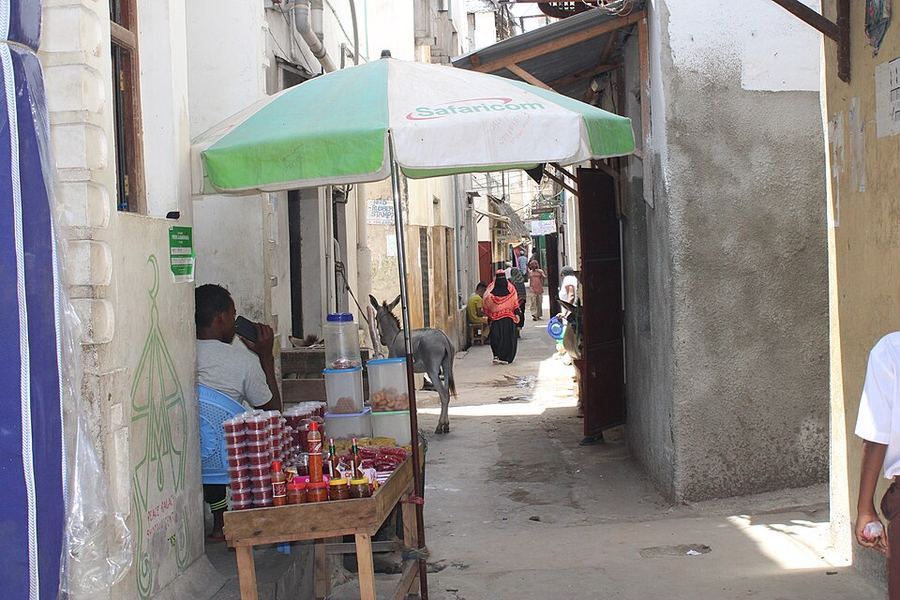
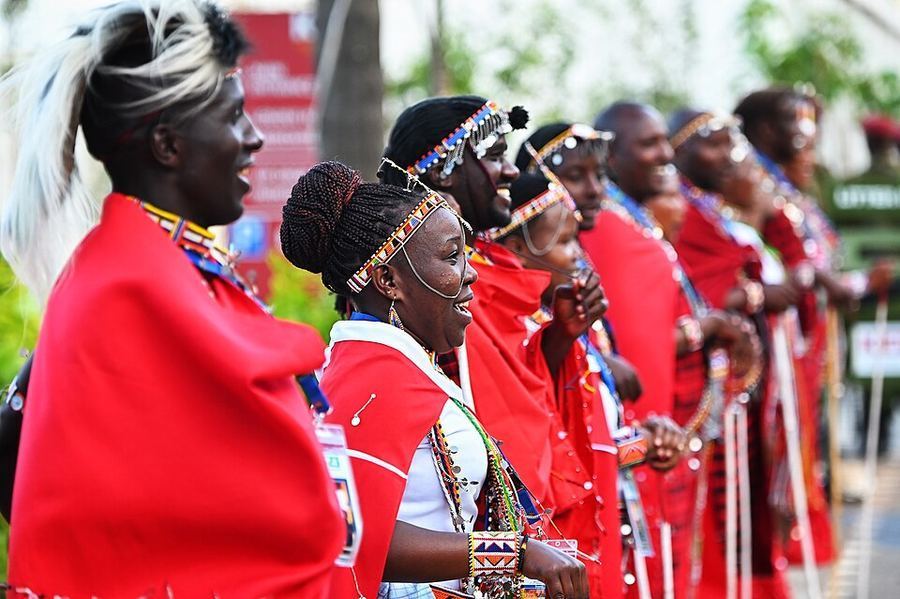
Kenya has no single national costume, and dress signals community, region and faith. The most internationally recognised garment is the Maasai shuka, a checked cotton blanket, usually red, worn wrapped and knotted at the shoulder, paired with beaded collars, earrings and bracelets whose colours and patterns encode age, marital status and standing; Samburu dress is closely related. On the coast, women wear the kanga, a printed rectangle of cotton sold in pairs and carrying a Kiswahili proverb along its border, used as wrap, headscarf, baby sling and gift, and the heavier kitenge is worn across the country; the buibui, a black outer covering, is standard for many Muslim coastal women, while men wear the kanzu with an embroidered kofia cap. Turkana and Pokot dress features layered beadwork and animal skin. Since independence, tailored kitenge shirts, dresses and suits have served as national formal wear at weddings and state occasions, and the practice of wearing African print to church and to work on Fridays is widespread. Beadwork remains an important craft and income source for pastoralist women's cooperatives.
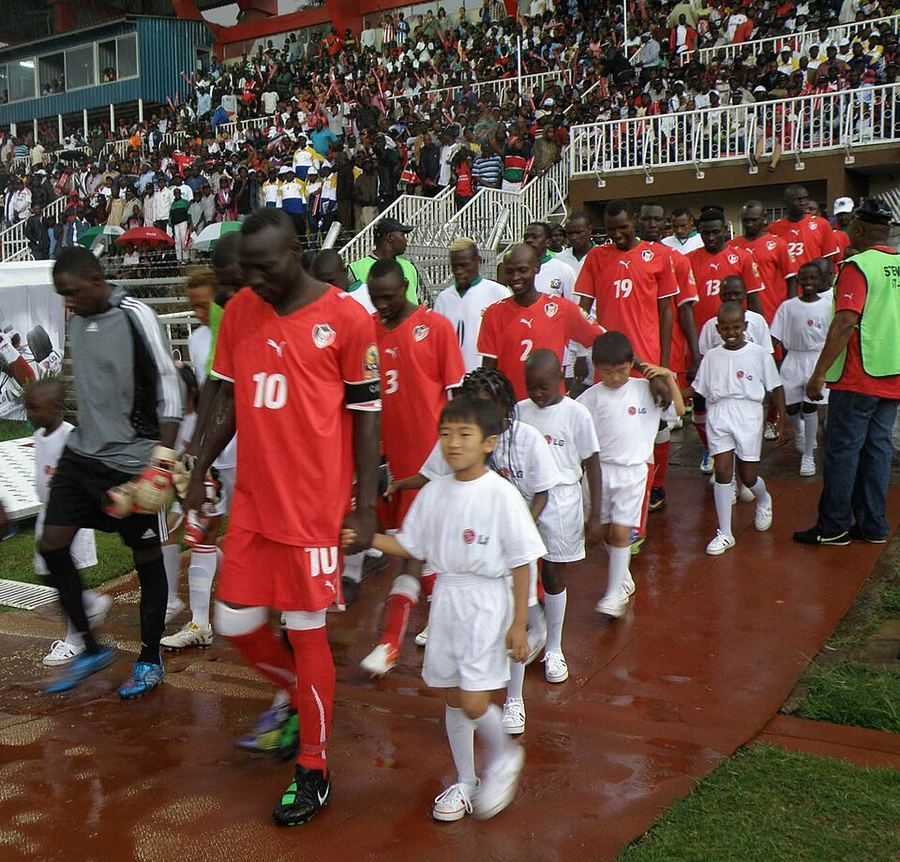
Running is the national sport in a way it is in few other countries. The Kalenjin communities of the Rift Valley highlands, and the town of Iten in Elgeyo-Marakwet in particular, produce a remarkable share of the world's elite middle- and long-distance runners, and the training camps around Iten and Eldoret at over 2,000 metres draw athletes from around the world. Athletics Kenya organises a domestic circuit whose national trials are frequently harder to win than global finals. Football is the most widely played and watched sport, run by the Football Kenya Federation, with the Kenyan Premier League and the long-standing Nairobi rivalry between Gor Mahia and AFC Leopards at its centre; the national side, the Harambee Stars, has qualified for the Africa Cup of Nations several times. Rugby sevens has a strong following, and Kenya's sevens team is a core participant in the World Rugby circuit, with the Safari Sevens tournament in Nairobi a fixture since 1996. Cricket, volleyball, boxing and motor rallying all have national followings, the last through the Safari Rally, one of the toughest events on the world championship calendar.
Kenya abolished primary school fees in 2003 and secondary school fees in 2008, producing a sharp rise in enrolment that the system has spent two decades absorbing. The structure has been the 8-4-4 model — eight years of primary, four of secondary, four of university — since 1985, but the country is now midway through a transition to a Competency Based Curriculum organised as 2-6-3-3-3, with a stronger emphasis on practical skills and continuous assessment and a corresponding shift away from the high-stakes national examinations that long dominated school life. The University of Nairobi, founded as a college in 1956 and chartered as a university in 1970, is the oldest and largest institution, alongside Kenyatta University, Moi University, Egerton and Jomo Kenyatta University of Agriculture and Technology, with a large private sector led by Strathmore and United States International University Africa. Technical and vocational training has been expanded deliberately to meet labour-market demand. Literacy is high by regional standards, and Kenya's teacher-training and curriculum institutions serve as models elsewhere in East Africa, though funding, class sizes and rural-urban disparity remain persistent constraints.
Kenya has not fought a war with a neighbour, but it has faced serious internal violence and a long cross-border security commitment. Ethnic and land-related violence has recurred around elections, most severely after the disputed presidential vote of December 2007, when roughly 1,100 people were killed and hundreds of thousands displaced before a power-sharing agreement mediated by Kofi Annan ended the crisis; the International Criminal Court opened cases against senior Kenyan figures that were later withdrawn or terminated for lack of evidence and witness attrition. The 2010 constitution and its devolution of power to counties were direct responses to that crisis. Since Kenya sent troops into Somalia in October 2011 against al-Shabaab, later folding them into the African Union mission, the group has carried out attacks inside Kenya, including the Westgate shopping mall siege in Nairobi in September 2013, the Garissa University College attack in April 2015 and the DusitD2 complex attack in 2019, and the north-eastern counties remain under heightened security. Pastoralist conflict over cattle, water and grazing in the northern and Rift Valley counties causes deaths each year and is aggravated by drought and by the circulation of small arms.
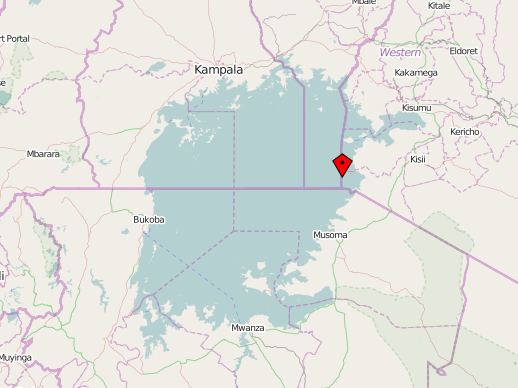
Kenya's most consequential boundary dispute was with Somalia over the maritime frontier in the Indian Ocean, an area of roughly 100,000 square kilometres with potential oil and gas reserves. Somalia argued the boundary should run as an extension of the land border to the south-east; Kenya argued for a line of latitude due east. Somalia brought the case to the International Court of Justice, which ruled in October 2021 largely in Somalia's favour, drawing an equidistance-based line; Kenya rejected the court's jurisdiction, withdrew from the proceedings before judgment and stated it would not be bound by the outcome, leaving the matter unresolved in practice. On land, the Ilemi Triangle in the far north-west, between Kenya, South Sudan and Ethiopia, has never been definitively delimited, though Kenya administers it. Kenya and Uganda have a long-running disagreement over Migingo, a tiny rock island in Lake Victoria whose fishing grounds both police, which has produced repeated incidents but no settlement. Water allocation in the Nile basin and the management of shared aquifers and rangelands with Ethiopia and Somalia are handled through regional bodies rather than treaty adjudication.
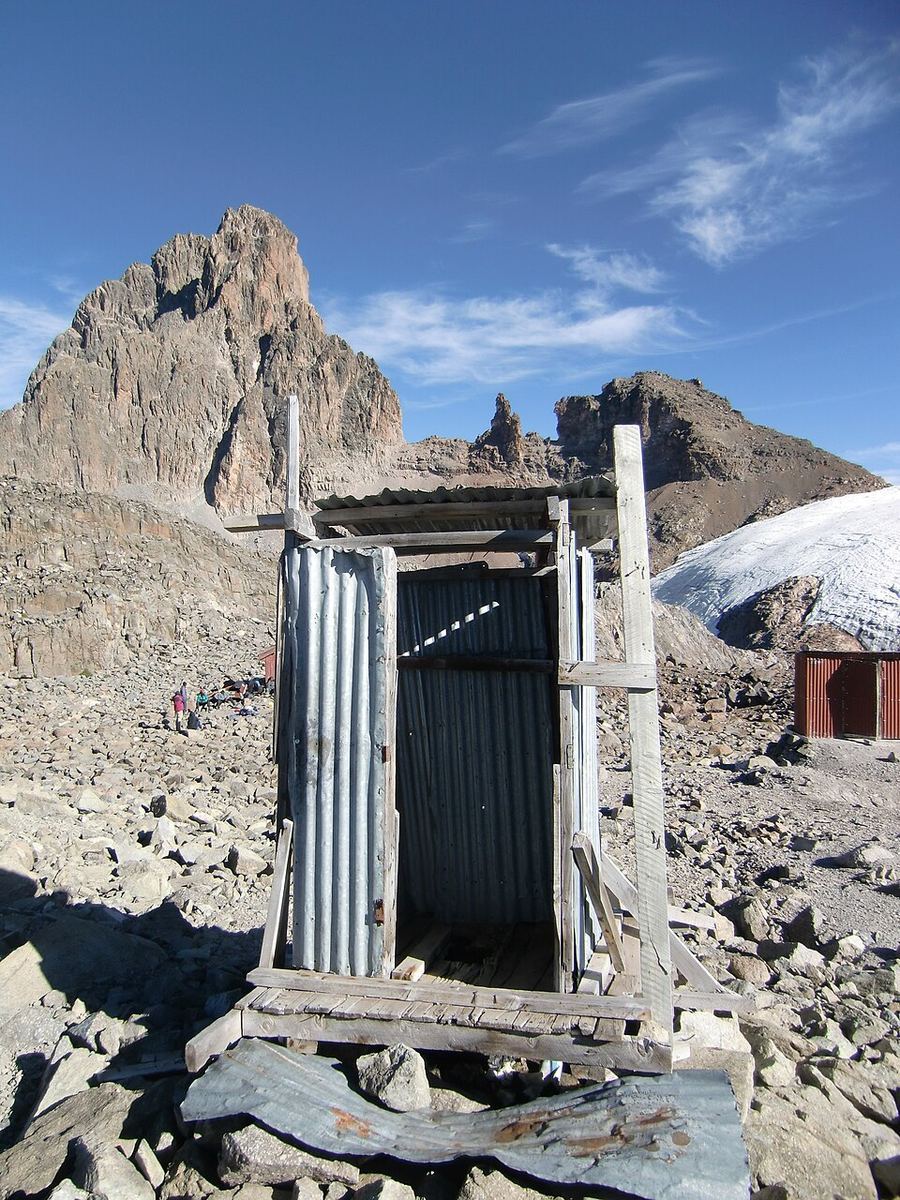
Kenya straddles the equator and compresses an extraordinary range of environments into 580,000 square kilometres. The Great Rift Valley cuts north to south through the country, its floor studded with soda and freshwater lakes — Turkana, Baringo, Bogoria, Nakuru, Naivasha, Magadi — and flanked by volcanic escarpments and the extinct cone of Mount Longonot. East of the rift rises Mount Kenya, a glaciated volcano whose highest point, Batian, reaches 5,199 metres; west of it the Mau Escarpment and the Aberdare range carry the country's most important water towers and forests. The central highlands, at 1,500 to 2,500 metres, have a temperate climate and deep volcanic soils that support tea, coffee and the densest rural settlement. Nairobi at about 1,795 metres is temperate year-round despite sitting near the equator. Roughly four-fifths of the land area is arid or semi-arid, particularly the north and north-east, where pastoralism is the only viable agriculture. The coast is hot and humid with coral reef and mangrove. Rainfall comes in two seasons, the long rains from March to May and the short rains from October to December, and their failure produces recurring drought in the northern rangelands.
Weekend life in Kenya centres on family, church and the outdoors. Nyama choma joints double as the country's pubs, and Tusker, brewed in Nairobi since the 1920s, is the beer most associated with them. Domestic tourism has grown steadily: coastal beaches at Diani, Watamu and Malindi, safari trips to Tsavo, Amboseli and the Mara, and boat days at Lake Naivasha are the standard destinations, and Kenya's national parks were among the earliest in Africa, with Nairobi National Park established in 1946 within sight of the city skyline. Hiking on Mount Kenya, the Aberdares, Ngong Hills and Mount Longonot is popular with urban Kenyans, and the Hell's Gate gorge is unusual for allowing walking and cycling among wildlife. Football and athletics dominate as spectator pursuits, and the bao board game is played along the coast. Matatu culture — privately operated minibuses decorated with airbrushed art and fitted with sound systems — is a distinctive form of everyday urban entertainment in its own right. Nairobi supports a strong live music, comedy, theatre and gallery scene, and the country's film and television production has grown around Nairobi studios.
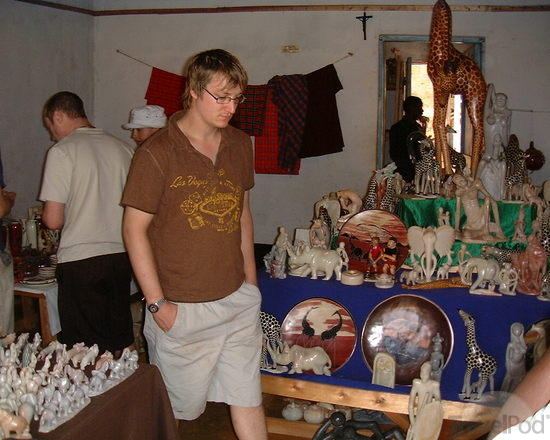
Kenya's oldest artistic traditions are functional and sculptural: Mijikenda vigango, carved wooden memorial posts erected for deceased elders; Swahili woodcarving, whose doors and chests in Lamu and Mombasa combine Arab, Indian and African motifs in deeply cut floral and geometric relief; and beadwork among Maasai, Samburu, Turkana and Pokot communities that functions as a coded visual language. Soapstone carving from the Tabaka quarries in Kisii has become an internationally traded craft. Modern Kenyan visual art developed strongly from the 1970s and 1980s, with artists working around collectives and studios in Nairobi such as Kuona and the GoDown Arts Centre, and Kenyan work is now regularly exhibited internationally. In literature, Ngugi wa Thiong'o's decision to abandon English for Gikuyu, announced in Decolonising the Mind, is one of the defining arguments in African letters, and Grace Ogot, Meja Mwangi and Binyavanga Wainaina, whose Kwani? journal reshaped the Nairobi literary scene, are central figures. The Nairobi National Museum holds the country's principal collections in art, ethnography and palaeontology, and the Karen Blixen Museum preserves the farmhouse of the Danish writer whose memoir shaped foreign perceptions of the highlands.
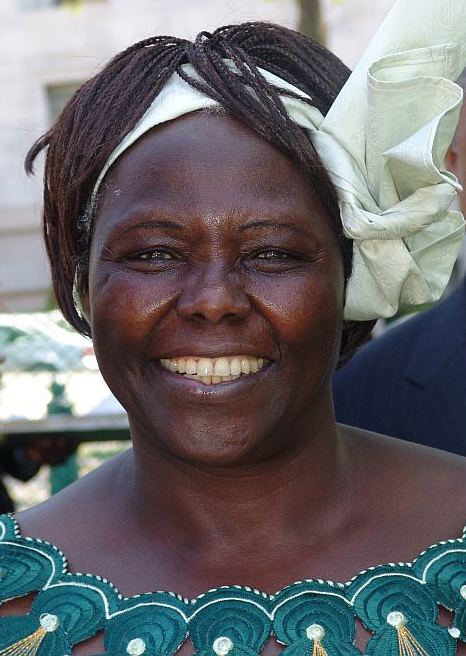
Wangari Maathai, founder of the Green Belt Movement, won the Nobel Peace Prize in 2004 for linking tree planting, women's livelihoods and democratic accountability, becoming the first African woman to receive it. Ngugi wa Thiong'o, novelist and essayist, is the country's most influential literary figure and a leading theorist of writing in African languages. Jomo Kenyatta led the country to independence and served as its first president; Daniel arap Moi, Mwai Kibaki, Uhuru Kenyatta and William Ruto have followed in the office. The Leakey family, including Louis, Mary and Richard, conducted the fossil work in the Rift Valley and Turkana basin that reframed human origins, with much of the collection now held in Nairobi. In athletics, Kipchoge Keino's victories at the 1968 Mexico City Olympics began Kenya's era of distance dominance, and Eliud Kipchoge, twice Olympic marathon champion and a former world-record holder, is its contemporary face. The Kenyan-Mexican actress Lupita Nyong'o, raised in Nairobi, won the Academy Award for Best Supporting Actress in 2014. The paleoanthropological record and the running record are the two areas in which Kenyan names are best known abroad.
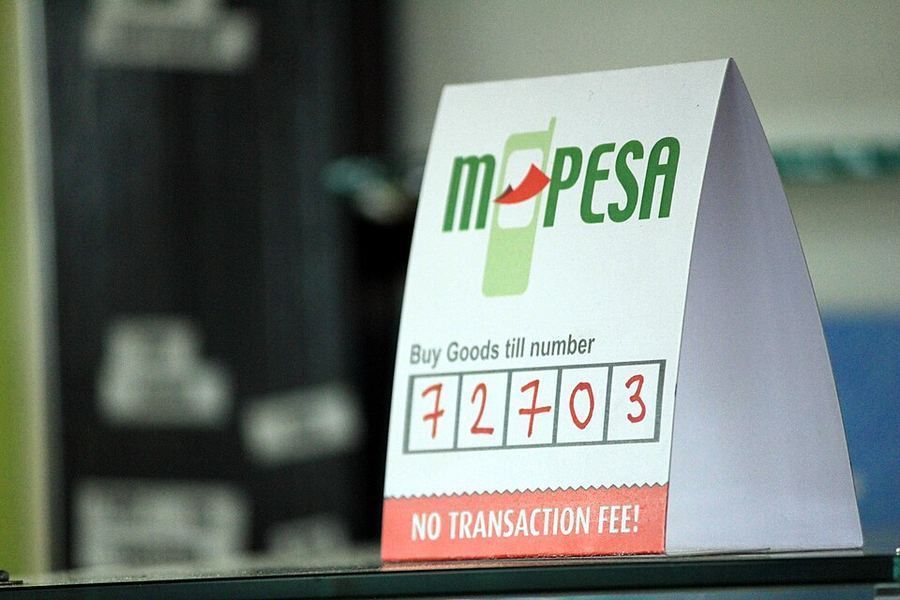
Kenya's most significant modern innovation is financial rather than mechanical. M-Pesa, launched by Safaricom in 2007, allowed money to be stored and transferred over ordinary mobile phones without a bank account, and within a few years was moving a sum equivalent to a large share of national income each year. It became the reference case for mobile money worldwide and has been studied and copied across Africa, Asia and Europe; research published in Science attributed measurable poverty reduction to its spread. The system's success made Nairobi a regional technology centre, with the iHub incubator and a cluster of start-ups earning the Ngong Road corridor the nickname Silicon Savannah, and Ushahidi, the open-source crowd-mapping platform built in Nairobi in 2008 to track post-election violence, has since been deployed in disasters and elections around the world. In agriculture, Kenyan research institutions and international partners based in Nairobi have driven work on drought-tolerant maize, push-pull pest management for smallholders and improved dairy breeding. On the coast and in the highlands, older indigenous technologies persist, including terraced hillside cultivation and traditional beekeeping in log hives.
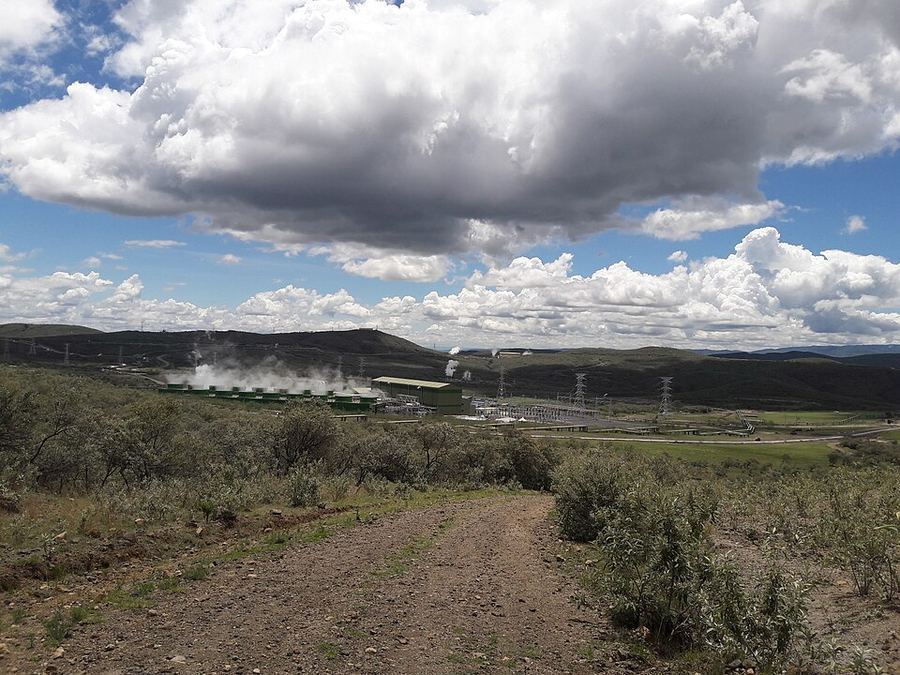
Nairobi is one of Africa's principal research cities. It hosts the United Nations Environment Programme, the World Agroforestry Centre, the International Livestock Research Institute and the International Centre of Insect Physiology and Ecology, all of which conduct work with continental reach in ecology, agriculture and vector-borne disease. Domestic capacity is anchored by the Kenya Medical Research Institute, whose collaboration with the Wellcome Trust in Kilifi has produced influential work on malaria, pneumococcal disease and vaccine trials, and by the Kenya Agricultural and Livestock Research Organisation. The palaeontological collections at the Nairobi National Museum and the Turkana Basin Institute make Kenya central to research on human origins. In the commercial sector, the mobile money and fintech industry built on M-Pesa has drawn regional and international investment, and Konza Technopolis south-east of Nairobi is a long-running state project intended to concentrate technology firms and research institutions. Kenya generates the large majority of its electricity from renewable sources, with the Olkaria geothermal complex in the Rift Valley among the largest in the world and the Lake Turkana wind farm the biggest in Africa when it opened.
Kenya has won more Olympic medals than almost any other African nation, nearly all of them in athletics, and its record in the 800 metres, 1500 metres, 3000 metres steeplechase, 5000 metres, 10,000 metres and marathon is unmatched over the past half-century. Kipchoge Keino's 1500 metres gold in Mexico City in 1968, run against Jim Ryun at altitude, is the founding moment. David Rudisha's world record of 1:40.91 in the 800 metres at London 2012 is regarded as one of the greatest track performances recorded. Eliud Kipchoge won the Olympic marathon in Rio in 2016 and Tokyo in 2021 and in 2019 ran 1:59:40 over the marathon distance in a specially arranged event in Vienna, the first time a human covered it under two hours, though the conditions meant it was not ratified as a record. Kenyan women, including Faith Kipyegon and Peres Jepchirchir, have matched that record in recent Games and majors. Nairobi hosted the World Athletics Under-20 Championships in 2021, and the Safari Rally returned to the World Rally Championship calendar in the same year.