HERA · Human Entity Reference Atlas by Masego Inc

← Cambodia 🌐 3D View
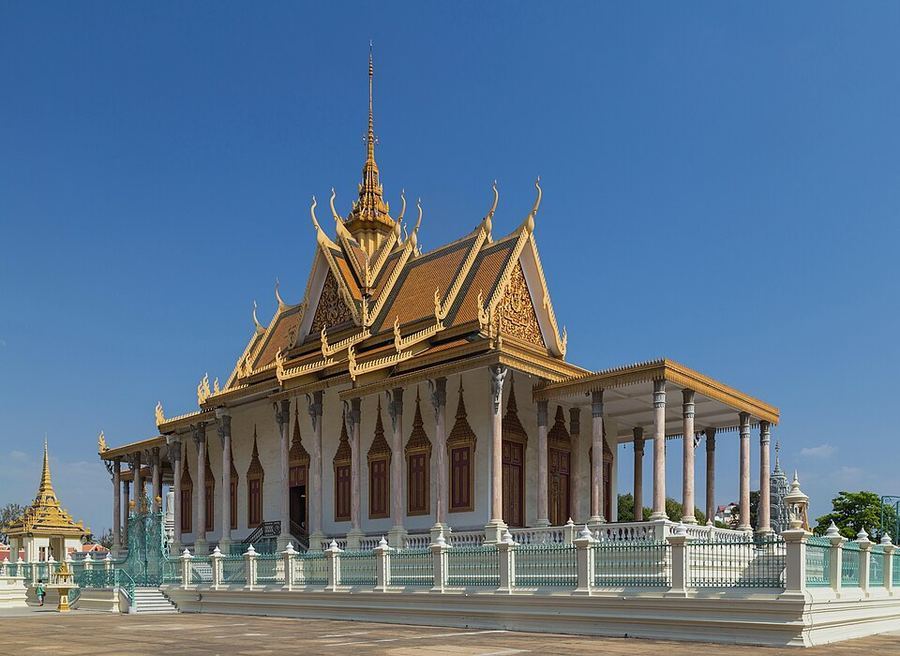
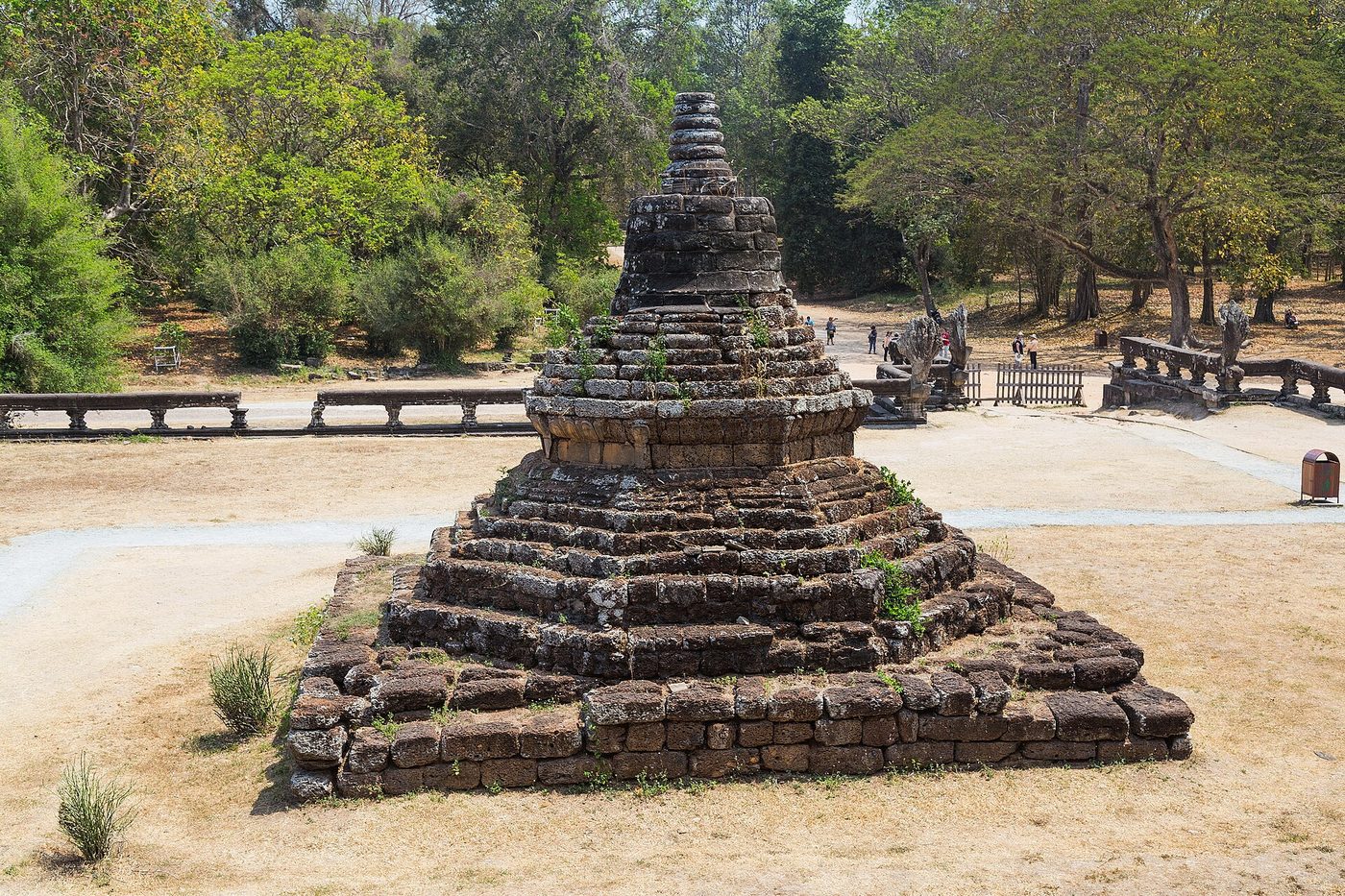
2016 Angkor, Angkor Wat, Stupa, Cambodia
Cambodia KHM
2016 Angkor, Angkor Wat, Stupa — Photo: Marcin Konsek / CC BY-SA 4.0 via Wikimedia Commons
Did You Know Cambodia's is the only national flag in the world that depicts a building — the five towers of Angkor Wat. — Encyclopaedia Britannica

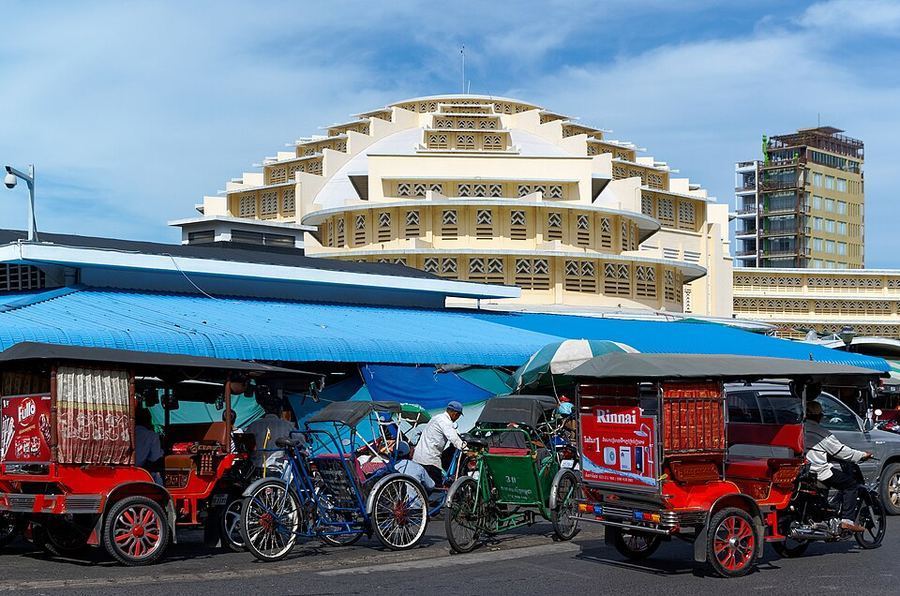
Cambodia is a parliamentary constitutional monarchy of about 17 million people in mainland Southeast Asia, bordered by Thailand, Laos and Vietnam and opening onto the Gulf of Thailand. Its geography is organised around two features: the Mekong, which crosses the country from north to south, and the Tonle Sap, a great shallow lake whose outflow river reverses direction each monsoon as the swollen Mekong pushes water back into it, quadrupling the lake's area and sustaining one of the most productive inland fisheries in the world. Phnom Penh, at the confluence of the Mekong, Tonle Sap and Bassac rivers, is the capital and dominant city; Siem Reap serves the temple complex of Angkor. Independence from France came on 9 November 1953. The population is unusually homogeneous by regional standards, about 95 percent Khmer, with Cham Muslim, ethnic Chinese, Vietnamese and highland minority communities; Khmer is the official language and Theravada Buddhism the state religion, professed by some 97 percent of the population. Garments and footwear dominate exports, sold largely to the United States and the European Union, alongside a fast-growing electronics assembly sector, and tourism centred on Angkor is a mainstay of foreign earnings.

CIA World FactbookEncyclopaedia BritannicaWorld Bank
Population
17,230,333
Capital
Phnom Penh
Currency
None KHR
Time zones
Largest city
Phnom Penh
Human Geography Themes
Loading national figures…
Largest Cities
Phnom Penh2,419,131
Anlong Veng322,702
Siem Reap315,248
Trapeang Prasat240,741
Phumi Roessei174,455
Poipet151,631
Battambang129,058
Sihanoukville98,757
In Perspective

Phnom Penh's urban core is home to about 2,419,131 people.

That's bigger than Amsterdam — each a great world city in its own right.

Phnom Penh2,419,131
Amsterdam1,223,407

Among the world's megacities, though, it's one of many — the giants of Asia and Latin America run larger still:

Phnom Penh2,419,131
Jakarta40,545,126
Dhaka37,307,160
Tokyo33,244,670
Shanghai30,678,616
Cairo25,230,325
The Country & Its People

History

Khmer statehood begins with Funan and Chenla in the first millennium, and reaches its height with the Angkorian empire founded when Jayavarman II declared independence from Javanese overlordship in 802 and had himself consecrated universal monarch on the Kulen plateau. For six centuries Angkor ruled much of mainland Southeast Asia from a capital sustained by an immense hydraulic system of reservoirs and canals: Suryavarman II built Angkor Wat in the twelfth century as a Vishnu temple, and Jayavarman VII, a Buddhist, built the walled city of Angkor Thom, the Bayon and a network of hospitals and rest houses. Decline followed, hastened by Ayutthayan pressure, and the capital moved south; from the sixteenth century Cambodia survived between expanding Siamese and Vietnamese powers, accepting a French protectorate in 1863. Independence was secured in 1953 under King Norodom Sihanouk. The Vietnam War spilled across the border, American bombing devastated the countryside, and in April 1975 the Khmer Rouge took Phnom Penh and emptied it. Their rule until January 1979 killed an estimated 1.5 to 2 million people. A Vietnamese invasion ended it, civil war continued into the 1990s, and the 1991 Paris Peace Accords led to United Nations-supervised elections in 1993 and the restoration of the monarchy.
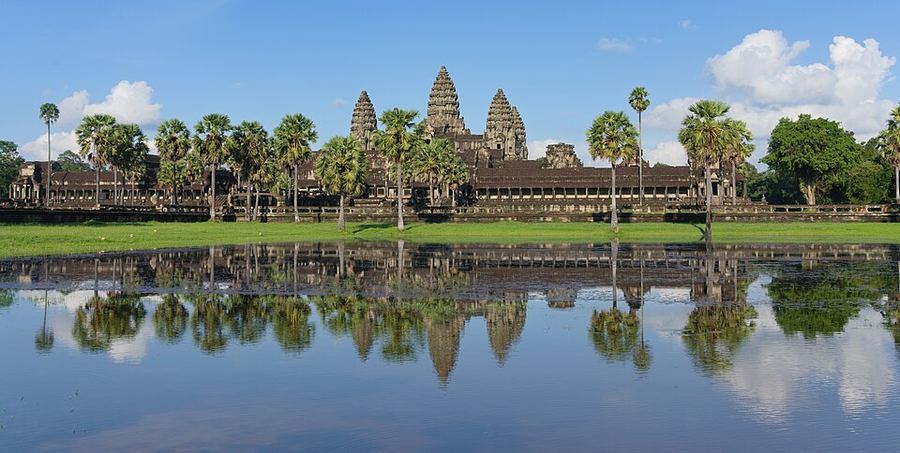
History, Cambodia
Satdeep Gill / CC BY-SA 4.0

Culture

Cambodian life is organised around Theravada Buddhism, the family and the agricultural year. The wat is the centre of the village — school, meeting hall, cremation ground and monastery at once — and most young men still ordain as monks for a period, a rite that marks entry into adulthood and earns merit for their parents. Merit-making shapes the calendar: Pchum Ben, a fifteen-day festival in the autumn when families bring food to pagodas for ancestors who have no living relatives to feed them, is the most emotionally weighted holiday, and Khmer New Year in April is the most festive. Alongside Buddhism run older beliefs in neak ta, local guardian spirits whose shrines stand under trees and at field corners, and in a Brahmanical ritual inheritance visible in royal ceremonies such as the Royal Ploughing Ceremony. Deference and hierarchy are expressed in a graded system of pronouns and in the sampeah, the palms-together greeting whose height signals relative status. Sixty percent of Cambodians are under thirty, and the shadow of the Khmer Rouge period lies across family structure, land tenure and the transmission of skills in ways still being worked through.
Culture, Cambodia
Marcin Konsek / CC BY-SA 4.0

Points Of Pride

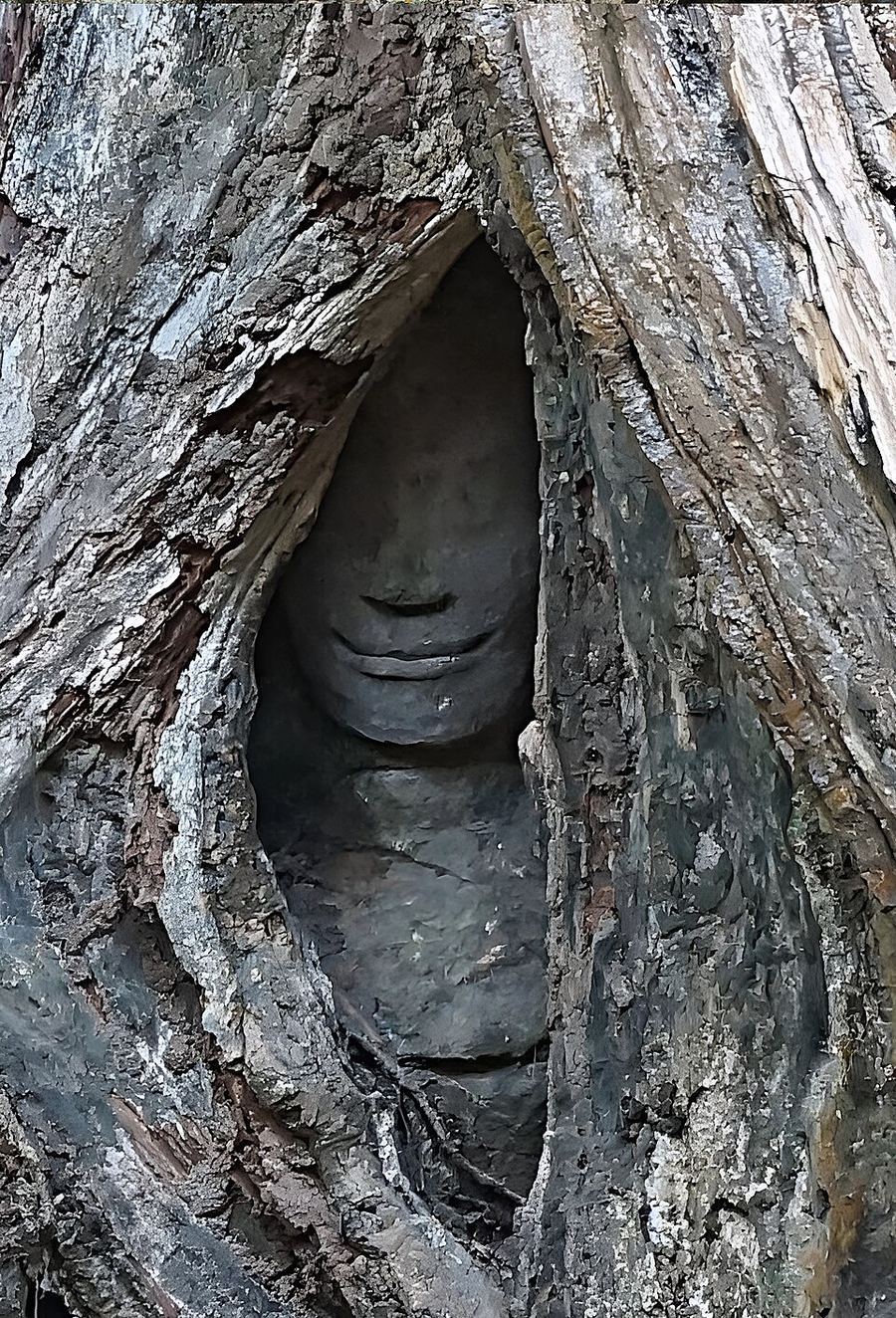
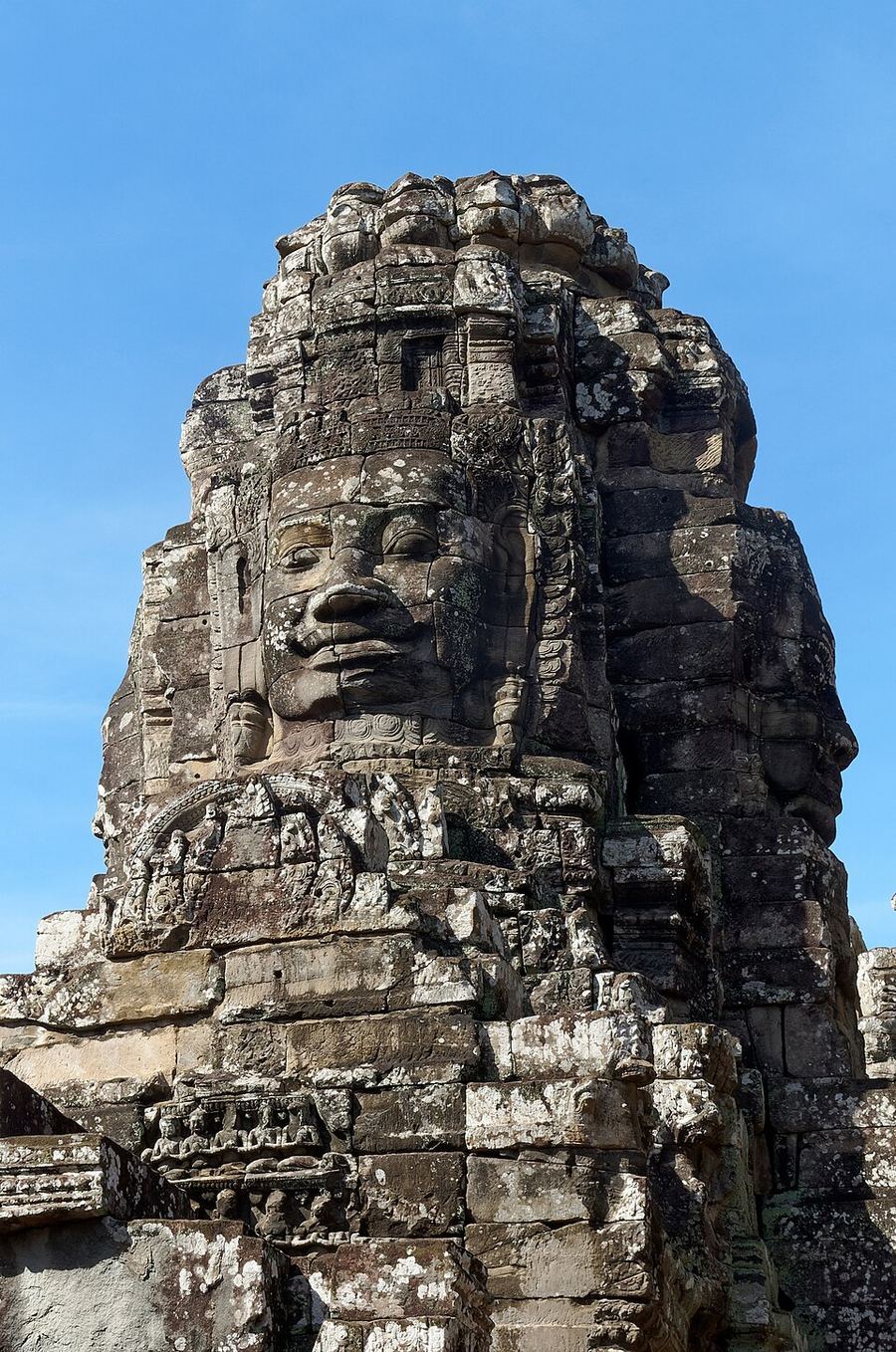
Angkor is the source of Cambodian national pride and the only national flag in the world to depict a building: Angkor Wat, the largest religious monument on earth by land area, built in the first half of the twelfth century, its five towers rendered in white on the Cambodian flag. The Angkor Archaeological Park, inscribed by UNESCO in 1992, covers some 400 square kilometres and includes Angkor Thom, the Bayon with its serene stone faces, Ta Prohm and hundreds of lesser monuments. Cambodia's other World Heritage sites are the mountaintop temple of Preah Vihear, the seventh-century pre-Angkorian brick capital of Sambor Prei Kuk, and the temple complex of Koh Ker. On the intangible side, UNESCO recognises the Royal Ballet of Cambodia, the sbek thom shadow theatre, the chapei dang veng long-necked lute tradition, lkhon khol masked theatre and kun lbokator, the Khmer martial art inscribed in 2022. The Tonle Sap Biosphere Reserve protects the flood-pulse ecosystem that feeds the country. Cambodians also take pride in the recovery of the arts themselves, rebuilt after the Khmer Rouge killed the great majority of the country's trained performers.
Points Of Pride, Cambodia
Pierre André Leclercq / CC BY 4.0

Cultural Fusion

Khmer civilisation was formed by the Indian Ocean. Sanskrit, Hinduism and Buddhism arrived through trade in the first millennium and reshaped Khmer kingship, script, architecture and vocabulary: the Khmer alphabet descends from a South Indian Brahmi script, the temple-mountain form renders Mount Meru, and Khmer classical dance enacts the Reamker, the Cambodian telling of the Ramayana. Theravada Buddhism arriving from Sri Lanka via the Mon world in the thirteenth century displaced Hindu-Mahayana state religion but absorbed rather than erased its ritual, so Brahmin priests still officiate at royal ceremonies. Cham Muslims, descendants of the Champa kingdom of central Vietnam who took refuge in Cambodia from the fifteenth century onward, form the largest religious minority and maintain their own language, mosques and villages along the Mekong. Ethnic Chinese, long established in commerce, are substantially integrated into urban Khmer families, and a Vietnamese community lives in the floating villages of the Tonle Sap and in Phnom Penh. Highland minorities in Ratanakiri and Mondulkiri speak Mon-Khmer and Austronesian languages and keep distinct animist traditions. French rule left the baguette, colonial villas and an administrative and legal vocabulary.
Cultural Fusion, Cambodia
Jakub Hałun / CC BY-SA 4.0

Music & Dance

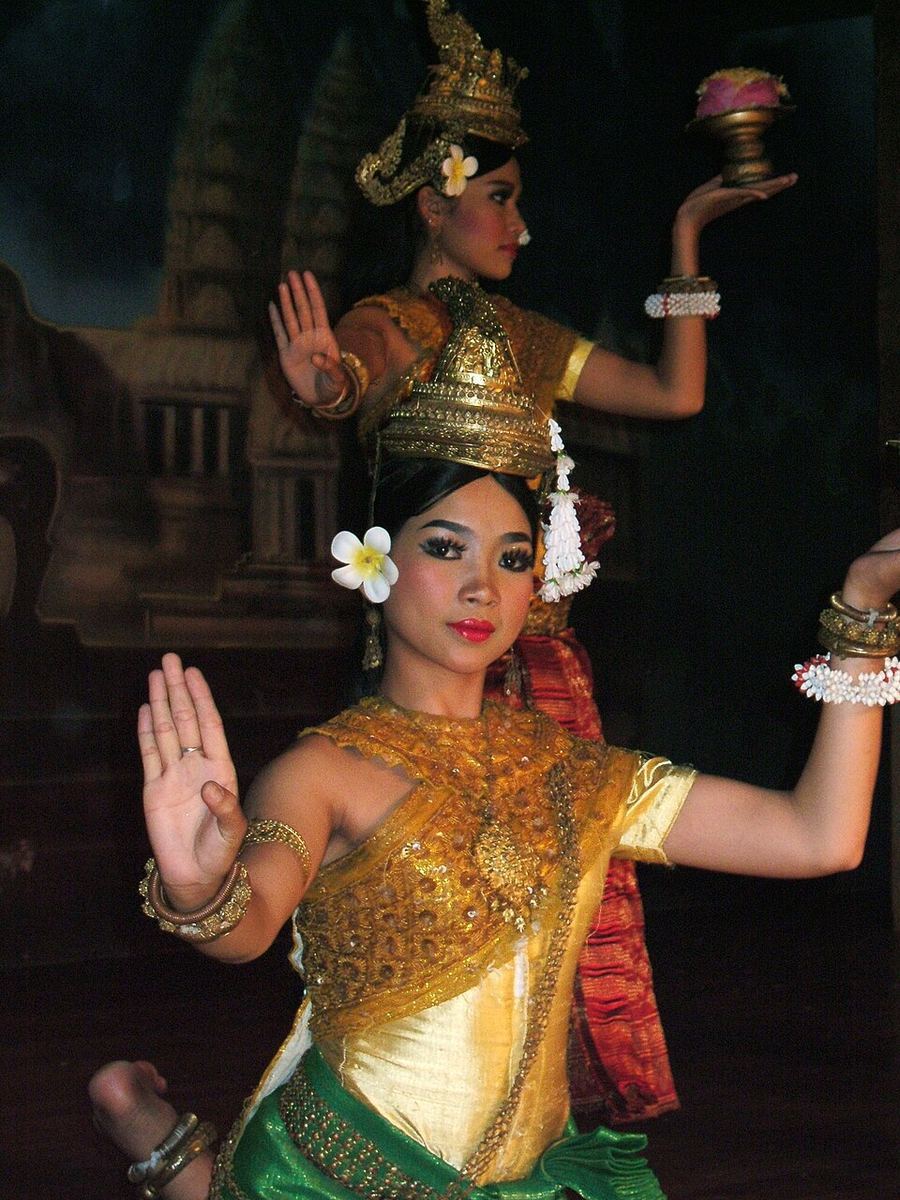
The Royal Ballet of Cambodia, robam preah reach trop, is the summit of Khmer performing arts: a court dance of slow, hyperextended hand gestures, gilt costume sewn onto the dancer before each performance and repertoire drawn from the Reamker and from myth, developed under royal patronage for more than a thousand years and depicted on the walls of Angkor. UNESCO inscribed it in 2003, three decades after the Khmer Rouge killed most of its practitioners; its survival is owed to a handful of dancers who reassembled the repertoire from memory, with Princess Norodom Buppha Devi central to the reconstruction. The other classical form is sbek thom, large shadow-puppet theatre in which perforated leather panels are manipulated against a fire-lit screen to the accompaniment of a pinpeat orchestra of xylophones, gong circles, oboe and drums. Village music runs to the mahori and the kar wedding ensembles and to the chapei dang veng, a long-necked lute whose players improvise sung social commentary, an art UNESCO listed as needing urgent safeguarding. Cambodia's 1960s rock and roll era, led by Sinn Sisamouth and Ros Serey Sothea, ended with the Khmer Rouge and has been revived by younger bands at home and abroad.
Music & Dance, Cambodia
shankar s., https://www.flickr.com/photos/shankaronline/ / CC BY 2.0

Cuisine & Misattributed Foods

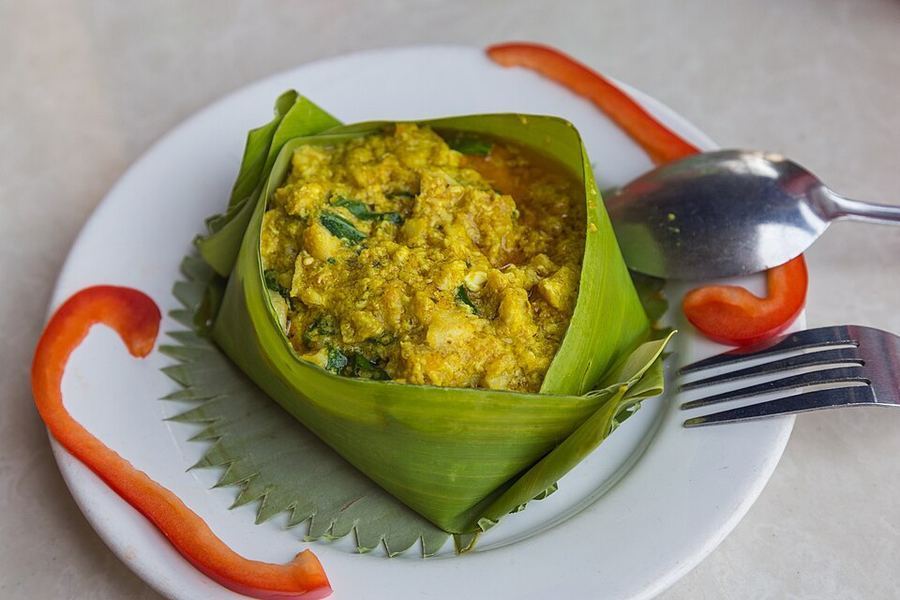
Khmer cooking is subtler and less chilli-driven than that of its neighbours, built on freshwater fish, rice and fermented flavour. Prahok, a thick paste of salted and fermented mudfish, is the foundational seasoning, pungent alone and rounded when cooked into soups and dips, and kroeung, a pounded paste of lemongrass, galangal, turmeric, kaffir lime and garlic, is the aromatic base of most dishes. The best-known dish is amok trey, fish curried with kroeung and coconut cream and steamed in a banana-leaf cup until it sets like a custard. Samlor korko, a thick vegetable and fish stew often described as the national soup, and samlor machu, a sour tamarind broth, are everyday food. Kuy teav, a pork or beef noodle soup, is the standard breakfast, and nom banh chok — cold rice noodles under a green fish gravy of lemongrass and turmeric — is sold from baskets in the morning street. The Tonle Sap supplies much of the country's protein. French rule left an enduring taste for baguettes and coffee, and lok lak, cubed beef in a peppery sauce, reflects that period; Kampot pepper has protected geographical indication status and an international reputation.
Cuisine & Misattributed Foods, Cambodia
Marcin Konsek / CC BY-SA 4.0

National Dress

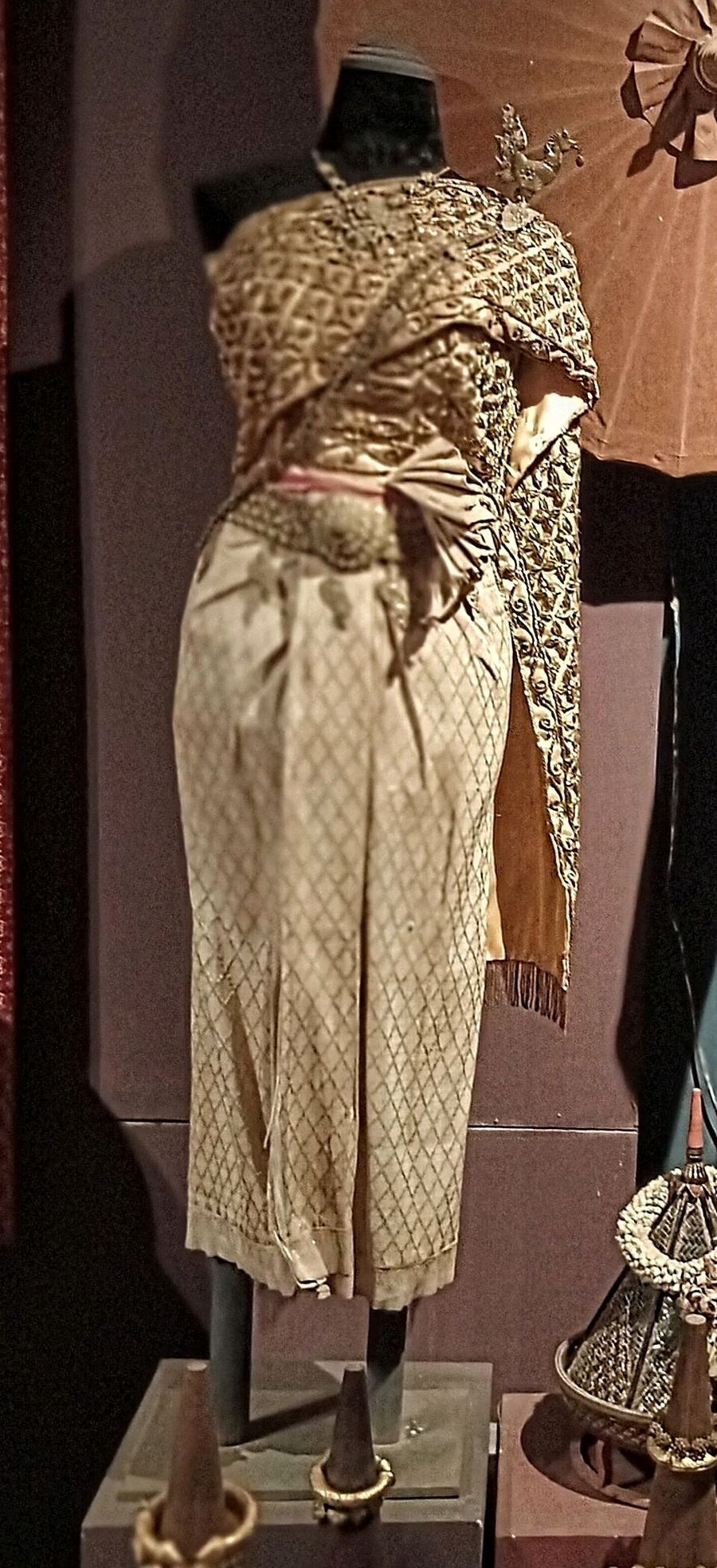
The defining Cambodian garment is the sampot, a length of cloth wrapped around the lower body, worn by both men and women in forms that range from the everyday sampot chang kben — pulled between the legs and tucked at the back to make loose trousers, a style visible on Angkorian bas-reliefs — to the sampot hol, a silk skirt woven by the ikat method in which the threads are tie-dyed before weaving. Cambodian ikat weaving produces distinctive patterns in five traditional colours and is a heritage craft supported by revival workshops after the near-destruction of silk weaving in the 1970s. Women pair the sampot with a fitted blouse or, for ceremony, the av pak, an embroidered and beaded top, and drape a silk shawl called sbai over one shoulder. The krama, a chequered cotton scarf usually in red or blue and white, is the most universal item of Cambodian dress and the most versatile — headwrap, towel, sling, sarong, bag — and functions as an informal national emblem. Classical dance costume is a separate world of gold-thread brocade, ornate collars and tiered spired headdresses, stitched onto the dancer before performance.
National Dress, Cambodia
MoonsMoon / CC BY 4.0

Sports & Inspiring Athletes

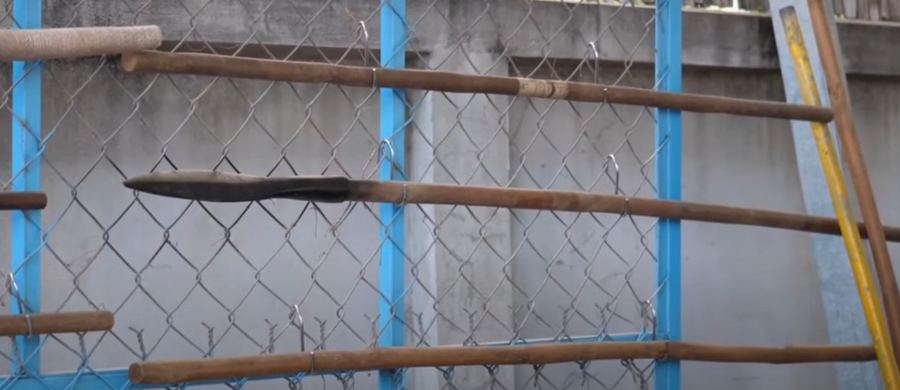
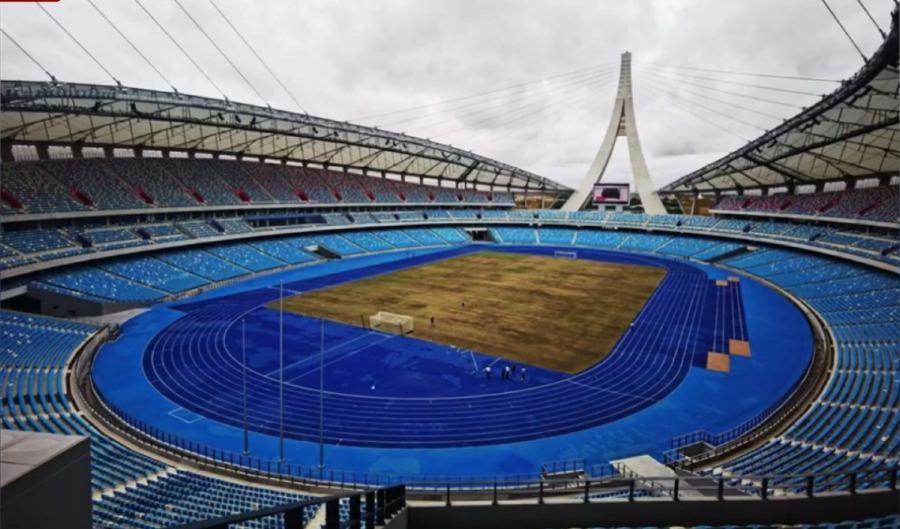
Kun lbokator, a Khmer martial art whose techniques are depicted in Angkorian carvings and which draws its stances and strikes from animal forms, was inscribed by UNESCO on the Representative List of Intangible Cultural Heritage in 2022 and is promoted as the country's national martial tradition. Kun Khmer, the Cambodian form of kickboxing fought with fists, elbows, knees and shins to the accompaniment of a live sralai and drum ensemble, is the most popular combat sport and is televised weekly; its relationship to Thailand's muay thai is a matter of national feeling on both sides. Football is the most widely played sport, governed by the Football Federation of Cambodia, with the Cambodian Premier League and a national team that has yet to reach a major finals but draws large crowds at the Morodok Techo National Stadium in Phnom Penh, opened in 2021. Volleyball, including a strong sitting-volleyball programme born of the country's landmine legacy, is widely played, as are sepak takraw, boat racing on the rivers and traditional wrestling. Longboat racing at the Water Festival is the largest participatory sporting event of the year.
Sports & Inspiring Athletes, Cambodia
Egodsun / CC BY-SA 4.0

Notable Educational Programs

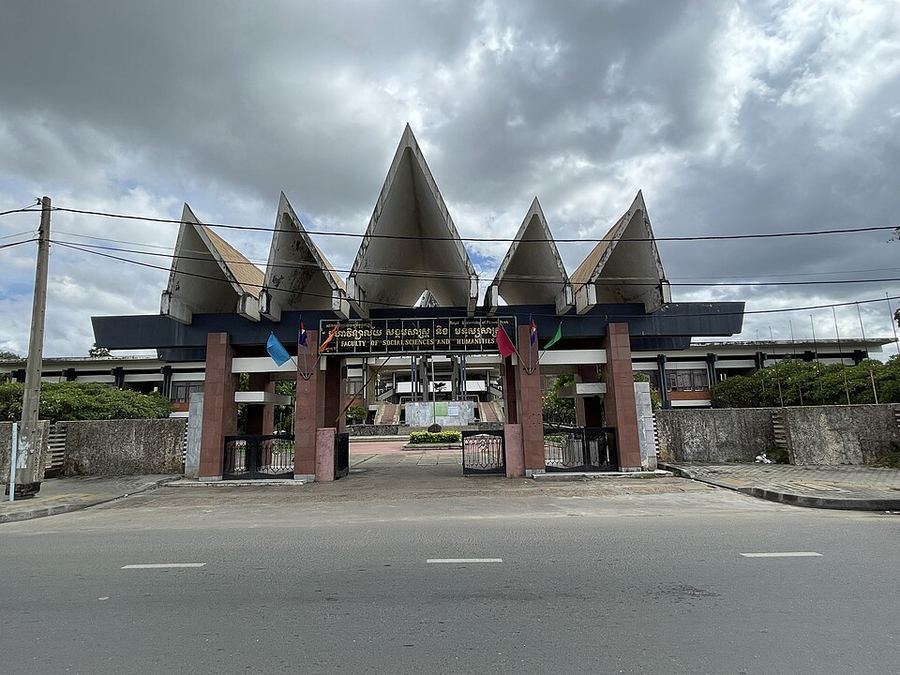
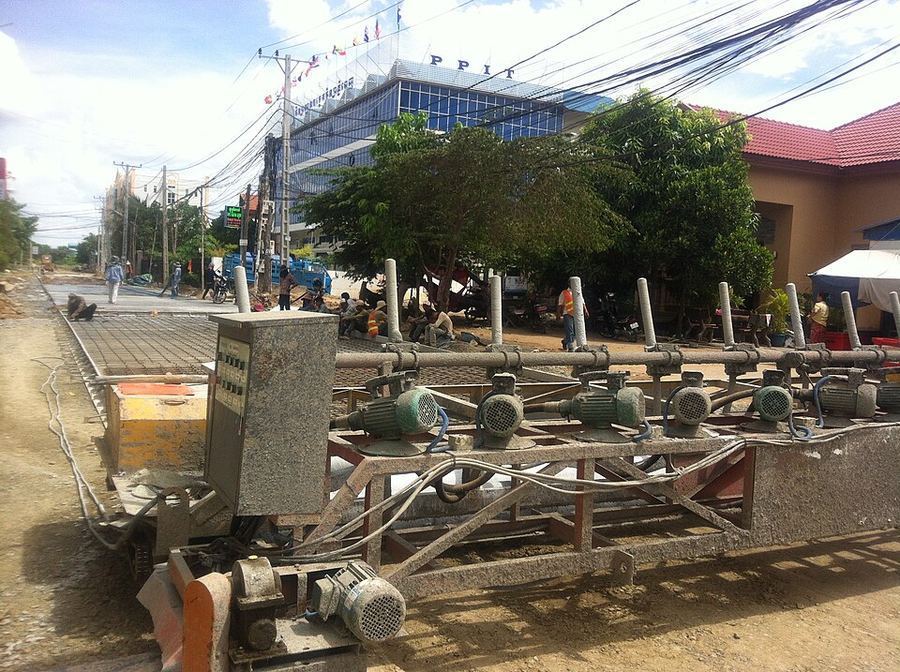
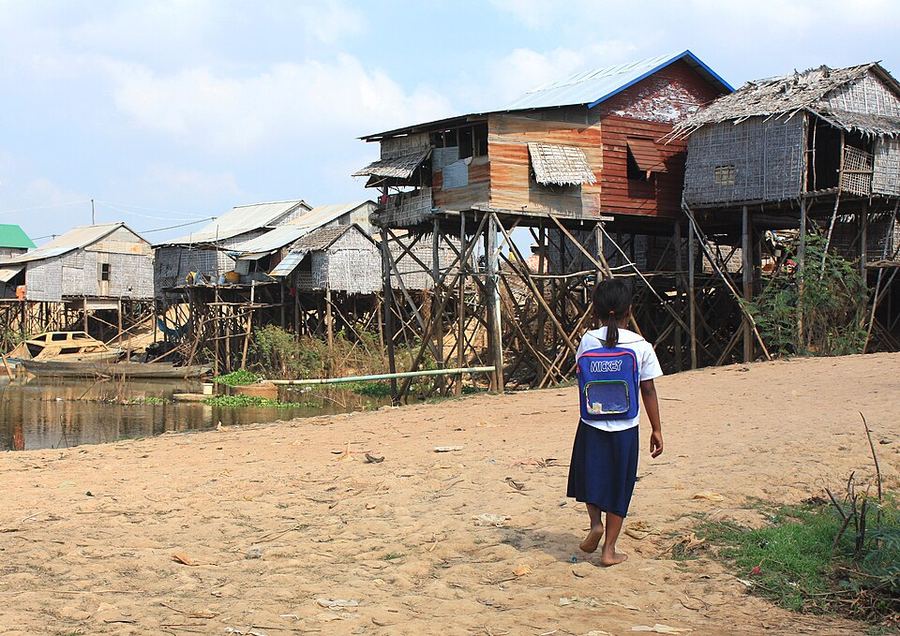
Cambodia's education system was destroyed rather than merely damaged in the 1970s: schools were closed, teachers were among the groups specifically targeted, and the country emerged in 1979 with a tiny fraction of its trained educators alive. Reconstruction has been the work of two generations. Primary enrolment is now close to universal, and the government has removed formal fees and expanded school construction, but completion at lower and upper secondary level remains a serious weakness, with dropout driven by household labour needs and migration. Adult literacy has risen substantially but still lags regional peers, particularly among older women. The Royal University of Phnom Penh, founded in 1960, is the largest and oldest institution, alongside the Institute of Technology of Cambodia, the Royal University of Fine Arts — which trains classical dancers, musicians and architects and was central to reconstituting the arts — and a large private higher-education sector concentrated in the capital. Technical and vocational training has been expanded to serve the garment and construction industries. The World Bank and UNICEF have both identified learning outcomes, rather than access, as the binding constraint on the system.
Notable Educational Programs, Cambodia
Kiensvay / CC BY-SA 3.0

Wars & Conflicts

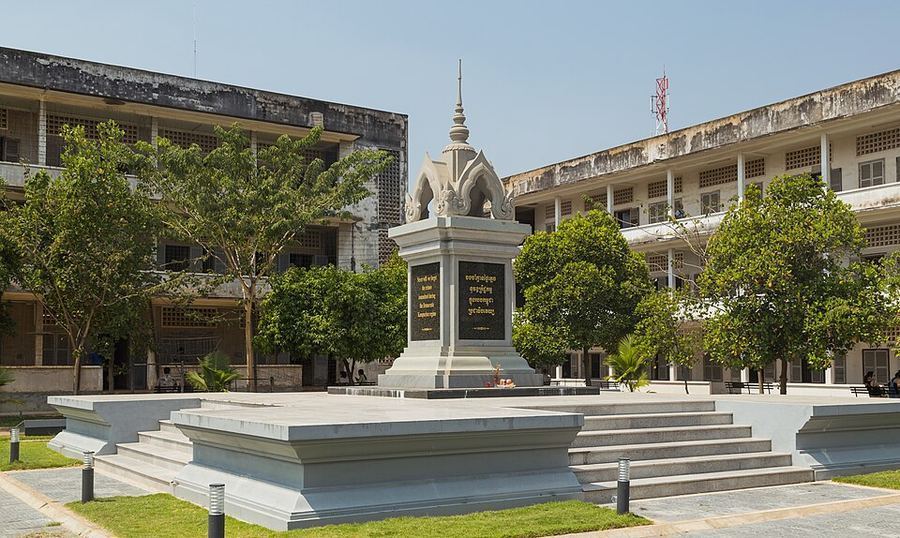
Cambodia's twentieth century was catastrophic. American bombing of eastern Cambodia during the Vietnam War, civil war from 1970, and then Khmer Rouge rule from April 1975 to January 1979, under which the cities were emptied, money and schools abolished and an estimated 1.5 to 2 million people died of execution, starvation, forced labour and untreated disease. Vietnamese forces ended the regime in 1979 and remained until 1989; Khmer Rouge remnants fought on from the Thai border, and a full peace was not reached until the Paris Accords of 1991 and the United Nations Transitional Authority that organised elections in 1993. The last Khmer Rouge units surrendered in 1998. The Extraordinary Chambers in the Courts of Cambodia, a hybrid United Nations-backed tribunal established in 2006, convicted Kaing Guek Eav, known as Duch, who ran the S-21 prison, and the senior leaders Nuon Chea and Khieu Samphan of crimes against humanity and genocide, and closed its work in 2022. Landmines and unexploded ordnance still kill and maim, though annual casualties have fallen sharply since clearance began. Border clashes with Thailand around Preah Vihear killed dozens between 2008 and 2011.
Current as of 2026-08-07
Wars & Conflicts, Cambodia
Marcin Konsek / CC BY-SA 4.0

Land & Border Disputes

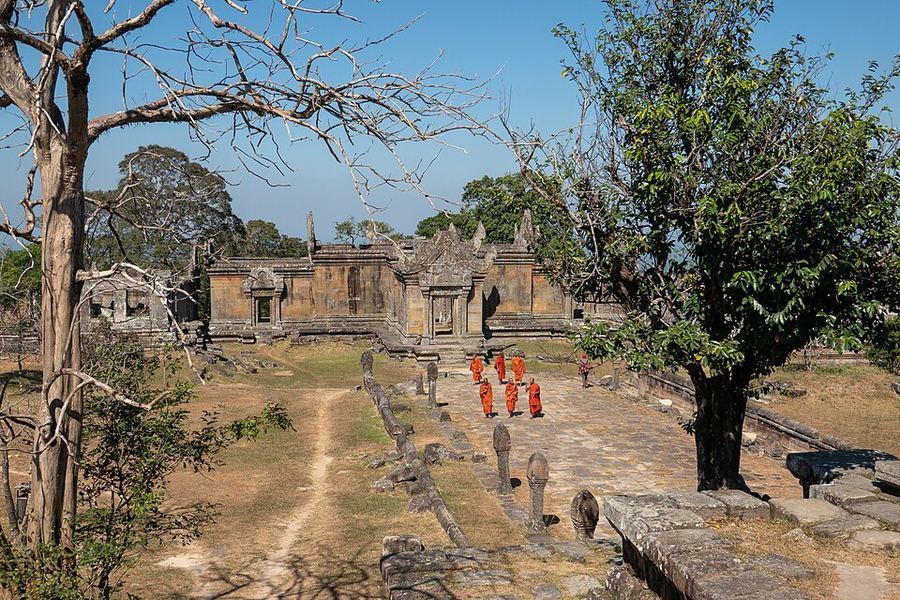
Cambodia's principal territorial dispute has been with Thailand over the eleventh-century temple of Preah Vihear on the Dangrek escarpment and the land around it. The International Court of Justice ruled in 1962 that the temple stood on Cambodian territory and that Thailand must withdraw and return removed artefacts. The question revived after Cambodia had the temple inscribed as a World Heritage site in 2008, prompting Thai objections and armed clashes along the escarpment that killed dozens of soldiers and civilians between 2008 and 2011 and displaced tens of thousands. Cambodia returned to the International Court of Justice for an interpretation of the 1962 judgment, and in November 2013 the court held unanimously that the promontory on which the temple stands is Cambodian and that Thailand was obliged to withdraw from it, while declining to rule on the wider surrounding area. Maritime boundaries in the Gulf of Thailand, where overlapping claims cover a potentially hydrocarbon-bearing zone, remain the subject of a long-running joint development negotiation with Thailand. Segments of the land border with Vietnam have also required prolonged demarcation work, a domestically sensitive issue in Cambodian politics.
Land & Border Disputes, Cambodia
PsamatheM / CC BY-SA 4.0
Land, Life & Legacy

Land & Climate

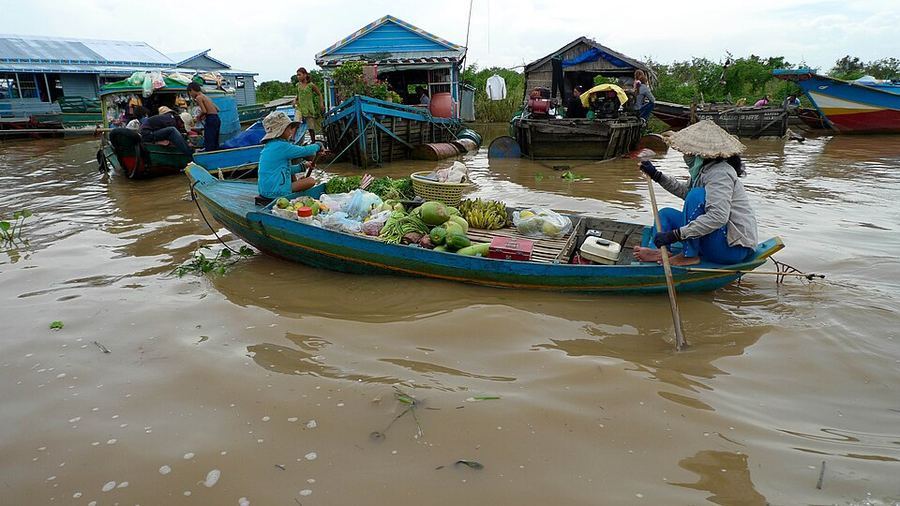
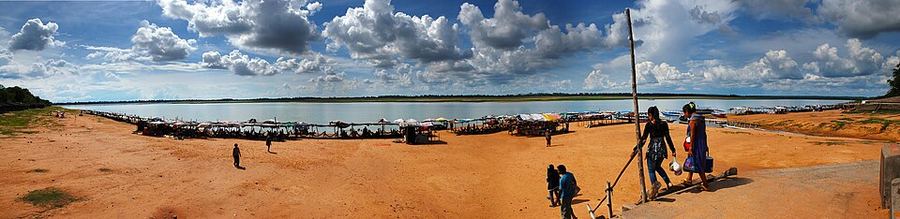
Cambodia occupies a low, saucer-shaped basin ringed by uplands. The centre is a broad alluvial plain built by the Mekong and the Tonle Sap, and the great majority of the population lives on it, growing rice; the plain is where the country's history and its agriculture have always been concentrated. The Dangrek escarpment forms the northern border with Thailand, a sandstone cliff on whose edge the temple of Preah Vihear stands; the Cardamom and Elephant mountains rise in the south-west, holding some of the largest remaining rainforest in mainland Southeast Asia; and the eastern highlands roll toward Vietnam. The country's defining hydrological event is the reversal of the Tonle Sap river: from roughly June to October the flooding Mekong pushes water upstream into the lake, which expands several-fold in area and rises many metres, then drains back in the dry season, depositing sediment and supporting a fishery and a floating-village society adapted to a shoreline that moves kilometres each year. The climate is tropical monsoon, hot year-round, with a southwest monsoon from May to November and a cooler dry season from November to March. Upstream dam-building and drought have made the flood pulse markedly less reliable.
Land & Climate, Cambodia
David Sim / CC BY 2.0

Entertainment

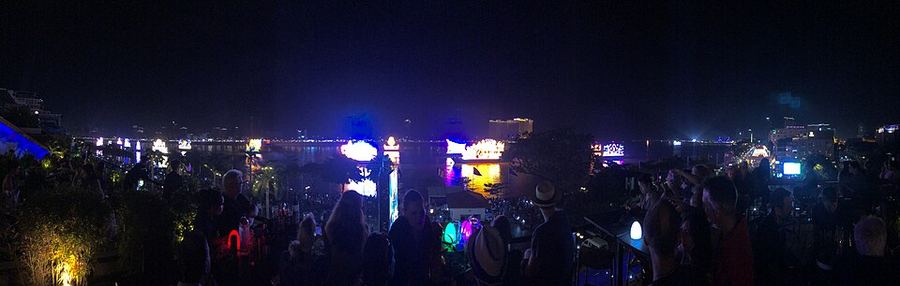
Cambodian leisure is communal, seasonal and closely tied to the pagoda calendar. Khmer New Year in mid-April empties the cities as families return to home villages for three days of temple visits, sand-stupa building and street games such as chol chhoung, in which teams throw a knotted scarf, and leak kanseng. Bon Om Touk, the Water Festival in November, marks the reversal of the Tonle Sap with several days of longboat racing on the Phnom Penh riverfront, drawing crowds of hundreds of thousands to watch crews of dozens of paddlers from villages across the country. Everyday recreation centres on eating out at open-air riverside restaurants, picnicking on mats at Kep and Sihanoukville on the coast, and visits to the hill station of Bokor and the waterfalls of Mondulkiri. Football and volleyball are played on every village pitch, and cockfighting and Khmer boxing draw local crowds. Karaoke and open-air aerobics in city parks at dusk are staples of urban life, and domestic tourism to Angkor and to Phnom Kulen has grown alongside the international trade.
Entertainment, Cambodia
Codas / CC BY-SA 4.0

Art & Museums

Khmer stone sculpture of the pre-Angkorian and Angkorian periods ranks among the great achievements of Asian art: the serene standing Buddhas and Harihara figures of the seventh century, the monumental narrative bas-reliefs of Angkor Wat depicting the Churning of the Sea of Milk and the armies of Suryavarman II, and the enigmatic faces of the Bayon. The National Museum of Cambodia in Phnom Penh, in a red pavilion built in 1920, holds the world's foremost collection, and a sustained international effort has repatriated looted pieces from foreign museums and private collections in recent years. Craft traditions include silk ikat weaving, silversmithing, lacquerware and stone and wood carving, sustained by workshops around Siem Reap and by training schools founded to rebuild skills lost in the 1970s. Modern Cambodian art was almost entirely severed by the Khmer Rouge, and its recovery since the 1990s has been driven by institutions such as Phare Ponleu Selpak in Battambang, which trains circus performers, painters and animators from disadvantaged backgrounds. Cambodian cinema has revived internationally through Rithy Panh, whose documentaries on the genocide, including The Missing Picture, have been widely honoured.
Encyclopaedia BritannicaUNESCOMetropolitan Museum of ArtSmithsonian
Art & Museums, Cambodia
Jakub Hałun / CC BY-SA 4.0

Notable People

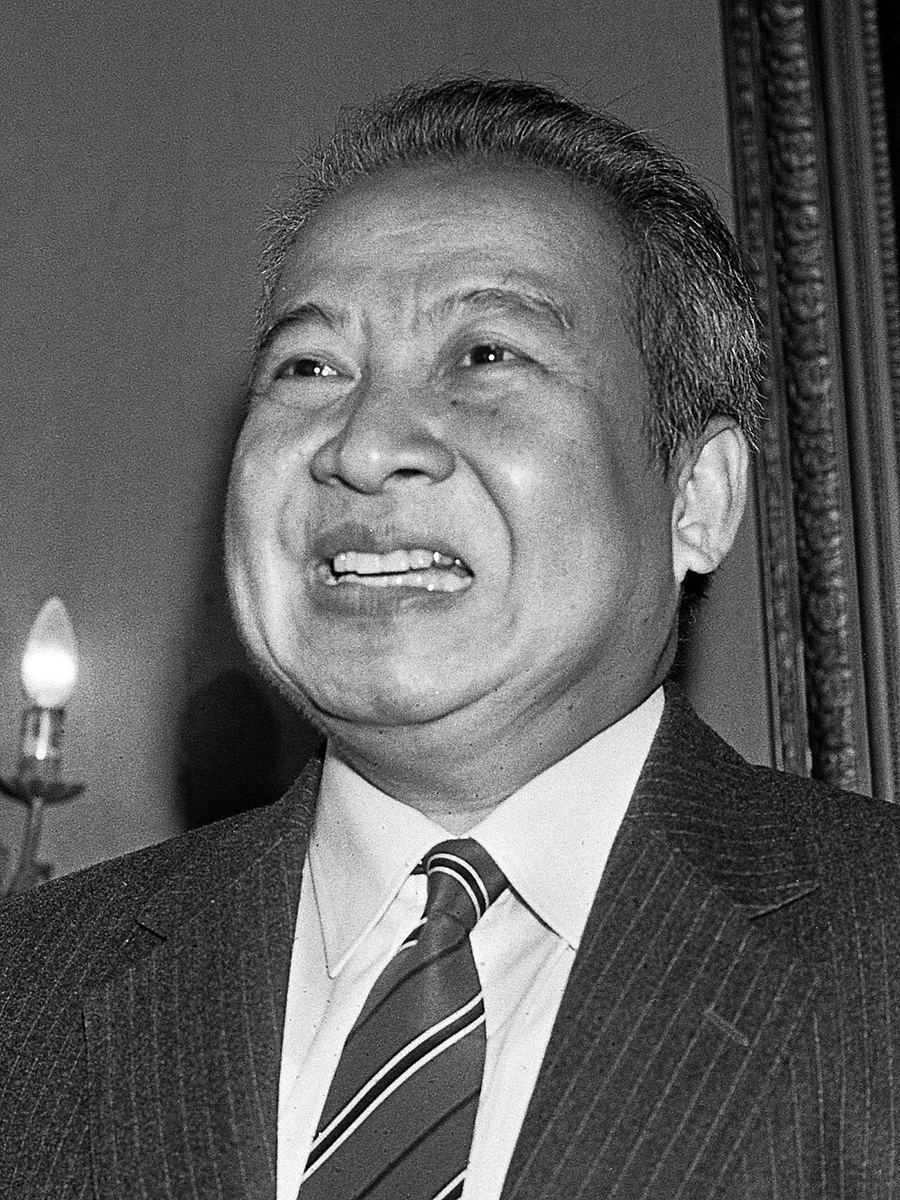
Jayavarman VII, who reigned from about 1181, is the most revered figure of the Angkorian past: he expelled Cham invaders, built Angkor Thom, the Bayon and Ta Prohm, and established hospitals and rest houses along the empire's roads. Suryavarman II built Angkor Wat. In the modern era Norodom Sihanouk dominated Cambodian politics for half a century as king, prime minister, head of state, exile and king again, and was also a filmmaker and composer; his son Norodom Sihamoni, a former classical dancer and cultural ambassador, is the reigning monarch. Hun Sen governed as prime minister from 1985 until handing office to his son Hun Manet in 2023, one of the longest tenures of any leader in the world. Dith Pran, the photojournalist whose survival of the Khmer Rouge period was the basis of the film The Killing Fields, brought the genocide to a global audience, and Rithy Panh has made its memory his life's work in cinema. Princess Norodom Buppha Devi led the reconstruction of the Royal Ballet. Sinn Sisamouth remains the country's most beloved singer.
Notable People, Cambodia
Rob Croes for Anefo / CC0

Inventions & Breakthroughs

Angkor's great technical achievement was hydraulic. Between the ninth and thirteenth centuries Khmer engineers built an enormous water-management system of barays — rectangular reservoirs, the largest of which, the West Baray, measures roughly eight kilometres by two — fed by canals and distributing water across the plain, allowing a city that supported a population in the hundreds of thousands and, by most readings of the evidence, multiple rice harvests a year. Airborne laser survey of the Angkor region published in the 2010s revealed the full extent of the buried grid of canals, roads, embankments and urban blocks, confirming Angkor as one of the most extensive pre-industrial urban complexes known. Khmer builders also mastered the corbelled arch, laterite and sandstone construction without mortar, and the transport of stone from the Kulen quarries by canal. In performance, the sbek thom shadow puppet and the pinpeat orchestra are elaborated indigenous forms. In food technology, prahok fermentation preserved the Tonle Sap's seasonal fish glut into the dry season, an adaptation without which the Angkorian population could not have been fed.
Inventions & Breakthroughs, Cambodia
Ira1976 / CC BY-SA 4.0

Science & Technology

Cambodia's scientific capacity is limited and concentrated in health and agriculture, where the practical stakes are highest. The Institut Pasteur du Cambodge in Phnom Penh, founded in 1953 and re-established in 1992, is the country's most internationally connected laboratory and has produced significant work on avian influenza surveillance, dengue, tuberculosis and, critically, on artemisinin-resistant malaria: resistance to the frontline antimalarial was first documented on the Cambodia-Thailand border, making the country a sentinel site for global malaria policy and the target of an intensive elimination campaign that has driven cases down sharply. Agricultural research through the Cambodian Agricultural Research and Development Institute focuses on rice varieties and on the Tonle Sap fishery, whose productivity is threatened by upstream dams on the Mekong mainstem and by changes to the flood pulse — an issue on which Cambodian institutions work with the Mekong River Commission. The Institute of Technology of Cambodia trains most of the country's engineers. Research and development spending is very low, and the technology sector is oriented to mobile services, fintech and the National Bank's Bakong digital payment system rather than to research.
Science & Technology, Cambodia
ចាស្ទីន ប៉ាវឡាកូវិច / CC BY-SA 3.0
On The World Stage
Champions of Cambodia

Champions & Defining Moments

Cambodia first appeared at the Olympic Games in Tokyo in 1964, was absent through the Khmer Rouge and civil war years, and returned at Sydney in 2000; it has not yet won an Olympic medal, and its athletes compete mainly in athletics, swimming and combat sports, several under universality places. The country's most significant moment on the international sporting stage came in 2023, when it hosted the Southeast Asian Games for the first time, building the Morodok Techo National Stadium and an associated sports complex north of Phnom Penh for the purpose and finishing with its best medal haul in the event's history, including golds in kun bokator and kun khmer, which it added to the programme. Cambodia also hosted the ASEAN Para Games the same year. Cambodian sitting volleyball and para-athletics teams, developed with international support after decades of landmine injuries, have competed at the Paralympic Games and in regional finals. Cambodian professional fighters compete in kickboxing and mixed martial arts circuits across Asia, and the national football team's regional results have improved markedly since the 2010s.

IOCOlympediaFIFA
中国新闻社 / CC BY-SA 3.0
Government & Leadership

Parliamentary constitutional monarchy

Seat of the executive

Executive

Norodom Sihamoni — King

In office since 29 October 2004

Hun Manet — Prime Minister

The legislature

Parliament

Bicameral

Senate — 62 seats

Last election 2/25/2024 · 19.4% women

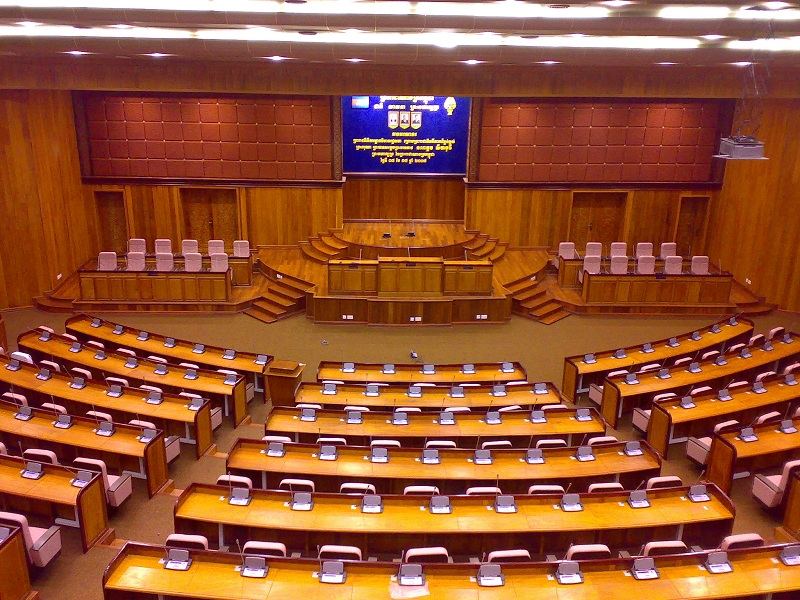
National Assembly (Radhsphea Ney Preah Recheanachakr Kampuchea) — CPP majority

CPP 120 · FUNCINPEC 5

Last election 7/23/2023 · 13.6% women

SovanDara18 / CC BY-SA 3.0
The highest court
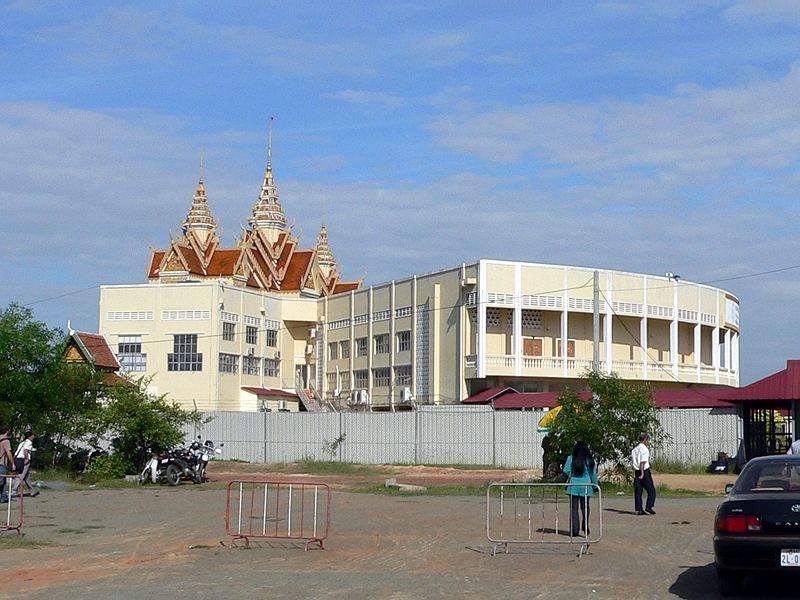
The highest court — Henning Blatt / CC BY-SA 3.0

Supreme Council

organized into 5- and 9-judge panels and includes a court chief and deputy chief); Constitutional Court (consists of 9 members

Economy, Trade & Government

Currency & GDP

Riel — KHR (None)

GDP (PPP): $123.676 billion (2024 est.)

Per capita: $7,000 (2024 est.)

Exports

$31.712 billion (2024 est.)

garments, semiconductors, trunks and cases, footwear, gold (2023)

Partners: USA 36%, Germany 6%, China 6%, Japan 6%, Thailand 5% (2023)

Imports

$34.329 billion (2024 est.)

refined petroleum, fabric, gold, plastic products, synthetic fabric (2023)

Partners: China 39%, Thailand 20%, Vietnam 12%, Singapore 6%, Indonesia 3% (2023)

Government

Type: parliamentary constitutional monarchy

Independence: 9 November 1953 (from France)

Terrain → Where People Live

How mountains, coasts, and rivers shape settlement (LandScan).

Coming — data

Migration & Ethnic Settlement

Where groups settled and how people move (GeoEPR + UNHCR).

Coming — data

Universities

Notable institutions, mappable as points.

Coming — data
Economy & government facts: CIA World Factbook (public domain), via OpenFactBook / factbook.json.
Every fact and narrative claim will carry a visible source citation. Data-driven sections light up automatically wherever HERA has coverage.