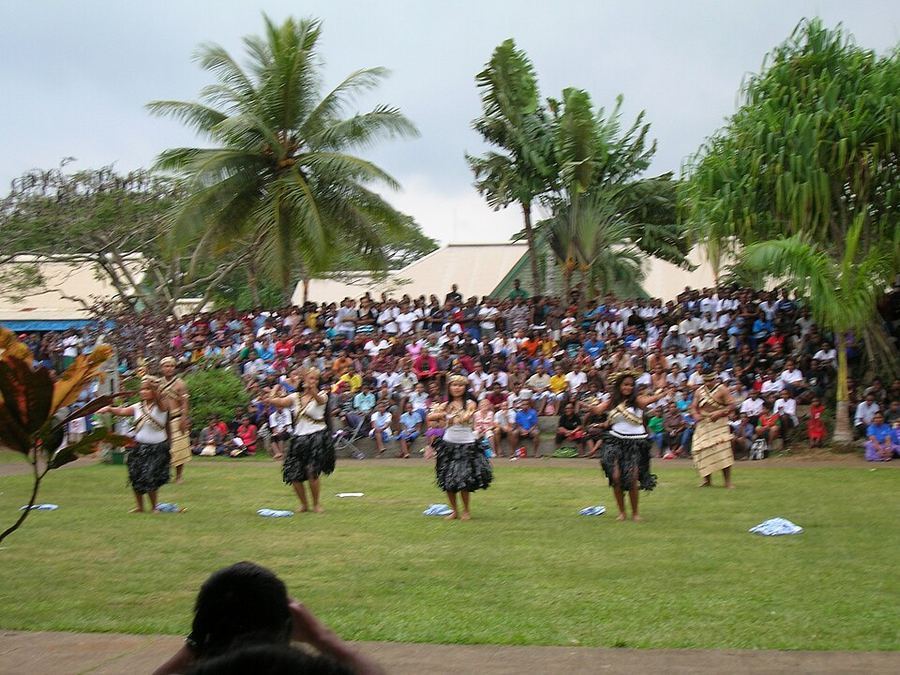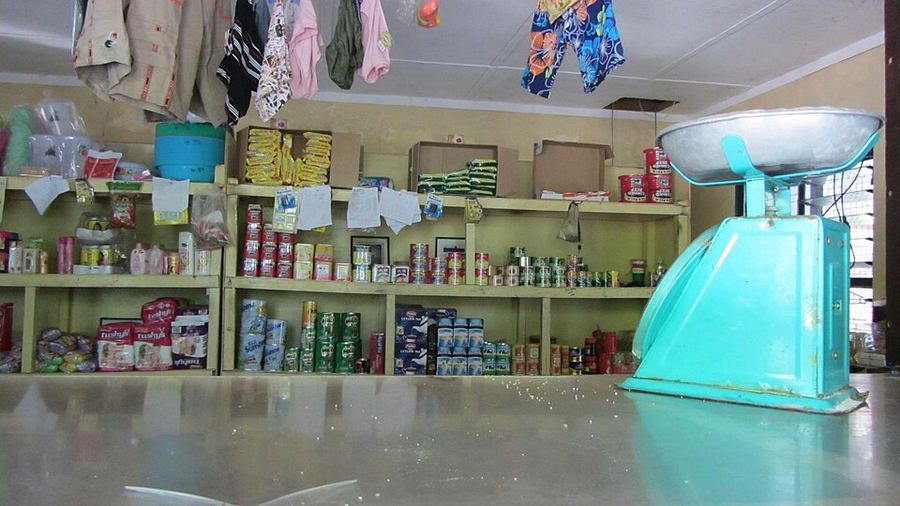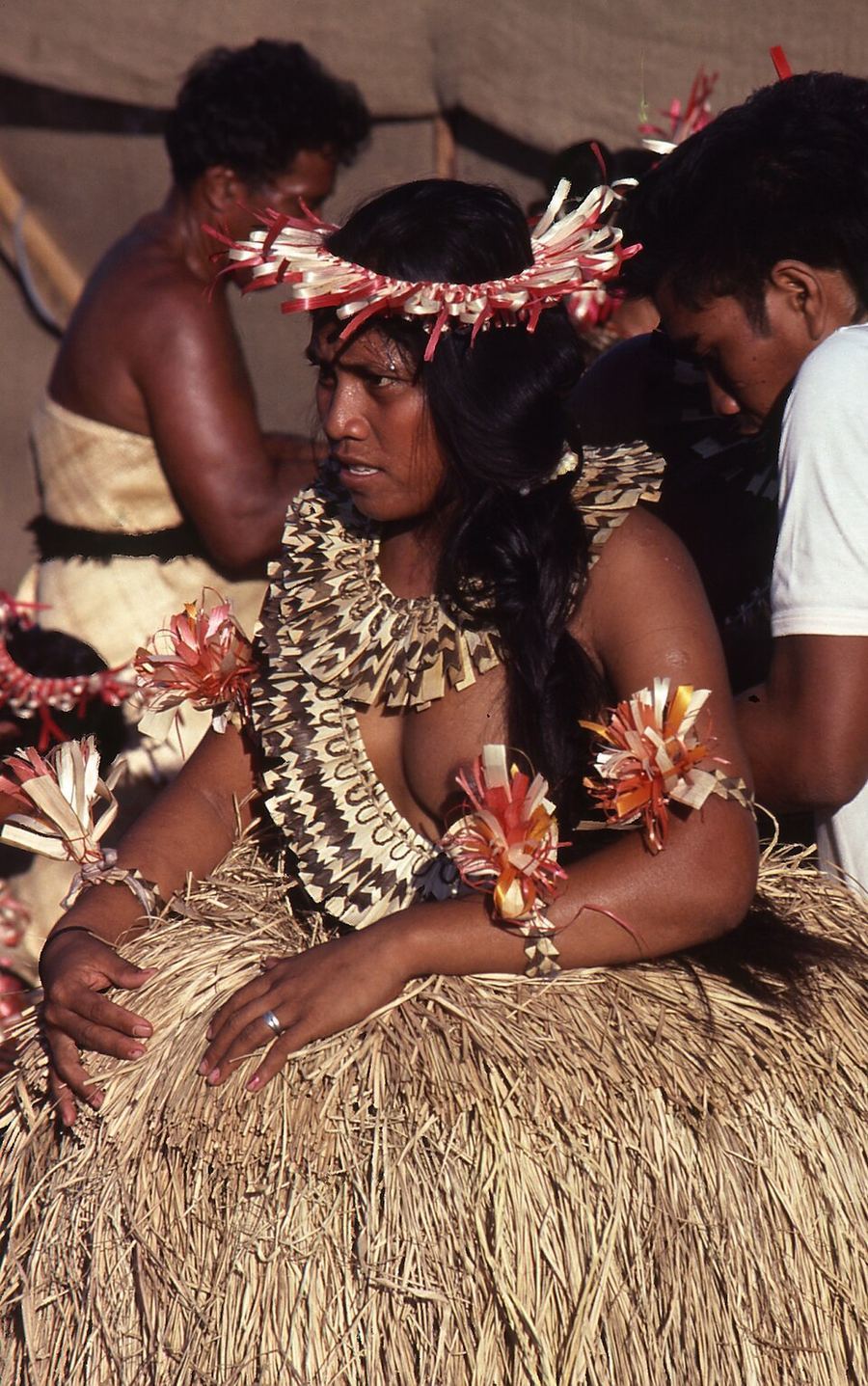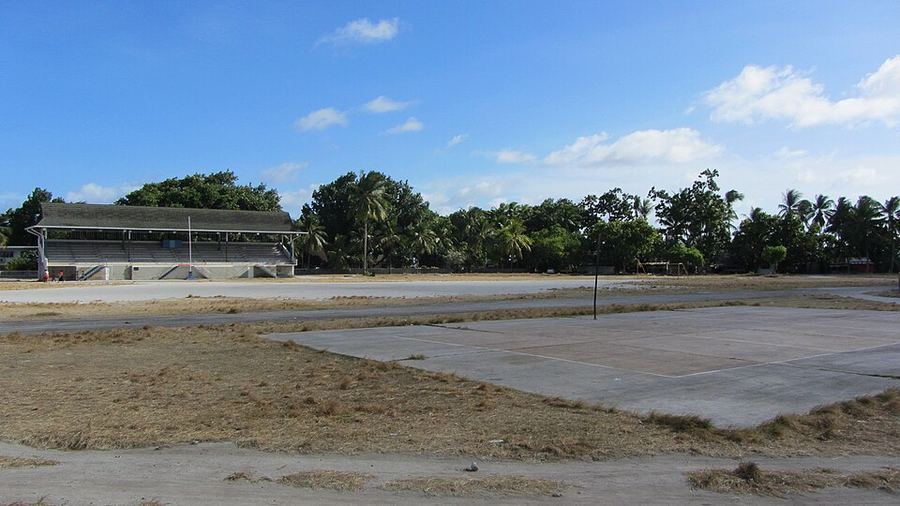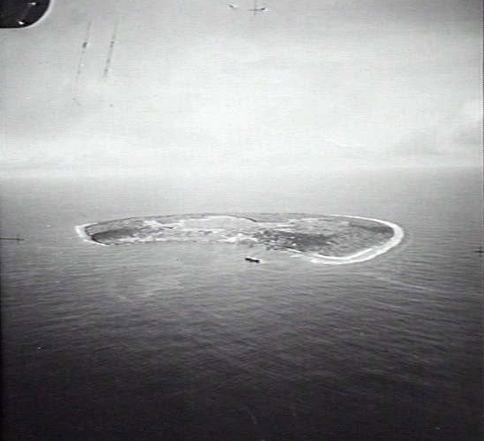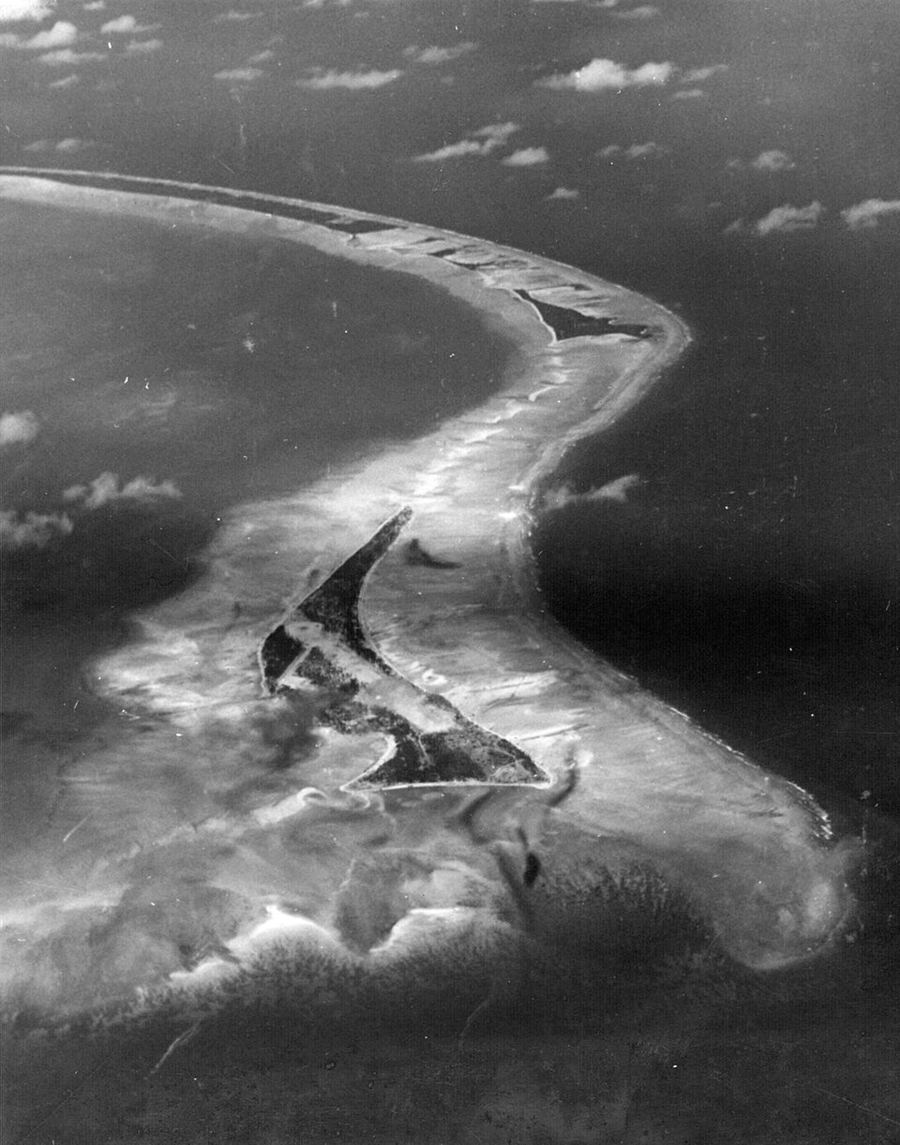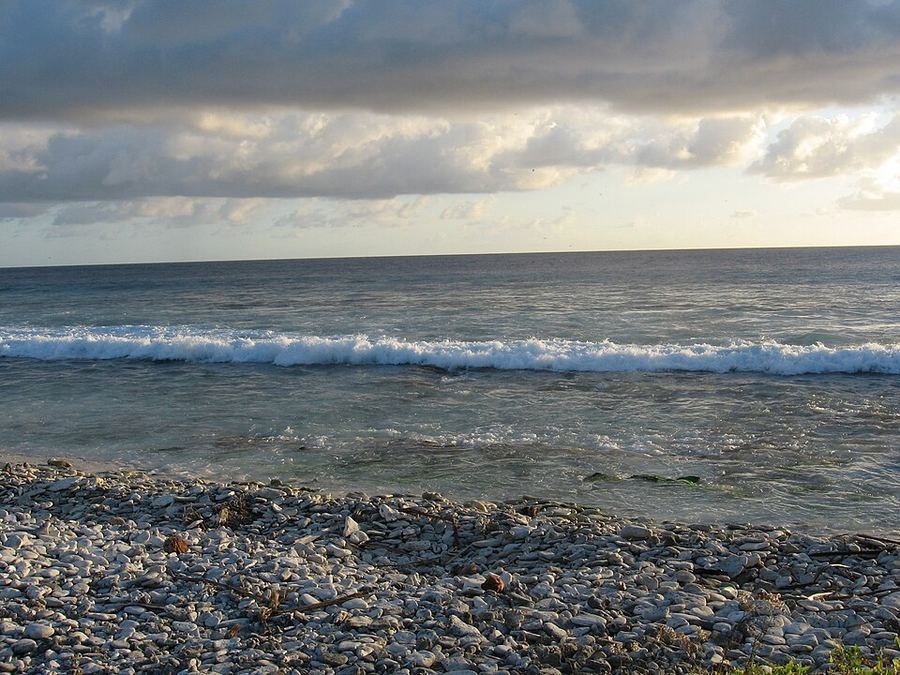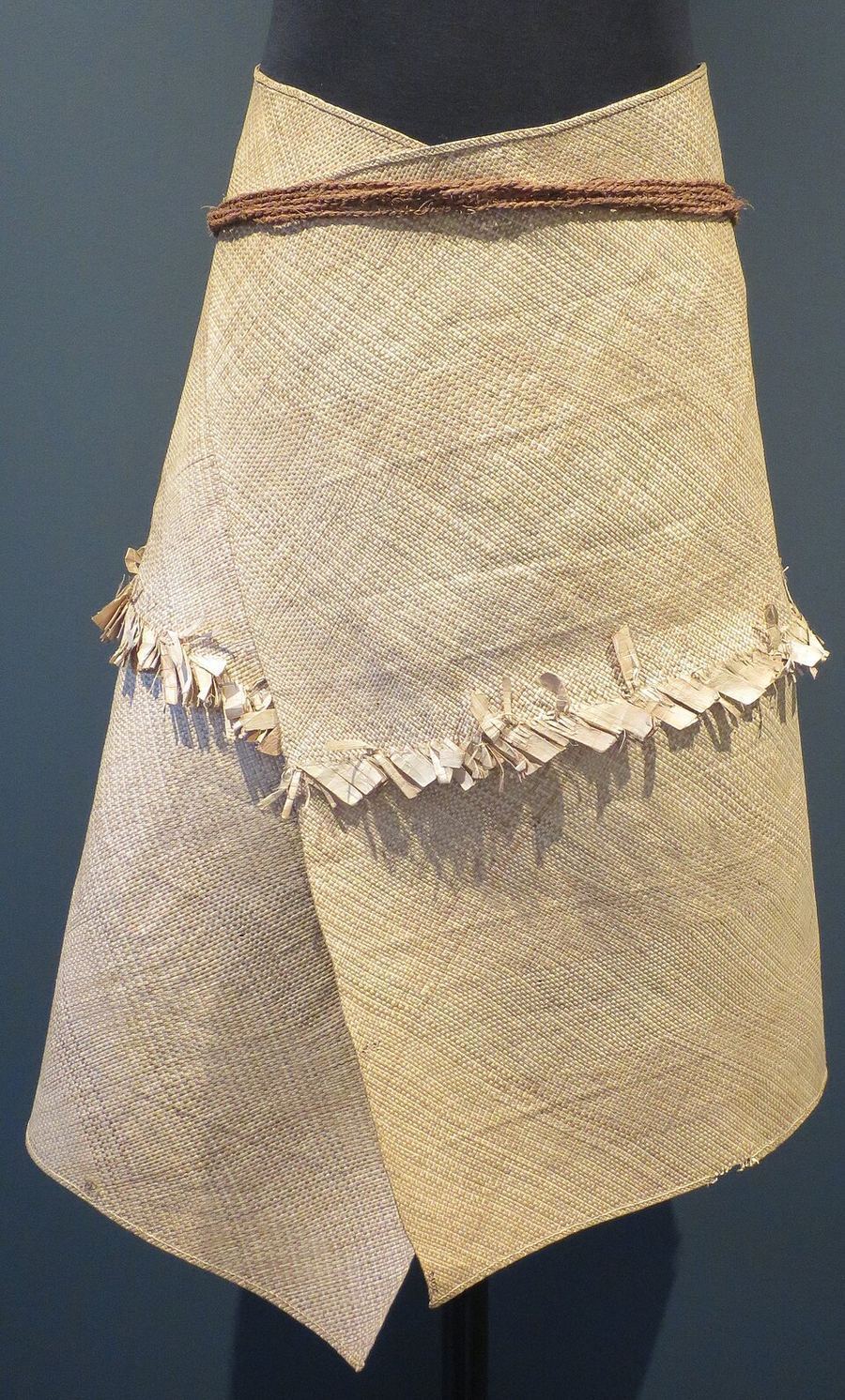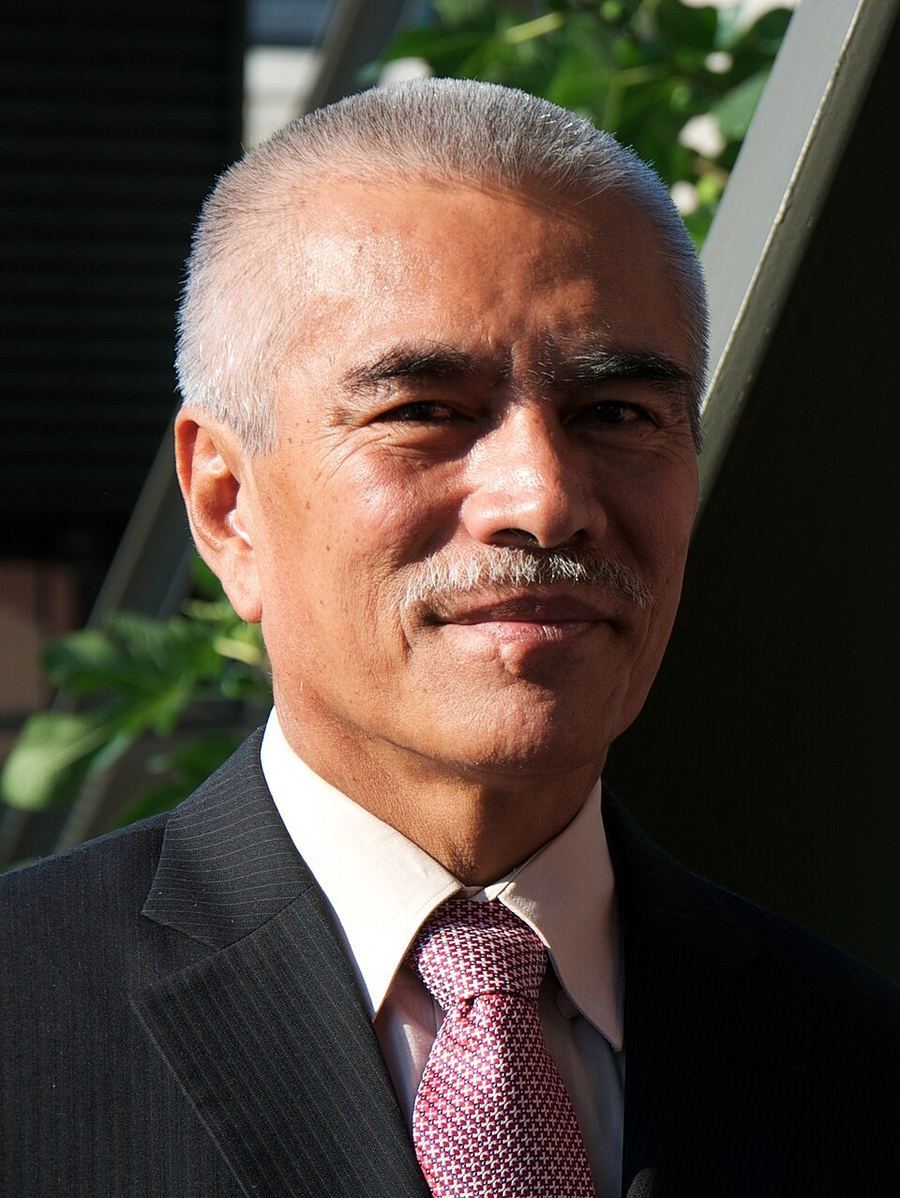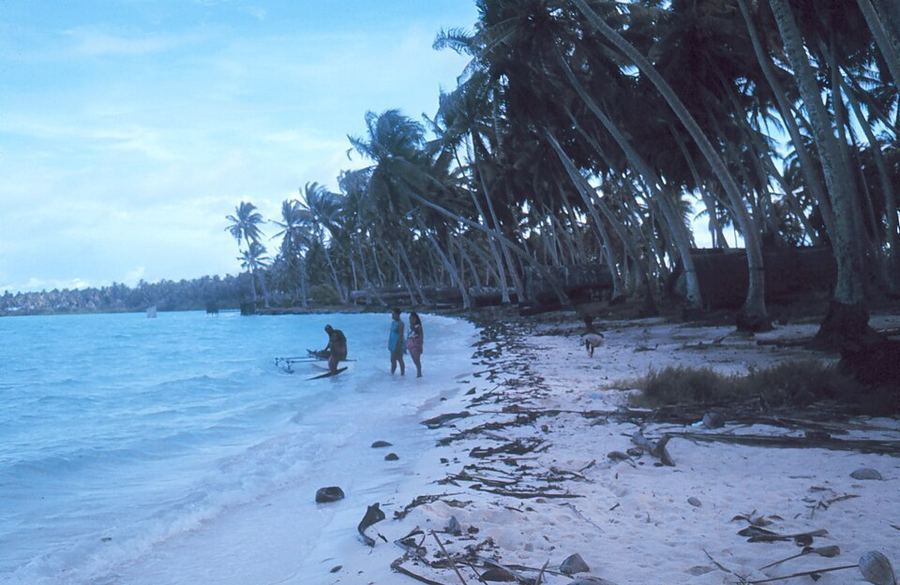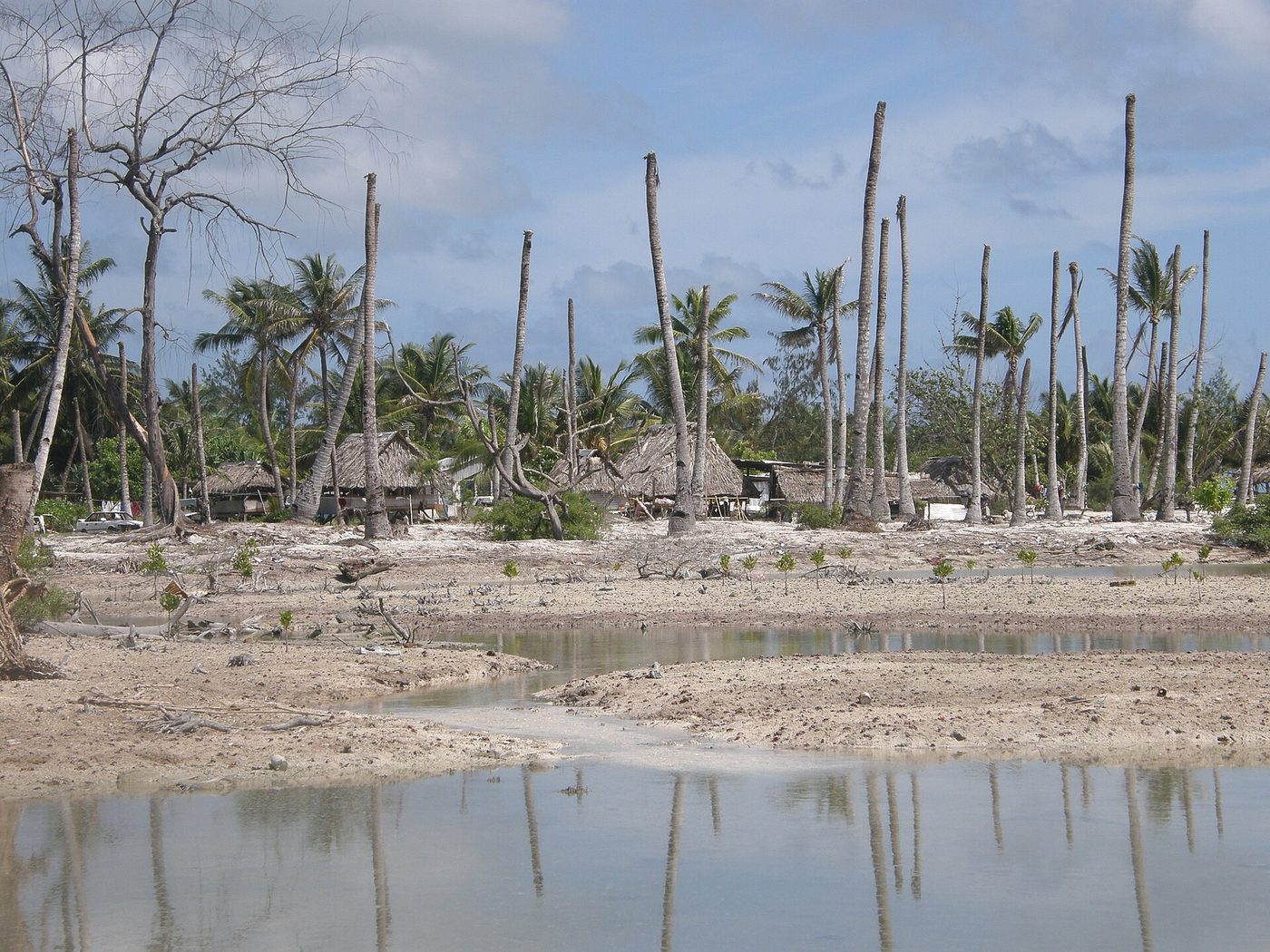
Kiribati is a Pacific republic of about 117,000 people living on 33 coral atolls and reef islands scattered across roughly 3.5 million square kilometres of ocean — a land area of a few hundred square kilometres inside one of the largest exclusive economic zones on earth. The islands fall into three widely separated groups: the Gilberts, where almost all the population lives; the Phoenix Islands, largely uninhabited; and the Line Islands, more than 3,000 kilometres to the east. Because the country straddles both the equator and the 180th meridian, it is the only state with territory in all four hemispheres. The capital is South Tarawa, a densely settled ribbon of islets in Tarawa atoll linked by causeways, where roughly half the national population lives. Independence from the United Kingdom came on 12 July 1979. The people are overwhelmingly I-Kiribati, a Micronesian population speaking Gilbertese alongside official English, and predominantly Christian, with Roman Catholics forming the largest group and the Kiribati Uniting and Protestant churches next. The economy rests on licence fees paid by foreign tuna fleets, remittances from seafarers, copra and a sovereign fund built from long-exhausted phosphate royalties. Average elevation is only a couple of metres, which places the country at the front of the global argument about sea-level rise.
Kiribati made its Olympic debut at Athens in 2004, three years after the formation of its national Olympic committee, and has sent small teams to every Summer Games since, competing in athletics, weightlifting, judo and taekwondo, generally under universality places. It has not yet won an Olympic medal. Its outstanding international result came at the Commonwealth Games in Glasgow in 2014, when the weightlifter David Katoatau won the men's 105 kilogram category — the first Commonwealth gold medal in the country's history and, for a nation of barely a hundred thousand people, a national event. Katoatau went on to compete at the Rio Olympics in 2016, where his habit of dancing off the platform after each lift drew worldwide attention that he used deliberately to talk about sea-level rise and the future of his islands. Kiribati competes regularly at the Pacific Games and the Micronesian Games, where it has won medals in athletics, weightlifting and canoeing, and takes part in Oceania regional football competitions. Distance, cost and the absence of full-size training facilities remain the principal constraints on international participation.
Australian Dollar — AUD ($)
GDP (PPP): $438.143 million (2024 est.)
Per capita: $3,300 (2024 est.)
$17.099 million (2023 est.)
fish, coconut oil (2023)
Partners: Thailand 85%, Japan 6%, Philippines 3%, UAE 2%, Fiji 1% (2023)
$293.624 million (2023 est.)
ships, centrifuges, refined petroleum, rice, raw sugar (2023)
Partners: China 24%, Australia 20%, Fiji 15%, Japan 7%, NZ 6% (2023)
Type: presidential republic
Independence: 12 July 1979 (from the UK)
How mountains, coasts, and rivers shape settlement (LandScan).
Coming — dataWhere groups settled and how people move (GeoEPR + UNHCR).
Coming — dataNotable institutions, mappable as points.
Coming — data