HERA · Human Entity Reference Atlas by Masego Inc

← Kuwait 🌐 3D View
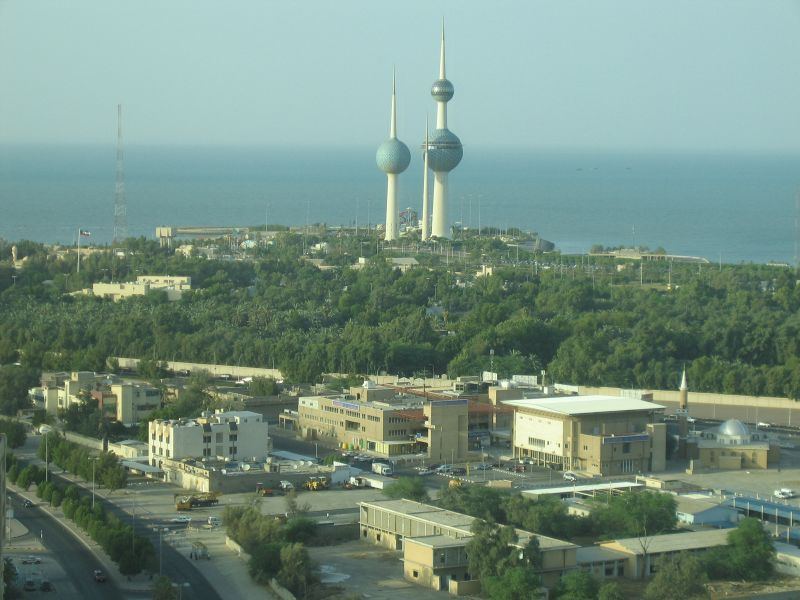
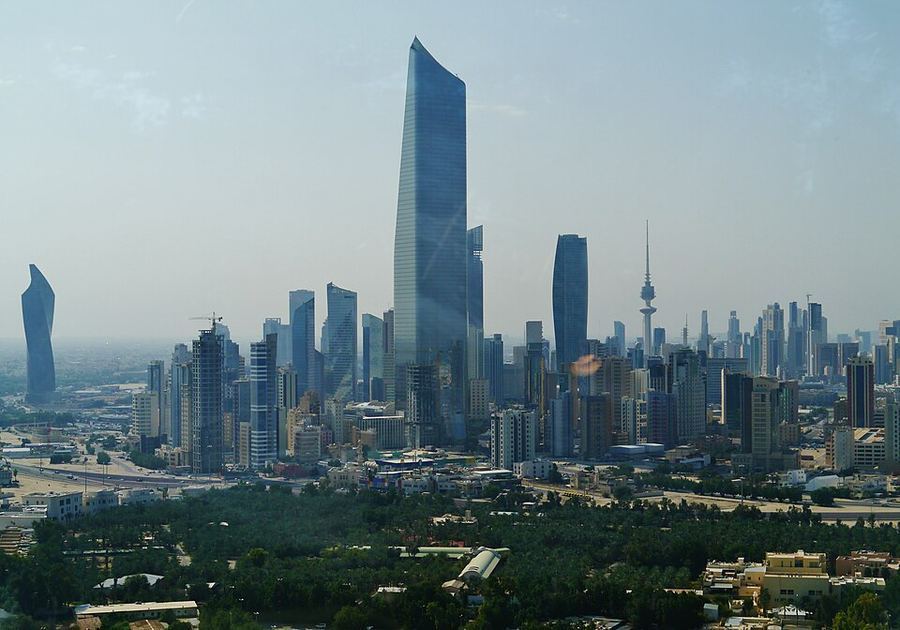
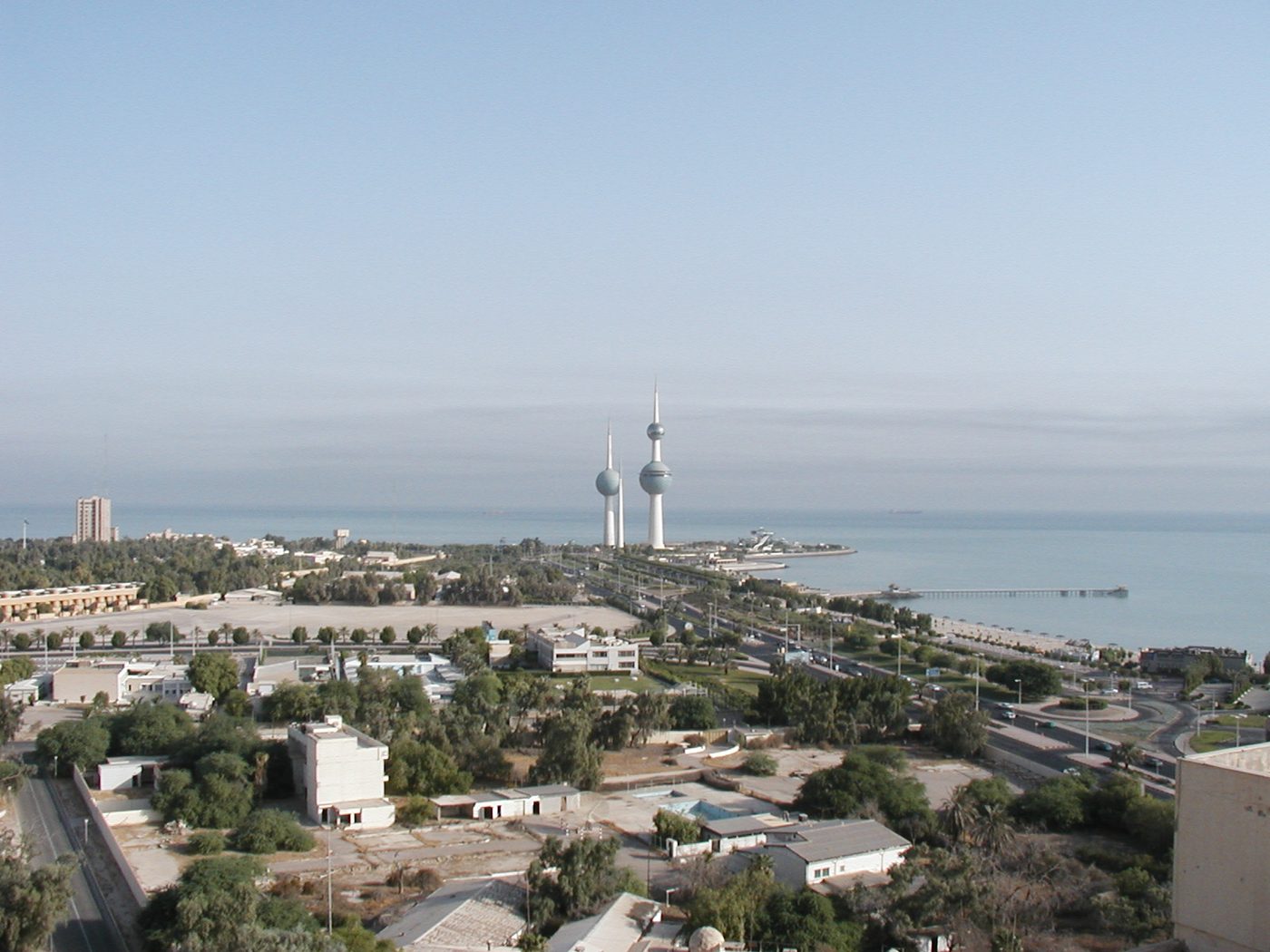
Kuwait towers, Kuwait
Kuwait KWT
Kuwait towers — Photo: Mikael Lindmark / CC BY-SA 2.5 se via Wikimedia Commons
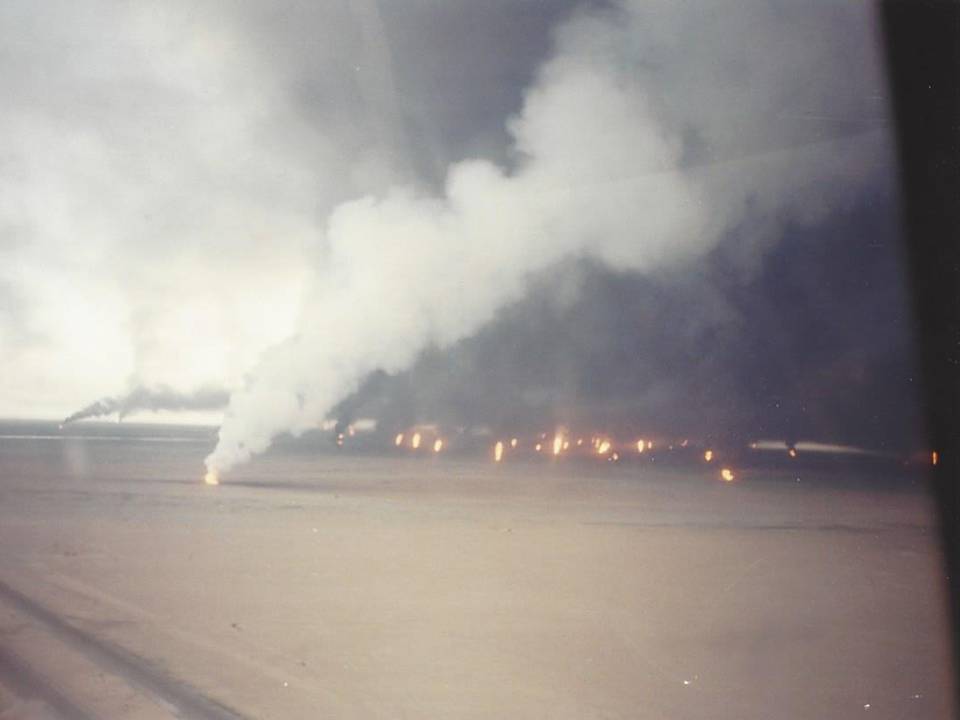
Did You Know Retreating Iraqi forces set fire to more than 600 Kuwaiti oil wells in 1991; the fires burned for months and the desert contamination they left is still being remediated. — UN

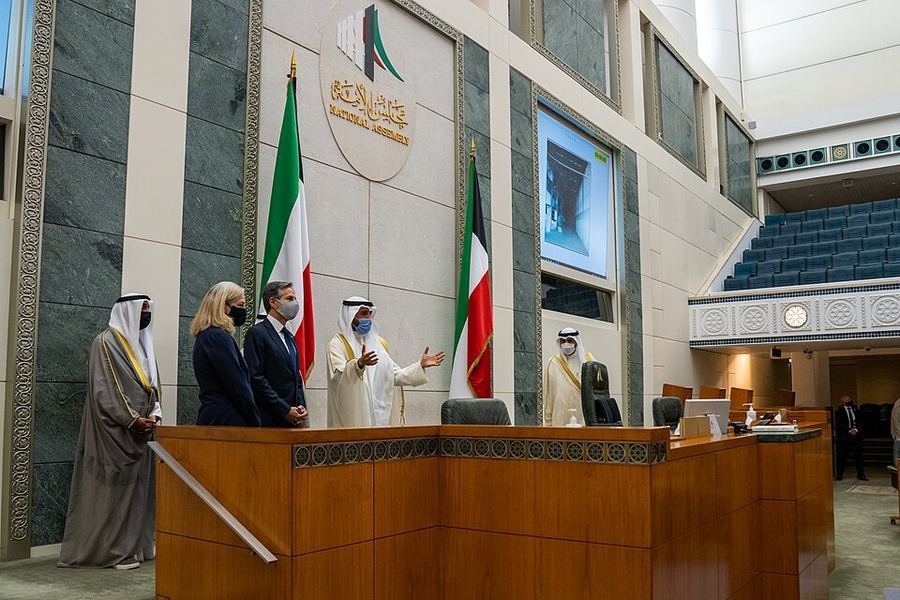
Kuwait is a small Gulf emirate of about 3.2 million people occupying some 17,800 square kilometres at the head of the Persian Gulf, wedged between Iraq to the north and west and Saudi Arabia to the south. It is a constitutional monarchy in which the Al Sabah family has ruled since the eighteenth century, governing alongside a National Assembly that has been, for most of its existence, the most powerful elected legislature in the Arab states of the Gulf. Kuwait City, on the southern shore of Kuwait Bay, holds virtually the entire population, since the rest of the country is flat, arid desert with no rivers, negligible rainfall and almost no arable land. Independence from the United Kingdom came on 19 June 1961. The demography is unusual even for the Gulf: Kuwaiti citizens make up only about 30 percent of the population, with Asian nationals around 40 percent and other Arabs about 27 percent, so the country runs on an expatriate workforce. Arabic is official and English widely used, and Islam is the state religion. Kuwait holds roughly six percent of the world's proven crude oil reserves, and petroleum and refined products account for almost all export earnings, chiefly to China, India and Japan; the Kuwait Investment Authority, established in 1953, is the world's oldest sovereign wealth fund.

CIA World FactbookEncyclopaedia BritannicaWorld BankIMF
Population
3,172,511
Capital
Kuwait City
Currency
Time zones
Largest city
Kuwait City
Human Geography Themes
Loading national figures…
Largest Cities
Kuwait City3,703,486
Al Jahra91,203
Saad Al-Abdulla70,891
In Perspective

Kuwait City's urban core is home to about 3,703,486 people.

That's bigger than Berlin, Rome and Amsterdam — each a great world city in its own right.

Kuwait City3,703,486
Berlin3,601,776
Rome2,556,354
Amsterdam1,223,407

Among the world's megacities, though, it's one of many — the giants of Asia and Latin America run larger still:

Kuwait City3,703,486
Jakarta40,545,126
Dhaka37,307,160
Tokyo33,244,670
Shanghai30,678,616
Cairo25,230,325
The Country & Its People

History

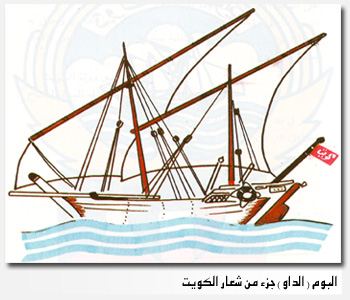
Kuwait began in the early eighteenth century as a fishing and pearling settlement around a small fort — kut, from which the name derives — established by clans of the Bani Utub who had migrated from central Arabia to the bay. In 1752 the community chose Sabah bin Jaber as its leader, founding the dynasty that still rules. Its natural harbour, one of the few good anchorages at the head of the Gulf, made it a shipbuilding and entrepot town trading pearls, dates and horses between India, Arabia and Mesopotamia, and its dhow builders were the finest in the region. Fearing Ottoman absorption, Sheikh Mubarak the Great concluded an agreement with Britain in 1899 that made Kuwait a protected state. The 1922 Uqair conference drew the borders and created a neutral zone with Najd; the Great Depression and the invention of the cultured pearl in Japan destroyed the pearling economy in the 1930s. Oil, found in commercial quantity at Burgan in 1938 and exported from 1946, transformed everything within a generation. Independence came on 19 June 1961, and Kuwait promulgated a constitution and elected a National Assembly in 1962. Iraq invaded on 2 August 1990 and was expelled by a United States-led coalition in February 1991.
Culture

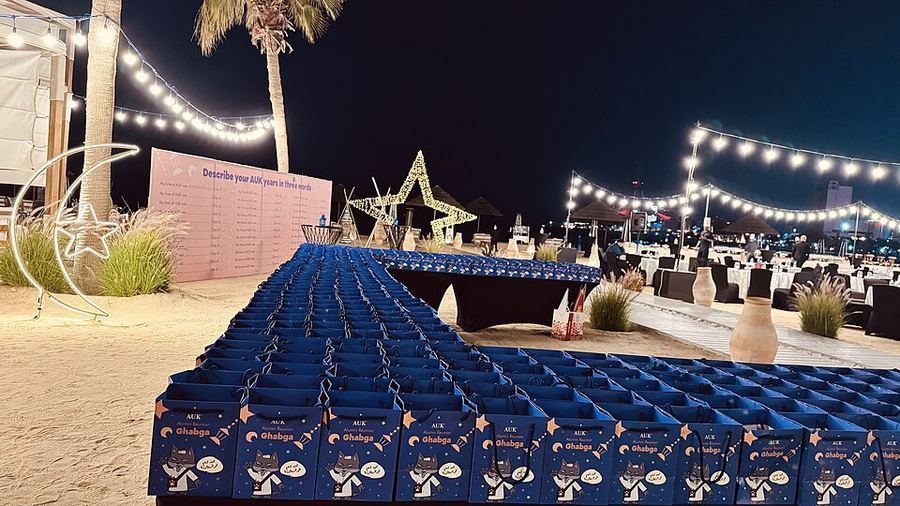
Kuwaiti culture retains the imprint of a maritime trading town more than of the Bedouin interior, though both traditions run through it. The diwaniya is the central institution: a reception room, often a separate building attached to a family house, where men gather in the evening to drink tea and coffee, discuss politics and business and receive visitors, with the gathering open on set nights and hosts known for particular circles. It has functioned for a century as an informal parliament, and Kuwaiti political movements have organised through diwaniyas when other channels were closed. Family and tribal affiliation remain central, and the distinction between hadhar, the settled townspeople of merchant descent, and badu, of Bedouin origin, still carries social and electoral weight. Hospitality is formalised in the serving of gahwa, lightly roasted coffee flavoured with cardamom and poured from a dallah into small handleless cups, refilled until the guest shakes the cup. Ramadan reshapes the calendar entirely, with night visiting, iftar gatherings and the children's festival of Girgian at mid-month, when children in traditional dress go door to door for sweets and nuts.

Points Of Pride

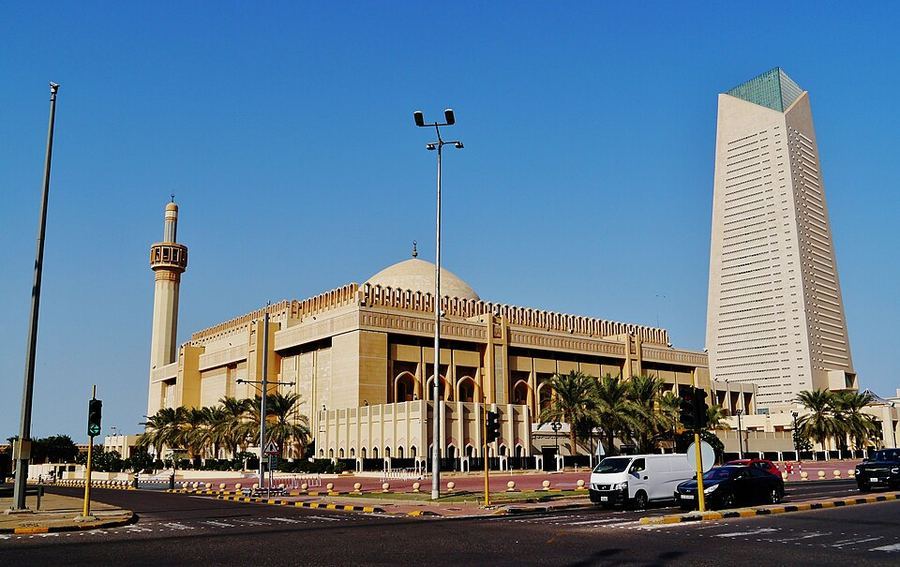
The Kuwait Towers, three blue-tiled spheres on the Gulf shore completed in 1979, are the country's emblem and among the most recognised pieces of modern architecture in the Arab world; the largest holds a water reservoir and a restaurant, and their reopening after being shelled during the occupation carried heavy symbolism. Kuwaitis take pride in the constitution of 1962 and in the National Assembly, which has for six decades questioned ministers, rejected budgets and forced governments to resign — a level of parliamentary assertiveness with no parallel among the Gulf monarchies. The Kuwait Investment Authority, founded in 1953 before independence, is the oldest sovereign wealth fund in the world, and the Kuwait Fund for Arab Economic Development, established in 1961, was the first development aid agency created by a developing country and has financed projects in more than a hundred states, earning Kuwait recognition in 2014 as a humanitarian centre by the United Nations. The Grand Mosque, the Sheikh Jaber Al-Ahmad Cultural Centre — one of the largest cultural complexes in the Middle East — and the restored dhow-building tradition of the maritime museum complete the list.

Cultural Fusion

Kuwait's location at the head of the Gulf made it a meeting point long before oil. Its merchant families traded with Basra, Bombay, Zanzibar and the Malabar coast, and the sea brought Persian, Indian and East African influence into food, music, vocabulary and family lines; the sawt and fijiri musical traditions carry clear African and Indian rhythmic inheritance from the pearling crews and the slave trade. Persian-descended Kuwaiti families, both Sunni and Shia, have been part of the merchant elite for generations, and Kuwait's Shia minority is among the largest and most integrated in the Arab Gulf states. Since the oil era the country's composition has been reshaped again: Palestinians formed a large and influential community until most were expelled after 1991 for the PLO's stance during the occupation, and Egyptians, Syrians, Lebanese, Indians, Bangladeshis, Filipinos and Sri Lankans now make up the majority of residents, giving Kuwait City neighbourhoods of South Asian and Filipino commerce and cuisine. Cutting across all this is the unresolved status of the Bidoon, stateless residents of long standing whose claims to citizenship remain contested and who are excluded from much of public life.

Music & Dance

Kuwait was the recording centre of the Gulf in the twentieth century and its musical traditions are the most developed on the Arabian side of the water. The classic urban form is sawt, an intimate art song accompanied by the oud and the mirwas hand drum, with a dancer or a second performer beating out the rhythm and a distinctive off-balance metre; it was carried to record by singers such as Abdullah Al-Faddalah and Mahmoud Al-Kuwaiti in the 1920s and 1930s. The sea produced fijiri, the work-song repertoire of pearl divers, sung in call and response over clapping, jahla water-jar drums and the sound of the ship, whose complex polyrhythms show clear East African influence; it is performed today by heritage ensembles. Bedouin tradition contributes the ardah, a line dance of men with swords advancing to drums and chanted poetry, performed at national celebrations and weddings, and the sung poetry of nabati verse. Kuwaiti performers including Abdulkarim Abdulqader and Nawal have had regional careers, and the country's television and theatre production, unusually strong for its size, made Kuwaiti drama and comedy familiar across the Gulf.

Cuisine & Misattributed Foods

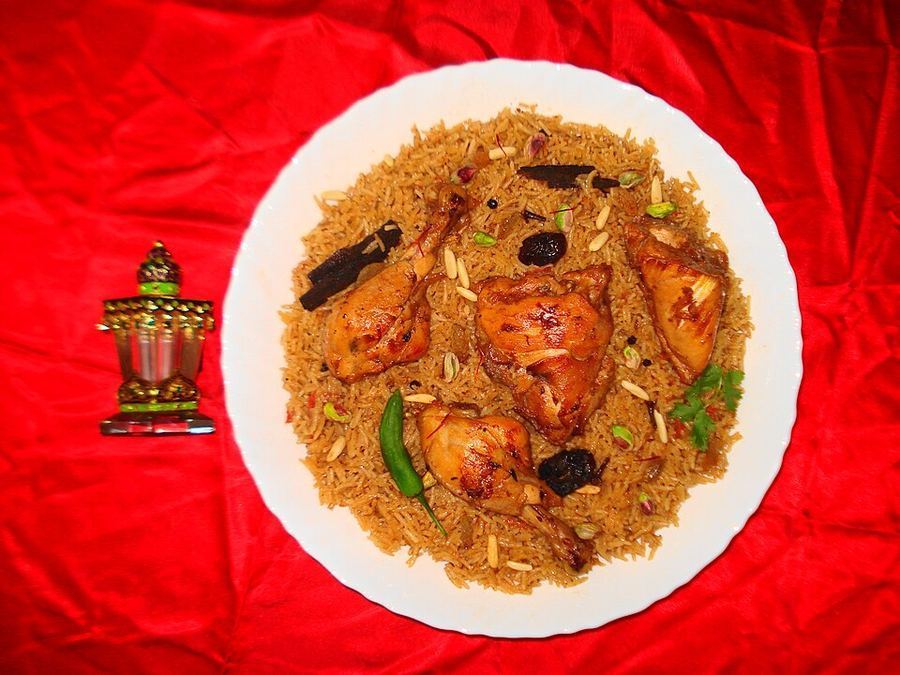
The national dish is machboos, spiced rice cooked with meat, chicken or fish in a broth flavoured with loomi — dried black limes — cinnamon, cardamom, clove and turmeric, served on a communal platter and eaten with the right hand or with a spoon, accompanied by daqoos, a cooked tomato sauce sharpened with garlic. The heavy use of loomi, saffron and rosewater, and the rice-and-fish combination, reflect centuries of trade with Persia and India, as does the Kuwaiti version of biryani. Fish is central: zubaidi, the silver pomfret, is the prestige catch of the Gulf and the object of considerable seasonal enthusiasm, along with hamour grouper and Gulf prawns. Murabyan pairs prawns with rice; muttabaq samak layers fried fish over spiced rice. Harees, wheat and meat cooked to a smooth paste, and jireesh are Ramadan staples, and the fasting month brings its own repertoire of sweets — luqaimat, fried dough balls in date syrup, and darabeel. Dates in dozens of varieties are eaten with gahwa throughout the day, and the traditional flatbread khubz iranian is baked against the wall of a clay oven in bakeries across the city.

National Dress

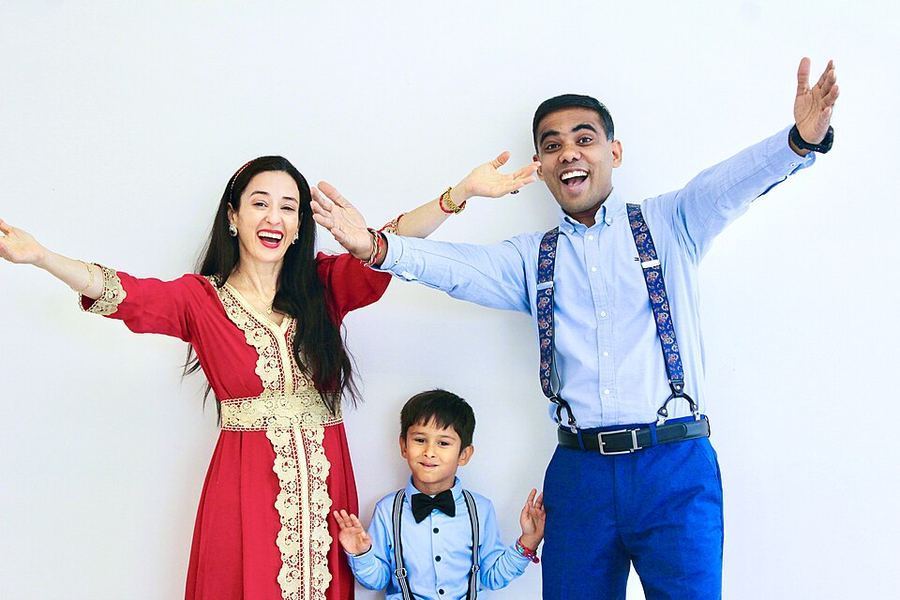
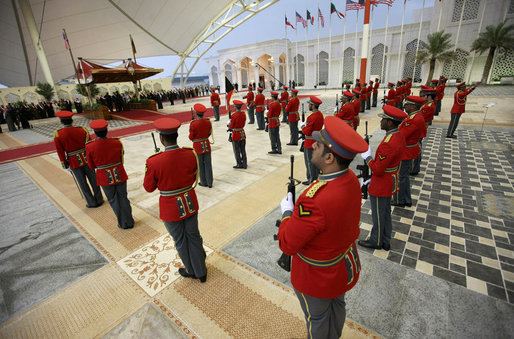
Kuwaiti national dress is worn widely in daily life, not only on ceremonial occasions, and it is a marker of citizenship in a country where most residents are foreign. Men wear the dishdasha, a long tailored robe, white and lightweight in summer and in heavier darker cloth in winter, with the ghutra headcloth — plain white or in the red-and-white check — held in place by the black corded egal, and for formal occasions the bisht, a fine cloak of camel wool or wool crepe edged in gold thread, is worn over the dishdasha at weddings, in parliament and on state occasions. Women's public dress is typically the abaya, a loose black overgarment worn over ordinary clothing, with the hijab worn by many though not all Kuwaiti women; underneath, the darraa, a loose embroidered house dress, is worn at home and among women. Traditional bridal and festival dress includes the thob al-nashal, a wide sheer overdress of silk gauze heavily embroidered with gold and silver thread, worn over a gown and now largely ceremonial. Girgian costume for children during Ramadan is a deliberate revival of older embroidered styles.

Sports & Inspiring Athletes

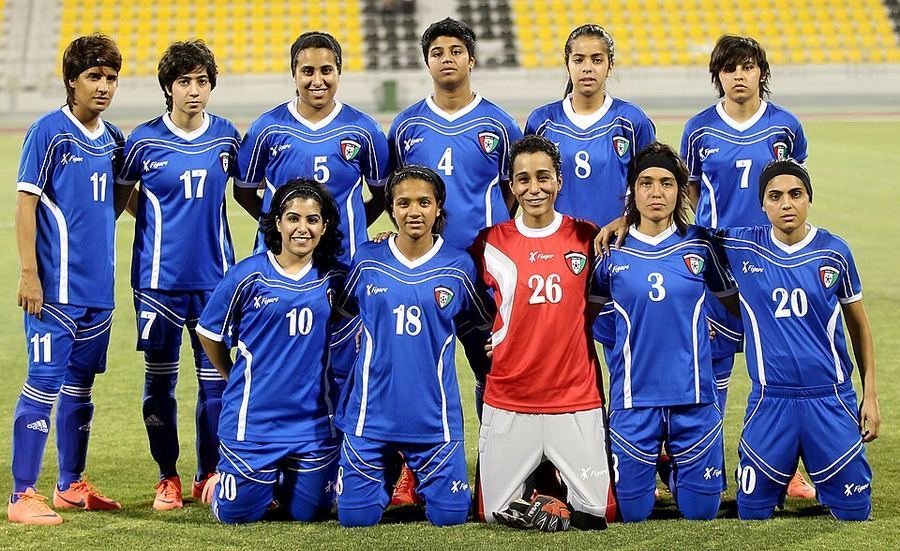
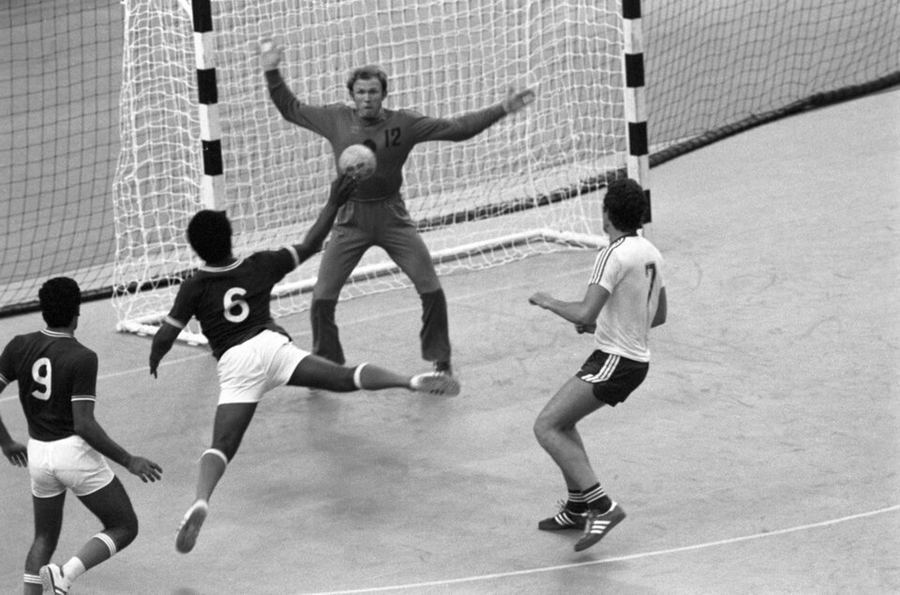
Football is by a wide margin the most popular sport in Kuwait, administered by the Kuwait Football Association, with a domestic premier league whose leading clubs — Al-Arabi, Al-Qadsia, Kuwait SC and Al-Salmiya — command intense loyalties and whose derbies fill Jaber Al-Ahmad International Stadium and the Kuwait Sports Club Stadium. The national team, known as Al-Azraq, the Blues, won the AFC Asian Cup in 1980 on home soil and qualified for the FIFA World Cup in Spain in 1982, the country's only appearance. Handball and basketball have strong followings, and volleyball and swimming are widely played. Shooting is Kuwait's most successful international discipline by some distance, supported by well-funded ranges and a national federation, and it accounts for the country's only Olympic medals. Traditional and desert sports remain important: falconry, practised with peregrines and sakers trained through the winter, is inscribed by UNESCO as shared intangible heritage of the region, and camel racing, saluki coursing and horse racing at the Kuwait Riding Club and the Hunting and Equestrian Club draw substantial followings during the cool season.

Notable Educational Programs

Education in Kuwait is free for citizens from kindergarten through university and compulsory to the end of intermediate school, and the state has invested heavily in it since the first modern school, Al-Mubarakiya, opened in 1911 through merchant subscription. Adult literacy is very high and gender parity in enrolment is complete, with Kuwaiti women substantially outnumbering men in higher education. Kuwait University, founded in 1966, is the principal public institution, and the new Sabah Al-Salem University City in Shadadiya consolidated its faculties on a single large campus in the 2010s. The Public Authority for Applied Education and Training runs the technical and vocational colleges, and the Kuwait Institute for Scientific Research, established in 1967, is the country's main research organisation. A private university sector, much of it operating under franchise or affiliation with American and Australian institutions, has expanded rapidly since the 2000s. The Kuwait Foundation for the Advancement of Sciences, funded by a levy on shareholding companies since 1976, supports research, science education and the Scientific Center. Large government scholarship programmes send Kuwaiti students to universities in the United States, United Kingdom and elsewhere each year.

Wars & Conflicts

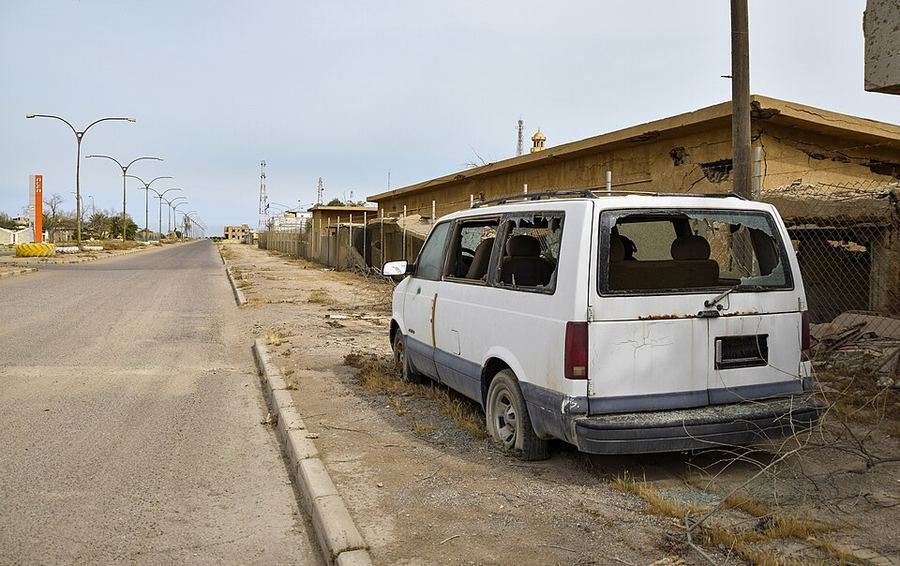
The defining event of modern Kuwaiti history is the Iraqi invasion of 2 August 1990, when Saddam Hussein's forces overran the country in a day, declared it Iraq's nineteenth province and occupied it for seven months. The occupation was marked by widespread looting, torture, summary executions and the disappearance of hundreds of Kuwaitis whose remains have been recovered from mass graves in Iraq over subsequent decades. The United Nations Security Council authorised the use of force, and a coalition led by the United States expelled Iraqi forces in February 1991; retreating troops set fire to more than 600 oil wells, which burned for months and caused an environmental catastrophe of oil lakes, smoke plumes and contaminated desert whose remediation is still incomplete. The United Nations Compensation Commission subsequently awarded and paid out more than fifty billion dollars in reparations from Iraqi oil revenue, with the final instalment paid in 2022. Kuwait hosted coalition forces during the 2003 invasion of Iraq. Since then the country's security concerns have been the regional spillover of the Iraqi and Syrian conflicts, a 2015 bombing of a Shia mosque in Kuwait City claimed by the Islamic State, and the security of Gulf shipping.
Current as of 2026-08-07

Land & Border Disputes

Kuwait's border with Iraq, the source of the 1990 invasion, was demarcated after the war by a United Nations boundary commission established under Security Council resolution 687, whose findings were accepted by the Security Council in 1993 and formally recognised by Iraq in 1994; the line moved several oil wells and part of the port of Umm Qasr to the Kuwaiti side and remains a source of Iraqi resentment. Related questions persist over the navigable channel of the Khor Abdullah waterway, where a 2012 bilateral agreement on regulating navigation was declared unconstitutional by Iraq's federal supreme court in 2023, prompting a diplomatic protest from Kuwait, and over Kuwait's construction of the Mubarak Al-Kabeer port on Bubiyan Island, which Iraq argues would affect access to its own port at Faw. With Saudi Arabia, the former Neutral Zone was partitioned in 1969 and its substantial onshore and offshore oil resources are shared equally; production from the Divided Zone fields at Wafra and Khafji was suspended for around five years amid a bilateral dispute before resuming in 2020 under a renewed agreement. Kuwait also contests Iranian claims relating to the offshore Dorra gas field, which Kuwait and Saudi Arabia hold jointly.
Land, Life & Legacy

Land & Climate

Kuwait is small, flat and dry. Its territory is desert plain, sloping gently from a maximum elevation of a little over 300 metres in the west toward the Gulf, with no permanent rivers or lakes and no natural fresh surface water at all — a constraint that shaped settlement entirely around the bay and that now makes the country almost wholly dependent on seawater desalination for drinking supply. Kuwait Bay is a deep indentation on the north coast providing the sheltered harbour that made the town possible, and the country includes nine islands, of which Bubiyan and Warbah lie in the shallow silted waters near the Shatt al-Arab delta and Failaka, closer in, holds Bronze Age Dilmun and Hellenistic Greek archaeological remains from the settlement of Ikaros. The Wadi al-Batin forms the western boundary with Iraq. The climate is among the most severe inhabited climates in the world: summer temperatures routinely exceed 50 degrees Celsius, and Mitribah in northern Kuwait recorded a reading of 54 degrees in July 2016 that is among the highest reliably measured anywhere on earth. Rainfall averages barely 100 to 150 millimetres a year, and spring and summer bring the shamal, a hot northwesterly wind carrying dust storms.

Entertainment

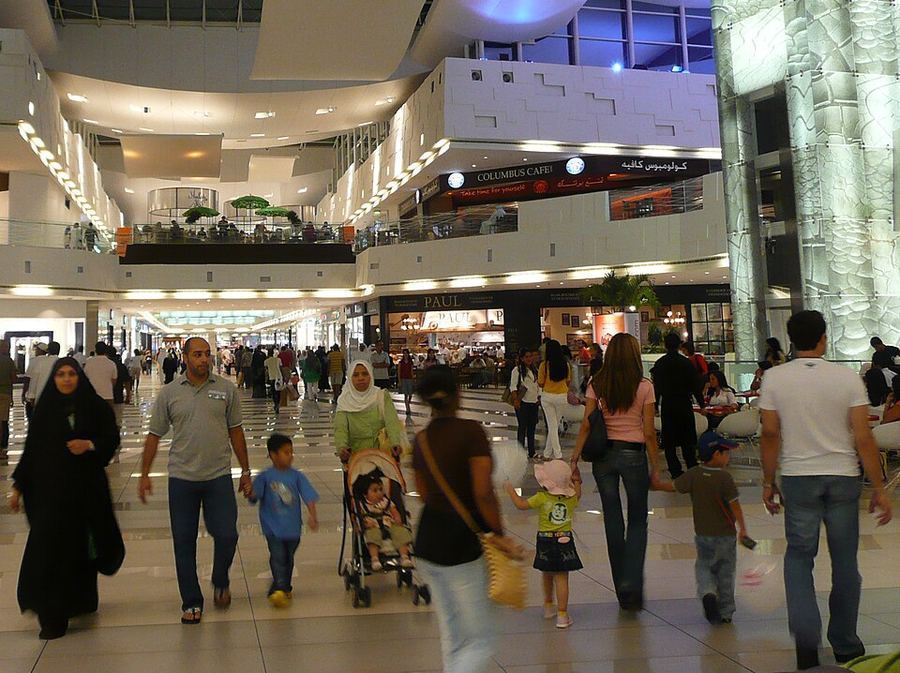
Kuwaiti leisure works around the heat. The malls — Avenues, one of the largest in the Middle East, along with Marina and 360 — function as the country's public squares, air-conditioned spaces for walking, eating and meeting that fill after dark. The diwaniya remains the core of male social life through the week. In the cooler months, from November to March, families move outdoors in earnest: the spring camping season sends thousands of households into the desert, where tents with generators, carpets and satellite dishes are pitched for weeks at a time in a mass seasonal migration that is unlike anything in the neighbouring states. The Gulf coast supports boating, fishing and diving, with chalets along the southern shore at Khiran and marinas at Salmiya, and the annual sailing of restored dhows keeps the maritime tradition visible. Falconry and saluki coursing survive among enthusiasts. Kuwait's restaurant and café culture is exceptionally developed, and cinema, theatre and a substantial television production industry have long given the country outsized cultural influence in the Gulf. Scientific Center aquarium and the Sheikh Jaber Al-Ahmad Cultural Centre supply the family and concert calendar.

Art & Museums

Kuwait had the earliest modern art movement in the Gulf. The state began sending students abroad on art scholarships in the 1950s, and the Kuwaiti Formative Art Society, founded in 1967, gave the region its first organised artistic community; Mojeb al-Dousari is regarded as the first Kuwaiti artist in the European sense, and Sami Mohammad's sculpture and Thuraya al-Baqsami's painting and printmaking are among the best-known bodies of work to come out of the country. The Sultan Gallery, opened in 1969, was the first commercial art gallery in the Arabian Peninsula. Kuwaiti collections are of international significance: the Dar al-Athar al-Islamiyyah, built on the al-Sabah family collection, holds one of the finest assemblages of Islamic art anywhere, much of it looted during the 1990 occupation and subsequently returned under United Nations supervision. Traditional crafts centre on the sea and the desert — dhow building, whose largest vessels were constructed in Kuwait for the Indian Ocean trade, sadu weaving of goat and camel hair in geometric bands, which UNESCO lists as intangible heritage in need of safeguarding, and gold and pearl jewellery. Kuwaiti television drama and theatre have been the Gulf's most influential since the 1960s.

Notable People

Sheikh Mubarak Al-Sabah, known as Mubarak the Great, who ruled from 1896 and secured the 1899 agreement with Britain, is regarded as the founder of the modern state; Sheikh Abdullah Al-Salim Al-Sabah led the country to independence in 1961 and promulgated the 1962 constitution, and is remembered as the father of the constitution. Sheikh Jaber Al-Ahmad Al-Sabah ruled through the Iraqi occupation and the liberation. Among writers, Ismail Fahd Ismail is credited with founding the Kuwaiti novel, and Saud Alsanousi won the International Prize for Arabic Fiction in 2013 for The Bamboo Stalk, a novel about a Kuwaiti-Filipino son and the question of belonging. Thuraya al-Baqsami is the country's best-known visual artist internationally. Badria Al-Awadhi, the first female law dean in the Gulf, and Rasha Al-Sabah in higher education were pioneering figures for Kuwaiti women, who gained full political rights in 2005. In sport, the shooter Fehaid Al-Deehani won gold at the 2016 Rio Olympics in double trap — competing as an independent athlete under the Olympic flag because of Kuwait's suspension — after two earlier bronzes.

Inventions & Breakthroughs

Kuwait's distinctive contributions have been in institutions, shipbuilding and water rather than in laboratory invention. The Kuwait Investment Authority, created in 1953 to convert finite oil revenue into a permanent financial endowment for future generations, was the first sovereign wealth fund anywhere and became the template for the model now used from Norway to Singapore; the Kuwait Fund for Arab Economic Development, founded in 1961, was similarly the first foreign aid agency established by a developing country. In an earlier era Kuwait's shipwrights built the largest dhows of the Indian Ocean trade — the boom and baghlah — by eye without plans, and Kuwaiti-built vessels carried much of the Gulf's commerce; the last great ocean-going boom, Al-Muhallab, and the record-setting Al-Hashemi-II preserve that craft. Water technology is the country's most consequential applied engineering: with no fresh surface water at all, Kuwait was among the first states in the world to adopt large-scale seawater distillation, commissioning desalination plants from the 1950s, and it remains a centre of desalination research. Sadu weaving and the traditional badgir wind-catcher of old Kuwaiti houses represent the indigenous engineering of textiles and cooling.

Science & Technology

Kuwait's applied science is dominated by the problems its geography and economy set: water, heat and hydrocarbons. With no fresh surface water, the country depends on large-scale seawater desalination for essentially all its drinking supply and is among the highest per-capita water and electricity consumers in the world, which makes desalination efficiency, water reuse and demand management the central engineering challenge; the Kuwait Institute for Scientific Research, founded in 1967 with a mandate covering water, energy, agriculture and marine environment, conducts much of this work. Petroleum research is concentrated in the Kuwait Oil Company and the state petroleum sector, including enhanced recovery in the giant Burgan field and the Al-Zour refinery, one of the largest in the Middle East, commissioned in the 2020s. Environmental science has a specific national focus in the remediation of the oil lakes and contaminated desert left by the 1991 well fires, funded through United Nations compensation awards. Kuwait was an early adopter of communications technology in the Gulf and has among the highest mobile and internet penetration rates in the world, and the Shagaya renewable energy park in the western desert is the country's principal solar and wind project.
On The World Stage

Champions & Defining Moments

Kuwait's finest hour in international football came in the early 1980s, when the national team won the AFC Asian Cup in 1980 and qualified for the 1982 World Cup in Spain, where it drew with Czechoslovakia — still the country's only World Cup appearance and a defining sporting memory. At the Olympics, Kuwait has competed since 1968 and its medals have all come in shooting: Fehaid Al-Deehani won bronze in double trap at Sydney in 2000 and again at London in 2012, and then gold in the same event at Rio in 2016, though he competed there under the Olympic flag as an independent athlete because the International Olympic Committee had suspended the Kuwaiti national committee over government interference in sports governance — a suspension imposed twice, in 2010 and 2015, and lifted in 2019. Abdullah Al-Rashidi has taken bronze in skeet at consecutive Games. Kuwait competes strongly at the Asian Games and dominates the Arabian Gulf Cup in football, which it has won several times. Kuwait City has hosted the Gulf Cup and Asian championships in shooting, handball and other sports.

IOCOlympediaFIFA
Economy, Trade & Government

Currency & GDP

GDP (PPP): $225.947 billion (2024 est.)

Per capita: $45,400 (2024 est.)

Exports

$89.71 billion (2024 est.)

crude petroleum, refined petroleum, natural gas, hydrocarbons, plastics (2023)

Partners: China 25%, India 13%, Japan 13%, Taiwan 7%, UK 5% (2023)

Imports

$61.521 billion (2024 est.)

cars, natural gas, garments, broadcasting equipment, packaged medicine (2023)

Partners: China 18%, UAE 10%, USA 9%, Saudi Arabia 6%, Japan 6% (2023)

Government

Type: constitutional monarchy (emirate)

Independence: 19 June 1961 (from the UK)

Terrain → Where People Live

How mountains, coasts, and rivers shape settlement (LandScan).

Coming — data

Migration & Ethnic Settlement

Where groups settled and how people move (GeoEPR + UNHCR).

Coming — data

Universities

Notable institutions, mappable as points.

Coming — data
Economy & government facts: CIA World Factbook (public domain), via OpenFactBook / factbook.json.
Every fact and narrative claim will carry a visible source citation. Data-driven sections light up automatically wherever HERA has coverage.