HERA · Human Entity Reference Atlas by Masego Inc

← Lebanon 🌐 3D View
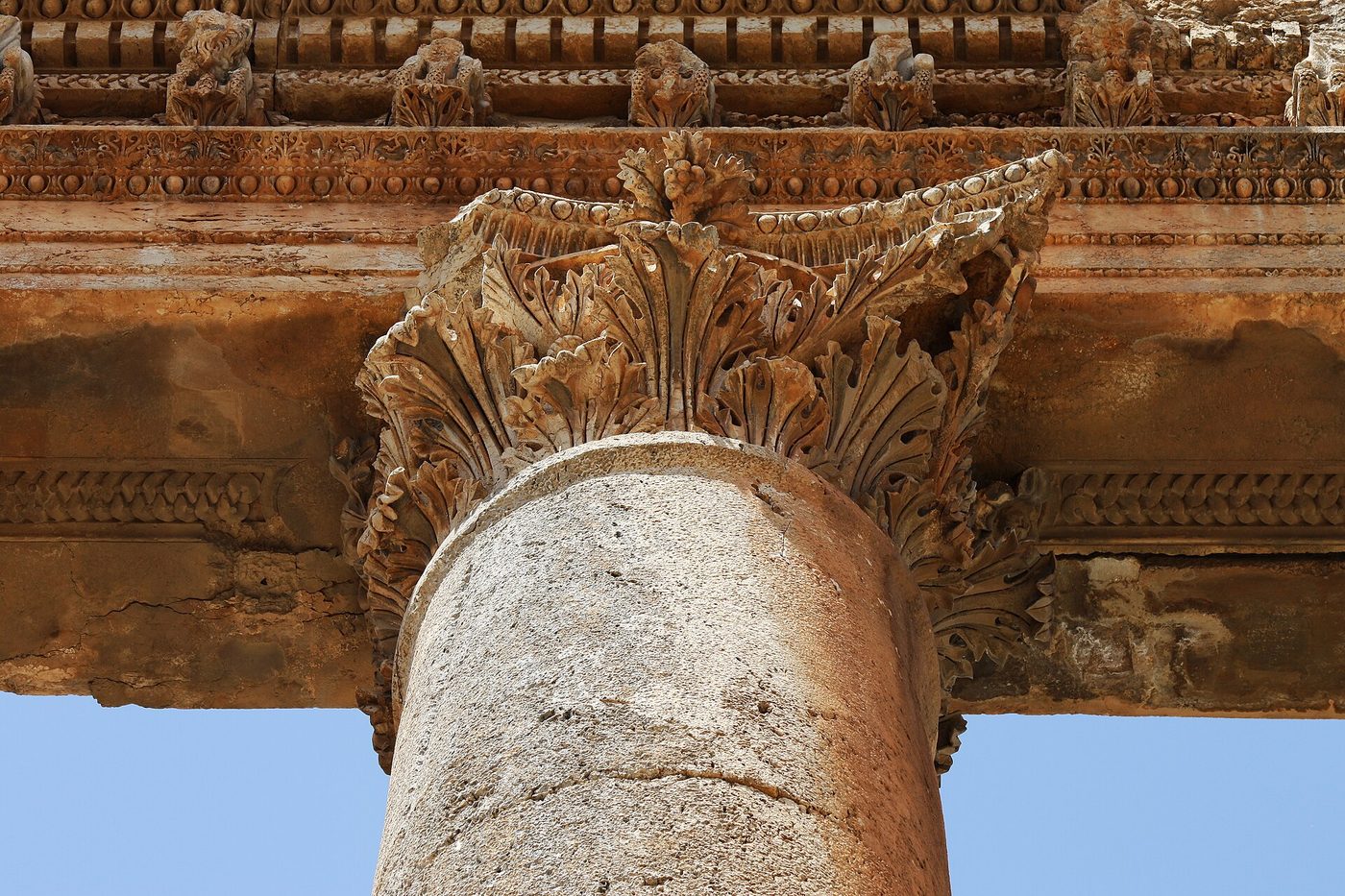
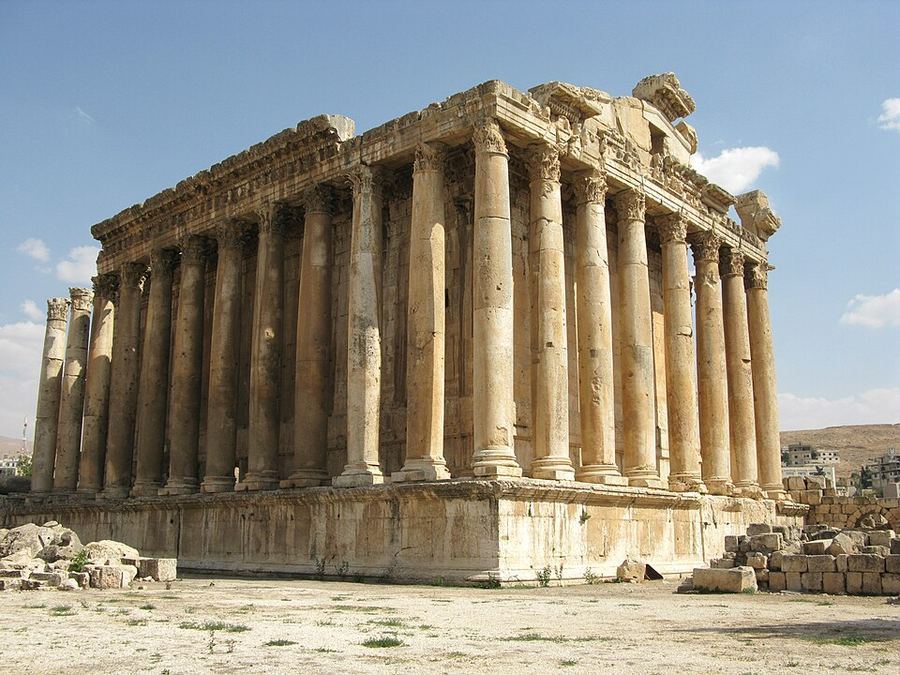
Baalbek - temple de Jupiter - chapiteau, Lebanon
Lebanon LBN
Baalbek - temple de Jupiter - chapiteau — Photo: Eusebius / CC BY 3.0 via Wikimedia Commons
Did You Know Lebanon has six ski resorts — the most developed skiing industry in the Arab world — and it is genuinely possible to ski and swim on the same day. — Encyclopaedia Britannica

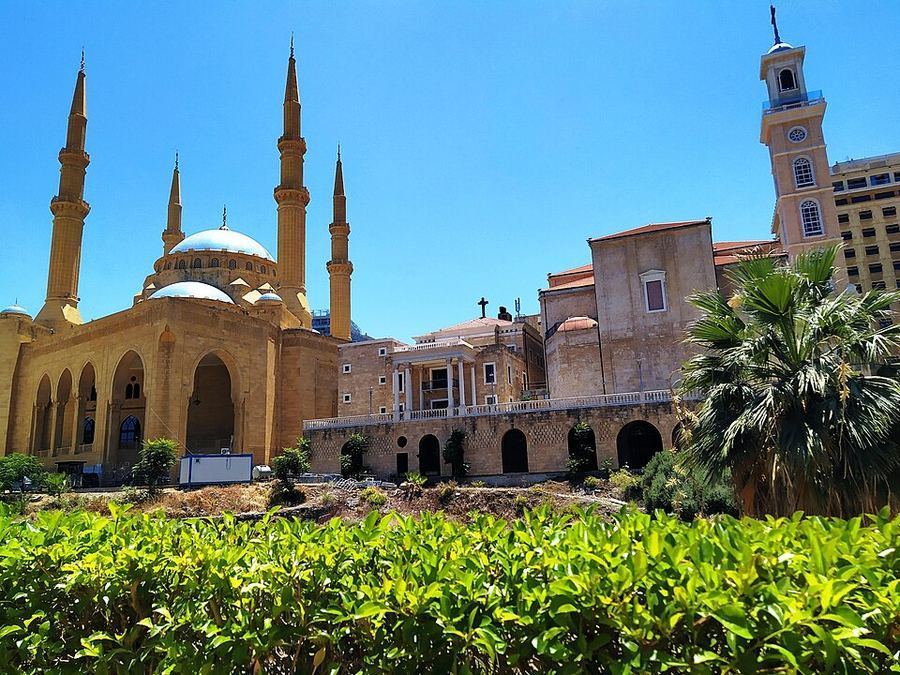
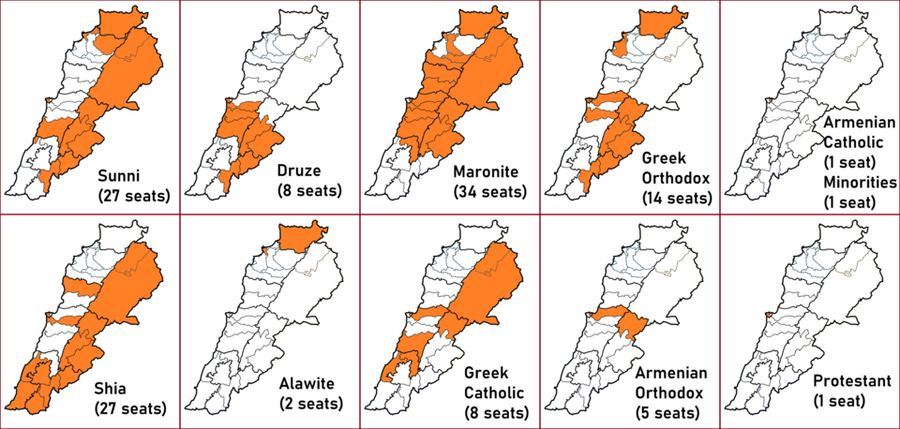
Lebanon is a small eastern Mediterranean republic of roughly 5.4 million people occupying about 10,400 square kilometres between Syria and Israel — a coastal strip, two parallel mountain ranges and the Bekaa valley between them, compressed into a country smaller than many single provinces elsewhere. Beirut, on a promontory halfway down the coast, is the capital and has for a century been one of the Arab world's principal centres of publishing, banking, medicine and nightlife. Independence from the French mandate was declared on 22 November 1943. The population is overwhelmingly Arab with a long-established Armenian community of about four percent, and Arabic is official while French and English are widely used, often in the same sentence. What distinguishes Lebanon is its religious composition and the political system built on it: roughly two-thirds Muslim, split almost evenly between Sunni and Shia, about a third Christian with Maronite Catholics the largest denomination, and a Druze community of some four to five percent, with eighteen officially recognised sects. Parliamentary seats, the presidency, the premiership and the speakership are apportioned by confession under a power-sharing formula. The country also hosts around 765,000 registered refugees, among the highest ratios of refugees to citizens anywhere, and has been in severe economic crisis since 2019.

CIA World FactbookEncyclopaedia BritannicaWorld BankUNHCR
Population
5,364,482
Capital
Beirut
Currency
None LBP
Time zones
Largest city
Beirut
Human Geography Themes
Loading national figures…
Largest Cities
Beirut1,538,386
Tripoli309,234
Sidon207,486
Nabatieh106,608
Zahle98,525
Tyre86,569
Aamchit [Byblos]66,328
Baalbek62,954
In Perspective

Beirut's urban core is home to about 1,538,386 people.

That's bigger than Amsterdam — each a great world city in its own right.

Beirut1,538,386
Amsterdam1,223,407

Among the world's megacities, though, it's one of many — the giants of Asia and Latin America run larger still:

Beirut1,538,386
Jakarta40,545,126
Dhaka37,307,160
Tokyo33,244,670
Shanghai30,678,616
Cairo25,230,325
The Country & Its People

History

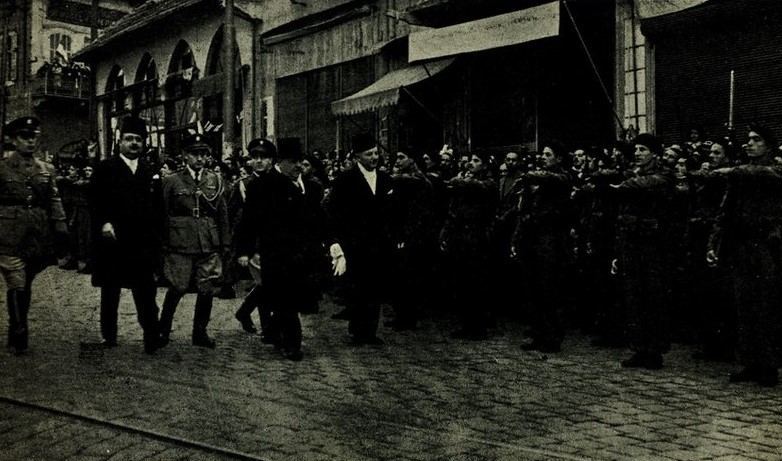
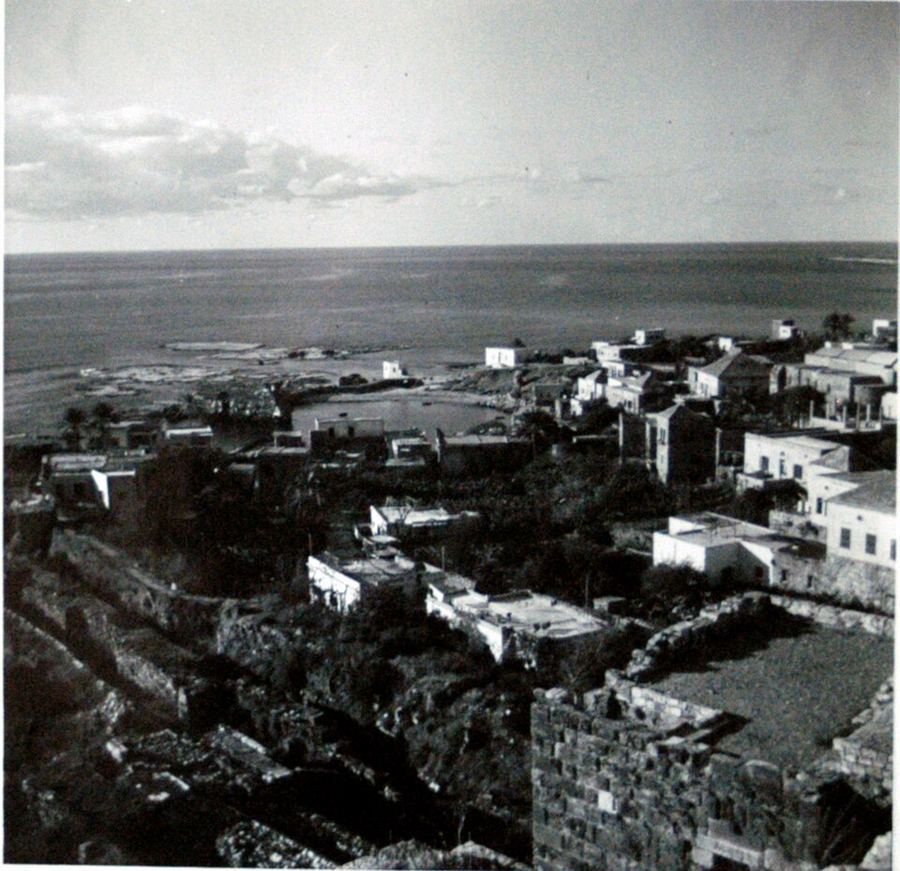
The Lebanese coast was the heartland of Phoenicia, whose city-states — Byblos, Sidon, Tyre, Berytus — traded across the Mediterranean from the third millennium BC, founded Carthage and spread the alphabet from which Greek and Latin script descend. Persian, Hellenistic, Roman, Byzantine, Arab, Crusader, Mamluk and Ottoman rule followed in succession, leaving the Roman temples of Baalbek, Crusader castles and Ottoman administrative structures. The mountains sheltered dissenting communities — Maronite Christians and Druze above all — which gave Mount Lebanon a distinct autonomous character, formalised after the sectarian massacres of 1860 and French intervention as the Mutasarrifate, a self-governing Ottoman province. After the First World War, France took the mandate and in 1920 created Greater Lebanon by attaching the coast, Tripoli, the Bekaa and the south to the mountain. Independence came in 1943 under the unwritten National Pact allocating offices by sect. Prosperity through the 1950s and 1960s earned Beirut the label Paris of the Middle East, until the civil war of 1975 to 1990 destroyed it. Syrian forces remained until 2005, when the assassination of Rafic Hariri triggered mass protests and their withdrawal.
Culture

Lebanese culture is urbane, argumentative, family-centred and unusually outward-facing for a country of its size. The family is the primary unit of loyalty and support, and confessional identity — inherited, recorded on personal status documents and governing marriage, divorce and inheritance through sectarian courts rather than a civil code — is the second. Both cut across class and region. Hospitality is elaborate and competitive: a visitor will be fed regardless of the hour, and refusing food is treated as an insult rather than a courtesy. Conversation is loud and political, and the country's press and broadcasting have long been the freest in the Arab world, which made Beirut the region's publishing capital. Emigration is a structural feature of Lebanese life rather than an aberration: successive waves since the nineteenth century have produced a diaspora far larger than the resident population, concentrated in Brazil, Argentina, the United States, West Africa, Australia and the Gulf, and remittances from it have sustained families through every crisis. Multilingualism is normal, with speakers moving between Lebanese Arabic, French and English mid-conversation, and café, restaurant and nightlife culture is central to social life at every income level.

Points Of Pride

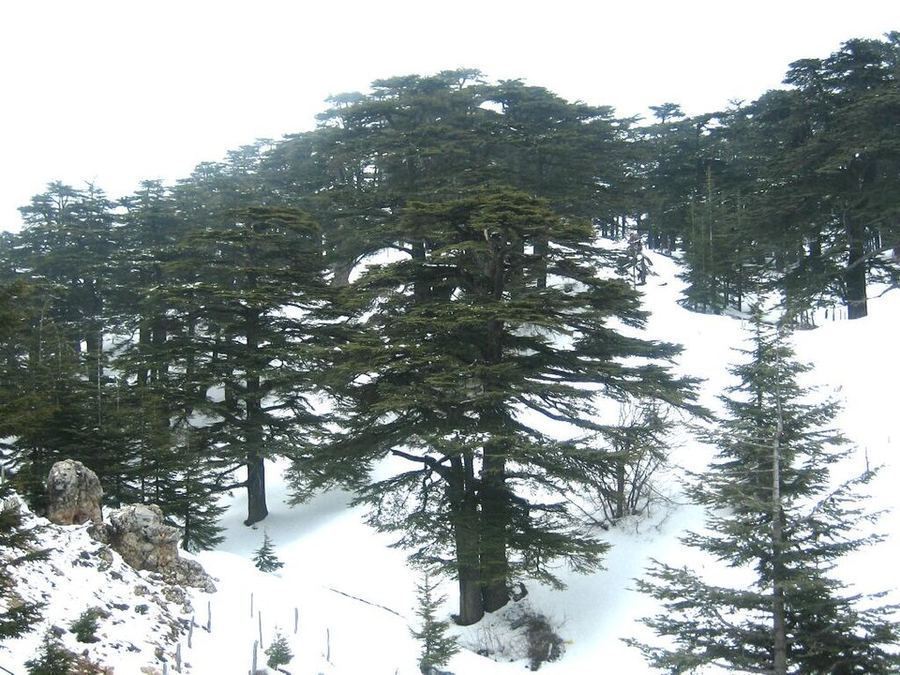
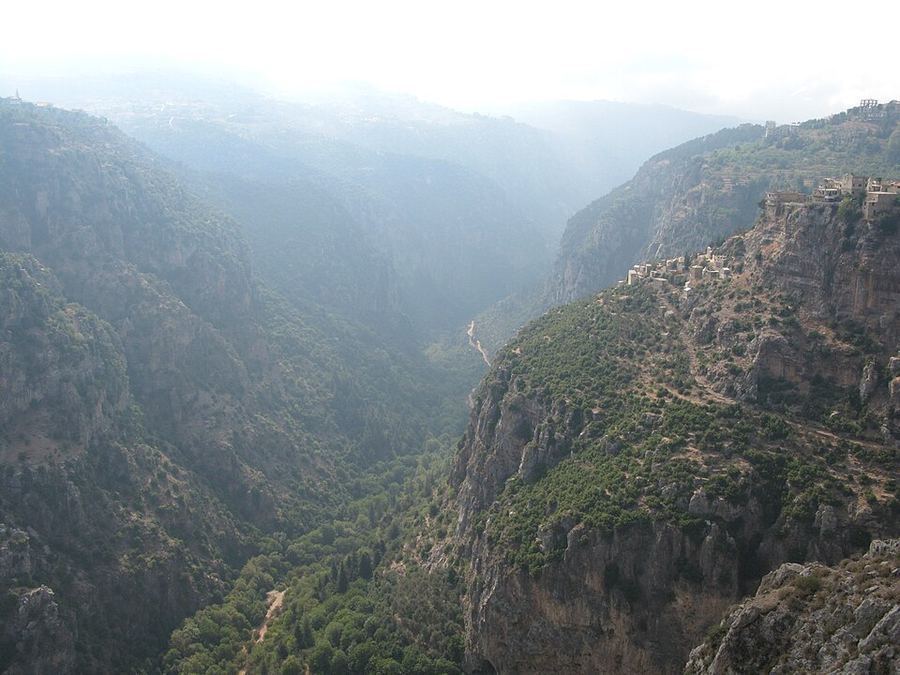
Lebanon has five UNESCO World Heritage sites in a territory the size of a small province. Baalbek preserves the largest and best-preserved Roman temple complex in the world, including the temple of Bacchus and six standing columns of the temple of Jupiter that are the tallest surviving Roman columns anywhere. Byblos claims to be among the oldest continuously inhabited cities on earth, with layers running from the Neolithic through Phoenician, Roman, Crusader and Ottoman occupation, and it gave its name, via Greek, to the book and the Bible. Tyre and Anjar, an Umayyad city with an unusual grid plan, are also inscribed, as is the Qadisha Valley with the Forest of the Cedars of God — the remnant stands of Cedrus libani, the tree on the national flag, which supplied timber for Phoenician ships, Egyptian temples and the Temple in Jerusalem. Lebanon is proud of the Phoenician alphabet, of the American University of Beirut and Saint Joseph University, of Fairuz and the Rahbani brothers, and of a diaspora that has produced heads of state, industrialists and writers across the Americas and West Africa.

Cultural Fusion

Lebanon's defining characteristic is that it is a compound of communities rather than a single one. Eighteen sects are officially recognised: Maronite, Greek Orthodox, Greek Catholic, Armenian Orthodox and Catholic, Syriac, Assyrian, Chaldean, Coptic, Protestant and Latin among the Christians; Sunni, Shia, Alawite and Ismaili among the Muslims; and the Druze, whose faith emerged in the eleventh century and whose community has held the Chouf mountains for a thousand years. Each has its own liturgical inheritance — Syriac in Maronite churches, Armenian in the Armenian ones — and its own regional strongholds. The Armenian community, largely descended from survivors of the 1915 genocide who settled at Bourj Hammoud, retains language, schools, press, political parties and a distinctive cuisine. Palestinian refugees have been present since 1948 and Syrians in very large numbers since 2011. Layered onto all of this is the French mandate legacy in law, education and language, and an Ottoman and Arab inheritance older still. The result is a cuisine, a musical tradition and a vernacular in which Arabic, Aramaic, Turkish, French and Armenian elements coexist.

Music & Dance

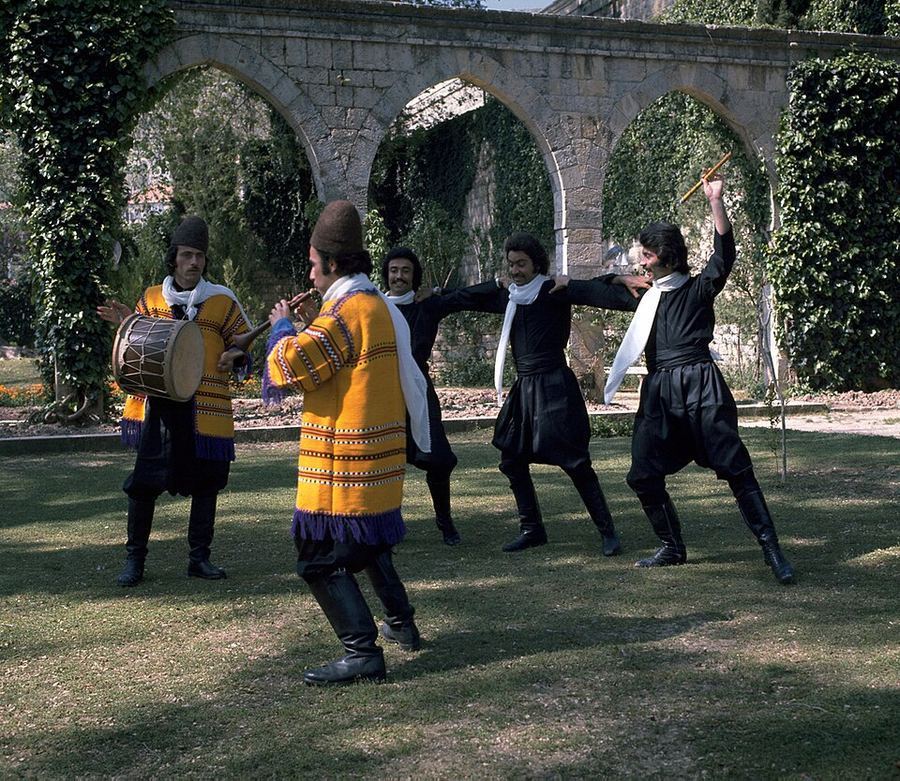
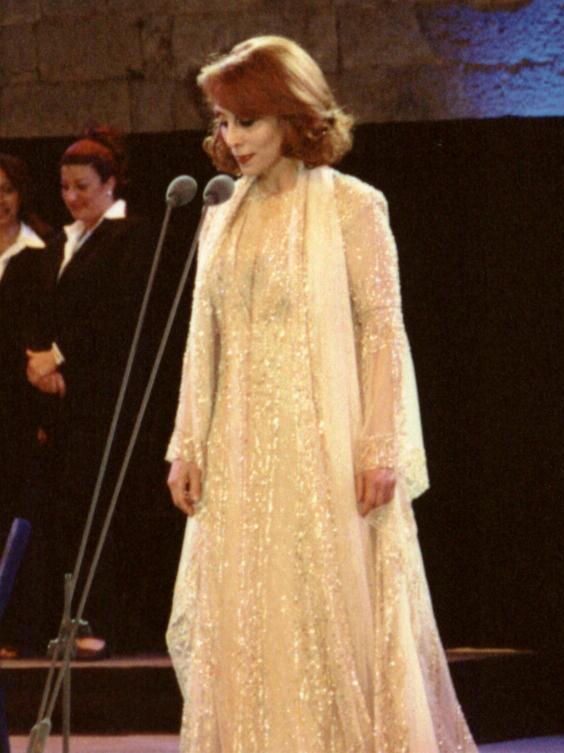
The national dance is dabke, a line dance in which participants link shoulders or hands and stamp in unison, led by a dancer at the head of the line who improvises while the others hold the rhythm; it is performed at every wedding and celebration, has distinct regional variants across the mountain and the Bekaa, and is accompanied by the mijwiz double-reed pipe, the derbake drum and the daff. Sung poetry in the zajal tradition — improvised colloquial verse performed as a contest between two poets before an audience, with a chorus punctuating each round — is a genuinely popular art and is inscribed by UNESCO on its Representative List of Intangible Cultural Heritage. Lebanon's greatest modern contribution is Fairuz, whose recordings with the Rahbani brothers from the 1950s onward fused Arabic maqam, Lebanese village song and Western orchestration into a repertoire that became the shared morning soundtrack of the Arab world, and whose musical theatre pieces defined a national idiom. Wadih El Safi and Sabah are of the same generation. The Baalbeck International Festival, held among the Roman temples since 1956 and revived after the war, is the country's flagship cultural event.

Cuisine & Misattributed Foods

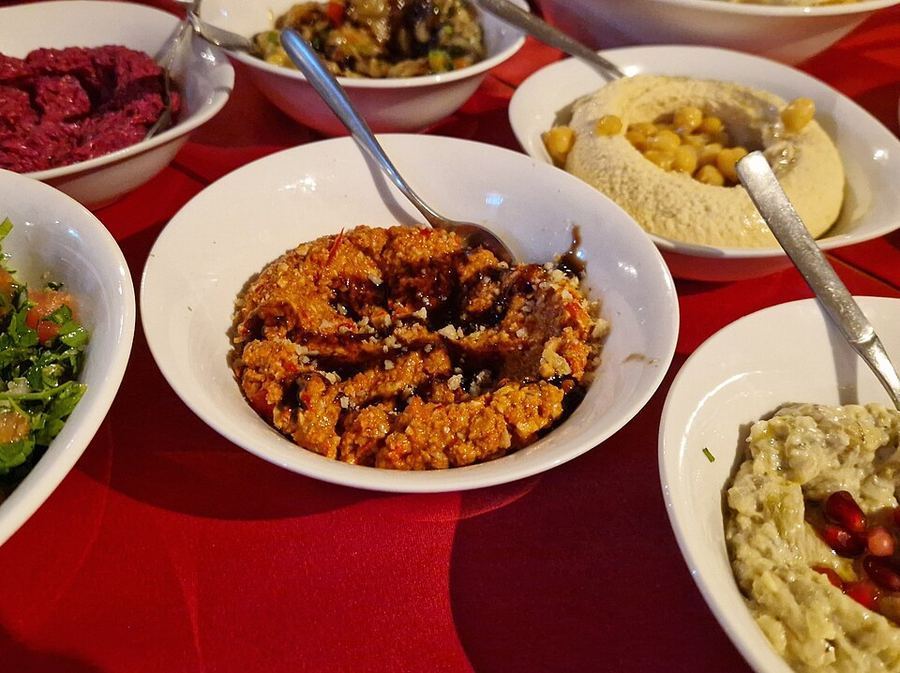
Lebanese cooking is the best known of the Levantine cuisines and is built around the mezze: a table covered with many small dishes shared slowly over hours. The core repertoire includes hummus, moutabal of smoked aubergine and tahini, tabbouleh — which in the Lebanese version is overwhelmingly parsley with only a scattering of bulgur — fattoush with toasted bread and sumac, warak enab of stuffed vine leaves, and kibbeh, minced lamb pounded with bulgur and spices and served raw, fried into torpedo shapes or baked in trays, which is regarded as the national dish. Manakish, flatbread baked with za'atar and olive oil, is the standard breakfast, sold from bakeries from early morning. Grilled meats, shish taouk and shawarma dominate the street. The mountain contributes labneh strained yoghurt, preserved in oil as balls, and kishk, a fermented mixture of bulgur and yoghurt dried for winter. Olive oil, lemon, garlic, mint, sumac and pomegranate molasses define the flavour profile. Arak, an aniseed spirit distilled from grapes and clouded with water, accompanies mezze, and the Bekaa valley has produced wine since antiquity, with Château Musar the best-known modern estate.

National Dress

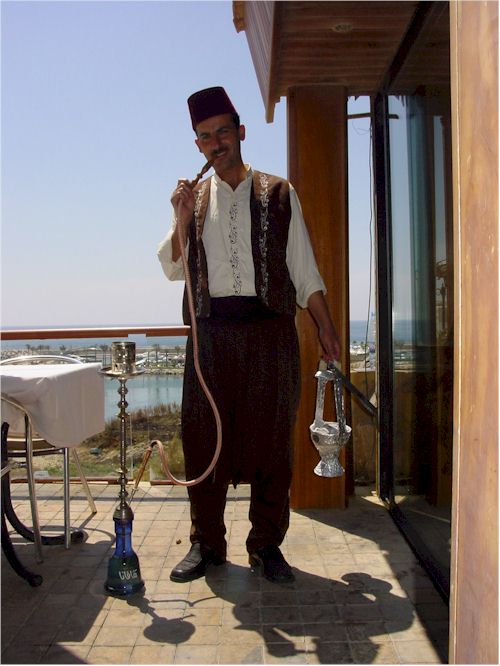
Lebanon has no national dress in daily use, and urban dress has followed European fashion since the nineteenth century — Beirut has been a fashion centre in the Arab world for decades and has produced internationally established couturiers including Elie Saab and Zuhair Murad. Traditional costume survives in folklore performance, museum collections and village festivals. Men's traditional mountain dress consisted of the sherwal, voluminous dark trousers gathered at the ankle, worn with a fitted shirt, an embroidered waistcoat and a wide sash, and topped with a tarbouche or a wrapped headcloth; this is the costume worn by dabke troupes. Women's dress varied by region and community, with embroidered long gowns, silver and coral jewellery and headscarves, and the Druze of the Chouf retain a distinctive modest dress with a white head covering for religious women and, for initiated men, the white cap and dark clothing that mark the uqqal. The most remarkable historical item is the tantour, a tall conical silver or gilt headdress worn by Druze and Maronite women of standing into the nineteenth century, over which a veil was draped, now found only in museums.

Sports & Inspiring Athletes

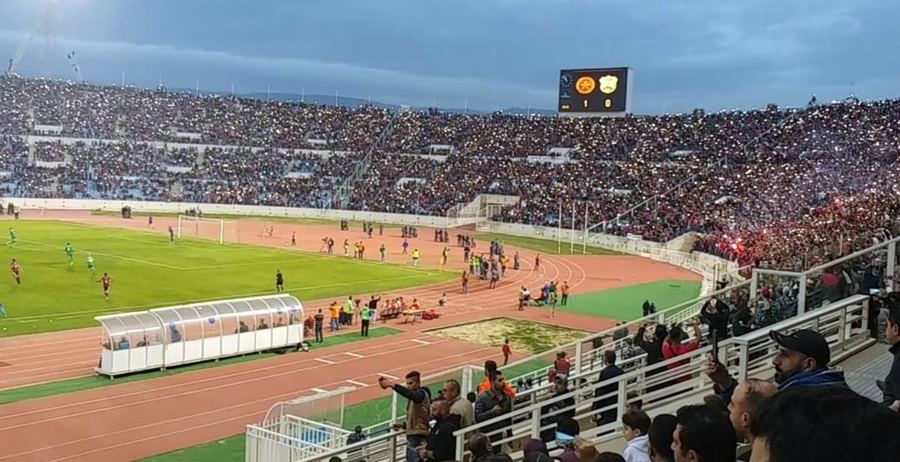
Basketball is Lebanon's most passionately followed sport, unusually for the region, with a professional league whose clubs — Al Riyadi, Sagesse, Homenetmen — draw fierce, often confessionally tinged support and whose games fill arenas; the national team has reached the FIBA World Cup on several occasions and finished as runner-up in the FIBA Asia Cup more than once. Football is played everywhere and administered by the Lebanese Football Association, with a premier league centred on Beirut clubs including Al Ansar and Al Nejmeh; the national team qualified for the AFC Asian Cup for the first time in 2000 as hosts and has returned since, though it has never reached a World Cup. Lebanon has a strong tradition in combat sports and weightlifting, and the country's mountains support the Arab world's most developed skiing scene, with six resorts and a national federation that has sent alpine skiers to the Winter Olympics since 1948. Rugby league has an enthusiastic following built substantially on diaspora players. Volleyball, table tennis and equestrian sport also have national followings, and marathon running has grown around the Beirut Marathon.

Notable Educational Programs

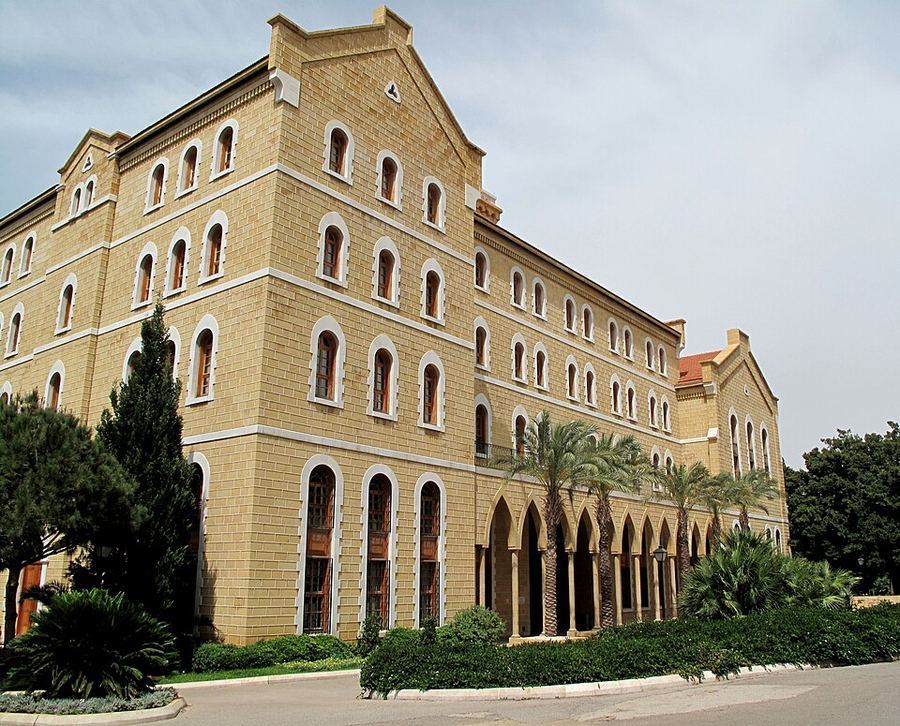
Lebanon has long had the most developed education system in the Arab world relative to its size, built on nineteenth-century missionary foundations and a large private sector that still educates the majority of students. The American University of Beirut, founded as the Syrian Protestant College in 1866, and Saint Joseph University, founded by the Jesuits in 1875, are among the oldest and most prestigious universities in the region and have educated generations of leaders from across the Middle East; the Lebanese University, established in 1951, is the only public institution and enrols the largest share of students. Schooling is trilingual in practice, with instruction in Arabic alongside French or English from an early age, which produces high levels of multilingualism and eases the emigration that Lebanese graduates so often undertake. Literacy is high and gender parity favourable. The system has, however, been severely damaged by the financial collapse that began in 2019: salaries paid in a collapsed currency have driven teachers and academics abroad, public schools have closed for extended periods, and UNICEF has documented large numbers of children out of school, including a substantial Syrian refugee population whose access to education remains partial.

Wars & Conflicts

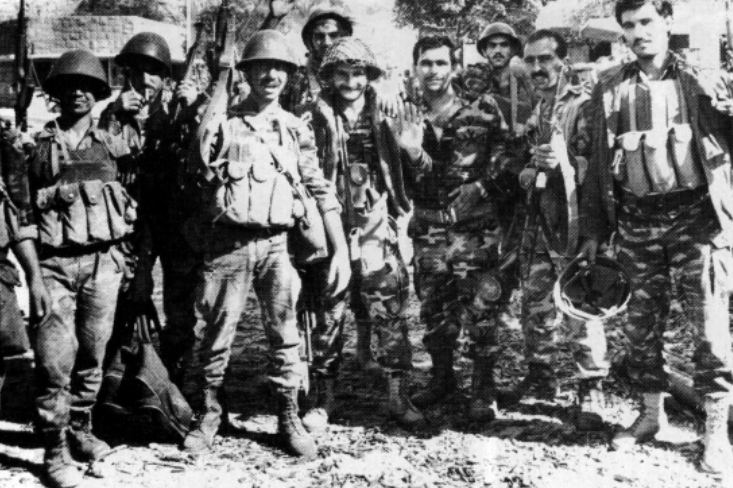
The civil war of 1975 to 1990 killed an estimated 120,000 people, displaced close to a million and destroyed central Beirut, drawing in Palestinian factions, Syrian and Israeli forces, and a multinational peacekeeping presence; it was ended by the Taif Agreement, which rebalanced confessional power without abolishing the system. Israel invaded in 1978 and 1982, besieged Beirut and occupied a southern zone until withdrawing in 2000, and the United Nations Interim Force in Lebanon has been deployed along the southern border since 1978. Syrian forces remained until the assassination of Rafic Hariri in February 2005 and the mass protests that followed compelled their withdrawal; a Special Tribunal for Lebanon established by the United Nations later convicted a Hezbollah member in absentia. A month-long war between Israel and Hezbollah in July and August 2006 killed more than a thousand people in Lebanon and caused extensive destruction. Hostilities resumed along the southern border after October 2023 and escalated sharply in late 2024, with heavy Israeli strikes, large-scale displacement and a ceasefire agreed in November 2024 that has since held unevenly. Compounding all of this, an explosion of ammonium nitrate at Beirut port on 4 August 2020 killed over 200 people and devastated the city's eastern districts.
Current as of 2026-08-07

Land & Border Disputes

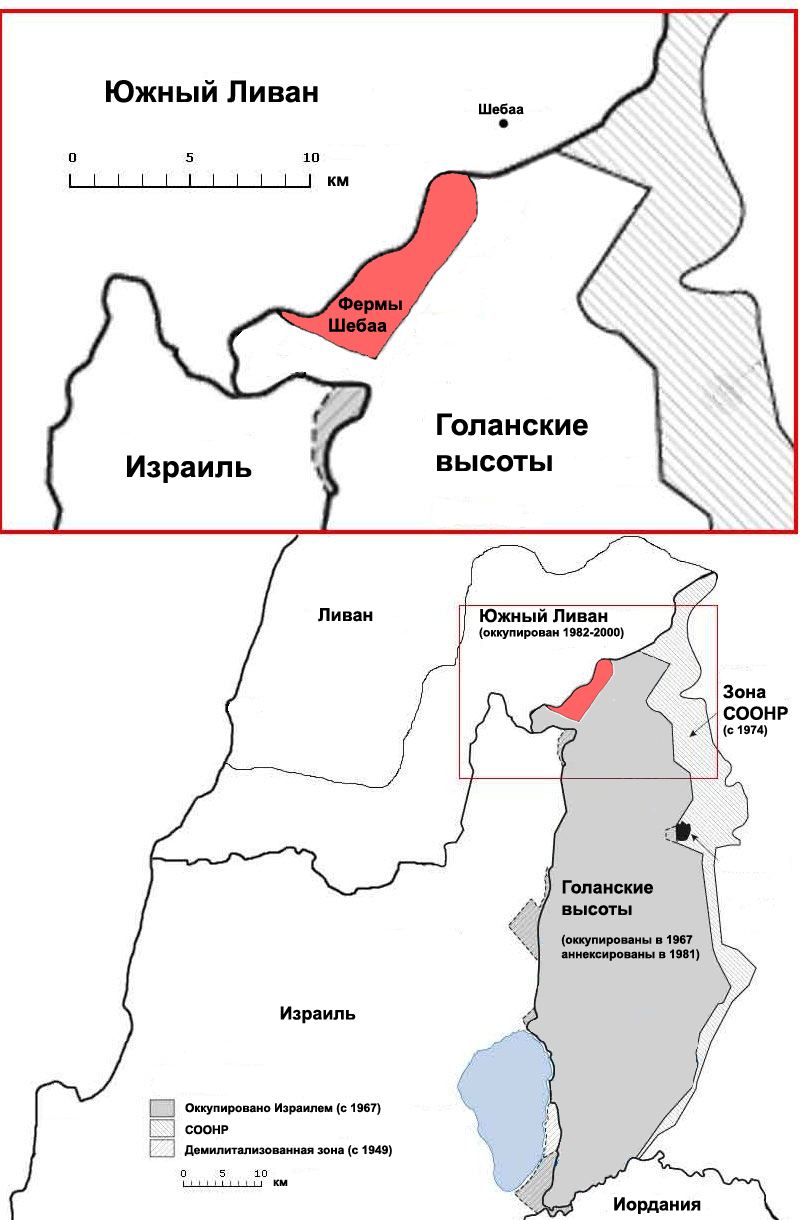
Lebanon's land border with Israel follows the Blue Line, a withdrawal line published by the United Nations in 2000 rather than an agreed boundary, and several points along it remain contested — most prominently the Shebaa Farms, a strip on the slopes of Mount Hermon occupied by Israel since 1967, which the United Nations has treated as Syrian territory under the relevant Security Council resolutions but which Lebanon and Syria assert is Lebanese; the Ghajar village and the Kfar Shuba hills are disputed on similar terms. The maritime boundary was the subject of a long negotiation over an area of about 860 square kilometres containing potential gas reserves, resolved by a United States-mediated agreement signed in October 2022 that delimited the maritime border with Israel and allowed exploration to proceed in the Qana prospect — a notable diplomatic achievement between states formally at war. Segments of the border with Syria, particularly in the north and in the Bekaa, have never been formally demarcated. Internally, the enduring dispute is over the confessional allocation of power itself, and over the weapons held by Hezbollah outside the state's armed forces.
Land, Life & Legacy

Land & Climate

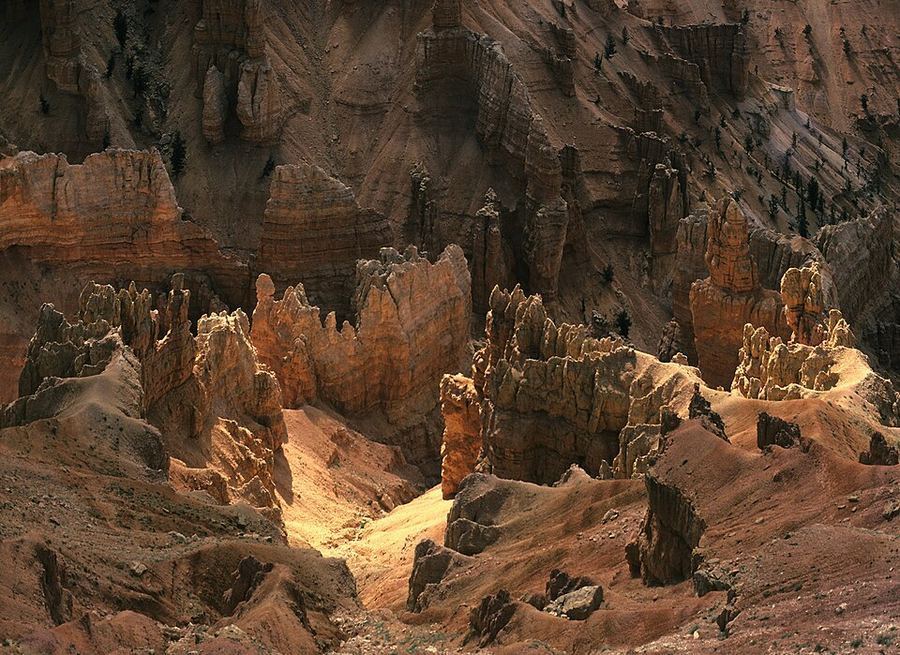
Lebanon is structured by two mountain chains running parallel to the coast. The Mount Lebanon range rises steeply from a narrow coastal plain, reaching 3,088 metres at Qurnat as Sawda, and holds most of the country's villages, terraced agriculture and remaining cedar stands; behind it lies the Bekaa, a high fertile rift valley about 900 metres above sea level that is the country's agricultural heartland and the source of its wine and much of its cereal; beyond that the Anti-Lebanon range forms the border with Syria, culminating in Mount Hermon. The Litani, the principal river, rises in the Bekaa and turns west to the sea, and the Orontes flows north into Syria. The climate is Mediterranean — hot dry summers and cool wet winters on the coast — but altitude changes it sharply, so snow lies on the high mountains from December to April and skiing and swimming on the same day is a genuine possibility and a standing national boast. Water is comparatively abundant by regional standards, which historically made Lebanon a target and a refuge alike, though springs and groundwater are now under heavy strain from population growth and poor infrastructure.

Entertainment

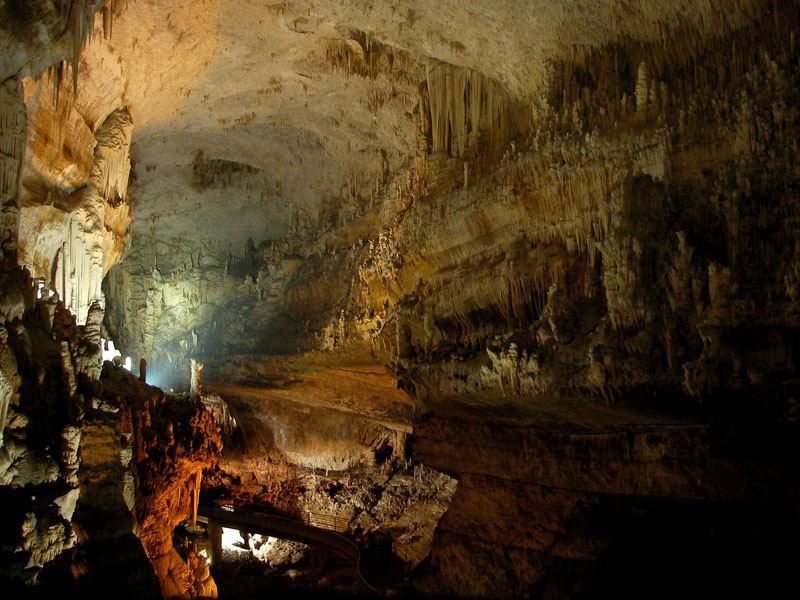
Lebanese leisure is social, food-centred and conducted late. The evening out — mezze and arak at a mountain restaurant, or dinner followed by bars in Beirut's Mar Mikhael and Gemmayzeh districts — is a national institution, and Beirut's nightlife has an international reputation that survived the civil war and has partly survived the economic collapse. Weekend escapes run to the mountains: summer villages in the Metn, Kesrouan and Chouf offer cool air and family houses, and the same slopes carry six ski resorts in winter, of which Faraya-Mzaar is the largest, giving Lebanon the most developed ski industry in the Arab world. The coast supplies beach clubs from Batroun to Tyre, and the Jeita Grotto, the Qadisha Valley, Baalbek and Byblos anchor domestic tourism. Hiking has grown around the Lebanon Mountain Trail, a waymarked route of some 470 kilometres running the length of the country. Backgammon and cards over coffee and the water pipe, football and basketball on television, and long Sunday lunches with extended family fill the rest. The summer festival season at Baalbek, Byblos and Beiteddine is a fixture of the cultural calendar.

Art & Museums

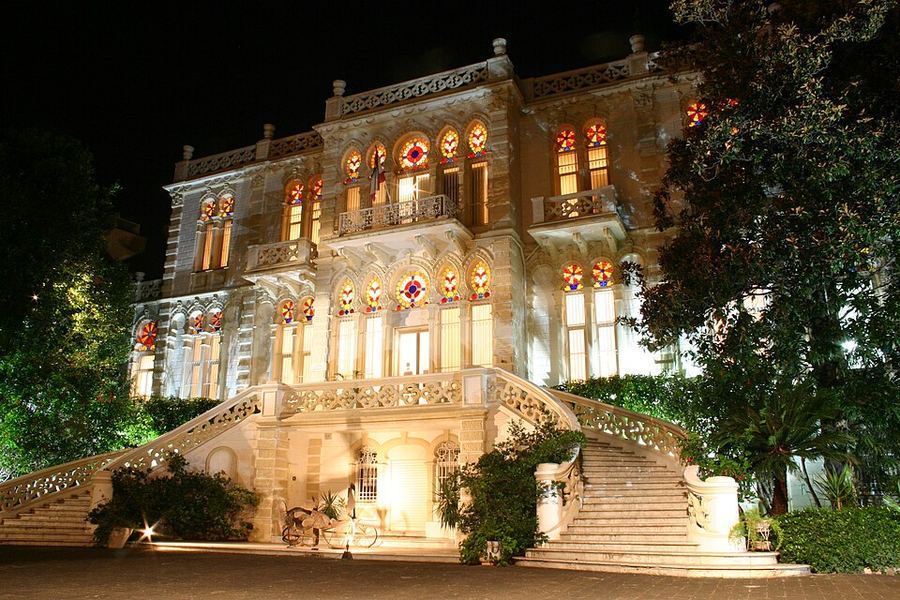
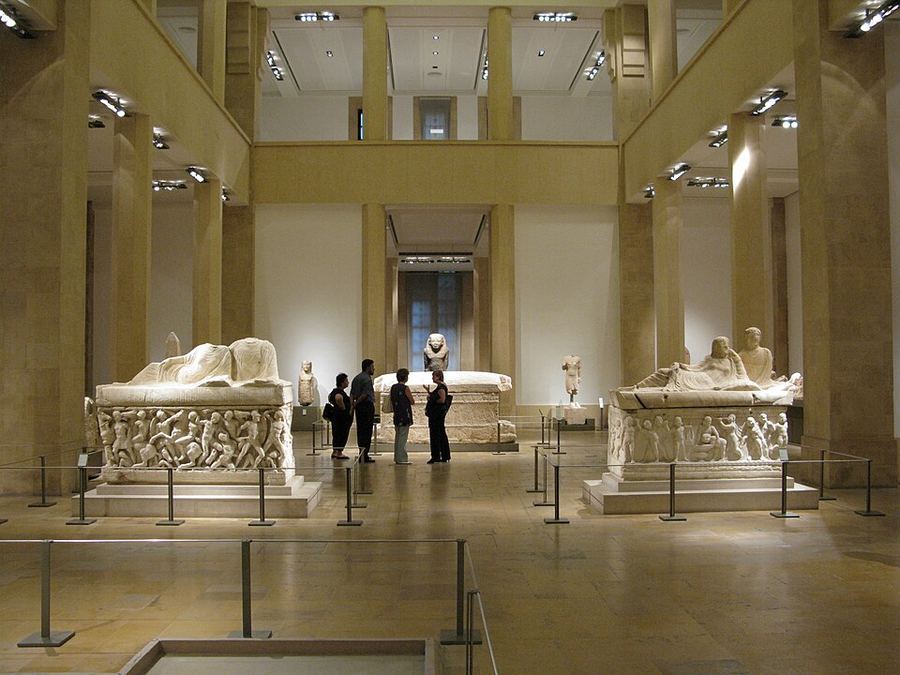
Lebanon has been the Arab world's most important centre of publishing and intellectual production for more than a century: Beirut's presses printed what could not be printed elsewhere, and the nahda, the Arab cultural renaissance of the nineteenth century, drew heavily on Lebanese writers and journalists. Khalil Gibran, born in Bsharri in the Qadisha valley and emigrating to the United States, wrote The Prophet, one of the best-selling books ever published in English. Amin Maalouf, writing in French, won the Prix Goncourt and sits in the Académie française; Elias Khoury and Hanan al-Shaykh are among the most translated Arabic novelists. In visual art, Moustafa Farroukh and Gibran Khalil Gibran belong to the early modern generation, and the Sursock Museum in Beirut, housed in an Italianate villa and severely damaged by the 2020 port explosion before being restored, is the principal institution. Ancient art is the country's deepest holding: Phoenician sarcophagi, ivories and glass, Roman mosaics and the monumental architecture of Baalbek, much of it in the National Museum of Beirut, whose collections were famously encased in concrete to protect them through the civil war.
Encyclopaedia BritannicaUNESCOLouvreBritish Museum

Notable People

Fairuz, born Nouhad Haddad in 1934, is the most beloved living figure in Lebanon and one of the great voices of the Arab world, whose collaborations with Assi and Mansour Rahbani produced a body of song and musical theatre that crossed every sectarian and national line. Khalil Gibran, the poet and painter from Bsharri, wrote The Prophet in 1923 and remains one of the most widely read poets in any language. Amin Maalouf is a member of the Académie française. In politics, Rafic Hariri, the businessman and five-term prime minister who rebuilt central Beirut after the civil war, was assassinated by a bomb on the Beirut seafront in February 2005, an event that reshaped the country. Nassim Nicholas Taleb, the statistician and essayist, and Carlos Ghosn, the industrialist, are of Lebanese origin, as are heads of state and industry across the diaspora — Latin America in particular, where Lebanese-descended families have been prominent for generations. Elie Saab and Zuhair Murad are among the most established couturiers working today, and Mika and Massari represent the diaspora's contribution to popular music.

Inventions & Breakthroughs

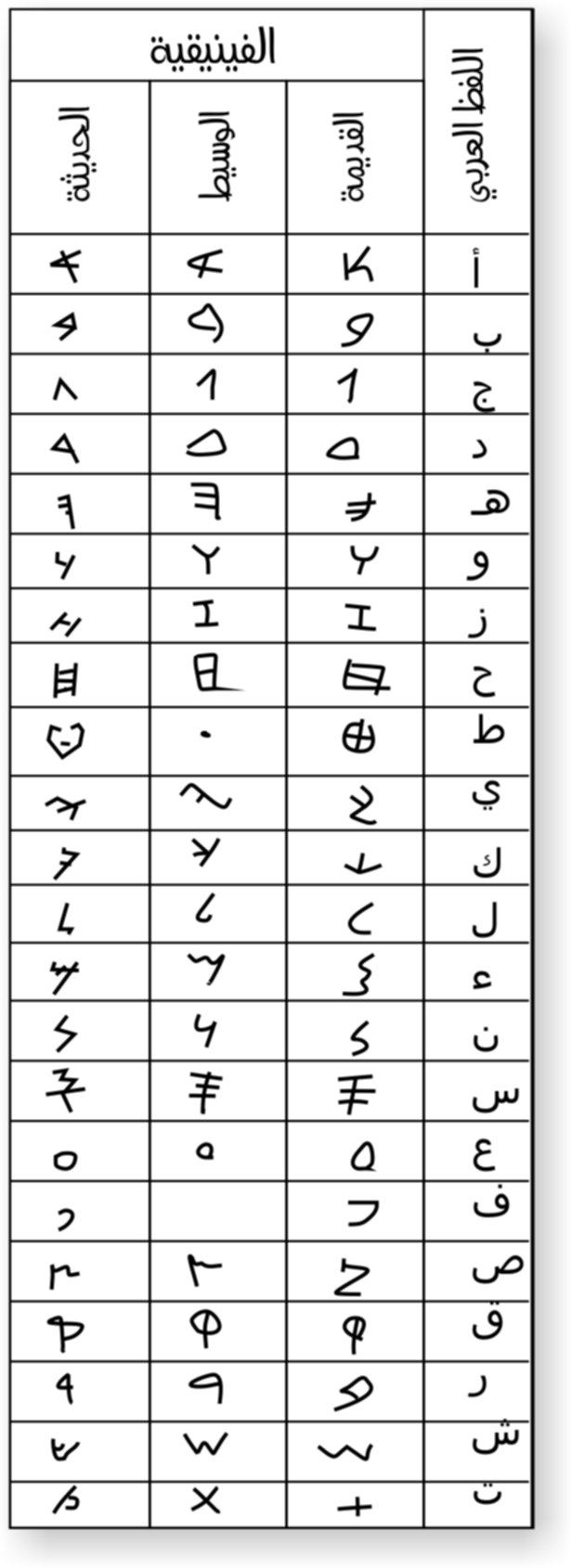
Lebanon's greatest contribution to human civilisation predates the modern state by three thousand years: the Phoenician alphabet, developed in the coastal cities in the second millennium BC, was a consonantal script of about twenty-two signs that replaced the hundreds of characters required by cuneiform and hieroglyphic systems and made literacy available beyond a scribal class. Carried by Phoenician traders across the Mediterranean, it became the ancestor of the Greek, Latin, Aramaic, Hebrew and Arabic alphabets and thus of most of the world's writing systems. The Phoenicians were also the pre-eminent shipbuilders and navigators of the ancient Mediterranean, credited with the development of the bireme and with voyages beyond Gibraltar, and their Tyrian purple dye, extracted from murex shellfish in a laborious process on the Lebanese coast, was the most valuable colourant of the ancient world and gave purple its association with royalty. Glassblowing was developed in the Syro-Lebanese coastal region in the first century BC, transforming glass from a luxury to a common material. In the modern era, Beirut's contribution has been the printing press and the newspaper as much as any device.
Encyclopaedia BritannicaBritish MuseumLouvreUNESCO

Science & Technology

Lebanon's scientific standing rests principally on its universities and its medical sector. The American University of Beirut Medical Center and Hôtel-Dieu de France have for decades been referral hospitals for the region, and Lebanese-trained physicians practise across the Arab world and beyond; the country's research output per head in medicine and engineering has historically been among the highest in the Arab states. The National Council for Scientific Research coordinates public research, including the Lebanese Atomic Energy Commission, a marine sciences centre and the country's remote sensing programme. Applied science has been pushed by crisis: environmental monitoring of the Litani river and coastal pollution, seismic risk assessment along the Yammouneh fault, and forensic and structural work following the 2020 port explosion. The financial collapse that began in 2019 has been devastating for the sector, with severe brain drain among academics, doctors and engineers, collapsed research budgets and a public electricity supply that provides only a few hours a day, forcing hospitals and laboratories onto private generators. Solar photovoltaic installation has expanded rapidly as a private response to that failure, changing the country's rooftops within a few years.
On The World Stage

Champions & Defining Moments

Lebanon first competed at the Olympic Games in Helsinki in 1952 and has won four Olympic medals, all in the 1950s and 1970s and all in wrestling and weightlifting: Zakaria Chihab took silver in Greco-Roman wrestling at Helsinki in 1952, Khalil Taha bronze at the same Games, Mohamed Traboulsi silver in weightlifting at Munich in 1972 and Hassan Bchara bronze in wrestling at Moscow in 1980. The country has also competed at every Winter Olympics since 1948 with the exception of the war years, sending alpine skiers — a rarity among Arab states and a reflection of the Mount Lebanon resorts. Its most consistent international presence is in basketball, where the national team qualified for the FIBA World Cup in 2002, 2006 and 2010, beating France in 2006, and reached the final of the FIBA Asia Cup in 2001, 2007 and 2022, results that made basketball a source of rare cross-sectarian national feeling. The Lebanon rugby league team, drawn largely from the Australian diaspora, has qualified for the Rugby League World Cup. Beirut hosted the Pan Arab Games in 1957 and 1997 and the AFC Asian Cup in 2000.

IOCOlympediaFIFA
Economy, Trade & Government

Currency & GDP

Lebanese Pound — LBP (None)

GDP (PPP): $65.415 billion (2023 est.)

Per capita: $11,300 (2023 est.)

Exports

$11.77 billion (2023 est.)

jewelry, cars, diamonds, scrap iron, gold (2023)

Partners: UAE 26%, Egypt 7%, Turkey 5%, Iraq 5%, USA 4% (2023)

Imports

$23.313 billion (2023 est.)

refined petroleum, gold, cars, packaged medicine, garments (2023)

Partners: Switzerland 12%, China 11%, Greece 9%, Turkey 8%, Italy 6% (2023)

Government

Type: parliamentary democratic republic

Independence: 22 November 1943 (from League of Nations mandate under French administration)

Terrain → Where People Live

How mountains, coasts, and rivers shape settlement (LandScan).

Coming — data

Migration & Ethnic Settlement

Where groups settled and how people move (GeoEPR + UNHCR).

Coming — data

Universities

Notable institutions, mappable as points.

Coming — data
Economy & government facts: CIA World Factbook (public domain), via OpenFactBook / factbook.json.
Every fact and narrative claim will carry a visible source citation. Data-driven sections light up automatically wherever HERA has coverage.