History
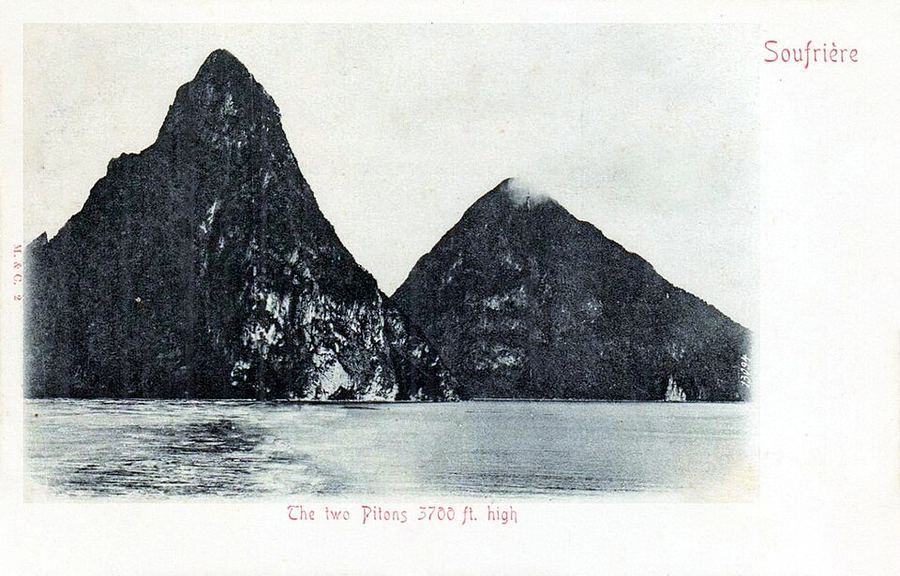
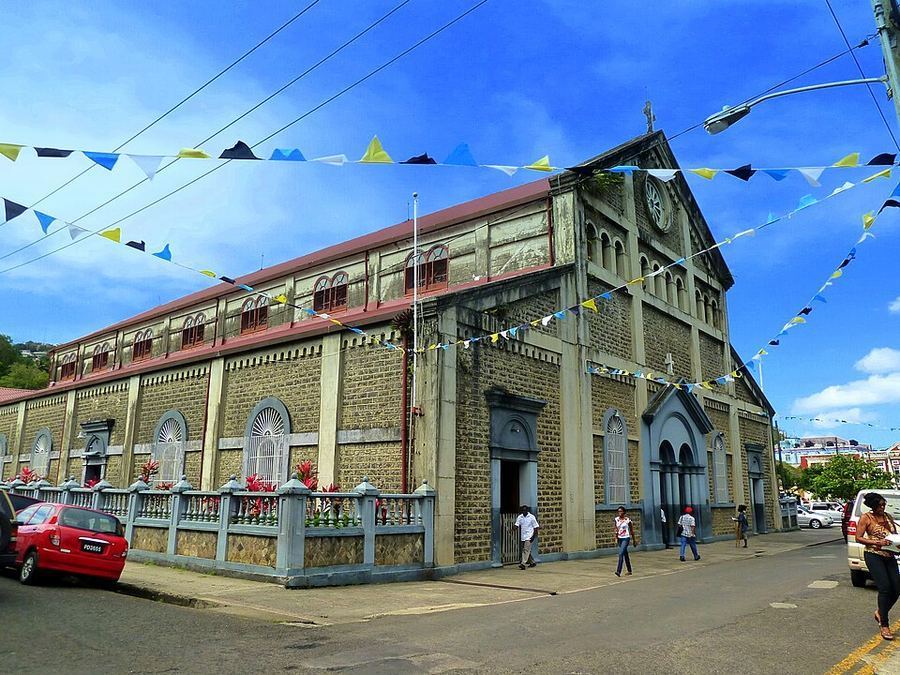
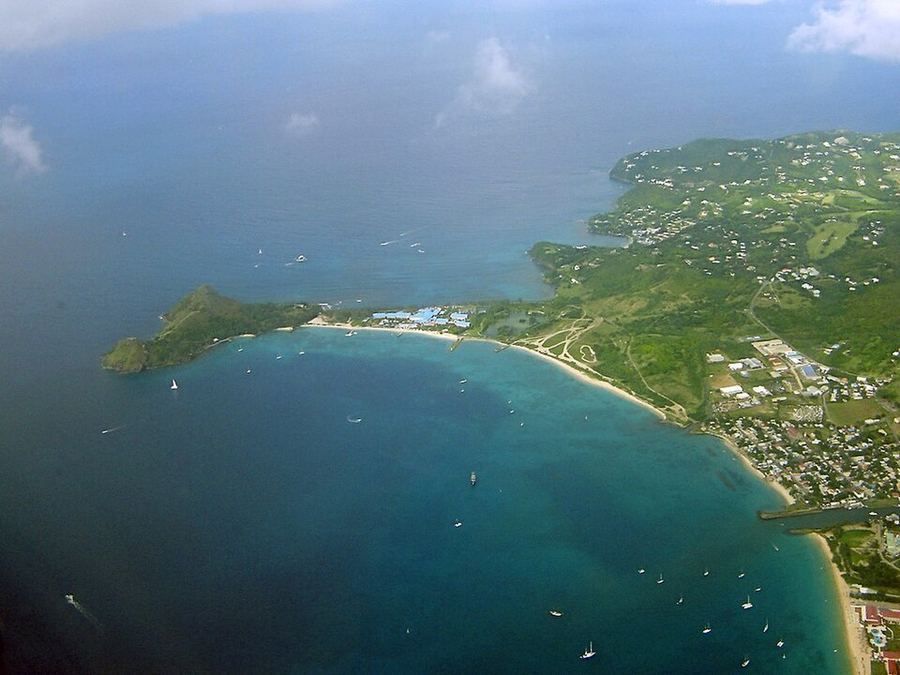
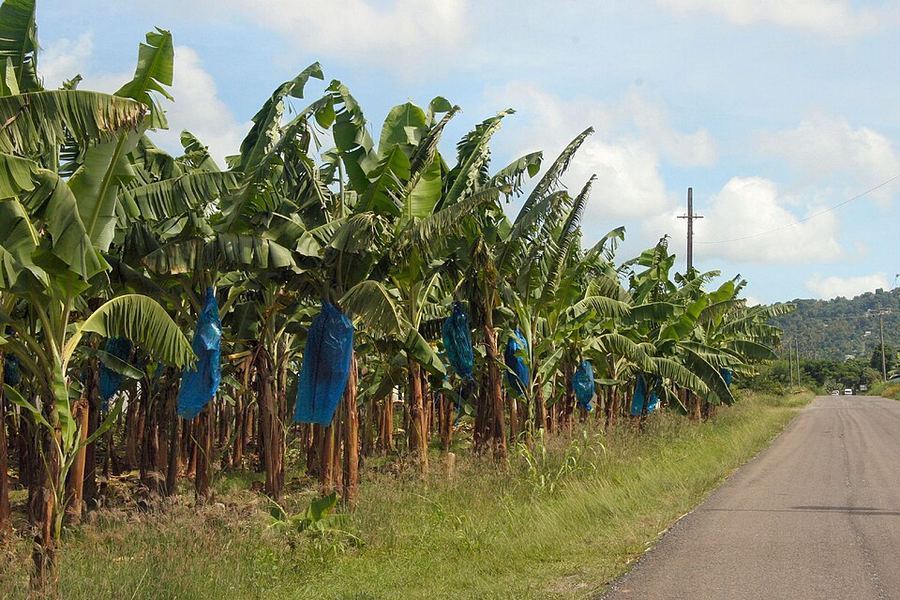
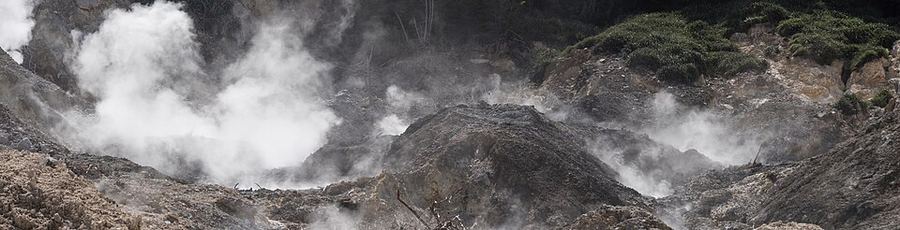
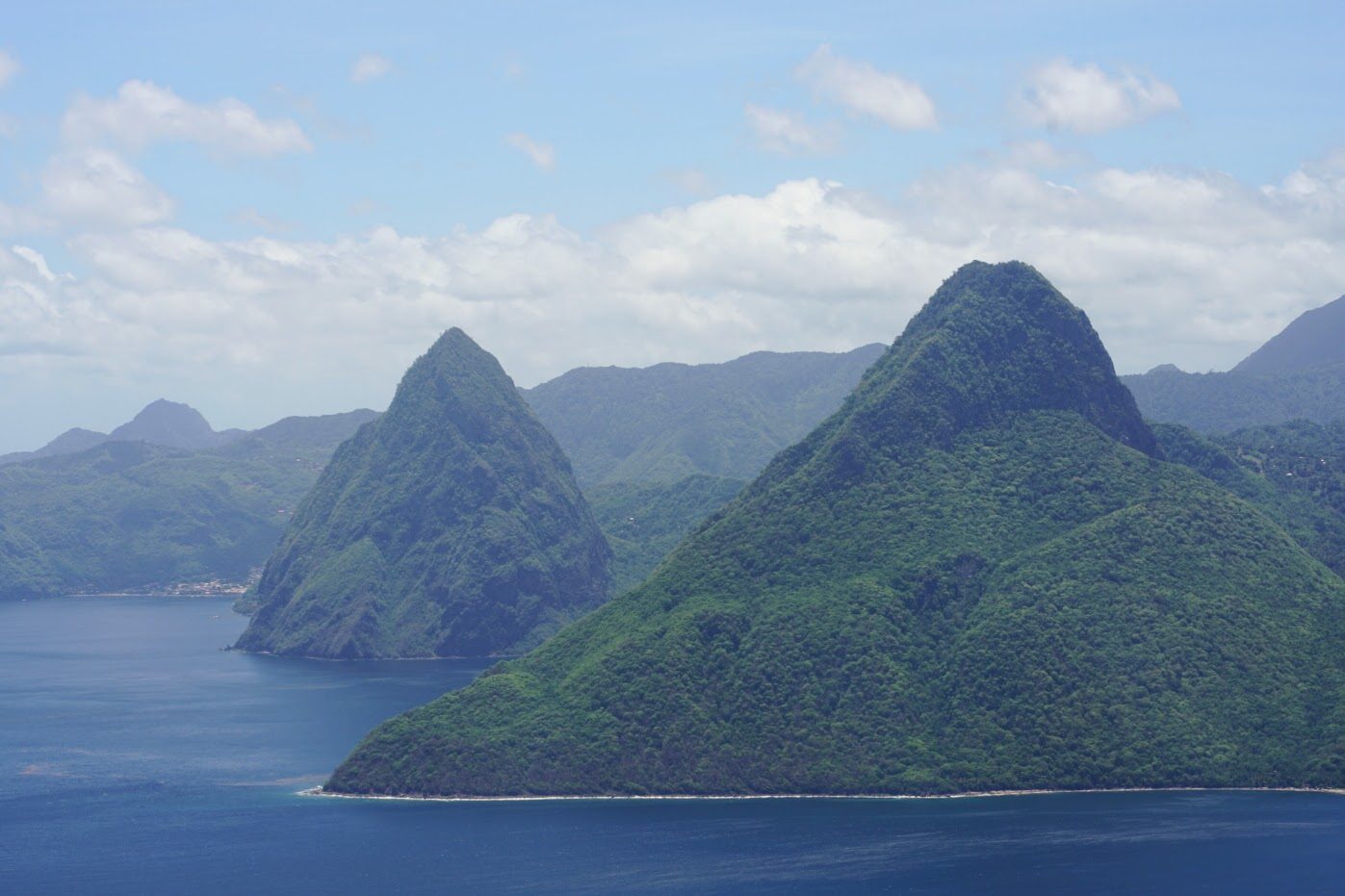
Saint Lucia is a volcanic island of about 617 square kilometres and roughly 168,000 people in the Windward Islands of the eastern Caribbean, lying between Martinique to the north and Saint Vincent to the south. It is a parliamentary democracy under a constitutional monarchy and a Commonwealth realm, independent from the United Kingdom since 22 February 1979. Castries, on a deep natural harbour on the north-west coast, is the capital and principal port; Soufrière, on the south-west coast beneath the Pitons, is the older colonial town and the centre of the island's most famous landscape. The population is overwhelmingly of African descent, with mixed and East Indian minorities, and is unusually mature for the region with a median age of about 40. English is the official language, but the everyday vernacular of most Saint Lucians is Kwéyòl, a French-lexicon creole shared with Dominica and the French Antilles, a legacy of the island's repeated changes of hands between Britain and France. Roman Catholicism, another French inheritance, is the largest faith at around 62 percent, with substantial Seventh Day Adventist, Pentecostal and other Protestant communities. Tourism dominates the economy, alongside light manufacturing, offshore financial services and the remnants of an agricultural sector once built entirely on bananas.
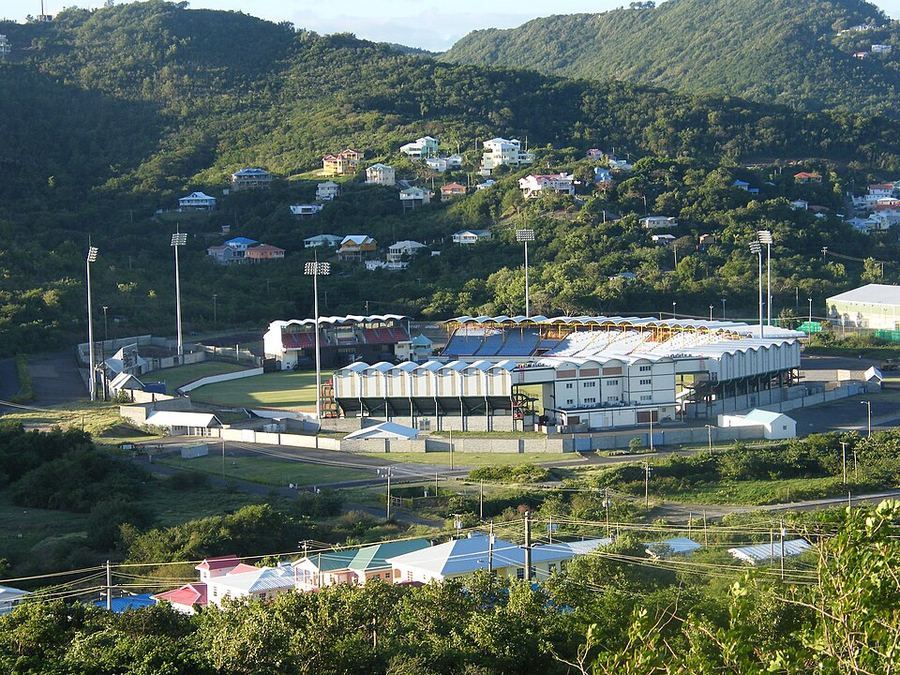
Saint Lucia's breakthrough on the world stage came at the Paris Olympics in 2024, when Julien Alfred won the women's 100 metres — the country's first Olympic medal of any colour, and a gold — and added silver in the 200 metres, making her the most successful athlete in the island's history and prompting national celebrations and a public holiday. She had already won the world indoor 60 metres title earlier that year. Before that, Saint Lucia had competed at every Summer Olympics since Seoul in 1988 without reaching the podium, sending athletes principally in athletics, swimming and sailing. In cricket, Daren Sammy captained the West Indies to the ICC World Twenty20 championship in 2012 and again in 2016, the only man to lead a side to two titles in that competition, and the national ground at Gros Islet now carries his name; Johnson Charles and other Saint Lucian players have also represented the West Indies. The island competes at the Commonwealth Games, the Pan American Games and the CARIFTA Games, where its junior athletes regularly medal, and at the Island Games and regional sailing regattas.
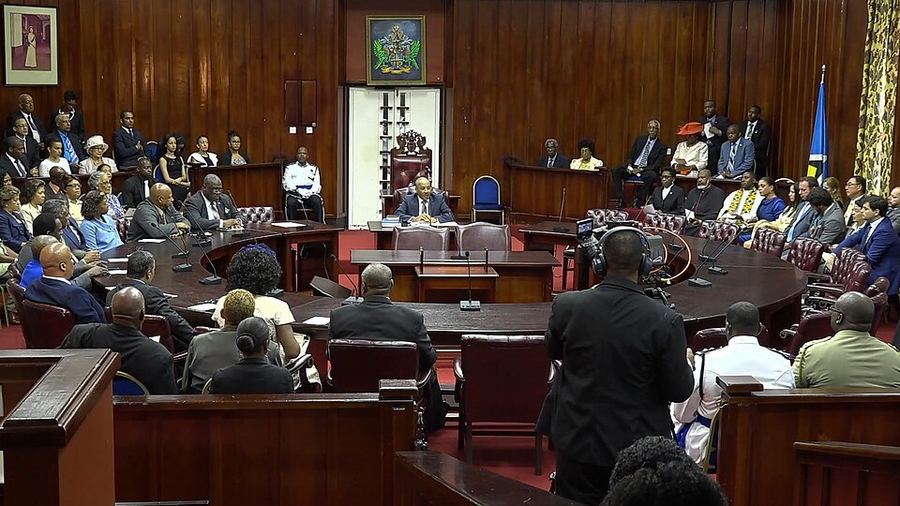
Parliamentary democracy under a constitutional monarchy; a Commonwealth realm
Charles III — King
In office since 8 September 2022
Philip J. Pierre — Prime Minister
Bicameral
Senate — 11 seats
Last election 8/17/2021 · 54.5% women
House of Assembly — SLP majority
SLP 13 · UWP 2 · Independents 2
Last election 7/26/2021 · 10.5% women
East Caribbean Dollar — XCD ($)
GDP (PPP): $4.359 billion (2024 est.)
Per capita: $24,300 (2024 est.)
$1.6 billion (2024 est.)
refined petroleum, gravel and crushed stone, beer, liquor, paper containers (2023)
Partners: Guyana 20%, Suriname 15%, USA 11%, Barbados 8%, Dominica 7% (2023)
$1.446 billion (2024 est.)
refined petroleum, crude petroleum, cars, poultry, plastic products (2023)
Partners: USA 59%, Guyana 8%, Brazil 7%, China 5%, UK 3% (2023)
Type: parliamentary democracy under a constitutional monarchy; a Commonwealth realm
Independence: 22 February 1979 (from the UK)
How mountains, coasts, and rivers shape settlement (LandScan).
Coming — dataWhere groups settled and how people move (GeoEPR + UNHCR).
Coming — dataNotable institutions, mappable as points.
Coming — data