History
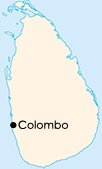
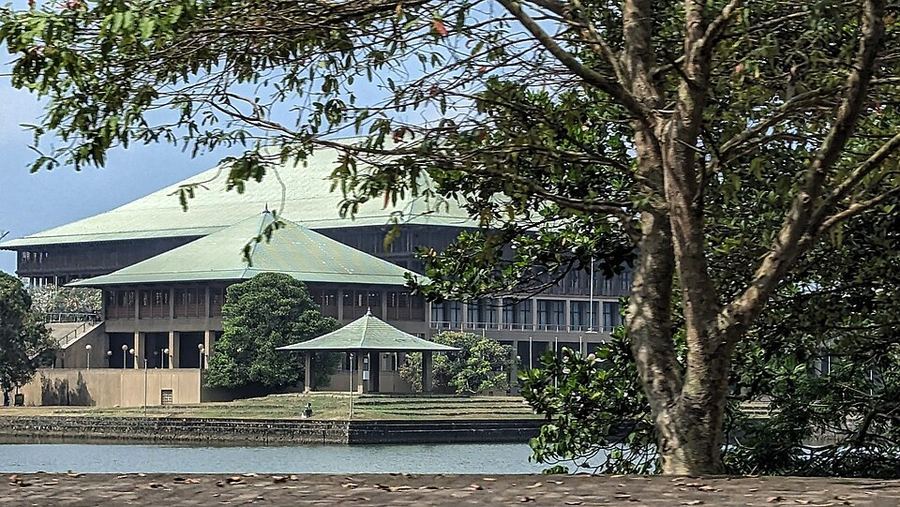
Sri Lanka is an island republic of about 22 million people in the Indian Ocean, separated from the southern tip of India by the narrow Palk Strait and covering some 65,600 square kilometres — a teardrop of coastal plain rising to a central massif of tea-covered highlands. Colombo on the west coast is the commercial capital and largest city, while the legislature sits at Sri Jayewardenepura Kotte just inland. Independence from the United Kingdom came on 4 February 1948, and the country was known as Ceylon until 1972. The Sinhalese make up about 75 percent of the population and Sri Lankan Tamils roughly 11 percent, concentrated in the north and east, alongside Sri Lankan Moors of about 9 percent and Indian Tamils, descended from plantation labourers brought under British rule, of some 4 percent. Sinhala and Tamil are both official languages and English is widely used. Buddhism, professed by around 70 percent and given a constitutionally foremost place, arrived in the third century BC and is central to Sinhalese identity, with substantial Hindu, Muslim and Christian communities. Garments, tea, gems and rubber lead exports, tourism is a mainstay, and the country is recovering from the sovereign default and economic crisis of 2022.
Colombo [Sri Jayawardenepura Kotte]'s urban core is home to about 4,720,933 people.
That's bigger than Sydney, Barcelona, Berlin and Rome — each a great world city in its own right.
Among the world's megacities, though, it's one of many — the giants of Asia and Latin America run larger still:
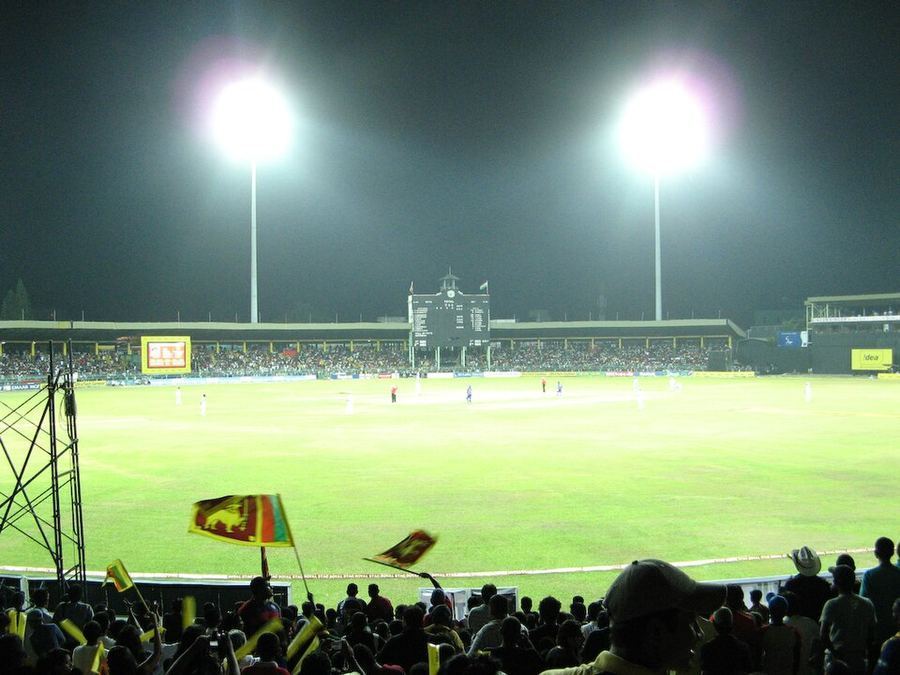
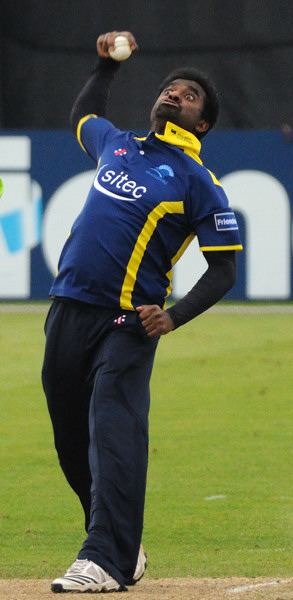
Sri Lanka's greatest sporting moment came in March 1996, when a side captained by Arjuna Ranatunga won the Cricket World Cup in Lahore, beating Australia in the final after transforming one-day batting with the opening assault of Sanath Jayasuriya and Romesh Kaluwitharana — a victory that reshaped the tactics of the format worldwide and remains the defining national achievement. The team reached the World Cup final again in 2007 and 2011 and won the ICC World Twenty20 in 2014 and the ICC Champions Trophy jointly in 2002. Muttiah Muralitharan took 800 Test wickets and 534 in one-day internationals, both records that still stand, and Kumar Sangakkara, Mahela Jayawardene, Chaminda Vaas and Lasith Malinga rank among the leading players in the game's history. At the Olympics, Sri Lanka has won two medals, both silver and both in athletics: Duncan White in the 400 metres hurdles at London in 1948, competing for Ceylon, and Susanthika Jayasinghe in the 200 metres at Sydney in 2000. The country co-hosted the Cricket World Cup in 1996 and 2011 and hosts international cricket at Colombo, Kandy, Galle and Dambulla.
Presidential republic
Anura Kumara Dissanayake — PresidentJVP
In office since 23 September 2024
Unicameral
Composition — National People's Power (Jathika Jana Balawegaya, NPP) majority
National People's Power (Jathika Jana Balawegaya, NPP) 159 · SJB 40 · Other 26
Last election 11/14/2024 · 9.8% women
Sri Lanka Rupee — LKR (None)
GDP (PPP): $301.407 billion (2024 est.)
Per capita: $13,800 (2024 est.)
$17.327 billion (2023 est.)
garments, tea, precious stones, used rubber tires, rubber products (2023)
Partners: USA 22%, India 7%, Germany 7%, UK 7%, Italy 5% (2023)
$18.823 billion (2023 est.)
refined petroleum, fabric, crude petroleum, packaged medicine, cotton fabric (2023)
Partners: India 21%, China 19%, UAE 10%, Singapore 5%, Malaysia 4% (2023)
Type: presidential republic
Independence: 4 February 1948 (from the UK)
How mountains, coasts, and rivers shape settlement (LandScan).
Coming — dataWhere groups settled and how people move (GeoEPR + UNHCR).
Coming — dataNotable institutions, mappable as points.
Coming — data