HERA · Human Entity Reference Atlas by Masego Inc

← Lesotho 🌐 3D View
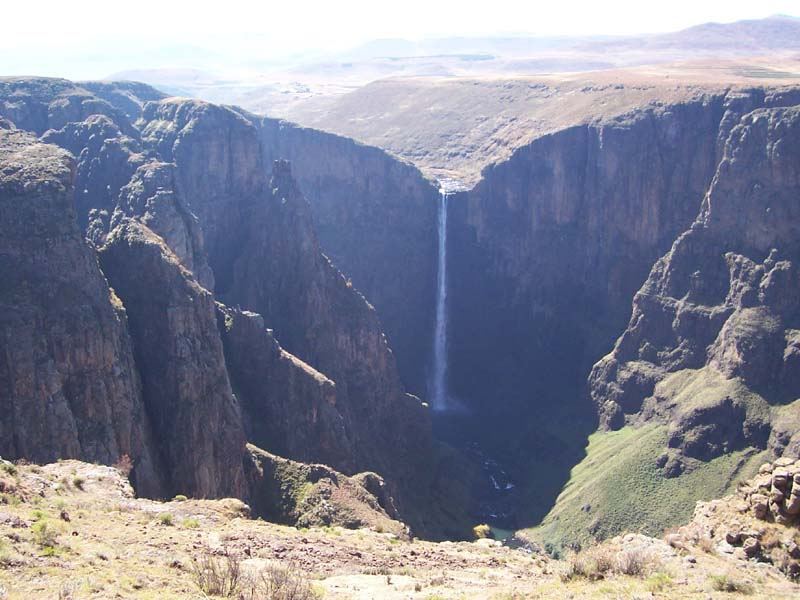
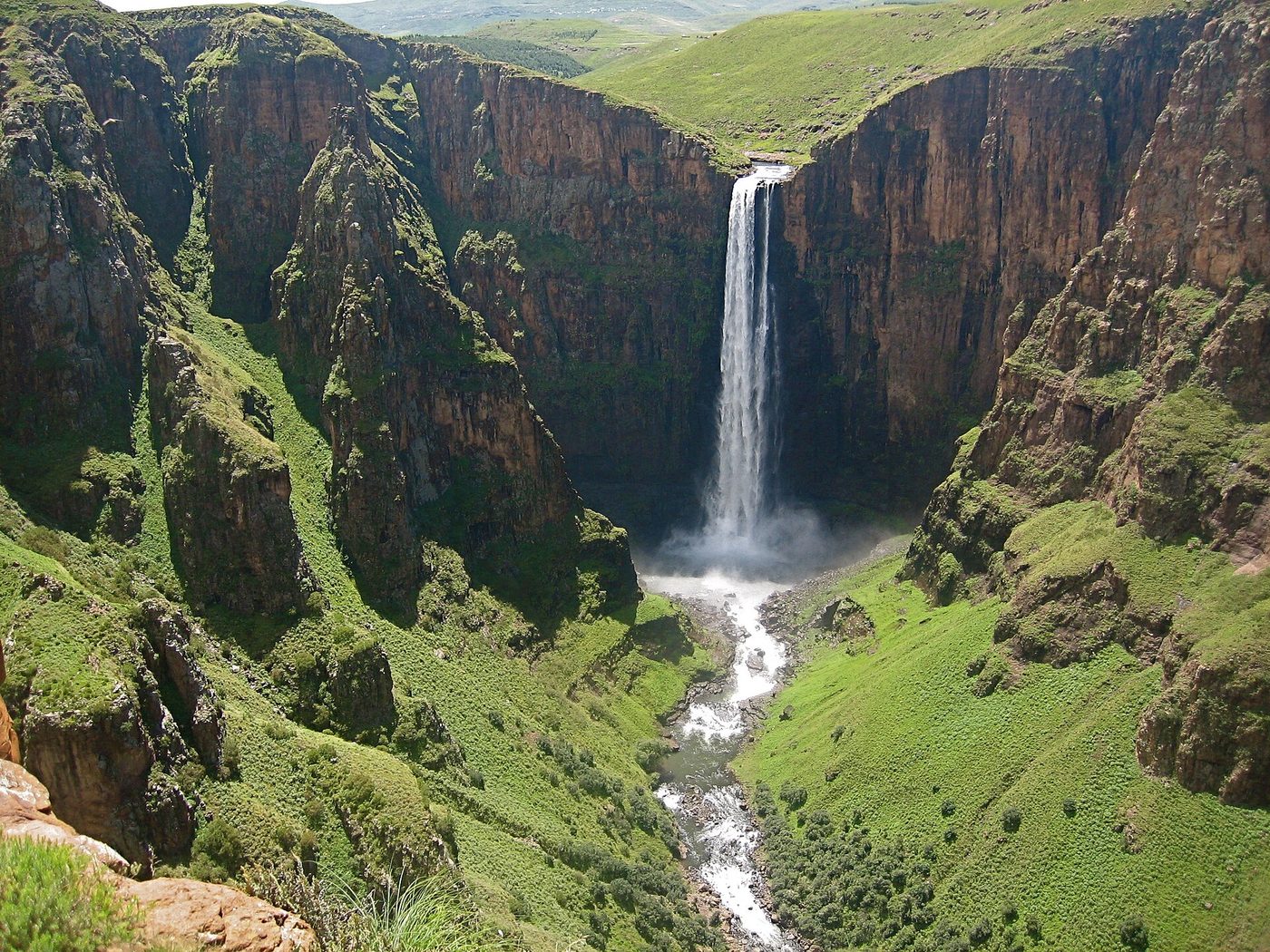
Maletsunyanefalls, Lesotho
Lesotho LSO
Maletsunyanefalls — Photo: BagelBelt / Public domain via Wikimedia Commons
Did You Know It is one of only three countries completely surrounded by a single other country, along with San Marino and Vatican City — and much the largest of them. — Encyclopaedia Britannica

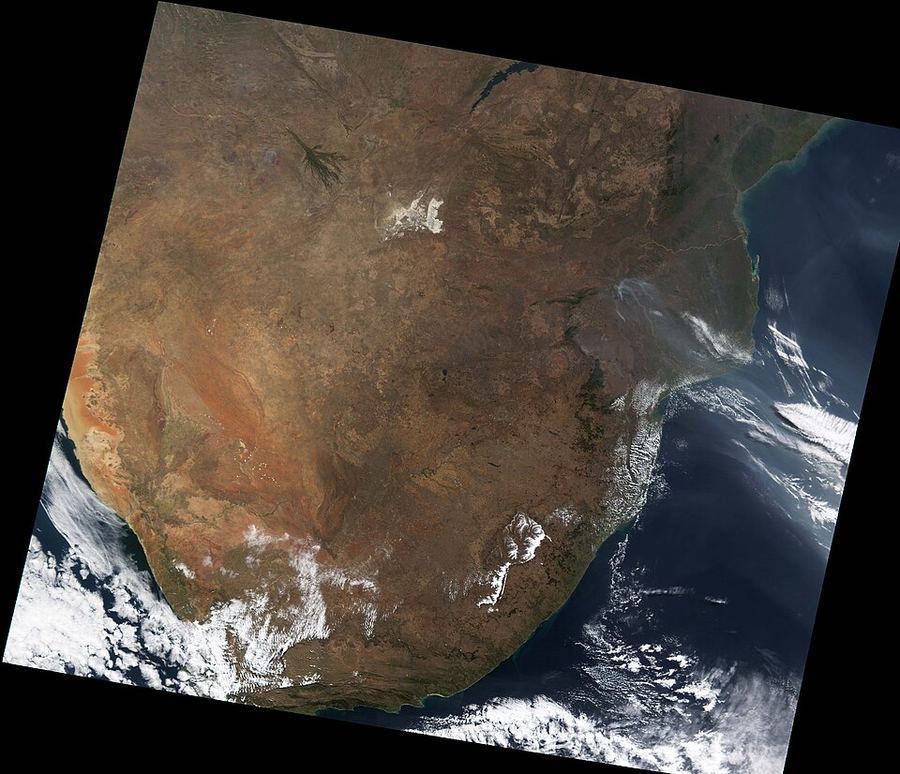
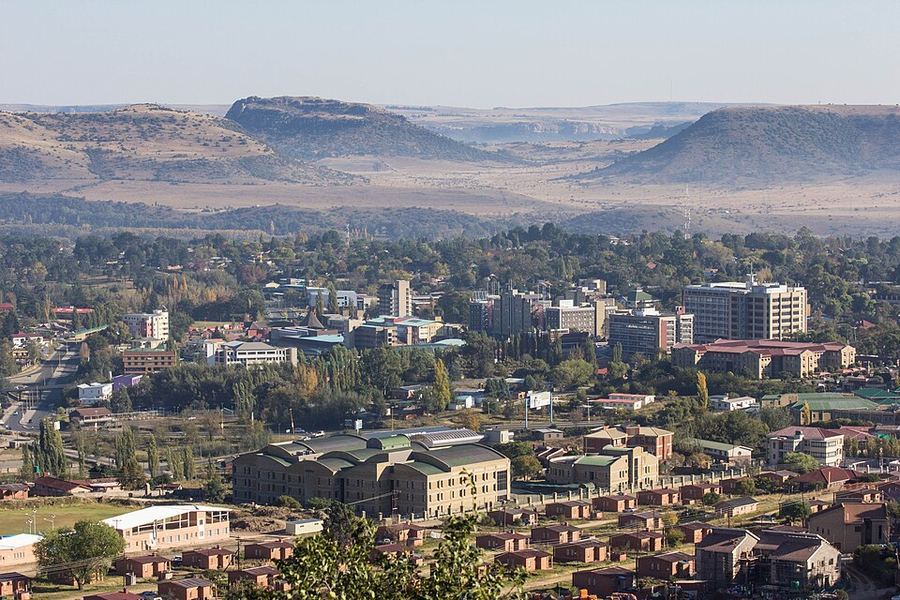
Lesotho is a mountain kingdom of roughly 2.2 million people entirely surrounded by South Africa — one of only three states in the world enclaved within a single neighbour, and by far the largest of them. Its whole territory lies above 1,000 metres, giving it the highest low point of any country on earth and the nickname 'the Kingdom in the Sky'; Thabana Ntlenyana, at 3,482 metres, is the highest peak in southern Africa. Maseru, the capital, sits on the Caledon River at the western edge where the highlands drop toward the South African lowveld, and almost all of the country's arable land and most of its people are concentrated in that western strip. Lesotho is a parliamentary constitutional monarchy: King Letsie III reigns without executive power, and government is formed in an elected National Assembly. The population is exceptionally homogeneous — Sotho 99.7% — and Sesotho and English are both official. Christianity is near-universal, split between Protestant denominations at about 47.8% and Roman Catholics at 39.3%. The economy is small and tightly bound to South Africa: diamonds from the high-altitude Letšeng mine, garments sewn for the American market, water sold to Gauteng under the Lesotho Highlands Water Project, and remittances from Basotho working across the border together account for most foreign earnings. GDP per capita is about $2,600 at purchasing power parity, and the country carries one of the world's heaviest HIV burdens.

CIA World FactbookWorld BankEncyclopaedia BritannicaWHO
Population
2,222,962
Capital
Maseru
Currency
None LSL
Time zones
Largest city
Maseru
Human Geography Themes
Loading national figures…
Largest Cities
Maseru333,012
In Perspective

Maseru's urban core is home to about 333,012 people.

Among the world's megacities, though, it's one of many — the giants of Asia and Latin America run larger still:

Maseru333,012
Jakarta40,545,126
Dhaka37,307,160
Tokyo33,244,670
Shanghai30,678,616
Cairo25,230,325
The Country & Its People

History

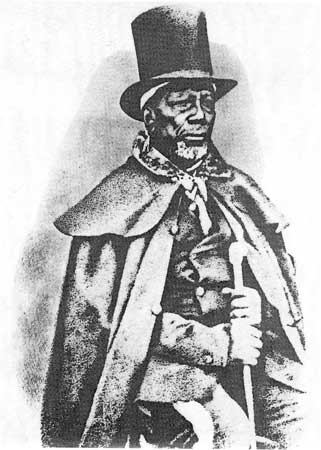
Lesotho exists because of one man's statecraft during a catastrophe. In the 1820s the upheavals of the Lifaqane scattered Sotho-Tswana communities across the highveld, and a minor chief named Moshoeshoe I gathered refugees onto the flat-topped mountain of Thaba Bosiu, a natural fortress north-east of present-day Maseru that was never taken by an enemy. He absorbed displaced clans rather than conquering them, and by the 1830s presided over a composite Basotho nation. In 1833 he invited missionaries of the Paris Evangelical Missionary Society, who founded Morija — a decision that brought literacy, a printing press and a written Sesotho orthography, and that also brought European diplomatic contacts he used deliberately. Conflict with Boer settlers of the Orange Free State over the fertile Caledon valley produced wars in 1858 and 1865-68 and the loss of the western farmland Basotho still call the 'conquered territory'. To avoid absorption, Moshoeshoe asked Britain for protection, and Basutoland became a protectorate in 1868. Annexation to the Cape Colony in 1871 provoked the Gun War of 1880-81, after which Britain resumed direct rule in 1884 — an outcome that spared Basutoland incorporation into the Union of South Africa in 1910. Independence came on 4 October 1966. The decades since have been unsettled: Leabua Jonathan annulled the 1970 election, a 1986 coup and a 1993 restoration followed, a 1998 crisis drew in a SADC military intervention, and a 2014 attempted coup led to an internationally mediated reform process.
Culture

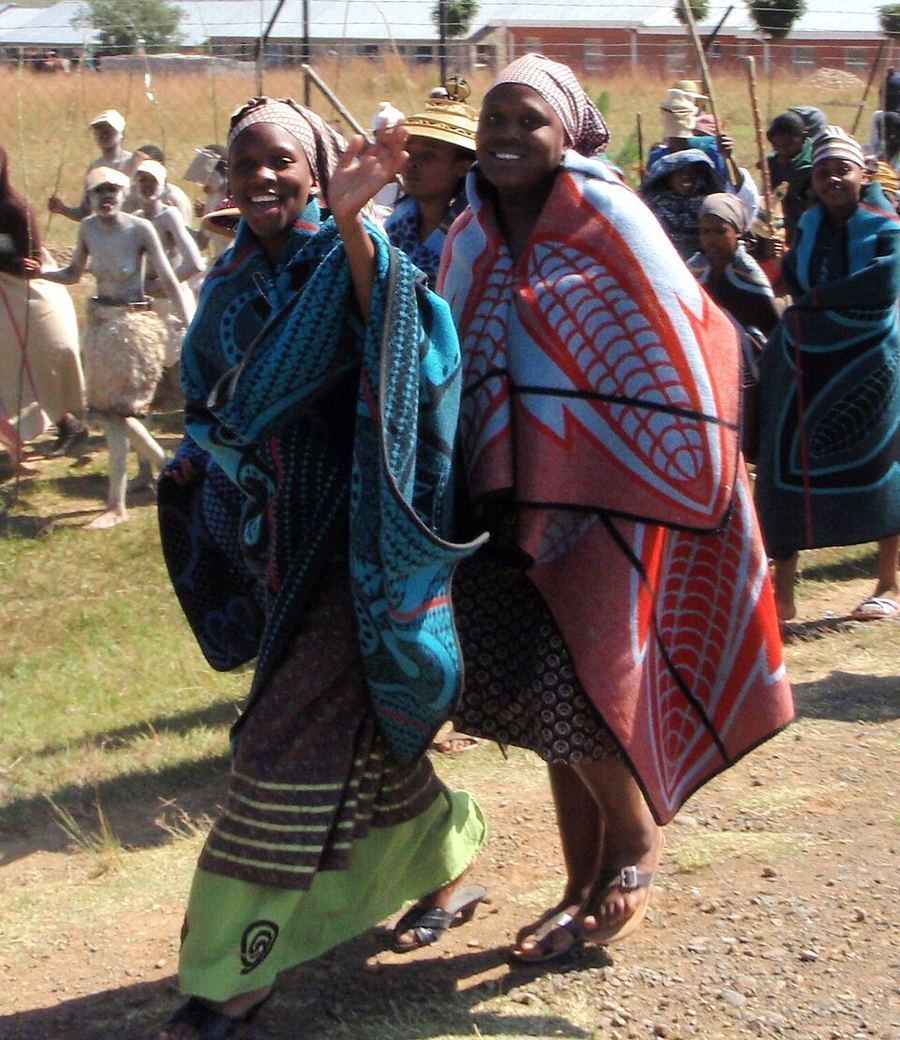
Basotho culture is unusually unified for an African state — one language, one broad ethnic identity, and a monarchy that predates the borders. Everyday life still runs on the vocabulary of cattle, chieftaincy and the mountain. Livestock are not merely economic: cattle move at marriage as bohali, mark status, and structure the seasonal migration of boys and young men to the high summer cattle posts, the motebo, where herdboys live for months in stone shelters. That institution shapes much else, including the flute repertoire played to pass the hours and, less happily, the school attendance gap that leaves Basotho women more literate than men. Chieftaincy remains a living layer of administration beneath the elected state, with the pitso — the public assembly at which a chief must hear his people — surviving as both practice and political metaphor. Christianity is close to universal and denominationally sorted: the Catholic Church and the Lesotho Evangelical Church, direct descendant of the Paris mission, both run large school networks, and church membership often tracks family and district. Traditional healing, initiation schools for both sexes, and ancestral observance coexist with church life rather than competing with it. The most visible cultural marker is textile: the Basotho blanket worn as a coat, and the conical mokorotlo hat that appears on the national flag.

Points Of Pride

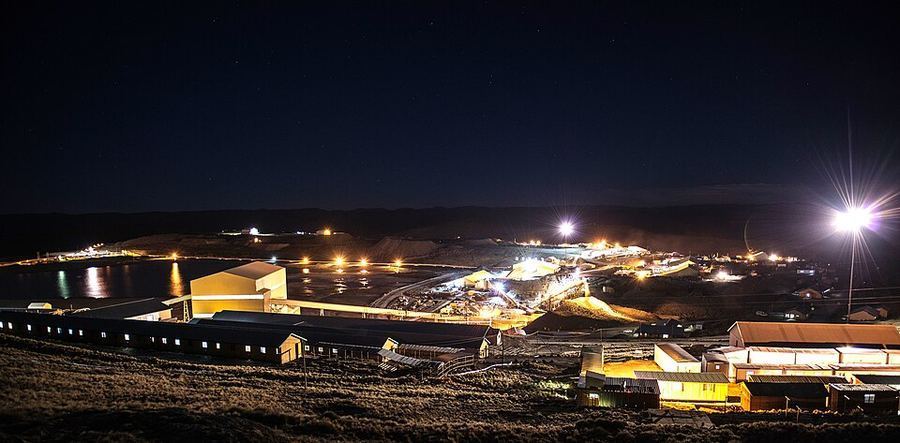
The pride Basotho name first is survival: Thaba Bosiu was never stormed, and the kingdom Moshoeshoe assembled from refugees is the only one of the region's nineteenth-century African polities to have entered the twentieth century intact and to have left it as an independent state rather than a South African province. The 1868 protectorate, resented at the time, is now read as the manoeuvre that kept Lesotho out of the Union of South Africa in 1910 and out of apartheid's homeland system thereafter. Second is the mountain itself — the only country entirely above 1,000 metres, with the highest peak in southern Africa and, at Sehlabathebe, a national park inscribed by UNESCO in 2013 as part of the transboundary Maloti-Drakensberg Park world heritage site, recognised for both its alpine biodiversity and the density of its San rock paintings. Third is the Letšeng diamond mine, which sits above 3,000 metres and yields the highest average value per carat of any kimberlite mine in the world, having produced a run of exceptional white stones. Fourth is water: the Lesotho Highlands Water Project makes a small, poor country the supplier of a substantial share of the drinking water for South Africa's industrial heartland. Fifth is Sesotho literature, which produced Thomas Mofolo's novel Chaka.

Cultural Fusion

Almost every emblem of Basotho identity is a borrowing that was thoroughly naturalised. The Basotho blanket, worn draped and pinned as outerwear at weddings, initiations and funerals, descends from British trade blankets of the nineteenth century; the woven patterns are industrial designs, most of the cloth is milled in South Africa, and the garment is nonetheless read instantly as Sesotho, with specific patterns reserved for chiefs, initiates or newlyweds. Seshoeshoe, the printed indigo cotton of Basotho women's dress, arrived through European trade — the name honours Moshoeshoe, to whom bolts were presented — and became the fabric of national costume. Famo music, the accordion-and-drum genre of the migrant labour hostels, is built on a squeezebox brought by Europeans and played to Sesotho vocal lines. Christianity itself was invited rather than imposed: Moshoeshoe asked for missionaries and used them, and the resulting churches produced the Sesotho orthography, the Morija press and the newspaper Leselinyana la Lesotho, which has appeared since 1863. The deepest fusion is economic and involuntary. More than a century of men working South African gold mines wove Sesotho life into the rhythms of the Witwatersrand, and the language, music and household patterns of Lesotho still carry that circuit.

Music & Dance

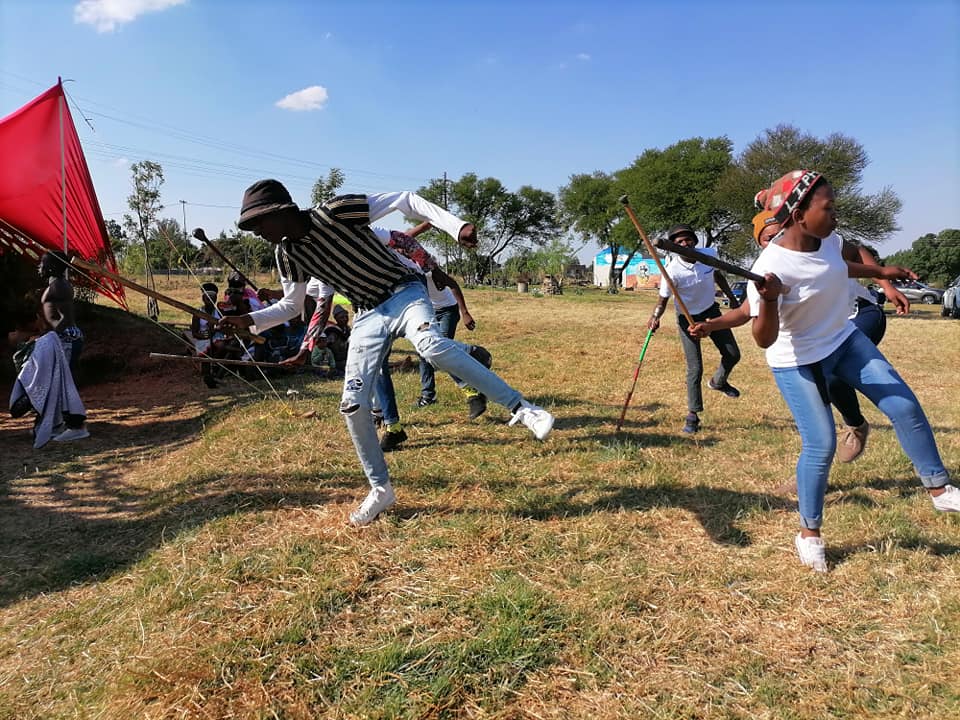
Sesotho music is strongly vocal and strongly occasional — songs belong to particular work, particular ceremonies and particular sexes. Mokhibo is a women's dance performed kneeling, the movement carried in the shoulders and upper body to hand-clapping and song; mohobelo is its male counterpart, a striding, high-stepping dance for men in blankets. Litolobonya is danced by women, and initiation cycles for both sexes carry their own repertoires that are not sung casually outside them. The instruments are few and distinctive: the lekolulo, an end-blown herdboy's flute whose repertoire developed at the cattle posts; the thomo, a bowed calabash-resonated string instrument associated with women; the setolo-tolo, a mouth-resonated instrument played by men. Choral singing in the mission tradition is enormous in Lesotho, with church and school choirs competing seriously and hymnody long since absorbed into Sesotho idiom. The country's most commercially significant genre is famo, born in the migrant hostels and shebeens: a fast accordion line over drum and bass, with sung-spoken Sesotho verse that ranges from praise poetry to insult. Famo's popularity has a dark side — rival famo music groups have been linked to organised violence in Lesotho and South Africa, and the government banned several of them in 2017.

Cuisine & Misattributed Foods

Basotho cooking is grain-centred, frugal and built around what grows at altitude. The staple is papa, a stiff maize-meal porridge eaten by hand and served with moroho — leafy greens, often wild or garden brassicas and pumpkin leaves, stewed with onion and sometimes tomato. Before maize became dominant in the twentieth century sorghum was the principal grain, and it survives in two forms that remain everyday food: motoho, a sour fermented sorghum porridge drunk warm at breakfast, and likhobe, whole boiled grains of sorghum or maize often cooked with beans into a slow, filling dish. Beans, peas, pumpkin and wild spinach fill out the plate; meat is not daily food outside towns, but mutton and beef appear at feasts, and offal dishes are common. Bread is baked in cast-iron pots over coals, and the fat cake — fried dough sold at every taxi rank — is the ubiquitous street food, shared with South Africa. Joala, the home-brewed sorghum beer, is prepared for ceremonies and for the working parties that build houses and harvest fields; a white flag flown over a homestead advertises that a batch is ready. Peaches, apricots and apples from highland orchards are dried for winter.

National Dress

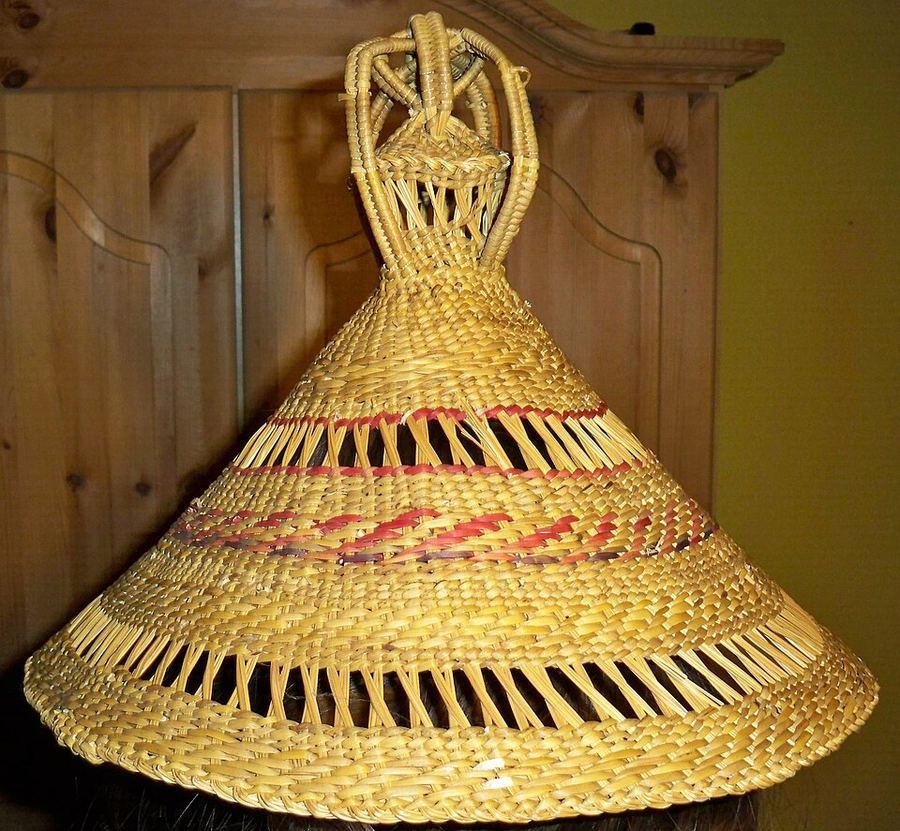
Lesotho's national dress is one of the most legible in Africa because it is essentially two objects. The first is the Basotho blanket, a heavy wool blanket worn as a cloak, fastened at the shoulder with a pin and worn over ordinary clothing rather than instead of it. It is genuinely everyday winter wear in the highlands and simultaneously formal dress: particular manufactured patterns carry meaning, with designs associated with chiefs, with newly initiated men, with brides and with the royal family, and a blanket is a standard gift at marriage and at the completion of initiation. Convention holds that the stripes should run vertically when worn. The second is the mokorotlo, the conical straw hat with a distinctive looped finial said to echo the silhouette of Qiloane, a hill near Thaba Bosiu; it is stylised on the national flag and on number plates, which makes it the country's visual signature. Women's formal dress is built on seshoeshoe, the printed cotton — most often indigo, brown or red, patterned with small geometric motifs — cut into full skirts and dresses with a matching headscarf, the doek, and worn to church, weddings and national occasions. Men pair the blanket with the mokorotlo and often a herdboy's staff or knobkerrie.

Sports & Inspiring Athletes

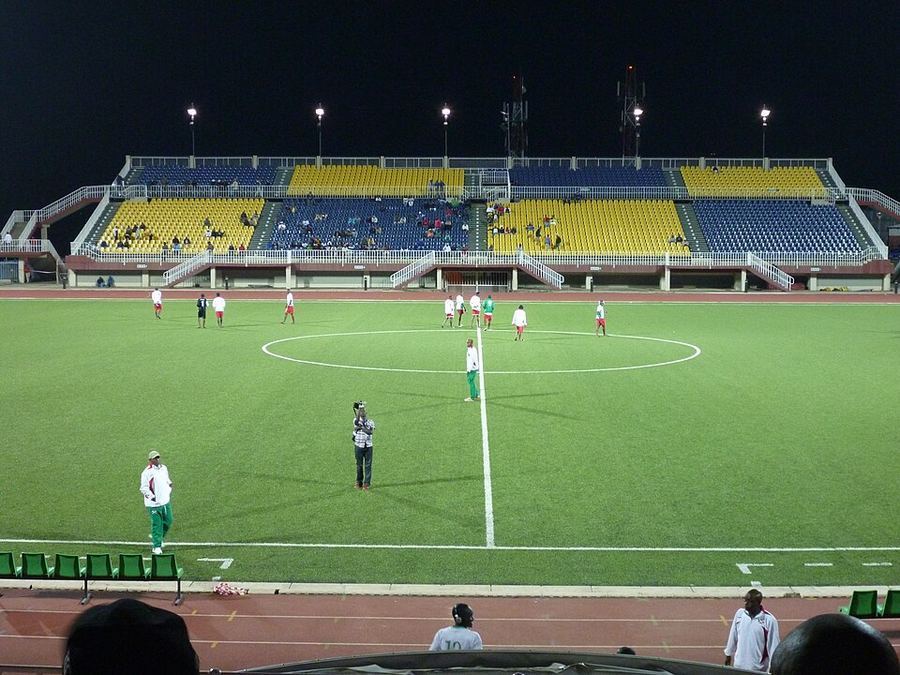
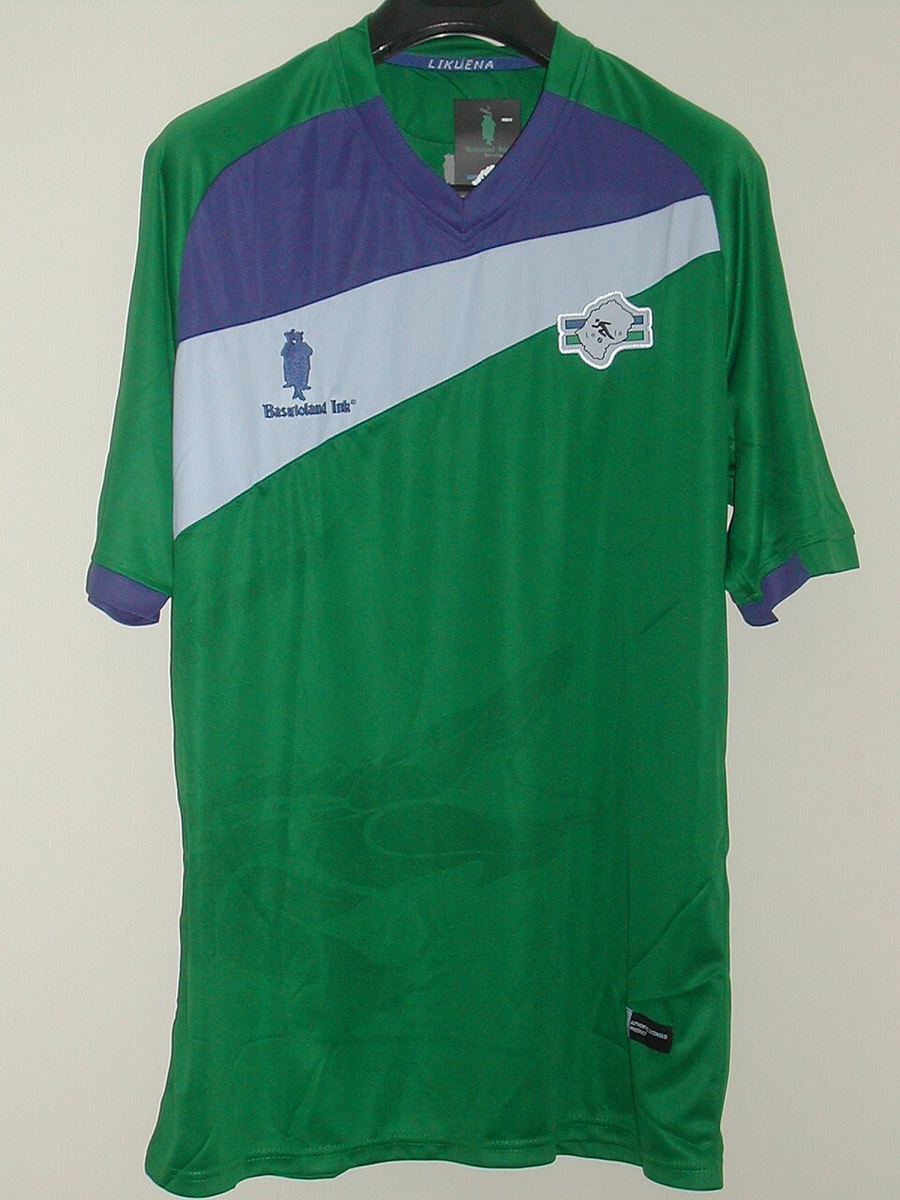
Football is the mass sport. The domestic Lesotho Premier League is centred on Maseru clubs — Matlama, Lioli of Teyateyaneng, Bantu of Mafeteng and the army and police sides — and matches are played largely at Setsoto Stadium in the capital, the country's main venue. The men's national team, Likuena, 'the Crocodiles', competes in FIFA World Cup and Africa Cup of Nations qualifying and in the regional COSAFA Cup, where its results are its strongest; it has yet to reach a World Cup or Cup of Nations finals. Athletics is the second pillar and the one that produces most of Lesotho's international representation, concentrated in distance running, where high-altitude training at home is a genuine advantage and Basotho runners compete regularly in international marathons. Boxing has a following, as does netball among women and schoolgirls. Horse racing is a distinctive rural sport: informal meetings on mountain flats, run on Basotho ponies with local riders, draw large crowds and betting, and are one of the few sporting occasions that belong entirely to the highlands rather than the towns. Schools carry much of the organised sport, and church-run schools historically supplied both football and athletics talent.

Notable Educational Programs

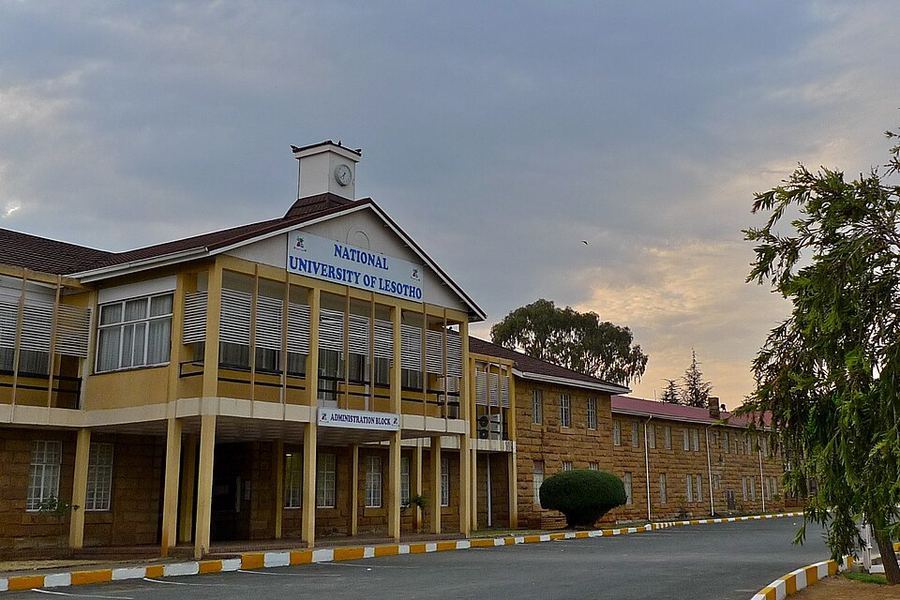
Lesotho's education system was built by missions and still shows it: the Lesotho Evangelical Church, the Roman Catholic Church and the Anglican Church run a large share of primary and secondary schools under government funding and oversight, a legacy of the Paris mission's arrival at Morija in 1833 and of the printing and translation work that followed. Lesotho abolished primary school fees in a phased programme beginning in 2000, and enrolment rose sharply as a result. Literacy is high by regional standards and unusual in its shape — Basotho women are more literate than Basotho men, because boys are the ones sent to the cattle posts, and herdboy education programmes run in the evenings and at the posts themselves try to close that gap. The National University of Lesotho at Roma is the country's principal higher institution; it began in 1945 as Pius XII Catholic University College, became the shared University of Basutoland, Bechuanaland Protectorate and Swaziland in 1964, and took its national form in 1975 when Lesotho left the tripartite arrangement. Lerotholi Polytechnic in Maseru supplies technical and vocational training, and teacher training runs through the Lesotho College of Education. Large numbers of Basotho students take degrees in South African universities.

Wars & Conflicts

Lesotho has no armed insurgency and no war with a neighbour; its violence has been political and institutional, concentrated in the security forces. The pattern was set in 1970, when Prime Minister Leabua Jonathan annulled an election he had lost, and repeated in the 1986 coup that removed him. After disputed elections in 1998, protests and a mutiny inside the army escalated until South Africa and Botswana intervened militarily under a Southern African Development Community mandate; the fighting damaged central Maseru and the episode remains contested in Lesotho. Instability returned in the 2010s. In August 2014 the army surrounded government buildings in what the prime minister described as an attempted coup, prompting SADC mediation. The former army commander Maaparankoe Mahao was shot dead by soldiers in 2015, and the serving commander Khoantle Motšomotšo was killed inside barracks in 2017 — killings that drove a SADC-facilitated national reform process covering the constitution, the security sector and the judiciary. A separate, ongoing form of organised violence is associated with rival famo music gangs, whose feuds have produced killings in Lesotho and in South Africa and led the government to ban several groups in 2017; South African authorities have linked famo-linked networks to illegal mining violence.
Current as of 2026-08-07

Land & Border Disputes

Lesotho has no active territorial dispute and a single, fully delimited land boundary, with South Africa. What persists is a historical grievance rather than a legal claim. The fertile land west of the Caledon River, lost to the Orange Free State in the wars of 1858 and 1865-68 and confirmed as outside Basutoland when Britain took the protectorate in 1868, is still referred to in Lesotho as the 'conquered territory'; it forms part of South Africa's Free State province and is periodically raised in Basotho political rhetoric, but no government has pursued it as a formal claim through any international forum. The practical business of the boundary is administrative: demarcation and maintenance of the border line, and the management of crossing points at Maseru Bridge and elsewhere, which carry very heavy daily traffic because Lesotho's trade, labour migration and family ties run almost entirely through South Africa. The other recurring bilateral issue is water. The treaty framework of the Lesotho Highlands Water Project governs the volumes transferred to the Vaal system and the royalties South Africa pays, and negotiation over pricing, phasing and the Polihali works is a standing feature of the relationship rather than a dispute in the legal sense.
Land, Life & Legacy

Land & Climate

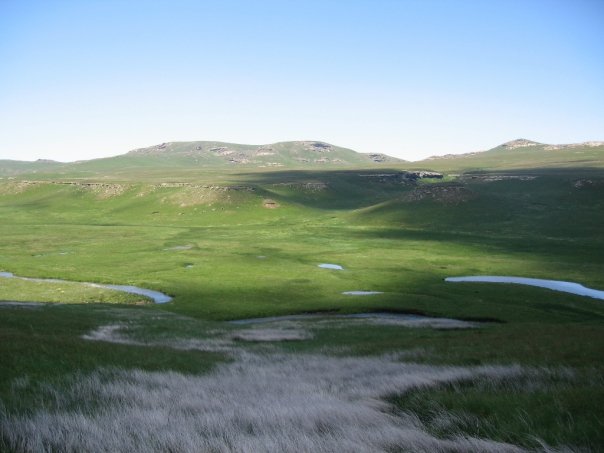
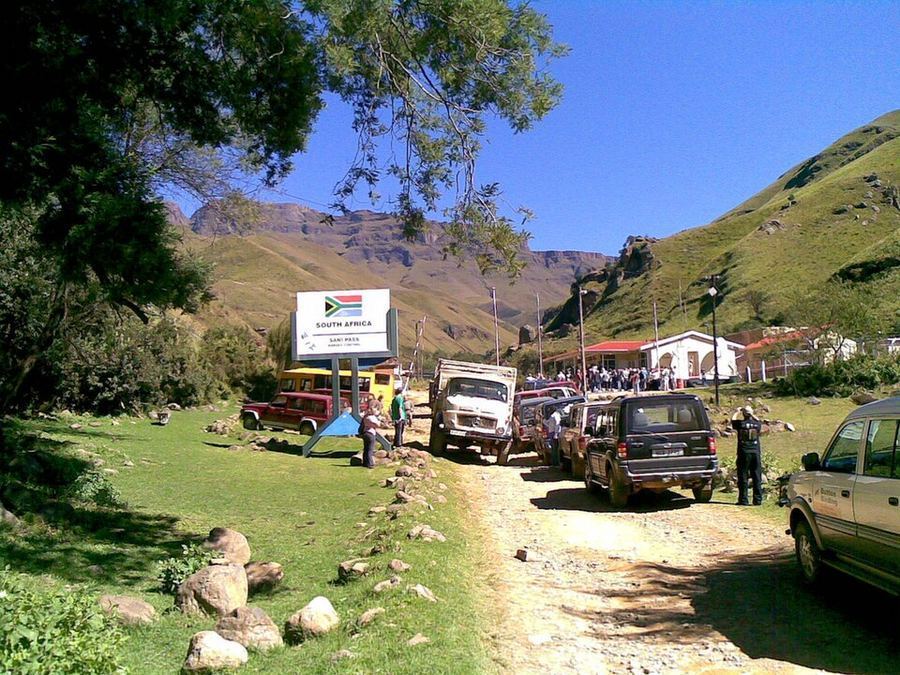
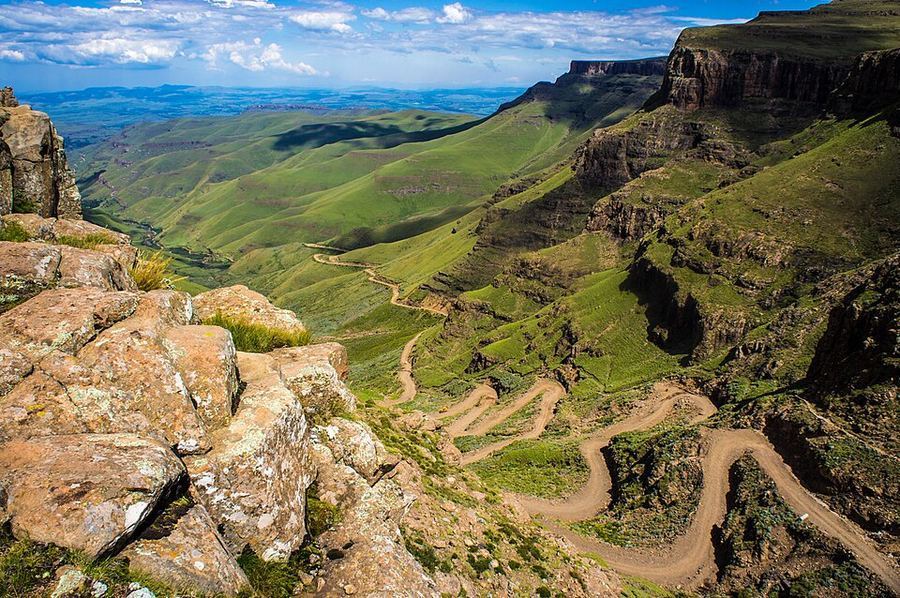
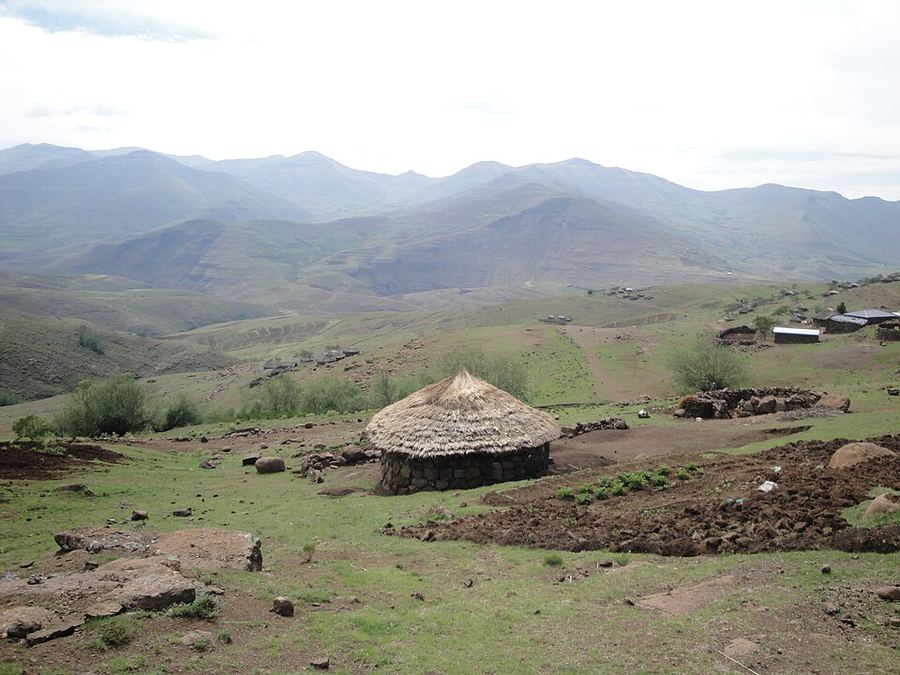
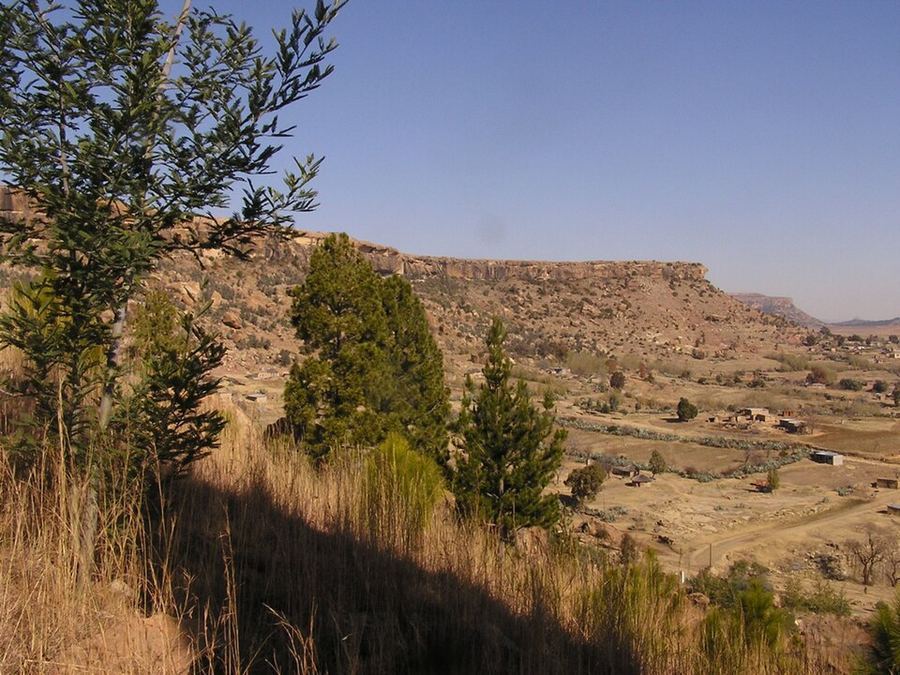
Lesotho is a fragment of the southern African high plateau that erosion has left standing, ringed by escarpments and enclosed on every side by South Africa. Nowhere in the country falls below about 1,400 metres, the highest minimum elevation of any state, and roughly three-quarters of the territory is mountainous. The Maloti ranges run through the interior and merge with the Drakensberg along the eastern border with KwaZulu-Natal, where the land drops in a wall of basalt cliffs; Thabana Ntlenyana on that rim reaches 3,482 metres. The Sani Pass, a notoriously steep track climbing that escarpment, is one of the few direct routes east. The highlands are the water tower of the region: the Senqu, which becomes South Africa's Orange River and eventually reaches the Atlantic, rises here, as do headwaters feeding the Tugela. Settlement and cultivation are squeezed into the western lowlands and the Senqu valley, since only about a tenth of the country is arable and soil erosion on steep slopes is severe. The climate is temperate and continental rather than tropical: warm, wet summers with violent thunderstorms and hail from October to April, and cold, dry winters in which frost is routine and snow falls on the high ground, occasionally closing passes.

Entertainment

Leisure in Lesotho is shaped by terrain that is difficult to farm and excellent to travel across. Pony trekking is the characteristic activity: the Basotho pony, a hardy small horse descended from Cape stock introduced in the nineteenth century, is still working transport in roadless districts and is also the basis of a trekking industry running multi-day routes out of Malealea, Semonkong and Ha Baroana. Semonkong is built around the Maletsunyane Falls, a single 192-metre drop over a basalt lip, beside which a commercial abseil of just over 200 metres operates — recognised as the longest commercially run single-drop abseil in the world. At Mahlasela Pass, above 3,000 metres, Afriski runs one of only two ski areas in southern Africa, drawing South African visitors for a short winter season on machine-made snow. Hiking and trail running in the Maloti, trout fishing in the highland rivers, and birdwatching for the bearded vulture that breeds on the escarpment fill out the outdoor calendar. In town, football dominates weekends, and the Morija Arts and Cultural Festival each spring is the country's main gathering for music, poetry and traditional games. Church attendance, choir practice and family visiting occupy much of ordinary Sunday leisure.

Art & Museums

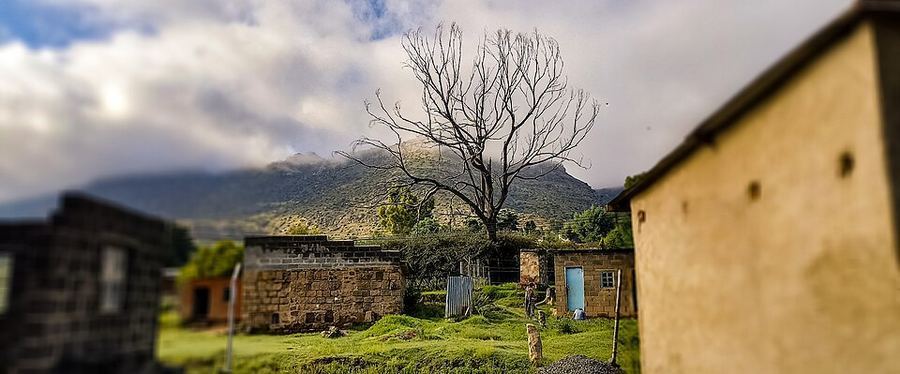
Lesotho's oldest and most internationally significant art is not Basotho at all. The sandstone overhangs of the Maloti and the Drakensberg escarpment hold thousands of San rock paintings — eland, human figures in trance postures, hunting and dance scenes — made over millennia by the region's first inhabitants, and it is partly for these that Sehlabathebe National Park was added in 2013 to the transboundary Maloti-Drakensberg world heritage site. Accessible panels at Ha Baroana, east of Maseru, are the best known. Basotho visual tradition itself runs through craft: litema, the geometric relief patterns combed and painted into the mud plaster of homestead walls by women, often refreshed for weddings and funerals; grass and reed weaving that produces the mokorotlo, sleeping mats and beer strainers; pottery; and beadwork. Textile design occupies an unusual place, since blanket patterns function as a national iconography even though they are industrially printed. The mission at Morija is the country's cultural archive, with the Morija Museum and Archives holding manuscripts, ethnographic collections and fossil material, and Morija remains the hub for contemporary Basotho painting, tapestry weaving and craft cooperatives — the Maseru and Teyateyaneng weaveries producing hand-woven mohair tapestries that are the country's main art export.

Notable People

Moshoeshoe I is the indispensable figure — the founder who built a nation from refugees at Thaba Bosiu, invited missionaries, negotiated with Boers and the British Crown, and whose diplomatic choices explain why Lesotho is a country. His memory is honoured every 11 March as Moshoeshoe's Day. Thomas Mofolo is Lesotho's great literary name: a Morija-trained writer whose Sesotho novel Chaka, a tragic reimagining of the Zulu king, was completed in the 1910s, published in 1925 and translated widely, making it one of the foundational works of modern African fiction. Moshoeshoe II reigned from independence in 1966 through repeated conflicts with government, exile and restoration, until his death in 1996; his son Letsie III has reigned since, and as a constitutional monarch has taken on an international role including a term as a United Nations special ambassador on nutrition. Leabua Jonathan, prime minister from independence, dominated and destabilised the first two post-colonial decades by annulling the 1970 election. Mpho 'M'atsepo Nthunya's oral memoir Singing Away the Hunger brought a rural Basotho woman's account of the twentieth century to an international readership. Sam Matekane, a self-made mining and aviation businessman, became prime minister after the 2022 election.

Inventions & Breakthroughs

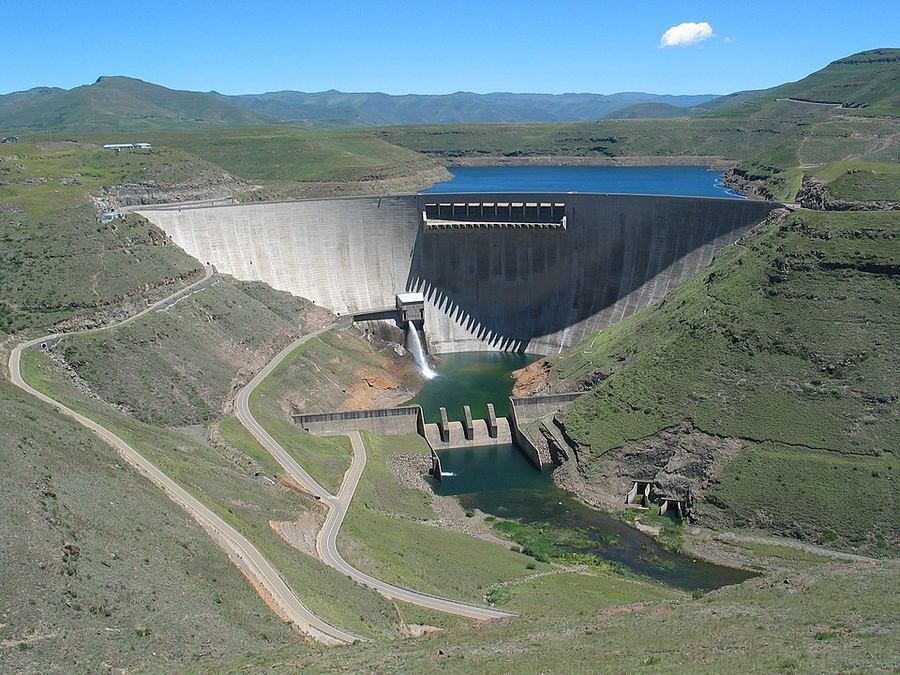
Lesotho's contributions are engineering and design rather than patented devices. The most consequential is the Lesotho Highlands Water Project, a scheme of dams and trans-mountain tunnels that captures Senqu headwaters and delivers them by gravity through the watershed into South Africa's Vaal system; Katse Dam, a double-curvature concrete arch dam rising 185 metres in a deep gorge, and the underground 'Muela hydropower station that generates from the transfer flow are the signature works, with the Polihali Dam of the second phase under construction. Selling water rather than exporting it as a commodity crop is an unusual national business model, and the engineering solutions for building at that altitude have been studied elsewhere. In craft, litema wall decoration and the design vocabulary of the Basotho blanket are Lesotho's most recognisable original visual systems, the latter now a protected commercial heritage that has drawn attention when foreign fashion houses have copied it. In public health, Lesotho pioneered rather than invented: its 2004 'Know Your Status' campaign, which took HIV testing door to door nationwide, was among the first universal testing drives attempted anywhere, and in 2016 Lesotho became the first country in sub-Saharan Africa to adopt WHO's Test and Treat policy of immediate antiretroviral therapy on diagnosis.

Science & Technology

Lesotho's technical capacity is concentrated in three sectors. Water engineering is the largest: the Highlands Water Project required arch dam construction, deep transfer tunnelling through basalt and an underground power station, and it remains the country's flagship of applied engineering as well as its most reliable revenue stream. Mining is the second. Letšeng, operating above 3,000 metres, is one of the world's highest diamond mines and the highest-value kimberlite operation by dollars per carat, its economics driven by a rare frequency of very large white stones; the technical problem it solves — recovering giant diamonds intact from a low-grade pipe — has shaped its plant design toward gentle crushing and advanced X-ray sorting. Public health is the third, and the one where Lesotho has influenced practice elsewhere: facing adult HIV prevalence among the highest recorded anywhere, the country ran an early nationwide door-to-door testing campaign in 2004 and in 2016 became the first sub-Saharan state to adopt immediate treatment on diagnosis, generating implementation evidence used by WHO and by other high-burden countries. Palaeontology adds an unexpected line: Early Jurassic beds in the south have yielded dinosaur trackways and skeletal material, including the small ornithischian named Lesothosaurus after the country.
On The World Stage

Champions & Defining Moments

Lesotho's international sporting presence is small but has two genuinely global corners. The first is the Roof of Africa, an extreme off-road motorcycle endurance rally run in the Maloti mountains since 1967 and known in hard enduro as one of the hardest events of its kind anywhere; it draws professional international riders to Lesotho every year and is the country's most exported sporting brand. Lesotho Sky, a multi-day mountain-bike stage race across the highlands, has built a similar if smaller following. The second is distance running, where the altitude that makes farming difficult makes training productive and Basotho marathoners appear consistently in international fields. Lesotho has competed at the Summer Olympic Games since Munich in 1972, sending small teams principally in athletics and boxing, and has not yet won an Olympic medal — one of the larger nations still in that category. It has taken part in the Commonwealth Games since the 1970s, where boxing and athletics have been its strongest disciplines. In football, the crocodile badge is familiar across southern Africa through COSAFA and qualifying competition, and Basotho players feature in the South African professional leagues immediately across the border.

IOCOlympediaCommonwealth Games FederationFIFA
Economy, Trade & Government

Currency & GDP

Loti — LSL (None)

GDP (PPP): $6.166 billion (2024 est.)

Per capita: $2,600 (2024 est.)

Exports

$983.027 million (2024 est.)

diamonds, garments, wool, power equipment, bedding (2023)

Partners: South Africa 31%, Belgium 26%, USA 20%, UAE 8%, India 8% (2023)

Imports

$2.083 billion (2024 est.)

refined petroleum, fabric, trucks, garments, cotton fabric (2023)

Partners: South Africa 78%, China 10%, Taiwan 3%, Japan 1%, India 1% (2023)

Government

Type: parliamentary constitutional monarchy

Independence: 4 October 1966 (from the UK)

Terrain → Where People Live

How mountains, coasts, and rivers shape settlement (LandScan).

Coming — data

Migration & Ethnic Settlement

Where groups settled and how people move (GeoEPR + UNHCR).

Coming — data

Universities

Notable institutions, mappable as points.

Coming — data
Economy & government facts: CIA World Factbook (public domain), via OpenFactBook / factbook.json.
Every fact and narrative claim will carry a visible source citation. Data-driven sections light up automatically wherever HERA has coverage.