HERA · Human Entity Reference Atlas by Masego Inc

← Luxembourg 🌐 3D View
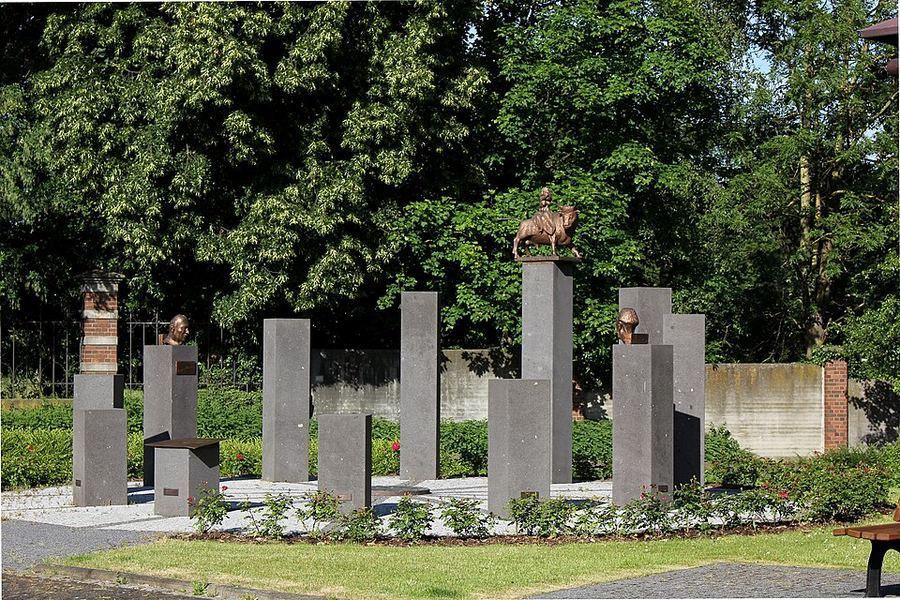
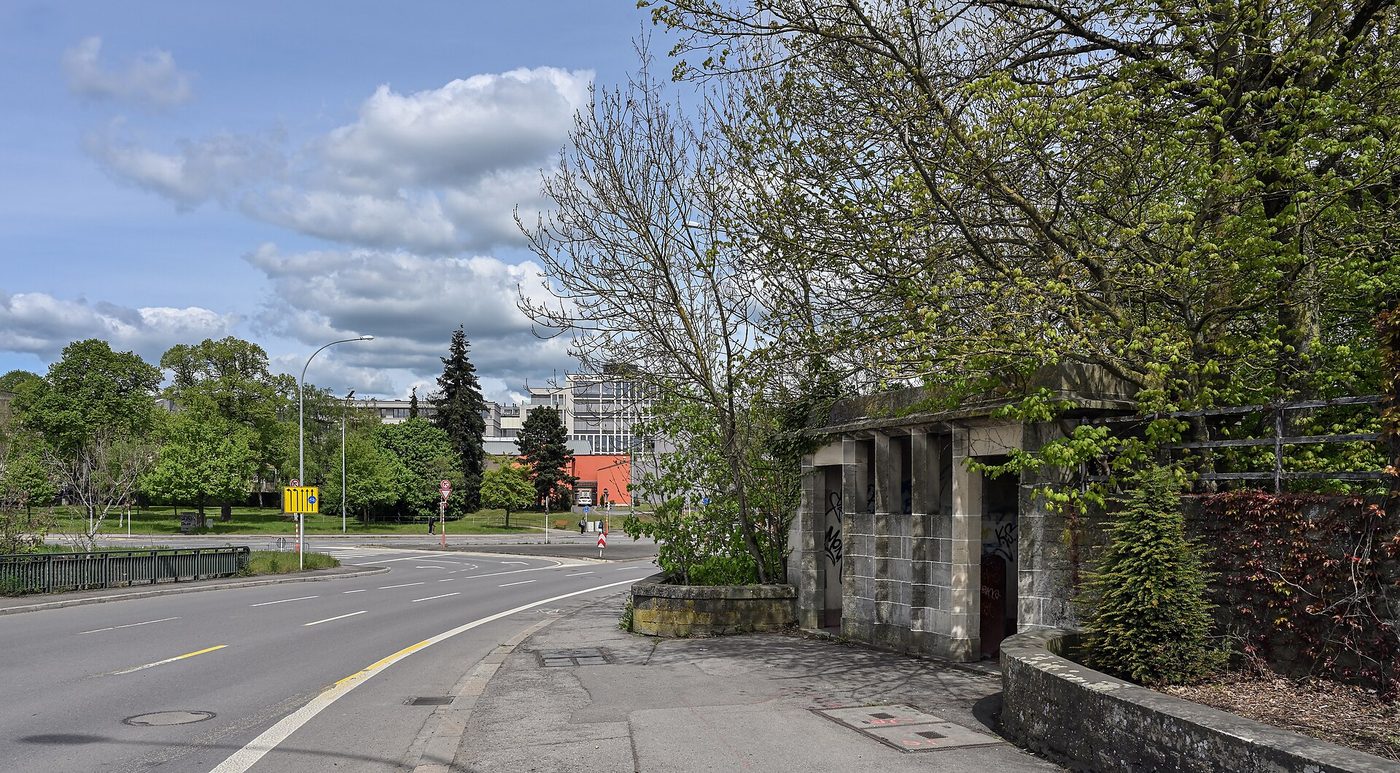
Luxembourg City, route d'Esch, Salzhaff, Luxembourg
Luxembourg LUX
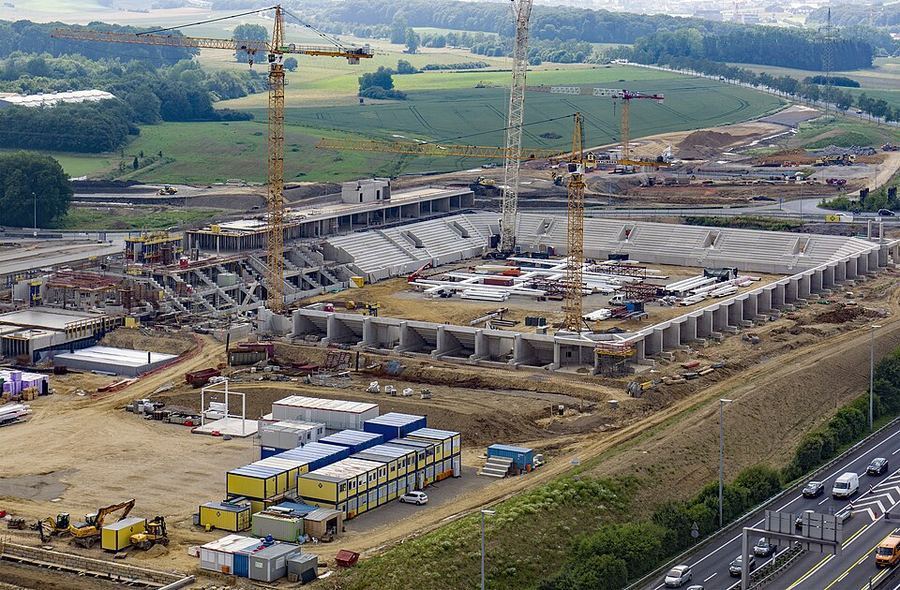
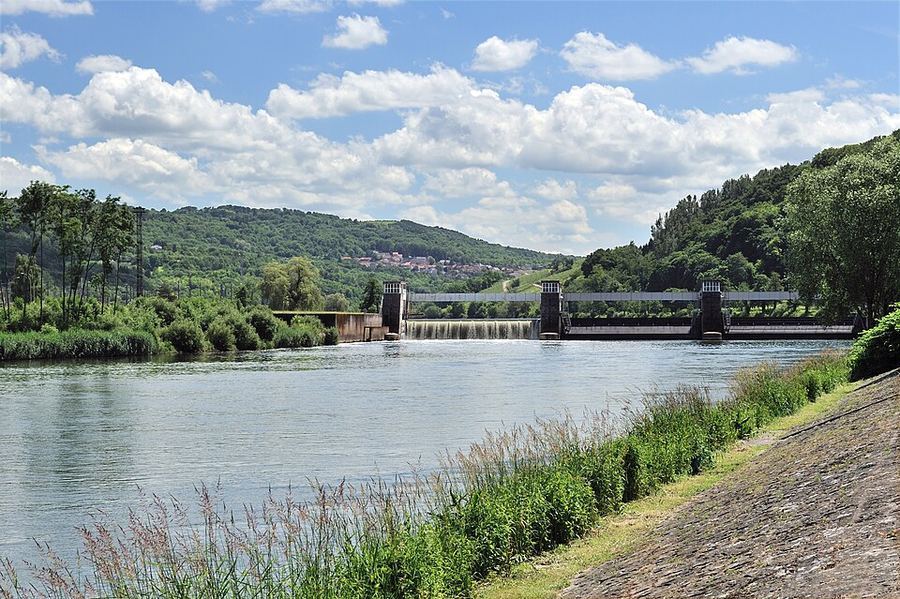
Luxembourg City, route d'Esch, Salzhaff — Photo: Cayambe / CC BY-SA 4.0 via Wikimedia Commons
Did You Know Fewer than 53% of Luxembourg's residents hold Luxembourgish nationality, and around 200,000 more people commute in to work each day from France, Belgium and Germany. — CIA World Factbook

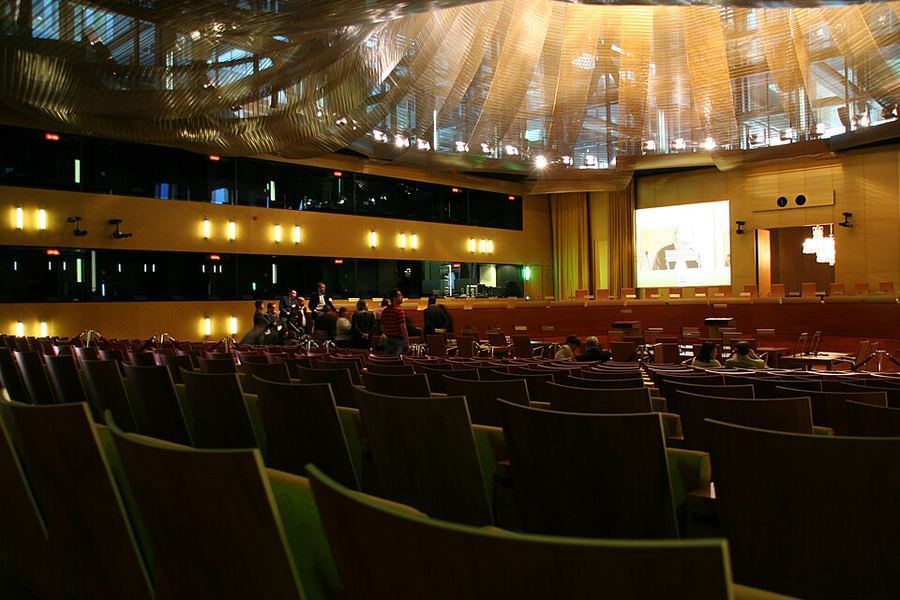
Luxembourg is a landlocked grand duchy of about 670,000 people wedged between Belgium, France and Germany, covering roughly 2,586 square kilometres — one of the smallest sovereign states in Europe and, by GDP per capita at purchasing power parity, one of the richest countries in the world at around $128,200. It is a constitutional monarchy under the House of Nassau-Weilburg, and the only surviving grand duchy anywhere. Its demography is exceptional: barely 52.9% of residents hold Luxembourgish nationality, Portuguese nationals make up about 14.5%, and roughly a further 200,000 people commute in daily from France, Belgium and Germany, so the workforce is far larger than the resident labour force. Three languages carry official functions — Luxembourgish, a Moselle Franconian tongue that is the national language, French for legislation, and German in administration and the press — and most residents move between them. Christianity, predominantly Roman Catholic, is professed by about 70.6%. The economy pivoted from iron and steel to finance: Luxembourg is one of the world's largest domiciles for investment funds, and it also hosts the satellite operator SES and a deliberately built space-resources sector. Luxembourg City is one of the European Union's three institutional seats.

CIA World FactbookWorld BankEncyclopaedia BritannicaEurostatIMF
Population
671,254
Capital
Luxembourg
Currency
€ EUR
Time zones
Largest city
Luxembourg
Human Geography Themes
Loading national figures…
Largest Cities
Luxembourg161,303
In Perspective

Luxembourg's urban core is home to about 161,303 people.

Among the world's megacities, though, it's one of many — the giants of Asia and Latin America run larger still:

Luxembourg161,303
Jakarta40,545,126
Dhaka37,307,160
Tokyo33,244,670
Shanghai30,678,616
Cairo25,230,325
The Country & Its People

History

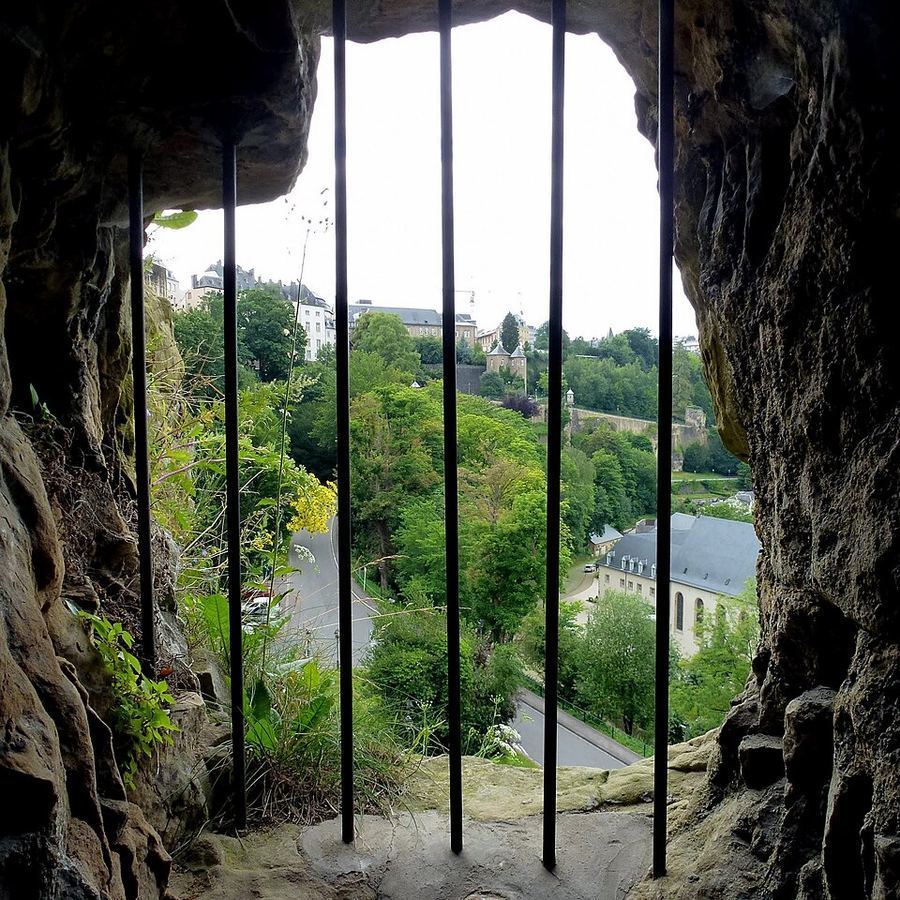
Luxembourg dates itself to 963, when Count Siegfried acquired a rocky promontory above the Alzette called Lucilinburhuc and built a castle on it. The county became a duchy, and in the fourteenth and early fifteenth centuries the House of Luxembourg supplied four Holy Roman Emperors, among them Charles IV. From 1443 the territory passed by inheritance and conquest through Burgundy, Spain, France and Austria, and successive occupiers turned the rock into one of Europe's strongest fortresses — the 'Gibraltar of the North', with tiers of casemates cut into the sandstone. The Congress of Vienna made it a grand duchy in 1815, in personal union with the Dutch crown and inside the German Confederation with a Prussian garrison. The Treaty of London of 1839 partitioned it: the French-speaking western half went to Belgium, and what remained is the country today, the date the Factbook records as independence from the Netherlands. A second London treaty in 1867 resolved a crisis over a French attempt to buy the duchy by guaranteeing neutrality and ordering the fortress dismantled. The link with the Dutch throne ended in 1890 when Dutch succession passed to a woman and the grand ducal crown went instead to the Nassau-Weilburg line. Germany occupied Luxembourg in both world wars; neutrality was abandoned in 1949 when the country became a founding member of NATO.
Culture

Luxembourgish culture is that of a small country that has spent a thousand years absorbing larger neighbours without dissolving into them, and its central expression is language. Luxembourgish, long treated as a dialect, was given the status of national language by law in 1984 and now carries a growing literature, broadcasting and orthography; the national motto, Mir wëlle bleiwe wat mir sinn — 'we want to remain what we are' — states the point plainly. Everyday life is trilingual and the switching is unselfconscious. Catholicism structures the ceremonial year even in a largely secular society: the Octave pilgrimage each spring brings processions to Our Lady of Luxembourg in the cathedral, and Echternach holds its Hopping Procession on Whit Tuesday, a dancing pilgrimage in honour of Saint Willibrord that UNESCO inscribed as intangible cultural heritage in 2010. Other fixtures are entirely local: Buergbrennen, the bonfire on the first Sunday of Lent; Éimaischen at Nospelt on Easter Monday, where clay bird whistles called Péckvillercher are sold; and the Schueberfouer, a funfair in the capital first granted in 1340 by John the Blind and now a three-week institution. National Day on 23 June, with its torchlit eve, is the civic centrepiece.

Points Of Pride

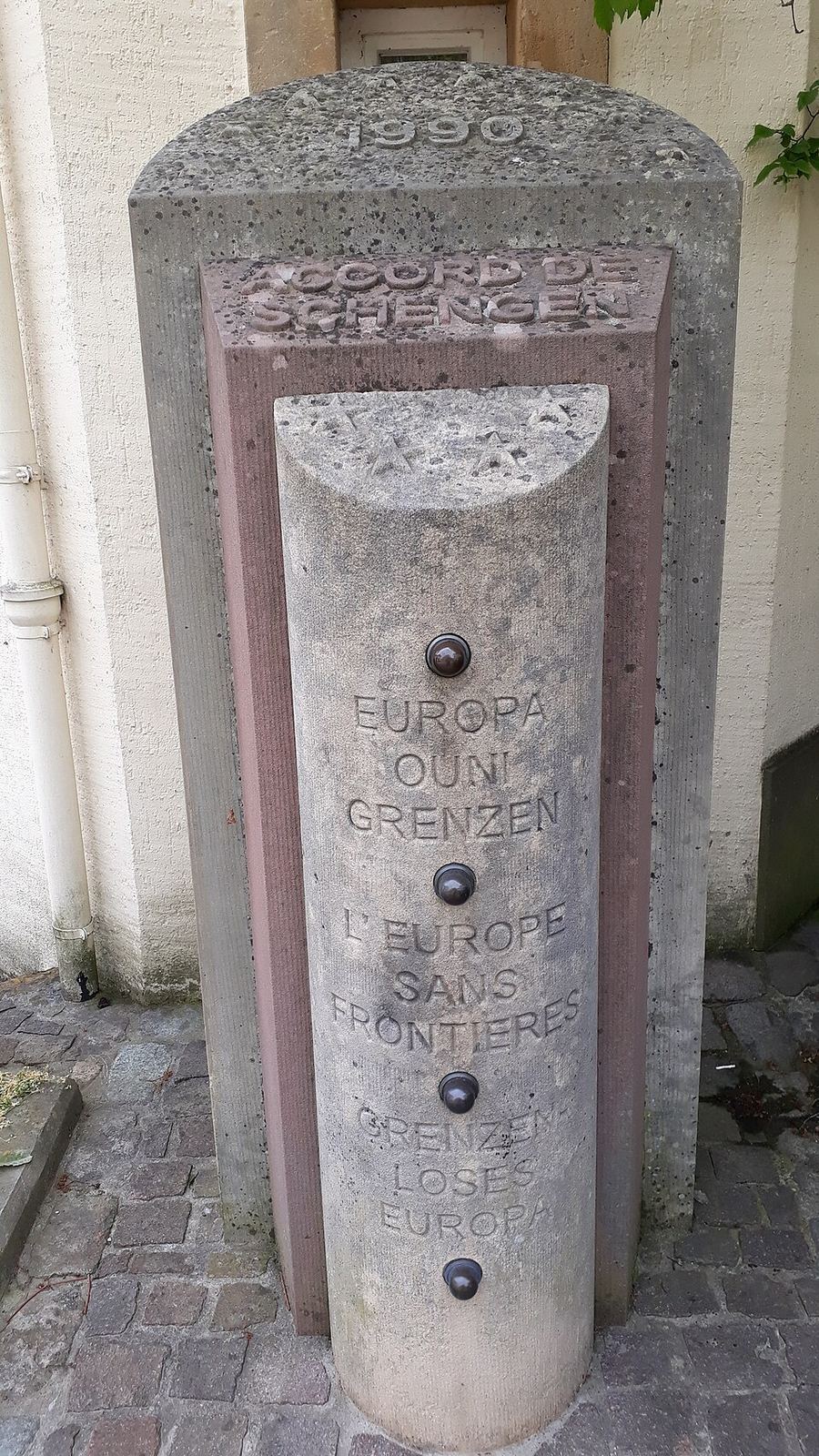
Luxembourg's proudest claim is disproportion — a state smaller than many cities that sits at the centre of European institutions. It was a founding member of Benelux, of the European Coal and Steel Community in 1951, of the EEC and of NATO; Luxembourg City became the seat of the ECSC High Authority and today hosts the Court of Justice of the European Union, the European Court of Auditors, the European Investment Bank, Eurostat and the Publications Office, making it one of the Union's three institutional capitals. The Schengen Agreement was signed in 1985 in the Moselle village of Schengen, aboard a boat on the river, and the village's name became the word for Europe's borderless area. UNESCO inscribed the old quarters and fortifications of Luxembourg City in 1994. In 2020 Luxembourg became the first country in the world to make all public transport free nationwide. It is one of the largest investment fund domiciles anywhere. Its wartime record — the 1942 general strike against forced conscription into the Wehrmacht and Grand Duchess Charlotte's broadcasts from exile — remains the core of national self-respect, and the Family of Man photographic collection at Clervaux is on UNESCO's Memory of the World register.

Cultural Fusion

Luxembourg is a country where the fusion is the demography. Fewer than 53% of residents are Luxembourgish nationals, and the largest foreign community by far is Portuguese, at about 14.5% — the product of labour recruitment from the 1960s onward, and now a settled population with its own shops, cafés, football clubs, festivals and Portuguese-language media, and with Portuguese spoken at home by more people than speak German at home. An earlier Italian wave came to the iron and steel basin of the Minett in the south from the late nineteenth century and left its own surnames and food. French and Belgian nationals, and the large staffs of European institutions and international banks, add further layers, while roughly 200,000 cross-border commuters arrive each working day and go home again, making the country's daytime and night-time populations sharply different. Trilingualism binds this together and also sorts it: Luxembourgish signals belonging, French dominates hospitality, retail and law, German dominates print and early schooling, and English is the working language of much of the financial sector. The result is a small state whose culture is genuinely composite and whose central political question is how a national language survives inside it.

Music & Dance

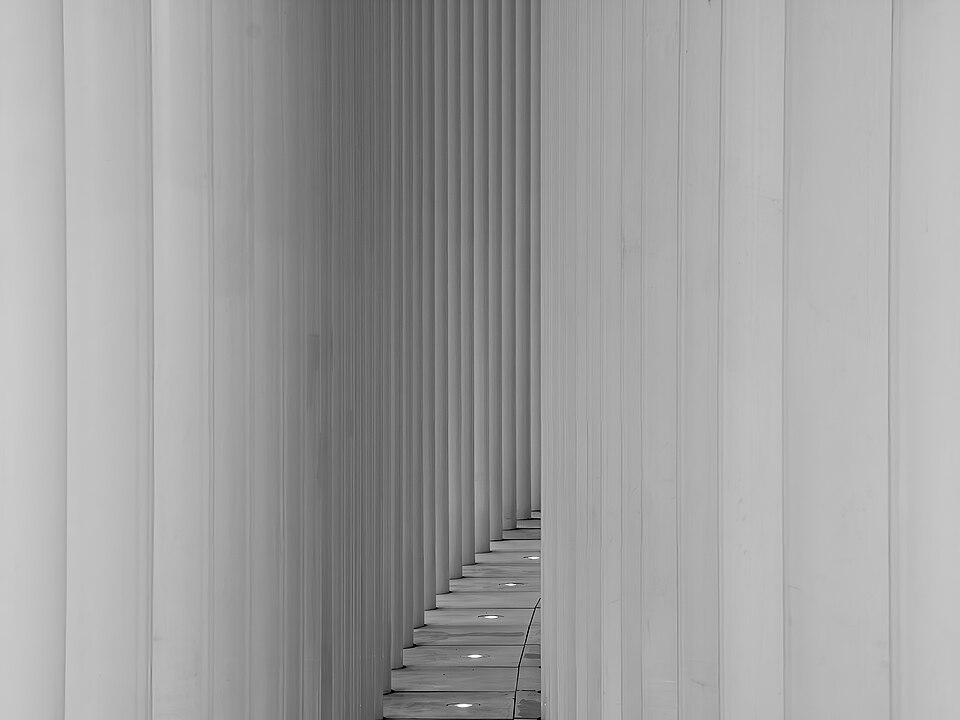
Luxembourg's most striking traditional performance is not a stage form but a pilgrimage. The Hopping Procession of Echternach, held on Whit Tuesday and inscribed by UNESCO in 2010, moves thousands of participants through the town in linked rows, stepping to a repeated polka-like melody played by bands along the route, in a devotion to Saint Willibrord attested for centuries. Folk music otherwise draws on the wider Moselle-Rhineland repertoire of brass bands, wind ensembles and choral societies; village harmonies and fanfares remain the backbone of local musical life, and choral singing is organised through a dense network of associations. Composed art music has a modest but real tradition, and the country's principal contribution to European musical infrastructure is contemporary: the Philharmonie Luxembourg, a concert hall of striking colonnaded design opened on the Kirchberg plateau in 2005, and its resident Orchestre Philharmonique du Luxembourg. Rockhal, in the former steelworks at Esch-Belval, is the main venue for popular music and anchors a live scene that leans on cross-border audiences. Luxembourg has an unusual pedigree in the Eurovision Song Contest, having won it five times between 1961 and 1983 with entries typically performed in French by international artists, and returned to the contest in 2024 after a long absence.

Cuisine & Misattributed Foods

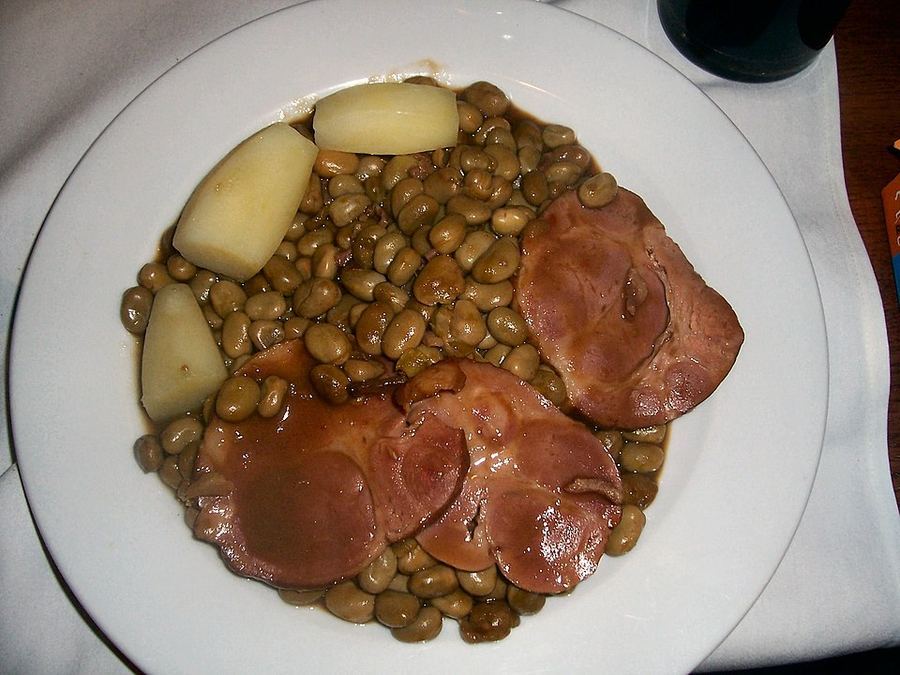
Luxembourgish cooking sits where German portions meet French technique. The national dish is Judd mat Gaardebounen — smoked and brined pork collar simmered and served with broad beans in a cream sauce and boiled potatoes. Bouneschlupp, a thick green bean soup with potato and sometimes bacon, is the everyday counterpart, and Rieslingspaschtéit encases minced pork and veal in pastry with a Riesling-flavoured jelly, a dish that could exist nowhere but on this river. Freshwater fish from the Moselle and the Sûre are fried whole as friture de la Moselle, and pike or trout in Riesling appear on formal menus. Gromperekichelcher, spiced grated-potato fritters, are the smell of every fair and Christmas market. Kachkéis, a soft cooked cheese spread on bread with mustard, is a genuinely local product. Plum tart, Quetschentaart, marks late summer. The Moselle terraces on the country's eastern border produce white wine as the serious agricultural product — Riesling, Auxerrois, Elbling, Rivaner and Pinot gris, along with a substantial output of Crémant de Luxembourg made by the traditional method. Portuguese and Italian immigration has made bacalhau, pastéis de nata and Italian cooking as ordinary in Luxembourg as anything on the traditional list.

National Dress

Luxembourg has no strong living national costume, and it is more honest to say so than to invent one. The country industrialised early, urbanised fast and never went through the nineteenth-century national-romantic project that codified folk dress in the Nordic and Baltic states, so there is no single garment that Luxembourgers recognise as theirs in the way Basotho recognise a blanket or Scots a tartan. What exists is reconstructed regional dress of the nineteenth-century countryside, maintained by folklore associations and worn at Éimaischen, at village festivals and in processions: for women a long skirt with apron, a fitted bodice, a shawl and a bonnet or headscarf; for men dark trousers, a waistcoat, a smock or coat and a soft hat. Guilds and shooting societies keep their own historic uniforms. In practice the visual markers of national occasion are elsewhere — the red, white and light-blue flag and the red lion banner of the grand ducal arms flown from houses on National Day, the torchlit procession on its eve, and the formal dress and sashes of the grand ducal court at state ceremonies. Wine-growers' and brotherhood robes appear at Moselle festivals.

Sports & Inspiring Athletes

Cycling is the sport with the deepest Luxembourgish roots, and the terrain of the Oesling explains part of it: steep, sustained climbs in a country otherwise flat enough to ride across in a morning. Amateur clubs, sportives and a strong junior structure feed riders into Belgian and French professional teams, and the Skoda Tour de Luxembourg is a fixture of the European calendar. Football is the mass participation sport, run through the BGL Ligue with clubs such as F91 Dudelange, Fola Esch and Racing Union, and it has been the site of the country's most conspicuous recent sporting improvement, with the national team climbing well clear of its old status as an automatic away win. Basketball, handball, volleyball and table tennis all have organised national leagues, and tennis has a following out of proportion to the population. The Stade de Luxembourg, opened in 2021, replaced the ageing Stade Josy Barthel, which had carried the name of the country's Olympic champion. Because the country is too small for a full domestic calendar in many sports, Luxembourgish athletes routinely compete in neighbouring national leagues, and the Games of the Small States of Europe are a major target.

Notable Educational Programs

Luxembourg's school system is built around a trilingual sequence that has no exact parallel: children begin in Luxembourgish in preschool, are taught to read and write in German in the early primary years, and take on French from the second or third year, with English added later — so that pupils encounter literacy in a language that is not their home language and then switch the language of instruction again in secondary school. The model produces highly multilingual adults and is also the single most studied source of inequality in Luxembourgish education, since children from Portuguese-speaking and other immigrant homes face a German literacy hurdle that Luxembourgish-speaking children do not, and international assessments have repeatedly flagged the resulting gap; international and European Schools, including the very first European School, opened in Luxembourg in 1953 for coal and steel community staff, offer alternative pathways, and public international streams have been created to widen them. Higher education was long done abroad, and still substantially is: the University of Luxembourg was founded only in 2003, making it one of Europe's youngest, and it has concentrated on multilingual teaching, law, finance and computer science alongside the Luxembourg Institute of Science and Technology.

Wars & Conflicts

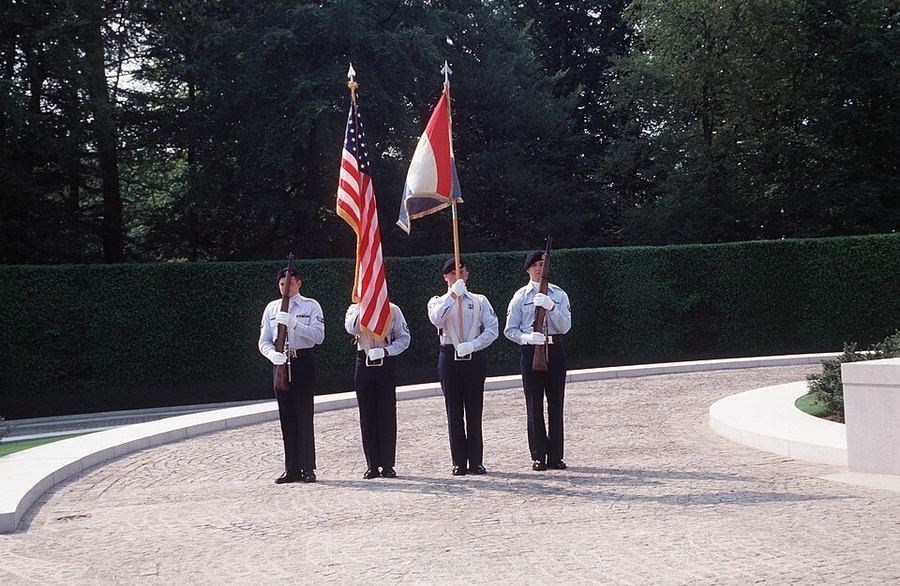
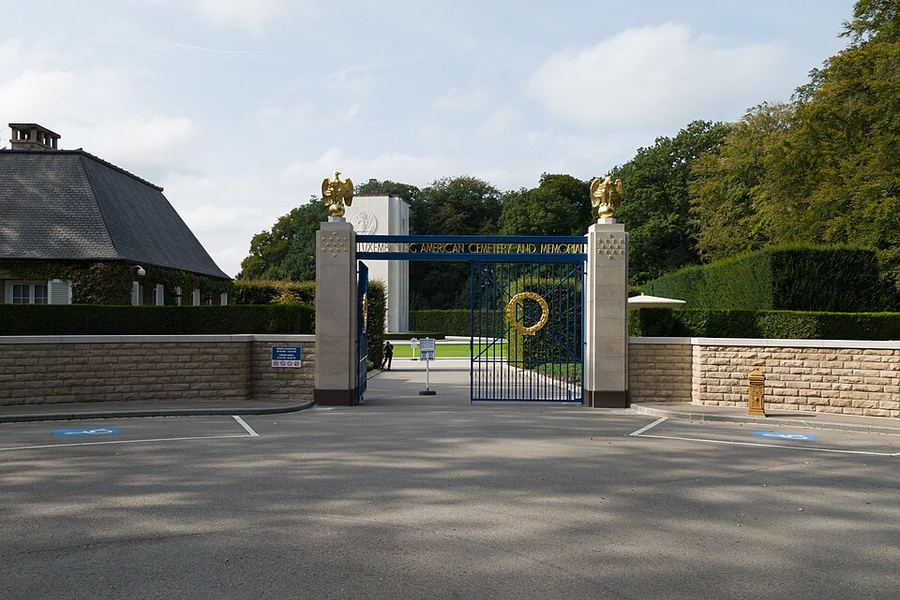
Luxembourg has no armed conflict and no insurgency, and its recent security history is that of a small NATO member rather than a combatant. Its formative experience was occupation. German forces took the country in 1914 and again in May 1940; the second occupation went further, annexing Luxembourg into the Reich, banning French and Luxembourgish, and conscripting young men into the Wehrmacht. Resistance took civilian forms that remain central to national memory: the 1941 census in which respondents answered 'Luxembourgish' to questions on nationality, mother tongue and ethnicity, and the general strike of 1942 against forced conscription, which was suppressed with executions and deportations. In the winter of 1944-45 the northern Oesling was fought over during the Ardennes counter-offensive, and towns including Wiltz, Clervaux and Vianden were badly damaged; more than five thousand American war dead, among them General George S. Patton, are buried at the Luxembourg American Cemetery at Hamm. The country abandoned its guaranteed neutrality to join NATO as a founding member in 1949. Its armed forces number only a few hundred, and it contributes principally through funding, transport aircraft and the registration of NATO's airborne early-warning fleet.
Current as of 2026-08-07

Land & Border Disputes

Luxembourg has no territorial disputes; its three land boundaries with Belgium, France and Germany are settled, demarcated and, since Schengen, largely invisible. The historic losses are closed questions. The Treaty of London of 1839 detached the French-speaking western half of the grand duchy and gave it to Belgium, where it remains as the Belgian province of Luxembourg; the Luxembourg Crisis of 1867, provoked by a French attempt to buy the duchy from the Dutch king, ended in a treaty guaranteeing neutrality and requiring the demolition of the fortress. Neither is pursued today. The frictions that do exist are fiscal and administrative, arising from the roughly 200,000 people who live in one country and work in another: the thresholds above which cross-border commuters become taxable in their country of residence, the treatment of days worked from home, and the sharing of social security and infrastructure costs are all subject to bilateral negotiation with Belgium, France and Germany and are periodically renegotiated. Luxembourg's corporate tax practices have also brought it into dispute with EU institutions, notably in state-aid cases over tax rulings following the 2014 disclosures known as LuxLeaks.
Land, Life & Legacy

Land & Climate

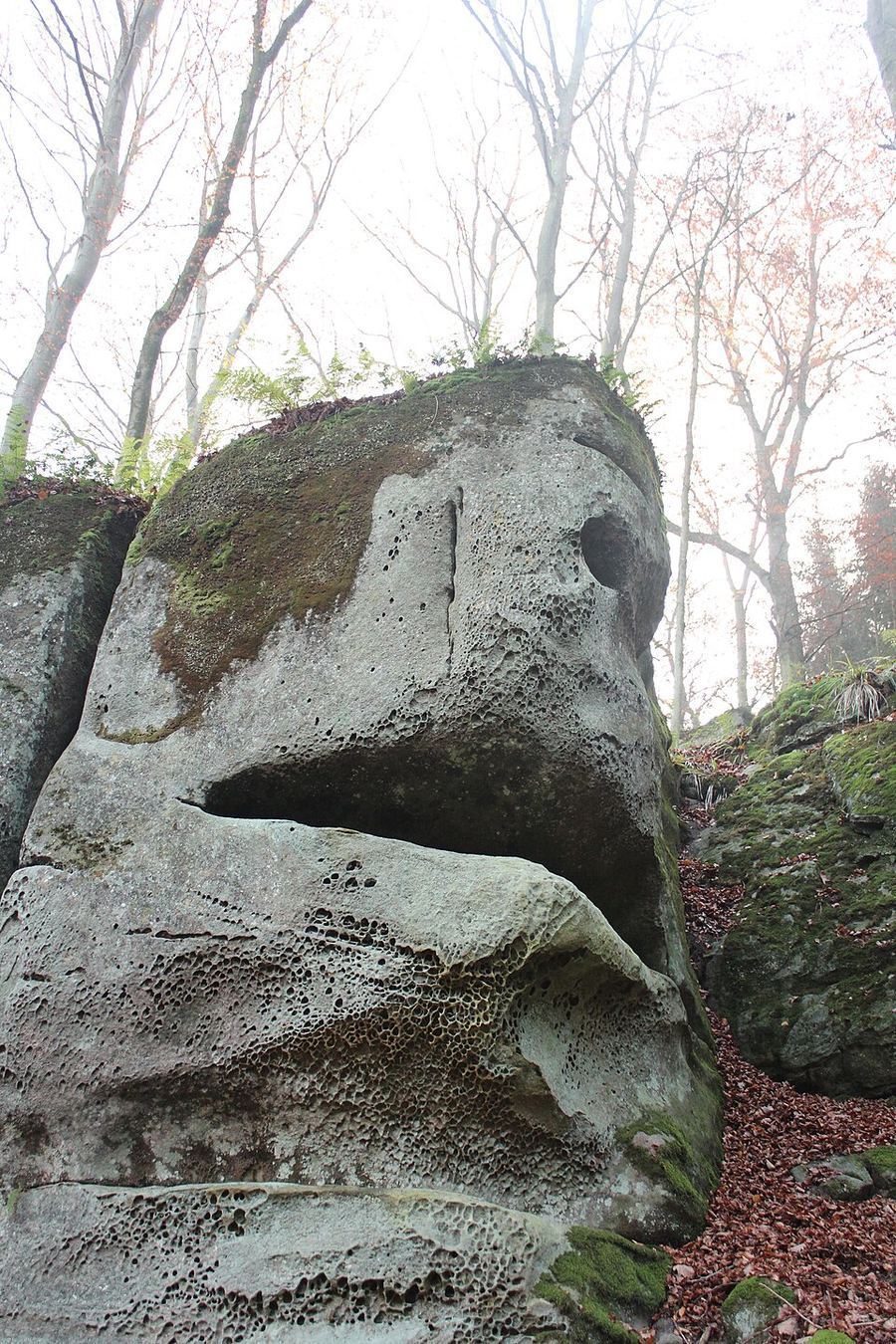
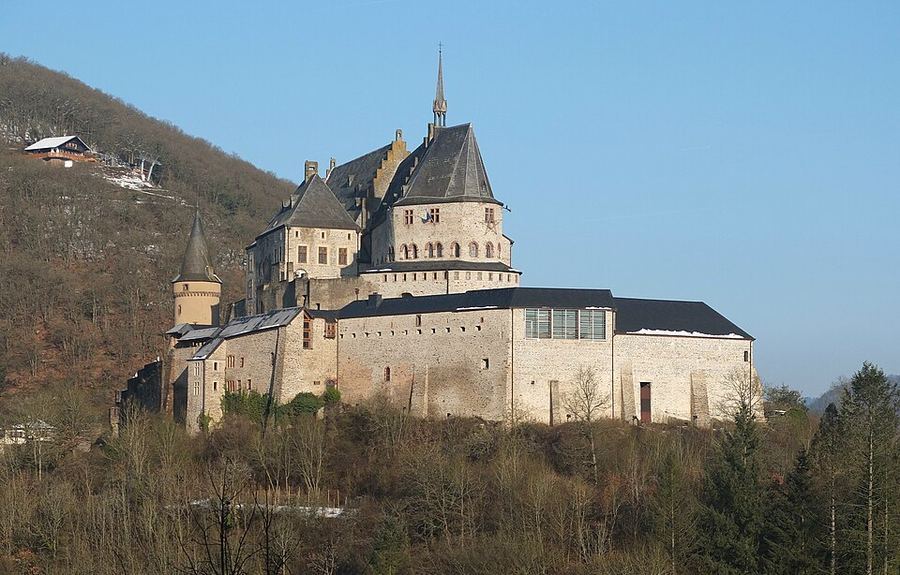
Luxembourg divides cleanly into two. The northern third, the Oesling or Éislek, is the southern edge of the Ardennes: a plateau of slate and schist around 450 to 550 metres, cut by the deep, wooded valleys of the Our, the Clerve and the upper Sûre, thinly populated and historically poor, with Vianden's restored castle above a gorge and the Upper Sûre reservoir supplying much of the country's drinking water. Kneiff, at 560 metres, is the highest point. The southern two-thirds, the Gutland or Bon Pays, is lower, warmer and more fertile, and contains almost all the towns. Within it the Mullerthal, often called Little Switzerland, is a maze of eroded sandstone blocks, ravines and mossy clefts that carries the country's best-known walking trail; the Moselle valley on the eastern border holds the vineyards; and the Minett in the far south is the old iron-ore basin, its red soils and slag landscapes now a UNESCO biosphere reserve and a redevelopment project. Rivers define the borders — the Moselle, Sûre and Our with Germany. The climate is temperate maritime with continental influence: mild, wet and cloudy, with cool summers averaging around 17 to 20°C and mild winters, snowier in the Oesling.

Entertainment

For a country this small the outdoor infrastructure is dense. The Mullerthal Trail, a waymarked circuit through the sandstone formations between Echternach and Berdorf, is the flagship walk, and the Oesling offers the Escapardenne routes along the Our and Sûre gorges. Cycling is close to a national pastime, backed by the country's road-racing pedigree and by a network of former railway lines converted to cycle paths. The Moselle route between Schengen and Wasserbillig combines wine cellars, riverside cycling and cruise boats, and the wine estates run tastings the length of it. Vianden Castle, with a chairlift to a viewpoint above the town, is the most visited monument outside the capital; in Luxembourg City the Bock casemates, the Chemin de la Corniche above the Alzette valley and the Grund quarter below carry most visitors. Cultural leisure is unusually well funded for the population: the Philharmonie, the Mudam contemporary art museum on Kirchberg, the Rockhal at Esch-Belval and the national theatres. The Schueberfouer funfair in late summer is the biggest annual gathering, and free nationwide public transport since 2020 has made moving between all of it unusually easy.

Art & Museums

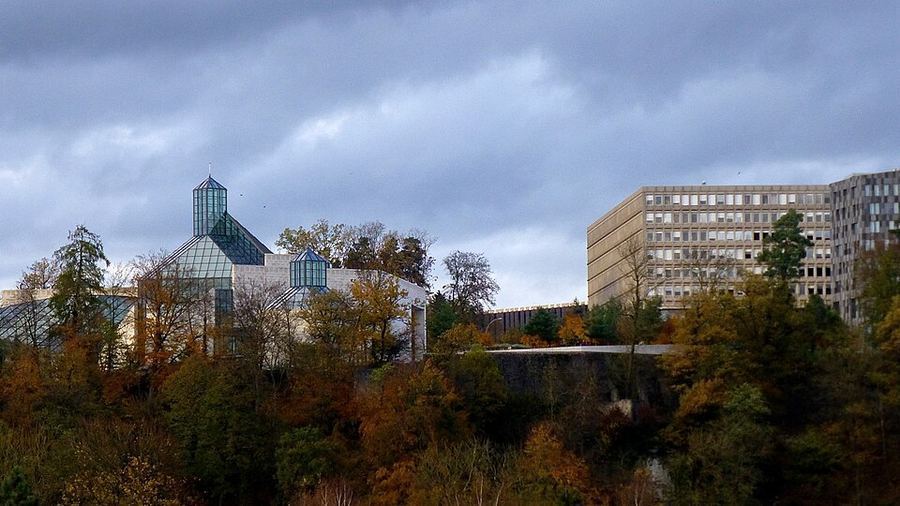
Luxembourg's most internationally significant contribution to the visual arts is photographic. Edward Steichen, born at Bivange in 1879 and taken to the United States as a child, became one of the defining photographers of the twentieth century and, as director of photography at the Museum of Modern Art, assembled The Family of Man in 1955 — an exhibition of 503 images from 68 countries that toured the world for years. Steichen gave the collection to his country of birth, and it is permanently installed at Clervaux Castle in the Oesling; UNESCO added it to the Memory of the World register in 2003. In painting, Joseph Kutter is the country's major modern figure, an expressionist whose portraits and Luxembourg townscapes anchor the national collections, and Michel Majerus, who died in 2002, became the best-known Luxembourgish artist of his generation internationally. The institutions are recent and ambitious: the Musée d'Art Moderne Grand-Duc Jean, known as Mudam, opened in 2006 in a building by I. M. Pei set on the ramparts of Fort Thüngen, and the Villa Vauban and the National Museum of Archaeology, History and Art hold the older collections. The Casino Luxembourg operates as a contemporary art forum.
UNESCOEncyclopaedia BritannicaMetropolitan Museum of ArtSmithsonian

Notable People

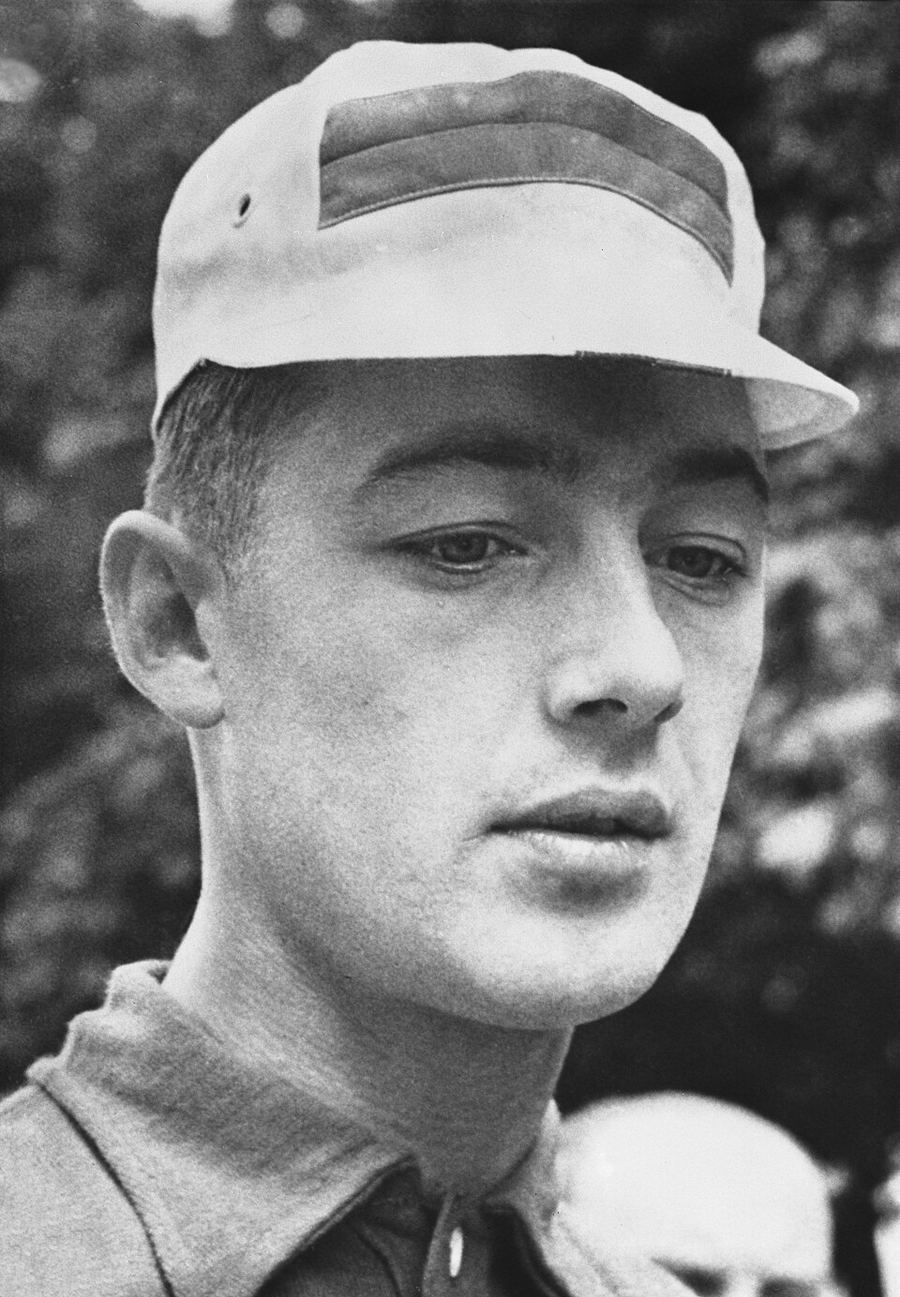
Robert Schuman was born in the Clausen quarter of Luxembourg City in 1886; as French foreign minister he made the 1950 declaration proposing a common coal and steel authority that began European integration, and he is claimed by both countries. Grand Duchess Charlotte, who reigned from 1919 to 1964, is the modern national symbol: her wartime broadcasts from exile in London sustained resistance under German occupation, and the boulevard and monument in the capital carry her name. Grand Duke Henri acceded in 2000 and set in train a generational handover of the throne to his son Guillaume in 2025. Jean-Claude Juncker, prime minister from 1995 to 2013, went on to preside over the European Commission from 2014 to 2019 and is the country's most recognisable modern politician. Edward Steichen is its most famous artist, and Hugo Gernsback, born in Luxembourg City in 1884, founded the first magazine devoted to science fiction after emigrating to the United States — the Hugo Awards are named for him. John the Blind, the fourteenth-century count who died at Crécy, remains a folk hero and the founder of the Schueberfouer. In sport, the cyclist Charly Gaul and the runner Josy Barthel are the enduring names.

Inventions & Breakthroughs

Luxembourg's contributions are institutional and commercial more than mechanical, and it has been unusually willing to legislate its way into new industries. The clearest case is space. SES, founded in 1985 with state backing and headquartered at Betzdorf, grew into one of the world's largest satellite operators, and on that base the government passed a law in 2017 giving companies title to resources they extract in space — among the first such frameworks anywhere and explicitly modelled to attract asteroid-mining and lunar-resources ventures — followed by the creation of the Luxembourg Space Agency in 2018 and the European Space Resources Innovation Centre. The financial sector is another built industry: legislation implementing the EU's fund directives early and thoroughly made Luxembourg one of the largest domiciles for cross-border investment funds in the world. In transport policy, the country became the first in the world to abolish fares on all public transport nationwide in 2020. Industrially, the Minett basin's contribution was metallurgical: the Luxembourgish steel group ARBED developed and commercialised rolling and beam technologies, and its successor ArcelorMittal still has its headquarters in the capital.

Science & Technology

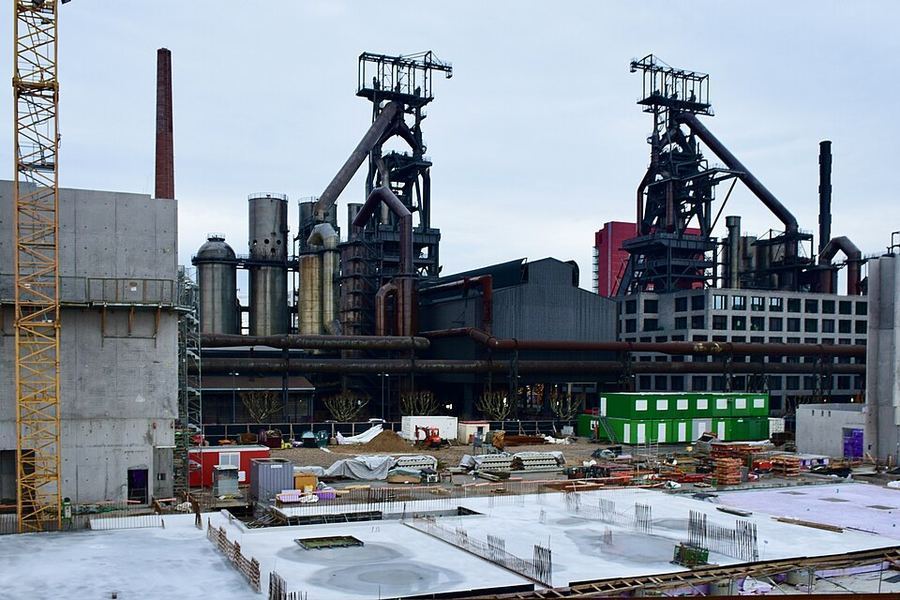
Luxembourg's research base is small, recent and deliberately targeted. Space is the signature domain: SES has operated commercial satellite fleets from Betzdorf since the 1980s, and around it the state has assembled a space-resources cluster through the 2017 law on the exploration and use of space resources, the Luxembourg Space Agency established in 2018 and the European Space Resources Innovation Centre, which works on extracting and processing material from the Moon and asteroids. High-performance computing is a second bet: MeluXina, a EuroHPC supercomputer commissioned in 2021 and hosted in the country, supports national research and industry in modelling, materials and artificial intelligence. The University of Luxembourg, founded in 2003, and the Luxembourg Institute of Science and Technology carry most public research, with strengths in computer security, systems biomedicine — the Luxembourg Centre for Systems Biomedicine works on Parkinson's disease — materials and environmental technology. Financial technology sits alongside: fund administration, payments and regulatory technology employ large numbers, and the country's data-centre capacity and connectivity were built up as part of the same strategy. The legacy of steel survives in metallurgical research at Esch-Belval, built on the site of the old blast furnaces.
ReutersNatureFinancial TimesEncyclopaedia Britannica
On The World Stage

Champions & Defining Moments

Luxembourg's international sporting reputation rests overwhelmingly on the Tour de France. François Faber won it in 1909, Nicolas Frantz in 1927 and 1928, and Charly Gaul — the climber known as the Angel of the Mountains — in 1958; Andy Schleck was awarded the 2010 title after the original winner's disqualification, giving a country of under 700,000 people five overall victories. Josy Barthel produced the other defining moment: victory in the 1500 metres at the Helsinki Olympics in 1952, still Luxembourg's only Olympic gold, and famous for the organisers having no recording of the Luxembourgish anthem to hand. In table tennis, Ni Xia Lian, born in Shanghai and playing for Luxembourg since the 1990s, became one of the oldest competitors in Olympic history and a genuinely global story in the sport. Gilles Muller reached the Wimbledon quarter-finals in 2017 after beating Rafael Nadal in a long fifth set, the country's best tennis result. In club football, F91 Dudelange became the first Luxembourgish side to reach the group stage of a UEFA competition, qualifying for the Europa League in 2018.

Economy, Trade & Government

Currency & GDP

Euro — EUR (€)

GDP (PPP): $86.871 billion (2024 est.)

Per capita: $128,200 (2024 est.)

Exports

$202.203 billion (2024 est.)

iron blocks, gas turbines, plastic products, rubber tires, plastics (2023)

Partners: Germany 18%, France 15%, Belgium 8%, Netherlands 7%, Italy 6% (2023)

Imports

$160.032 billion (2024 est.)

cars, refined petroleum, electricity, plastic products, gas turbines (2023)

Partners: Belgium 26%, Germany 23%, France 10%, Netherlands 5%, USA 4% (2023)

Government

Type: constitutional monarchy

Independence: 1839 (from the Netherlands)

Terrain → Where People Live

How mountains, coasts, and rivers shape settlement (LandScan).

Coming — data

Migration & Ethnic Settlement

Where groups settled and how people move (GeoEPR + UNHCR).

Coming — data

Universities

Notable institutions, mappable as points.

Coming — data
Economy & government facts: CIA World Factbook (public domain), via OpenFactBook / factbook.json.
Every fact and narrative claim will carry a visible source citation. Data-driven sections light up automatically wherever HERA has coverage.