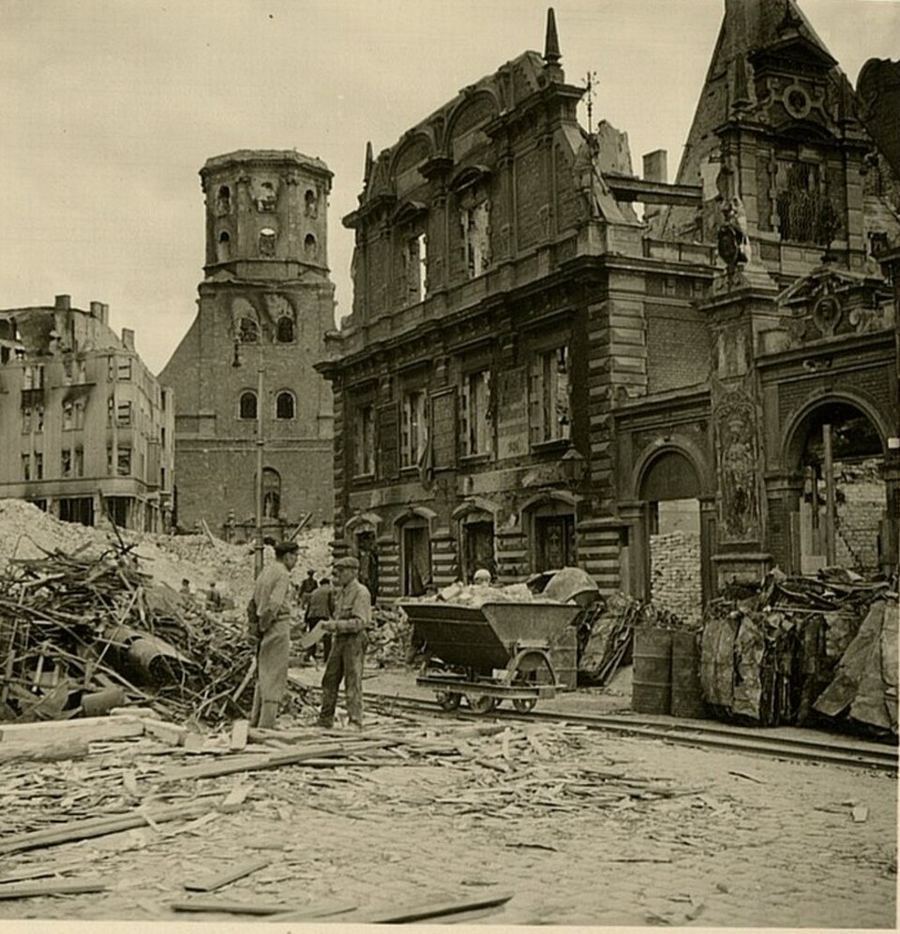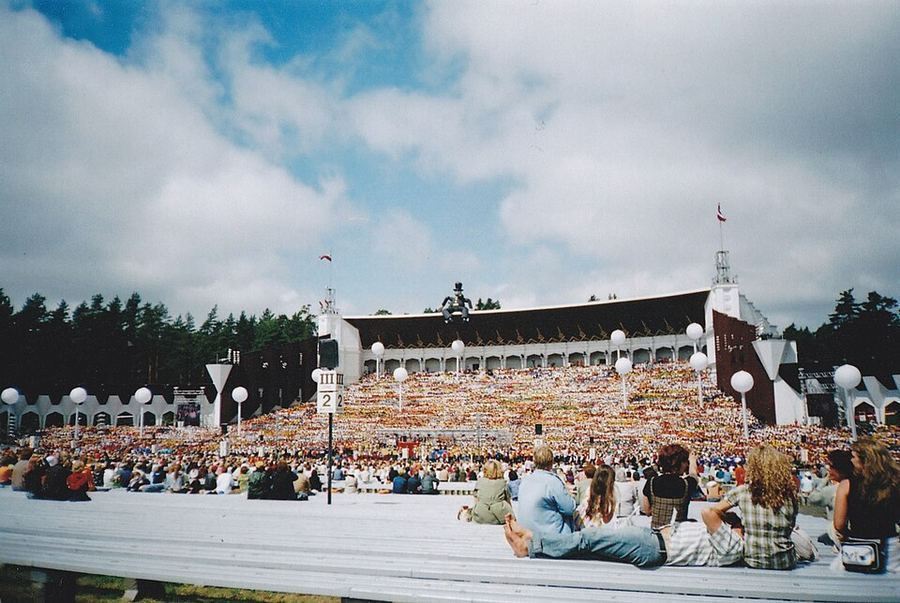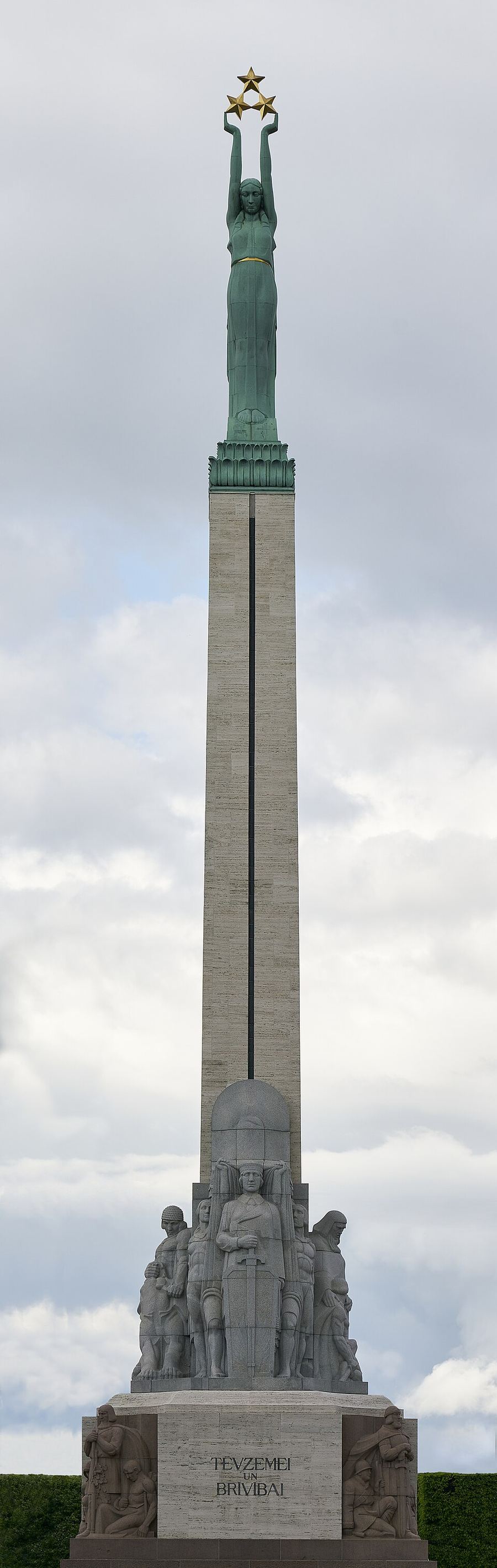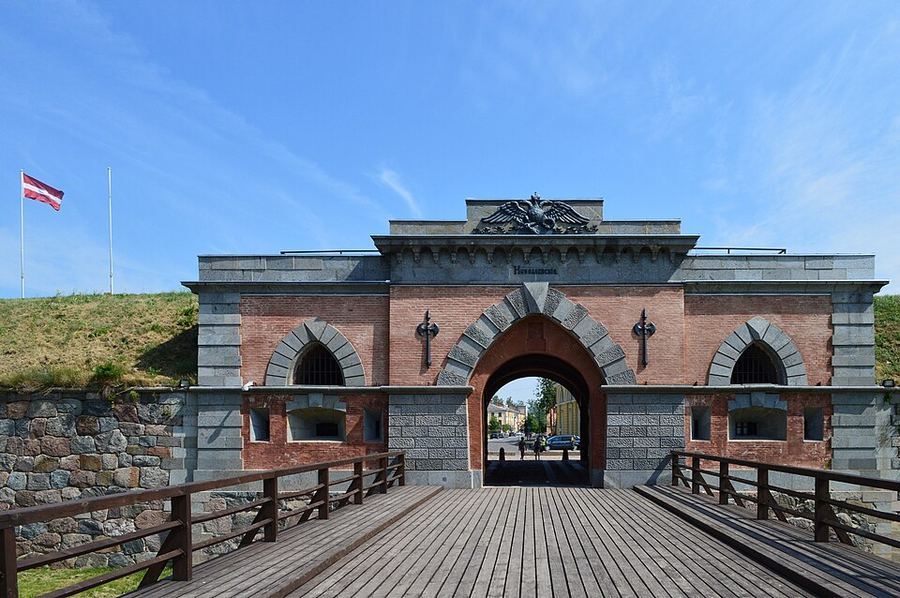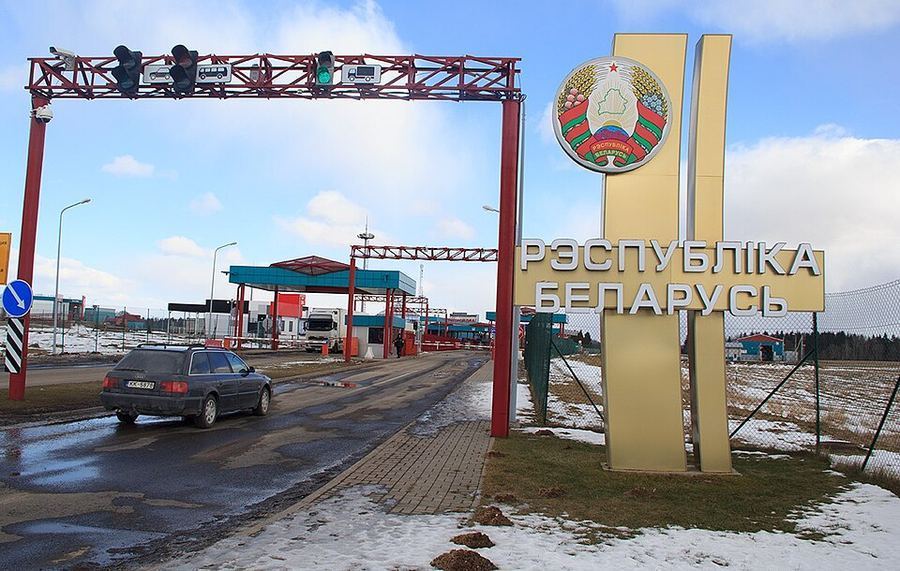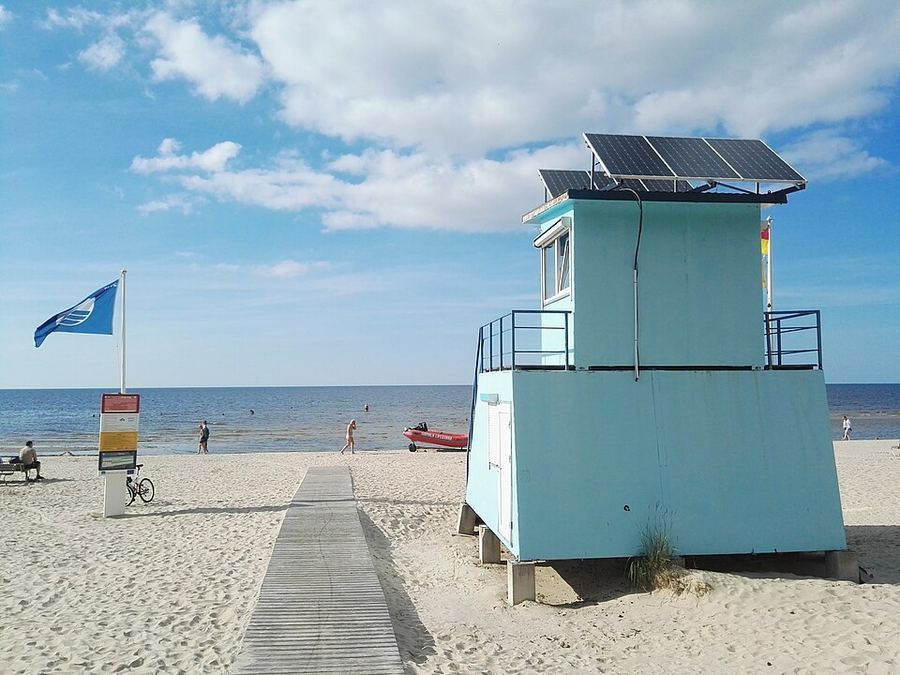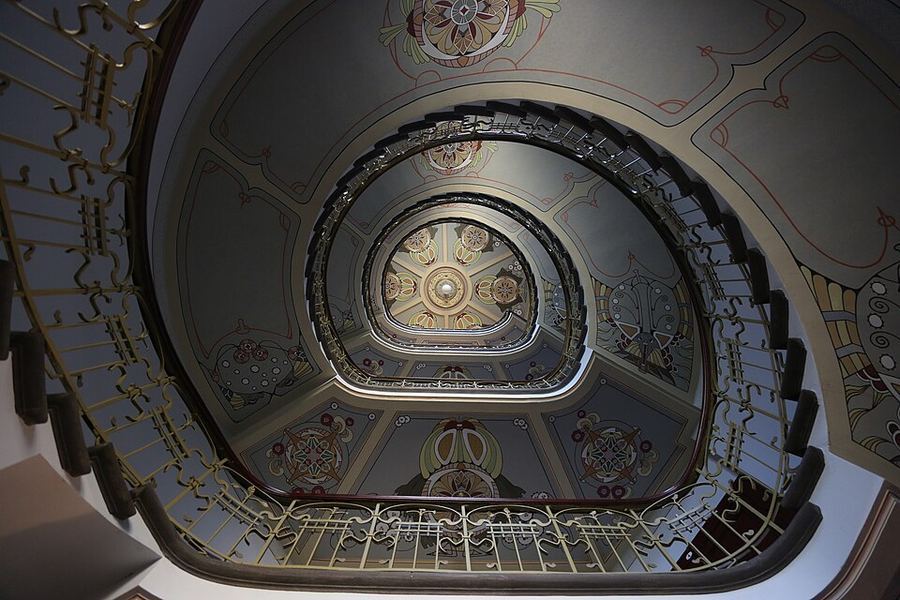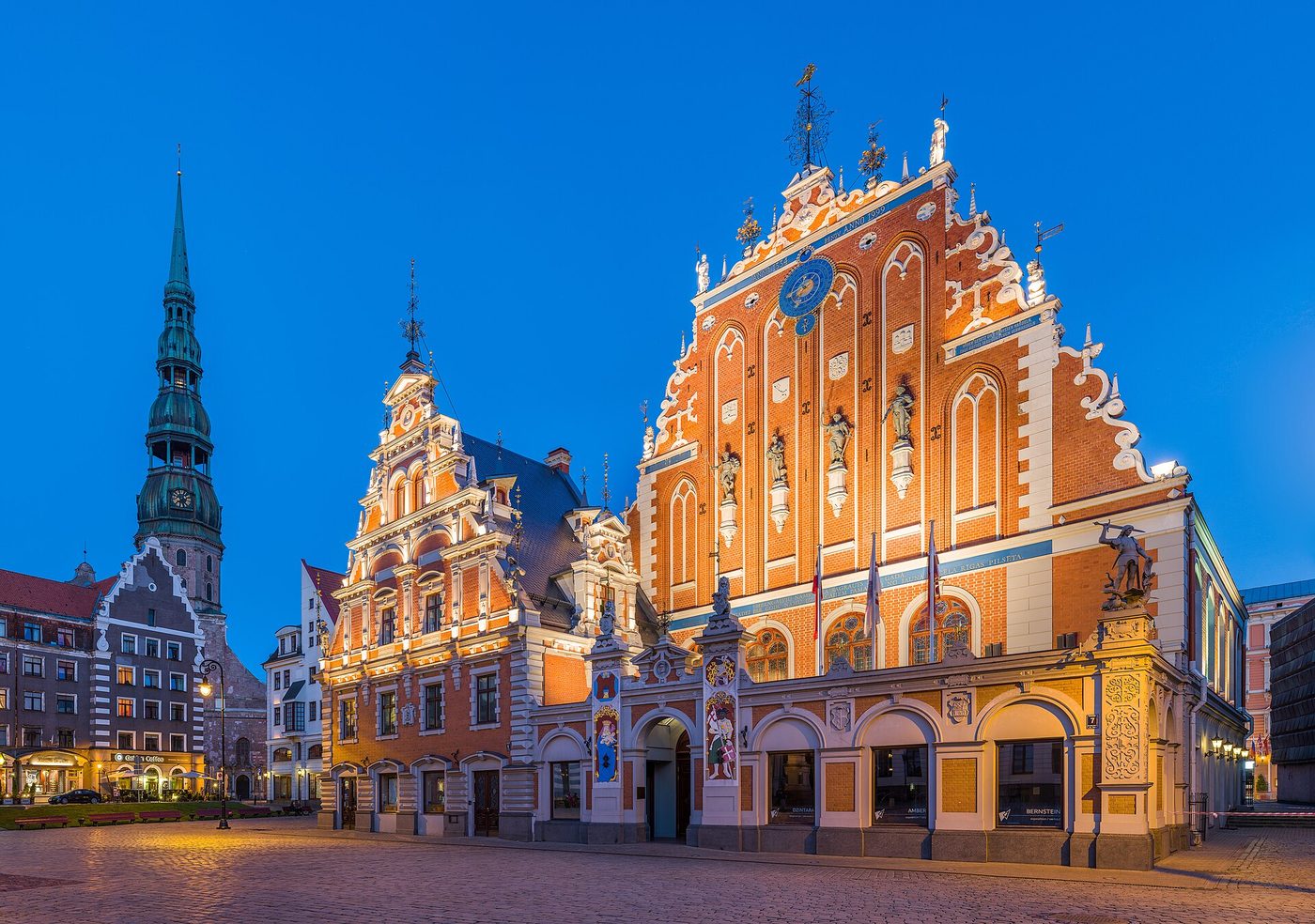
Latvia is the middle Baltic state, a parliamentary republic of about 1.9 million people facing the Baltic Sea and the Gulf of Riga, bordered by Estonia, Lithuania, Russia and Belarus. Riga, the capital, holds roughly a third of the national population and is by some way the largest city in the Baltics; its historic centre is a UNESCO world heritage site listed in part for holding one of Europe's densest concentrations of Art Nouveau architecture. The country divides into four historical regions — Kurzeme, Zemgale, Vidzeme and Latgale — that differ in dialect, religion and history, and this shows in an unusual three-way confessional split: Lutheran 36.2%, Roman Catholic 19.5% and Orthodox 19.1%. Latvia has the largest Russian minority in the Baltics at about 24.5% of the population, a legacy of Soviet-era migration that still shapes citizenship, schooling and security politics. Latvian, the other surviving Baltic language alongside Lithuanian, is the sole state language. Latvia restored independence in 1990-91, joined the EU and NATO in 2004, adopted the euro in 2014 and the OECD in 2016, and records GDP per capita of about $38,900 at purchasing power parity, earned from timber, transit and ports, food processing, pharmaceuticals and a substantial information technology sector.
Riga's urban core is home to about 523,734 people.
Among the world's megacities, though, it's one of many — the giants of Asia and Latin America run larger still:
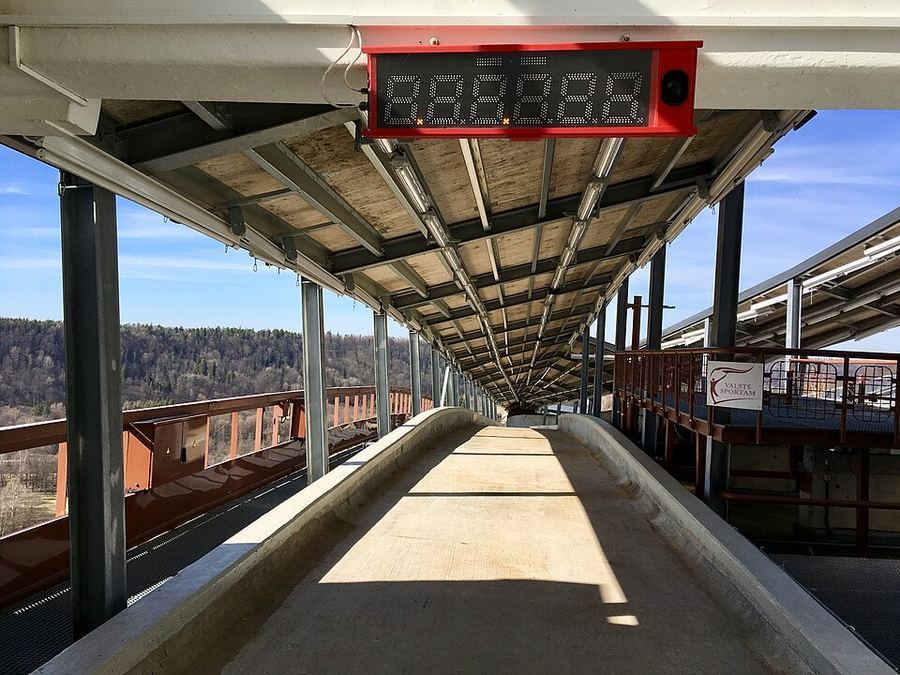
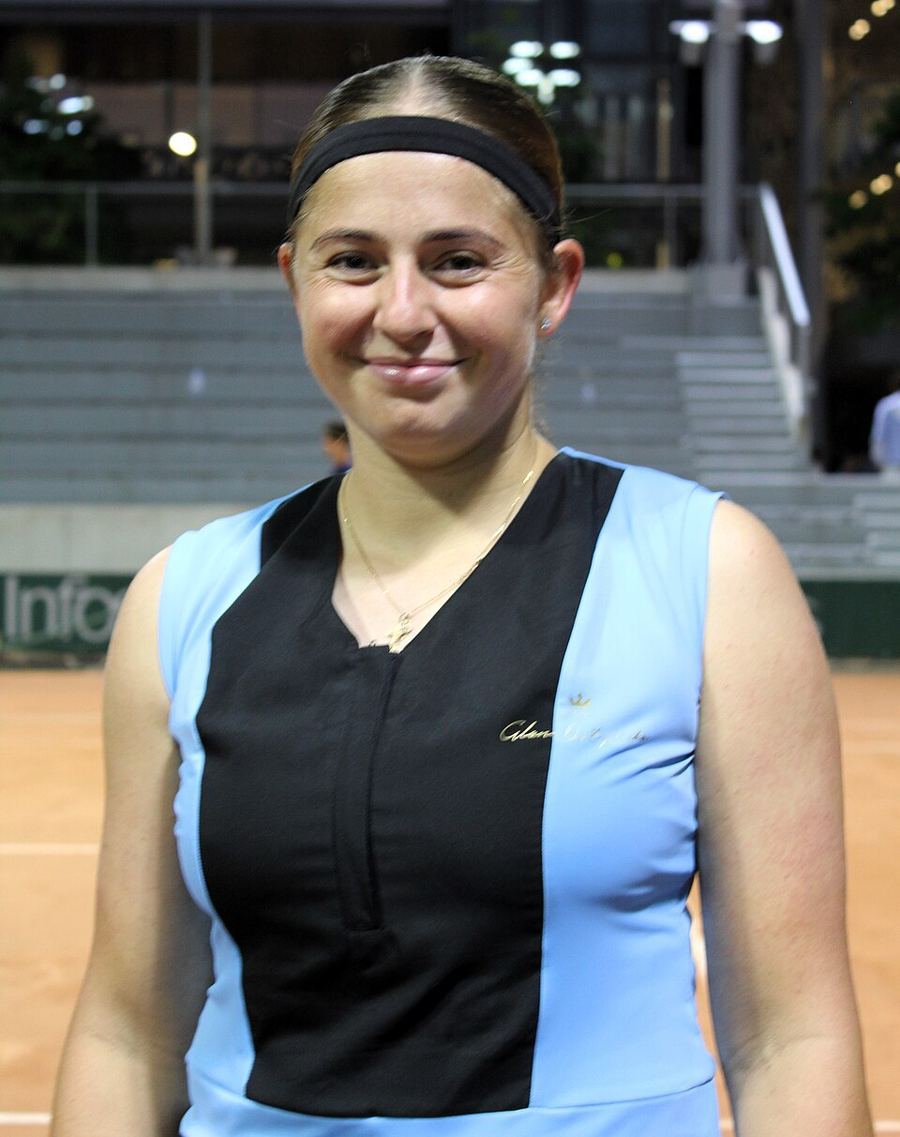
Latvia's international breakthroughs are concentrated and memorable. Jeļena Ostapenko won the French Open in 2017 as an unseeded twenty-year-old, the country's first Grand Slam singles title. Māris Štrombergs won Olympic gold in BMX racing at Beijing in 2008 and defended it at London in 2012. At Tokyo in 2020 Latvia's men won the inaugural Olympic 3x3 basketball tournament, and the pair of Mārtiņš Pļaviņš and Edgars Točs took bronze in beach volleyball at the same Games. Mārtiņš Dukurs dominated men's skeleton for more than a decade, winning multiple world and European titles and Olympic silver in 2010 and 2014, with the Sigulda track behind him. Kristaps Porziņģis became the country's first NBA star, and Latvia's fifth place at the 2023 FIBA World Cup — with a win over the reigning champions — was its best senior basketball result of the modern era. In ice hockey, Latvia took bronze at the 2023 world championship in Tampere, its first medal in the competition, prompting a national holiday on the team's return. The 1935 European basketball title remains the founding achievement.
Euro — EUR (€)
GDP (PPP): $72.516 billion (2024 est.)
Per capita: $38,900 (2024 est.)
$28.117 billion (2024 est.)
wood, wheat, broadcasting equipment, packaged medicine, natural gas (2023)
Partners: Lithuania 19%, Estonia 6%, Russia 6%, Germany 6%, Sweden 5% (2023)
$29.234 billion (2024 est.)
refined petroleum, cars, packaged medicine, broadcasting equipment, natural gas (2023)
Partners: Lithuania 18%, Germany 11%, Poland 10%, Estonia 8%, Finland 5% (2023)
Type: parliamentary republic
Independence: 18 November 1918 (from Soviet Russia); 4 May 1990 (declared from the Soviet Union); 6 September 1991 (recognized by the Soviet Union)
How mountains, coasts, and rivers shape settlement (LandScan).
Coming — dataWhere groups settled and how people move (GeoEPR + UNHCR).
Coming — dataNotable institutions, mappable as points.
Coming — data