HERA · Human Entity Reference Atlas by Masego Inc

← Morocco 🌐 3D View
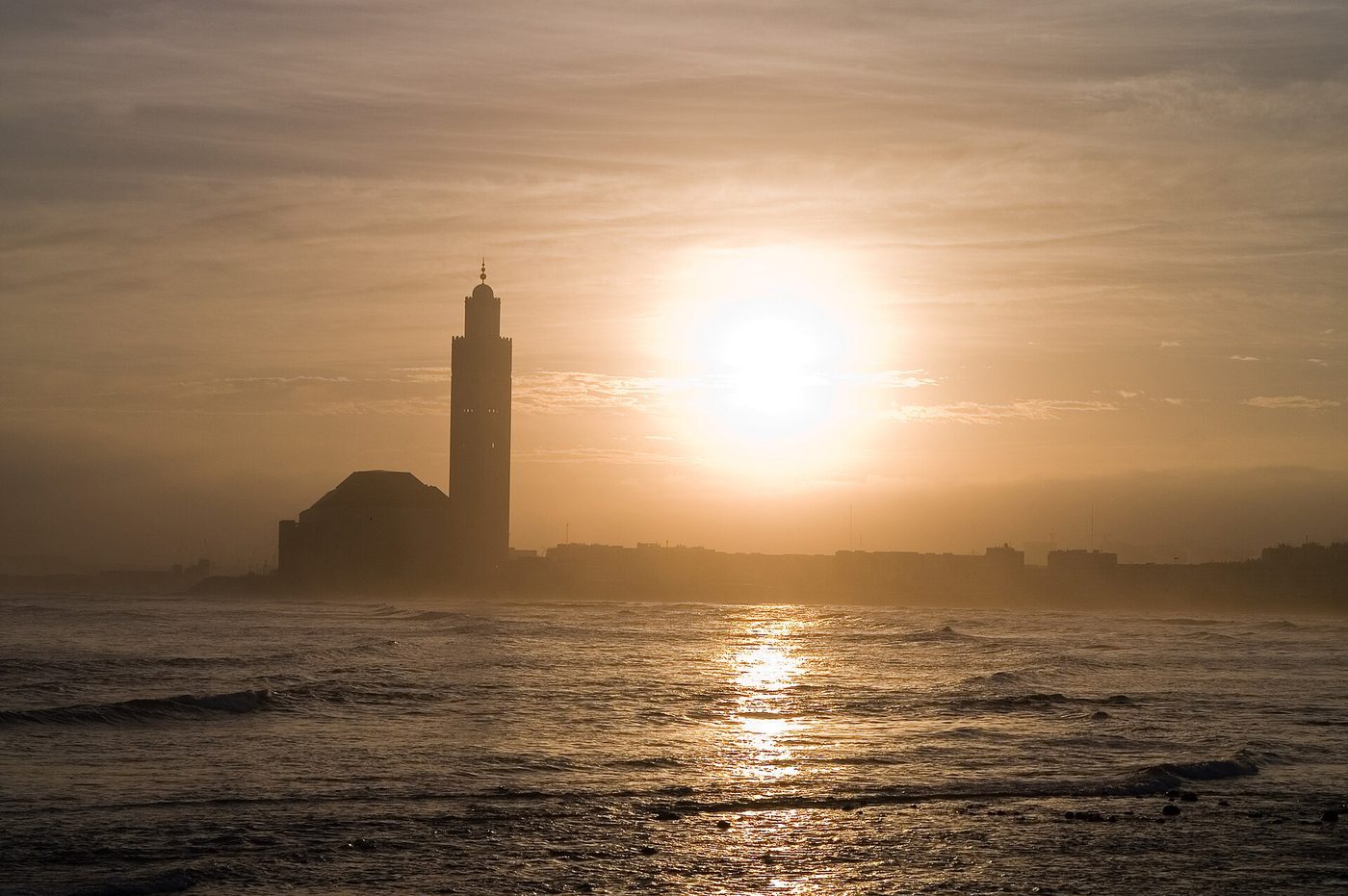
Hassan II Mosque Casablanca, Morocco
Morocco MAR
Hassan II Mosque Casablanca — Photo: Milamber's portfolio / CC BY 2.0 via Wikimedia Commons
Did You Know Fossils from Jebel Irhoud near Marrakesh, redated in 2017, are about 315,000 years old — the oldest known remains of Homo sapiens anywhere, roughly 100,000 years older than the previous record. — Nature

Morocco occupies the north-western corner of Africa, facing the Atlantic along a coastline of well over a thousand kilometres and the Mediterranean across the Strait of Gibraltar, which narrows to about 14 kilometres between Africa and Europe. It is a parliamentary constitutional monarchy of roughly 37 million people ruled by the Alaouite dynasty, in place since the seventeenth century, in which the king holds both political authority and the religious title Commander of the Faithful. Rabat is the capital and Casablanca the commercial centre and largest city, with Fez, Marrakesh, Tangier and Agadir following. The population is described in official statistics as Arab-Amazigh at about 99%, a formulation that reflects centuries of intermarriage rather than two separate blocs; Arabic and Tamazight are both official languages, Moroccan Darija is the everyday spoken form, and French remains the language of much business, higher education and diplomacy. Islam is professed by about 99% of the population, almost entirely Sunni of the Maliki school, and a Jewish community of a few thousand is the largest remaining in the Arab world. GDP per capita is about $9,100 at purchasing power parity, earned from phosphates, automotive assembly, agriculture, textiles, tourism and remittances. Morocco became independent from France on 2 March 1956.

CIA World FactbookWorld BankEncyclopaedia BritannicaIMF
Population
37,387,585
Capital
Rabat
Currency
DH MAD
Time zones
Largest city
Casablanca
Human Geography Themes
Loading national figures…
Largest Cities
Casablanca4,577,677
Rabat2,094,221
Fez1,434,235
Tangier1,300,223
Marrakesh1,152,691
Agadir926,390
Meknes747,784
Oujda609,449
In Perspective

Casablanca's urban core is home to about 4,577,677 people.

That's bigger than Sydney, Barcelona, Berlin and Rome — each a great world city in its own right.

Casablanca4,577,677
Sydney4,375,394
Barcelona3,908,362
Berlin3,601,776
Rome2,556,354

Among the world's megacities, though, it's one of many — the giants of Asia and Latin America run larger still:

Casablanca4,577,677
Jakarta40,545,126
Dhaka37,307,160
Tokyo33,244,670
Shanghai30,678,616
Cairo25,230,325
The Country & Its People

History

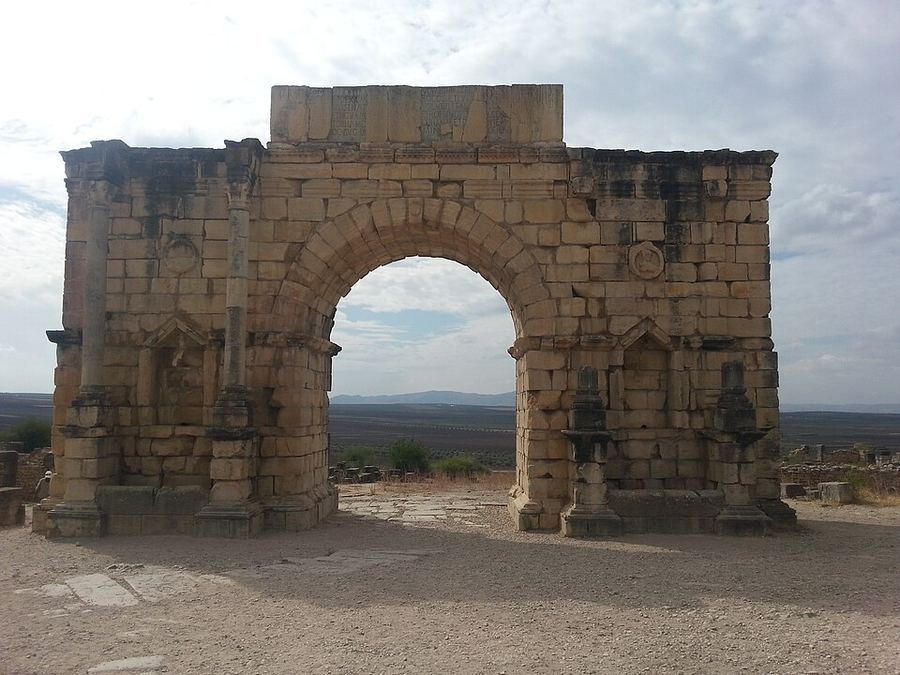
Amazigh peoples have inhabited the region since prehistory, and the Roman province of Mauretania Tingitana left the columns and mosaics of Volubilis. Islam arrived in the late seventh century, and in 788 Idris I founded the first Moroccan dynasty and the city of Fez, where in 859 Fatima al-Fihri endowed the mosque and school of al-Qarawiyyin. Two Amazigh empires followed that ruled from the Sahara to Spain: the Almoravids, who founded Marrakesh in 1070, and the Almohads, whose builders raised the Koutoubia and the Hassan Tower. The Marinids made Fez a city of madrasas; the Saadians destroyed a Portuguese invasion at the Battle of the Three Kings in 1578 and conquered the Songhai empire in 1591. The Alaouites took power in the 1660s and still reign; Moulay Ismail built Meknes and held off both Ottoman expansion — Morocco is the only Maghreb state never absorbed into the Ottoman Empire — and European encroachment. In 1777 Morocco became the first state to recognise the independence of the United States. The Treaty of Fez imposed a French protectorate in 1912, with Spanish zones in the north and south; Abd el-Krim's Rif republic resisted from 1921 to 1926. Sultan Mohammed V's exile in 1953 galvanised the independence movement, and independence came in 1956.
Culture

Moroccan life is organised around Islam, family and an unusually strong sense of place. The Maliki school predominates, softened by a deep Sufi tradition: brotherhoods such as the Tijaniyya, founded in Fez and now enormous across West Africa, the Aissawa and the Hamadcha maintain lodges, chants and healing rites, and moussems — pilgrimage festivals at saints' tombs — draw crowds from surrounding regions. The king's title of Commander of the Faithful gives the monarchy a religious dimension that shapes both politics and the calendar. Hospitality is close to an obligation, expressed through the ritual of mint tea poured from height into small glasses, and the hammam remains a weekly social institution rather than a luxury. Amazigh identity has moved from the margins to the centre of official culture within a generation: the Royal Institute of Amazigh Culture was founded in 2001 and standardised the Tifinagh script, the 2011 constitution made Tamazight an official language, and the Amazigh new year of Yennayer became a public holiday from 2024. Regional cultures remain distinct — Rifi in the north, Souss and Tashelhit in the south-west, Saharan in the far south, Andalusi in Fez and Tetouan.

Points Of Pride

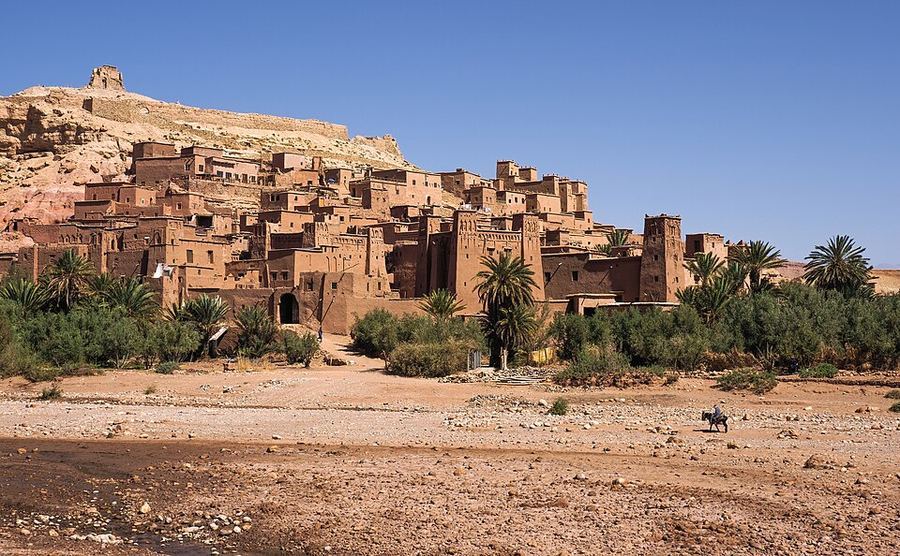
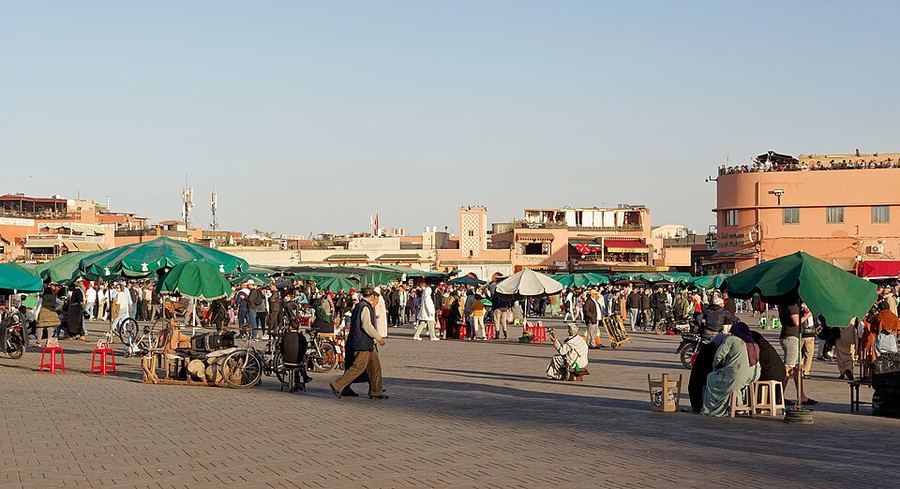
Continuity comes first. The Alaouite dynasty has reigned since the seventeenth century, and Morocco was never incorporated into the Ottoman Empire, so it narrates a longer unbroken statehood than most of its neighbours. Al-Qarawiyyin in Fez, founded in 859 by Fatima al-Fihri, is widely recognised as the oldest continuously operating degree-granting educational institution in the world. Morocco has nine UNESCO world heritage sites, among them the medinas of Fez and Marrakesh, the Roman city of Volubilis, the earthen ksar of Ait-Ben-Haddou, Moulay Ismail's Meknes and the twentieth-century capital at Rabat, and the Jemaa el-Fna square in Marrakesh was the case that led UNESCO to create its intangible heritage programme in the first place. Couscous, Gnawa music, tbourida horsemanship and argan practices all carry intangible heritage inscriptions. Diplomatically, Morocco was the first country to recognise the independence of the United States in 1777, and the treaty that followed is the longest unbroken treaty relationship in American history. In 2022 the national football team became the first African and first Arab side to reach a World Cup semi-final. Fossils from Jebel Irhoud are the oldest known remains of Homo sapiens.

Cultural Fusion

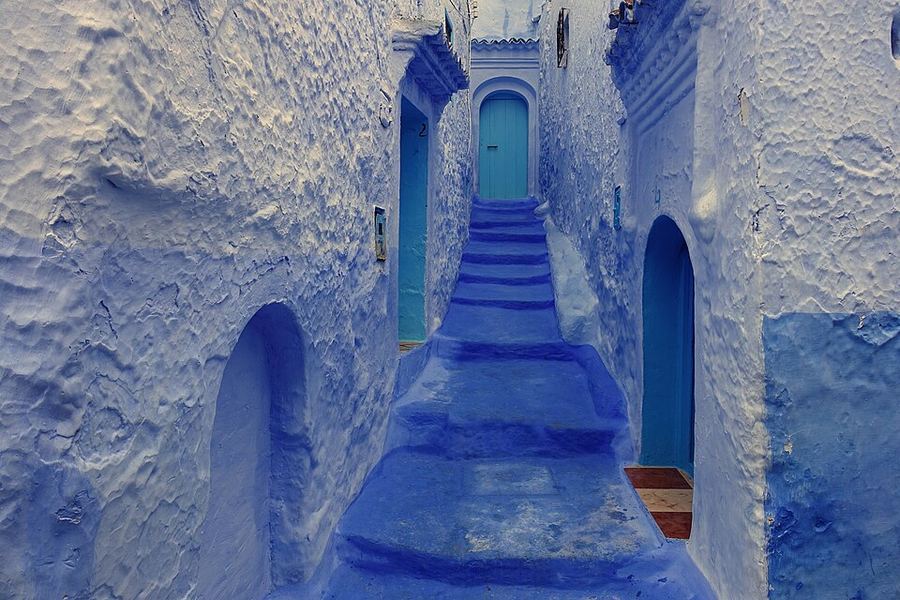
Morocco is a country of accumulated layers rather than a single tradition. The Amazigh substrate is the oldest, still audible in Tashelhit, Tarifit and Central Atlas Tamazight and visible in tattoo, carpet and jewellery motifs. Arab settlement and Islam brought the second layer, and Darija — Moroccan Arabic thick with Amazigh, French and Spanish borrowings — is the result. The third came from al-Andalus: Muslims and Jews expelled from Spain after 1492 settled in Fez, Tetouan, Chefchaouen and Rabat, bringing Andalusi classical music, a distinctive architecture and, among Sephardic Jews, the Haketia dialect. The fourth came across the Sahara with the caravan trade and with enslaved West Africans, whose descendants created Gnawa — a music and healing rite whose guembri lute, iron qraqeb and all-night lila ceremonies UNESCO inscribed in 2019. Moroccan Judaism forms a fifth strand: mellah quarters exist in most old cities, saints' tombs still draw pilgrimages, the 2011 constitution names the Hebraic component of national identity, and the Bayt Dakira memorial house opened in Essaouira in 2020. French and Spanish colonial rule left the sixth, in administration, schooling and the ville nouvelle districts beside every medina.

Music & Dance

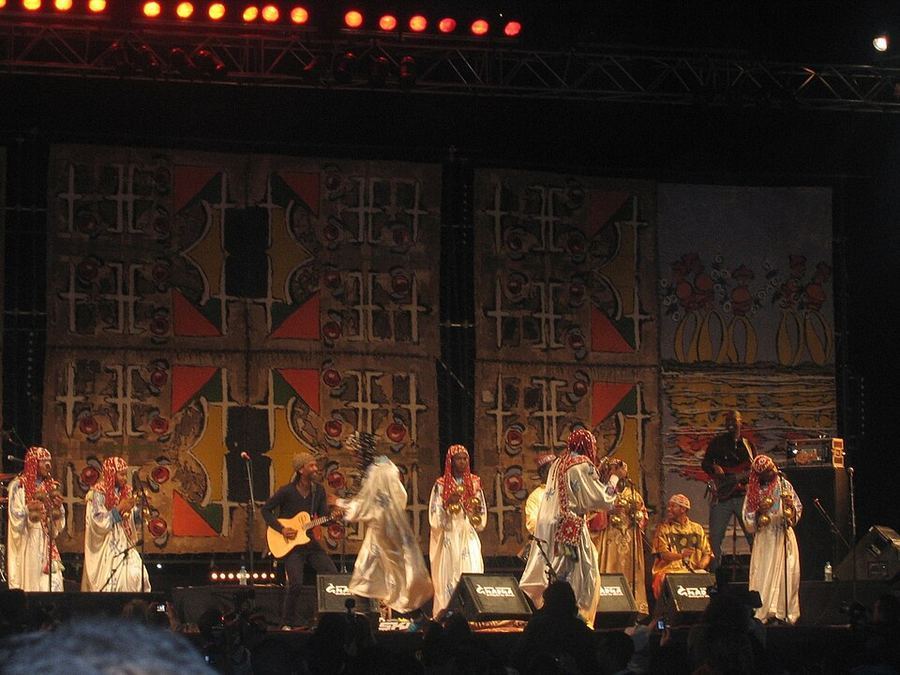
Moroccan music divides into several traditions that rarely blur. Al-Ala, the Andalusi classical repertoire carried from Spain, is performed in long suites called nubas by orchestras of oud, rebab, violin and percussion, with the Fez and Tetouan schools maintaining distinct versions; malhun, sung colloquial poetry accompanied by the same ensembles, sits alongside it. Gnawa is the most internationally exported: descendants of enslaved West Africans playing the three-string guembri and iron qraqeb through night-long lila ceremonies of trance and healing, inscribed by UNESCO in 2019 and celebrated each June at the Gnaoua World Music Festival in Essaouira since 1998. Amazigh music is collective and danced — ahwash in the High Atlas and Souss and ahidous in the Middle Atlas, in which whole villages form lines and circles to frame drums and responsorial singing, while the rwais are professional Tashelhit troubadours; Taskiwin, a High Atlas martial dance performed with a decorated horn, is on UNESCO's urgent safeguarding list. Popular music runs from chaabi to Moroccan rap. The band Nass El Ghiwane transformed the 1970s by setting political and social lyrics to traditional instruments, and Rabat's Mawazine festival is among the largest music festivals in the world by attendance.

Cuisine & Misattributed Foods

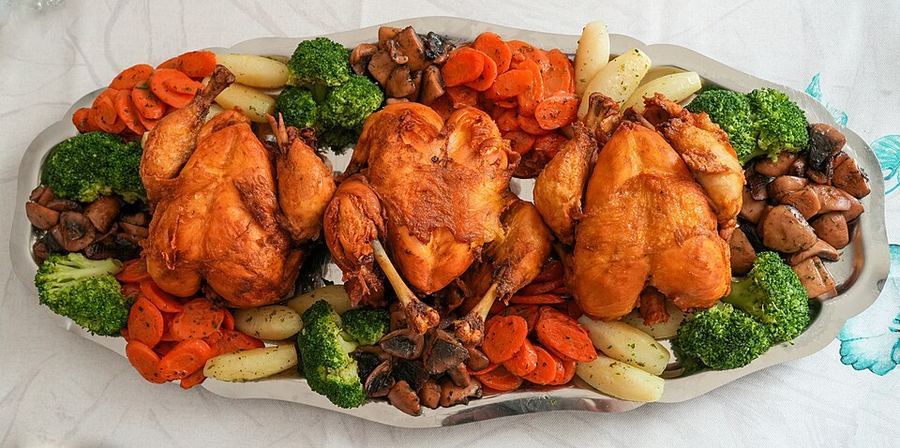
Moroccan cooking is among the most elaborate in Africa, built on slow braising, layered spice and the pairing of sweet with savoury. The tagine — the conical earthenware vessel and the stew cooked in it — is the everyday form, most often lamb with prunes and almonds, chicken with preserved lemon and olives, or kefta with egg. Couscous, steamed three times over the broth of the stew it accompanies, is the Friday dish after prayers and was inscribed by UNESCO in 2020 in a joint file with Algeria, Tunisia and Mauritania. Pastilla is the showpiece: shredded pigeon or chicken layered with almonds and egg in warqa pastry, dusted with cinnamon and icing sugar. Harira, a tomato, lentil and chickpea soup, breaks the fast every evening in Ramadan. Marrakesh contributes tanjia, meat sealed in an urn and cooked slowly in the ashes of the hammam furnace, and the streets contribute msemen, baghrir and grilled sardines. Ras el hanout, chermoula and preserved lemon are the defining seasonings. Argan oil and its sweet almond paste amlou come from the endemic argan groves of the Souss. Mint tea, heavily sugared and poured from height, closes and punctuates everything.

National Dress

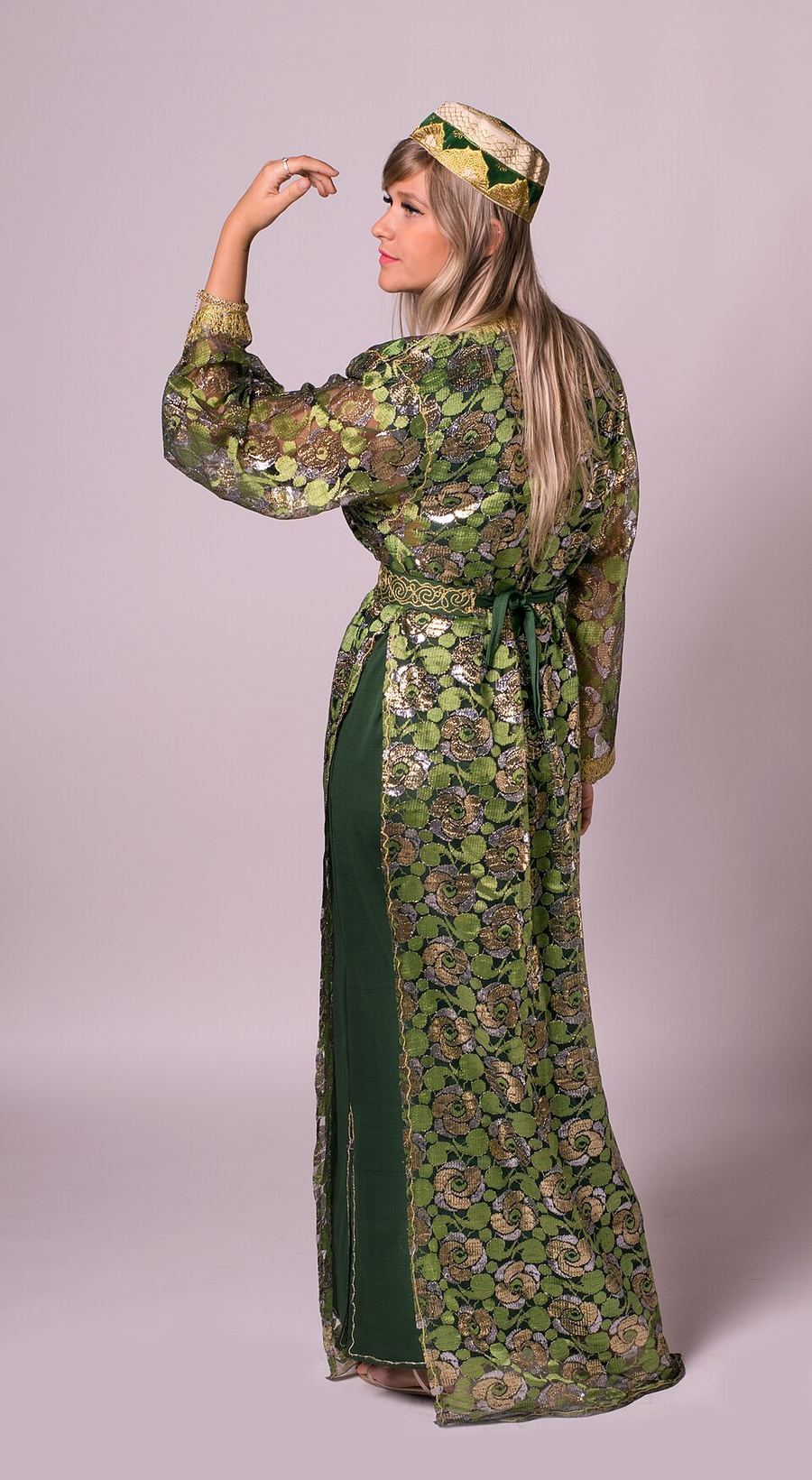
The djellaba is the garment that defines Moroccan dress: a loose, ankle-length hooded robe worn by both men and women, in heavy wool for winter in the mountains and light cotton or synthetic weaves in the cities, its pointed hood — the qob — a practical shade in sun and shelter in rain. Over it, men may wear the selham or burnous, a hooded cape, and on the feet the babouche, backless leather slippers, traditionally yellow for men. The tarbouche, the brimless red felt hat known abroad as the fez after the city that made them, completes formal male dress. Women's ceremonial clothing is far more elaborate: the kaftan, a long embroidered robe with silk thread, braid and buttons made by specialist craftsmen, and the takchita, a two-layer version with a sheer outer robe cinched by a wide belt, worn at weddings and often changed several times during the celebration. Amazigh dress adds its own vocabulary — the handira, a wedding cape of wool and sequins from the Middle Atlas, heavy silver fibulae, amber and coral. The kaftan's origins are the subject of an ongoing cultural heritage argument with Algeria.
Encyclopaedia BritannicaUNESCOAgence France-Presse

Sports & Inspiring Athletes

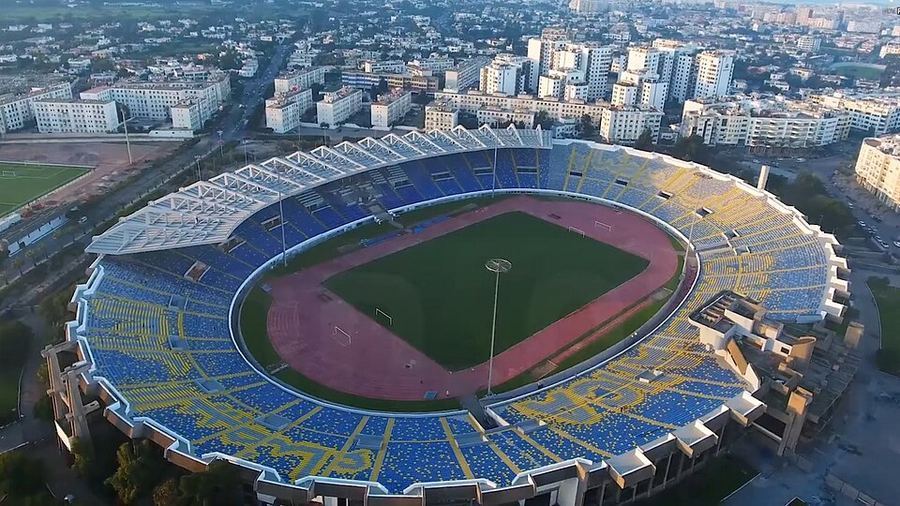
Football is unambiguously the national sport. The domestic Botola is dominated by the two Casablanca clubs, Wydad and Raja, whose derby fills the Stade Mohammed V and whose ultras produce some of the most elaborate terrace displays in world football; both have won the CAF Champions League more than once. The national team won the Africa Cup of Nations in 1976 and has qualified repeatedly for the World Cup, and the country has invested heavily in facilities and in the Mohammed VI football academy at Salé, which has supplied much of the recent generation. Athletics is the second tradition and a deep one, concentrated in the middle and long distances, with altitude training bases at Ifrane and in the Atlas. Boxing, taekwondo, kickboxing and judo have organised followings and produce international medallists. Tbourida, the equestrian display in which a line of riders gallops together and discharges muskets in a single volley, is a competitive discipline with its own judging as well as a heritage performance. Basketball, handball and volleyball are played through national leagues, and surfing has grown into a substantial youth sport along the Atlantic coast.

Notable Educational Programs

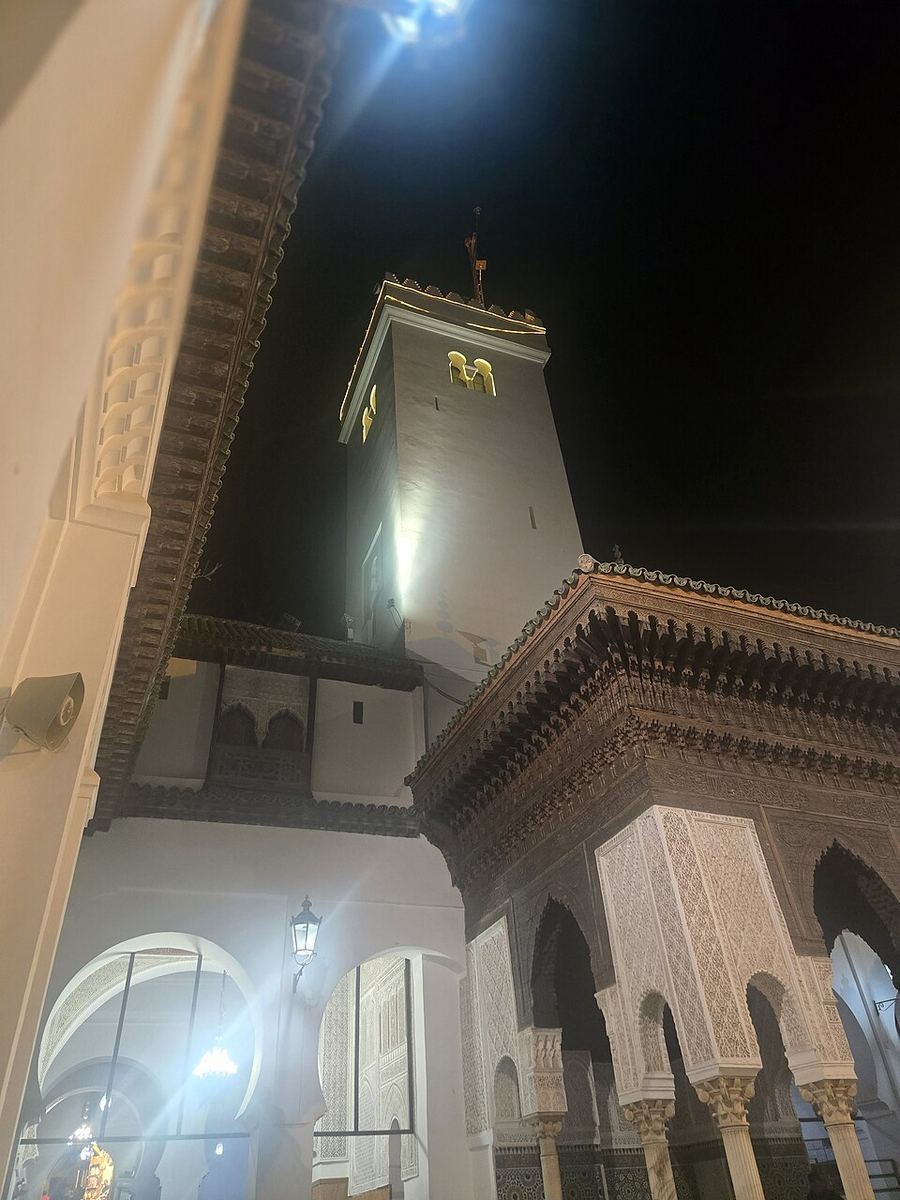
Morocco's educational history is unusually long and its modern performance uneven, and both facts matter. Al-Qarawiyyin in Fez has taught continuously since 859, and the Marinid madrasas around it formed a network that trained scholars for the western Islamic world. The modern system was built after 1956 on a French model: Mohammed V University opened in Rabat in 1957, followed by Hassan II University in Casablanca and a network of regional universities. Two more recent institutions have distinct models — Al Akhawayn University at Ifrane, founded in 1995 on an American liberal arts pattern and teaching in English, and Mohammed VI Polytechnic University at Ben Guerir, established in 2017 and funded by the phosphate group OCP with a heavy research and engineering emphasis. The persistent challenges are literacy, which remains well below the levels of comparable middle-income countries and is lower among rural women, and the language of instruction: schooling in Modern Standard Arabic followed by university science in French has long produced a transition problem, addressed in a 2019 framework law permitting French for scientific subjects earlier, while Tamazight has been progressively introduced into primary classrooms since 2003.

Wars & Conflicts

The defining conflict is Western Sahara. Spain withdrew in 1975-76 after Morocco's Green March sent some 350,000 civilians across the border; Morocco assumed control of most of the territory, the Polisario Front proclaimed the Sahrawi Arab Democratic Republic, and war continued until a UN-brokered ceasefire in 1991 that deployed the MINURSO mission to organise a referendum which has never been held. Morocco built a fortified sand berm running roughly 2,700 kilometres to secure the area it administers, and proposes autonomy under Moroccan sovereignty; Polisario, backed by Algeria, seeks a referendum including independence. The ceasefire broke down at the Guerguerat crossing in November 2020 and low-level hostilities have continued since. The United States recognised Moroccan sovereignty over the territory in December 2020, and Spain in 2022 and France in 2024 endorsed the autonomy plan as the basis for settlement. Relations with Algeria are severed, the land border has been closed since 1994, and Algiers cut diplomatic ties in August 2021. Domestically, Morocco suffered Islamist bombings in Casablanca in 2003 and Marrakesh in 2011, and the Hirak protests in the Rif in 2016-17 ended in long prison sentences criticised by human rights organisations.
UNReutersBBCInternational Crisis GroupHuman Rights WatchAmnesty InternationalCIA World Factbook
Current as of 2026-08-07

Land & Border Disputes

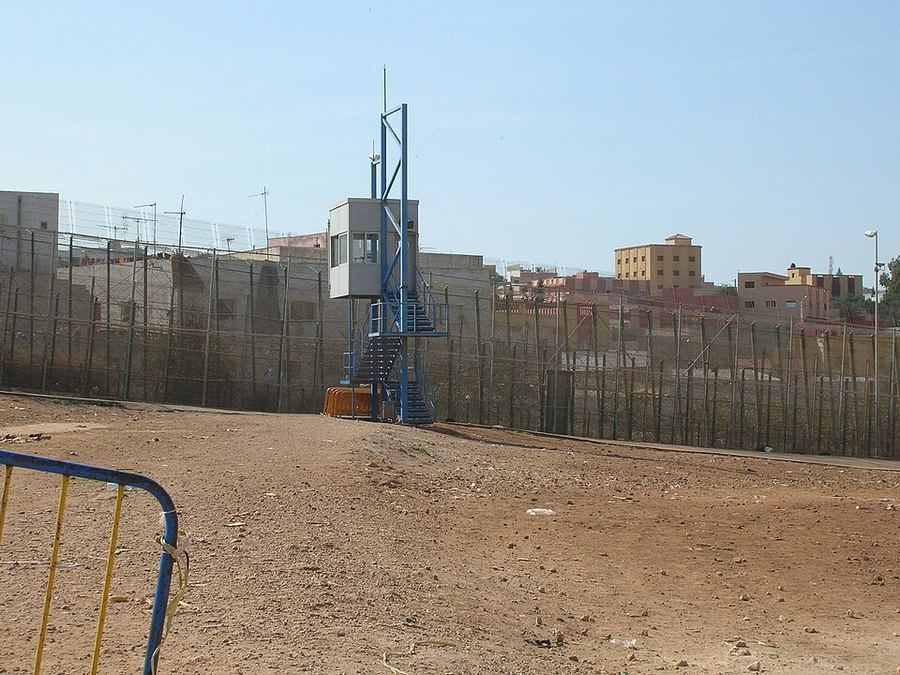
Morocco's disputes are concentrated on two fronts. The largest concerns Western Sahara, listed by the United Nations as a non-self-governing territory, most of which Morocco administers and claims as its Southern Provinces; the Polisario Front, recognised by the UN as a party to the conflict and supported by Algeria, seeks a self-determination referendum. The African Union admitted the Sahrawi Republic in 1984, prompting Morocco's withdrawal from the organisation until it rejoined in 2017. Related maritime legislation passed by Morocco in 2020 delimiting exclusive economic zones off the coast drew objections from Spain over waters near the Canary Islands. The second front is the Spanish presence on the Mediterranean coast: Morocco claims Ceuta and Melilla, the small island of Perejil, the rocky enclaves of Peñón de Vélez de la Gomera and Peñón de Alhucemas and the Chafarinas Islands, all administered by Spain, which regards them as integral Spanish territory. The Perejil incident of July 2002, in which Moroccan gendarmes occupied the uninhabited islet and Spanish forces removed them, remains the sharpest recent flashpoint. The Algerian land border, closed since 1994, is a further unresolved bilateral question.
Land, Life & Legacy

Land & Climate

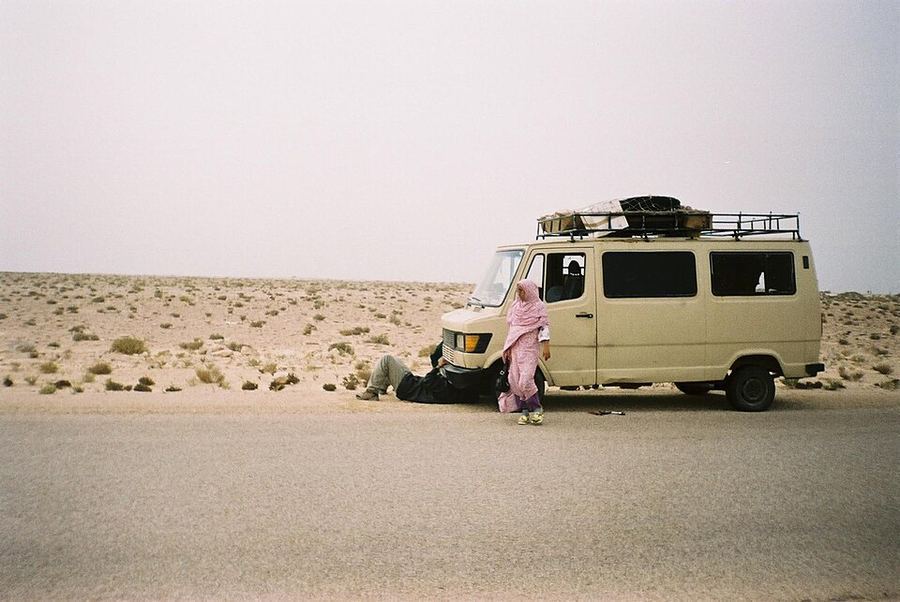
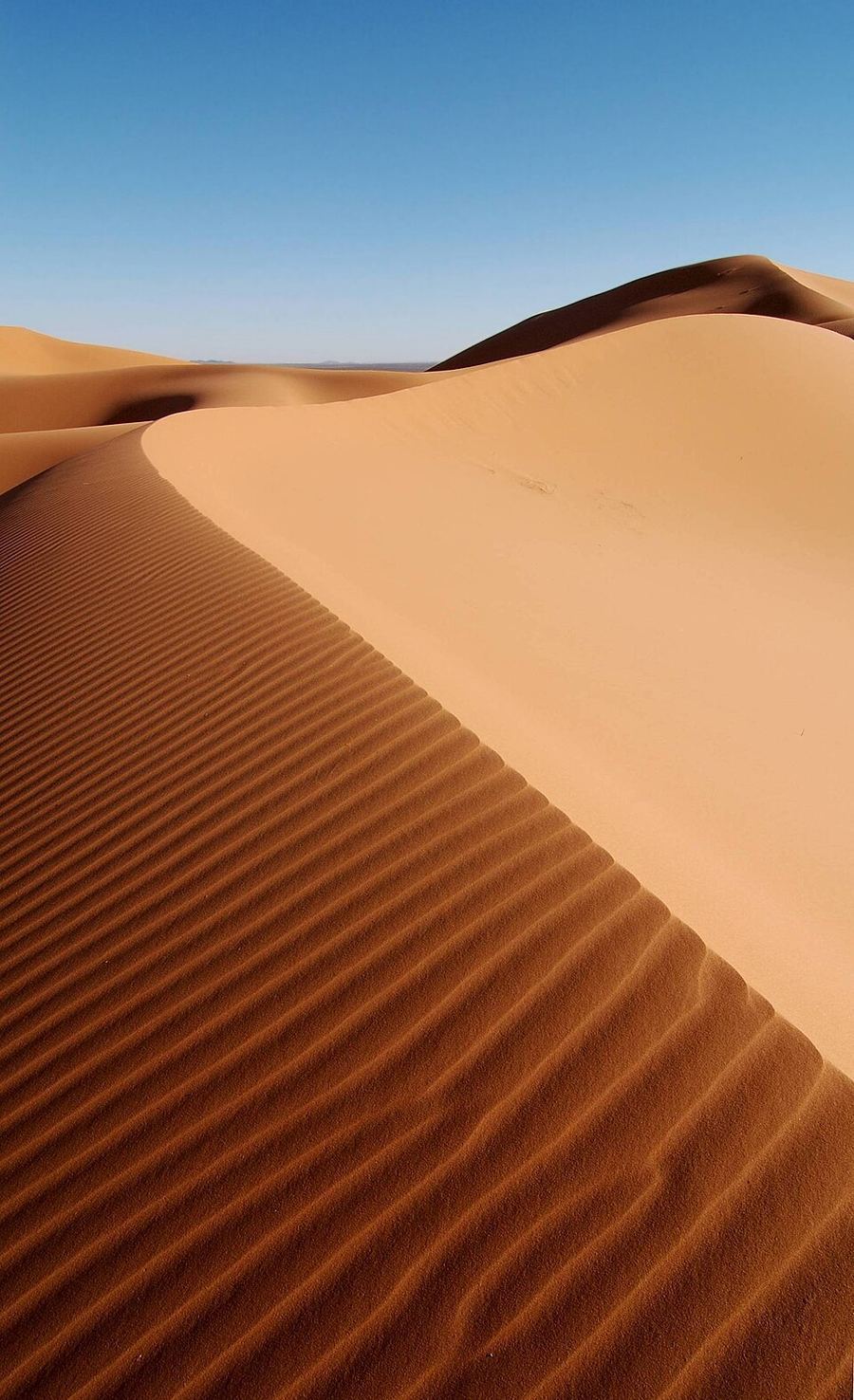
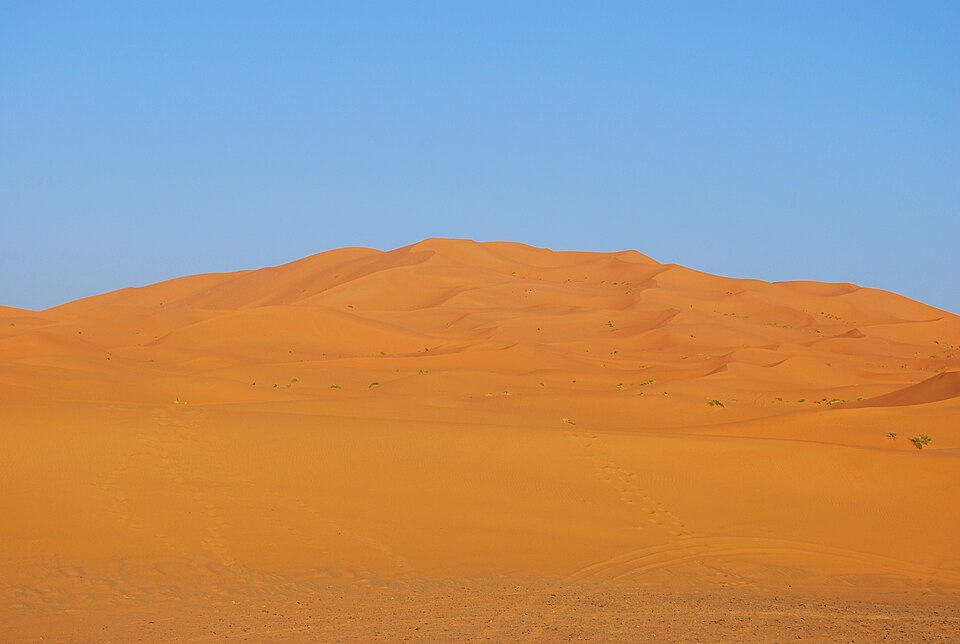
Morocco is structured by mountains that separate a green, populous Atlantic and Mediterranean fringe from the desert behind. Three ranges run north-east to south-west: the Rif above the Mediterranean, steep and wet; the Middle Atlas of cedar forest and lakes; and the High Atlas, which rises to Jebel Toubkal at 4,167 metres, the highest peak in North Africa, holding snow into early summer and supporting a ski station at Oukaïmeden. The Anti-Atlas falls away south toward the Sahara, where the ergs of Chebbi and Chigaga carry the classic dune landscape and the Draa, the country's longest river, runs through a string of palm oases before disappearing into the sand. The Atlantic plains — the Gharb, the Chaouia, the Souss — hold the farmland and most of the cities, and the Souss also holds the endemic argan woodland, a UNESCO biosphere reserve. The climate is Mediterranean along the coasts, with wet mild winters and hot dry summers moderated by Atlantic upwelling, continental with hard frosts in the interior highlands, and arid to the south-east, where the dry chergui wind can push coastal temperatures sharply up. Water scarcity and successive drought years are the dominant environmental problem.

Entertainment

The medina is the primary leisure landscape — Fez el-Bali, a walled labyrinth of several thousand lanes closed to cars, and Marrakesh's souks running off Jemaa el-Fna, where at dusk the square fills with food stalls, storytellers, musicians and snake charmers in a nightly performance UNESCO recognised as intangible heritage. Cafés are the male social default, with glasses of mint tea and nous-nous coffee occupying entire afternoons, and the hammam serves the same function on a weekly cycle. Beyond the cities, the country offers an unusual range within short distances: surfing at Taghazout and Essaouira, where the Atlantic wind also makes it a kitesurfing centre; trekking in the High Atlas, with the Toubkal ascent from Imlil the standard route and multi-day traverses through Amazigh villages; camel treks and desert camps on the ergs near Merzouga and M'Hamid; birdwatching in the Souss-Massa lagoons; and skiing at Oukaïmeden in a good winter. Football dominates spectator leisure, watched in cafés as much as stadiums. Tbourida, the massed cavalry charge in which riders fire muskets in unison, is performed at moussems and agricultural fairs and is itself on UNESCO's heritage list.

Art & Museums

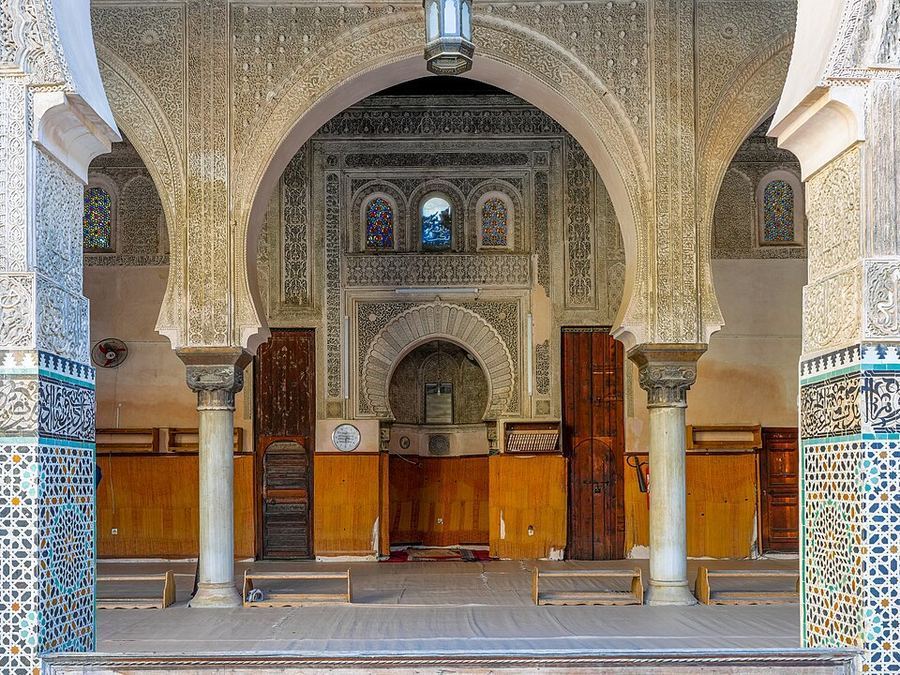
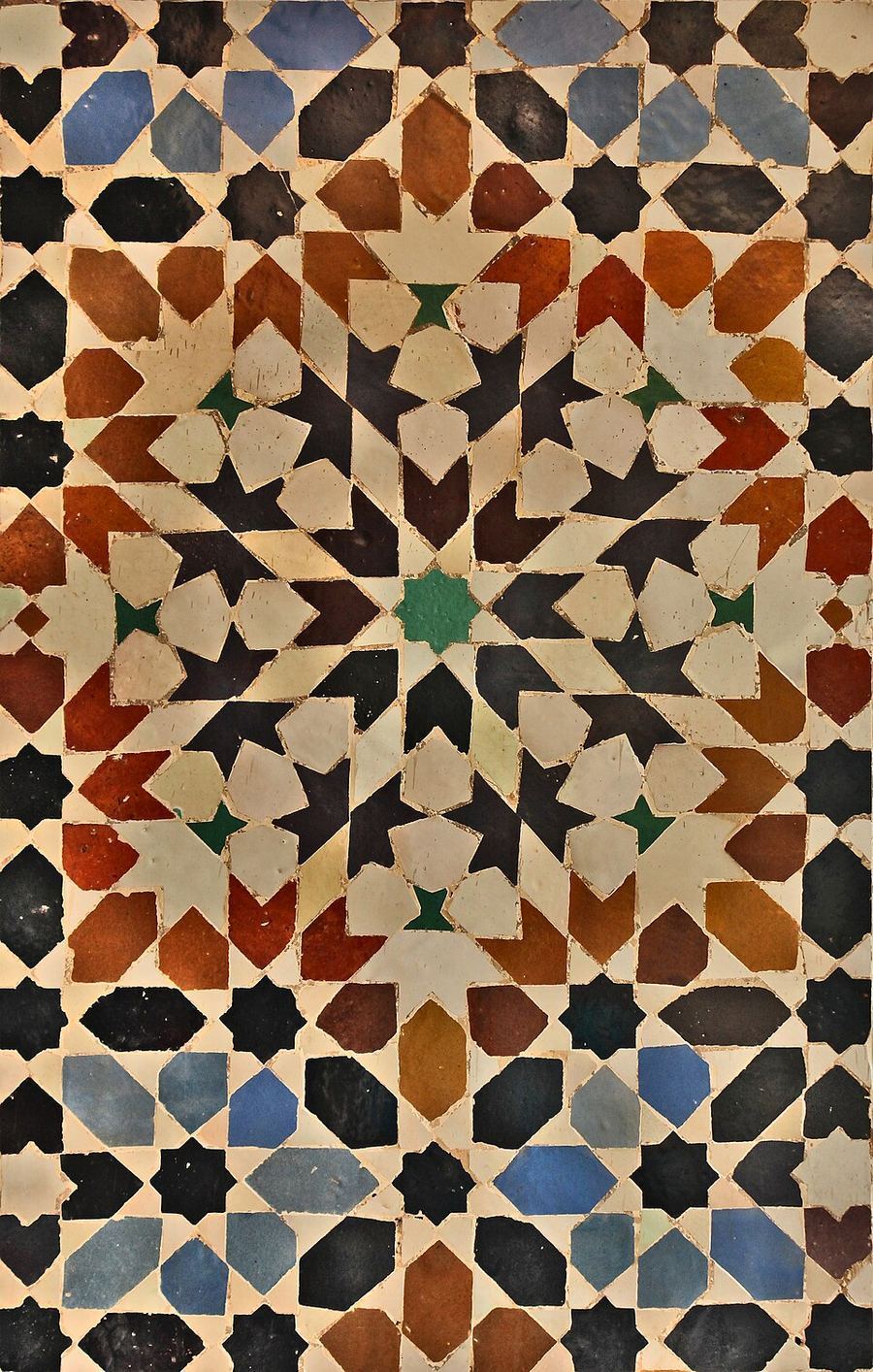
Moroccan visual tradition is overwhelmingly architectural and applied. Zellige — glazed terracotta cut by hand into small tesserae and assembled into interlocking geometric patterns — is the signature craft, reaching its height in the Marinid madrasas of Fez such as Bou Inania and al-Attarine, where it appears beneath carved cedar screens and bands of pierced stucco and Kufic inscription. Tadelakt, a polished lime plaster, lines hammams and riad walls. Carpet weaving is the great domestic art, from the ivory geometry of Beni Ourain pieces to the dense colour of Azilal and the recycled rag boucherouite. Leatherwork in the Chouara tannery of Fez, brass and silver in Tiznit, and blue-glazed pottery in Safi and Fez complete the crafts. Painting arrived largely with visitors: Delacroix in 1832 and Matisse in Tangier in 1912 and 1913, and Jacques Majorelle, whose Marrakesh garden and cobalt blue were later restored by Yves Saint Laurent. Moroccan modernism is now internationally reassessed through the Casablanca School of the 1960s — Farid Belkahia, Mohamed Melehi and Mohammed Chabâa — who fused Amazigh sign systems with abstraction, and Marrakesh's contemporary museums and biennial have followed.

Notable People

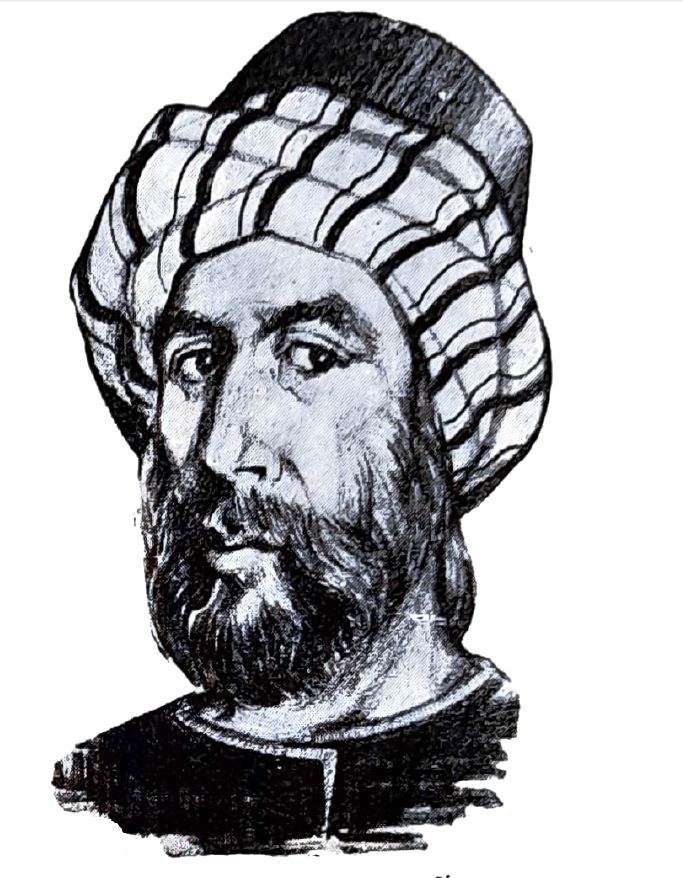
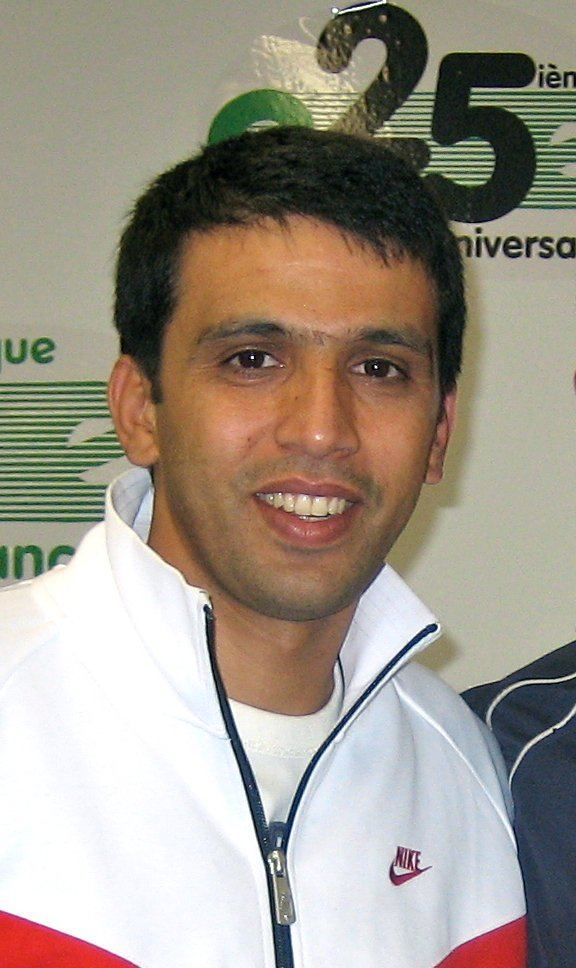
Ibn Battuta, born in Tangier in 1304, travelled further than any other known medieval traveller — across Africa, Arabia, India, Central Asia and China — and dictated the Rihla on his return. Fatima al-Fihri endowed al-Qarawiyyin in Fez in 859. Yusuf ibn Tashfin founded Marrakesh and the Almoravid empire; Ahmad al-Mansur made the Saadian state a power reaching to the Niger; Moulay Ismail built Meknes over a fifty-five-year reign. Abd el-Krim led the Rif resistance of the 1920s and became a reference point for anti-colonial movements far beyond Morocco. Mohammed V's exile and return made him the figure of independence, and the reigns of Hassan II from 1961 and Mohammed VI from 1999 have shaped the modern state. In letters, Tahar Ben Jelloun won the Prix Goncourt in 1987, Driss Chraïbi opened Moroccan fiction to social criticism, the sociologist Fatema Mernissi reshaped debate on gender and Islam, and Leïla Slimani took the Goncourt in 2016. Nawal El Moutawakel won the 400 metres hurdles at the 1984 Olympics, becoming the first woman from a majority-Muslim country to take an Olympic title, and Hicham El Guerrouj remains the world record holder over 1500 metres and the mile.

Inventions & Breakthroughs

Morocco's older contributions are institutional and architectural. Al-Qarawiyyin, endowed in Fez in 859, functioned as a teaching mosque awarding qualifications centuries before the European university and is generally cited as the oldest continuously operating degree-granting institution anywhere; its library, restored and reopened in 2016, holds manuscripts including a ninth-century Quran. Zellige tilework represents an original solution to complex geometric tiling, developed empirically by craftsmen who cut and assembled patterns of considerable mathematical sophistication without formal notation. Hydraulic engineering produced the khettara, the underground gallery system that taps groundwater and delivers it by gravity to the oases around Marrakesh and the Tafilalt, still partly in use. In the modern era the outstanding individual contribution is that of Rachid Yazami, whose work on the graphite intercalation anode was central to making the rechargeable lithium-ion battery practical, and who shared the 2014 Charles Stark Draper Prize for it. Argan oil extraction, long a women's cooperative craft in the Souss, has been developed into a protected export industry, and UNESCO inscribed the practices and know-how of the argan tree in 2014.

Science & Technology

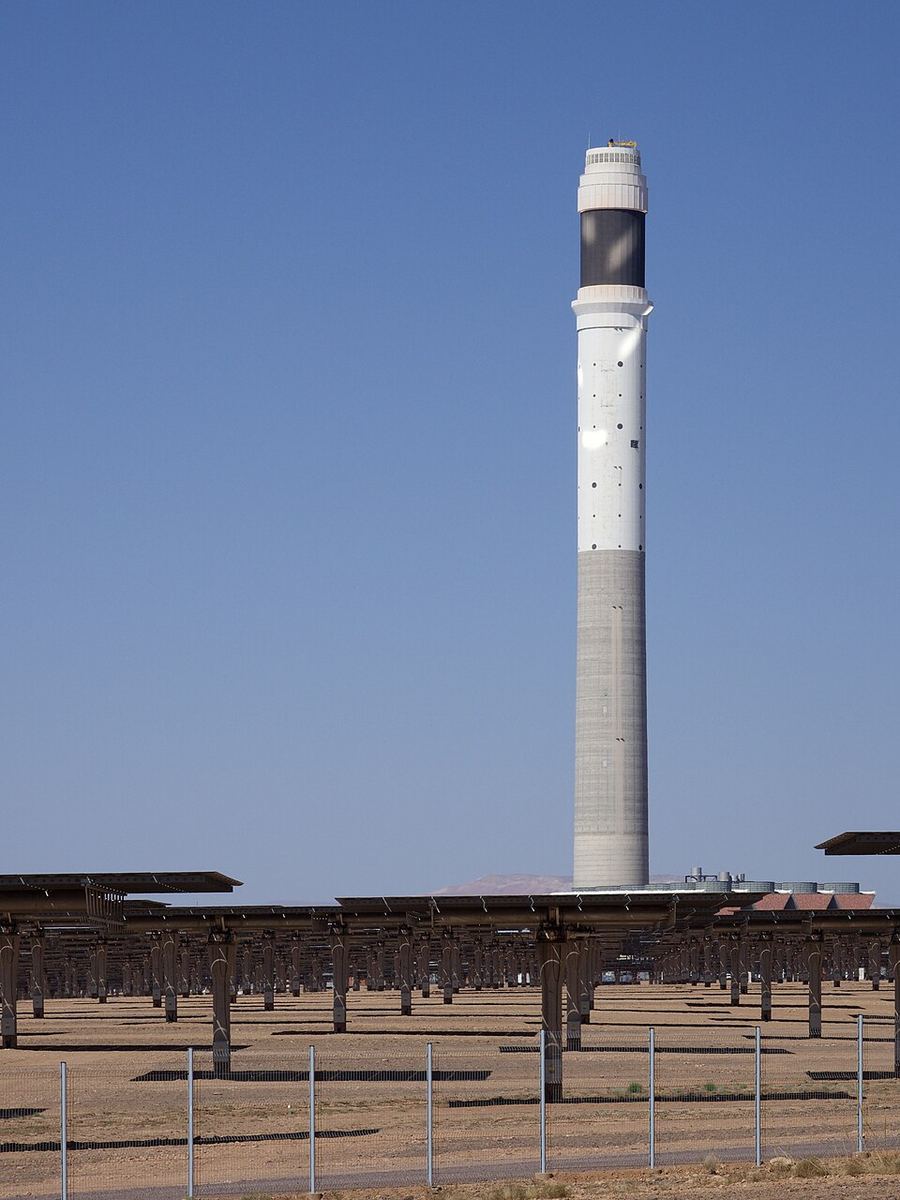
Morocco's most internationally consequential science is palaeoanthropology. Fossils from Jebel Irhoud, west of Marrakesh, were redated in work published in 2017 to around 315,000 years — the oldest known remains attributed to Homo sapiens, pushing the origins of the species back by roughly a hundred thousand years and shifting the debate away from a single East African cradle. Further sites at Taforalt and Contrebandiers Cave have yielded early evidence of ornament and of bone tools used to work hides. In energy, the Noor complex outside Ouarzazate is among the world's largest concentrated solar power installations, using parabolic troughs and a central tower with molten-salt storage so that generation continues after sunset, and it anchors a renewables programme built around solar and Atlantic wind that also underpins proposals to export power to Europe by submarine cable. Morocco holds by far the world's largest reserves of phosphate rock, and OCP is a major global fertiliser producer that also funds research through Mohammed VI Polytechnic University. Industrial policy has built an automotive sector at Tangier and Kenitra that has made Morocco the largest vehicle manufacturer in Africa, alongside an aerospace cluster near Casablanca.
NatureScienceIEAReutersWorld Bank
On The World Stage

Champions & Defining Moments

Morocco's greatest sporting moment came at the 2022 World Cup in Qatar, where the national team beat Belgium, Spain and Portugal to reach the semi-finals — the first African and the first Arab team ever to do so — and finished fourth, prompting celebrations across the Arab world and the African diaspora. Morocco was awarded co-hosting rights, with Spain and Portugal, for the 2026 tournament's successor in 2030, and hosts the Africa Cup of Nations. In athletics the country's record is exceptional for its size: Nawal El Moutawakel's 400 metres hurdles gold at Los Angeles in 1984 was the first Olympic title won by a woman from a majority-Muslim country, and she later became an International Olympic Committee member; Said Aouita won the 5000 metres in the same Games and set world records across a range of distances; Khalid Skah took the 10,000 metres in 1992; and Hicham El Guerrouj won the 1500 and 5000 metres at Athens in 2004 and still holds the world records at 1500 metres and the mile. The Marathon des Sables, a multi-stage ultramarathon across the southern Sahara, has been a fixture of global endurance running since 1986.

FIFAIOCWorld AthleticsOlympediaBBC
Economy, Trade & Government

Currency & GDP

Moroccan Dirham — MAD (DH)

GDP (PPP): $350.594 billion (2024 est.)

Per capita: $9,100 (2024 est.)

Exports

$61.746 billion (2023 est.)

fertilizers, cars, garments, insulated wire, tomatoes (2023)

Partners: Spain 20%, France 17%, Germany 6%, UK 5%, Italy 4% (2023)

Imports

$73.759 billion (2023 est.)

refined petroleum, cars, vehicle parts/accessories, natural gas, coal (2023)

Partners: Spain 16%, China 11%, France 10%, USA 9%, Turkey 5% (2023)

Government

Type: parliamentary constitutional monarchy

Independence: 2 March 1956 (from France)

Terrain → Where People Live

How mountains, coasts, and rivers shape settlement (LandScan).

Coming — data

Migration & Ethnic Settlement

Where groups settled and how people move (GeoEPR + UNHCR).

Coming — data

Universities

Notable institutions, mappable as points.

Coming — data
Economy & government facts: CIA World Factbook (public domain), via OpenFactBook / factbook.json.
Every fact and narrative claim will carry a visible source citation. Data-driven sections light up automatically wherever HERA has coverage.