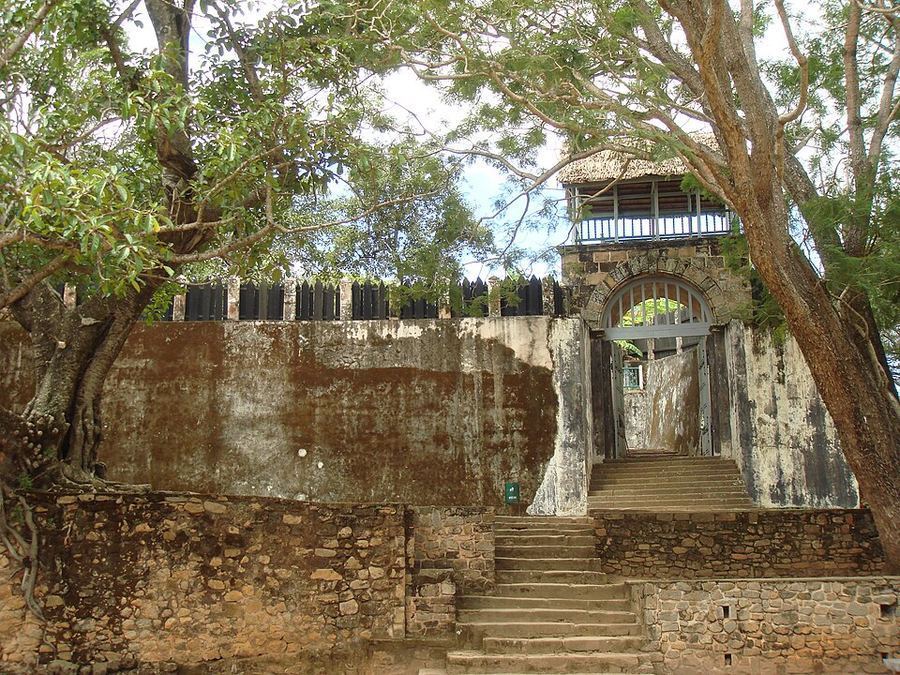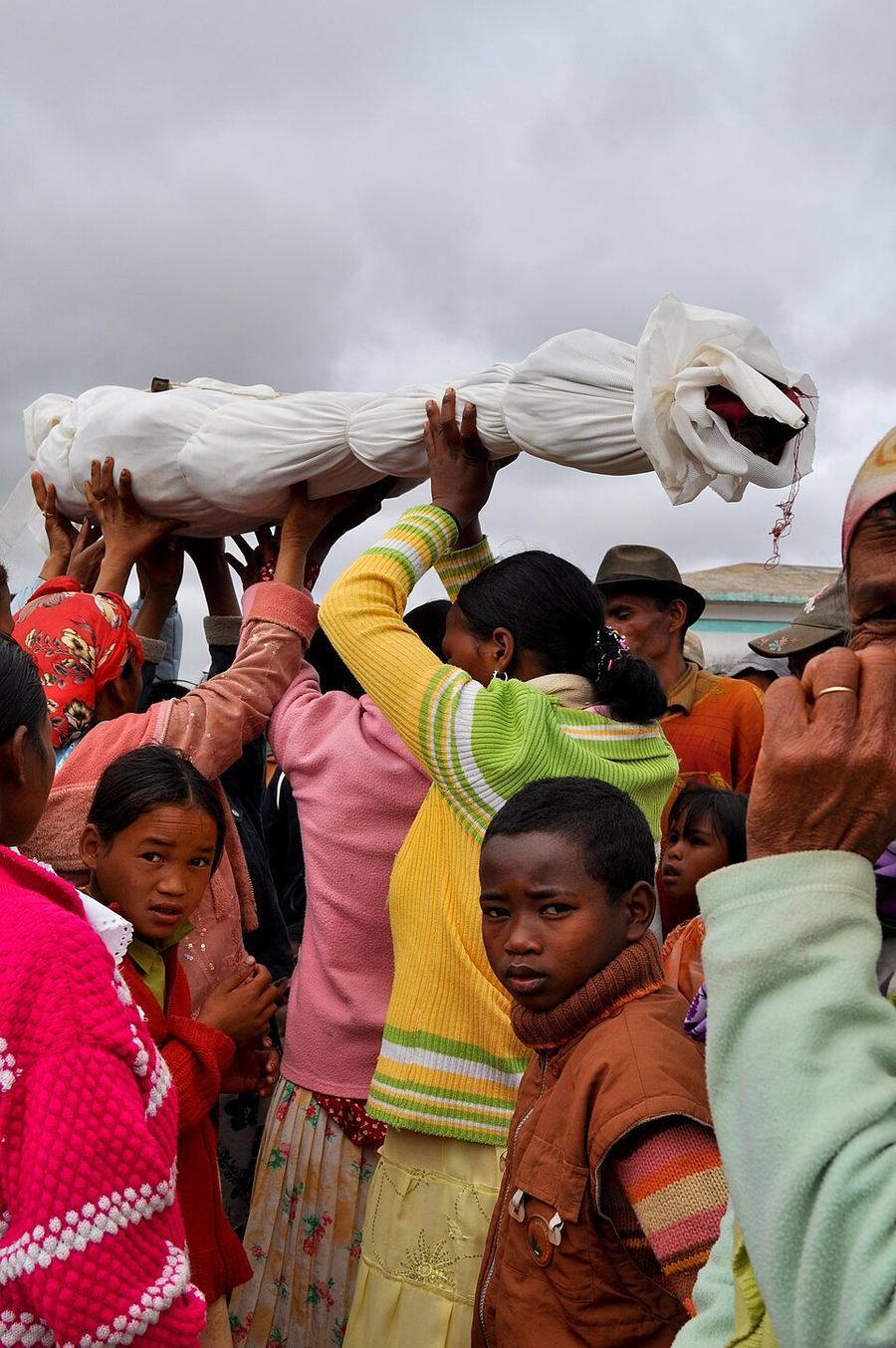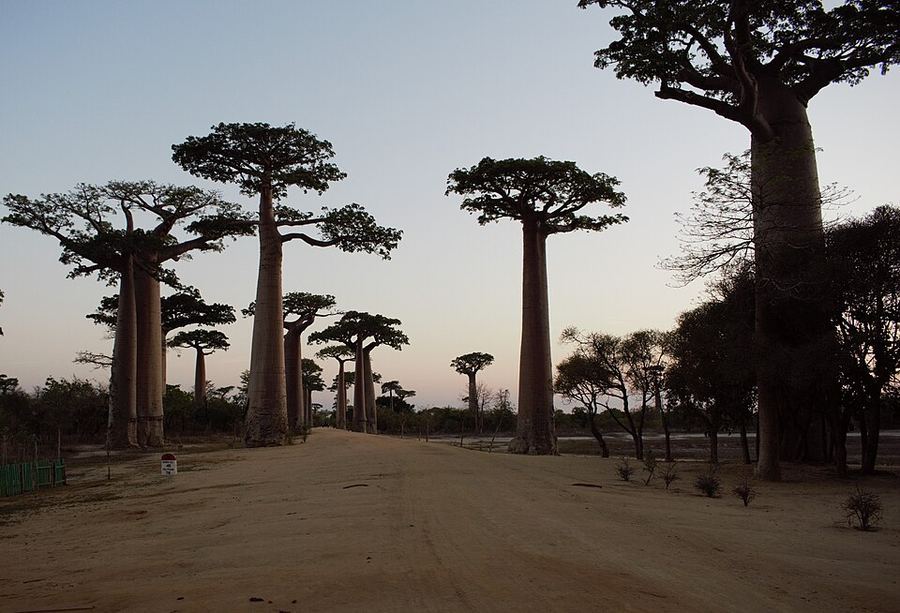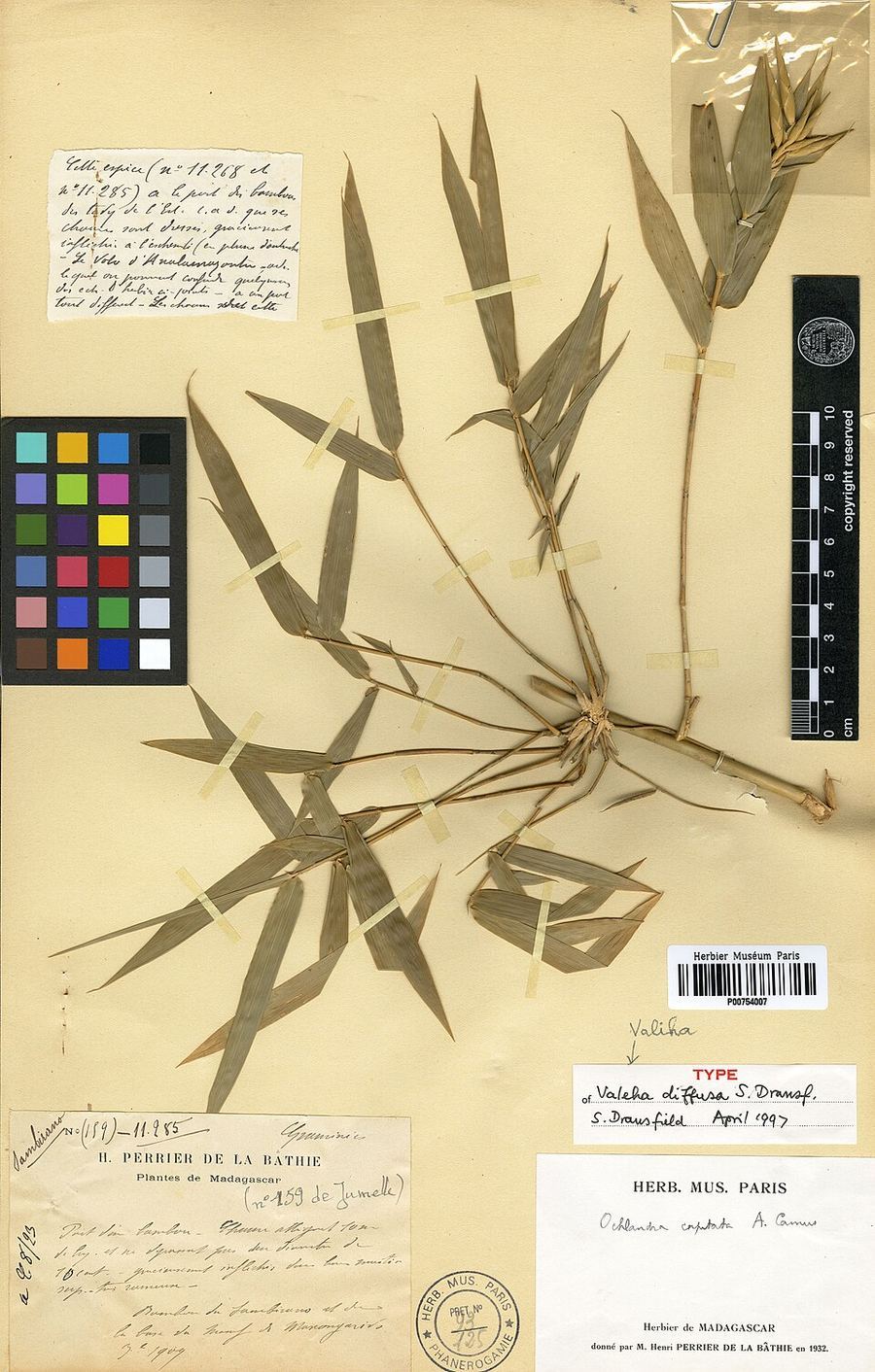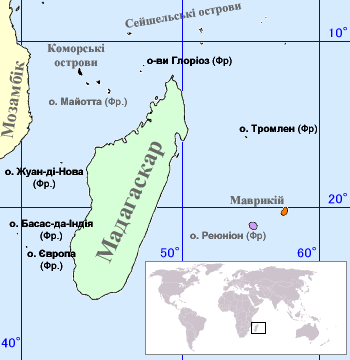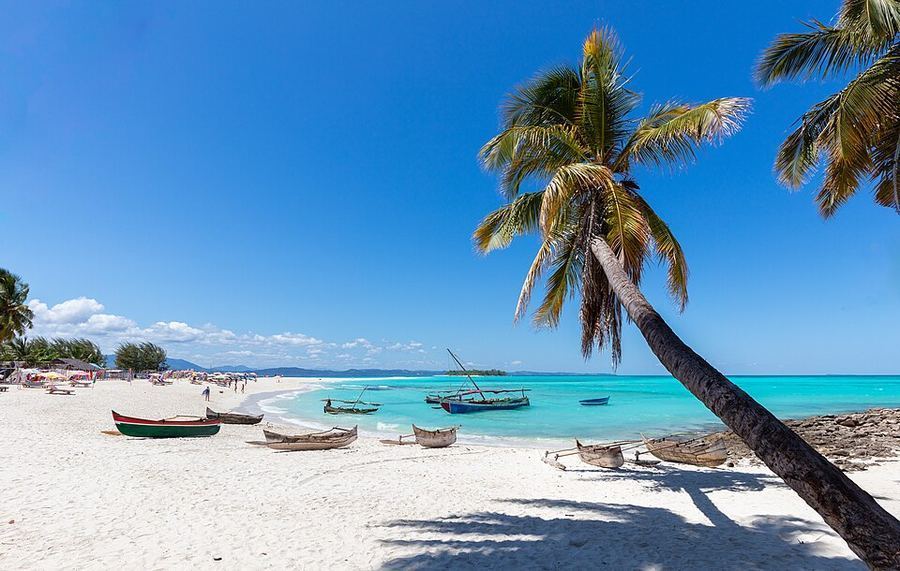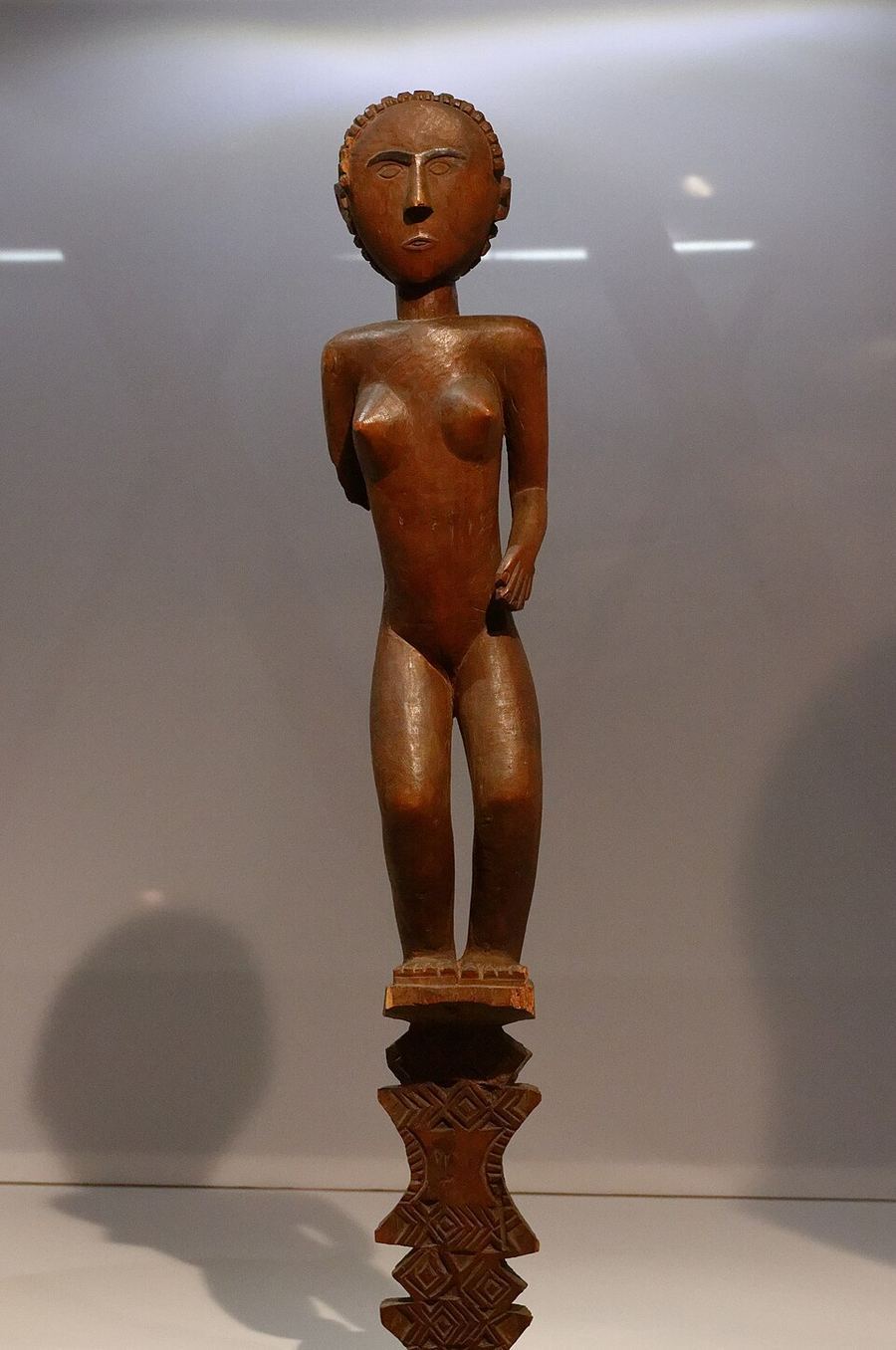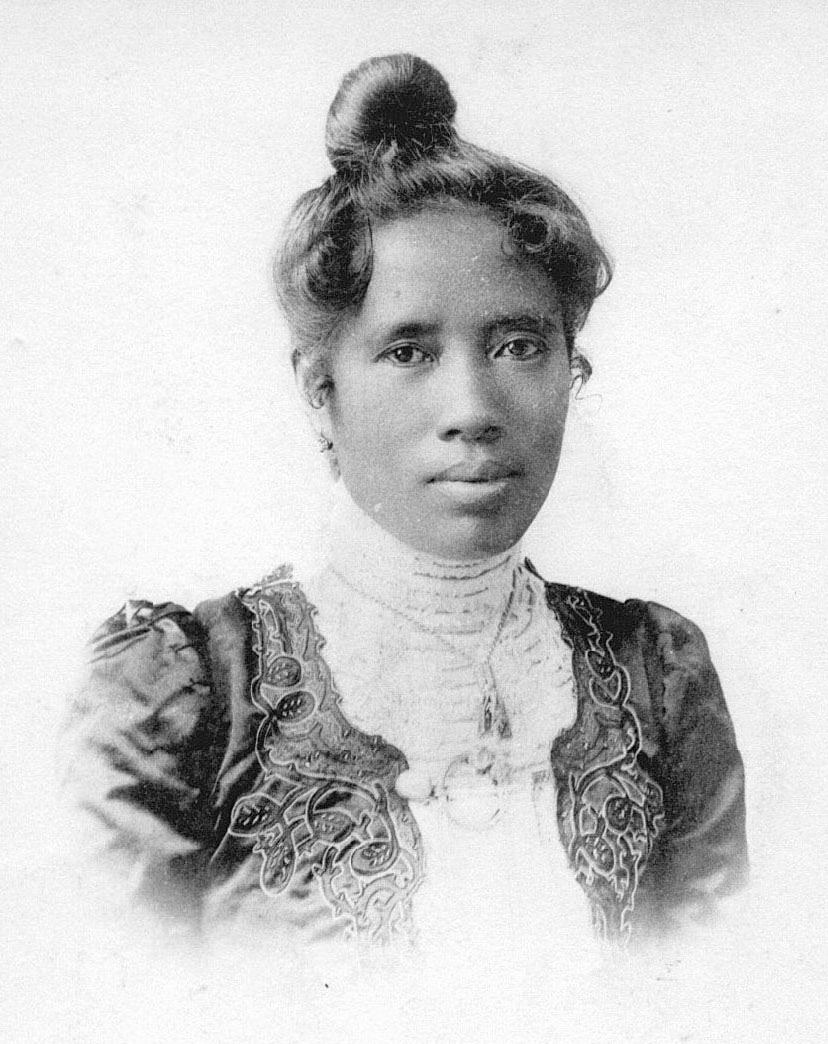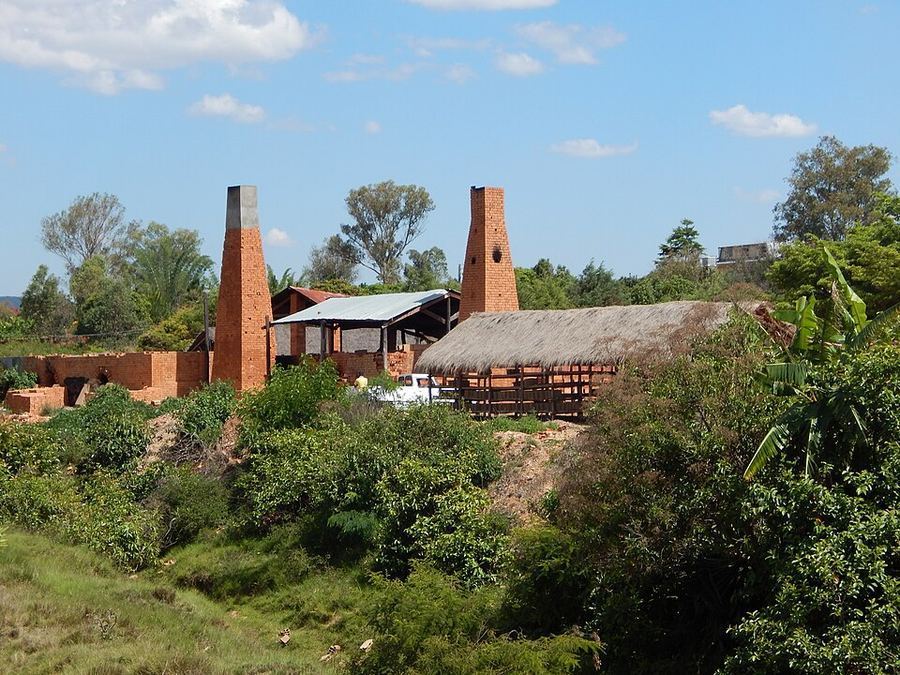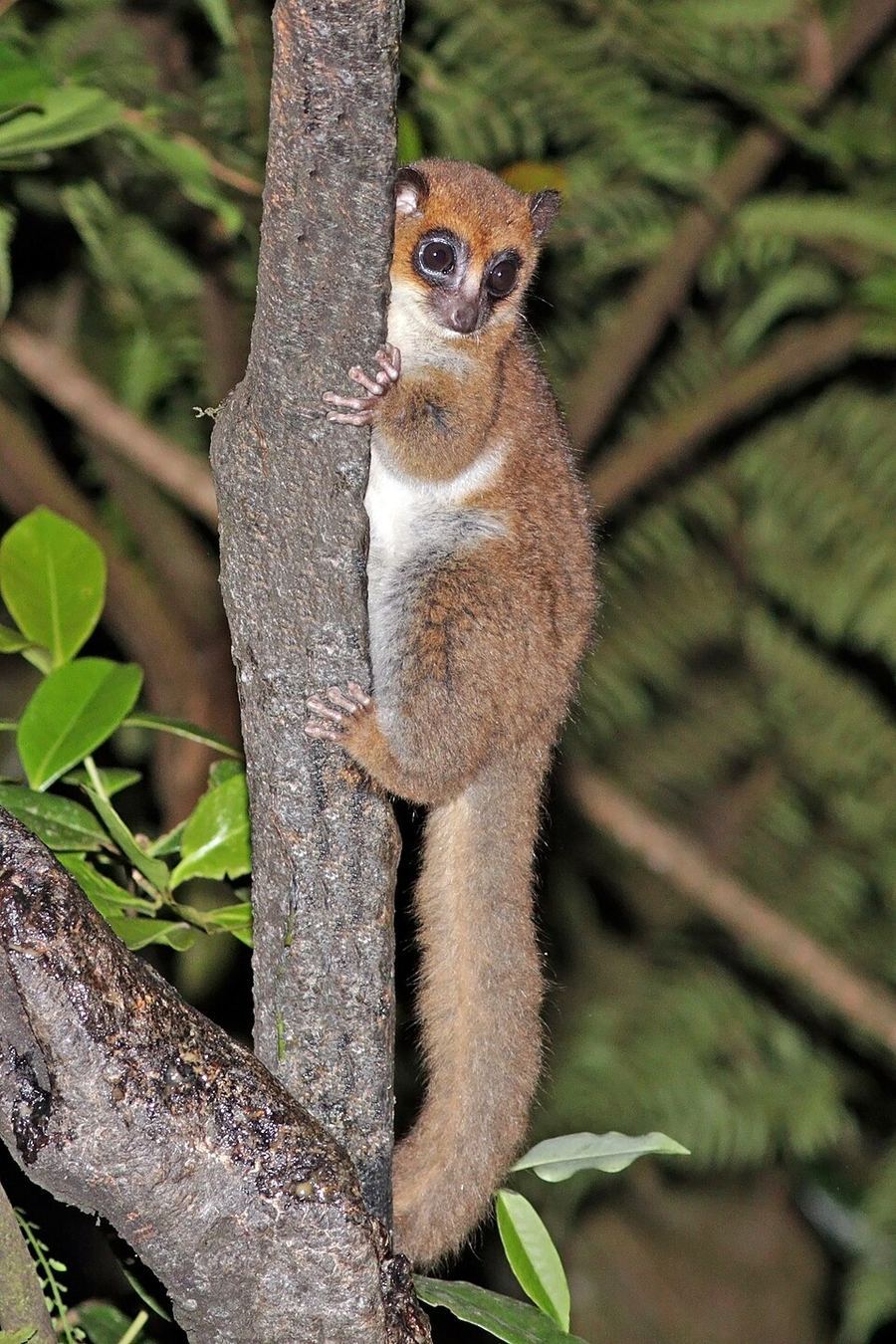
Madagascar is the fourth-largest island in the world, a semi-presidential republic of about 31 million people lying some 400 kilometres off south-eastern Africa across the Mozambique Channel. It is African by geography and Asian by ancestry: the island was settled from island Southeast Asia in the first millennium CE, and Malagasy — spoken across the entire country by 99.9% of the population — is an Austronesian language whose closest relative is spoken in Borneo. Later arrivals from the East African coast, the Arab and Swahili trading world, India and France produced the eighteen ethnic groups conventionally counted today, divided broadly between highlanders and coastal cotiers. Independent from France since 26 June 1960, Madagascar has had a turbulent political history of coups and contested elections, and remains one of the poorest countries in the world at about $1,700 per head on a purchasing-power basis, with a very young population whose median age is 20.5 years. Its exports are garments, nickel, vanilla, cloves and gold, and it supplies most of the world's natural vanilla. Its global significance, though, is ecological: separated from other landmasses for over eighty million years, it evolved a biota — all the world's lemurs among it — that exists nowhere else and is now under severe pressure from deforestation.
Antananarivo's urban core is home to about 4,255,254 people.
That's bigger than Barcelona, Berlin, Rome and Amsterdam — each a great world city in its own right.
Among the world's megacities, though, it's one of many — the giants of Asia and Latin America run larger still:
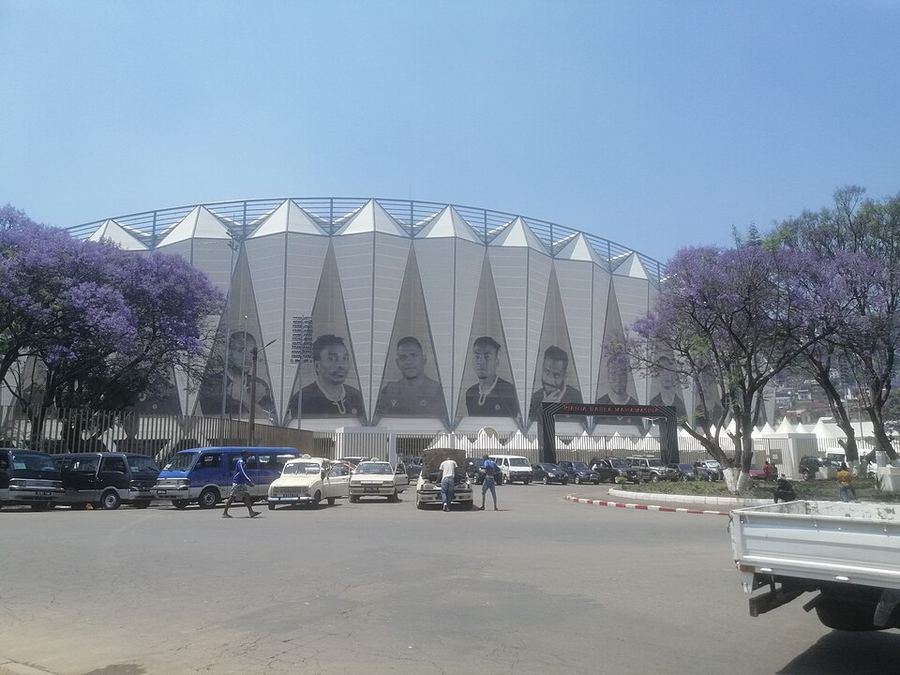
Madagascar's breakthrough on the world stage came in football in 2019, when the Barea qualified for the Africa Cup of Nations for the first time in the country's history, won their group ahead of Nigeria, and reached the quarter-finals before losing to Tunisia — a run that emptied the streets of Antananarivo and remains the single most celebrated sporting event in the country's memory. In petanque Madagascar is not an outsider but a favourite, regularly contesting world titles against France and drawing on a base of players that few countries can match. Rugby's Makis compete in Rugby Africa's second tier and have been African champions at that level. Olympic participation dates from Tokyo in 1964, and Madagascar sends small delegations in athletics, swimming, judo and weightlifting; the country has yet to win an Olympic medal. It is a leading force at the Indian Ocean Island Games, which it hosted in Antananarivo in 2023, and where it competes against Reunion, Mauritius, Seychelles, Comoros and Maldives. A number of Malagasy-descended players compete for France, particularly in rugby and football.
Malagasy Ariary — MGA (None)
GDP (PPP): $52.968 billion (2024 est.)
Per capita: $1,700 (2024 est.)
$4.689 billion (2022 est.)
garments, nickel, vanilla, cloves, gold (2023)
Partners: USA 16%, France 15%, Japan 8%, China 6%, S. Korea 6% (2023)
$6.041 billion (2022 est.)
refined petroleum, rice, fabric, cotton fabric, wheat (2023)
Partners: China 19%, Oman 13%, France 10%, India 8%, South Africa 5% (2023)
Type: semi-presidential republic
Independence: 26 June 1960 (from France)
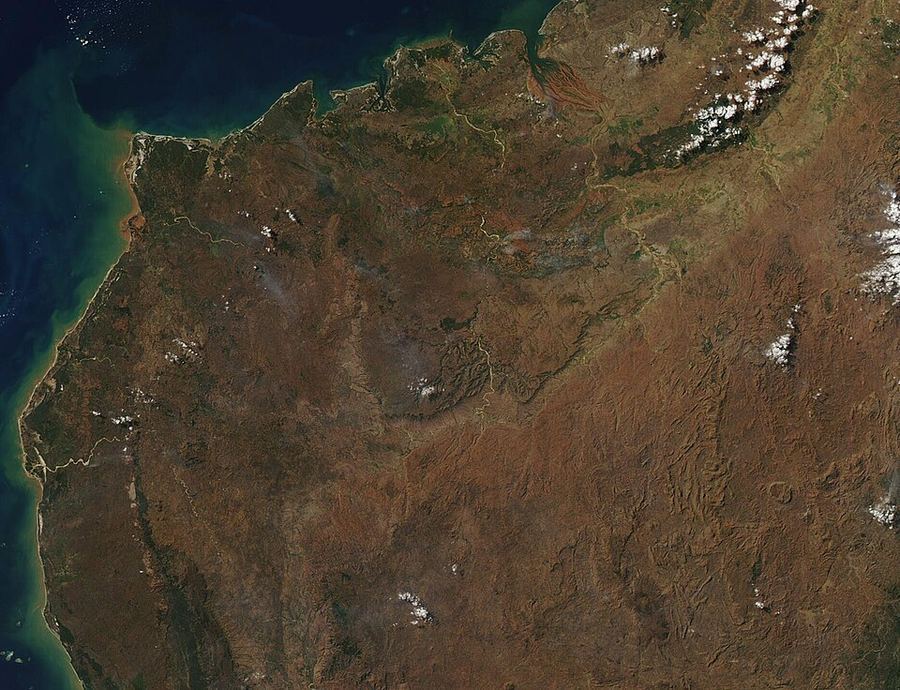
How mountains, coasts, and rivers shape settlement (LandScan).
Coming — dataWhere groups settled and how people move (GeoEPR + UNHCR).
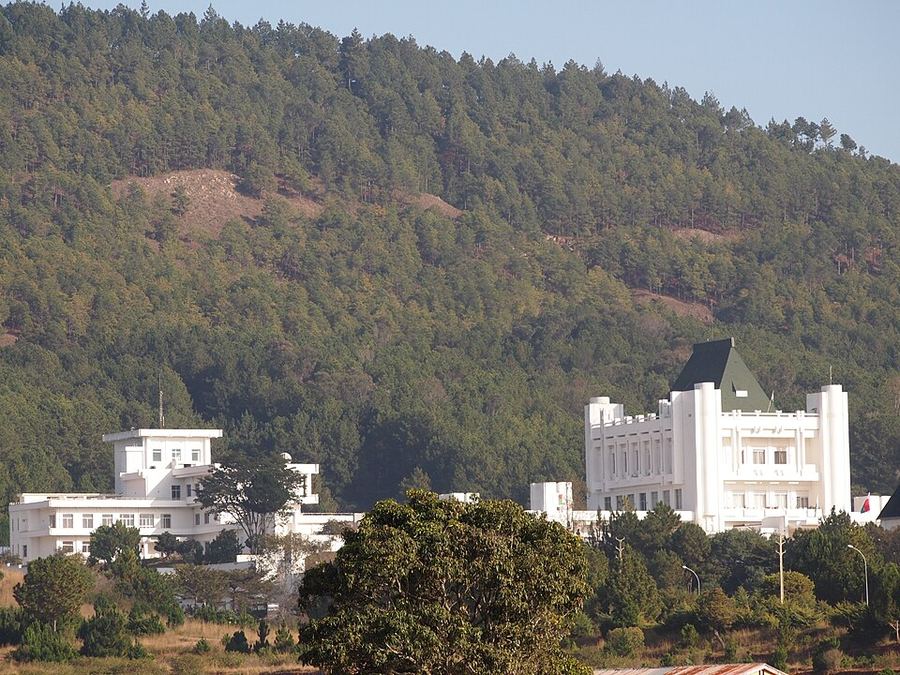
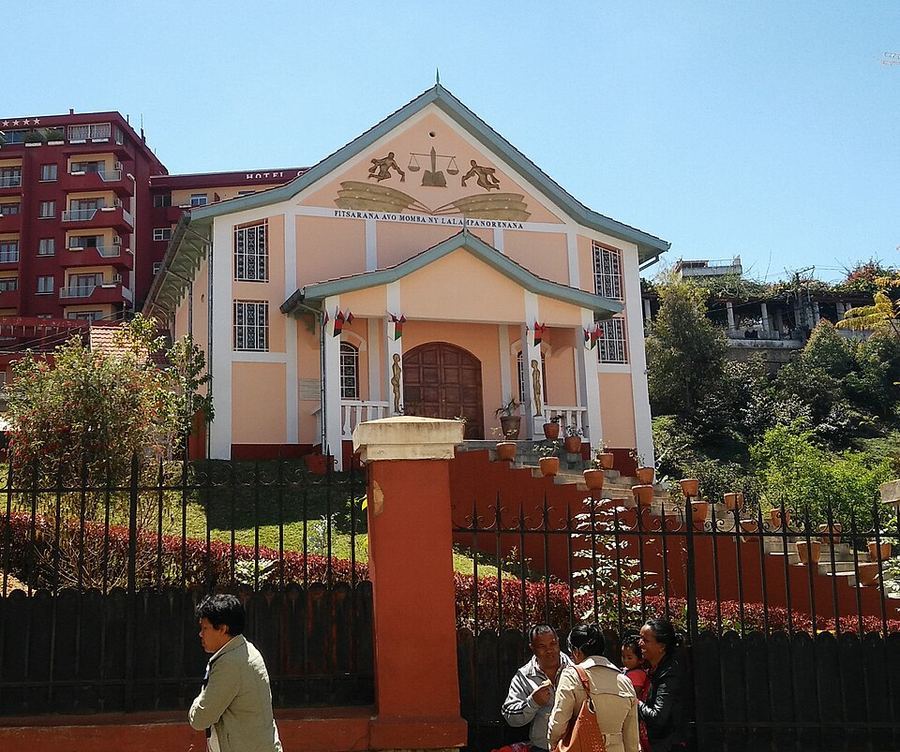
Coming — dataNotable institutions, mappable as points.
Coming — data