HERA · Human Entity Reference Atlas by Masego Inc

← Maldives 🌐 3D View
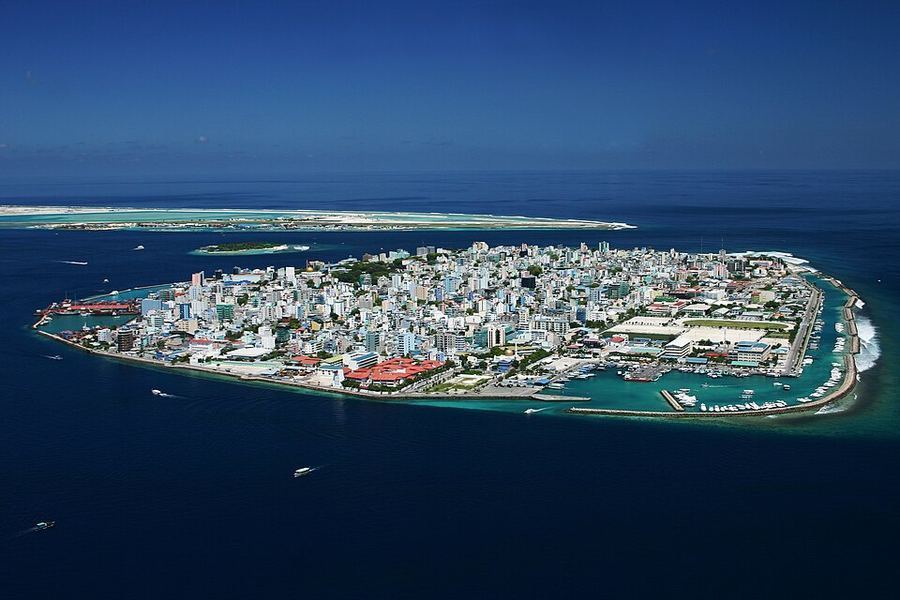
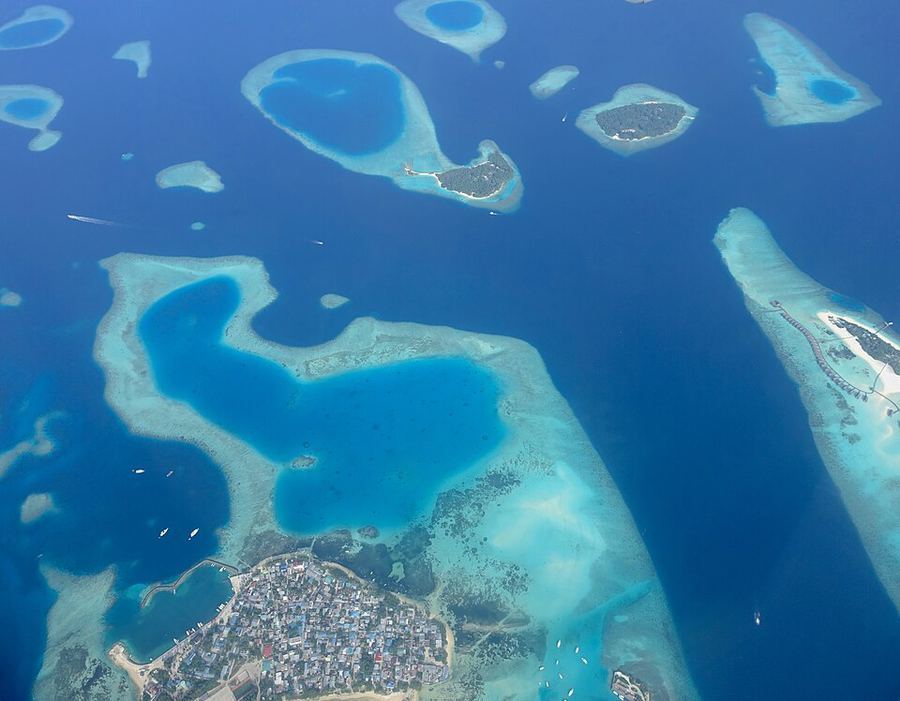
Malé skyline, Maldives, Maldives
Maldives MDV
Malé skyline, Maldives — Photo: Adam Jones from Kelowna, BC, Canada / CC BY-SA 2.0 via Wikimedia Commons
Did You Know The Maldives is the lowest country on earth: average ground level is about 1.5 metres above the sea, and its highest natural point, on Villingili in Addu Atoll, is roughly 2.4 metres. — CIA World Factbook

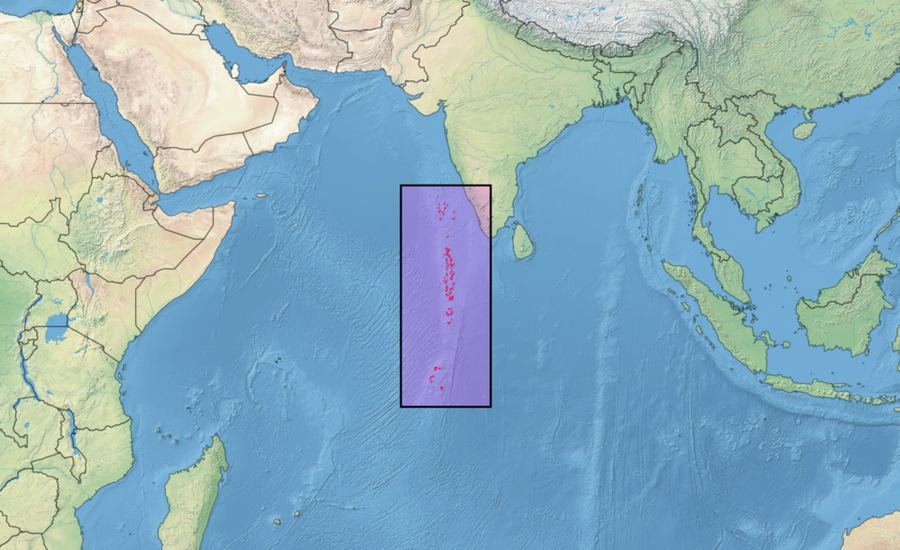
The Maldives is a presidential republic of about 390,000 people spread across some 1,190 coral islands in 26 atolls, strung for 820 kilometres along a submarine ridge in the Indian Ocean south-west of India. It is the lowest-lying country on earth: land averages about 1.5 metres above sea level and the highest natural point in the entire state is around 2.4 metres, which makes sea-level rise a question of national survival rather than of policy. Its people speak Dhivehi, an Indo-Aryan language written in the right-to-left Thaana script used nowhere else, and Islam is the state religion, with the constitution requiring citizens to be Muslim. Buddhist for some fourteen centuries before converting in 1153, the islands were ruled by a sultanate until 1968, held as a British protectorate from 1887, and became fully independent on 26 July 1965. The economy is the wealthiest in South Asia per head, roughly $23,400 on a purchasing-power basis, resting on two pillars: high-end resort tourism built on the one-island-one-resort model since 1972, and a pole-and-line skipjack tuna fishery that supplies its leading merchandise export. Male, the capital, is among the most densely populated cities in the world.

CIA World FactbookWorld BankEncyclopaedia Britannica
Population
388,858
Capital
Malé
Currency
None MVR
Time zones
Largest city
Malé
Human Geography Themes
Loading national figures…
Largest Cities
Malé229,283
In Perspective

Malé's urban core is home to about 229,283 people.

Among the world's megacities, though, it's one of many — the giants of Asia and Latin America run larger still:

Malé229,283
Jakarta40,545,126
Dhaka37,307,160
Tokyo33,244,670
Shanghai30,678,616
Cairo25,230,325
The Country & Its People

History

The Maldives was settled from the north — from Sri Lanka and southern India — and its language, Dhivehi, descends from an early form of Sinhala, which places the first arrivals well over two thousand years ago. For roughly fourteen centuries the islands were Buddhist, and the mounds known as hawitta scattered across the atolls are the stupas left behind; Thor Heyerdahl's excavations in the 1980s brought the Buddhist past back into public view. Conversion to Islam followed in 1153 under the king remembered as Dhovemi, who took the title Sultan Muhammad al-Adil, and the sultanate that began then lasted, with interruptions, until 1968. The Moroccan traveller Ibn Battuta lived in the islands in the 1340s and served as their chief judge, leaving the fullest medieval account of the country. The Portuguese seized Male in 1558 and held it for fifteen years until Muhammad Thakurufaanu al-Auzam drove them out, an event still marked as National Day. The Maldives became a British protectorate in 1887, retaining its sultan, and gained full independence on 26 July 1965. The sultanate was abolished by referendum in 1968, and Maumoon Abdul Gayoom then governed for thirty years until the first multiparty election in 2008.
Culture

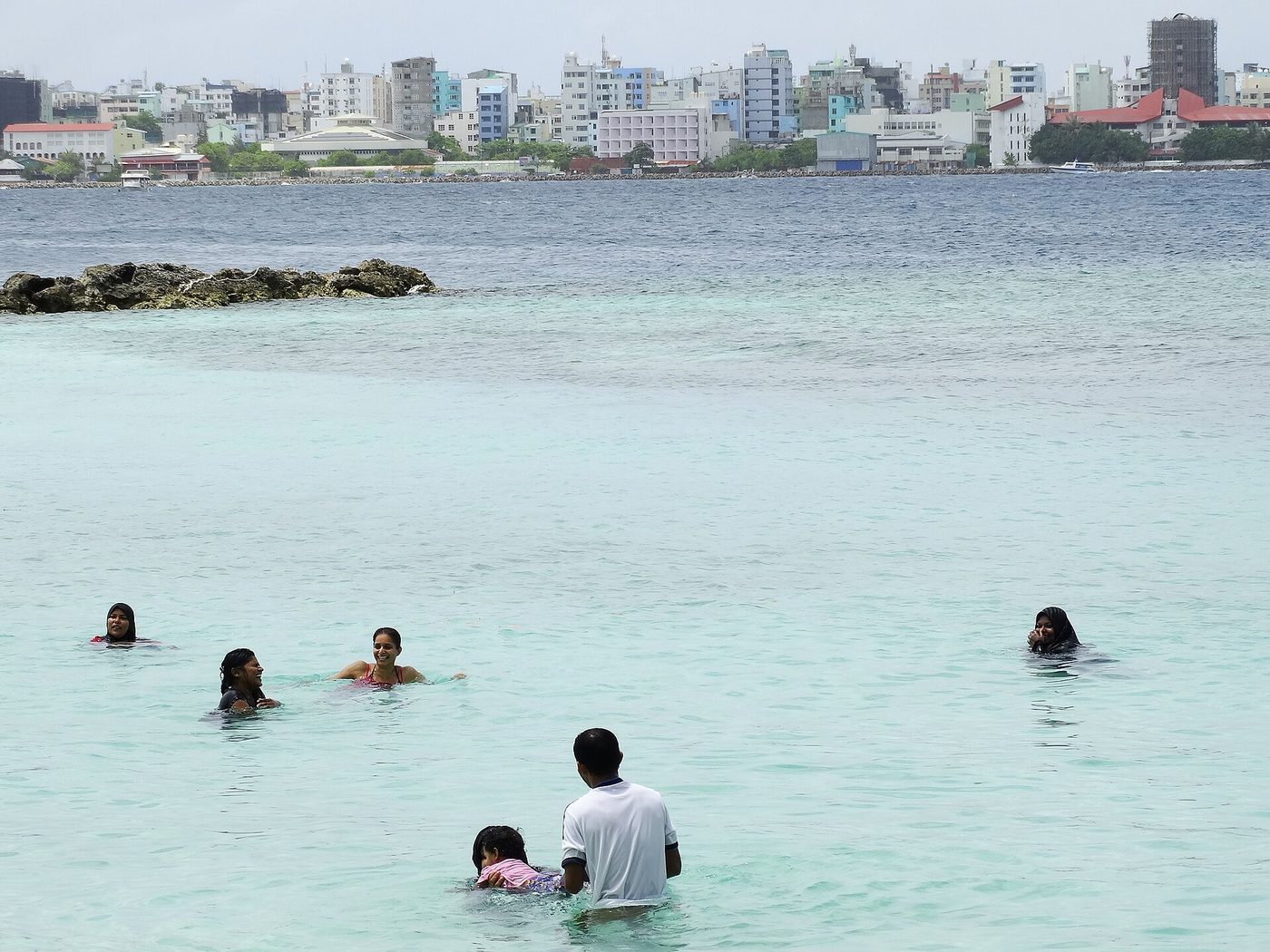
Maldivian society is small, Sunni Muslim and maritime, and all three facts shape it. Islam is the state religion and the constitution requires citizens to be Muslim, which makes the Maldives one of the very few countries with no religious minority recorded in its census. The rhythm of the week runs to Friday prayers, and Ramadan and the two Eids are the great communal occasions. Language is the other marker of identity: Dhivehi is spoken nowhere else except the Indian island of Minicoy, and it is written in Thaana, a script created in the sixteenth century that runs right to left and whose consonant shapes were adapted from Arabic and indigenous numerals — an alphabet used by no other language. Island communities are tightly bound, and the extended family and the island of origin remain the primary identities even for people who have spent their lives in Male. That capital, built on a single island of about two square kilometres, is among the most densely populated cities in the world, and the tension between crowded Male and depopulating outer atolls is the central social question of the modern country. Alcohol and pork are prohibited to citizens and confined to resort islands.

Points Of Pride

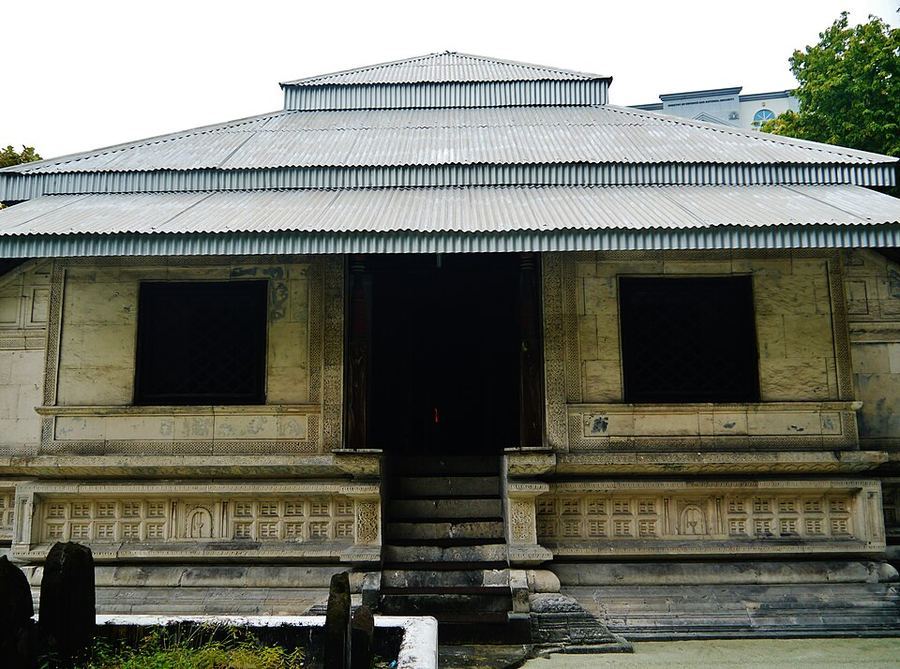
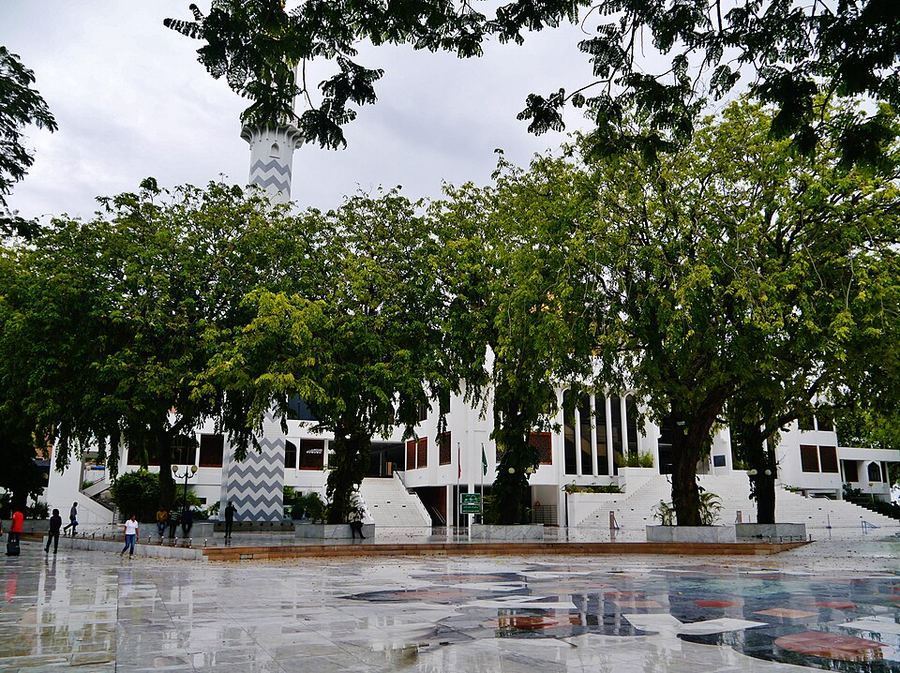
The English word atoll comes from Dhivehi — atholhu — which is a fair measure of how central these islands are to the geography they belong to. The Maldives is proud of a written language and script of its own, of having governed itself as a sultanate for eight centuries, and of having expelled the Portuguese in 1573 under Muhammad Thakurufaanu, whose story every schoolchild learns. Its finest building is Hukuru Miskiy, the Male Friday Mosque completed in 1658, whose walls are cut coral stone fitted without mortar and carved in interlocking relief, with lacquered timber and Quranic calligraphy inside; the coral stone mosques stand on UNESCO's tentative list, and the country has no inscribed World Heritage Site. Baa Atoll was designated a UNESCO Biosphere Reserve in 2011, and Hanifaru Bay within it hosts one of the largest known feeding aggregations of manta rays. The Maldives is also proud of two modern distinctions: its tuna fleet catches almost entirely by pole and line, one fish at a time, with purse seining banned in its waters, and it has been the most persistent voice in international climate negotiations on behalf of low-lying states.

Cultural Fusion

Nothing in the Maldives comes from only one direction, because the islands sat astride the Indian Ocean trade routes for as long as those routes existed. The population is described in the Factbook as a homogeneous mixture of Sinhalese, Dravidian, Arab, Australasian and African descent, the product of hegemonies over marine trade rather than of settlement waves that stayed separate. Dhivehi is Indo-Aryan in its bones, with a deep layer of Arabic religious and legal vocabulary, Persian and Urdu terms, and Portuguese and English borrowings picked up over four centuries of European contact. The script, Thaana, is itself a fusion — Arabic numerals turned into consonants, written right to left like the Quran but encoding an Indo-Aryan language. The music points somewhere else again: bodu beru, the drum-and-chorus form that is the country's signature, is East African in rhythm and instrument, brought by sailors and by people carried on the same ships. And the Maldives exported one thing that made it known everywhere: cowrie shells harvested from its lagoons circulated as currency across Bengal, West Africa and the Arab world for centuries, making these islands a source of money long before they were a destination.

Music & Dance

Bodu beru — literally big drum — is the Maldivian performance form, and it is unmistakably African in ancestry. A group of drummers strike coconut-wood drums headed with goat or manta skin, a lead singer calls verses in Dhivehi mixed with syllables no longer understood as language, and dancers move loosely at first and then with mounting intensity as the tempo builds toward a driving finish. It is played at weddings, Eid, political rallies and, in a sanitised form, for tourists, and it is the sound most Maldivians would name if asked what their country sounds like. Older forms survive alongside it: thaara, a seated performance with tambourine-like frame drums brought by Arab traders in the seventeenth century and traditionally performed by men in white; bandiyaa jehun, danced by women who beat rhythm on the metal water pots they once carried; dhandi jehun, a stick dance; and langiri. The raivaru is a traditional recited verse form with its own metre. Contemporary Maldivian pop and hip-hop, sung in Dhivehi, circulate almost entirely through social media, and the country supports no large commercial music industry.

Cuisine & Misattributed Foods

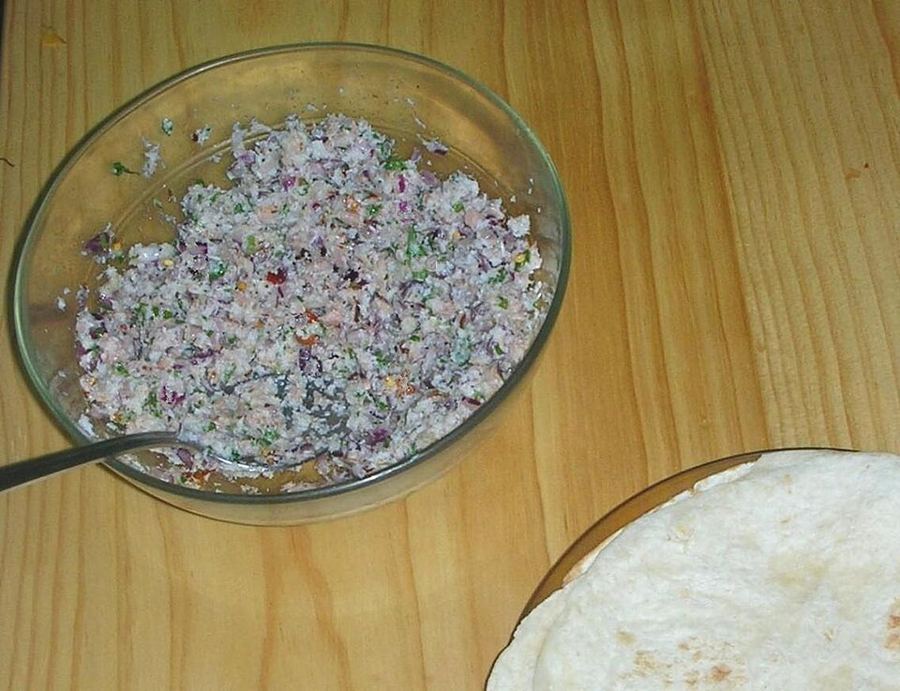
Maldivian cooking rests on three things: fish, coconut and starch. The fish is tuna, above all skipjack, caught by pole and line and present at nearly every meal. Garudhiya, a clear tuna broth, is the everyday dish, poured over rice and eaten with lime, chilli and raw onion. Mas huni — smoked tuna shredded and worked together with grated coconut, onion, chilli and lime — is the standard breakfast, scooped up with roshi flatbread. Rihaakuru, made by boiling tuna broth down over many hours into a thick dark paste, is the country's great preserved staple and its deepest savoury flavour, eaten with rice and chilli. Between meals come hedhikaa, the fried short eats sold in every tea shop: gulha, small dough balls filled with tuna and coconut; bajiya, folded pastries; masroshi, fish-stuffed flatbread; and kulhi boakibaa, a dense spiced fish cake. Fihunu mas is whole fish grilled with chilli paste. Sweets rely on coconut and palm sugar, as in bondibai rice pudding. Dried smoked tuna, Maldive fish, was the islands' principal export for centuries and remains a fixture of Sri Lankan and South Indian cooking.

National Dress

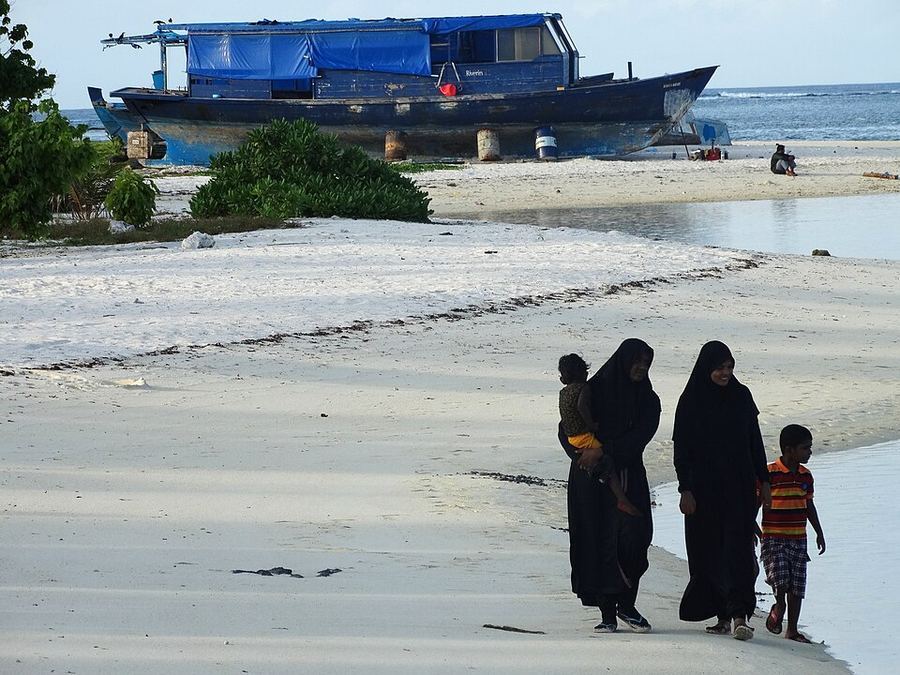
The Maldivian national dress for women is the dhivehi libaas, a long wide-sleeved tunic whose defining feature is the kasabu boavalhu, a broad collar band embroidered by hand in gold and silver thread in dense geometric patterns. Making one is a specialist craft measured in weeks rather than hours, and the quality of the collar is what a Maldivian eye reads first. The libaas is worn over the feyli, a wrapped skirt of dark cloth with a distinctive black-and-white striped border, and finished with a headscarf. Men's traditional dress is simpler: the mundu, a wrapped sarong, worn with a shirt, and formerly a sash and headcloth for occasions of state. Everyday clothing today is modern and modest — most Maldivian women wear the buruga headscarf with contemporary dress, and men wear western shirts and trousers, with the mundu common at home and on the outer islands. The libaas survives as ceremonial wear for National Day, Independence Day, cultural performances, weddings and school events, and has had a designer revival in Male that keeps the kasabu embroidery in commercial production.

Sports & Inspiring Athletes

Football is the national sport by a wide margin. It is played on sand on every inhabited island, organised nationally through the Dhivehi Premier League, and watched in numbers at the National Football Stadium in Male that no other event matches. Two traditional games survive with real participation. Bashi is a women's game unique to the Maldives, in which the server stands with her back to the court and strikes the ball backwards over her head with a racket toward a line of fielders who try to catch it barehanded. Baibalaa is a men's team game of the kabaddi family, played in a circle during Eid, in which raiders attempt to break through and touch defenders without being caught. Volleyball and, increasingly, cricket and basketball are played in schools, and the Maldives fields teams in South Asian regional competition. The reefs give the country a natural advantage in water sports: the breaks of North Male Atoll, including Chickens, Cokes and Pasta Point, are internationally rated, surfing has a strong domestic scene, and the Maldives has hosted world tour events. Swimming and free diving are near-universal skills rather than sports.

Notable Educational Programs

The Maldives has one of the highest literacy rates in South Asia, close to universal, achieved from a base of Quranic edhuruge and makthab schooling that taught reading in Thaana and Arabic across even the smallest islands. The modern system was built out from that foundation from the 1960s onward and follows a British-derived structure: primary and lower secondary in Dhivehi and English, then Cambridge O-Level and A-Level examinations, with English as the medium of instruction for most subjects above the early grades — an unusual choice that reflects the economy's dependence on tourism and shipping. The structural problem is scale. Many inhabited islands have populations too small to sustain a full secondary school, so students migrate to Male or to regional centres, which concentrates families in the capital and hollows out the atolls. Higher education was consolidated when the Maldives National University was established in 2011 from the former college of higher education, joined by the Islamic University of Maldives in 2015; a state scheme introduced in 2019 covers tuition for a first degree. Large numbers of Maldivians still study abroad, principally in Malaysia, Sri Lanka, India, Australia and the United Kingdom.

Wars & Conflicts

The Maldives has never fought a war with another country, and its security history is one of coups and political violence. Attempts to overthrow the government in 1980 and 1983 were followed by a serious one in November 1988, when a small force of Sri Lankan PLOTE mercenaries landed in Male in support of a Maldivian businessman and came close to seizing the state; India responded within hours with an airborne intervention, Operation Cactus, which restored the government and shaped Maldivian-Indian relations for decades afterward. The democratic transition of 2008 did not end political conflict: Mohamed Nasheed resigned in disputed circumstances in 2012 in what his supporters described as a coup, was imprisoned in 2015 on a terrorism conviction that the United Nations Working Group on Arbitrary Detention found arbitrary, and was gravely injured by an improvised bomb outside his Male home in May 2021. Violent Islamist extremism is a genuine domestic concern, with a bombing in Male's Sultan Park injuring tourists in 2007, the disappearance of the journalist Ahmed Rilwan in 2014 and the murder of the blogger Yameen Rasheed in 2017 both unresolved for years, and a foreign-fighter outflow to Syria and Iraq that was high relative to population.
UCDPUNReutersBBCAmnesty International
Current as of 2026-08-07

Land & Border Disputes

The Maldives has no land border with any state, so its external disputes are maritime. The significant one was with Mauritius, over where to draw the boundary between the Maldivian exclusive economic zone and the waters around the Chagos Archipelago. After the International Court of Justice and the United Nations General Assembly affirmed Mauritius's position on Chagos, the two states took delimitation to a Special Chamber of the International Tribunal for the Law of the Sea, which delivered its judgment in April 2023 and fixed the boundary; both accepted it, closing a question that had also strained Maldivian relations within the Indian Ocean group. The boundary with India was settled by agreement in 1976, and the Maldives makes no claim to Minicoy, the Indian island whose people speak a dialect of Dhivehi. What remains is geopolitical rather than legal: the Maldives sits on the sea lanes between the Gulf and the Malacca Strait, and competition for influence between India and China has become a recurring feature of its domestic politics, most sharply in the 2023 election campaign and the subsequent withdrawal of Indian military personnel from the country in 2024.
Land, Life & Legacy

Land & Climate

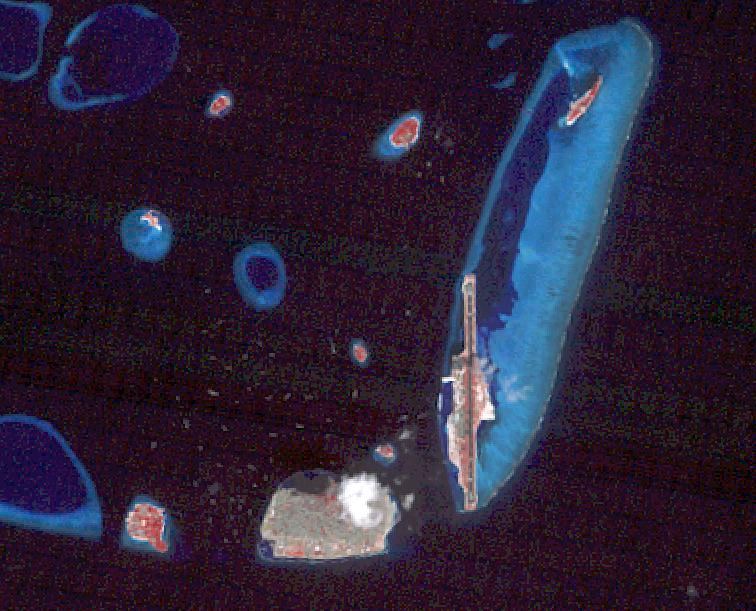
The Maldives is the lowest-lying country in the world. Around 1,190 coral islands sit on the rim of 26 natural atolls strung along a submarine ridge for some 820 kilometres north to south, straddling the equator; the archipelago is spread across roughly 90,000 square kilometres of ocean but the land itself amounts to under 300 square kilometres. Average ground elevation is about 1.5 metres above sea level and the highest natural point in the entire country is only around 2.4 metres, on Villingili in Addu Atoll — the lowest high point of any state on earth. There are no rivers, no hills and no mineral resources; fresh water comes from thin rainwater lenses and, increasingly, desalination. The climate is tropical monsoon, hot and humid year round, governed by the north-east iruvai from roughly November to April and the wetter, windier south-west hulhangu from May to November. The exposure is existential rather than theoretical: the 2004 Indian Ocean tsunami swept across low islands and displaced thousands, and sea-level rise, coral bleaching and saltwater intrusion into groundwater are the country's defining long-term hazards.

Entertainment

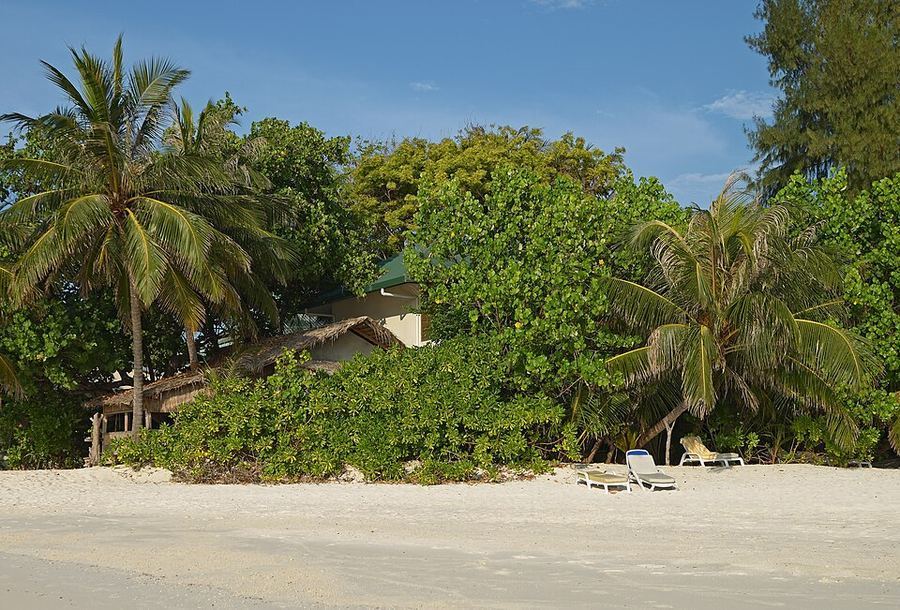
Maldivian leisure is shaped by having very little land and a great deal of water. Football is played on every island, usually on sand at the end of the afternoon, and the pitch doubles as the village common. Tea shops, the sai hotaa, are the social institution of Male and the atolls alike, where hedhikaa short eats are eaten standing up at all hours and where island politics is conducted. The traditional furniture of rest is the joali, a slung rope-net seat set in the shade of a tree, and the undhoali, a hanging swing bed on which whole families pass the hottest part of the day. Picnicking on an uninhabited island, fishing at night for reef fish, and swimming are ordinary weekend activities rather than holidays. Eid brings mass games, bodu beru drumming and inter-island visiting. The tourism the rest of the world associates with the Maldives runs on a separate track — the one-island-one-resort model established when Kurumba opened in 1972 kept visitors largely apart from inhabited islands — though guesthouse tourism on local islands, legalised in 2009, has begun to close that gap. Surfing and diving draw a specialist international following.

Art & Museums

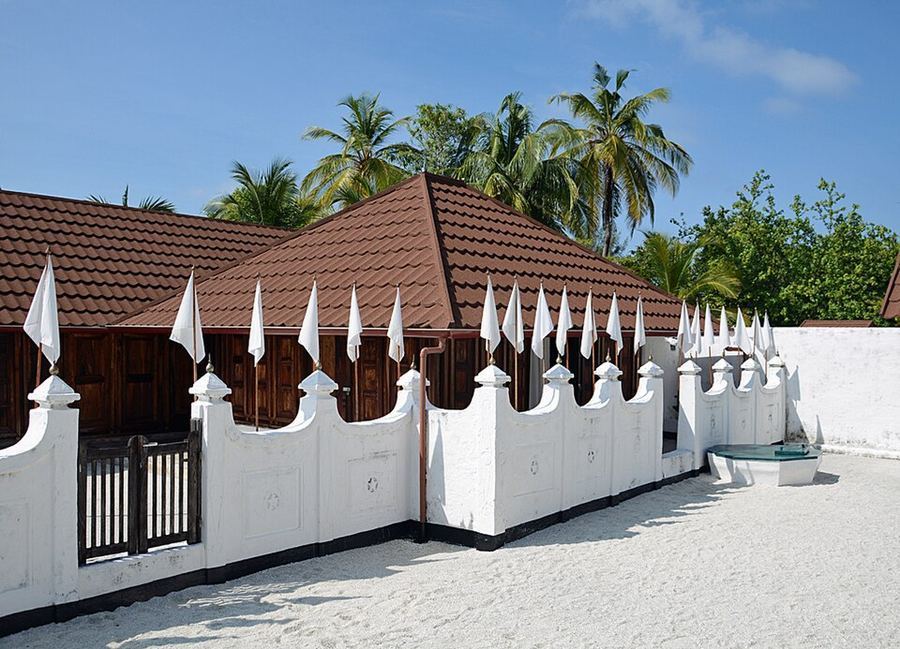
The great Maldivian art is coral stone carving. Between the sixteenth and eighteenth centuries builders quarried porites coral from the reefs, cut it while still soft, and fitted the blocks without mortar into interlocking joints, then carved the surfaces with foliate and calligraphic relief that hardened as the stone dried. Hukuru Miskiy in Male, finished in 1658, is the masterpiece, and the coral stone mosques of the atolls, together with their carved and lacquered timber interiors and the gravestones in their yards, form the country's principal architectural heritage and its entry on UNESCO's tentative list. Two island crafts remain in production. Liye laajehun, the lacquering of turned wood in layers of red, black and yellow which are then incised to reveal the colours beneath, is associated with Thulhaadhoo in Baa Atoll. Thundu kunaa, fine mats woven from local reeds dyed in natural browns and blacks, come from Gadhdhoo in Gaafu Dhaalu Atoll and were historically diplomatic gifts. Contemporary art is centred on the National Art Gallery in Male, and the Maldives mounted a national pavilion at the Venice Biennale in 2013 built around the theme of a nation at risk of disappearing.

Notable People

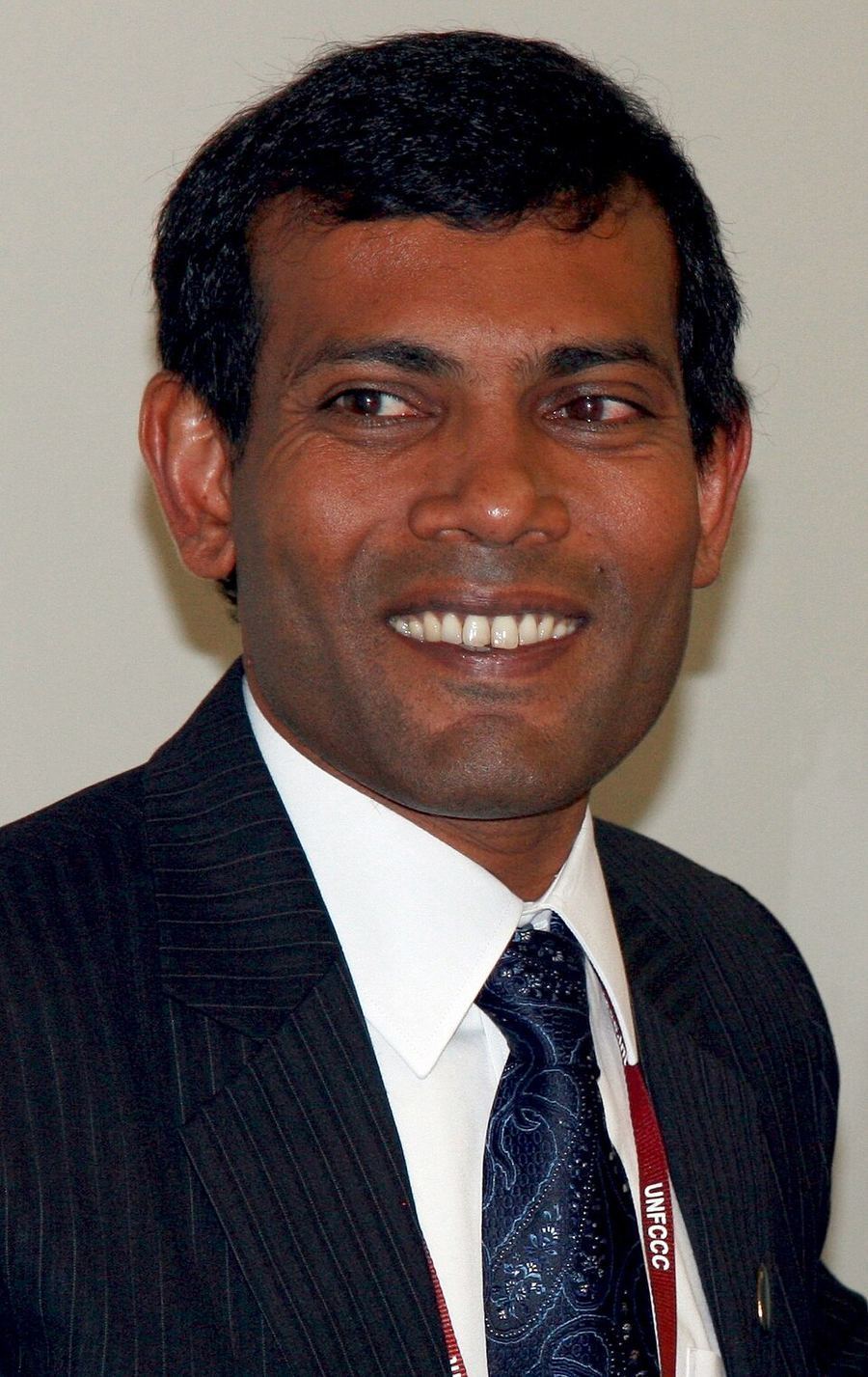
Muhammad Thakurufaanu al-Auzam, who with his brothers ended fifteen years of Portuguese occupation of Male in 1573 and founded a new dynasty, is the national hero, and the country's National Day marks his victory. The traveller Ibn Battuta is not Maldivian but is inseparable from Maldivian history: he lived in the islands in the 1340s, served as chief judge, married into the ruling elite, and wrote the earliest detailed outside description of the country. Mohamed Amin Didi led the modernising reforms of the mid-twentieth century, became the first president of the short-lived first republic in 1953, and is credited with the reorganisation of the fisheries and the promotion of women's education. Maumoon Abdul Gayoom, president from 1978 to 2008, presided over the creation of the resort tourism economy and over three decades of authoritarian rule. Mohamed Nasheed, the country's first democratically elected president, became internationally known as a climate campaigner — holding a cabinet meeting underwater in 2009 to dramatise sea-level rise — and survived a bomb attack outside his Male home in 2021. In sport, the footballer Ali Ashfaq is the national team's record goalscorer.

Inventions & Breakthroughs

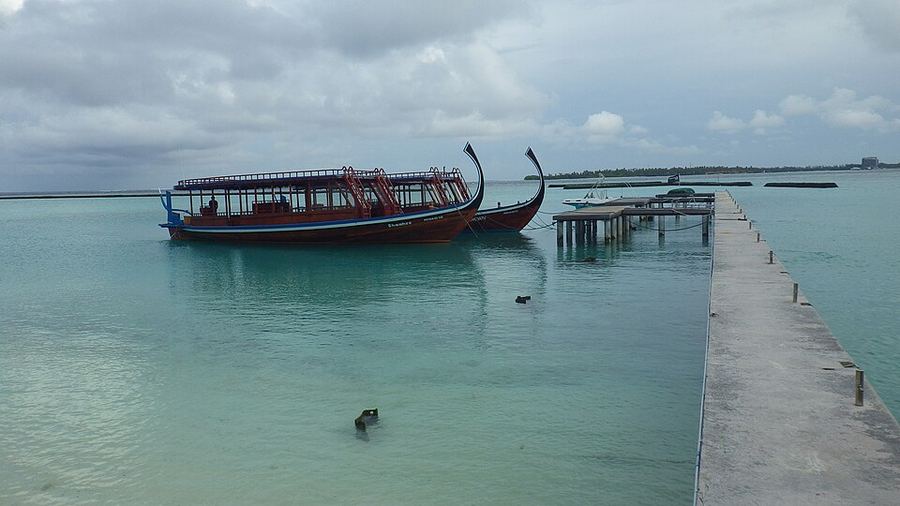
The Maldives is not a patent-producing economy, and its technical achievement is better described as adaptation to an extraordinarily constrained environment. The oldest example is the coral stone masonry of the mosques, in which blocks were cut underwater while soft, shaped with hooked joints and assembled without mortar so that the structure locks itself together — a technique developed nowhere else in this form and now impossible to repeat, since coral mining is banned. The dhoni, the lateen-rigged Maldivian boat with its high curved stem, was refined over centuries for reef passages and short interatoll crossings and remains the standard hull even after engines replaced sails. In fisheries the country has kept and industrialised a method most of the world abandoned: one-by-one pole and line fishing for skipjack tuna using live bait, which the Maldives protects by banning purse seining and longlining in its exclusive economic zone, giving it one of the lowest bycatch rates of any major tuna fishery. The most visible modern engineering is land itself — Hulhumale, dredged from a lagoon since 1997 and raised roughly two metres above the sea to house a population that Male cannot hold.

Science & Technology

Maldivian science is overwhelmingly marine and climatic, because those are the country's existential subjects. Reef monitoring, coral bleaching surveys and coral restoration work run through the Maldives Marine Research Institute and a network of resort-based and international research programmes, and the manta ray aggregations at Hanifaru Bay in Baa Atoll support one of the longest-running photo-identification datasets on the species anywhere. The country has used science diplomatically as well: it convened small-state discussions of sea-level rise from the late 1980s, helped found the Alliance of Small Island States, and made itself the lead voice for low-lying countries in climate negotiations, a case dramatised when the cabinet met underwater in 2009. Engineering effort goes into water and land — desalination on islands with no rivers, sea walls around Male, raised reclamation at Hulhumale, and the Sinamale bridge opened in 2018 linking Male to the airport island. Energy policy is a slow shift from imported diesel toward solar on island grids, supported by World Bank programmes. Waste is the unsolved problem, concentrated at Thilafushi, an industrial island built on a filled lagoon.
World BankIPCCNatureUN
On The World Stage

Champions & Defining Moments

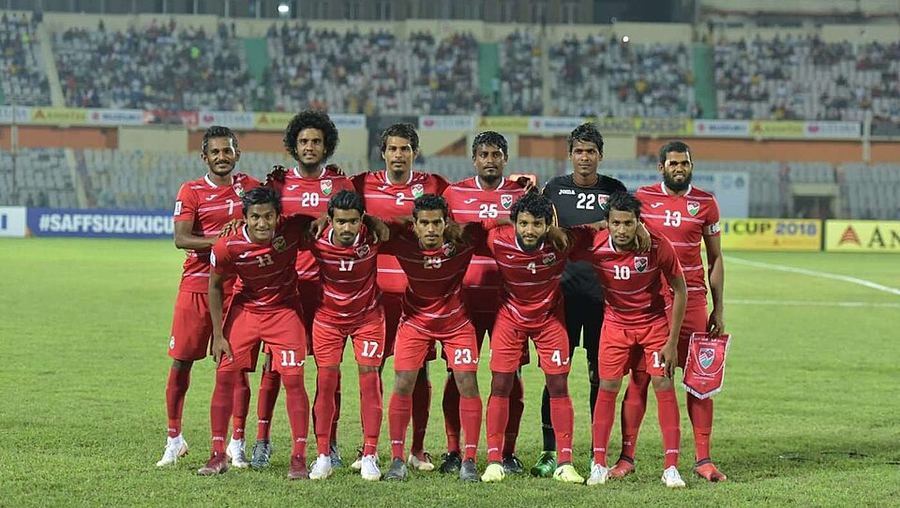
The Maldives has one clear international sporting achievement, and it belongs to football: victory at the South Asian Football Federation Championship in 2008, when the national team beat India in the final in Colombo, and again in 2018 in Dhaka. For a country of under 400,000 people competing against India, Pakistan, Bangladesh, Sri Lanka, Nepal, Bhutan and Afghanistan, those two titles carry real weight, and Ali Ashfaq's goalscoring record is a national statistic. Beyond the region the country's presence is modest. The Maldives has competed at every Summer Olympic Games since Seoul in 1988, sending very small delegations in athletics, swimming and badminton, and has never won an Olympic medal — one of the larger group of states still in that position. Surfing is the discipline where Maldivian conditions rather than Maldivian athletes attract the world: the atolls host international tour events and a steady flow of professional visitors. In diplomacy adjacent to sport, the Maldives is a consistent participant in Commonwealth and Islamic Solidarity Games competition, and its national teams travel widely relative to the country's size.

FIFAIOCOlympedia
Economy, Trade & Government

Currency & GDP

Rufiyaa — MVR (None)

GDP (PPP): $12.325 billion (2024 est.)

Per capita: $23,400 (2024 est.)

Exports

$5.413 billion (2024 est.)

fish, aircraft, refined petroleum, scrap iron, natural gas (2023)

Partners: Thailand 32%, India 21%, Singapore 9%, UK 7%, Germany 5% (2023)

Imports

$5.344 billion (2024 est.)

refined petroleum, plastic products, aircraft, granite, ships (2023)

Partners: India 15%, UAE 15%, Oman 14%, China 12%, Singapore 8% (2023)

Government

Type: presidential republic

Independence: 26 July 1965 (from the UK)

Terrain → Where People Live

How mountains, coasts, and rivers shape settlement (LandScan).

Coming — data

Migration & Ethnic Settlement

Where groups settled and how people move (GeoEPR + UNHCR).

Coming — data

Universities

Notable institutions, mappable as points.

Coming — data
Economy & government facts: CIA World Factbook (public domain), via OpenFactBook / factbook.json.
Every fact and narrative claim will carry a visible source citation. Data-driven sections light up automatically wherever HERA has coverage.