HERA · Human Entity Reference Atlas by Masego Inc

← Marshall Islands 🌐 3D View
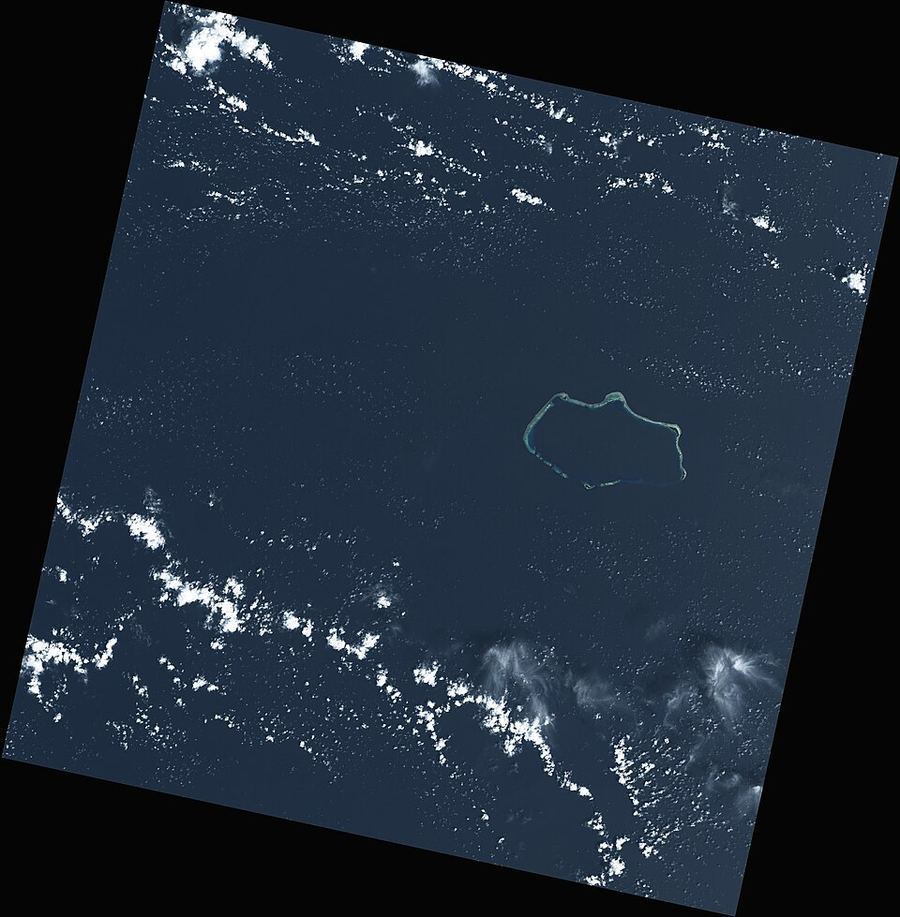
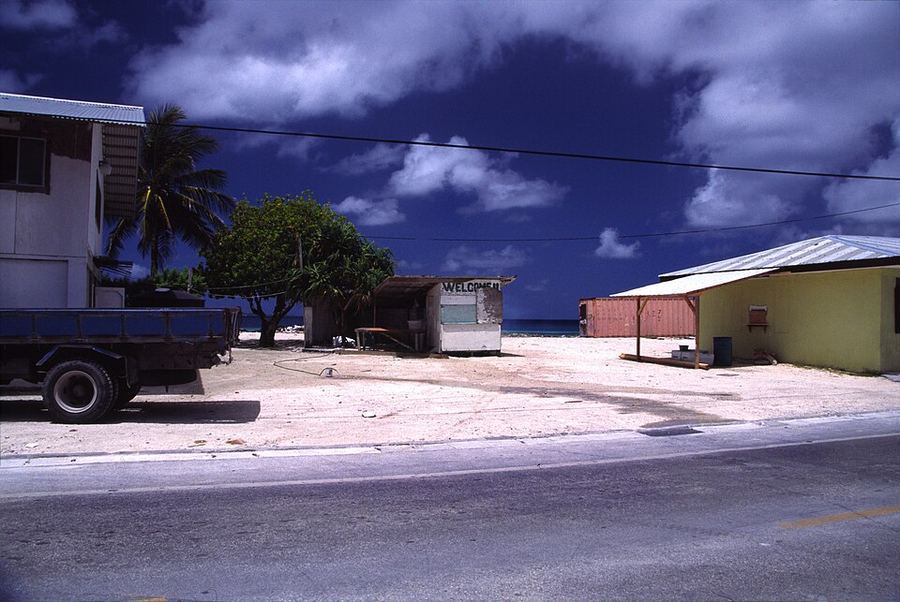
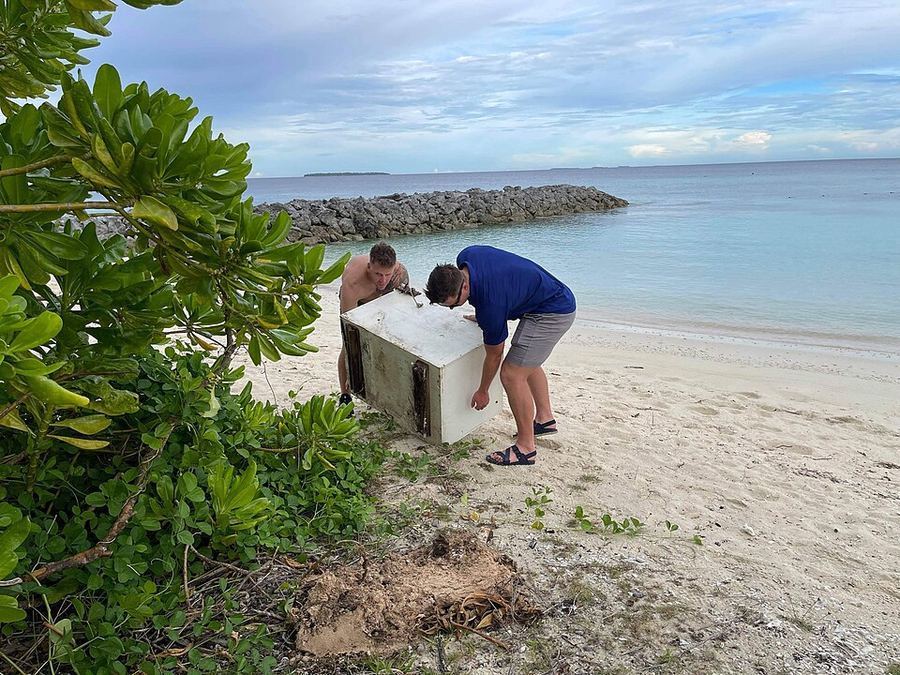
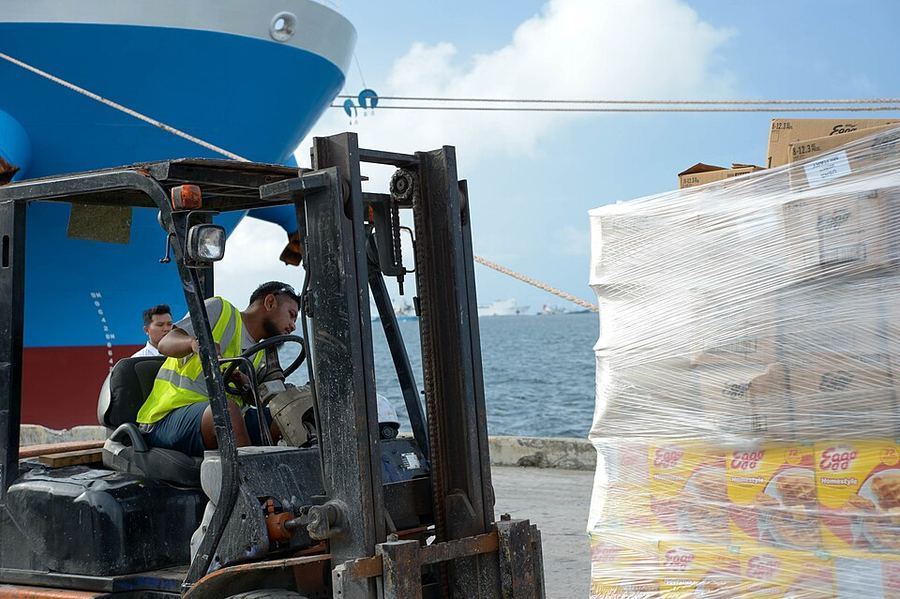
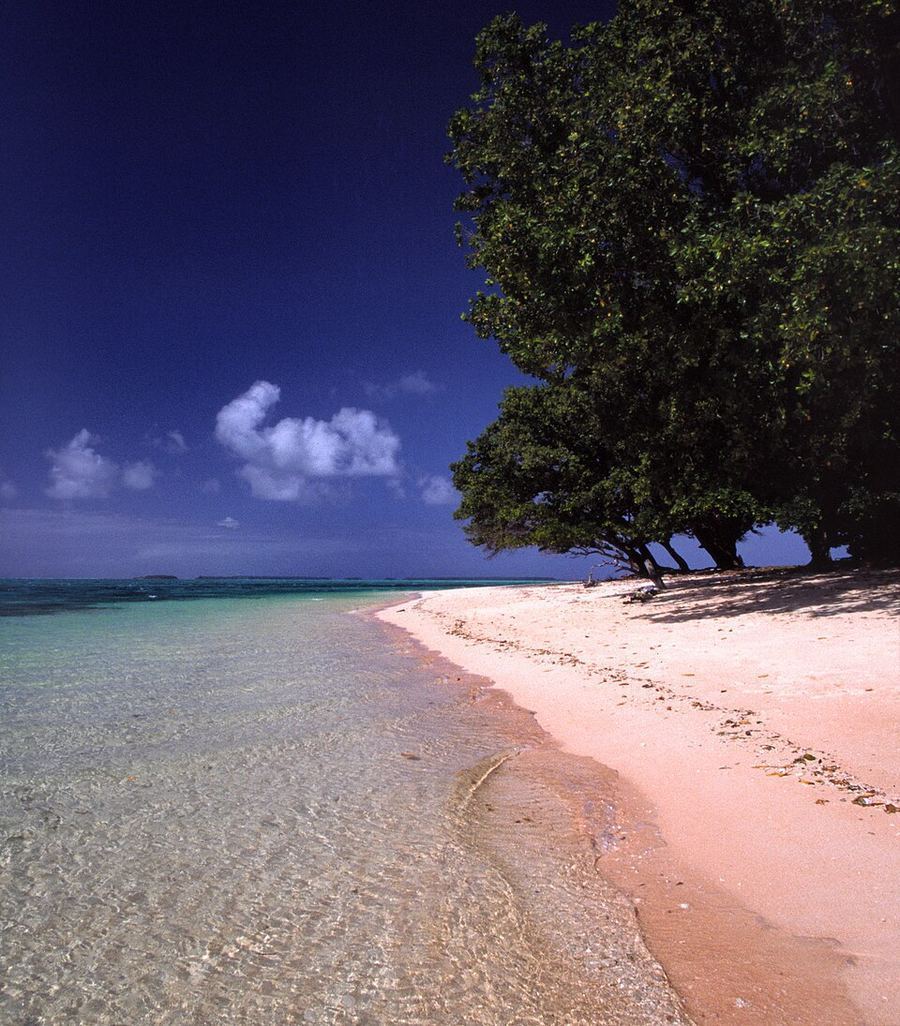
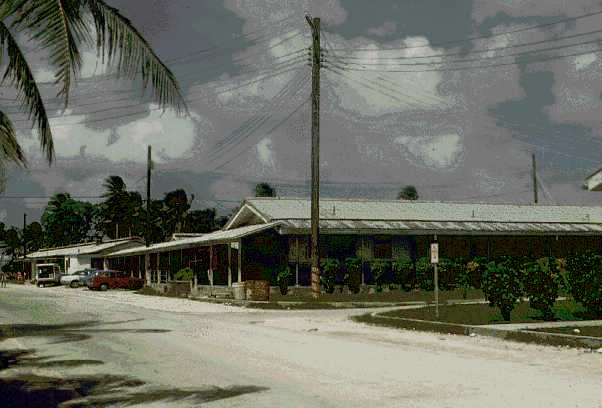
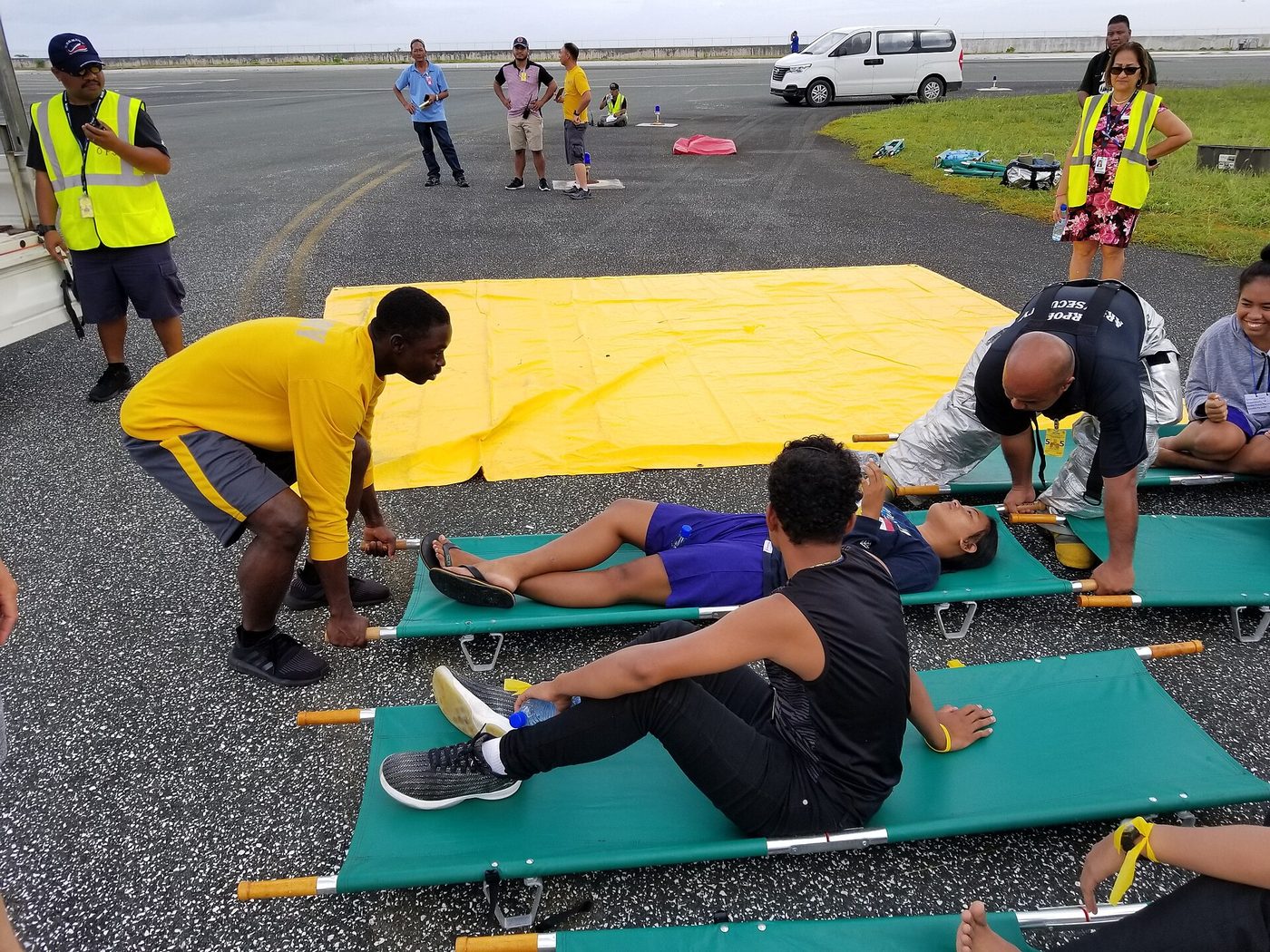
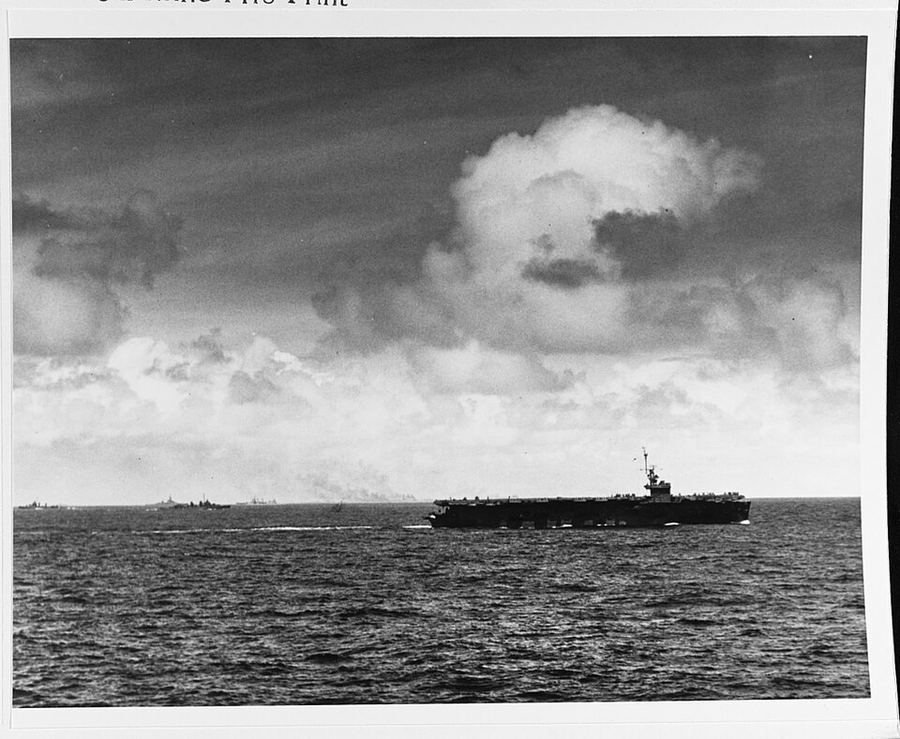
MAJURO ATOLL, Marshall Islands (Aug 22, 2019) (5737515), Marshall Islands
Marshall Islands MHL
MAJURO ATOLL, Marshall Islands (Aug 22, 2019) (5737515) — Photo: U.S. Navy photo by [null Courtesy] / Public domain via Wikimedia Commons
Did You Know Land in the Marshall Islands descends through the mother's line: rights are held by the bwij, the maternal lineage, and shared among chiefs, lineage heads and the people who work the land. — Encyclopaedia Britannica

The Republic of the Marshall Islands is a nation of about 82,000 people living on 29 coral atolls and five low islands scattered across roughly two million square kilometres of the central Pacific — under 200 square kilometres of dry land, none of it more than about ten metres above the sea. Its people are Marshallese, 95.6% of the population, speaking a Micronesian language that 98.2% of the country uses daily, and their society is matrilineal: land descends through the mother's lineage, which makes the system of chiefs, lineage heads and workers the organising structure of national life. Settled some two thousand years ago by navigators who mapped the ocean by the behaviour of its swells, the islands passed through Spanish, German, Japanese and American administration before a constitution in 1979 and the Compact of Free Association that took effect on 21 October 1986. Between 1946 and 1958 the United States tested 67 nuclear weapons at Bikini and Enewetak, and the displacement, contamination and unpaid compensation that followed remain the defining national grievance. The country uses the United States dollar, runs one of the world's largest ship registries, and has become one of the most persistent voices in international climate diplomacy.

CIA World FactbookUNEncyclopaedia Britannica
Population
82,011
Capital
Majuro
Currency
Time zones
Largest city
Human Geography Themes
Loading national figures…
The Country & Its People

History

Micronesian voyagers settled these atolls around two thousand years ago at the eastern edge of the Austronesian expansion, and developed one of the most sophisticated open-ocean navigation traditions in the world. The islands take their European name from John Marshall, a British captain who passed through in 1788. Spain claimed them nominally; Germany established a protectorate in 1885 and formalised its possession at the end of the century; Japan seized the group in 1914 and administered it under a League of Nations mandate, bringing settlers, schools and a Japanese layer to the language and economy that is still audible. The Second World War arrived in February 1944, when American forces took Kwajalein and Enewetak in the Pacific campaign's first assault on pre-war Japanese territory. The United States then administered the islands within the United Nations Trust Territory of the Pacific Islands, and between 1946 and 1958 detonated 67 nuclear weapons at Bikini and Enewetak — the decisive fact of modern Marshallese history. A constitution took effect in 1979, and the Compact of Free Association with the United States entered into force on 21 October 1986, ending trusteeship; the country joined the United Nations in 1991, and the Compact's economic provisions were renewed in 2023 and 2024.
Culture

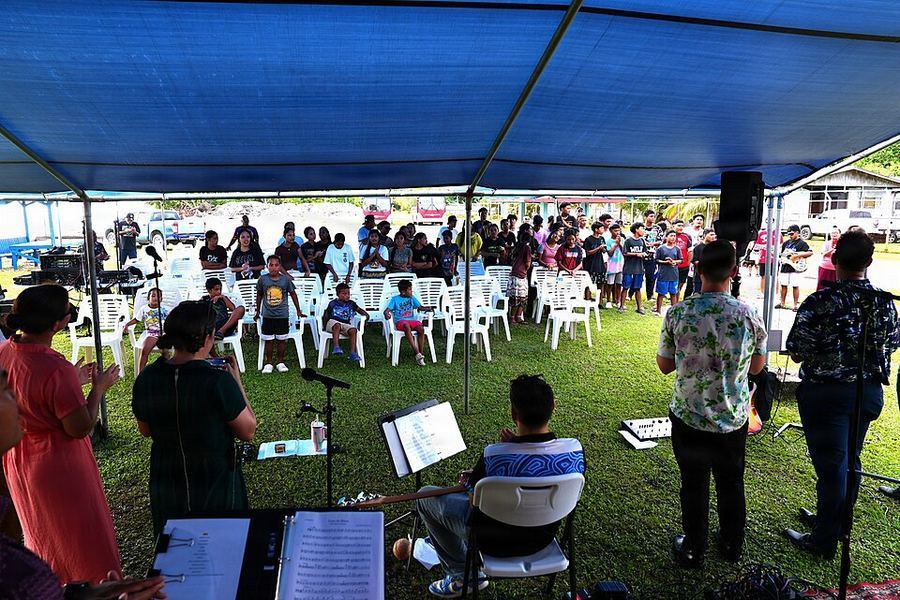
Marshallese society is matrilineal, and this is not a ceremonial survival but the working basis of land tenure. Rights to land descend through the bwij, the maternal lineage, and are held in a three-tier relationship among the iroij, the chiefs; the alap, the heads of lineages; and the rijerbal, the people who work the land. In a country whose total land area is under 200 square kilometres, that system governs almost everything, and it means women hold the land even where men hold formal office. The custom that frames all of it is called manit, marked by a national Custom Day each September. Christianity, brought by American Protestant missionaries from 1857, is nearly universal — 79.3% of the population is Protestant, with the United Church of Christ alone accounting for 47.9% — and the church is the main organiser of social life beyond the family. The great family celebration is the kemem, the party held on a child's first birthday, once a marker of surviving infancy and still the occasion on which a family spends most freely. Roughly a third of all Marshallese now live in the United States, so culture is maintained across an ocean.

Points Of Pride

Marshallese navigation is the country's greatest contribution to human knowledge. Master navigators, the ri-meto, learned to read the interference and refraction of ocean swells as they bend around atolls, and encoded that knowledge in stick charts — frameworks of coconut midrib lashed together with cowrie shells marking islands — which were teaching instruments rather than charts carried aboard. Wave piloting allowed accurate passage between low atolls invisible from more than a few miles away, and oceanographers have only recently modelled what these navigators were doing. The Marshall Islands is also proud of things it did not choose. Bikini Atoll Nuclear Test Site was inscribed on the UNESCO World Heritage List in 2010, entered as testimony to the nuclear age and to the people displaced by it. Kwajalein has the largest lagoon of any coral atoll on earth. In diplomacy the country is far larger than its size: Tony de Brum led the High Ambition Coalition that shaped the 1.5-degree language of the Paris Agreement in 2015, and Hilda Heine became the first woman elected president of any Pacific island country in 2016.

Cultural Fusion

The Marshall Islands has absorbed four foreign administrations in a century and a half and kept its language through all of them: Marshallese is spoken by 98.2% of the population, and 95.6% of people identify as Marshallese. What changed is everything layered over that base. American Protestant missionaries arriving in 1857 produced a written Marshallese, translated the Bible, and left a church culture that now defines the social calendar. German traders introduced copra as the cash crop. The Japanese period from 1914 to 1944 left the deepest linguistic mark — the ordinary Marshallese word for woven handicraft, amimono, is borrowed straight from Japanese, along with terms for electricity, machinery and foods, and Marshallese families of Japanese descent are prominent to this day. The American period brought English, the United States dollar as the national currency, basketball, and an imported diet whose consequences are severe. The Compact of Free Association gives Marshallese the right to live and work in the United States without a visa, and the resulting community in Springdale, Arkansas, drawn by work in poultry plants, is now the largest Marshallese settlement outside the islands themselves.

Music & Dance

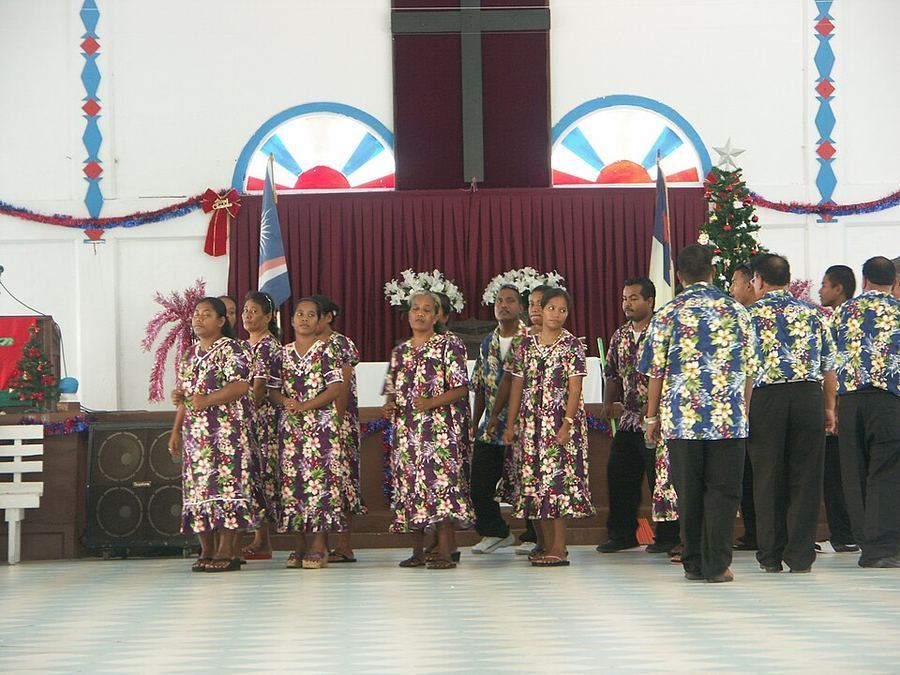
The dominant musical form in the Marshall Islands today is choral, and it is loud, intricate and everywhere. Nineteenth-century American hymns were taken up and reworked into a dense Marshallese part-singing that bears little resemblance to the originals, and church choirs are the country's principal musical institution. This peaks at Christmas, when jepta — competing groups organised by church and community — spend weeks rehearsing song and choreographed movement and then perform against each other in marathon services on Christmas Day, in what is by common agreement the biggest event of the Marshallese year. Older forms persist alongside it. The roro are chants, including the navigational chants that carried sailing directions in memorised verse. The jobwa is an ancient stick dance, performed with paired sticks struck in rhythm, which had nearly vanished before a deliberate revival returned it to public performance. The beit is the general term for dance. Ukulele and guitar accompany informal singing, and contemporary Marshallese popular music, much of it produced within the United States diaspora, blends island string-band styles with reggae and gospel.

Cuisine & Misattributed Foods

Very little grows on a coral atoll, and Marshallese food is built from the few plants that will tolerate salt and sand, plus everything the reef and ocean provide. The coconut is the foundation, used at every stage of ripeness — drinking nut, flesh, cream, and iu, the spongy sprouted centre eaten as a delicacy — and its sap, tapped from the flower stalk, gives jekaro, a sweet drink, which is boiled down to the syrup jekmai. Breadfruit and pandanus are the staple carbohydrates; breadfruit is preserved by fermentation in leaf-lined pits as bwiro, a technique that carried communities through drought and storm before imports arrived. Arrowroot, taro and papaya fill in. Fish is eaten constantly, raw, grilled or in coconut milk, along with reef shellfish, octopus and, on the outer islands, coconut crab. The Japanese period left rice, soy sauce and a taste for raw fish; the American period left white rice, tinned meat, instant noodles and sugared drinks, and the shift away from local food has produced one of the highest rates of type 2 diabetes in the world, which the government has treated as a national health emergency.

National Dress

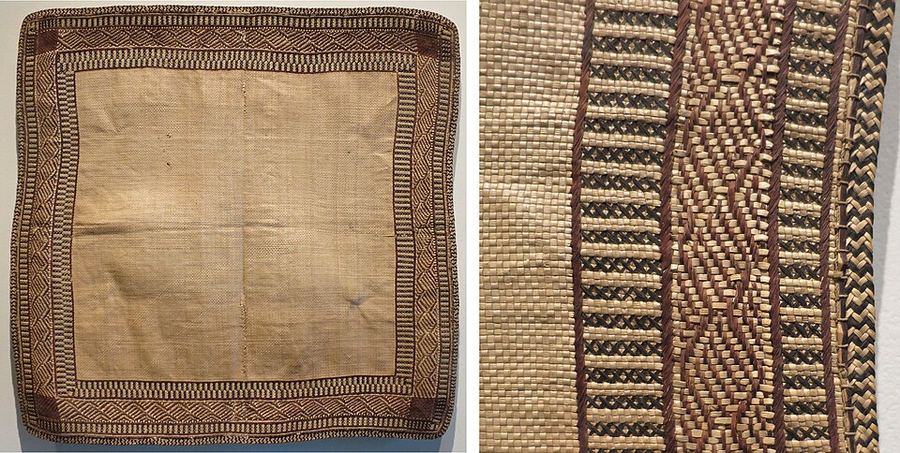
Before missionary contact, Marshallese clothing was woven from pandanus and hibiscus fibre — fine mats worn as wrapped skirts, produced to a standard of workmanship that made them objects of exchange and tribute as much as garments. American missionaries in the nineteenth century replaced them with the long loose dress worn across the Pacific, and that garment, made up in bright printed cotton with lace or ruffle trim at the yoke and hem, has become the recognised women's dress of the country, worn to church, to kemem parties and to public occasions. Men wear shirts and shorts or trousers, with printed island shirts for formal events. Both wear flowers: the wut, a woven head wreath, and the marmar, a garland, are everyday adornment rather than costume, made fresh and given away. The older weaving survives as amimono — mats, baskets, fans and wall hangings of pandanus, which are the country's main handicraft export — and the finest form, the jaki-ed dress mat, had almost disappeared before a revival project brought weavers together to reconstruct the technique from surviving examples in museums.

Sports & Inspiring Athletes

Basketball is the most played sport in the Marshall Islands, with courts on Majuro and Ebeye in constant use and church, school and community leagues providing the competitive structure. Volleyball and softball follow, and athletics, swimming, weightlifting and taekwondo make up most of the country's international representation. Football has an unusual status: the Marshall Islands has long been among the very small number of sovereign states with no FIFA membership and no national team, and a national soccer federation was formed only in recent years with the explicit aim of changing that — a fact that has drawn more attention to Marshallese sport than anything else. Traditional competition is nautical. Outrigger canoe racing, revived through the canoe-building programme in Majuro, is now a fixture of national celebrations, and sailing skill retains the prestige it has always had in a country where navigators were the intellectual elite. Fishing competitions, including offshore billfish tournaments run out of Majuro, attract both local and visiting boats. Distance and cost are the binding constraints on everything: sending a team anywhere means a long and expensive flight.

Notable Educational Programs

Public education is free and compulsory in the early years, taught bilingually in Marshallese and English, with Marshallese dominant in the first grades and English taking over as students progress — a sequence that reflects both the survival of the language, spoken by 98.2% of the population, and the fact that most further study and most employment prospects lie in the United States. Delivering schooling across 29 widely separated atolls is the central difficulty: outer-island schools are small, teacher recruitment and retention are hard, and secondary education is concentrated in Majuro and on Ebeye, which pulls families toward the two urban centres. Completion rates and measured learning outcomes are low, and the system is heavily dependent on United States federal education funding channelled through the Compact. Higher education runs through the College of the Marshall Islands in Majuro, an accredited two-year institution offering associate degrees and teacher training, together with a University of the South Pacific centre. Students seeking a bachelor's degree generally leave, most often for Hawaii, Guam or the United States mainland, where the Compact allows them to live and work without a visa.

Wars & Conflicts

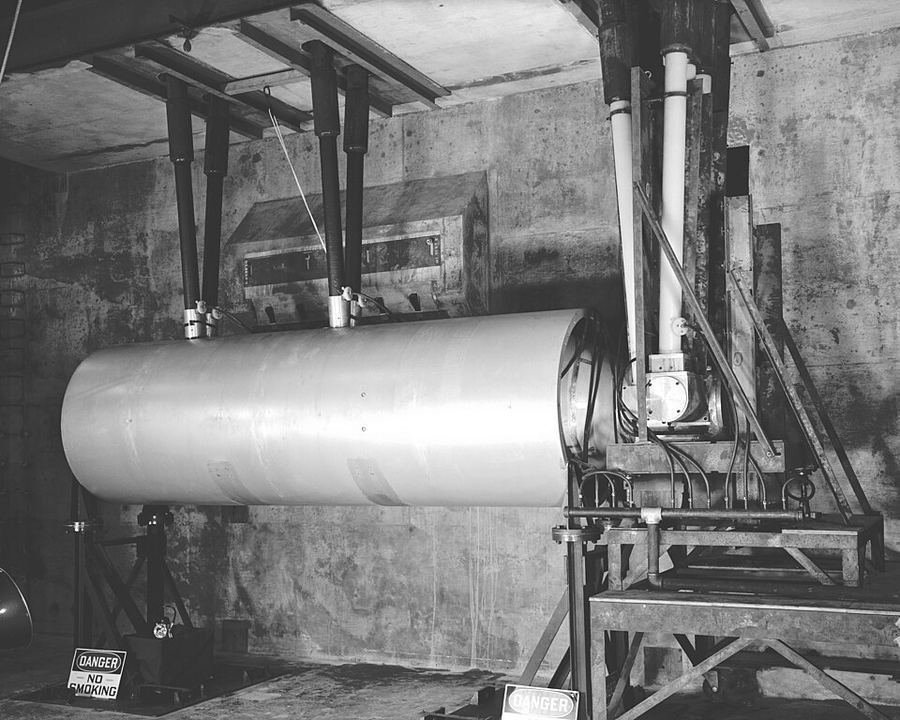
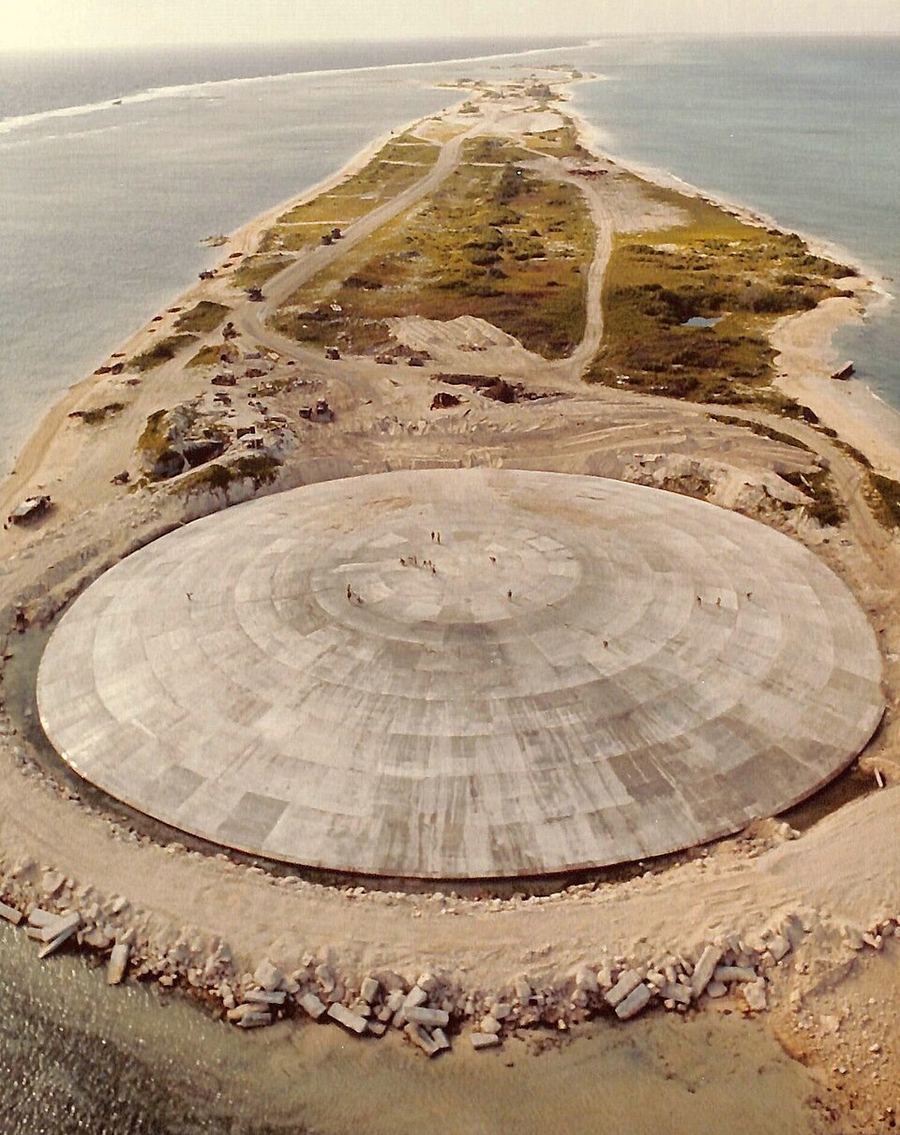
The Marshall Islands has no armed forces and has fought no war of its own, but war and its instruments have shaped the country more than almost anywhere else. American forces took Kwajalein and Enewetak from Japan in February 1944 in some of the Pacific war's heaviest fighting. Between 1946 and 1958 the United States detonated 67 nuclear weapons at Bikini and Enewetak. The largest, Castle Bravo, fired at Bikini on 1 March 1954, yielded fifteen megatons — roughly two and a half times what its designers predicted — and blanketed the inhabited atolls of Rongelap and Utrik in fallout, along with a Japanese fishing crew, causing acute radiation sickness, long-term cancers and permanent displacement. Bikini's people were moved in 1946 and have never returned; Rongelap's were evacuated again in 1985, carried out aboard the Greenpeace vessel Rainbow Warrior weeks before it was bombed in Auckland. The contaminated debris of Enewetak lies under the concrete Runit Dome, now cracking as the sea rises around it. A Nuclear Claims Tribunal established under the Compact awarded more than two billion dollars in compensation that was never funded.
Current as of 2026-08-07

Land & Border Disputes

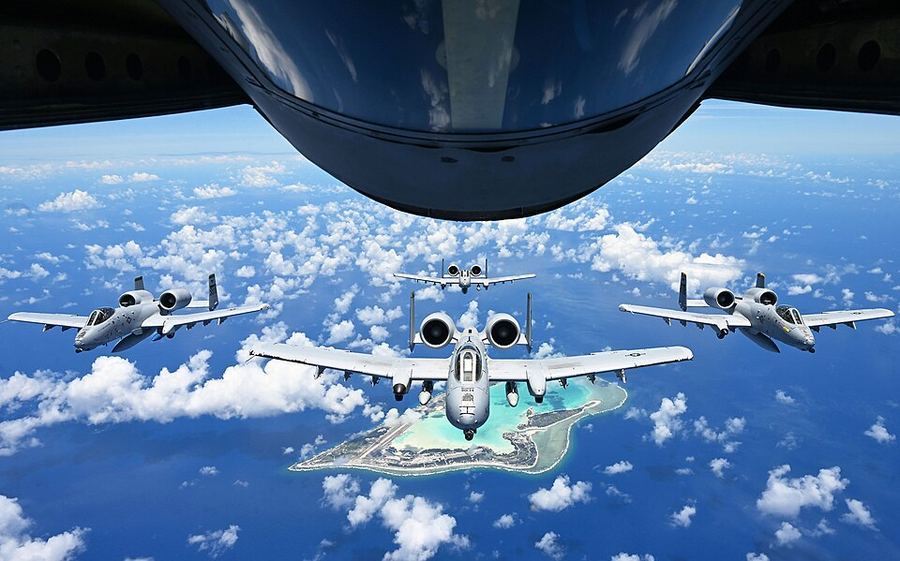
The Marshall Islands maintains a sovereignty claim to Wake Island, known in Marshallese as Enen-kio, which the United States administers as an unincorporated territory and uses as a military airfield; the claim rests on traditional voyaging and chiefly rights over the atoll and has not been pursued to adjudication. Maritime boundaries with the Federated States of Micronesia, Kiribati and Nauru have been addressed by treaty, and the country's exclusive economic zone — around two million square kilometres, more than ten thousand times its land area — is its most valuable asset, licensed principally to distant-water tuna fleets. The Marshall Islands is one of the small number of states that maintains full diplomatic relations with Taiwan rather than the People's Republic of China, which shapes much of its regional diplomacy. Its most distinctive international dispute was of its own making: in 2014 it filed applications at the International Court of Justice against nine nuclear-armed states, alleging failure to pursue disarmament negotiations in good faith. The Court dismissed the three cases it could hear — against the United Kingdom, India and Pakistan — on jurisdictional grounds in October 2016.
Land, Life & Legacy

Land & Climate

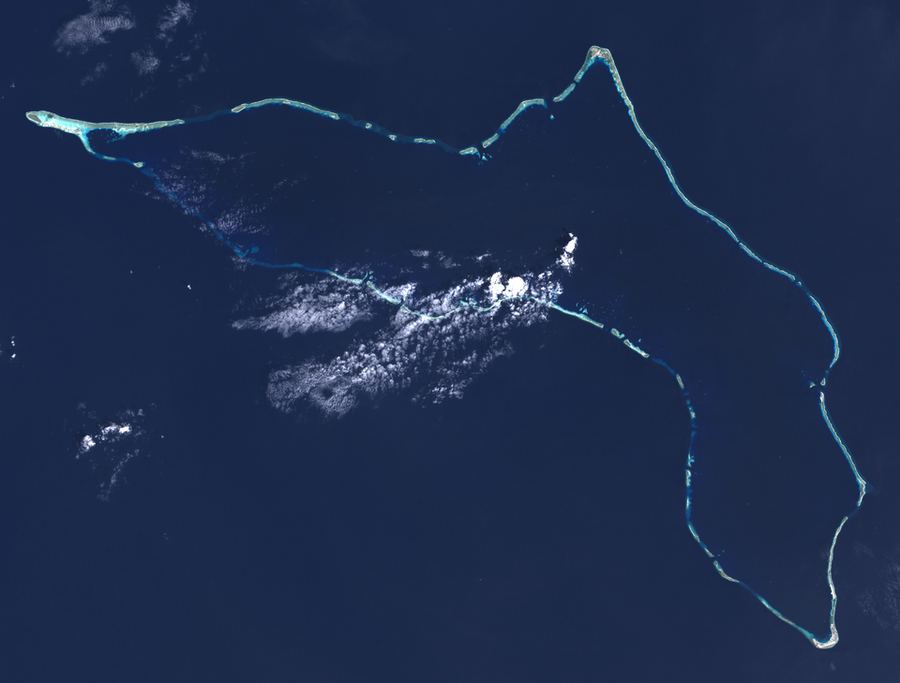
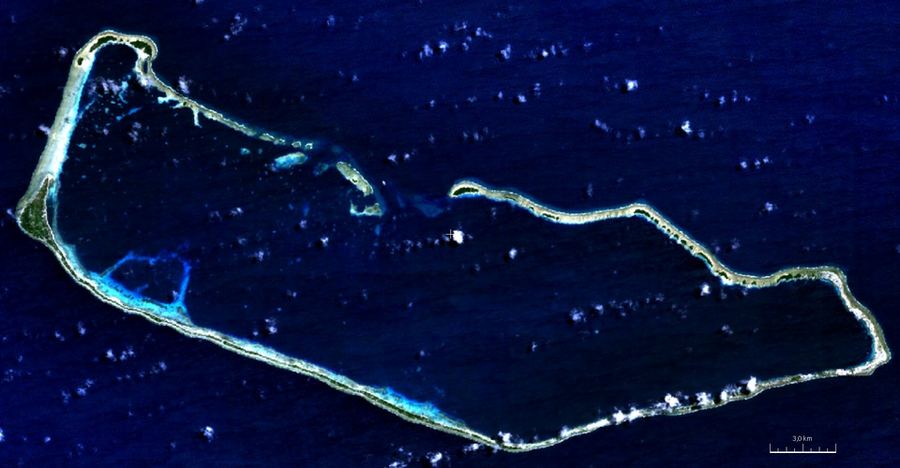
The Republic of the Marshall Islands consists of 29 coral atolls and five low islands, containing more than a thousand individual islets, scattered across roughly two million square kilometres of the central Pacific. The total dry land amounts to about 180 square kilometres — a country the size of a small city dispersed over an ocean area larger than Mexico. The atolls form two roughly parallel chains running north-west to south-east: Ratak, the sunrise chain to the east, and Ralik, the sunset chain to the west. Kwajalein encloses the largest lagoon of any coral atoll in the world. There are no hills, no rivers and no rock: average elevation is about two metres above sea level and the highest point in the country is around ten metres. Fresh water comes from rain catchment and shallow groundwater lenses that drought quickly exhausts, and the northern atolls are markedly drier than the south. The climate is hot, humid and tropical, wettest between May and November. Rising seas, king tides that flood the Majuro causeway, saltwater intrusion into taro pits and coral bleaching are not projections here but current conditions.

Entertainment

Life in the Marshall Islands is organised around the church, the family and the lagoon, and leisure follows the same lines. Basketball and volleyball are played on every available concrete surface in Majuro and on Ebeye, and school and church leagues carry serious local followings. Fishing is both work and recreation, and spearfishing, handlining and reef gleaning fill unstructured time. Bwebwenato — talking, storytelling, sitting together — is a named social activity in its own right and the way news, genealogy and custom actually move. The Christmas season, with weeks of jepta rehearsal followed by the competitions themselves, dominates the second half of the year, and a kemem for a first birthday will draw a whole community. Sailing has been consciously revived: the Waan Aelon in Majel programme teaches young people to build and sail traditional outrigger canoes, and racing them has become a public event. For visitors the country's extraordinary attraction is underwater — the Bikini lagoon holds the fleet sunk in the 1946 Operation Crossroads tests, including the aircraft carrier USS Saratoga and the Japanese battleship Nagato, making it one of the most remarkable wreck dives anywhere.

Art & Museums

Marshallese art is made from what the atolls yield: pandanus leaf, coconut fibre and husk, hibiscus bast, shell and wood. Weaving is the principal tradition and is done almost entirely by women — mats, baskets, fans, hats and wall hangings, known collectively by the Japanese loanword amimono, worked in natural browns, blacks and creams with geometric patterning whose motifs carry family and island association. The most demanding form is the jaki-ed, the finely woven dress mat, which had nearly passed out of living practice before weavers reconstructed it from museum holdings in a revival that is now a recognised national project. The stick charts of the navigators are the country's most famous objects, held in museums worldwide and made now for teaching and for sale. Canoe building is treated as a craft of the same order, with hull shape and lashing judged as closely as any carving. The Alele Museum in Majuro holds the national collection. The country's most visible contemporary artist works in words: the poet Kathy Jetnil-Kijiner, who performed a poem written for her daughter at the opening of the United Nations climate summit in 2014.

Notable People

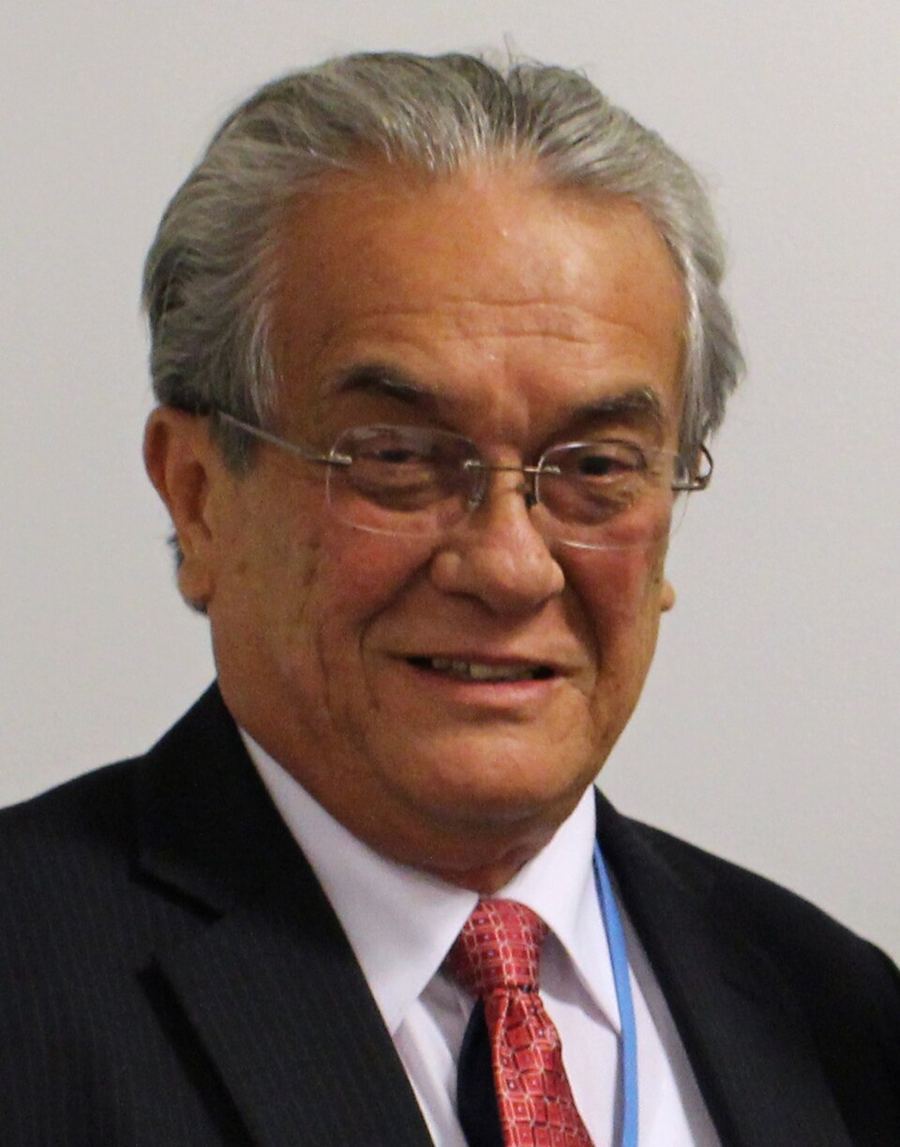
Amata Kabua, an iroij of high rank and the country's first president from 1979 until his death in 1996, negotiated the Compact of Free Association and shaped the terms on which the Marshall Islands became a state. Kessai Note, president from 2000 to 2008, was the first head of state who did not come from a chiefly line. Hilda Heine, elected in 2016 and again in 2024, was the first woman to lead any Pacific island country and the first Marshallese to earn a doctorate, having spent her career in education. Tony de Brum is the figure best known outside the country: a survivor of the Castle Bravo test as a child, he became foreign minister and led the High Ambition Coalition at the Paris climate negotiations in 2015, a diplomatic effort widely credited with putting the 1.5-degree goal into the agreement; he died in 2017. Kathy Jetnil-Kijiner, poet and climate activist, addressed the United Nations climate summit in 2014 and has become the country's cultural voice internationally. Darlene Keju-Johnson campaigned publicly on the health effects of the nuclear tests when doing so was politically unwelcome.

Inventions & Breakthroughs

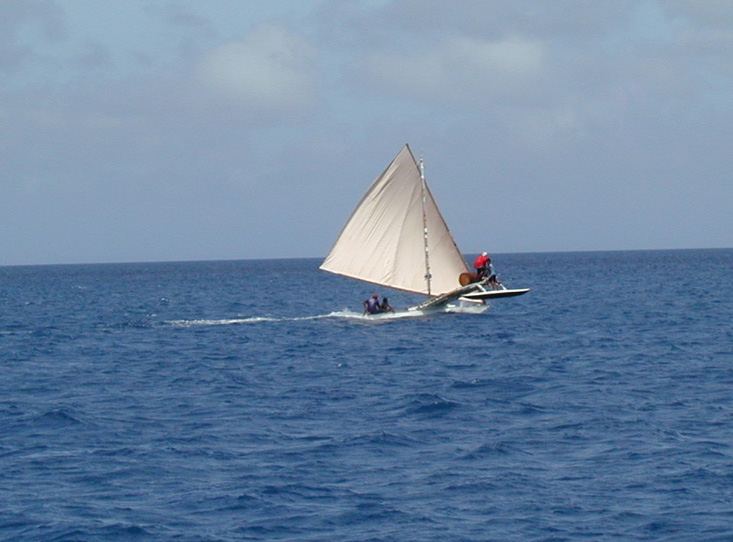
The Marshall Islands produced one genuine scientific instrument tradition, and it is remarkable. The stick charts — mattang for teaching principles, meddo for a group of atolls, rebbelib for a whole chain — are models of how ocean swells refract around and interfere behind low islands, made of lashed coconut midribs with shells for land. Navigators used them to learn a body of knowledge held in the body rather than on paper: wave piloting, the reading of swell patterns felt through the hull, which allowed reliable passage between atolls that cannot be seen until they are almost reached. This is a physical theory of wave behaviour developed independently and centuries before Western oceanography could describe the same interference patterns mathematically, and researchers have since worked with surviving navigators to reconstruct it. The second achievement is naval architecture: the Marshallese sailing outrigger, with its asymmetric hull that counters leeway and its shunting rig that swaps bow for stern rather than tacking, is among the fastest traditional sailing craft ever built. Beyond these, the country is a micro-economy with negligible research capacity, and it is more honest to say so than to claim otherwise.

Science & Technology

Two very different technical enterprises occupy the Marshall Islands. The first is American and located on Kwajalein, where the Ronald Reagan Ballistic Missile Defense Test Site tracks intercontinental missiles fired from California and supports deep-space surveillance; its equatorial position and clear range also made it a launch site, and the first Falcon 1 rocket to reach orbit lifted off from Omelek Island in the atoll in September 2008. The second is the country's own, and it is about survival. Marshallese scientists and officials work on radiological monitoring of the northern atolls and the deteriorating Runit Dome, on coral reef and fishery science underpinning the tuna licensing that funds the state, and on climate adaptation: the Reimaanlok framework guides community-based conservation, and the Marshall Islands was the first country to file a long-term 2050 decarbonisation strategy under the Paris Agreement. The country also runs one of the world's largest ship registries, administered from the United States, which is why ships dominate its trade statistics. A 2018 law authorising a sovereign digital currency drew warnings from the International Monetary Fund and has not been implemented.
UNIPCCIMFWorld BankScience
On The World Stage

Champions & Defining Moments

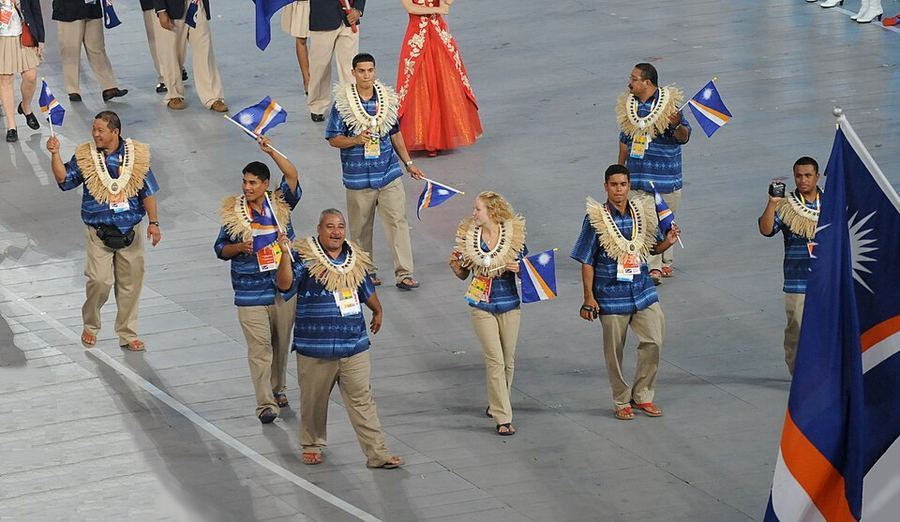
The Marshall Islands was recognised by the International Olympic Committee in 2006 and made its Olympic debut at Beijing in 2008, sending a handful of athletes in athletics, swimming and weightlifting; it has competed at every Summer Games since and has not won a medal. Its realistic international arena is regional: the Pacific Games and, above all, the Micronesian Games, where the country competes against Palau, the Federated States of Micronesia, Guam, Nauru, Kiribati and the Northern Marianas across athletics, swimming, basketball, volleyball, softball and traditional canoe events, and where Marshallese athletes are genuinely competitive. Its absence from FIFA leaves the country outside the world's largest sporting structure entirely, and the campaign to build a football programme from nothing has attracted international coaching help and coverage well out of proportion to the sport's current standing at home. A number of athletes of Marshallese descent compete for the United States, a consequence of the large diaspora, and American college sport is the usual route for the country's best basketball and track prospects.

IOCOlympediaFIFA
Economy, Trade & Government

Currency & GDP

GDP (PPP): $270.809 million (2024 est.)

Per capita: $7,200 (2024 est.)

Exports

$130.016 million (2021 est.)

ships, refined petroleum, fish, natural gas, stone processing machines (2023)

Partners: UK 16%, Germany 13%, Denmark 10%, Ghana 9%, Cyprus 9% (2023)

Imports

$206.025 million (2021 est.)

ships, refined petroleum, additive manufacturing machines, iron structures, crude petroleum (2023)

Partners: China 47%, Japan 15%, Germany 5%, Brazil 4%, Cyprus 4% (2023)

Government

Type: mixed presidential-parliamentary system in free association with the US

Independence: 21 October 1986 (from the US-administered UN trusteeship)

Terrain → Where People Live

How mountains, coasts, and rivers shape settlement (LandScan).

Coming — data

Migration & Ethnic Settlement

Where groups settled and how people move (GeoEPR + UNHCR).

Coming — data

Universities

Notable institutions, mappable as points.

Coming — data
Economy & government facts: CIA World Factbook (public domain), via OpenFactBook / factbook.json.
Every fact and narrative claim will carry a visible source citation. Data-driven sections light up automatically wherever HERA has coverage.