HERA · Human Entity Reference Atlas by Masego Inc

← Malta 🌐 3D View
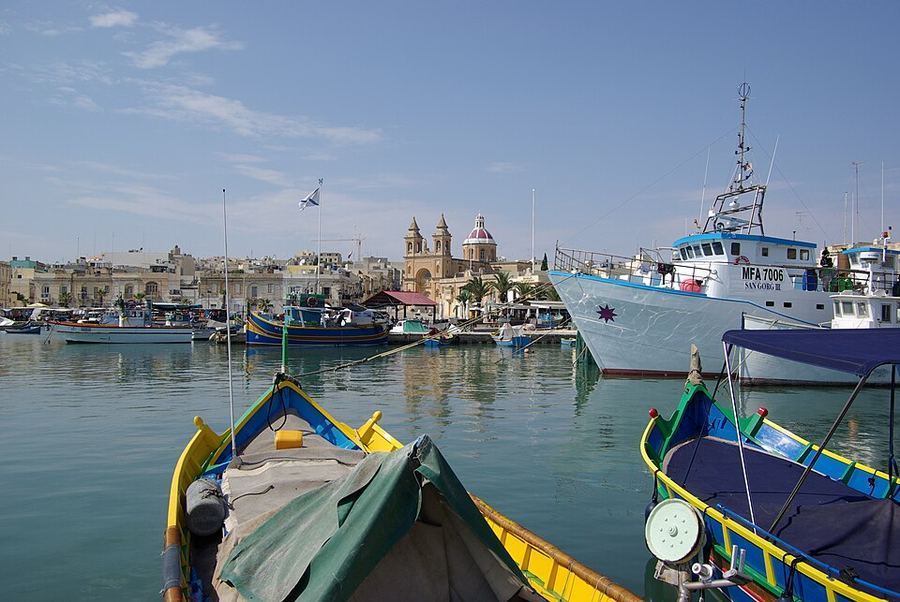
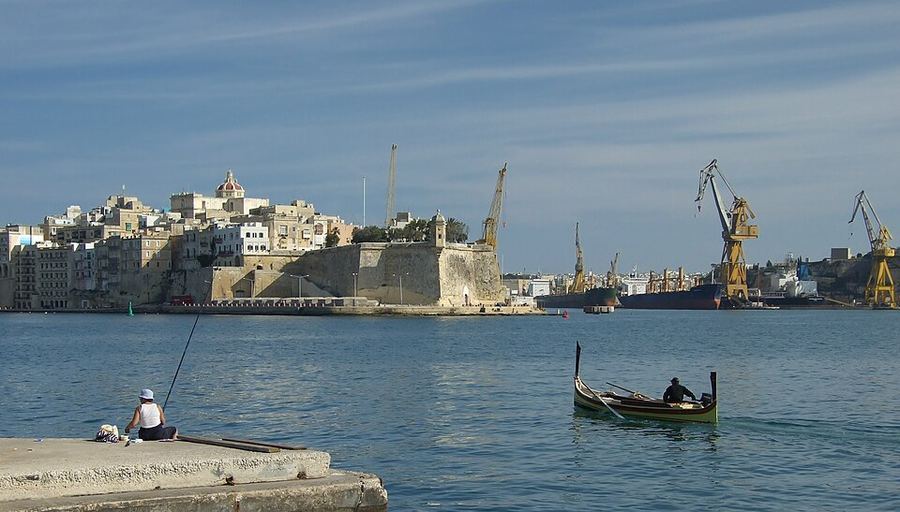
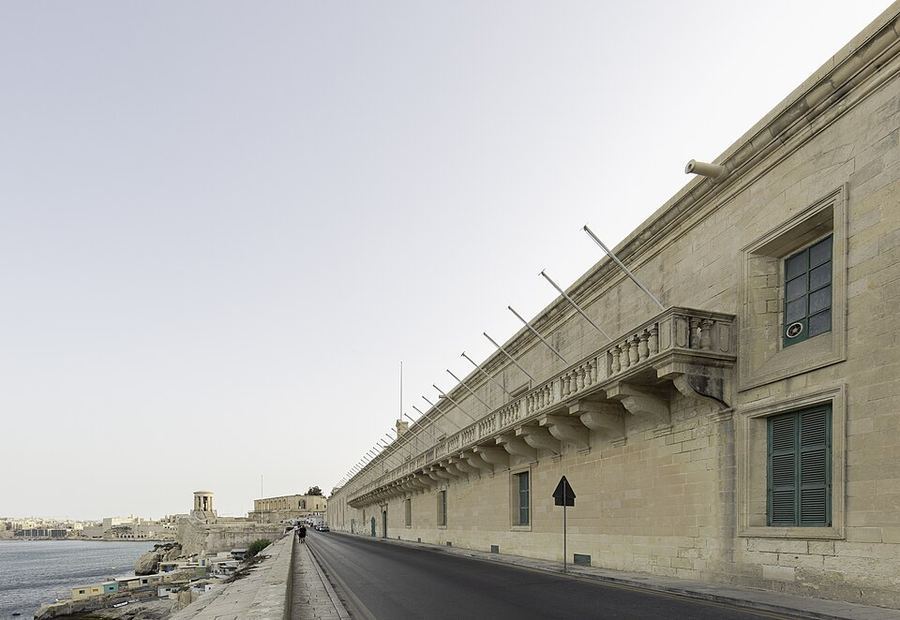
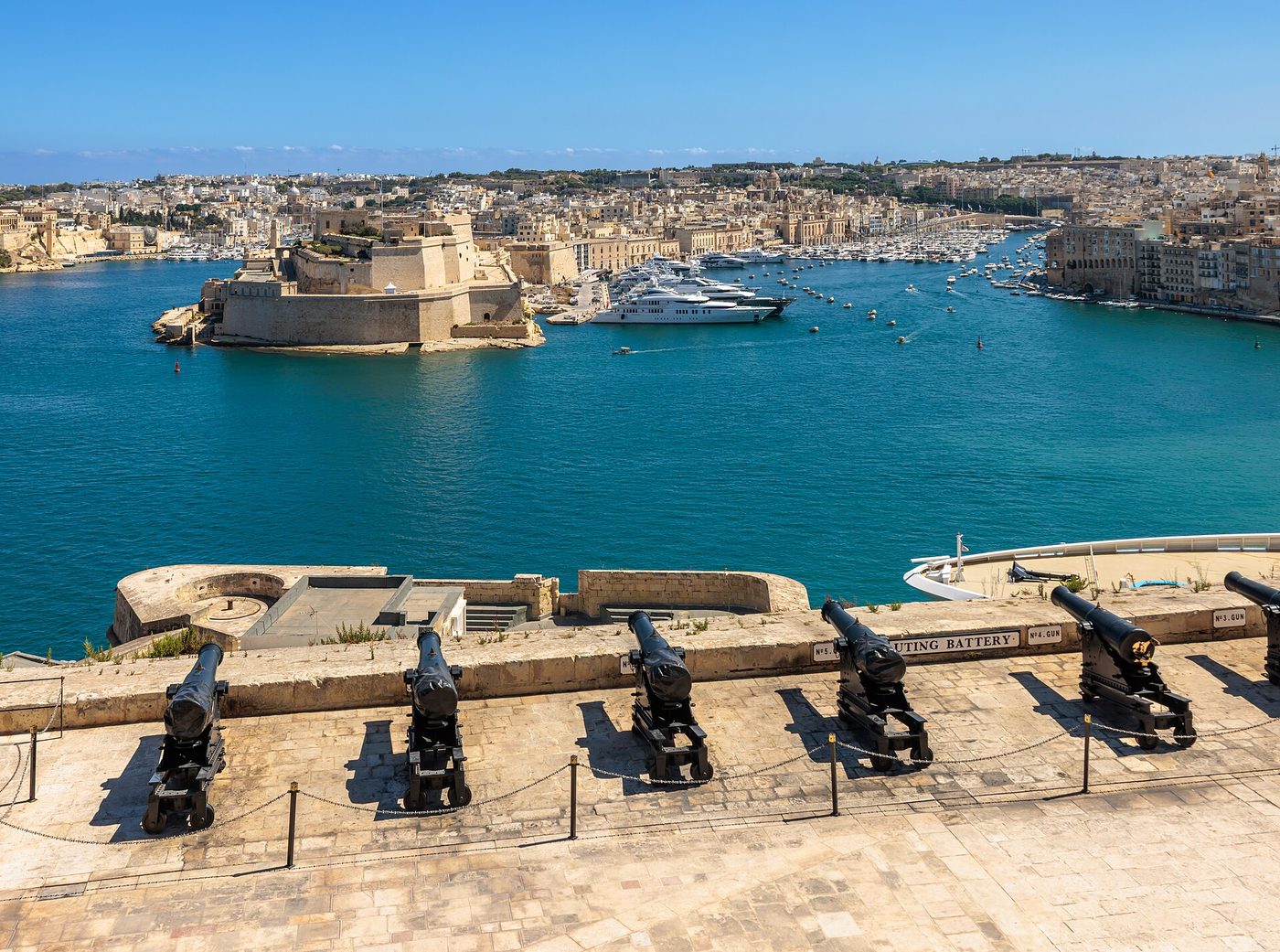
Valletta, Malta's Grand Harbor, Malta
Malta MLT
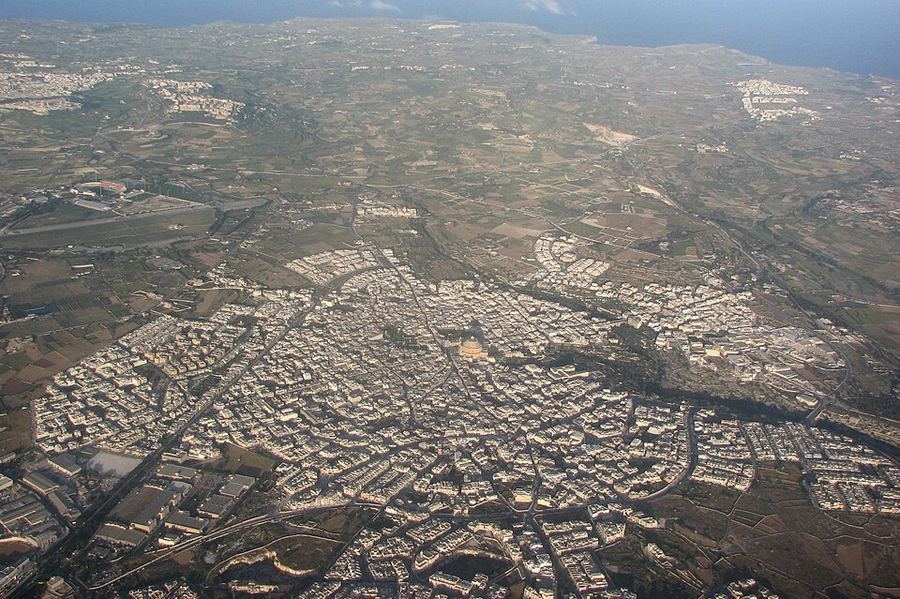
Valletta, Malta's Grand Harbor — Photo: TerryDOtt / CC BY 4.0 via Wikimedia Commons
Did You Know The Ġgantija temples on Gozo were raised around 3600 BC, making them older than Stonehenge and the pyramids of Giza and among the oldest free-standing stone structures known anywhere in the world. — UNESCO World Heritage Centre

Malta is a parliamentary republic of roughly 522,000 people occupying a small archipelago in the central Mediterranean, about 80 kilometres south of Sicily and some 300 kilometres north of the Libyan coast. The inhabited islands are Malta itself, Gozo and tiny Comino; together they cover barely 316 square kilometres, making Malta the smallest member state of the European Union and one of the most densely populated countries in the world. The capital, Valletta, is a fortified sixteenth-century city built by the Knights of St John and inscribed on the UNESCO World Heritage List. Malta's position on the sea lane between Europe and North Africa has made it a prize for Phoenicians, Romans, Arabs, Normans, the Order of St John, France and Britain in turn, and the layers show: the Maltese language is Semitic in structure but written in the Latin alphabet and saturated with Sicilian, Italian and English vocabulary, while the country is overwhelmingly Roman Catholic. Independence from the United Kingdom came on 21 September 1964, and Malta joined the European Union in 2004 and the euro area in 2008. Its economy is services-led and unusually open, with GDP per capita around $60,500 in purchasing-power terms, built on tourism, financial services, remote gaming, shipping and a large English-language teaching sector.

CIA World FactbookEncyclopaedia BritannicaUNESCO World Heritage Centre
Population
521,828
Capital
Valletta
Currency
€ EUR
Time zones
Largest city
Valletta
Human Geography Themes
Loading national figures…
Largest Cities
Valletta366,066
In Perspective

Valletta's urban core is home to about 366,066 people.

Among the world's megacities, though, it's one of many — the giants of Asia and Latin America run larger still:

Valletta366,066
Jakarta40,545,126
Dhaka37,307,160
Tokyo33,244,670
Shanghai30,678,616
Cairo25,230,325
The Country & Its People

History

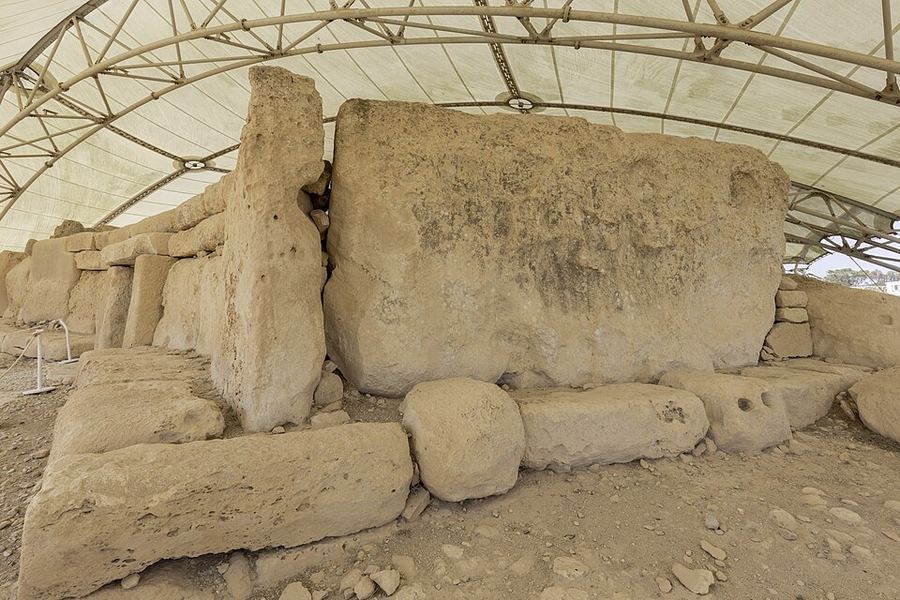
Malta's human record begins extraordinarily early. Between roughly 3600 and 2500 BC the islands' inhabitants raised the megalithic temples of Ġgantija on Gozo and Ħaġar Qim, Mnajdra and Tarxien on Malta, along with the subterranean Ħal Saflieni Hypogeum — structures older than the Egyptian pyramids and among the oldest free-standing stone buildings anywhere, all now UNESCO World Heritage sites. Phoenician settlers arrived in the early first millennium BC, Carthage followed, and Rome took the islands during the Second Punic War. Christian tradition holds that the apostle Paul was shipwrecked on Malta around AD 60. Arab rule began in 870 and left the decisive linguistic imprint, before Roger I of Sicily took the islands in 1091 and drew them into the Latin, Catholic orbit. In 1530 Emperor Charles V granted Malta to the Knights Hospitaller, who withstood the Ottoman Great Siege of 1565 and afterwards built Valletta as a new fortress capital. Napoleon seized the islands in 1798; a Maltese revolt and a British blockade followed, and Britain's possession was confirmed by the Treaty of Paris in 1814. Malta became a fortress colony and, in the Second World War, endured a two-year siege for which King George VI awarded the George Cross to the whole island in 1942. Independence came in 1964, a republic was declared in 1974, and the last British forces left in 1979.
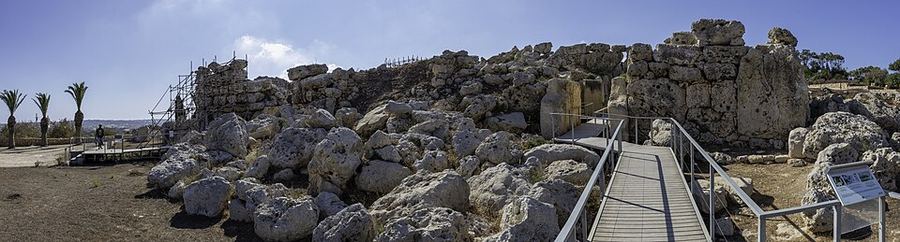
History, Malta
Diego Delso / CC BY-SA 4.0

Culture

Maltese life is organised to a remarkable degree around the parish. More than nine in ten Maltese identify as Roman Catholic, and Catholicism is named in the constitution as the religion of Malta. Every town and village keeps a patron saint, and the summer festa season turns each parish in turn into the centre of the islands: the titular statue is carried through streets hung with damask and papier-mâché statuary, brass bands from rival band clubs march late into the night, and the celebration ends with fireworks that Maltese pyrotechnic societies have refined into a competitive art. The band club — the każin tal-banda — is the durable social institution of the village, often paired with a rival club and with the political allegiance that goes with it. Politics itself is famously participatory: turnout in Maltese general elections has long been among the highest in Europe for a country without compulsory voting, and family loyalty to the Labour or Nationalist camp runs deep. Language marks identity as much as faith. Maltese is spoken at home by around 90% of the population, English is co-official and near-universal, and Italian is widely understood through decades of Sicilian television. Smallness shapes everything: kinship networks are dense, nicknames are inherited, and Gozo maintains a distinct, slower identity of its own.
Culture, Malta
JonasS at Lithuanian Wikipedia / CC BY-SA 3.0

Points Of Pride

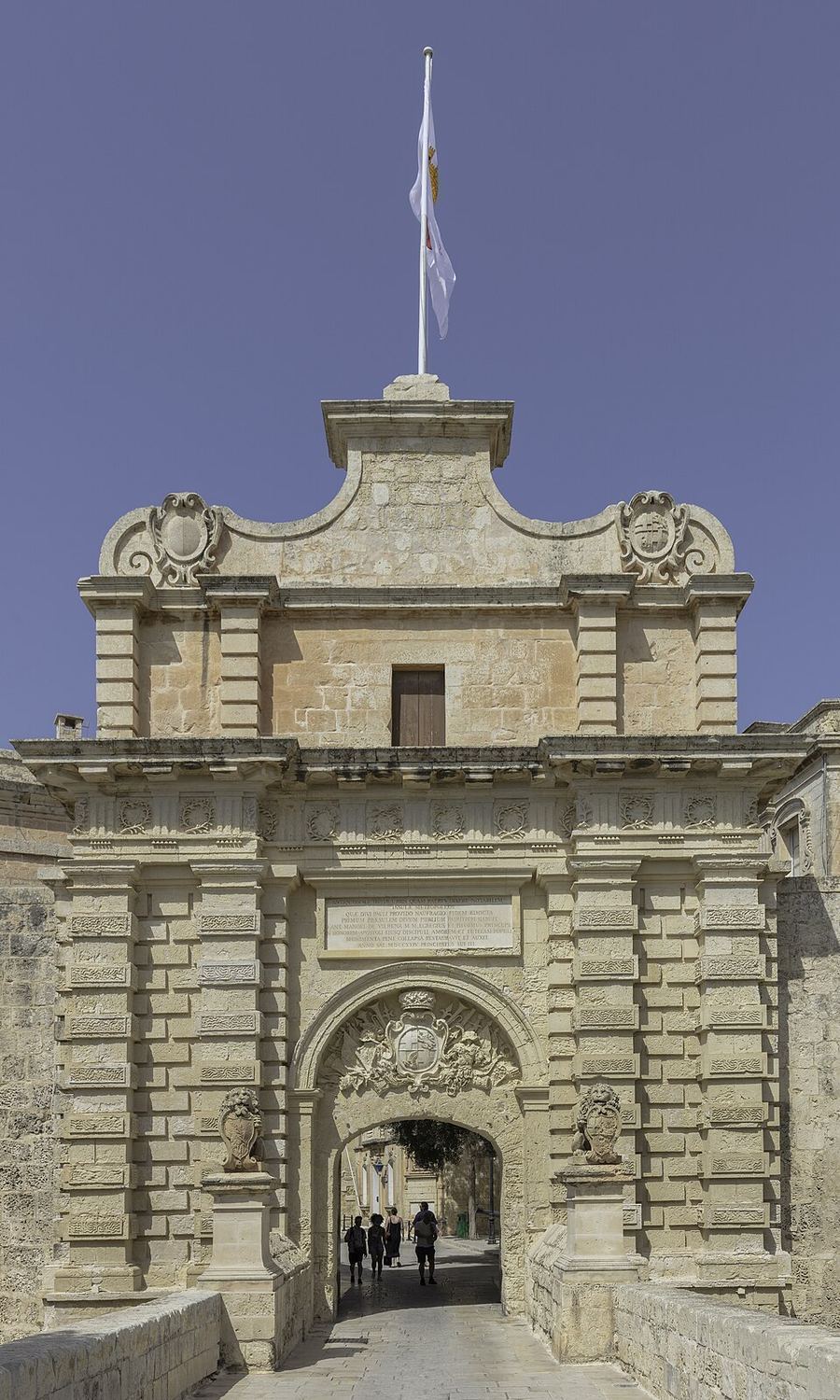
Malta carries three UNESCO World Heritage inscriptions, an unusual density for so small a state: the City of Valletta, the Megalithic Temples of Malta, and the Ħal Saflieni Hypogeum. The temples are the deepest source of pride — Ġgantija on Gozo predates Stonehenge and the pyramids of Giza, and the Hypogeum is the only known prehistoric underground temple in the world, cut through three levels of living rock. Valletta, planned in a grid behind massive bastions after the Great Siege of 1565, was European Capital of Culture in 2018. Inside its co-cathedral hangs Caravaggio's Beheading of Saint John the Baptist, the largest canvas he painted and the only work he is known to have signed. The George Cross awarded to the island in 1942 remains in the canton of the national flag, a decoration granted to a whole population rather than an individual. Maltese also claim their language with particular force: it is the only Semitic language written in the Latin alphabet and the only Semitic language that is an official language of the European Union. Beyond these, the islands point to the Grand Harbour, one of the finest natural harbours in the Mediterranean, and to a maritime and shipping registry out of all proportion to national size.
Points Of Pride, Malta
Diego Delso / CC BY-SA 4.0

Cultural Fusion

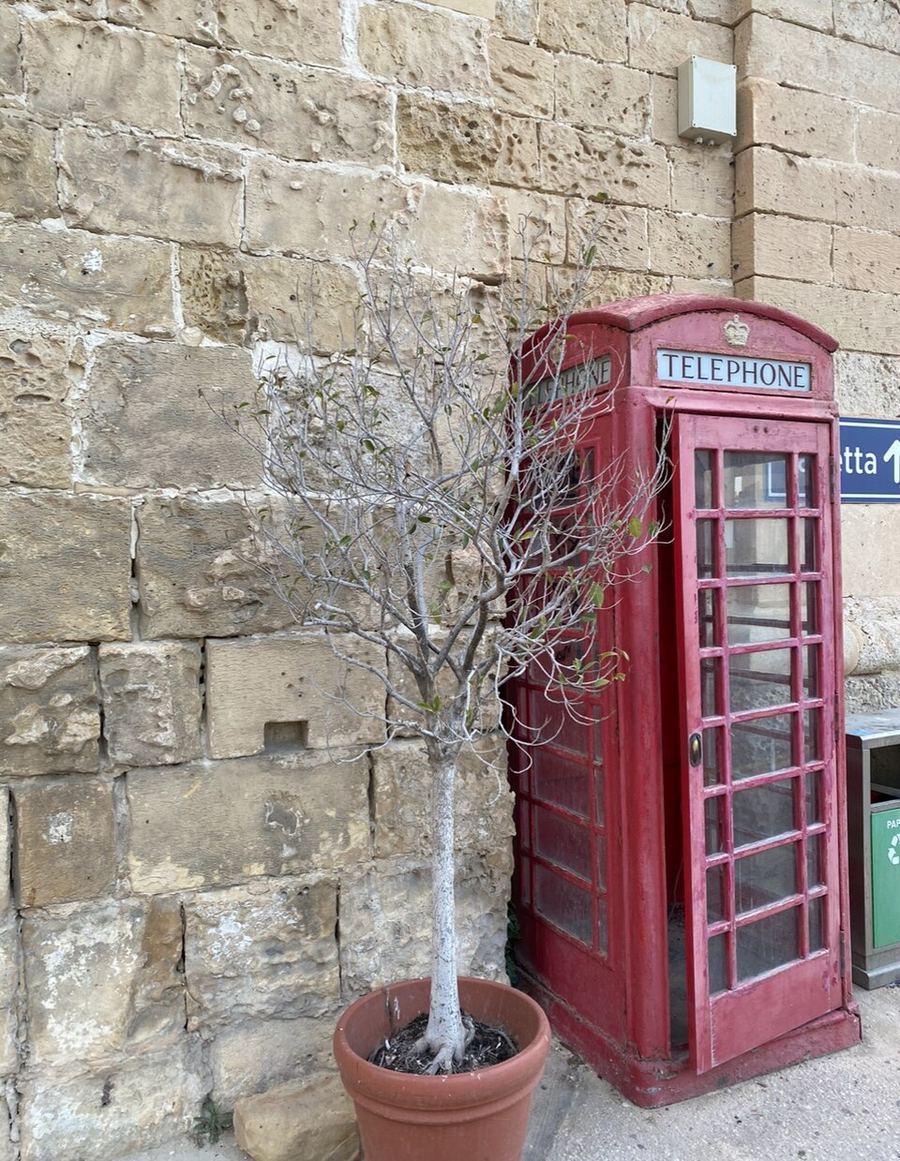
Malta is a working demonstration of what layered conquest does to a culture. The clearest case is the language: Maltese descends from the Siculo-Arabic spoken in the islands after 870, retains Semitic root-and-pattern morphology, and still uses Alla for God — yet it is written in a Latin alphabet, has absorbed a vast Sicilian and Italian vocabulary for religion, law and abstraction, and now borrows freely from English for technology and administration. Catalogued in Glottolog within the Semitic family, it has no close living relative in Europe. The built environment fuses just as visibly. Baroque churches and auberges raised by a French- and Italian-speaking military order stand beside British garrison architecture, red pillar boxes and telephone kiosks; Maltese drive on the left, keep a Westminster-style parliament, and use the euro. Food runs the same seam, with Sicilian pasta and North African pulses on the same table as British-inflected habits. Religion is Latin Catholic but folk practice retains Mediterranean apotropaic elements — the painted eye on the prow of the luzzu fishing boat is generally traced to a Phoenician or Egyptian ancestor. The result is neither Arab nor Italian nor British but a genuinely composite identity that the Maltese themselves treat as the point.
Cultural Fusion, Malta
Diego Delso / CC BY-SA 4.0

Music & Dance

The oldest living Maltese musical form is għana, a folk song tradition sung to guitar accompaniment. Its most distinctive variety is spirtu pront, a sung duel in which two singers improvise rhyming quatrains at each other in turn, judged by an audience on wit as much as voice; other forms include the slower, more melismatic għana tal-fatt, which narrates a real event or crime. Alongside it stands the wind band, imported from Italy and Britain in the nineteenth century and now the backbone of village musical life: hundreds of players belong to parish band clubs, and the marches written for festa processions form a substantial Maltese repertoire in their own right. Sacred music is significant, with cathedral choirs and a long tradition of local church composition. Folk dance survives chiefly in revival form, il-Maltija being the best known, along with the sword-carrying ż-żifna tal-parata associated with commemorations of the Great Siege. In art music Malta has produced performers of international standing, above all the tenor Joseph Calleja, who has sung at the Metropolitan Opera and Covent Garden and remains the country's most visible cultural export. Contemporary Malta hosts the Malta International Arts Festival and the Isle of MTV concert, and has competed at the Eurovision Song Contest since 1971.
Music & Dance, Malta
Nenoc72 / CC BY-SA 4.0

Cuisine & Misattributed Foods

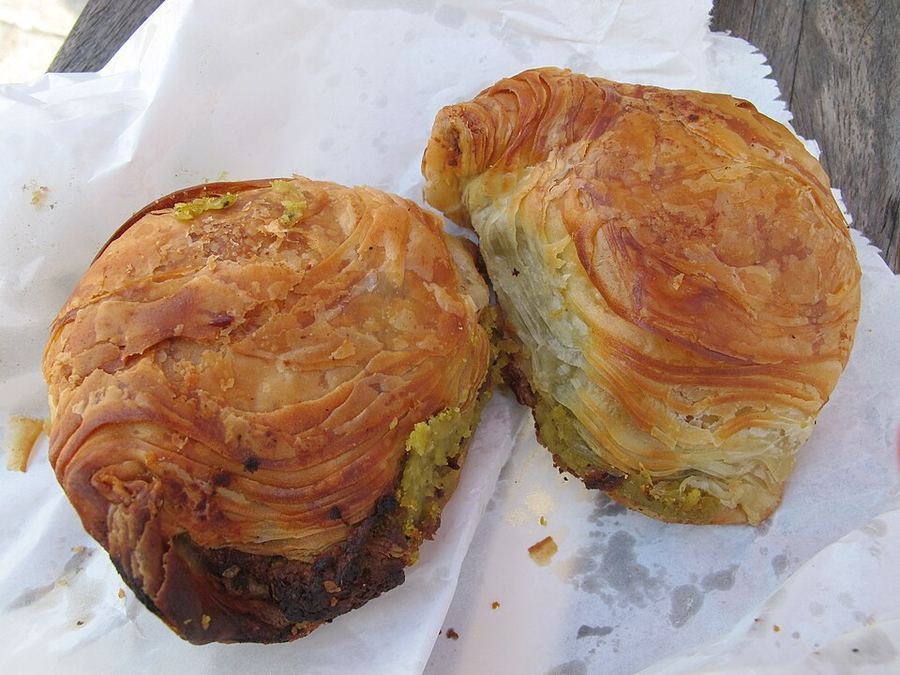
Maltese cooking is Sicilian at its base, with North African pulses, British habits and the constraints of a dry, treeless archipelago layered on top. The dish most often named as national is fenkata — rabbit stewed slowly in red wine, garlic and bay, traditionally eaten as a communal meal in which the pasta is dressed with the cooking sauce first and the meat served after. Rabbit's status is partly historical: hunting it was restricted under the Knights, so eating it acquired a defiant, popular edge. The everyday staple is the pastizz, a diamond of flaky pastry filled with ricotta or mushy peas, sold from hole-in-the-wall pastizzeriji and eaten at all hours. Ftira, a flattened sourdough ring, is split and filled with tuna, olives, capers, tomato paste and Maltese sun-dried tomatoes; the craft of making it was inscribed by UNESCO as intangible cultural heritage in 2020. Gozo supplies ġbejniet, small sheep's-milk cheeselets eaten fresh, dried or peppered. Fish is seasonal and prized, above all lampuki, the dorado landed in autumn and baked in a pastry pie. Bragioli are beef olives stuffed with egg and breadcrumbs. Sweets include imqaret, date-filled pastry diamonds fried and sold hot, and kannoli. Kinnie, a bitter-orange soft drink, and Cisk lager are national institutions.
Cuisine & Misattributed Foods, Malta
Kritzolina / CC BY-SA 4.0

National Dress

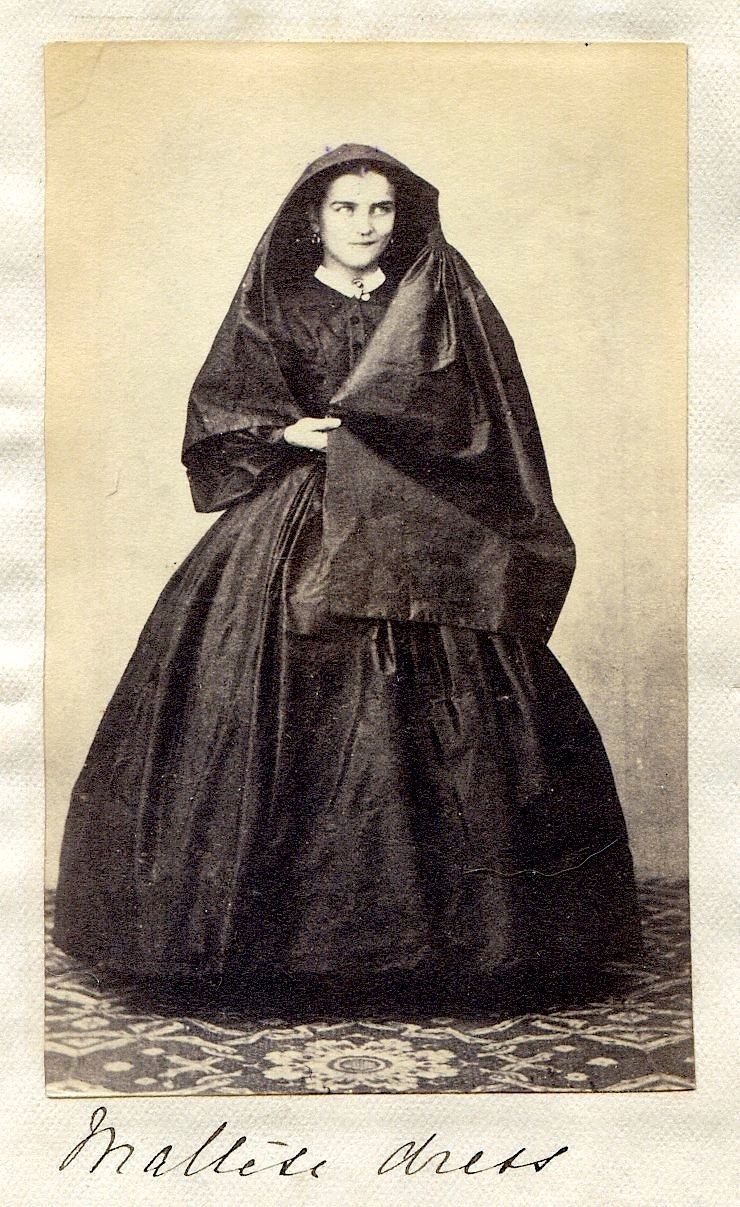
Malta's most distinctive traditional garment is the għonnella, also called the faldetta — a large black or dark cloth cloak worn by women over the head and shoulders, stiffened along one edge with cane or whalebone so that it stood up in a wide, sail-like arc framing the face. It functioned as a combination of headcovering, sunshade and modesty garment, and it was ubiquitous enough in the nineteenth and early twentieth centuries to define the visual image of the Maltese woman in travellers' engravings and early photographs. Gozo had its own variant, and the garment survived in rural use and among older women into the years after the Second World War before disappearing almost entirely; it is now seen in museums, folklore displays and historical pageants rather than on the street. Men had no comparable national costume, wearing instead the everyday Mediterranean working dress of shirt, sash and cap. What survives in living use is occupational and ceremonial rather than everyday: the elaborate uniforms and capes of parish band clubs and confraternities, the costumes of the parata sword dance, and the lace of Gozo, whose bobbin-lace tradition supplies collars, veils and trim. Modern Maltese formal dress is simply European, with traditional garments reserved for festa, Carnival and heritage occasions.
National Dress, Malta
Unknown authorUnknown author; on verso: photo of Turkish lady / Public domain

Sports & Inspiring Athletes

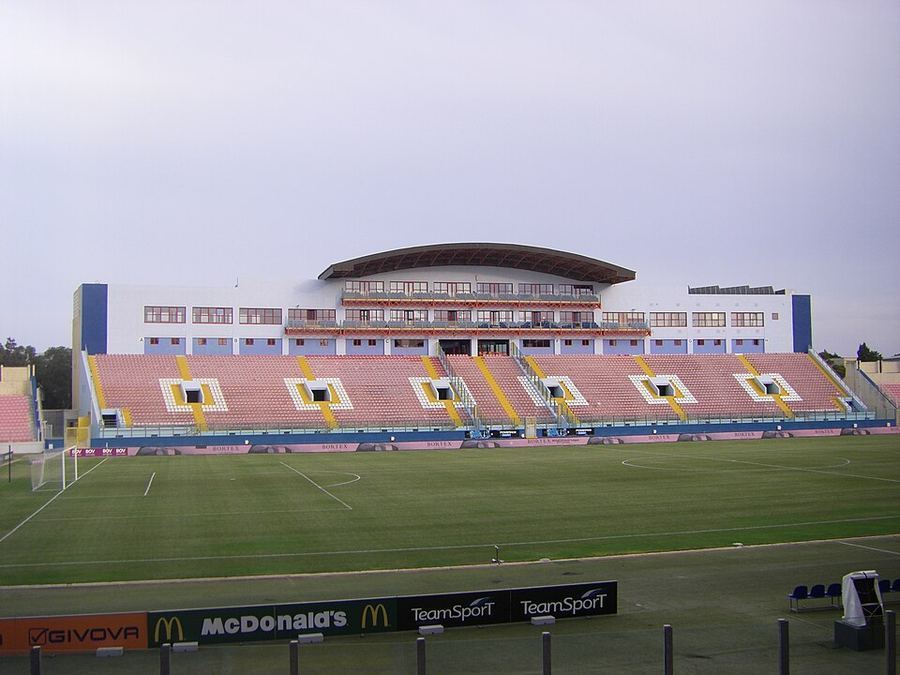
Football is the dominant sport. The Malta Football Association was founded in 1900, making it one of the older national federations in Europe, and the domestic Maltese Premier League is contested by clubs rooted in the harbour towns and villages — Valletta, Floriana, Sliema Wanderers, Hibernians and Birkirkara among the most successful. The national team plays at the National Stadium in Ta' Qali and has never qualified for a World Cup or European Championship, which makes its occasional competitive wins matters of national celebration. The sport with the strongest claim to be genuinely Maltese in character is water polo, played through the summer in seawater pitches at Sliema, Neptunes, Valletta and San Ġiljan; league finals fill the enclosures and the sport has produced the country's most consistent international results. Rowing regattas in the Grand Harbour on 8 September and 31 March pit harbour localities against one another in traditional boats and are followed with intense local partisanship. Malta's geography supports strong sailing: the Royal Malta Yacht Club has organised the Rolex Middle Sea Race since 1968, a 606-nautical-mile course starting and finishing in the Grand Harbour and rounding Sicily, Pantelleria and Lampedusa, which is counted among the classic offshore races.
Sports & Inspiring Athletes, Malta
Berthold Werner / CC BY-SA 3.0

Notable Educational Programs

The University of Malta traces its origin to the Collegium Melitense, a Jesuit college founded in Valletta in 1592 and raised to university status in 1769, which makes it one of the oldest universities in the Mediterranean and the only comprehensive university in the country. It sits at Msida, with a Gozo campus and a Valletta campus, and teaches in English across faculties including medicine, law, engineering and the humanities; its Institute of Maltese Studies and the Mediterranean Institute anchor research on the language and the region. Entry is routed through the Junior College, while vocational and technical education is delivered by MCAST, the Malta College of Arts, Science and Technology, and by the Institute of Tourism Studies. Schooling is compulsory and free in state schools, with a large parallel sector of Church schools that are free at the point of use and independent schools that charge, and it is bilingual in Maltese and English throughout. That bilingualism underpins one of Malta's distinctive service industries: a substantial cluster of accredited English-language teaching schools that draws tens of thousands of students a year from Europe, Asia and Latin America. Malta participates fully in Erasmus+ and other European Union education programmes.
Notable Educational Programs, Malta
Christian Camenzuli / CC BY-SA 4.0

Wars & Conflicts

Malta has no armed conflict and is constitutionally neutral, a status written into the constitution in 1987 committing the republic to non-alignment and refusing foreign military bases. Its formative conflicts are historical. The Great Siege of 1565 pitted the Knights of St John and the Maltese against an Ottoman expeditionary force through a summer of assault on the harbour forts. The second siege, from 1940 to 1942, made Malta one of the most intensively bombed places of the Second World War as Axis air forces attempted to cut the island's supply line; the arrival of the Operation Pedestal convoy in August 1942, and the tanker Ohio in particular, is the pivot of the national story of that period, and King George VI's award of the George Cross to the island in April 1942 is still displayed on the flag. Modern security concerns are maritime and humanitarian rather than military. Malta administers a very large search-and-rescue region in the central Mediterranean and has been repeatedly at the centre of disputes with Italy and with rescue non-governmental organisations over responsibility for disembarking people rescued from the Libya route, a recurring subject of reporting by Reuters and the BBC and of criticism from human rights organisations. The 2017 car-bomb assassination of the journalist Daphne Caruana Galizia, and the public inquiry that followed, triggered the most serious rule-of-law crisis of the republic's history.
Encyclopaedia BritannicaReutersBBCHuman Rights WatchUNHCR
Current as of 2026-08-07
Wars & Conflicts, Malta
Txllxt TxllxT / CC BY-SA 4.0

Land & Border Disputes

Malta has no land borders and makes no territorial claim on another state, so its boundary questions are entirely maritime and have largely been handled through law rather than force. The principal case is Continental Shelf (Libyan Arab Jamahiriya/Malta), which the two states submitted jointly to the International Court of Justice and which the Court decided on 3 June 1985, drawing a delimitation line in the sea between them and rejecting Malta's argument that the boundary should follow a strict median line. Malta had earlier sought unsuccessfully to intervene in the neighbouring Tunisia/Libya continental shelf case, in which the Court gave judgment on its application in 1981. Delimitation with Italy in the wide Sicily Channel and the seabed around the Medina and Malta Banks has been negotiated rather than litigated, and residual questions about the seabed and about fishing rights persist in a region with hydrocarbon interest. Malta's fisheries management zone and the enforcement of European Union rules on bluefin tuna and on bird trapping have produced friction within the Union rather than with third states. Its most consequential current disagreements with neighbours concern migration in the central Mediterranean — specifically which state bears responsibility for people rescued in Malta's very large search-and-rescue region.
Land & Border Disputes, Malta
MrPanyGoff / CC BY-SA 3.0
Land, Life & Legacy

Land & Climate

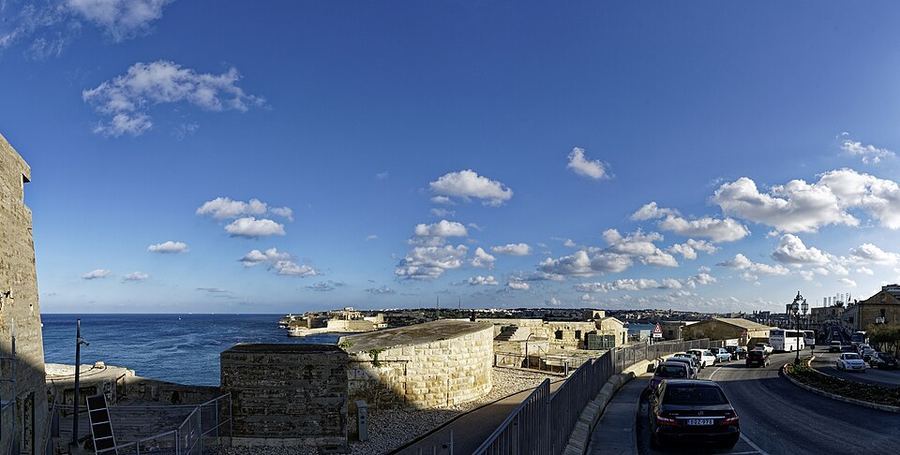
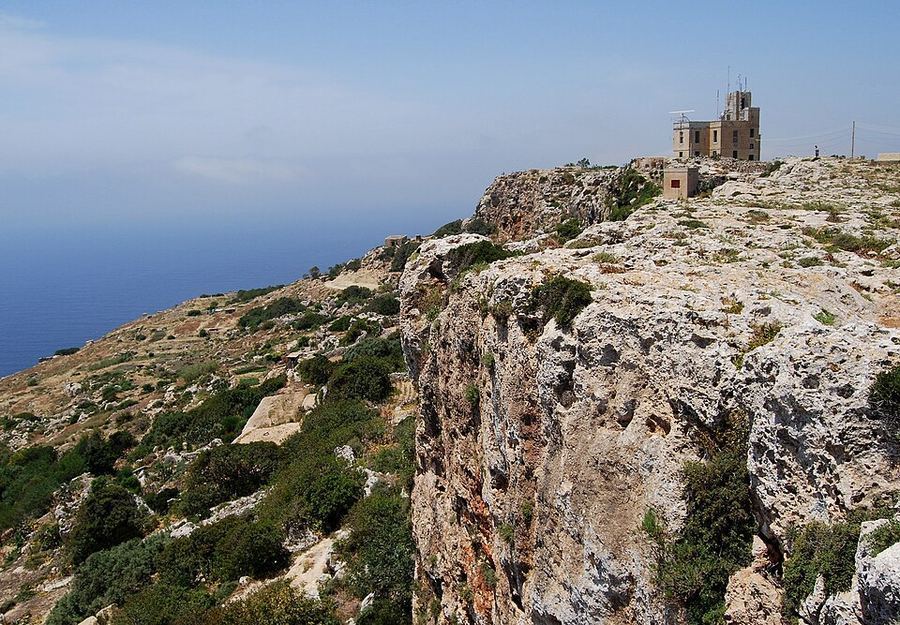
The Maltese archipelago covers about 316 square kilometres, of which the island of Malta accounts for roughly two-thirds, Gozo most of the remainder, and Comino only a few square kilometres. The islands are built of Globigerina and coralline limestone tilted so that the land rises from low, harbour-cut shores in the north-east to sheer cliffs in the south-west; the highest point, Ta' Dmejrek near the Dingli Cliffs, reaches only about 253 metres. There are no permanent rivers and no natural lakes, and the karst terrain sends what rain falls straight underground, so fresh water has always been the binding constraint on Maltese life. Groundwater from the mean-sea-level aquifer is now supplemented by large reverse-osmosis desalination plants that supply a substantial share of the public water supply. The climate is classically Mediterranean: hot, dry summers with long cloudless spells, mild wet winters concentrated between October and February, and a strong influence from local winds — the humid, dust-bearing xlokk from the south-east and the cold north-easterly grigal that has historically endangered shipping in the Grand Harbour. Natural vegetation is sparse garrigue and maquis, farmland is terraced behind rubble walls, and the coastline is deeply indented with the natural harbours that made the islands strategically valuable.
Land & Climate, Malta
Felix König / CC BY 3.0

Entertainment

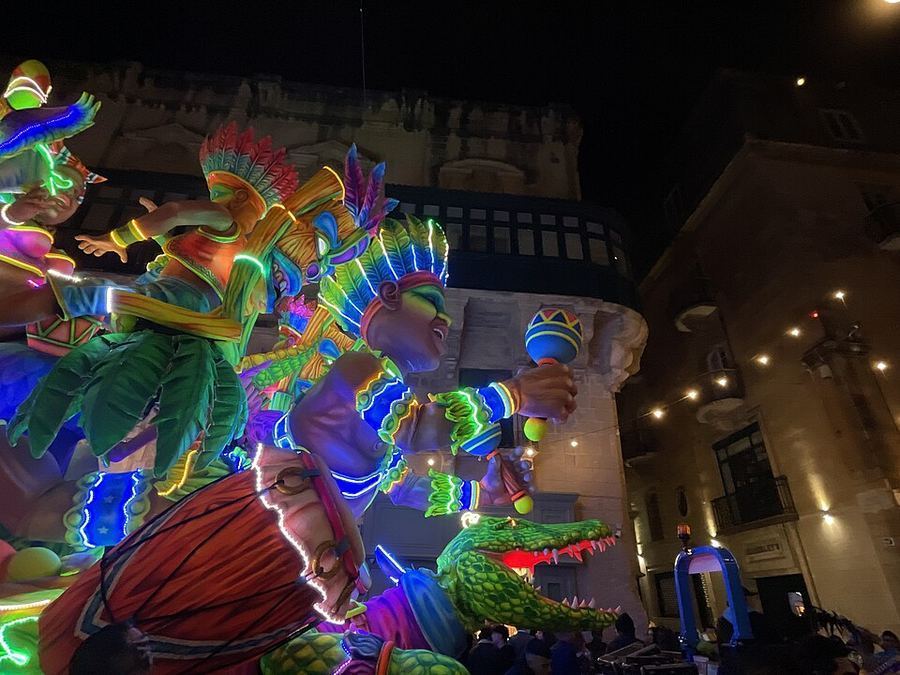
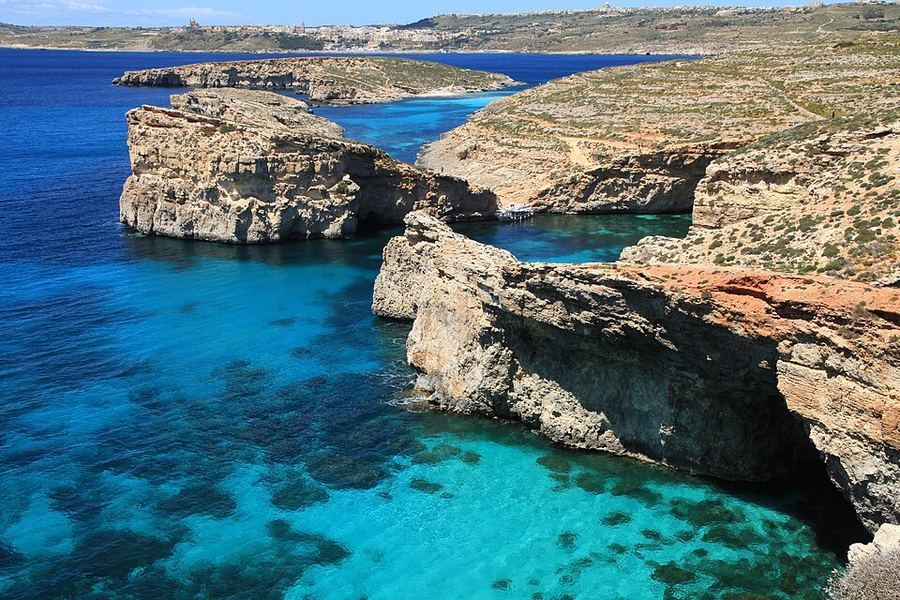
Leisure in Malta is dominated by the sea and by the festa calendar. The islands' clear, warm water and limestone geology have made them one of Europe's best-known diving destinations, with the Blue Hole and Inland Sea off Gozo, the Comino caves, and a series of vessels deliberately scuttled as artificial reefs, including the tugboat Rozi and the patrol boat P29 off Ċirkewwa. Swimming is done as much from rock shelves and lidos as from the handful of sandy beaches such as Għajn Tuffieħa and Mellieħa Bay, and the Blue Lagoon between Comino and Cominotto draws heavy summer boat traffic. On land, the summer runs on village feasts, which double as the principal social event of the year, and the winter on Carnival, celebrated with official floats and King Carnival in Valletta and with a rowdier, satirical, masked version in Nadur on Gozo. Band clubs, football clubs and political clubs supply everyday sociability, along with the wine bars of Valletta's regenerated waterfront and the nightlife strip at Paceville. Traditional pastimes persist in the regatta rowing races held in the Grand Harbour on 8 September and 31 March, contested between harbour localities, and in trapping and hunting, which remain culturally entrenched and politically contentious.
Entertainment, Malta
Frank Vincentz / CC BY-SA 3.0

Art & Museums

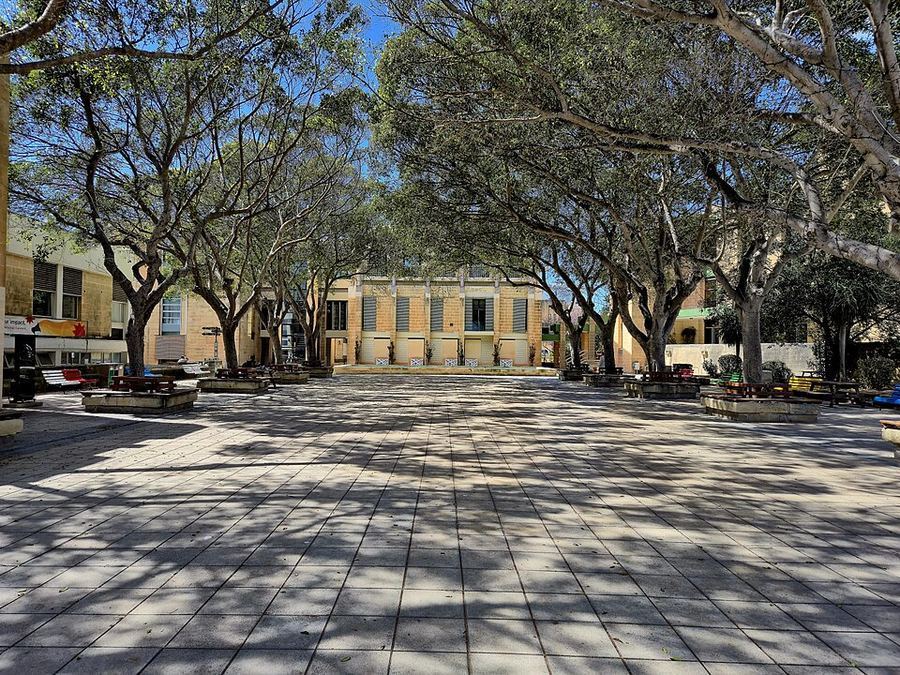
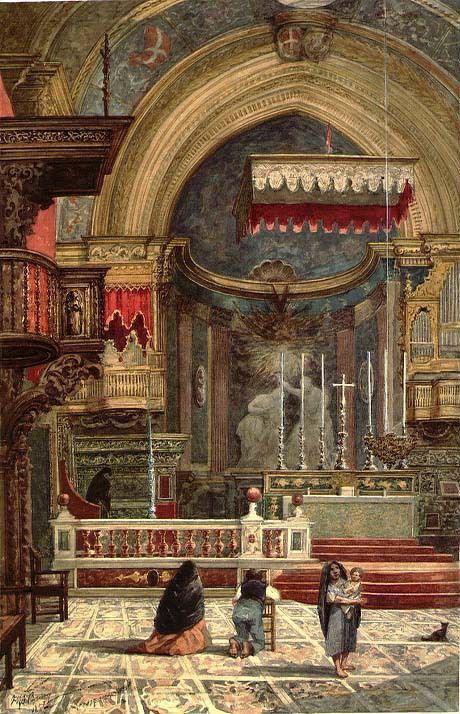
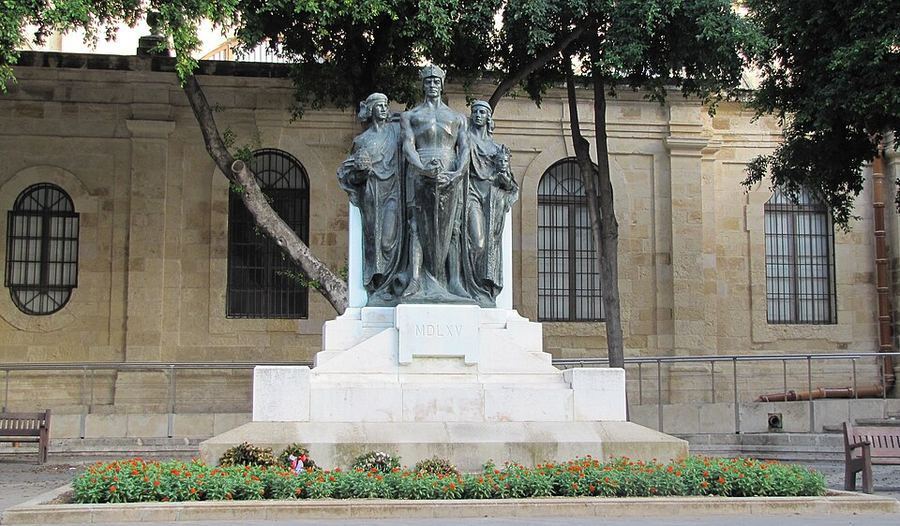
Malta's artistic reputation rests first on what the Knights of St John commissioned. Caravaggio arrived on the island in 1607 as a fugitive, was received into the Order, and painted The Beheading of Saint John the Baptist for the oratory of the conventual church in Valletta — his largest canvas and the only picture he signed, in the blood running from the saint's throat. Saint Jerome Writing, also in Valletta, dates from the same stay. The Calabrian painter Mattia Preti spent nearly forty years on Malta from 1661 and covered the vault of St John's Co-Cathedral with scenes from the life of the Baptist, effectively setting the visual language of Maltese Baroque. Native painters followed: Giuseppe Calì dominated late nineteenth-century church commissions, and Antonio Sciortino, who directed the British Academy in Rome, produced the vigorous modern sculpture of the Great Siege Monument and Les Gavroches. Craft traditions carry equal weight — Gozo bobbin lace, silver filigree, the carved and gilded titular statues made for parish feasts, and the painted luzzu with its eye on the prow. Contemporary practice is concentrated at MUŻA, the national community art museum in Valletta, and at Spazju Kreattiv in the former Royal Opera House site.
Art & Museums, Malta
Hans Johan Frederik Berg / Public domain

Notable People

The figure most associated with Malta is not Maltese: Jean Parisot de Valette, the French Grand Master who held the islands through the Ottoman siege of 1565 and gave his name to the city built afterwards. Among the Maltese themselves, Dun Karm Psaila is the national poet, author of the words of L-Innu Malti, the national anthem, and the writer who did most to establish Maltese as a literary language. Dom Mintoff, prime minister in the 1950s and again from 1971 to 1984, was the dominant and most divisive political personality of the independent state, negotiating the departure of British forces and Malta's non-aligned posture. Agatha Barbara, president from 1982 to 1987, was the country's first woman head of state and earlier its first woman member of parliament. Edward de Bono, born in Malta in 1933, became internationally known as the originator of the term lateral thinking and of the Six Thinking Hats method, and taught at Oxford, Cambridge and Harvard. Oliver Friggieri was the leading modern novelist, critic and philosopher of Maltese letters. Joseph Calleja is the country's foremost living performer, a tenor of international standing. Daphne Caruana Galizia, the investigative journalist murdered by a car bomb in 2017, has become a defining figure in Malta's recent political history.
Notable People, Malta
Adrienne Azzopardi / CC BY-SA 4.0

Inventions & Breakthroughs

Malta's contributions are institutional and craft-based rather than a record of patented devices, and it is more honest to say so than to inflate the list. The clearest single intellectual export is Edward de Bono's work on deliberate creative technique: lateral thinking, introduced in the 1960s, and the Six Thinking Hats framework became standard vocabulary in corporate training and education worldwide. Historically, the Order of St John's Sacra Infermeria in Valletta, completed in the sixteenth century, was among the largest and most advanced hospitals in Europe, notable for its very long ward, its use of silver service for patients and its early institutionalisation of nursing care by a military-religious order — a model of organised hospital medicine that spread with the Order. Maltese fortification engineering under the Knights, executed by Italian military architects at Valletta, the Cottonera Lines and Fort Ricasoli, produced some of the most complete surviving bastioned systems of the early modern Mediterranean. In craft, Gozitan bobbin lace and Maltese silver filigree are distinctive local developments of imported techniques. In the modern economy Malta's innovation has been regulatory rather than technical: it built early European frameworks for remote gaming licensing and for ship and aircraft registration.
Inventions & Breakthroughs, Malta
Diego Delso / CC BY-SA 4.0

Science & Technology

Research in Malta is concentrated at the University of Malta, whose strengths include marine and coastal science, medicine and molecular biology, and information technology, supported by the Malta Council for Science and Technology and by European Union framework programmes. The Malta Life Sciences Park at San Ġwann was built to attract biotechnology and pharmaceutical research, drawing on a generic-medicines manufacturing sector that grew out of Malta's use of the Bolar-type research exemption before European Union accession. Applied engineering has been shaped by scarcity: Malta was an early and heavy adopter of seawater reverse osmosis, and desalination now supplies a large share of the public water supply, while a subsea interconnector to Sicily commissioned in 2015 tied the national grid to the European system and reduced dependence on domestic oil-fired generation. The economy's most distinctive technology cluster is remote gaming, regulated by the Malta Gaming Authority since 2004, which made the island one of the first European jurisdictions with a comprehensive online gaming licence regime and drew a large software and payments industry with it; a 2018 legislative package aimed at distributed-ledger technology attracted attention and then considerable scrutiny. Archaeological science is a genuine local specialism, with conservation and dating work on the megalithic temples and the microclimate-controlled Hypogeum.
Science & Technology, Malta
Jaakko.kulta / CC0
On The World Stage
Champions of Malta

Champions & Defining Moments

Malta's record on the largest international stages is modest, and the country is candid about it. It first appeared at the Olympic Games in 1928 and has competed regularly since 1936, but has never won an Olympic medal — one of a small group of long-participating nations still waiting for a first podium. Its athletes typically appear in swimming, athletics, shooting and judo, often through universality places, and shooting has produced the closest approaches to a medal. Malta competes at the Commonwealth Games as a former British territory and at the Mediterranean Games, but its most productive arena by far is the Games of the Small States of Europe, founded in 1985 for nations of under a million people, where Malta is a consistent medallist and has hosted the event in 1993, 2003 and 2023. In football, Maltese players have occasionally crossed into larger leagues, Michael Mifsud — the national team's record goalscorer — having played in England for Coventry City. Malta's most visible presence in world sport is arguably organisational rather than competitive: the Rolex Middle Sea Race draws an international offshore fleet to the Grand Harbour every October.

IOCOlympediaCommonwealth Games FederationFIFA
Chivista / CC BY-SA 4.0
Government & Leadership

Parliamentary republic

Seat of the executive

Executive

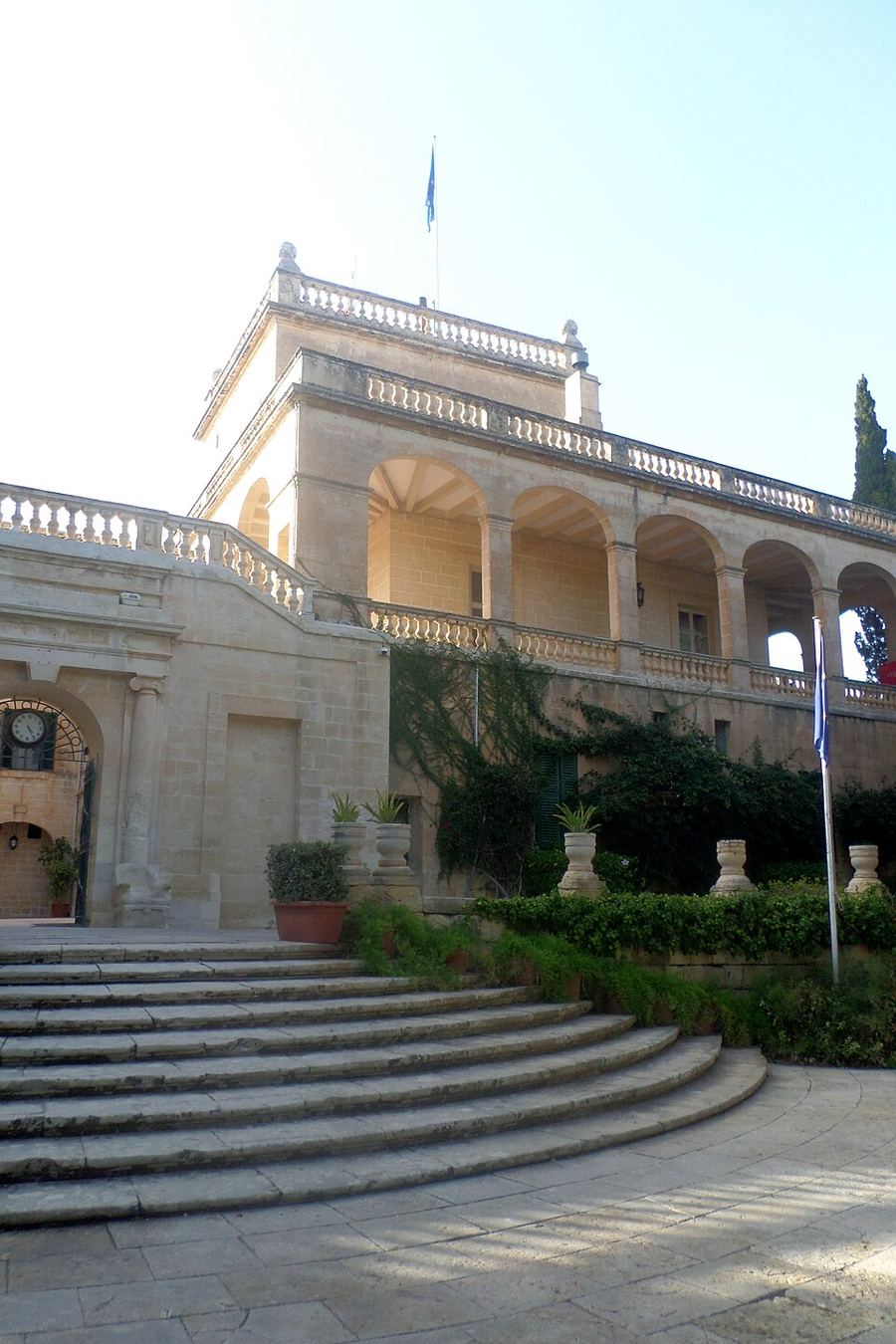
Myriam Spiteri Debono — PresidentPL

In office since 4 April 2024

Robert Abela — Prime Minister

PATRICIA CODO / CC BY-SA 4.0
The legislature

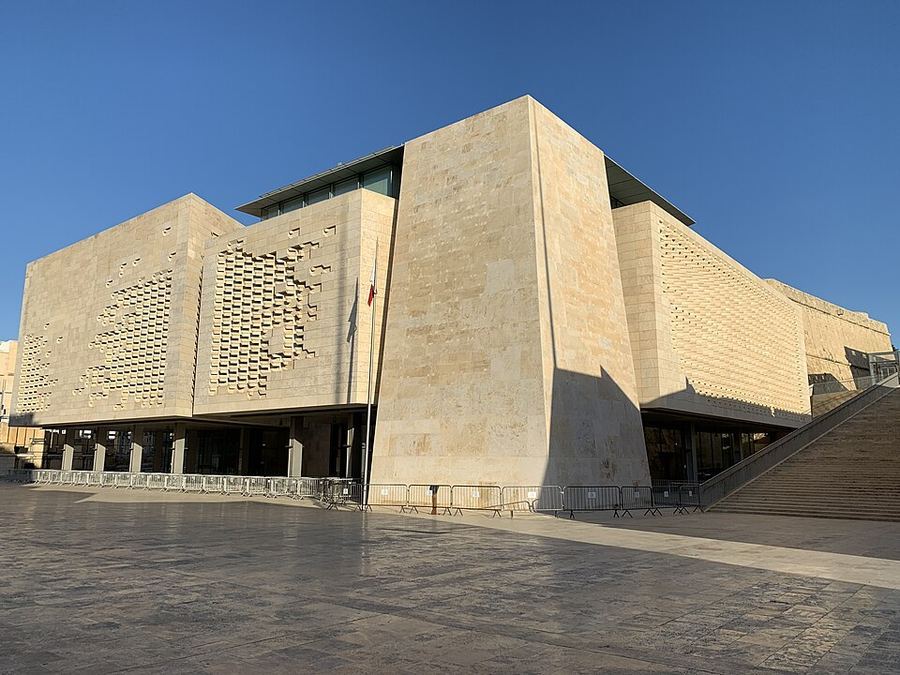
House of Representatives (Il-Kamra Tad-Deputati)

Unicameral

Composition — 65 seats

Last election 3/26/2022 · 29.1% women

Joe Ambrogio / CC BY-SA 4.0
The highest court
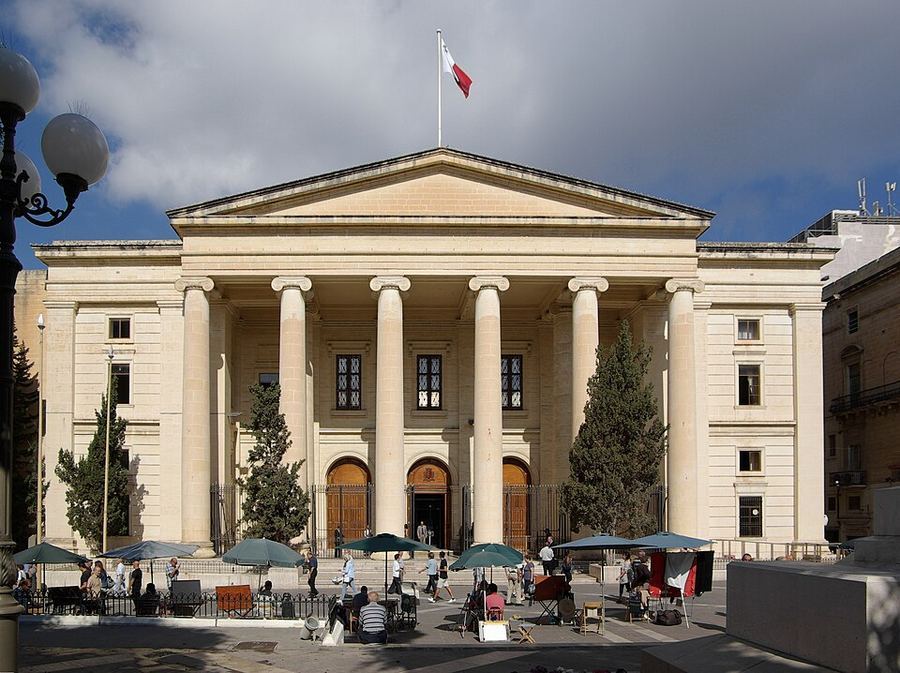
The highest court — Berthold Werner / CC BY-SA 3.0

Court of Appeal

consists of either 1 or 3 judges); Constitutional Court (consists of 3 judges); Court of Criminal Appeal (consists of either 1 or 3 judges

Economy, Trade & Government

Currency & GDP

Euro — EUR (€)

GDP (PPP): $34.731 billion (2024 est.)

Per capita: $60,500 (2024 est.)

Exports

$29.245 billion (2024 est.)

refined petroleum, integrated circuits, packaged medicine, ships, postage stamps/documents (2023)

Partners: Nigeria 28%, Germany 10%, China 6%, Singapore 5%, Hong Kong 4% (2023)

Imports

$24.505 billion (2024 est.)

ships, refined petroleum, integrated circuits, aircraft, packaged medicine (2023)

Partners: Italy 18%, China 10%, Germany 8%, France 7%, Turkey 7% (2023)

Government

Type: parliamentary republic

Independence: 21 September 1964 (from the UK)

Terrain → Where People Live

How mountains, coasts, and rivers shape settlement (LandScan).

Coming — data

Migration & Ethnic Settlement

Where groups settled and how people move (GeoEPR + UNHCR).

Coming — data

Universities

Notable institutions, mappable as points.

Coming — data
Economy & government facts: CIA World Factbook (public domain), via OpenFactBook / factbook.json.
Every fact and narrative claim will carry a visible source citation. Data-driven sections light up automatically wherever HERA has coverage.