History
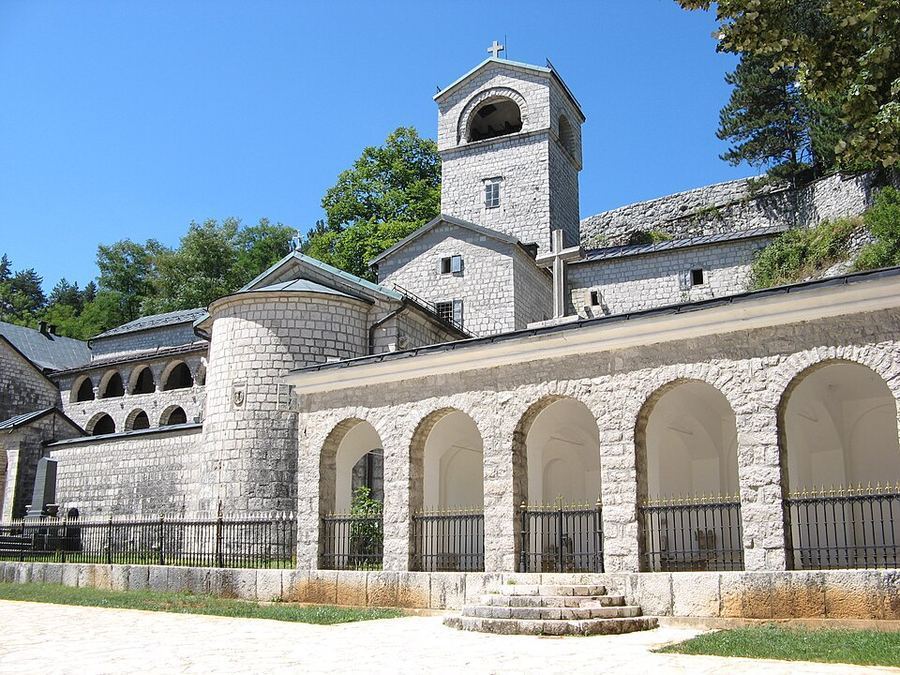
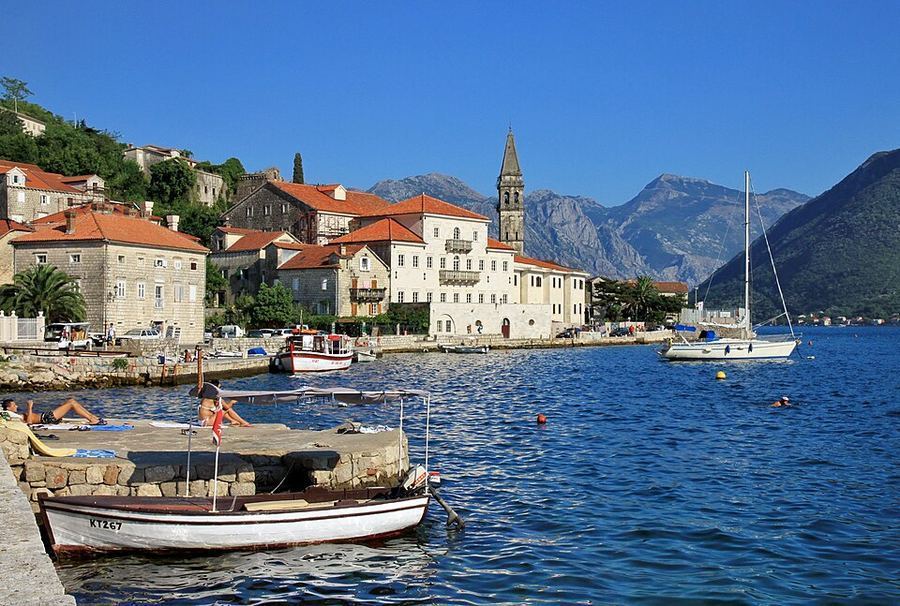
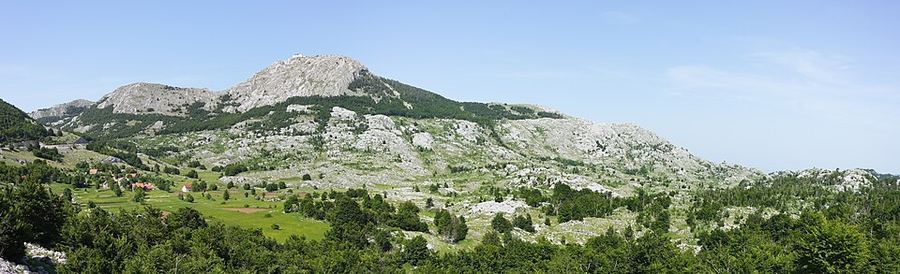
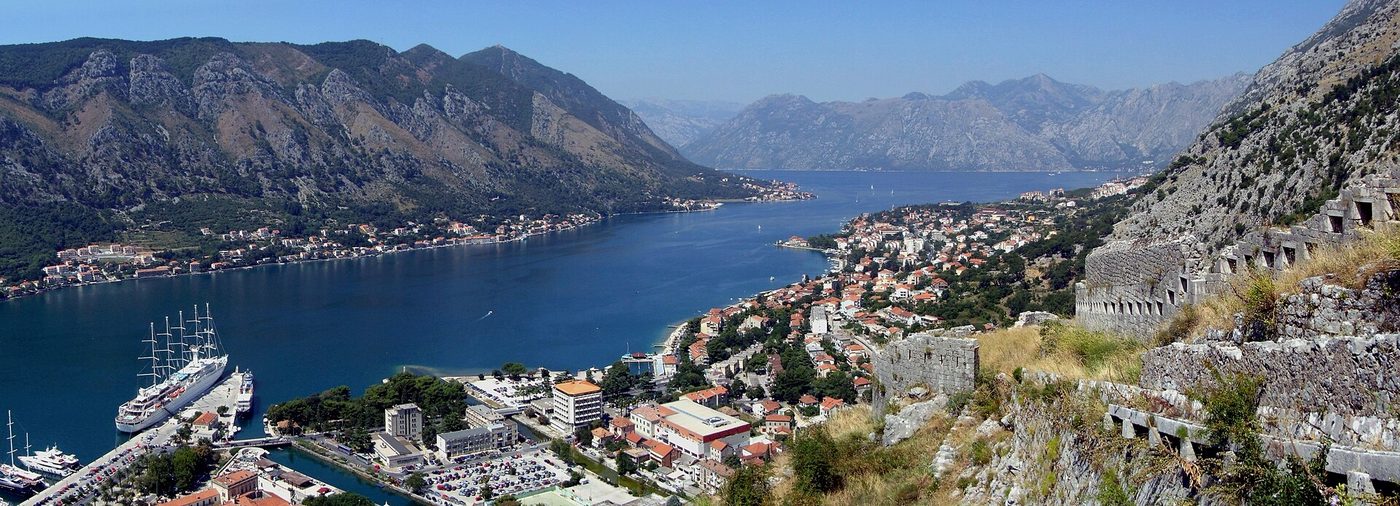
Montenegro is a parliamentary republic of about 600,000 people on the eastern Adriatic, wedged between Croatia, Bosnia and Herzegovina, Serbia, Kosovo and Albania. Its name — Crna Gora, the Black Mountain — describes the terrain: a short but spectacular coastline backed almost immediately by karst massifs that rise to over 2,500 metres in the Durmitor and Prokletije ranges. Podgorica is the capital and largest city, while Cetinje, the old royal seat in the mountains above Kotor, retains ceremonial status and much of the national memory. The population is plural and closely intertwined: Montenegrins and Serbs together form the large majority, with Bosniak, Albanian, Muslim, Romani and Croat communities, and Orthodox Christianity predominates alongside a substantial Muslim minority and a smaller Catholic one. Montenegro's modern statehood is unusually layered — a principality recognised at the Congress of Berlin in 1878, a kingdom from 1910, absorbed into Yugoslavia after the First World War, and independent again on 3 June 2006 after a referendum. It uses the euro although it is not in the euro area, joined NATO in 2017, and is the most advanced candidate in the European Union enlargement process. Tourism, hydropower, aluminium and shipping dominate an economy with GDP per capita around $27,900 in purchasing-power terms.
Podgorica's urban core is home to about 152,731 people.
Among the world's megacities, though, it's one of many — the giants of Asia and Latin America run larger still:
Montenegro first competed as an independent nation at the Beijing Olympics in 2008, having previously sent athletes as part of Yugoslavia and then Serbia and Montenegro. Its breakthrough came at London in 2012, when the women's handball team reached the final and took silver — the country's first Olympic medal, won by a squad drawn largely from a single club, Budućnost Podgorica. The same generation went on to win the European Championship later that year, an extraordinary result for a country with a very small player pool. In water polo, the men's team won the European Championship in Málaga in 2008 and has remained a regular presence in the medal rounds of European and world competition. Basketball provides Montenegro's most consistent individual exports to elite professional sport, with players in the National Basketball Association and across the top European leagues. In football the national side, ranked far above what its population would predict during its strongest years, has produced internationals for Manchester City, Internazionale, Fiorentina and Atlético Madrid without yet qualifying for a World Cup or European Championship. Montenegro also competes at the Games of the Small States of Europe and the Mediterranean Games.
Parliamentary republic
Jakov Milatovic — PresidentEUROPE NOW!
In office since 20 May 2023
Milojko Spajic — Prime Minister
Unicameral
Composition — Evropa sad largest party
Evropa sad 24 · Together! For the future that belongs to you (DPS – SD – DUA – LP - UDSh) 21 · Democratic People’s Party of Montenegro, Labour Party) 13 · Bravery counts! (HRABRO se broji!) 11 · It’s clear! (Jasno je!) – Bosniak Party 6 · Other 6
Last election 6/11/2023 · 27.2% women
consists of the court president, deputy president, and 15 judges); Constitutional Court or Ustavni Sud (consists of the court president and 7 judges
Euro — EUR (€)
GDP (PPP): $17.375 billion (2024 est.)
Per capita: $27,900 (2024 est.)
$3.629 billion (2024 est.)
electricity, aluminum, copper ore, aluminum ore, packaged medicine (2023)
Partners: Italy 38%, Serbia 13%, Spain 6%, Slovenia 5%, Bosnia & Herzegovina 4% (2023)
$5.478 billion (2024 est.)
refined petroleum, cars, electricity, packaged medicine, aluminum (2023)
Partners: Serbia 21%, China 10%, Germany 8%, Croatia 6%, Italy 6% (2023)
Type: parliamentary republic
Independence: 3 June 2006 (from the State Union of Serbia and Montenegro); notable earlier dates: 13 March 1852 (Principality of Montenegro established); 13 July 1878 (Congress of Berlin recognizes Montenegrin independence); 28 August 1910 (Kingdom of Montenegro established)
How mountains, coasts, and rivers shape settlement (LandScan).
Coming — dataWhere groups settled and how people move (GeoEPR + UNHCR).
Coming — dataNotable institutions, mappable as points.
Coming — data