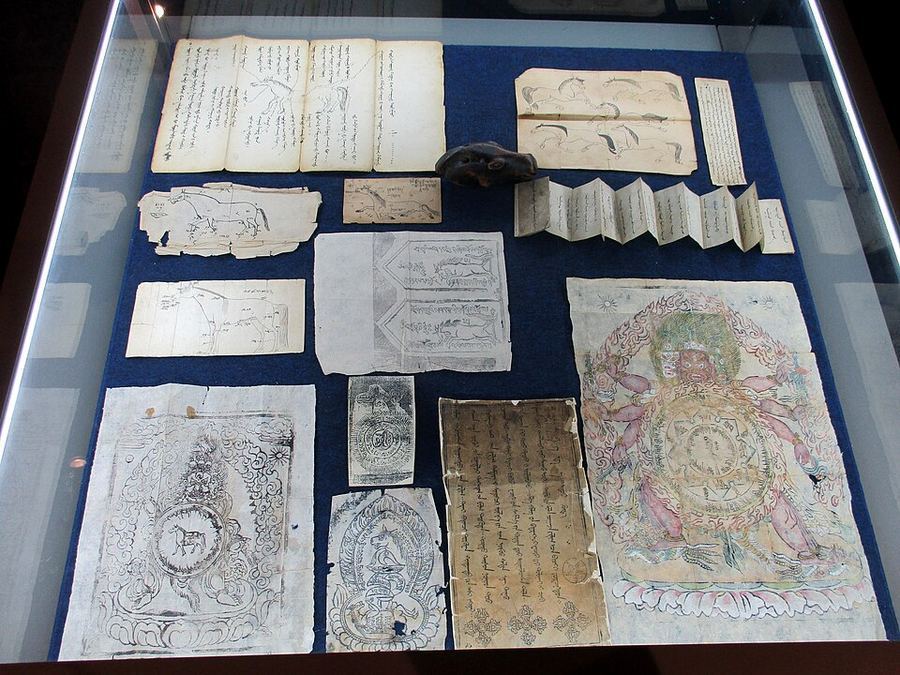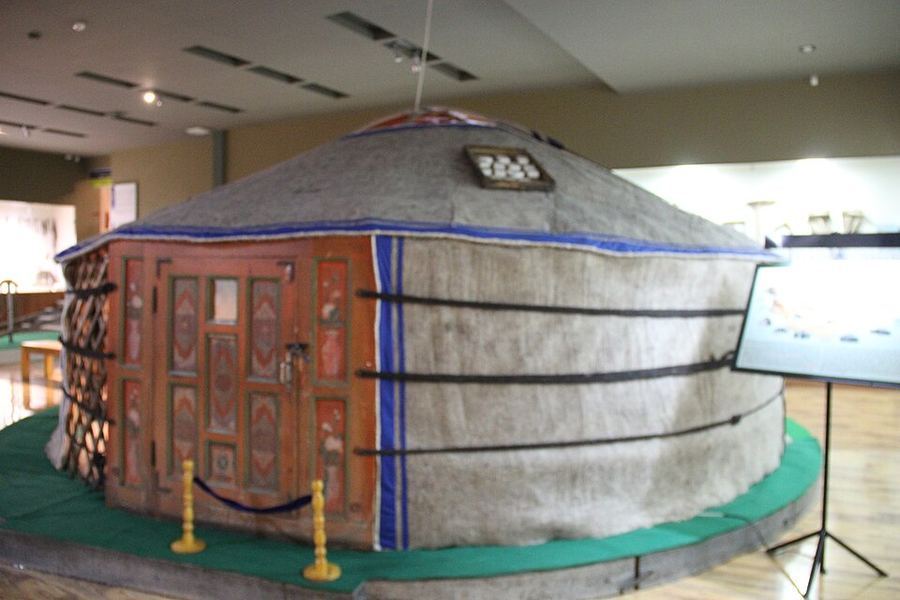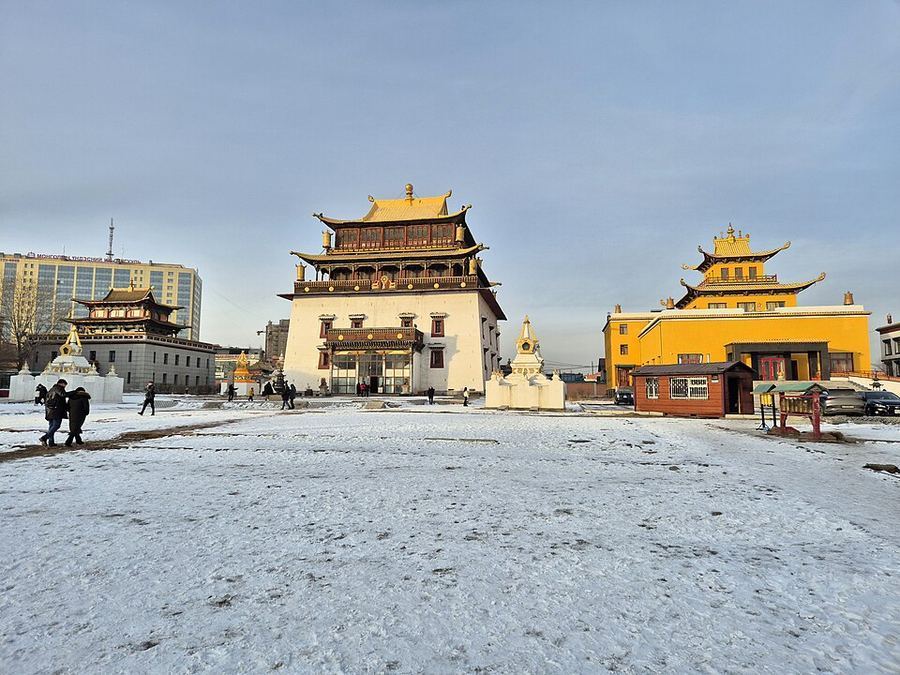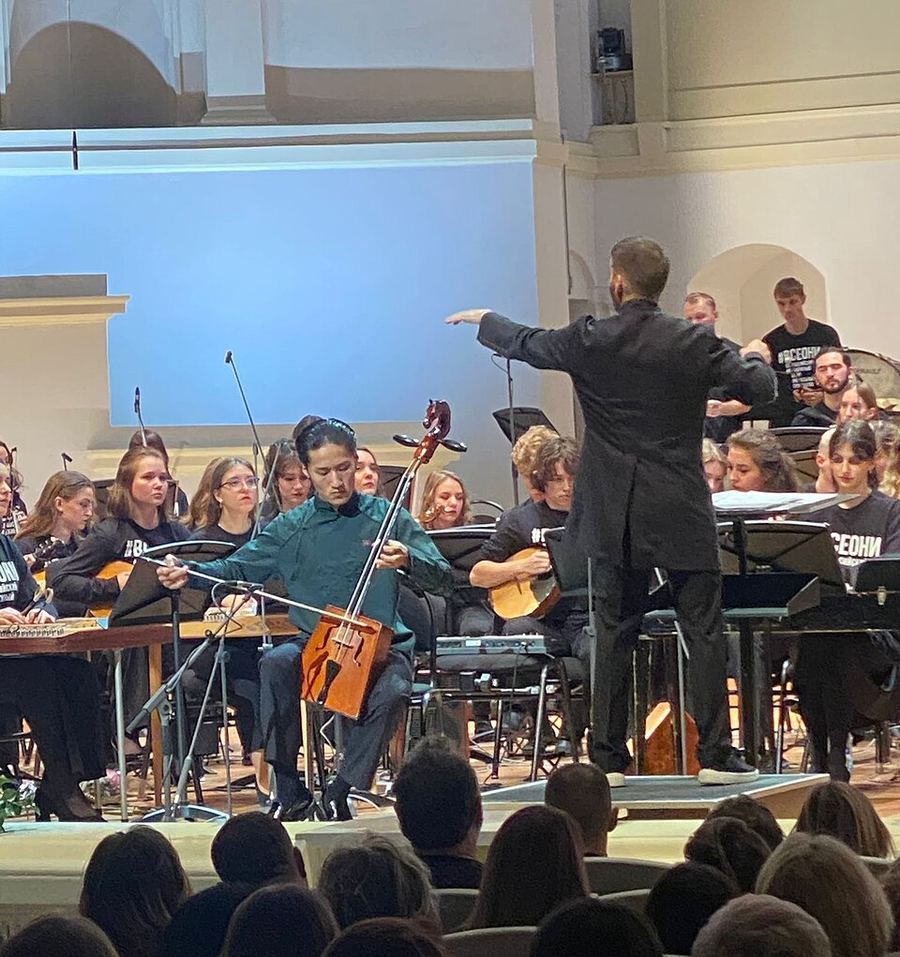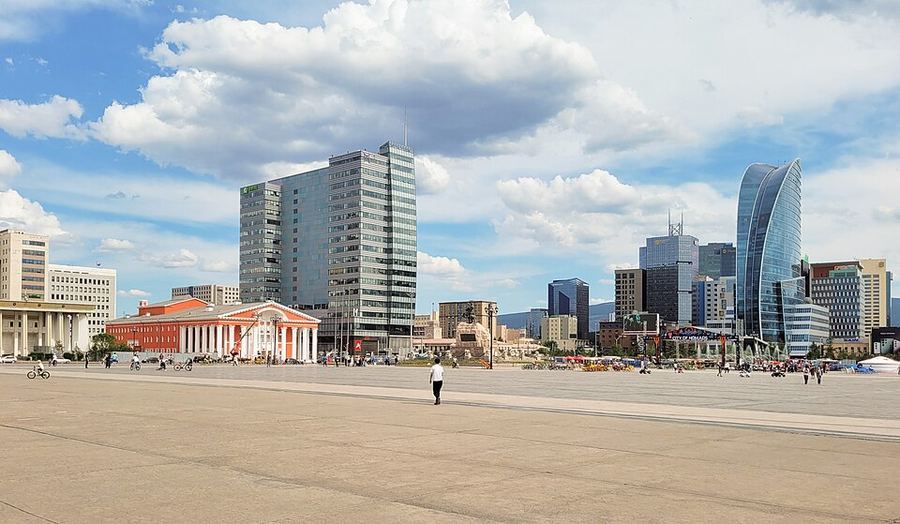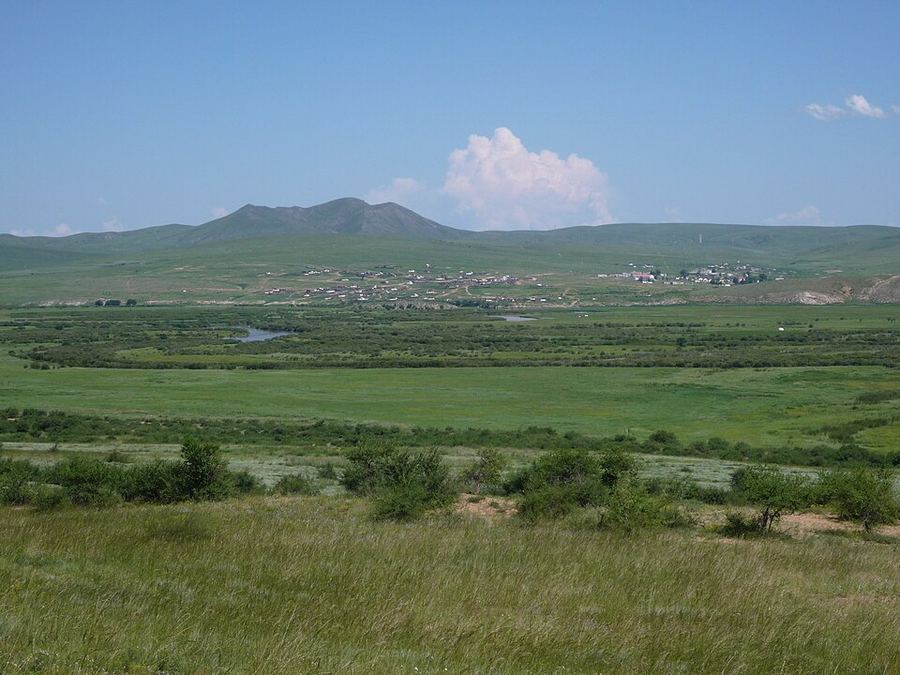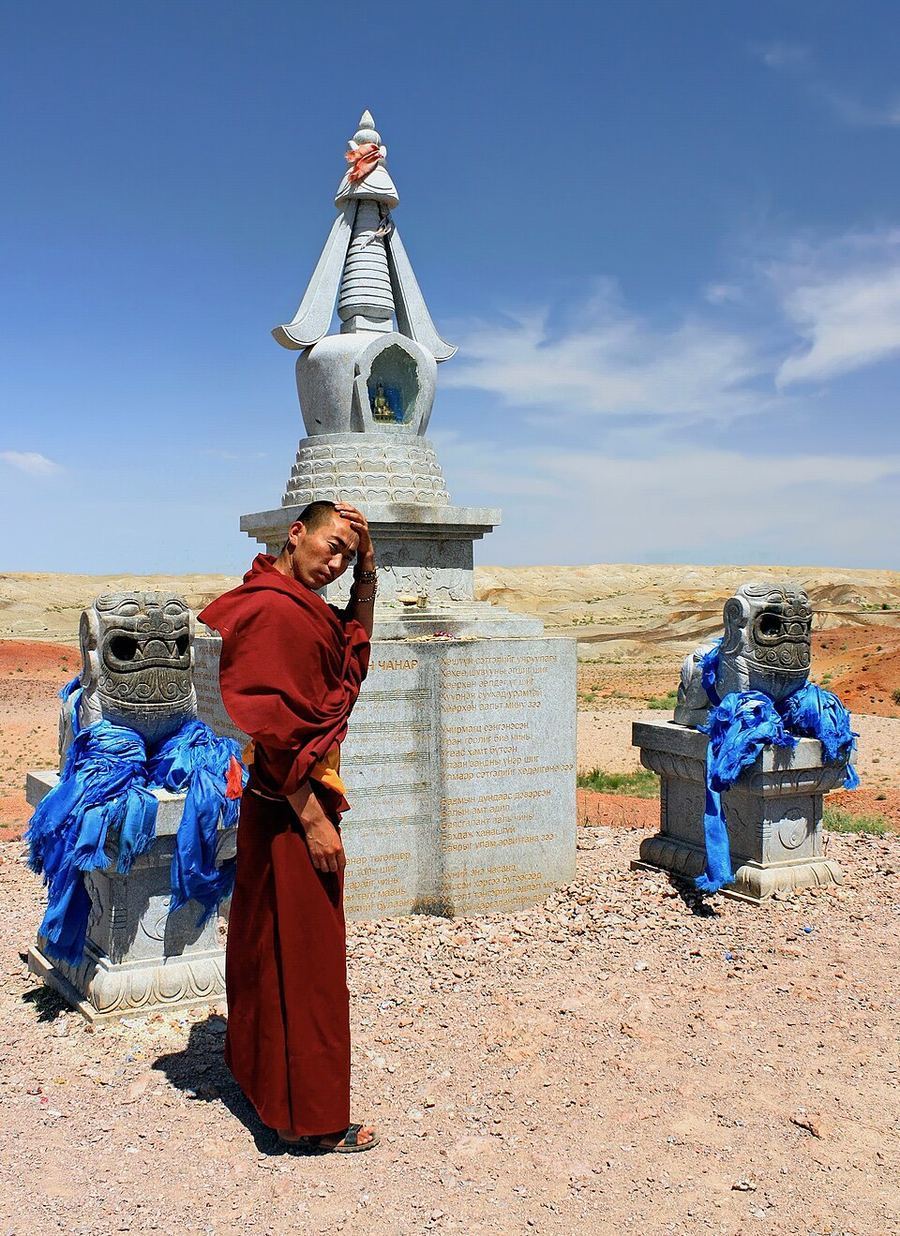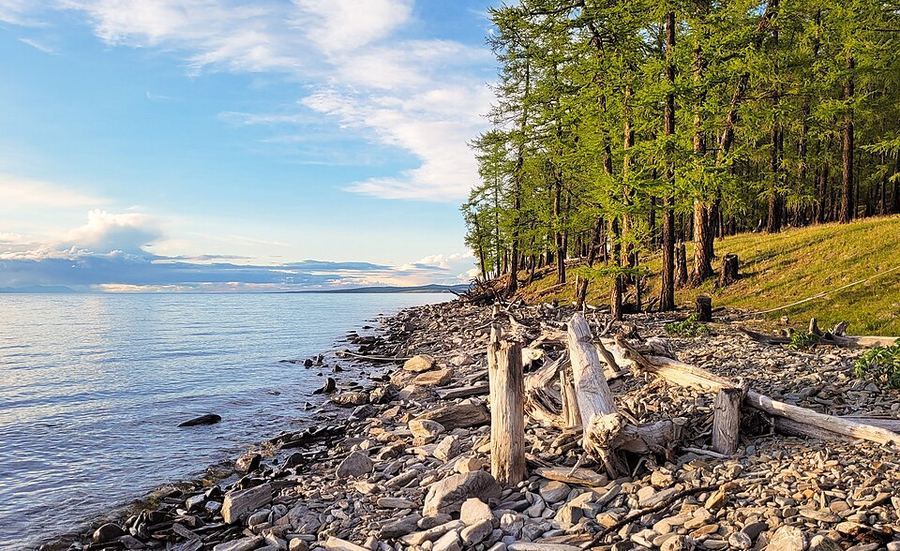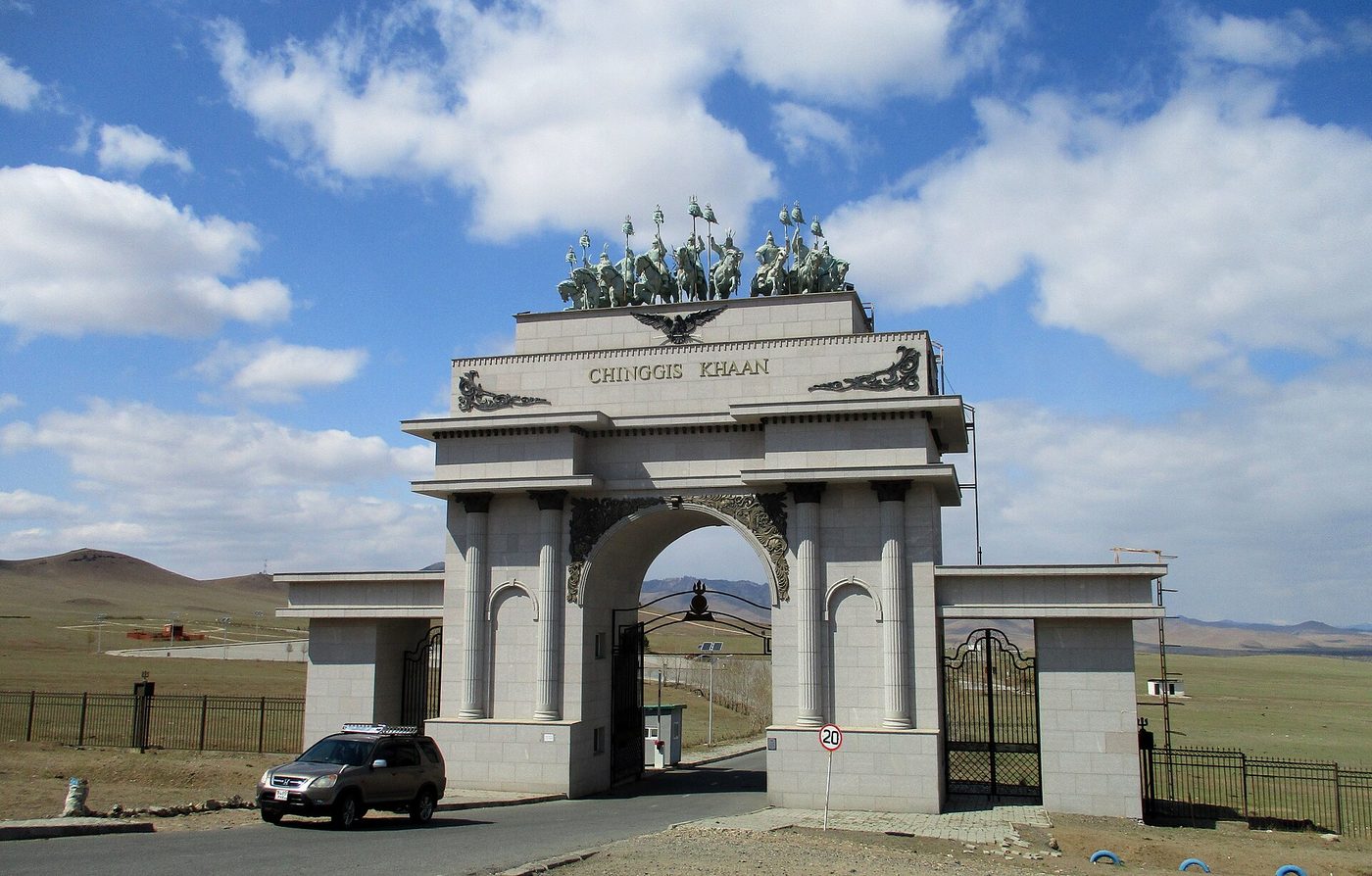
Mongolia is a landlocked semi-presidential republic of about 3.3 million people occupying roughly 1.56 million square kilometres of steppe, mountain and desert between Russia and China. It is the most sparsely populated sovereign state on earth, with an average of around two people per square kilometre, and roughly half the population lives in the capital, Ulaanbaatar, the coldest capital city in the world. The Khalkh Mongols make up close to 84% of the population, with Kazakh, Durvud, Bayad and Buriad communities among the rest; Mongolian is the official language, written in Cyrillic since the 1940s alongside a state programme to restore the classical vertical script. Just over half the population identifies as Buddhist, in the Tibetan tradition, with a large share professing no religion and smaller Muslim, shamanist and Christian groups. Mongolia's history is dominated by the empire founded by Chinggis Khaan in 1206, which became the largest contiguous land empire ever assembled, and by the two centuries of Qing rule that followed its collapse. Independence was declared in 1911 and consolidated in 1921; a socialist republic under Soviet influence gave way peacefully to multiparty democracy in 1990. The modern economy rests heavily on mining — copper, coal and gold — and on the herding of some seventy million head of livestock.
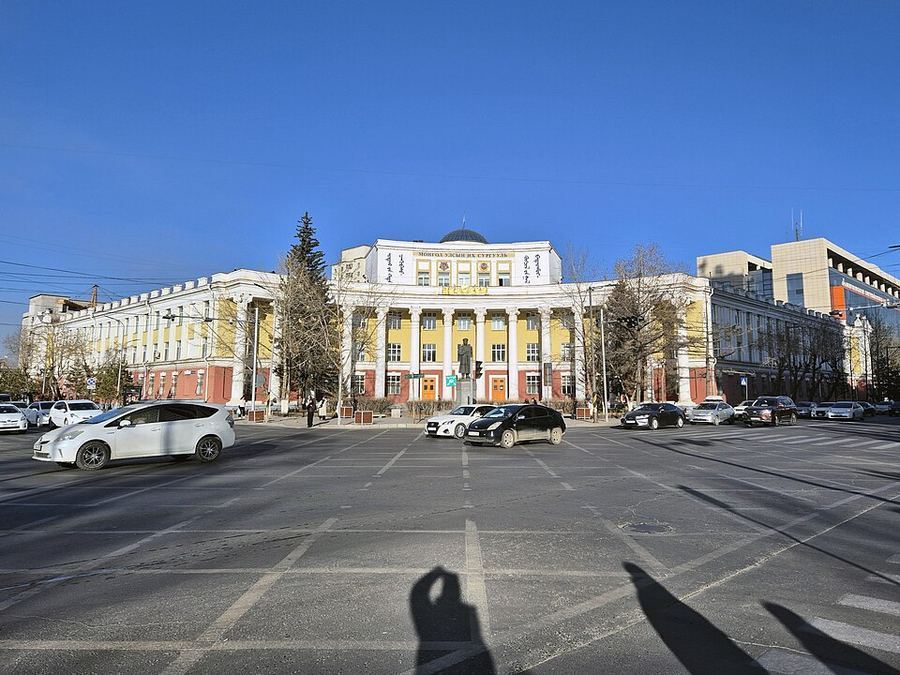
Ulaanbaatar's urban core is home to about 1,634,097 people.
That's bigger than Amsterdam — each a great world city in its own right.
Among the world's megacities, though, it's one of many — the giants of Asia and Latin America run larger still:
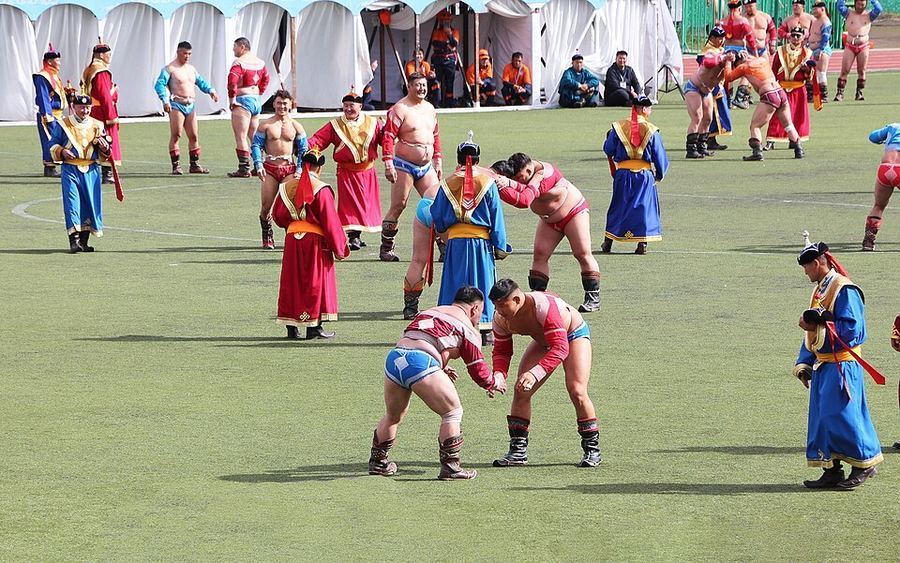
Mongolia made its Olympic debut at Tokyo in 1964 and won its first medal four years later, when Jigjidiin Mönkhbat took silver in freestyle wrestling at Mexico City in 1968. Its first gold medals came together at Beijing in 2008 — Naidangiin Tüvshinbayar in judo and Enkhbatyn Badar-Uugan in boxing — a national event that brought hundreds of thousands into the streets of Ulaanbaatar. Almost the entire Mongolian medal table sits in four sports: judo, wrestling, boxing and shooting. The country's most extraordinary international sporting achievement, however, is in a foreign sport. Mongolian wrestlers have dominated Japanese professional sumo for two decades: Asashōryū became the first Mongolian to reach the rank of yokozuna in 2003, and was followed by Hakuhō, Harumafuji, Kakuryū and Terunofuji, with Hakuhō accumulating more top-division tournament victories than any wrestler in the sport's history. Mongolia also competes at the Winter Olympics, without medals to date, and its athletes appear at the Asian Games across combat and shooting disciplines. Chess has a growing profile, and the country hosts international ultramarathons and endurance horse races across the steppe.
Tugrik — MNT (None)
GDP (PPP): $59.221 billion (2024 est.)
Per capita: $16,800 (2024 est.)
$15.501 billion (2023 est.)
coal, copper ore, gold, iron ore, crude petroleum (2023)
Partners: China 92%, Switzerland 6%, Italy 1%, Thailand 0%, Japan 0% (2023)
$13.545 billion (2023 est.)
cars, trucks, trailers, tractors, construction vehicles (2023)
Partners: China 57%, Japan 13%, Germany 3%, Singapore 3%, USA 3% (2023)
Type: semi-presidential republic
Independence: 29 December 1911 (independence declared from China; in actuality, autonomy attained); 11 July 1921 (from China)
How mountains, coasts, and rivers shape settlement (LandScan).
Coming — dataWhere groups settled and how people move (GeoEPR + UNHCR).
Coming — dataNotable institutions, mappable as points.
Coming — data