HERA · Human Entity Reference Atlas by Masego Inc

← Northern Mariana Islands 🌐 3D View
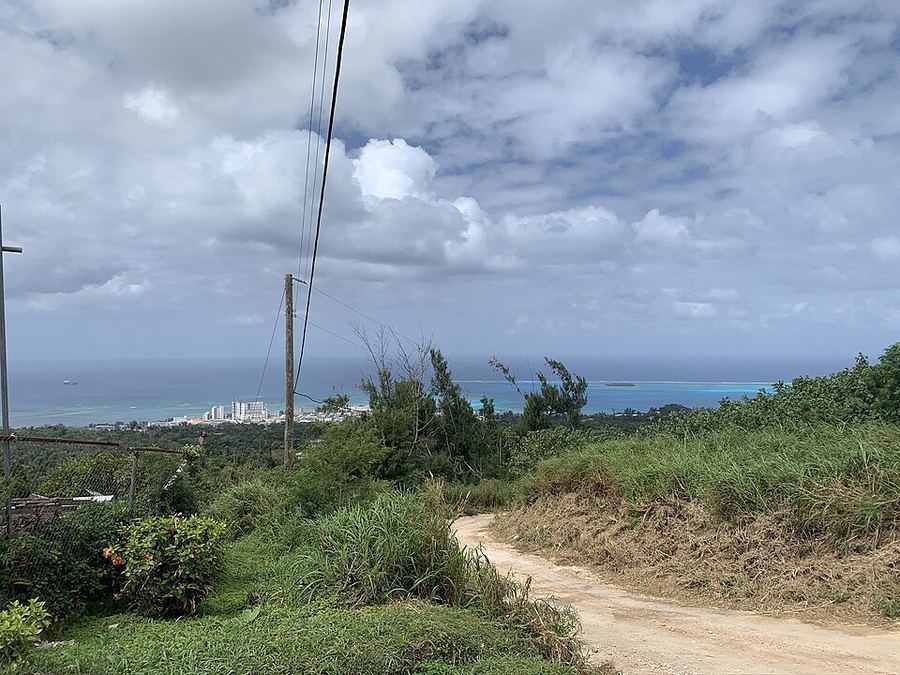
Saipan Northern Mariana Islands beach, Northern Mariana Islands
Northern Mariana Islands MNP
Saipan Northern Mariana Islands beach — Photo: rambler.panoramio / CC BY-SA 3.0 via Wikimedia Commons
Did You Know European navigators called the Chamorro sailing canoe the flying proa because it consistently outran their own ships; instead of tacking, its crew swapped bow for stern so the outrigger always stayed to windward. — Encyclopaedia Britannica

The Northern Mariana Islands are a chain of fourteen volcanic and limestone islands running north to south in the western Pacific, joined to the United States as a Commonwealth in political union under US sovereignty. About 51,000 people live there, almost all of them on the three southern islands of Saipan, Tinian and Rota; Saipan holds the seat of government and nearly all the economy. The islands are indigenous Chamorro and Carolinian ground, but a century of sugar plantations, war and garment factories has made the resident population majority-Asian, with Filipinos the single largest group and Chinese and Korean communities alongside them. Chamorro, Carolinian and English are all official. The Commonwealth relationship dates to a covenant approved by plebiscite in 1975 and brought fully into force in 1986, when residents became US citizens. Economically the islands have swung hard between booms: a garment industry that thrived on exemptions from US immigration and wage law until the quota system that supported it ended, and a tourism trade dependent on visitors from Japan, Korea and China that has repeatedly been knocked flat by typhoons, a collapsed casino venture and the closure of air routes. Federal transfers and the US military presence remain the steadiest part of the picture.

CIA World FactbookEncyclopaedia BritannicaReuters
Population
51,118
Capital
Saipan
Currency
Time zones
Largest city
Human Geography Themes
Loading national figures…
The Country & Its People

History

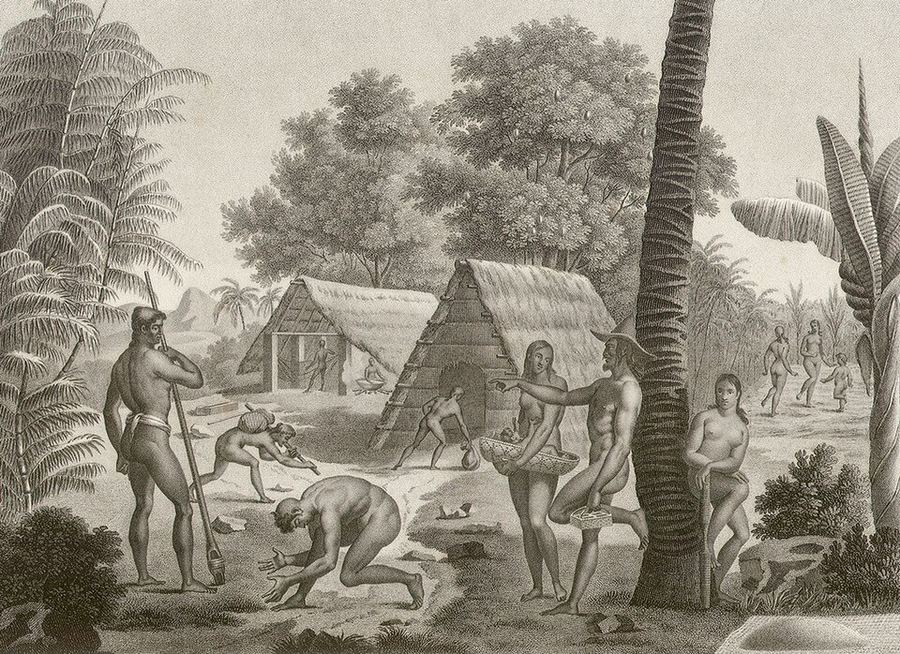
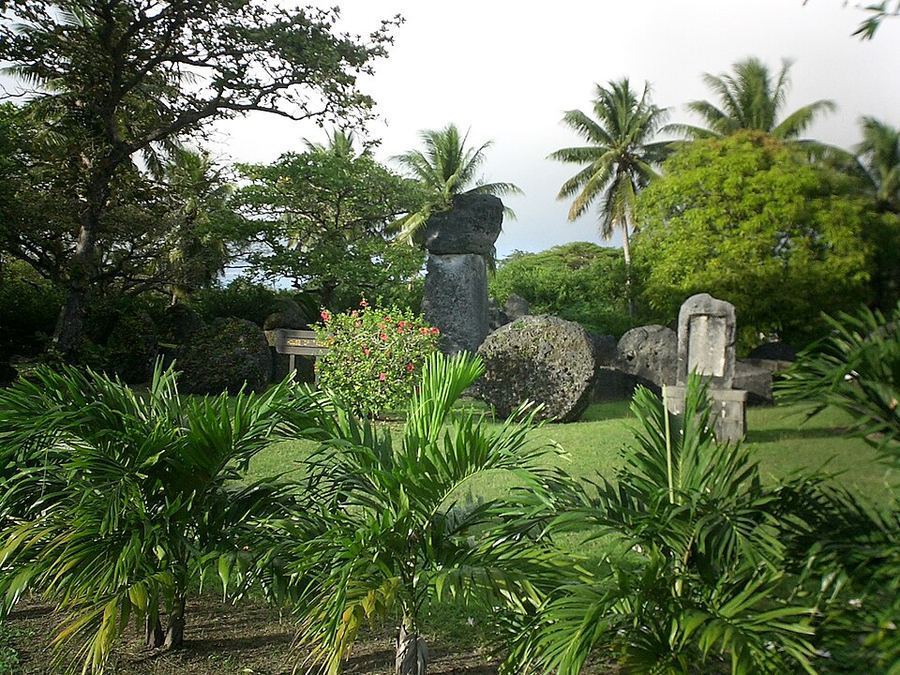
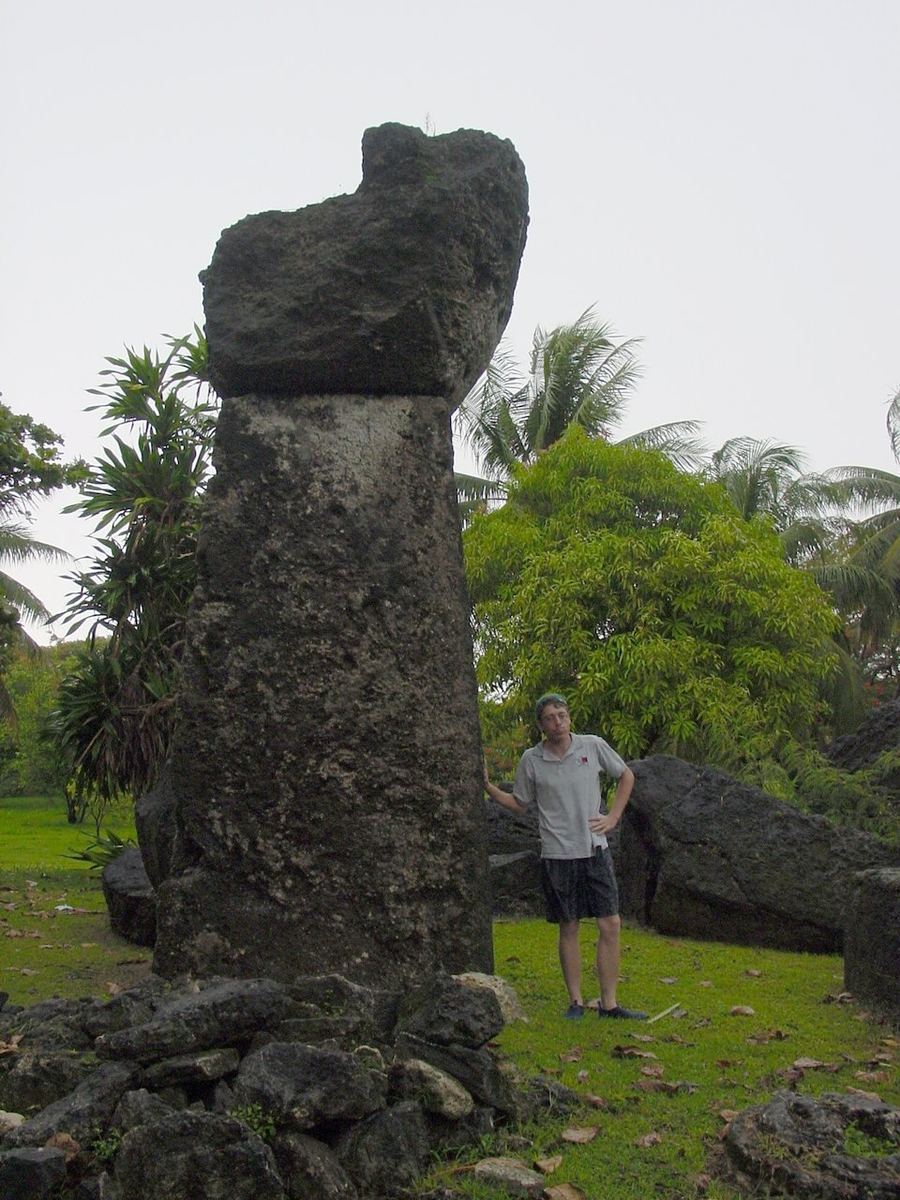
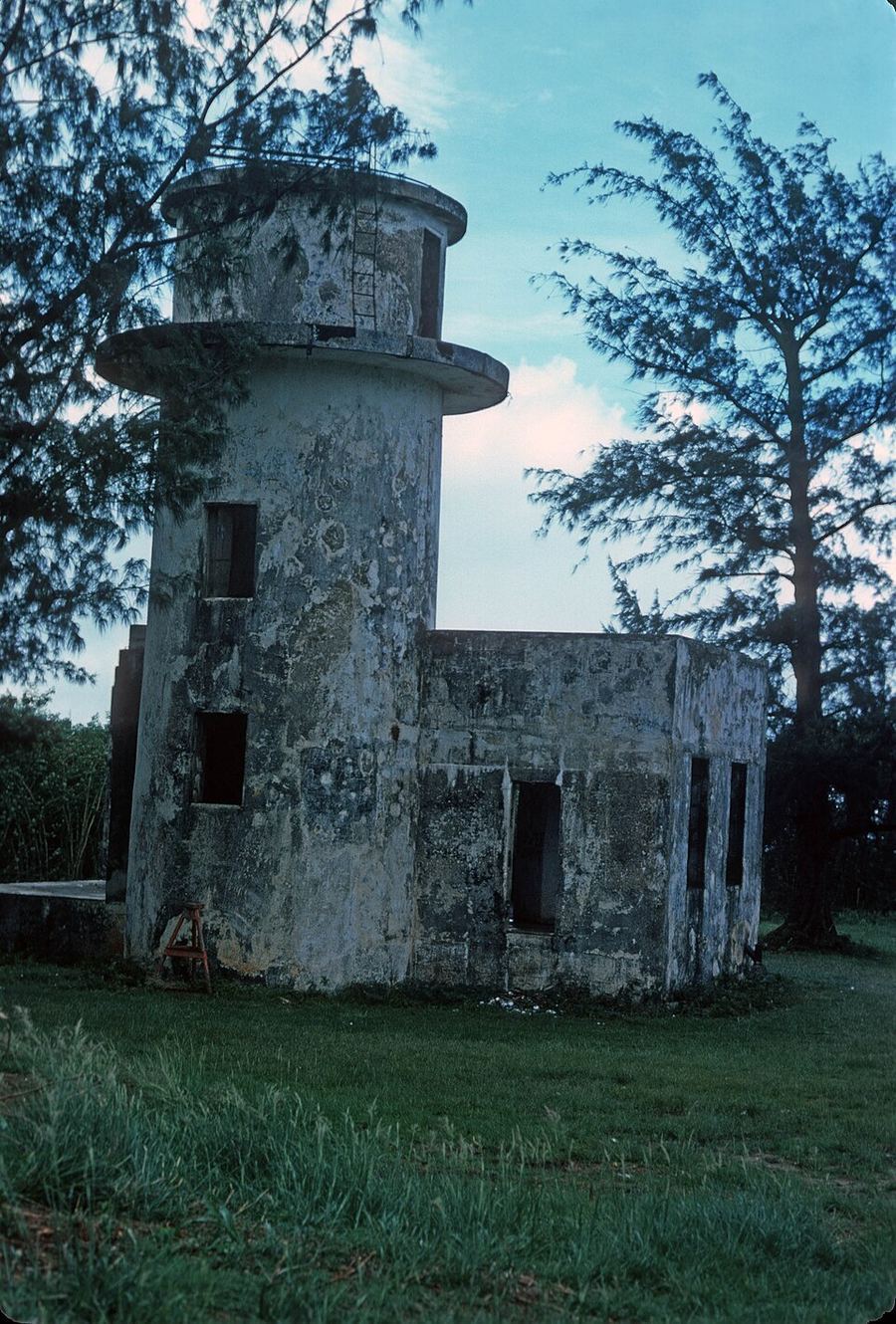
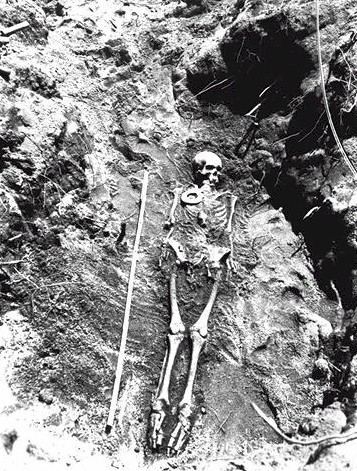
The Marianas were settled around 1500 BCE by Austronesian voyagers whose crossing from island Southeast Asia was among the longest open-ocean migrations attempted anywhere to that date. Their descendants, the Chamorros, built the latte-stone architecture whose pillars and capstones still stand across Tinian and Rota. Magellan's expedition reached the chain in 1521; Spain claimed it formally in 1565, and in 1668 the Jesuit Diego Luis de San Vitores founded a mission and renamed the islands for Queen Mariana of Austria. The Spanish-Chamorro wars that followed, together with introduced disease, collapsed the indigenous population, and survivors from the northern islands were resettled on Guam. Carolinian families from the atolls to the south began repopulating Saipan in the early nineteenth century. After the Spanish-American War, Spain sold the northern islands to Germany in 1899 while the United States took Guam alone. Japan seized them in 1914 and administered them under a League of Nations mandate, building a sugar economy that brought in tens of thousands of Japanese, Okinawan and Korean settlers. The United States took Saipan and Tinian in 1944, administered the islands as part of the Trust Territory of the Pacific Islands, and in 1975 concluded the covenant that made them a Commonwealth.
Culture

Two indigenous cultures share the islands. Chamorro society is organised around extended family obligation, expressed in the practice of chenchule', the reciprocal giving of money, food and labour that binds families through funerals, weddings and fiestas, and in mannginge', the gesture of taking an elder's hand to the forehead in respect. Carolinian (Refaluwasch) families, arriving later from the atolls, kept their own language, clan structure and above all their navigational tradition, sailing without instruments by star paths, swell and bird flight. Catholicism arrived with the Jesuits and became inseparable from local identity: every village keeps a patron saint's fiesta, and the year is punctuated by novenas, processions and open kitchens where the whole village eats. Older beliefs persist alongside it, including the taotaomo'na, ancestral spirits held to inhabit banyan trees and old ground, from whom permission is still asked before disturbing the bush. On top of this sits a large Filipino community whose own fiestas, language and food have become part of ordinary island life, and the American civic layer of school, court and election that came with Commonwealth status.

Points Of Pride

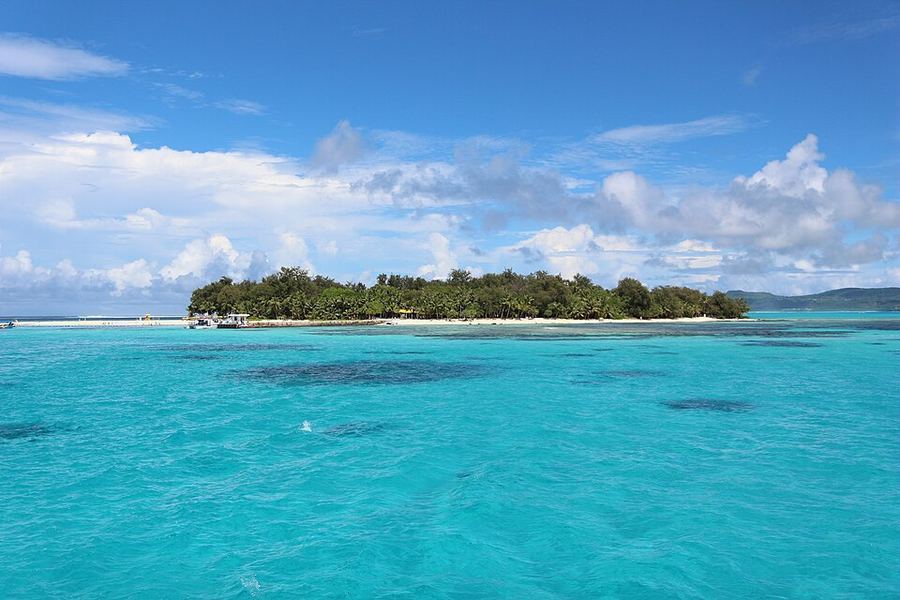
The House of Taga on Tinian is the islands' great monument: a row of latte stones quarried and raised by Chamorro builders, the largest ever erected anywhere in the Marianas, standing as evidence of a pre-contact society capable of moving multi-tonne coral limestone without metal. Mount Tapochau, the high point of Saipan, gives a view over the whole island on a clear day. Managaha, the small islet in Saipan's lagoon, is both the islands' best-known beach and the burial place of the Carolinian chief Aghurubw, who led the nineteenth-century resettlement. The Marianas Trench Marine National Monument, proclaimed in 2009, gave federal protection to waters and submerged volcanic features covering an area larger than most countries, including the deepest ocean on Earth. American Memorial Park in Garapan honours both the American servicemen and the islanders who died in the 1944 fighting. And beyond any single site, islanders take pride in the survival of the Chamorro and Carolinian languages, both taught in the public schools, after four colonial administrations in a row tried to displace them.

Cultural Fusion

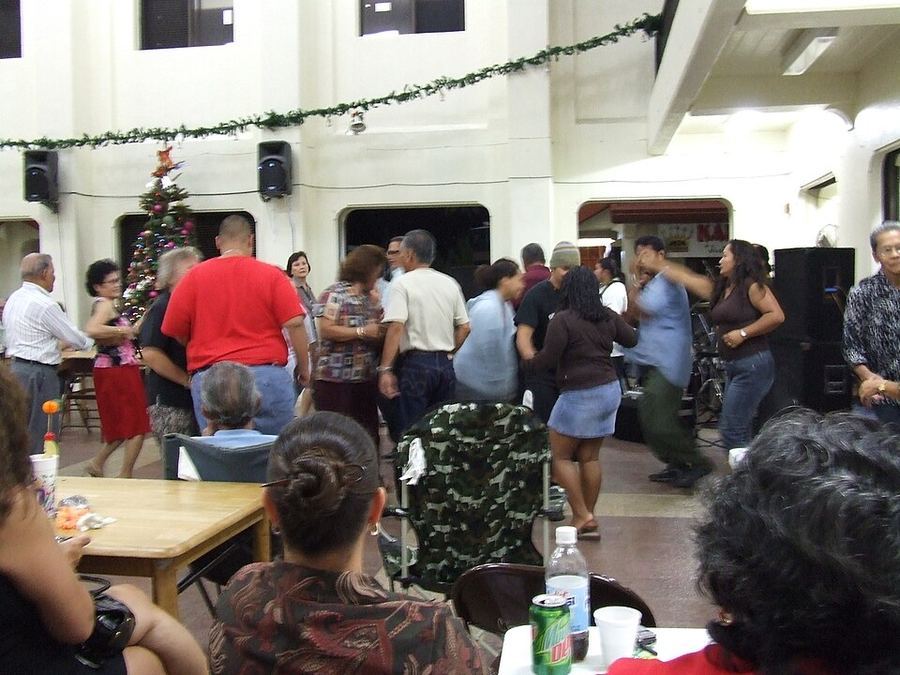
Few places of 51,000 people carry so many layers. Chamorro as spoken today is an Austronesian language with a heavy Spanish loan vocabulary, so that counting, days of the week and much of the kinship and religious lexicon arrived with the Jesuits. Carolinian sits beside it as a separate Austronesian language with its own atoll origins. Japanese administration left place names, loanwords, concrete ruins and a taste for certain foods; the American period brought English, baseball, the dollar and a legal system. The garment boom of the 1980s and 1990s and the tourism economy that followed drew workers from the Philippines, China, Korea and Bangladesh, and the result is that Filipino languages are now the most widely spoken at home, ahead of Chamorro. A Saipan village fiesta will typically serve Chamorro red rice and kelaguen next to Filipino lumpia and pancit, be blessed by a Catholic priest, and end with a Carolinian stick dance and a Korean karaoke machine. Rather than a melting pot, the islands function as a set of communities that share public life while keeping distinct kitchens, churches and languages at home.

Music & Dance

Chamorro musical tradition centres on chant. The kantan Chamorita is a call-and-response form in which singers improvise four-line verses against each other, historically sung while working in the fields or preparing food, and it survives today largely as a performance and competition genre. Missionary suppression and successive colonial school systems broke much of the older repertoire, and a good deal of what is performed now is the product of deliberate revival work since the 1970s. Carolinian communities kept more of theirs, and the Carolinian stick dance, in which lines of dancers strike paired hardwood sticks in interlocking rhythm, is the single most recognisable performance in the islands and is danced at civic occasions and cultural festivals. The annual Flame Tree Arts Festival on Saipan, held when the flame trees bloom, is the main showcase, bringing together dance troupes, carvers, weavers and musicians from all three inhabited islands and often from Guam and the Federated States of Micronesia. Everyday listening is more American and Filipino than indigenous, with island reggae, country and Tagalog pop dominating radio and family parties.

Cuisine & Misattributed Foods

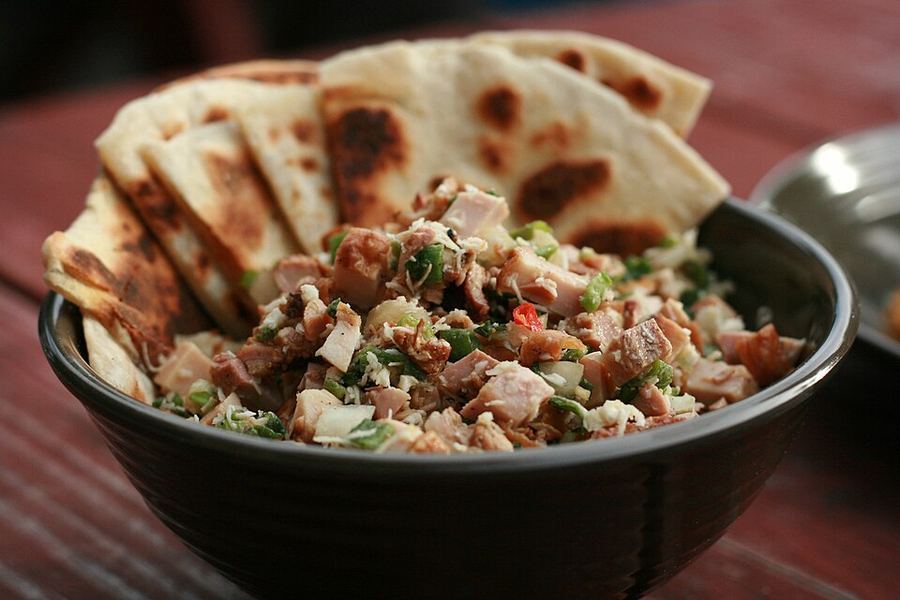
The defining dish is kelaguen: raw or lightly grilled protein, most often chicken, shrimp or the deer that were introduced to the islands, chopped fine and cured in lemon juice with grated fresh coconut, spring onion and the small fiercely hot donne' sali pepper. It is served with titiyas, a flat unleavened bread made with coconut milk or corn, and with red rice, which takes its colour and faint earthiness from achote seed and is the fixture of every fiesta table. Finadene, a sauce of soy, lemon or vinegar, onion and crushed hot pepper, goes on everything. Kadon pika is a chilli-heavy chicken stew in coconut milk. Apigigi, grated cassava and coconut wrapped in banana leaf and grilled, is the standard sweet. The wider table is deeply Filipino and Japanese as well: lumpia, pancit and adobo are as common at a gathering as anything Chamorro, and sashimi and bento are ordinary lunch food. Fresh reef fish, breadfruit, taro and the local mango and soursop fill out a diet that otherwise relies heavily on imported and canned goods, a legacy of the war years that has left a serious burden of diet-related disease.

National Dress

There is no single official dress, but the mestiza is the recognised formal costume for Chamorro women: a long skirt worn with a fitted bodice and wide, stiffened butterfly sleeves, a form that arrived through Spanish and Filipino contact and is closely related to the Philippine terno. It is worn for pageants, cultural performances, Liberation Day and church occasions rather than daily life. Men's counterpart dress is simpler, typically a loose embroidered shirt worn untucked over dark trousers. Carolinian ceremonial dress is distinct and older in form, using woven fibre wraps, shell and coconut ornament and flower head garlands, and is most visible when stick dance troupes perform. Everyday clothing is entirely modern and American-Pacific: shorts, slippers and printed island shirts, with the mwar mwar, a fresh flower head lei, given to visitors, graduates and honoured guests. Weaving in pandanus and coconut frond remains a living craft, producing mats, baskets and hats that appear at markets and festivals across Saipan, Tinian and Rota.

Sports & Inspiring Athletes

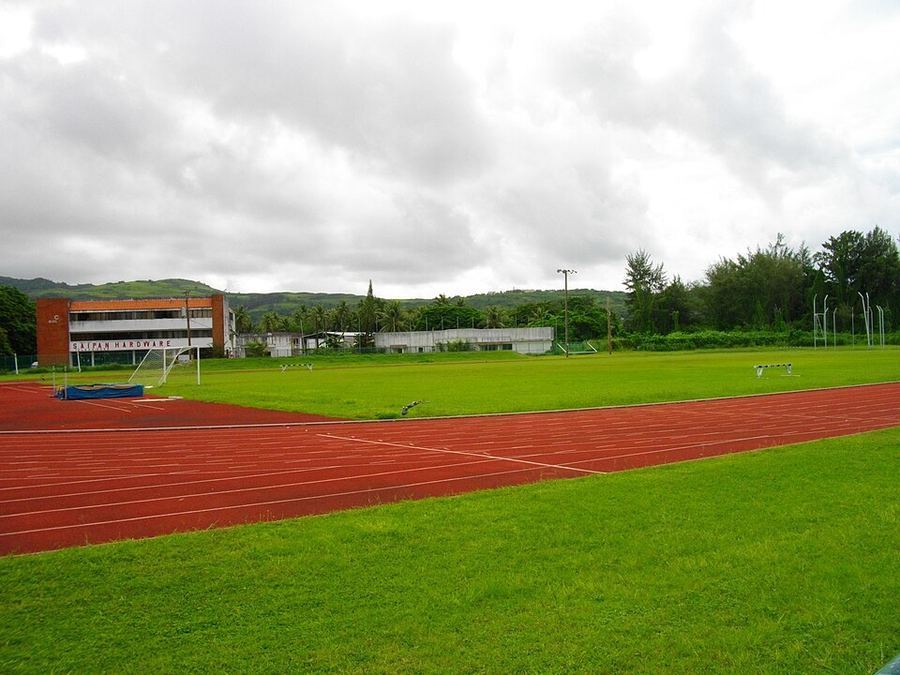
Baseball and softball are the mass participation sports, an American inheritance that took deep root and is played at village level across Saipan, Tinian and Rota; basketball runs a close second, with courts in every community and heavy participation from the Filipino population. Volleyball, particularly beach volleyball, benefits from the obvious geography. Fishing tournaments are a serious competitive circuit rather than a leisure activity, and outrigger canoe paddling has grown alongside the traditional voyaging revival, connecting the islands to the wider Pacific paddling calendar. Combat sports have a following, with local boxing and mixed martial arts cards drawing crowds and producing fighters who move on to gyms in Guam and the US mainland. Golf, once heavily developed for Japanese package tourism, contracted when those visitor numbers fell. School athletics is organised on the American model, and the Marianas Interscholastic Sports Association runs the inter-island competitions that most young athletes measure themselves against. Track and field, swimming and tennis all produce competitors for regional Pacific and Micronesian meets.

Notable Educational Programs

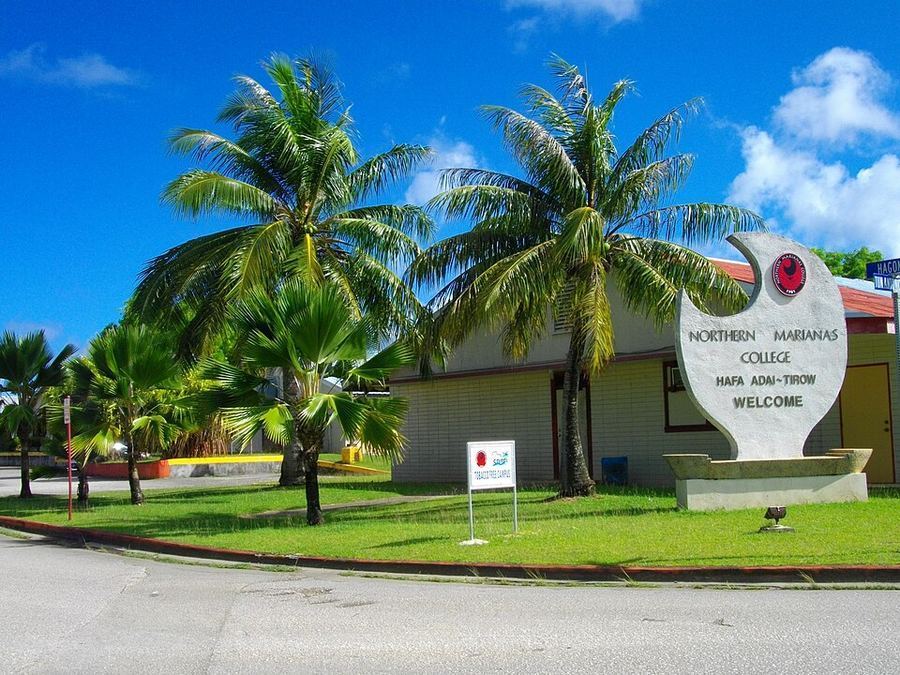
Education is administered by the CNMI Public School System on the American model, running elementary, middle and high schools across Saipan, Tinian and Rota with instruction in English and required Chamorro and Carolinian language and culture classes, a policy adopted deliberately to arrest the decline of both indigenous languages. Northern Marianas College in Saipan is the sole institution of higher education, a US-accredited community college offering associate degrees, a small number of bachelor's programmes in education, teacher certification, nursing and adult and vocational training; it also runs the land-grant cooperative extension service. The Northern Marianas Technical Institute handles trades and workforce training, an area of persistent shortage given how much of the skilled labour force is on temporary foreign worker permits. Mount Carmel School in Saipan is the main private Catholic secondary school and has been a route into US mainland universities for generations of islanders. Because degree choices locally are limited, a large share of graduates leave for Guam, Hawaii or the mainland, and reversing that outflow is a standing policy concern.

Wars & Conflicts

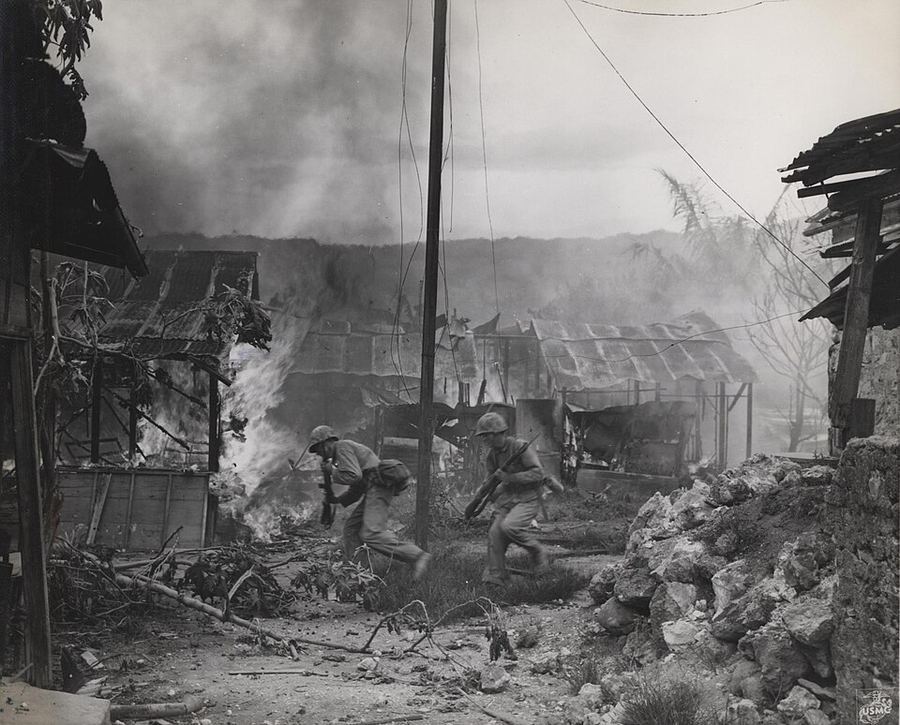
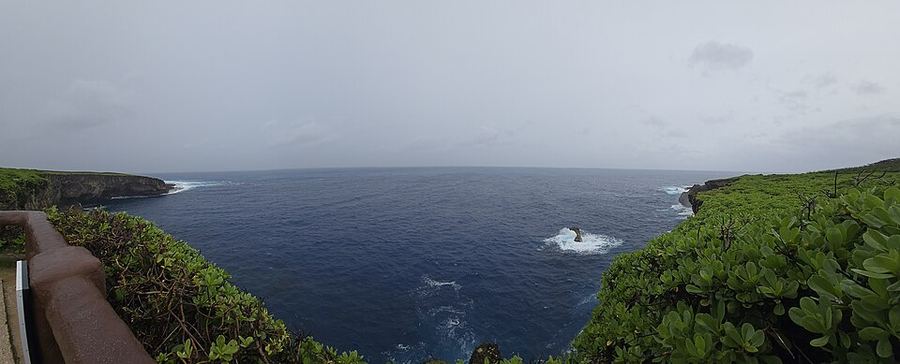
The islands' defining conflict is the Second World War. The American assault on Saipan in June and July 1944 was among the costliest amphibious battles of the Pacific campaign, killing thousands of American and Japanese soldiers and a large number of Japanese and Okinawan civilians, many of whom died in mass suicides at the cliffs at Marpi Point now known as Banzai Cliff and Suicide Cliff. Tinian fell weeks later, and its North Field was built into the largest airbase in the world at the time; the aircraft that dropped the atomic bombs on Hiroshima and Nagasaki in August 1945 took off from it. Chamorro and Carolinian civilians were caught between the two armies and suffered heavily. Since the war the islands have seen no armed conflict, but they remain closely tied to US defence planning: proposals to expand live-fire training on Tinian and to use the uninhabited northern island of Pagan for military exercises have generated sustained local opposition and litigation, and are the principal contemporary point of friction between the Commonwealth and the federal government.
Current as of 2026-08-07

Land & Border Disputes

The Commonwealth has no international territorial disputes. Its contested questions are internal to its relationship with the United States. The most consequential concerns immigration: the covenant originally left control of immigration and minimum wage with the Commonwealth, an arrangement that underpinned the garment industry and its reliance on foreign contract labour and drew federal investigations into working conditions. Congress federalised immigration control through legislation in 2008, phased in from 2009, and the resulting foreign worker permit system has been repeatedly extended, amended and litigated because the local economy cannot function without it and the workers concerned have no route to permanent status. A second running dispute concerns Article XII of the CNMI Constitution, which restricts long-term ownership of land to persons of Northern Marianas descent; it is defended locally as the guarantee of indigenous survival and challenged periodically as a barrier to investment and as constitutionally awkward under US law. Federal designation of surrounding waters as a marine national monument and the scope of military training rights are the third recurring area of friction.
Land, Life & Legacy

Land & Climate

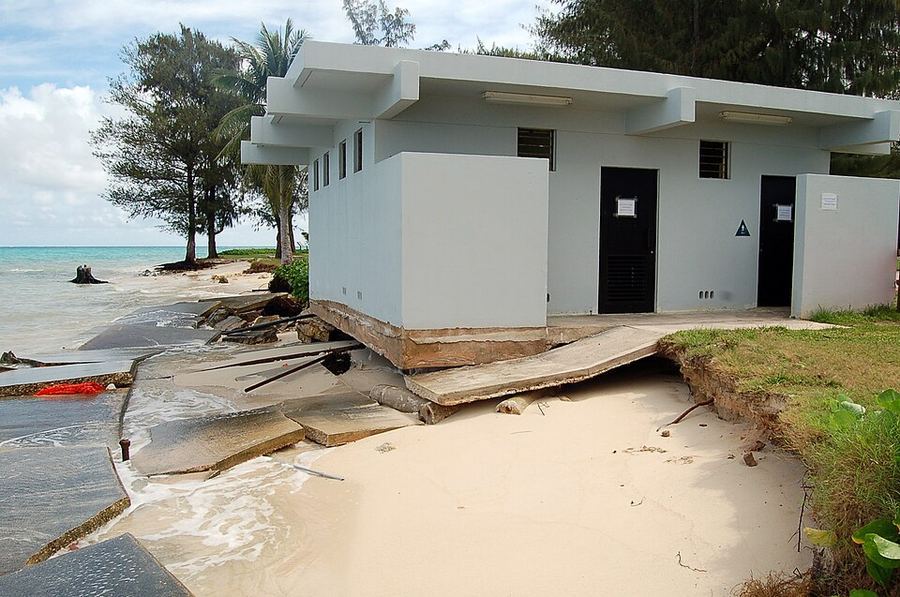
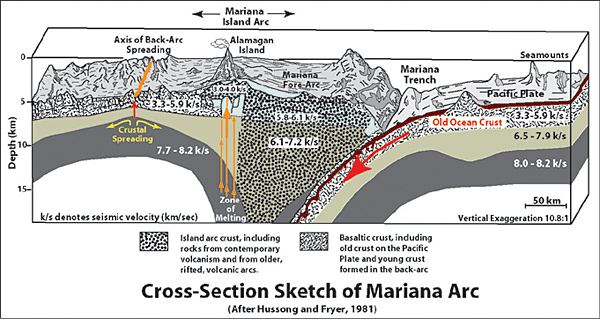
The archipelago runs roughly 650 kilometres north to south along the eastern rim of the Philippine Sea, formed where the Pacific plate dives beneath the Mariana plate. That subduction produces two very different halves. The southern islands, Saipan, Tinian, Rota and Aguijan, are older volcanic cores capped and fringed by uplifted limestone, giving them terraces, caves and the lagoon that shelters western Saipan. The northern islands, among them Anatahan, Pagan, Agrihan and Farallon de Pajaros, are young, steep and volcanically active; Anatahan erupted in 2003 and its residents have not returned, and Pagan has been evacuated more than once. Agrihan rises to about 965 metres, the highest point in the chain. The same subduction zone produces the Mariana Trench to the east, the deepest place in the ocean. The climate is tropical marine, warm and humid all year with a dry season from December to June and a wet season from July to October, and the islands sit squarely in the western Pacific typhoon belt. Super Typhoon Yutu, which crossed Tinian and southern Saipan in October 2018, destroyed or damaged a large share of the housing stock and remains the benchmark storm in living memory.

Entertainment

Life outside work is oriented to the water and to the family gathering. Saipan's western lagoon, sheltered by a barrier reef, is the centre of it: swimming and picnicking along Micro Beach, boat trips to Managaha, and a diving scene built around the Grotto, a collapsed limestone cavern on the northern coast connected to the open ocean by underwater tunnels and consistently rated among the Pacific's best cave dives. Wreck diving over the sunken Japanese ships and aircraft in Tanapag lagoon draws visitors specifically for the war archaeology. On the rougher eastern shore, Bird Island and Forbidden Island are the standard lookouts. Tinian has Taga Beach and the calm bays of its western coast; Rota is quieter, greener and known for cliff-line diving and birdwatching. Fishing, both from small boats and off the reef, is a serious pastime rather than a tourist activity. Barbecue is the default social form, with pop-up tents at the beach parks most weekends. Basketball and softball courts fill in the evenings, and cockfighting, though contested, retains a following. Golf courses built for the Japanese tourist boom have had a mixed fate as visitor numbers fell.

Art & Museums

The oldest surviving art in the islands is architectural and lithic: the latte pillars, the quarry at As Nieves on Rota where unfinished megaliths still lie in the ground exactly as they were abandoned, and the pictographs in limestone caves on Saipan and Tinian. Contemporary practice is strongest in carving and weaving. Carvers work ifil and other dense local hardwoods into bowls, canoe models, latte forms and figures; weavers work pandanus and coconut frond into mats, baskets and hats using techniques passed down within families. The revival of traditional sailing canoe building since the 2010s, reconstructing the Chamorro sakman from surviving European drawings and Carolinian atoll practice, has been as much an artistic as a technical project. The CNMI Museum of History and Culture in Garapan, housed in a Japanese-era hospital building, holds the main public collection, covering the Latte period, Spanish contact, the Japanese administration and the war. The Flame Tree Arts Festival is the principal annual exhibition venue for painters, printmakers and craftspeople working across the three islands.

Notable People

Aghurubw, the Carolinian chief who led his people from the atolls to resettle Saipan in the early nineteenth century and is buried on Managaha, is the founding figure of one of the islands' two indigenous communities. Diego Luis de San Vitores, the Jesuit who founded the Marianas mission in 1668, is the pivotal outside figure of the Spanish period, and the wars that followed his arrival reshaped the population permanently. In the modern Commonwealth, the Tenorio family has supplied two governors, Pedro P. Tenorio, who led the islands through the transition into Commonwealth status and the grant of US citizenship, and Froilan Tenorio. Gregorio Kilili Camacho Sablan has represented the Commonwealth as its non-voting delegate in the US House of Representatives since the seat was created in 2009, making him the islands' most visible political figure nationally. Arnold Palacios became governor in 2023 after serving as lieutenant governor. Because the Commonwealth has no national Olympic committee, islanders with international sporting ambitions have generally had to compete under the United States, which has kept local athletes largely out of the global record books.

Inventions & Breakthroughs

The islands' contribution is maritime and ancient. The Chamorro sakman, the vessel European sailors called the flying proa, was a single-outrigger canoe with an asymmetric hull and a shunting rig: instead of tacking, the crew moved the sail from one end to the other so that bow and stern swapped roles, allowing the outrigger always to stay to windward. Magellan's chroniclers and later British navigators, including Anson's officers in the 1740s, recorded these craft outrunning European ships by a wide margin, and the design's influence runs through the whole later history of multihull sailing. The latte, a two-part pillar and hemispherical capstone used to raise houses off the ground, is the other indigenous engineering tradition, requiring quarrying, shaping and erection of stones weighing several tonnes without metal tools or draught animals. Carolinian non-instrument navigation, using memorised star compasses, swell patterns and seabird behaviour, is a knowledge system rather than an artefact but belongs in the same category, and its survival in the wider Caroline Islands has underpinned the Pacific-wide revival of traditional voyaging.
SmithsonianEncyclopaedia BritannicaScience

Science & Technology

The waters around the islands are one of the most scientifically significant marine environments on Earth. The Mariana Trench reaches the greatest known ocean depth, and the volcanic arc that parallels it hosts hydrothermal systems found almost nowhere else, including a vent field at NW Eifuku where liquid carbon dioxide bubbles from the seafloor, a phenomenon that has become a natural laboratory for studying ocean acidification. Submarine volcanoes along the arc have been surveyed repeatedly by remotely operated vehicles, and the Marianas Trench Marine National Monument gave much of this seafloor formal protection in 2009. On land, the active northern volcanoes are monitored for eruption and ash hazard, a live concern for aviation across the western Pacific since the Anatahan eruptions of the 2000s. Terrestrial science is dominated by conservation biology: the islands' endemic birds, among them the Rota white-eye and the Mariana crow, are critically threatened, and the invasive brown tree snake that devastated Guam's avifauna is the subject of a permanent interdiction effort to keep it out of the Commonwealth. Northern Marianas College's extension service handles agricultural and coral reef monitoring work.
NatureScienceSmithsonianUNESCO
On The World Stage

Champions & Defining Moments

The Commonwealth's international sporting position is unusual and constrained. It has no national Olympic committee, so athletes who reach elite level must compete for the United States rather than for their own islands, and there is no CNMI flag at the Olympic Games. Where the Commonwealth does compete under its own name is in regional multi-sport competition: it takes part in the Micronesian Games and the Pacific Games, which are the main arenas in which islanders represent home, and in the Micronesian Championships across athletics, swimming and team sports. In football the Northern Mariana Islands Football Association is an associate member of the Asian Football Confederation and fields a national side in AFC-organised competition, but it is not a FIFA member, which keeps the team out of World Cup qualifying. Baseball teams have represented the islands in Asian and Pacific youth competition. The overall effect is that the Commonwealth's international sporting identity is strong regionally and almost invisible globally, a direct consequence of its political status rather than of any lack of athletes.

Economy, Trade & Government

Currency & GDP

GDP (PPP): $1.242 billion (2016 est.)

Exports

$244 million (2022 est.)

scrap iron, refined petroleum, scrap copper, hydraulic engines, integrated circuits (2021)

Partners: Sweden 21%, Singapore 20%, Hong Kong 12%, UK 8%, India 7% (2023)

Imports

$777 million (2022 est.)

refined petroleum, cars, jewelry, trunks and cases, flavored water (2023)

Partners: Singapore 63%, Japan 12%, Hong Kong 8%, Taiwan 4%, Philippines 3% (2023)

Government

Type: a commonwealth in political union with and under the sovereignty of the US; republican form of government with separate executive, legislative, and judicial branches

Independence: none (commonwealth in political union with the US)

Terrain → Where People Live

How mountains, coasts, and rivers shape settlement (LandScan).

Coming — data

Migration & Ethnic Settlement

Where groups settled and how people move (GeoEPR + UNHCR).

Coming — data

Universities

Notable institutions, mappable as points.

Coming — data
Economy & government facts: CIA World Factbook (public domain), via OpenFactBook / factbook.json.
Every fact and narrative claim will carry a visible source citation. Data-driven sections light up automatically wherever HERA has coverage.