HERA · Human Entity Reference Atlas by Masego Inc

← Mozambique 🌐 3D View
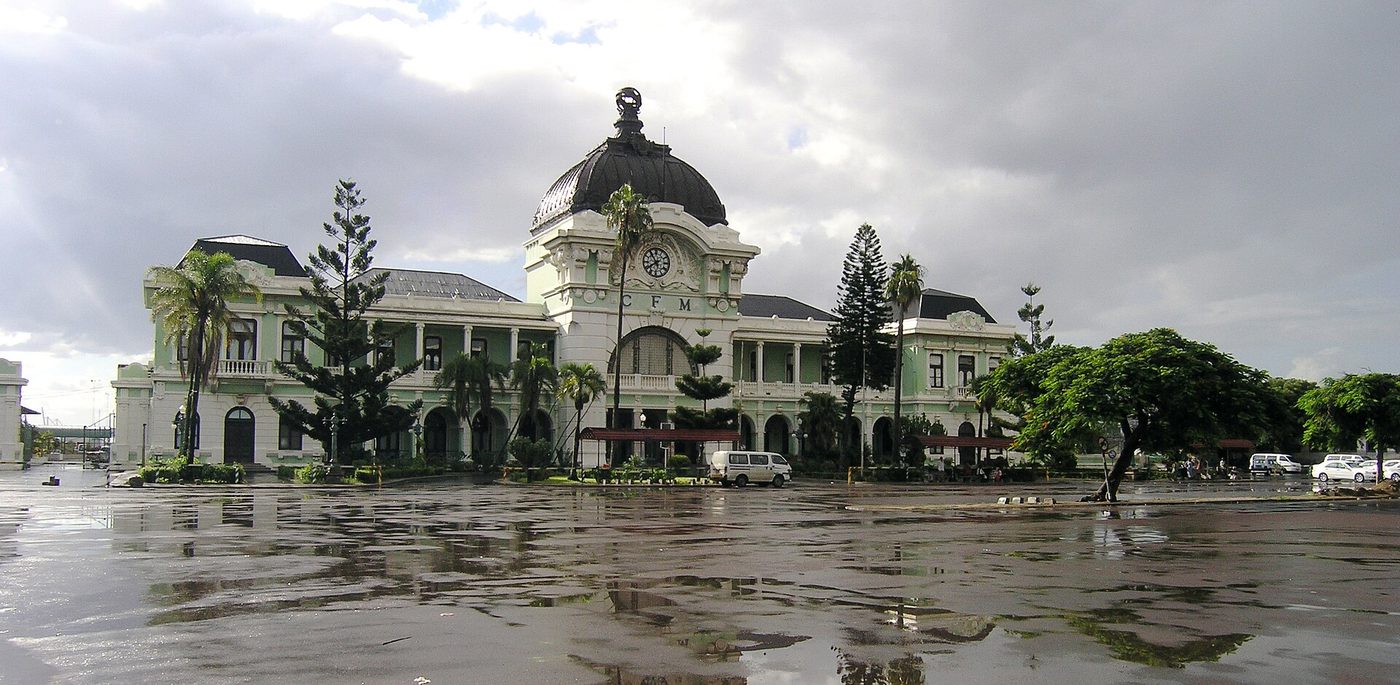
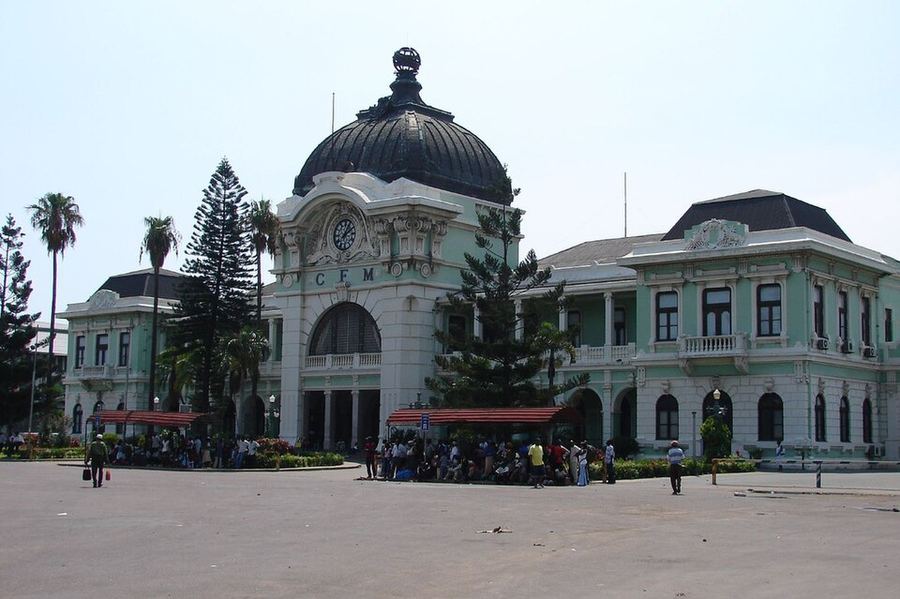
Caminhos de Ferro de Mocambique, Railway Station in Maputo, Mozambique, Mozambique
Mozambique MOZ
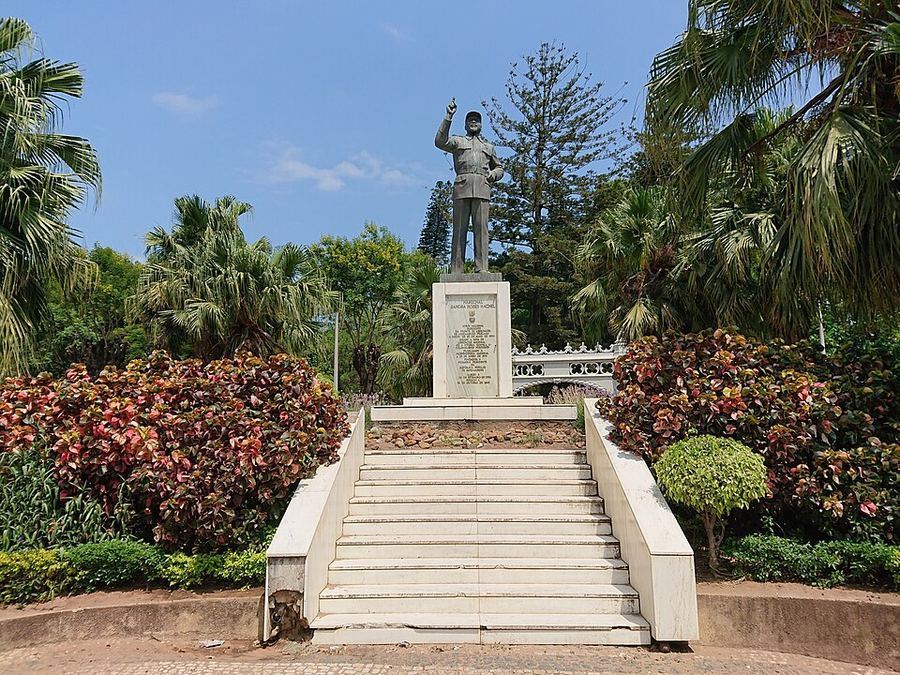
Caminhos de Ferro de Mocambique, Railway Station in Maputo, Mozambique — Photo: Dumplestilskin at English Wikipedia / Public domain via Wikimedia Commons
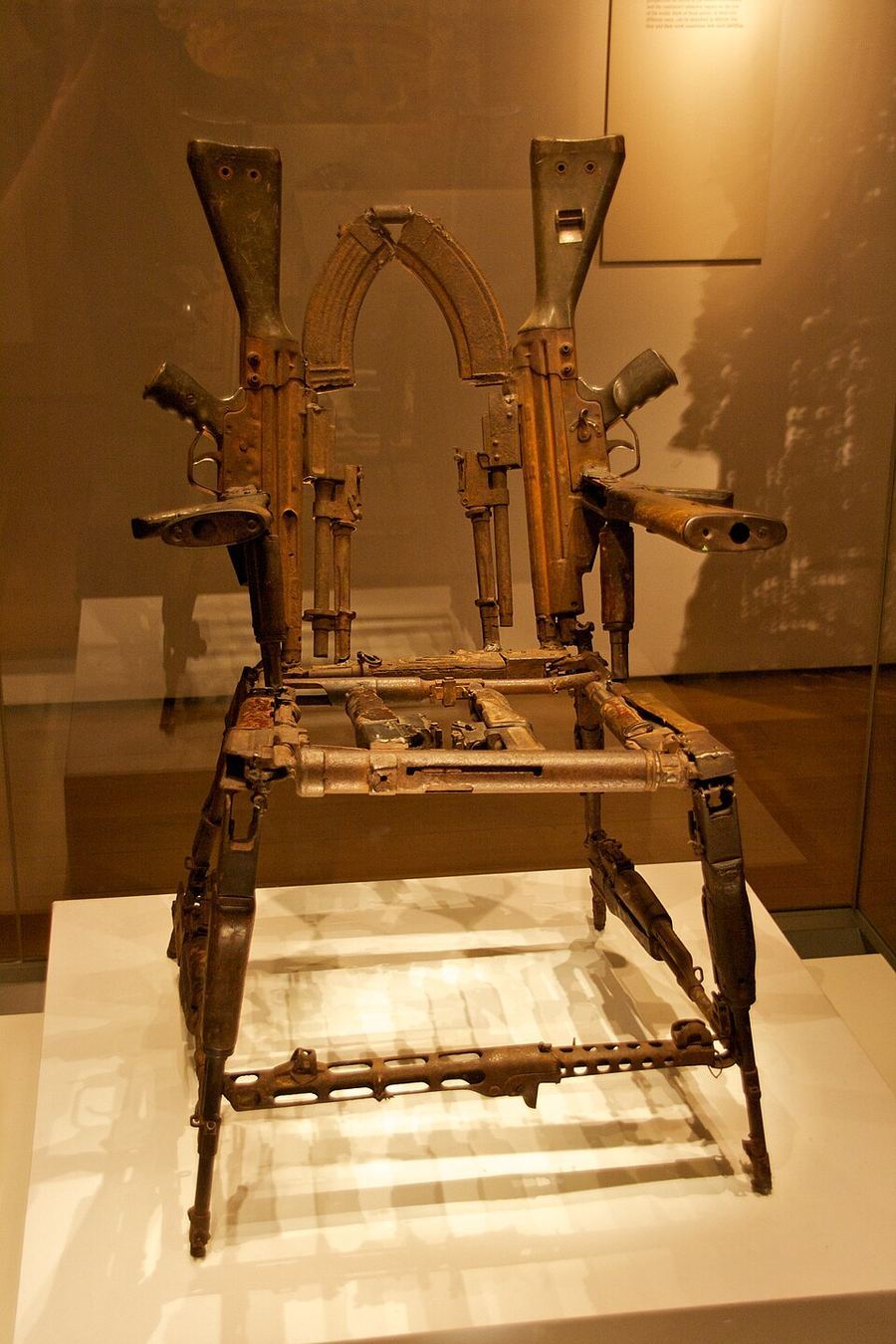
Did You Know The Throne of Weapons — a chair built from decommissioned civil-war firearms handed in under a weapons-for-tools scheme — is held by the British Museum and has become one of the most widely exhibited African artworks of recent decades. — British Museum

Mozambique is a presidential republic of roughly 34 million people occupying a long, narrow country down the south-eastern coast of Africa, with some 2,700 kilometres of Indian Ocean shoreline facing Madagascar across the Mozambique Channel. Maputo, in the far south near the South African border, is the capital and largest city. The population is overwhelmingly of Bantu origin and remarkably diverse: Makhuwa is the largest first language, spoken by around a quarter of the population, followed by Tsonga, Nyanja, Sena, Lomwe and many others, while Portuguese — the sole official language — is the medium of government, schooling and national media and is spoken as a second language by a large minority. Religion divides between Catholicism, a substantial and growing Pentecostal and independent-church sector, and Islam, which predominates along the northern coast. Independence from Portugal came on 25 June 1975 after a ten-year liberation war, and was followed almost immediately by a civil war that lasted until 1992 and cost perhaps a million lives. The country has one of the world's youngest populations, with a median age of about 17, and among its lowest incomes, even as offshore gas discoveries in the Rovuma Basin have made it a significant future energy exporter.

CIA World FactbookEncyclopaedia BritannicaGlottolog
Population
34,206,144
Capital
Maputo
Currency
None MZM
Time zones
Largest city
Maputo
Human Geography Themes
Loading national figures…
Largest Cities
Maputo3,533,370
Nampula1,028,776
Beira627,142
Quelimane521,924
Chimoio519,721
Tete470,794
Lichinga295,134
Pemba290,869
In Perspective

Maputo's urban core is home to about 3,533,370 people.

That's bigger than Rome and Amsterdam — each a great world city in its own right.

Maputo3,533,370
Rome2,556,354
Amsterdam1,223,407

Among the world's megacities, though, it's one of many — the giants of Asia and Latin America run larger still:

Maputo3,533,370
Jakarta40,545,126
Dhaka37,307,160
Tokyo33,244,670
Shanghai30,678,616
Cairo25,230,325
The Country & Its People

History

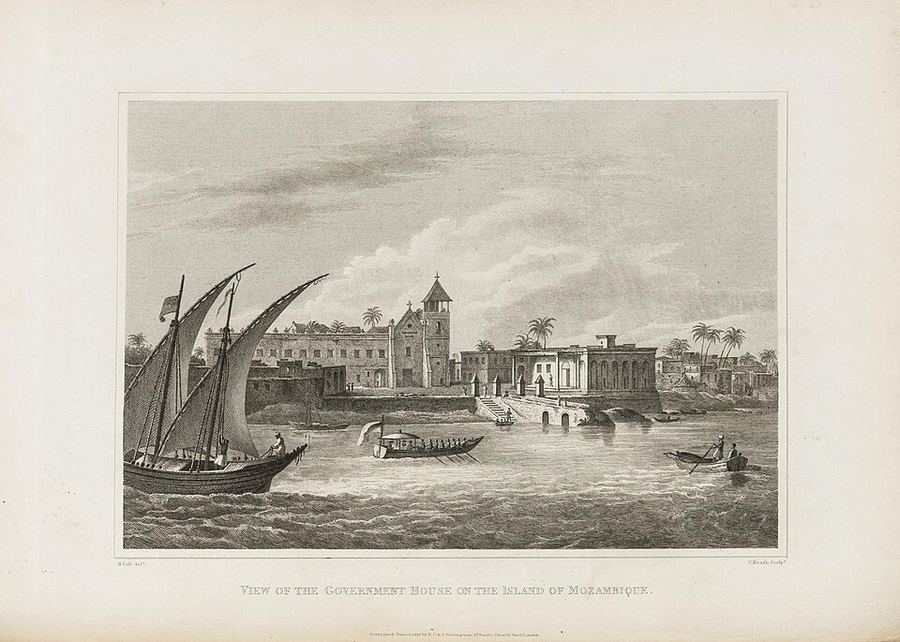
Bantu-speaking farmers settled the region in the first millennium AD, and by the tenth century a chain of Swahili trading towns — Sofala, Angoche, Quelimane and the island later called Mozambique — was exporting gold and ivory drawn from the Zimbabwean plateau into the Indian Ocean world. Vasco da Gama reached the coast in 1498, and the Portuguese established themselves at Sofala from 1505; Mozambique Island served as the capital of Portuguese East Africa until 1898, when the seat moved to Lourenço Marques, today's Maputo. Portuguese control inland was thin for centuries, exercised through prazo estates along the Zambezi and, in the interior, contested by African states — most formidably the Gaza Empire founded by Soshangane, which Portugal defeated only in 1895 with the capture and exile of its ruler Ngungunhane. Chartered companies administered much of the north into the twentieth century under a regime of forced labour and compulsory cotton cultivation. FRELIMO was founded in exile in 1962 under Eduardo Mondlane and launched an armed struggle in 1964; Mondlane was assassinated in 1969 and Samora Machel took over. Portugal's Carnation Revolution opened the way to independence in 1975. A devastating civil war with RENAMO followed until the Rome General Peace Accords of 4 October 1992.
Culture

Mozambican culture runs on a north-south grain. In the north, among the Makhuwa, Makonde and Yao, descent and inheritance are traced through the mother's line, initiation rites remain central to adulthood, and centuries of Indian Ocean trade have left Islam as the dominant faith along the coast. In the south, among the Tsonga and Chopi, descent is patrilineal, lobolo bridewealth is standard, and a century of labour migration to the South African mines has shaped everything from music to household economics. Across the country, respect for elders and for ancestors underpins social life; the curandeiro, or traditional healer, remains an ordinary first recourse for illness and misfortune alongside clinics and churches. Christianity is plural, running from the Catholic hierarchy through Anglican and mainline Protestant churches to the large Zionist and Pentecostal congregations that now claim roughly a third of the population between them. The most visible everyday cultural object is the capulana, the printed cotton cloth worn, tied, gifted and used as sling, wrap, headdress and curtain. Mozambique is also, unusually, a Lusophone country that joined the Commonwealth — admitted in 1995 as the first member never to have been part of the British Empire.

Points Of Pride

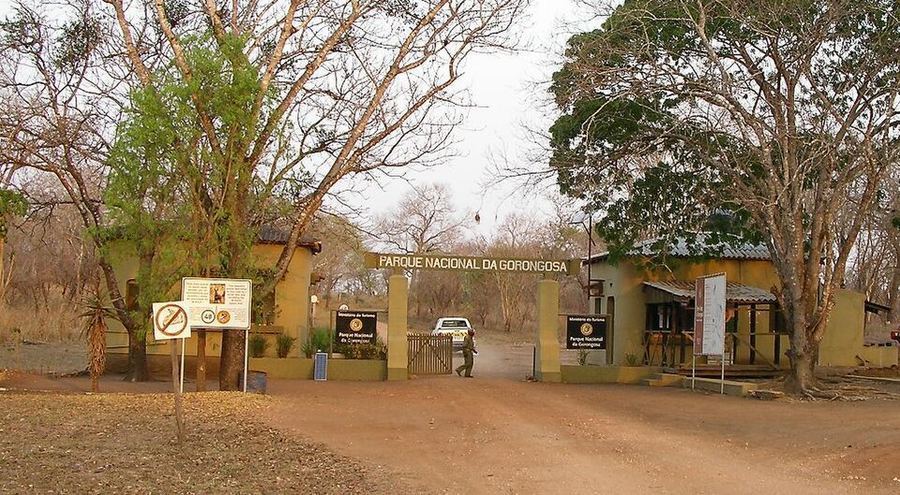
The Island of Mozambique, a coral island barely three kilometres long that served as the capital of Portuguese East Africa for four centuries, was inscribed as a UNESCO World Heritage site in 1991 and remains the country's only listing — a place where a sixteenth-century Portuguese fortress-chapel, one of the oldest European buildings in the southern hemisphere, stands a few hundred metres from Swahili stone town and macuti-roofed quarters. Gorongosa National Park is the second great source of pride: reduced to almost nothing by the civil war, it has been restored since 2004 through a long-term partnership between the government and a private foundation, and its recovering elephant, lion and antelope populations are among the most-cited conservation turnarounds in Africa. The Bazaruto and Quirimbas archipelagos protect dugongs, whale sharks and coral reefs. Mozambican literature carries real international weight, with Mia Couto and Paulina Chiziane both recipients of the Camões Prize, Portuguese-language literature's highest honour, and José Craveirinha the first African to win it. Mozambicans also point, with a certain wry pride, to a flag that carries a book, a hoe and an AK-47 — the only national flag in the world bearing a modern assault rifle.

Cultural Fusion

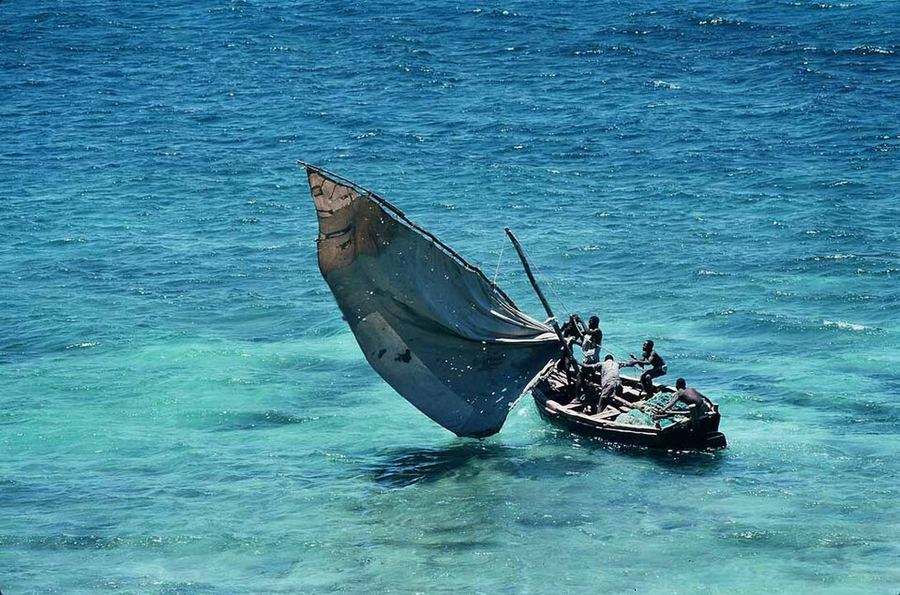
Mozambique's coast has been a meeting place for a thousand years, and the layering is visible town by town. The Swahili corridor brought Arab and Persian traders, Islam, dhow rigging, and Arabic loanwords into the coastal Bantu languages long before any European arrived; on Mozambique Island a mosque, a Hindu temple and a Portuguese chapel stand within a short walk. Portuguese rule added the language that now binds a country of dozens of mother tongues, a Catholic hierarchy, a legal and administrative vocabulary, and a cuisine reshaped by chillies, cassava and maize that Portuguese ships themselves had carried from the Americas. Indian merchants from Goa and Gujarat established trading houses whose descendants remain, and their food is folded into the national kitchen. In the south, decades of migrant labour on the Witwatersrand mines produced a two-way traffic of money, music and slang, and marrabenta grew directly out of that circulation. Zimbabwe, Malawi and Tanzania shape the border provinces culturally as much as politically. The result is a country where a Makhuwa matrilineal village, an Islamic coastal town and a Portuguese-speaking Maputo suburb are all unambiguously Mozambican.

Music & Dance

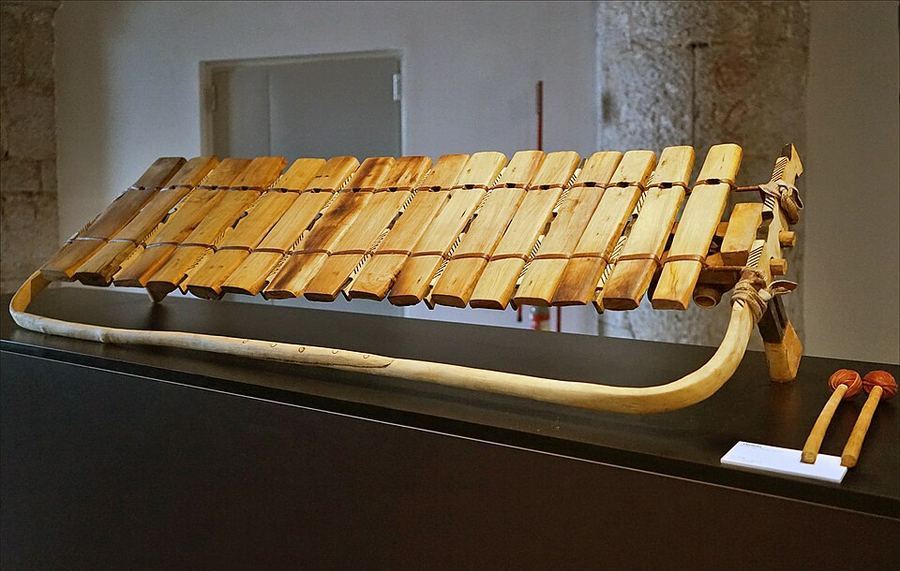
Mozambique's most remarkable musical tradition is the timbila of the Chopi people of Inhambane province — orchestras of tuned wooden-slat xylophones with gourd resonators, in several sizes from treble to bass, playing multi-movement compositions called msaho that combine instrumental sections with sung poetry commenting on local events and grievances, and with choreographed dance. UNESCO recognised the Chopi timbila as a masterpiece of intangible cultural heritage, and Venâncio Mbande was its most celebrated modern master. In the north, the Makonde perform mapiko, a masked dance in which a masked figure representing a spirit dances to drum ensembles as part of initiation. Southern Mozambique developed xigubo, a vigorous warrior dance. The great urban genre is marrabenta, which emerged in the suburbs of Lourenço Marques in the mid-twentieth century when guitars made from oil cans and fishing line were used to play local rhythms in a style shaped by migrant workers returning from South Africa; Fany Mpfumo, Wazimbo and the Orquestra Marrabenta Star carried it into the independence era. Since the 2000s pandza, a faster fusion of marrabenta with ragga and hip-hop, has dominated the charts through artists such as Neyma, Lizha James and Mr Bow.

Cuisine & Misattributed Foods

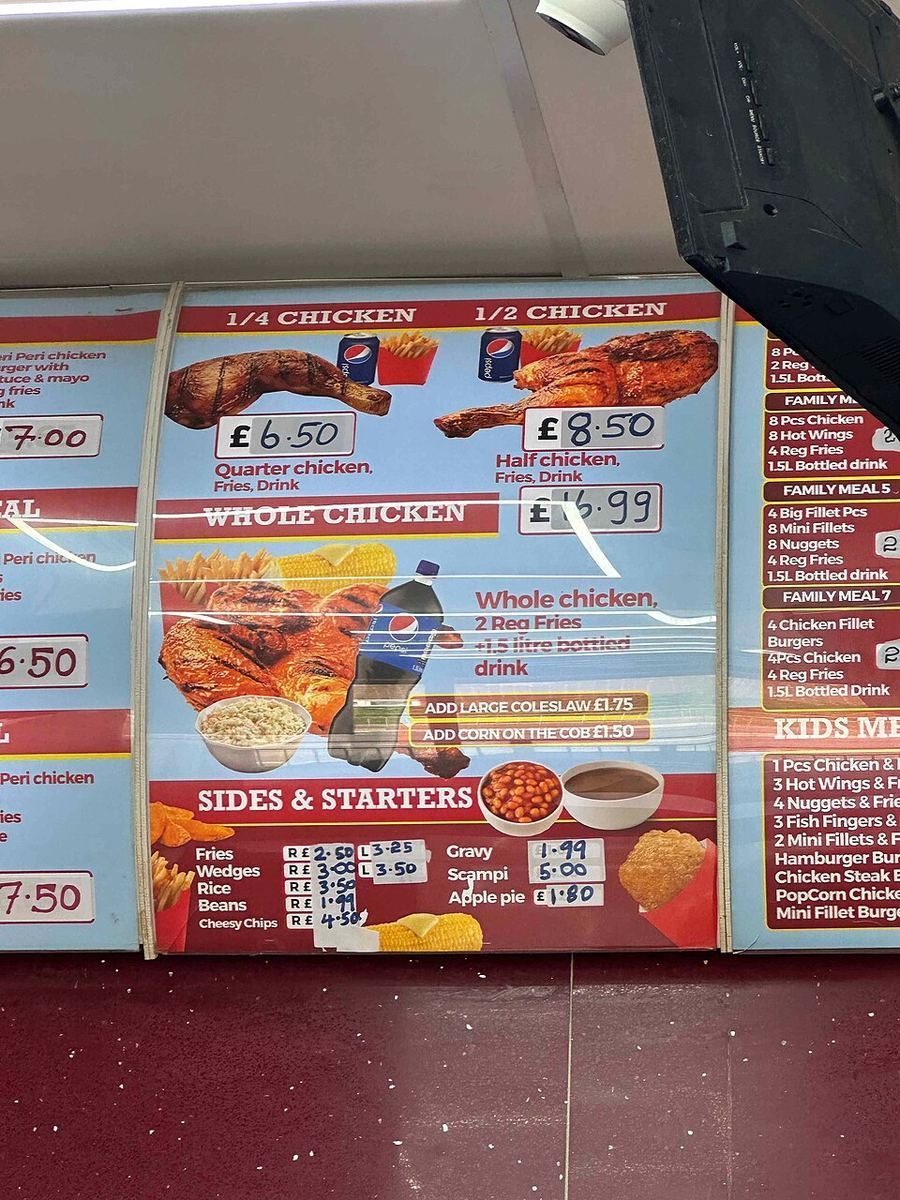
The staple across most of Mozambique is xima, a stiff porridge of maize or cassava flour eaten with a relish of greens, beans or fish. The dish most often named as national is matapa: young cassava leaves pounded with garlic and ground peanuts, simmered in coconut milk and usually finished with crab or prawns, served over rice. Coconut and cassava define northern cooking, groundnuts thicken sauces everywhere, and cashews are a national crop — Mozambique was among the world's leading cashew exporters before the industry's collapse in the 1990s, a case the World Bank has examined closely. The country's best-known export to global menus is piri-piri, the small fierce chilli that Portuguese ships carried from Brazil and that Mozambican cooks turned into the marinade for grilled chicken; galinha à zambeziana, with coconut and lime as well as chilli, is the richer local version. The prawns of the Sofala and Maputo banks have a formidable reputation across southern Africa. Portuguese inheritance shows in bread rolls, pastries and beer, with Laurentina and 2M the national brands, and in bolo polana, a cake of cashew and potato named for a Maputo neighbourhood.

National Dress

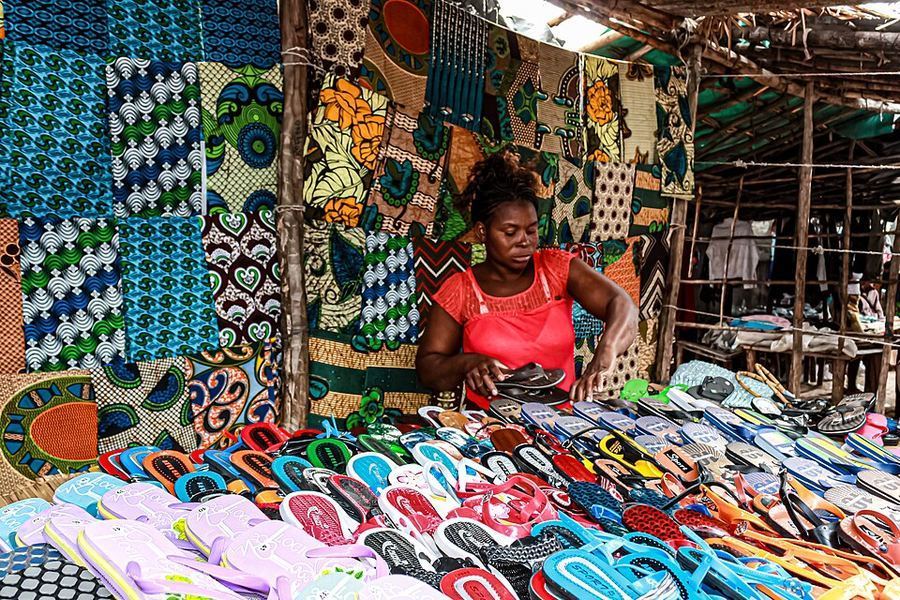
Mozambique has no single codified national costume; what it has instead is the capulana, a rectangle of printed cotton about two metres by one, which functions as the universal garment of Mozambican women and as a national emblem in its own right. It is wrapped as a skirt, tied over the shoulder as a sling to carry a baby on the back, wound as a headwrap, used as a towel, a shawl, a tablecloth or a shroud, and given as a gift at weddings, funerals and initiations. Designs are printed with everything from geometric patterns to political slogans, election symbols and commemorative portraits, so that the cloth doubles as a medium of public communication; contemporary Maputo designers now tailor capulana fabric into structured dresses, jackets and suits for formal wear. In the north, a second distinctive practice accompanies it: mussiro, a white facial mask made by grinding the root of a local shrub against a stone with water, worn by Makhuwa women — especially on Mozambique Island and the Nampula coast — both as a cosmetic and a skin treatment and as a marker of a woman's status. Muslim coastal men wear the kanzu robe and embroidered kofia cap.

Sports & Inspiring Athletes

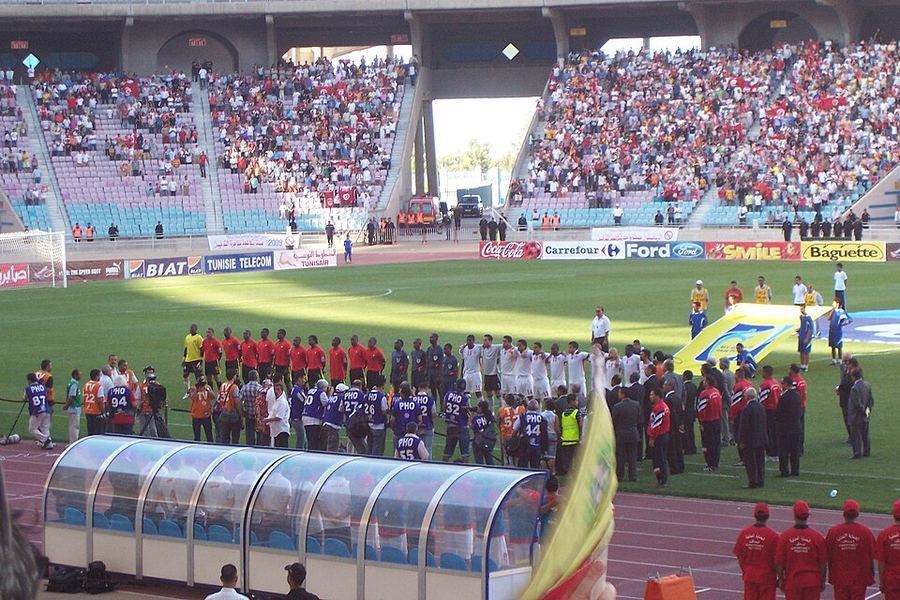
Football overwhelms everything else. It is played on beaches, dirt lots and street corners across the country, and organised nationally in the Moçambola, whose leading clubs — Costa do Sol, Ferroviário de Maputo, Maxaquene and Liga Muçulmana — are concentrated in the capital. The national team, the Mambas, plays at the Estádio do Zimpeto in Maputo, built for the 2011 All-Africa Games, and has reached the Africa Cup of Nations several times, most recently at the 2023 edition played in Côte d'Ivoire in early 2024, where it drew all three group matches including a memorable 2-2 comeback. Athletics is the second-strongest sport and the one that has produced the country's greatest champion in Maria Mutola. Basketball has a solid following, particularly women's basketball, and Mozambique has hosted continental club competition. Traditional and informal games remain widespread — ntxuva board play, wrestling and canoe racing on the rivers and lagoons. Beach and water sports have grown with tourism at Tofo and Vilanculos. Sporting infrastructure outside Maputo is limited, and much youth development happens through church, school and club structures with minimal funding.

Notable Educational Programs

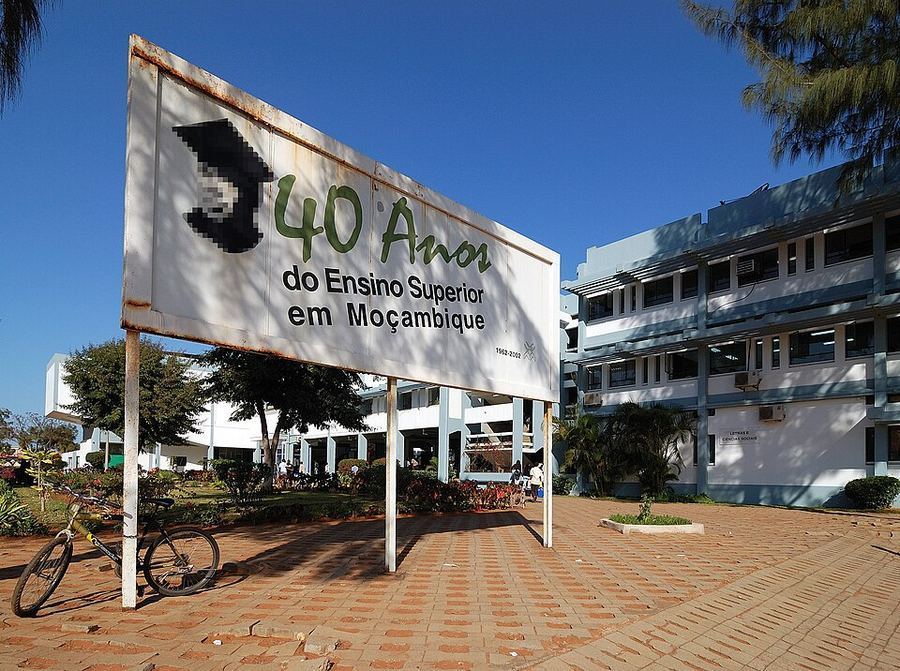
Portuguese colonial policy restricted African access to schooling severely, and Mozambique entered independence in 1975 with one of the lowest literacy rates in the world and only a handful of university graduates. FRELIMO responded with mass literacy campaigns and rapid school building, but the civil war destroyed a large share of rural schools and killed or displaced teachers, and progress had to begin again after 1992. The flagship institution is Universidade Eduardo Mondlane in Maputo, founded in 1962 as the colonial-era Estudos Gerais Universitários and renamed after independence; it remains the country's principal research university, joined by Universidade Pedagógica for teacher training, the Instituto Superior de Ciências e Tecnologia de Moçambique and a growing private sector. Primary school fees were abolished in the mid-2000s, driving a very large increase in enrolment that outpaced the supply of trained teachers and classrooms, so that class sizes, repetition and dropout — particularly for girls at secondary level — remain the central challenges identified by UNESCO and UNICEF. Portuguese is the language of instruction, though bilingual programmes in Mozambican languages have been introduced in the early primary years to improve comprehension.

Wars & Conflicts

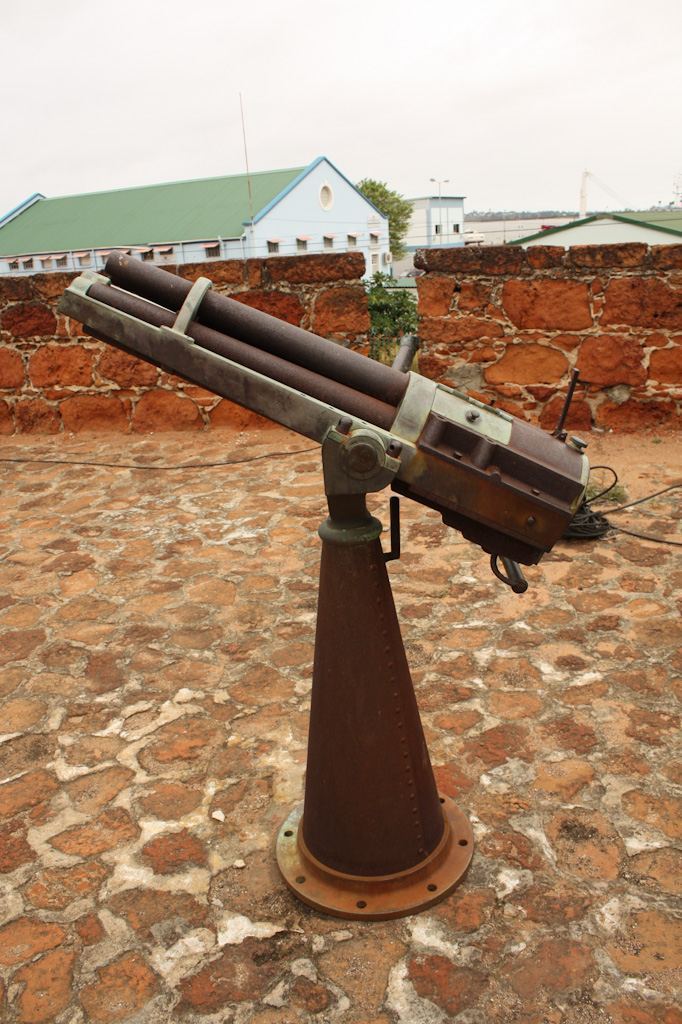
Mozambique has known three distinct wars. The liberation struggle against Portugal ran from 1964 to 1974. The civil war that followed, between the FRELIMO government and RENAMO — armed and supplied first by Rhodesia and then by apartheid South Africa — lasted from 1977 to 1992, killed around a million people, displaced roughly five million and left the country among the most heavily mined on earth; it ended with the Rome General Peace Accords. Low-level RENAMO violence resumed between 2013 and 2019 before a peace agreement signed in Maputo, with the demobilisation of RENAMO's last fighters completed in 2023. The third and current conflict began in October 2017 in Cabo Delgado, the northernmost province, where an insurgency locally called al-Shabaab and formally affiliated to Islamic State attacked Mocímboa da Praia and then spread across the province. The assault on the town of Palma in March 2021 forced TotalEnergies to suspend its multibillion-dollar liquefied natural gas project; Rwandan troops and a Southern African Development Community mission deployed later that year, and the regional mission withdrew in 2024. Over a million people have been displaced, according to the United Nations. Disputed elections in late 2024 triggered months of deadly protest.
UCDPUNUNHCRReutersBBCHuman Rights Watch
Current as of 2026-08-07

Land & Border Disputes

Mozambique's land borders with Tanzania, Malawi, Zambia, Zimbabwe, Eswatini and South Africa are settled, and the country makes no territorial claim against a neighbour — an unusual position in a region where colonial boundaries frequently left unfinished business. Its most consequential boundary issue is one in which it is an interested bystander rather than a party: the long-running dispute between Malawi and Tanzania over sovereignty in the northern part of Lake Malawi, which Mozambique calls Lake Niassa and of which it holds the eastern shore under earlier agreements. Maritime delimitation in the Mozambique Channel is the other live area. The Channel's waters are complicated by the Îles Éparses — small islands administered by France and claimed by Madagascar, a claim the United Nations General Assembly has considered — and by the hydrocarbon potential of the Rovuma Basin, where the offshore boundary with Tanzania was fixed by agreement and where careful unitisation has been required for gas fields straddling licence blocks. Mozambique has pursued its maritime entitlements through the framework of the United Nations Convention on the Law of the Sea rather than through confrontation.
Land, Life & Legacy

Land & Climate

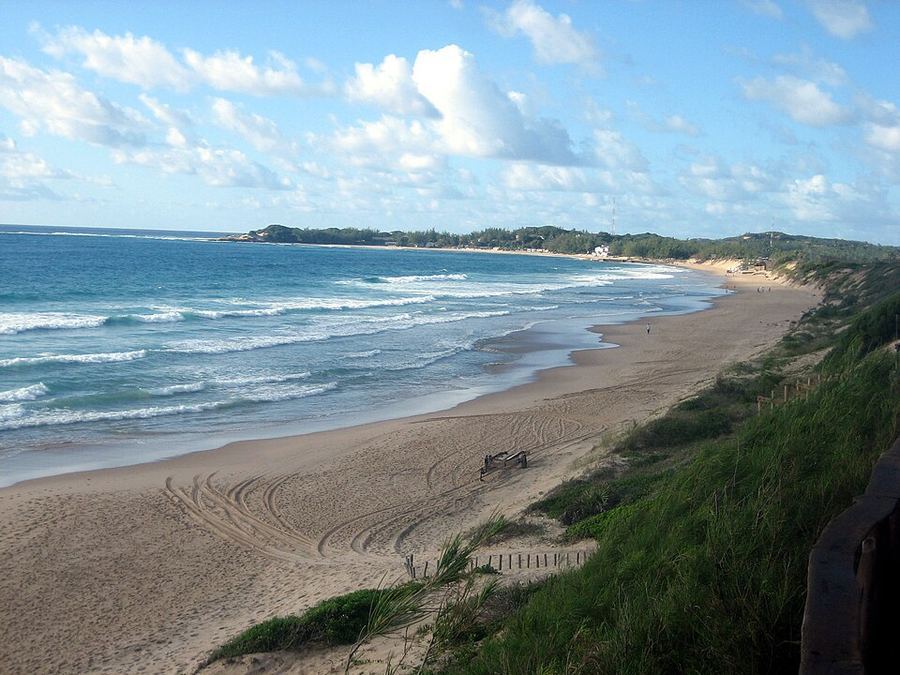
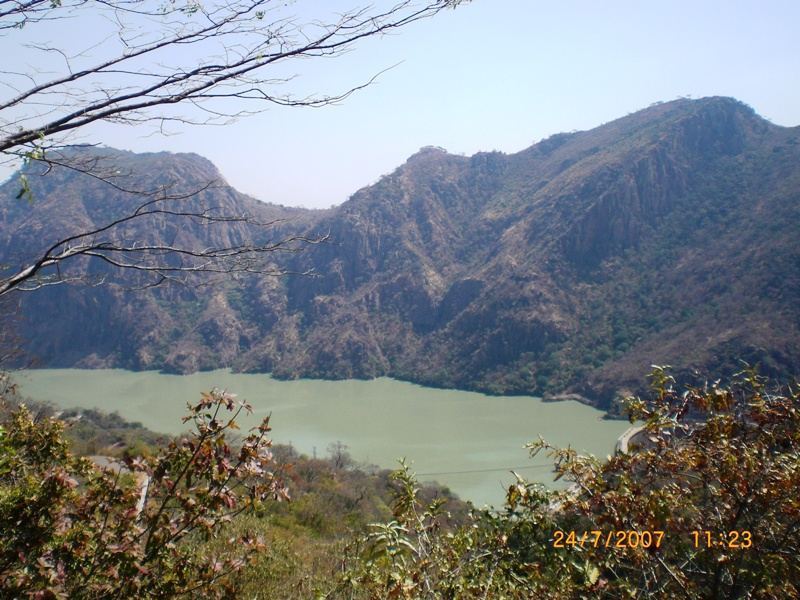
Mozambique covers about 801,590 square kilometres, running some 2,700 kilometres from the Rovuma River on the Tanzanian border to the South African frontier at Ponta do Ouro, and it is decisively shaped by water. The Zambezi crosses the country from Zimbabwe to a wide delta on the Indian Ocean, dammed at Cahora Bassa into one of Africa's largest hydroelectric reservoirs; the Limpopo, Save and Rovuma are the other major rivers, and Mozambique holds the eastern shore of Lake Niassa, the southern extension of the East African Rift. The terrain rises from a broad coastal plain — nearly half the country — through savanna to highlands on the Zimbabwean and Malawian borders, where Mount Binga reaches 2,436 metres. The climate is tropical, with a hot wet season from October to March and a cooler dry season thereafter, and the country sits directly in the path of South-West Indian Ocean cyclones. That exposure is severe and worsening: Cyclone Idai struck Beira in March 2019 and killed hundreds, Cyclone Kenneth made landfall in Cabo Delgado weeks later, and Cyclone Freddy — the longest-lived tropical cyclone on record — hit the country twice in 2023. Flooding on the Limpopo and Zambezi is a recurrent national emergency.

Entertainment

The coast supplies most of Mozambique's leisure. Tofo, near Inhambane, has become an internationally known dive site for its resident manta rays and seasonal whale sharks; Vilanculos is the gateway to the Bazaruto archipelago; Ponta do Ouro in the far south draws South African visitors for dolphins and surf; and the Quirimbas in the north offer reef diving from dhows. Fishing, from beach seine to sport angling, is both livelihood and pastime. Inland, Gorongosa has re-established itself as a safari destination and Niassa Reserve remains one of Africa's largest and least visited protected areas. Everyday leisure is more modest and more social: football played barefoot on any flat ground, long afternoons at barracas — informal bars serving beer and grilled chicken — and dancing to marrabenta and pandza at weekends. Maputo has a lively café and live-music scene along Avenida Julius Nyerere, a large craft market, and a restored Baixa of Art Deco and modernist buildings. Board games are widespread, particularly ntxuva, the local form of the mancala family played with seeds in scooped rows. Church and mosque attendance structures much of the weekend.

Art & Museums

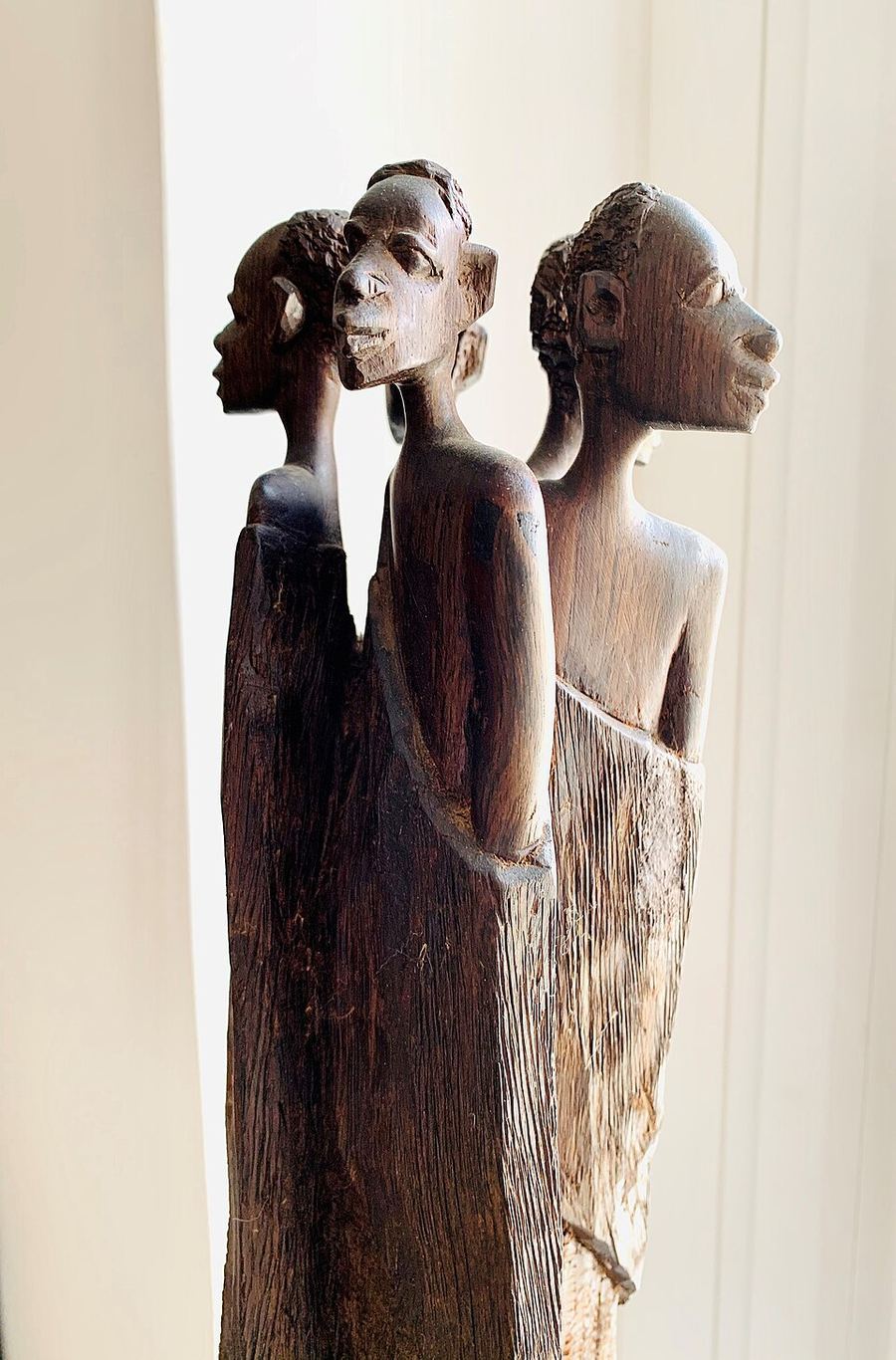
Makonde sculpture is Mozambique's most internationally recognised visual art: carvings in dense black mpingo hardwood, ranging from the interlocking human towers of the ujamaa style, in which dozens of figures climb over one another in a single trunk, to the spiky, distorted shetani figures representing spirits. In painting, Malangatana Ngwenya is the towering figure — his crowded, high-colour canvases of masks, teeth, animals and struggle became the visual language of the liberation era, and his murals cover public walls in Maputo; Bertina Lopes and Alberto Chissano, in sculpture, belong to the same generation. Ricardo Rangel's photographs of colonial-era Lourenço Marques night life are a documentary landmark. Literature is arguably Mozambique's strongest artistic suit: José Craveirinha became the first African writer to win the Camões Prize in 1991, Mia Couto's fiction reinvents Portuguese with Bantu syntax and coinages, and Paulina Chiziane, the first Mozambican woman to publish a novel, received the same prize in 2021. The most-travelled single Mozambican artwork is the Throne of Weapons, a chair assembled by Cristóvão Canhavato from decommissioned civil-war firearms, acquired by the British Museum and exhibited internationally.

Notable People

Eduardo Mondlane, an anthropologist educated in the United States who left a United Nations post to lead FRELIMO from 1962, was assassinated by a parcel bomb in Dar es Salaam in 1969 and gives his name to the national university. Samora Machel, his successor, led the country to independence and governed until his death in a plane crash at Mbuzini on the South African border in October 1986. Graça Machel, his widow, became a globally prominent advocate for children's rights and, through her later marriage to Nelson Mandela, the only person to have served as first lady of two different countries. Joaquim Chissano negotiated the end of the civil war and later won the inaugural Mo Ibrahim prize for African leadership. In letters, José Craveirinha, Mia Couto and Paulina Chiziane are the leading figures; in art, Malangatana Ngwenya. Sport supplies two of the best-known Mozambican-born names: Eusébio, born in Lourenço Marques in 1942, who became one of the greatest footballers of his era with Benfica and Portugal, and Maria Mutola, the middle-distance runner from Maputo who won Olympic gold over 800 metres in Sydney in 2000.

Inventions & Breakthroughs

Mozambique's contributions are best described as social and institutional innovations rather than patented technologies, and the record is genuinely notable on those terms. The most striking is Transforming Arms into Tools, a project run from the late 1990s by the Christian Council of Mozambique that collected weapons left over from the civil war in exchange for sewing machines, bicycles, ploughs and building materials, and then had artists cut up the decommissioned guns and reassemble them as sculpture and furniture; the resulting Throne of Weapons entered the British Museum's collection and became one of the most widely exhibited African artworks of the century. The demining programme that accompanied it was equally remarkable: after two decades of clearance work, Mozambique was declared free of all known landmines in September 2015, an outcome achieved in a country that had been among the most heavily mined in the world. The Gorongosa restoration model — pairing large-scale ecological recovery with health, education and agricultural programmes for surrounding communities — has been widely studied and copied. In craft technology, Makonde blackwood carving and Chopi timbila tuning represent long-refined indigenous techniques.

Science & Technology

Mozambique's most internationally visible science is ecological. The Gorongosa Restoration Project has built a research laboratory inside the park that has become a hub for tropical biodiversity work, training Mozambican scientists and producing published research on species recovery, insect diversity and the cave systems of Mount Gorongosa; discoveries from the park have appeared in the international literature. Marine science is a second strength, driven by the reefs, dugong and whale shark populations of the Bazaruto and Quirimbas archipelagos and by fisheries management on the Sofala Bank. The dominant applied technology, however, is energy. Cahora Bassa on the Zambezi, completed in the 1970s and transferred to Mozambican majority ownership in 2007, is one of the largest hydroelectric schemes in Africa and exports power to South Africa and Zimbabwe. Offshore, the Rovuma Basin holds some of the largest natural gas discoveries made anywhere this century: the Coral Sul floating liquefied natural gas vessel, moored in deep water off Cabo Delgado, began exporting in late 2022, making Mozambique an LNG producer, while the much larger onshore project remains suspended because of the insurgency. Mobile money has spread rapidly, outpacing conventional banking.
On The World Stage

Champions & Defining Moments

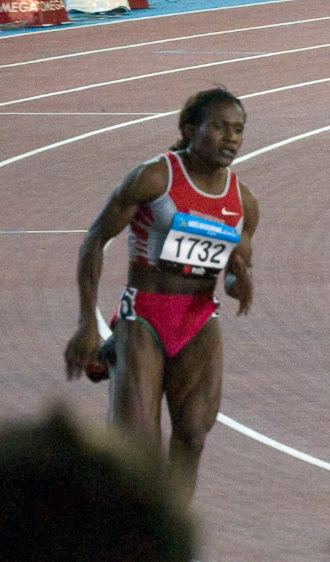
Mozambique's international sporting reputation rests overwhelmingly on Maria Mutola, who first competed at the Seoul Olympics in 1988 as a teenager and went on to one of the longest and most consistent careers in middle-distance running. She won the 800 metres at the Sydney Olympics in 2000 — Mozambique's first and so far only Olympic gold medal — took bronze at Atlanta in 1996, won three outdoor world titles and a long series of world indoor championships, and in 2003 became the first athlete to win the IAAF Golden League jackpot outright. Mozambique made its Olympic debut in 1980 and its medal tally remains very small, with athletics the only source. In football, two players born in Mozambique became stars for Portugal rather than their birthplace, because of colonial-era eligibility: Eusébio, the 1965 European Footballer of the Year and top scorer at the 1966 World Cup, and Mário Coluna, who captained the Portuguese side and later served as Mozambique's sports minister. Kurt Couto reached world-championship finals in the 400 metres hurdles. Mozambique competes at the African Games, the Commonwealth Games and the Lusophony Games.

IOCOlympediaWorld AthleticsFIFACommonwealth Games Federation
Economy, Trade & Government

Currency & GDP

MZM — MZM (None)

GDP (PPP): $51.786 billion (2024 est.)

Per capita: $1,500 (2024 est.)

Exports

$9.358 billion (2024 est.)

coal, natural gas, aluminum, gold, precious stones (2023)

Partners: India 18%, China 13%, South Africa 9%, UAE 6%, Thailand 4% (2023)

Imports

$10.488 billion (2024 est.)

refined petroleum, chromium ore, iron alloys, iron ore, palm oil (2023)

Partners: South Africa 34%, China 14%, India 13%, UAE 6%, Singapore 3% (2023)

Government

Type: presidential republic

Independence: 25 June 1975 (from Portugal)

Terrain → Where People Live

How mountains, coasts, and rivers shape settlement (LandScan).

Coming — data

Migration & Ethnic Settlement

Where groups settled and how people move (GeoEPR + UNHCR).

Coming — data

Universities

Notable institutions, mappable as points.

Coming — data
Economy & government facts: CIA World Factbook (public domain), via OpenFactBook / factbook.json.
Every fact and narrative claim will carry a visible source citation. Data-driven sections light up automatically wherever HERA has coverage.