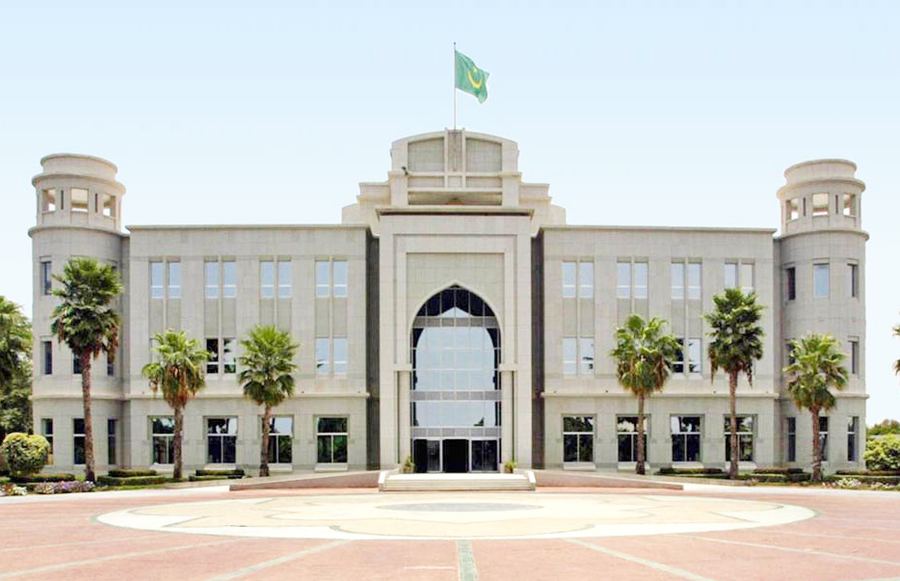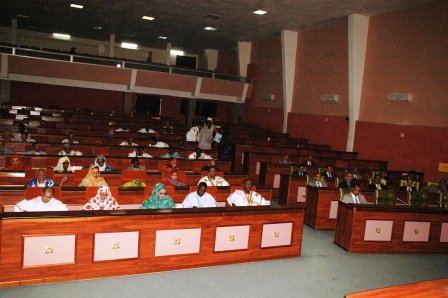
HERA · Human Entity Reference Atlas by Masego Inc

← Mauritania 🌐 3D View
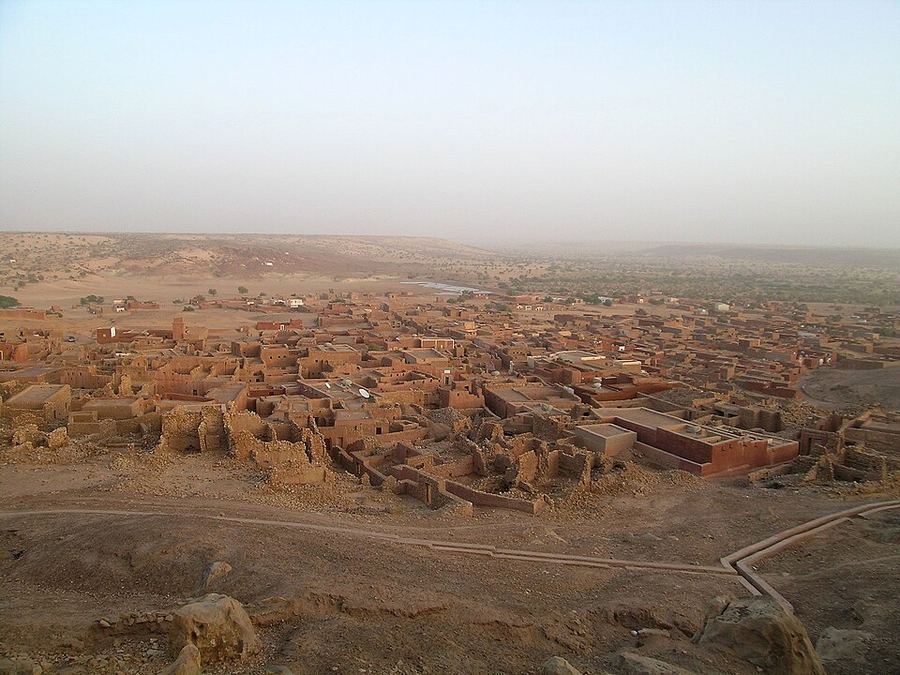
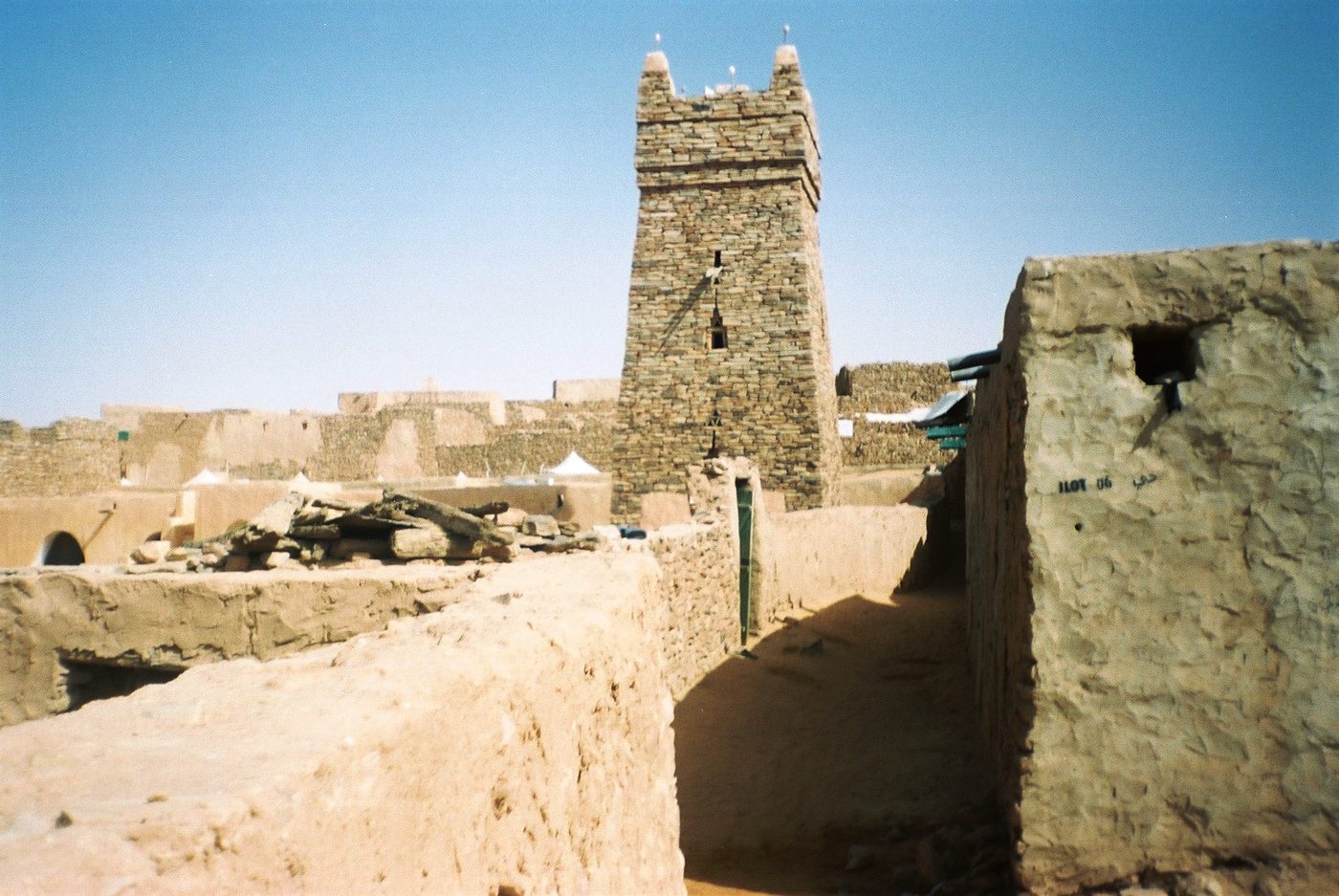
Chinguetti Mosque 2007, Mauritania
Mauritania MRT
Chinguetti Mosque 2007 — Photo: Radosław Botev / CC BY 3.0 pl via Wikimedia Commons
Did You Know Mauritania was the last country in the world to abolish slavery, doing so in 1981, and did not make it a criminal offence until 2007. — Human Rights Watch

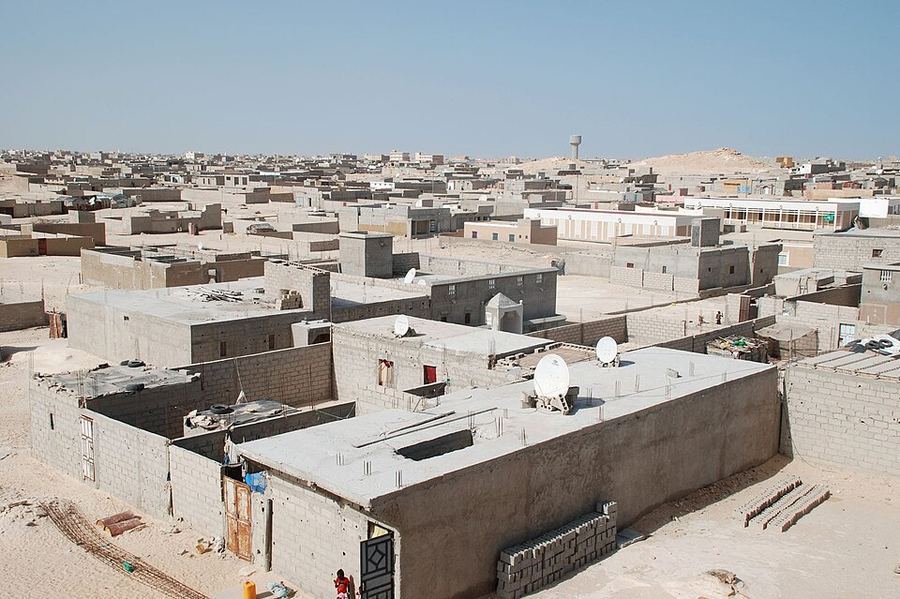
Mauritania is a presidential republic of roughly 5.2 million people occupying just over a million square kilometres on the Atlantic edge of the Sahara, between Western Sahara and Morocco to the north, Algeria and Mali to the east, and Senegal to the south. Around three-quarters of its territory is desert, and the population is concentrated in the capital Nouakchott — a city of barely a few hundred inhabitants when it was chosen as capital in 1958 and now home to roughly a third of the country — and along the Senegal River valley in the south. Society is structured around three broad groups: Haratines, the Arabic-speaking Black Moors historically enslaved by the Beydane; the Beydane or White Moors of Arab-Amazigh descent; and Sub-Saharan Mauritanians, principally Halpulaar, Soninke, Wolof and Bambara, in the river valley. Arabic is the official language, with Pular, Soninke and Wolof as national languages and French widely used in business; the population is essentially entirely Muslim, and Islam is the state religion. Independence from France came on 28 November 1960. The economy runs on iron ore, gold, one of the world's richest fishing grounds, and, since 2025, offshore natural gas. The median age is about 19.

CIA World FactbookEncyclopaedia Britannica
Population
5,202,109
Capital
Nouakchott
Currency
None MRO
Time zones
Largest city
Nouakchott
Human Geography Themes
Loading national figures…
Largest Cities
Nouakchott1,625,384
Nouadhibou177,469
Fassala114,618
Kiffa89,005
Kaédi61,350
Zouérat50,285
In Perspective

Nouakchott's urban core is home to about 1,625,384 people.

That's bigger than Amsterdam — each a great world city in its own right.

Nouakchott1,625,384
Amsterdam1,223,407

Among the world's megacities, though, it's one of many — the giants of Asia and Latin America run larger still:

Nouakchott1,625,384
Jakarta40,545,126
Dhaka37,307,160
Tokyo33,244,670
Shanghai30,678,616
Cairo25,230,325
The Country & Its People

History

The southern reaches of modern Mauritania held Koumbi Saleh, believed to be the capital of the Ghana Empire, the first of the great West African trading states. In the eleventh century the Almoravid movement began among the Sanhaja Berbers of this western Sahara under the preacher Abdallah ibn Yasin, and went on to conquer Morocco and much of al-Andalus — an empire launched from Mauritanian desert encampments. Trans-Saharan caravan traffic built the oasis towns of Ouadane, Chinguetti, Tichitt and Oualata, whose stone quarters and manuscript libraries were inscribed together as a UNESCO World Heritage site in 1996. From the fifteenth century Arab Beni Hassan tribes migrated into the region, and the Char Bouba war of 1644 to 1674 established their dominance over the Sanhaja, producing the Hassaniya Arabic and the stratified Moorish society that persist today. France established control from the early twentieth century and administered the territory within French West Africa, governing largely from Saint-Louis in Senegal; Nouakchott was built as a capital only on the eve of independence in 1960. Moktar Ould Daddah led the first republic until a 1978 coup, which followed a disastrous war in Western Sahara. Coups recurred in 1984, 2005 and 2008; the 2019 election produced the first handover between elected presidents.
Culture

Mauritanian society is Islamic in every register — Sunni of the Maliki school, with Sufi orders long influential and a deep tradition of religious scholarship centred on the desert towns. Its most distinctive social institution is the tea ceremony, in which green tea is boiled with sugar and mint and poured from a height into small glasses three times, each round stronger and sweeter than the last, and described in a formula known across the country as bitter as death, sweet as life and gentle as love. The ritual takes an hour or more and is the frame for essentially all social and business interaction. Hospitality obligations are formal and generous, and the tent — the khaima — remains a cultural reference point even for city families, some of whom pitch one in the courtyard. Society is also stratified in ways the state has struggled to dismantle: hereditary status distinctions between warrior, religious, artisan and formerly enslaved groups persist, and Mauritania was the last country in the world to abolish slavery, in 1981, criminalising it only in 2007. Drought and urbanisation have transformed a mostly nomadic population into a mostly urban one within two generations.

Points Of Pride

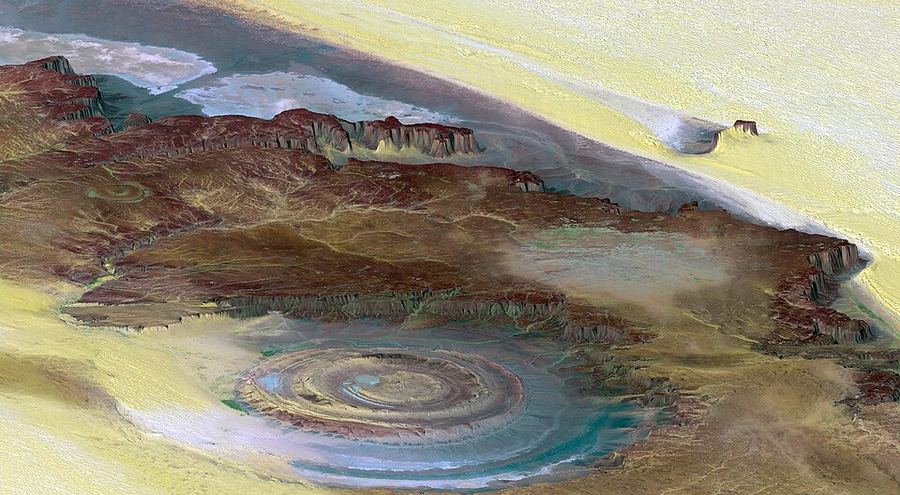
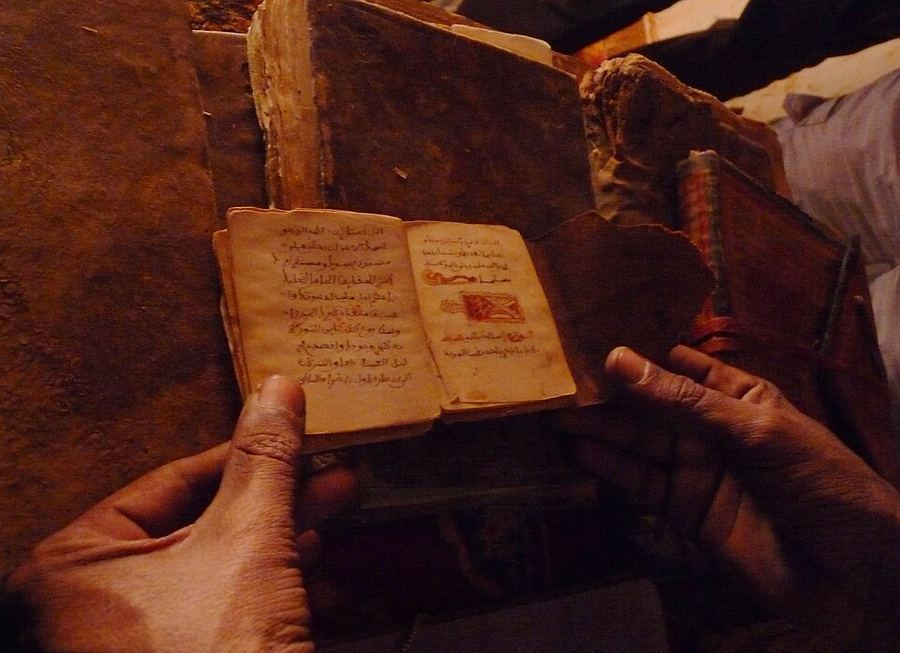
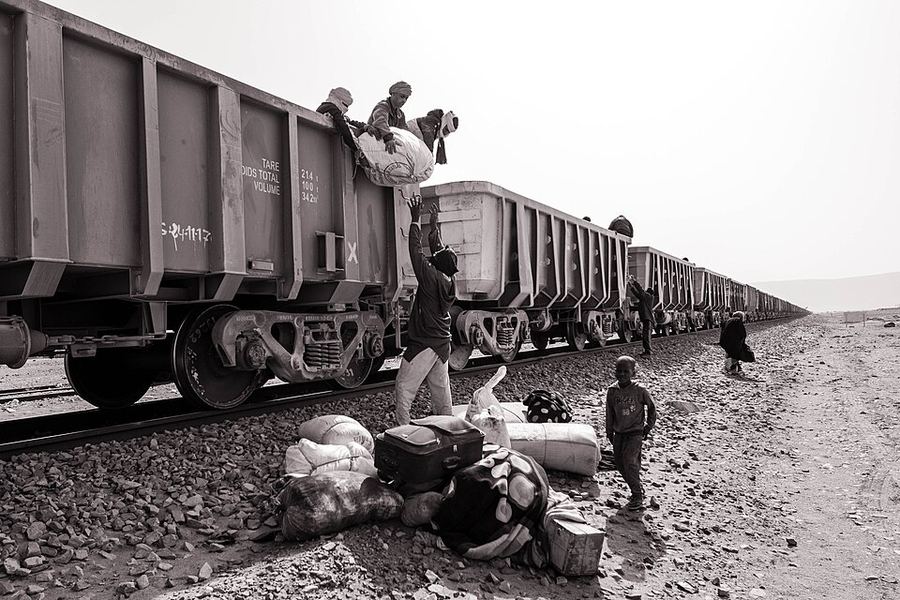
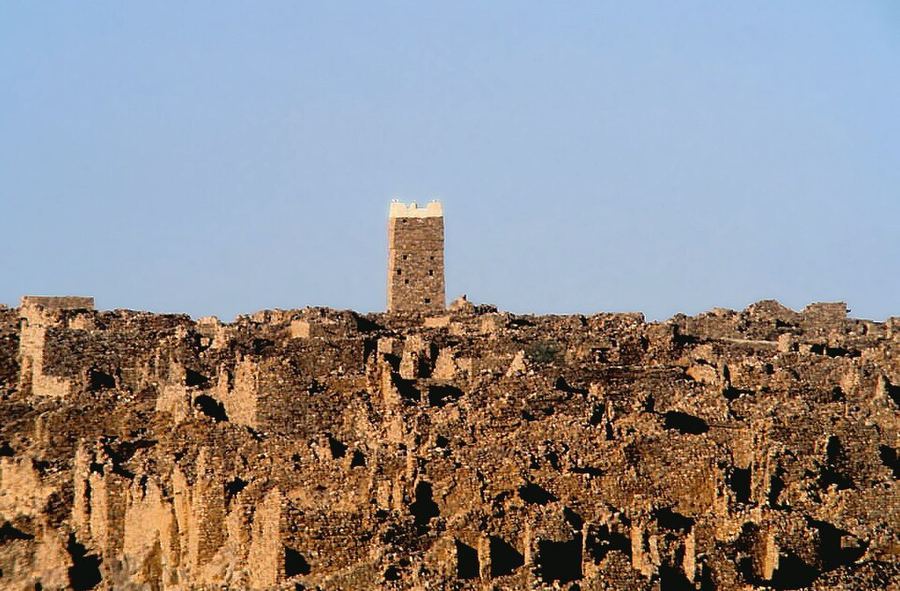
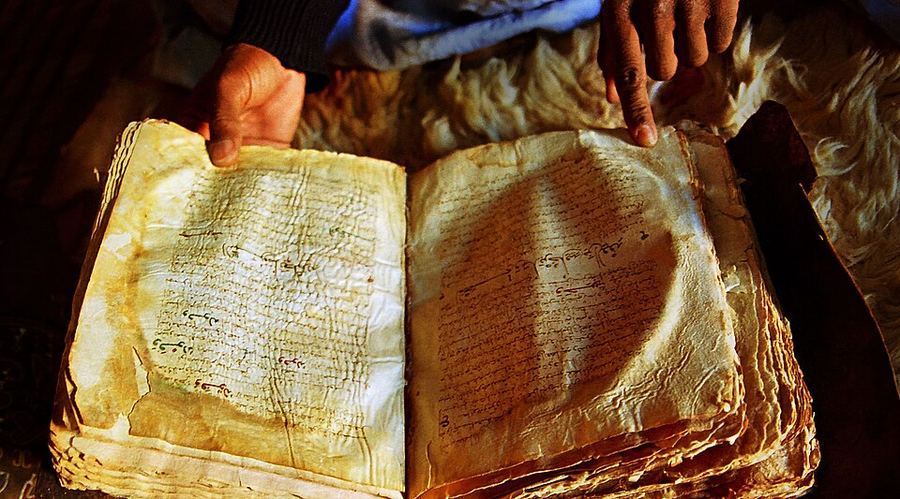
The Ancient Ksour of Ouadane, Chinguetti, Tichitt and Oualata, inscribed by UNESCO in 1996, preserve the stone-built caravan towns of the Saharan trade, and Chinguetti in particular is famed for family libraries holding thousands of medieval Arabic manuscripts on law, grammar, mathematics and astronomy — it is described in Mauritanian tradition as a holy city of Islam, and the country is sometimes called the land of a million poets for the scholarly culture those libraries represent. The Banc d'Arguin National Park, a World Heritage site since 1989, protects vast shallow banks and seagrass beds where millions of migratory shorebirds winter, and where the Imraguen people practise a rare cooperative fishery in which fishermen beat the water to summon wild dolphins that drive mullet into their nets. Inland lies the Richat Structure, the Eye of the Sahara — a set of concentric rings some forty kilometres across, conspicuous from orbit and used by astronauts as a landmark. Mauritania also points to the iron-ore train from Zouérat to Nouadhibou, which at up to two and a half kilometres long is among the longest and heaviest trains operating anywhere.

Cultural Fusion

Mauritania sits precisely on the seam between the Arab-Berber Maghreb and Black West Africa, and it is the only country that considers itself fully part of both. The northern and central population speaks Hassaniya, an Arabic dialect carrying a heavy Amazigh substrate in its vocabulary for landscape, livestock and plants, and organises itself in tribal confederations of Saharan pattern. The south, along the Senegal River, belongs to the Sahelian world: Halpulaar, Soninke, Wolof and Bambara communities with West African social structures, farming rather than herding, and cultural ties running unbroken across the river into Senegal and Mali. Between them, and cutting across both, are the Haratines, Arabic-speaking Muslims of Black African descent whose position is the central social and political question of the modern state. Music is the clearest place where the two worlds meet: griot families play Arab-derived modal systems on the tidinit lute and ardin harp using techniques and lineage structures that are recognisably West African. French remains the language of commerce and much administration, a colonial layer over both. Mauritania belongs simultaneously to the Arab League and the African Union.

Music & Dance

Moorish classical music is performed by hereditary griot families, the iggawin, and is built on an unusually formal theoretical system: a cycle of modes, or ways, through which a full performance must progress in sequence, each with its own character and each existing in a black and a white version — a structure that musicians describe in terms of colour and that has no exact parallel elsewhere. The two central instruments are gendered. The tidinit, a four-stringed lute with a wooden body and skin soundboard, is played by men; the ardin, a large harp of ten or more strings mounted on a calabash resonator, is played by women, who are also usually the lead singers. A large tbal kettledrum, played by the singer, drives the rhythm, and hand-clapping and ululation carry the ensemble. Dimi Mint Abba, who won a prize at a pan-Arab song festival in Tunis in 1977 and toured widely before her death in 2011, remains the country's most internationally known musician; Malouma brought blues and political content into the tradition and later served in the senate, and Noura Mint Seymali has taken the ardin onto international festival stages. In the south, Pulaar and Soninke griot traditions run in parallel.

Cuisine & Misattributed Foods

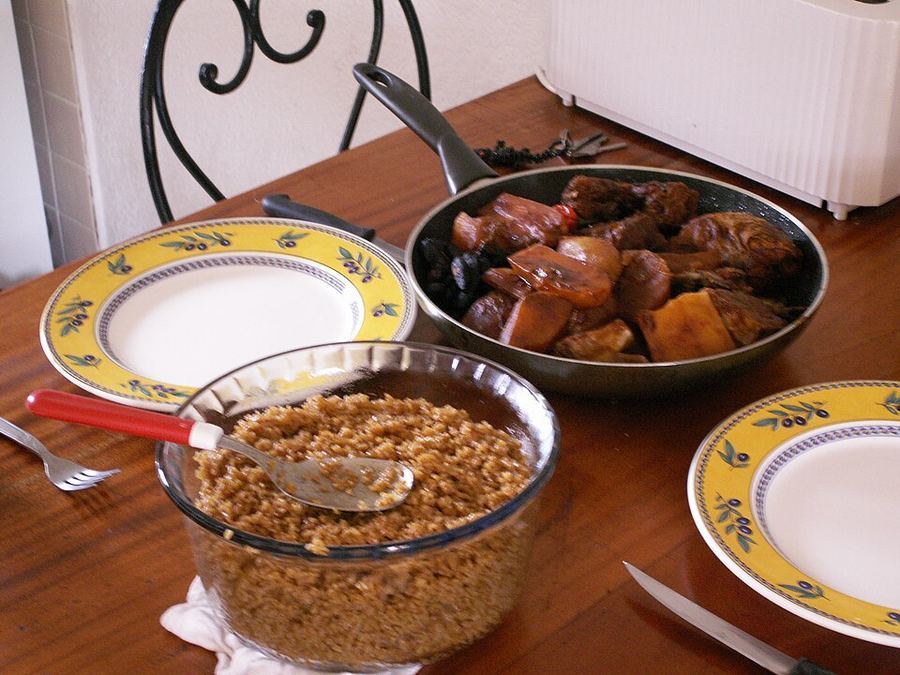
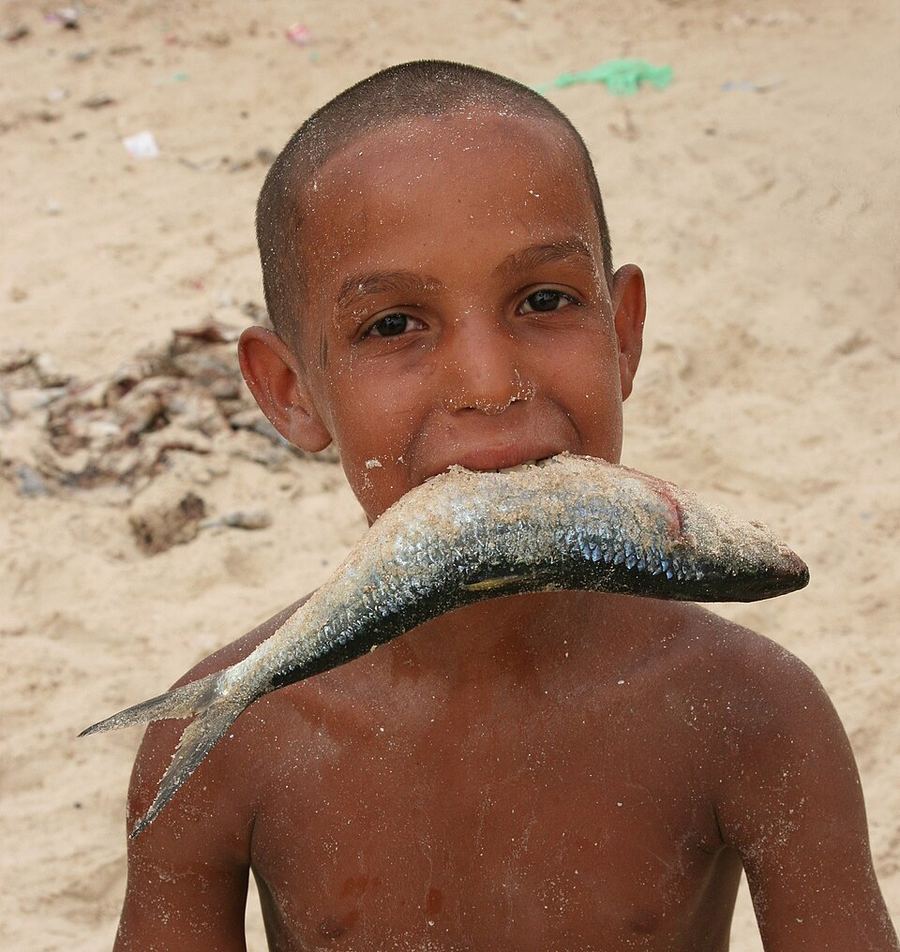
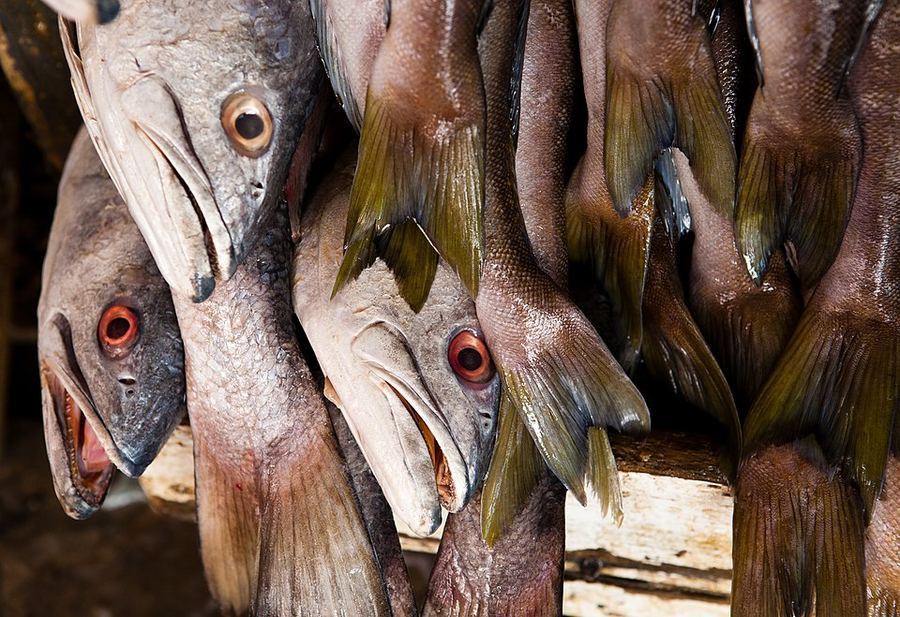
Mauritanian cooking reflects a desert pastoral economy, an Atlantic fishery and a Sahelian river valley. The most widely eaten formal meal is thieboudienne, the fish-and-rice dish shared with Senegal, in which fish is stuffed with a herb paste and simmered with vegetables before the rice is cooked in the resulting broth. Mechoui — a whole lamb or kid roasted over coals or in a pit and eaten by hand from a communal platter — is the celebration dish, and couscous the everyday grain in the north. Meat is often served on a bed of rice as maru we lhemm. Camel is central: camel meat is eaten, and camel milk is drunk fresh or as zrig, diluted and sweetened, which for many families remains a staple food rather than a beverage. Dates from the Adrar oases are so important that the harvest, the guetna, is a season in its own right, with families decamping to the palm groves for weeks. The Atlantic supplies octopus, sea bream and enormous quantities of exported fish, though fish has historically been eaten less in the interior than one might expect. Bread, dried meat and the endlessly repeated three glasses of tea complete the picture.

National Dress

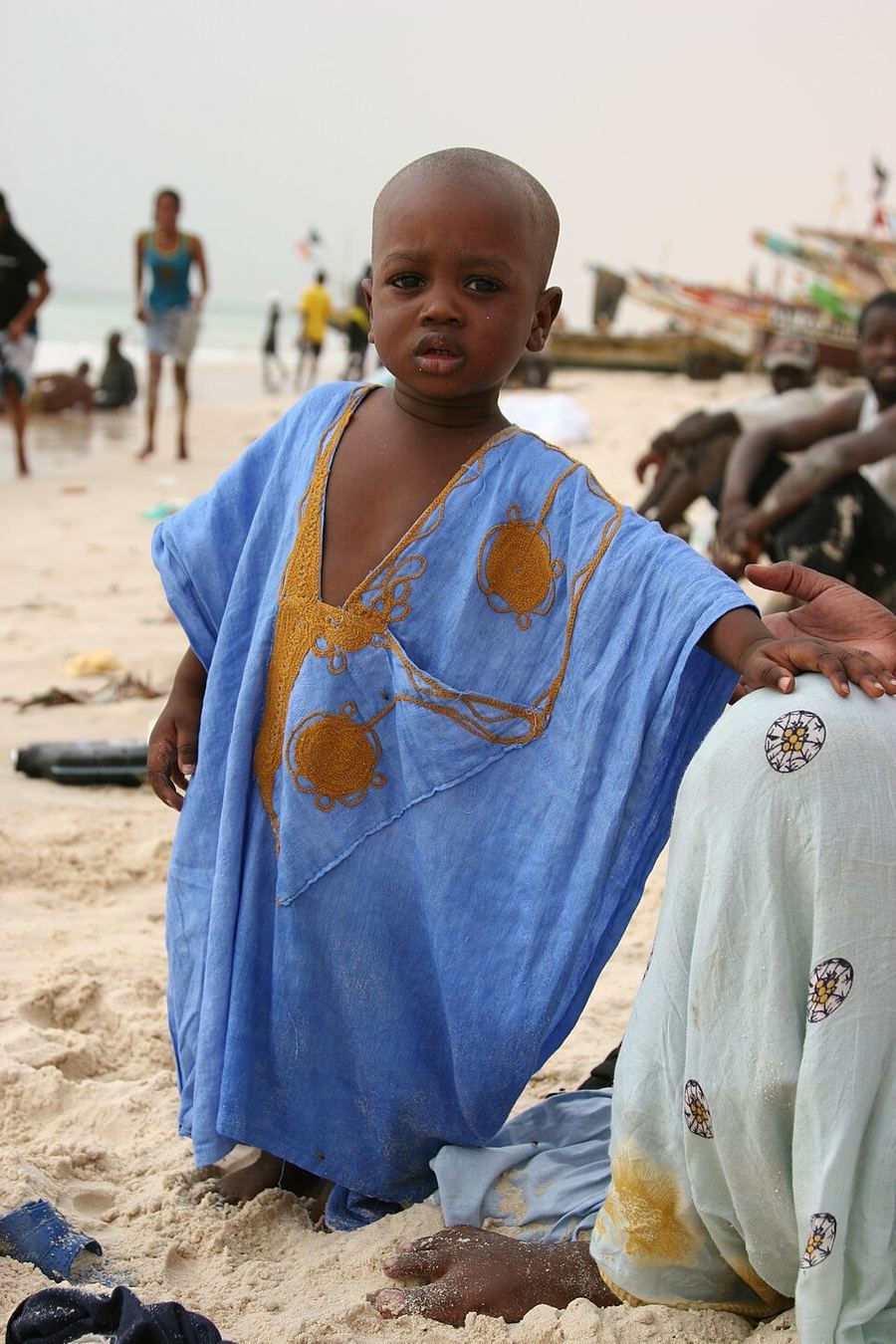
Mauritania is one of the few countries where traditional dress is genuinely universal daily wear rather than ceremonial costume. Men wear the daraa, a wide sleeveless robe open at the sides, falling to the ankles and worn over loose sirwal trousers; the classic colours are pale blue and white, with the indigo-dyed version historically the most prestigious, its dye rubbing off onto the skin in a way that gave Saharan nobility the old description of blue men. With it goes the howli, a long strip of cloth wound round the head and often across the face against sun, wind and blown sand. Women wear the melhfa, a single length of light cloth several metres long, wrapped around the body and drawn over the head, in bright printed colours and patterns that change with fashion; it is worn over an under-dress and secured entirely by wrapping and tucking, without pins or fastenings. Both garments are adapted precisely to the climate — loose, layered, light-coloured and ventilated. Silver jewellery, worked by hereditary artisan families, and henna on the hands complete women's formal dress. Southern Mauritanian communities also wear West African boubous and printed wax cloth.

Sports & Inspiring Athletes

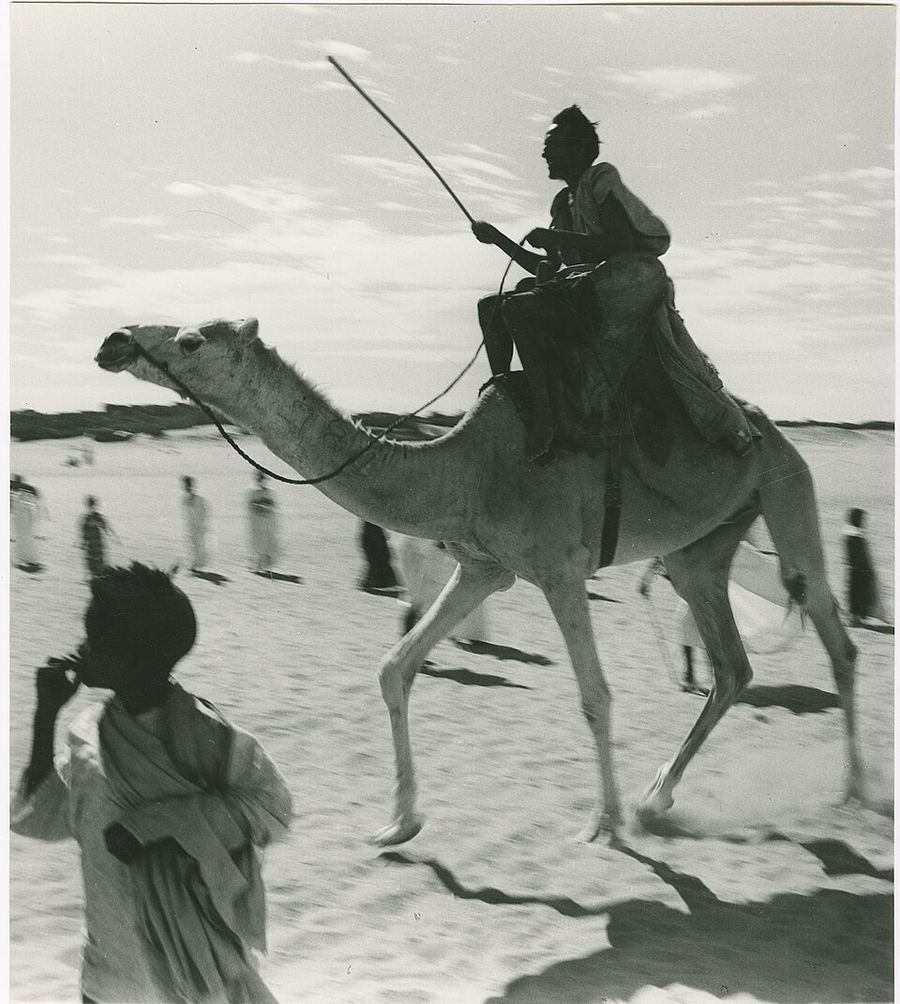
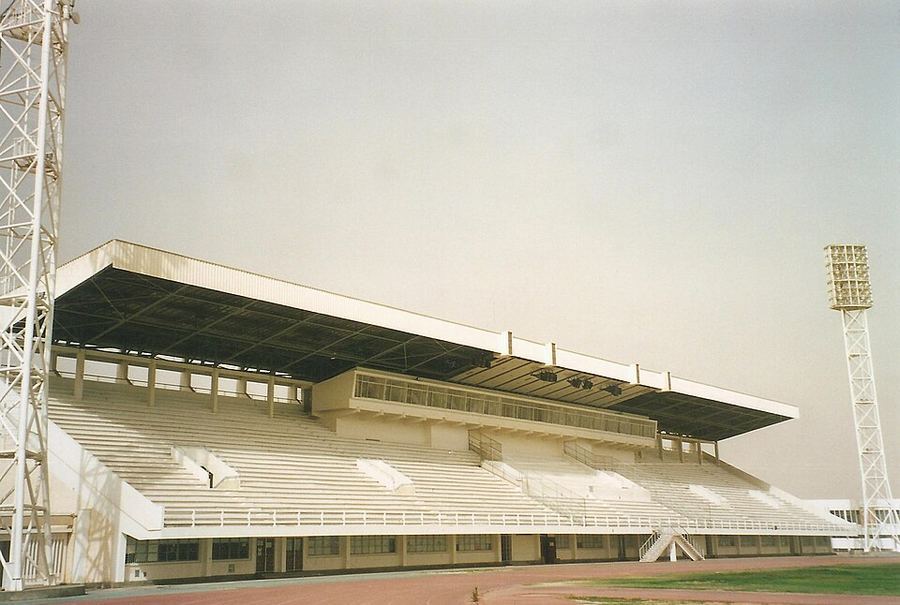
Football is by far the most popular sport and its national team, the Mourabitoun, has been the subject of one of African football's more striking recent improvements. Long among the weakest sides on the continent, Mauritania qualified for the Africa Cup of Nations for the first time in its history in 2019, returned in 2021 and again for the 2023 edition played in early 2024, where it beat Algeria — a former champion — one-nil in Bouaké to reach the knockout stage for the first time. Domestic football is organised in the Super D1, centred on clubs in Nouakchott and Nouadhibou, and the national side plays at the Stade Olympique de Nouakchott. Beyond football, traditional sports remain part of the culture: camel racing across the desert, horse racing, and wrestling in both Moorish and Sahelian forms, the latter closely related to the Senegalese tradition. Athletics has a modest presence, and basketball and volleyball are played in schools. The Dakar Rally passed through Mauritania for years, and its Saharan stages were among the most demanding on the route, before security concerns removed the country from the itinerary in the late 2000s.

Notable Educational Programs

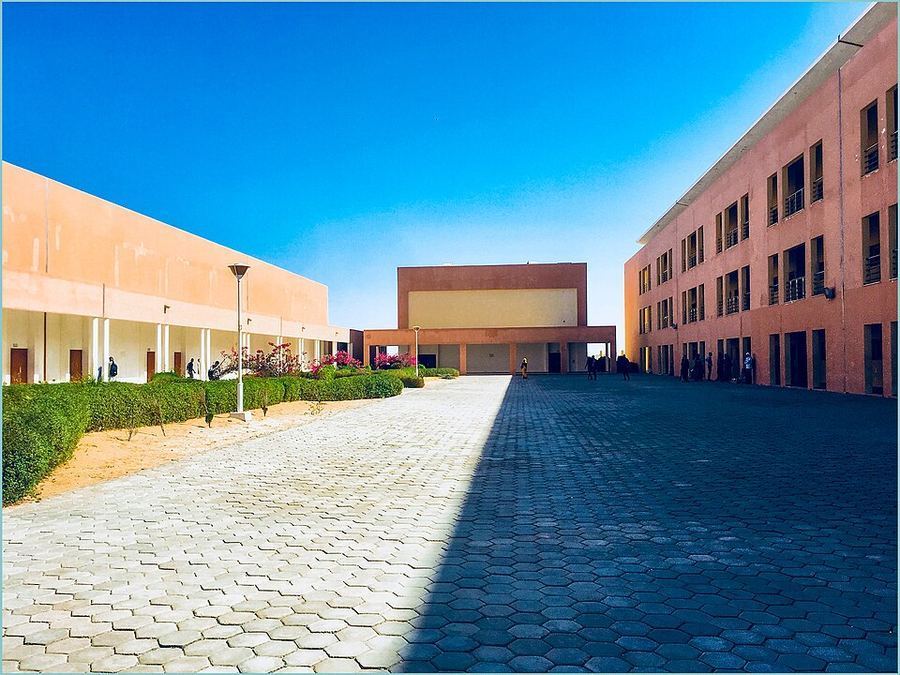
Mauritania has two educational traditions running in parallel. The older is the mahadra, an informal desert academy in which a scholar teaches a group of students Quranic memorisation, Arabic grammar, poetry and Maliki jurisprudence, traditionally without buildings or fees, moving with the camp; the mahadra system produced Mauritania's reputation across the Arab world as a reservoir of classical learning and still educates large numbers of students today, some of whom come from abroad. The modern state system, built after independence, has been repeatedly reorganised around the politically charged question of the language of instruction — successive reforms shifted the balance between Arabic and French, with consequences felt sharply by Afro-Mauritanian communities whose access to French-medium schooling had been an avenue of advancement. The University of Nouakchott, founded in 1981, is the principal higher education institution, alongside technical institutes and, in the south, agricultural training. UNESCO and UNICEF record adult literacy and girls' completion rates as persistent challenges, particularly in rural and pastoral areas where distance, early marriage and the seasonal movement of families disrupt attendance. Quranic schooling remains an important complement to formal enrolment.

Wars & Conflicts

Mauritania has fought one modern war and lost it. Under the 1975 Madrid Accords it joined Morocco in partitioning Spanish Sahara and took the southern portion, drawing it into a conflict with the Polisario Front that it could not sustain; guerrilla raids reached Nouakchott itself, the war triggered the 1978 coup, and the new government renounced the claim and withdrew under the Algiers Agreement of 1979. In 1989 a dispute over grazing on the Senegal River escalated into violence and mutual expulsions with Senegal, followed between 1989 and 1991 by killings and deportations of Afro-Mauritanians that remain unaddressed as a national grievance, documented by Human Rights Watch and Amnesty International. Between 2005 and 2011 al-Qaeda in the Islamic Maghreb attacked the Lemgheity garrison, killed French tourists at Aleg and struck at Nouakchott; Mauritania responded with cross-border operations into Mali, a substantial expansion of its army and an outreach programme with religious scholars, and has not suffered a successful jihadist attack on its soil since 2011 — an outcome widely studied in the Sahel. It now shelters well over a hundred thousand Malian refugees at the Mbera camp, according to UNHCR. Slavery and its legacy remain a live human rights issue.
UCDPHuman Rights WatchAmnesty InternationalUNHCRReutersInternational Crisis Group
Current as of 2026-08-07

Land & Border Disputes

Mauritania has renounced its one territorial claim and now maintains a careful neutrality on the question that dominates its northern frontier. Having withdrawn from Western Sahara in 1979, it borders both the Moroccan-controlled zone and the areas held by the Polisario Front, and it has kept relations with Rabat and Algiers in balance rather than taking a side — a position tested when fighting resumed around the Guerguerat crossing on the road to Nouadhibou in 2020 and 2021. Its border with Mali runs through territory affected by Sahelian insurgency, and incidents involving Malian forces near the frontier have produced formal protests reported by Reuters. Relations with Senegal, damaged by the 1989 conflict over the river boundary, have since been rebuilt, and the two states jointly manage the Senegal River through the basin development organisation. The most consequential current boundary arrangement is maritime and cooperative rather than contested: the Grand Tortue Ahmeyim gas field straddles the Mauritania–Senegal maritime boundary, and the two governments concluded an inter-state cooperation agreement to develop it jointly, with first liquefied natural gas produced in 2025. Fishing access for foreign fleets is a recurring source of friction.
Land, Life & Legacy

Land & Climate

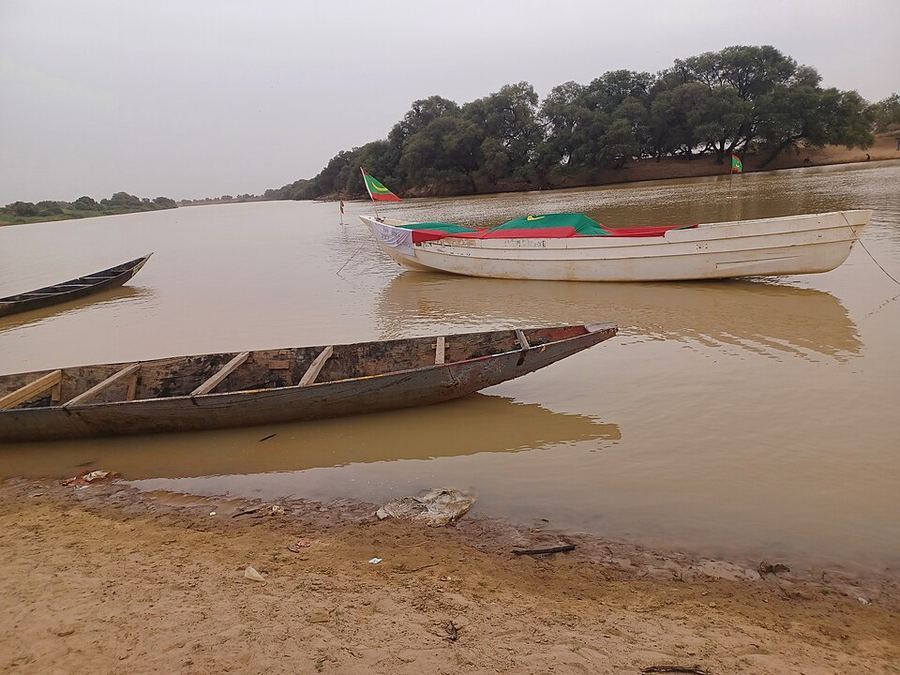
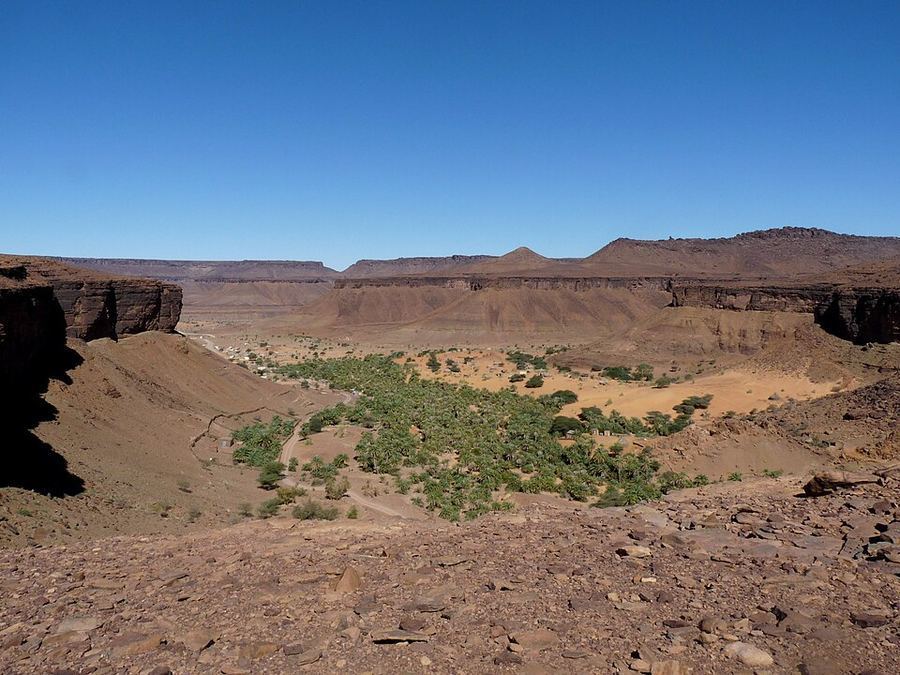
Mauritania covers about 1,030,700 square kilometres, of which the great majority is Sahara — a landscape of gravel plains, sand seas including the vast Majâbat al-Koubrâ, and the sandstone plateaus of the Adrar and Tagant, whose escarpments hold the oasis towns and seasonal palm gullies. The only permanent river is the Senegal, which forms the entire southern border and supports the country's irrigated agriculture in a narrow strip of Sahelian floodplain. The Atlantic coast runs about 750 kilometres and is exceptionally productive: the Canary Current upwelling brings cold, nutrient-rich water to the surface, creating one of the richest fisheries in the world off Nouadhibou and the Banc d'Arguin. The highest point, Kediet ej Jill near Zouérat, rises to about 915 metres and is a magnetite massif so heavily iron-bearing that compasses are unreliable on it. The climate is hot and arid, with rainfall increasing from almost nothing in the north to a short Sahelian wet season in the far south, and the dust-laden harmattan blowing off the desert. The Sahel droughts of the early 1970s and mid-1980s destroyed herds and drove mass migration to the cities; desertification and encroaching dunes now press directly on low-lying Nouakchott.

Entertainment

The organising leisure activity of Mauritanian life is tea — brewed, poured, discussed and re-brewed over hours on mats indoors or on a rug spread by the roadside, and functioning as the country's principal form of sociability. Beyond it, free time is spent visiting family, listening to griot music at weddings and naming ceremonies, and, for men, in long conversation in the shade. The date harvest in the Adrar oases each summer, the guetna, doubles as an extended holiday, with families moving out to the palm groves to eat, camp and receive visitors. Camel racing and, in some regions, camel wrestling remain popular; horse and camel riding are recreational as well as practical. Nouakchott's great spectacle is the beach at the Port de Pêche in the late afternoon, when hundreds of brightly painted pirogues are hauled through the surf and the catch is auctioned on the sand — a scene that draws residents and visitors alike. Desert travel to Chinguetti, Ouadane and the Terjit oasis, and birdwatching on the Banc d'Arguin, form the small tourism sector. Football on any available flat ground, and football on television, are near-universal among young men.

Art & Museums

Mauritania's most significant art is the book. The libraries of Chinguetti, Ouadane, Tichitt and Oualata hold thousands of manuscripts, many still in family hands, copied and illuminated over centuries and covering Quranic sciences, Maliki jurisprudence, Arabic grammar and poetry, mathematics and astronomy; their calligraphy and marginal decoration constitute a distinct Saharan school, and their preservation in an extreme desert climate is a continuing conservation concern raised through UNESCO. The second great visual tradition is architectural painting: at Oualata, women decorate the exterior and interior walls of houses in white and red-ochre geometric and floral motifs applied around doorways and niches, a domestic mural art passed from mother to daughter and unlike anything in the surrounding region. Silversmithing is a hereditary craft producing the heavy engraved and niello-worked jewellery, amulet cases and tea implements that are the standard prestige goods, and leatherworking supplies cushions, chests, saddlebags and the decorated cases in which manuscripts and tea sets are carried. Weaving, carved wooden bowls and the making of the ardin and tidinit complete the traditional repertoire. Contemporary painting is a small, recent scene centred on Nouakchott.

Notable People

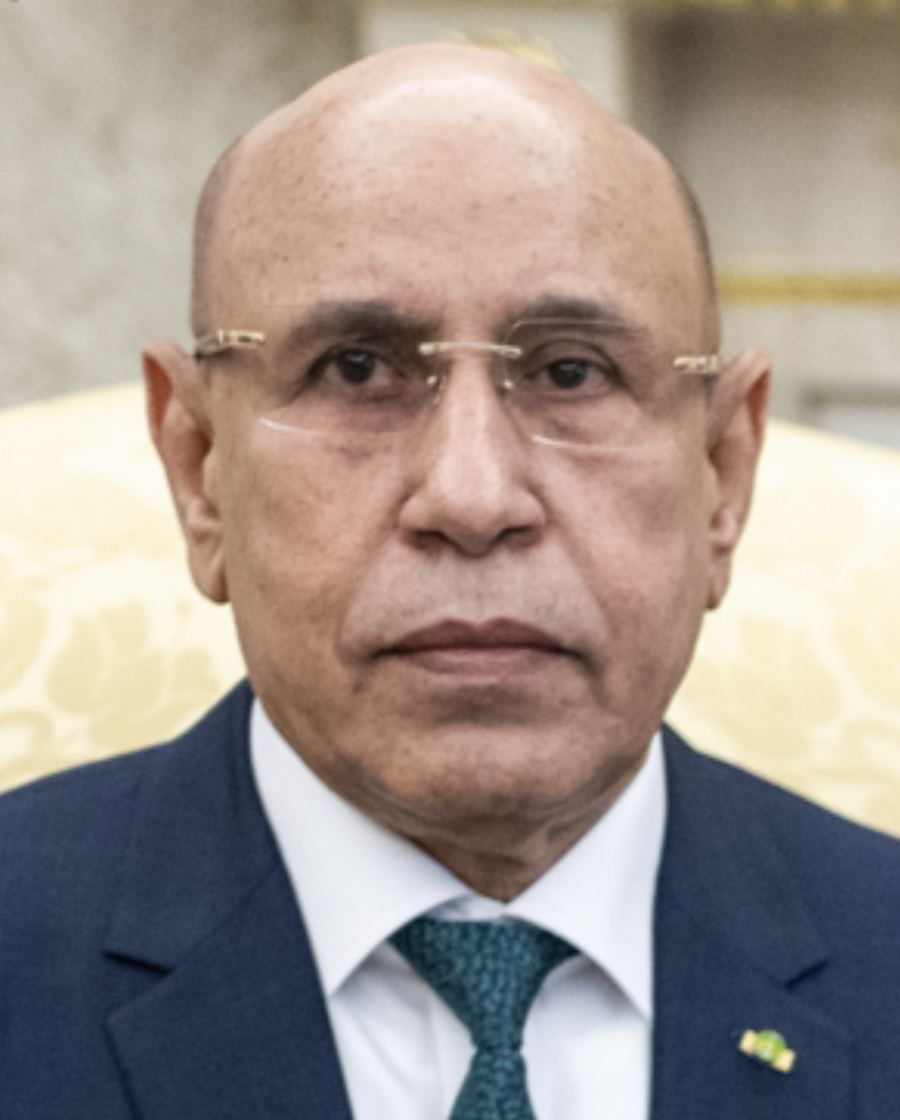
Abdallah ibn Yasin, the eleventh-century preacher who galvanised the Sanhaja of the western Sahara into the Almoravid movement, is the earliest figure of global consequence to emerge from what is now Mauritania; the empire his followers built reached from Senegal to Spain. Moktar Ould Daddah, a French-trained lawyer, became the country's first president at independence in 1960 and governed until the 1978 coup. Dimi Mint Abba was the great voice of Moorish music in the twentieth century and the country's best-known cultural ambassador; Malouma followed her both as a singer and as a senator. Biram Dah Abeid, born into a Haratine family, founded the Initiative for the Resurgence of the Abolitionist Movement, was awarded a United Nations human rights prize in 2013, has been repeatedly imprisoned, and has run strongly in presidential elections. Mohamedou Ould Slahi, held without charge at Guantánamo Bay for fourteen years, wrote Guantánamo Diary, one of the most widely read prison memoirs of the century. Ahmedou Ould-Abdallah served as a senior United Nations envoy in West Africa and Somalia. Mohamed Ould Ghazouani has been president since 2019.

Inventions & Breakthroughs

Mauritania's contributions are best framed as systems and practices rather than devices, and the honest list is short but genuine. The Almoravid movement was a political-religious innovation of continental consequence: a reformist project launched from desert ribat encampments that within decades reorganised the government of Morocco and Muslim Spain and reshaped the trans-Saharan gold trade. The ksar-and-library complex of Chinguetti, Ouadane, Tichitt and Oualata amounted to a distributed knowledge infrastructure — caravan towns that functioned simultaneously as trading depots, schools and archives, sustaining scholarship in law, grammar and astronomy across a desert where no single settlement could support a university. The mahadra, the mobile Quranic school that travels with a nomadic camp and teaches memorisation, grammar, jurisprudence and poetry without fixed buildings, is a distinctive educational technology adapted precisely to pastoral life. The Imraguen fishery of the Banc d'Arguin represents a rare cooperative hunting relationship with wild dolphins, developed and transmitted locally. In music, the Moorish modal system, with its ordered cycle of ways, is a formal theoretical framework of considerable sophistication built entirely within an oral tradition.

Science & Technology

Mauritania's applied technology is dominated by extraction and by the fight against the desert. The state mining company operates the iron-ore railway from the Zouérat deposits to the port of Nouadhibou, running trains of up to two hundred wagons and two and a half kilometres in length across seven hundred kilometres of Sahara — a logistics system frequently cited among the most extreme railway operations in the world, and one on which passengers ride free atop the ore. Offshore, the Grand Tortue Ahmeyim project, developed jointly with Senegal in water some 2,700 metres deep, brought a floating liquefied natural gas facility into production in 2025 and made Mauritania a gas exporter. Fisheries science supports management of the Canary Current upwelling, one of the world's most productive marine systems, with research tied to the Banc d'Arguin. Environmental technology matters existentially: Mauritania is a participant in the Great Green Wall initiative, and a belt of planted vegetation around Nouakchott is intended to slow dune encroachment on a capital that sits barely above sea level. Solar and wind installations have expanded, and the country has signed exploratory agreements on large-scale green hydrogen production using its exceptional desert wind and solar resource.
On The World Stage

Champions & Defining Moments

Mauritania's presence at the highest levels of world sport is very limited. It has competed at the Summer Olympic Games since the 1980s, generally sending a handful of athletes in athletics and swimming through universality places rather than qualification standards, and it has never won an Olympic medal. Its greatest international sporting achievement to date is in football: the national team's first qualification for the Africa Cup of Nations in 2019, and above all its victory over Algeria at the 2023 edition played in early 2024, which took Mauritania into the round of sixteen at a continental tournament for the first time and prompted national celebration. The country also competes at the African Games, the Islamic Solidarity Games and the Jeux de la Francophonie, where it has more realistic medal prospects. Mauritanian-born athletes have occasionally represented France and other countries. In motorsport, Mauritania's role has been as terrain rather than competitor — the Dakar Rally's crossings of the Adrar and the Majâbat al-Koubrâ were among the event's defining stages until the route moved away from the Sahel.

Economy, Trade & Government

Currency & GDP

MRO — MRO (None)

GDP (PPP): $33.069 billion (2024 est.)

Per capita: $6,400 (2024 est.)

Exports

$3.955 billion (2023 est.)

gold, iron ore, fish, processed crustaceans, copper ore (2023)

Partners: China 25%, Switzerland 14%, Canada 12%, UAE 9%, Spain 7% (2023)

Imports

$5.271 billion (2023 est.)

refined petroleum, raw sugar, palm oil, wheat, soybean oil (2023)

Partners: China 19%, UAE 14%, Morocco 6%, Spain 6%, France 5% (2023)

Government

Type: presidential republic

Independence: 28 November 1960 (from France)

Terrain → Where People Live

How mountains, coasts, and rivers shape settlement (LandScan).

Coming — data

Migration & Ethnic Settlement

Where groups settled and how people move (GeoEPR + UNHCR).

Coming — data

Universities

Notable institutions, mappable as points.

Coming — data
Economy & government facts: CIA World Factbook (public domain), via OpenFactBook / factbook.json.
Every fact and narrative claim will carry a visible source citation. Data-driven sections light up automatically wherever HERA has coverage.