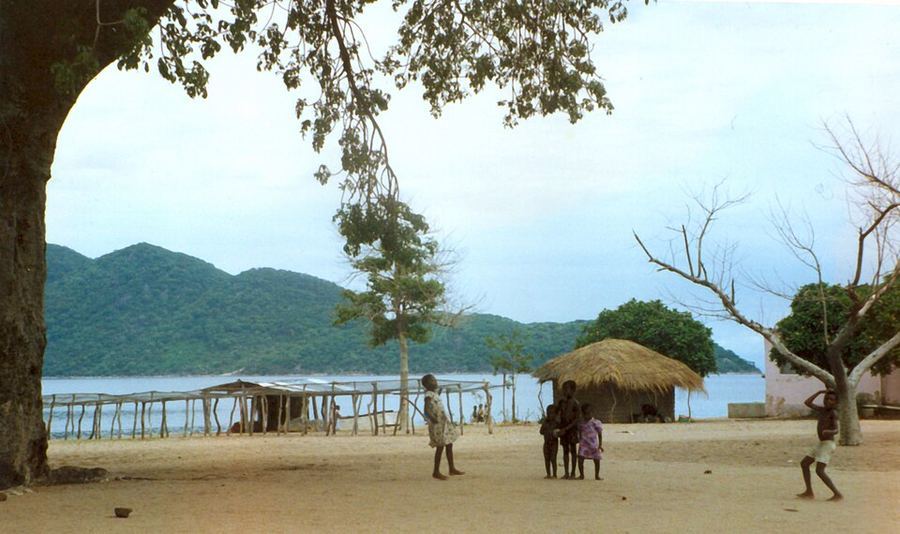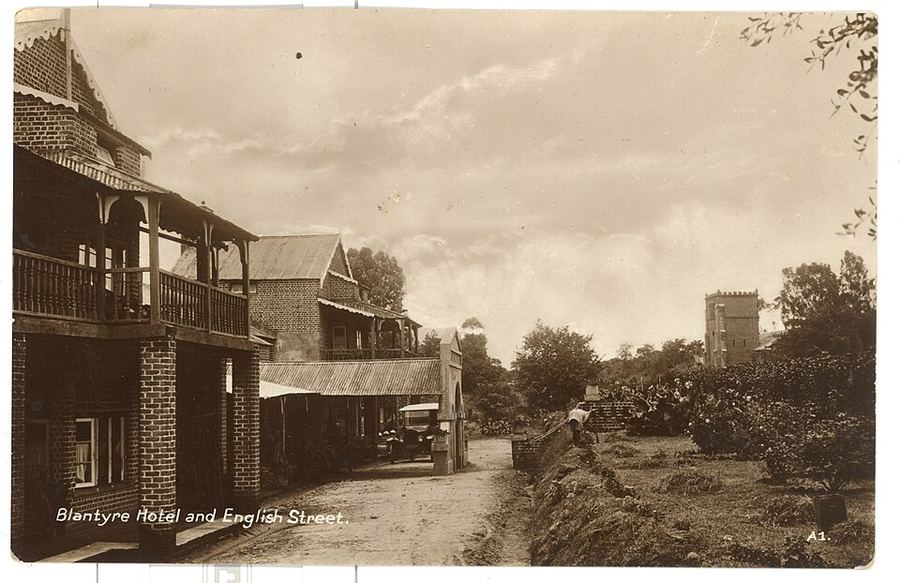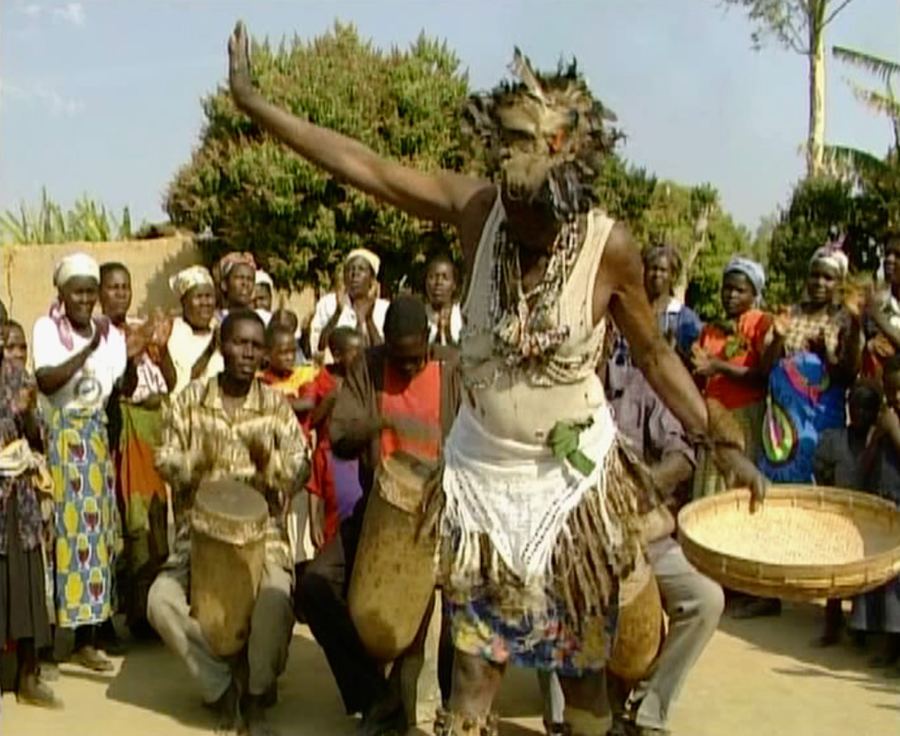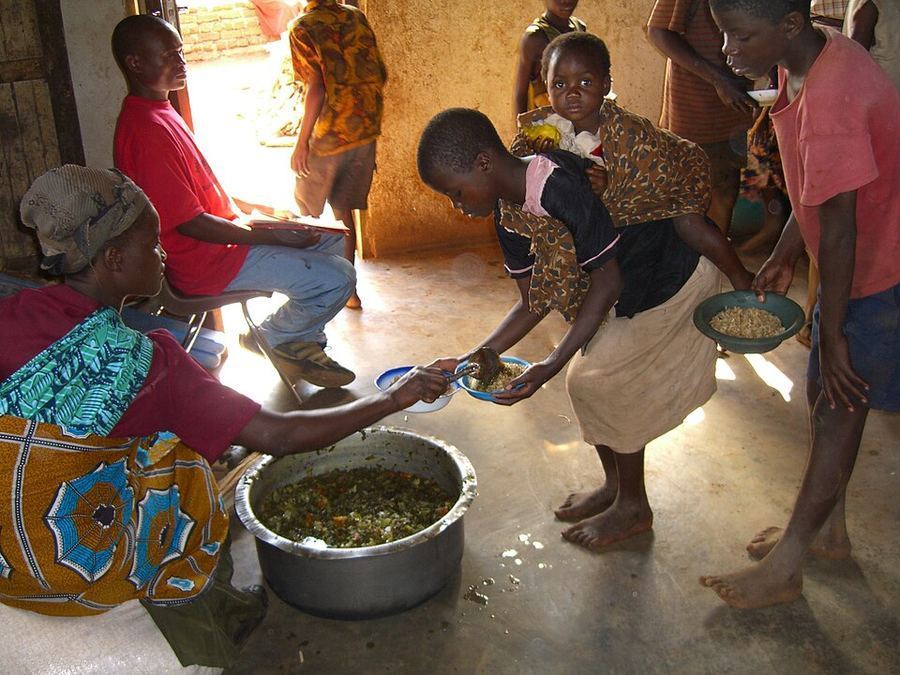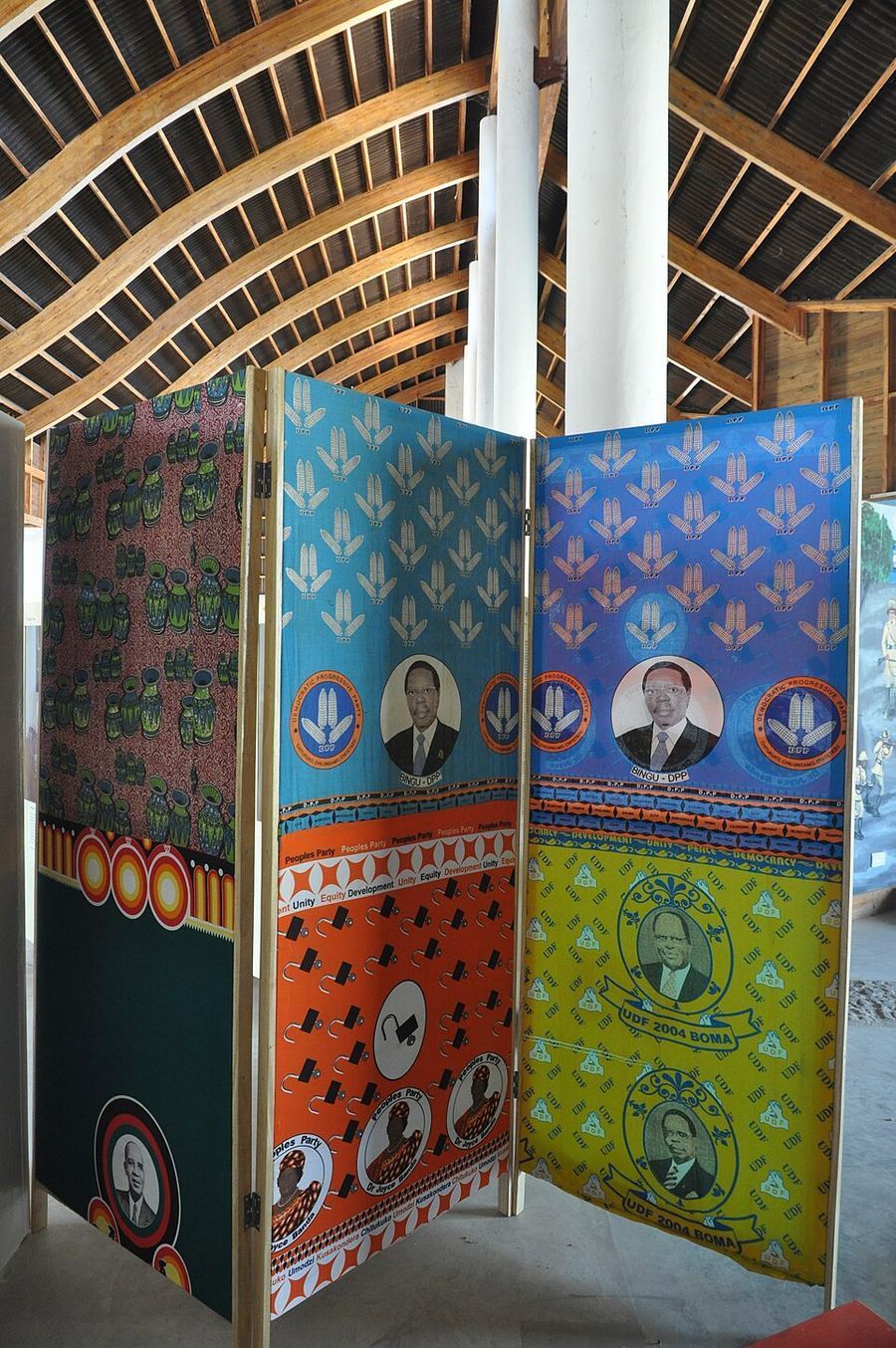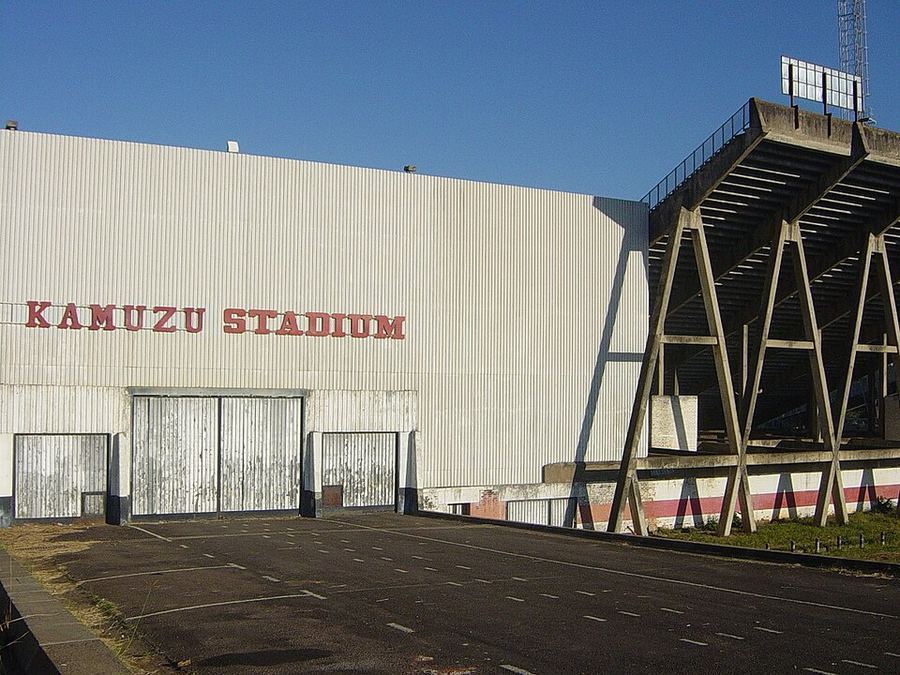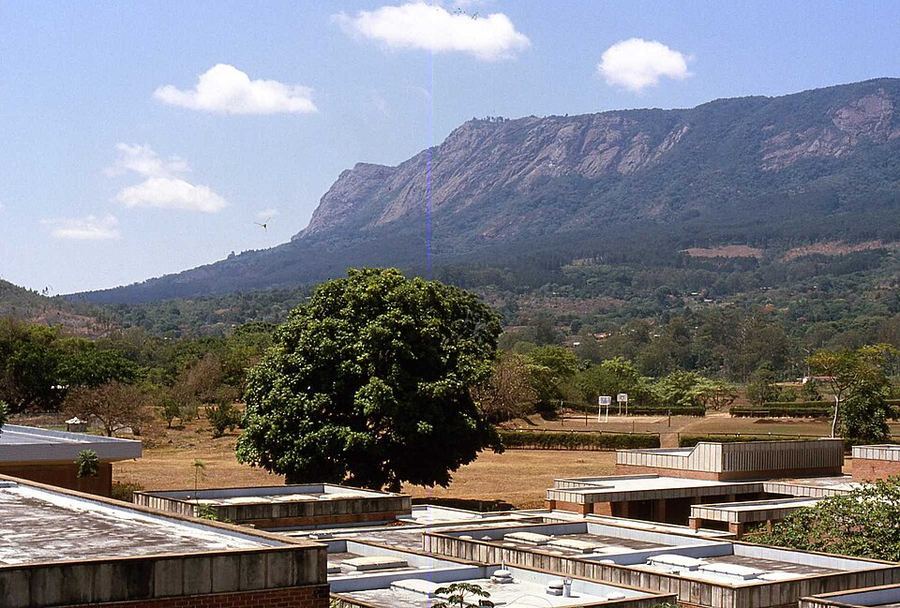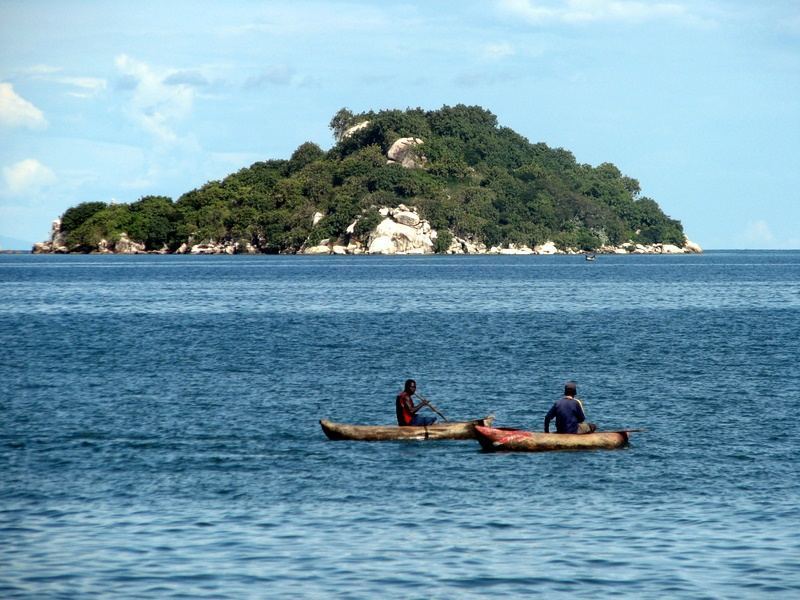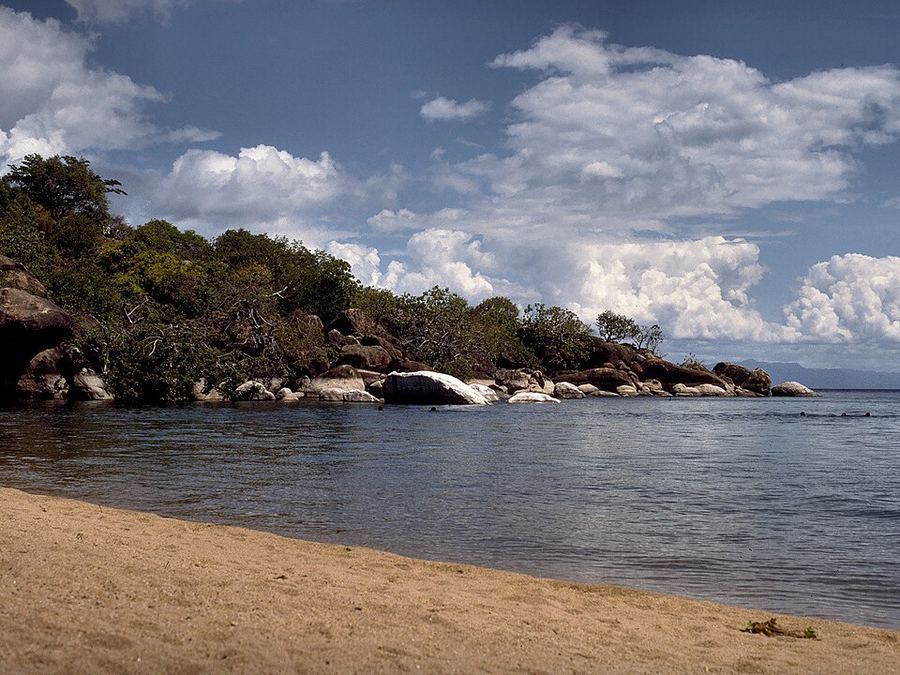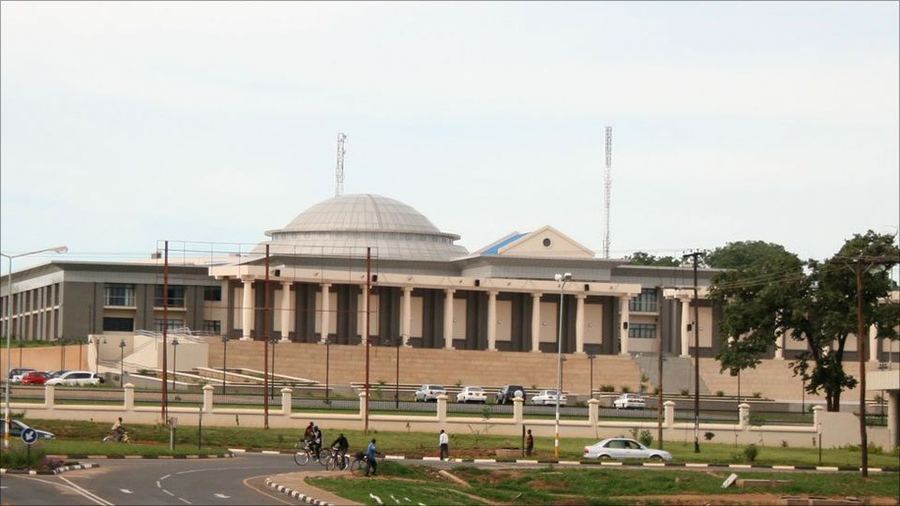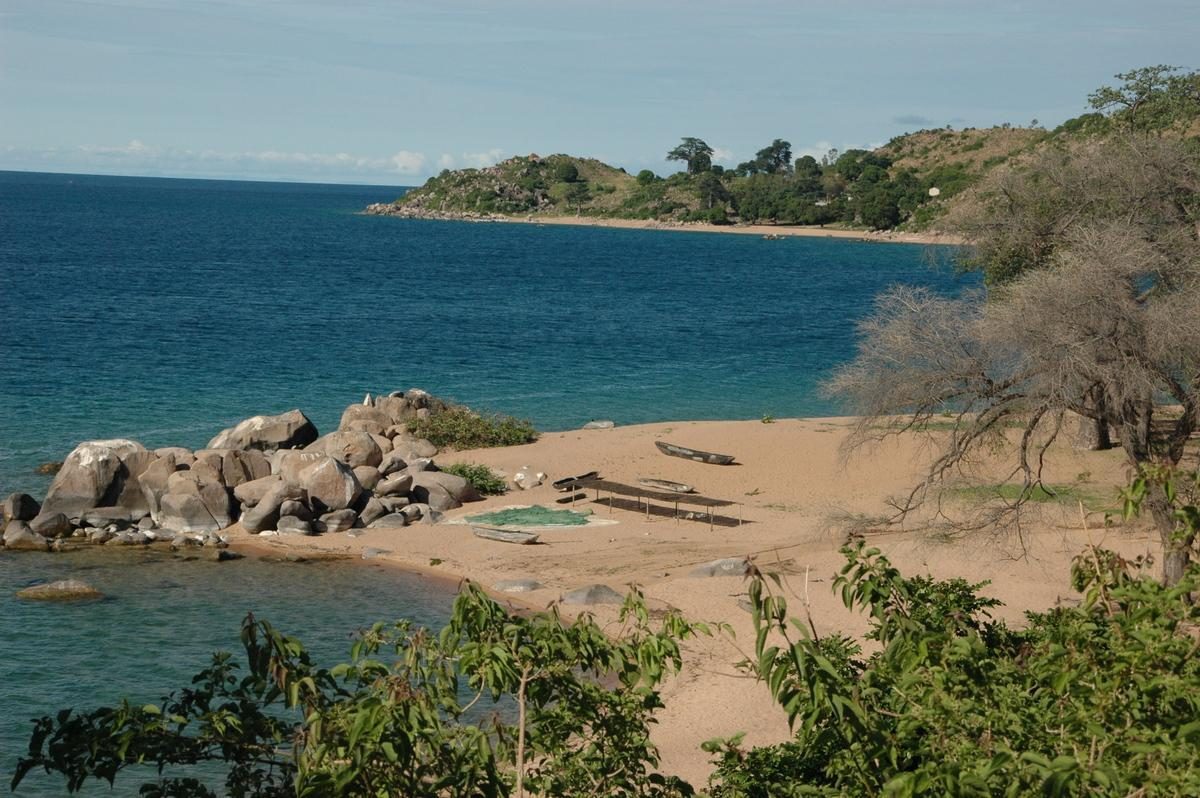
Malawi is a long, narrow, landlocked country of roughly 22 million people in south-eastern Africa, wrapped around the western and southern shores of Lake Malawi, which fills the southern arm of the Great Rift Valley and covers about a fifth of the national territory. It borders Tanzania, Mozambique and Zambia, and takes its name from the Maravi, the Chewa-speaking state that dominated the region from around the fifteenth century. The capital is Lilongwe; Blantyre in the south remains the commercial centre and carries the name of David Livingstone's Scottish birthplace, a reminder of how thoroughly Presbyterian missions shaped the colonial period. Chewa is the dominant language and English the official one. The population is overwhelmingly rural, young, with a median age of about 19, and dependent on rain-fed smallholder agriculture; tobacco, tea and sugar supply most export earnings, and per capita income is among the lowest in the world. Independence from Britain came on 6 July 1964, followed by three decades of one-party rule under Hastings Kamuzu Banda and, since 1994, competitive multi-party politics. Malawi has never fought a civil war, and the phrase used both by its tourist industry and by Malawians themselves is the Warm Heart of Africa.
Blantyre's urban core is home to about 1,022,954 people.
Among the world's megacities, though, it's one of many — the giants of Asia and Latin America run larger still:
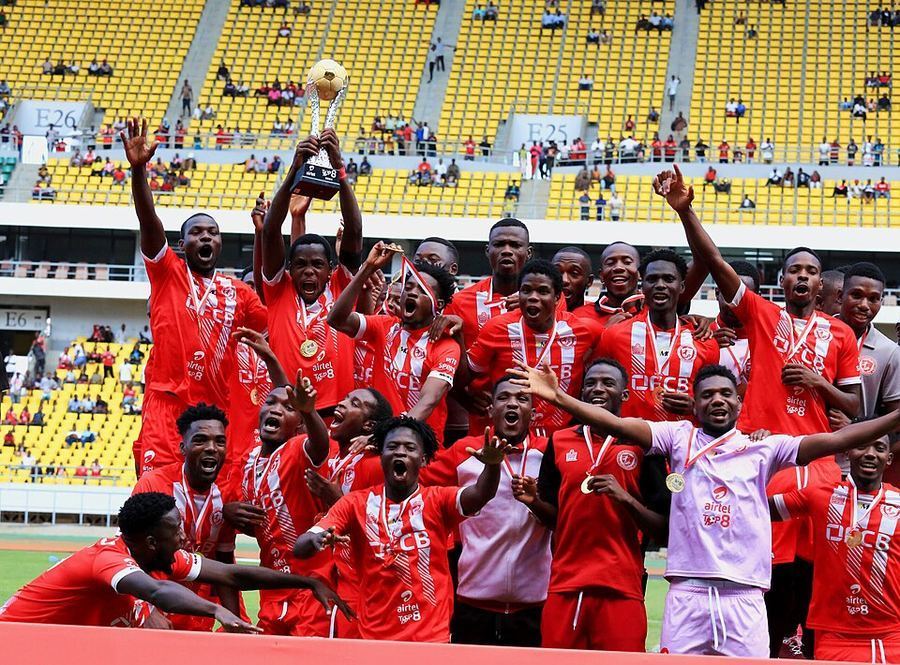
Malawi has competed at the Olympic Games since 1972 and has never won a medal, typically sending a small team in athletics and swimming under universality places. Its international football record is thin: the Flames have reached the Africa Cup of Nations three times, in 1984, 2010 and the 2021 edition played in Cameroon in early 2022, where they got out of the group and reached the round of 16 before losing to Morocco, the best result in the country's history. They have never reached a World Cup. The Commonwealth Games are Malawi's more productive arena, and netball is the reason: the Queens have repeatedly reached the latter stages of the Commonwealth netball tournament and have beaten higher-ranked nations there, and the Netball World Cup is where Malawi has its most consistent global presence. Malawian netballers have gone on to professional contracts in Australia, England and South Africa, which is the country's most established sporting export route. Regional competition through the Council of Southern Africa Football Associations and the African Games fills out the calendar.
Malawi Kwacha — MWK (None)
GDP (PPP): $35.425 billion (2024 est.)
Per capita: $1,600 (2024 est.)
$1.526 billion (2023 est.)
tobacco, tea, dried legumes, soybean meal, raw sugar (2023)
Partners: Germany 11%, India 7%, Zimbabwe 6%, South Africa 5%, USA 5% (2023)
$3.995 billion (2023 est.)
refined petroleum, fertilizers, plastics, garments, postage stamps/documents (2023)
Partners: China 17%, South Africa 16%, UAE 12%, India 7%, Tanzania 7% (2023)
Type: presidential republic
Independence: 6 July 1964 (from the UK)
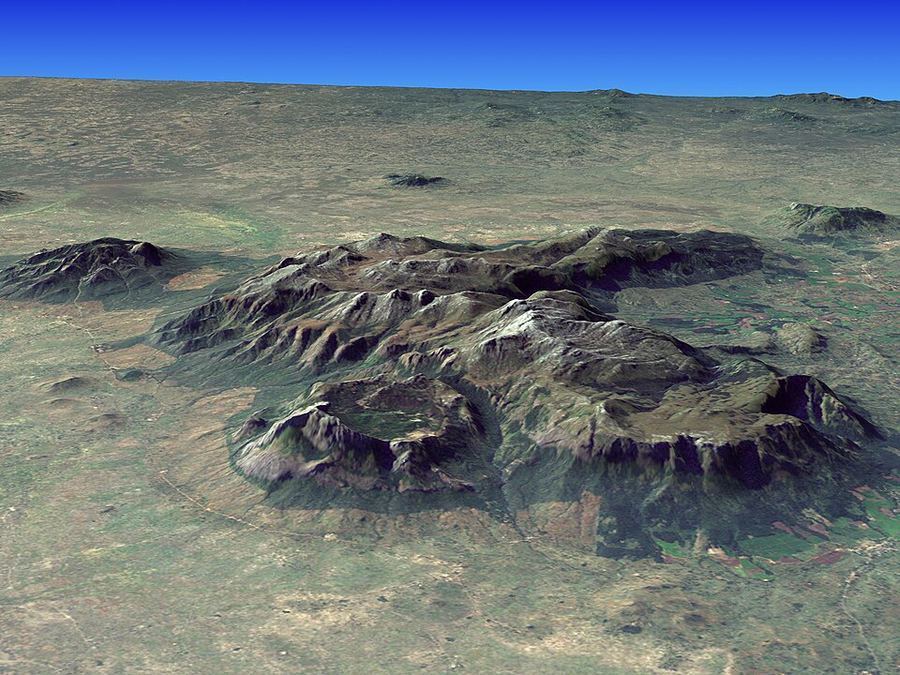
How mountains, coasts, and rivers shape settlement (LandScan).
Coming — dataWhere groups settled and how people move (GeoEPR + UNHCR).
Coming — dataNotable institutions, mappable as points.
Coming — data