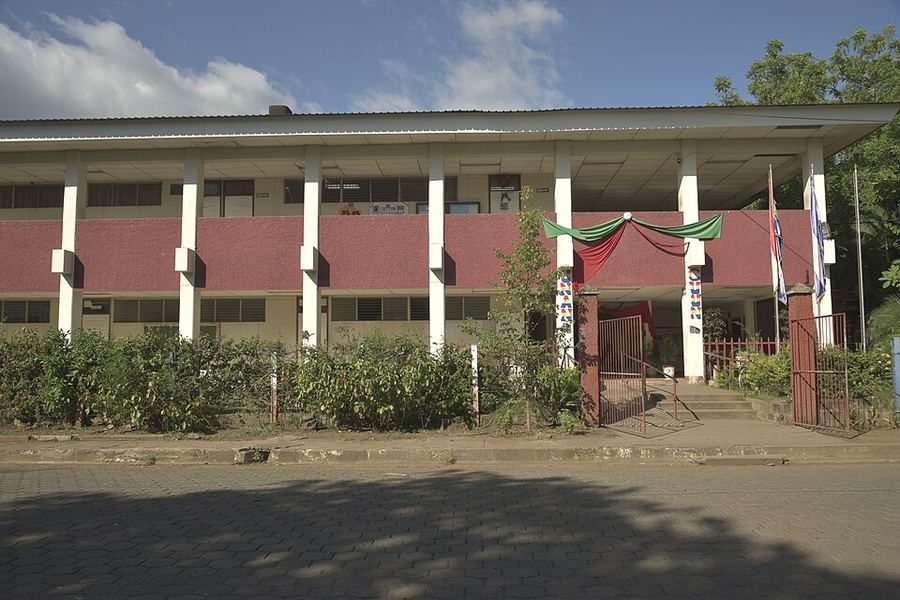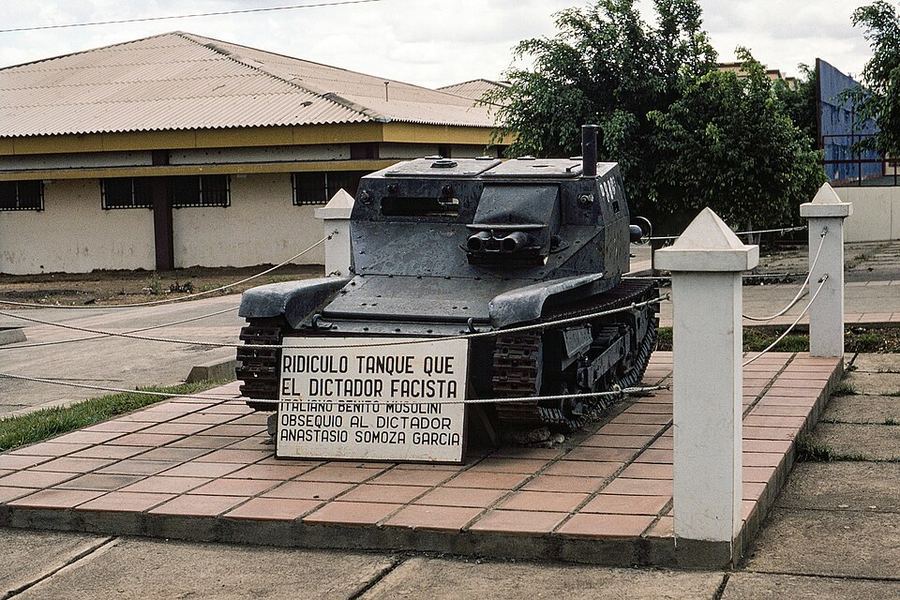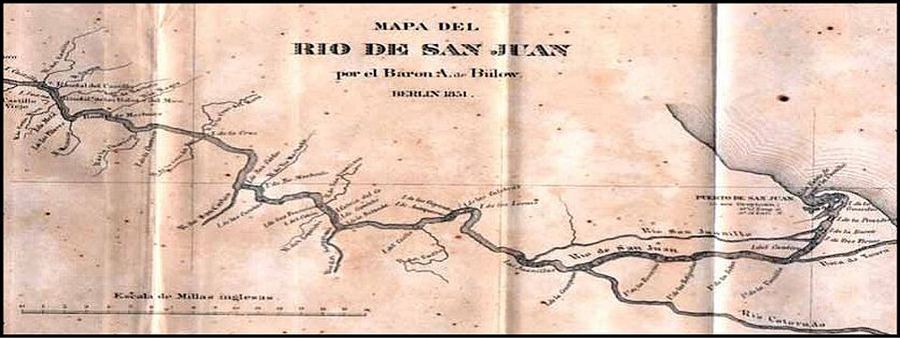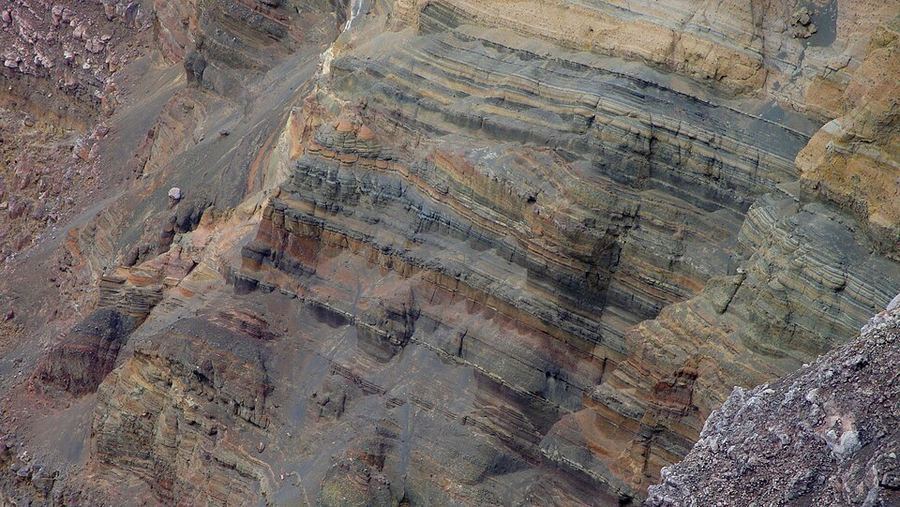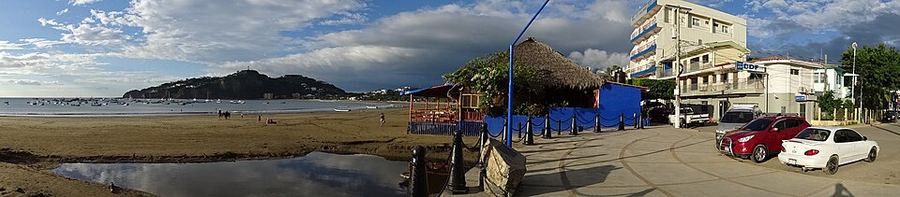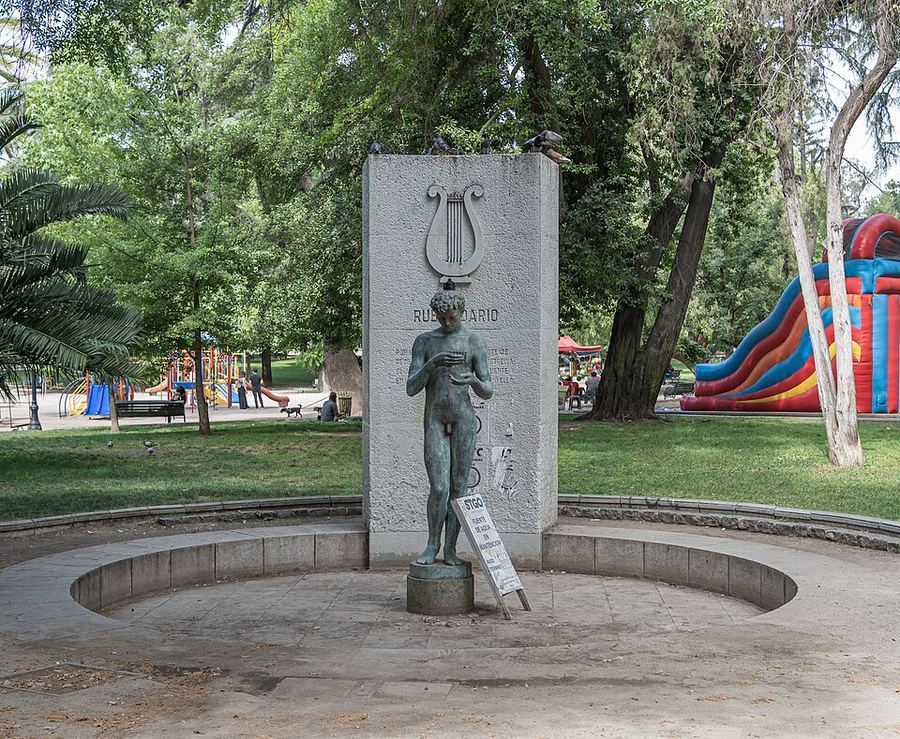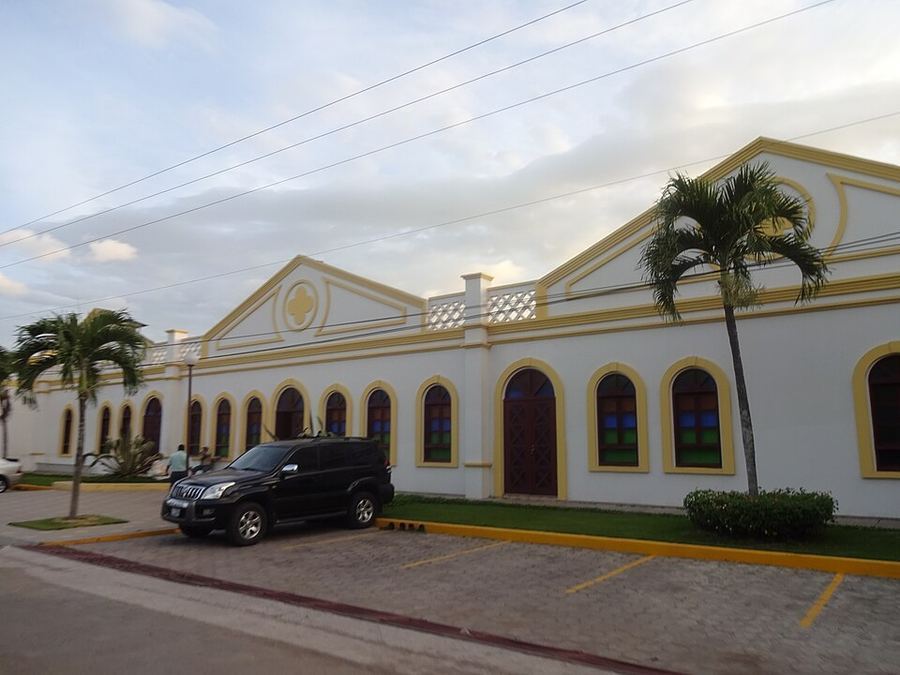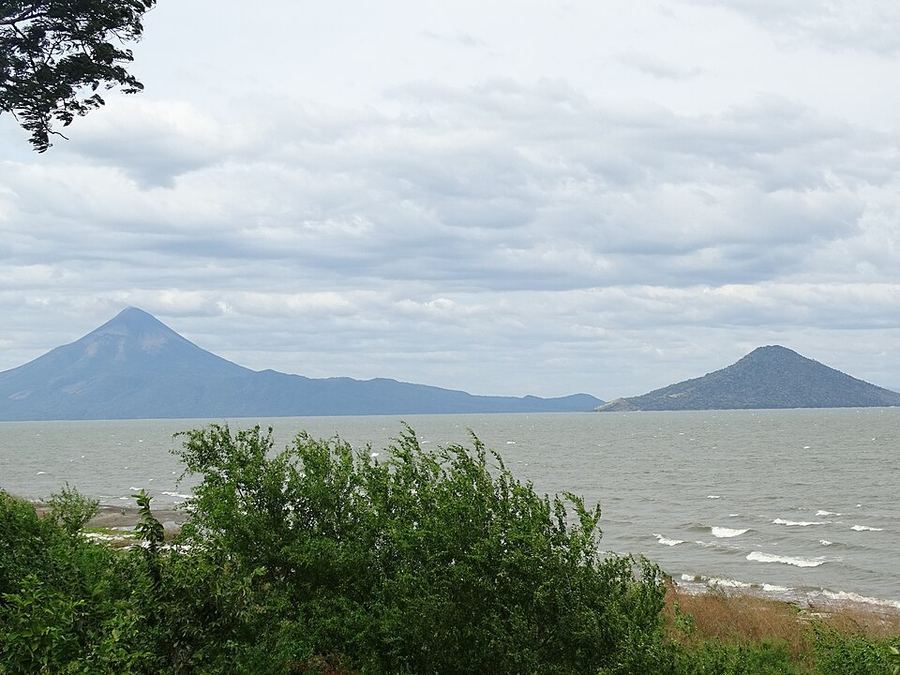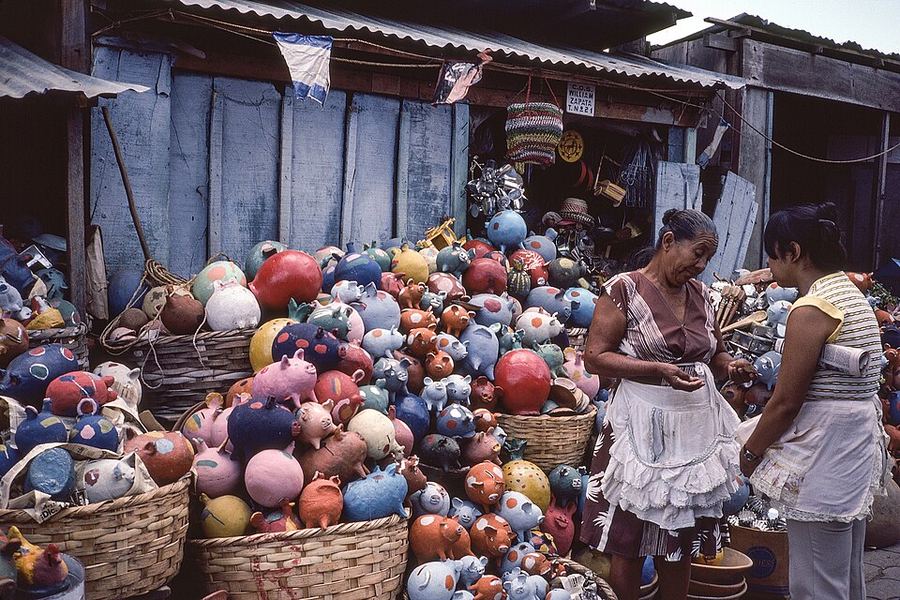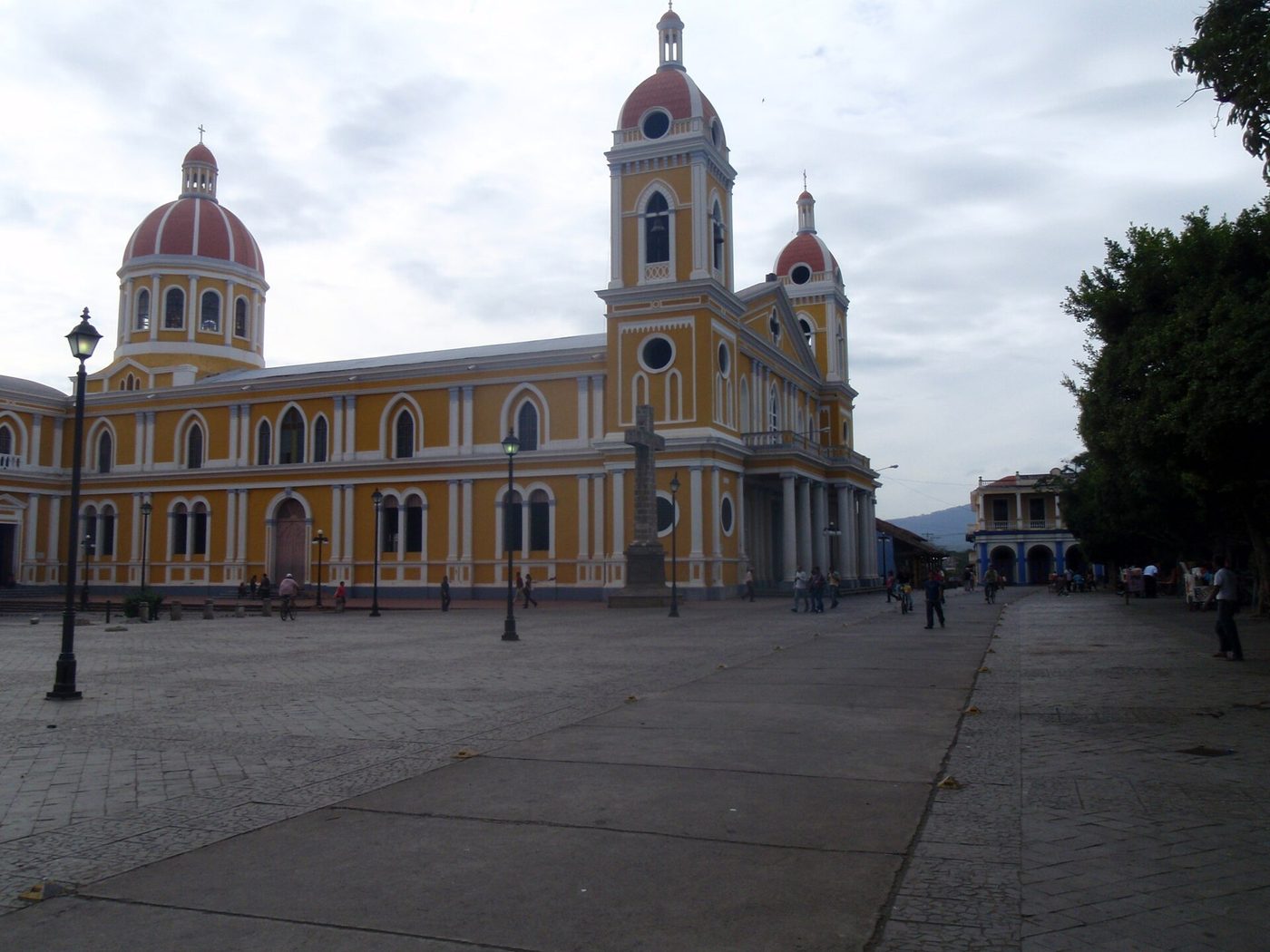
Nicaragua is the largest country in Central America by land area, a presidential republic of roughly 6.7 million people stretched between the Pacific and the Caribbean. Managua, the capital, sits on the southern shore of Lake Managua in a seismically restless corridor that has twice levelled the city, most recently in the earthquake of December 1972. The country's geography divides it culturally as much as physically: a densely populated Pacific belt of volcanoes, colonial cities and mestizo Spanish-speaking majority; a cooler central highland zone around Matagalpa and Jinotega that grows the coffee; and a vast, thinly settled Caribbean lowland — the old Mosquito Coast — where Miskito, Mayangna, Rama, Garifuna and English-speaking Creole communities hold constitutionally recognised autonomy. Independence came from Spain on 15 September 1821, but the two centuries since have been unusually turbulent: filibusters, a long United States occupation, the Somoza family dictatorship, the Sandinista revolution of 1979 and the Contra war of the 1980s. Roman Catholicism (about 44.9%) and a large Evangelical Protestant minority (about 38.2%) divide religious life. The economy is modest, with garments, gold, coffee and beef leading exports and the United States taking about half of them. Nicaragua's cultural weight abroad rests above all on Rubén Darío, the poet who reshaped literature in Spanish.
Managua's urban core is home to about 1,436,089 people.
That's bigger than Amsterdam — each a great world city in its own right.
Among the world's megacities, though, it's one of many — the giants of Asia and Latin America run larger still:
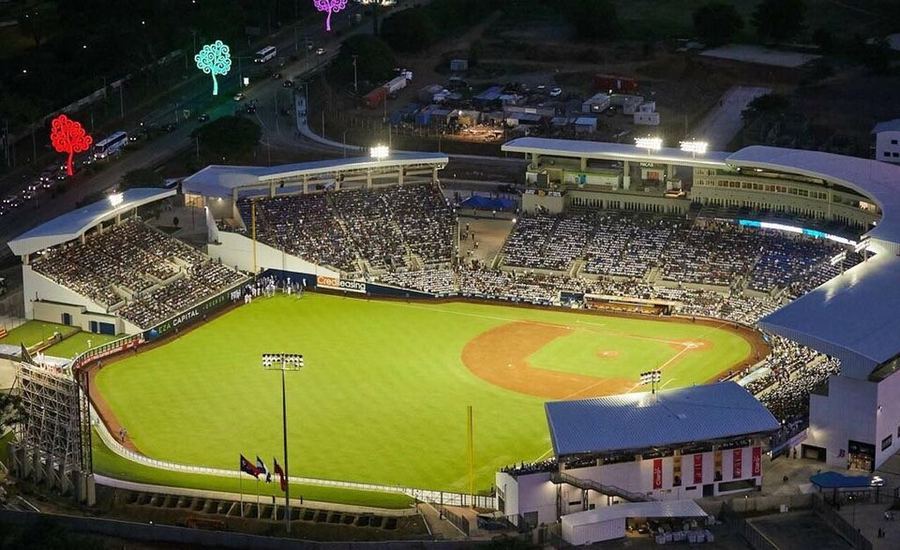
Nicaragua's international sporting profile is built almost entirely on boxing. Alexis Argüello held world titles at featherweight, super featherweight and lightweight between the 1970s and early 1980s and remains one of the most admired fighters of that era; Román 'Chocolatito' González went further, winning world titles in four weight divisions from minimumweight upward and being ranked the world's best pound-for-pound boxer at his peak. Ricardo Mayorga added a world welterweight title. In baseball the national team has been a regular presence in the Caribbean Series and international amateur competition, and reaching the World Baseball Classic is treated as a national event; a steady trickle of Nicaraguan players has reached the major leagues since Dennis Martínez opened the way. At the Olympic Games the record is thin: Nicaragua has competed since 1968 without winning a medal, and its athletes have generally arrived through wildcard places in boxing, athletics and swimming. Regional multi-sport competition is where the country is most visible — the Central American and Caribbean Games and the Central American Games, the latter hosted by Managua in 2017. Football's international record is modest, with participation confined to CONCACAF qualifying and the Gold Cup.
Cordoba Oro — NIO (None)
GDP (PPP): $52.989 billion (2024 est.)
Per capita: $7,700 (2024 est.)
$8.135 billion (2024 est.)
garments, gold, insulated wire, coffee, beef (2023)
Partners: USA 51%, Mexico 12%, El Salvador 6%, Canada 6%, Switzerland 4% (2023)
$11.437 billion (2024 est.)
garments, refined petroleum, crude petroleum, plastic products, fabric (2023)
Partners: USA 24%, China 13%, Mexico 9%, Honduras 9%, Guatemala 8% (2023)
Type: presidential republic
Independence: 15 September 1821 (from Spain)
How mountains, coasts, and rivers shape settlement (LandScan).
Coming — dataWhere groups settled and how people move (GeoEPR + UNHCR).
Coming — dataNotable institutions, mappable as points.
Coming — data