HERA · Human Entity Reference Atlas by Masego Inc

← Niue 🌐 3D View
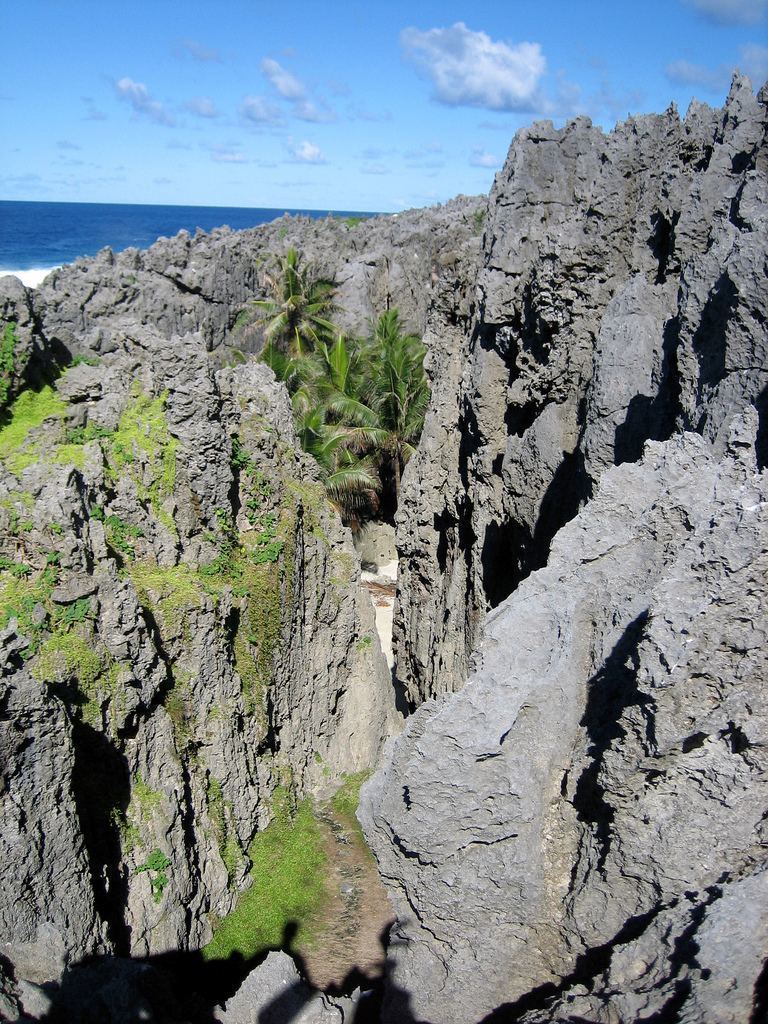
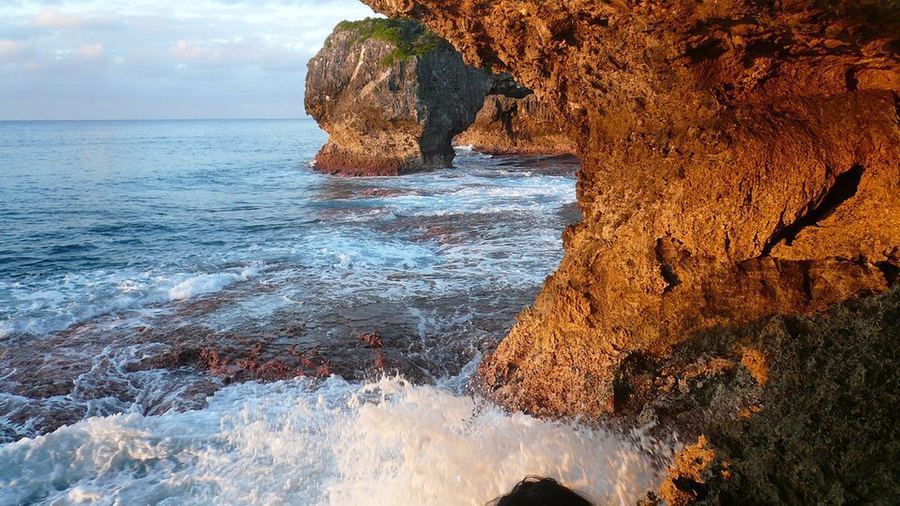
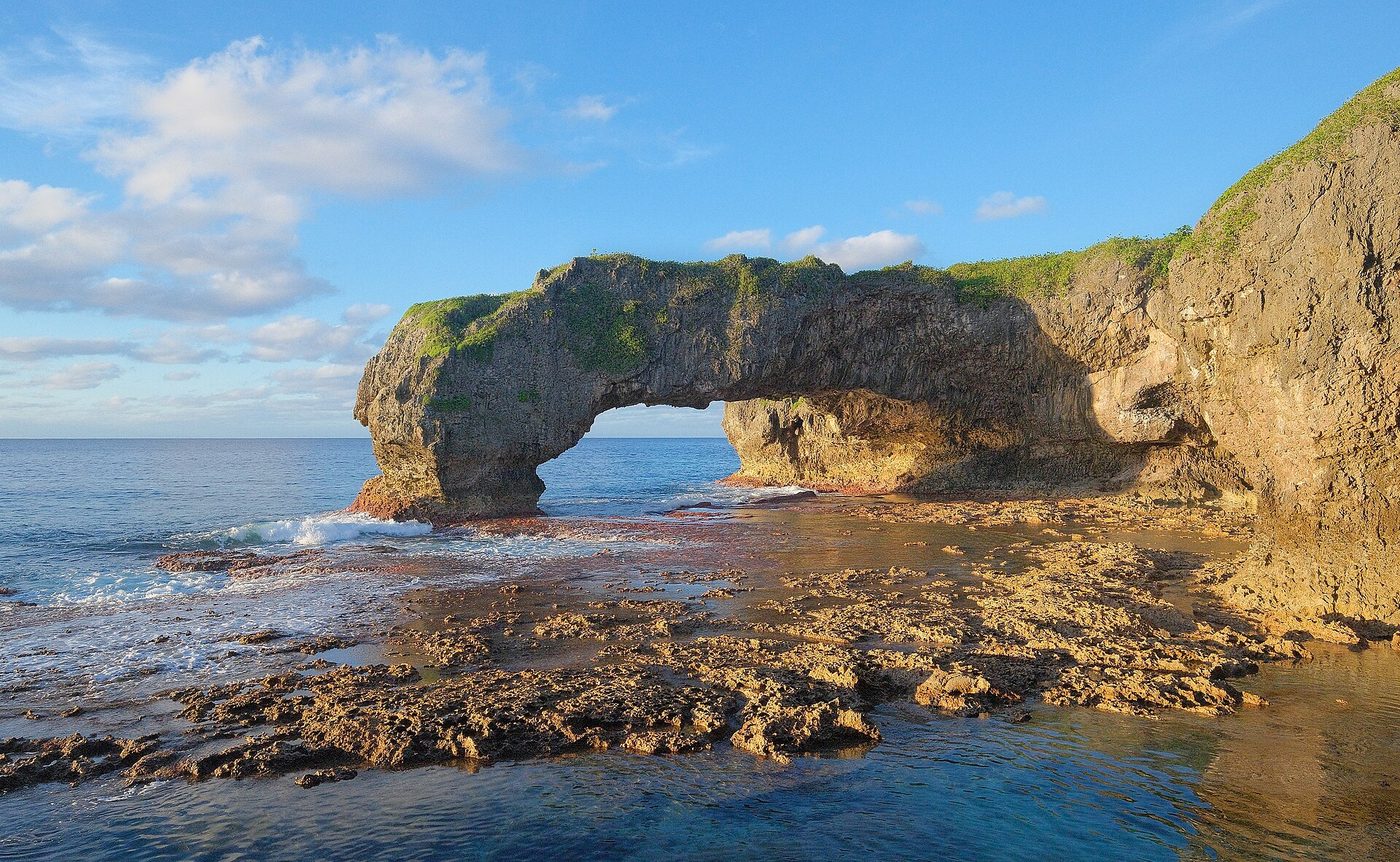
Reef towards Talava Arch at sunset, Niue
Niue NIU
Reef towards Talava Arch at sunset — Photo: Pseudopanax at English Wikipedia / Public domain via Wikimedia Commons
Did You Know Niue became self-governing in free association with New Zealand on 19 October 1974 after a United Nations-observed act of self-determination — the date is now Constitution Day, its main national holiday. — UN

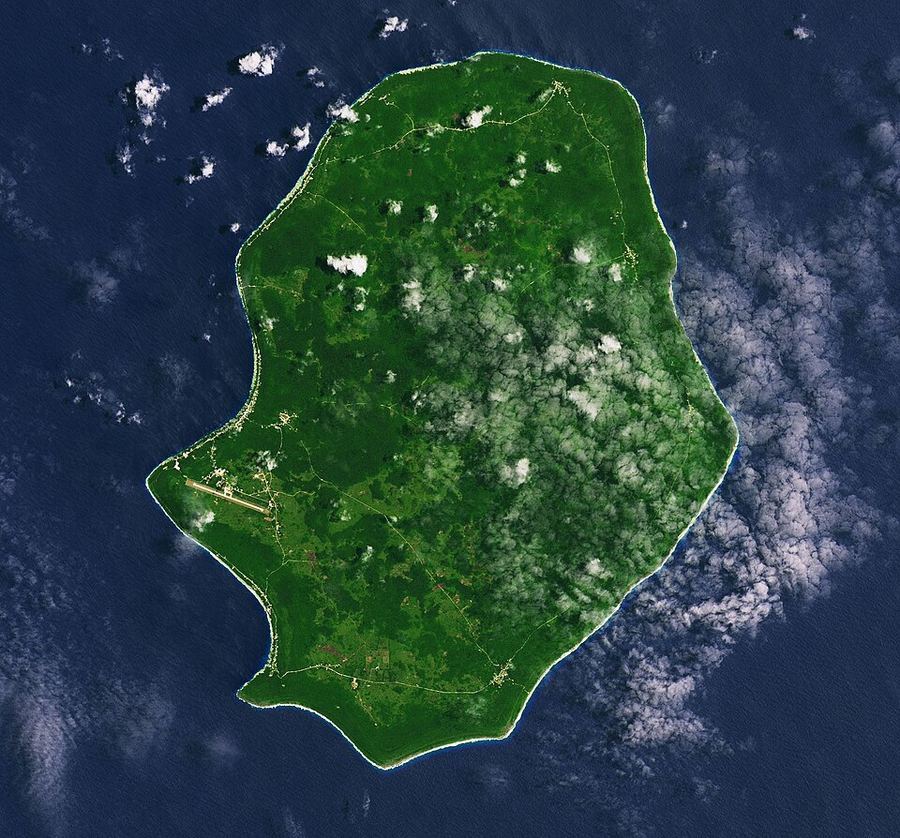
Niue is one of the smallest self-governing states in the world: a single raised coral island of about 260 square kilometres in the South Pacific, roughly 2,400 kilometres north-east of New Zealand, with a resident population of around 1,800 people. It has been self-governing in free association with New Zealand since 19 October 1974, an arrangement under which Niue runs its own government and legislature while New Zealand retains responsibility for defence and provides substantial budget support, and all Niueans hold New Zealand citizenship. That citizenship has shaped the country more than any other single fact: many times more people of Niuean descent live in New Zealand, particularly in Auckland, than on the island itself, and the community abroad is central to Niuean life, language and money. Alofi, on the western coast, is the seat of government and the largest of fourteen villages. The island has no rivers, lakes or lagoon — rain drains straight through the limestone into an aquifer — and its coast is a cliff-edged rim pierced by caves, chasms and sea arches. Niuean, a Polynesian language closely related to Tongan, is official alongside English and is spoken by a substantial majority of residents. Ekalesia Niue, descended from the London Missionary Society, is the largest church.

CIA World FactbookEncyclopaedia Britannica
Population
1,815
Capital
Alofi
Currency
$ NZD
Time zones
Largest city
Human Geography Themes
Loading national figures…
The Country & Its People

History

Niue was settled by Polynesian voyagers, with links to Samoa and Tonga evident in language and oral tradition; Niuean is closest to Tongan among the Polynesian languages, and Tongan influence on the island's chiefly arrangements is remembered in genealogy. The first European contact came in 1774, when James Cook attempted to land three times and was refused each time; he sailed away and recorded the place as Savage Island, a name that stuck in European charts for a century and that Niueans have long since discarded. Christianity arrived not with a foreign missionary but with a Niuean: Nukai Peniamina, who had trained in Samoa under the London Missionary Society, returned in 1846 and began the conversion of the island, and the church that grew from that mission — Ekalesia Niue — remains the largest denomination. Niue became a British protectorate in 1900 and was annexed to New Zealand the following year, administered at first together with the Cook Islands and separately from 1904. Constitutional change came slowly and then decisively: after a period of growing internal self-government, Niueans voted in a United Nations-observed act of self-determination and the island became self-governing in free association with New Zealand on 19 October 1974, now celebrated as Constitution Day.
Culture

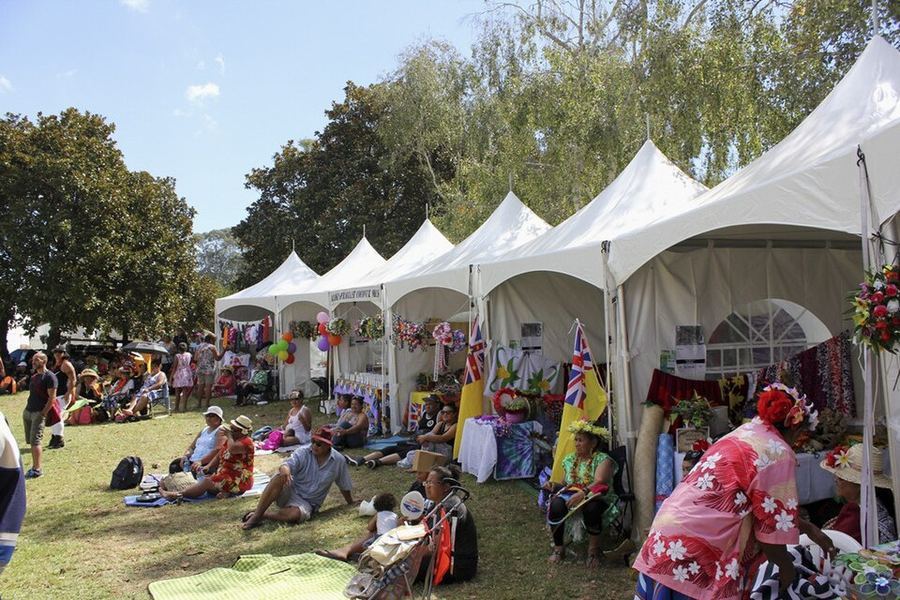
Niuean life is organised around the village, the extended family and the church, and the scale of the place means these overlap almost completely — fourteen villages, each with its church, hall and show day, account for the whole population. Sunday observance is strong: the Ekalesia Niue tradition inherited from the London Missionary Society brought unaccompanied part-singing of hymns, which remains one of the most distinctive sounds of the island. Life-cycle ceremonies are the great occasions. The hair-cutting ceremony for boys, in which a boy's long-uncut hair is cut by relatives in turn, and the ear-piercing ceremony for girls are major community events accompanied by feasting and by the public giving of money and goods that helps launch the young person. Village show days, held annually, display taro, yams, weaving and cooking, and function as both agricultural fair and social gathering. Land is held under customary family title and is central to identity, which is one reason the diaspora maintains its connection so carefully. Vagahau Niue — the Niuean language — is treated as the core of that identity, and its maintenance is an explicit national concern given how few first-language speakers remain on the island and how many Niueans grow up in New Zealand.

Points Of Pride

Niueans take pride first in having negotiated self-government without severing the connection to New Zealand — an act of self-determination completed in 1974 and observed by the United Nations, which gave one of the world's smallest populations its own constitution, assembly and premier. The island's geology is a second source of pride: Niue is one of the largest raised coral atolls in the world, a slab of uplifted limestone rather than a volcanic peak, and its coastline of caves, chasms and sea arches — Talava, Matapa, Avaiki, Togo — has no real equivalent in the region. Environmental commitments have become the country's most visible international contribution: Niue has extended protection across its exclusive economic zone through a large multiple-use marine park, and its unusually dark and unpolluted night sky has been formally recognised in international dark-sky accreditation, a designation applied to the whole nation rather than a single reserve. Culturally, hiapo — Niuean barkcloth, decorated in fine freehand line and figure work in the nineteenth century — is held in major museum collections and is regarded as one of the most distinctive textile traditions of Polynesia. The endurance of vagahau Niue is itself counted an achievement.

Cultural Fusion

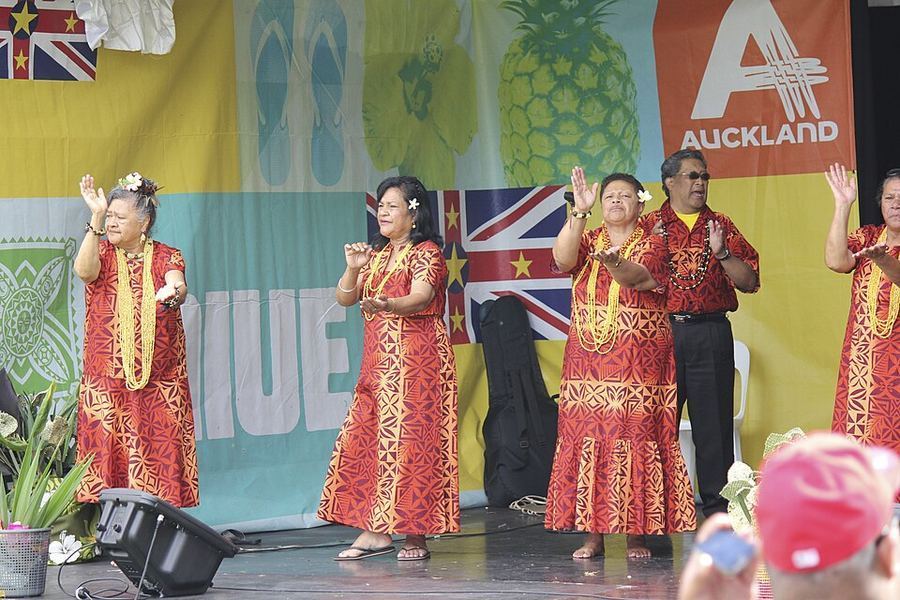
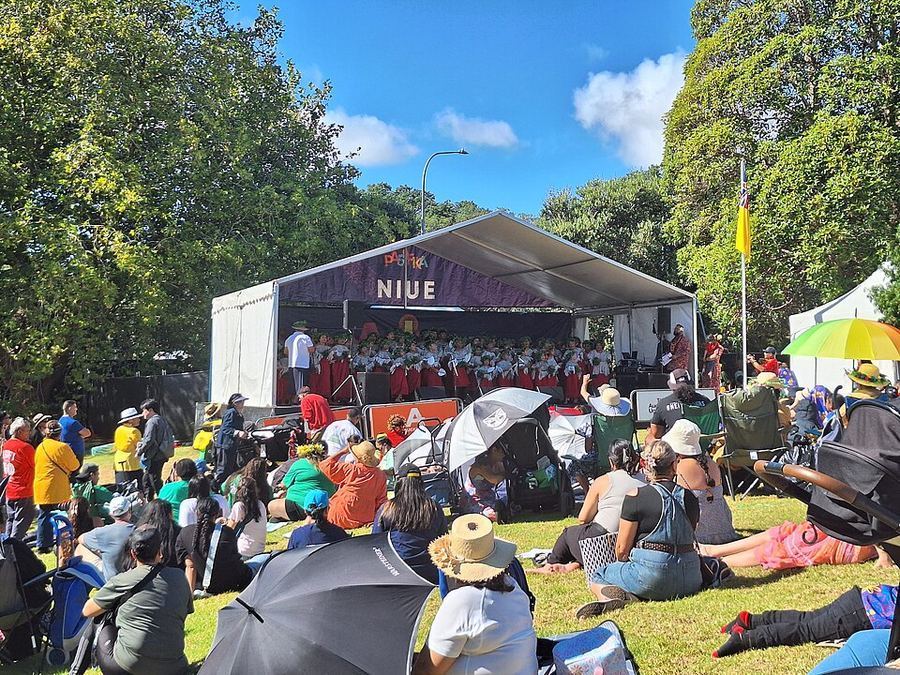
Niue's defining cultural fact is that it exists in two places at once. Because Niueans are New Zealand citizens with free movement, sustained migration since the 1960s has produced a diaspora many times larger than the resident population, concentrated in Auckland and other New Zealand cities. The result is a genuinely transnational culture: Niuean churches, dance groups, language classes and sports clubs operate in New Zealand, remittances and returning relatives shape the island economy, and New Zealand's annual Niue Language Week is as much a part of vagahau Niue's survival strategy as anything on the island. Older layers of fusion run beneath this. Niuean language and genealogy show long contact with Tonga and Samoa, and it was a Samoa-trained Niuean who brought Christianity home in 1846, so the mission tradition arrived already filtered through Polynesian hands. Christianity in turn reshaped dress, music and the weekly calendar without displacing customary land tenure or the ceremonial gift economy. English sits alongside Niuean in government and schooling, and about a third of residents use both languages routinely, while roughly a fifth of the resident population is recorded as non-Niuean.

Music & Dance

The most pervasive musical form on Niue is congregational hymn singing. The London Missionary Society tradition inherited through Ekalesia Niue produced strong unaccompanied part-singing in Niuean, and a Sunday service in Alofi or a village church is the readiest place to hear it; hymn texts translated and adapted into vagahau Niue are a significant body of Niuean-language material in their own right. Alongside the church repertoire sit string-band music of the kind found across the Pacific — guitar, ukulele and improvised bass — played at feasts, show days and family celebrations, and dance performed by village and school groups at ceremonial occasions such as hair-cutting and ear-piercing feasts, Constitution Day and cultural festivals. Niuean dance shares the wider Polynesian vocabulary of seated and standing forms with rhythmic hand and arm movement, distinguished by its own songs and language rather than by radically different technique, and includes vigorous men's dances of challenge and display. Much of the performing tradition is now sustained as strongly by Niuean communities in New Zealand as on the island, with festival competitions there serving as a training ground for younger dancers and musicians.

Cuisine & Misattributed Foods

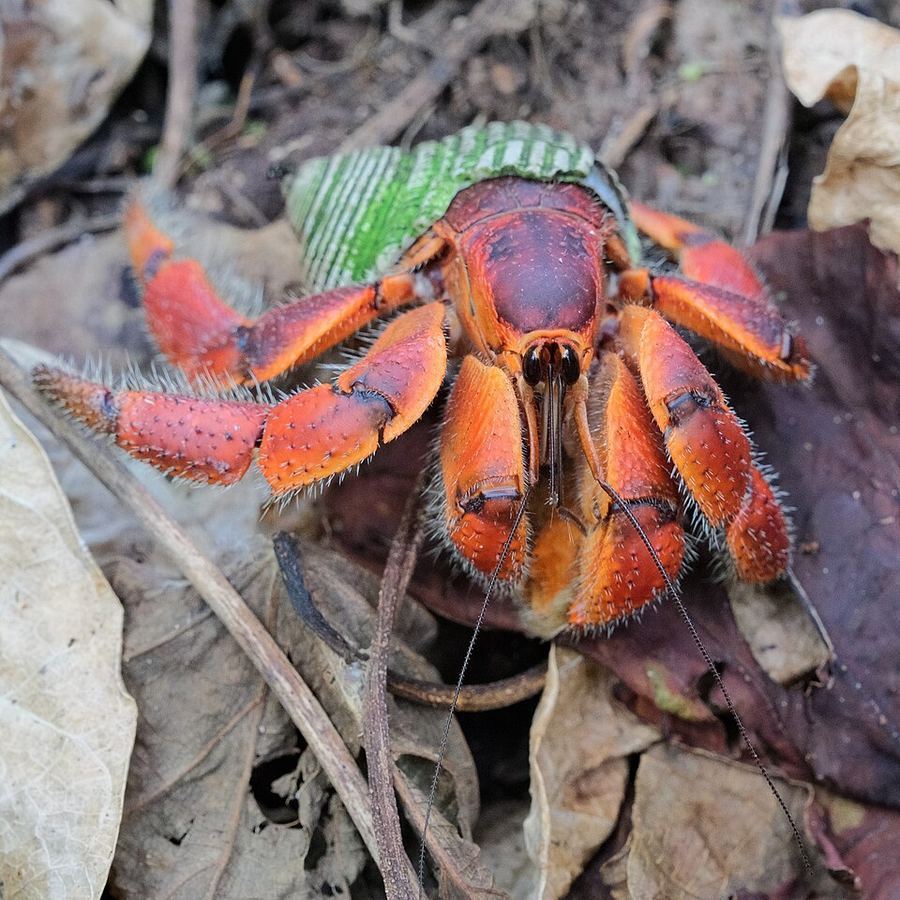
Niuean cooking is built on root crops, coconut and the sea, and the umu — the earth oven of hot stones — remains the method for anything ceremonial. Taro is the staple and the prestige crop, grown in the limestone soil pockets that make Niuean agriculture laborious, and it appears boiled, baked and pounded. The dish most identified with the island is takihi: thin layers of taro and pawpaw baked together in coconut cream until the fruit sweetens the starch, served at feasts and eaten as an everyday comfort food. Lu, taro leaves wrapped around meat or fish and cooked in coconut cream, is the other cornerstone, shared in form with Samoan and Tongan cooking. Fish is central — tuna, wahoo and reef fish, often eaten raw dressed in coconut cream and lime — and the uga, or coconut crab, is the island's great delicacy, harvested under limits because of pressure on the population. Povi masima, salted beef in brine, is the imported staple that entered Pacific cooking through the trade stores and is now inseparable from feast food. Bananas, pawpaw, breadfruit, and locally grown vanilla and honey round out what the island produces.

National Dress

Niue has no ceremonial costume of the elaborate kind found in some larger Pacific societies, and what functions as national dress is essentially formal church and festival wear. For women that means a dress, frequently white or brightly patterned, worn with a woven hat; for men, a shirt with a wrapped waist cloth of the type worn across Polynesia, or trousers for more formal occasions. The distinctive Niuean element is the weaving. Pandanus and coconut leaf are worked into hats, fans, mats and baskets of a fineness for which the island is known regionally, and a locally woven hat is the marker that identifies the wearer as Niuean rather than the garment beneath it. Weaving is a living skill taught between generations and displayed competitively at village show days, and finished pieces are among the goods given ceremonially at hair-cutting and ear-piercing feasts. Historically the island's most important textile was hiapo, barkcloth beaten from paper mulberry and decorated in fine ink line work, but it was made chiefly in the nineteenth century and has survived as an art form and museum object rather than as clothing. Everyday dress is modern and casual.

Sports & Inspiring Athletes

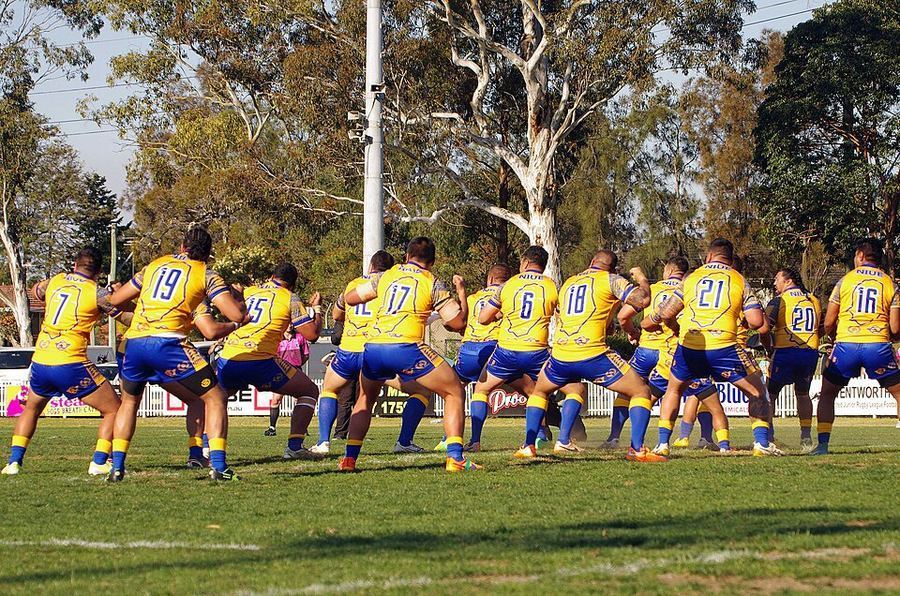
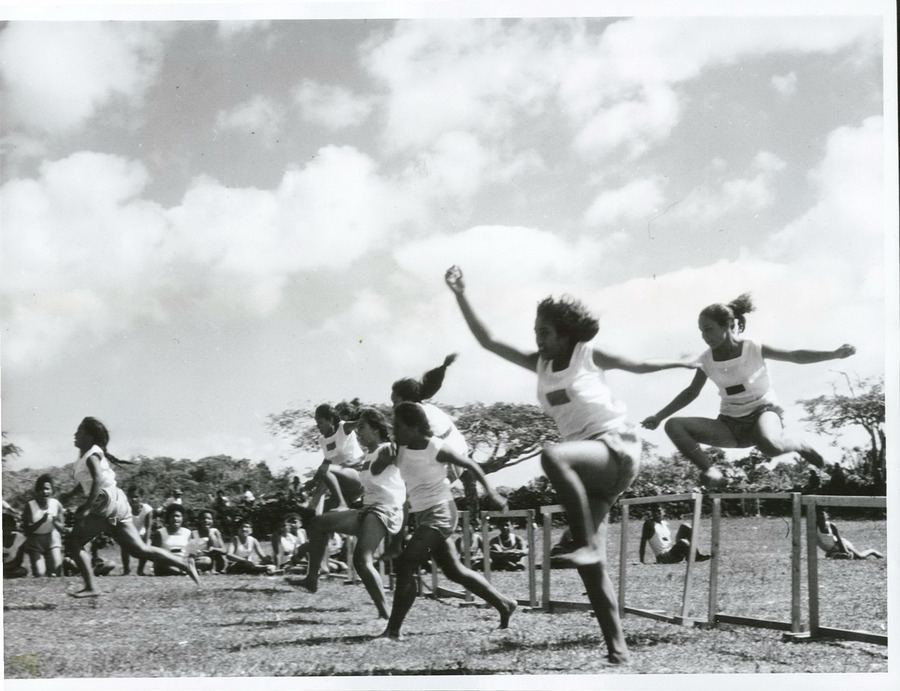
Sport on Niue is played at a scale set by a resident population under two thousand, which means small competitions, mixed-age teams and a great deal of overlap between players, officials and spectators. Rugby union and rugby league are the leading codes, reflecting the New Zealand connection, and touch rugby is probably the most widely played game of all because it needs the fewest people and no equipment. Netball is the principal women's sport, again following New Zealand practice, and is organised through village and church teams. Golf is played on the island's course near Alofi, lawn bowls has a following, and athletics and weightlifting provide most of the island's representatives at regional multi-sport events. Fishing competitions and traditional canoe and outrigger events feature at Constitution Day and other celebrations. The most significant limitation is not enthusiasm but numbers and travel cost: assembling a squad and flying it to a regional tournament is a substantial national undertaking, and Niuean representative teams frequently draw on players of Niuean descent living in New Zealand, where the community is large enough to sustain club competition of a standard the island alone could not.
Commonwealth Games FederationEncyclopaedia Britannica

Notable Educational Programs

Niue runs a single unified school system sized to its population: one primary school and Niue High School, both at Alofi, with early childhood provision attached. Education is free and compulsory, and the curriculum is closely aligned with New Zealand's, with senior students working towards New Zealand qualifications — a practical arrangement given that most will study or work in New Zealand and hold its citizenship. Teaching of vagahau Niue is the central educational policy question. With so few resident speakers and a diaspora many times larger, the language is regarded as at risk, and the school system carries much of the burden of transmission through Niuean-language instruction and materials, supported by New Zealand initiatives including an annual Niue Language Week aimed at the community there. Tertiary education is necessarily off-island for most students, who take up New Zealand scholarships and places; Niue is also one of the member countries of the University of the South Pacific and hosts a campus that provides distance and continuing education locally. Vocational training concentrates on the skills the island actually needs — construction, hospitality, agriculture and public administration — and returning graduates are actively recruited into a very small civil service.

Wars & Conflicts

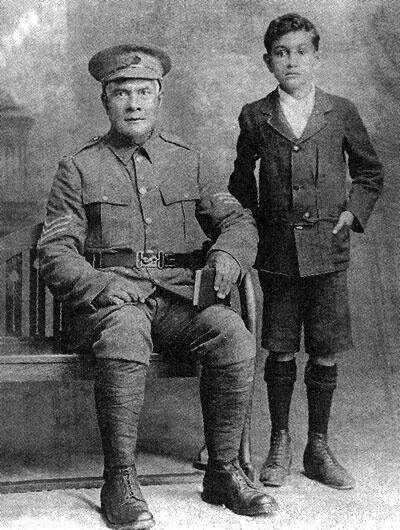
Niue has no armed forces and no history of armed conflict as a self-governing state; under the 1974 free-association arrangement New Zealand is responsible for its defence, and the island's security concerns are practical ones — cyclones, maritime surveillance of its exclusive economic zone, and illegal fishing — rather than military. The island's one substantial experience of war was as a participant in someone else's. During the First World War a contingent of about 150 Niuean volunteers, an extraordinary proportion of the male population, sailed to join New Zealand's Maori Contingent and Pioneer Battalion; sent to Egypt and then to France, they suffered severely from illness in the European climate and most were invalided out within months, and the episode remains a strong part of national memory. Nineteenth-century contact brought its own violence, including the depredations of Peruvian labour raiders who took islanders across the Pacific in the 1860s, a trade that devastated several small Polynesian populations. In the present day Niue's external concerns are diplomatic and environmental — sea-level rise, cyclone intensity and the sustainability of ocean resources — and it pursues these through the Pacific Islands Forum and the United Nations system rather than through any security posture.
Current as of 2026-08-07

Land & Border Disputes

Niue has no territorial disputes and no contested land borders — it is a single island with no near neighbours, and its maritime boundaries with the surrounding states have been settled by agreement. Its most persistent external disagreement concerns something less conventional: control of its internet country-code top-level domain. The domain was licensed out in the 1990s and has been operated commercially from Sweden ever since, growing into a widely used address space whose revenues have vastly exceeded what Niue receives; successive Niuean governments have argued that the domain is a national resource that should be returned to Niuean control, and the question has been pursued through international internet governance bodies and the Swedish courts without a resolution satisfactory to Niue. Domestically, the most consequential standing question is constitutional rather than adversarial: the terms of free association with New Zealand, the scope of Niuean self-government, and the balance between budget support and autonomy are subjects of continuing negotiation, as is the position of the large diaspora in decisions about the island's future. Depopulation — the steady drift of residents to New Zealand — is discussed in national planning as the central threat to Niue's viability.
Land, Life & Legacy

Land & Climate

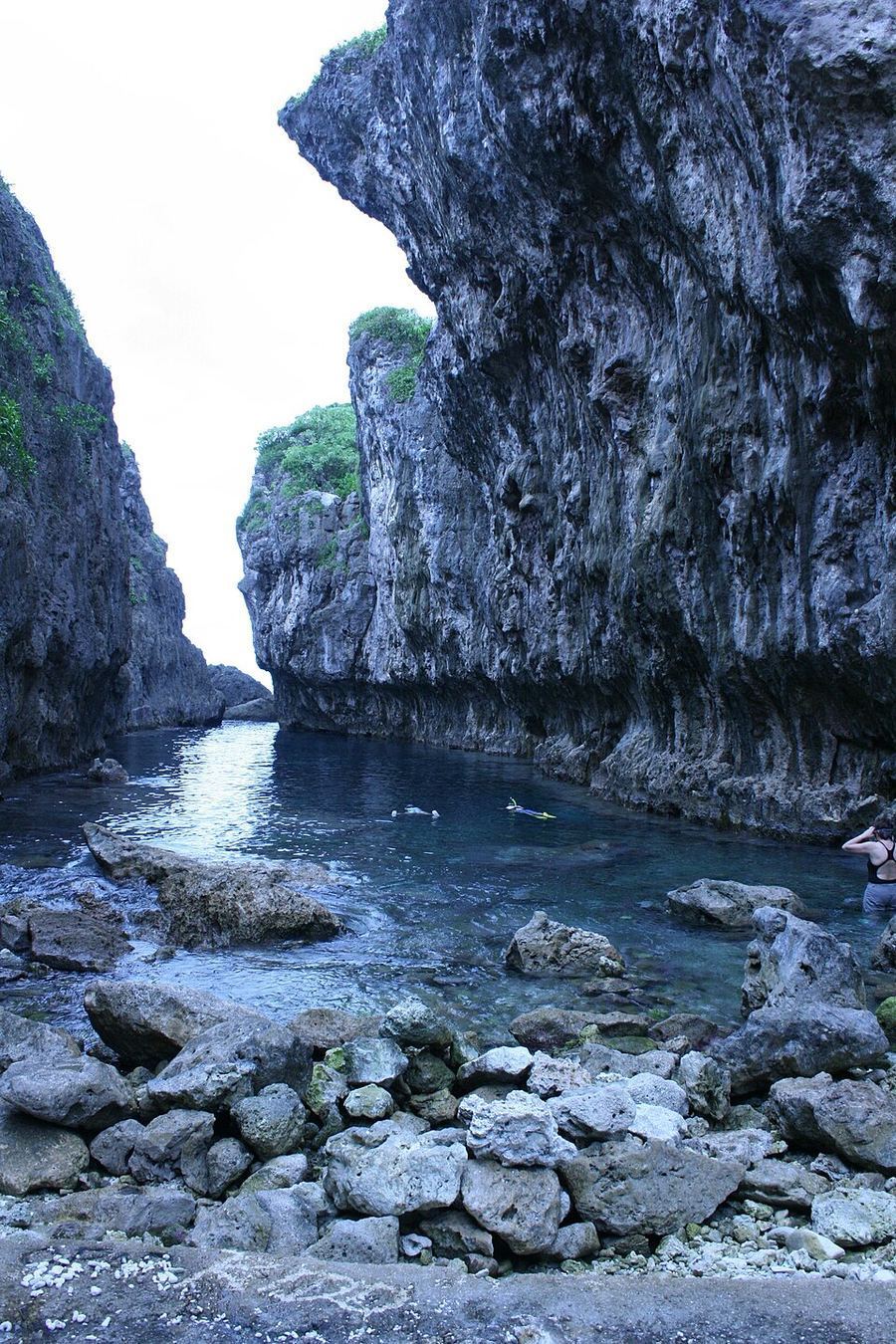
Niue is a raised coral atoll — a single block of uplifted limestone rather than a volcanic island — and its form dictates almost everything about life there. A central plateau roughly 60 metres above the sea is ringed by two old reef terraces and drops to a cliff coastline with no true beaches to speak of and no lagoon. There are no rivers, streams or lakes: rain sinks immediately through porous limestone into a freshwater lens beneath the island, which is the sole water supply and is vulnerable to contamination and to drought. The same porosity has cut the island's most striking features — Matapa Chasm, Togo Chasm, Avaiki Cave, Anapala and the Talava arches — where collapsed and dissolved limestone opens to the sea. Soil is thin and pocketed, which makes agriculture painstaking. Inland, the Huvalu forest conservation area protects the largest remaining tract of native forest. The climate is tropical, moderated by the surrounding ocean, with a warmer, wetter season from about November to April that is also the cyclone season. Cyclones are the dominant hazard: Cyclone Heta struck in January 2004, destroyed much of Alofi including the hospital, and killed two people, and recovery from it reshaped the capital.

Entertainment

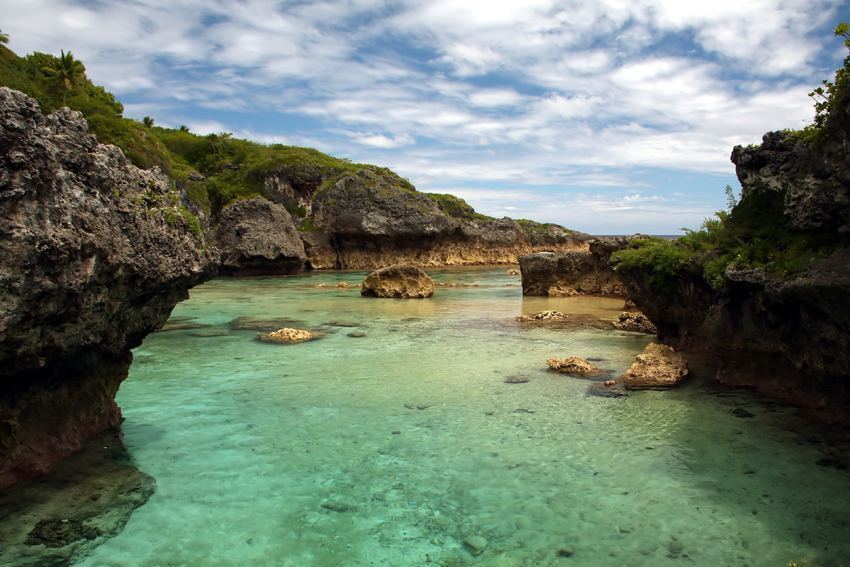
Leisure on Niue is dominated by the sea and the limestone. Because the island has no lagoon and drops quickly into deep, exceptionally clear water, snorkelling and diving happen straight off the coast at sites like Limu Pools and the Talava arches, and visibility is among the best in the Pacific. Between roughly July and October humpback whales come close inshore to calve, and Niue is one of very few places in the world where swimming with them is permitted under licence — an activity that has become the island's signature visitor experience and a source of considerable local pride. Fishing, both from small boats for tuna and wahoo and from the rocks, is a serious pastime and a food source. Walking the tracks down to the chasms and sea caves fills much of the rest of the outdoor calendar, along with hunting for uga, the coconut crab. Social life revolves around church, village show days, feasts and the annual round of celebrations culminating in Constitution Day on 19 October. Sport — golf on the island's course, touch rugby, netball, rugby and bowls — is played more for the gathering than the competition, and the dark, unpolluted night sky has made stargazing a promoted attraction.

Art & Museums

Niue's outstanding artistic tradition is hiapo, the island's barkcloth. Beaten from paper mulberry and decorated in fine freehand ink work, nineteenth-century Niuean hiapo is unusual in Polynesia for its intricate line drawing, its concentric and radiating geometric compositions, and its inclusion of plant motifs and occasionally human figures and names — a style quite unlike the stencilled and rubbed patterns of Tongan and Samoan barkcloth. Production largely ceased within a few decades, so surviving pieces are museum objects, held in New Zealand and British collections, and they have become a reference point for contemporary Niuean artists rather than a continuing craft. The living crafts are weaving — pandanus and coconut leaf hats, fans, mats and baskets of high finish — and wood carving. In contemporary art the most prominent figure is John Pule, born on Niue and based in New Zealand, a painter, printmaker and novelist whose large canvases explicitly rework the compositional grid and imagery of hiapo into a modern idiom, and whose novel The Shark That Ate the Sun brought Niuean writing to a wider readership. Niuean artists in New Zealand form a small but visible part of that country's contemporary Pacific art scene.

Notable People

The central political figure in modern Niuean history is Sir Robert Rex, who led the island into self-government in 1974 and served as its first Premier until his death in 1992, one of the longest tenures of any leader in the Pacific and the person most associated with the free-association settlement. Nukai Peniamina occupies the equivalent place in the island's religious history: the Niuean who trained in Samoa under the London Missionary Society and returned in 1846 to begin the island's conversion, an event still commemorated. In the arts, John Pule — painter, printmaker and novelist, born on Niue and long resident in New Zealand — is the country's best-known creative figure internationally, both for his hiapo-influenced canvases and for his fiction. In sport, players of Niuean descent have made their mark chiefly through New Zealand rugby, where Frank Bunce, of Niuean and Samoan parentage, became an All Blacks centre and one of the most respected players of the 1990s, and rugby league has drawn several professional players from the Niuean community in Auckland. Given a resident population of under two thousand, most Niueans who reach international prominence do so from within the New Zealand diaspora.
Encyclopaedia BritannicaCommonwealth Games Federation

Inventions & Breakthroughs

Niue is far too small to have an industrial or research base, and it makes no claim to technological invention. Its distinctive contributions are a craft tradition and a set of policy experiments unusual for a microstate. The craft is hiapo, the nineteenth-century barkcloth whose fine freehand line drawing has no close parallel elsewhere in Polynesia and which represents a genuine local departure from the stencilled and rubbed decoration used by neighbouring island groups. The policy experiments are more recent and turn scarcity into an asset. Niue was an early adopter of island-wide public internet access, providing free wireless coverage well before that was common anywhere, and it has made unusually deliberate use of its country-code internet domain as a source of national revenue — an approach that has also produced a long-running legal disagreement over who controls the domain and who benefits from it. In ocean policy the country has moved to protect its entire exclusive economic zone under a multiple-use marine park with a large strictly protected core, and has experimented with schemes inviting outside sponsors to fund the protection of individual areas of ocean — a financing model watched closely by other small island states.

Science & Technology

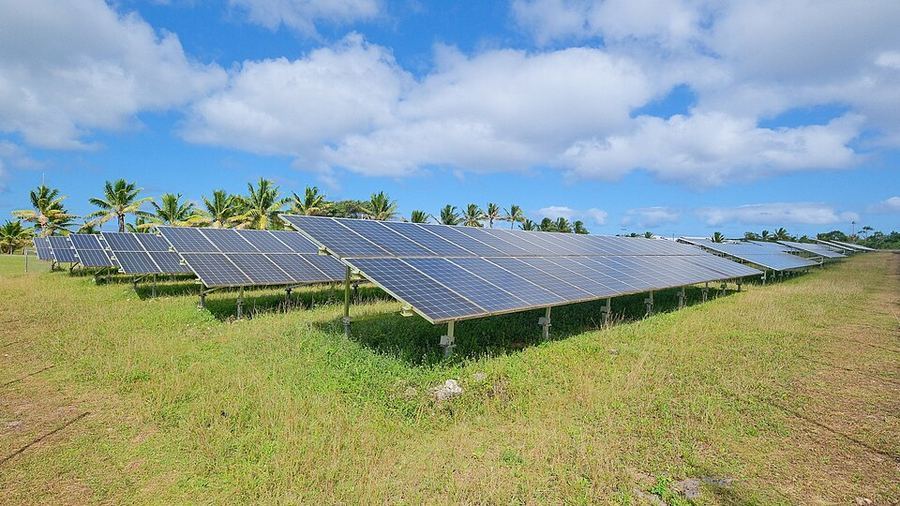
For a country of fewer than two thousand residents, Niue has an unusual technology profile, driven largely by the economics of its internet country-code domain and by New Zealand-supported infrastructure. The island was an early provider of free island-wide wireless internet access, at a time when that was rare anywhere, and connectivity improved sharply with the arrival of a submarine fibre-optic cable linking Niue to other Polynesian islands and onward to the wider network — a transformation for a place previously dependent on satellite links for banking, government and schooling. Applied science on the island is mostly environmental and practical: monitoring the freshwater lens that is the sole water supply and is threatened by contamination and drought, cyclone preparedness after the destruction of Alofi in 2004, and marine research supporting management of the exclusive economic zone, including humpback whale monitoring during the calving season and stock assessment for tuna and for the coconut crab. Renewable energy has been a national priority, with solar generation installed to displace imported diesel. The exceptionally dark night sky, formally recognised in international dark-sky accreditation, has also drawn astronomical interest that the island is developing as both science and tourism.
On The World Stage

Champions & Defining Moments

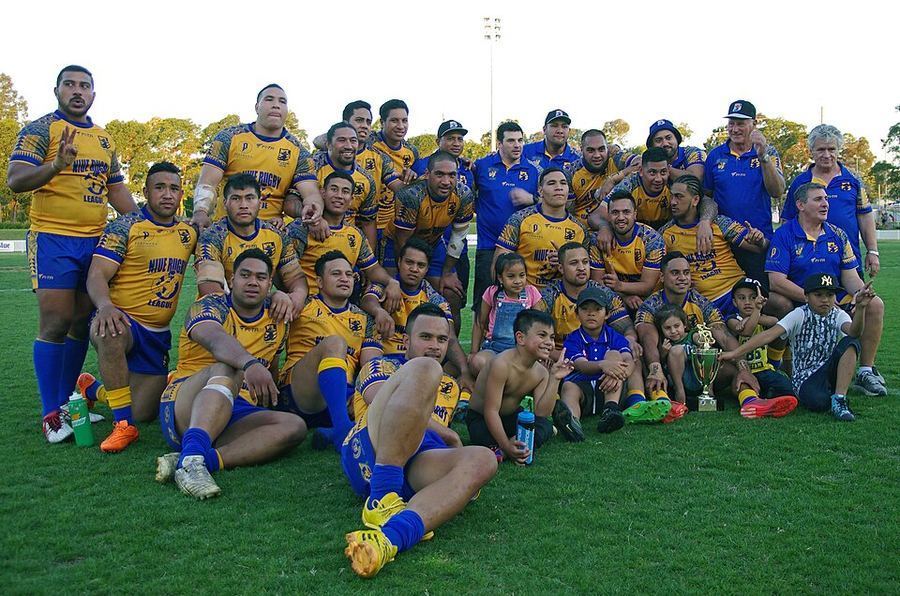
Niue's international sporting presence is real but small, and it runs through the Commonwealth rather than the Olympic movement. Niue is a member of the Commonwealth Games Federation and has sent teams to the Commonwealth Games, typically in lawn bowls, athletics, weightlifting and boxing — one of the smallest nations to compete at those Games. It does not take part in the Olympic Games, having no national Olympic committee, so the Commonwealth Games and the regional Pacific Games are the highest levels at which Niuean athletes represent their country. In rugby league Niue fields a national side drawn largely from players of Niuean descent in New Zealand and Australia, and has competed in Pacific regional competition and World Cup qualifying; rugby union operates similarly. The broader Niuean contribution to world sport is through that diaspora rather than through the island's own teams: players of Niuean parentage have appeared for New Zealand in rugby union — Frank Bunce being the most celebrated — and in professional rugby league in Australia and England. For a country of this size, having a recognised national team in any international competition is itself the achievement.

Commonwealth Games FederationIOC
Economy, Trade & Government

Currency & GDP

New Zealand Dollar — NZD ($)

GDP (PPP): $18.7 million (2021 est.)

Per capita: $11,100 (2021 est.)

Exports

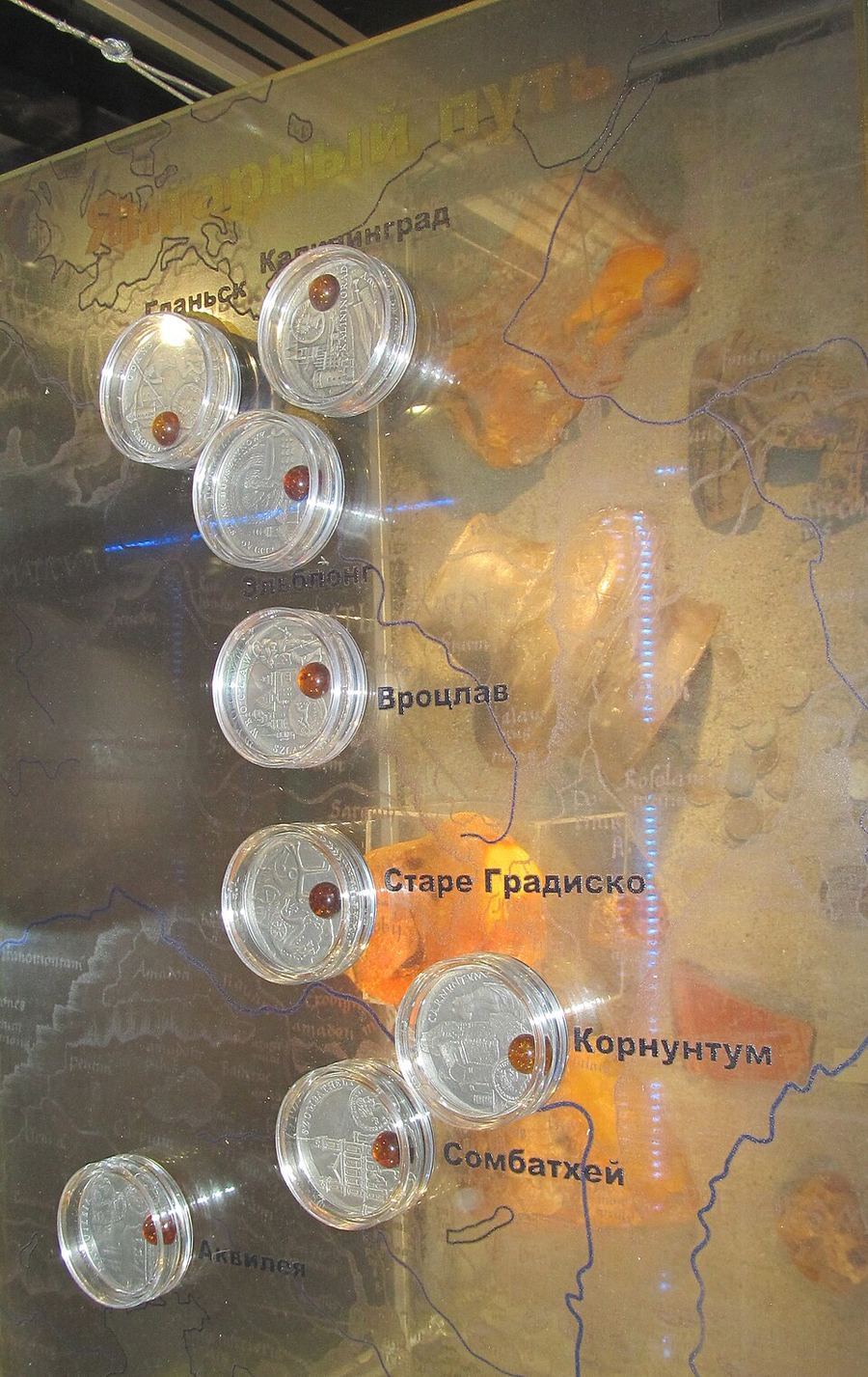
abrasive powder, coin (2023)

Partners: USA 54%, Germany 8%, Canada 5%, UK 5%, Guatemala 4% (2023)

Imports

refined petroleum, plastic products, machine parts, construction vehicles, cars (2023)

Partners: NZ 87%, Fiji 6%, UAE 2%, Slovakia 1%, Australia 1% (2023)

Government

Type: parliamentary democracy

Independence: 19 October 1974 (Niue became a self-governing state in free association with New Zealand)

Terrain → Where People Live

How mountains, coasts, and rivers shape settlement (LandScan).

Coming — data

Migration & Ethnic Settlement

Where groups settled and how people move (GeoEPR + UNHCR).

Coming — data

Universities

Notable institutions, mappable as points.

Coming — data
Economy & government facts: CIA World Factbook (public domain), via OpenFactBook / factbook.json.
Every fact and narrative claim will carry a visible source citation. Data-driven sections light up automatically wherever HERA has coverage.