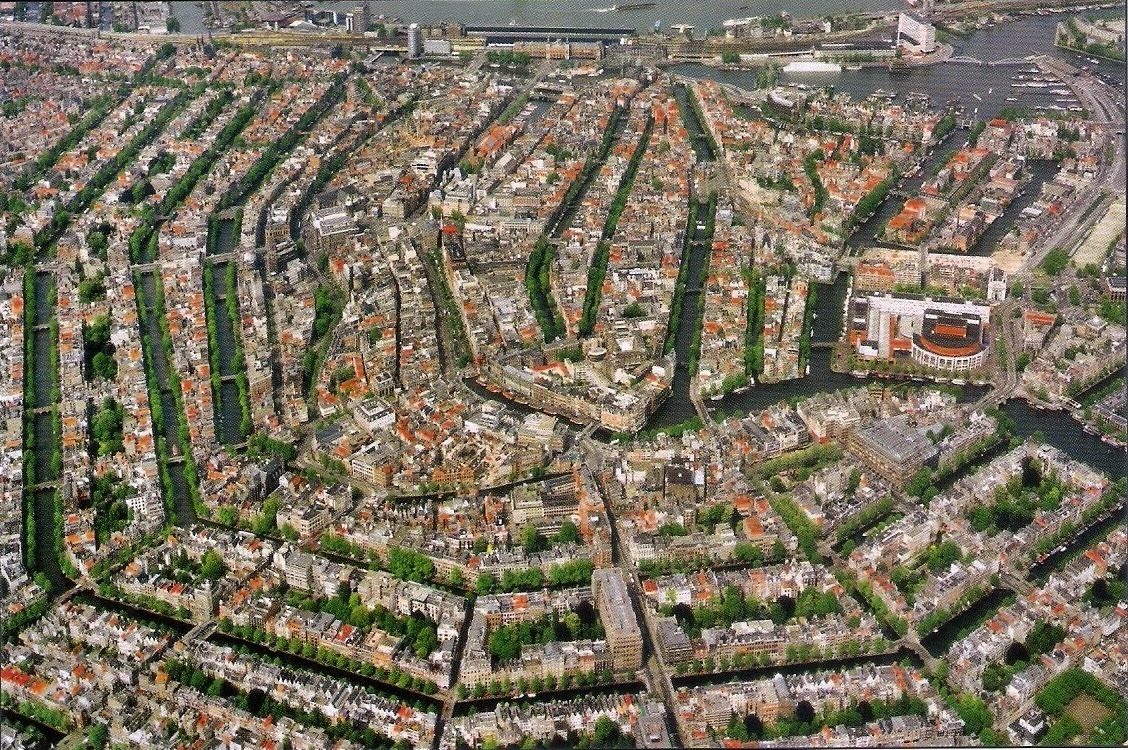
Amsterdam Aerial — Photo: Swimmerguy269 / CC BY-SA 3.0 via Wikimedia Commons
Did You Know
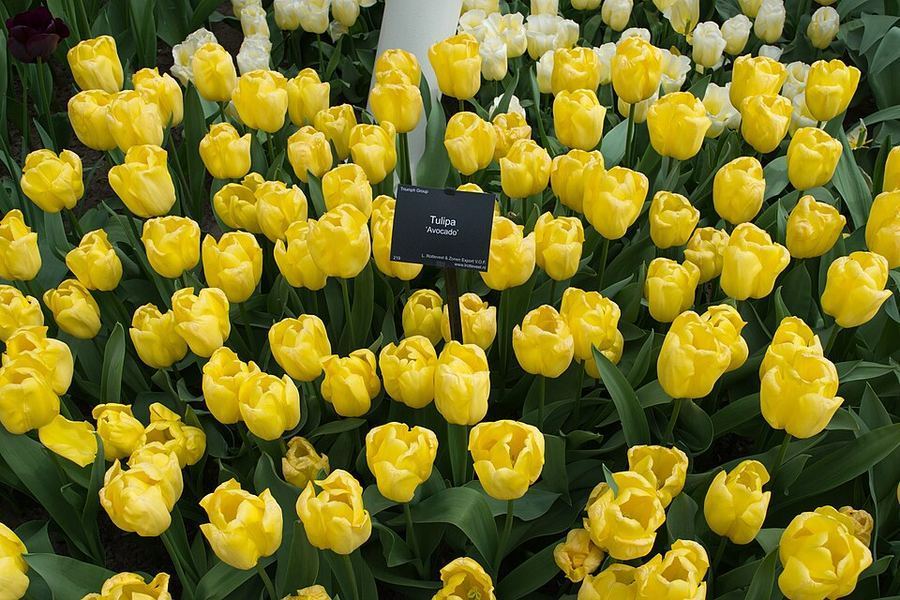
Despite one of the smallest land areas in Europe, the Netherlands is consistently among the world's largest exporters of agricultural products by value, a result of glasshouse horticulture and plant breeding. — FAO
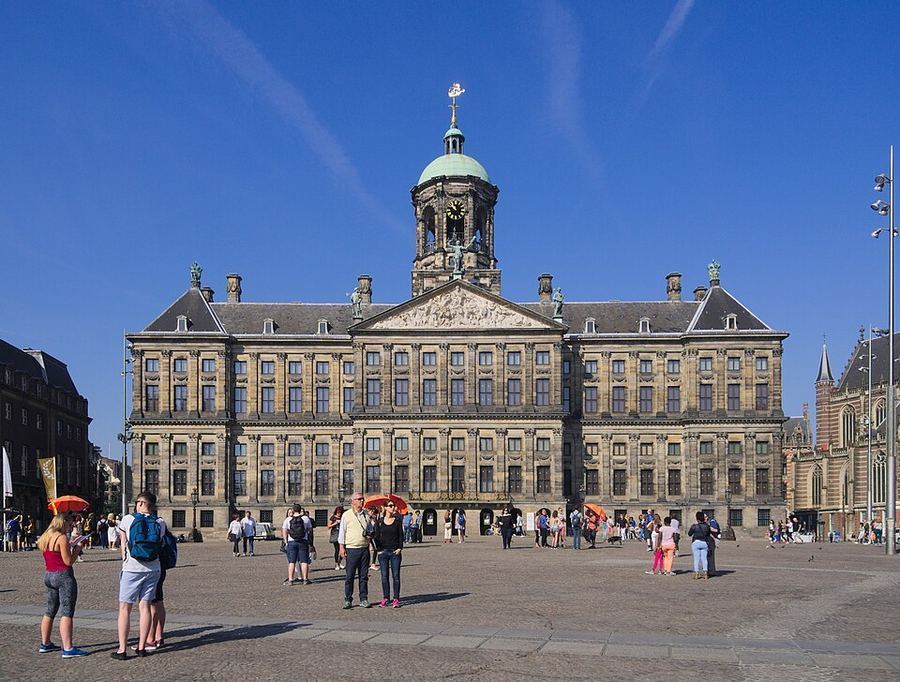
The Netherlands is a parliamentary democracy under a constitutional monarchy of about 17.8 million people, occupying the low delta where the Rhine, Meuse and Scheldt empty into the North Sea. Amsterdam is the constitutional capital, but the seat of government, the States General, the Supreme Court and the monarch's working palace are all in The Hague — a division written into the constitution and unusual among European states. Roughly a quarter of the land lies below sea level and much of the rest only marginally above it, which is why water management is not a technical footnote here but the organising fact of national life: the dikes, polders, pumping stations and storm-surge barriers that hold the sea back are financed through elected water boards older than the state itself. The population is recorded as 75.4% Dutch, with substantial Turkish, Moroccan, Surinamese and Indonesian-descended communities reflecting both labour migration and the end of empire. Dutch is the official language and Frisian is co-official in the northern province of Fryslân. The economy is small, open and exceptionally productive: Rotterdam is Europe's largest seaport, Schiphol among its busiest airports, and Dutch firms hold decisive positions in semiconductor equipment, agriculture and logistics. The country is a founding member of NATO, the European Economic Community and the Benelux union, and The Hague hosts the International Court of Justice.
The Rhine marked the northern frontier of the Roman Empire here, and the Batavians and Frisians who lived along it entered written history as Rome's auxiliaries and adversaries. Medieval counties and bishoprics — Holland, Zeeland, Gelre, Utrecht — were gathered under Burgundian and then Habsburg rule, and it was Habsburg centralisation and the persecution of Protestants that provoked the revolt of 1568 against Philip II of Spain. The Union of Utrecht of 1579 bound the northern provinces together, and the Republic of the Seven United Netherlands that emerged fought on until the Peace of Münster recognised its independence in 1648. The seventeenth century was the Republic's Golden Age: the United East India Company, chartered in 1602, built a trading empire from the Cape to Nagasaki, Amsterdam became Europe's financial centre, and Dutch painting and natural philosophy flourished. Decline followed in the eighteenth century, French revolutionary armies installed the Batavian Republic in 1795, and the Congress of Vienna created the Kingdom of the Netherlands in 1815; Belgium broke away in 1830. The country stayed neutral through the First World War but was invaded by Germany in May 1940 and occupied until 1945, a period that included the Hunger Winter of 1944–45 and the deportation of the great majority of Dutch Jews. Indonesia's independence in 1949 ended the empire in Asia.
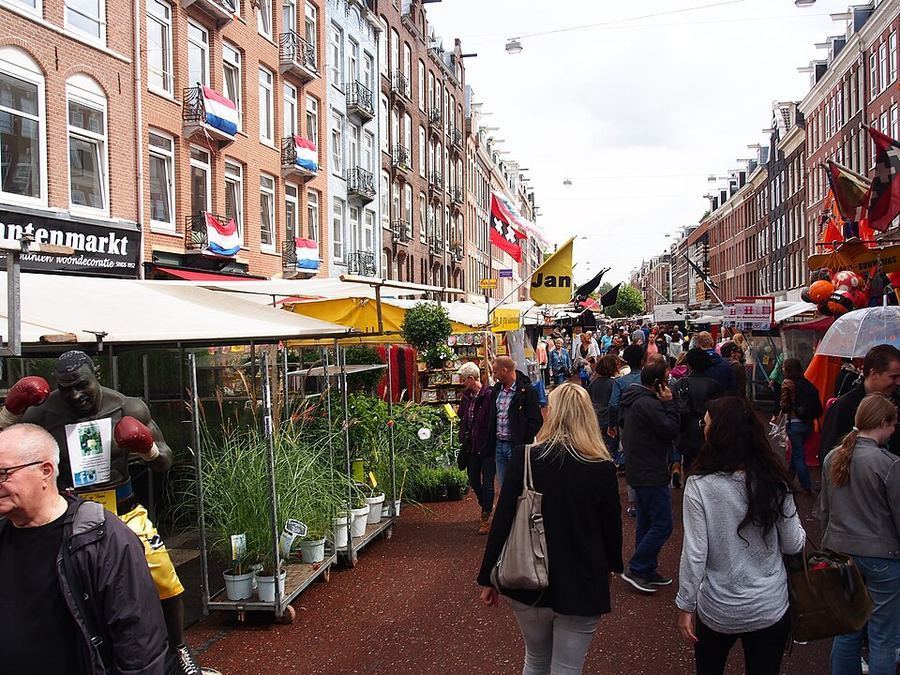
Dutch public culture is built on negotiated agreement, a habit that has its own name — the polder model — and its origin in the medieval water boards, where landowners of every rank had to co-operate or drown together. For much of the twentieth century society was organised by verzuiling, or pillarisation, in which Catholics, Protestants, socialists and liberals maintained parallel schools, broadcasters, unions and newspapers; the pillars have dissolved but the instinct for proportional representation and coalition government remains. Directness in speech is a recognised national trait and is intended as clarity rather than rudeness. The counterweight is gezelligheid, an untranslatable word covering conviviality, warmth and the pleasure of company, invoked at kitchen tables and café terraces alike. The calendar's fixed points are Sinterklaas on 5 December, when children receive gifts and families exchange comic verses, and King's Day on 27 April, when the country dresses in orange for the House of Orange-Nassau and the streets become a nationwide open-air flea market. Formal religious observance has fallen sharply since the 1960s and a majority now reports no denomination, but Calvinist inheritances — sobriety about display, suspicion of hierarchy, a strong voluntary sector — remain legible. Carnival before Lent is celebrated seriously in the Catholic south and barely at all in the Protestant north.
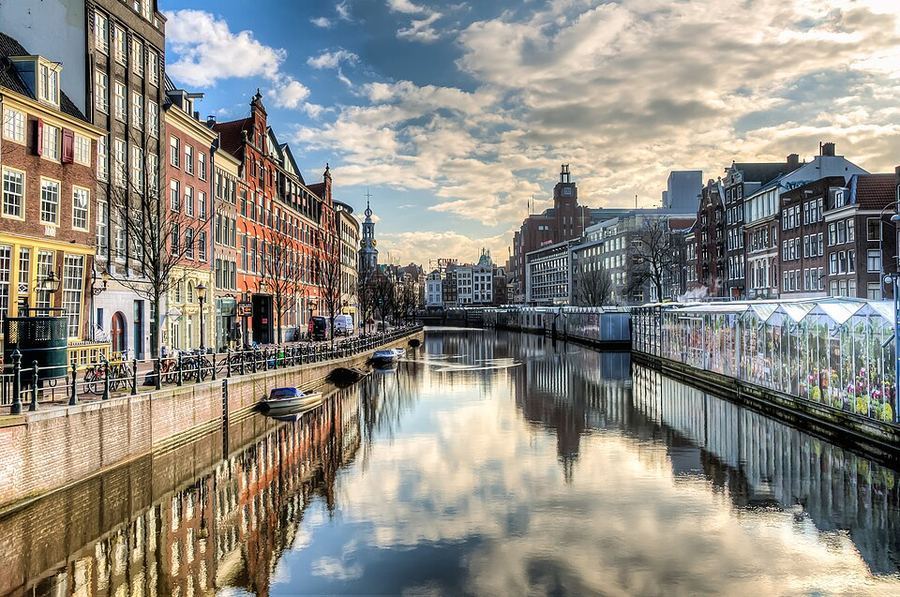
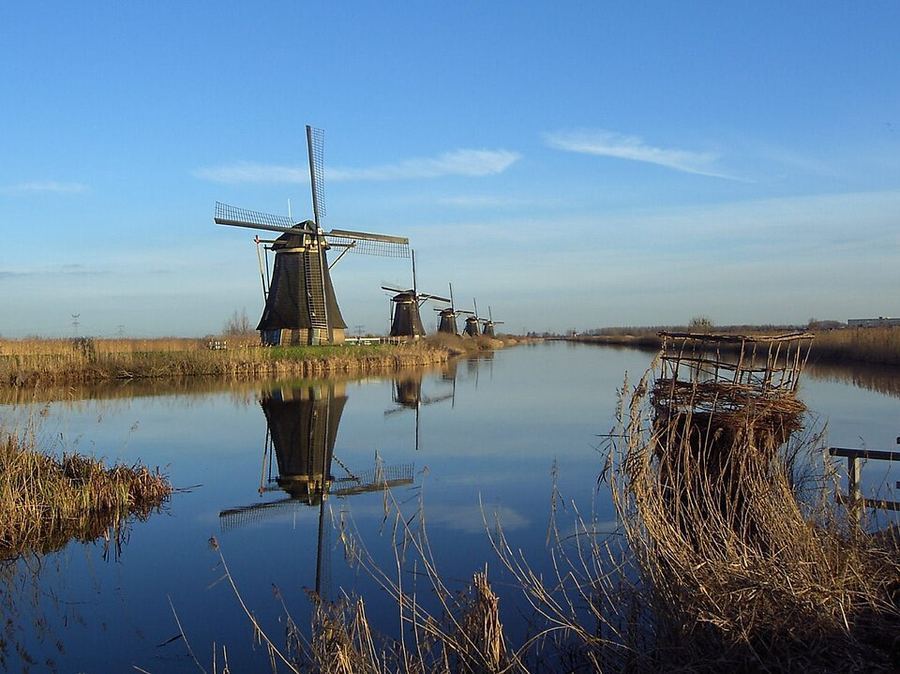
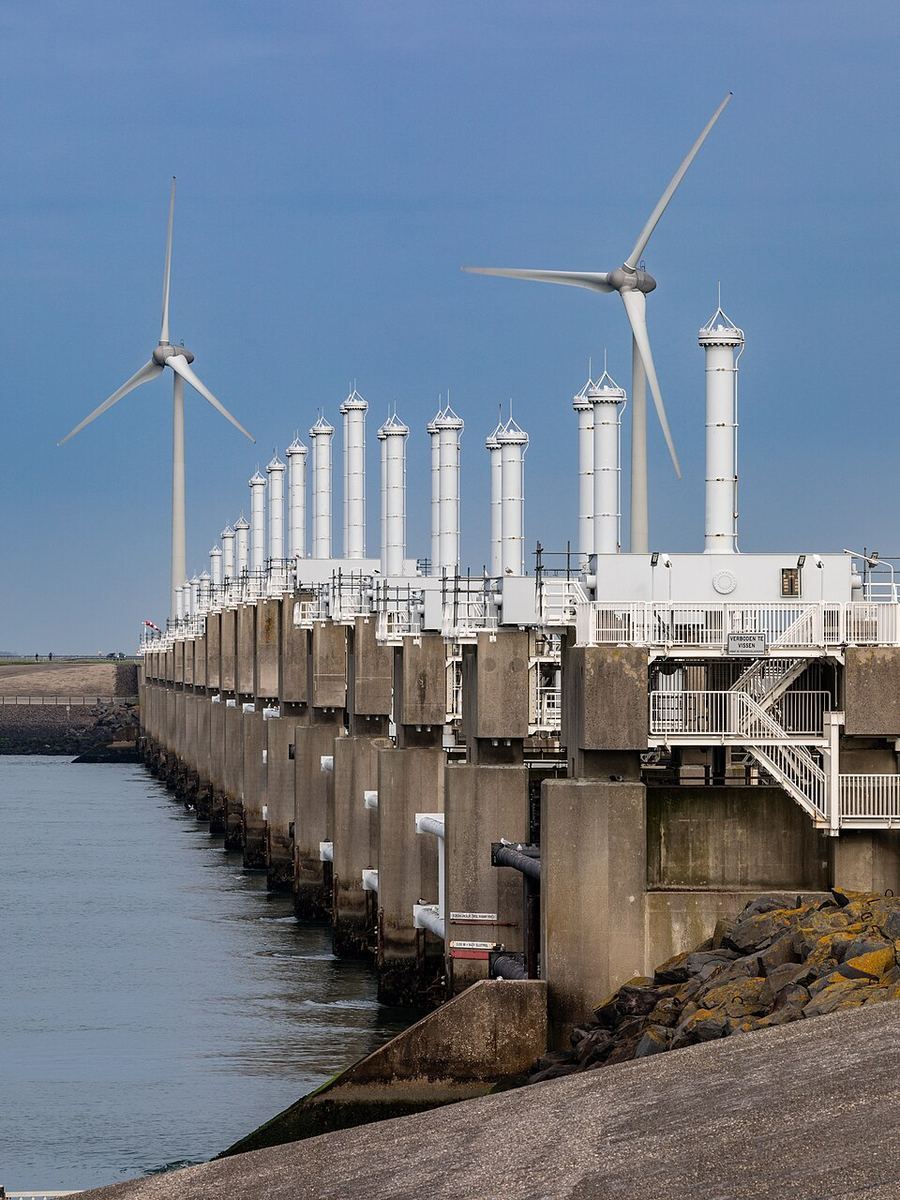
The achievement Dutch people name first is the land itself. The Zuiderzee Works closed off an inland sea and drained the polders that became the province of Flevoland, and the Delta Works, begun after the catastrophic North Sea flood of 1953, shortened the coastline and armoured it with storm-surge barriers, including the Oosterschelde barrier that can be left open in ordinary weather to preserve the tidal ecosystem behind it. A second source of pride is the seventeenth-century painting tradition — Rembrandt, Vermeer and Hals — whose canvases anchor the Rijksmuseum and the Mauritshuis and draw visitors from everywhere. A third is agricultural productivity: despite a very small land area, the Netherlands is consistently among the world's largest agricultural exporters by value, a result of glasshouse horticulture, plant breeding and the research concentrated at Wageningen. The Hague's standing as the seat of the International Court of Justice and the Permanent Court of Arbitration gives the country a self-image as the home of international law, traced back to Hugo Grotius. UNESCO's World Heritage list includes the Amsterdam canal ring, the mill network at Kinderdijk, the Wadden Sea, the Van Nelle factory in Rotterdam and the Rietveld Schröder House in Utrecht.
The Netherlands has absorbed newcomers for four centuries, though it has argued about the terms throughout. Sephardic Jews expelled from Iberia and Huguenots fleeing France found refuge in the seventeenth-century Republic, and Amsterdam's relative tolerance produced Spinoza, the son of Portuguese-Jewish immigrants, and a printing industry that published what other countries banned. The end of empire brought two large movements: Indo-Europeans and Moluccans from the former Dutch East Indies after 1949, and Surinamese and Antillean citizens around Suriname's independence in 1975 — the reason Indonesian and Surinamese food are ordinary Dutch food, and why rijsttafel, a colonial invention, sits on menus nationwide. Labour recruitment agreements with Turkey and Morocco in the 1960s brought guest workers who stayed and whose descendants now make up about 2.4% of the population each. Frisian in the north is not an import but a distinct language with its own literature and official status. The result is visible in the cities: Rotterdam and Amsterdam have no ethnic majority among their younger residents, and the Dutch language has quietly taken on loanwords from Malay, Sranan Tongo, Berber and Turkish.
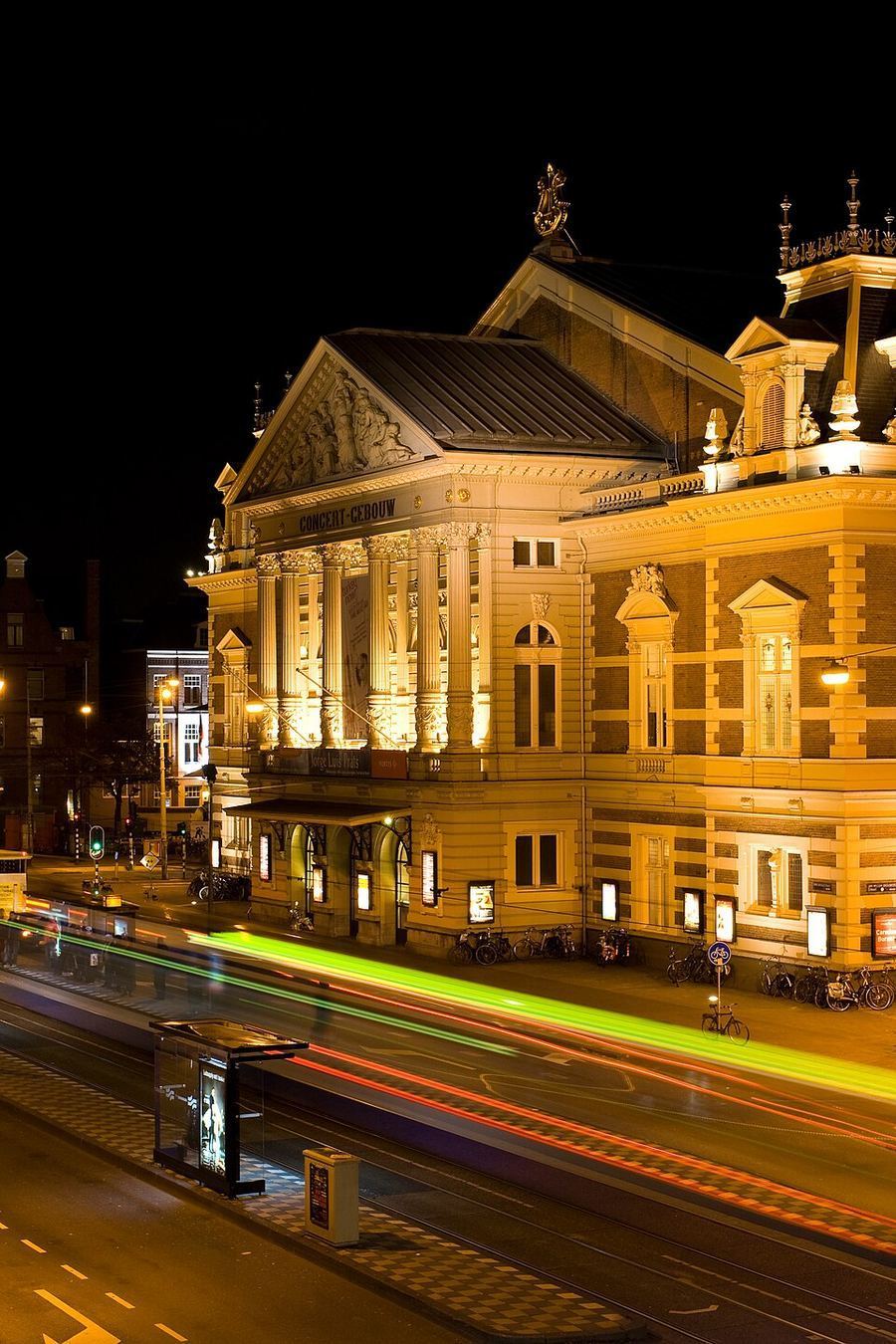
The Netherlands' oldest musical claim is Jan Pieterszoon Sweelinck, organist of Amsterdam's Oude Kerk around 1600, whose keyboard writing and pupils shaped the north German organ school that led eventually to Bach. The modern institution of record is the Royal Concertgebouw Orchestra, founded in 1888 and playing in a hall on Amsterdam's Museumplein whose acoustics are internationally regarded as among the finest anywhere. Dance is unusually strong for a country of this size: the Dutch National Ballet in Amsterdam and Nederlands Dans Theater in The Hague both hold international reputations, the latter built largely on the choreography of Jiří Kylián. In popular music the levenslied — sentimental Dutch-language ballads associated above all with André Hazes — remains a genuinely mass form, sung by crowds who would never buy the record. The country's largest musical export, however, is electronic dance music: Dutch producers and DJs including Tiësto, Armin van Buuren, Afrojack and Martin Garrix have led global club charts for two decades, and the Amsterdam Dance Event has become the industry's principal annual gathering. In the Catholic south, carnival bands and the brass-heavy processions of Limburg and Brabant sustain a quite separate tradition.
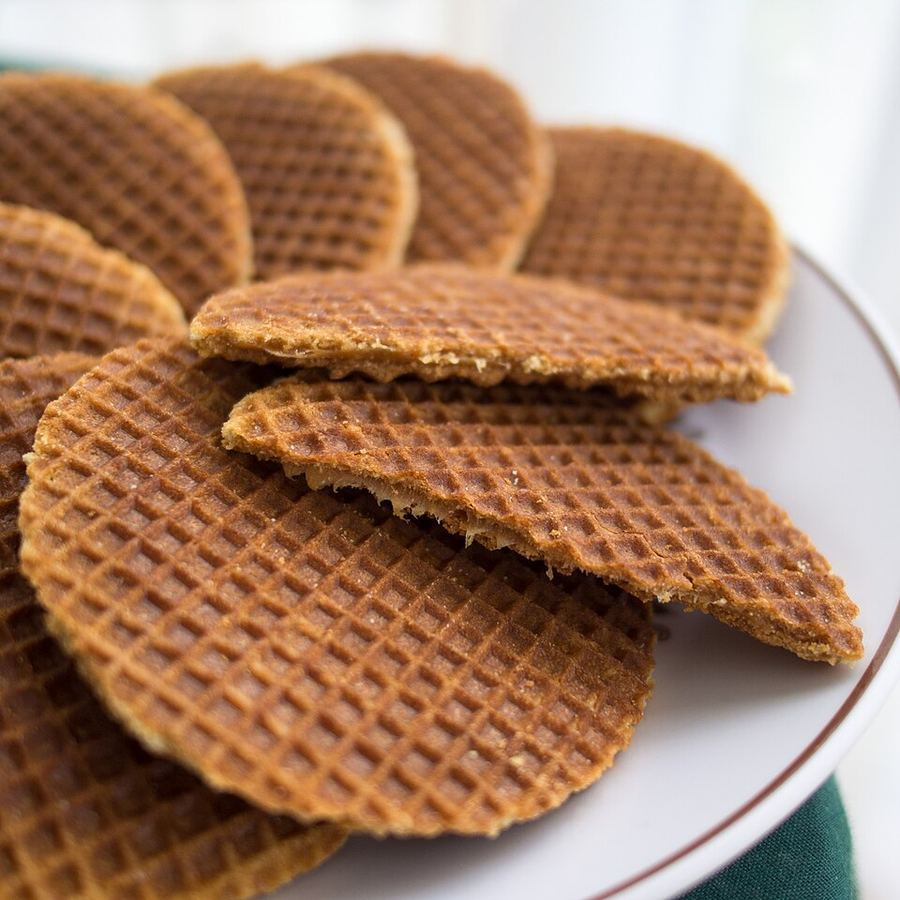
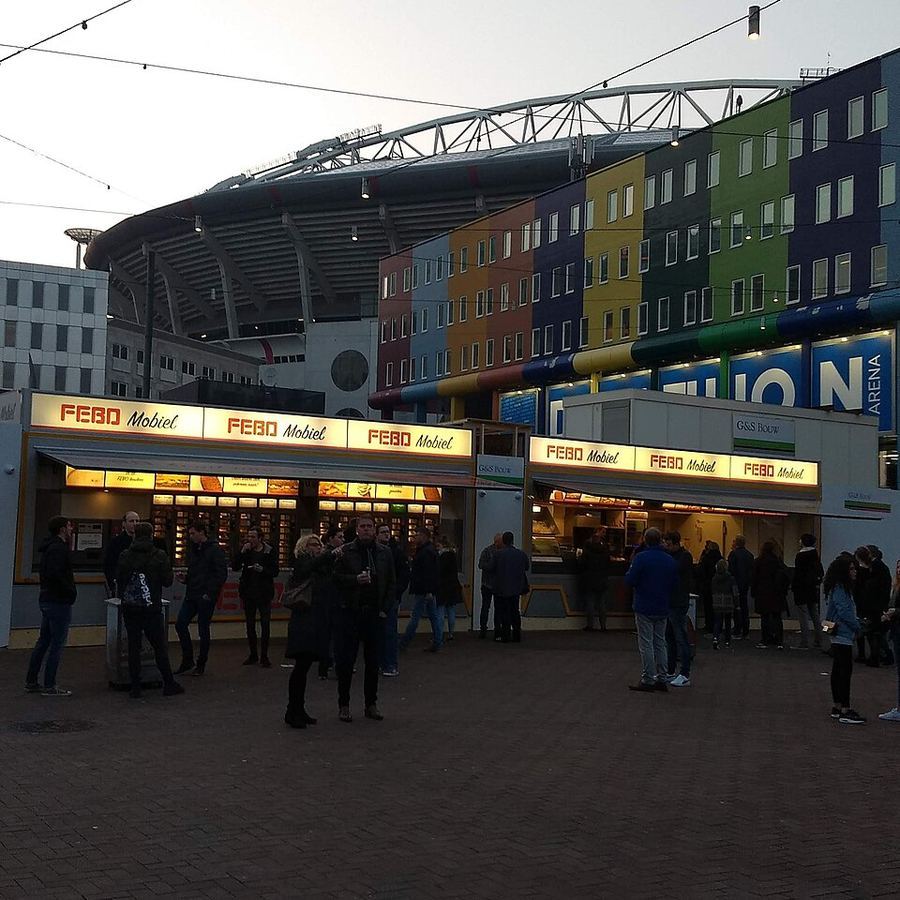
Traditional Dutch cooking is plain, filling and built for cold, wet weather. Stamppot — potatoes mashed with kale, sauerkraut or endive and served with smoked sausage — and hutspot, its carrot-and-onion version, are winter staples, alongside erwtensoep, a split-pea soup thick enough that a spoon is expected to stand in it. The sea supplies the national snack: Hollandse Nieuwe, lightly cured young herring eaten with raw onion and traditionally lowered into the mouth by the tail, plus kibbeling and smoked eel. Deep-fried ragout in the form of bitterballen and croquettes accompanies beer, and the automat wall of a snackbar is a genuine institution. Dairy is the country's signature export: Gouda and Edam are named for the towns that traded them, and Alkmaar's cheese market still performs the old carriers' guild ritual for visitors. On the sweet side are the stroopwafel, two thin waffles glued with caramel syrup and warmed over a coffee cup; poffertjes, small yeasted pancakes; speculaas spiced biscuits at Sinterklaas; and oliebollen sold from street stalls at New Year. Indonesian cooking is thoroughly domesticated, and jenever, the malt-based ancestor of gin, remains the traditional spirit.
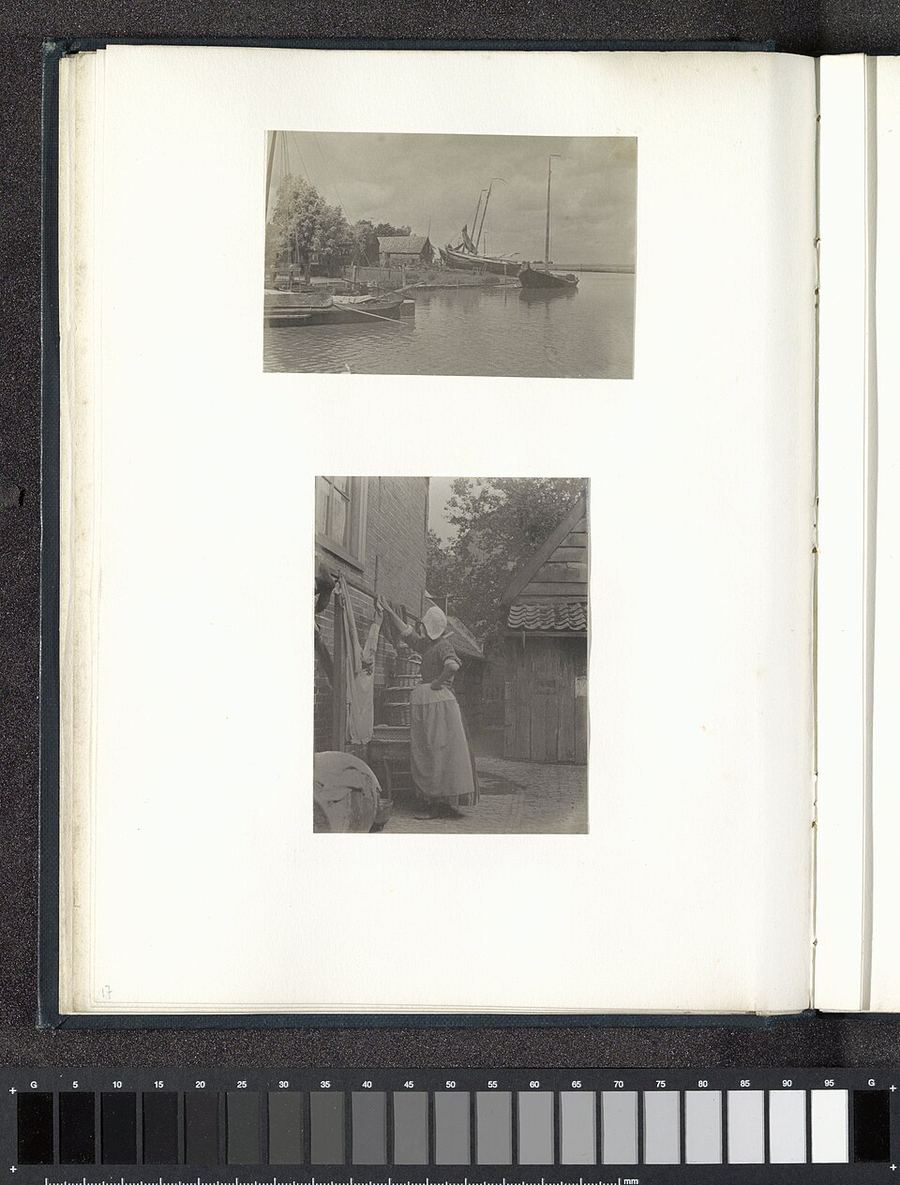
There is no single Dutch national costume; there are regional klederdracht traditions, each identifying a specific village or island, and most survive today as heritage rather than daily wear. The best known internationally is the Volendam outfit, with its winged white lace cap for women and the wide black trousers of the fishermen, largely because it was photographed relentlessly for tourists from the late nineteenth century onward. Marken, Staphorst, Spakenburg, Urk and the Zeeland villages each maintain distinct caps, bodices and jewellery, and in a handful of Protestant communities along the Bible belt older women still wear the local dress. The wooden shoe, or klomp, is genuine rather than invented: klompen were standard working footwear on wet clay soils, are still made by a small number of workshops, and are still worn on some farms. What functions as national dress in practice is colour rather than costume — orange, for the House of Orange-Nassau, worn en masse on King's Day and at international football and skating fixtures, in a display that has no formal rules and no historic pattern beyond the dynasty's name.
Football is the national game and the Dutch contribution to it is disproportionate. Ajax of Amsterdam, under Rinus Michels and with Johan Cruyff on the pitch, won three consecutive European Cups from 1971 to 1973 playing the fluid positional game the press named Total Football, and its principles — pressing, positional interchange, control of space — were exported through Cruyff to Barcelona and from there through much of the modern game. The national team reached the World Cup final in 1974, 1978 and 2010 without winning, and took its one major title at the 1988 European Championship. Speed skating is the second pillar and the more reliably successful: on the long track the Netherlands wins a share of Olympic medals that no other nation approaches, and Thialf in Heerenveen is the sport's spiritual home. Dutch women's field hockey is among the most dominant sides in any team sport, with a long record of Olympic and World Cup titles. Cycling is embedded in daily life and competitive at the top level, with Joop Zoetemelk's 1980 Tour de France win and a run of women's world and Olympic champions. Korfball, a mixed-sex ball game, was invented in Amsterdam in 1902.
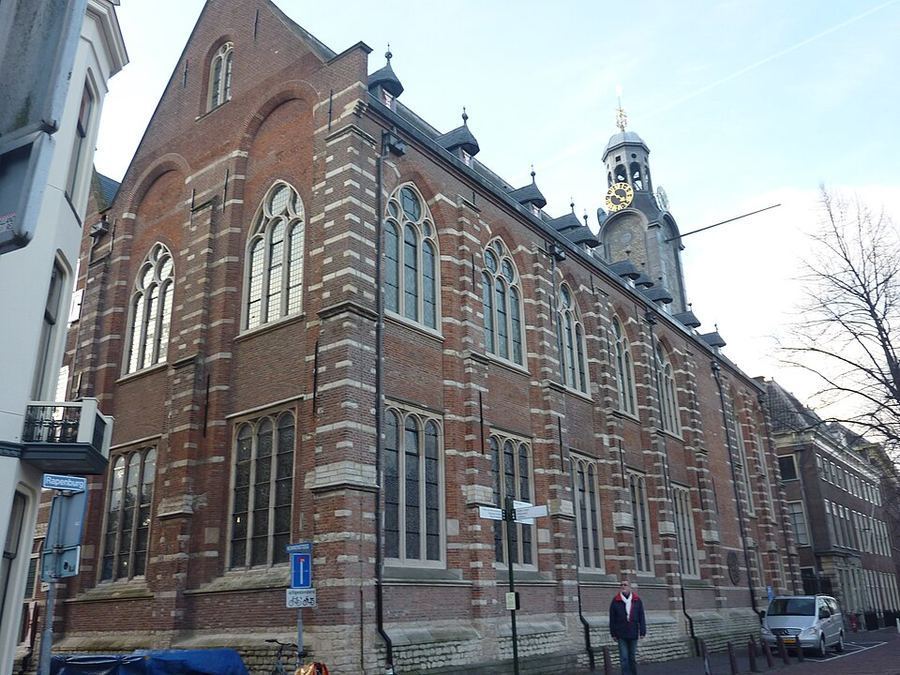
Leiden University, founded in 1575 and by tradition a reward for the city's resistance to Spanish siege, is the oldest in the country and set the pattern for a research-university sector that includes Utrecht (1636), Groningen (1614), the University of Amsterdam, Erasmus University Rotterdam, and the technical universities of Delft, Eindhoven and Twente. Wageningen University specialises in agriculture and life sciences and is the research base behind Dutch agricultural productivity. The system is formally binary: research universities award academic degrees, while universities of applied sciences deliver professional programmes to a larger share of students, with defined routes between them. Schooling is compulsory from five, and pupils are tracked at about twelve into vocational, general and pre-university streams on the basis of a national test and a school recommendation — a comparatively early selection that is periodically and vigorously debated. The Netherlands teaches more degree programmes in English than any other non-anglophone country in Europe, which has made it a major destination for international students and, in turn, the subject of policy argument about capacity and housing. Dutch pupils record consistently high scores in international assessments and unusually high reported well-being at school.
The Netherlands is not party to any armed conflict on its own territory, and the defining modern experiences are historical. The German occupation of 1940 to 1945 brought the bombing of Rotterdam, the deportation and murder of roughly three-quarters of the Dutch Jewish population, and the Hunger Winter of 1944–45 in the still-occupied west. The attempt to reassert control over the Dutch East Indies from 1945 to 1949 involved two major military offensives and ended in Indonesian independence; Dutch governments have since issued formal apologies for the violence used, following state-commissioned historical research. Two later episodes continue to shape Dutch politics. Dutch peacekeepers were present at Srebrenica in July 1995 when Bosnian Serb forces killed thousands of Bosniak men and boys, and the Dutch Supreme Court ruled in 2019 that the state bore limited liability in relation to a group of men removed from the compound. On 17 July 2014 Malaysia Airlines flight MH17 was shot down over eastern Ukraine, killing all 298 people aboard, 196 of them Dutch nationals; a Dutch-led joint investigation attributed the missile to a Russian unit, and a court at Schiphol convicted three men in absentia in November 2022.
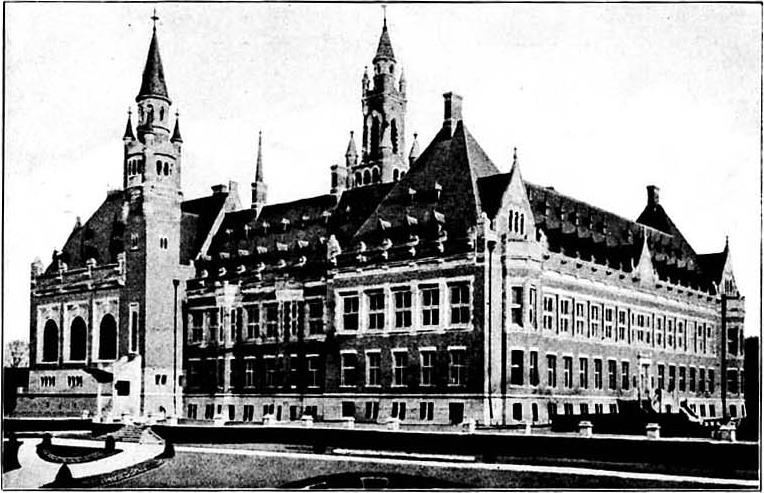
The Netherlands has no significant outstanding territorial disputes, and its more usual role is as the venue where other states settle theirs. The Hague hosts the International Court of Justice in the Peace Palace, the Permanent Court of Arbitration, the International Criminal Court and, historically, the tribunals for the former Yugoslavia and for Lebanon — a concentration of international jurisdiction unmatched anywhere. The country's own boundary business has been minor and consensual: in 2016 the Netherlands and Belgium agreed a small exchange of territory along the Meuse, where a river-straightening scheme decades earlier had left parcels of each state stranded on the other's bank, and the transfer took effect in 2018 without controversy. Boundary questions in the Caribbean part of the Kingdom, where Aruba, Curaçao and Sint Maarten are constituent countries and Bonaire, Saba and Sint Eustatius are Dutch special municipalities, concern maritime delimitation with neighbours rather than contested land. Within Europe the live arguments are regulatory rather than territorial — nitrogen deposition rules, North Sea fisheries access and cross-border river management with Germany and Belgium are negotiated through EU and bilateral institutions.
The Netherlands occupies the combined delta of the Rhine, Meuse and Scheldt, and its defining characteristic is flatness at or below sea level. About a quarter of the land surface lies below mean sea level and roughly half is less than a metre above it; the highest point, the Vaalserberg in the far southeast where the Dutch, Belgian and German borders meet, reaches only 322 metres. Much of the western provinces is reclaimed land — polders drained by windmill and later by steam and electric pumping, ringed by dikes and kept dry continuously. Flevoland, drained from the former Zuiderzee and constituted as a province in 1986, is the newest land in Europe. The northern coast is fringed by the Wadden Sea and its barrier islands, an intertidal system inscribed by UNESCO as a World Heritage site for its importance to migratory birds. The climate is temperate maritime: mild winters, cool summers, cloud and rain distributed across the whole year, and a persistent westerly wind that made the country an early adopter of both windmills and modern wind power. Flooding is the central hazard, and sea-level rise makes the maintenance of the Delta Works a permanent national project rather than a completed one.
The bicycle is the country's principal leisure object as well as its principal vehicle: there are more bicycles than people, separated cycle paths run between towns as a matter of course, and weekend riding through the dunes, the Veluwe forests or the polder is an ordinary family outing. Ice is the other national enthusiasm. When the canals freeze hard enough the country empties onto them, and the Elfstedentocht — a nearly 200-kilometre skating tour of eleven Frisian towns — is the event people wait for, though warming winters mean it has not been held since 1997. Water shapes the rest: sailing on the Frisian lakes and the IJsselmeer, rowing on the city canals, and summer weeks at the North Sea beaches of Scheveningen, Zandvoort and the Wadden islands. Sitting outside on a café terrace at the first hint of sun is close to obligatory. Spring brings visitors to the bulb fields and to Keukenhof's gardens near Lisse; camping, both domestic and in a well-documented annual migration to France, is the classic family holiday; and King's Day turns every pavement into a licence-free market where children sell what they no longer want.
Dutch art's central episode is the seventeenth century, when a Protestant republic with no court and no church commissions produced a market-driven painting industry serving merchants' houses. Rembrandt van Rijn worked in Amsterdam and produced The Night Watch and a sequence of self-portraits that track a life; Johannes Vermeer, in Delft, left barely more than thirty surviving pictures of extraordinary quiet; Frans Hals in Haarlem painted militia companies with unprecedented looseness of brush; and Jacob van Ruisdael made landscape a subject in its own right. Earlier, Hieronymus Bosch in 's-Hertogenbosch had built his own vocabulary of the fantastic. The nineteenth century produced Vincent van Gogh, whose reputation was almost entirely posthumous and whose work now fills a purpose-built museum in Amsterdam. In 1917 Piet Mondrian and Theo van Doesburg founded De Stijl, reducing painting to primary colours and orthogonal lines and carrying the same logic into Gerrit Rietveld's furniture and the Rietveld Schröder House. M.C. Escher's mathematical prints belong to the same century and none of its movements. Delftware, blue-and-white earthenware imitating imported Chinese porcelain, is the applied-art counterpart, and contemporary Dutch design and the architecture of Rem Koolhaas's OMA continue the tradition.
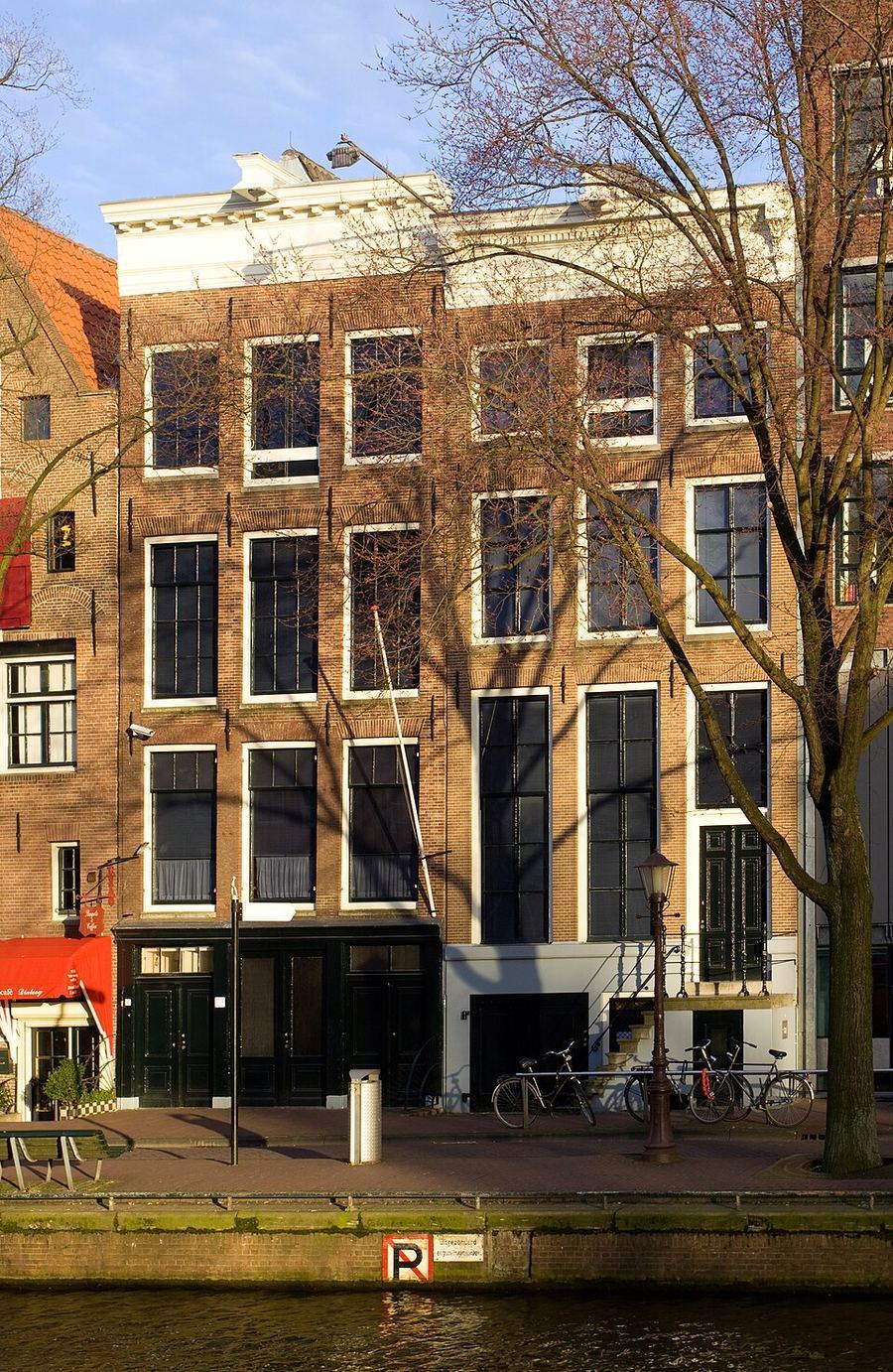
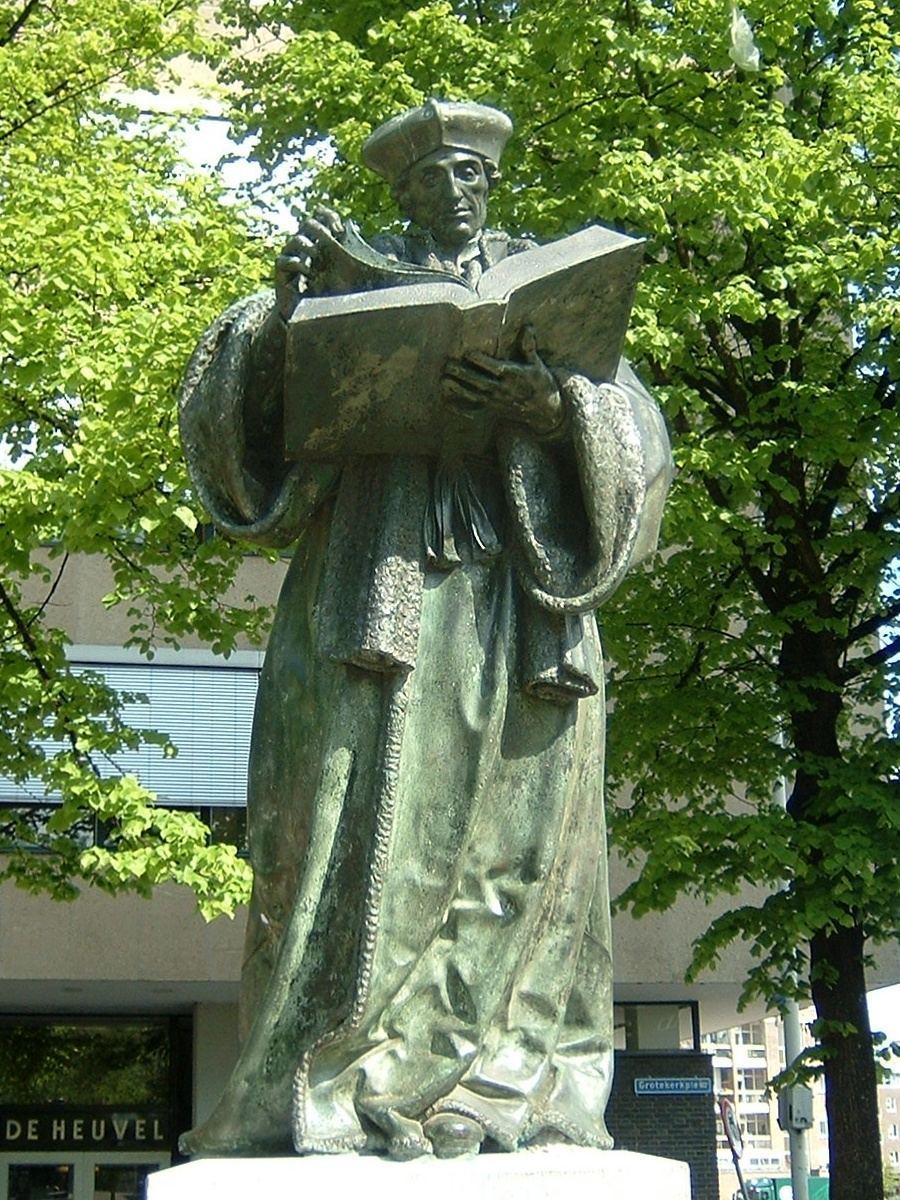
Desiderius Erasmus of Rotterdam, the leading humanist of the northern Renaissance, edited the Greek New Testament and argued for reform without schism. Hugo Grotius, born in Delft, wrote on the law of the sea and the law of war and is conventionally called the father of international law — the intellectual ancestry The Hague still claims. Baruch Spinoza, working as a lens grinder after his expulsion from Amsterdam's Portuguese-Jewish community, wrote the Ethics and became a founding figure of the Enlightenment. In science, Christiaan Huygens discovered Saturn's rings and built the pendulum clock, and Antonie van Leeuwenhoek, a Delft draper with no formal training, ground lenses powerful enough to see bacteria and protozoa. Rembrandt, Vermeer and Van Gogh carry the artistic reputation. Anne Frank, a German-born Jewish girl hidden with her family on the Prinsengracht, wrote the diary that became the most widely read personal account of the Holocaust; she died at Bergen-Belsen in 1945. Willem Einthoven won the Nobel Prize for inventing the electrocardiogram, and Heike Kamerlingh Onnes for liquefying helium and discovering superconductivity. Johan Cruyff, footballer and coach, reshaped how the game is played and taught.
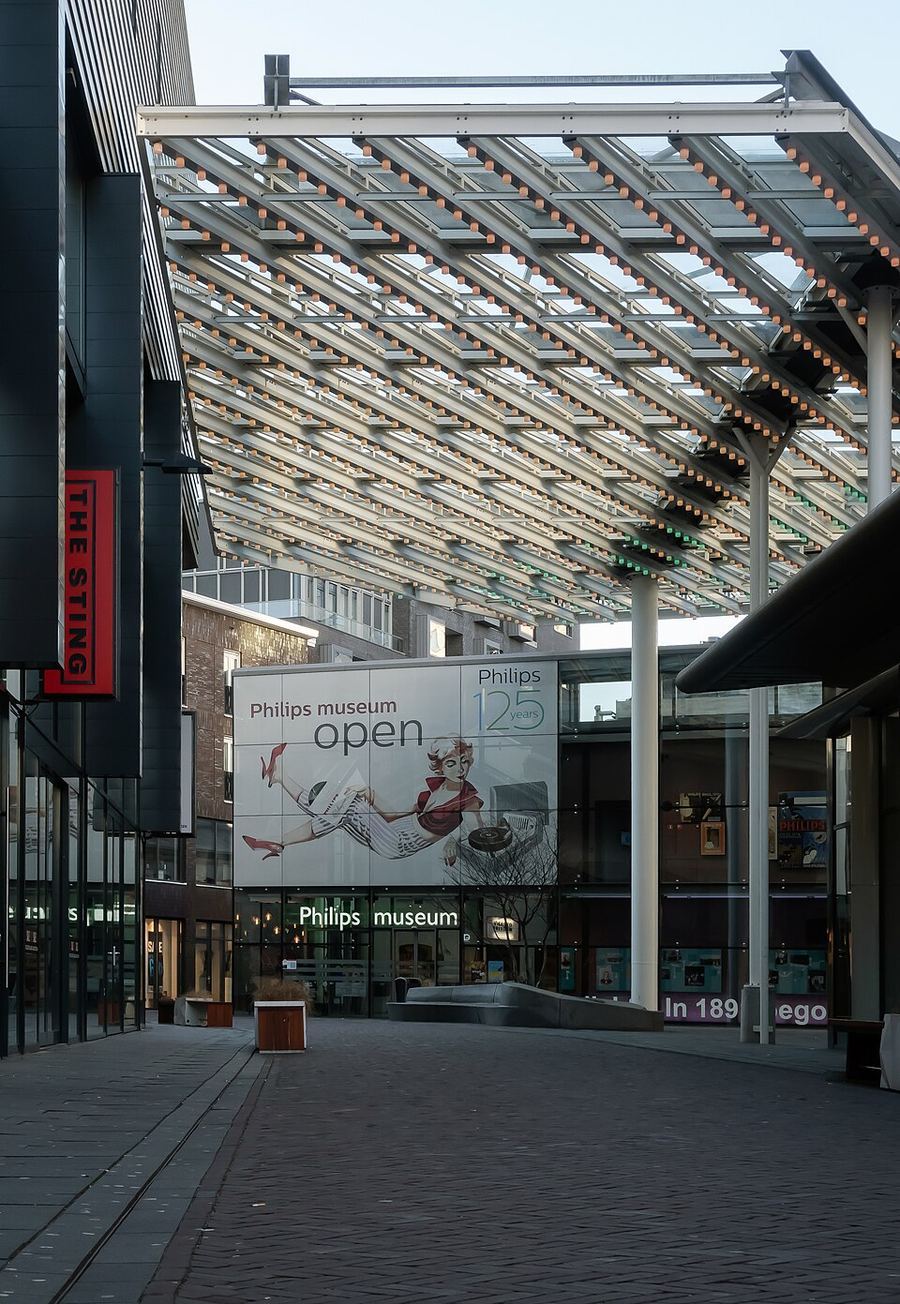
Dutch invention clusters around optics, timekeeping, finance and, more recently, consumer electronics. The first documented patent application for a refracting telescope was filed in 1608 by Hans Lippershey, a spectacle-maker in Middelburg; Galileo built his own instrument after hearing the news. Antonie van Leeuwenhoek's single-lens microscopes reached magnifications no contemporary could match and opened the microbial world. Christiaan Huygens built the first working pendulum clock in 1656, transforming the accuracy of timekeeping, and later described light as a wave. Cornelis Drebbel, from Alkmaar, built and demonstrated the first navigable submarine on the Thames in the 1620s. The financial innovations may matter most: the United East India Company of 1602 was the first company to issue freely tradable shares to the general public, and the Amsterdam exchange that traded them became the model for modern stock markets. In the twentieth century Philips of Eindhoven developed the compact audio cassette, released in 1963 and deliberately licensed royalty-free, and then co-developed the Compact Disc with Sony, launched in 1982. Vic Hayes, working in the Netherlands, chaired the IEEE committee that produced the 802.11 wireless standard behind Wi-Fi.
For its size the Netherlands carries remarkable scientific weight. Its Nobel record begins with Jacobus Henricus van 't Hoff, who received the first Nobel Prize in Chemistry in 1901, and continues through Hendrik Lorentz and Pieter Zeeman in physics, Heike Kamerlingh Onnes for superconductivity, Willem Einthoven for the electrocardiogram, Peter Debye, the brothers Jan and Nikolaas Tinbergen in economics and ethology respectively, Gerard 't Hooft and Martinus Veltman in 1999, and Ben Feringa for molecular machines in 2016. The commanding industrial position is held by ASML in Veldhoven, the world's only producer of extreme-ultraviolet lithography systems, which makes the most advanced semiconductor manufacturing anywhere dependent on machines built in North Brabant. Philips, founded in Eindhoven in 1891, remains a major medical-technology firm and seeded the regional research cluster around it. Delft's QuTech institute is a leading centre for quantum computing and quantum networking, and LOFAR, a distributed low-frequency radio telescope headquartered in Drenthe with stations across Europe, is a flagship of radio astronomy. The European Space Agency's largest establishment, ESTEC, sits at Noordwijk on the North Sea coast, where most European spacecraft are designed and tested.
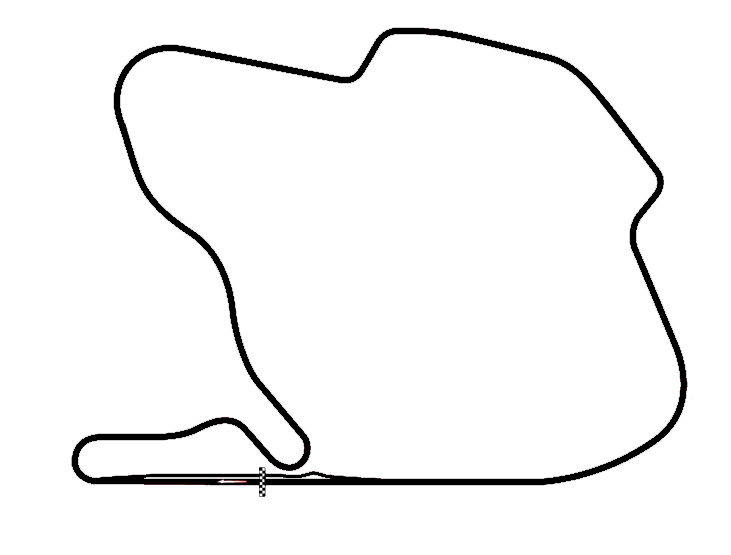
Amsterdam hosted the Summer Olympic Games in 1928, the edition at which the Olympic flame was first lit in a stadium cauldron and at which women competed in athletics for the first time. The Netherlands co-hosted the 2000 European Football Championship with Belgium, and Rotterdam and Utrecht have both staged the Grand Départ of the Tour de France, in 2010 and 2015 respectively. Thialf in Heerenveen is a fixture on the international speed-skating calendar and has repeatedly hosted world championships. Motorsport returned to the front rank when the Dutch Grand Prix came back to the coastal circuit at Zandvoort in 2021 after a thirty-six-year absence, driven by the success of Max Verstappen, who won four consecutive Formula One drivers' championships from 2021. Dutch clubs, coaches and players are a standing export: Ajax's youth academy supplies squads across Europe, and Dutch managers have taken charge of national teams and major clubs on every continent. The country's sports administrators are similarly visible in international federations, and the Court of Arbitration for Sport's tradition of hearing disputes in the Netherlands reflects The Hague's wider role in international adjudication.
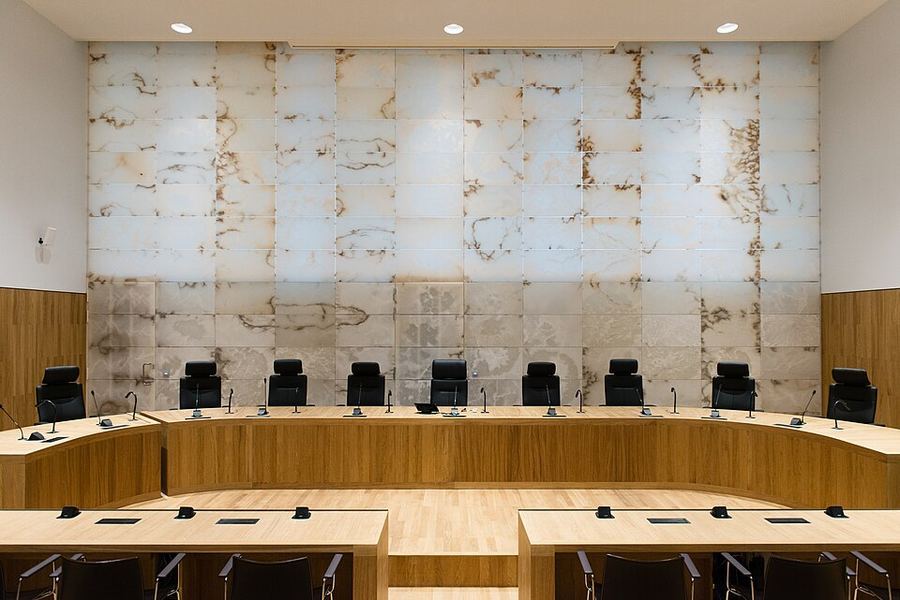
Supreme Court or Hoge Raad (consists of 41 judges: the president, 6 vice presidents, 31 justices, and 3 justices in exceptional service); the court is divided into criminal, civil, tax, and ombuds chambers