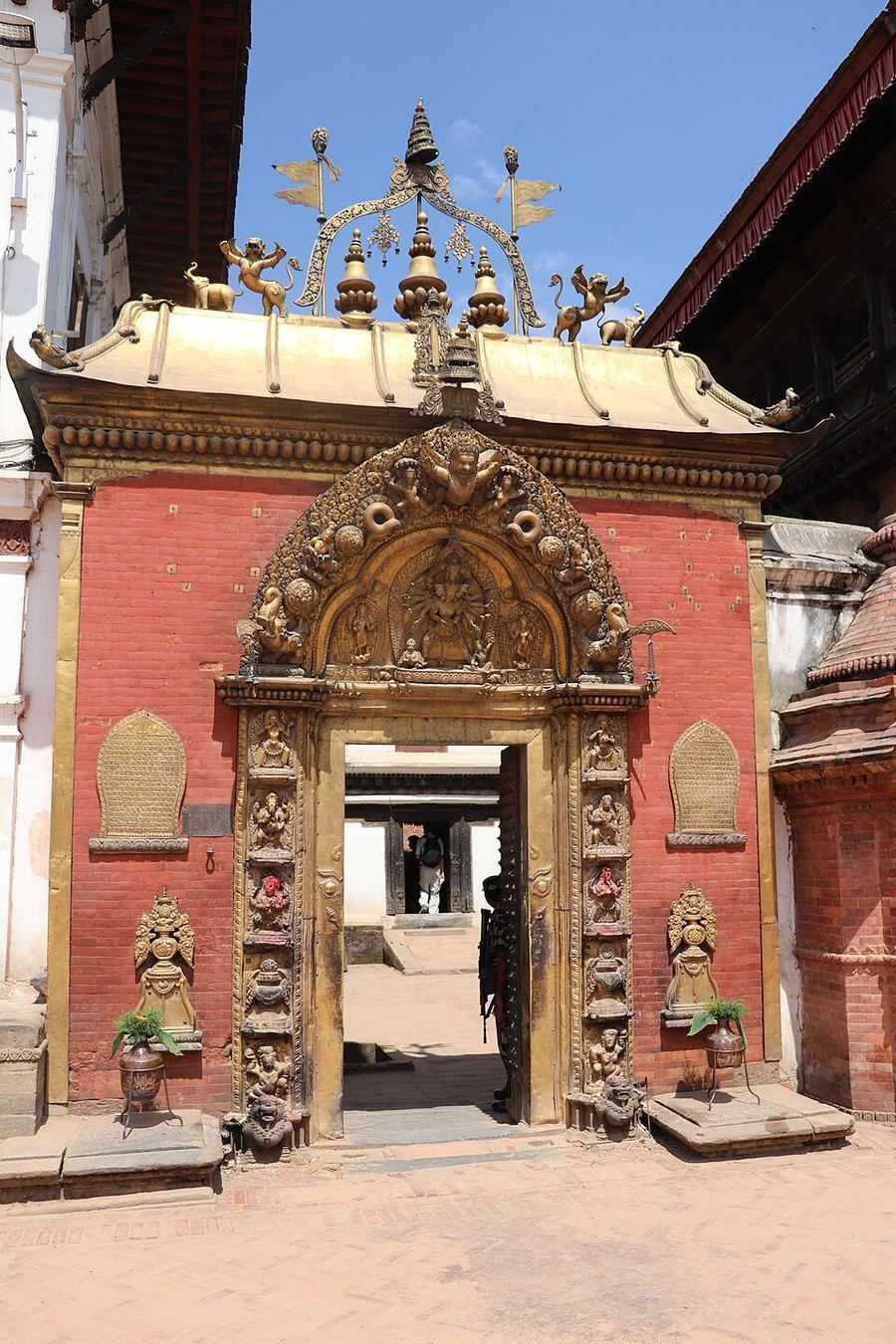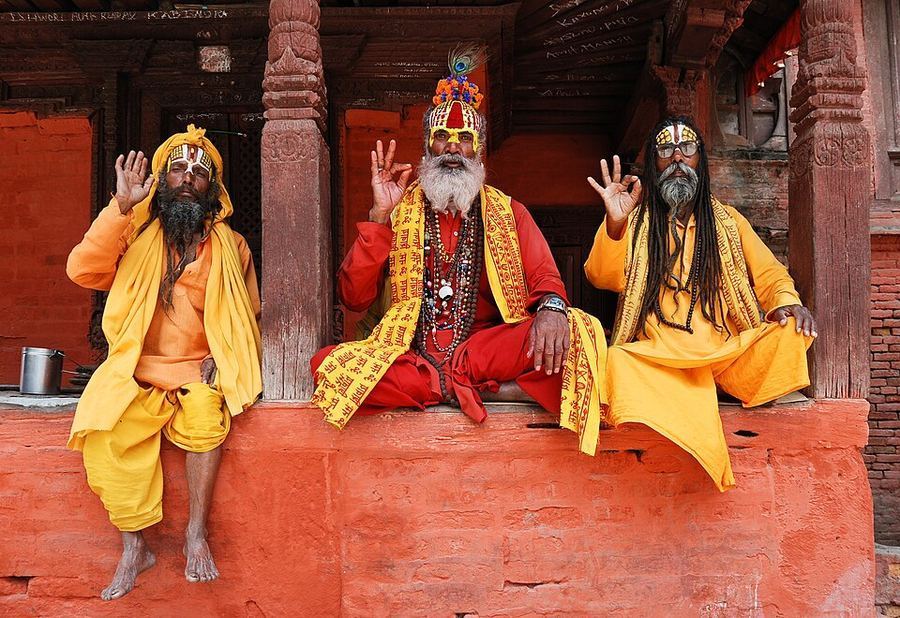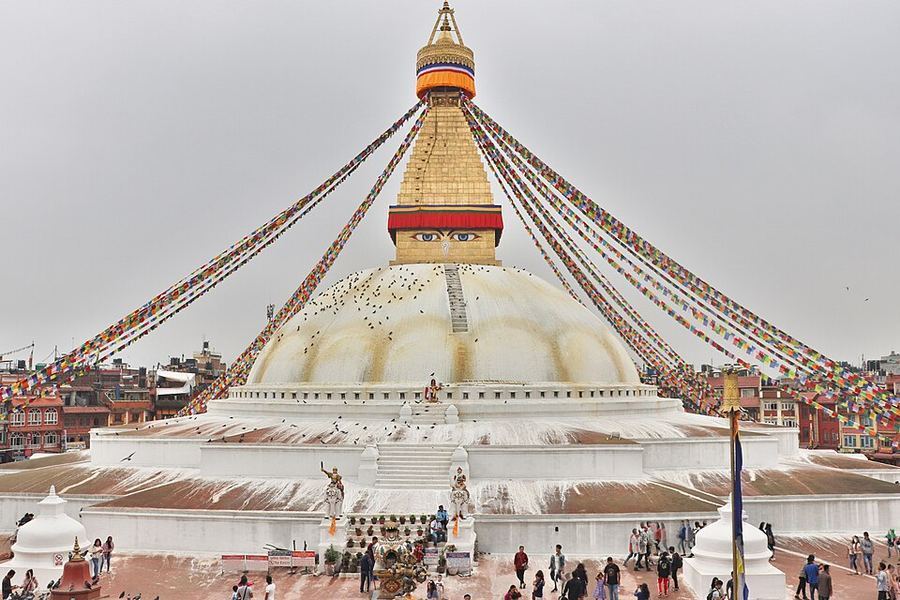
History
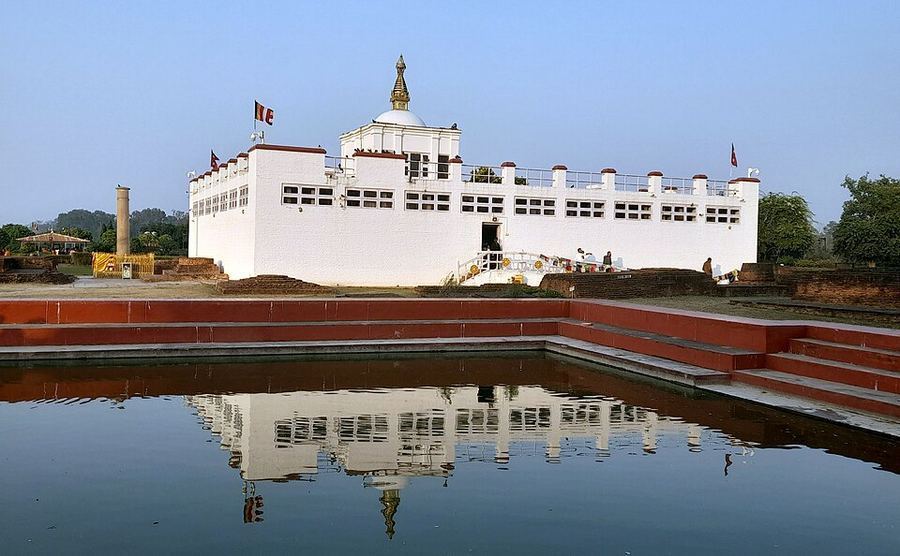
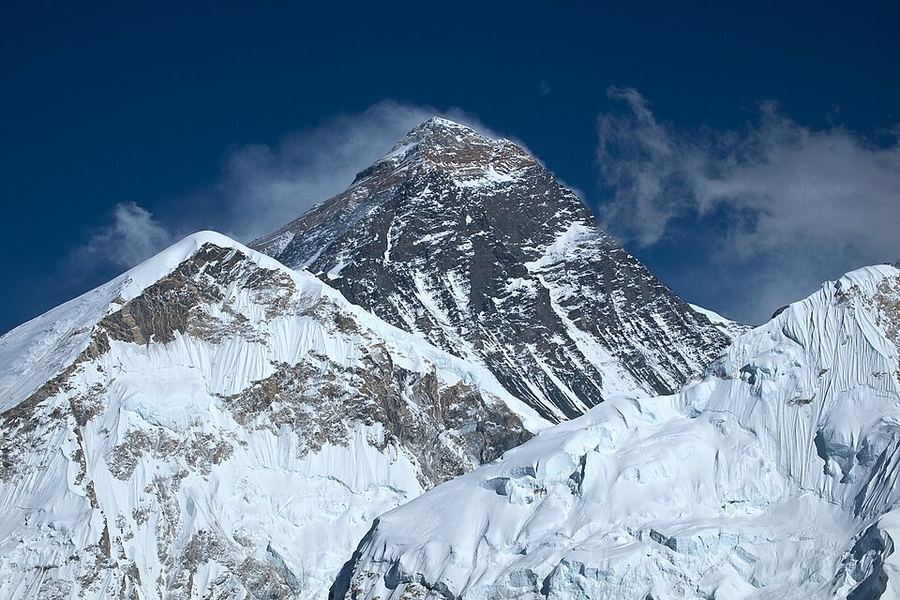
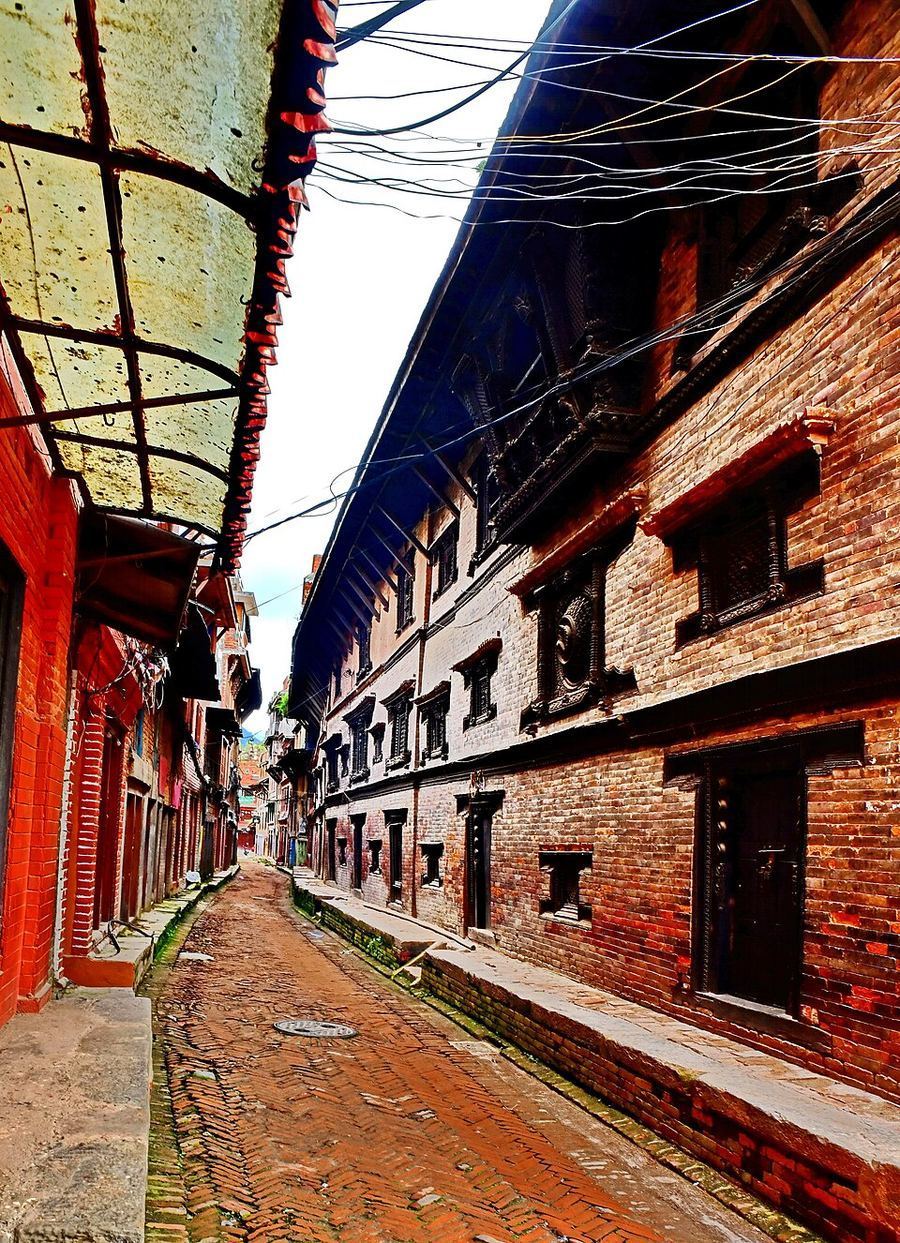
Nepal is a landlocked federal parliamentary republic of about 31 million people occupying the southern flank of the Himalaya between India and China. It contains the greatest vertical range of any country on earth, falling from the summit of Mount Everest — Sagarmatha, 8,848.86 metres by the joint Nepali-Chinese measurement announced in 2020 — to subtropical plains barely sixty metres above sea level, and eight of the world's fourteen peaks above 8,000 metres stand wholly or partly within its borders. Kathmandu, the capital, sits in a bowl-shaped valley that was for centuries a cluster of rival Newar city-states and remains the country's political, commercial and artistic centre. Nepal was never colonised; it was unified from the small hill kingdom of Gorkha by Prithvi Narayan Shah from 1768, and it has since moved through Rana autocracy, restored monarchy, a decade-long Maoist insurgency and, in 2008, the abolition of the monarchy altogether, adopting a federal constitution in 2015. About 81% of Nepalis are Hindu and 8% Buddhist, but the two traditions interpenetrate deeply, and Lumbini, in the southern plains, is the birthplace of the Buddha. Nepali is the official language, spoken as a mother tongue by under half the population in a country that records well over a hundred languages.
Kathmandu's urban core is home to about 3,862,697 people.
That's bigger than Berlin, Rome and Amsterdam — each a great world city in its own right.
Among the world's megacities, though, it's one of many — the giants of Asia and Latin America run larger still:
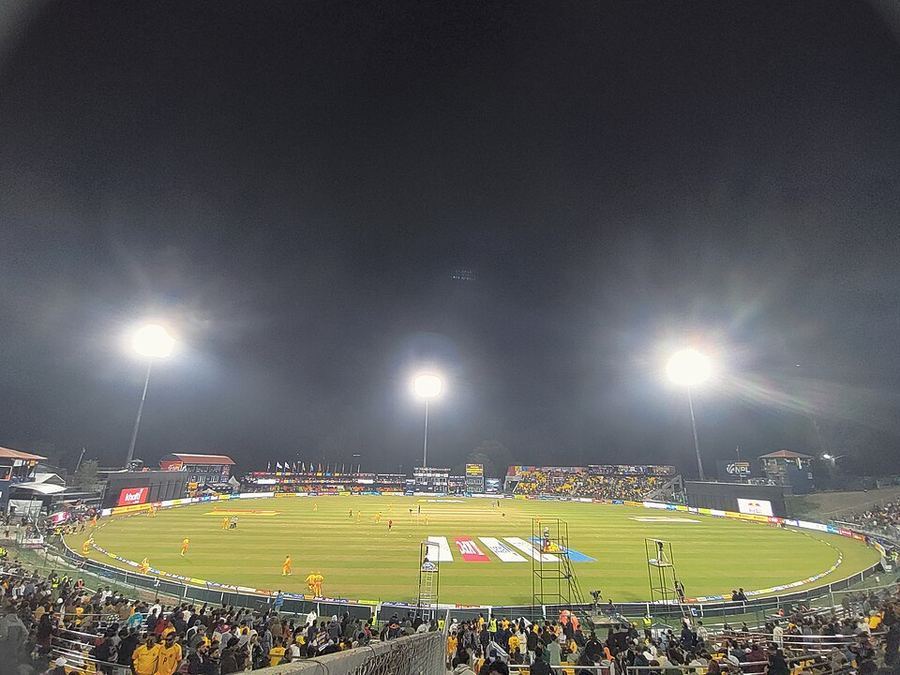
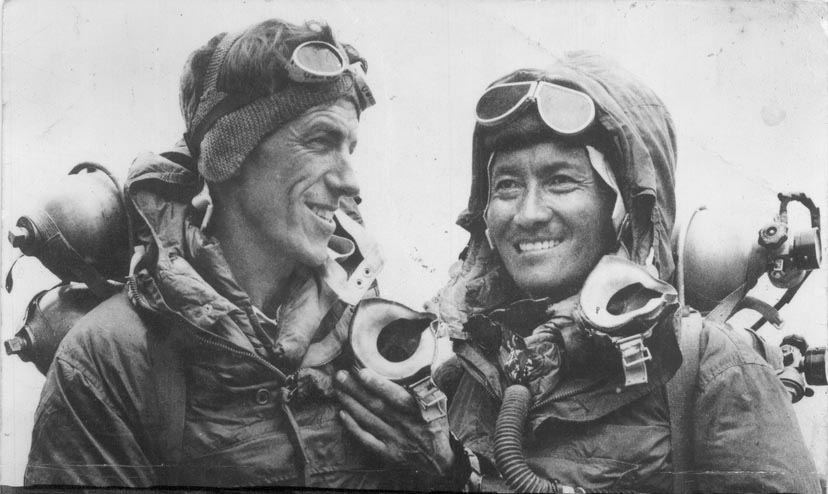
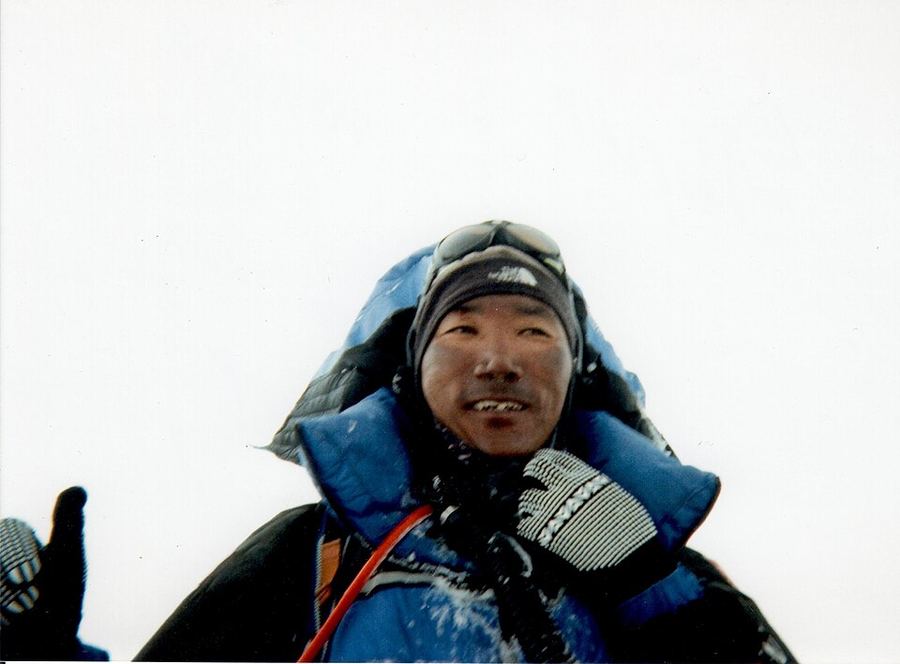
Nepal's international sporting standing is highest, by a considerable margin, in high-altitude mountaineering — an arena the country effectively defines. Nepali climbers hold the summit records on Everest, led by Kami Rita Sherpa, and Nepali expedition workers make the great majority of the ascents that foreign climbers depend on. Nirmal Purja's 2019 climb of all fourteen 8,000-metre peaks in under seven months rewrote what was thought possible, and in January 2021 a team of ten Nepali climbers made the first winter ascent of K2, in Pakistan — the last of the eight-thousanders to be climbed in winter, and a summit reached deliberately as a national team. In conventional international sport the record is more modest: Nepal has competed at the Olympic Games since 1964 without winning a medal, and its Olympic representation typically comes through athletics, shooting, swimming, judo and taekwondo. Cricket is where the country now has genuine international status, holding one-day international standing and appearing in global qualifying competition. At the regional level Nepal is a regular competitor at the South Asian Games, which it has hosted three times, most recently in 2019 in Kathmandu and Pokhara.
Federal parliamentary republic
Ram Chandra Poudel — PresidentNC
In office since 13 March 2023
Sushila Karki — Prime Minister
Bicameral
National Assembly (Rastriya Sabha) — 59 seats
Last election 1/25/2024 · 37.3% women
House of Representatives (Pratinidhi Sabha) — NC largest party
NC 89 · Communist Party of Nepal (Unified Marxist-Leninist, UML) 78 · CPN-MC 32 · Rastriya Swatantra Party 20 · RPP 14 · People's Socialist Party, Nepal 12 · Communist Party of Nepal (Unified Socialist) 10 · Janamat Party 6 · Democratic Socialist Party, Nepal 4 · People's Freedom Party 3 · Nepal Workers Peasants Party 1 · Rastriya Janamorcha 1 · Independents 5
Last election 11/20/2022 · 0% women
consists of the chief justice and up to 20 judges
Nepalese Rupee — NPR (None)
GDP (PPP): $149.643 billion (2024 est.)
Per capita: $5,000 (2024 est.)
$3.744 billion (2024 est.)
knotted carpets, garments, flat-rolled iron, synthetic fibers, palm oil (2023)
Partners: India 67%, USA 12%, Germany 3%, China 2%, UK 2% (2023)
$17.777 billion (2024 est.)
refined petroleum, natural gas, garments, iron reductions, broadcasting equipment (2023)
Partners: India 71%, China 17%, UAE 3%, Singapore 2%, Germany 1% (2023)
Type: federal parliamentary republic
Independence: 1768 (unified by Prithvi Narayan SHAH)
How mountains, coasts, and rivers shape settlement (LandScan).
Coming — dataWhere groups settled and how people move (GeoEPR + UNHCR).
Coming — dataNotable institutions, mappable as points.
Coming — data