HERA · Human Entity Reference Atlas by Masego Inc

← New Zealand 🌐 3D View
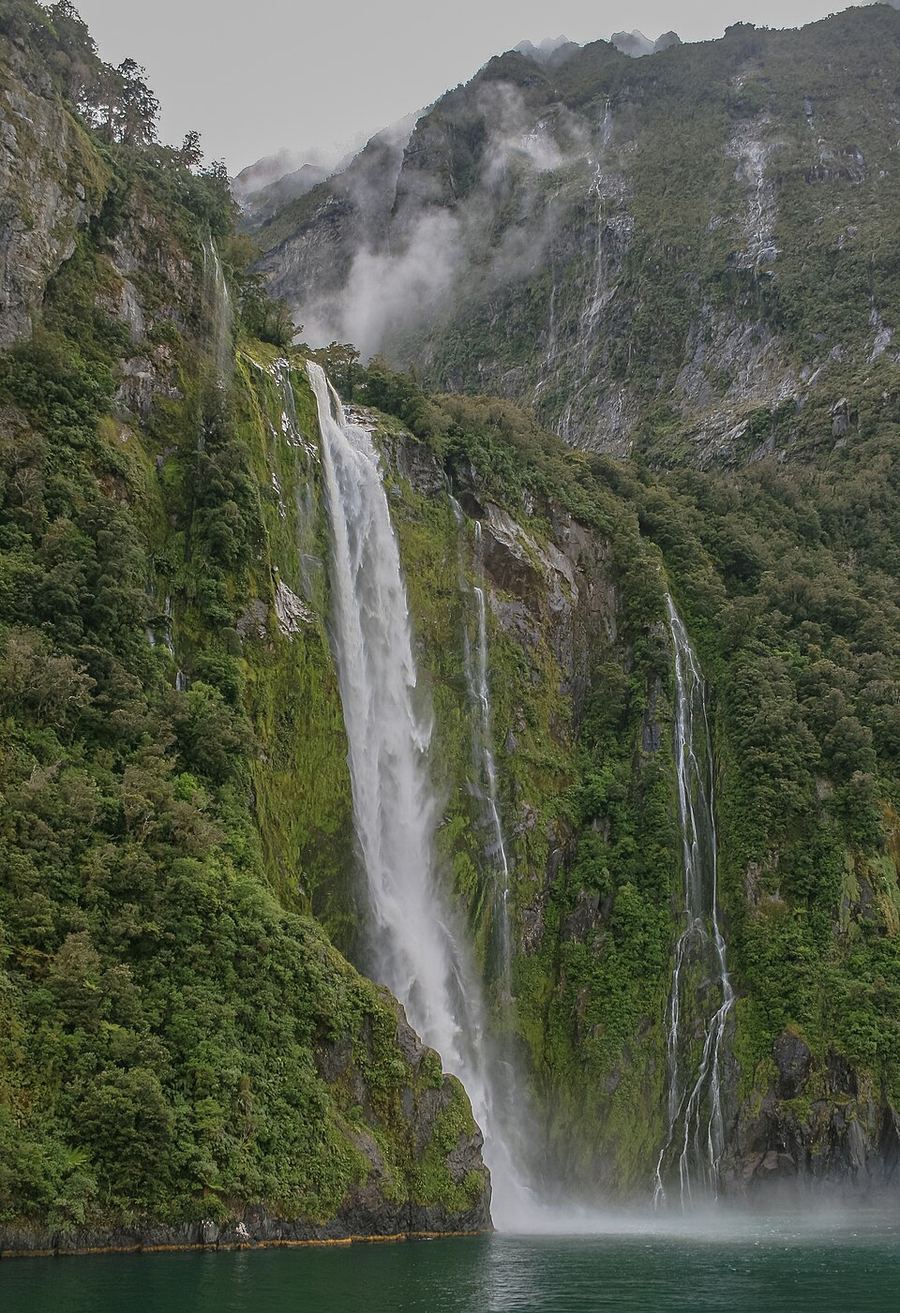
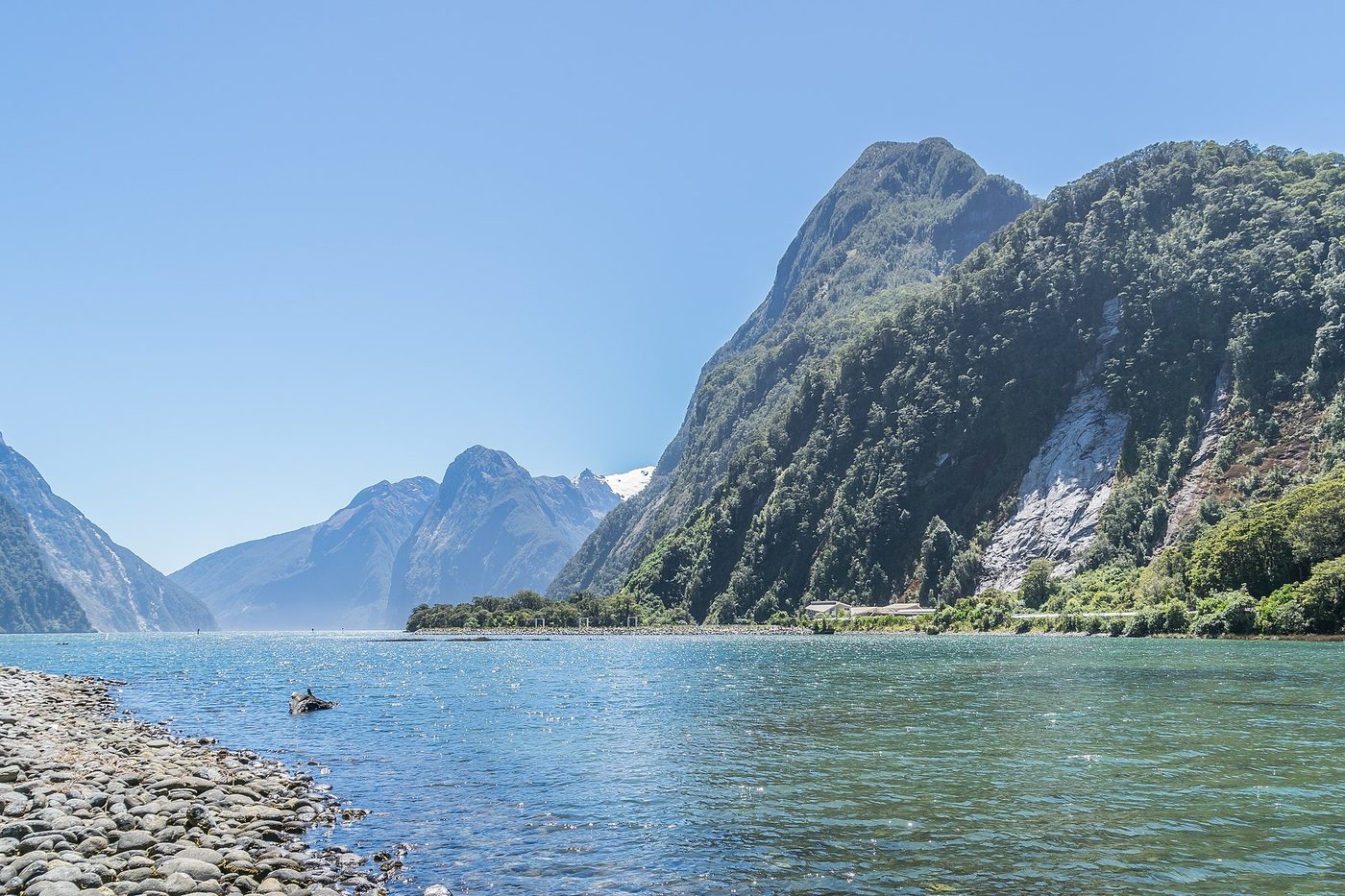
Milford Sound in Fiordland National Park, New Zealand
New Zealand NZL
Milford Sound in Fiordland National Park — Photo: Krzysztof Golik / CC BY-SA 4.0 via Wikimedia Commons
Did You Know Apart from bats, New Zealand had no native land mammals before humans arrived — which is why so much of its wildlife, including the kiwi, kākāpō and takahē, is flightless and vulnerable to introduced predators. — Encyclopaedia Britannica

New Zealand — Aotearoa — is a parliamentary democracy under a constitutional monarchy and a Commonwealth realm, occupying two large islands and many smaller ones in the south-west Pacific, roughly 2,000 kilometres east of Australia. Its population of about 5.2 million lives on a landmass comparable in size to the United Kingdom or Japan, which makes it one of the least densely settled developed countries; roughly a third of everyone lives in Auckland alone, while Wellington, at the southern tip of the North Island, is the capital and seat of government. It was the last large habitable landmass on earth to be settled by people: Polynesian voyagers arrived around the thirteenth century and became Māori, and sustained European settlement began only in the nineteenth. The Treaty of Waitangi, signed on 6 February 1840 between the Crown and Māori rangatira, remains the country's founding constitutional document and the framework within which historical grievances are still being negotiated. About 64% of New Zealanders identify as European and 16.5% as Māori, with substantial Chinese, Indian and Pacific communities; English, te reo Māori and New Zealand Sign Language are all official. The economy is prosperous and unusually agricultural for a rich country, with dairy, meat, timber and wine leading exports, and China its largest market.

CIA World FactbookEncyclopaedia Britannica
Population
5,161,211
Capital
Wellington
Currency
$ NZD
Time zones
Largest city
Auckland
Human Geography Themes
Loading national figures…
Largest Cities
Auckland1,623,898
Christchurch278,356
Hamilton176,223
Wellington154,120
Tauranga130,290
Dunedin84,080
Palmerston North75,159
Lower Hutt70,945
In Perspective

Auckland's urban core is home to about 1,623,898 people.

That's bigger than Amsterdam — each a great world city in its own right.

Auckland1,623,898
Amsterdam1,223,407

Among the world's megacities, though, it's one of many — the giants of Asia and Latin America run larger still:

Auckland1,623,898
Jakarta40,545,126
Dhaka37,307,160
Tokyo33,244,670
Shanghai30,678,616
Cairo25,230,325
The Country & Its People

History

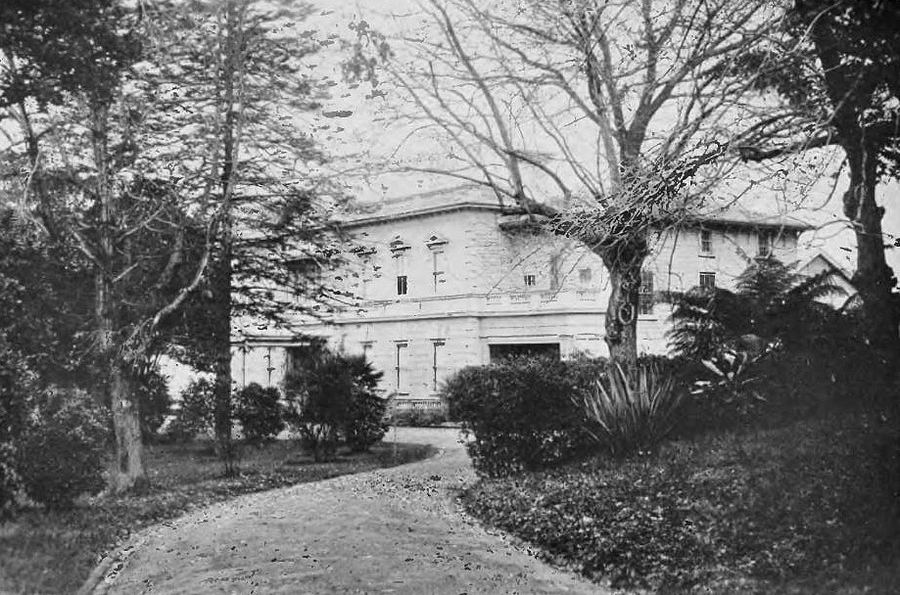
Polynesian voyagers reached Aotearoa around the thirteenth century, the final chapter in the settlement of the Pacific, and developed into Māori society organised in iwi and hapū with a distinctive material culture adapted to a temperate, bird-rich land. Abel Tasman sighted the coast in 1642 without landing successfully; James Cook charted the islands from 1769, and sealers, whalers, traders and missionaries followed. On 6 February 1840 representatives of the Crown and more than five hundred rangatira signed the Treaty of Waitangi, whose English and Māori texts differ crucially over whether Māori ceded sovereignty or only governorship — an ambiguity at the heart of New Zealand's constitutional life ever since. Settler numbers grew rapidly, pressure for land intensified, and the New Zealand Wars of the 1840s to early 1870s were followed by large confiscations that left enduring economic damage. The colony became a Dominion on 26 September 1907 and adopted the Statute of Westminster in 1947. New Zealand troops fought at Gallipoli in 1915 and across both world wars, an experience central to national memory. The later twentieth century brought a Māori cultural and political renaissance, the Waitangi Tribunal in 1975 and a settlements process from the 1990s, radical economic liberalisation in the 1980s, and the anti-nuclear legislation of 1987 that ruptured the ANZUS alliance.
History, New Zealand
W. Bulach / CC BY-SA 4.0

Culture

New Zealand describes itself as bicultural in constitutional terms and is multicultural in practice. Māori culture is not a minority tradition kept at the margins but a public framework: the pōwhiri, the formal welcome onto a marae, structures official occasions; whaikōrero, waiata and the hongi are part of civic life; and te reo Māori words and place names are used routinely in ordinary English speech. Matariki, the reappearance of the Pleiades marking the Māori new year, became a public holiday in 2022 — the first New Zealand holiday to arise from te ao Māori. Waitangi Day on 6 February and Anzac Day on 25 April are the other two dates that carry national weight, the second commemorating the Gallipoli landings with dawn services in every town. The settler-descended culture prizes egalitarianism, understatement and practical self-reliance: the 'number eight wire' ethos of improvising a fix, the suspicion of self-promotion known as tall poppy syndrome, and a deep attachment to the outdoors, the beach and the modest holiday house called a bach. Nearly half the population now reports no religion, one of the highest such shares anywhere, and the Pacific and Asian communities of Auckland have made it one of the most diverse cities in the region.
Culture, New Zealand
Tom Ackroyd / CC0

Points Of Pride

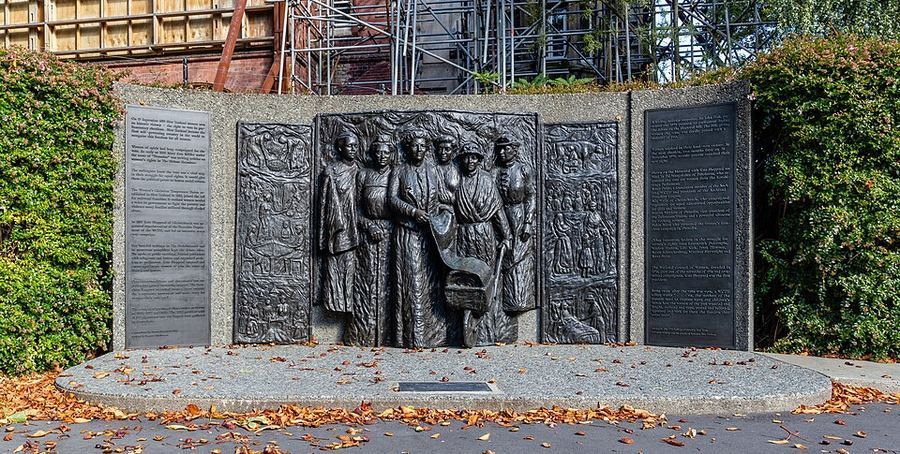
In 1893 New Zealand became the first self-governing country in the world to grant women the vote in national elections, a campaign led by Kate Sheppard whose portrait now appears on the ten-dollar note — the single achievement New Zealanders cite most often. The anti-nuclear legislation of 1987, which barred nuclear-armed and nuclear-powered ships and cost the country its alliance relationship with the United States, is a second point of principle held with unusual consensus. Māori cultural revival is a third: te reo Māori as an official language, the kōhanga reo language nests, and the Treaty settlements process are regarded internationally as a serious model for indigenous redress. New Zealand has granted legal personhood to natural features, most famously the Whanganui River under the Te Awa Tupua legislation of 2017, a world first that has been studied and imitated elsewhere. Ernest Rutherford, born near Nelson, split the atom and reshaped physics; Edmund Hillary stood on the summit of Everest in 1953. Three UNESCO World Heritage sites — Tongariro National Park, Te Wāhipounamu in the south-west, and the Sub-Antarctic Islands — protect landscapes of exceptional value, and Tongariro was among the first parks anywhere established through indigenous gift.
Points Of Pride, New Zealand
Michal Klajban / CC BY-SA 4.0

Cultural Fusion

The foundational relationship is between Māori and the Crown, and biculturalism is the official frame: the Treaty of Waitangi's principles are written into legislation, government departments carry Māori names, and te reo Māori has been an official language since 1987. Around that frame the country has become genuinely multicultural. Auckland holds one of the largest concentrations of Pacific peoples of any city in the world, with substantial Samoan, Tongan, Cook Islands Māori, Niuean, Fijian and Tokelauan communities whose churches, sports clubs and festivals — Polyfest above all — have shaped the city's character, and whose New Zealand-born generations have reworked Pacific identity into something distinctly local. Chinese New Zealanders have been present since the Otago gold rushes of the 1860s and endured a discriminatory poll tax for which the government later apologised; Indian communities have similarly long roots and both have grown sharply since immigration policy was liberalised in the late 1980s. New Zealand Sign Language became official in 2006, recognising the Deaf community as a linguistic minority. The result is visible in the food, the music and the language: a national English seasoned with Māori vocabulary, and an Auckland accent that carries Pacific rhythm.
Cultural Fusion, New Zealand
Christian Mehlführer, User:Chmehl / CC BY 2.5

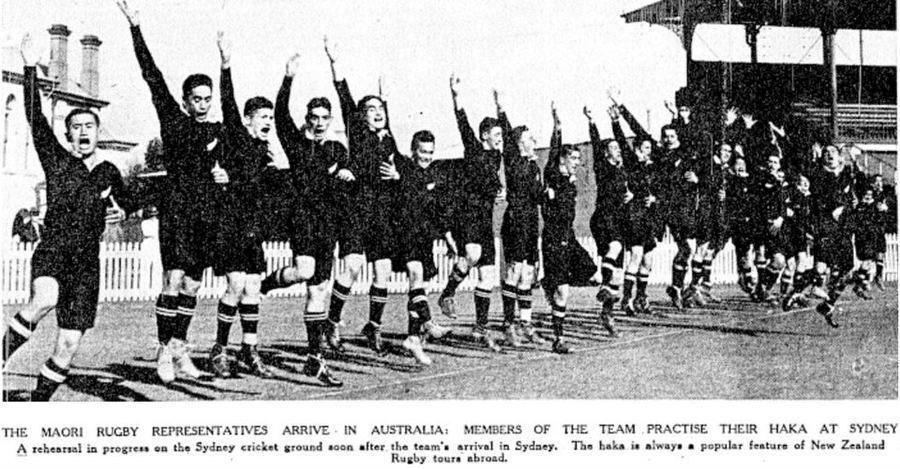
Music & Dance

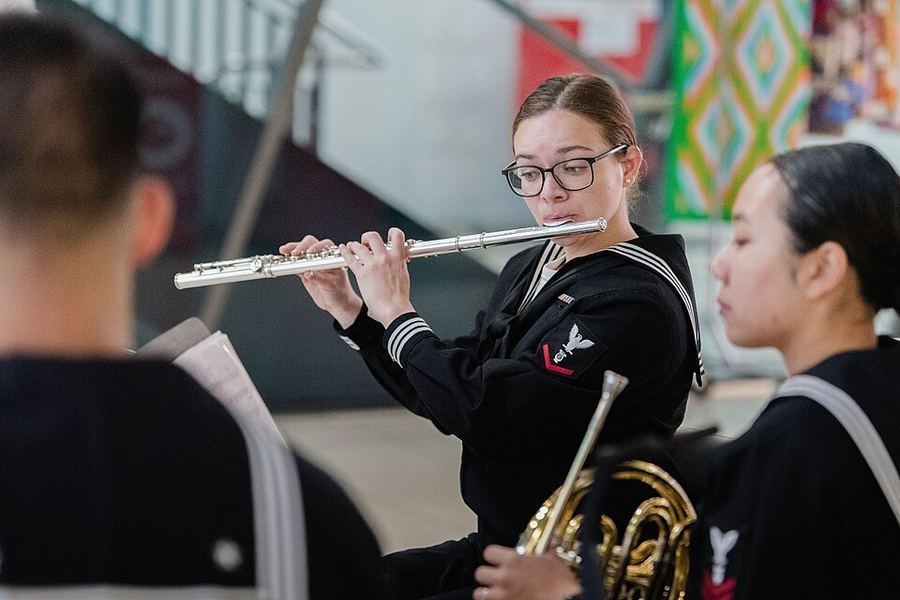
Kapa haka — Māori performing arts combining waiata, poi, weaponry display and haka — is the country's most distinctive performance tradition, taught in schools and contested at Te Matatini, the national festival that fills stadiums and is broadcast nationally. The haka itself has become globally recognised through the All Blacks' pre-match performance of Ka Mate, composed by the Ngāti Toa chief Te Rauparaha, though the form is far older and far broader than that single use, performed for welcome, challenge, celebration and mourning. Taonga pūoro, the traditional Māori instruments made from wood, stone, bone and shell, fell almost out of use and were substantially revived from the late twentieth century by researchers and musicians who reconstructed both the instruments and their playing. In popular music New Zealand punches above its weight: Split Enz and Crowded House, led by the Finn brothers, became internationally successful; Lorde reached the top of the world charts as a teenager from suburban Auckland; and Dave Dobbyn, Six60 and a strong reggae and hip-hop scene rooted in Māori and Pacific communities dominate the domestic market. In opera, Dame Kiri Te Kanawa was among the leading sopranos of her generation.
Music & Dance, New Zealand
U.S. Navy USNF-7F by [null Courtesy] / Public domain

Cuisine & Misattributed Foods

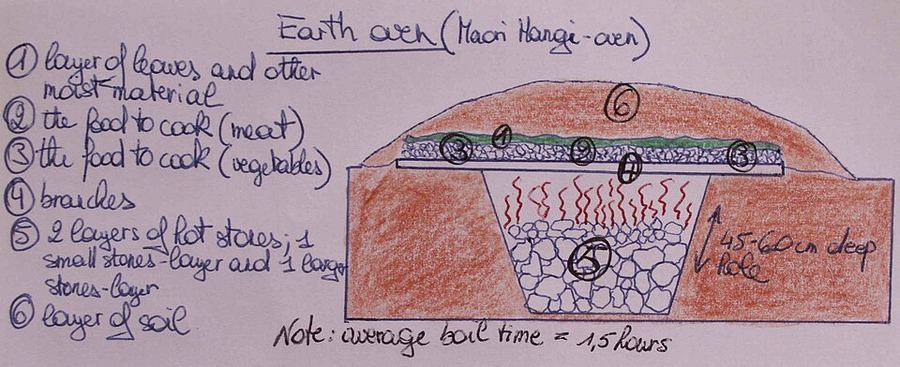
New Zealand's cooking is built on what the land and sea produce in abundance: lamb and beef, dairy, seafood and fruit. The hāngī is the country's oldest cooking method still in ceremonial use, a Māori earth oven in which meat, kūmara, potatoes and pumpkin are steamed on heated stones under earth for hours, prepared for tangi, celebrations and marae gatherings. Kūmara, the sweet potato brought by Polynesian settlers, remains a staple. From the sea come green-lipped mussels, farmed and exported worldwide, Bluff oysters whose short season is a national event, crayfish, pāua and the whitebait fritter, an egg-bound patty made from tiny migrating fish whose price reflects their scarcity. The barbecue is the default form of hospitality. Sweet baking is a serious tradition: Anzac biscuits of oats and golden syrup, hokey pokey ice cream studded with honeycomb toffee, and the pavlova, a meringue dessert whose origin New Zealand and Australia have argued over for decades. L&P, a lemon soft drink from the town of Paeroa, is a national in-joke and an actual product. Wine transformed the country's reputation: Marlborough sauvignon blanc, first made commercially in the late 1970s, changed how that grape is understood worldwide, and Central Otago pinot noir followed.
Cuisine & Misattributed Foods, New Zealand
KVDP / Public domain

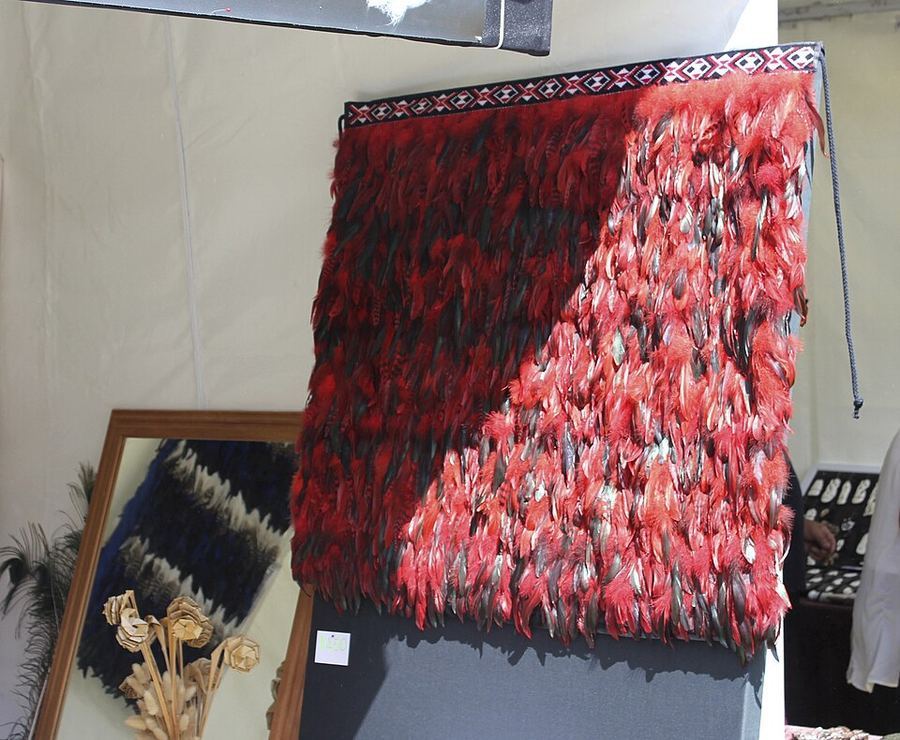
National Dress

New Zealand has no European-derived national costume, and formal dress follows British convention. The garments that carry genuine national meaning are Māori. The korowai, a cloak of woven flax with attached feathers or tassels, is the highest form of dress: cloaks are taonga, held by families and iwi, presented to mark achievement, and now worn by graduates at university ceremonies of every ethnicity as a mark of honour. The piupiu, a skirt of rolled and dyed flax strands that rattles rhythmically in movement, is worn for kapa haka, together with tāniko-woven bodices and headbands whose geometric patterning is a distinct weaving art. Tā moko, the chiselled and now tattooed facial and body marking that records genealogy and status, has undergone a strong revival and is worn publicly by people in every walk of life. On the settler side, the closest thing to national dress is functional: the Swanndri, a heavy woollen bush shirt in checked wool, gumboots, and the jandal — the rubber sandal that is standard summer footwear and an item of national self-identification. All-black sporting uniform is itself a recognised national symbol.
National Dress, New Zealand
Adana Dobranis / CC BY 4.0

Sports & Inspiring Athletes

Rugby union is the national sport in a stronger sense than in almost any other country: it is played in every town, structured through provincial unions and the Super Rugby competition, and the All Blacks — who perform a haka before every test — are the most consistently successful team in the sport's history, with Rugby World Cup titles in 1987, 2011 and 2015. The Black Ferns have been similarly dominant in the women's game. Netball is the leading women's team sport, with the Silver Ferns a perennial world power and a professional trans-Tasman league. Cricket occupies the summer, the Black Caps having won the inaugural World Test Championship final in 2021. Sailing is a national speciality out of all proportion to population: Team New Zealand has won the America's Cup on multiple occasions, and Auckland's harbour is the sport's domestic engine. Rugby league, football, basketball and golf all have significant followings, and horse racing retains a strong rural base. Participation is broad and outdoors — running, cycling, surfing, mountain biking, tramping and skiing — supported by public facilities and an unusually large conservation estate.
Sports & Inspiring Athletes, New Zealand
New Zealand Herald / CC BY 3.0

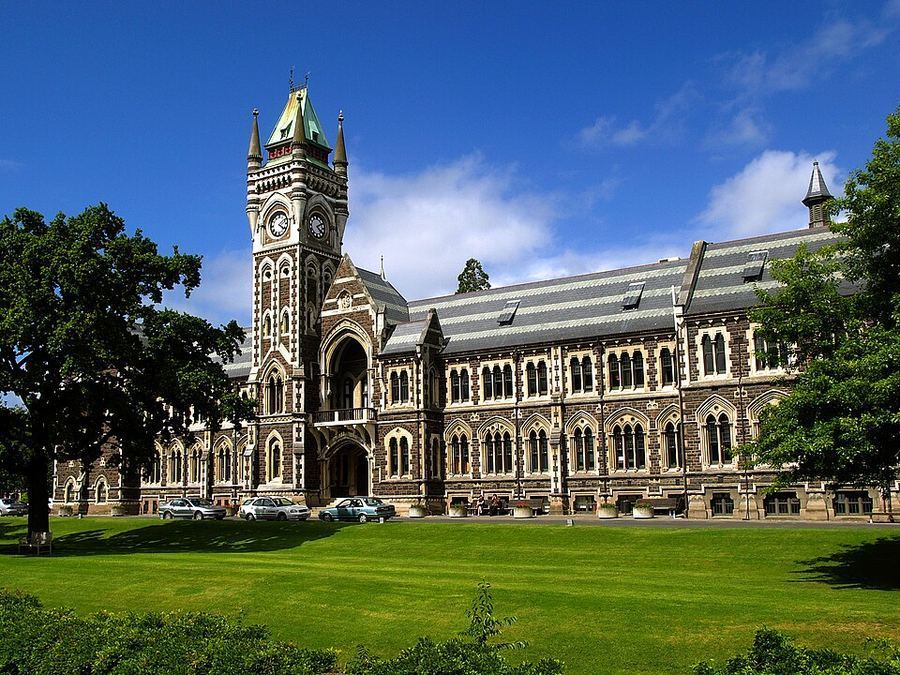
Notable Educational Programs

New Zealand runs a free, compulsory and largely decentralised state school system in which individual schools are governed by elected boards, and secondary students work towards the National Certificate of Educational Achievement, a standards-based qualification introduced in the early 2000s. The country's most internationally influential educational innovation is Māori-medium education. Te kōhanga reo, the 'language nests' established from 1982, immerse very young children in te reo Māori with the involvement of elders, and kura kaupapa Māori extend that immersion through the school years; together they are credited with arresting the decline of the language and have been studied and adapted by indigenous communities in Hawai'i, Canada and elsewhere as a model for language revitalisation. Wānanga provide tertiary education grounded in Māori knowledge alongside the eight universities, of which Otago, founded in 1869, is the oldest and Auckland the largest. Higher education is a significant export industry, drawing international students particularly from Asia. Persistent policy concerns are the size of the gap in outcomes between the most and least advantaged students, teacher supply, and declining performance in international assessments of mathematics and reading.
Notable Educational Programs, New Zealand
Ulrich Lange, Dunedin, New Zealand / CC BY-SA 3.0

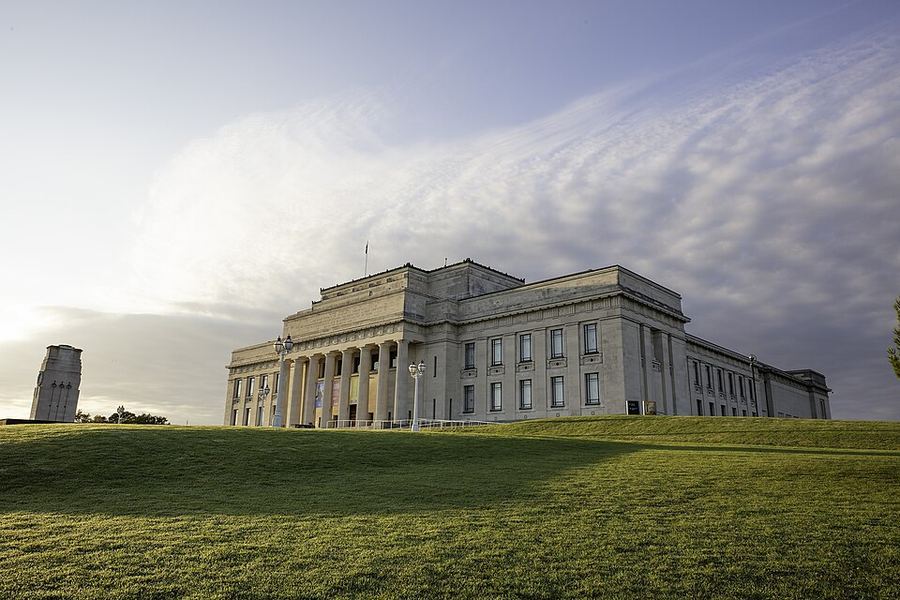
Wars & Conflicts

New Zealand's internal wars were fought in the nineteenth century. The New Zealand Wars, running from the 1840s to the early 1870s, pitted Crown and settler forces against Māori iwi resisting land alienation, and were followed by confiscations of large territories under the New Zealand Settlements Act whose economic and social consequences are still being addressed through the Waitangi Tribunal and the Treaty settlements process. Externally, the country has fought as part of wider coalitions: the Gallipoli campaign of 1915 and the Western Front in the First World War produced casualty rates among the highest of any participating nation relative to population and shaped national identity through Anzac Day; New Zealand forces served throughout the Second World War, in Korea, and in Vietnam, the last of which was domestically divisive. Since then the emphasis has shifted decisively to peacekeeping and regional stabilisation, with substantial deployments to Timor-Leste, Bougainville and Solomon Islands. The country has no current armed conflicts. Its most severe recent act of violence was domestic: the terrorist attack on two Christchurch mosques on 15 March 2019 killed 51 people and led to rapid firearms law reform and an international initiative on violent extremist content online.
Current as of 2026-08-07
Wars & Conflicts, New Zealand
Daan Hoffmann / Auckland War Memorial Museum Tāmaki Paenga Hira / CC BY 2.0

Land & Border Disputes

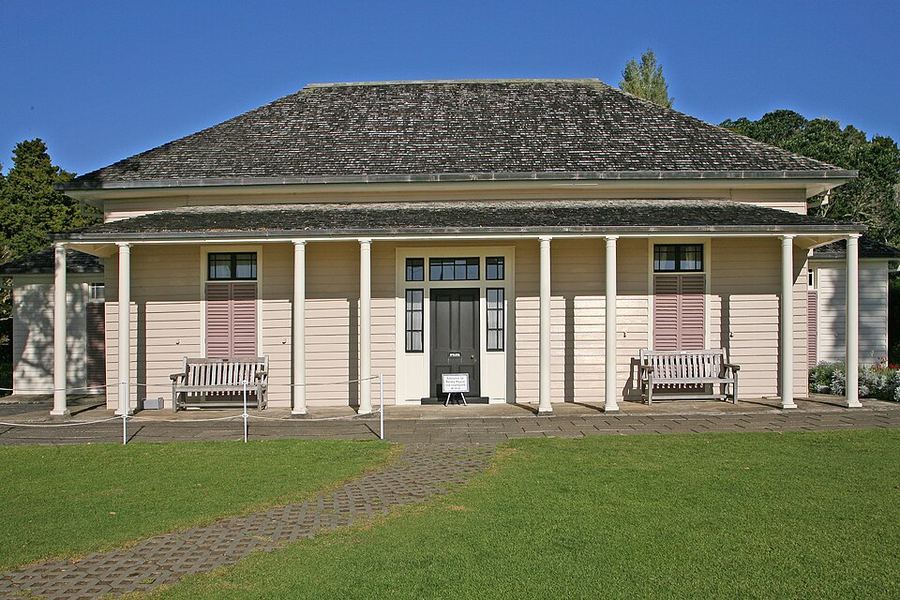
New Zealand has no contested land borders and no territorial disputes with other states; its maritime boundary with Australia was settled by treaty in 2004, and its extended continental shelf claims have been processed through the United Nations. It claims the Ross Dependency in Antarctica, a claim held in abeyance under the Antarctic Treaty, which New Zealand was among the original signatories to and actively supports. Its remaining external constitutional relationships are cooperative rather than contested: Tokelau is a non-self-governing territory administered by New Zealand which has twice voted narrowly against self-government, and the Cook Islands and Niue are self-governing in free association, their citizens holding New Zealand citizenship. The country's substantive unresolved questions are internal and historical. The Treaty of Waitangi settlements process, running since the 1990s, negotiates redress with iwi for breaches of the Treaty, and while most large settlements have been concluded, disputes over the Treaty's principles, over freshwater and coastal rights, and over the balance of Crown and Māori authority remain live and politically contentious. New Zealand's anti-nuclear stance produced a long estrangement from the United States that was only fully repaired decades later.
Land & Border Disputes, New Zealand
W. Bulach / CC BY-SA 4.0
Land, Life & Legacy

Land & Climate

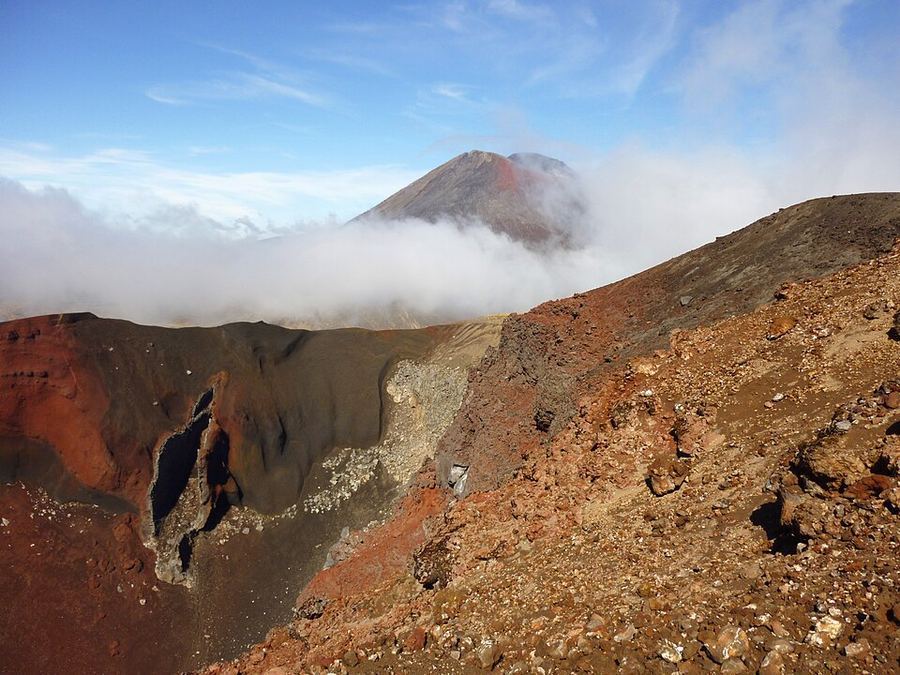
New Zealand sits astride the boundary between the Pacific and Australian plates, and everything about its landscape follows from that. The South Island is split lengthways by the Southern Alps, thrown up along the Alpine Fault and topped by Aoraki/Mount Cook at 3,724 metres, with glaciers descending almost to rainforest on the wet western side and dry tussock basins in the rain shadow to the east; the drowned glacial valleys of Fiordland, including Milford Sound/Piopiotahi, form part of the Te Wāhipounamu World Heritage area. The North Island is volcanic: the Taupō Volcanic Zone runs from the geothermal fields of Rotorua through the Tongariro volcanoes to the offshore cone of Whakaari/White Island, and Lake Taupō itself fills the caldera of an enormous ancient eruption. Earthquakes are frequent and sometimes devastating — the Christchurch earthquake of February 2011 killed 185 people. The climate is temperate maritime, mild and changeable, with strong westerlies and very high rainfall on western coasts; nowhere is more than about 130 kilometres from the sea. Isolation produced an extraordinary biota with no native land mammals apart from bats, and flightless birds — kiwi, kākāpō, takahē — that remain acutely vulnerable to introduced predators.
Land & Climate, New Zealand
Diego Delso / CC BY-SA 3.0

Entertainment

New Zealanders spend their leisure outdoors to a degree that surprises visitors. Tramping — hiking with overnight stays in a dense network of backcountry huts — is close to a national practice, formalised in the Great Walks such as the Milford, Routeburn, Abel Tasman Coast and Tongariro routes, and supported by a conservation estate covering roughly a third of the country. The summer holiday means the beach and the bach, the plain holiday cottage that is a fixture of national mythology, along with fishing, boating and camping; boat ownership per head is among the highest anywhere and Auckland is nicknamed the City of Sails. Winter brings skiing and snowboarding on the volcanoes of the central North Island and in the Southern Alps around Queenstown and Wanaka. Adventure tourism is both an export industry and a domestic pastime — commercial bungy jumping began at the Kawarau Bridge near Queenstown in 1988 and jet boating on shallow braided rivers is a local invention. At home, gardening, do-it-yourself building and the barbecue occupy weekends, and sport is watched intently, with All Blacks tests and cricket internationals stopping ordinary life for their duration.
Entertainment, New Zealand
Borvan53 / CC BY-SA 3.0

Art & Museums

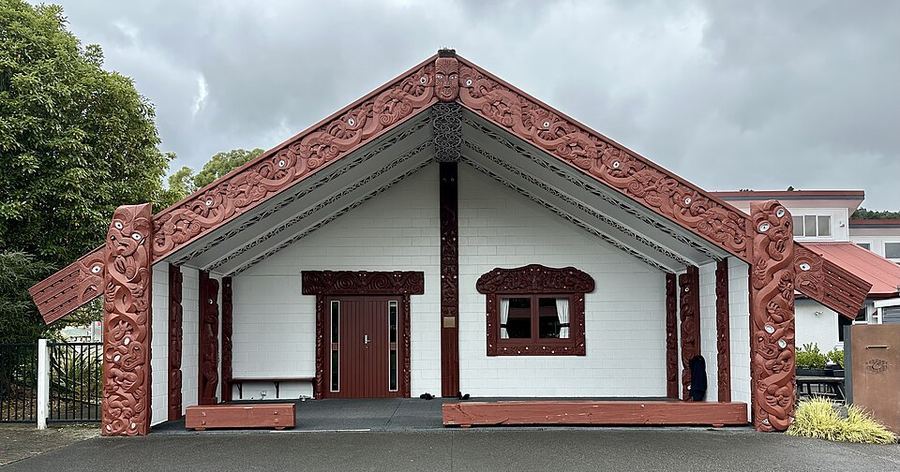
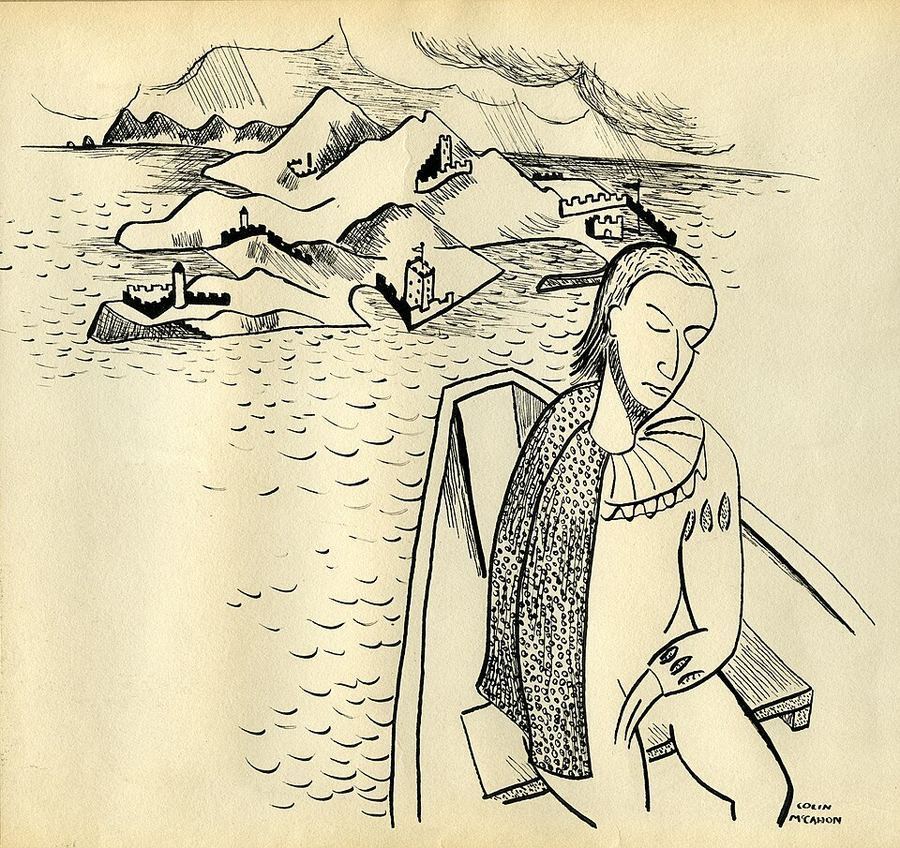
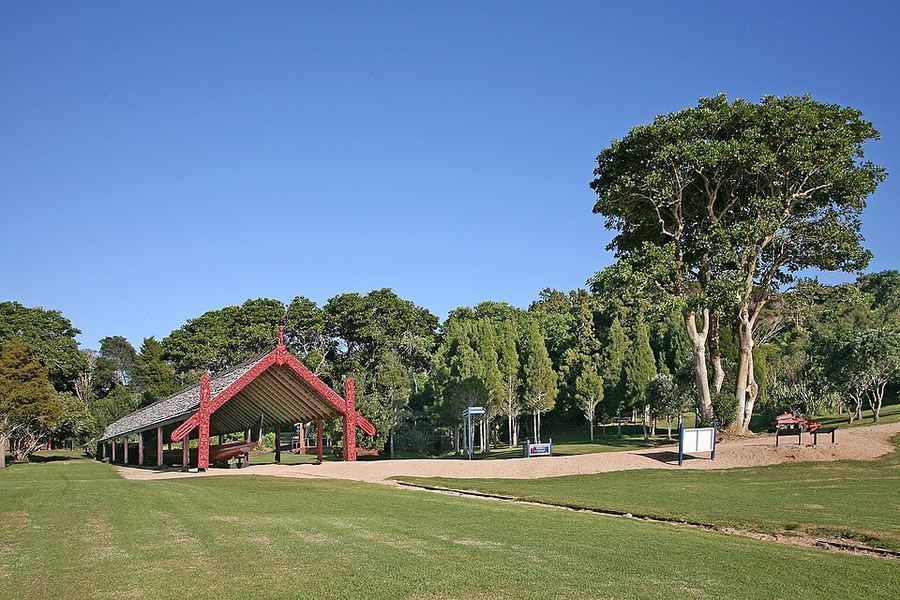
Māori visual art centres on whakairo, the carving of wood, bone and pounamu — the nephrite jade of the South Island — with the wharenui, the carved meeting house, as its total work: figures representing ancestors set between tukutuku lattice panels and painted kōwhaiwhai rafter patterns, so that the building is a genealogy made architectural. Weaving in harakeke flax produces cloaks, mats and baskets of great technical refinement. In European-derived painting, Colin McCahon is the towering figure, whose landscapes and text-based religious works are treated as the country's most important body of art; Rita Angus and Frances Hodgkins preceded and accompanied him, and Gottfried Lindauer and Charles Goldie left a substantial nineteenth-century portrait record of Māori subjects that is admired and debated in equal measure. Ralph Hotere, Shane Cotton and Lisa Reihana brought Māori perspectives into contemporary art of international standing. Len Lye, who painted directly onto film and built kinetic steel sculptures, is New Zealand's most original modernist. Film has become the country's most visible artistic export: Peter Jackson's Lord of the Rings productions and the Wellington effects industry around them, Jane Campion's The Piano and later work, and Taika Waititi's films have all won at the highest international level.
Encyclopaedia BritannicaMetropolitan Museum of ArtUNESCO
Art & Museums, New Zealand
Archives New Zealand / CC BY 2.0

Notable People

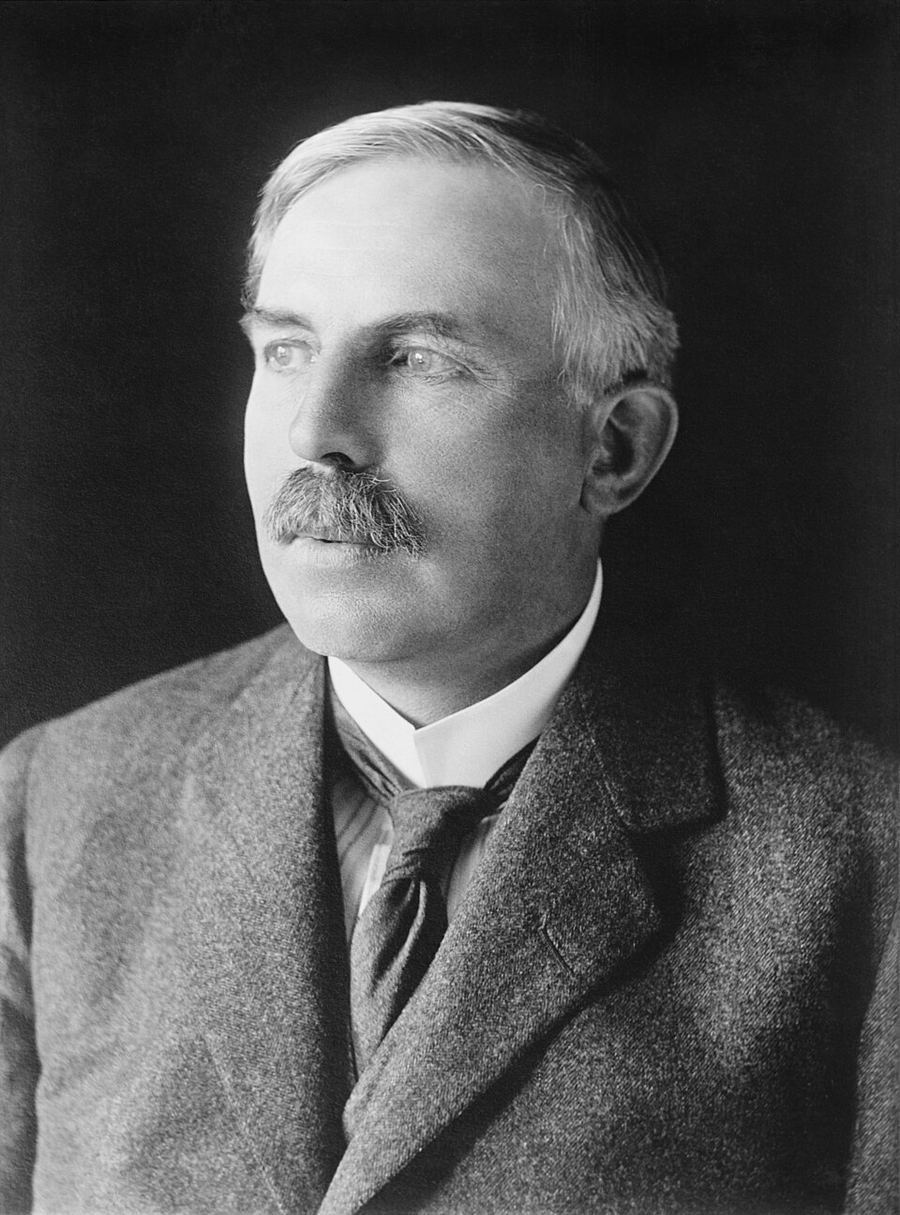
Ernest Rutherford, born near Nelson in 1871, won the Nobel Prize in Chemistry in 1908, established the nuclear model of the atom and was the first person to split it — the most consequential New Zealander in the history of science. Edmund Hillary, a beekeeper from Auckland, reached the summit of Everest with Tenzing Norgay in 1953 and devoted much of his later life to schools and hospitals in Nepal. Kate Sheppard led the campaign that made New Zealand the first self-governing country to grant women the vote in 1893. Āpirana Ngata and Whina Cooper are central to Māori political history, Cooper leading the land march of 1975 that helped reshape the national conversation. Katherine Mansfield transformed the modern short story; Janet Frame and Booker Prize winner Eleanor Catton continued the literary line. Dame Kiri Te Kanawa sang at the highest level of world opera. In film, Peter Jackson, Jane Campion and Taika Waititi have all won Academy Awards. In sport, Peter Snell won three Olympic golds on the track, Jonah Lomu and Richie McCaw became global rugby figures, and the canoeist Dame Lisa Carrington is the country's most decorated Olympian.
Notable People, New Zealand
Bain News Service, publisher Restored by: Bammesk / Public domain

Inventions & Breakthroughs

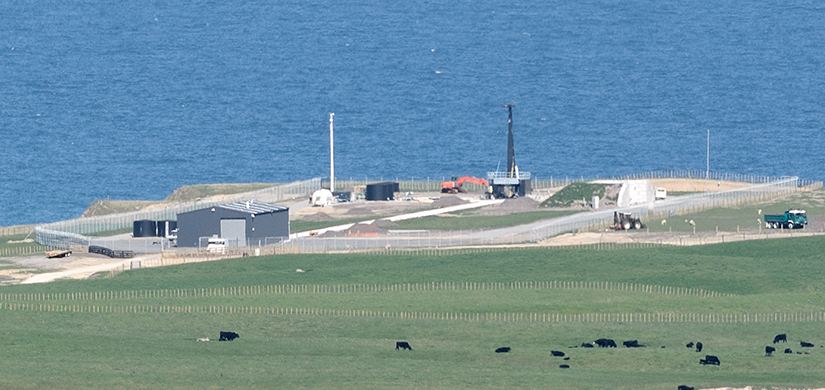
New Zealand's inventive tradition is practical, born of small scale, distance from suppliers and a farming economy — the national shorthand for it is the 'number eight wire' mentality, after the fencing wire once used to improvise repairs to anything. The electric fence in its modern form was developed by Bill Gallagher in the 1930s and grew into a global agricultural business. Bill Hamilton developed the modern water jet unit in the 1950s to drive boats up the shallow braided rivers of Canterbury, and jet propulsion of that kind is now used worldwide for shallow-water craft and rescue boats. Colin Murdoch, a pharmacist and veterinarian, invented the disposable plastic syringe and the tranquilliser dart gun, both now standard equipment. Commercial bungy jumping was established by A. J. Hackett at the Kawarau Bridge in 1988, adapting a Vanuatu ritual into an industry. In science proper, Ernest Rutherford's disintegration of the nitrogen nucleus was a discovery rather than a device, but it changed physics permanently. More recently Rocket Lab, founded by Peter Beck, built a private orbital launch site on the Mahia Peninsula, making New Zealand one of very few countries with regular orbital launch capacity.
Inventions & Breakthroughs, New Zealand
Rodney Allen / CC BY-SA 2.0

Science & Technology

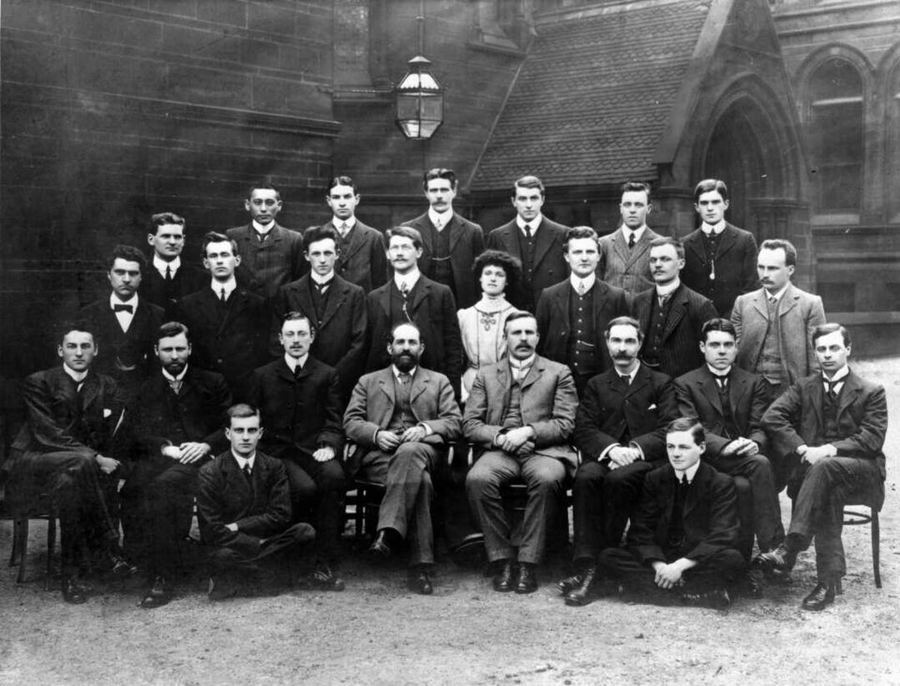
New Zealand's scientific reputation begins with Ernest Rutherford, whose work on radioactivity and atomic structure won the 1908 Nobel Prize in Chemistry and produced the first artificial splitting of the atom, and it continued with Maurice Wilkins, born in the Wairarapa, who shared the 1962 Nobel Prize for work on the structure of DNA, and Alan MacDiarmid, born in Masterton, who shared the 2000 chemistry prize for conductive polymers. Beatrice Tinsley's work on galaxy evolution reshaped modern cosmology. Contemporary research plays to national circumstances: agricultural and food science, where New Zealand institutes lead work on pasture systems, dairy genetics and reducing methane emissions from livestock; earth sciences, given an active plate boundary, with GNS Science running seismic and volcanic monitoring and the country's earthquake engineering informed by the Christchurch and Kaikōura events; and conservation biology, where the Predator Free 2050 programme to eliminate introduced rats, stoats and possums is the most ambitious island eradication effort attempted anywhere. Antarctic research is conducted from Scott Base through Christchurch. In industry, Rocket Lab's launch complex on the Mahia Peninsula gave New Zealand its own orbital launch capability, and Wellington's visual effects sector is a globally significant technology cluster.
Science & Technology, New Zealand
Unknown authorUnknown author / Public domain
On The World Stage
Champions of New Zealand

Champions & Defining Moments

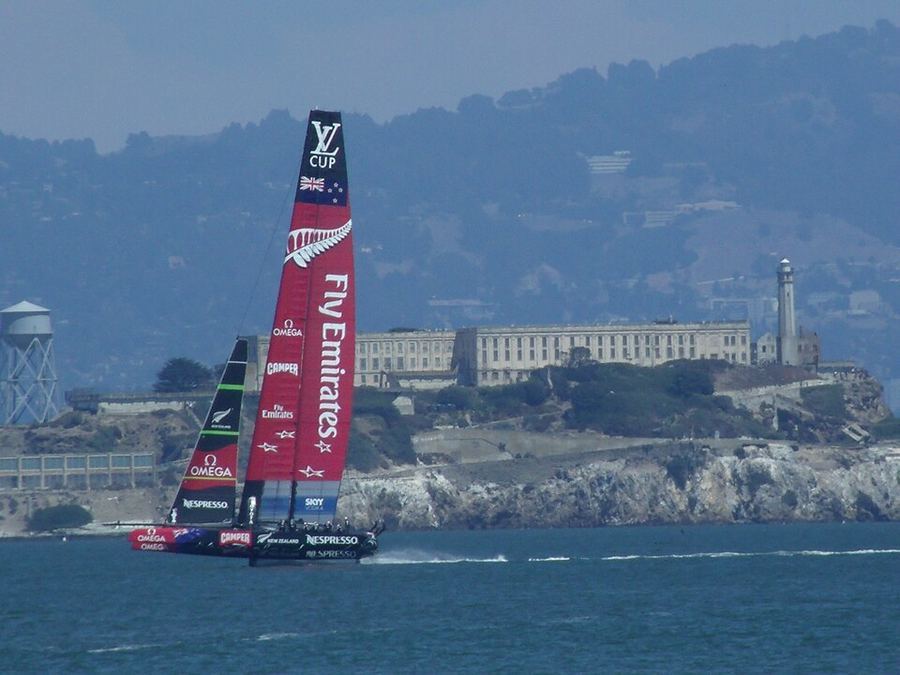
For a country of five million, New Zealand's international sporting record is remarkable. The All Blacks have won the Rugby World Cup three times and hold the highest sustained win rate in the sport, and the Black Ferns have dominated the women's competition. At the Olympic Games New Zealand ranks near the top of the world on a medals-per-head basis, with its strongest events rowing, canoe sprint, sailing, cycling, athletics and equestrian; Peter Snell's three golds on the track in the 1960s, the rowing eights, and the canoeist Dame Lisa Carrington's run of gold medals across four Games have defined that record. In sailing, Team New Zealand's America's Cup victories — first in 1995, and again in the twenty-first century — made a country with no significant marine industry a permanent force in the sport's most expensive competition. Cricket brought a world title with the World Test Championship in 2021 and repeated deep runs in one-day World Cups. New Zealand golfers, most prominently Lydia Ko, have reached world number one, and New Zealanders compete strongly at the Commonwealth Games, where the country has been a consistent presence since the Games began.

IOCFIFACommonwealth Games Federation
Noah_Loverbear / CC BY-SA 3.0
Government & Leadership

Parliamentary democracy under a constitutional monarchy; a Commonwealth realm

Seat of the executive

Executive

Charles III — King

In office since 8 September 2022

Christopher Luxon — Prime Minister

Muir & Moodie / Public domain
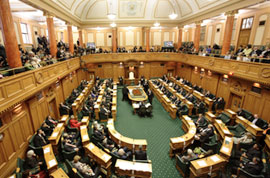
The legislature

House of Representatives

Unicameral

Composition — 120 seats

Last election 10/14/2023 · 45.1% women

Andy Palmer / CC BY-SA 4.0
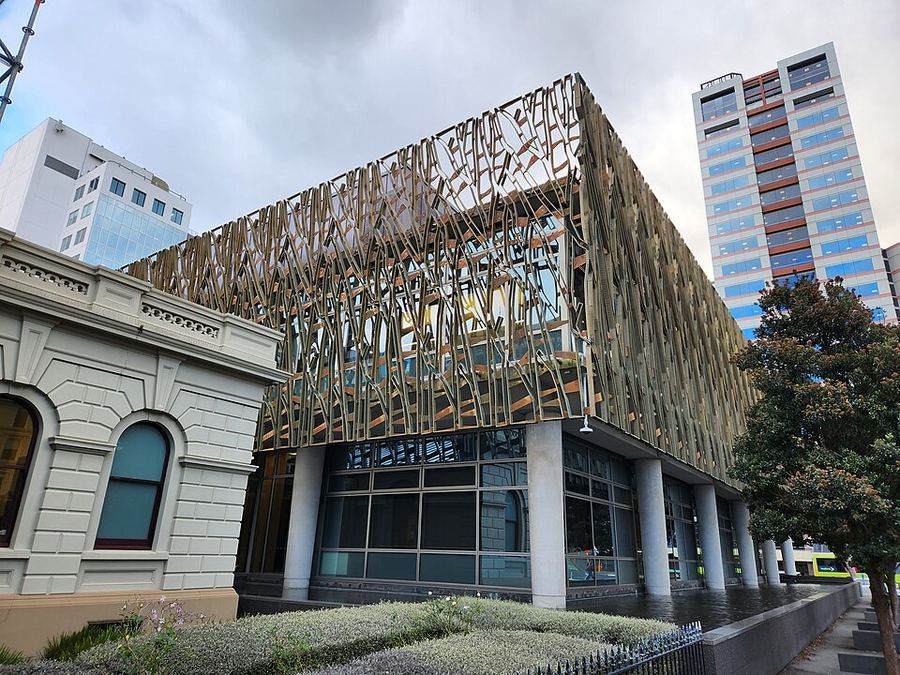
The highest court
The highest court — Panamitsu / CC BY-SA 4.0

Supreme Court

consists of 5 justices, including the chief justice

Economy, Trade & Government

Currency & GDP

New Zealand Dollar — NZD ($)

GDP (PPP): $257.117 billion (2024 est.)

Per capita: $48,200 (2024 est.)

Exports

$61.799 billion (2024 est.)

milk, wood, beef, butter, sheep and goat meat (2023)

Partners: China 28%, USA 12%, Australia 12%, Japan 6%, S. Korea 3% (2023)

Imports

$67.998 billion (2024 est.)

refined petroleum, cars, gas turbines, broadcasting equipment, trucks (2023)

Partners: China 20%, Australia 11%, USA 9%, S. Korea 7%, Japan 7% (2023)

Government

Type: parliamentary democracy under a constitutional monarchy; a Commonwealth realm

Independence: 26 September 1907 (from the UK)

Terrain → Where People Live

How mountains, coasts, and rivers shape settlement (LandScan).

Coming — data

Migration & Ethnic Settlement

Where groups settled and how people move (GeoEPR + UNHCR).

Coming — data

Universities

Notable institutions, mappable as points.

Coming — data
Economy & government facts: CIA World Factbook (public domain), via OpenFactBook / factbook.json.
Every fact and narrative claim will carry a visible source citation. Data-driven sections light up automatically wherever HERA has coverage.