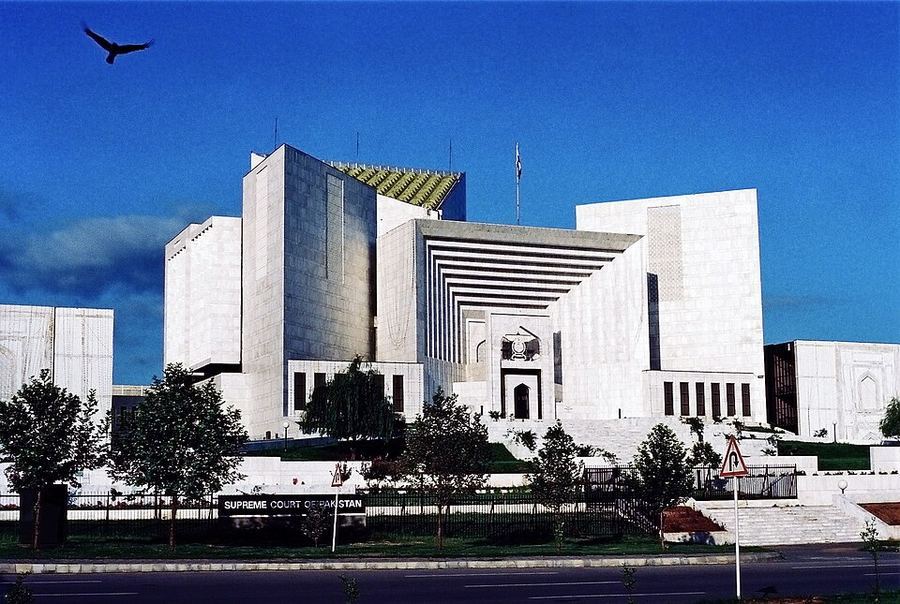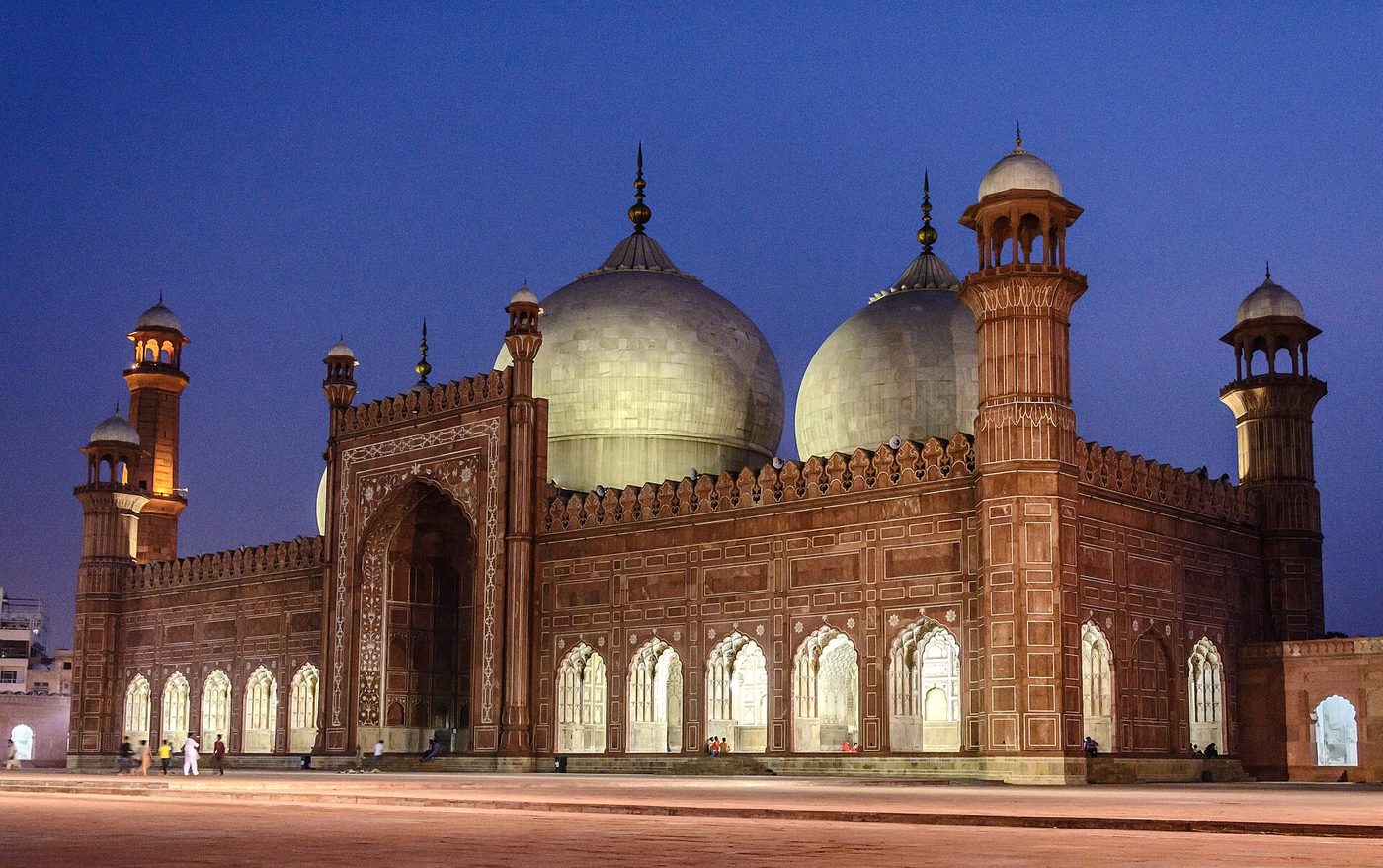
History
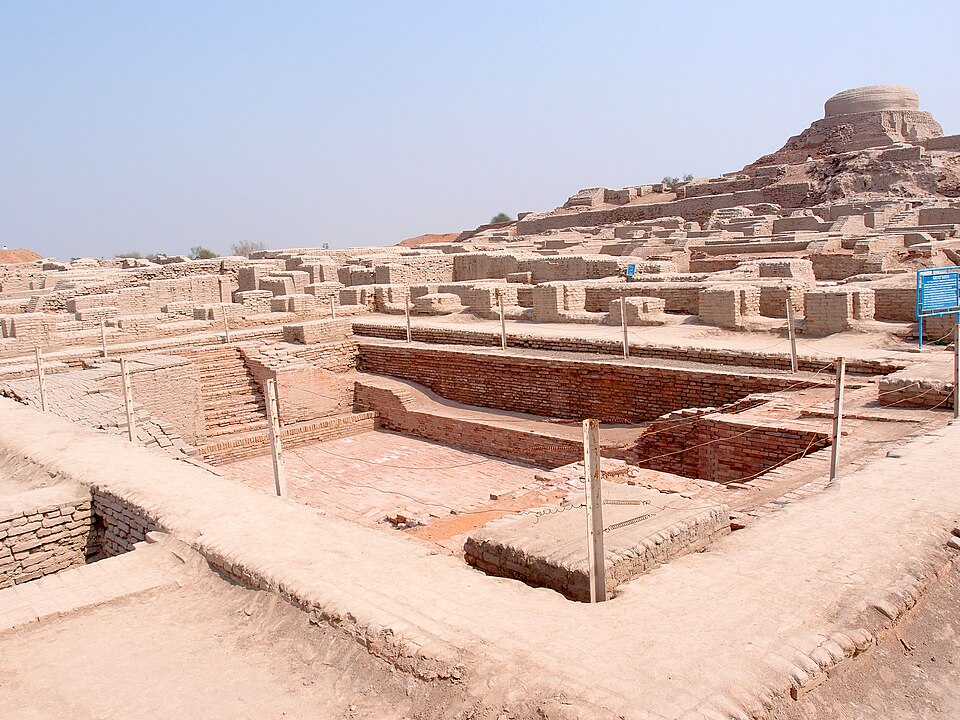
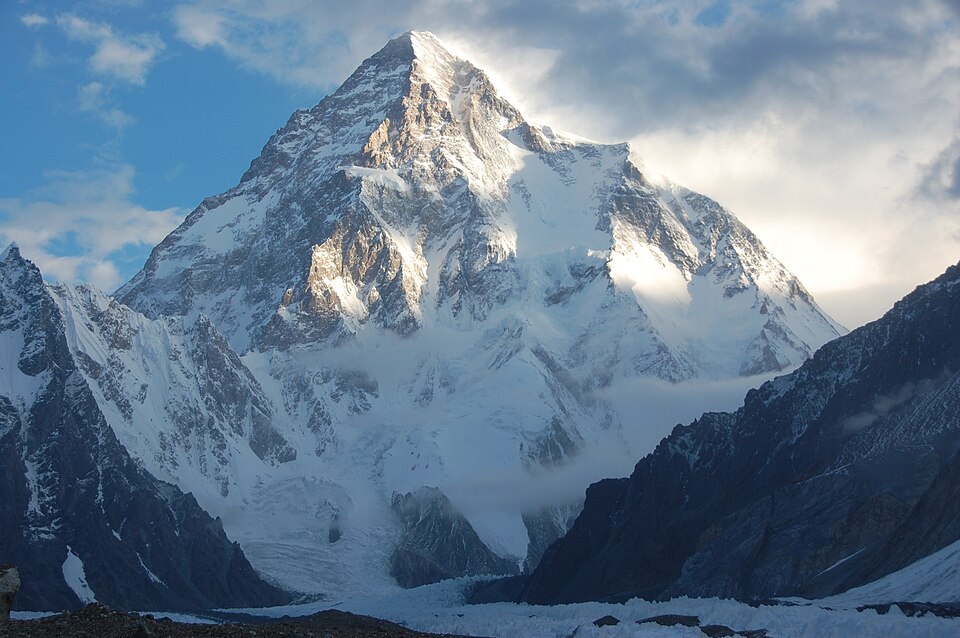
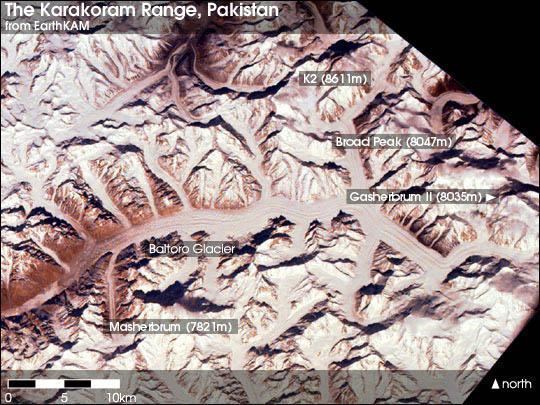
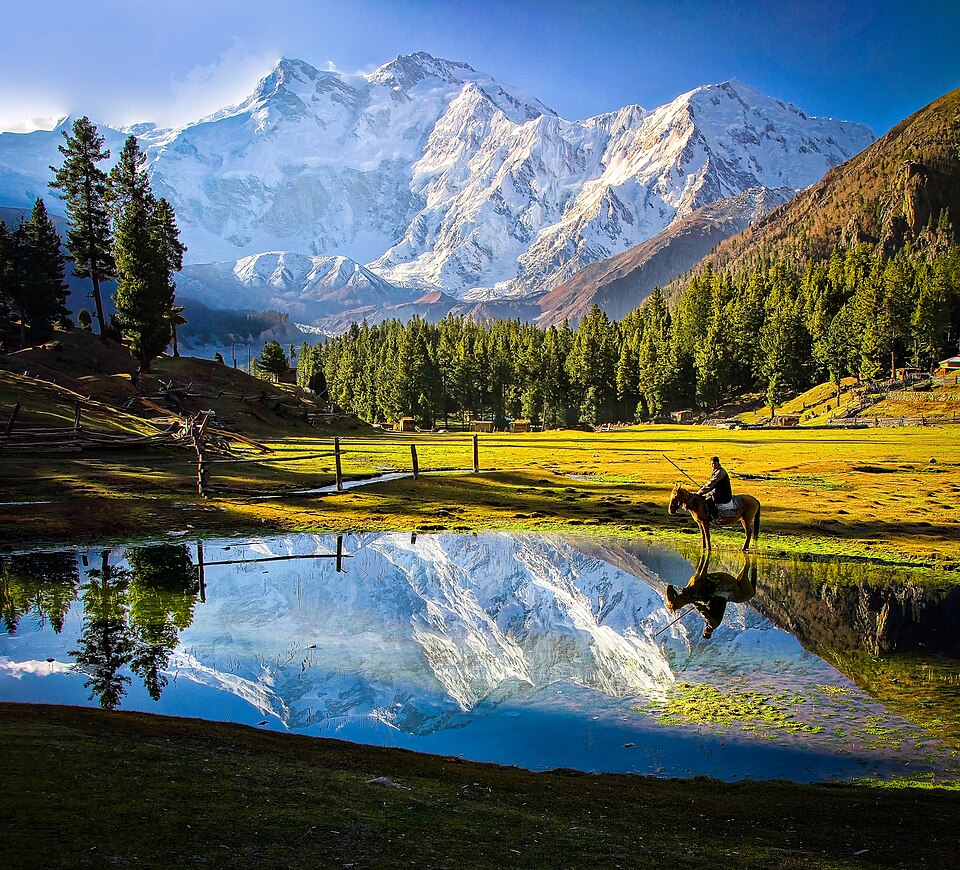
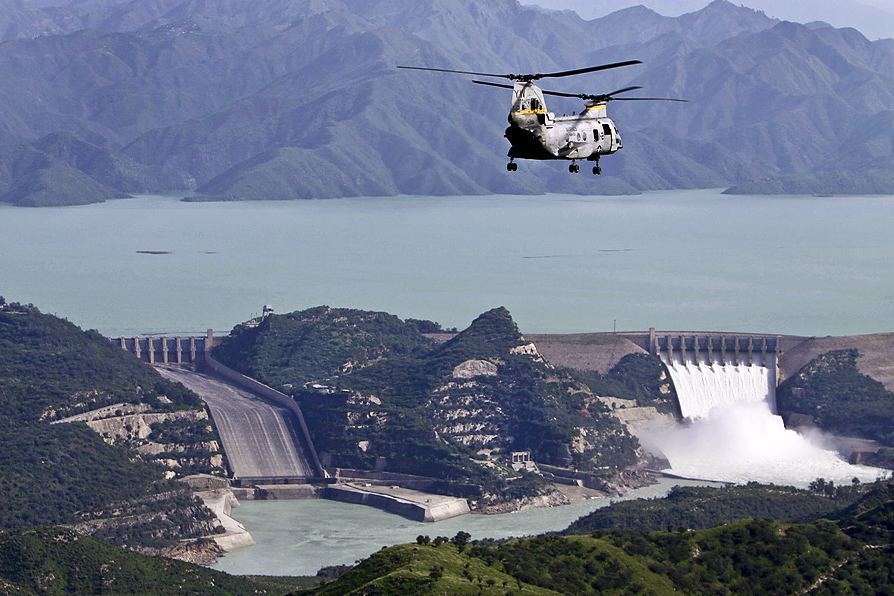
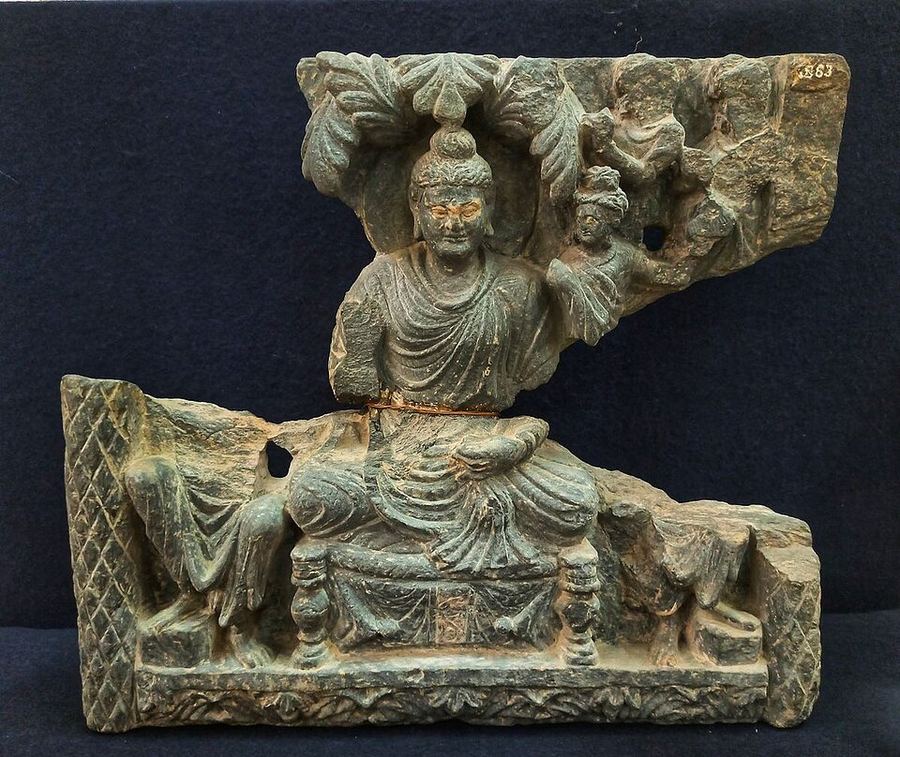
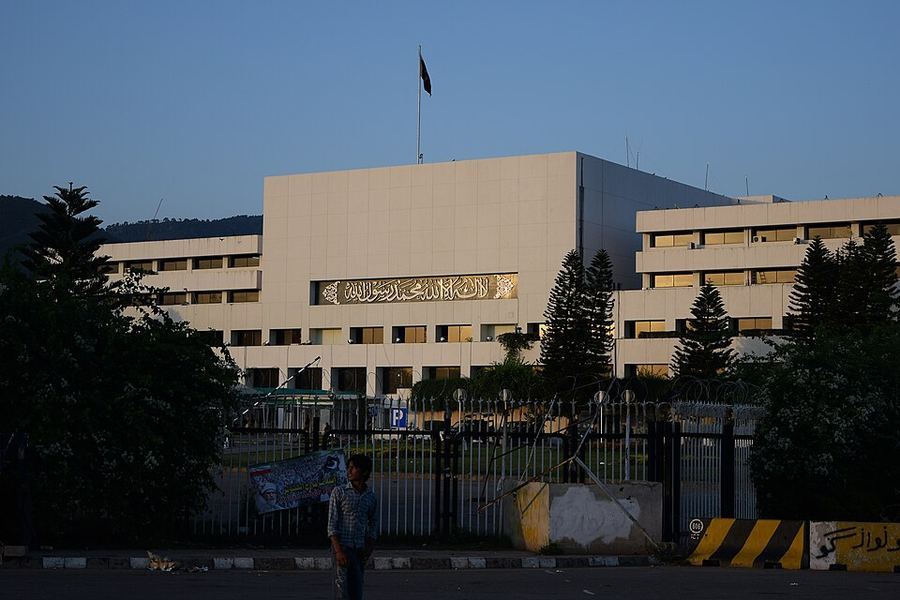
Pakistan runs like a staircase from the Arabian Sea to the roof of the world: mangrove deltas at Karachi, the irrigated plains of Punjab and Sindh, the highland plateau of Balochistan, and finally the Karakoram, where K2 rises to 8,611 meters. Down the middle flows the Indus, the river that fed one of humanity's first urban civilizations 4,500 years ago and still waters the fields that feed the country. Home to roughly 257 million people, Pakistan is the world's fifth most populous nation — and one of its youngest, with a median age of just 23.2 years. Carved from British India on 14 August 1947 as a homeland for South Asia's Muslims, the federal parliamentary republic is governed from the planned capital of Islamabad, though Karachi remains its commercial engine and Lahore its cultural heart. It is a country of many tongues: Punjabi is the most widely spoken home language, yet Urdu — the native language of only about 7 percent — binds the federation together as its lingua franca.
Karachi's urban core is home to about 28,496,825 people.
That's bigger than London, Paris, Madrid and Toronto — each a great world city in its own right.
Among the world's megacities, though, it's one of many — the giants of Asia and Latin America run larger still:
More people live in Karachi than in the entire nation of Sweden, Greece, Portugal or Israel.
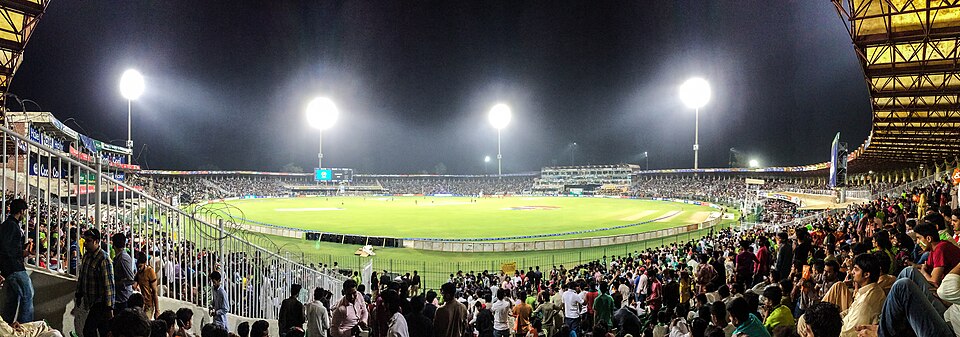
Pakistan's Olympic history was written mostly on the hockey field — eight of its ten Olympic medals, including golds in 1960, 1968, and 1984, plus a record four World Cups — until Paris 2024, when javelin thrower Arshad Nadeem hurled 92.97 meters, an Olympic record, to win the country's first individual Olympic gold and set off nationwide celebrations. Cricket supplies the global signature: the 1992 World Cup triumph under Imran Khan, the 2009 T20 World Cup title, and the 2017 Champions Trophy final rout of India rank among the sport's storied campaigns. Squash produced dominance with few parallels in any discipline — Jahangir Khan's unbeaten run of over five years in the 1980s and Jansher Khan's eight World Open crowns gave Pakistan decades of near-uninterrupted world titles. Boxer Hussain Shah took Olympic bronze in 1988, and mountaineering adds a modern chapter: Pakistani high-altitude climbers now summit the 8,000-meter giants their country hosts.
Pakistan Rupee — PKR (₨)
GDP (PPP): $1.39 trillion (2024 est.)
Per capita: $5,500 (2024 est.)
$40.219 billion (2024 est.)
garments, fabric, refined petroleum, rice, cotton fabric (2023)
Partners: USA 14%, UAE 10%, China 9%, Germany 7%, UK 6% (2023)
$66.844 billion (2024 est.)
natural gas, refined petroleum, crude petroleum, palm oil, plastics (2023)
Partners: China 25%, Qatar 11%, UAE 9%, Saudi Arabia 8%, Indonesia 6% (2023)
Type: federal parliamentary republic
Independence: 14 August 1947 (from British India)
How mountains, coasts, and rivers shape settlement (LandScan).
Coming — dataWhere groups settled and how people move (GeoEPR + UNHCR).
Coming — dataNotable institutions, mappable as points.
Coming — data