HERA · Human Entity Reference Atlas by Masego Inc

← Panama 🌐 3D View
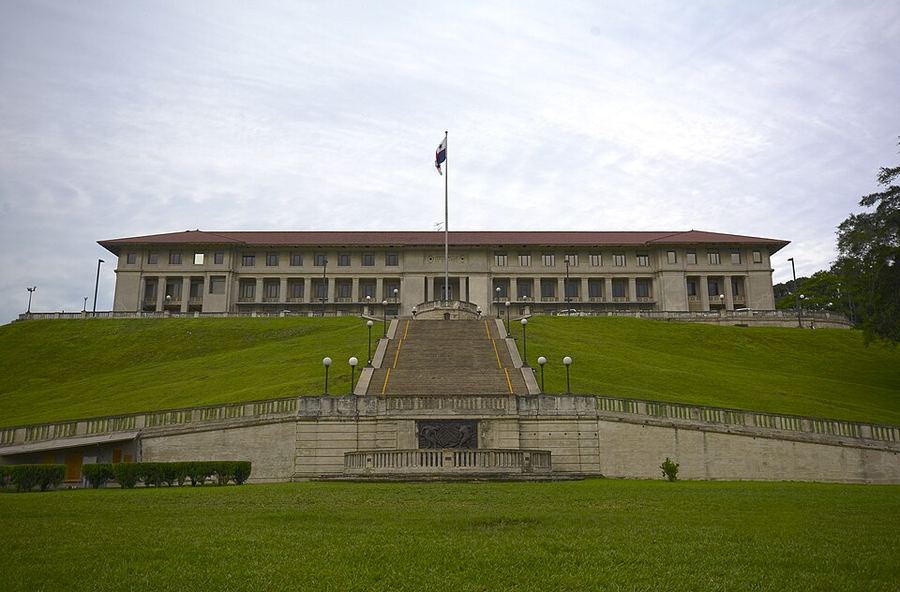
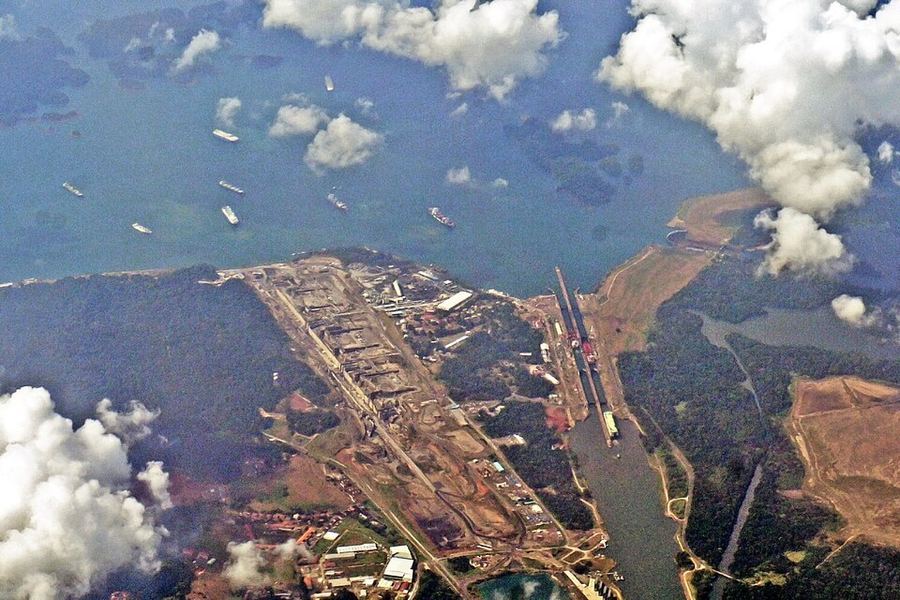
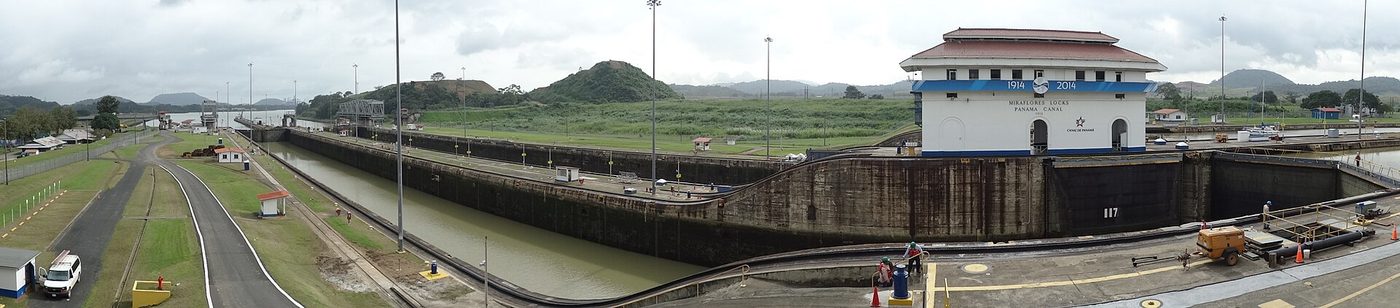
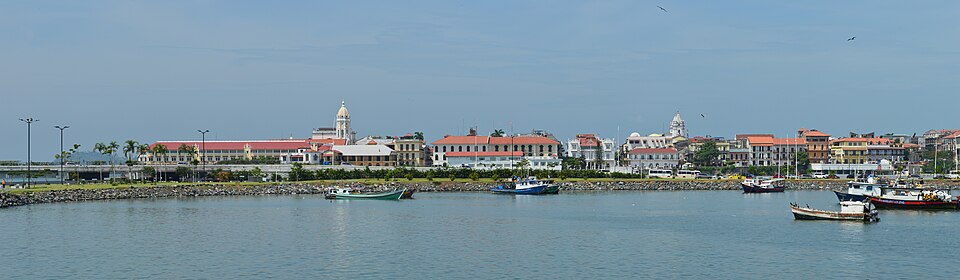
Panorama of Miraflores Locks - From Visitor's Center (02), Panama
Panama PAN
Panorama of Miraflores Locks - From Visitor's Center (02) — Photo: Adam Jones / CC BY-SA 2.0 via Wikimedia Commons
Did You Know Panama has had no army since 1989; the abolition of a standing military was written into the constitution in 1994, making it one of a small number of countries with no armed forces. — CIA World Factbook

Panama is a presidential republic of about 4.5 million people occupying the narrowest point of the American landmass, an S-shaped isthmus that joins North and South America while separating the Caribbean from the Pacific. That geography is the country's entire economic history. The Panama Canal, opened in 1914 and under full Panamanian control since the last day of 1999, carries a substantial share of world maritime trade and anchors a service economy — ports, a free trade zone at Colón, banking, insurance, ship registration and a hub airport at Tocumen — that gives Panama one of the highest per-capita incomes in Latin America, around $36,400 on a purchasing-power basis. Panama City, the capital, sits at the Pacific entrance and combines a colonial old town with a skyline of towers that has no regional equivalent. The population is recorded as 65% mestizo, with Indigenous peoples at 12.3% — Ngäbe, Guna, Emberá, Buglé and others, several of whom govern their own legally recognised comarcas — alongside communities of African descent whose ancestors arrived both under slavery and as West Indian canal labour. Spanish is official, and dozens of Indigenous languages and an English creole are spoken. Panama separated from Colombia in 1903 and its politics since 1989 have been civilian and electoral.

CIA World FactbookEncyclopaedia BritannicaWorld Bank
Population
4,536,008
Capital
Panama City
Currency
None PAB
Time zones
Largest city
Panama City
Human Geography Themes
Loading national figures…
Largest Cities
Panama City1,612,439
Arraiján265,294
La Chorrera193,492
Colón187,546
David126,995
In Perspective

Panama City's urban core is home to about 1,612,439 people.

That's bigger than Amsterdam — each a great world city in its own right.

Panama City1,612,439
Amsterdam1,223,407

Among the world's megacities, though, it's one of many — the giants of Asia and Latin America run larger still:

Panama City1,612,439
Jakarta40,545,126
Dhaka37,307,160
Tokyo33,244,670
Shanghai30,678,616
Cairo25,230,325
The Country & Its People

History

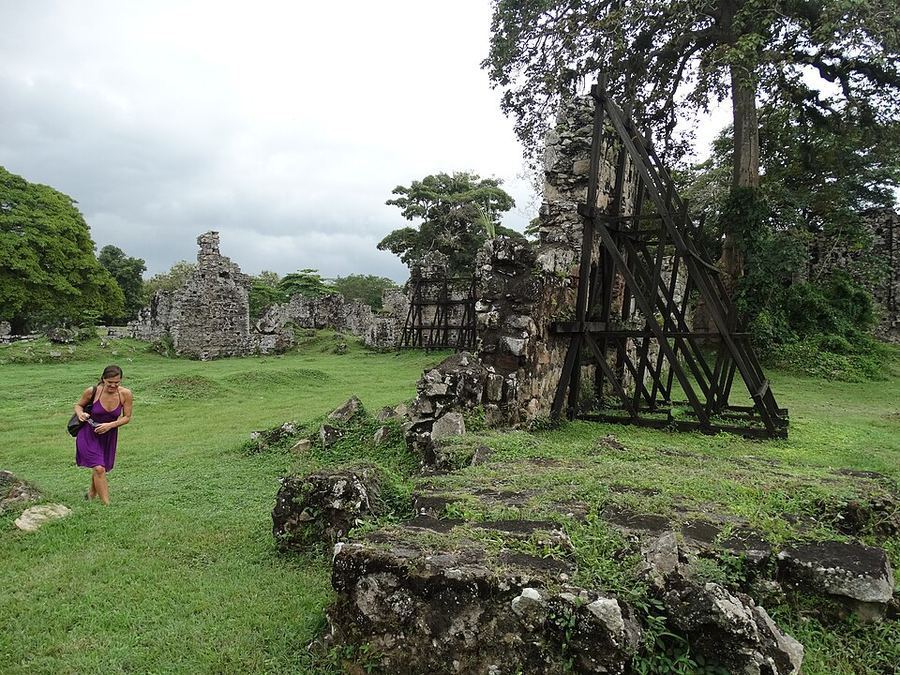
Rodrigo de Bastidas reached the isthmus in 1501 and Vasco Núñez de Balboa crossed it in 1513 to become the first European to see the Pacific from the Americas, establishing the isthmus as Spain's transit route. Silver from Peru moved by mule train along the Camino Real to Portobelo and Nombre de Dios, where treasure fleets loaded for Seville — and where English raiders including Francis Drake and Henry Morgan came looking for it; Morgan sacked and burned Panama City in 1671, whose ruins survive as Panamá Viejo. The isthmus joined Gran Colombia at independence from Spain in 1821 and remained a Colombian department after that federation dissolved. The 1849 California gold rush made the crossing valuable again and produced the Panama Railroad, completed in 1855. A French company under Ferdinand de Lesseps began a sea-level canal in 1881 and abandoned it after roughly two decades of engineering failure and catastrophic mortality from yellow fever and malaria. In 1903, with United States naval support, Panama declared independence from Colombia and immediately granted the US rights over a Canal Zone. The canal opened in 1914. The 1977 Torrijos–Carter treaties set the terms of transfer; a US invasion removed General Manuel Noriega in December 1989; and Panama took full control of the canal on 31 December 1999.
Culture

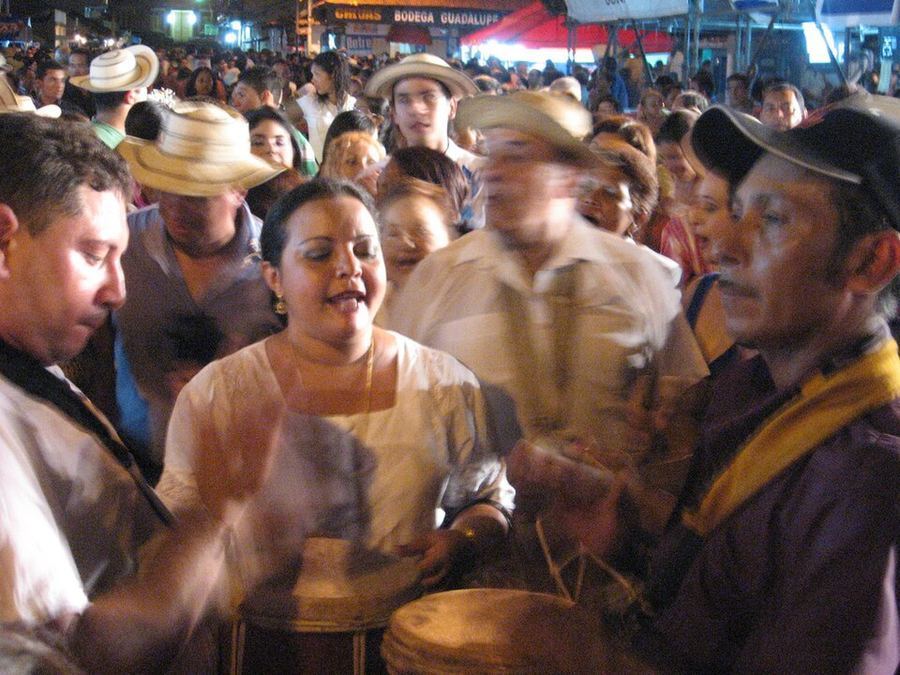
Panamanian culture is a transit culture, shaped by everyone who has passed through and by a good many who stayed. The dominant register is Hispanic Caribbean — Catholic in inheritance, though Evangelical churches now account for a majority of religious affiliation — organised around the extended family, the patron-saint festival and a strong tradition of public celebration. Carnival, in the four days before Ash Wednesday, is the year's centre of gravity; the town of Las Tablas on the Azuero Peninsula stages the most famous version, where two rival neighbourhoods, Calle Arriba and Calle Abajo, compete each year over floats, queens and murgas. The Azuero region generally is treated as the reservoir of folkloric tradition, and its festivals — Corpus Christi at Villa de Los Santos with its devil dancers, the Festival de la Mejorana in Guararé — are where the country goes to see itself. Independence season in November strings together several national holidays and fills the streets with school marching bands. Indigenous peoples maintain distinct cultures inside self-governing comarcas, most visibly the Guna of the Caribbean archipelago, whose political autonomy dates from a 1925 revolt and subsequent settlement. Along the Caribbean coast, Afro-Antillean communities descended from canal workers keep English, Protestant churches and their own food and music.

Points Of Pride

The canal is the first and largest source of national pride, and the pride is less about the engineering — which was foreign — than about the sovereignty. The 1964 flag riots, the Torrijos–Carter treaties of 1977 and the handover at noon on 31 December 1999 form a national narrative of a country that recovered its own territory by negotiation, and the expansion completed in 2016, financed and delivered under Panamanian administration, is treated as proof the country can run and enlarge it. Panamanians also point to biological wealth: the isthmus closed roughly three million years ago and triggered the Great American Biotic Interchange, and the country's rainforests hold extraordinary species density. UNESCO's World Heritage list includes Darién National Park, the fortifications of Portobelo and San Lorenzo, the archaeological site and historic district of Panamá Viejo and Casco Antiguo, La Amistad International Park shared with Costa Rica, and Coiba National Park in the Pacific. Two cultural traditions carry UNESCO intangible heritage status: the artisanal processes and expressions of the pollera, and the Corpus Christi festivals of Villa de Los Santos. The Guna mola, an appliqué textile, is internationally recognised as Indigenous art rather than craft.

Cultural Fusion

Few countries of this size are assembled from so many arrivals. The Spanish colonial base merged with Indigenous peoples and with Africans brought as slaves, some of whom escaped to form maroon communities — the cimarrones — in the coastal forests. The nineteenth-century railroad and then the canal drew tens of thousands of labourers from Barbados, Jamaica and other British West Indian islands; their descendants, the Afro-Antilleans, brought Protestant denominations, cricket and an English creole still heard in Colón and Bocas del Toro, and Panamanian Spanish absorbed their vocabulary. Chinese workers arrived for the railroad from the 1850s and built a community that now runs a visible share of the country's retail commerce, celebrated in an annual Chinese-Panamanian ethnicity day. Later came Indians, Lebanese, Jews, Greeks and, more recently, large Venezuelan and Colombian populations. The canal itself brought decades of American presence and left behind baseball, boxing gyms and a widespread functional English. Guna, Ngäbe, Emberá and Wounaan peoples have resisted absorption rather than joined it, holding land, language and self-government in comarcas — so the fusion is genuine in the cities and deliberately incomplete in the territories.

Music & Dance

Panama's folkloric core is the tamborito, a call-and-response song over three drums in which a soloist leads and a chorus answers, danced by couples with the woman in pollera. Its companions are the mejorana, played on a small five-string guitar of the same name that is the emblematic instrument of the Azuero countryside, and the socavón and the décima, a sung ten-line verse form of Iberian descent that country singers still improvise in competition. The Festival Nacional de la Mejorana at Guararé, held each September, is the principal gathering for all of it. In popular music Panama's contribution is disproportionate and international. Rubén Blades, born in Panama City, became one of the defining songwriters of salsa — his narrative lyrics, above all on the 1978 album Siembra recorded with Willie Colón, changed what salsa could be about — and he later served as the country's minister of tourism. Panama is also where Spanish-language reggae began: Jamaican rhythms carried by West Indian canal labour were sung in Spanish from the 1970s and 1980s by artists including El General, and that Panamanian reggae en español is a direct ancestor of reggaetón.

Cuisine & Misattributed Foods

Panamanian cooking sits where the Caribbean, the Pacific and the Central American interior meet, and is generally milder than its neighbours' — seasoned with culantro, achiote and sofrito rather than chilli. The national dish is sancocho, a chicken soup with yam and heavy with culantro, associated particularly with the Azuero Peninsula and eaten as a restorative. Rice is the base of the daily meal: arroz con pollo, arroz con guandú cooked with pigeon peas and coconut milk, and rice with seafood on the coasts. Maize appears as tortillas that are thick fried discs rather than flatbreads, as tamales wrapped in plantain leaf, and as chicheme, a sweet drink of cracked corn and milk. Fried plantain in its two forms — patacones pressed and twice-fried, and sweet ripe maduros — accompanies nearly everything, alongside hojaldras and carimañolas at breakfast. The Caribbean coast cooks with coconut milk in the Antillean manner, giving rice and fish a distinct profile, and saus, a pickled pork dish, belongs to the Afro-Antillean tradition. Ceviche is a Panama City staple, sold cheaply at the fish market, and the Pacific's shrimp and corvina are the country's best seafood. Seco herrerano, a sugarcane spirit, is the national liquor.

National Dress

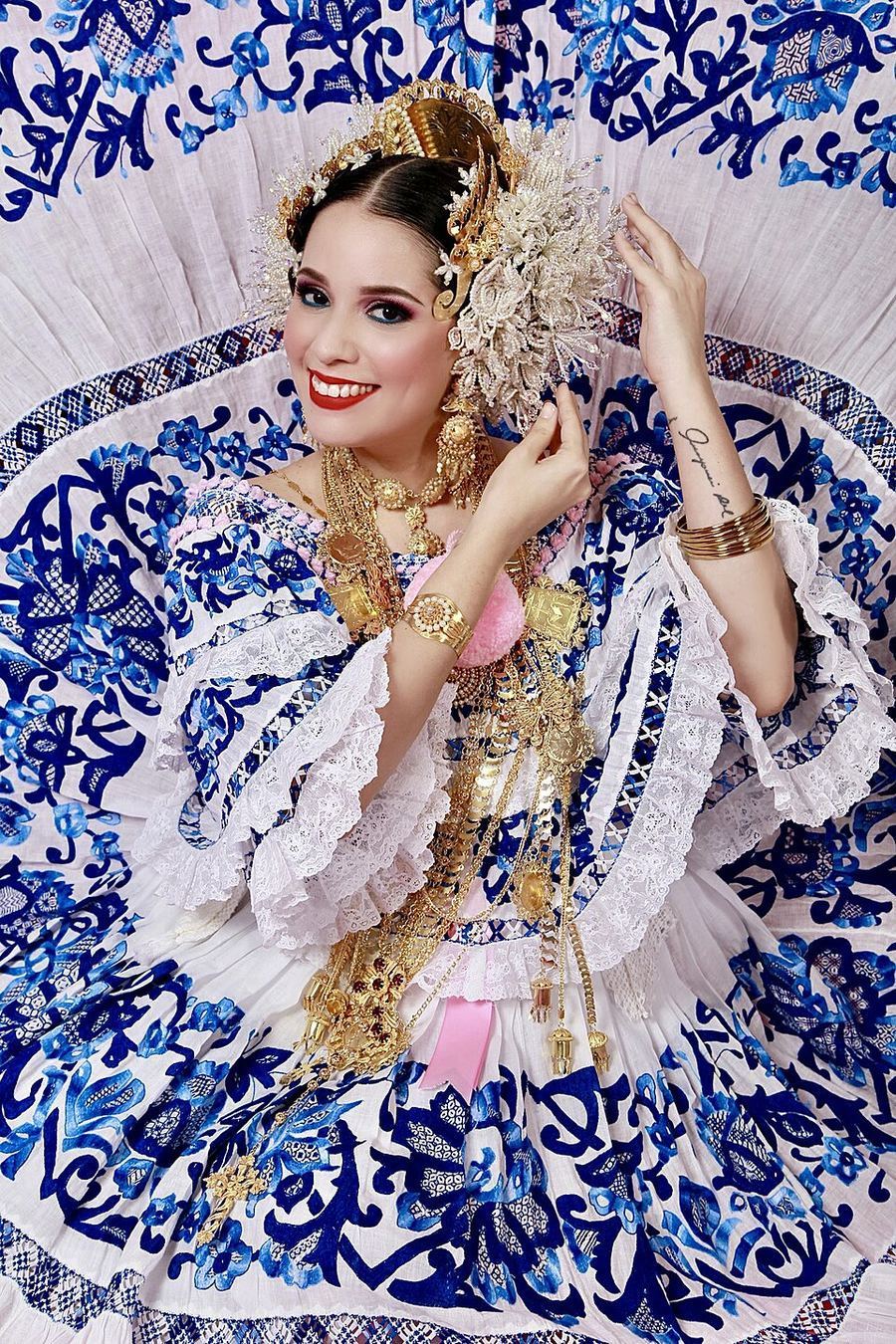
The pollera is Panama's national dress and one of the most elaborate folk costumes in the Americas. In its full gala form it consists of a wide two-tiered skirt and a matching off-the-shoulder blouse in fine white cotton or linen, hand-embroidered or appliquéd in a single dominant colour, with the skirt held out by petticoats and gathered with woollen pompoms and silk cords. Making one is a collective, months-long labour, and the finished garment is expensive enough to be inherited. It is completed by tembleques — head ornaments of pearls, beads and fish scales mounted on wire so they tremble with movement — worn in pairs across the crown, together with gold filigree chains and earrings. UNESCO has inscribed the artisanal processes and expressions of the pollera on its intangible cultural heritage list. The male counterpart is the montuno: a loose white cotton shirt, sometimes embroidered, worn with knee-length trousers, a woven chácara bag and a sombrero pintado, the fine black-and-white straw hat woven in the Coclé and Herrera regions that is itself UNESCO-recognised. Both are worn at Carnival, at folkloric festivals and on national holidays.

Sports & Inspiring Athletes

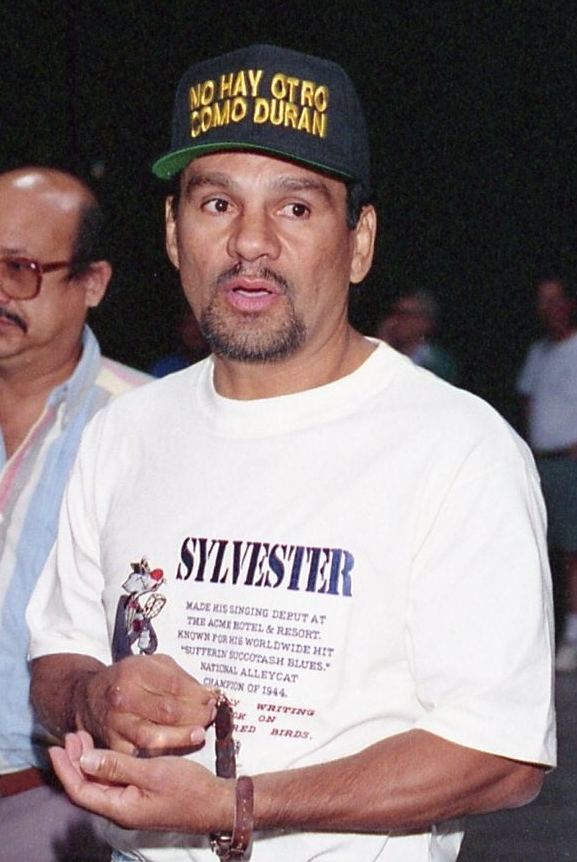
Baseball and boxing are the sports Panama has been best at, both traceable to the long American presence around the canal. Panamanian players have reached the major leagues in numbers out of proportion to the country's population — Rod Carew, born in a train carriage in Gatún, won seven American League batting titles, and Mariano Rivera closed games for the New York Yankees for nineteen seasons — and the national team competes in the Caribbean Series and the World Baseball Classic. In boxing Panama has produced a long line of world champions, with Roberto Durán at the head of it, and neighbourhood gyms remain a genuine route out of poverty. Football has grown fastest in recent decades: the national team, nicknamed La Marea Roja, qualified for its first FIFA World Cup in 2018 in Russia, a qualification achieved on the final matchday and marked by a national holiday, and the country has repeatedly reached the knockout rounds of the CONCACAF Gold Cup, finishing runner-up in 2005 and 2013. Basketball has a following, and athletics gave Panama its single Olympic gold, won by long jumper Irving Saladino in 2008.

Notable Educational Programs

Education is compulsory and free at primary and secondary level, and Panama's literacy rate is among the higher ones in Central America. The University of Panama, founded in 1935 in Panama City, is the principal public institution and has historically been a centre of political activity as well as instruction; the Technological University of Panama, separated from it in 1981, trains the engineers the canal, ports and construction sector require. The Universidad Autónoma de Chiriquí serves the west, and a substantial private sector — including the Universidad Católica Santa María La Antigua — takes a large share of enrolment. The distinctive institution is the City of Knowledge, built on the grounds of the former United States Army base at Fort Clayton beside the canal, which now hosts university programmes, United Nations regional offices, research centres and technology firms on one campus. The Smithsonian Tropical Research Institute, headquartered in Panama since 1923 and operating field stations including Barro Colorado Island in Gatún Lake, is one of the world's leading centres for tropical biology and trains researchers from many countries. Persistent gaps in rural and comarca schooling, particularly for Indigenous children, remain the sector's main documented weakness.

Wars & Conflicts

Panama is not currently party to an armed conflict and has had no standing army since the force was abolished after 1989 and the prohibition written into the constitution in 1994; public security is handled by police and border services. The formative modern episodes are the 1964 Flag Riots, in which protests over the flying of the Panamanian flag in the Canal Zone were met with force and more than twenty Panamanians were killed — commemorated as Martyrs' Day and a turning point in the campaign for sovereignty — and the United States invasion of December 1989, Operation Just Cause, which removed Manuel Noriega, killed hundreds of Panamanians including civilians in the bombardment of the El Chorrillo district, and whose casualty count a national truth commission was still examining decades later. The country's live security problem is the Darién Gap, where hundreds of thousands of migrants have crossed the roadless jungle border from Colombia in recent years, exposed to armed groups, and where Panamanian and Colombian authorities and United Nations agencies have documented widespread violence against people in transit. Organised crime linked to trafficking routes is the other persistent concern.
ReutersBBCUNHCRHuman Rights Watch
Current as of 2026-08-07

Land & Border Disputes

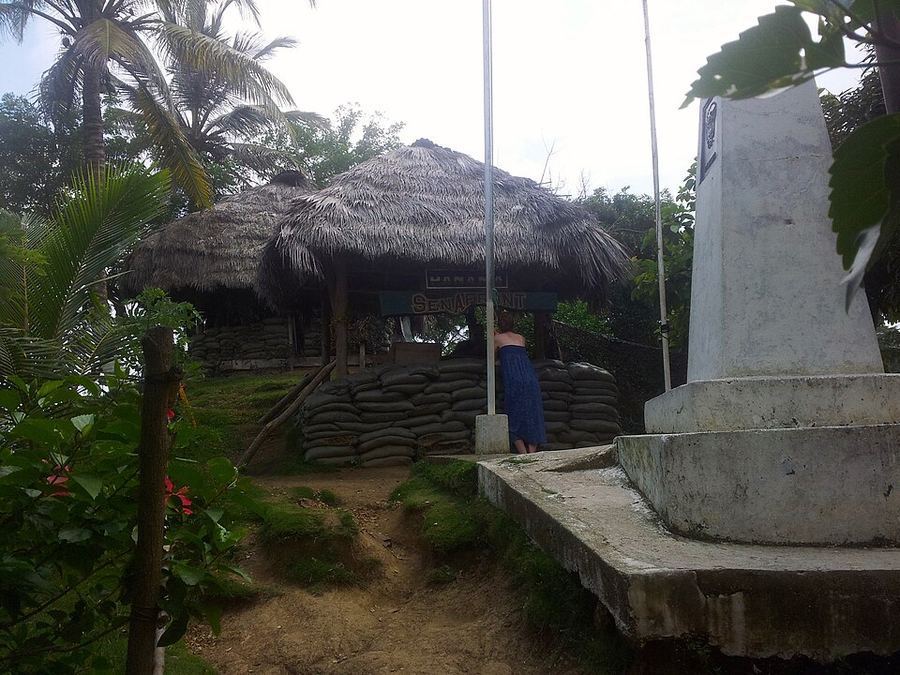
Panama has no active territorial disputes with its neighbours. The boundary with Costa Rica was settled by arbitration and treaty in the first decades of the twentieth century, and the border with Colombia was fixed by a 1924 treaty; both are accepted. What remains unresolved at the frontier is practical rather than legal: the Darién Gap has no road, limited state presence on either side, and a transit population that neither government fully controls, which makes cooperation with Colombia a continuous negotiation over policing and migration rather than over lines on a map. Panama's more consequential external arguments have concerned its financial and shipping sectors. Its status as a corporate domicile and its open ship registry have repeatedly placed it in dispute with the European Union and the Financial Action Task Force over tax transparency and money-laundering controls, particularly after the 2016 publication of the Panama Papers, and successive governments have legislated to exit grey lists. Canal access and tolls are governed by the 1977 neutrality treaty, which guarantees passage to the vessels of all nations and remains the legal basis on which the waterway is administered.
Land, Life & Legacy

Land & Climate

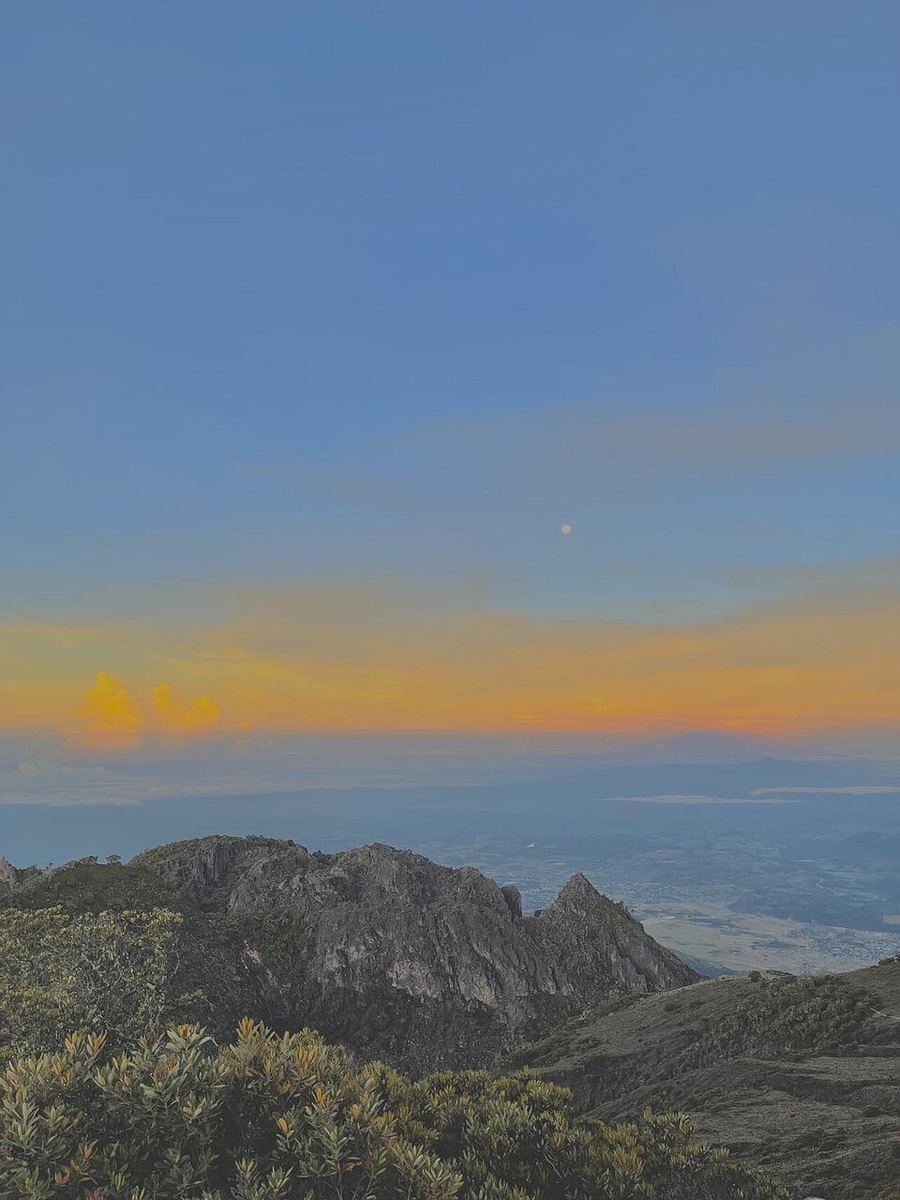
Panama is an isthmus running roughly east to west rather than north to south, so that the Pacific entrance of the canal lies southeast of the Caribbean entrance — a fact that surprises most first-time visitors to a lock. The country covers about 75,000 square kilometres between Costa Rica and Colombia, with some 2,500 kilometres of coastline on two oceans and more than 1,500 islands, including the Guna Yala archipelago on the Caribbean and the Pearl Islands and Coiba in the Pacific. A mountainous spine runs the length of the country; its highest point is the Volcán Barú in Chiriquí at about 3,475 metres, from whose summit both oceans can be seen on a clear day. The Darién Gap in the east — dense rainforest and swamp with no road — is the single break in the Pan-American Highway between Alaska and Patagonia and has become a heavily travelled and dangerous migration route. The climate is tropical, hot and humid year-round, with a pronounced dry season from roughly January to April and a long wet season thereafter; the Caribbean side receives substantially more rain than the Pacific. Rainfall in the Chagres watershed supplies the fresh water the canal locks consume, which makes drought a direct commercial risk.

Entertainment

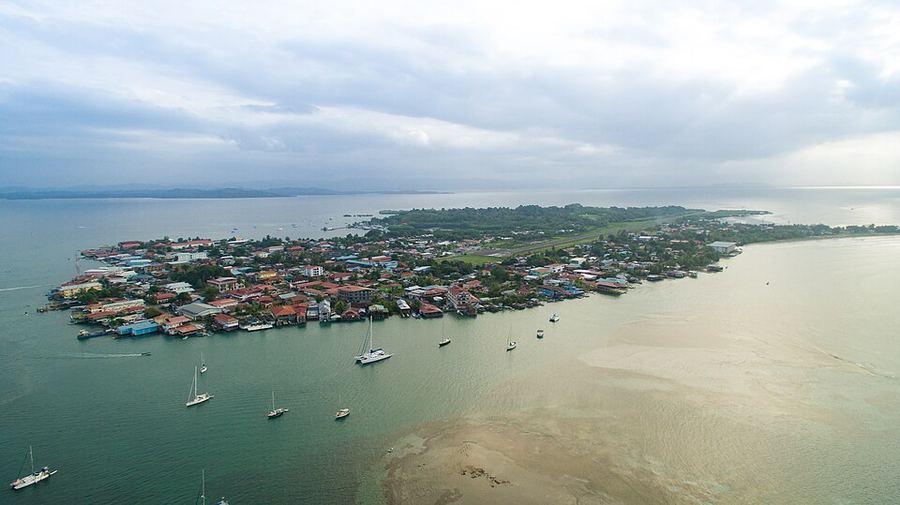
Weekend life in Panama City runs on the Cinta Costera, the reclaimed waterfront strip where the city walks, runs and cycles with the skyline on one side and the Bay of Panama on the other, and on the Amador Causeway, built from canal excavation spoil, which reaches out to islands with restaurants and a marina. The Casco Antiguo, the restored eighteenth-century quarter, supplies the nightlife. Beyond the city, Panamanians go to the beach — the Pacific coast at Coronado and Santa Clara for the capital's weekenders, Bocas del Toro on the Caribbean for a more Antillean scene — and to the cool highlands of Boquete and El Valle de Antón to escape the heat, walk cloud forest trails and drink the coffee grown there. Diving and sport fishing are excellent on both coasts, and Coiba's marine park draws divers to one of the Pacific's richest reefs. Birdwatching is a serious pursuit: the Pipeline Road in Soberanía National Park, minutes from the capital, is among the most productive birding trails in the world. Baseball is the sport people follow and play, and boxing gyms remain a fixture of working-class neighbourhoods.

Art & Museums

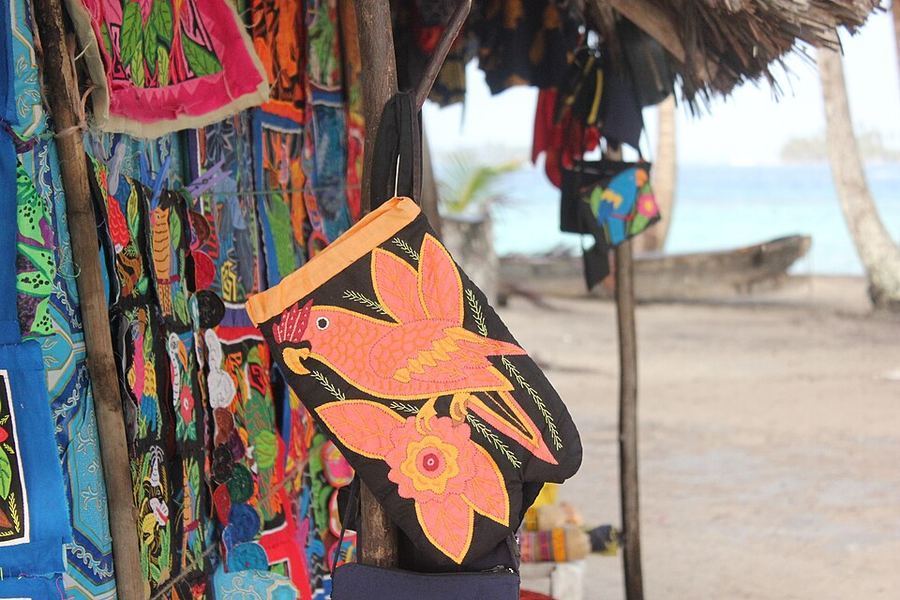
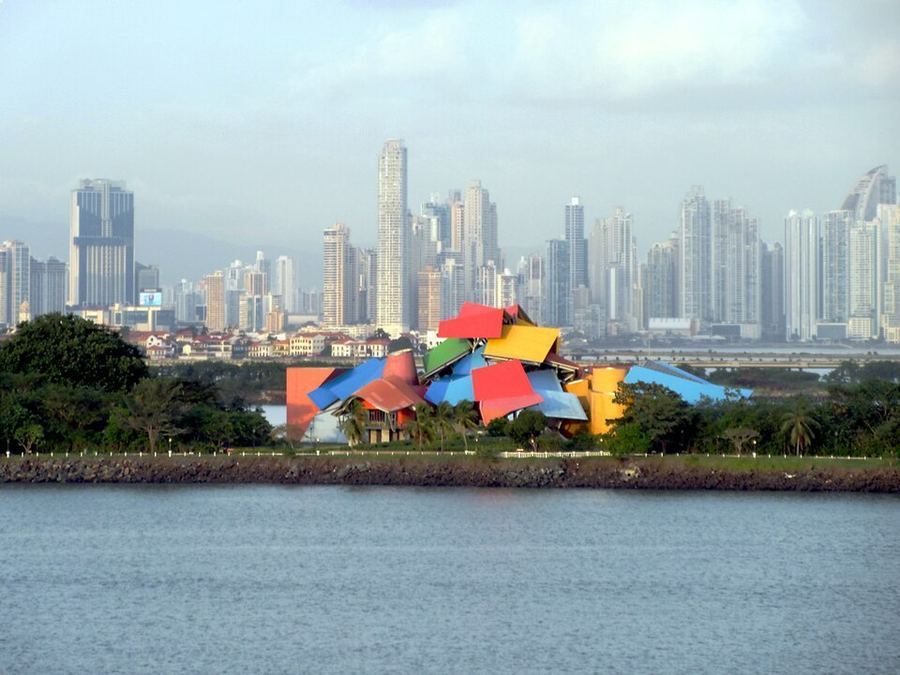
Panama's most distinctive visual art is the mola, the reverse-appliqué textile panel made by Guna women, in which several layers of coloured cloth are cut and stitched to reveal the colours below. Molas began as body painting, moved onto cloth after contact, and now carry geometric, animal and increasingly contemporary imagery; they form the front and back of a woman's blouse and are collected by museums worldwide. Pre-Columbian goldwork from the Coclé and Veraguas cultures, with its animal effigy pendants, is held in major collections including the Smithsonian's, and the archaeological site of Panamá Viejo continues to yield material. In modern painting Roberto Lewis, who trained in Paris and painted the ceiling of the National Theatre in the early twentieth century, is the founding figure, and Guillermo Trujillo is the best-known modernist, working between abstraction and Indigenous motif. The country's most-visited building is contemporary: the Biomuseo on the Amador Causeway, designed by Frank Gehry — his only work in Latin America — whose crumpled bright-coloured roof houses an exhibition on the isthmus's formation and its biological consequences. Panama City's historic district, with its Spanish, French and neoclassical facades, is itself a World Heritage site.

Notable People

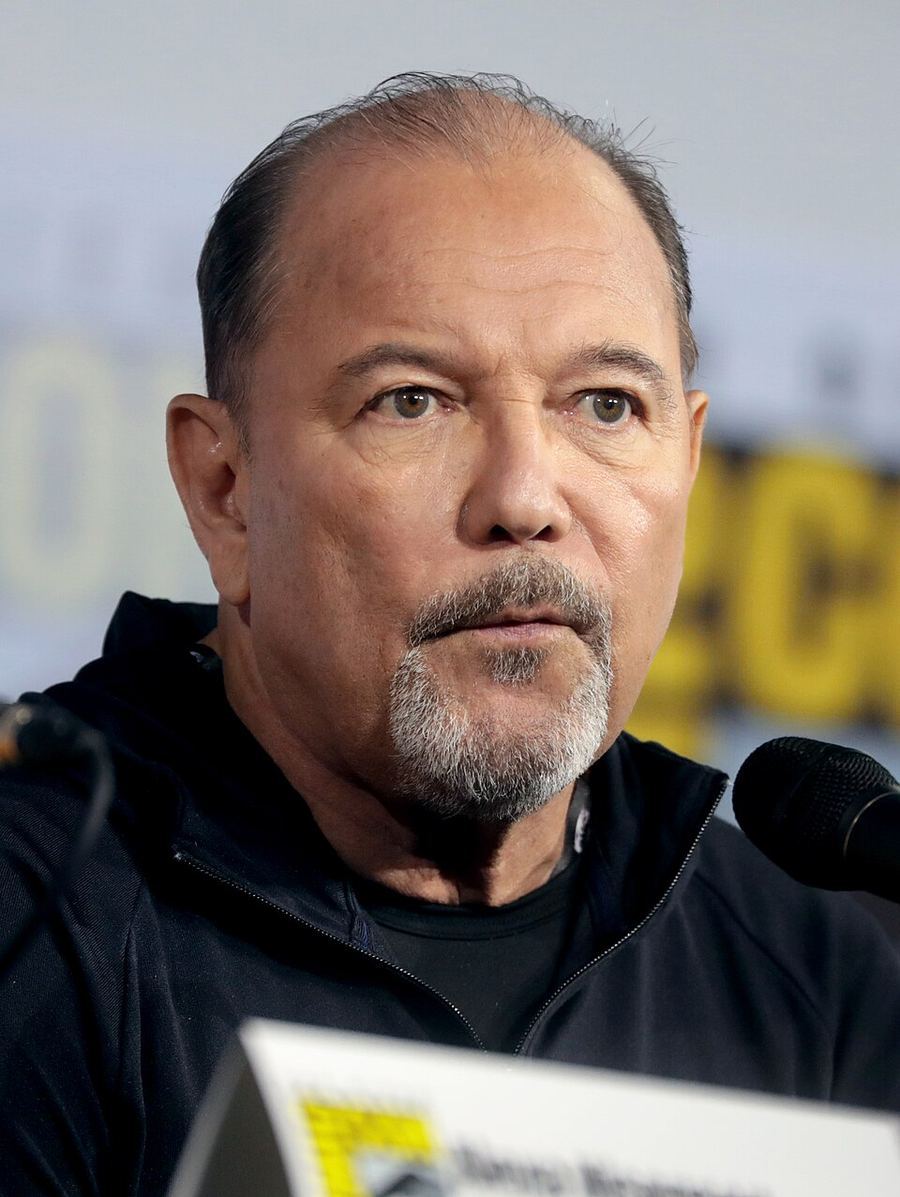
Vasco Núñez de Balboa is not Panamanian but is inseparable from the country, which named its currency the balboa after him. Among Panamanians, Omar Torrijos, the general who governed from 1968 and negotiated the treaties that returned the canal, is the dominant political figure of the twentieth century, and his death in a 1981 plane crash remains a subject of national argument. Manuel Noriega, who ruled through the late 1980s and was removed by the 1989 United States invasion, was later imprisoned in the United States, France and Panama. Rubén Blades — salsa composer, actor, lawyer trained at Harvard, former presidential candidate and former minister of tourism — is probably the best-known living Panamanian. In sport, Roberto Durán, the Panama City lightweight known as Manos de Piedra, is ranked among the greatest boxers of any era and won world titles across four weight divisions; Mariano Rivera, born in the fishing village of Puerto Caimito, became the most successful relief pitcher in Major League Baseball history and the first player unanimously elected to its Hall of Fame. Irving Saladino won Panama's first Olympic gold medal in the long jump at Beijing in 2008.

Inventions & Breakthroughs

Panama's contribution to technology is a place rather than a device, but the engineering built there was genuinely novel. The canal was not a ditch but a water bridge: rather than cutting to sea level as the French had tried and failed to do, the American design lifted ships 26 metres to the artificial Gatún Lake through a staircase of locks and lowered them again, an approach that made the crossing possible at all. Gatún Lake was on completion the largest artificial lake in the world, its dam the largest earth dam, and the lock gates the largest ever built. Equally significant was the medical work: William Gorgas's mosquito-control campaign in the Canal Zone from 1904, applying Carlos Finlay's and Walter Reed's findings on transmission, effectively eliminated yellow fever from the isthmus and cut malaria sharply — a public-health achievement that made the project survivable where the French effort had lost tens of thousands. The 2016 expansion added a third set of locks with rolling gates and water-saving basins that recycle a large share of each lockage. Panama's other export is institutional rather than mechanical: its open ship registry, established in 1917, is the largest in the world.

Science & Technology

Panama's scientific standing comes primarily from tropical biology, a consequence of the canal and the reserves created around its watershed. The Smithsonian Tropical Research Institute has worked in the country for over a century, and its Barro Colorado Island station — a hilltop that became an island when Gatún Lake filled — is one of the most intensively studied patches of tropical forest anywhere, with continuous ecological records running for decades. Research there and elsewhere on the isthmus underpins current understanding of the Great American Biotic Interchange, the migration of species that followed the closing of the seaway roughly three million years ago and reshaped the fauna of two continents. The country's other technical concentration is maritime and logistical: the canal's operations, its water-management modelling under drought, and the port and free-zone infrastructure at both entrances. The 2016 third-lock expansion introduced water-saving basins to recycle lockage water and allowed the passage of neopanamax vessels, altering global shipping routes. Panama also hosts significant astronomy-adjacent and biodiversity data infrastructure, and the City of Knowledge campus has drawn international research organisations and technology firms to a single site beside the waterway.
SmithsonianNatureScienceEncyclopaedia Britannica
On The World Stage

Champions & Defining Moments

Panama's international sporting profile rests mainly on exported athletes rather than hosted events. Its baseball players are a standing presence in Major League Baseball, and Mariano Rivera's unanimous election to the Baseball Hall of Fame in 2019 — the first in the institution's history — is treated at home as a national honour. Roberto Durán's world title fights, particularly the two 1980 bouts with Sugar Ray Leonard in Montreal and New Orleans, were among the most-watched events in boxing's television era. The 2018 World Cup appearance in Russia gave the country its largest single global audience; Panama lost all three group matches but scored its first World Cup goal through Felipe Baloy against England, a moment celebrated far out of proportion to the scoreline. Panama has hosted regional competition, including the Central American and Caribbean Games, and its clubs compete in the CONCACAF Champions Cup. The country has competed at the Summer Olympic Games since 1928, with Irving Saladino's 2008 long jump gold its only title, and it takes part in the Pan American Games and the Central American and Caribbean Games as a matter of course.

FIFAIOCOlympedia
Economy, Trade & Government

Currency & GDP

Balboa — PAB (None)

GDP (PPP): $164.484 billion (2024 est.)

Per capita: $36,400 (2024 est.)

Exports

$37.376 billion (2024 est.)

copper ore, ships, refined petroleum, bananas, fish (2023)

Partners: China 25%, Japan 10%, USA 6%, Thailand 5%, Costa Rica 5% (2023)

Imports

$30.887 billion (2024 est.)

crude petroleum, ships, refined petroleum, nitrogen compounds, cars (2023)

Partners: USA 15%, Colombia 13%, China 13%, Ecuador 13%, Japan 11% (2023)

Government

Type: presidential republic

Independence: 3 November 1903 (from Colombia); 28 November 1821 (from Spain)

Terrain → Where People Live

How mountains, coasts, and rivers shape settlement (LandScan).

Coming — data

Migration & Ethnic Settlement

Where groups settled and how people move (GeoEPR + UNHCR).

Coming — data

Universities

Notable institutions, mappable as points.

Coming — data
Economy & government facts: CIA World Factbook (public domain), via OpenFactBook / factbook.json.
Every fact and narrative claim will carry a visible source citation. Data-driven sections light up automatically wherever HERA has coverage.