HERA · Human Entity Reference Atlas by Masego Inc

← Philippines 🌐 3D View
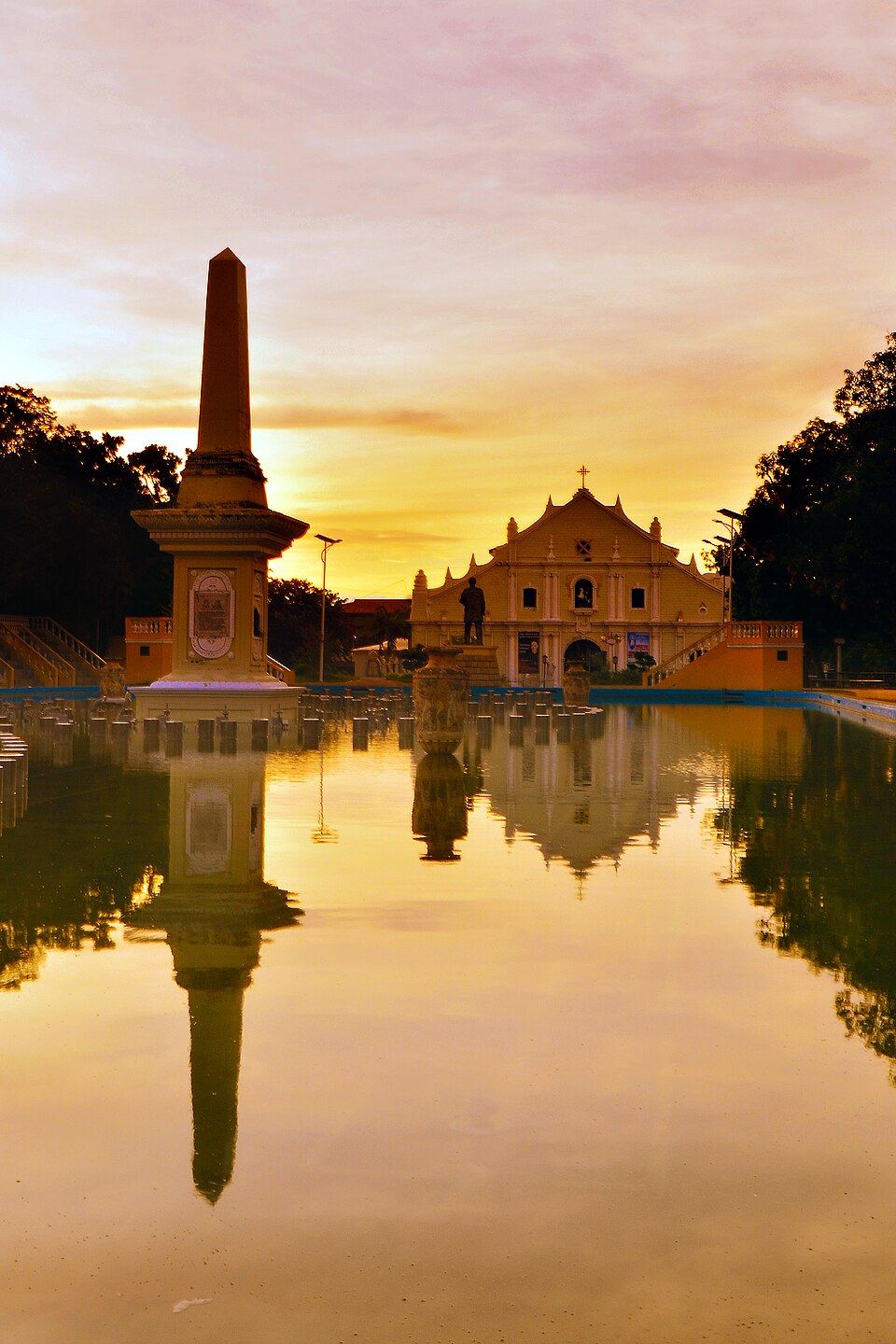
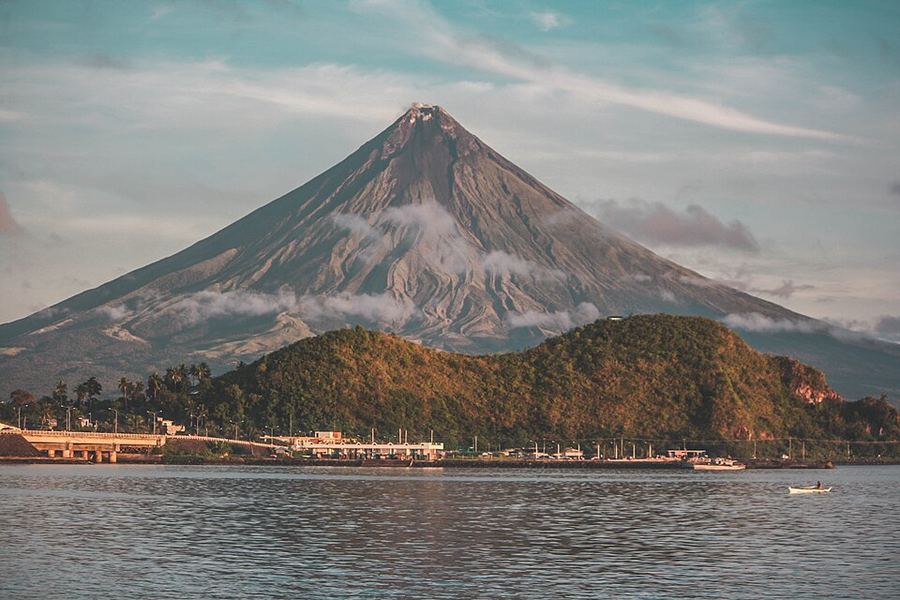
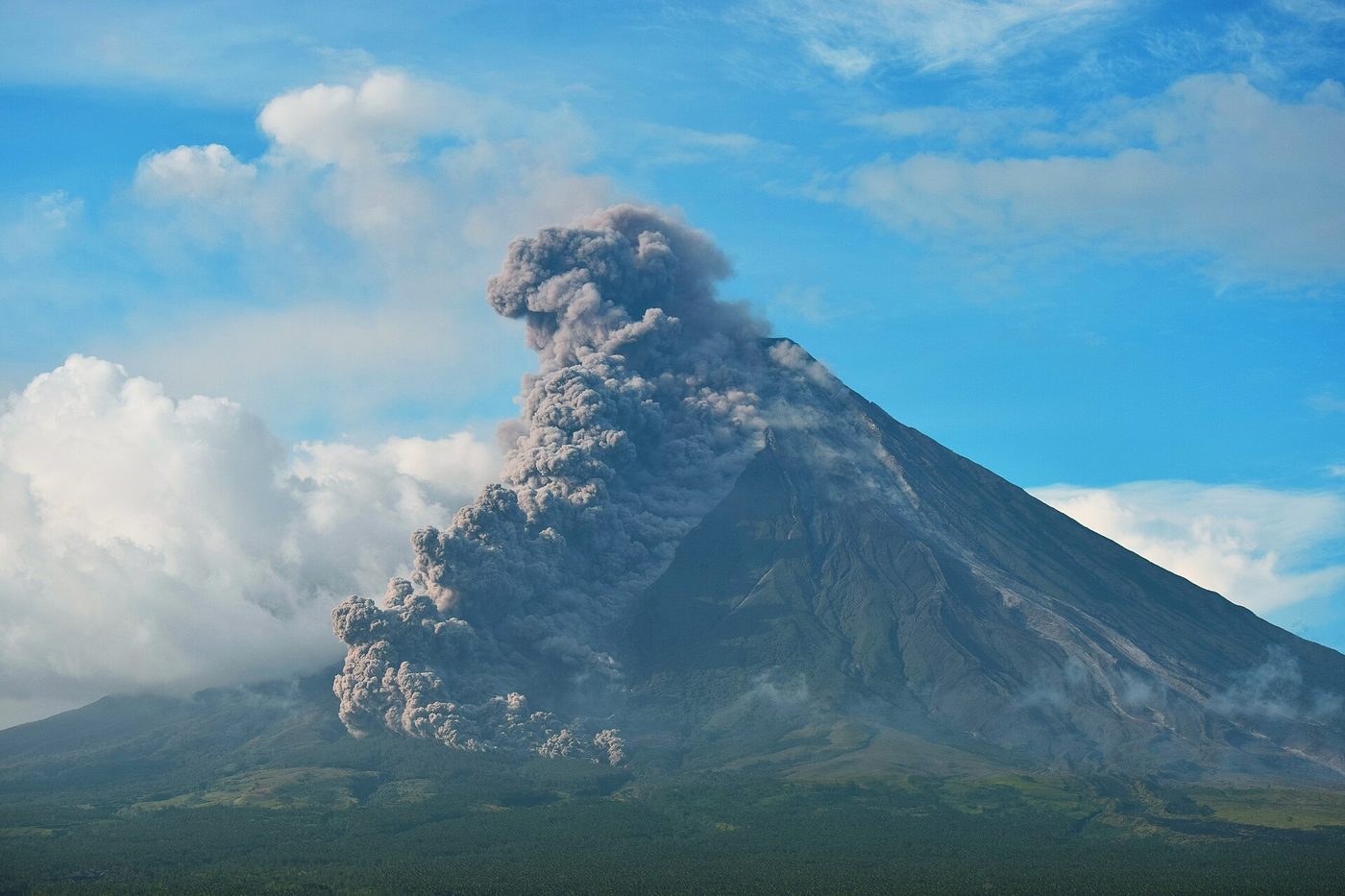
Mayon Volcano eruption at Daraga Church, Philippines
Philippines PHL
Mayon Volcano eruption at Daraga Church — Photo: Jaycee Esmeria / CC BY-SA 4.0 via Wikimedia Commons
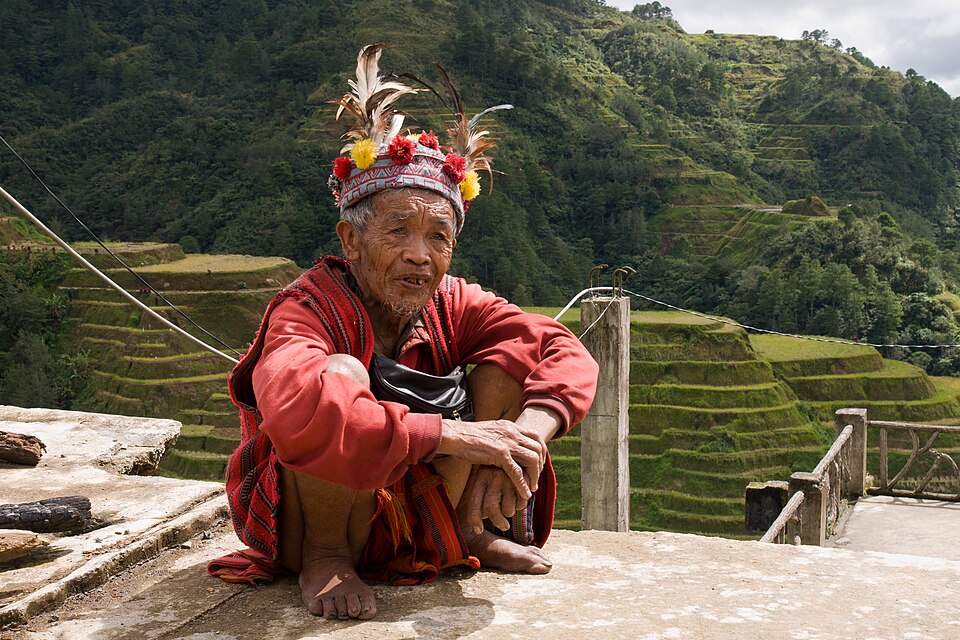
Did You Know The Rice Terraces of the Philippine Cordilleras, hand-carved into steep mountainsides by the Ifugao people and still farmed today, are inscribed by UNESCO as a World Heritage cultural landscape often called a wonder of the ancient world. — UNESCO

The Philippines is what happens when 7,000-plus islands, three colonial empires, and one of the world's youngest, most connected populations share a single flag. Some 118 million people (2024 est.) live across an archipelago stretching from the Batanes islands near Taiwan to the Sulu Sea off Borneo, governed as a presidential republic from Manila — one of the most densely settled urban cores on Earth. Independence came on 4 July 1946 after nearly four centuries under Spain and the United States, a double inheritance visible everywhere: a Roman Catholic majority of 78.8 percent worships in baroque stone churches, while English shares official status with Filipino and courts and classrooms run on American-style institutions. The economy — $1.2 trillion at purchasing power parity — exports integrated circuits and semiconductors, but its most famous export is people: millions of overseas Filipino workers whose remittances rank among the largest inflows on the planet. With a median age of just 27.1 years, the Philippines is simultaneously ancient in its traditions and startlingly young in its demography, a country perpetually in motion between its islands and the wider world.

CIA World FactbookWorld Bank
Population
118,277,063
Capital
Manila
Currency
₱ PHP
Time zones
Largest city
Manila
Human Geography Themes
Loading national figures…
Largest Cities
Manila27,215,799
Cebu City3,191,585
Davao City1,651,086
Angeles1,513,047
Dagupan [Lingayen]973,316
Cagayan de Oro950,102
Lipa767,541
Iloilo City728,985
In Perspective

Manila's urban core is home to about 27,215,799 people.

That's bigger than London, Paris, Madrid and Toronto — each a great world city in its own right.

Manila27,215,799
London10,408,332
Paris9,366,654
Madrid5,680,137
Toronto5,566,382

Among the world's megacities, though, it's one of many — the giants of Asia and Latin America run larger still:

Manila27,215,799
Jakarta40,545,126
Dhaka37,307,160
Tokyo33,244,670
Shanghai30,678,616
Cairo25,230,325

More people live in Manila than in the entire nation of Sweden, Greece, Portugal or Israel.

The Country & Its People

History

Long before any European sail appeared, the islands were a web of coastal barangays — kin-based communities led by datus — trading gold, pearls, and beeswax with Chinese, Malay, and Arab merchants; Islam took root in Sulu and Mindanao by the 14th century. Ferdinand Magellan arrived in 1521 and died on Mactan at the hands of the chieftain Lapulapu, but Spain returned to stay in 1565, ruling for 333 years and running the Manila galleons — the trans-Pacific silver-and-silk trade linking Asia to Acapulco. The novelist-doctor José Rizal, executed by firing squad in 1896, became the martyr of a revolution that declared independence in 1898, only for the islands to pass to the United States after the Spanish-American War and a brutal Philippine-American War. American rule brought public schools and English; Japanese occupation in World War II brought the Bataan Death March and the massive naval Battle of Leyte Gulf. Independence arrived in 1946. Ferdinand Marcos declared martial law in 1972 and ruled until 1986, when millions of unarmed citizens massed on Manila's EDSA highway in the People Power Revolution — a peaceful uprising that toppled a dictator and echoed around the world.
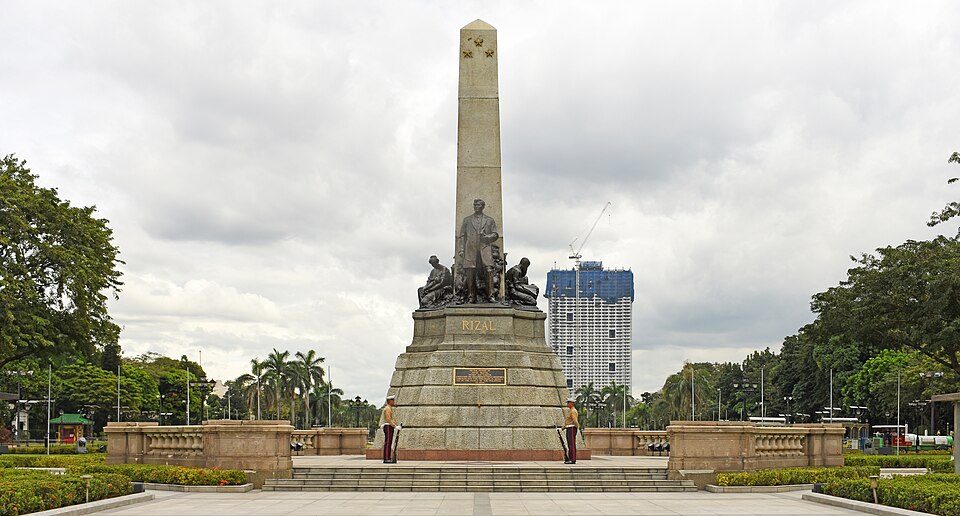
History, Philippines
Adamdaley / CC BY-SA 4.0

Culture

Filipino culture runs on relationships. The word that captures it is bayanihan — literally the old practice of neighbors hoisting a family's entire bamboo house onto their shoulders and carrying it to a new site — now shorthand for communal effort of any kind, from typhoon relief to fiesta preparations. Family is the fundamental unit, extended and elastic: godparents, cousins, and honorary aunts all count, and utang na loob, the debt of gratitude, binds generations. The country is astonishingly plural — Tagalog, Bisaya, Ilocano, Cebuano, Ilonggo, Bikol, Waray, and dozens more ethnolinguistic groups, with well over a hundred distinct languages cataloged across the archipelago. Catholicism, embraced by nearly four in five Filipinos, is lived exuberantly: town fiestas honor patron saints with processions, street dancing, and tables open to strangers, while the Muslim communities of Mindanao and indigenous highland peoples sustain their own deep traditions. Layered over it all is a modern pop sensibility — Filipinos are famously among the world's most enthusiastic users of social media and text messaging, and no gathering is complete until someone switches on the videoke machine and passes the microphone.
Culture, Philippines
Ranieljosecastaneda / CC BY-SA 4.0

Points Of Pride

Ask a Filipino what makes the country proud and the list arrives fast. Manny Pacquiao, the boxer from General Santos City who rose from poverty to become the only fighter to win world titles in eight weight divisions — and then a senator. Hidilyn Diaz, whose weightlifting gold in Tokyo delivered the Philippines' first Olympic championship, followed by gymnast Carlos Yulo's double gold in Paris. Lea Salonga, the original Kim of Miss Saigon and the singing voice of two Disney princesses. The Rice Terraces of the Philippine Cordilleras, hand-carved into mountainsides and inscribed by UNESCO as a World Heritage masterpiece of living cultural landscape, alongside the reef wilderness of Tubbataha and the underground river of Puerto Princesa. Filipino nurses, seafarers, engineers, and teachers keep hospitals, ships, and schools running on every continent — a diaspora whose skill and warmth function as the nation's calling card. Add a run of Miss Universe crowns, a globally beloved cuisine having its moment, and the simple fact that the Philippines regularly ranks among Asia's most English-fluent nations, and the pride is not hard to explain.
Points Of Pride, Philippines
CEphoto, Uwe Aranas / CC BY-SA 3.0

Cultural Fusion

The Philippines is often described as having spent three centuries in a convent and fifty years in Hollywood — and the fusion shows in every detail of daily life. The base layer is Austronesian: languages, boat-building, rice culture, and kinship systems shared with maritime Southeast Asia. Chinese traders, settling over a millennium, contributed commerce, noodles, and a mestizo merchant class whose descendants still anchor Philippine business. Spain left Catholicism, the fiesta calendar, colonial plazas, and a curious artifact of empire: an 1849 decree assigned Spanish surnames from an official catalog, which is why the islands are full of Garcías and Santoses who speak no Spanish. Islam, older than either colonizer, thrives in the Bangsamoro south. Then came America, whose half-century imprinted English, public education, basketball hoops in every barangay, and an enduring pop-culture intimacy with the United States. The result is not a layer cake but a blend — a halo-halo, like the national dessert of shaved ice, beans, fruit, and purple yam, where every ingredient stays visible yet the whole is unmistakably, exuberantly Filipino.
Cultural Fusion, Philippines
Ranieljosecastaneda / CC BY-SA 4.0

Music & Dance

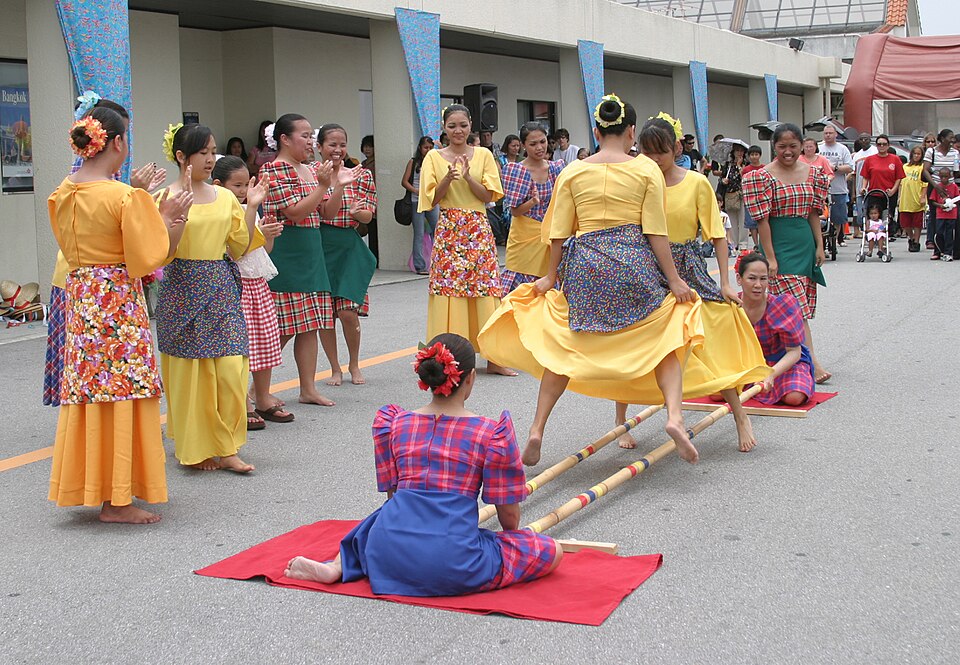
Philippine music begins with bamboo and bronze. In the tinikling, the national dance, performers skip and dart between heavy bamboo poles clapped together at ankle height in accelerating rhythm — one mistimed step and the poles snap shut; done well, it looks like flight. The royal singkil of the Maranao people sends a princess gliding through crisscrossed poles with fans, while in Muslim Mindanao the kulintang — a row of knobbed gongs — carries one of Southeast Asia's great instrumental traditions. Spain contributed the rondalla string ensemble and the kundiman, a bittersweet art-song of veiled patriotism and longing that became the soundtrack of the independence movement. The American era wired the islands for pop, and Filipinos ran with it: Original Pilipino Music (OPM) built homegrown superstars, Lea Salonga conquered Broadway, and Arnel Pineda was plucked from Manila cover bands via YouTube to front the American rock band Journey. Beneath the stardom lies a simple national truth — nearly everyone sings. The karaoke machine is standard household equipment, birthday parties double as concerts, and the singing voice is treated less as a talent than as a birthright.
Music & Dance, Philippines
U.S. Air Force/Senior Airman Nestor Cruz / Public domain

Cuisine & Misattributed Foods

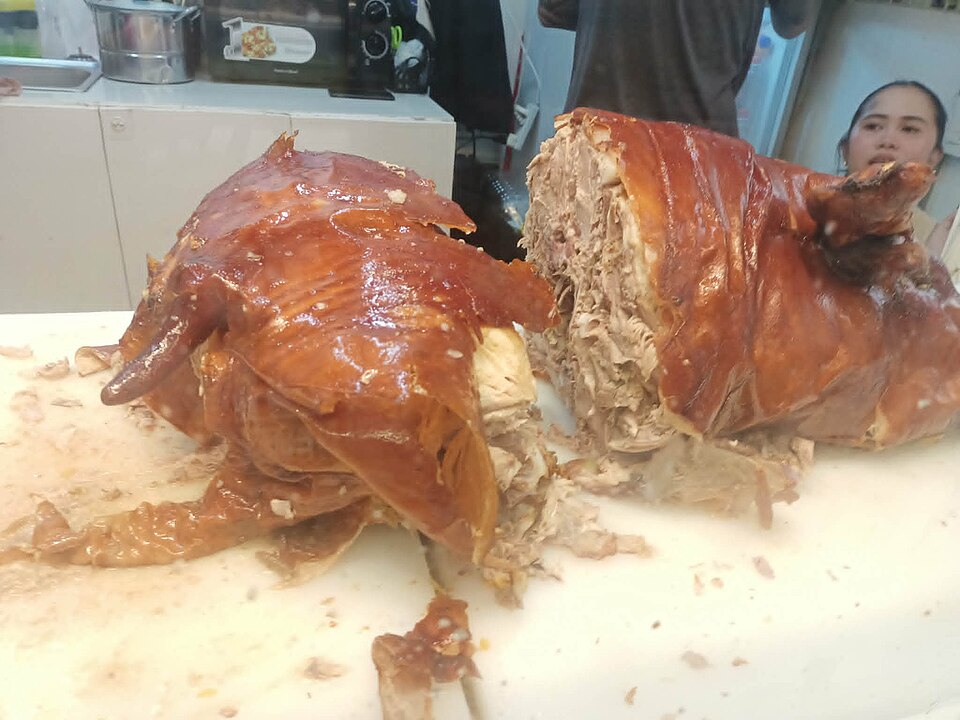
Filipino food is built on the bright collision of sour, salty, and sweet. The unofficial national dish, adobo, braises chicken or pork in vinegar, soy sauce, garlic, and black pepper — a technique that predates refrigeration and improves overnight. Sinigang, a tamarind-soured soup, is comfort in a bowl; kare-kare drapes oxtail in peanut sauce and demands a swipe of fermented shrimp paste. Every fiesta worth its name centers on lechon, a whole pig spit-roasted to glass-crisp skin, while pancit noodle dishes — a Chinese inheritance — are served at birthdays for long life. The Spanish left paella's descendants and afternoon merienda; America left the halo-halo-adjacent love of sweet spaghetti. Street food is its own universe: skewers of barbecue, deep-fried quail eggs, and the notorious balut, a fertilized duck egg eaten warm with salt and vinegar, beloved as a rite of passage. Calamansi, the tiny native lime, brightens everything. Rice anchors every meal — breakfast included, often as garlic-fried sinangag beside cured beef tapa and a runny egg. Abroad, sizzling sisig and ube desserts have carried the cuisine onto the world's trend lists, decades after Filipinos knew it deserved the attention.
Cuisine & Misattributed Foods, Philippines
Bim24 / CC BY-SA 4.0

National Dress

The barong tagalog may be the only national garment born partly of colonial suspicion and transformed into a symbol of pride. Woven from gossamer piña — fiber drawn strand by strand from pineapple leaves — or silky jusi, the barong is a sheer, exquisitely embroidered shirt worn untucked over a plain undershirt. Tradition holds that Spanish authorities favored the untucked, translucent style so that native wearers could conceal neither weapons nor stolen goods; Filipinos answered by elevating the shirt into wearable art, its front panel covered in hand-stitched calado openwork. Today it is formal wear for presidents, grooms, and diplomats. Its feminine counterpart evolved from the baro't saya — blouse and wrapped skirt — into the terno, the elegant gown with structured butterfly sleeves that rises like architecture from the shoulders. In the south, the handwoven malong tube skirt of Maranao and Maguindanao communities serves as garment, cradle, and blanket in one, while highland peoples of the Cordilleras weave distinctive ikat textiles. The traditional handloom weaving of piña cloth in Aklan province has been recognized by UNESCO as intangible cultural heritage, keeping a centuries-old craft alive thread by translucent thread.
National Dress, Philippines
Inkallyoucan0922 / CC BY 4.0

Sports & Inspiring Athletes

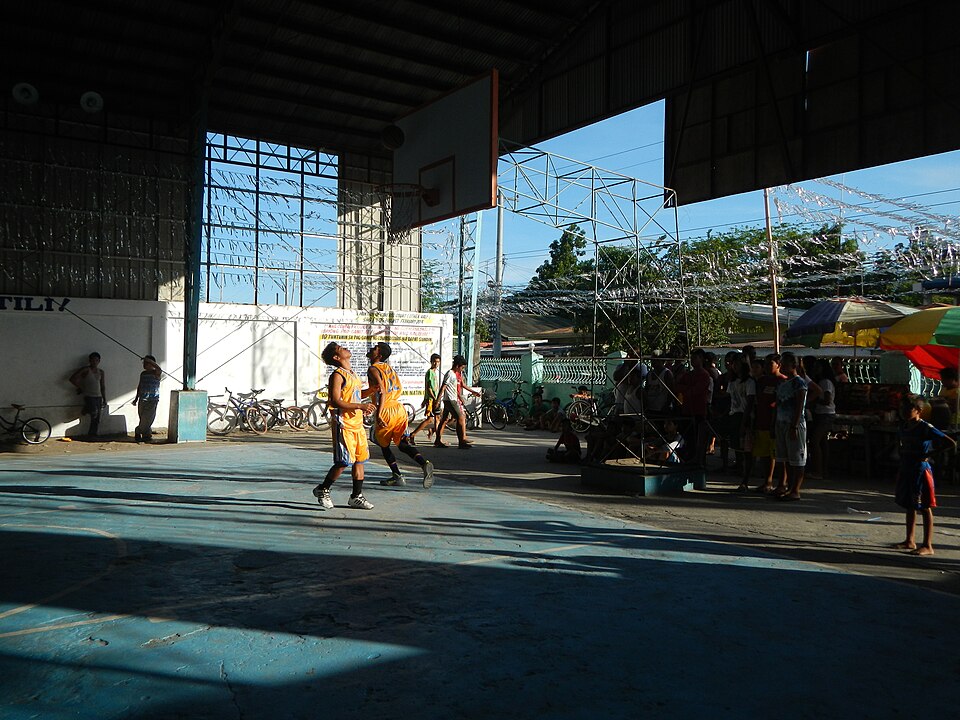
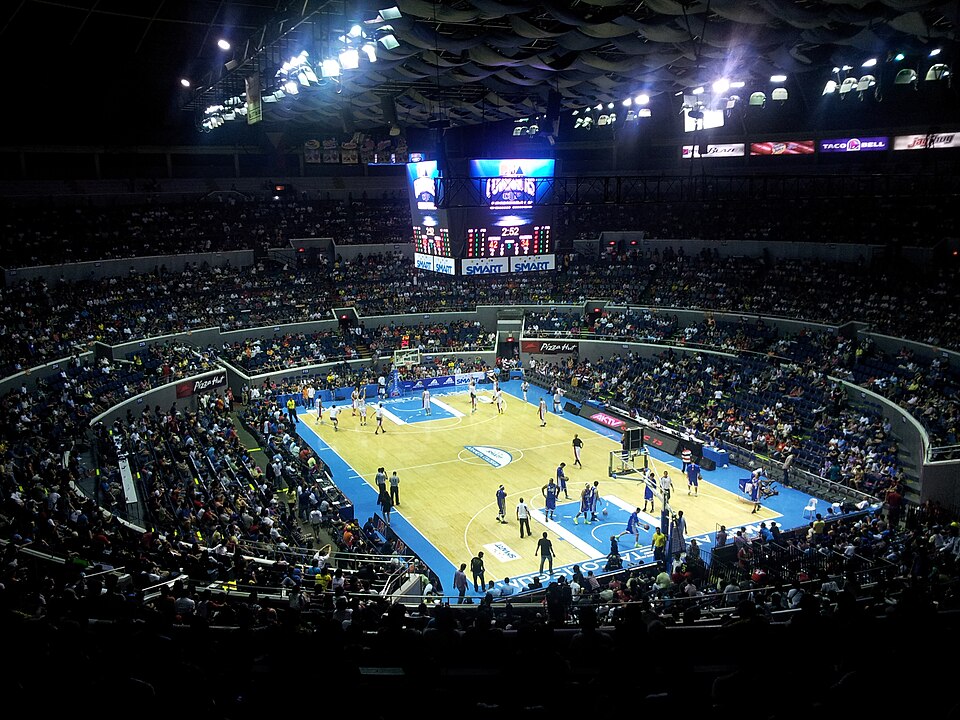
No country on Earth loves basketball quite like the Philippines. Introduced during the American colonial era, the game colonized right back: a hoop hangs in virtually every barangay, often nailed to a coconut tree or wired to a jeepney route sign, and the Philippine Basketball Association, founded in 1975, is Asia's oldest professional league. Height be damned — the national obsession is total. Boxing supplies the country's greatest individual legend in Manny Pacquiao, the eight-division world champion whose fight nights famously emptied the streets and, by popular lore, paused the crime rate. The Olympic breakthrough came in weightlifting: Hidilyn Diaz's gold at the Tokyo Games was the nation's first in nearly a century of participation, and gymnast Carlos Yulo doubled the tally with two golds in Paris. Billiards produced the sport's most beloved magician in Efren 'Bata' Reyes; arnis, the indigenous stick-fighting art, is the official national martial art and a required school sport. Football is growing through the national teams, and volleyball packs arenas — but when a Gilas Pilipinas basketball game tips off, the archipelago holds its breath as one.
Sports & Inspiring Athletes, Philippines
Judgefloro / CC BY-SA 4.0

Notable Educational Programs

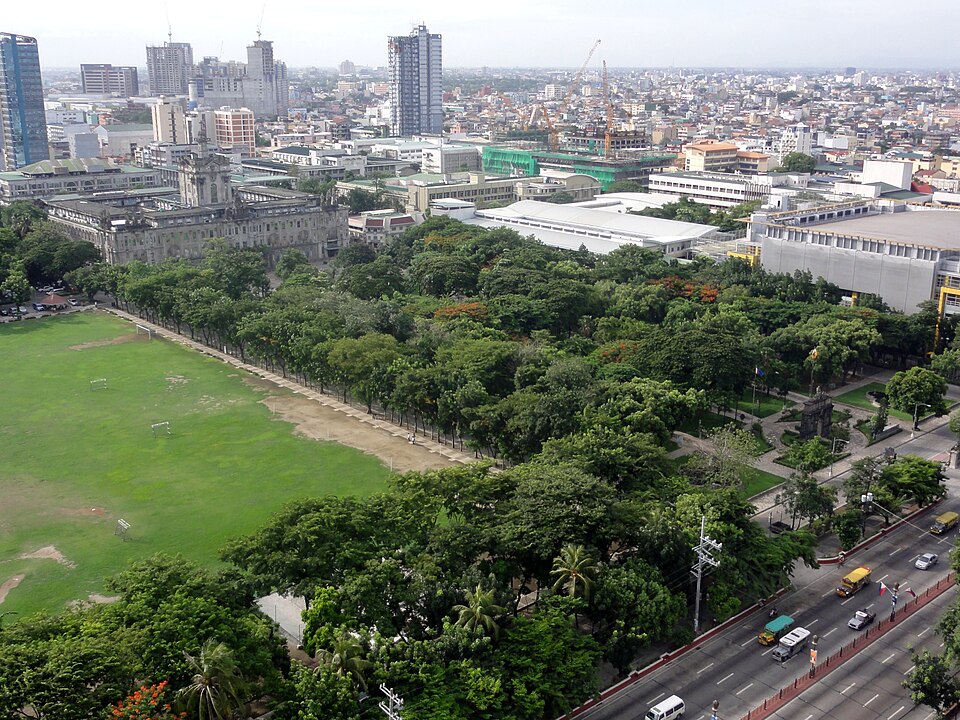
Education is the Philippines' great national project and its favorite escalator out of poverty. The system was rebuilt by the landmark K-12 reform of 2013, which added kindergarten and two years of senior high school to the old ten-year ladder, bringing the country in line with international norms and adding academic, technical-vocational, sports, and arts tracks for older students. Instruction begins in the mother tongue: the mother-tongue-based multilingual education policy uses a child's first language as the medium in the earliest grades before bridging to Filipino and English — a significant undertaking in a nation with well over a hundred living languages. English-medium instruction from the middle grades onward helps explain the country's famously fluent workforce, from call centers to hospitals abroad. For the millions whom formal schooling missed, the Alternative Learning System offers a second chance: community-based modules and accreditation exams let out-of-school youth, working adults, and learners in remote or conflict-affected areas earn elementary and high-school equivalency. In the Bangsamoro region, madaris (Islamic schools) are integrated into the public system. Enrollment is near-universal at the elementary level, and education consistently claims one of the largest shares of the national budget.
Notable Educational Programs, Philippines
Patrick Roque / CC BY-SA 3.0

Wars & Conflicts

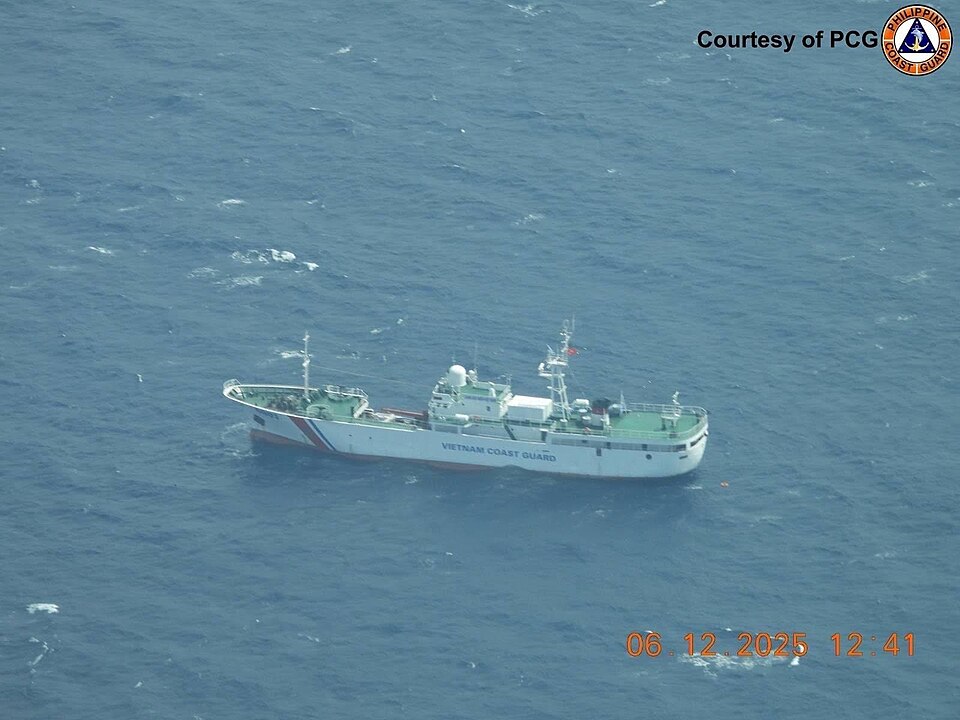
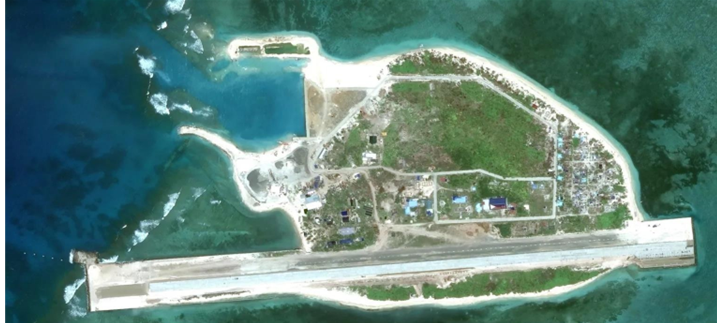
As of mid-2026, the Philippines' security picture centers on three fronts. In the South China Sea — waters Manila calls the West Philippine Sea — tensions with China have shifted toward Scarborough Shoal, under Chinese control since 2012. Reporting by outlets including Reuters, AP, and Al Jazeera has documented repeated confrontations in recent years, including water-cannon incidents that damaged Philippine vessels and injured fishermen, and in June 2026 China placed a floating platform at the shoal, removing it after Philippine protests. The Philippines, chairing ASEAN in 2026, has pressed for a binding Code of Conduct, though negotiations have made limited progress; Manila invokes the 2016 arbitral ruling and its US alliance, while Beijing asserts sovereignty and accuses Manila of provocation. In Mindanao, the peace process with the Moro Islamic Liberation Front approaches a milestone: the first Bangsamoro Parliament election is scheduled for 14 September 2026, with the election period and a regional gun ban beginning in July, per Philippine media including Rappler; observers call the vote a decisive test of the 2014 peace accord. The communist New People's Army insurgency, tracked by UCDP as one of Asia's longest-running, is at a historic low, with the military reporting hundreds of surrenders and the collapse of regional fronts in 2026.
Current as of 2026-07-16
Wars & Conflicts, Philippines
Philippine Coast Guard / Public domain

Land & Border Disputes

The Philippines' principal territorial disputes lie offshore. In the South China Sea, Manila claims features in the Spratly Islands (which it administers as the Kalayaan Island Group) and Scarborough Shoal, in overlapping contention with China and, in parts of the Spratlys, with Vietnam, Malaysia, Taiwan, and Brunei. In 2013 the Philippines initiated arbitration under the UN Convention on the Law of the Sea; the tribunal's 2016 award found that China's expansive 'nine-dash line' claim to historic rights had no legal basis under the convention and that several contested features generate no extended maritime zones. China rejected the proceedings and the award and continues to assert sovereignty over the area, maintaining coast guard and maritime militia presence; the Philippines regards the ruling as final and binding, a position echoed by several other states. A second, quieter dispute concerns Sabah in northern Borneo: the Philippines retains a dormant claim inherited from the historical Sultanate of Sulu, which leased or ceded the territory in 1878 — the interpretation itself is disputed — while Malaysia, which has administered Sabah since 1963, rejects the claim entirely. Manila has periodically raised and shelved the matter, and it remains unresolved rather than actively pressed.
Land & Border Disputes, Philippines
Khanos93 / CC0
Land, Life & Legacy

Land & Climate

The Philippines is an archipelago of about 7,600 islands in the western Pacific, grouped into Luzon in the north, the Visayas in the middle and Mindanao in the south; Luzon and Mindanao are by far the largest. The country sits on the Pacific Ring of Fire beside the Philippine Trench, and both earthquakes and volcanism are constant facts of life: there are roughly two dozen active volcanoes, including Mayon with its near-perfect cone, Taal on an island within a lake south of Manila, and Pinatubo, whose 1991 eruption was among the largest of the twentieth century and measurably cooled global temperatures for two years. Mount Apo on Mindanao, at 2,954 metres, is the highest point. The islands lie inside the Coral Triangle, the global centre of marine biodiversity, and the Tubbataha Reefs and the Puerto Princesa Subterranean River are World Heritage sites. The climate is tropical maritime, hot and humid with a pronounced typhoon season; more tropical cyclones make landfall here than in any other country, and Haiyan, known locally as Yolanda, was catastrophic in 2013.

Entertainment

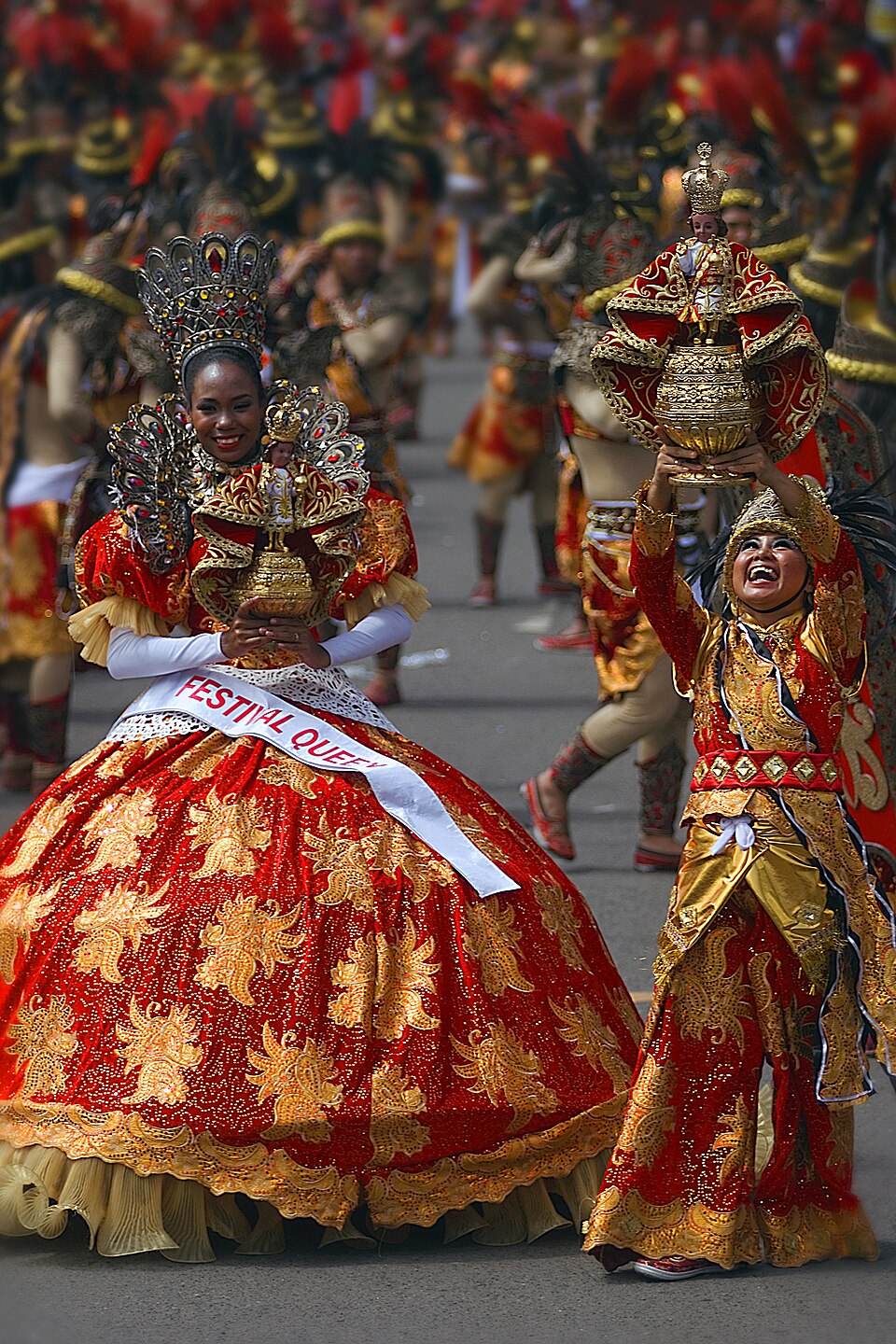
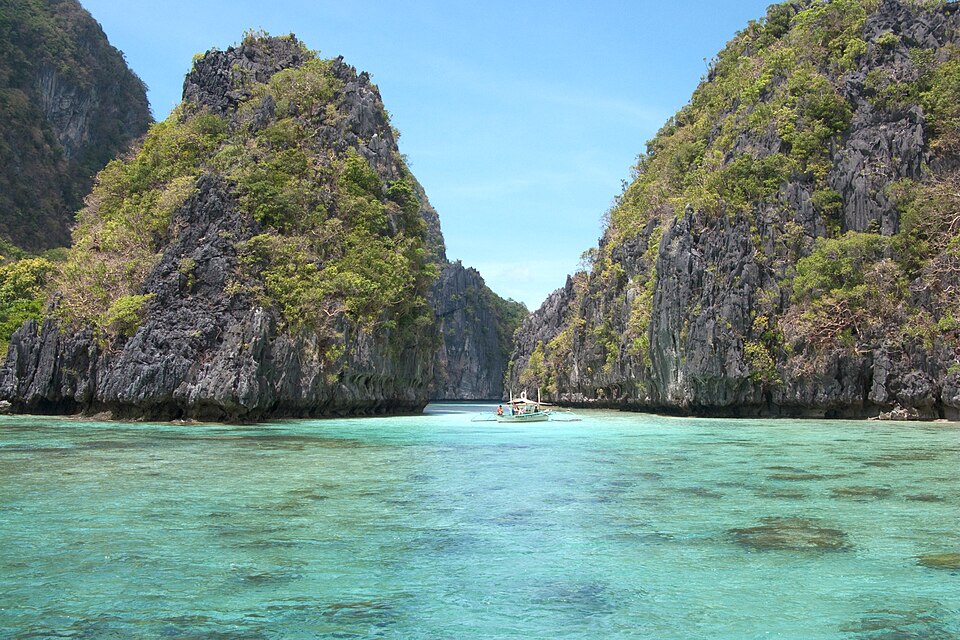
Leisure in the Philippines is communal by default. The fiesta calendar anchors it: Cebu's Sinulog in January fills the streets with drum corps and dancers honoring the Santo Niño, Kalibo's Ati-Atihan answers with soot-painted revelry, and Bacolod's MassKara festival wears a smiling mask first donned in hard times. Daily life runs through the videoke machine and the shopping mall — air-conditioned town squares where families spend entire Sundays, with Manila's SM Mall of Asia among the largest anywhere. Then there is the archipelago itself: Boracay's White Beach, repeatedly ranked among the world's best; El Nido's limestone lagoons in Palawan; Bohol's Chocolate Hills; whale sharks off Donsol; and the reef wilderness of Tubbataha, a UNESCO World Heritage site that draws divers on liveaboards across the Sulu Sea. Basketball courts host pickup games at every hour, and island-hopping by outrigger bangka — grilled fish, rice, and a hidden beach — remains the definitive Filipino day out.
Entertainment, Philippines
Vyacheslav Argenberg / CC BY 4.0

Art & Museums

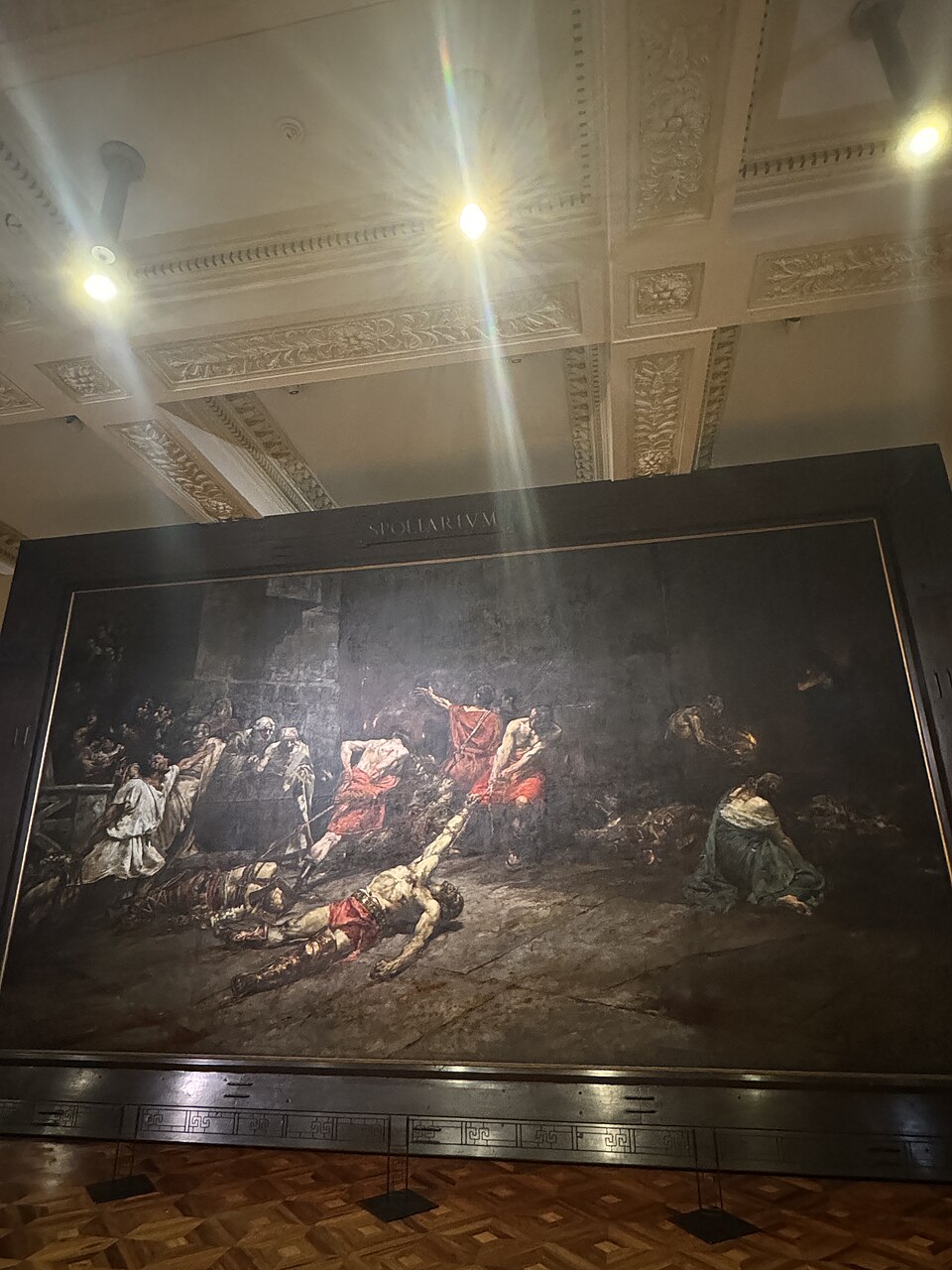
Philippine painting announced itself in Europe before the nation existed: in 1884 Juan Luna's vast 'Spoliarium' — fallen gladiators dragged across an arena floor — won a gold medal at Madrid's Exposition of Fine Arts, a triumph the propagandists of the independence movement claimed as proof of Filipino genius. The canvas now fills an entire wall as the centerpiece of the National Museum of Fine Arts in Manila, near works by Luna's contemporary Félix Resurrección Hidalgo. Fernando Amorsolo, named the country's first National Artist in 1972, defined a golden-lit pastoral vision of rice fields and fiestas; the modernists answered him — Victorio Edades's dark-toned laborers, Vicente Manansala's cubist jeepneys and market stalls, José Joya's gestural abstractions, Ang Kiukok's anguished figures. In Baguio, Benedicto Cabrera — BenCab — runs a mountain museum of his own work and Cordillera artifacts, while centuries of Spanish-era church art, carved santo figures, and the okir woodcraft of the Muslim south round out the inheritance.
Art & Museums, Philippines
MikelleBandin / CC BY-SA 4.0

Notable People

José Rizal set the template — novelist, ophthalmologist, polyglot, martyr — and the roll call since spans every field. Corazon Aquino became Asia's first woman president in 1986, carried to power by the People Power Revolution. Lea Salonga won a Tony Award at twenty for 'Miss Saigon' and sang for two Disney princesses. Manny Pacquiao rose from teenage poverty to become boxing's only eight-division world champion — and a senator; Hidilyn Diaz and Carlos Yulo delivered the nation's first Olympic golds; Efren 'Bata' Reyes is billiards' most beloved genius. Letters claim National Artist Nick Joaquin, chronicler of old Manila; medicine claims pediatrician Fe del Mundo, whose research and clinics transformed Philippine child care across an eight-decade career. In Silicon Valley, engineer Diosdado Banatao — a fisherman's son from Cagayan — pioneered the single-chip PC chipset. And the diaspora multiplies the list: Filipino nurses, seafarers, and performers are quietly indispensable on every continent.
Notable People, Philippines
H.abanil / CC BY-SA 3.0

Inventions & Breakthroughs

Filipino ingenuity tends toward the practical and the joyful. Roberto del Rosario patented his Karaoke Sing-Along System in 1975 — the country's claim to the machine that conquered the world's living rooms, and certainly its own. Horticulturist Ramon Barba discovered that a potassium nitrate spray induces mango trees to flower on demand, turning the Philippine mango from a seasonal treat into a year-round export industry; he was later named a National Scientist. Pediatrician Fe del Mundo devised an incubator built from bamboo baskets for rural villages without electricity. Physician Abelardo Aguilar sent a soil sample from Iloilo to his employer Eli Lilly in 1949; from its mold came erythromycin, one of the most widely prescribed antibiotics ever developed, though Aguilar never shared in the profits. Engineer Diosdado Banatao's chipset and graphics-accelerator designs sit in the ancestry of every personal computer — and the jeepney itself is folk engineering, war surplus reimagined as exuberant public transport.
Inventions & Breakthroughs, Philippines
Aliceinthealice / CC0

Science & Technology

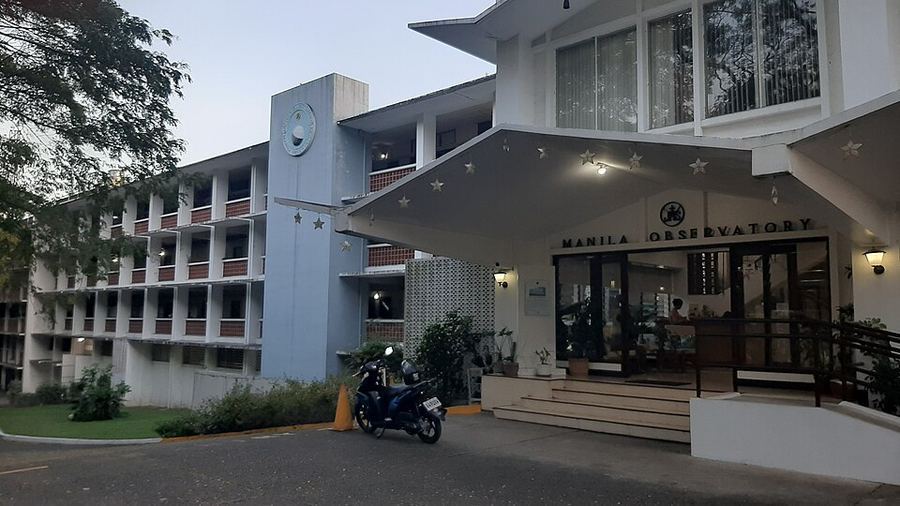
The International Rice Research Institute at Los Baños, founded in 1960, is the single most consequential scientific institution in the country: it bred IR8, the semi-dwarf high-yielding variety released in 1966 that became known as miracle rice and drove the Asian Green Revolution, and it holds the largest rice gene bank in the world. The modern economy's signature industry is business-process outsourcing, with voice and back-office centres in Metro Manila, Cebu and Davao making the Philippines one of the largest such destinations globally, built on a large English-speaking workforce. Electronics and semiconductor assembly and testing dominate merchandise exports. Because the hazard environment is so severe, warning science is a national capability: PAGASA runs weather and typhoon forecasting, PHIVOLCS monitors volcanoes and earthquakes, and Project NOAH pioneered high-resolution flood and landslide hazard mapping. The Diwata microsatellites, developed with Japanese universities and the University of the Philippines Diliman, began a domestic Earth-observation programme, and the Philippine Space Agency was created in 2019.
On The World Stage
Champions of Philippines

Champions & Defining Moments

The Philippines was the first Southeast Asian nation at the Olympics, competing in Paris in 1924, and swimmer Teófilo Yldefonso took its first medal — 200-meter breaststroke bronze — in 1928. Boxing then carried the medal count for decades, a tradition renewed at Tokyo 2020 when Nesthy Petecio and Carlo Paalam both won silver and Eumir Marcial bronze. The near-century wait for gold ended at those same Games with Hidilyn Diaz's weightlifting triumph, and Carlos Yulo doubled the trophy case at Paris 2024 with gymnastics golds on floor and vault. Basketball provides the historical high-water mark: bronze at the 1954 FIBA World Championship, still the best finish by any Asian team. In football, the Filipinas reached the 2023 FIFA Women's World Cup — the country's first — and stunned co-host New Zealand 1-0 on Sarina Bolden's header. Billiards, meanwhile, gave the world Efren Reyes, world champion in both nine-ball and eight-ball.

WayKurat / CC BY-SA 3.0
Economy, Trade & Government

Currency & GDP

Philippine Peso — PHP (₱)

GDP (PPP): $1.202 trillion (2024 est.)

Per capita: $10,400 (2024 est.)

Exports

$106.99 billion (2024 est.)

integrated circuits, machine parts, gold, insulated wire, semiconductors (2023)

Partners: China 19%, USA 13%, Hong Kong 12%, Japan 11%, Germany 5% (2023)

Imports

$161.154 billion (2024 est.)

integrated circuits, refined petroleum, cars, crude petroleum, coal (2023)

Partners: China 25%, Indonesia 8%, Japan 8%, S. Korea 6%, USA 6% (2023)

Government

Type: presidential republic

Independence: 4 July 1946 (from the US)

Terrain → Where People Live

How mountains, coasts, and rivers shape settlement (LandScan).

Coming — data

Migration & Ethnic Settlement

Where groups settled and how people move (GeoEPR + UNHCR).

Coming — data

Universities

Notable institutions, mappable as points.

Coming — data
Economy & government facts: CIA World Factbook (public domain), via OpenFactBook / factbook.json.
Every fact and narrative claim will carry a visible source citation. Data-driven sections light up automatically wherever HERA has coverage.