HERA · Human Entity Reference Atlas by Masego Inc

← Papua New Guinea 🌐 3D View
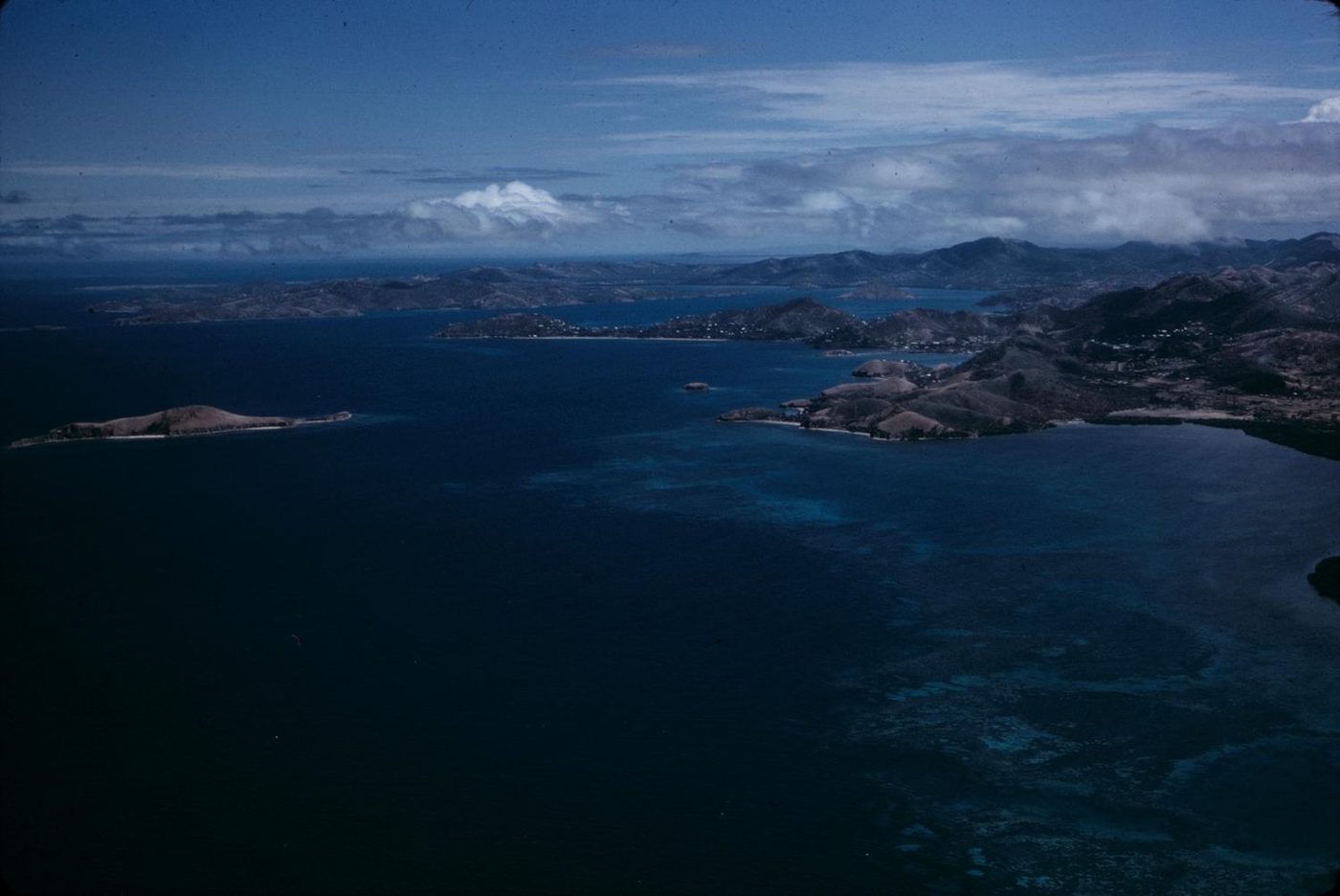
Port Moresby Papua New Guinea, Papua New Guinea
Papua New Guinea PNG
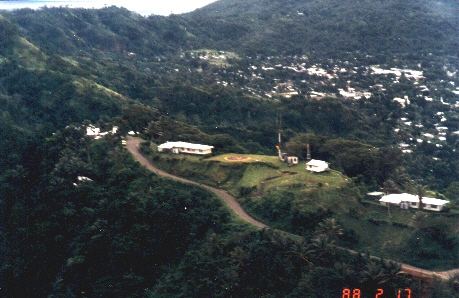
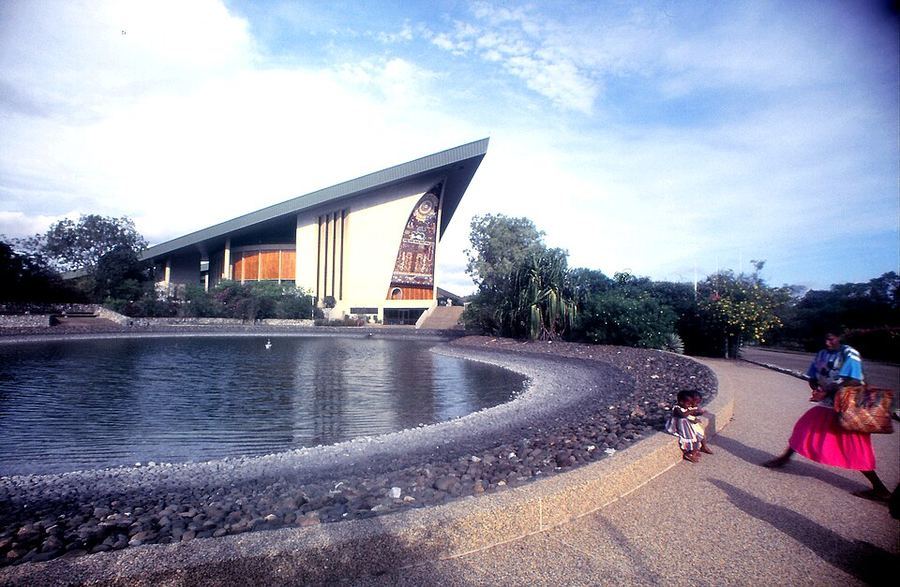
Port Moresby Papua New Guinea — Photo: Carlquist, Sherwin John, 1930-2021 / CC BY 4.0 via Wikimedia Commons
Did You Know Research into kuru, a fatal brain disease among the Fore people of the Eastern Highlands, led to the discovery of transmissible spongiform encephalopathies and eventually to the prion concept. — Nature

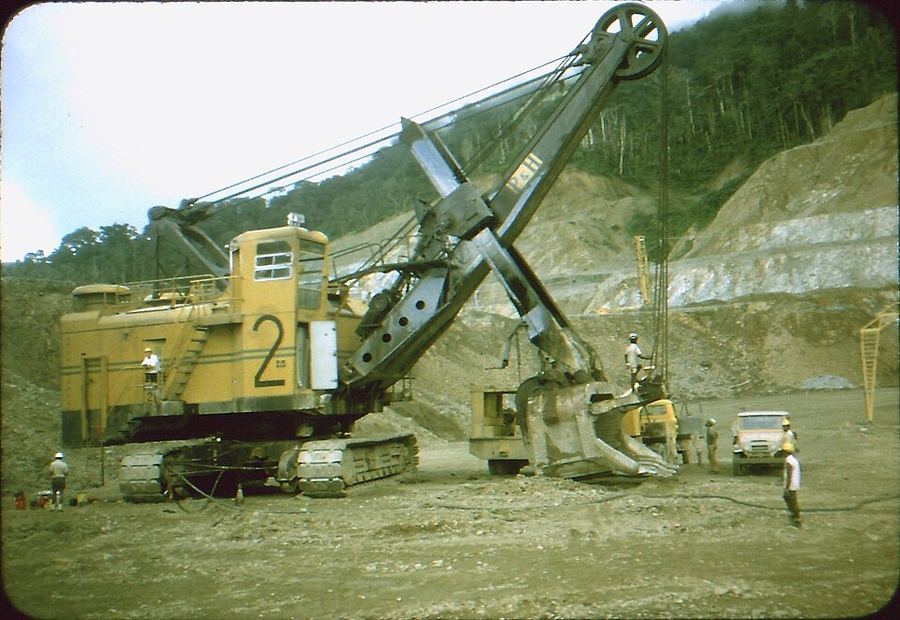
Papua New Guinea occupies the eastern half of New Guinea, the world's largest tropical island, together with several hundred smaller islands, and is a parliamentary democracy under a constitutional monarchy within the Commonwealth. Its population of roughly 10.3 million is the most linguistically diverse on earth: some 839 living indigenous languages are spoken there, about a tenth of all the languages in the world, in a country whose median age is under 22. Three languages are official — Tok Pisin, an English-based creole that serves as the true lingua franca, English, and Hiri Motu — and the great majority of people live in rural villages rather than towns, holding land under customary tenure that covers most of the national territory. Port Moresby, on the southern coast, is the capital. The interior highlands, whose densely settled valleys were unknown to the outside world until Australian patrols reached them in the 1930s, hold a large share of the population. The economy is dominated by resource extraction — liquefied natural gas, gold, copper, palm oil and nickel — which produces export earnings that have not translated evenly into services or income. Independence from Australian administration came on 16 September 1975.

CIA World FactbookEncyclopaedia BritannicaGlottolog
Population
10,273,996
Capital
Port Moresby
Currency
None PGK
Time zones
Largest city
Port Moresby
Human Geography Themes
Loading national figures…
Largest Cities
Port Moresby442,165
Mendi125,843
Lae117,480
Goroka112,963
Mount Hagen100,524
Madang88,138
Kundiawa87,986
Tari70,505
In Perspective

Port Moresby's urban core is home to about 442,165 people.

Among the world's megacities, though, it's one of many — the giants of Asia and Latin America run larger still:

Port Moresby442,165
Jakarta40,545,126
Dhaka37,307,160
Tokyo33,244,670
Shanghai30,678,616
Cairo25,230,325
The Country & Its People

History

New Guinea has been inhabited for around 50,000 years, settled by people moving through island Southeast Asia when lower sea levels joined the island to Australia. Agriculture began here independently: drainage channels at Kuk Swamp in the Western Highlands show cultivation from roughly 7,000 BCE and possibly earlier, making New Guinea one of the small number of places worldwide where farming was invented rather than imported, with taro, banana and sugarcane among its domesticates. Coastal trade networks — including the Kula ring of the Massim islands and the Hiri voyages of the Motu — linked communities over long distances, while the highlands remained unknown to outsiders. Portuguese and Spanish navigators sighted the island in the sixteenth century, but colonisation came late: Germany claimed the northeast in 1884 as German New Guinea and Britain the southeast as British New Guinea, transferred to Australia in 1906 as the Territory of Papua. Australia seized the German territory in 1914 and administered both after the First World War. The Second World War brought heavy fighting, including the Kokoda campaign and the battles around Rabaul and Buna. Australian administration resumed, the highlands were opened, and the combined territory became independent on 16 September 1975 under Michael Somare.
Culture

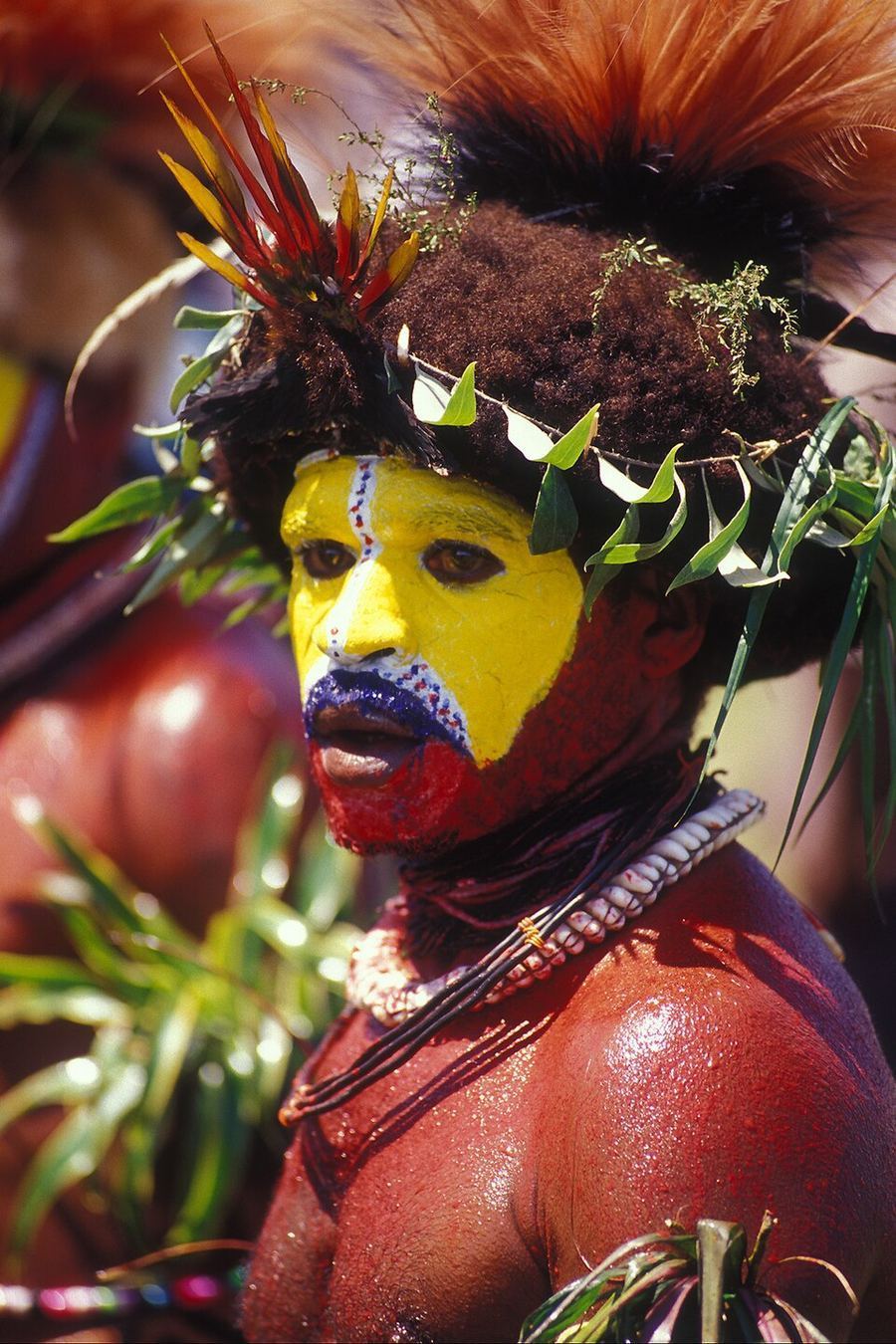
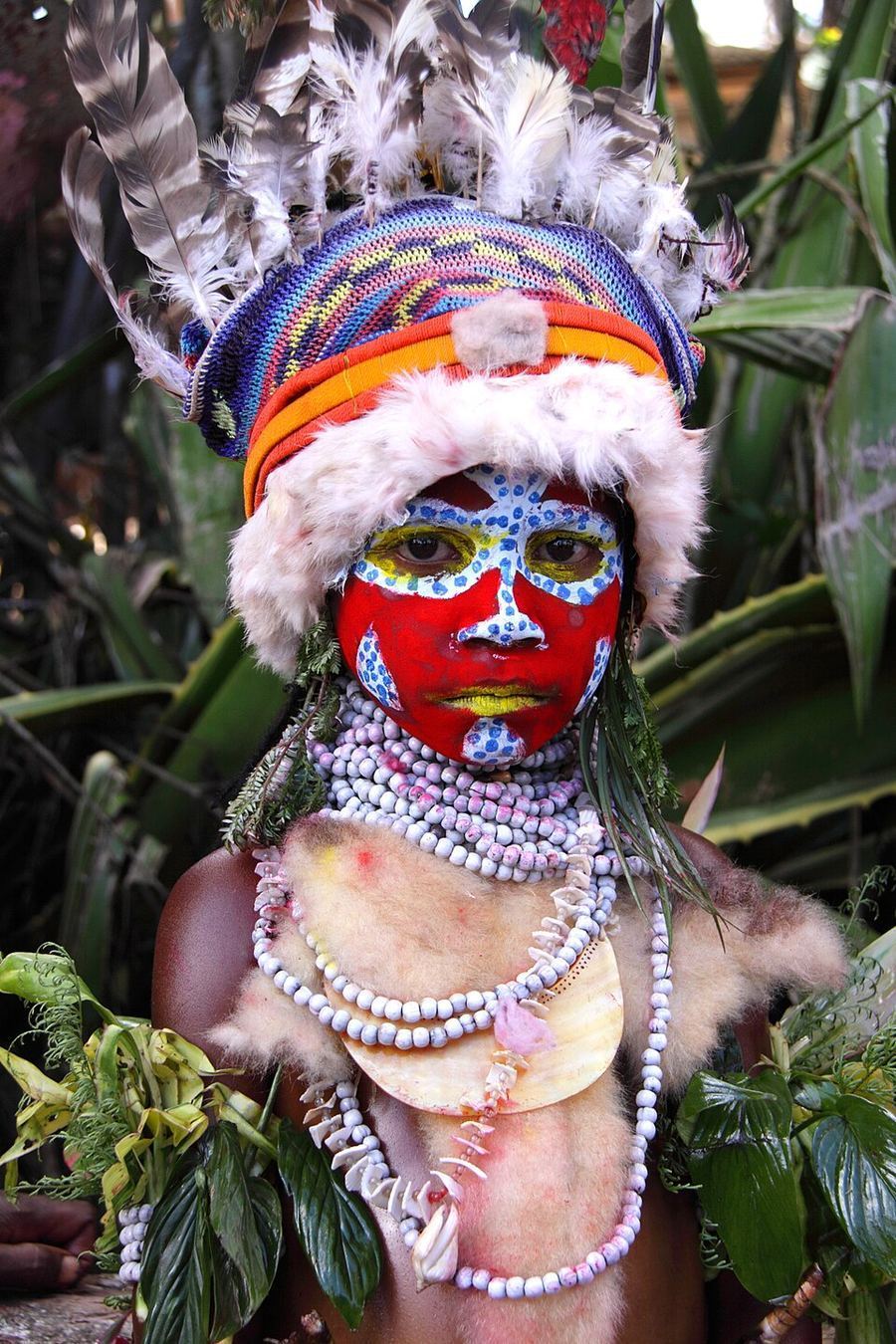
There is no single Papua New Guinean culture; there are many hundreds, and the country's central political fact is how it holds them together. Society is organised around the wantok — literally 'one talk', the network of people who share your language and clan, and to whom obligations of support, hospitality and reciprocity are owed. That system provides welfare where the state does not reach, and is also blamed for nepotism in public life. Most land is held under customary tenure by clans rather than individuals, which shapes everything from farming to the negotiation of mining agreements. Exchange is the organising ritual: bride price, compensation payments to settle disputes, and above all the ceremonial pig feast, in which wealth is accumulated and then given away to build status. The most visible expression of all this is the singsing, a gathering at which clans perform in full body paint, feathers and shell ornament; the Goroka and Mount Hagen shows, held annually since the mid-twentieth century, bring dozens of groups together and were originally organised to reduce inter-clan hostility. Christianity, brought by missionaries and now professed by the large majority, coexists with ancestral belief, and Melanesian cargo movements emerged in several regions in the colonial era.

Points Of Pride

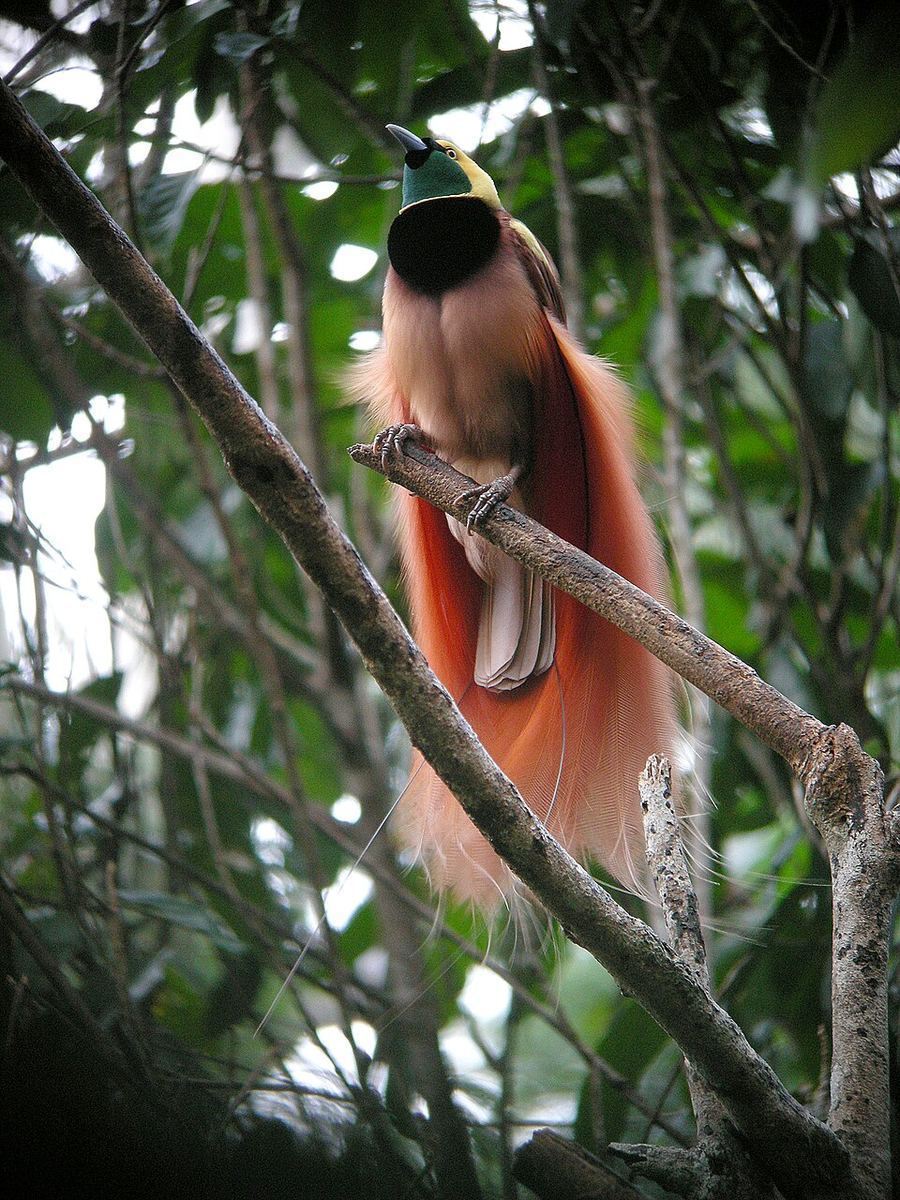
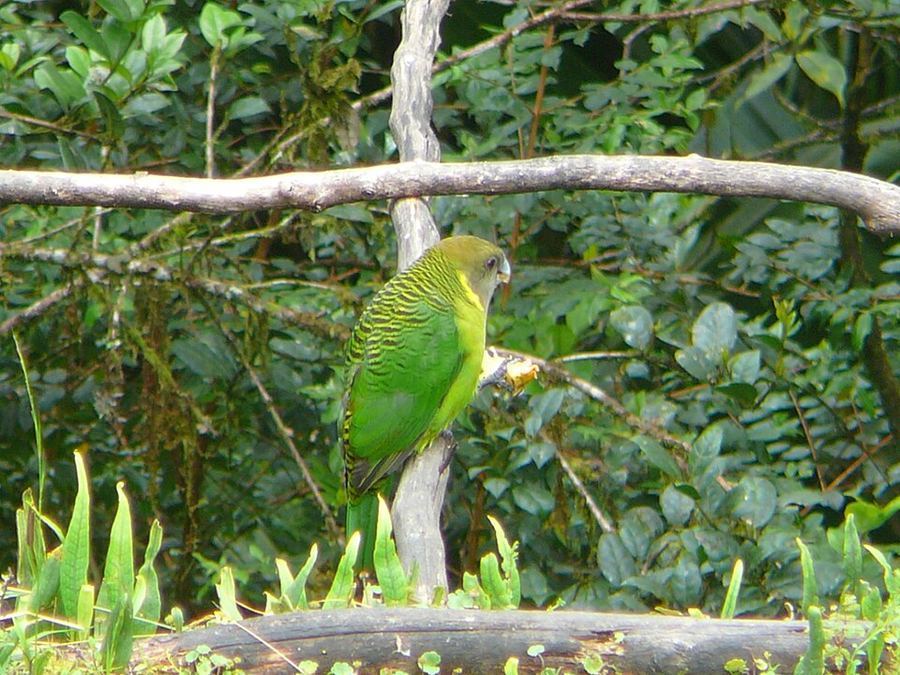
The linguistic record comes first: with roughly 839 living languages, Papua New Guinea is the most linguistically diverse country on the planet, and the diversity is not a relic but a living condition, sustained by rugged terrain and strong local identity. The second is agricultural antiquity — Kuk Early Agricultural Site in the Western Highlands is inscribed on the UNESCO World Heritage list as evidence that agriculture was independently invented in New Guinea, one of very few such places anywhere. Biological wealth is a third: New Guinea is among the most biodiverse places on earth, with more plant species than any other island, and it is the home of the birds of paradise, whose plumage is central to both ceremonial dress and the national coat of arms. The country also takes pride in the peaceful achievement of independence in 1975 and in the survival of customary land tenure over most of its territory — an unusual outcome in a resource-rich state. The Kokoda Track, where Australian and Papuan forces halted a Japanese advance in 1942 and where Papuan carriers became known as the Fuzzy Wuzzy Angels, is a shared point of honour with Australia.

Cultural Fusion

Papua New Guinea's fusion is mostly internal, and its instrument is language. Tok Pisin began as a plantation pidgin among labourers who shared no common tongue, drawing its vocabulary largely from English with German, Malay and Austronesian elements and its grammar from Melanesian patterns; it became a full creole with native speakers and is now the language in which the country conducts most of its national conversation, from parliament to radio to gospel. Hiri Motu, a simplified trade form of the Motu language, served a similar purpose in the south. On the coasts, centuries of maritime exchange produced enduring links — the Kula ring circulated shell valuables between island communities in a network that anthropologists have studied for a century, and the Hiri trading voyages exchanged Motu pottery for sago from the Gulf. Colonial layers are visible in denomination: Lutheranism in the former German northeast, Anglicanism and Catholicism elsewhere. Chinese traders settled from the nineteenth century, and Australian, Filipino and more recently Chinese and Malaysian workers arrived with the resource industries. Bougainville, culturally and geographically part of the Solomons chain, has always sat awkwardly inside the national frame.

Music & Dance

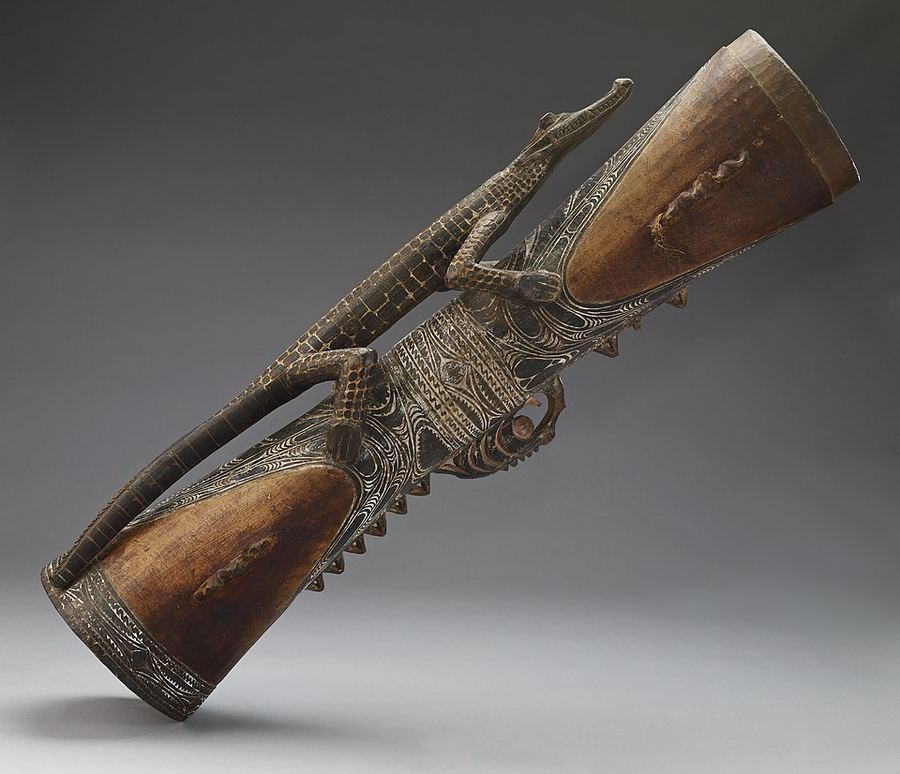
Music in Papua New Guinea is inseparable from the singsing, and the singsing is inseparable from display. Groups perform in clan-specific body paint, headdresses of bird of paradise and cassowary plumes, shell and boar-tusk ornament, moving in ranked lines to the beat of the kundu — an hourglass drum with a lizard- or snakeskin head, held in one hand and struck while dancing — and the garamut, a large slit-log drum that also carried signals between villages. Flutes, panpipes and bullroarers belong to particular regional and ritual traditions, some of them formerly restricted by initiation. The Highlands shows at Goroka and Mount Hagen are where this is seen at scale, and the Hiri Moale festival at Port Moresby and the Mask Festival at Rabaul are the coastal equivalents. Distinct traditions include the Baining fire dance of East New Britain, performed at night around a blaze in enormous barkcloth masks, and the Asaro mudmen of the Eastern Highlands. In popular music, string bands using guitar and ukulele emerged in the mid-twentieth century and remain widely loved, and PNG music today mixes them with reggae, gospel and hip-hop sung mainly in Tok Pisin.

Cuisine & Misattributed Foods

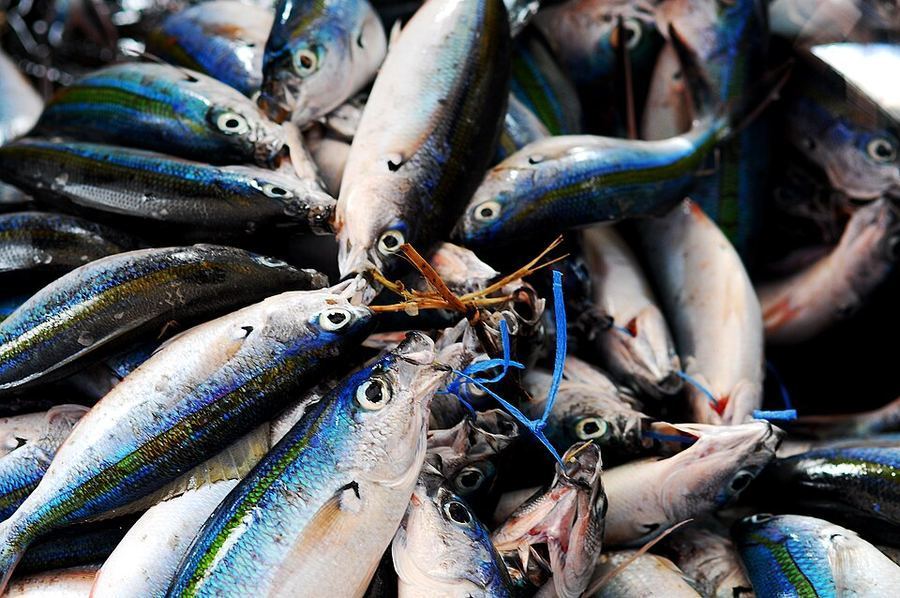
The staple foods are root crops and starch rather than grain. Sweet potato, or kaukau, dominates the highlands, where it arrived after the Columbian exchange and transformed the region by allowing far denser settlement and much larger pig herds; taro, yam, banana and sago are the older staples, and sago — starch washed from the pith of a palm and cooked into a stiff paste or pancake — is the mainstay of the lowland swamps. The defining cooking method is the mumu, an earth oven in which meat, tubers and greens wrapped in banana leaf are cooked over heated stones and covered with earth for hours; it is both a technique and an event, since a mumu is prepared for feasts and reciprocal exchange. Pigs are the ceremonial animal and the measure of wealth, killed for feasts rather than eaten routinely. Coastal diets include fish, shellfish and coconut in every form. Greens — aibika, pumpkin tips, fern tips — accompany most meals. Introduced foods are now embedded: rice and tinned fish are staples of the cash economy, and the Australian-style meat pie and the SP lager brewed locally are ordinary town fare. Betel nut is chewed almost universally.

National Dress

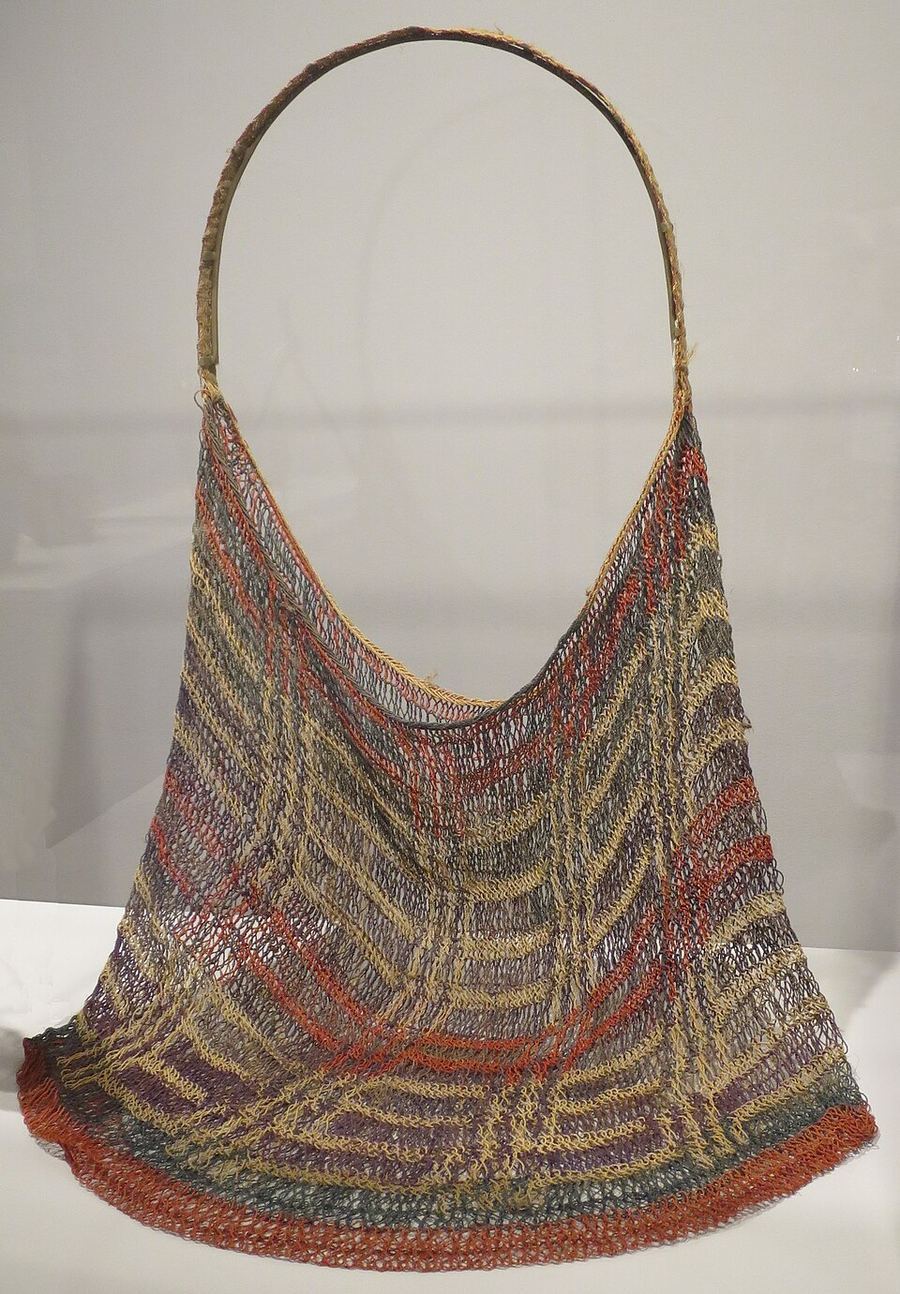
Papua New Guinea has no single national dress, but it has one of the world's richest traditions of ceremonial adornment, and what is worn identifies a specific clan and occasion with precision. The general term in Tok Pisin is bilas — decoration — and it combines body paint in ochre, clay and charcoal; headdresses built from the plumes of birds of paradise, cassowary, parrot and eagle, often inherited and enormously valuable; kina and other shell ornaments worn at the neck and nose; boar tusks; and skirts and aprons of woven grass, fibre or barkcloth. Regional forms are unmistakable: the Huli wigmen of the Southern Highlands grow and shape their own hair into ceremonial wigs decorated with everlasting flowers and painted their faces yellow; the Asaro mudmen wear heavy clay helmet masks; the Baining perform in towering barkcloth constructions. The bilum, a looped string bag made by women and carried by everyone, is the closest thing to a universal national object and is worn as well as used. Everyday clothing is Western — the meri blouse, a loose dress introduced by missionaries, is standard for many women, and laplap cloth is worn by both sexes.
Encyclopaedia BritannicaSmithsonianBritish Museum

Sports & Inspiring Athletes

Rugby league is not merely the most popular sport in Papua New Guinea but the national sport by statute and by feeling, and the country is the only one in the world where that is true. Matches are followed with an intensity that can close towns, and the Australian National Rugby League competition commands enormous attention. The national team, the Kumuls, competes in the Rugby League World Cup — reaching the quarter-finals on several occasions — and the PNG Hunters play in the Queensland Cup, the principal feeder competition in Australia, giving Papua New Guinean players a professional pathway; Justin Olam and Marcus Bai are among those who reached the top level. Rugby union and Australian rules football also have followings. Cricket has a long history in the Papuan coastal villages and the national side has competed in ICC tournaments. Football is played widely and the national team competes in Oceania competition, hosting and reaching the final of the OFC Nations Cup in 2016. In athletics, sprinter Toea Wisil has been a leading Pacific competitor, and boxing, weightlifting and canoeing supply most of the country's Olympic representation.

Notable Educational Programs

Education is a persistent national challenge in a country where communities are separated by mountains, rivers and hundreds of languages. Formal schooling was built largely by Christian missions before and during the Australian administration, and churches still run a substantial share of schools. Successive governments have pursued free or subsidised tuition policies to raise enrolment, with measurable increases in attendance but continuing difficulty in teacher supply, classroom space and retention, particularly for girls and in the highlands; literacy is well below regional averages. Instruction in early years has moved between vernacular languages and English in successive reforms — a genuinely hard problem in a country with 839 of them — with elementary schooling in a local language and later transition to English the general model. The University of Papua New Guinea, founded in Port Moresby in 1965, is the oldest and largest university; the PNG University of Technology at Lae trains engineers and surveyors, and Divine Word University at Madang, the University of Goroka for teacher education and the University of Natural Resources and Environment complete the public sector. Australian scholarship programmes send substantial numbers of Papua New Guinean students abroad.

Wars & Conflicts

The defining modern conflict was the Bougainville civil war. Grievances over the environmental damage and unequal revenue distribution of the Panguna copper mine, opened in 1972 and one of the largest in the world, led to its forced closure in 1989 and to an armed secessionist campaign by the Bougainville Revolutionary Army against Papua New Guinean forces. The war lasted roughly a decade, killed an estimated several thousand to as many as twenty thousand people including those who died from a blockade on medical supplies, and was ended by the Bougainville Peace Agreement of 2001, which established an autonomous government and promised a referendum. That referendum, held in late 2019 under United Nations observation, returned an overwhelming vote — around 98% — for independence; the result is non-binding and the two governments have been negotiating the terms of a settlement since. Elsewhere, conflict is localised: tribal fighting in the highlands, historically ritualised, has become far deadlier with the spread of firearms, and outbreaks have killed dozens at a time and displaced communities. Law and order problems in Port Moresby and Lae, and violence against women, are documented as serious and persistent.
UCDPUNReutersHuman Rights WatchBBC
Current as of 2026-08-07

Land & Border Disputes

Papua New Guinea's only land border runs down the 141st meridian, dividing New Guinea from the Indonesian provinces of Papua and West Papua. The line itself is agreed and demarcated, and the two states maintain a border treaty and joint arrangements, but the frontier is a source of continuing friction because of the Papuan independence insurgency on the Indonesian side: refugees have crossed into PNG's Western Province in significant numbers over decades, some in long-established camps, and cross-border movement by armed groups strains the relationship. Papua New Guinea's official position supports Indonesian sovereignty over the western half of the island while managing the humanitarian consequences. Maritime boundaries with Australia are settled by the Torres Strait Treaty of 1978, an unusual instrument that fixes separate seabed and fisheries lines and creates a protected zone allowing traditional inhabitants of both countries to move and fish freely across the strait — it is often cited as a model settlement. Boundaries with Solomon Islands and the Federated States of Micronesia are agreed. The unresolved constitutional question is internal rather than external: the future status of Bougainville following its 2019 independence referendum.
Land, Life & Legacy

Land & Climate

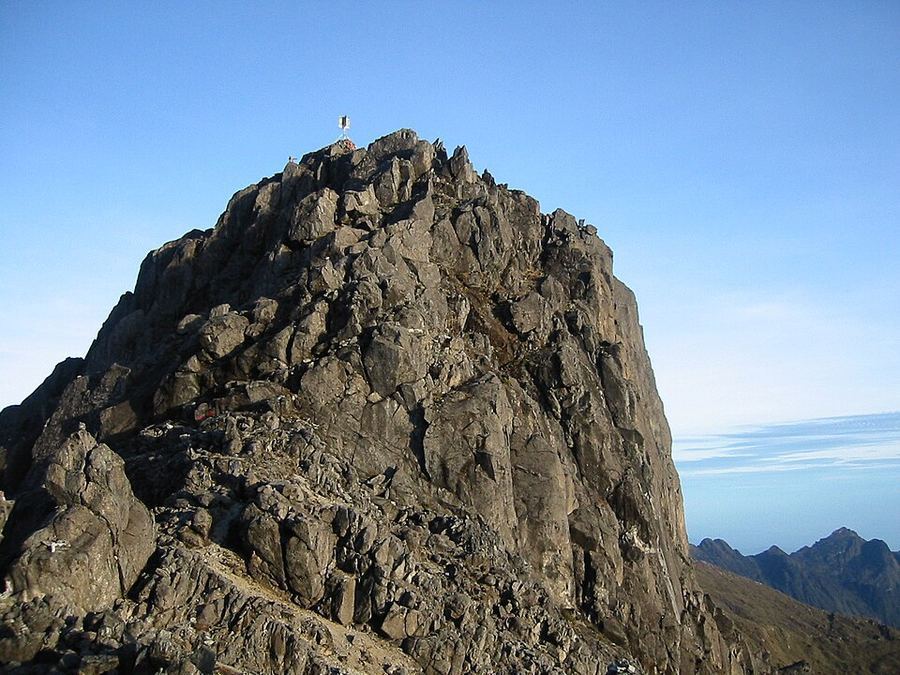
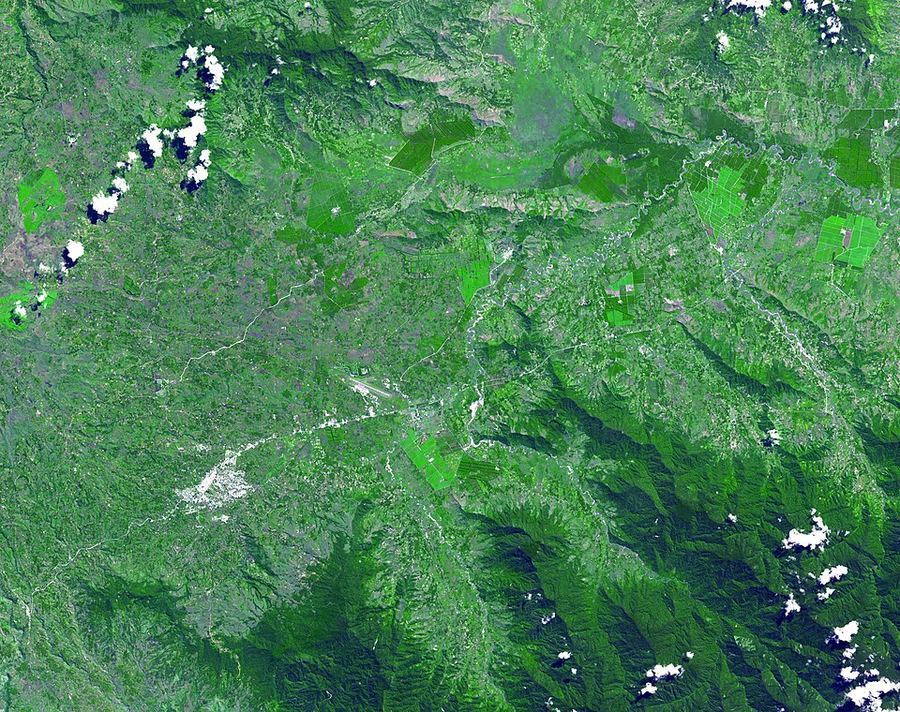
Papua New Guinea covers the eastern half of New Guinea plus the Bismarck Archipelago, Bougainville and hundreds of smaller islands, some 463,000 square kilometres in all. A central cordillera runs the length of the mainland, rising to Mount Wilhelm at 4,509 metres, and its valleys — Wahgi, Asaro, Baliem to the west — hold dense agricultural populations that were unknown to outsiders until the 1930s. Below the mountains lie vast lowland swamps drained by the Sepik and Fly rivers, both among the largest rivers of the region, and extensive mangrove and sago country. Rainforest covers most of the country and is among the most species-rich on earth, though logging and conversion to oil palm have taken a substantial toll. The islands include volcanic New Britain, where the twin cones above Rabaul buried the town in ash in 1994, and New Ireland and Bougainville. The country sits on the Pacific Ring of Fire and is exceptionally hazard-prone: active volcanoes, frequent large earthquakes, landslides on steep saturated slopes, and tsunami — the 1998 Aitape tsunami killed more than 2,000 people. The climate is tropical and wet, with monsoon seasons, moderated by altitude in the highlands where nights can be cold.

Entertainment

For most Papua New Guineans, leisure is communal and rural rather than commercial. Village life centres on the haus tambaran or meeting house, the market, and the long evening conversation over betel nut. Rugby league is the great national enthusiasm and is played on any cleared ground, watched in crowds wherever a television and a generator can be found; the Australian competition is followed with a devotion that shapes the weekly rhythm. Markets are social occasions as much as commercial ones, and the sale of garden produce, bilums and betel nut is a principal form of women's economic activity and of village sociability. The great festivals — the Goroka Show in September, the Mount Hagen Show, the Rabaul Mask Festival, the Hiri Moale — draw people over long distances and combine performance, trade and reunion. On the coasts and islands, fishing, canoe travel and canoe racing are ordinary pursuits. For visitors and a growing number of nationals, the country offers trekking on the Kokoda Track, diving on wrecks and reefs of exceptional quality around Kimbe Bay and Milne Bay, birdwatching for the birds of paradise, and river travel on the Sepik.

Art & Museums

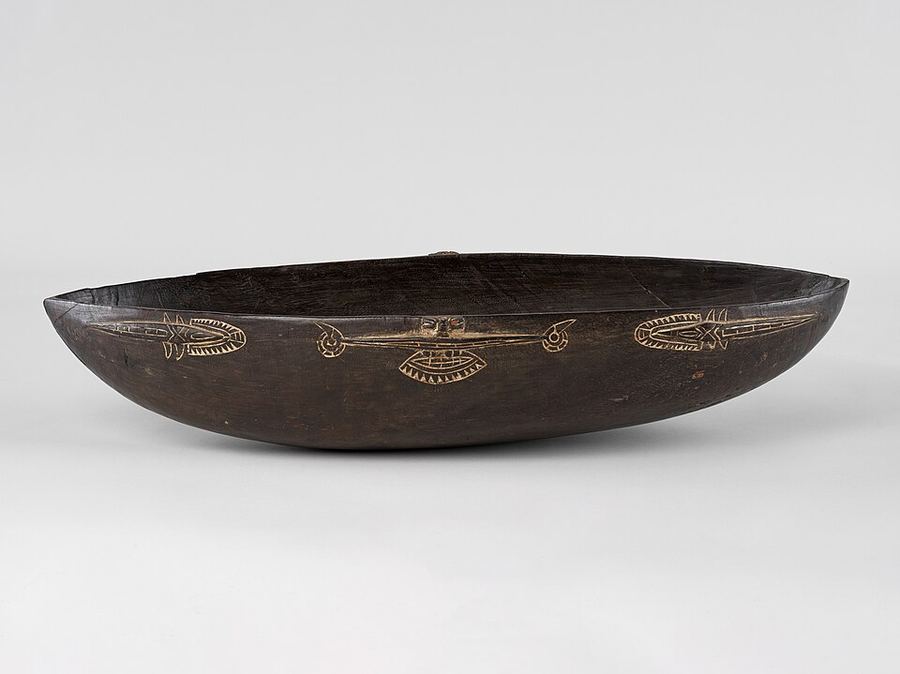
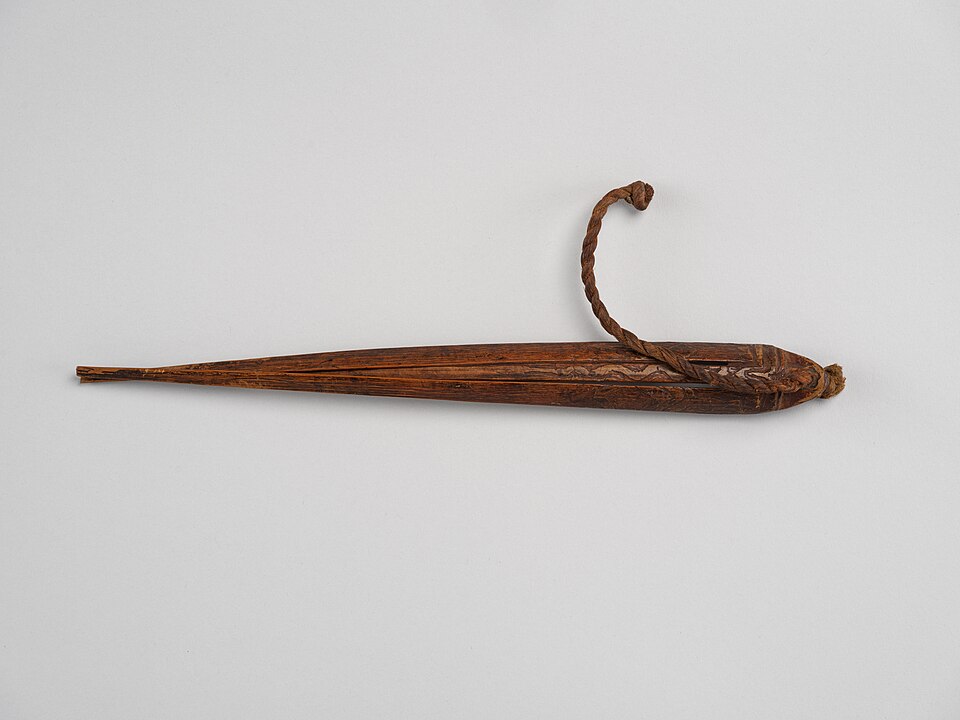
New Guinea produced some of the most inventive sculptural traditions in the world, and the Sepik River region is its acknowledged centre. Sepik carving includes the great haus tambaran spirit houses with painted facades and towering gables, ancestor figures, hooked suspension hooks, orator's stools, and masks in wood, clay, cane and shell whose elongated noses and inlaid cowrie eyes are instantly recognisable; these works entered European collections in the colonial period and directly influenced twentieth-century modernists who encountered them in Paris and Berlin. The Asmat tradition lies across the border, but related forms occur in PNG's south. Other regional traditions are equally distinct: the malagan carvings of New Ireland, elaborate openwork sculptures made for mortuary ceremonies and traditionally destroyed or discarded afterwards; the barkcloth masks of the Baining; the kwoma ceilings; the incised and painted shields of the highlands. Pottery from Aibom and the Motu villages travelled long distances in trade. Body decoration is itself treated as a major art form. Contemporary Papua New Guinean artists work in printmaking, painting and sculpture, and the National Museum and Art Gallery in Port Moresby holds the principal national collection.
British MuseumMetropolitan Museum of ArtSmithsonianEncyclopaedia Britannica

Notable People

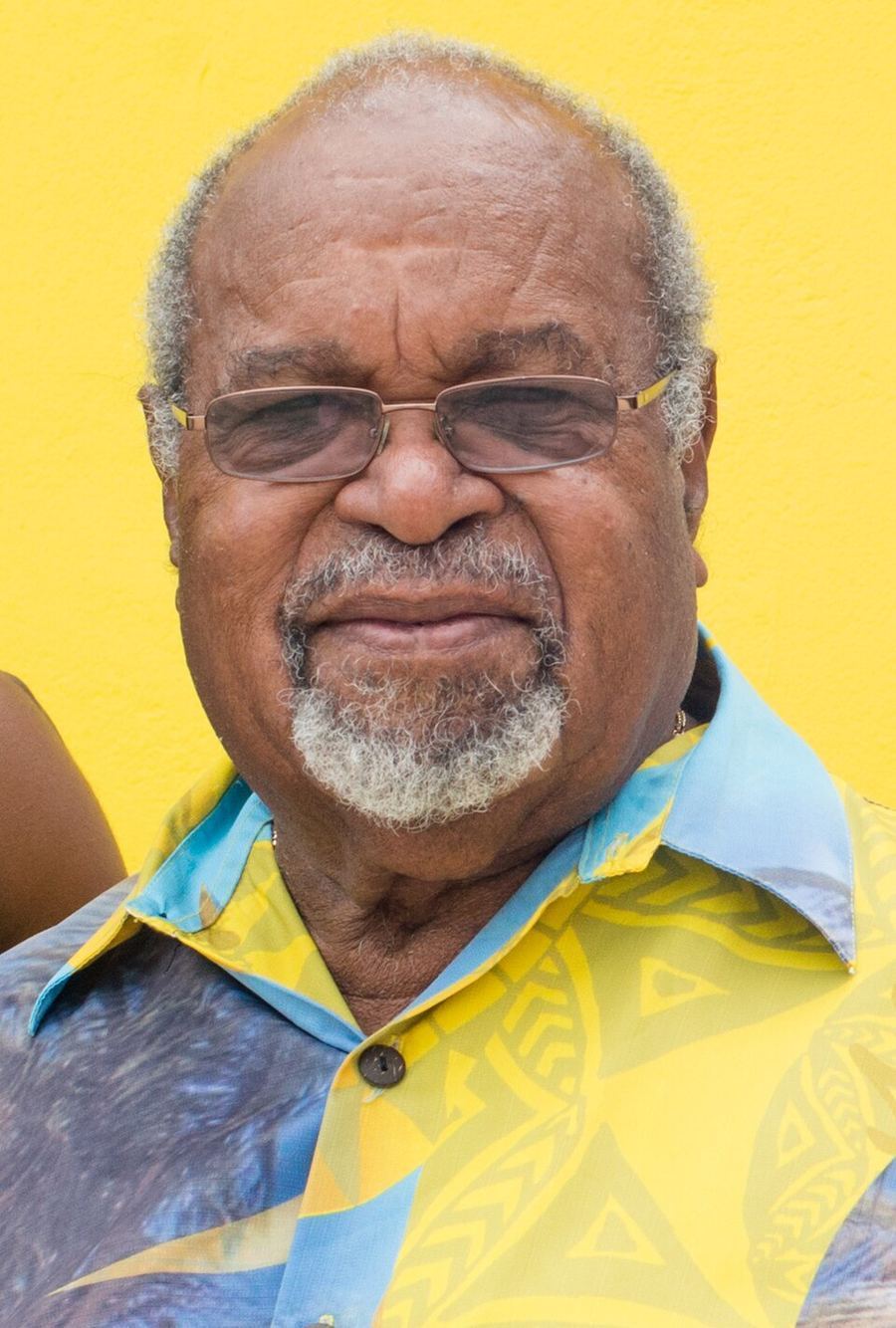
Michael Somare, known as the father of the nation, led Papua New Guinea to independence in 1975 as its first prime minister and remained a dominant political figure across four decades and several terms in office until his death in 2021. Julius Chan, from New Ireland, served as prime minister twice and was central to the country's early economic policy. Sir Mekere Morauta led significant financial reforms after the crisis of the late 1990s. Bougainvillean leader Francis Ona led the rebellion that closed the Panguna mine, while John Momis and later Ishmael Toroama were central to the peace settlement and the autonomous government that followed. In the arts, Sir Albert Maori Kiki wrote one of the country's first widely read autobiographies, and the novelist and poet Russell Soaba is among its established literary figures. In sport, rugby league players including Marcus Bai and Justin Olam reached the top Australian competition, and Dame Kate Lorraine Barker and other administrators have shaped national institutions. Boxer and weightlifter Dika Toua became the first woman to compete in Olympic weightlifting at Sydney in 2000 and went on to appear at five Games.

Inventions & Breakthroughs

Papua New Guinea's most significant contribution to human technology is agriculture itself. Excavations at Kuk Swamp in the Western Highlands have documented drainage ditches, mounding and planting from roughly 7,000 BCE, with evidence of banana cultivation among the earliest anywhere, establishing New Guinea as one of a very small number of independent centres where farming was invented rather than adopted. The crops domesticated there — several banana species, sugarcane, taro varieties, and the nut trees of the lowlands — spread across the tropics and are now grown worldwide. The associated engineering is real: highland agriculture depends on drainage networks, soil mounding and composting techniques developed to farm steep, wet, high-altitude terrain intensively enough to support dense populations, and these were refined over millennia. In material culture, the bilum — a bag looped rather than woven from bark fibre or wool, which stretches to carry enormous loads including infants — is a distinctive engineering solution now made and sold internationally. The garamut slit drum functioned as a long-distance signalling system with a coded vocabulary, and outrigger canoe designs and the navigational knowledge behind the Kula and Hiri trade voyages represent a sophisticated maritime technology.

Science & Technology

Papua New Guinea's scientific significance lies chiefly in what can be studied there. Its rainforests are among the least catalogued and most species-rich on earth, and expeditions regularly describe species new to science; the Binatang Research Center at Madang has built an internationally recognised model of training Papua New Guinean parataxonomists to conduct insect and plant ecology fieldwork, producing research published in leading journals. The country is central to the study of human linguistic diversity, since roughly a tenth of the world's languages are spoken there, and to human prehistory through the Kuk excavations and the deep record of settlement. In medicine, Papua New Guinea has an unusual place in the history of neuroscience: kuru, a fatal neurodegenerative disease among the Fore people of the Eastern Highlands transmitted through mortuary practices, was investigated from the 1950s and led to the identification of transmissible spongiform encephalopathies and ultimately to the prion concept, work recognised with a Nobel Prize; the PNG Institute of Medical Research at Goroka, founded in 1968, continues research on malaria, tuberculosis and infectious disease. Geological and volcanological monitoring, run through the Rabaul Volcanological Observatory, is a national necessity.
NatureScienceWHOGlottolog
On The World Stage

Champions & Defining Moments

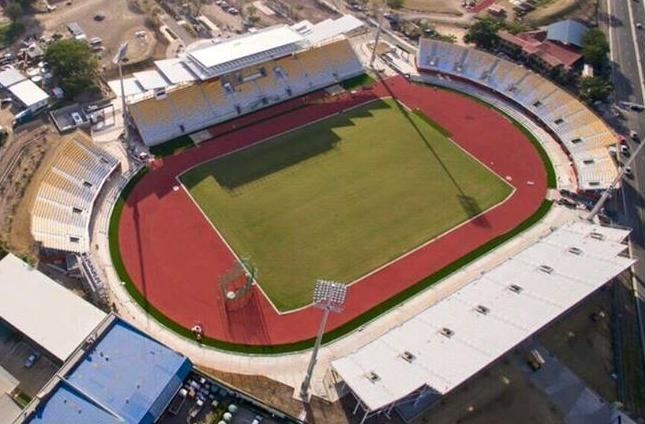
Papua New Guinea has competed at the Summer Olympic Games since Montreal in 1976, the year after independence, and at the Commonwealth Games since 1962, where it has had considerably more success — Papua New Guinean athletes have won Commonwealth medals in boxing, weightlifting, lawn bowls and athletics. Dika Toua's appearance at Sydney 2000 made her the first woman to lift in Olympic weightlifting competition, and she competed at five Games in all. The country hosted the Pacific Games in 1969, 1991 and 2015, the last in Port Moresby with substantial new venues built for it, and it topped the medal table on that occasion. It also hosted the FIFA Under-20 Women's World Cup in 2016, its largest global sporting event. In rugby league the Kumuls are a fixture of the World Cup and of Pacific test matches, and Port Moresby has hosted internationals against Australia, England and Fiji. Papua New Guinea's cricketers qualified for the ICC Men's T20 World Cup, appearing at the 2021 and 2024 tournaments — the country's first appearances at a global cricket event.

IOCOlympediaCommonwealth Games FederationFIFA
Economy, Trade & Government

Currency & GDP

Kina — PGK (None)

GDP (PPP): $45.487 billion (2024 est.)

Per capita: $4,300 (2024 est.)

Exports

$12.93 billion (2023 est.)

natural gas, gold, copper ore, palm oil, nickel (2023)

Partners: China 28%, Japan 25%, Australia 17%, Taiwan 8%, India 4% (2023)

Imports

$7.192 billion (2023 est.)

refined petroleum, trucks, rice, plastic products, excavation machinery (2023)

Partners: Australia 27%, China 24%, Singapore 15%, Malaysia 9%, Japan 4% (2023)

Government

Type: parliamentary democracy under a constitutional monarchy; a Commonwealth realm

Independence: 16 September 1975 (from the Australia-administered UN trusteeship)

Terrain → Where People Live

How mountains, coasts, and rivers shape settlement (LandScan).

Coming — data

Migration & Ethnic Settlement

Where groups settled and how people move (GeoEPR + UNHCR).

Coming — data

Universities

Notable institutions, mappable as points.

Coming — data
Economy & government facts: CIA World Factbook (public domain), via OpenFactBook / factbook.json.
Every fact and narrative claim will carry a visible source citation. Data-driven sections light up automatically wherever HERA has coverage.