HERA · Human Entity Reference Atlas by Masego Inc

← Poland 🌐 3D View
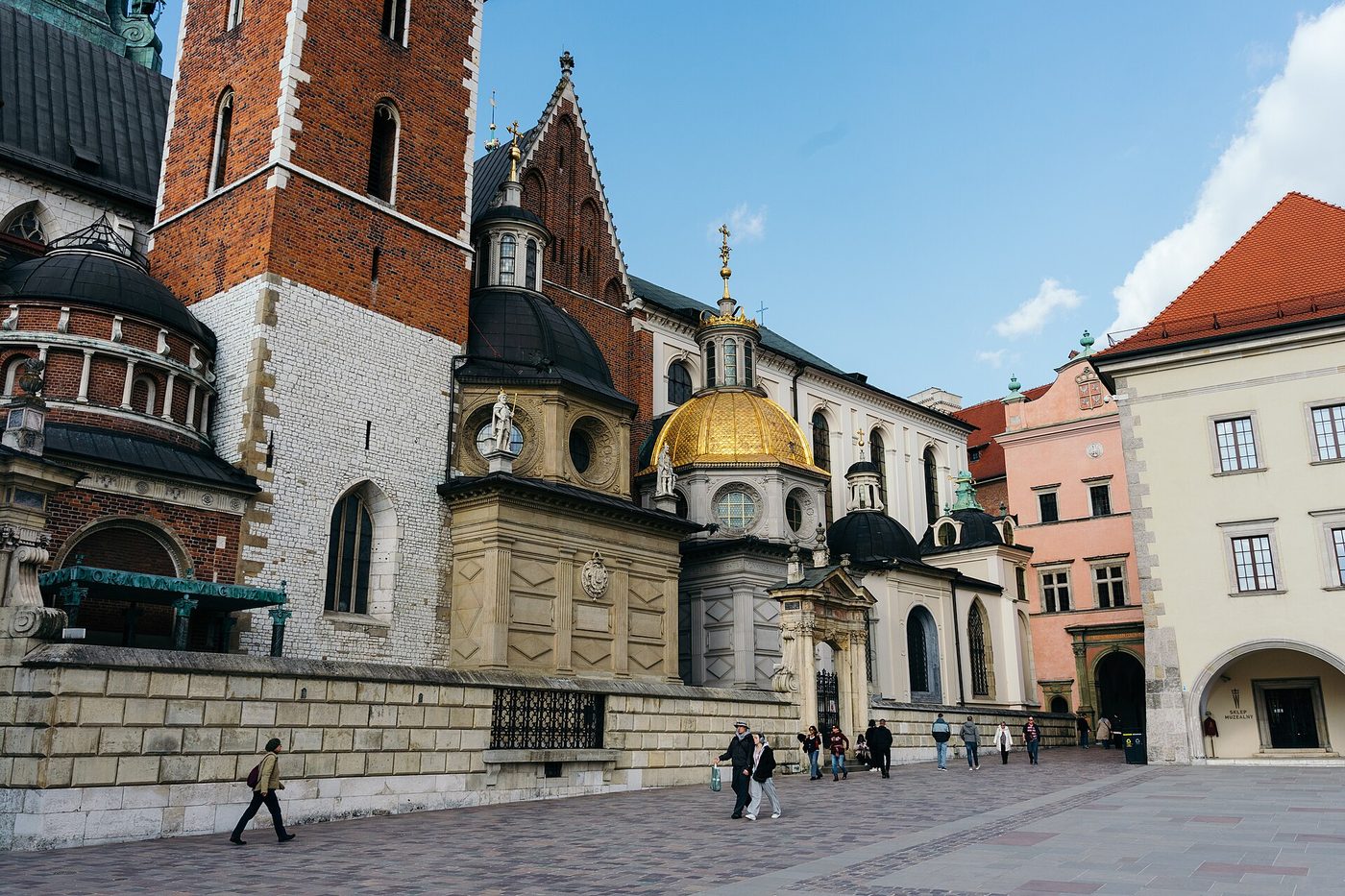
Cathedral and pink gate at Wawel Castle, Krakow, Poland
Poland POL
Cathedral and pink gate at Wawel Castle, Krakow — Photo: Lloyd Tudor / CC BY-SA 4.0 via Wikimedia Commons
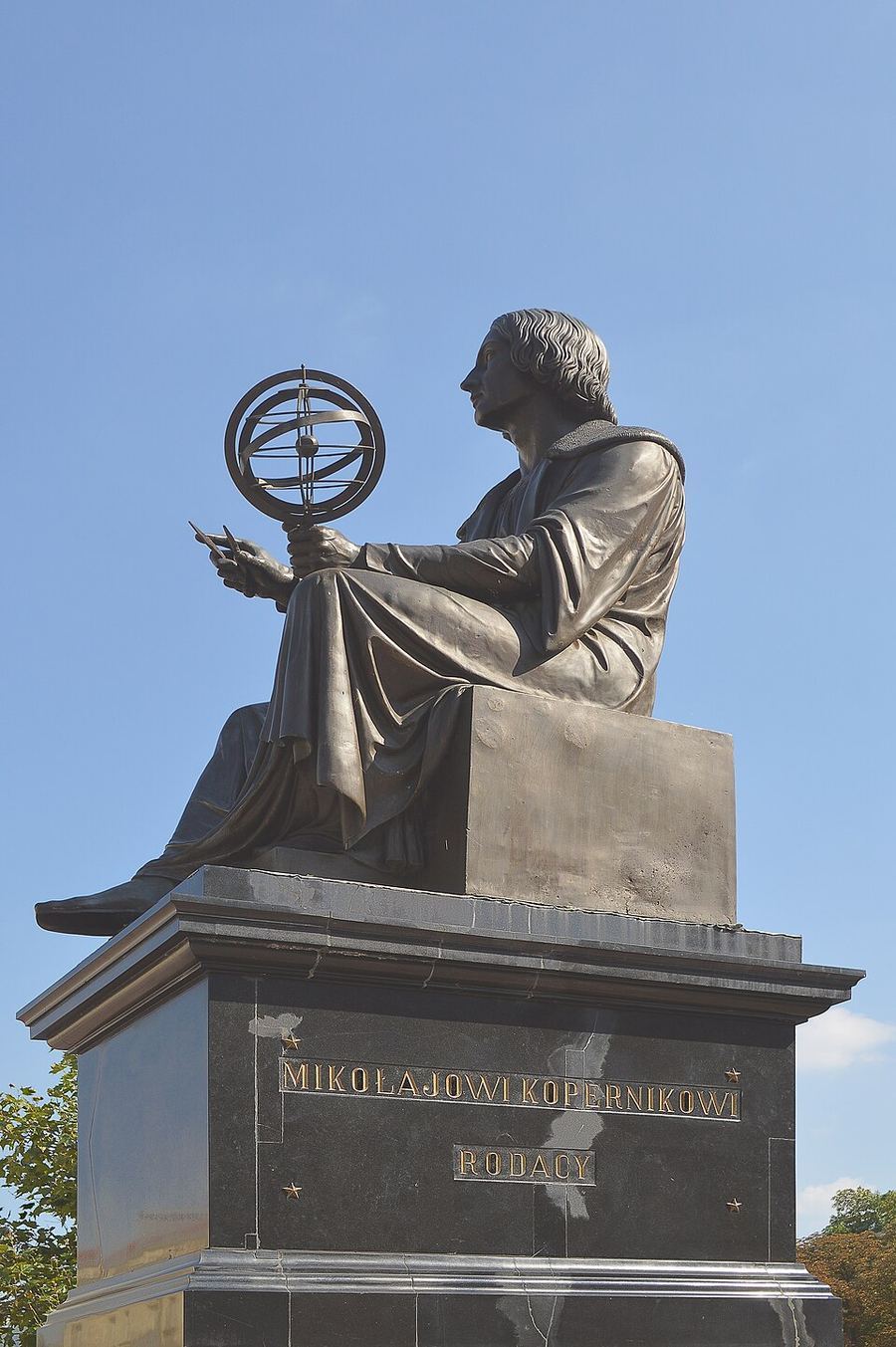
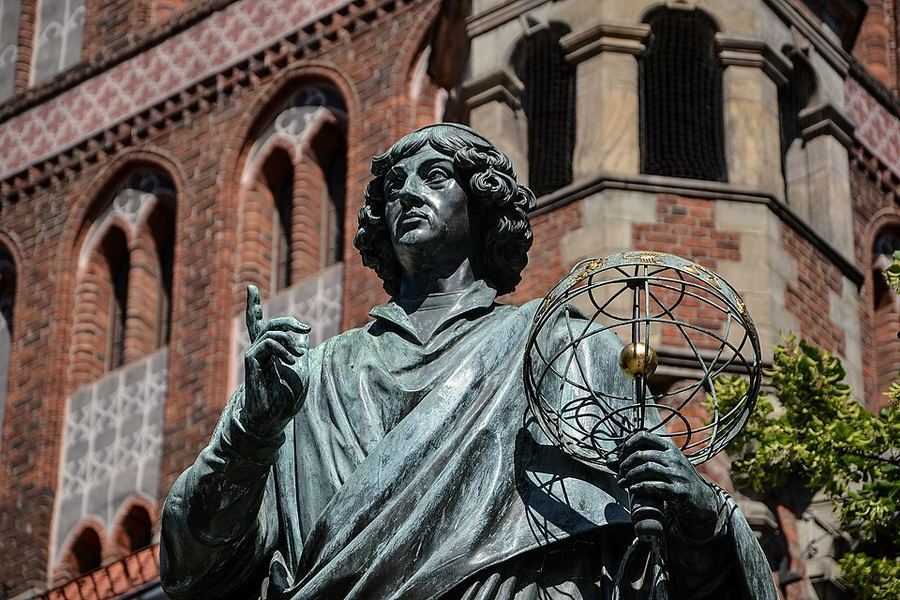
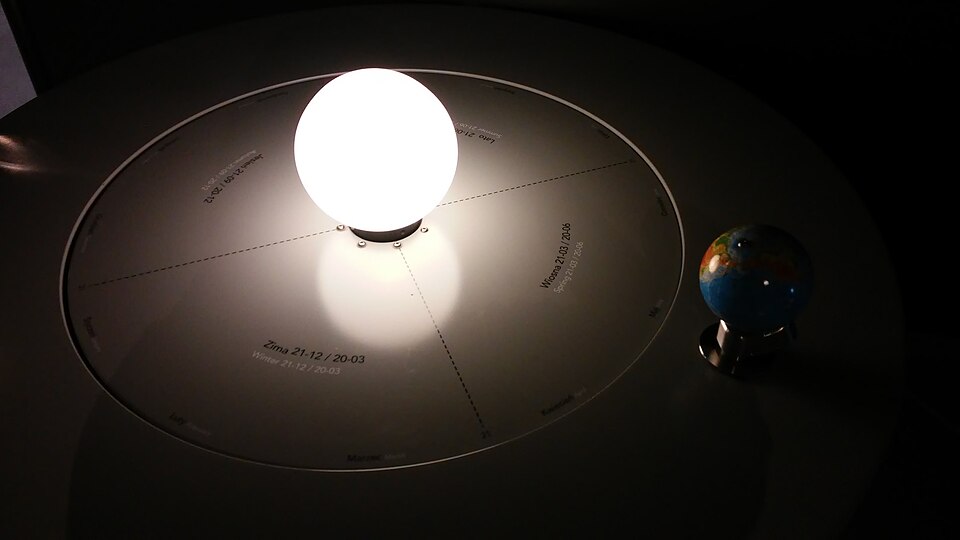
Did You Know Nicolaus Copernicus, born in Toruń in 1473, upended the cosmos with his heliocentric theory — published as 'De revolutionibus orbium coelestium' in 1543, reportedly reaching him on his deathbed — while working much of his life as a church canon in Frombork. — Encyclopaedia Britannica

Poland occupies the great flat corridor of the North European Plain — a geography that made it Europe's battleground for centuries and makes it NATO's hinge today. Its 38.7 million people live in a parliamentary republic whose capital, Warsaw, was rebuilt brick by brick from wartime rubble so faithfully that the reconstruction itself earned UNESCO recognition. The national story runs from the baptism of 966, through the vast Polish-Lithuanian Commonwealth of 1569, to complete erasure from the map for 123 years, to rebirth on 11 November 1918 — and then to the Solidarity movement that cracked the Soviet bloc open. Since shedding communism in 1989, Poland has staged one of the great economic transformations of modern times: a $1.6 trillion economy at purchasing power parity, roughly $45,100 per person, exporting vehicle parts, batteries, and cars, mostly to Germany. Society is aging (median age 43.4) and historically homogeneous — about 97 percent ethnic Polish, 70.7 percent Roman Catholic — yet Poland now hosts more than a million refugees, overwhelmingly Ukrainians, a demographic shift without precedent in its postwar history.

CIA World FactbookIMFUNESCO
Population
38,746,310
Capital
Warsaw
Currency
zł PLN
Time zones
Largest city
Warsaw
Human Geography Themes
Loading national figures…
Largest Cities
Warsaw2,022,382
Katowice879,406
Krakow775,381
Lodz606,464
Wrocław585,347
Poznan577,969
Gdansk419,806
Sosnowiec326,520
In Perspective

Warsaw's urban core is home to about 2,022,382 people.

That's bigger than Amsterdam — each a great world city in its own right.

Warsaw2,022,382
Amsterdam1,223,407

Among the world's megacities, though, it's one of many — the giants of Asia and Latin America run larger still:

Warsaw2,022,382
Jakarta40,545,126
Dhaka37,307,160
Tokyo33,244,670
Shanghai30,678,616
Cairo25,230,325
The Country & Its People

History

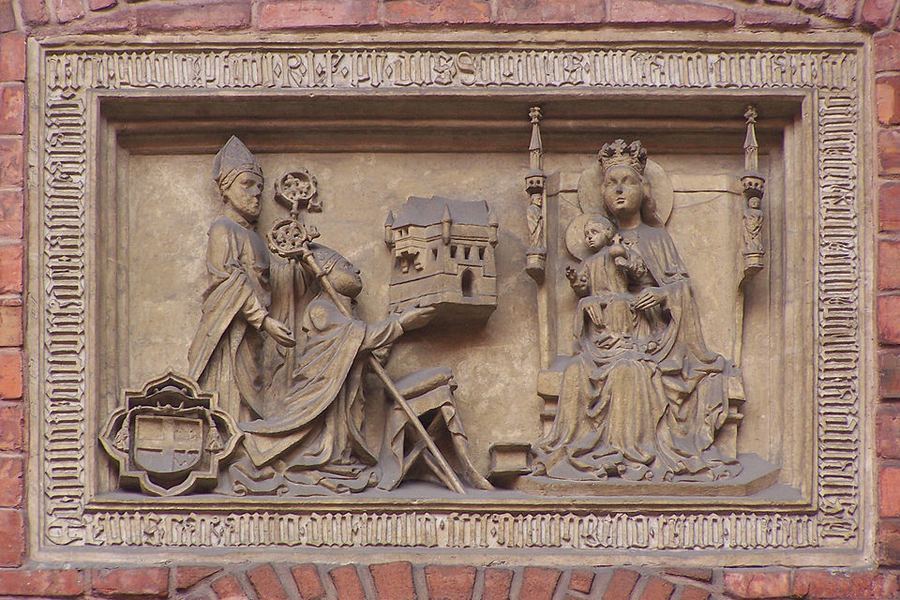
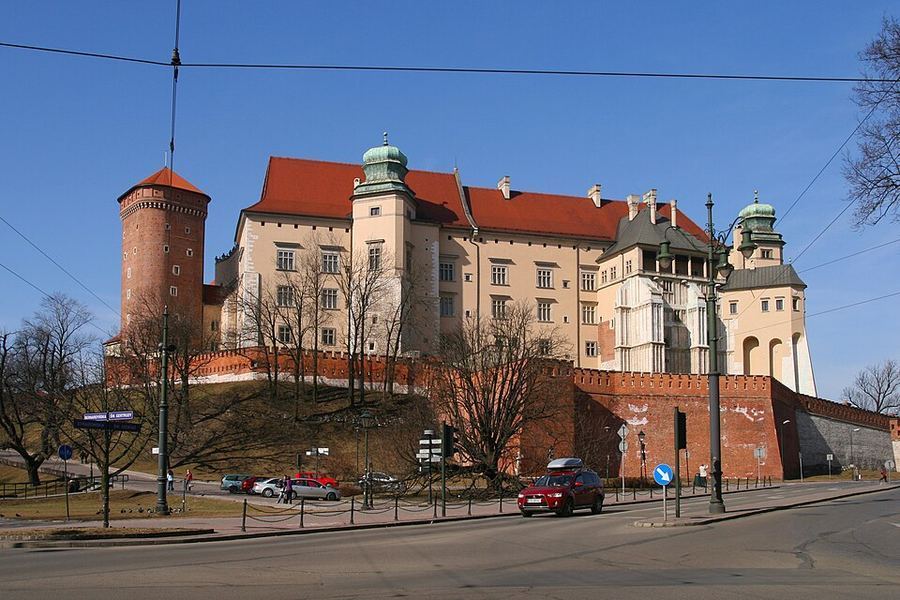
Polish history opens with a baptism: in 966 Duke Mieszko I adopted Christianity, binding his young state to the Latin West — a date Poles still treat as the country's founding. The medieval kingdom flowered under the Jagiellonians, and in 1569 the Union of Lublin created the Polish-Lithuanian Commonwealth, for a time the largest state in Europe, famous for its elected kings and a nobility that could veto legislation with a single voice. Decline followed brilliance. On 3 May 1791 Poland adopted Europe's first written national constitution — and within four years its neighbors answered by partitioning the country entirely. Between 1772 and 1795, Russia, Prussia, and Austria erased Poland from the map for 123 years; the nation survived in language, church, and insurrection until independence returned on 11 November 1918. The Second World War fell on Poland with singular ferocity: invaded from both west and east in 1939, it lost roughly a fifth of its population, saw the Holocaust perpetrated largely on its occupied soil, and watched Warsaw razed after the 1944 uprising. Four decades of communist rule ended through the Solidarity movement's peaceful pressure, which forced the partly free elections of 1989 — the first crack in the Soviet bloc. Poland joined NATO in 1999 and the European Union in 2004.
History, Poland
Lestat (Jan Mehlich) / CC BY-SA 3.0

Culture

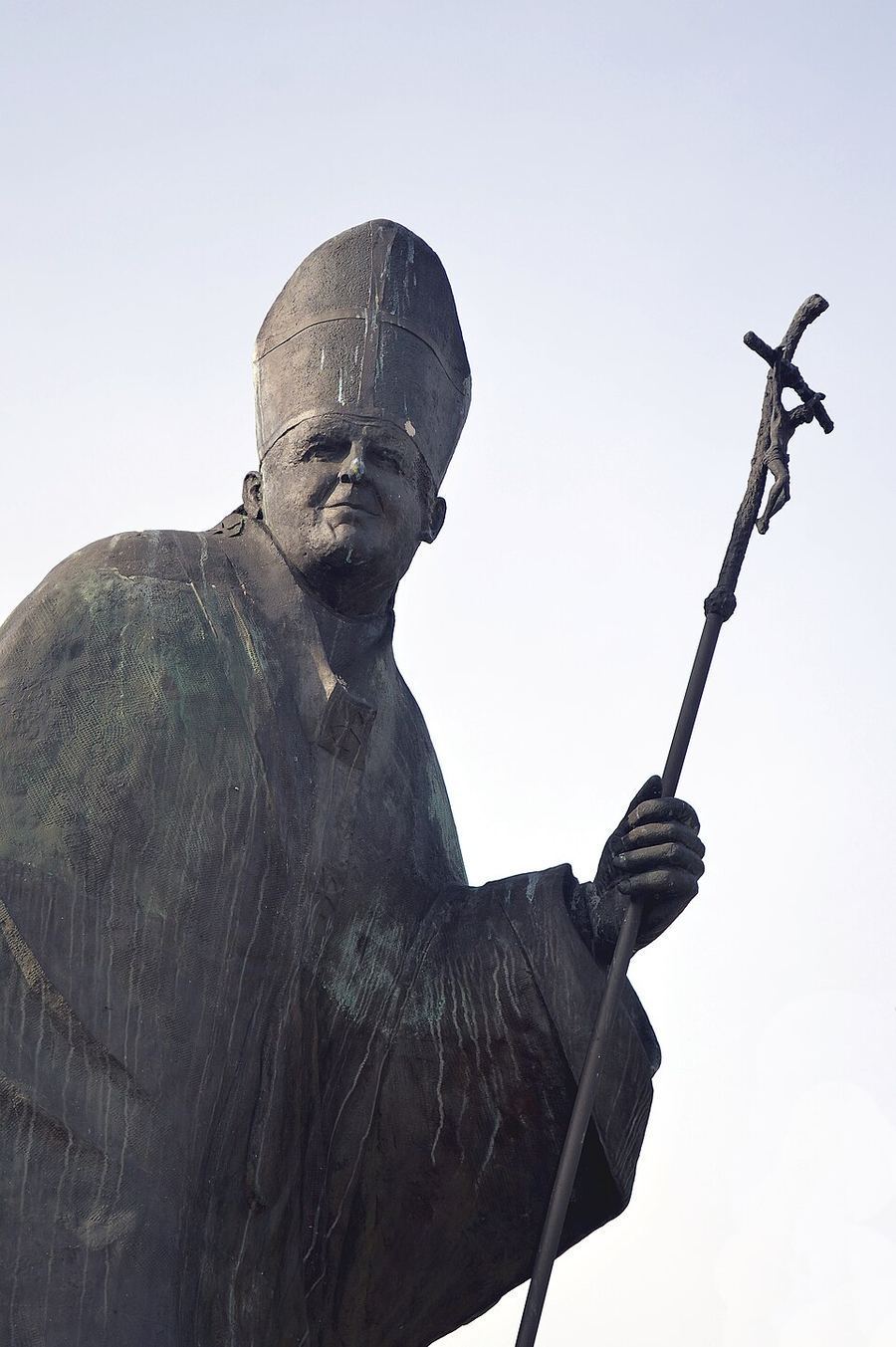
Polish culture was forged in adversity: when the state vanished in the partitions, the nation kept itself alive through language, poetry, and the Catholic Church, and that fusion of faith and letters still marks the country. Karol Wojtyła of Kraków became Pope John Paul II in 1978 — the first non-Italian pope in 455 years — and his 1979 homecoming pilgrimage, drawing millions, is widely credited with emboldening the movement that became Solidarity. Literature carries unusual civic weight: Poland counts Nobel laureates in literature from Henryk Sienkiewicz and Władysław Reymont to the poets Czesław Miłosz and Wisława Szymborska and, in 2018, the novelist Olga Tokarczuk. Daily culture keeps older rhythms. Name days often outrank birthdays; Christmas Eve's Wigilia supper traditionally sets twelve meatless dishes and an empty place for an unexpected guest; and All Saints' Day turns every cemetery in the country into a sea of candlelight. Roughly 98 percent of residents speak Polish — a rare linguistic uniformity, seasoned by the regional Silesian speech of the southwest and the fiercely distinct traditions of the Górale highlanders of the Tatra Mountains.
Culture, Poland
Scotch Mist / CC BY-SA 4.0

Points Of Pride

Poland's pantheon starts with a man who moved the Earth: Nicolaus Copernicus, born in Toruń in 1473, whose heliocentric model displaced our planet from the center of the universe. Warsaw-born Maria Skłodowska — Marie Curie — remains the only person to win Nobel Prizes in two different sciences, physics in 1903 and chemistry in 1911, after coining the very word 'radioactivity' and discovering polonium, named for her partitioned homeland. Fryderyk Chopin turned the mazurkas and polonaises of the Polish countryside into the core of the Romantic piano repertoire. Collective pride runs just as deep: Solidarity, born in the Gdańsk shipyard in 1980, grew to roughly ten million members and proved a dictatorship could be dismantled without a shot; the rebuilt Old Town of Warsaw stands as a monument to national stubbornness, inscribed by UNESCO precisely because the reconstruction was so meticulous. And there is the quieter, modern pride of economics: Poland was the only member of the European Union to avoid recession during the 2009 global financial crisis, capping three decades in which it multiplied its output several times over and became the growth engine of Central Europe.
Points Of Pride, Poland
Scotch Mist / CC BY-SA 4.0

Cultural Fusion

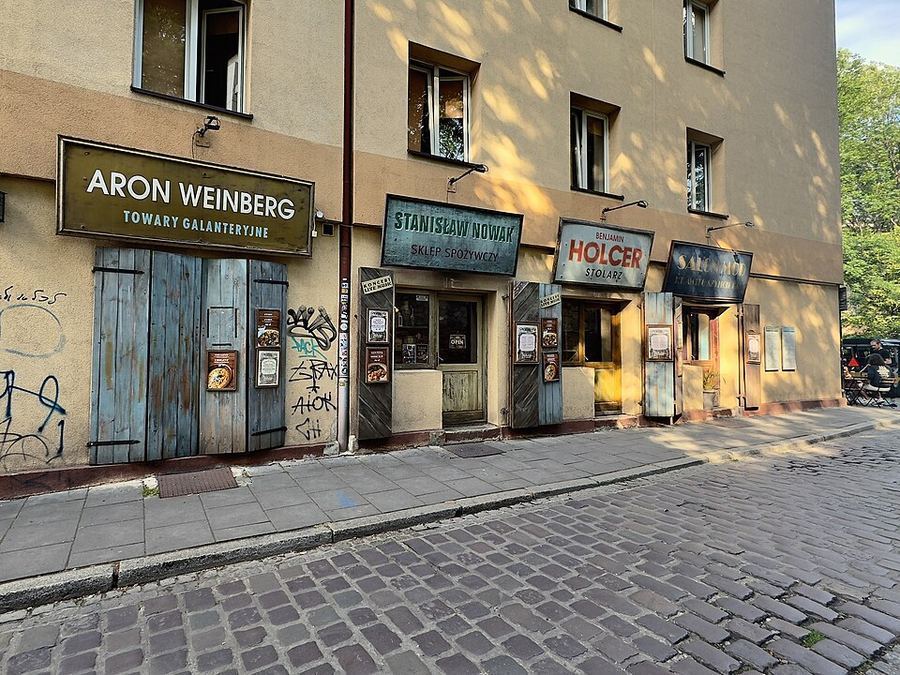
Today's Poland is one of Europe's most ethnically uniform countries — about 96.9 percent Polish by the census — but that is a twentieth-century artifact, not the historical norm. The Polish-Lithuanian Commonwealth was a mosaic of Poles, Lithuanians, Ruthenians, Germans, Armenians, and Jews, governed with a religious tolerance codified in the Warsaw Confederation of 1573, remarkable for its era. For centuries Poland was the heartland of world Jewry; on the eve of the Second World War over three million Jews lived there, the largest community in Europe, before the Holocaust destroyed it almost entirely. Traces of the old mosaic endure: wooden mosques of the Lipka Tatars, Muslims settled in Podlasie since the 1600s; the Silesian minority, over a million strong, whose speech straddles the line between dialect and language; the Górale highlanders with their own music, dress, and fierce identity. And the mosaic is returning. More than a million refugees, overwhelmingly Ukrainians displaced since 2022, now live in Poland — linguistic cousins whose children fill Polish schools — making the country an immigration destination for the first time in living memory and quietly reversing generations of demographic homogeneity.
Cultural Fusion, Poland
Terry Kearney from liverpool, merseyside / CC0

Music & Dance

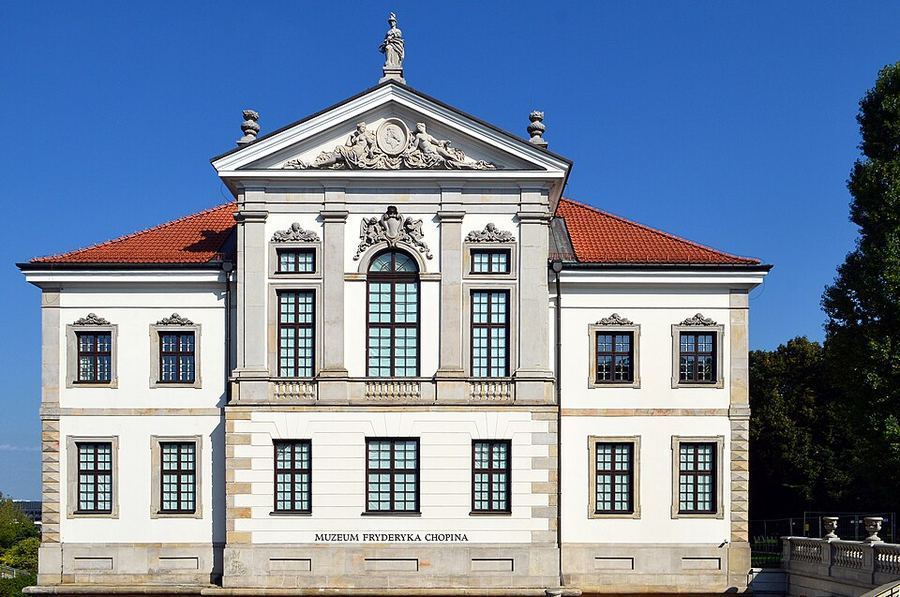
Fryderyk Chopin is Poland's sound made flesh: born near Warsaw in 1810, he distilled the village mazurka and the courtly polonaise into piano music of such national charge that his heart — literally — was smuggled back from Paris and rests in a pillar of Warsaw's Holy Cross Church. Every five years the International Chopin Piano Competition, one of the oldest and most prestigious in the world, brings the globe's best young pianists to Warsaw. The polonaise itself, the stately walking dance that opens Polish school proms to this day, was inscribed by UNESCO on the intangible cultural heritage list in 2023; the national dance canon also includes the whirling mazur, the leaping oberek, and the krakowiak with its syncopated gallop. Polish composition never stopped at Chopin: Karol Szymanowski wove Tatra highland fiddling into modernism, and the postwar avant-garde of Witold Lutosławski and Krzysztof Penderecki reshaped contemporary music — Penderecki's shrieking string textures even colonized Hollywood horror scores. Henryk Górecki's Third Symphony became an improbable 1990s global bestseller. At the folk end, Górale string bands still play at highland weddings, while Poland's festival circuit runs from Warsaw's storied jazz scene to some of Europe's largest open-air events.
Music & Dance, Poland
Scotch Mist / CC BY-SA 4.0

Cuisine & Misattributed Foods

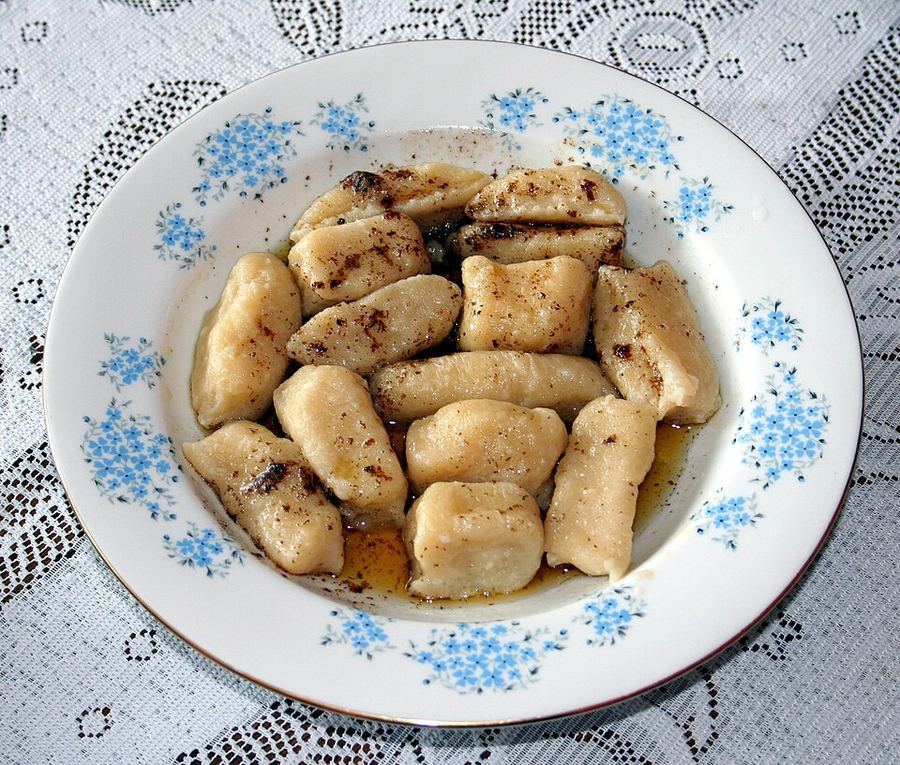
Polish cooking is the food of a cold plain made generous: filling, sour, smoked, and fermented. The pierogi — half-moon dumplings stuffed with potato and cheese ('ruskie'), sauerkraut and mushroom, meat, or seasonal fruit — is the undisputed national dish, boiled then fried in butter. Bigos, the 'hunter's stew' of sauerkraut, fresh cabbage, and whatever meats the house can spare, improves with each reheating and appears in the national epic 'Pan Tadeusz.' Soups anchor the table: żurek, soured on fermented rye starter and served with sausage and egg, sometimes inside a hollowed bread loaf; barszcz, the crimson beet broth poured over tiny dumpling 'little ears' on Christmas Eve. Kiełbasa is a universe of smoked sausages, and oscypek — the spindle-shaped smoked sheep's cheese of the Tatra highlands, pressed in carved wooden molds — carries European protected-origin status. Poland claims centuries of vodka tradition, including Żubrówka flavored with bison grass from the Białowieża Forest. Two humbler institutions complete the picture: the obwarzanek, Kraków's twisted ring bread sold from street carts since the Middle Ages, and the bar mleczny or 'milk bar,' the subsidized communist-era canteen that survives as beloved, dirt-cheap comfort food.
Cuisine & Misattributed Foods, Poland
Przykuta / CC BY-SA 3.0

National Dress

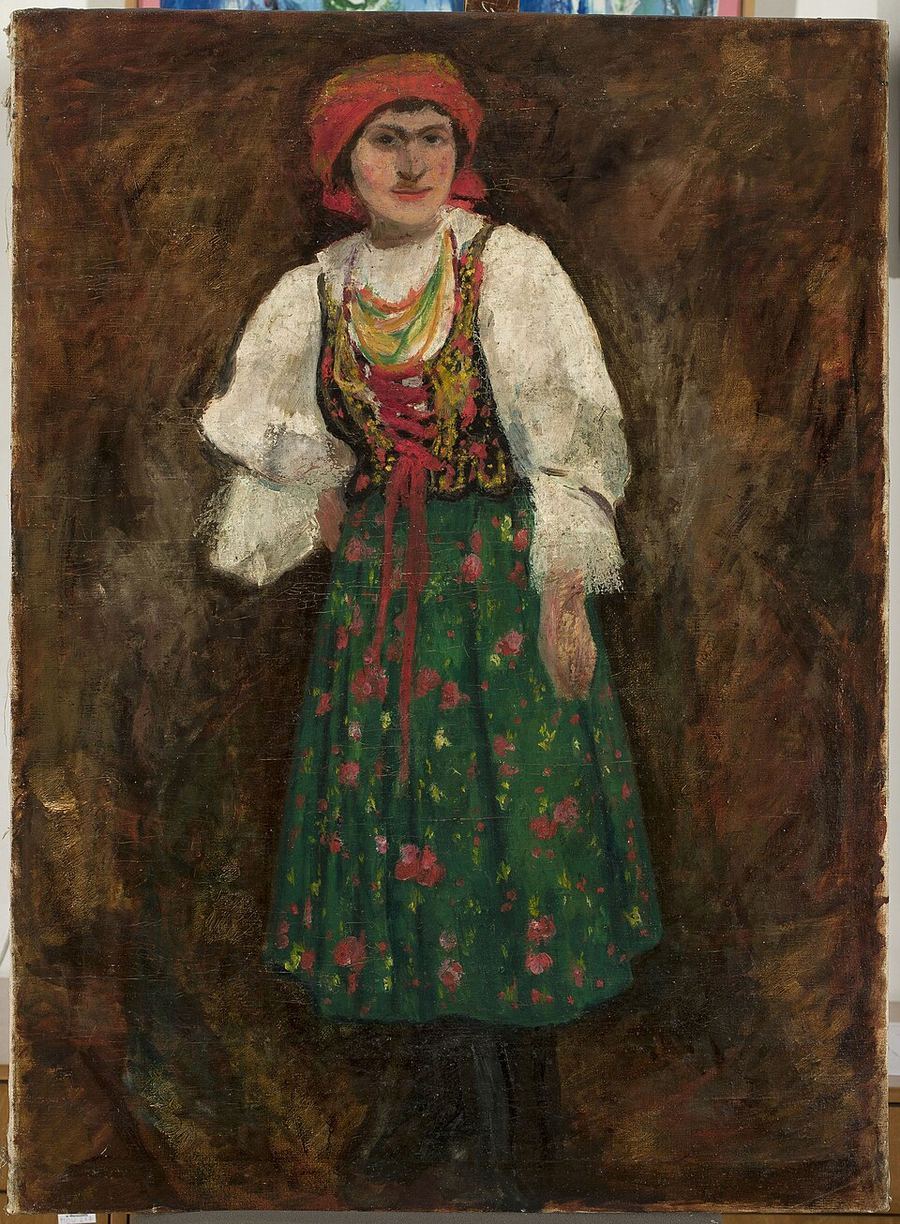
Poland's folk wardrobe is a federation of regional costumes, and the one that became national shorthand belongs to Kraków. The strój krakowski — for men a blue kaftan, striped trousers, and the square-topped rogatywka cap crowned with peacock feathers and ribbons; for women a flowered skirt, embroidered bodice, coral beads, and ribboned wreath — was elevated to patriotic symbol after Tadeusz Kościuszko took his oath on Kraków's market square in 1794 dressed in peasant garb, binding the costume to the independence cause. Every region answers with its own dress: Łowicz in central Poland is famous for skirts and aprons woven in vivid vertical rainbow stripes, echoed in its celebrated paper-cut folk art; the Górale highlanders of Podhale wear tight white wool trousers embroidered with the parzenica heart-knot motif, broad leather belts, and round black hats — dress still genuinely worn, not just performed, at highland weddings and church feasts. Silesia, Kashubia, and Kurpie keep their own styles alive through folk ensembles like the world-touring Mazowsze and Śląsk. Costumes emerge in force for Corpus Christi processions, harvest festivals (dożynki), and national holidays — living dress for high occasions rather than museum pieces.
National Dress, Poland
Tadeusz Makowski / Public domain

Sports & Inspiring Athletes

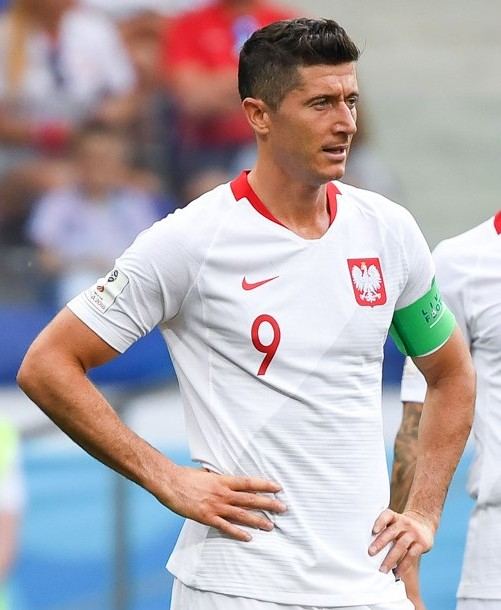
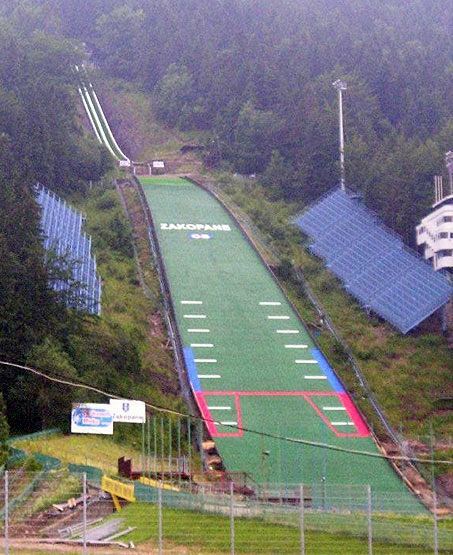
Football commands the biggest crowds, and one Pole commands the record books: Robert Lewandowski, twice named FIFA's Best Men's Player (2020 and 2021), the all-time leading scorer of the national team he long captained. Poland's golden footballing generation of the 1970s and 80s took Olympic gold in 1972 and third place at the 1974 and 1982 World Cups. But Poland's most reliable powerhouse is volleyball: the men's national team are multiple world champions — including back-to-back titles in 2014 (won at home) and 2018 — and took silver at the Paris 2024 Olympics, while domestic league matches fill arenas like football does elsewhere. Winter belongs to ski jumping, a national obsession ignited by Adam Małysz's four World Cup titles and carried on by Kamil Stoch's three Olympic golds; half the country still stops for major jumping Sundays. On clay and hard courts, Iga Świątek has made Poland a tennis superpower, stacking Grand Slam titles and long reigns at world number one. Track and field supplies the Olympic backbone — sprint legend Irena Szewińska won medals at five consecutive Games — and motorcycle speedway, cross-country skiing (Justyna Kowalczyk), and handball round out a deep sporting culture.
Sports & Inspiring Athletes, Poland
Светлана Бекетова / CC BY-SA 3.0

Notable Educational Programs

Polish education is anchored by one of the oldest universities on the continent: the Jagiellonian University in Kraków, founded by King Casimir the Great in 1364, counts Nicolaus Copernicus among its students and remains, with the University of Warsaw, the summit of a large public higher-education system where full-time study at state universities is tuition-free. The school system runs through an eight-year primary school to general or technical secondary schools, capped by the matura examination that gates university entry. Its results draw international attention: Poland's successive reforms since the late 1990s produced one of the OECD's most-studied school improvement stories, and Polish teenagers have repeatedly scored near the top of the European Union in the OECD's PISA assessments of mathematics, reading, and science — outperforming many far richer countries. Adult literacy is effectively universal, and tertiary attainment among younger Poles has surged since 1989, when enrollment in higher education roughly quintupled within two decades as private colleges multiplied. The vocational-technical track, tied to Poland's large manufacturing base, has been rebuilt around employer-linked 'technikum' schools. A distinctive export: Poland's centuries-old mathematical tradition, from the interwar Lwów school to today's strong showings in international informatics and mathematics olympiads.
Notable Educational Programs, Poland
Lestat (Jan Mehlich) / CC BY-SA 3.0

Wars & Conflicts

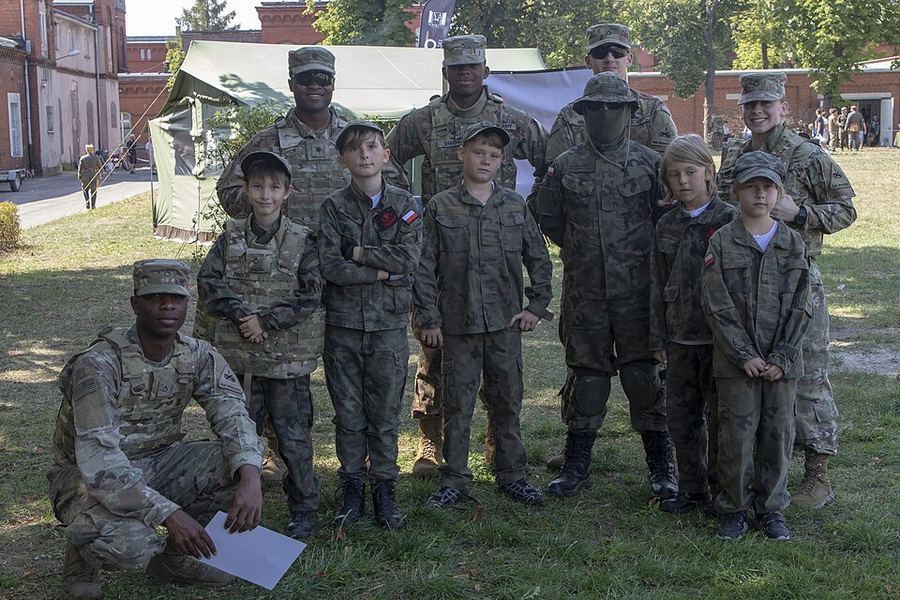
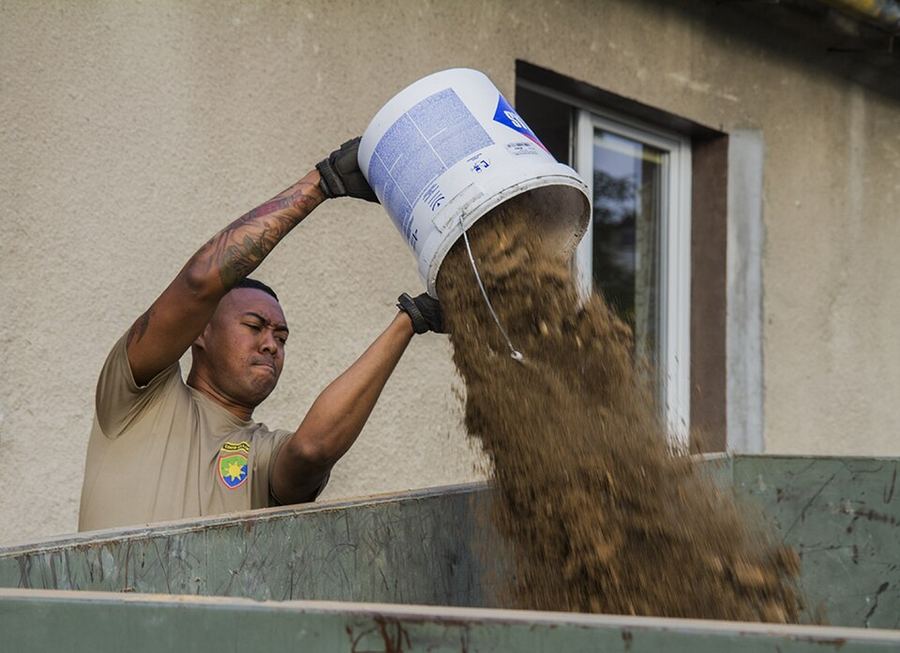
Poland is not at war, but as of mid-2026 it sits closer to one than any other EU state — a frontline NATO country bordering Russia's Kaliningrad exclave, Belarus, and Ukraine. The starkest moment came on 10 September 2025, when, as Reuters and NBC News reported, roughly 19 Russian drones crossed into Polish airspace during strikes on Ukraine; Polish and allied aircraft, including Dutch F-35s, shot several down — the first time a NATO member engaged Russian assets in its own airspace since the 2022 invasion. Prime Minister Donald Tusk told parliament it was the closest Poland had come to open conflict since World War II; Warsaw invoked NATO's Article 4, and the alliance launched the Eastern Sentry air-defense mission on the eastern flank. On the Belarus frontier, Poland maintains a border wall and buffer zone against what officials describe as a Russian-and-Belarusian-engineered migration pressure campaign; Euronews reported illegal crossing attempts fell about 96 percent in early 2026 from their peak. Poland remains the indispensable logistics hub for Western aid to Ukraine — the great majority transits Polish territory, notably via Rzeszów-Jasionka airport, now protected by allied air defenses — and it is spending nearly 5 percent of GDP on defense, the highest share in NATO, while fortifying its eastern borders and expanding its armed forces.
Current as of 2026-07-16
Wars & Conflicts, Poland
U.S. Army photo by Pvt. Caleb Minor / Public domain

Land & Border Disputes

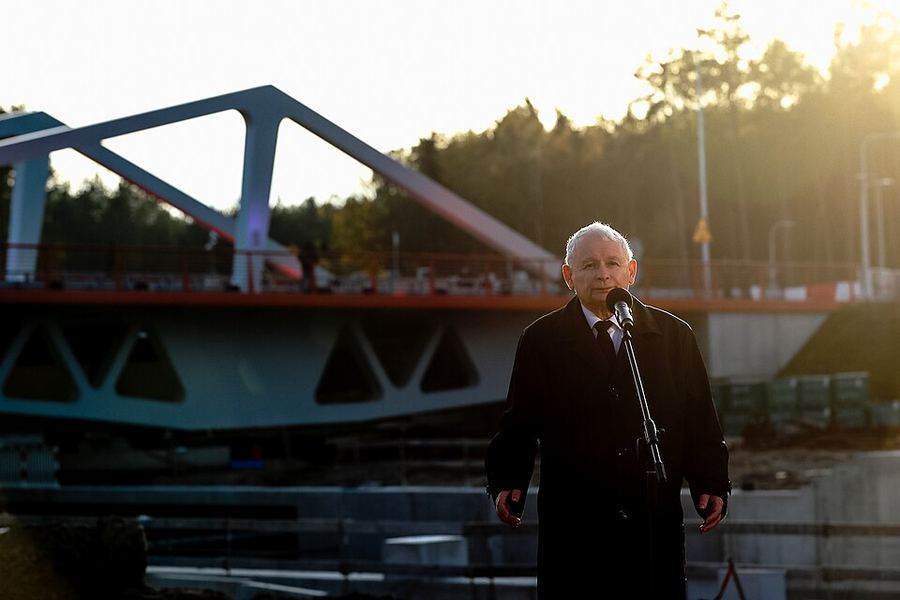
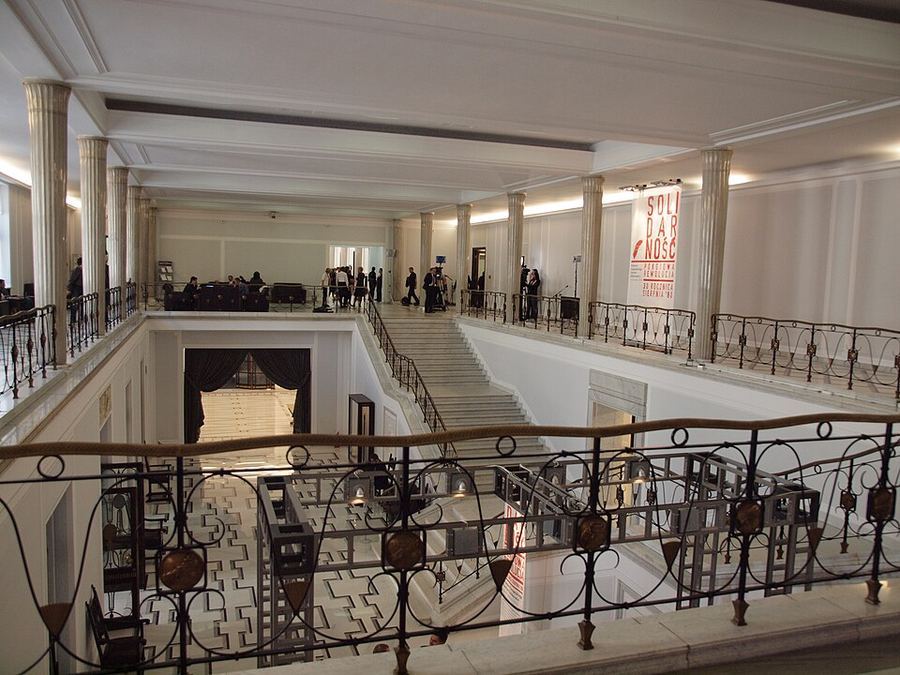
Poland is, remarkably for a country whose borders were redrawn or erased repeatedly across three centuries, essentially free of territorial disputes today. The CIA World Factbook records no active international disputes over Polish territory. The question that haunted postwar Europe — the Oder-Neisse line, the western border that transferred formerly German lands to Poland in 1945 — was definitively settled when reunified Germany recognized the frontier as final and inviolable in the 1990 German-Polish border treaty, closing the era in which Polish borders were contested by neighbors. Poland's remaining boundary matters have been administrative rather than adversarial: it delimited its Baltic maritime zones with Denmark in a 2018 agreement resolving a long-unsettled area around Bornholm, and in 2022 it cut the Vistula Spit canal on its own territory so that ships could reach the port of Elbląg without transiting Russian waters — an infrastructure hedge, not a claim. Poland accepts the compulsory jurisdiction of the International Court of Justice with reservations, and no territorial case involving Poland sits on the court's docket. The country's security anxieties in 2026 are real, but they concern airspace and hybrid pressure, not lines on the map: Poland's borders are, for the first time in centuries, universally recognized and uncontested.
Land & Border Disputes, Poland
Chancellery of the Prime Minister of Poland / CC BY 3.0 pl
Land, Life & Legacy

Land & Climate

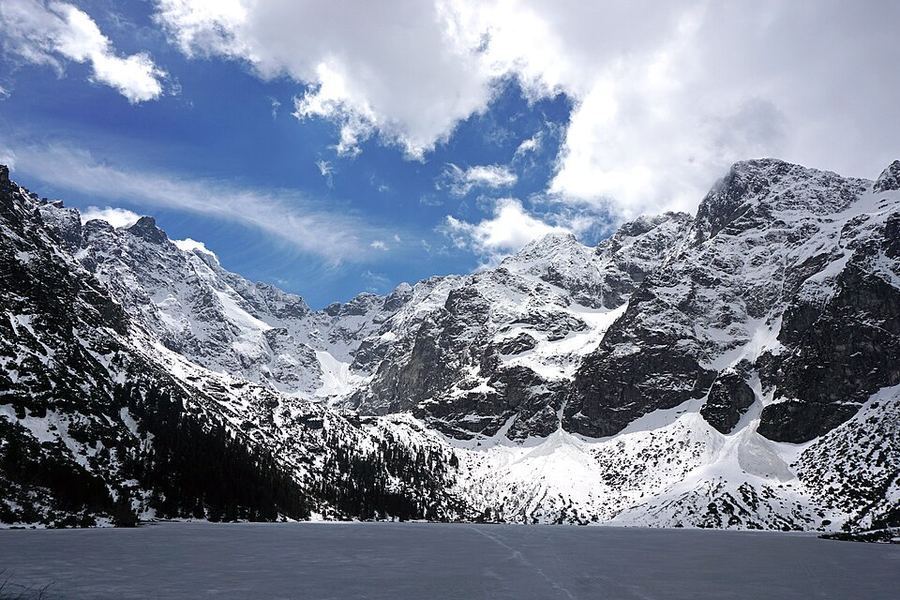
Poland covers about 313,000 square kilometres and is overwhelmingly lowland, lying across the North European Plain; the country's name and the Polish word for field share a root. The land rises only in the south, to the Sudetes on the Czech border and the Carpathians on the Slovak border, where the Tatra Mountains hold Rysy at 2,499 metres, the highest point in Poland. The north is a young glacial landscape of moraine hills and thousands of lakes across Masuria and Pomerania, ending in a Baltic coast of dunes, sand spits and the long hook of the Hel Peninsula. The Vistula, the longest river, rises in the Carpathians and runs past Kraków and Warsaw to the sea at Gdańsk, while the Oder forms much of the German border. On the Belarusian frontier the Białowieża Forest is the largest surviving fragment of the primeval lowland forest that once covered the plain and holds free-ranging European bison. The climate is transitional between oceanic and continental, growing colder and drier eastward, with four clearly marked seasons.
Land & Climate, Poland
kallerna / CC BY-SA 4.0

Entertainment

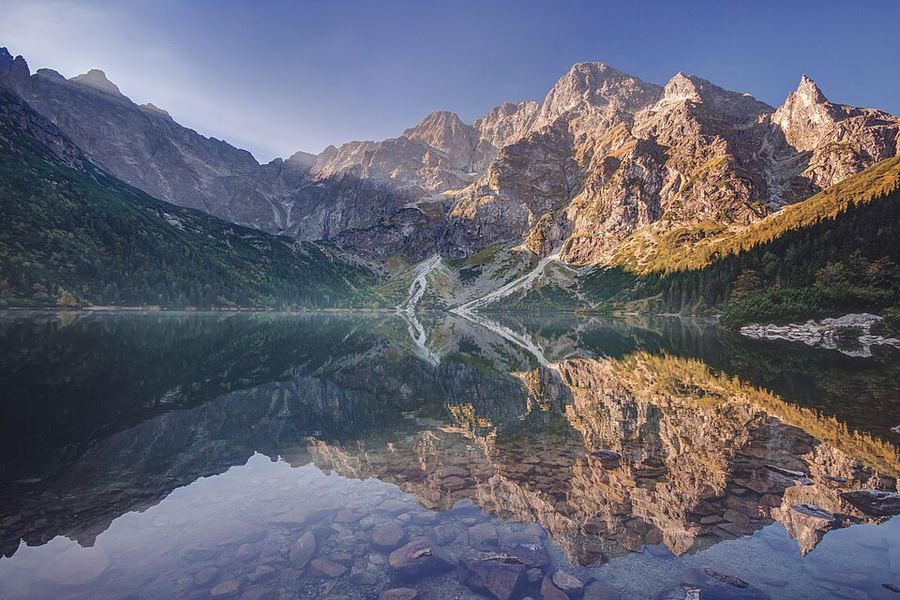
Polish leisure follows the seasons with conviction. Autumn means grzybobranie — mushroom foraging — a near-universal family expedition into the forests, baskets in hand, knowledge passed down like folklore. Summer splits between the Baltic beaches of Sopot and the Hel Peninsula and the Masurian Lake District, where thousands of interconnected lakes make sailing a mass pastime. Winter belongs to Zakopane, the highland resort beneath the Tatras that styles itself Poland's winter capital, its slopes and grilled-oscypek stalls packed through the season; hikers claim the same mountains in summer, queueing for the alpine lake of Morskie Oko. Kraków's Christmas market fills the medieval main square, and the city's competitive nativity-scene craft — the fantastically spired szopka — is inscribed on UNESCO's intangible heritage list. The festival circuit is enormous, from Open'er in Gdynia to the free Pol'and'Rock gathering, milk bars serve pierogi to students and pensioners alike, and hundreds of thousands of allotment gardens keep summer weekends green.
Entertainment, Poland
Aneta Pawska / CC BY 3.0

Art & Museums

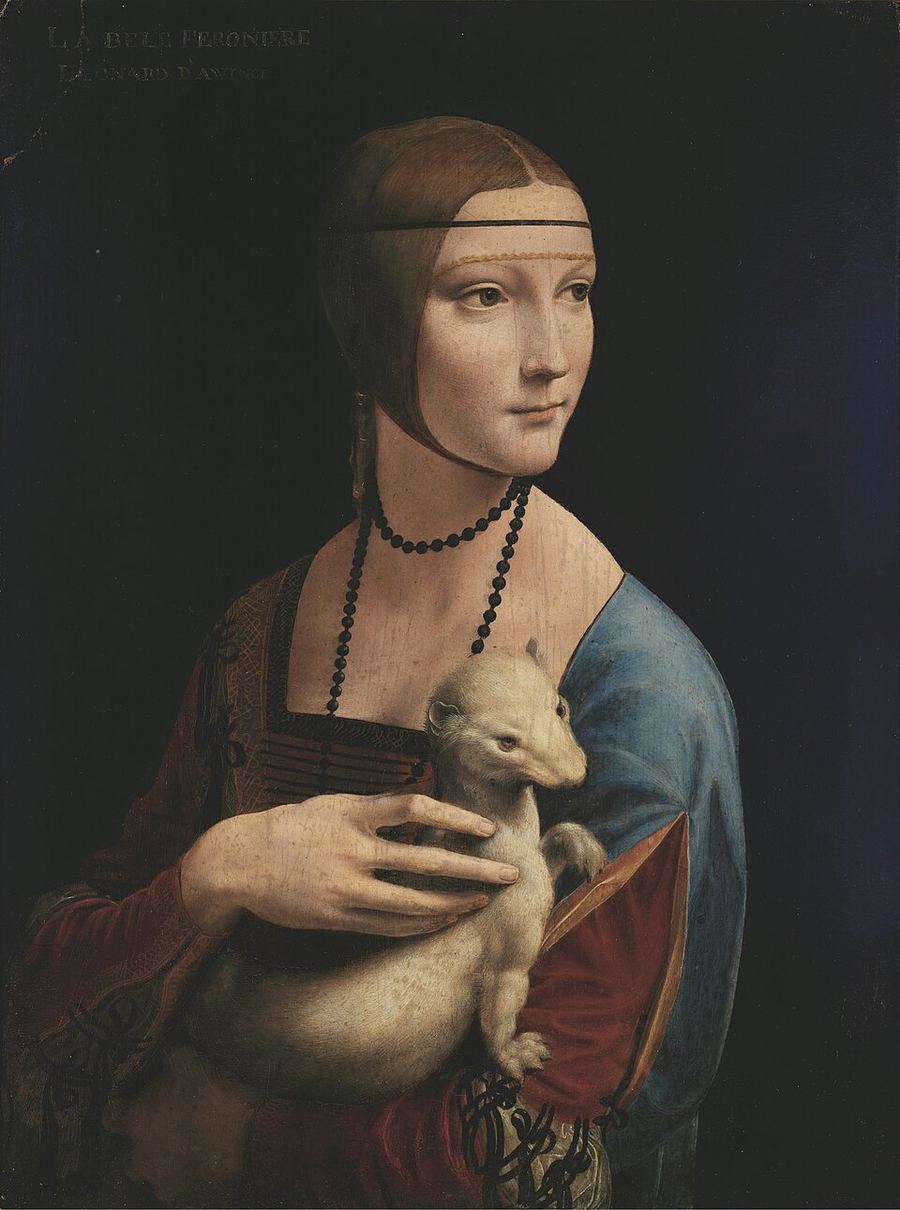
Polish art's national monument is Jan Matejko, whose colossal history canvases — 'The Battle of Grunwald' among them — taught partitioned Poles what their vanished state had looked like; as director of Kraków's academy he trained the next rebellion, the Young Poland generation led by Stanisław Wyspiański, whose stained glass and pastels still glow in Kraków's churches. Olga Boznańska painted psychologically piercing portraits from her Paris studio; Warsaw-born Tamara de Lempicka became Art Deco's defining portraitist. After the war, the state's need for film and theater advertising produced the celebrated Polish School of Posters, whose wit and graphic daring influenced designers worldwide, while Zdzisław Beksiński painted meticulous dystopian dreamscapes that command a global cult following. The national collections hold two treasures above all: Veit Stoss's monumental carved altarpiece, completed in 1489 for St. Mary's Basilica in Kraków, and Leonardo da Vinci's 'Lady with an Ermine,' the star of the National Museum in Kraków.
Art & Museums, Poland
Leonardo da Vinci / Public domain

Notable People

Beyond the founding trinity of Copernicus, Curie, and Chopin, Poland's roster is dense. Karol Wojtyła of Kraków became Pope John Paul II, and Gdańsk electrician Lech Wałęsa won the 1983 Nobel Peace Prize for leading Solidarity. Letters run from Joseph Conrad — born Józef Korzeniowski, who became a master of the English novel in his third language — through Nobel laureates Henryk Sienkiewicz, Władysław Reymont, Czesław Miłosz, Wisława Szymborska, and Olga Tokarczuk. Ludwik Zamenhof, an eye doctor from Białystok, invented Esperanto in 1887. Cinema contributes Andrzej Wajda, given an honorary Academy Award for half a century chronicling Poland's traumas, and Krzysztof Kieślowski of the 'Three Colors' trilogy. Mathematician Stefan Banach founded functional analysis in interwar Lwów. Today the best-known Poles are athletes: Robert Lewandowski, twice named FIFA's best men's player, and Iga Świątek, the multiple Grand Slam champion who has spent over a hundred weeks at world number one.
Notable People, Poland
Pudelek / CC BY-SA 4.0

Inventions & Breakthroughs

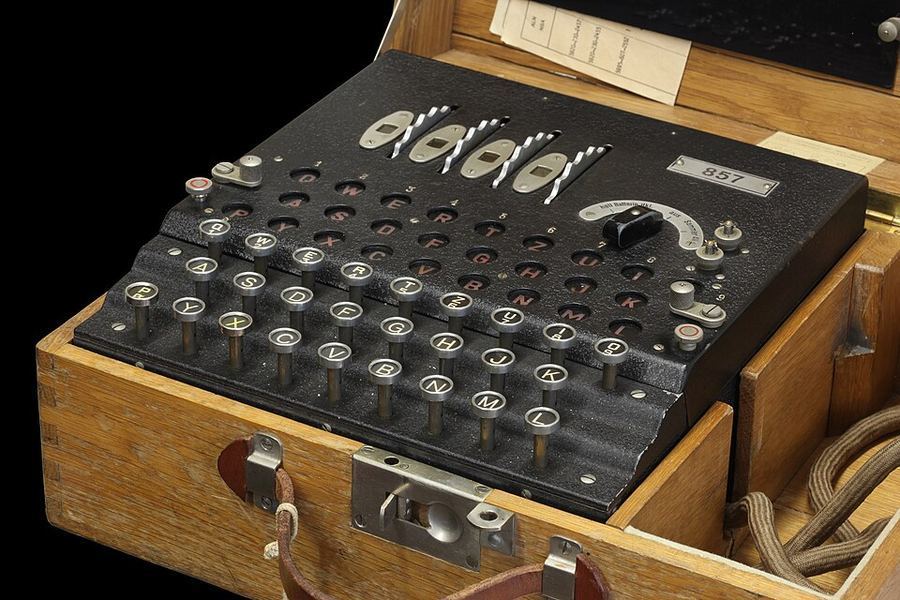
Poland's inventions have a habit of lighting and decoding the world. Pharmacist Ignacy Łukasiewicz built the first practical kerosene lamp in 1853 — a Lviv hospital performed emergency surgery by its light that same year — and sank one of the world's first oil wells at Bóbrka in 1854, effectively founding the petroleum industry. Biochemist Kazimierz Funk coined the word 'vitamins' in 1912, naming an entire field of nutritional science. Metallurgist Jan Czochralski's 1916 crystal-growing method remains the process by which nearly every silicon wafer — and thus nearly every computer chip on Earth — is made. And in 1932 three young mathematicians, Marian Rejewski, Jerzy Różycki, and Henryk Zygalski, broke Germany's Enigma cipher, handing their methods and replica machines to Britain and France weeks before the war began — a head start historians credit with shortening the conflict. Add Rudolf Weigl's typhus vaccine and Zamenhof's Esperanto, and the pattern holds: practical genius under pressure.
Inventions & Breakthroughs, Poland
Rama / CC BY-SA 2.0 fr

Science & Technology

Nicolaus Copernicus completed De revolutionibus at Frombork and published it in 1543, displacing the Earth from the centre of the cosmos and founding modern astronomy. Maria Skłodowska-Curie, born in Warsaw, discovered polonium, which she named for her homeland, and radium, and remains the only person to have won Nobel Prizes in two different sciences. Ignacy Łukasiewicz distilled kerosene and built the first modern oil refinery in the 1850s near Krosno. In the 1930s the Polish Cipher Bureau mathematicians Marian Rejewski, Jerzy Różycki and Henryk Zygalski became the first to break the German Enigma machine, and handed their methods and reconstructed machines to French and British intelligence in 1939, giving Bletchley Park its foundation. The interwar Lwów and Warsaw schools of mathematics, around Stefan Banach, Wacław Sierpiński and Stanisław Ulam, were among the strongest in the world. Today Poland has a substantial software and video-game industry, including CD Projekt and Techland, and a growing space-components sector working within the European Space Agency.
Science & Technology, Poland
Klarqa / CC BY 4.0
On The World Stage
Champions of Poland

Champions & Defining Moments

Poland's Olympic backbone is track and field: Irena Szewińska won seven medals across five consecutive Games from 1964 to 1980 and remains the only sprinter, male or female, to have held world records at 100, 200, and 400 meters, while hammer thrower Anita Włodarczyk — the first woman to throw beyond 80 meters — collected three Olympic titles. Winter fame belongs to ski jumping: Adam Małysz's four overall World Cup crowns made jumping Sundays a national institution, and Kamil Stoch added three Olympic golds. Footballers took Olympic gold in 1972 and finished third at the 1974 and 1982 World Cups; Robert Lewandowski was named FIFA's Best Men's Player in both 2020 and 2021. The men's volleyball team has won three world championships (1974, 2014, 2018) and took silver at Paris 2024. Justyna Kowalczyk mastered cross-country skiing, motorcycle speedway packs provincial stadiums, and Iga Świątek's Grand Slam haul has made tennis a second national sport.

Zbigniew Figiel / CC BY-SA 3.0
Government & Leadership

Parliamentary republic

Seat of the executive

Executive

Karol Nawrocki — PresidentPIS

In office since 6 August 2025

Donald Tusk — Prime Minister

The legislature

National legislature

Bicameral

Senate (Senat) — KO largest party

KO 41 · PiS 34 · The Third Way 11 · Nowa Lewica 9 · Independents 5

Last election 10/15/2023 · 19% women

Sejm — PiS largest party

PiS 194 · KO 157 · The Third Way 65 · Nowa Lewica 26 · Other 18

Last election 10/15/2023 · 31.3% women

The highest court
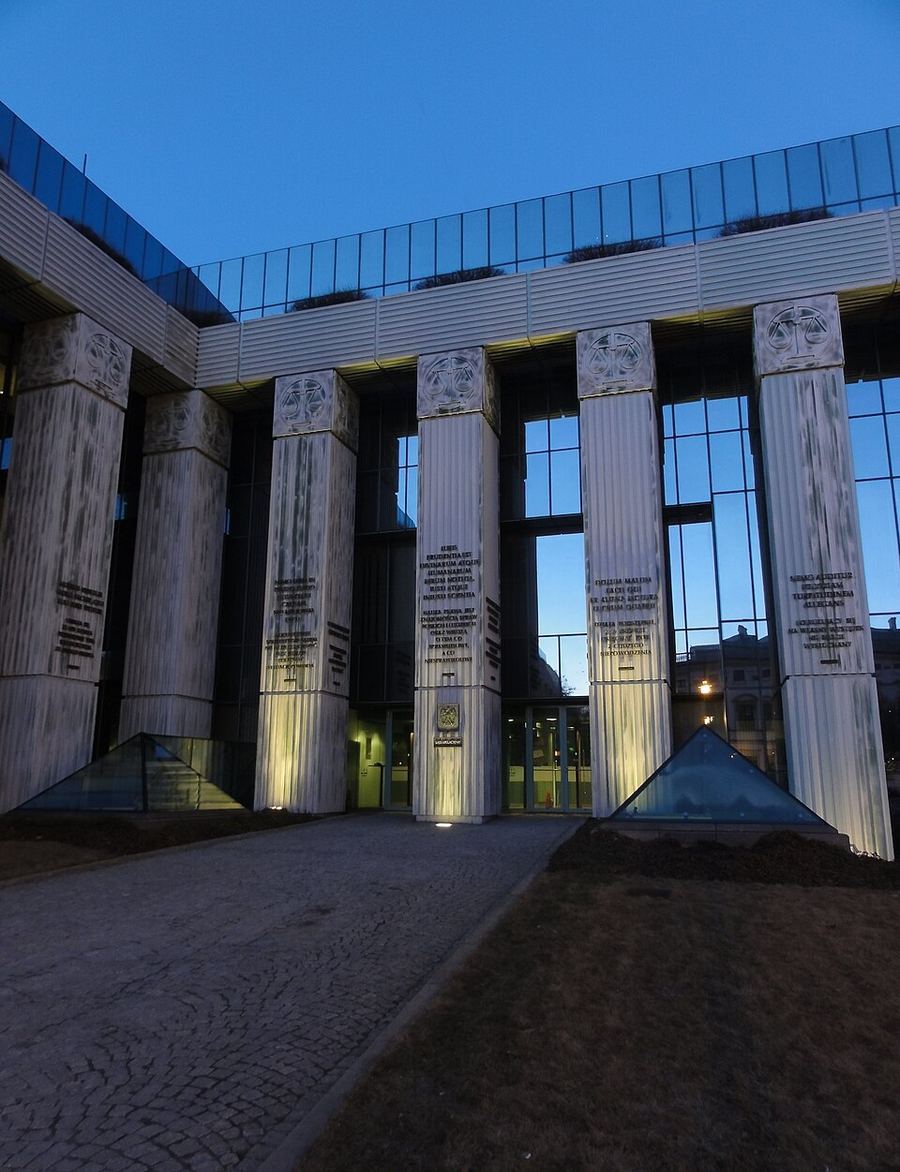
The highest court — Guillaume Speurt from Vilnius, Lithuania / CC BY-SA 2.0

Supreme Court or Sad Najwyzszy

consists of the first president of the Supreme Court and 120 justices organized in criminal, civil, labor and social insurance, and extraordinary appeals and public affairs and disciplinary chambers); Constitutional Tribunal (consists of 15 judges, including the court president and vice president

Economy, Trade & Government

Currency & GDP

Zloty — PLN (zł)

GDP (PPP): $1.649 trillion (2024 est.)

Per capita: $45,100 (2024 est.)

Exports

$478.579 billion (2024 est.)

vehicle parts/accessories, electric batteries, plastic products, cars, seats (2023)

Partners: Germany 25%, UK 6%, Czechia 6%, France 6%, Italy 5% (2023)

Imports

$441.945 billion (2024 est.)

crude petroleum, cars, garments, vehicle parts/accessories, plastic products (2023)

Partners: Germany 22%, China 12%, Italy 5%, Netherlands 4%, USA 4% (2023)

Government

Type: parliamentary republic

Independence: 11 November 1918 (republic proclaimed); notable earlier dates: 14 April 966 (adoption of Christianity, traditional founding date), 1 July 1569 (Polish-Lithuanian Commonwealth created)

Terrain → Where People Live

How mountains, coasts, and rivers shape settlement (LandScan).

Coming — data

Migration & Ethnic Settlement

Where groups settled and how people move (GeoEPR + UNHCR).

Coming — data

Universities

Notable institutions, mappable as points.

Coming — data
Economy & government facts: CIA World Factbook (public domain), via OpenFactBook / factbook.json.
Every fact and narrative claim will carry a visible source citation. Data-driven sections light up automatically wherever HERA has coverage.