HERA · Human Entity Reference Atlas by Masego Inc

← Puerto Rico 🌐 3D View
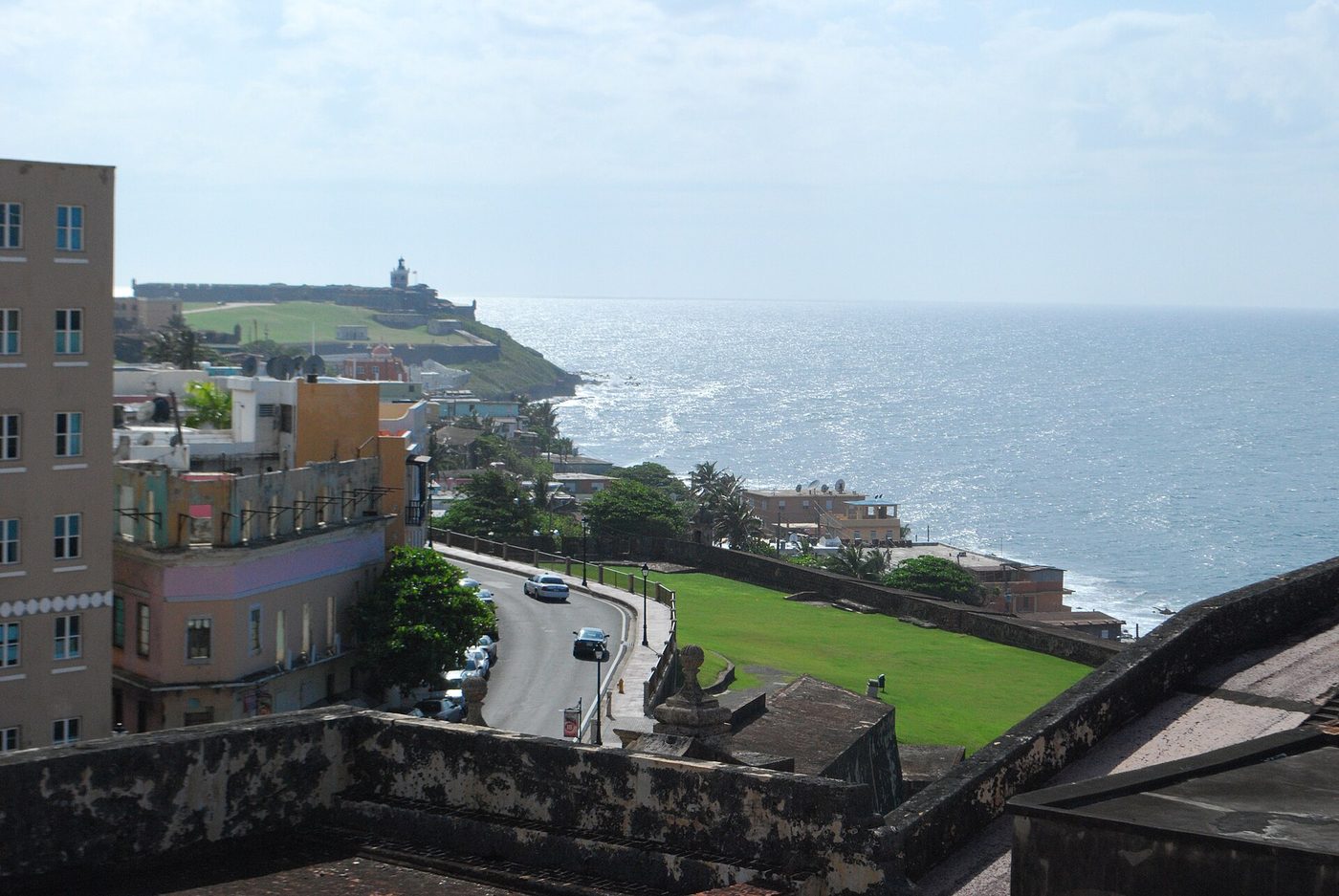
Castillo San Felipe del Morro, Puerto Rico
Puerto Rico PRI
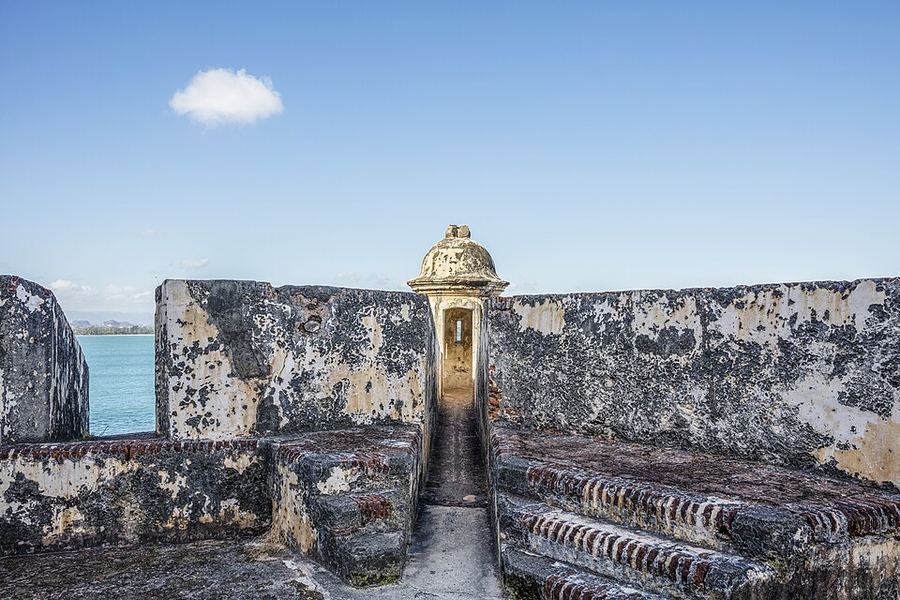
Castillo San Felipe del Morro — Photo: Gordon Tarpley / CC BY 2.0 via Wikimedia Commons
Did You Know Puerto Ricans are United States citizens by birth and can vote in presidential primaries, but cannot vote in the presidential general election while living on the island, and their representative in Congress cannot vote on final passage of legislation. — CIA World Factbook

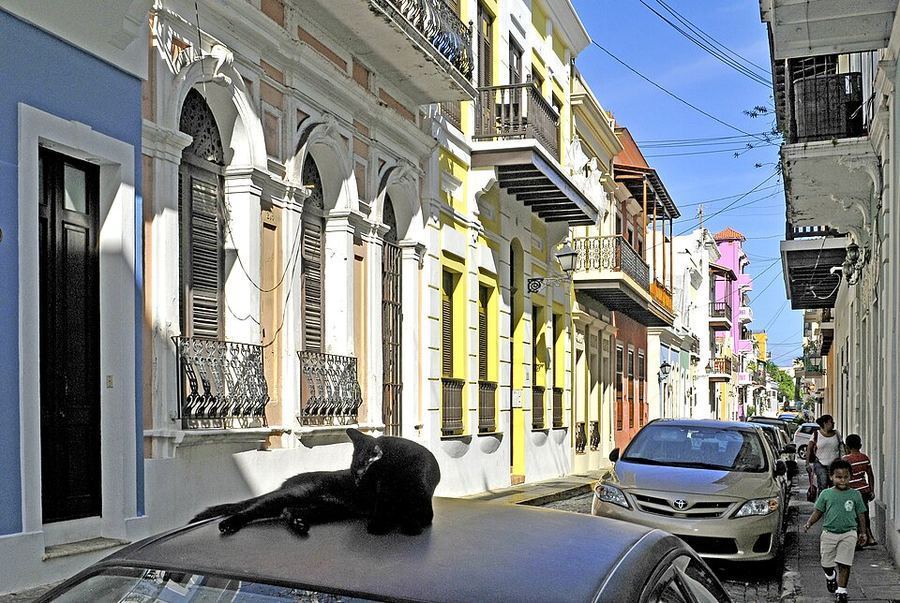
Puerto Rico is an archipelago in the northeastern Caribbean — the main island plus Vieques, Culebra, Mona and smaller cays — and an unincorporated organised territory of the United States with local self-government, a status that has defined its politics for more than a century. Its roughly 3 million residents are United States citizens by birth under the Jones Act of 1917, elect their own governor and legislature, send a non-voting resident commissioner to Congress, and cannot vote in presidential elections while resident on the island. San Juan, founded in 1521, is the capital and the oldest city under the United States flag, its walled colonial core a UNESCO World Heritage site. Spanish and English are both official, with Spanish overwhelmingly dominant in daily life. Roman Catholicism accounts for about 56% of religious affiliation and Protestant denominations, largely Pentecostal, for around a third. The economy is unusual for the Caribbean: pharmaceuticals and medical devices dominate exports, giving a GDP per capita around $44,100, well above regional levels but below every United States state. Puerto Rico has been shaped in the past decade by a sovereign debt crisis, by Hurricane Maria in 2017, and by sustained population decline through migration to the mainland.

CIA World FactbookEncyclopaedia BritannicaUNESCO World Heritage Centre
Population
2,984,841
Capital
San Juan
Currency
Time zones
Largest city
Bayamón [San Juan]
Human Geography Themes
Loading national figures…
Largest Cities
Bayamón [San Juan]780,150
Caguas90,278
Ponce85,912
In Perspective

Bayamón [San Juan]'s urban core is home to about 780,150 people.

Among the world's megacities, though, it's one of many — the giants of Asia and Latin America run larger still:

Bayamón [San Juan]780,150
Jakarta40,545,126
Dhaka37,307,160
Tokyo33,244,670
Shanghai30,678,616
Cairo25,230,325
The Country & Its People

History

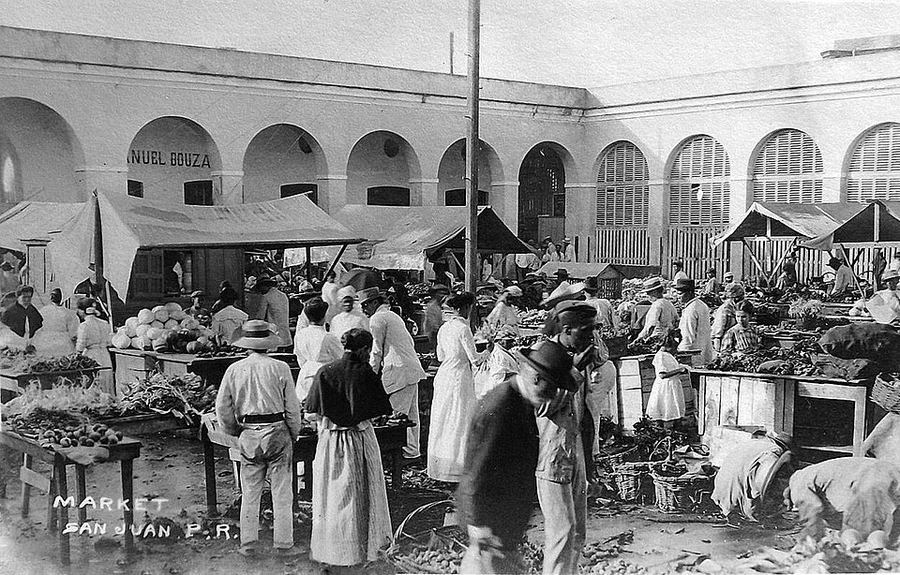
The island the Taíno called Borikén was settled by Arawak-speaking peoples who farmed cassava, played a ceremonial ball game in stone-lined courts and left petroglyphs and ceremonial centres, of which Caguana near Utuado is the best preserved. Columbus arrived in 1493 on his second voyage; Juan Ponce de León established Spanish settlement in 1508, and the Taíno population collapsed within decades under forced labour and disease, though genetic and cultural traces persist. San Juan, founded in 1521, became a fortified strongpoint of the Spanish Caribbean, its harbour guarded by El Morro and San Cristóbal against English and Dutch attack. Sugar, coffee and tobacco plantations were worked by enslaved Africans until abolition in 1873. The brief 1868 Grito de Lares uprising was suppressed, but Spain granted an autonomy charter in 1897 — which lasted months. In 1898 the United States invaded during the Spanish–American War, and Spain ceded the island under the Treaty of Paris. The Foraker Act of 1900 and the Jones Act of 1917, which conferred citizenship, set the constitutional frame. In 1952 Puerto Rico adopted its own constitution as a commonwealth, or Estado Libre Asociado, the status that remains and remains contested.
Culture

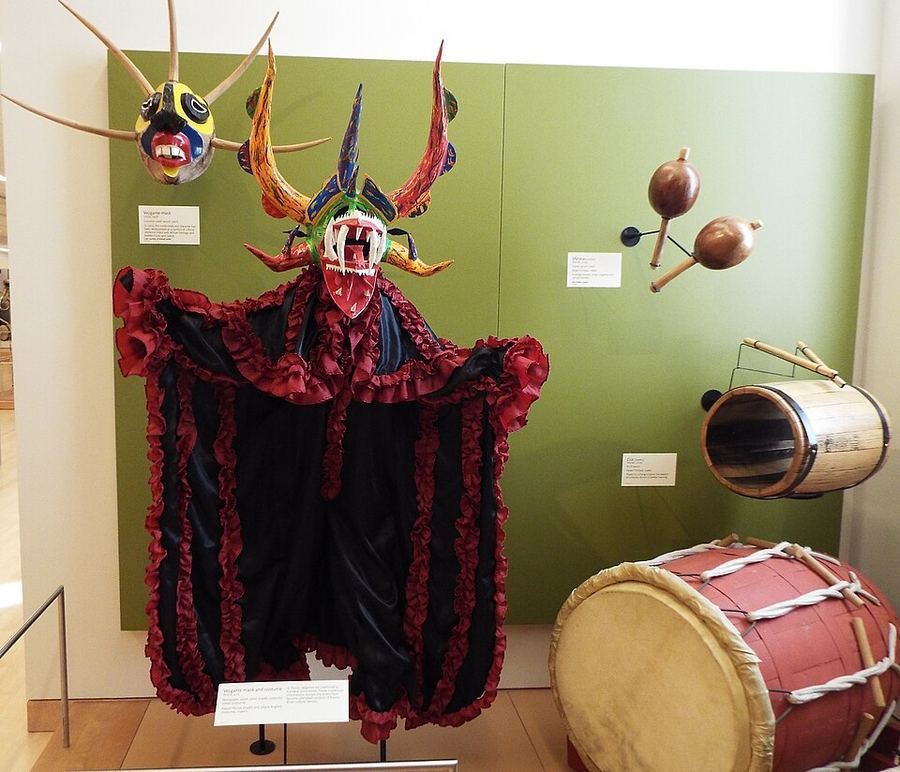
Puerto Rican culture describes itself as the meeting of three roots — Taíno, Spanish and African — and the formula is taught in schools and visible in music, food and language. Identity is strongly held and expressed independently of political status: Puerto Ricans on the island and in the diaspora, where more now live than on the island itself, use the same national symbols, and the coquí, a tiny endemic tree frog whose two-note call fills the night, functions as an unofficial emblem. The calendar's peak is Christmas, which runs from late November to mid-January and is among the longest festive seasons anywhere: parrandas, in which friends arrive unannounced at a house late at night with instruments to wake and feed on the household, run through December, and the season closes with Three Kings Day on 6 January and the Fiestas de la Calle San Sebastián in Old San Juan. Patron-saint festivals fill village calendars, and the Ponce carnival, with its horned vejigante masks of papier-mâché, is the most striking. Family networks are dense and extend across the mainland, and the constant circulation of people between island and diaspora is a defining social fact.

Points Of Pride

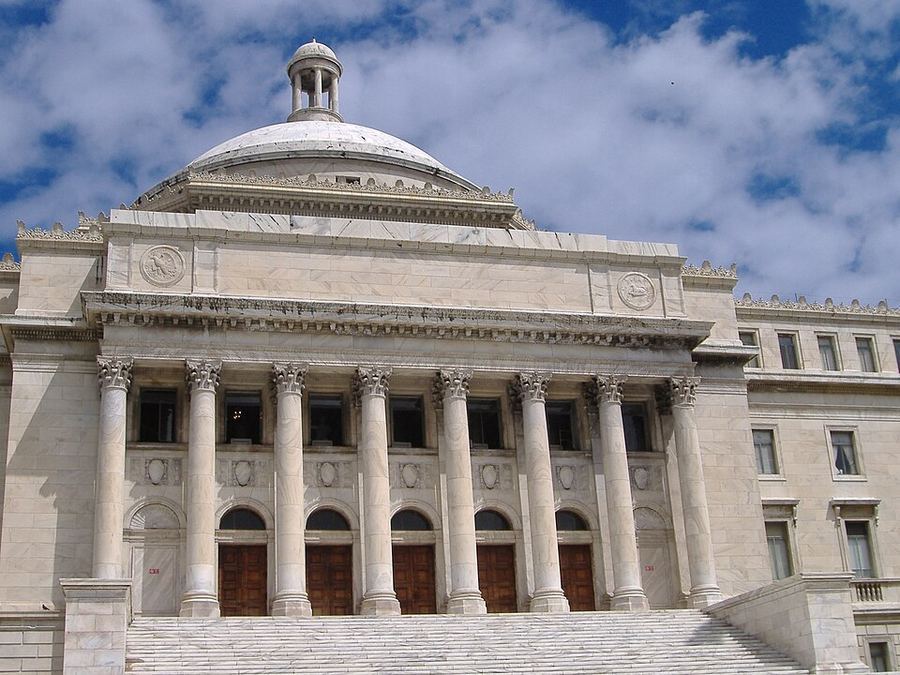
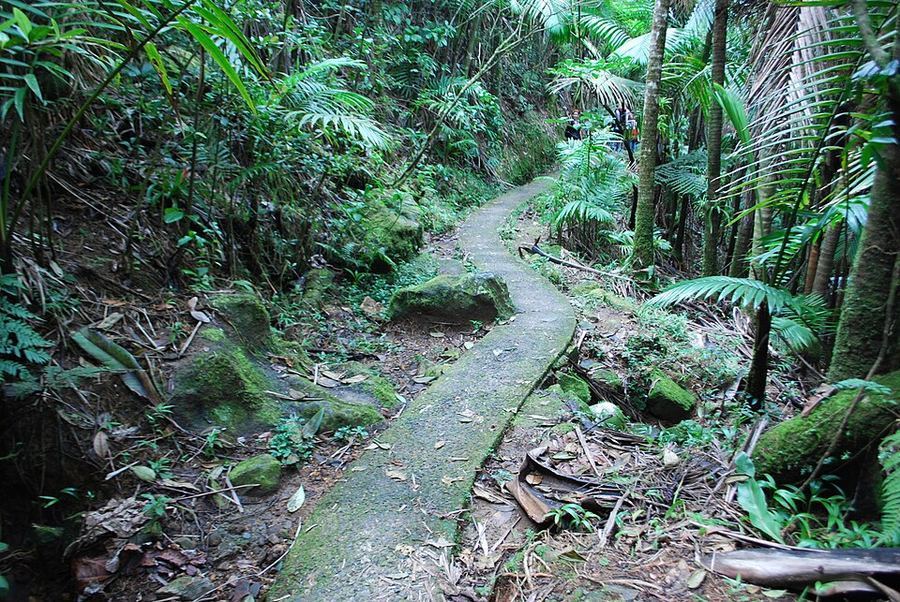
La Fortaleza and the San Juan National Historic Site — El Morro, San Cristóbal and the city walls — form a UNESCO World Heritage site and are the oldest European fortifications and executive residence in continuous use in the Americas. Puerto Ricans point to the survival of Spanish and of a distinct national culture through 128 years under an English-speaking sovereign, and to a body of music, from bomba and plena to salsa and reggaetón, whose global reach is out of all proportion to the island's size. Natural distinctions include El Yunque, the only tropical rainforest in the United States National Forest System, and the bioluminescent bays at Mosquito Bay on Vieques, La Parguera and Laguna Grande — Mosquito Bay is generally considered the brightest such bay in the world. The Arecibo Observatory, until 2016 the largest single-aperture radio telescope on earth, was a source of enormous national pride for more than half a century. In sport, Puerto Rico competes internationally under its own flag and has produced world champions in boxing and baseball players of the first rank. The island also holds the largest number of Miss Universe titles of any Caribbean territory.

Cultural Fusion

The Taíno contribution survives most durably in language and landscape: hurricane, hammock, barbecue, canoe, tobacco and maize entered European languages from Arawak, and Puerto Rican place names — Caguas, Mayagüez, Guaynabo, Humacao, Yauco — are overwhelmingly Taíno. Spanish supplied language, religion, law and the architecture of the walled city. African contribution, from the enslaved people brought principally to the coastal sugar districts of Loíza, Ponce and Mayagüez, is decisive in music and food: bomba is an African-derived drum-and-dance form in which the dancer leads and the drummer follows, and Loíza's Fiestas de Santiago Apóstol in July are the island's most African festival. The United States added a second colonial layer after 1898 — English in schools for decades, mainland institutions, baseball, and an economic integration that made migration to New York, Chicago and Orlando ordinary. Nuyorican culture, formed by the mid-century migration, fed back into island life through salsa, hip-hop and literature. More recent arrivals include large Dominican and Cuban communities. The result is a Spanish that carries Taíno, African and English borrowings and an accent recognisable anywhere in the Spanish-speaking world.

Music & Dance

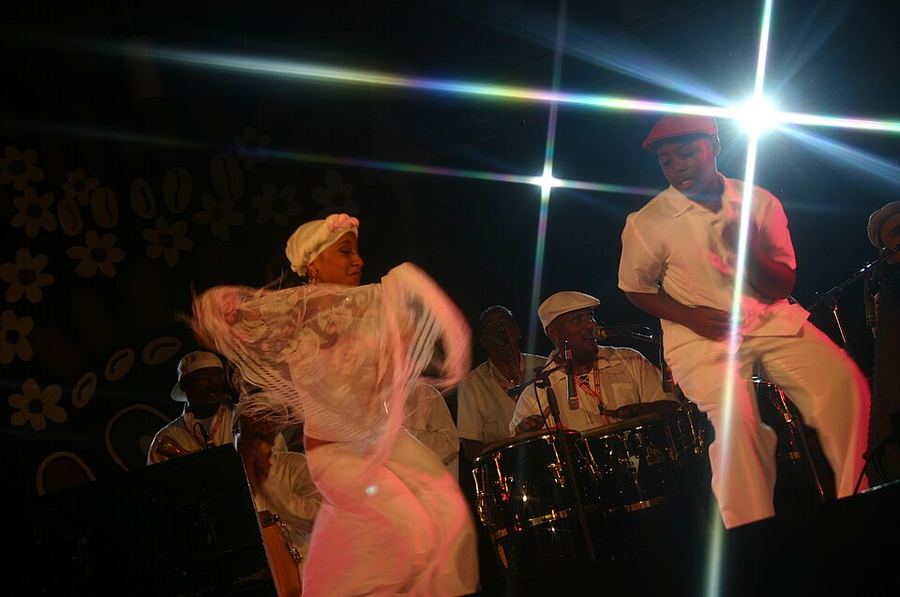
Puerto Rico's musical output is one of the most influential of any small territory in the world. Bomba, the oldest form, is African-derived and built on a dialogue in which a solo dancer challenges the lead barril drummer, who must follow the dancer's movements — an inversion of the usual relationship. Plena, from Ponce in the early twentieth century, is the sung newspaper of the working-class barrio, played on hand-held panderos and commenting on events. The danza, a nineteenth-century salon form, produced La Borinqueña, the island's anthem, and the composer Juan Morel Campos. Jíbaro music from the mountains sets improvised décima verse to cuatro — the ten-string Puerto Rican guitar that is the national instrument — and aguinaldos are its Christmas repertoire. In the twentieth century Puerto Ricans on the island and in New York were central to the creation of salsa: Tito Puente, Willie Colón, Héctor Lavoe, Ismael Rivera and Cheo Feliciano are foundational figures, and El Gran Combo has performed for six decades. Reggaetón was consolidated in Puerto Rico in the 1990s and 2000s from Panamanian reggae en español and hip-hop, and artists including Daddy Yankee, Bad Bunny and Residente have taken it worldwide.

Cuisine & Misattributed Foods

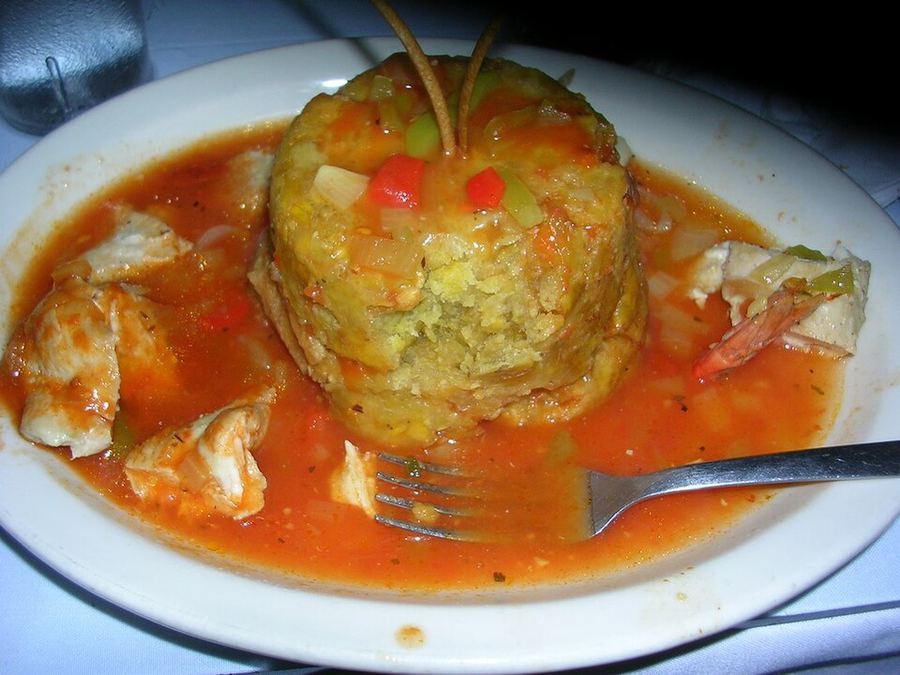
Puerto Rican cooking, cocina criolla, is built on two seasonings: sofrito, a blended base of onion, garlic, ají dulce peppers, culantro and coriander that begins most dishes, and adobo, the dry rub of garlic, oregano and salt. The national dish is arroz con gandules, rice cooked with pigeon peas and sofrito, traditionally alongside roast pork; lechón asado, a whole pig turned over coals, is the centrepiece of Christmas and of the roadside lechoneras along the mountain road at Guavate. Mofongo — green plantain fried, then mashed in a wooden pilón with garlic, oil and pork crackling, and served in a mound, often filled with shrimp or stewed meat — is the dish most identified with the island and is African in technique. Fried snacks are a genre in themselves: alcapurrias of grated green banana and taro stuffed with picadillo, bacalaítos of salt cod, empanadillas and tostones, sold from kiosks along the beach at Piñones and Luquillo. Pasteles, made of grated root vegetable and plantain wrapped in banana leaf and boiled, are Christmas food, eaten with coquito, a coconut and rum drink. Sofrito's ají dulce, coffee from the highlands and Puerto Rican rum complete the picture.

National Dress

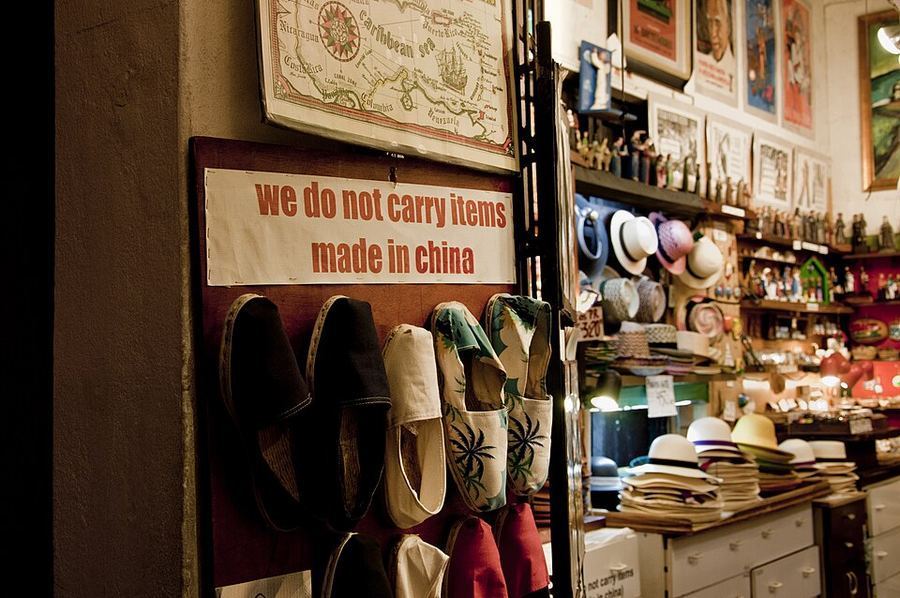
Puerto Rico's traditional dress belongs to the jíbaro, the mountain smallholder who became the island's emblematic figure of authenticity in nineteenth- and twentieth-century literature and politics. The male jíbaro costume is a plain white or light cotton shirt and trousers, a red neckerchief or sash, and above all the pava — a wide-brimmed straw hat woven from palm — which became so strong a symbol that the Popular Democratic Party adopted it as its emblem. Women's traditional dress is a long full skirt in bright cotton, often with ruffles, with a fitted or off-the-shoulder blouse, a headscarf and gold hoop earrings; for formal nineteenth-century occasions the trajes de danza worn to salon dances were closer to European fashion in fine white cotton and lace. Bomba dancers wear a distinct and very full white skirt whose lifting and swirling is part of the dance's dialogue with the drum. The other significant costume tradition is the vejigante: the carnival trickster figure of Ponce and Loíza, in a loose bat-winged jumpsuit and a horned mask made of papier-mâché in Ponce and of carved coconut husk in Loíza. Everyday dress is otherwise contemporary and Caribbean.

Sports & Inspiring Athletes

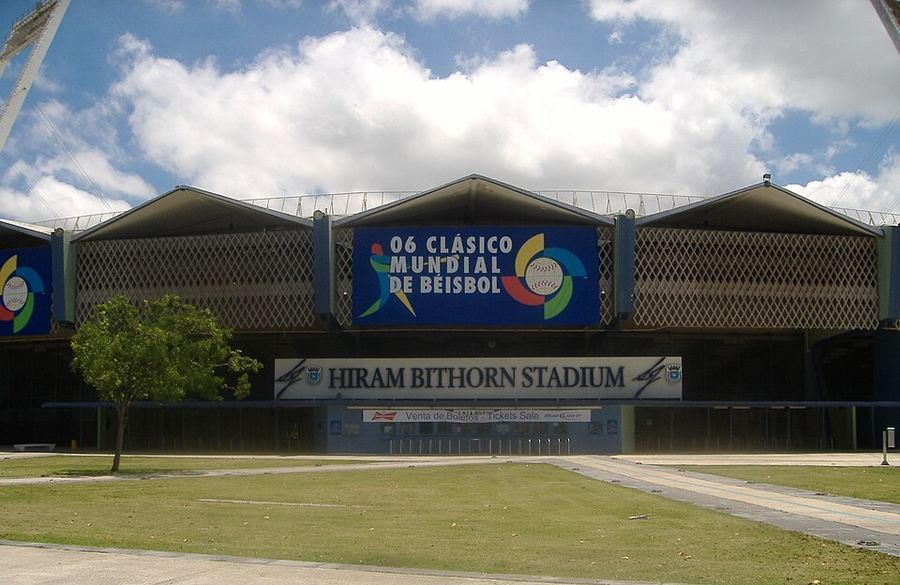
Baseball is the island's first sport and has been since the late nineteenth century. Puerto Rico's professional winter league, the Liga de Béisbol Profesional Roberto Clemente, dates to 1938 and has long been a proving ground for major leaguers; the island has sent an extraordinary number of players to Major League Baseball, among them Roberto Clemente, Orlando Cepeda, Roberto Alomar, Iván Rodríguez, Carlos Beltrán, Yadier Molina and Francisco Lindor, several of them Hall of Famers. Boxing is the second national sport and the one with the most world titles: Wilfredo Gómez, Félix Trinidad, Miguel Cotto, Wilfred Benítez — who became the youngest world champion in the sport's history at seventeen — and Héctor Camacho all held world championships, and Puerto Rico's rivalry with Mexico is one of boxing's defining fixtures. Basketball is followed intensely, with the Baloncesto Superior Nacional the domestic league and the national team a regular Olympic and World Cup qualifier; its 2004 Olympic win over the United States in Athens is the most celebrated result in Puerto Rican sport. Volleyball, particularly the women's game, and horse racing, which produced the champion Camarero, also have long traditions.

Notable Educational Programs

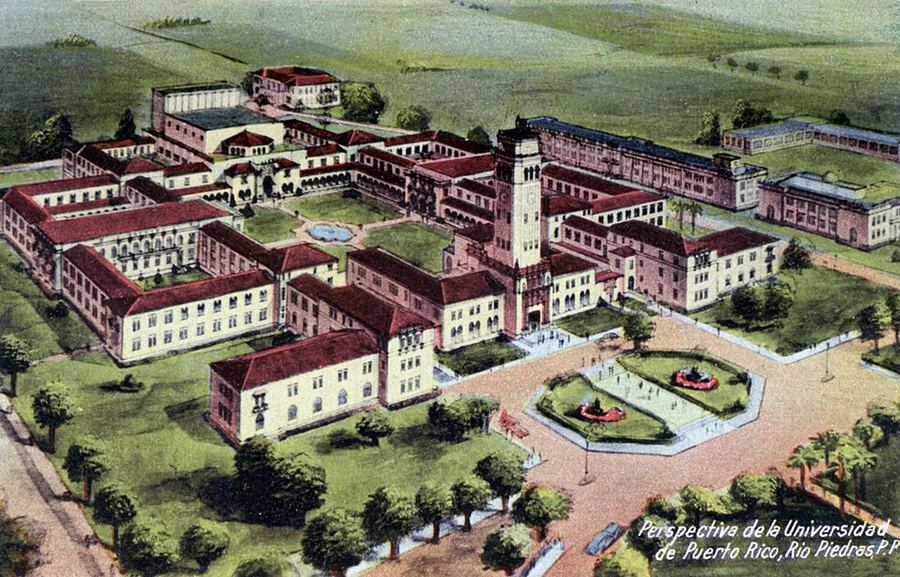
Education is free and compulsory, and Puerto Rico's literacy rate is high. The public system is administered by a single island-wide department of education rather than by local districts, and it has been under severe strain: population decline, the fiscal crisis and Hurricane Maria led to the closure of hundreds of schools in the years after 2017, and enrolment has fallen sharply as families moved to the mainland. The University of Puerto Rico, founded in 1903, is the principal public institution, with its flagship campus at Río Piedras in San Juan, a major medical sciences campus, and the Mayagüez campus, which is one of the strongest engineering schools in the Spanish-speaking world and a significant supplier of engineers to United States industry and to NASA. Private institutions including the Universidad Ana G. Méndez system and the Pontifical Catholic University of Puerto Rico in Ponce take a substantial share of enrolment. Instruction is in Spanish, with English taught as a required subject throughout — the language of instruction having been a contested political question for most of the twentieth century. Students are eligible for United States federal financial aid, and many continue their studies on the mainland.

Wars & Conflicts

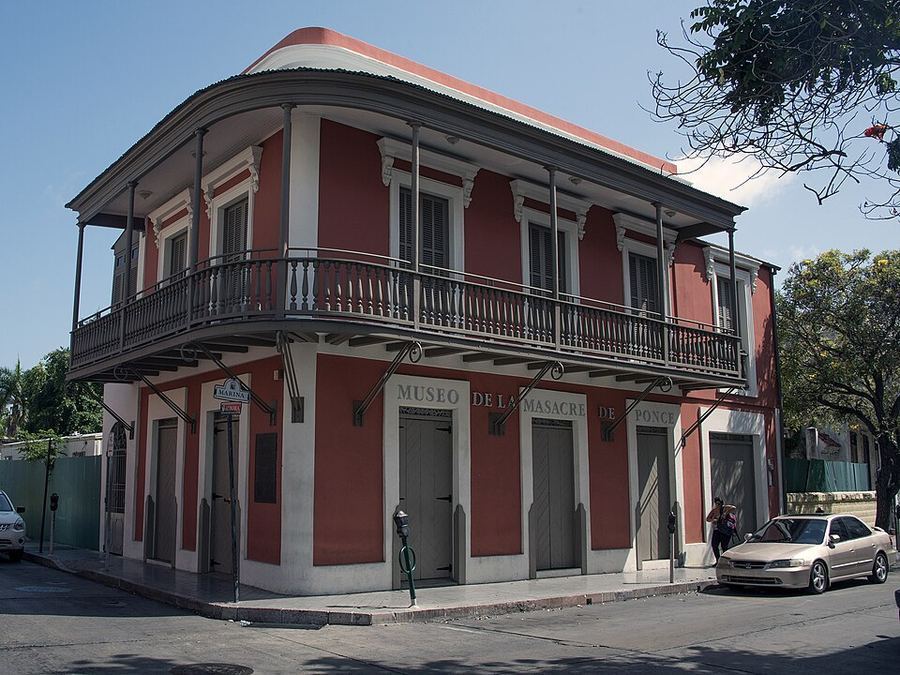
Puerto Rico is not party to any armed conflict; its defence is a United States responsibility, and Puerto Ricans have served in the United States armed forces in large numbers since the First World War, notably in the 65th Infantry Regiment, the Borinqueneers, who fought in Korea and were awarded the Congressional Gold Medal in 2014. The island's own political violence belongs mainly to the mid-twentieth century, when the Nationalist Party under Pedro Albizu Campos mounted an armed challenge to United States rule: the Ponce massacre of 1937, in which police fired on a Nationalist march and killed around nineteen people; the Jayuya uprising of October 1950; an attempt on President Truman's life in Washington days later; and the 1954 attack on the United States House of Representatives. Surveillance of independence supporters through the carpetas files continued for decades and was later exposed and litigated. The contemporary equivalents are not armed but civic: the 2019 protests that forced Governor Ricardo Rosselló to resign, and sustained campaigns over the fiscal control board, over the closure of the Vieques naval bombing range in 2003, and over the response to Hurricane Maria.
Current as of 2026-08-07

Land & Border Disputes

Puerto Rico has no territorial disputes; its unresolved question is its own constitutional status, and it has been unresolved since 1898. Three positions contend: statehood, continuation or enhancement of the current commonwealth arrangement, and independence. Non-binding plebiscites have been held repeatedly — in 1967, 1993, 1998, 2012, 2017, 2020 and 2024 — with results affected by boycotts and by disputes over how the options were worded; statehood has won majorities in several of the more recent votes, on turnouts that its opponents contest, and Congress, which alone can change the status under the Territory Clause of the United States Constitution, has not acted. The United Nations Special Committee on Decolonization has adopted repeated resolutions calling for Puerto Rico's right to self-determination to be recognised. The other long-running dispute is fiscal: after defaulting on debt exceeding $70 billion, Puerto Rico was placed under a federally appointed Financial Oversight and Management Board by the PROMESA Act of 2016, whose authority over the elected government's budget is widely resented on the island and which has driven a decade of restructuring and austerity.
Land, Life & Legacy

Land & Climate

Puerto Rico is the smallest and easternmost of the Greater Antilles, about 180 kilometres long by 65 wide, with the inhabited islands of Vieques and Culebra to the east and Mona to the west. A mountain spine, the Cordillera Central, runs the length of the island and rises to Cerro de Punta at 1,338 metres, dividing a wetter north from a drier south; the northwest holds an extensive karst region of limestone haystack hills, sinkholes and cave systems including the Río Camuy caves, among the largest in the hemisphere. El Yunque, in the northeast, is a tropical rainforest receiving several metres of rain a year and the only such forest in the United States National Forest System. Offshore, the Puerto Rico Trench reaches more than 8,000 metres, the deepest point in the Atlantic Ocean. The climate is tropical marine, warm year-round with little seasonal temperature variation and a wetter period from roughly May to November. That period is also hurricane season, and hurricanes are the defining hazard: Hurricane Maria, a category 4 storm making landfall in September 2017, destroyed the electrical grid, and an official study commissioned by the government estimated close to 3,000 excess deaths.

Entertainment

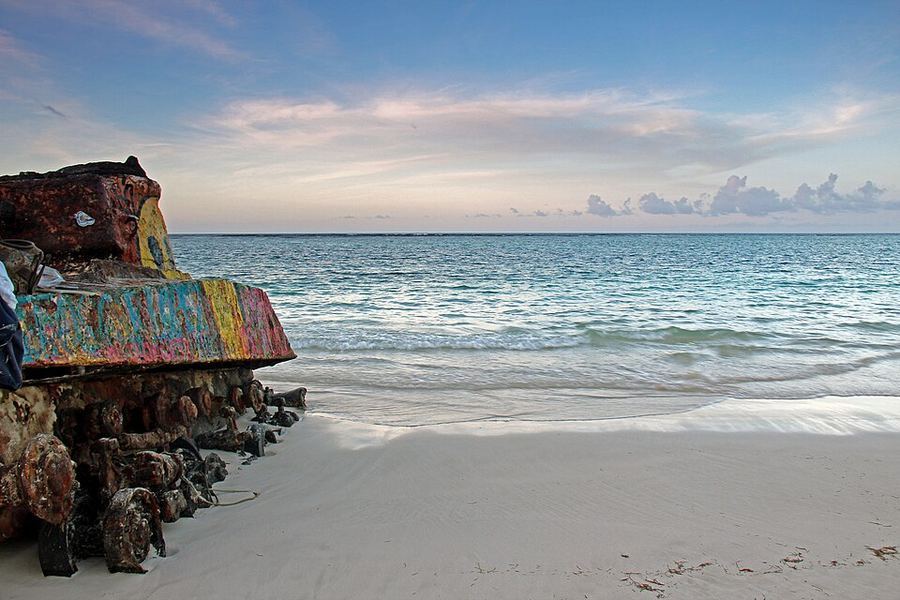
The beach organises weekends, and the island offers every variety of one — the calm north-shore strands at Luquillo, the surf breaks of Rincón on the west coast that have hosted world championship events, the reefs off Culebra's Flamenco Beach, and the kiosk strip at Piñones where fried snacks, music and sea are combined. Bioluminescent bay tours, particularly at Mosquito Bay on Vieques, are among the island's signature experiences. In the mountains, the Ruta Panorámica traverses the cordillera, the coffee haciendas around Jayuya and Adjuntas receive visitors, and the lechoneras of Guavate fill on Sundays with families eating roast pork to live music. Old San Juan supplies the historic and nightlife circuit, and the island's festival calendar — patron-saint fiestas in every municipality, the Ponce carnival before Lent, the Fiestas de la Calle San Sebastián in January — keeps public celebration close to continuous. Baseball is played and followed year-round, with the winter league a serious competition, and basketball has a strong domestic following. Dominoes played on a folding table, and the parranda that materialises without warning at a friend's door in December, are the most characteristic informal pastimes.

Art & Museums

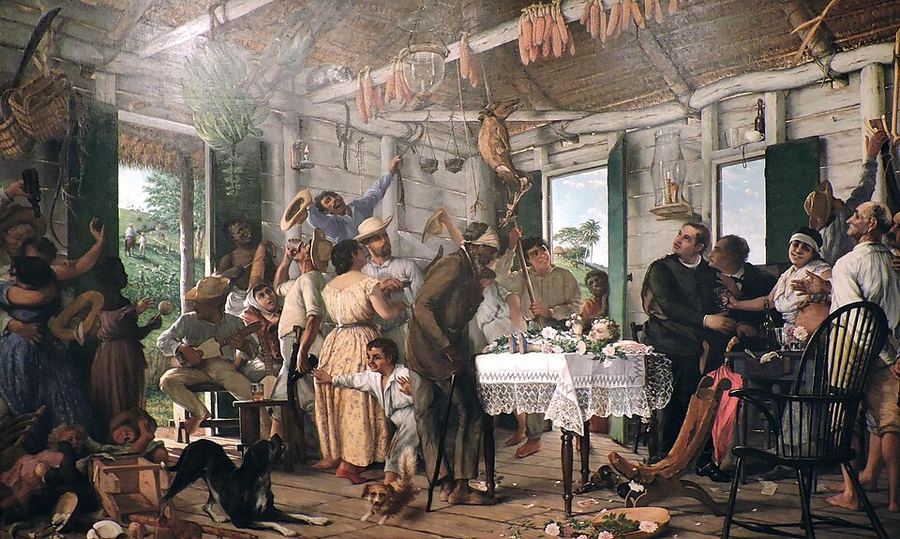
Puerto Rican art begins with Taíno work — cemí figures in stone and wood representing ancestral spirits, carved stone collars associated with the ball game, and petroglyphs at Caguana and along the rivers, much of it held in the Museo de Historia, Antropología y Arte and in mainland collections. In the colonial period José Campeche, the son of a freed slave, became the first significant painter of the Americas born in Puerto Rico, working in San Juan in the late eighteenth century on religious subjects and portraits of unusual delicacy. Francisco Oller, in the nineteenth century, studied in Paris alongside the Impressionists and returned to paint El Velorio, a large canvas of a wake for a dead child that is the island's most discussed painting. The twentieth century produced a nationally important graphic tradition: the poster workshops of the Division of Community Education and the Instituto de Cultura Puertorriqueña made silkscreen printmaking a public art form, with Lorenzo Homar and Rafael Tufiño its leading figures. Contemporary artists including Antonio Martorell and Pepón Osorio work between the island and the mainland, and the santos — small carved wooden saints made by rural artisans for household altars — remain a living folk sculpture.
SmithsonianMetropolitan Museum of ArtEncyclopaedia Britannica

Notable People

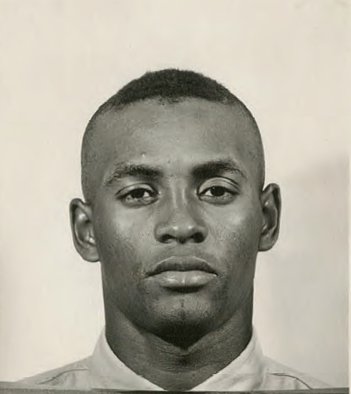
Luis Muñoz Marín, the island's first elected governor in 1948 and architect of the commonwealth status and of the Operation Bootstrap industrialisation programme, is the dominant political figure of the twentieth century; Pedro Albizu Campos, leader of the Nationalist Party, is his opposite pole and remains a potent symbol of the independence movement. Roberto Clemente, the Pittsburgh Pirates outfielder who won twelve Gold Gloves, reached 3,000 hits and died in a plane crash in 1972 while carrying earthquake relief supplies to Nicaragua, is the island's most revered figure of any kind and was elected to the Baseball Hall of Fame the following year. Rita Moreno, born in Humacao, is one of a very small number of performers to have won an Emmy, Grammy, Oscar and Tony. Sonia Sotomayor, born in the Bronx to Puerto Rican parents, became the first Hispanic justice of the United States Supreme Court in 2009. In letters, Julia de Burgos is the island's foremost poet and José Luis González and Rosario Ferré among its major prose writers. In music, Tito Puente, Héctor Lavoe, Daddy Yankee and Bad Bunny have each in turn carried Puerto Rican sound worldwide.

Inventions & Breakthroughs

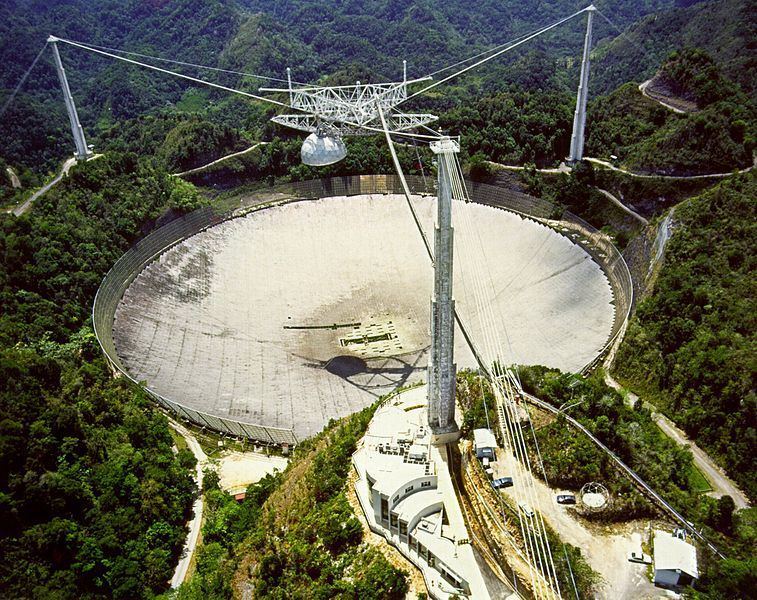
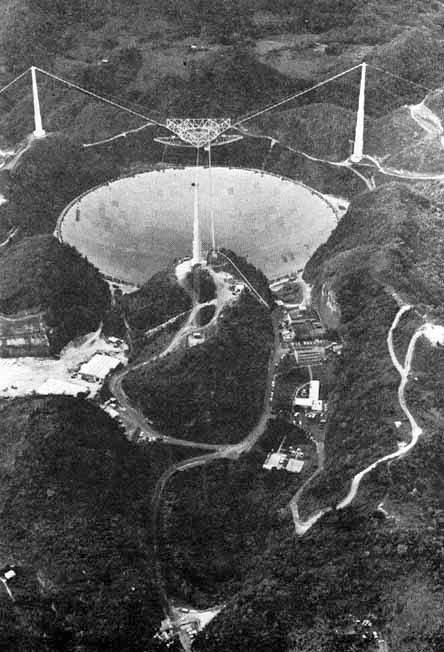
Puerto Rico's technological significance rests principally on scientific infrastructure rather than individual inventions, and above all on the Arecibo Observatory, built in 1963 in a natural karst sinkhole in the northwest. Its 305-metre dish was the largest single-aperture radio telescope in the world until 2016, and it produced results of the first order: the first accurate measurement of Mercury's rotation period, the discovery by Russell Hulse and Joseph Taylor of the first binary pulsar — evidence for gravitational radiation that won the 1993 Nobel Prize in Physics — the discovery of the first exoplanets around a pulsar, and radar mapping of near-Earth asteroids and of the surface of Venus. In 1974 Arecibo transmitted the Arecibo message toward the globular cluster M13, the most powerful deliberate signal ever aimed at another star system. The telescope's suspended platform collapsed in December 2020 after cable failures, ending its operational life. In medicine, clinical research conducted in Puerto Rico in the 1950s was central to the development of the combined oral contraceptive pill — trials whose conduct and consent standards have since been the subject of serious and sustained criticism.
NatureScienceSmithsonianEncyclopaedia Britannica

Science & Technology

For six decades the Arecibo Observatory made Puerto Rico a centre of world astronomy. Its radio telescope produced the first binary pulsar detection, work by Hulse and Taylor that provided the first indirect evidence for gravitational waves and won the Nobel Prize in Physics in 1993; the first planets discovered outside the solar system, orbiting the pulsar PSR B1257+12, were found there; and its planetary radar mapped Venus and tracked near-Earth asteroids with a precision nothing else could match. Its collapse in 2020 removed a unique instrument and a national symbol. Puerto Rico's other scientific strengths are biomedical and ecological. El Yunque's Luquillo Long-Term Ecological Research site has produced decades of continuous data on tropical forest response to hurricanes, making it one of the best-documented natural experiments in disturbance ecology anywhere. The island's pharmaceutical and medical-device manufacturing sector, built up from the 1970s, remains a substantial part of the United States supply chain for both, a dependency that became visible when Hurricane Maria disrupted production of intravenous saline bags nationwide. The University of Puerto Rico at Mayagüez is a significant engineering research centre and a notable source of NASA recruits.
On The World Stage

Champions & Defining Moments

Puerto Rico competes internationally under its own flag and its own Olympic committee, recognised since 1948, despite its political status — an arrangement that makes international sport an unusually direct expression of national identity. It has competed at every Summer Olympic Games since London 1948 and won its first gold medal in 2016, when Mónica Puig took the women's tennis singles title in Rio de Janeiro, prompting the island's anthem to be played at an Olympic ceremony for the first time; its earlier medals came predominantly in boxing. Jasmine Camacho-Quinn won the 100 metres hurdles at the Tokyo Games in 2021, the island's second gold. Puerto Rico reached the final of the World Baseball Classic in 2013 and 2017, losing both, and its performances in that tournament draw very large audiences. The basketball team's 92–73 defeat of the United States at the 2004 Athens Olympics remains its most famous single result. Puerto Rico hosted the Pan American Games in San Juan in 1979 and the Central American and Caribbean Games in 1966, 1993 and 2010, and Rincón has staged world surfing championships.

Economy, Trade & Government

Currency & GDP

GDP (PPP): $141.344 billion (2024 est.)

Per capita: $44,100 (2024 est.)

Exports

$65.368 billion (2024 est.)

packaged medicines, medical cultures/vaccines, hormones, orthopedic and medical appliances, sulfur compounds (2019)

Partners: Italy 15%, Netherlands 15%, Belgium 9%, Japan 8%, Germany 8%, Austria 8%, Spain 7%, China 5% (2019)

Imports

$53.898 billion (2024 est.)

nitrogen compounds, sulfur compounds, refined petroleum, medical cultures/vaccines, cars (2019)

Partners: Ireland 38%, Singapore 9%, Switzerland 8%, South Korea 5% (2019)

Government

Type: unincorporated organized territory of the US with local self-government; republican form of territorial government with separate executive, legislative, and judicial branches; note - reference Puerto Rican Federal Relations Act, 2 March 1917, as amended by Public Law 600, 3 July 1950

Independence: none (territory of the US with commonwealth status)

Terrain → Where People Live

How mountains, coasts, and rivers shape settlement (LandScan).

Coming — data

Migration & Ethnic Settlement

Where groups settled and how people move (GeoEPR + UNHCR).

Coming — data

Universities

Notable institutions, mappable as points.

Coming — data
Economy & government facts: CIA World Factbook (public domain), via OpenFactBook / factbook.json.
Every fact and narrative claim will carry a visible source citation. Data-driven sections light up automatically wherever HERA has coverage.