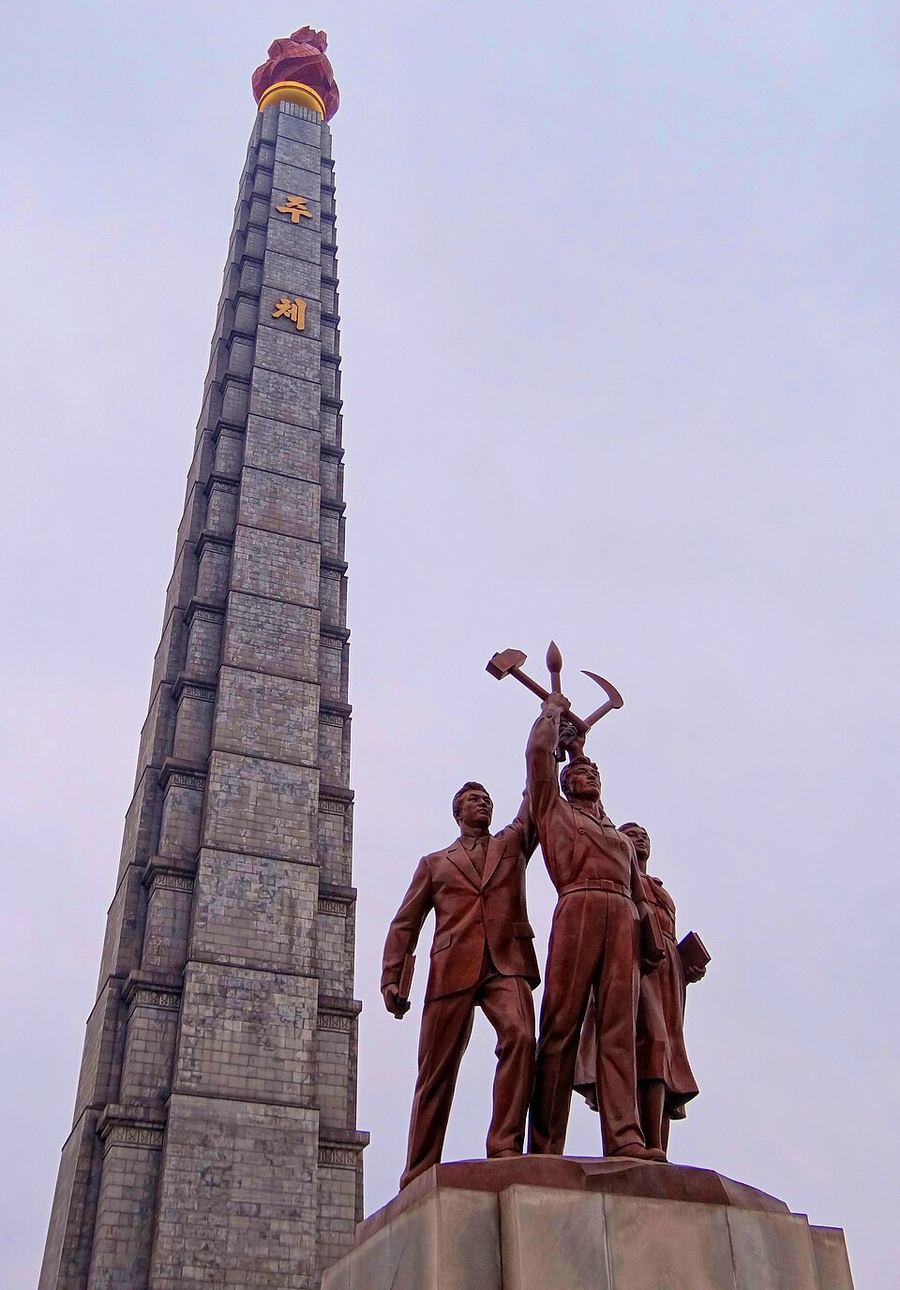
The Democratic People's Republic of Korea occupies the northern half of the Korean peninsula, bordered by China along the Yalu and Tumen rivers, by a short frontier with Russia in the far northeast, and by the Demilitarised Zone that has separated it from the Republic of Korea since the Korean War armistice of 1953. Its population is roughly 26 million, concentrated in the coastal plains and river valleys of a country that is about eighty percent mountainous, with Pyongyang, the capital, on the Taedong River. The state has been governed since its founding on 9 September 1948 by the Workers' Party of Korea under three generations of one family — Kim Il Sung, Kim Jong Il and, since 2011, Kim Jong Un — and is organised around Juche, an official doctrine of national self-reliance, and a policy of military priority. It is the most closed country in the world to outside observation: independent statistics are scarce, most economic figures are external estimates, and the CIA World Factbook's per-capita income estimate of around 600 dollars reflects that uncertainty as much as it does living standards. Trade is overwhelmingly with China, which takes about three-quarters of exports. The state's nuclear weapons and ballistic missile programmes are the central fact of its external relations and the basis of extensive United Nations sanctions.
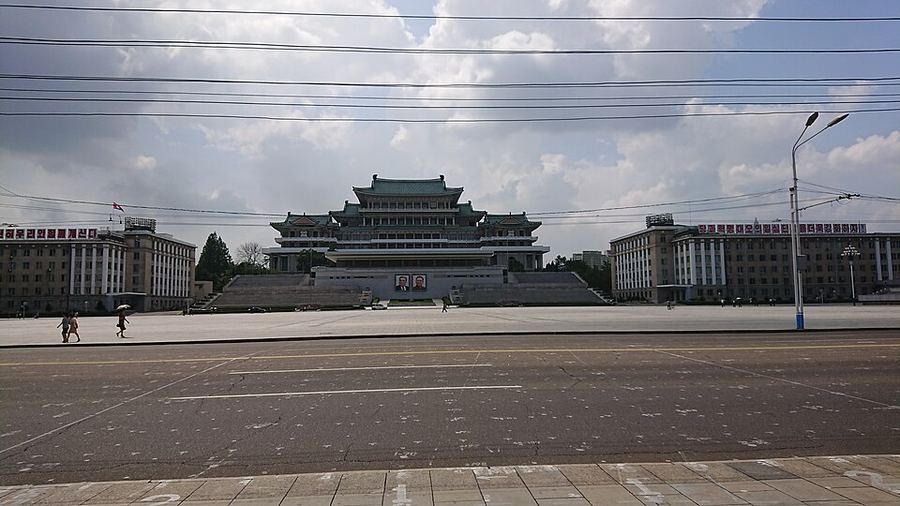
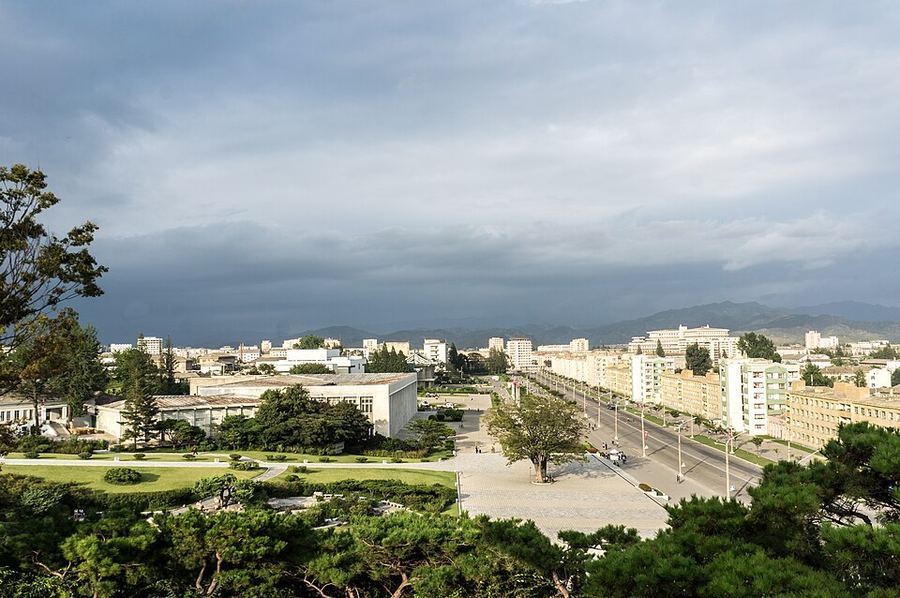
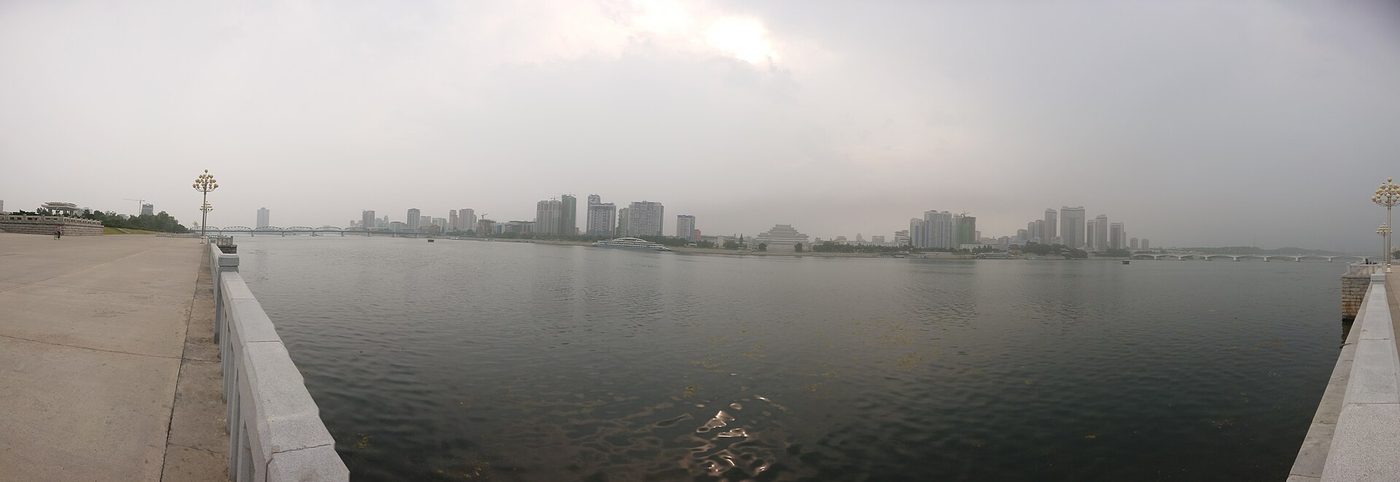
P'yŏngyang's urban core is home to about 3,461,926 people.
That's bigger than Rome and Amsterdam — each a great world city in its own right.
Among the world's megacities, though, it's one of many — the giants of Asia and Latin America run larger still:
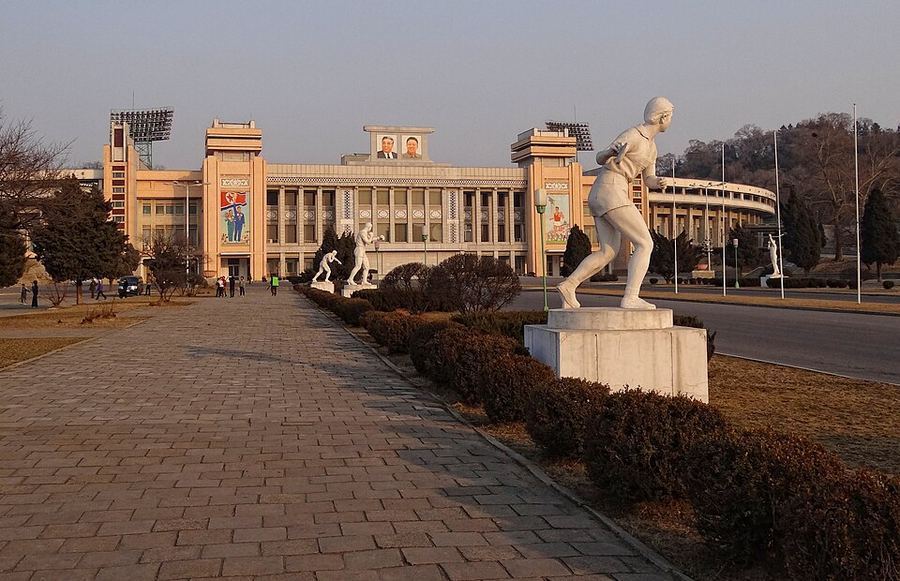
North Korea's most celebrated sporting moment came at the 1966 World Cup in England, where a team of complete outsiders beat Italy one-nil at Ayresome Park in Middlesbrough, eliminated them, and reached the quarter-finals — going three goals up against Portugal before Eusébio scored four and Portugal won five-three. The men's team returned to the World Cup only once, in South Africa in 2010. The women's game has been far more successful: North Korea has won the FIFA Under-17 Women's World Cup and the Under-20 Women's World Cup multiple times, making it one of the dominant nations in youth women's football. At the Olympics, the DPRK first competed at Munich in 1972, where the shooter Ri Ho Jun won its first gold medal, and it has since medalled consistently in weightlifting, judo, wrestling, gymnastics and boxing. It boycotted the Los Angeles Games in 1984 and the Seoul Games in 1988. It withdrew from the Tokyo Games held in 2021, citing the pandemic, and was suspended by the International Olympic Committee for that season before returning to international competition at the 2023 Asian Games and the 2024 Paris Olympics. At the 2018 Winter Olympics in PyeongChang the two Koreas marched together and fielded a joint women's ice hockey team.
North Korean Won — KPW (None)
GDP (PPP): $15.416 billion (2023 est.)
Per capita: $600 (2023 est.)
fake hair, iron alloys, tungsten ore, electricity, cars (2023)
Partners: China 74%, Poland 3%, Senegal 3%, Angola 3%, Austria 3% (2023)
processed hair, plastic products, garments, fabric, soybean oil (2023)
Partners: China 97%, Togo 1%, Peru 1%, Gabon 1%, India 0% (2023)
Type: dictatorship, single-party communist state
Independence: 15 August 1945 (from Japan)
How mountains, coasts, and rivers shape settlement (LandScan).
Coming — dataWhere groups settled and how people move (GeoEPR + UNHCR).
Coming — dataNotable institutions, mappable as points.
Coming — data