HERA · Human Entity Reference Atlas by Masego Inc

← Portugal 🌐 3D View
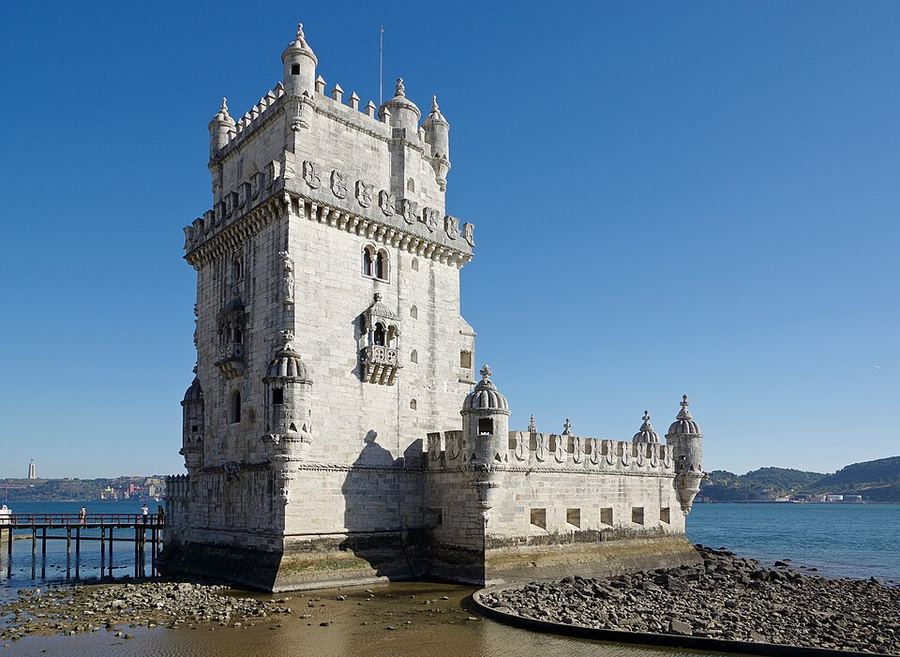
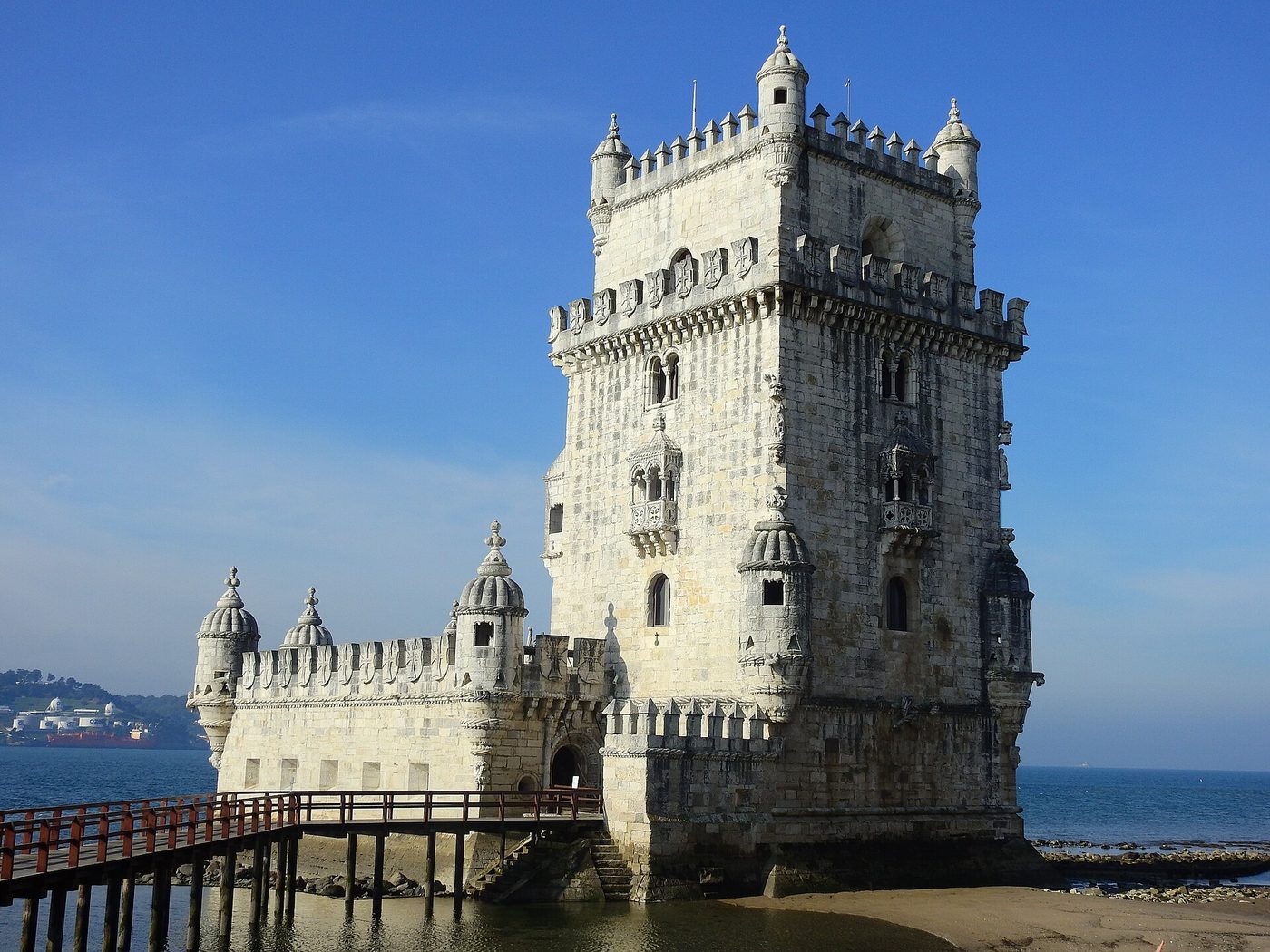
Belem Tower - April 2019 (2), Portugal
Portugal PRT
Belem Tower - April 2019 (2) — Photo: Rehman Abubakr / CC BY-SA 4.0 via Wikimedia Commons
Did You Know Catherine of Braganza, the Portuguese princess who married Charles II of England in 1662, is credited with making tea drinking fashionable at the English court. — Encyclopaedia Britannica

Portugal occupies the western edge of the Iberian Peninsula, a country of roughly 10.2 million people bordered on land only by Spain and on every other side by the Atlantic. Lisbon, the capital, sits where the Tagus widens into an inland sea before meeting the ocean; Porto, the second city, anchors a denser, more industrial north. Two Atlantic archipelagos — Madeira and the Azores — are autonomous regions of the republic and push Portuguese jurisdiction far into the ocean, giving a small European state one of the largest exclusive economic zones on the continent. The country's borders have been broadly stable since the thirteenth century, which makes them among the oldest in Europe, and its formative national experience was maritime: a fifteenth- and sixteenth-century push down the African coast and across the Indian Ocean that seeded a language now spoken by more people in Brazil, Angola and Mozambique than in Portugal itself. That empire ended late and abruptly, with the Carnation Revolution of 25 April 1974 and the decolonisation that followed. Portugal joined the European Communities in 1986 and adopted the euro, and is now a semi-presidential republic and a high-income economy built on services, tourism, vehicle manufacturing and an unusually strong renewable electricity sector. It is also an ageing one: the median age is close to 47, among the highest in the world, and demographic pressure shapes much of its politics.

CIA World FactbookEncyclopaedia BritannicaWorld BankEurostat
Population
10,194,277
Capital
Lisbon
Currency
€ EUR
Time zones
Largest city
Lisbon
Human Geography Themes
Loading national figures…
Largest Cities
Lisbon1,974,574
Porto1,060,250
Almada219,477
Barreiro143,987
Funchal135,362
Braga102,027
Amora100,347
Setúbal99,295
In Perspective

Lisbon's urban core is home to about 1,974,574 people.

That's bigger than Amsterdam — each a great world city in its own right.

Lisbon1,974,574
Amsterdam1,223,407

Among the world's megacities, though, it's one of many — the giants of Asia and Latin America run larger still:

Lisbon1,974,574
Jakarta40,545,126
Dhaka37,307,160
Tokyo33,244,670
Shanghai30,678,616
Cairo25,230,325
The Country & Its People

History

The territory was home to Lusitanian and Celtic peoples before Rome absorbed it into the province of Lusitania; Suebi and Visigothic kingdoms followed, then Muslim rule from 711, which left the south — the Gharb al-Andalus — Arabised in language, agriculture and architecture. The County of Portugal broke from León under Afonso Henriques, who took the title of king and secured recognition in the Treaty of Zamora in 1143; the Reconquista of the Portuguese south ended with the capture of the Algarve in 1249, fixing borders that have barely moved since. The fifteenth century turned the country outward. Under the patronage of Henry the Navigator, Portuguese ships worked down the African coast; Bartolomeu Dias rounded the Cape of Good Hope in 1488, Vasco da Gama reached India in 1498, and Pedro Álvares Cabral made landfall in Brazil in 1500. The Treaty of Tordesillas of 1494 divided the unclaimed world with Castile. A succession crisis brought the Iberian Union with Spain in 1580; independence was restored on 1 December 1640 under the House of Braganza. The Lisbon earthquake of 1755 destroyed the capital and empowered the reforming Marquis of Pombal. Napoleon's invasion in 1807 drove the court to Brazil, which declared independence in 1822. The monarchy fell on 5 October 1910; the authoritarian Estado Novo ruled from 1933 until the Carnation Revolution of 25 April 1974, after which Portugal decolonised, democratised and joined the European Communities in 1986.
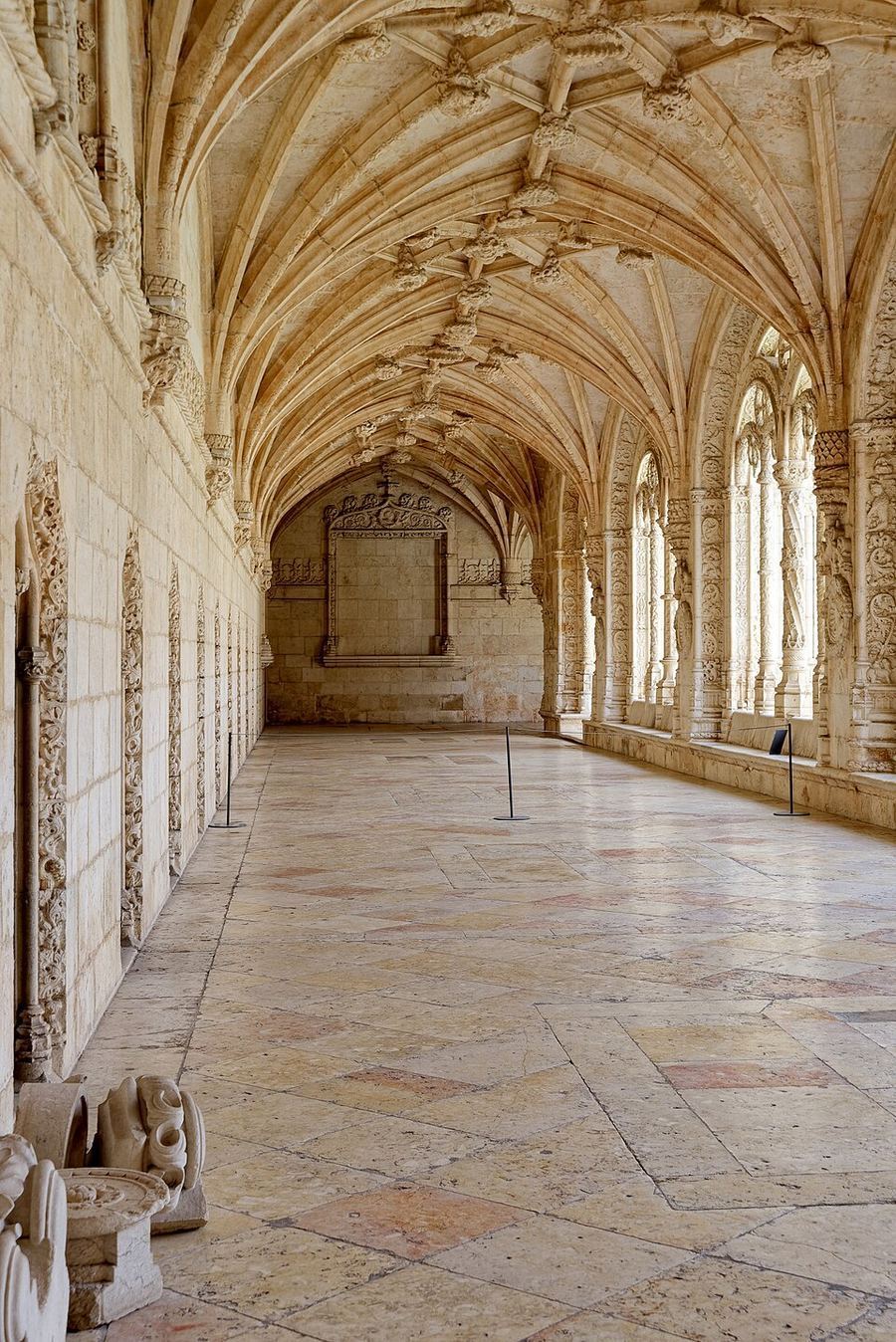
History, Portugal
Jakub Hałun / CC BY 4.0

Culture

Portuguese culture is often described through saudade — a word for longing after something absent that may never return, and the emotional register of fado, of emigrant literature and of a country that spent centuries watching ships leave. Catholicism remains the largest affiliation at roughly 68 percent, though practice has fallen sharply; the Marian shrine at Fátima, where apparitions were reported in 1917, still draws hundreds of thousands of pilgrims each 13 May and 13 October. The festive calendar peaks with the Santos Populares in June: Santo António in Lisbon on the night of 12 June, when the Alfama and Mouraria alleys fill with grilled sardines, paper garlands and marchas populares, and São João in Porto on 23 June. Everyday life is legible in its surfaces — blue-and-white azulejo tilework on church and station walls, black-and-white calçada portuguesa paving underfoot, café esplanades and the small plates called petiscos. Literature carries unusual weight: Luís de Camões, whose 1572 epic Os Lusíadas made the voyages a national myth, is commemorated on 10 June, the national day. Fernando Pessoa wrote through dozens of invented authorial personalities he called heteronyms, and José Saramago won the Nobel Prize in Literature in 1998. Emigration is itself a cultural institution, with large communities in France, Brazil, the United States and Switzerland.
Culture, Portugal
Matti Blume / CC BY-SA 4.0

Points Of Pride

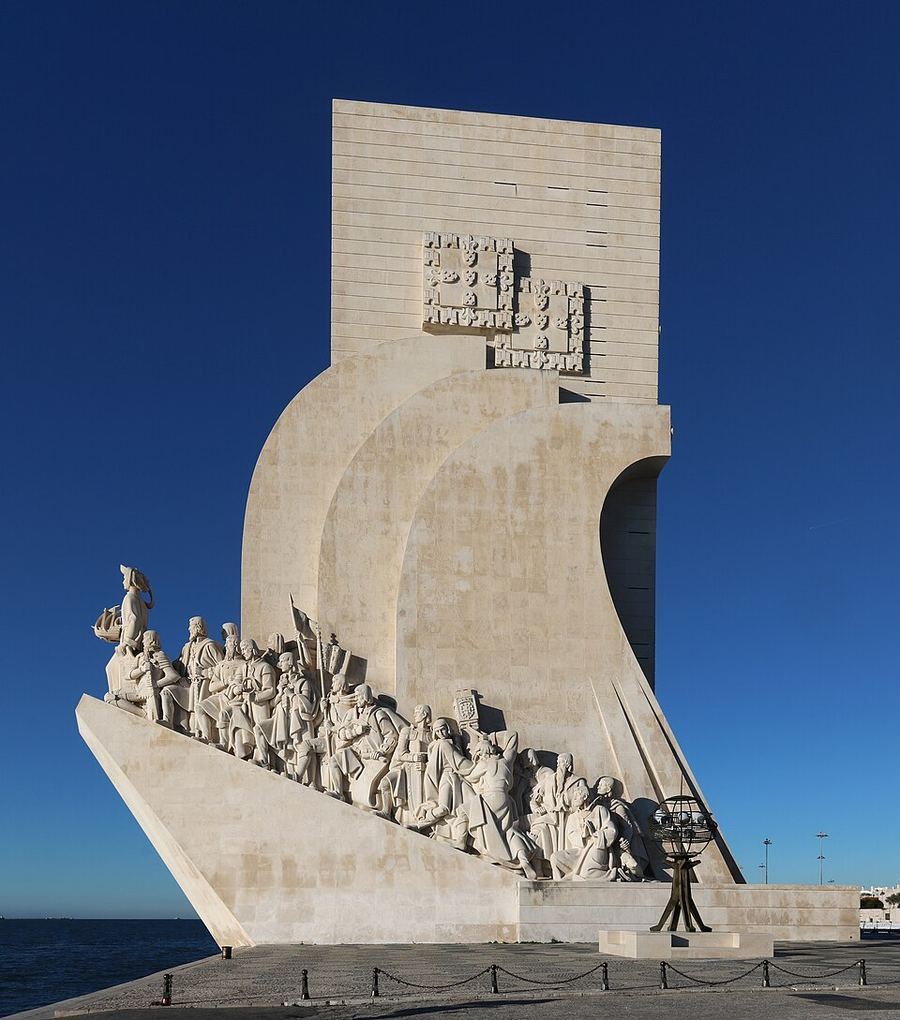
Portugal holds a dense concentration of UNESCO World Heritage sites for its size, including the Jerónimos Monastery and Tower of Belém in Lisbon, the Convent of Christ at Tomar, the monasteries of Batalha and Alcobaça, the historic centres of Évora, Porto, Guimarães and Elvas, the cultural landscape of Sintra, the Alto Douro wine region, the vineyard culture of Pico Island in the Azores, the prehistoric rock art of the Côa Valley, the Laurisilva forest of Madeira and the University of Coimbra, inscribed in 2013. The university itself, founded in 1290, is one of the oldest in continuous operation in Europe. Fado was inscribed on UNESCO's Representative List of the Intangible Cultural Heritage of Humanity in 2011, and the polyphonic male singing of cante alentejano followed in 2014. The Age of Discovery remains the central point of national pride, with the caravel and the Padrão dos Descobrimentos monument on the Lisbon waterfront as its emblems — though the same period is increasingly discussed alongside Portugal's central role in the Atlantic slave trade. Portugal is the world's leading producer of cork, harvested from montado oak landscapes in the Alentejo, and port wine from the terraced Douro is one of the oldest demarcated wine regions anywhere, formally delimited in 1756.
Points Of Pride, Portugal
Berthold Werner / CC BY-SA 4.0

Cultural Fusion

Portugal is a layered country. Roman law and road-building, Visigothic institutions and five centuries of Muslim rule in the south all left deposits: the word azulejo derives from the Arabic al-zulayj, and place names beginning Al- and Ode- trace the Arabic layer across the Alentejo and Algarve. The maritime centuries ran the exchange in both directions. Manueline architecture, the exuberant style of the Jerónimos Monastery and the famous window at Tomar, grafted maritime rope, coral and armillary-sphere motifs onto late Gothic. Portuguese ships carried tempura batter to Japan and chilli to India and Africa, and brought back tea, porcelain motifs and the piri-piri chilli that returned to Portuguese kitchens as a staple. Catherine of Braganza, who married Charles II of England in 1662, is credited with making tea fashionable at the English court. After 1974, roughly half a million retornados arrived from the former African colonies, and later migration from Cape Verde, Angola, Guinea-Bissau, Mozambique, São Tomé and Brazil made Lisbon a Lusophone capital in practice as well as in name: kizomba and kuduro are club music in Amadora and Damaia, and cachupa and muamba sit alongside bacalhau on menus. The Community of Portuguese Language Countries, founded in 1996, formalises those ties, and more recent arrivals from Nepal, India and Ukraine have reshaped Lisbon and the Alentejo farm belt again.
Cultural Fusion, Portugal
Kyle Magnuson from Los Angeles, United States / CC BY 2.0

Music & Dance

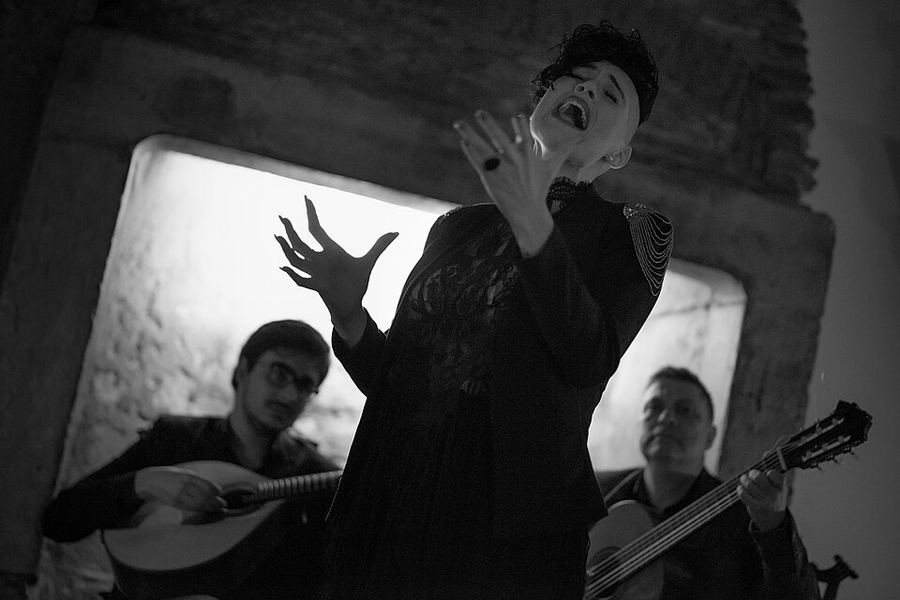
Fado is the national song form: a solo voice accompanied by the pear-shaped, twelve-string guitarra portuguesa and a classical viola, performed in small houses in Lisbon's Alfama, Mouraria and Bairro Alto. Amália Rodrigues, who died in 1999 and lies in the National Pantheon, remains its defining voice; Carlos do Carmo, Mariza, Camané and Ana Moura carried it into later generations. Coimbra has a distinct and traditionally male student fado, sung by performers in the black academic cape. Away from fado, the Alentejo's cante alentejano is unaccompanied polyphonic male choral singing, listed by UNESCO in 2014, and regional folk dance survives through rancho folclórico groups: the vira and chula in the Minho, the corridinho in the Algarve, each with its own accordion-and-percussion repertoire and regional costume. Madeira has the bailinho. Contemporary Portuguese music absorbed the Lusophone Atlantic — the Angolan-descended kuduro and semba, the Cape Verdean morna sung by Cesária Évora across the diaspora — and produced acts such as Madredeus and Buraka Som Sistema. Salvador Sobral won the Eurovision Song Contest in 2017 with 'Amar Pelos Dois', Portugal's first win in forty-nine attempts, bringing the contest to Lisbon the following year. Large summer festivals including NOS Alive, Rock in Rio Lisboa and Primavera Sound Porto now anchor the touring calendar.
Music & Dance, Portugal
Jimmy Baikovicius from Montevideo, Uruguay / CC BY-SA 2.0

Cuisine & Misattributed Foods

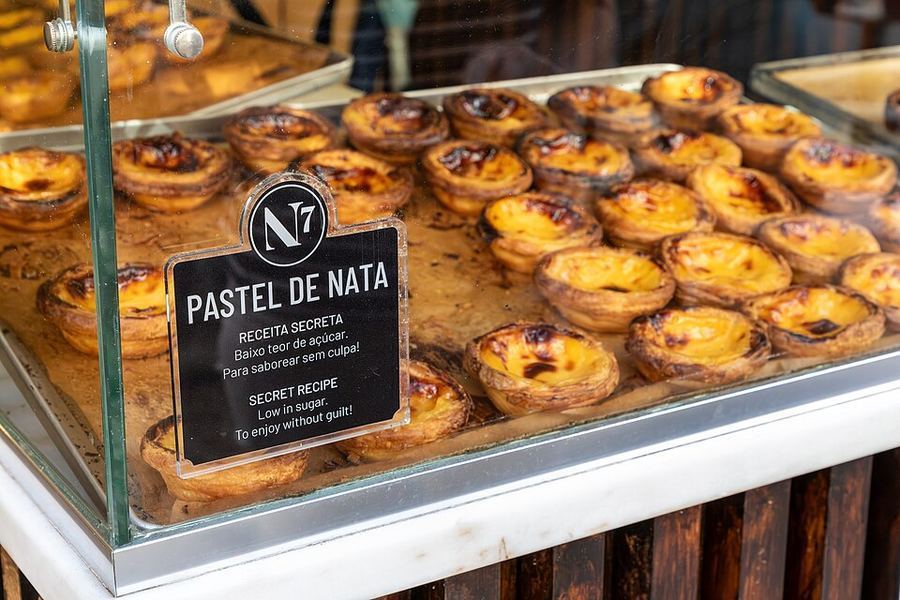
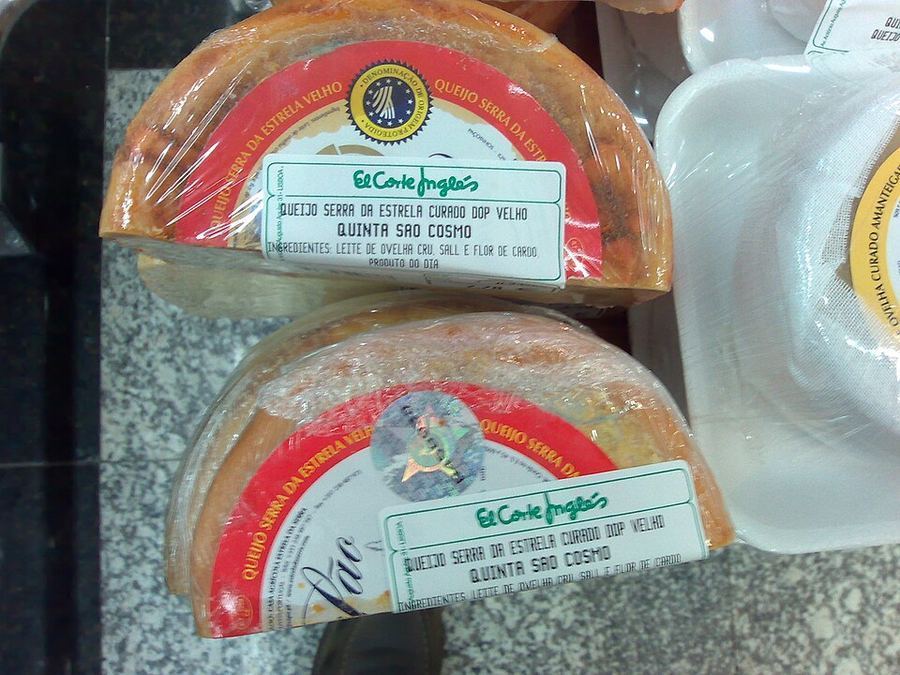
Salt cod — bacalhau — is the fixed point of Portuguese cooking, air-dried and salted, soaked before use, and prepared in a repertoire so large that Portuguese cooks describe it as having a recipe for every day of the year: bacalhau à Brás shredded with straw potatoes and egg, bacalhau com natas, or simply grilled with olive oil and garlic. It arrived from the Newfoundland fishery, but the coast supplies the rest: grilled sardines in summer, octopus, clams à Bulhão Pato, and the Algarve's cataplana of shellfish cooked in a hinged copper pan. Caldo verde, a soup of finely shredded kale, potato and chouriço, is the standard opener; cozido à portuguesa is the boiled-meat centrepiece; leitão da Bairrada is roast suckling pig; and Porto contributes the francesinha, a layered sandwich under melted cheese and beer sauce. Convent baking accounts for the sweets, which lean heavily on egg yolk and sugar — pastéis de nata, made to a guarded recipe at Pastéis de Belém since 1837, ovos moles de Aveiro, and pão de ló. Portugal is a serious wine country well beyond port and Madeira, with Douro reds, Vinho Verde and Alentejo blends, and it is among the largest olive oil producers in the European Union. Portugal is one of the states associated with the UNESCO-listed Mediterranean Diet.
Cuisine & Misattributed Foods, Portugal
Dietmar Rabich / CC BY-SA 4.0

National Dress

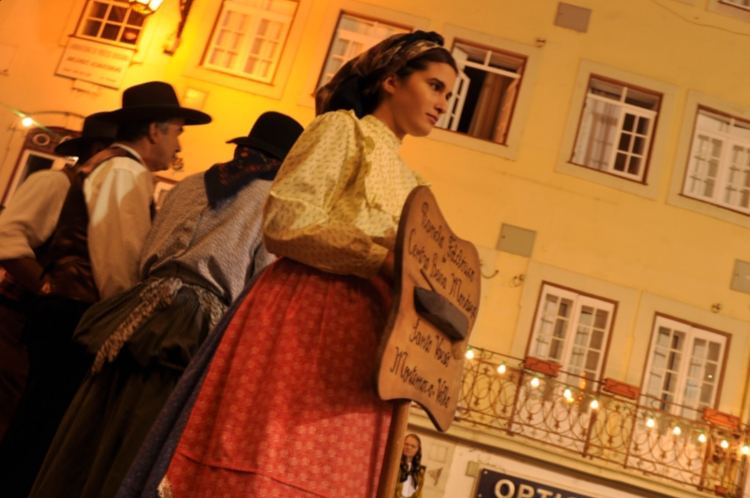
Portugal has no single national costume; what it has is a set of strongly marked regional trajes, worn now at romarias, folk-dance festivals and weddings rather than daily. The best known is the traje à vianesa of Viana do Castelo in the Minho, whose festive version pairs a red or black wool skirt with dense polychrome embroidery, a white blouse, an embroidered apron and a headscarf, and is loaded with Viana filigree gold — including the heart-shaped Coração de Viana pendant, worked in fine gold thread and now a national emblem in its own right. In Nazaré, fisherwomen traditionally wore layered skirts, popularly counted as seven, with a black shawl. The campino of the Ribatejo bull-and-horse country wears a green and red stocking cap, a short red waistcoat, a white shirt and white stockings. Madeira has the carapuça, a small cap with a stiff vertical point, and soft leather borracheiro boots. Distinct from folk dress and still in living use is the traje académico of Coimbra and other universities: a black suit worn with the capa negra, a long black cape, with faculty-coloured ribbons displayed at the Queima das Fitas festival each May. In the Alentejo, the shepherd's sheepskin pelico survives as a regional marker.
Encyclopaedia BritannicaOxford Reference
National Dress, Portugal
Victor / CC BY 2.0

Sports & Inspiring Athletes

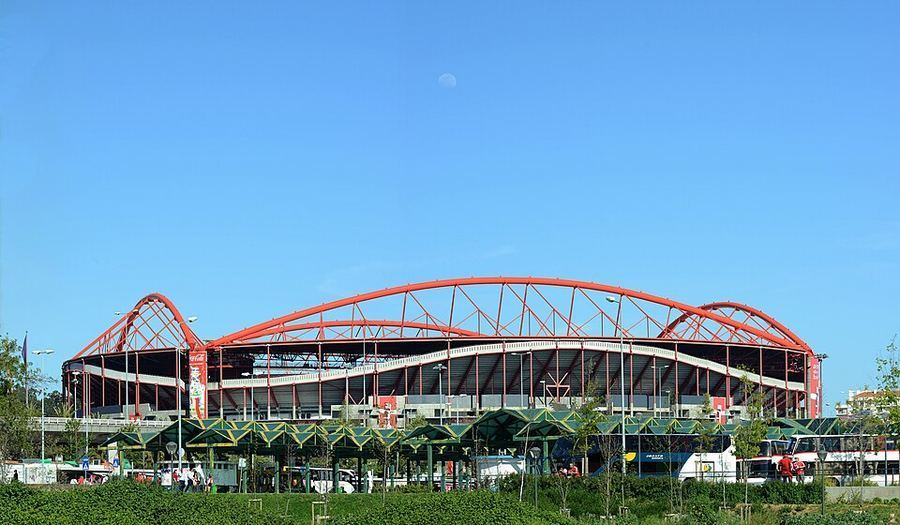
Football is the national sport by a wide margin, organised around the three clubs known as os três grandes — Benfica and Sporting CP in Lisbon and FC Porto — whose rivalry structures the Primeira Liga and much of the sporting press. Their grounds, the Estádio da Luz, the Estádio José Alvalade and the Estádio do Dragão, were all built or rebuilt for the UEFA European Championship that Portugal hosted in 2004. Beyond the eleven-a-side game, Portugal is disproportionately strong in two smaller codes: futsal, in which the national team won the UEFA European Championship in 2018 and the FIFA Futsal World Cup in 2021, and rink hockey, played on quad skates, in which Portugal is among the most decorated nations in the sport's history. Athletics is the traditional Olympic strength, built on distance running and the horizontal jumps. Surfing has become a mainstream competitive sport on the strength of the Atlantic swell, and motorsport has a long footprint through the Estoril and Portimão circuits and the Rally de Portugal, a fixture of the World Rally Championship. Cycling has a national tour, the Volta a Portugal, and the country's mild climate makes it a year-round training base for European teams.
Sports & Inspiring Athletes, Portugal
Alvesgaspar / CC BY-SA 3.0

Notable Educational Programs

Education is compulsory to age eighteen and largely public, and Portugal is one of the more frequently cited improvement stories in OECD assessment data, having moved from below the OECD average in reading and mathematics at the start of the PISA cycle in 2000 to around or above it by the mid-2010s, on the back of extended school hours, teacher training reform and reduced early school leaving. The University of Coimbra, founded in 1290 and moved permanently to that city in 1537, is the oldest institution and a UNESCO World Heritage site; the Universities of Lisbon and Porto are the largest, and Instituto Superior Técnico in Lisbon is the leading engineering school. The Universidade Nova de Lisboa, the University of Minho and the University of Aveiro round out the research base, with Católica Lisbon and Nova SBE prominent in management education. Portugal runs long-standing international partnership programmes with United States institutions — the MIT Portugal Programme, Carnegie Mellon Portugal and UT Austin Portugal — funded through the national science foundation to build doctoral and applied research capacity. The Ciência Viva network operates science centres and school outreach across the country, and the Champalimaud Foundation in Lisbon funds and hosts postgraduate research in neuroscience and oncology. Portugal is a large participant in the Erasmus exchange scheme in both directions.
Notable Educational Programs, Portugal
Bernard Gagnon / CC BY 4.0

Wars & Conflicts

Portugal has not fought an interstate war since the Napoleonic period, and its last sustained armed conflict was colonial. From 1961 to 1974 the Estado Novo fought simultaneous insurgencies in Angola, Mozambique and Portuguese Guinea against the MPLA and FNLA, FRELIMO and the PAIGC, a war that consumed a large share of the national budget, conscripted a generation and ended not by victory or defeat in the field but by the officers' coup of 25 April 1974 in Lisbon. Decolonisation followed within about a year and was violent in Angola and Mozambique, where independence gave way immediately to civil wars, and roughly half a million Portuguese settlers and their families left for the metropole. East Timor, invaded by Indonesia in 1975, remained a Portuguese responsibility in international law, and Lisbon campaigned for the self-determination referendum finally held under United Nations auspices in 1999. Portugal was a founding member of NATO in 1949 and hosts the alliance's Joint Force Command in Oeiras; it contributes forces to NATO and European Union operations and to United Nations peacekeeping, with long-running deployments including the mission in the Central African Republic. Domestically the country has been largely free of political violence since the turbulence of 1974 to 1976.
Current as of 2026-08-07
Wars & Conflicts, Portugal
Pedro Ribeiro Simões from Lisboa, Portugal / CC BY 2.0

Land & Border Disputes

Portugal's one enduring territorial disagreement concerns Olivença, a town on the left bank of the Guadiana that Spain occupied in the brief War of the Oranges and retained under the Treaty of Badajoz in 1801. Portugal argues that the treaty was voided by later Spanish actions and points to the Final Act of the Congress of Vienna of 1815, in which the powers recommended restitution, and it has never formally renounced the claim; Spain administers the town as part of Extremadura and does not accept that a dispute exists. In practice the matter is dormant, raised in symbolic terms rather than pursued, and both states are European Union and NATO partners with an open border. The second, more practical question is maritime: the status of the Savage Islands, a small uninhabited group between Madeira and the Canaries, determines whether they generate a full exclusive economic zone or only a territorial sea under the United Nations Convention on the Law of the Sea, and Spain has contested the Portuguese position, with consequences for the boundary between the two states' Atlantic zones. Portugal has also lodged a large submission to the United Nations Commission on the Limits of the Continental Shelf seeking recognition of an extended shelf around the mainland, Madeira and the Azores.
Land & Border Disputes, Portugal
Álvaro Muñoz / CC BY-SA 4.0
Land, Life & Legacy

Land & Climate

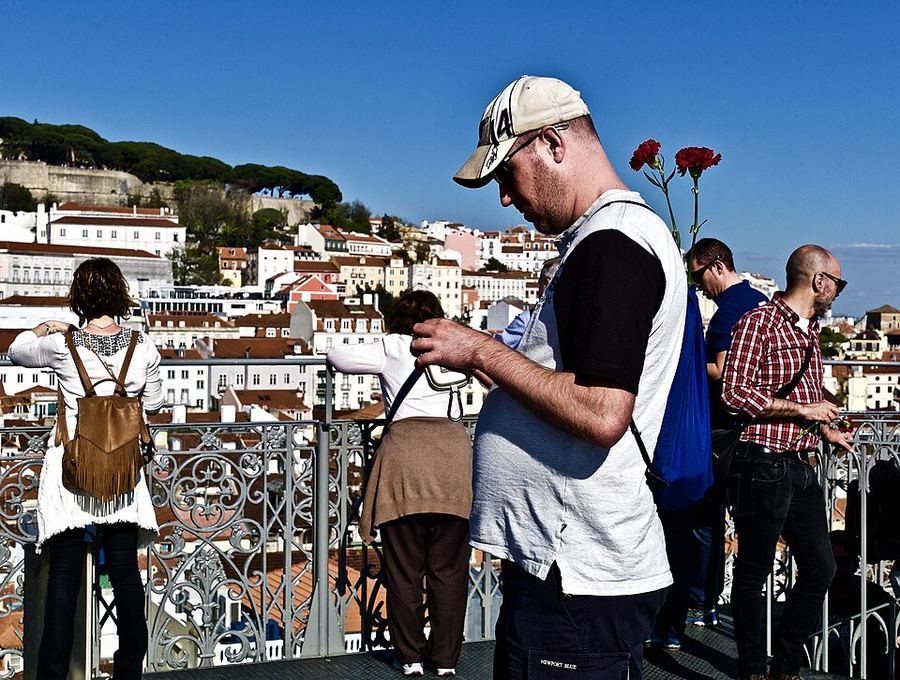
Mainland Portugal is a rectangle roughly 560 kilometres north to south, sharing a 1,200-kilometre land border with Spain and facing the Atlantic along its entire west and south coast. Cabo da Roca, west of Sintra, is the westernmost point of continental Europe. The Tagus divides the country: north of it the land is higher, wetter, greener and more fragmented into smallholdings, with the Douro cutting a terraced gorge to the sea at Porto; south of it the Alentejo opens into wide, dry plains of wheat, cork oak and olive, and the Algarve closes the country against the Gulf of Cádiz. The Serra da Estrela reaches 1,993 metres and is the highest point on the mainland, but the national high point is Mount Pico in the Azores at 2,351 metres, a stratovolcano. The Azores sit on the triple junction of the North American, Eurasian and African plates and are seismically and volcanically active; Madeira, further south, is subtropical. The mainland climate is Mediterranean, with mild wet winters and hot dry summers that grow more extreme inland and southward. Drought, heatwaves and wildfire are the principal climate hazards — the June 2017 Pedrógão Grande fire killed more than sixty people — and IPCC assessments project further drying across the Iberian Peninsula.
Land & Climate, Portugal
Adriao / CC BY 3.0

Entertainment

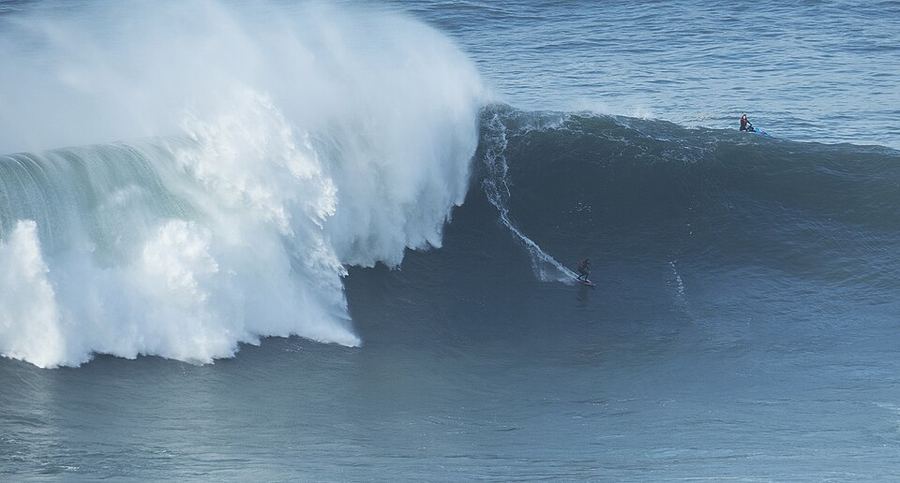
Free time in Portugal is spent largely outdoors and often at a table. The café and its pavement esplanada are civic institutions, and the long weekend meal is a fixture. Football saturates leisure as spectacle and as conversation, with the fortunes of Benfica, Sporting and Porto tracked at national scale. The coast provides most of the rest: swimming and beach life along the Algarve and the wilder Costa Vicentina, and a surfing culture that has made Portugal a global destination — Ericeira is a designated World Surfing Reserve, and the giant winter waves at Praia do Norte in Nazaré, amplified by a deep submarine canyon running almost to shore, draw big-wave specialists and record attempts. Inland, wine tourism has transformed the Douro, and Madeira's levada irrigation channels double as a network of walking trails. Pilgrimage remains a genuine leisure form: the Portuguese Way to Santiago de Compostela runs north from Lisbon and Porto, and the roads to Fátima fill in May. Local romarias and municipal feiras structure the summer, and the tourada à portuguesa persists in the Ribatejo, distinguished by mounted cavaleiros and the forcados who confront the bull on foot, with the animal not killed in the arena.
Entertainment, Portugal
Alohamansurfer / CC BY-SA 4.0

Art & Museums

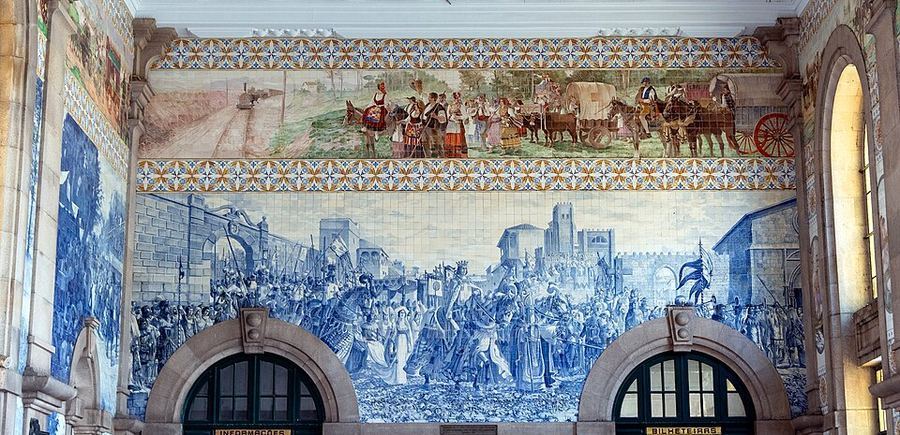
The azulejo is Portugal's most characteristic art form — tin-glazed ceramic tile, adopted from Hispano-Moresque practice and developed into vast blue-and-white narrative panels covering church interiors, palace walls and public buildings. The Museu Nacional do Azulejo in Lisbon holds the national collection, including a panoramic view of the city painted before the 1755 earthquake, and Jorge Colaço's early twentieth-century panels in Porto's São Bento railway station are among the most photographed. In architecture, the Manueline style of the reign of Manuel I fused late Gothic with maritime iconography, reaching its most extravagant in the chapter-house window of the Convent of Christ at Tomar. The fifteenth-century Saint Vincent Panels attributed to Nuno Gonçalves, in the Museu Nacional de Arte Antiga, are the outstanding early Portuguese painting; Josefa de Óbidos worked in the seventeenth century. Modernism produced Amadeo de Souza-Cardoso, Almada Negreiros and, in Paris, Maria Helena Vieira da Silva; Paula Rego, whose large figurative pastels re-read folk tales and Portuguese social history, has a dedicated museum, the Casa das Histórias, in Cascais. Joana Vasconcelos works at monumental scale in textiles and found objects. Two Portuguese architects have won the Pritzker Prize: Álvaro Siza Vieira in 1992 and Eduardo Souto de Moura in 2011. The Calouste Gulbenkian Museum and Porto's Serralves are the leading collections.
Art & Museums, Portugal
Peter K Burian / CC BY 4.0

Notable People

The navigators come first in the national roster: Henry the Navigator, who organised the Atlantic expeditions from the Algarve; Bartolomeu Dias, who rounded the Cape of Good Hope; Vasco da Gama, who opened the sea route to India; Pedro Álvares Cabral, who reached Brazil; and Ferdinand Magellan, who sailed under the Spanish crown on the voyage that first circumnavigated the globe. Luís de Camões gave that century its epic in Os Lusíadas. The Marquis of Pombal rebuilt Lisbon after 1755 and remade the Portuguese state. In the twentieth century, Fernando Pessoa reinvented lyric authorship through his heteronyms, and José Saramago won the Nobel Prize in Literature in 1998; Egas Moniz had won the Nobel Prize in Physiology or Medicine in 1949, for work on prefrontal leucotomy that is now regarded critically, though his development of cerebral angiography stands. Amália Rodrigues made fado internationally legible. Aristides de Sousa Mendes, Portuguese consul in Bordeaux, defied Salazar's instructions in 1940 to issue visas to refugees fleeing the German advance, and was punished for it. António Guterres, a former prime minister, became United Nations Secretary-General in 2017, and José Manuel Barroso led the European Commission from 2004 to 2014. In sport, Eusébio and Cristiano Ronaldo are the towering names.
Notable People, Portugal
Ingo Mehling / CC BY-SA 4.0

Inventions & Breakthroughs

Portugal's most consequential technical contribution was to ocean navigation. The caravel — a light, shallow-draught vessel rigged with lateen sails that could work to windward — made systematic exploration of the African coast possible, and the larger carrack, or nau, made the India route commercially viable. Alongside the hulls came method: Portuguese pilots developed the volta do mar, the counter-intuitive practice of sailing far out into the Atlantic to pick up favourable winds for the return, and systematised the use of the mariner's astrolabe and quadrant to fix latitude by the sun and stars at sea, compiling the declination tables that made the technique repeatable. In medicine, Egas Moniz developed cerebral angiography in 1927, injecting radiopaque contrast to image the blood vessels of the living brain — a technique that remains foundational to neuroradiology. Portugal's cork industry industrialised the processing of Quercus suber bark into the closures that defined bottled wine for centuries, and continues to develop cork composites for insulation and aerospace ablative materials. In everyday infrastructure, Portugal was an early mover on national-scale electronic systems: the Multibanco interbank network, launched in 1985, unified the country's cash machines and bill payments under one interface far earlier than most of Europe, and the Via Verde system introduced nationwide electronic motorway tolling from 1991.
Encyclopaedia BritannicaScienceOxford ReferenceFAO
Inventions & Breakthroughs, Portugal
V.B.Speranza / CC BY-SA 4.0

Science & Technology

Portugal's research base is concentrated in a small number of well-funded institutes. The Champalimaud Centre for the Unknown, on the Lisbon waterfront, works in neuroscience and cancer research and is privately endowed; the Instituto Gulbenkian de Ciência has trained much of the country's biomedical research community since 1961, and the Instituto de Medicina Molecular sits alongside the university hospital. In engineering and computing, INESC TEC in Porto and the research units of Instituto Superior Técnico anchor work in energy systems, robotics and telecommunications, and the Institute for Plasmas and Nuclear Fusion participates in European fusion research. Portugal joined the European Space Agency in 2000; the Azores host satellite tracking infrastructure on Santa Maria and the Atlantic International Research Centre, established to use the mid-Atlantic position for Earth observation, ocean and climate science. Energy is where the country has moved fastest: with heavy investment in wind and hydropower and growing solar capacity, Portugal has run its electricity grid entirely on renewable generation for multi-day stretches, and the interconnected Iberian market has made it a testbed for high-renewable operation. Lisbon has hosted the Web Summit technology conference since 2016, and the former coal site at Sines has been redeveloped around submarine cable landings and data-centre capacity.
Science & Technology, Portugal
GualdimG / CC BY-SA 4.0
On The World Stage
Champions of Portugal

Champions & Defining Moments

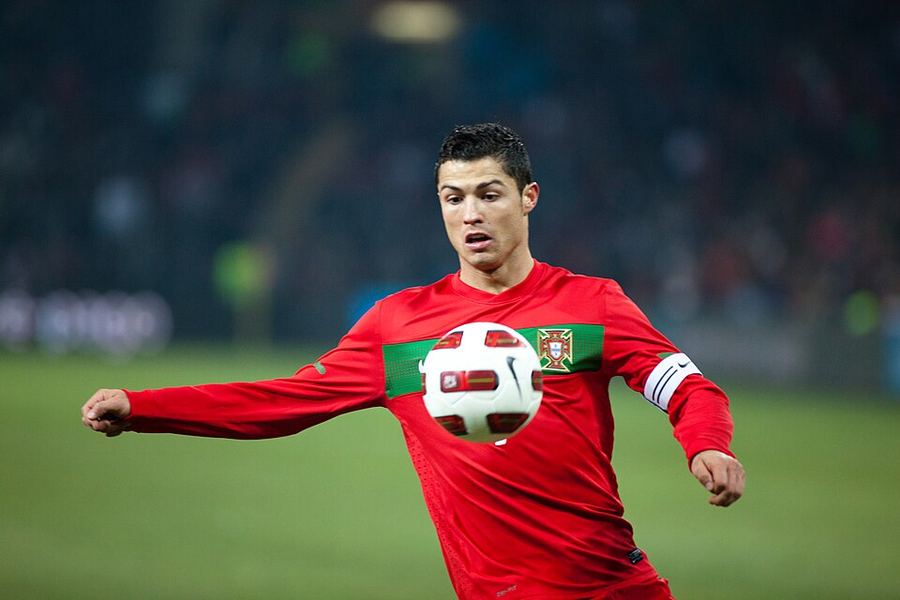
Portugal's highest-profile sporting export is Cristiano Ronaldo, a five-time Ballon d'Or winner and the leading goalscorer in men's international football, whose career at Sporting, Manchester United, Real Madrid and Juventus made him one of the most recognisable athletes in the world. He captained the side that won Portugal's first major men's football trophy, the UEFA European Championship in 2016, beating France in the final in Saint-Denis after he left the pitch injured early, and Portugal added the inaugural UEFA Nations League on home soil in 2019. Earlier generations set the template: Eusébio, born in Lourenço Marques in colonial Mozambique, was the top scorer at the 1966 World Cup with nine goals, and Luís Figo won the Ballon d'Or in 2000. José Mourinho became one of the most successful club managers of his era. At the Olympics, Portugal's medals have come mainly from athletics — Carlos Lopes won the marathon in Los Angeles in 1984, Rosa Mota the women's marathon in Seoul in 1988, Fernanda Ribeiro the 10,000 metres in Atlanta in 1996, and the triple jump has delivered gold twice, through Nelson Évora in Beijing in 2008 and Pedro Pichardo in Tokyo in 2021.

FIFAIOCOlympediaWorld Athletics
Ludovic Péron / CC BY-SA 3.0
Government & Leadership

Semi-presidential republic

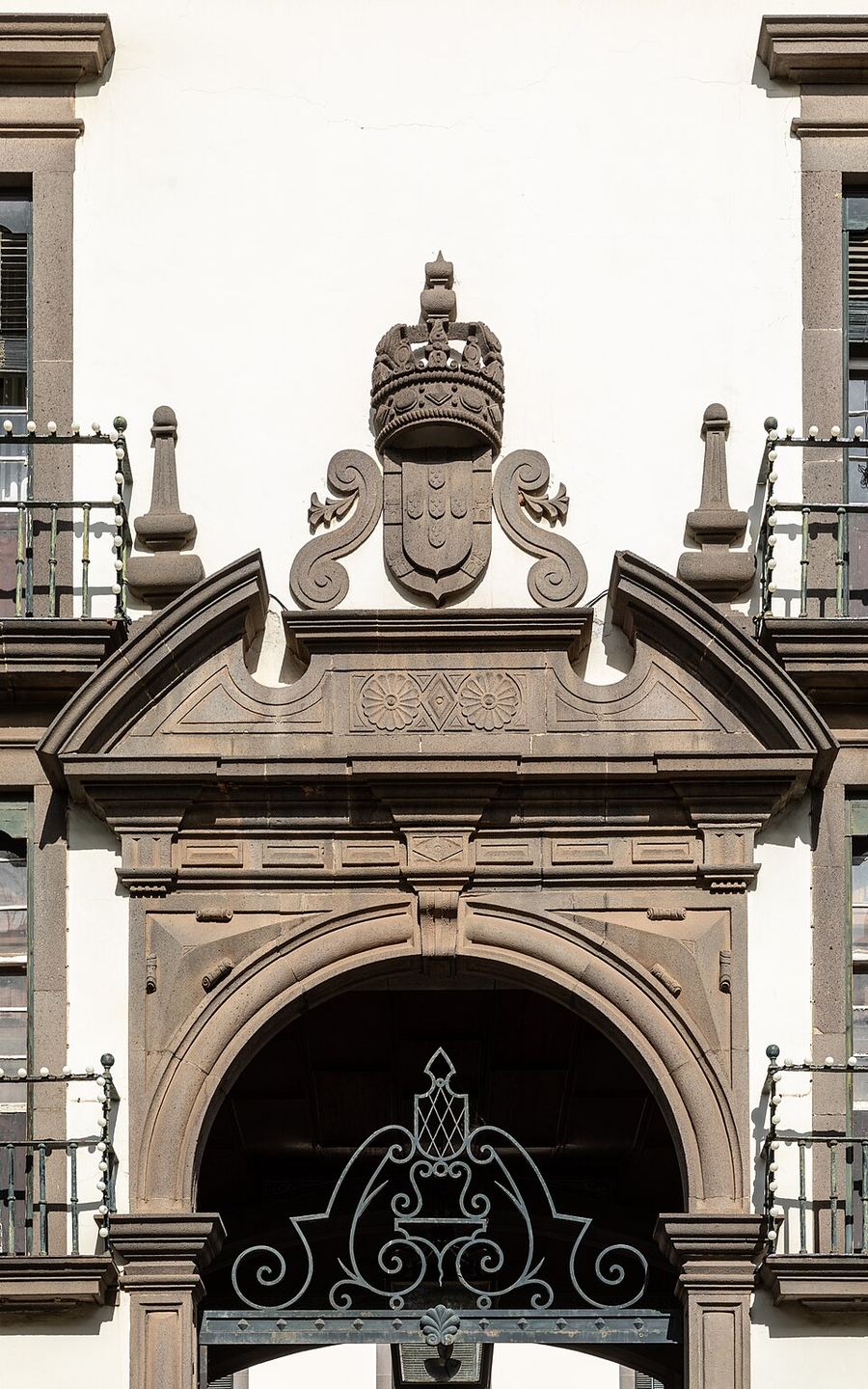
Government building

Executive

Marcelo Rebelo De Sousa — President

In office since 9 March 2016

Antonio Luis Montenegro — Prime Minister

Dietmar Rabich / CC BY-SA 4.0
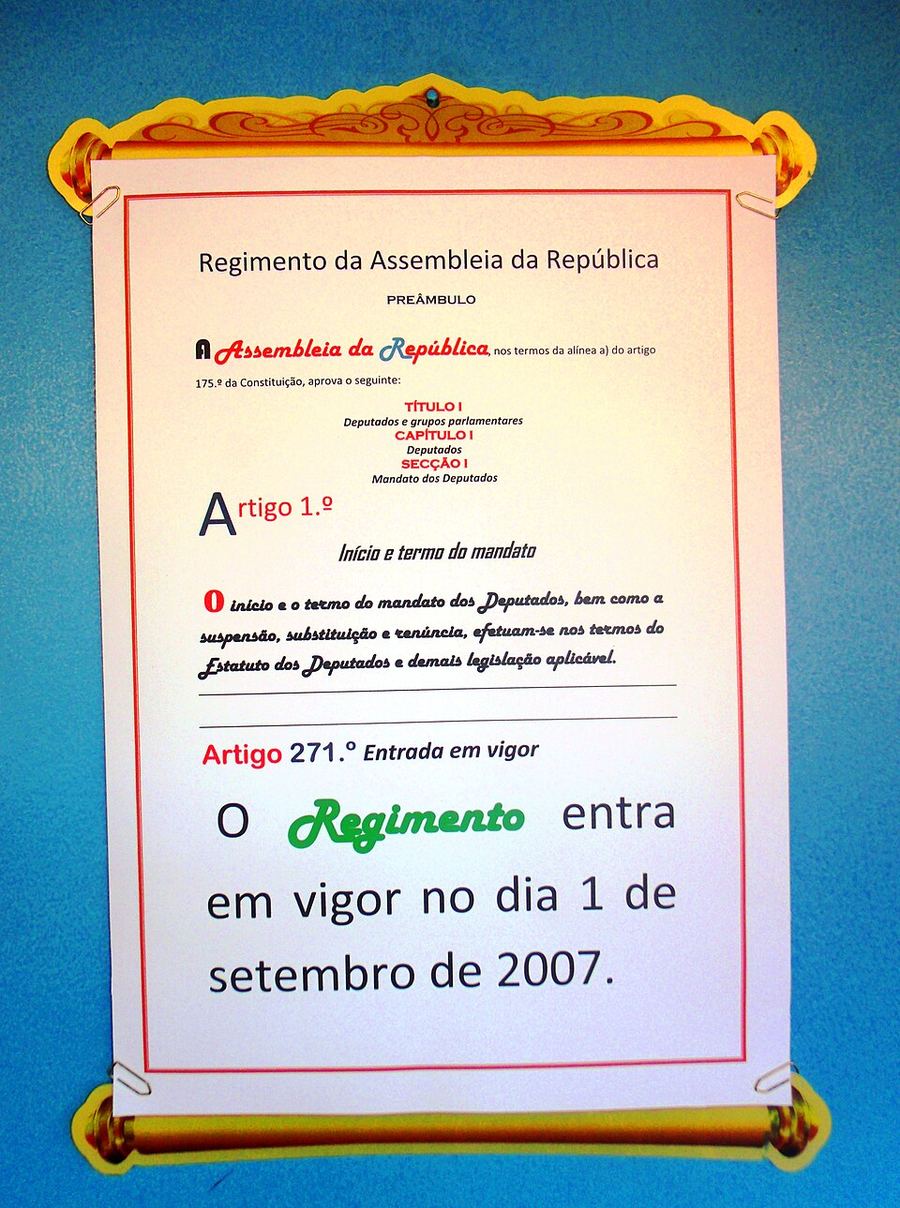
The legislature

Assembly of the Republic (Assembleia da Republica)

Unicameral

Composition — CDS-PP largest party

CDS-PP 88 · CH 60 · PS 58 · Other 24

Last election 5/18/2025 · 35.7% women

Almanaque Lusofonista / CC BY 3.0 pt
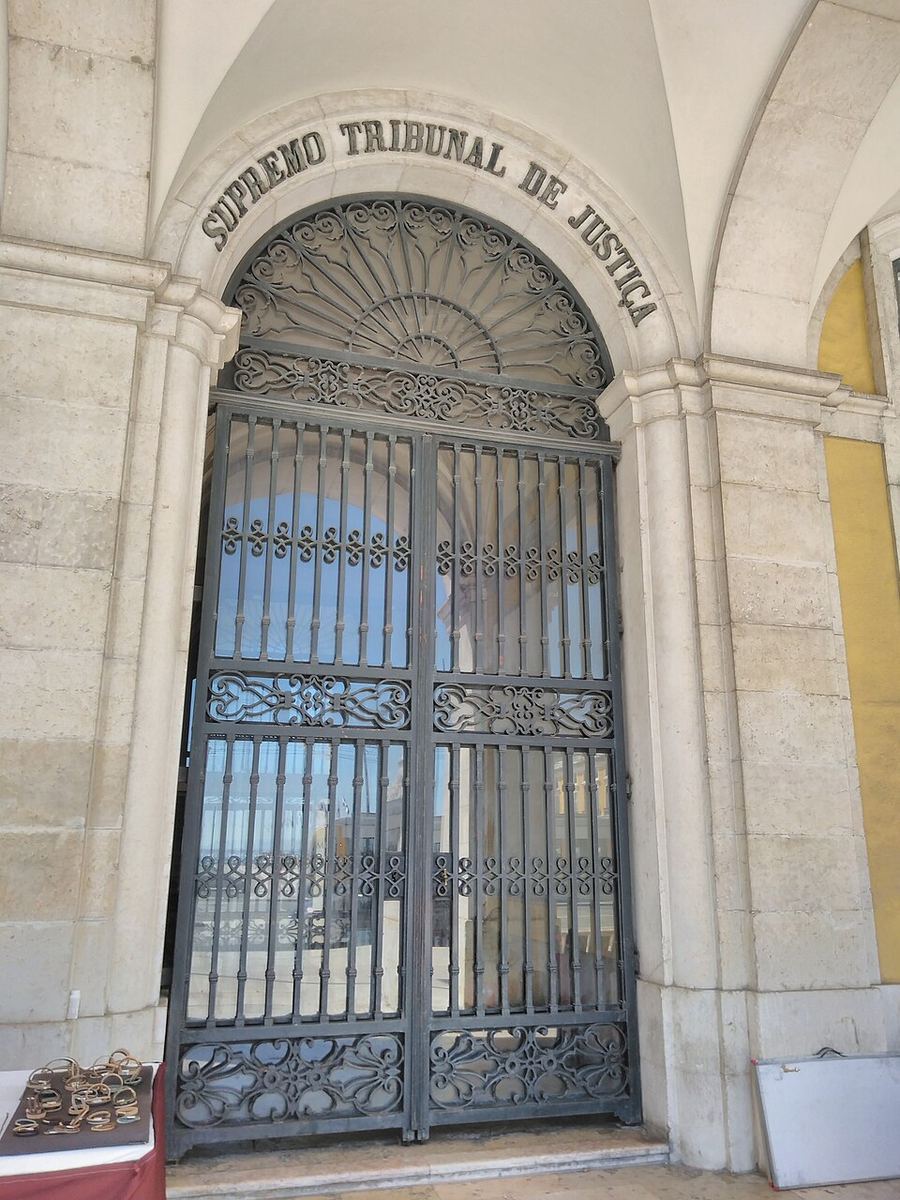
The highest court
The highest court — Threeohsix / CC BY-SA 4.0

Supreme Court or Supremo Tribunal de Justica

consists of 12 justices); Constitutional Court or Tribunal Constitucional (consists of 13 judges

Economy, Trade & Government

Currency & GDP

Euro — EUR (€)

GDP (PPP): $448.226 billion (2024 est.)

Per capita: $41,900 (2024 est.)

Exports

$144.237 billion (2024 est.)

cars, garments, vehicle parts/accessories, unpackaged medicine, refined petroleum (2023)

Partners: Spain 21%, France 11%, Germany 10%, USA 8%, UK 5% (2023)

Imports

$136.976 billion (2024 est.)

cars, crude petroleum, vehicle parts/accessories, refined petroleum, garments (2023)

Partners: Spain 33%, Germany 11%, France 7%, Netherlands 5%, China 5% (2023)

Government

Type: semi-presidential republic

Independence: 1143 (Kingdom of Portugal recognized); 1 December 1640 (independence reestablished after 60 years of Spanish rule); 5 October 1910 (republic proclaimed)

Terrain → Where People Live

How mountains, coasts, and rivers shape settlement (LandScan).

Coming — data

Migration & Ethnic Settlement

Where groups settled and how people move (GeoEPR + UNHCR).

Coming — data

Universities

Notable institutions, mappable as points.

Coming — data
Economy & government facts: CIA World Factbook (public domain), via OpenFactBook / factbook.json.
Every fact and narrative claim will carry a visible source citation. Data-driven sections light up automatically wherever HERA has coverage.