HERA · Human Entity Reference Atlas by Masego Inc

← Paraguay 🌐 3D View
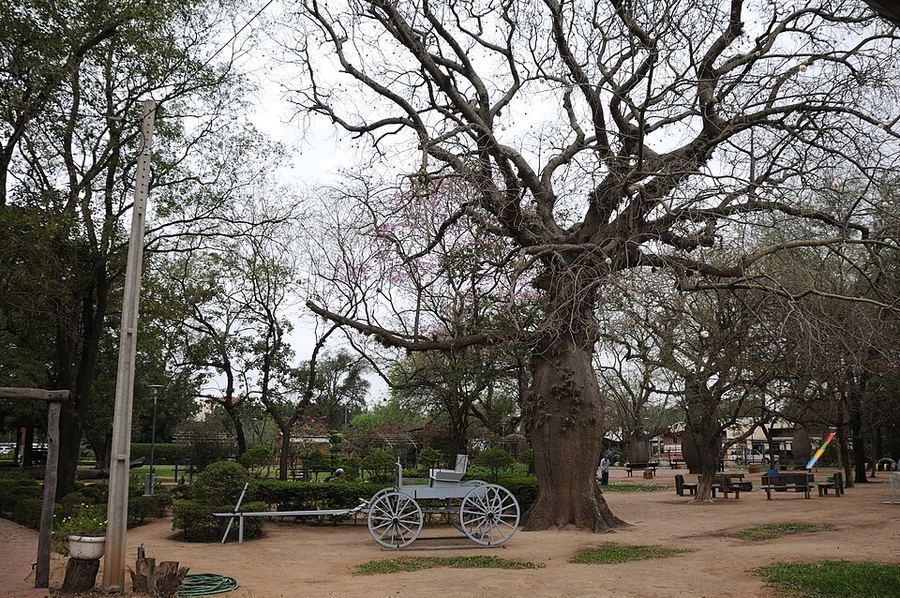
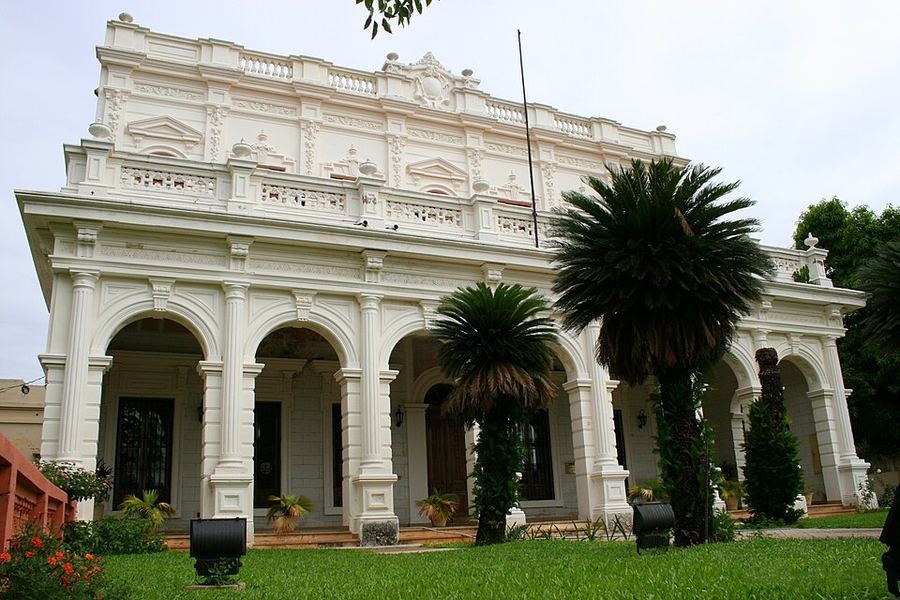
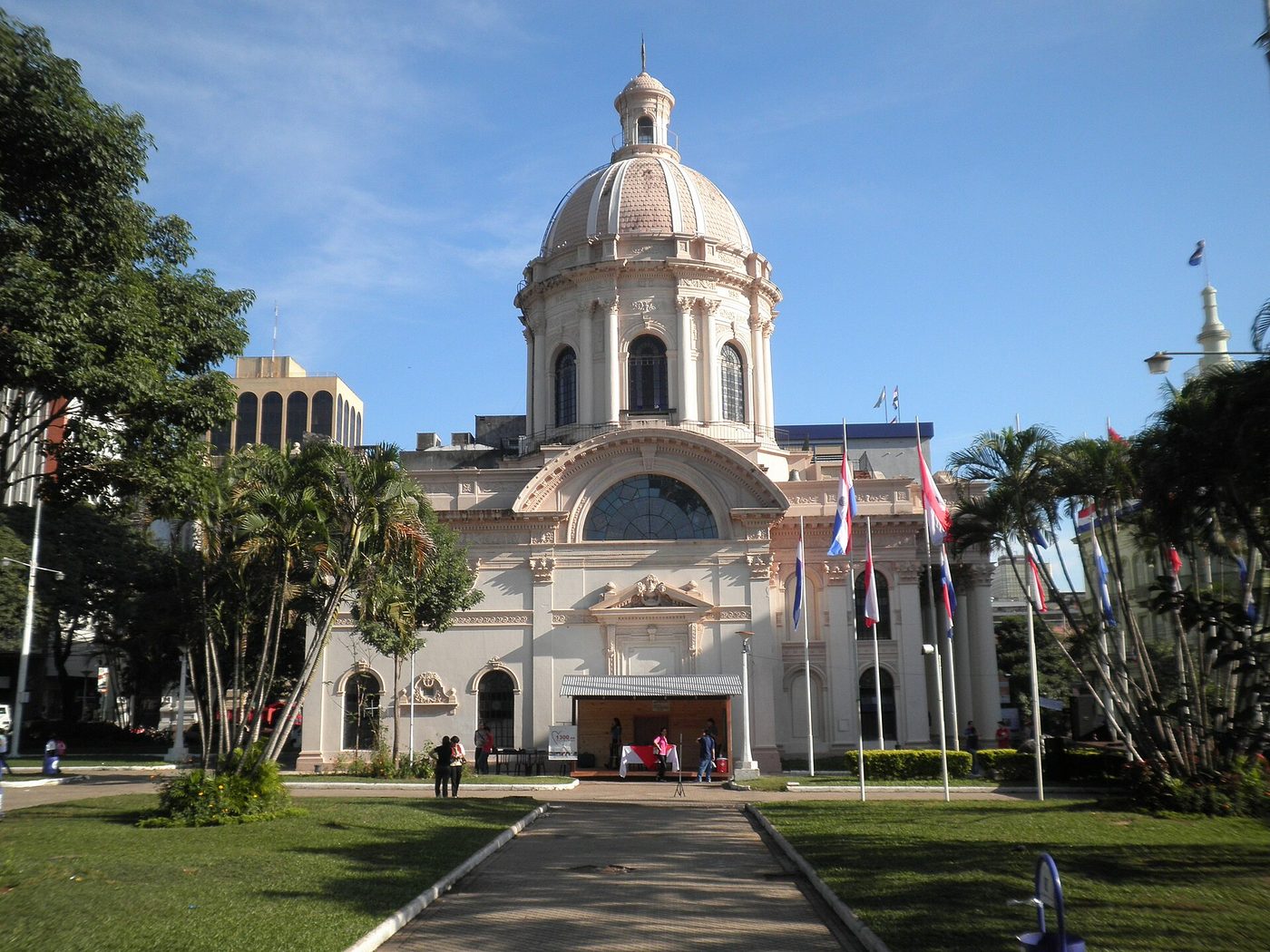
National Pantheon of the Heroes, Asunción, Paraguay, Paraguay
Paraguay PRY
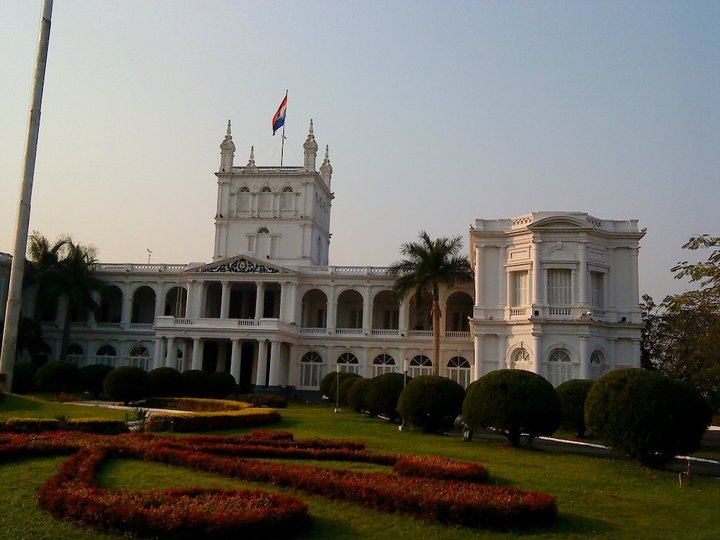
National Pantheon of the Heroes, Asunción, Paraguay — Photo: CivArmy / CC BY-SA 4.0 via Wikimedia Commons
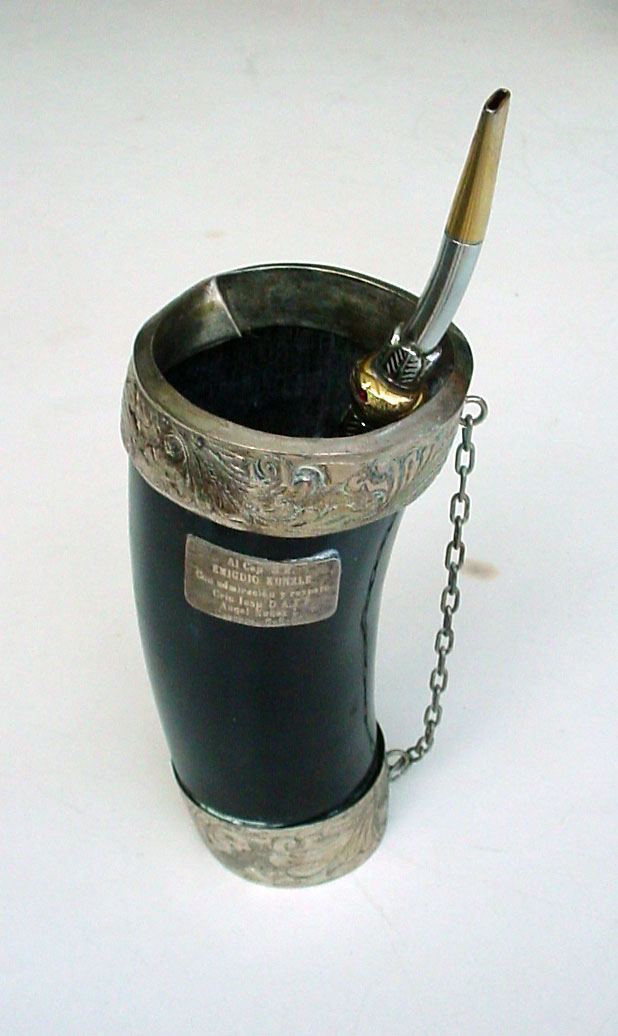
Did You Know Tereré, cold yerba mate infused with medicinal herbs and shared from one cup, was inscribed on UNESCO's Representative List of the Intangible Cultural Heritage of Humanity in 2020. — UNESCO

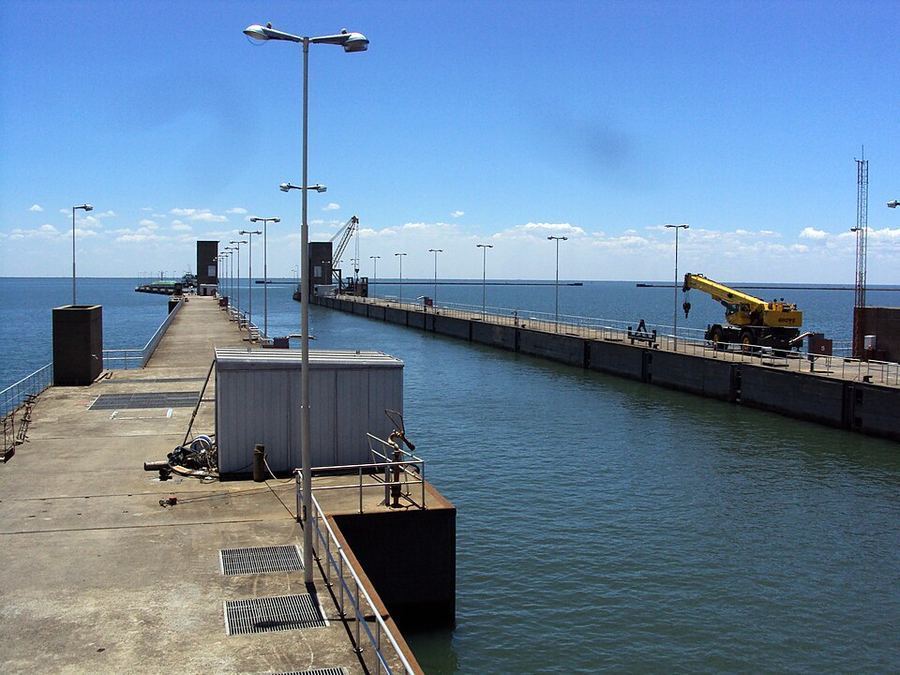
Paraguay is a landlocked country of roughly 7.6 million people at the heart of South America, bordered by Argentina, Brazil and Bolivia and split into two very different halves by the Paraguay River. East of the river lies the great majority of the population on rolling, well-watered land; west of it stretches the Chaco, a vast, thinly inhabited plain of thorn scrub and seasonal flood that occupies more than half the national territory and holds perhaps two percent of its people. Asunción, on the east bank facing Argentina, is the capital and one of the oldest continuously inhabited cities in the region, founded in 1537. Paraguay is unusual in the Americas for the survival of an Indigenous language as a genuinely national one: Guaraní is co-official with Spanish and is spoken by a large majority of the population, including by people who do not identify as Indigenous, making the country effectively bilingual in a way no other South American state is. Independence from Spain came in May 1811. The economy is agricultural and hydroelectric — Paraguay is among the world's largest exporters of soybeans and beef, and the binational Itaipú and Yacyretá dams make it one of the few countries generating nearly all its electricity from renewable sources with a large surplus to export.

CIA World FactbookEncyclopaedia BritannicaWorld BankGlottolog
Population
7,604,044
Capital
Asunción
Currency
None PYG
Time zones
Largest city
Asuncion
Human Geography Themes
Loading national figures…
Largest Cities
Asuncion1,907,550
Ciudad del Este422,701
Encarnacion177,551
Pedro Juan Caballero127,053
Coronel Oviedo109,880
Caaguazú108,252
Concepción89,487
Hernandarias78,162
In Perspective

Asuncion's urban core is home to about 1,907,550 people.

That's bigger than Amsterdam — each a great world city in its own right.

Asuncion1,907,550
Amsterdam1,223,407

Among the world's megacities, though, it's one of many — the giants of Asia and Latin America run larger still:

Asuncion1,907,550
Jakarta40,545,126
Dhaka37,307,160
Tokyo33,244,670
Shanghai30,678,616
Cairo25,230,325
The Country & Its People

History

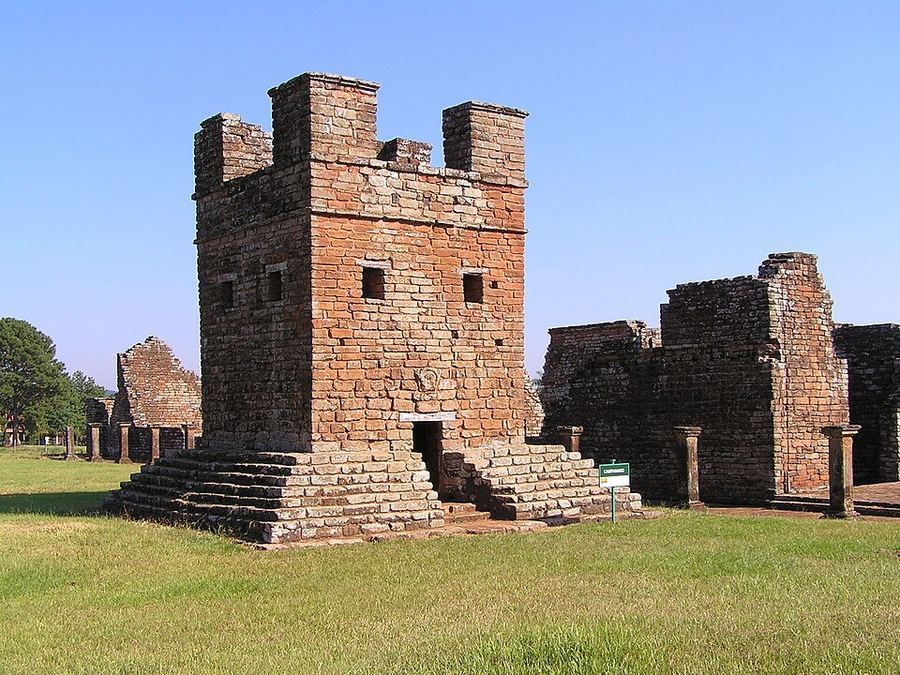
Guaraní-speaking peoples farmed cassava and maize across the eastern region long before Europeans arrived. Asunción was founded in 1537 and became the base from which Spain administered much of the southern interior. From the early seventeenth century the Jesuits organised Guaraní communities into reducciones — mission towns with their own agriculture, printing presses, workshops and militias — until the order was expelled from Spanish America in 1767; the ruins at Trinidad and Jesús de Tavarangue are now a UNESCO World Heritage site. Paraguay declared independence from Spain on 14 and 15 May 1811 and turned inward under José Gaspar Rodríguez de Francia, who ruled as perpetual dictator until 1840 and largely sealed the country off. His successors, Carlos Antonio López and his son Francisco Solano López, opened it and built railways, foundries and an army. That army was destroyed in the War of the Triple Alliance of 1864 to 1870 against Brazil, Argentina and Uruguay, the deadliest interstate war in Latin American history, which killed an enormous share of the Paraguayan population — estimates vary widely but the loss of adult men was catastrophic — and cost the country territory. Paraguay won the Chaco War against Bolivia from 1932 to 1935, securing most of the disputed Chaco. Alfredo Stroessner ruled as dictator from 1954 until he was overthrown in 1989; democratic government has continued since.
Culture

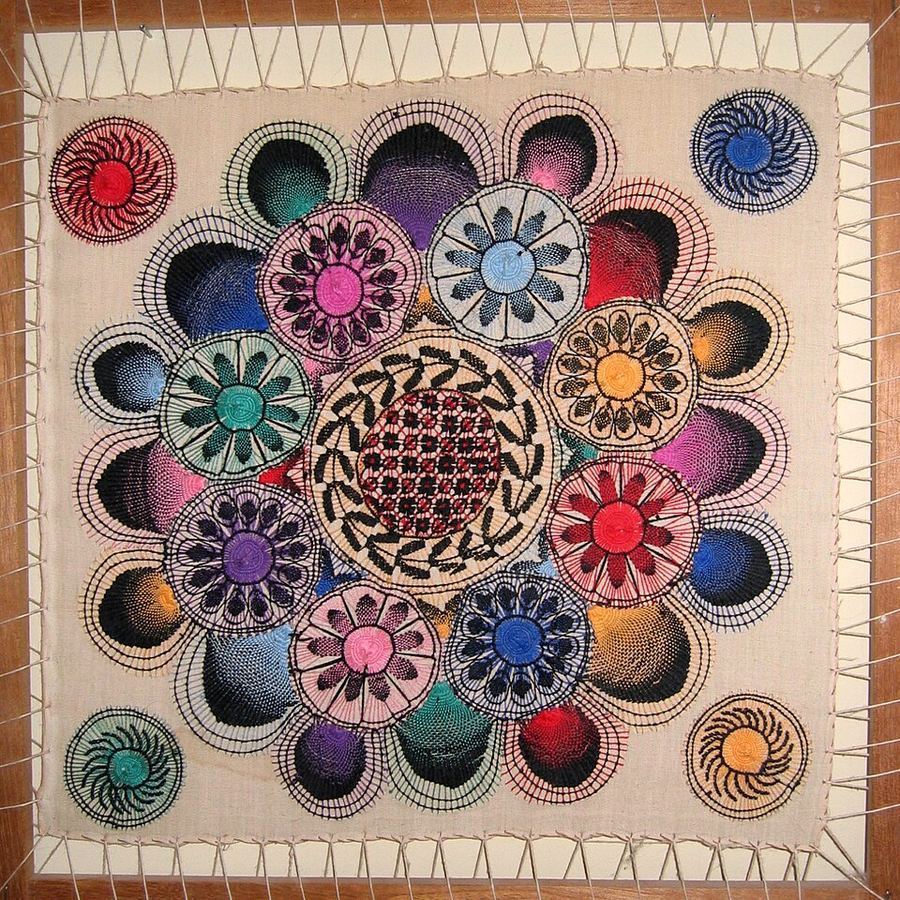
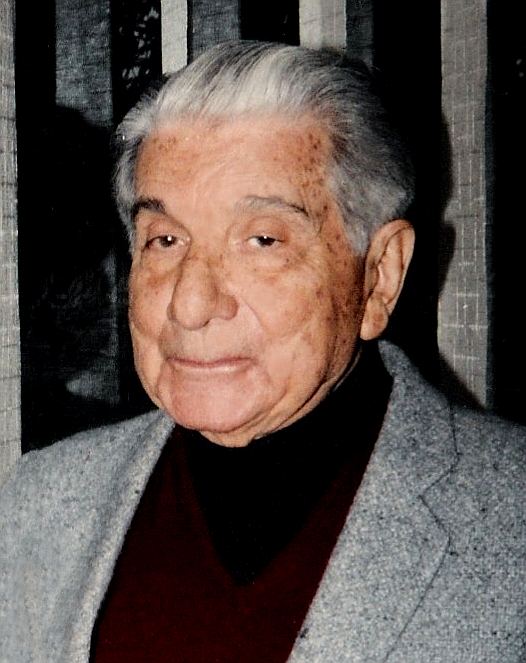
Paraguayan culture is defined above all by bilingualism. Guaraní is not a heritage language kept alive by a minority but the everyday speech of most of the country, mixed with Spanish in a code-switching register called jopara, and its survival gives Paraguay a distinct identity within the Southern Cone. The population is overwhelmingly mestizo, about 95 percent by official count, and predominantly Roman Catholic, with the Virgin of Caacupé the national patron; the pilgrimage to her basilica each 8 December draws hundreds of thousands, many walking for days. Social life is organised around family, the extended kin network and the ritual kinship of compadrazgo. The most visible daily custom is tereré — yerba mate drunk cold, with iced water often infused with medicinal herbs called pohã ñana, passed around a circle from a shared guampa cup through a metal bombilla — a practice inscribed on UNESCO's intangible heritage list and treated as a marker of national identity. Paraguayan handicraft is celebrated, especially ñandutí lace from Itauguá, whose radial designs are named for spider webs, and ao po'i cotton embroidery. Village patron-saint festivals, the San Juan celebrations in June with their fire games, and rural life centred on the compañía settlement pattern still shape the calendar.

Points Of Pride

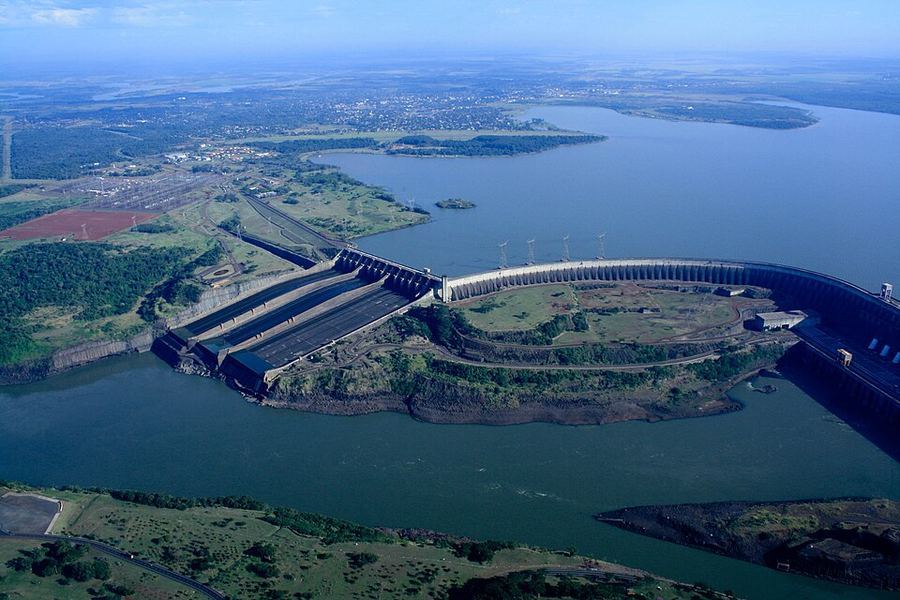
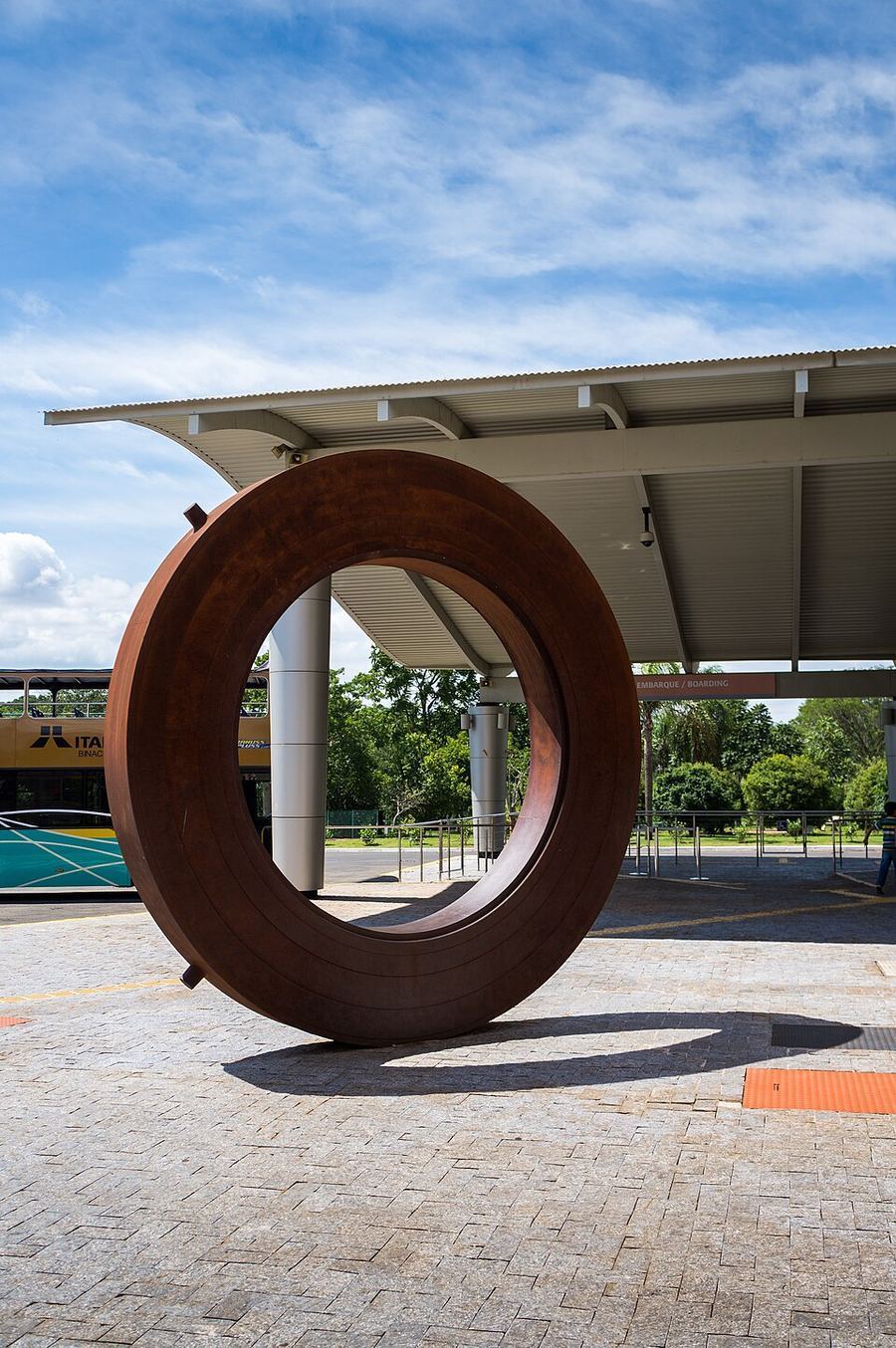
Paraguay's first point of pride is linguistic: it is the only country in the Americas where an Indigenous language is spoken by a majority of the whole population and holds full co-official status, and Guaraní is taught in schools and used in the courts and the congress. The Jesuit missions of La Santísima Trinidad de Paraná and Jesús de Tavarangue, inscribed by UNESCO in 1993, preserve the red sandstone churches and plazas of the mission experiment. The Itaipú Dam on the Paraná, opened in 1984 and operated jointly with Brazil, was for decades the largest hydroelectric plant in the world by output and remains among the largest; together with Yacyretá it supplies effectively all of Paraguay's electricity from renewable generation with a large exportable surplus. Tereré and the traditional herbal knowledge around it were added to UNESCO's intangible heritage list in 2020. The Chaco holds one of the largest continuous dry forests in South America and part of the Gran Chaco is a UNESCO biosphere reserve. Paraguayan harp music and ñandutí lace are recognised craft and musical traditions, and the national football team's run to the quarter-finals of the 2010 World Cup in South Africa remains its best performance.

Cultural Fusion

Paraguay is the product of an unusually thorough early fusion. Spanish settlers arrived in small numbers and married into Guaraní society, and the resulting mestizo population inherited the Indigenous language from mothers and Spanish institutions from fathers — a pattern that explains why Guaraní survived here and almost nowhere else at national scale. The Jesuit missions deepened the blend, setting Guaraní into print, teaching European polyphony and violin-making to mission communities, and producing a baroque religious art carved by Guaraní hands in local wood. Later waves added distinct layers that remain visible: German-speaking Mennonites who settled the central Chaco from the 1920s built dairy and cooperative towns such as Filadelfia and Loma Plata and still farm the region; Japanese and Okinawan agricultural colonies established from the 1930s around La Colmena and Yguazú; and large Brazilian settlement along the eastern border, where Portuguese-speaking soy farmers known as brasiguayos dominate parts of Alto Paraná and Canindeyú. Korean and Lebanese merchant communities are prominent in Ciudad del Este, the trade city on the Brazilian frontier. Indigenous peoples of the Chaco — Ayoreo, Nivaclé, Enlhet and others, culturally distinct from the Guaraní — retain their own languages and remain among the country's most marginalised communities.

Music & Dance

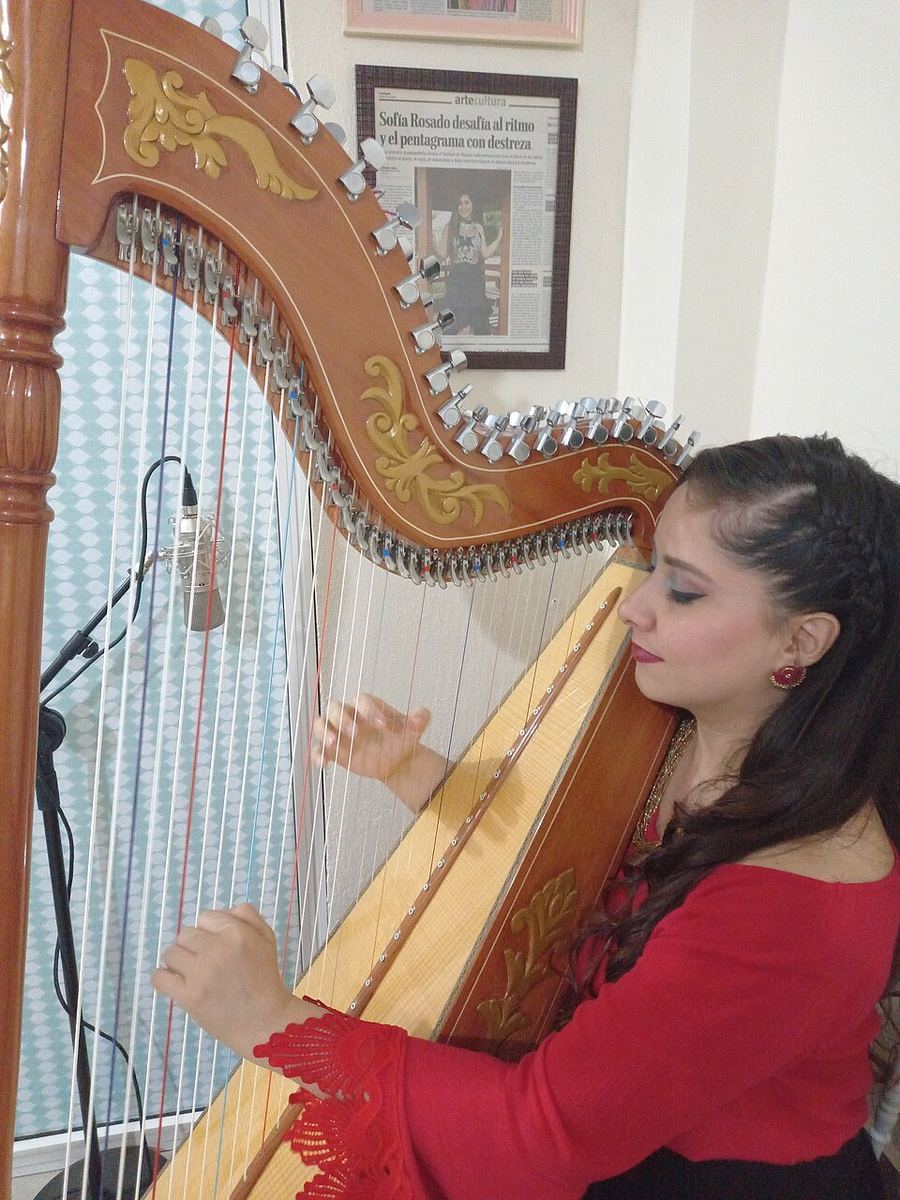
The Paraguayan harp is the national instrument — a light, diatonic wooden harp of about 36 strings, played without pedals and with the fingernails, producing the rippling arpeggios that define the country's sound. It arrived with the Jesuit missions and was reworked locally into an instrument distinct from its European ancestor. Two genres dominate: the polca paraguaya, in a lively, syncopated metre that sets duple against triple time, and the guarania, a slower and more melancholy form invented by the composer José Asunción Flores in 1925 and now the recognised national style, whose best-known song, India, is treated as an unofficial anthem. Agustín Barrios Mangoré, a classical guitarist and composer of Guaraní descent who died in 1944, wrote a body of work — including La Catedral and Una Limosna por el Amor de Dios — that entered the international guitar repertoire and is regarded as among the finest written for the instrument. The signature dance is the danza de la botella, in which a woman balances a stack of bottles on her head while dancing, and galopera and chopí are performed by folk troupes in ao po'i and ñandutí dress. Contemporary listening is dominated by cumbia, Brazilian sertanejo and reggaeton.
Encyclopaedia BritannicaOxford ReferenceSmithsonian

Cuisine & Misattributed Foods

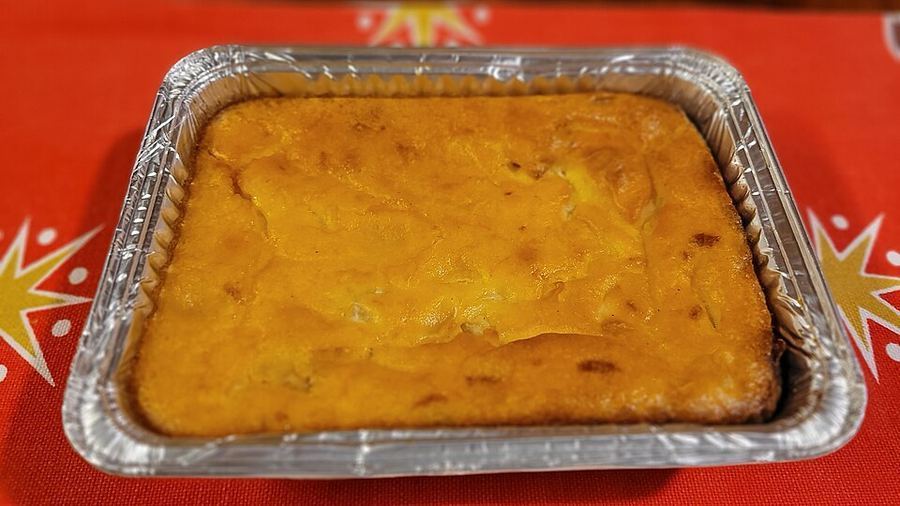
Paraguayan cooking is built on maize, cassava and beef, and is starchier and less spicy than the food of its neighbours. Sopa paraguaya, despite the name, is not a soup but a dense baked cornbread made with cornmeal, cheese, onion and milk — the national dish, and the subject of a well-worn story that a presidential cook mistakenly let a corn soup set solid. Chipa is the ubiquitous snack: a ring of bread made from cassava starch, cheese and egg, sold at bus windows and eaten in enormous quantities during Holy Week, when families gather to bake it. Mbejú is a flat cassava-and-cheese griddle cake, and chipa guasu a moister baked corn pudding made with fresh kernels. Cassava, called mandi'o, appears boiled at nearly every meal in place of bread. Beef is central, grilled as asado in the Southern Cone manner, and the Chaco supplies much of the herd. Bori bori is a beef broth with cornmeal-and-cheese dumplings, and vori vori de pollo its chicken version. The defining drink is tereré, cold yerba mate drunk through a shared metal straw, with hot mate reserved for cold mornings; mosto, sugarcane juice, and caña, cane spirit, complete the list.

National Dress

Everyday dress in Paraguay is ordinary contemporary clothing, and traditional costume is worn for folk dance, patriotic holidays and festivals. The women's typical dress, the traje típico, is a long full skirt and a blouse worked in the two textiles that identify the country: ñandutí, a needle-lace made in radiating wheels on a frame and named from the Guaraní for spider web, produced above all in Itauguá, and ao po'i, a fine handwoven cotton embroidered in white or coloured geometric openwork, associated with Yataity. The costume is completed by a shawl, ribbons and a flower or comb in the hair, and dancers often carry or balance bottles for the danza de la botella. Men wear white or cream ao po'i shirts with dark trousers, a neckerchief and a straw hat. Rural working dress preserves distinct elements: the poncho para'i of Piribebuy, a fine woven poncho in narrow stripes, is a regional emblem, and the Chaco cattlemen wear the boots, bombachas and broad hats common to the wider Gran Chaco. Chaco Indigenous peoples such as the Nivaclé and Ayoreo have their own weaving and feather traditions using caraguatá plant fibre.

Sports & Inspiring Athletes

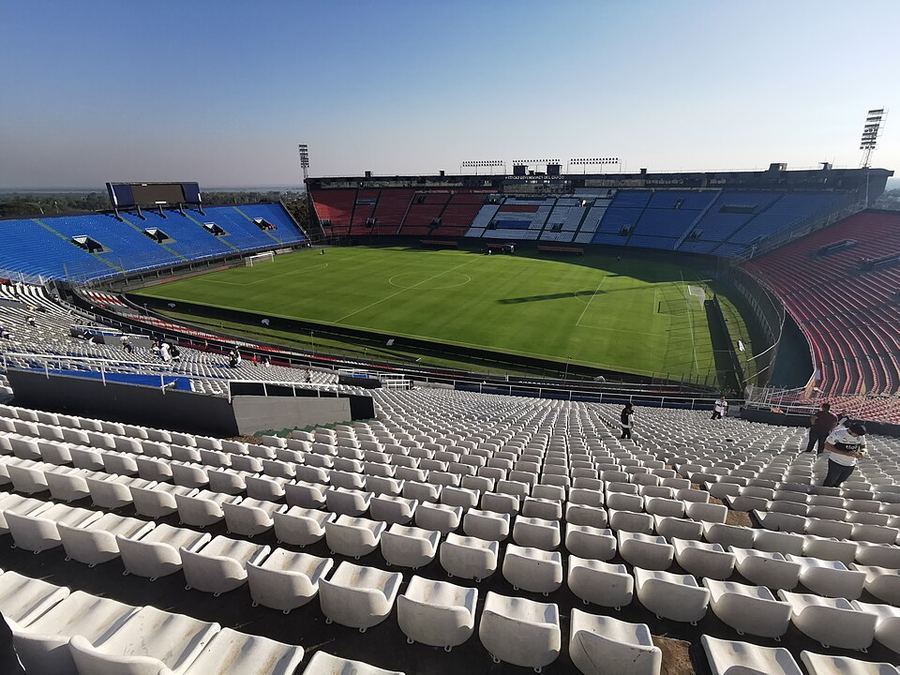
Football is overwhelmingly the national sport. The Primera División is one of the oldest leagues in South America, and the Asunción rivalry between Olimpia and Cerro Porteño divides the country; Olimpia has won the Copa Libertadores three times, in 1979, 1990 and 2002, and the Intercontinental Cup in 1979. Libertad, Guaraní and Nacional complete the traditional first rank. Paraguay's national stadium is the Defensores del Chaco in Asunción, and CONMEBOL, the governing body of South American football, has its headquarters in Luque outside the capital, giving a small country an outsized administrative role in the regional game. Beyond football, futsal has a strong following, and Paraguay has developed a competitive record in beach football. Volleyball and basketball are played at club level, and rowing and sport fishing use the rivers. Motorsport is significant: the Trans-Chaco Rally, run since 1971 across the roughest terrain in the country, is the toughest event in South American rallying. Tennis produced Víctor Pecci, a French Open finalist in 1979, and Ramón Delgado. The 2022 South American Games were held in Asunción, and the city was awarded the 2025 edition of the World Games.

Notable Educational Programs

Schooling is free and compulsory at primary level, and Paraguay's constitution and its 1992 education reform made the country formally bilingual in education, requiring instruction in both Spanish and Guaraní — an ambitious policy that made Paraguay a reference case internationally for Indigenous-language schooling, though implementation has been uneven and rural teacher training remains the binding constraint. The Universidad Nacional de Asunción, founded in 1889, is the oldest and largest institution, with faculties spread across Asunción and San Lorenzo; the Universidad Católica Nuestra Señora de la Asunción, founded in 1960, is the principal private university and has campuses in several departments. A large number of small private universities opened after 1990, and quality assurance through the national accreditation agency has been a recurring policy issue. Paraguay has historically had one of the lower rates of public spending on education in South America relative to its needs, and student protests over education funding and corruption in 2016 and 2017 were significant political events. CONACYT, the national science and technology council, administers the PROCIENCIA programme of research grants and the BECAL scholarship scheme, which funds Paraguayan students for postgraduate study abroad on condition of return. Itaipú and Yacyretá revenues fund a share of educational infrastructure.

Wars & Conflicts

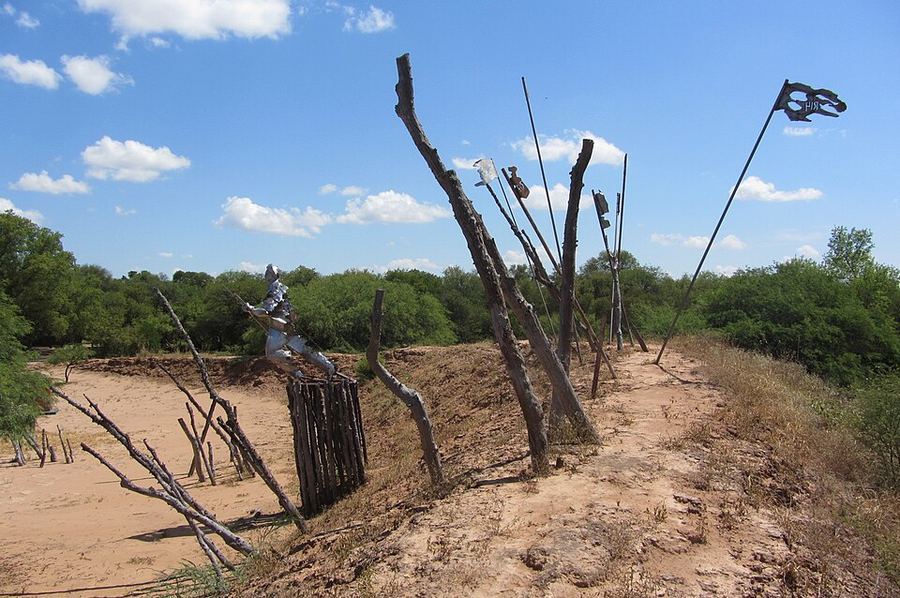
Paraguay's two defining wars both reshaped the country. The War of the Triple Alliance, fought from 1864 to 1870 against Brazil, Argentina and Uruguay, ended in the destruction of the Paraguayan army and state and in demographic catastrophe: estimates of the death toll vary widely among historians, but the loss of adult men was severe enough to distort the population for generations, and Paraguay ceded substantial territory. The Chaco War against Bolivia from 1932 to 1935, fought over a barely mapped scrubland thought to hold oil, cost tens of thousands of lives on both sides, mostly to thirst and disease, and ended with Paraguay holding most of the disputed Chaco, confirmed by the 1938 treaty in Buenos Aires. Since then Paraguay has fought no external war. The Stroessner dictatorship from 1954 to 1989 conducted systematic repression documented in the Archives of Terror discovered in Lambaré in 1992, which also became a principal evidentiary source on the regional Operation Condor. The only current armed group is the Ejército del Pueblo Paraguayo, a small insurgency active since the late 2000s in the northern departments of Concepción and San Pedro, responsible for kidnappings and attacks on security forces, which the state confronts through a joint military-police task force.
Current as of 2026-08-07

Land & Border Disputes

Paraguay has no active territorial disputes with its neighbours. The Chaco boundary with Bolivia, the cause of the 1932 to 1935 war, was settled by the 1938 peace treaty and definitively closed in 2009, when the two presidents signed a final demarcation agreement in Buenos Aires under Argentine, Brazilian, Chilean, Peruvian, Uruguayan and United States guarantee. The borders with Brazil and Argentina are settled by treaty and follow the Paraná and Paraguay rivers. The live disagreements are economic and concern the two binational dams. The Itaipú Treaty of 1973 with Brazil obliges each country to sell its unused share of the output to the other at a price set by the treaty formula, and since Paraguay consumes only a fraction of its entitlement, the terms under which Brazil buys the surplus have been a standing grievance; the treaty's Annex C, governing financial terms, became renegotiable in 2023 and remains the central item in the bilateral relationship. A parallel argument runs with Argentina over Yacyretá and over historical debt attributed to that project. Paraguay's landlocked status also makes river navigation rights on the Paraguay-Paraná waterway, and Argentine tolls levied on that route, a recurring point of friction.
Land, Life & Legacy

Land & Climate

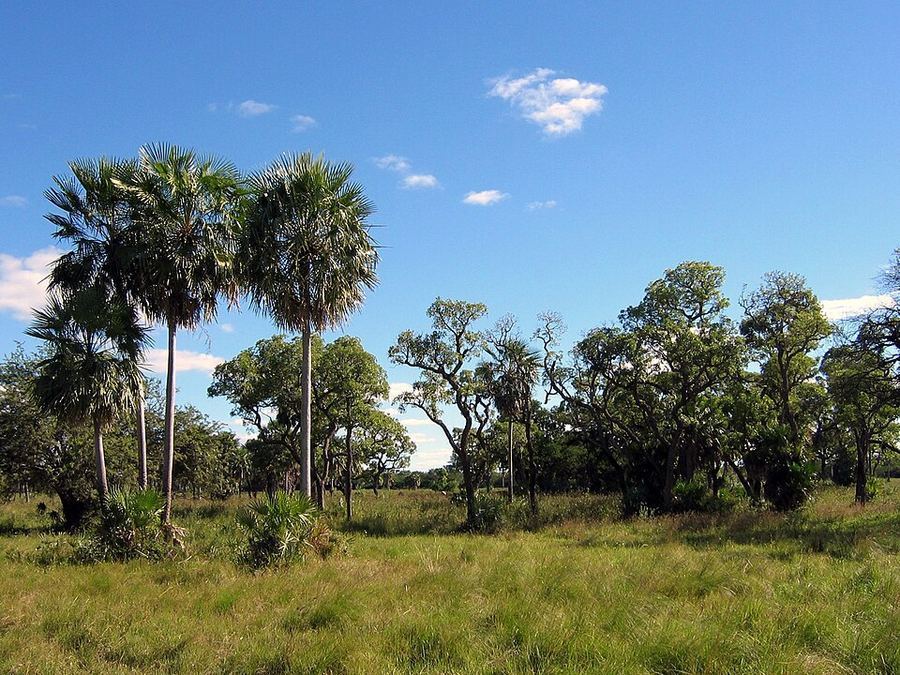
Paraguay is one of only two landlocked countries in South America, and the Paraguay River is both its central artery and its dividing line, carrying barge traffic down to the Paraná and the Río de la Plata and giving the country ocean access by river. East of the river, the Región Oriental is rolling and fertile, with remnants of the Atlantic Forest along the Brazilian border — heavily cleared for soy and cattle since the 1970s — and the Paraná forming the eastern boundary, dammed at Itaipú. West of the river, the Chaco Boreal covers about 60 percent of the national area: a flat alluvial plain of thorn forest, palm savanna and seasonal marsh, extremely hot, with poor and often saline groundwater, and holding only a small fraction of the population. The country has no mountains of consequence; the highest point, Cerro Peró, is around 842 metres. The climate is subtropical in the east, with rain distributed through the year, and semi-arid to arid in the western Chaco, where summer temperatures are among the highest recorded in South America. Flooding along the Paraguay and Paraná rivers is the principal recurrent hazard, and drought in the Chaco the other; deforestation rates in both the Atlantic Forest and the Chaco have been among the highest in the world.

Entertainment

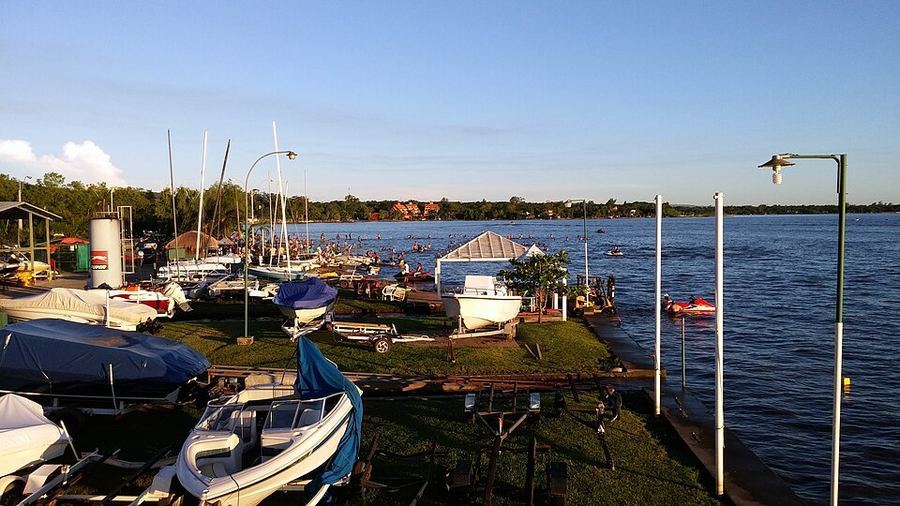
The tereré circle is the basic unit of Paraguayan leisure — a group of friends or workmates sitting in the shade with a thermos of iced water, a guampa and a shared bombilla, passing the cup in turn — and it structures afternoons, work breaks and weekends, particularly through the long hot summer. Football is the dominant spectator and participation sport, played on any flat ground and followed through the Asunción clubs. Weekend life outside the capital revolves around the river: swimming and picnicking on the sandy beaches of the Paraguay and Paraná, and camping at San Bernardino on Lake Ypacaraí, the traditional summer resort of Asunción society. Rural leisure is organised by the church calendar and the patron-saint festival of each town, with the June San Juan celebrations bringing games involving fire — the burning ball, the greasy pole and the toro candil — and traditional foods. Holy Week empties the cities as families return to the countryside to make chipa. Fishing for surubí and dorado on the Paraná is a serious pursuit, and the Trans-Chaco Rally each September is a national event. Ciudad del Este's border markets draw shoppers from Brazil and Argentina in enormous numbers.

Art & Museums

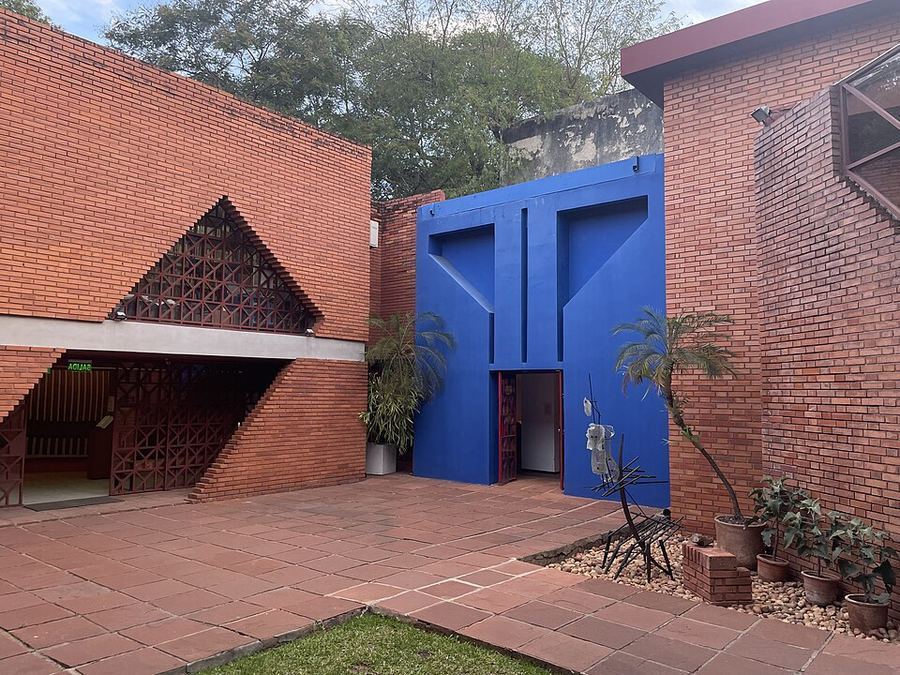
Paraguay's most distinctive artistic inheritance is the wood sculpture of the Jesuit and Franciscan missions, in which Guaraní carvers worked European baroque religious models in cedar and lapacho and produced saints and angels with recognisably local faces and ornament — collections survive in the mission towns and in the Museo Diocesano at Santa María de Fe. The mission churches themselves at Trinidad and Jesús are the country's principal built monuments, with carved sandstone friezes of angel musicians. Craft carries much of the artistic weight: ñandutí lace, ao po'i embroidery, the black pottery of Tobatí, filigree silverwork at Luque, and the carved wooden masks and drums used in the Guaicurú and kambá ra'anga festivals of Altos and Tobatí. In modern art, the Centro de Artes Visuales and Museo del Barro in Asunción hold the leading collection, deliberately displaying Indigenous, popular and contemporary work in the same institution rather than separating fine art from craft. Carlos Colombino, its founder, developed a technique of carved and painted wood panels he called xilopintura. In literature, Augusto Roa Bastos is the towering figure: his 1974 novel Yo el Supremo, on the dictator Francia, is one of the central works of the Latin American dictator novel, and he won the Cervantes Prize in 1989.

Notable People

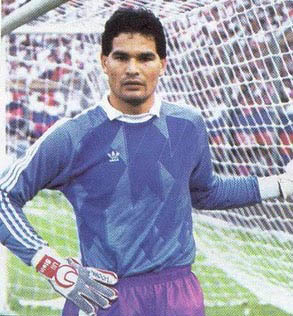
José Gaspar Rodríguez de Francia, who ruled from 1814 until his death in 1840 as El Supremo, isolated the young republic and built a state so centralised that it became a template for later Latin American authoritarianism, and the subject of Augusto Roa Bastos's greatest novel. Francisco Solano López led the country into the War of the Triple Alliance and died fighting at Cerro Corá in 1870; he is honoured as a national martyr and remains historically contested. Alfredo Stroessner held power from 1954 to 1989 in one of the longest dictatorships in South American history, aligned with Operation Condor and ended by a coup led by his own general Andrés Rodríguez. Augusto Roa Bastos, who wrote most of his work in exile, won the Cervantes Prize in 1989. Agustín Barrios Mangoré is regarded as one of the finest composers ever to write for classical guitar, and José Asunción Flores created the guarania. Josefina Plá, Spanish-born, was a central figure in twentieth-century Paraguayan poetry, ceramics and criticism. In sport, José Luis Chilavert, the goalkeeper who scored from free kicks and penalties, is the most internationally recognised Paraguayan footballer, and Roque Santa Cruz the leading modern forward.

Inventions & Breakthroughs

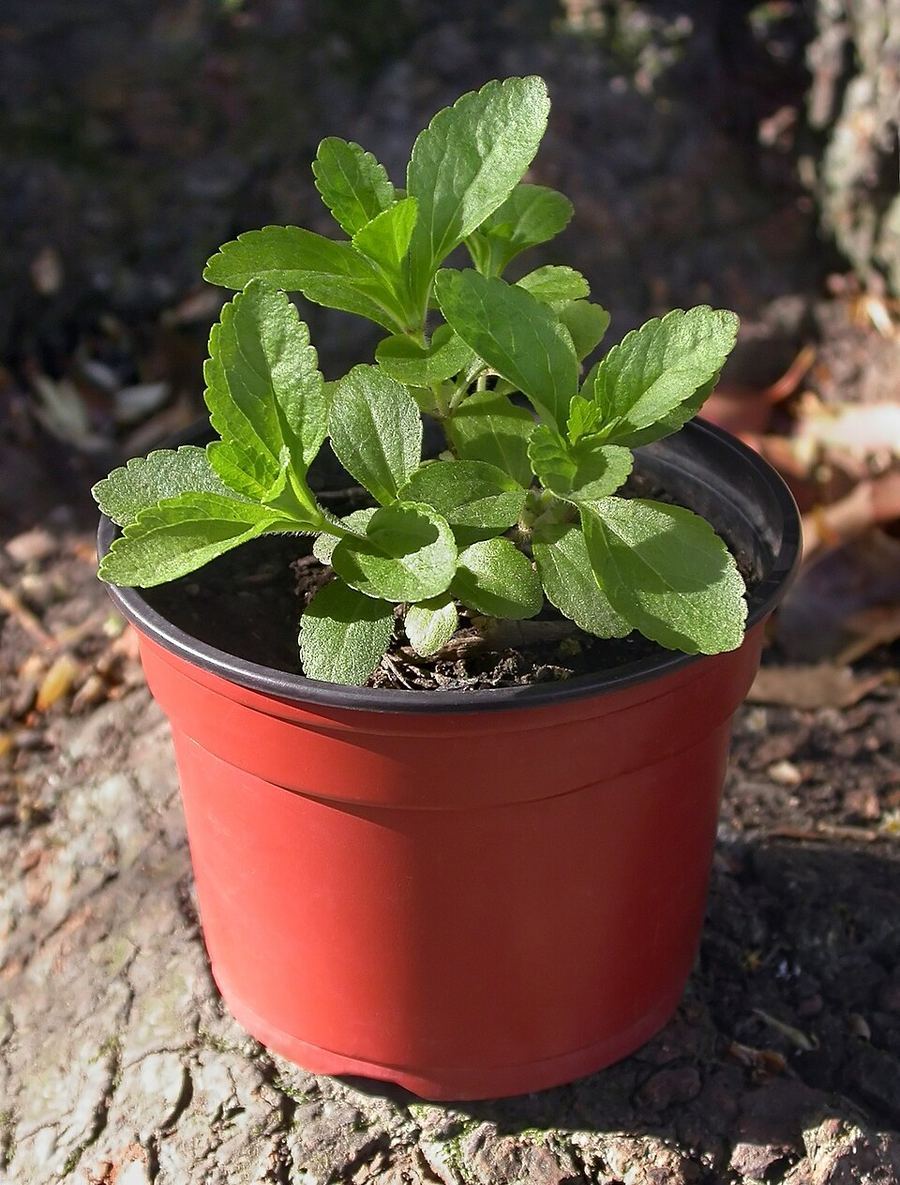
Paraguay's contributions are craft and agricultural rather than industrial. The Paraguayan harp is a genuine local development: mission-era European harps were rebuilt lighter, with a narrower soundbox, more strings and no pedals, and played with the fingernails, creating an instrument and a technique distinct enough that it spread across South America under the Paraguayan name. Ñandutí lace is a Paraguayan reworking of a technique that arrived from Tenerife, developed into radial spider-web wheels with a local design vocabulary and its own Guaraní naming system for each pattern. Sopa paraguaya, the solid cornbread, is a genuinely Paraguayan dish with no direct antecedent elsewhere. The country's most consequential agricultural export is a plant rather than a technique: stevia, Stevia rebaudiana, grows wild in eastern Paraguay and was used by Guaraní people as ka'a he'ê, sweet herb, long before it was described botanically in 1899 and later commercialised worldwide as a non-caloric sweetener. Yerba mate cultivation was systematised by the Jesuit missions, which worked out how to germinate the notoriously difficult seed and brought a wild forest crop under plantation cultivation — the basis of an industry that still spans Paraguay, Argentina and Brazil.
Encyclopaedia BritannicaFAOSmithsonianOxford Reference

Science & Technology

Paraguay's research system is small and concentrated in a few public institutions. CONACYT, the national council for science and technology, funds research through the PROCIENCIA programme and maintains the national researcher registry, which numbers in the low thousands; research intensity as a share of GDP is among the lowest in South America, and building a doctoral workforce through the BECAL overseas scholarship scheme has been the main instrument of change. The strongest applied fields follow the economy: agricultural science at the Instituto Paraguayo de Tecnología Agraria, working on soy, wheat and cattle genetics, and veterinary science supporting a beef export sector that depends on maintaining foot-and-mouth-free status recognised internationally. In health research, the Instituto de Investigaciones en Ciencias de la Salud at the national university works on Chagas disease, dengue and leishmaniasis, all endemic. Energy is the country's distinctive technical asset rather than a research field: Itaipú generates on a scale few plants match and Paraguay's grid is effectively fully renewable, and both Itaipú and Yacyretá fund technology parks and engineering scholarships from their revenues. Recent policy attention has gone to using surplus electricity to attract data centres and industrial processing, and to expanding fibre and mobile coverage, where Paraguay has closed much of the regional gap.
On The World Stage

Champions & Defining Moments

Paraguay's football team has qualified for eight FIFA World Cups and reached the last sixteen in 1986, 1998 and 2002 before its best run in 2010 in South Africa, when it topped a group containing Italy and drew with the reigning world champions, beat Japan on penalties in the last sixteen and lost the quarter-final one-nil to the eventual winners, Spain. In the Copa América, Paraguay has won twice, in 1953 and 1979, and finished runner-up in 2011 despite not winning a match in normal time in the entire tournament. José Luis Chilavert, captain and goalkeeper through the 1990s, became internationally famous for taking his team's free kicks and penalties and is among the highest-scoring goalkeepers in the history of the game. The country's single greatest Olympic result came at Athens in 2004, when the under-23 football side beat Japan, South Korea and Italy on the way to a silver medal — Paraguay's only Olympic medal of any colour to date. Individual Olympians have competed in swimming, athletics and shooting without reaching the podium; the swimmer Benjamín Hockin and, more recently, Luana Alonso have been the most visible. Paraguayan footballers are a standing export to Argentina, Brazil, Mexico and Europe.

Economy, Trade & Government

Currency & GDP

Guarani — PYG (None)

GDP (PPP): $112.919 billion (2024 est.)

Per capita: $16,300 (2024 est.)

Exports

$17.395 billion (2024 est.)

soybeans, beef, electricity, corn, soybean meal (2023)

Partners: Argentina 33%, Brazil 25%, Chile 10%, USA 2%, Uruguay 2% (2023)

Imports

$18.377 billion (2024 est.)

broadcasting equipment, refined petroleum, fertilizers, cars, pesticides (2023)

Partners: China 33%, Brazil 24%, USA 8%, Argentina 7%, Germany 2% (2023)

Government

Type: presidential republic

Independence: 14-15 May 1811 (from Spain)

Terrain → Where People Live

How mountains, coasts, and rivers shape settlement (LandScan).

Coming — data

Migration & Ethnic Settlement

Where groups settled and how people move (GeoEPR + UNHCR).

Coming — data

Universities

Notable institutions, mappable as points.

Coming — data
Economy & government facts: CIA World Factbook (public domain), via OpenFactBook / factbook.json.
Every fact and narrative claim will carry a visible source citation. Data-driven sections light up automatically wherever HERA has coverage.