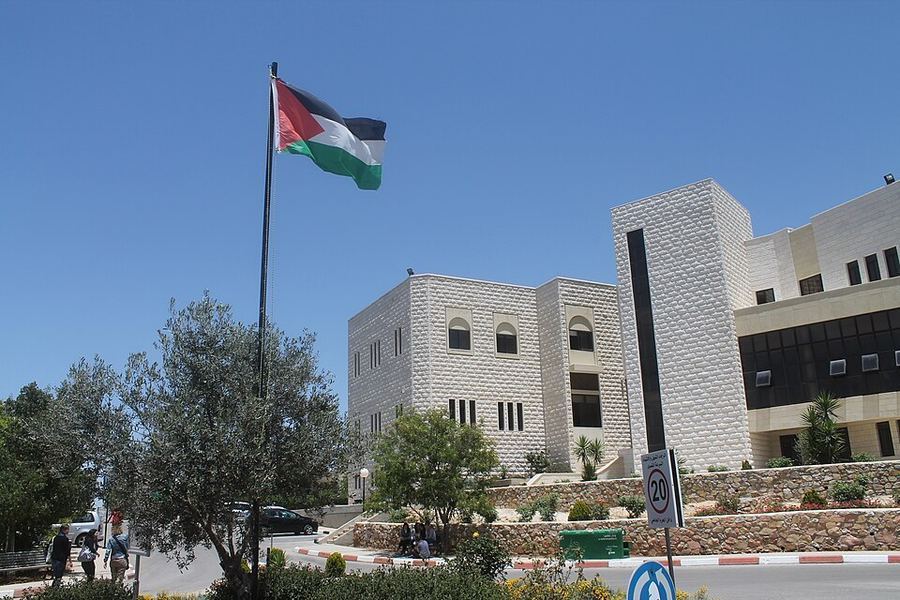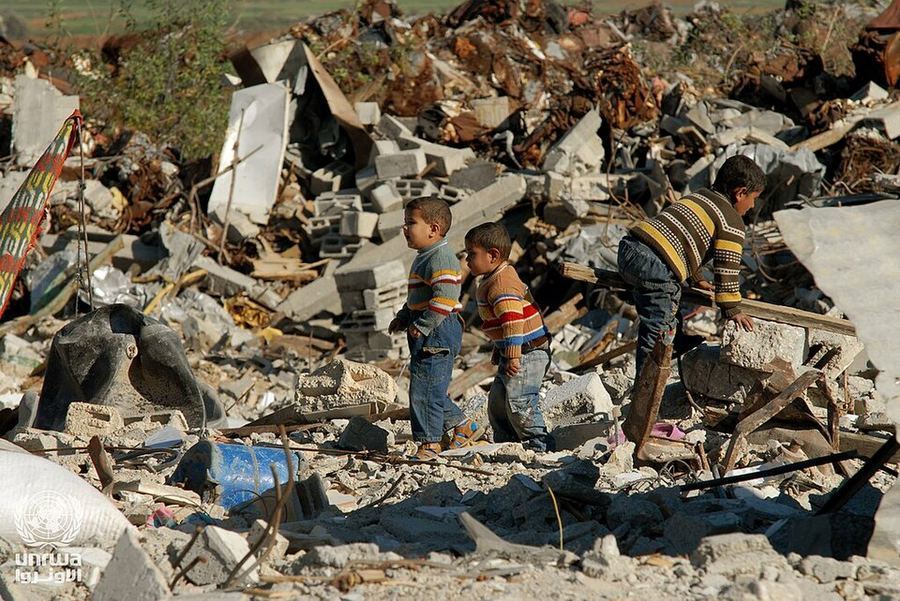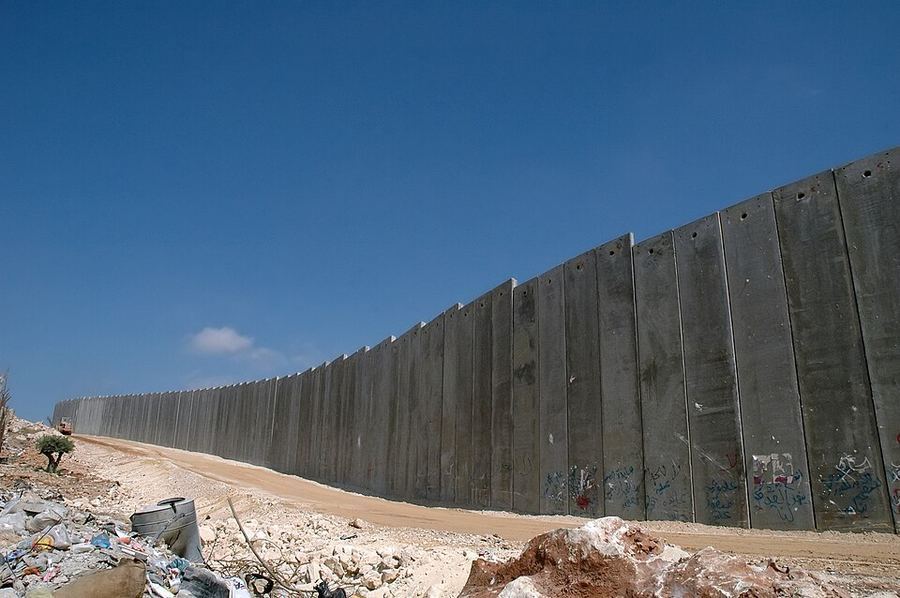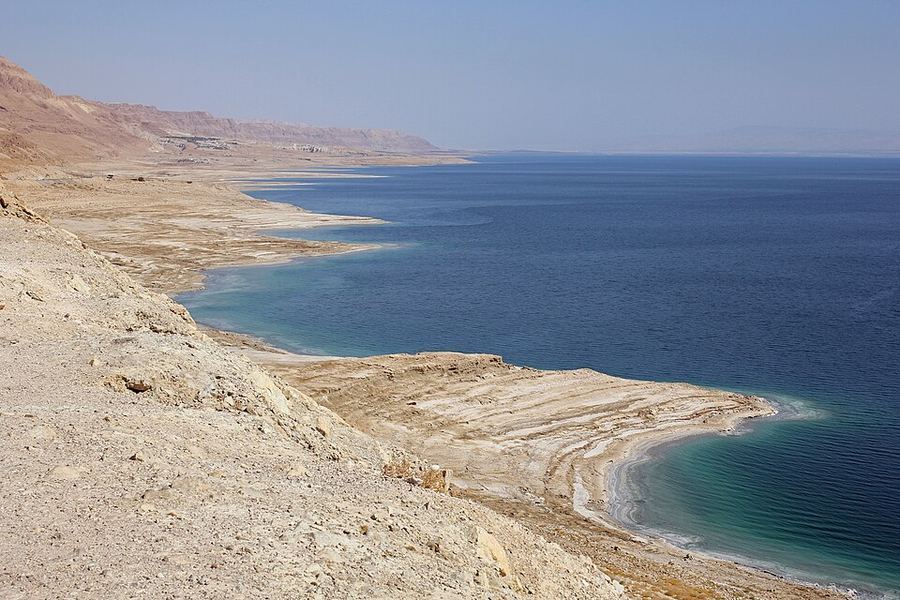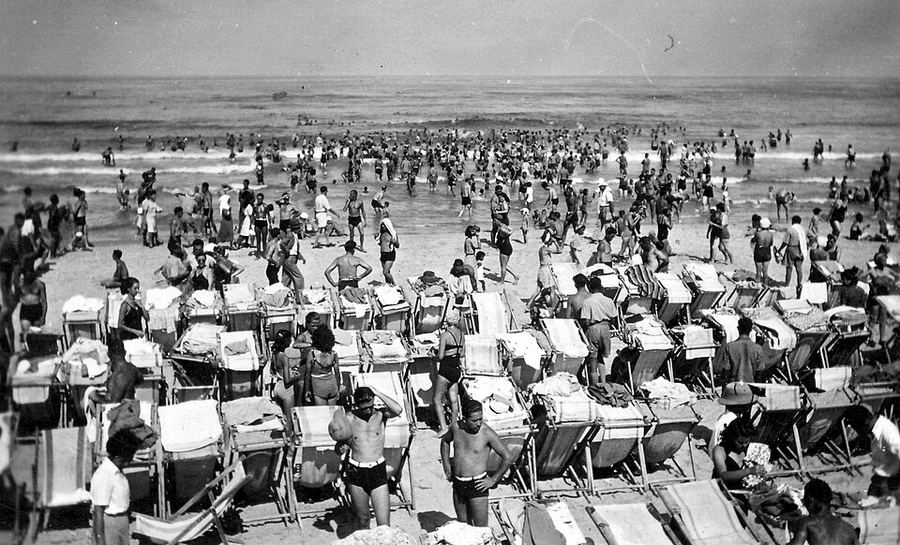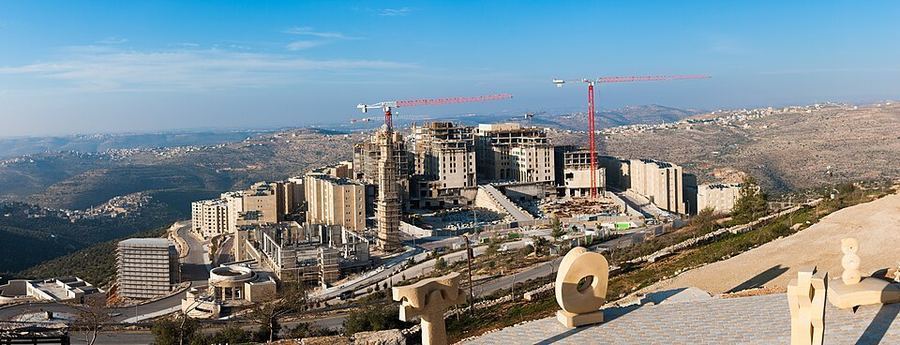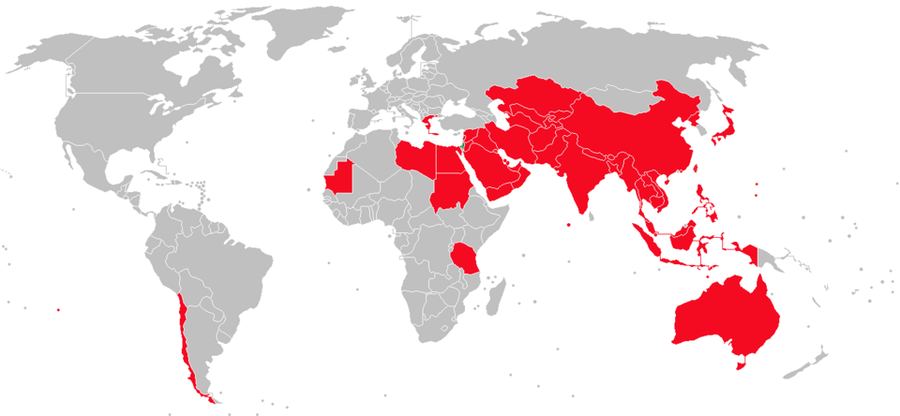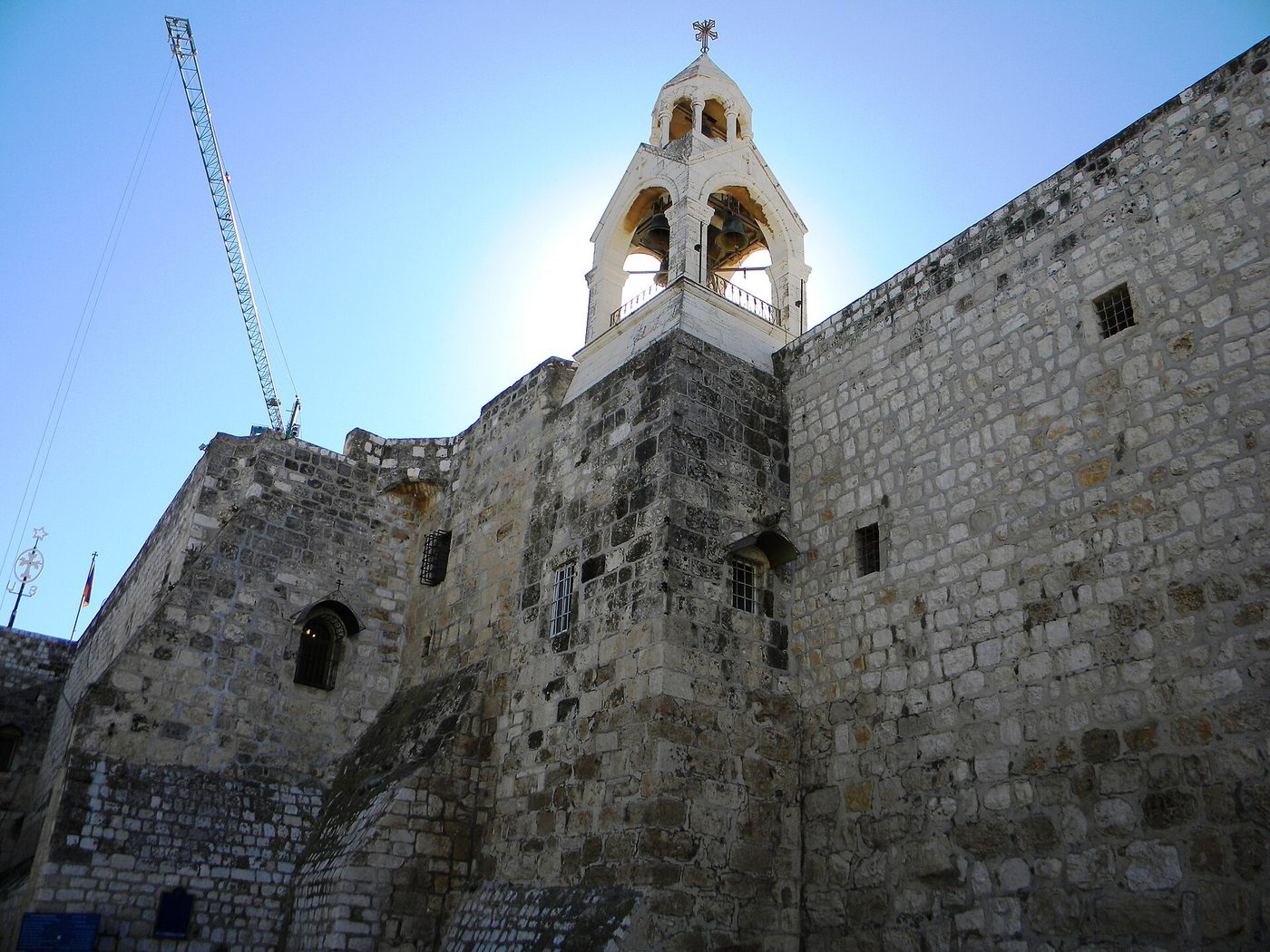
The State of Palestine comprises two separated territories on the eastern Mediterranean — the West Bank, including East Jerusalem, and the Gaza Strip — together holding somewhat over five million people, of whom roughly 2.2 million live in Gaza and about three million in the West Bank. Both have been under Israeli military occupation since the war of June 1967. Statehood was declared by the Palestine Liberation Organization in Algiers on 15 November 1988, and the United Nations General Assembly accorded Palestine non-member observer state status on 29 November 2012; it is now recognised by around three-quarters of United Nations member states, with a further group of Western states including France, the United Kingdom, Canada and Australia extending recognition in 2025. Ramallah serves as the administrative seat of the Palestinian Authority, established under the Oslo Accords of 1993 and 1995, while Jerusalem is claimed as the capital and its status is among the most contested questions in international politics. Governance has been divided since 2007 between the Fatah-led Authority in the West Bank and Hamas in Gaza. The population is young, with a median age around twenty, overwhelmingly Sunni Muslim with a small and long-established Christian minority, and a very large share are registered refugees. The economy is small, constrained by movement restrictions, and heavily dependent on aid.
Gaza's urban core is home to about 1,060,587 people.
Among the world's megacities, though, it's one of many — the giants of Asia and Latin America run larger still:
Palestine has competed at every summer Olympic Games since Atlanta in 1996, generally with a very small delegation entering under universality places rather than through qualification standards, and has not yet won a medal; its athletes have appeared mainly in athletics, swimming, judo and taekwondo, and Palestinian flagbearers at opening ceremonies have carried a visibility disproportionate to the size of the team. The International Olympic Committee recognised the Palestine Olympic Committee in 1995. In football, the men's national team's run to the round of sixteen at the AFC Asian Cup in Qatar in January 2024 — achieved while the war in Gaza was under way and while several squad members had lost family members — was the most widely followed Palestinian sporting event to date. Palestinian footballers play professionally across the Gulf, Jordan, Chile and Europe, and the national team draws heavily on the diaspora. Club Deportivo Palestino, founded by Palestinian immigrants in Santiago in 1920, plays in the Chilean top division in the colours of the Palestinian flag and functions as an unofficial ambassador for the community. The Palestine Marathon in Bethlehem draws international runners each spring, and Palestinian athletes have competed at world championships in athletics and swimming.
GDP (PPP): $20.339 billion (2024 est.)
Per capita: $3,800 (2024 est.)
$2.885 billion (2024 est.)
scrap iron, tropical fruits, olive oil, building stone, prepared meat (2023)
Partners: Jordan 51%, Turkey 12%, UAE 8%, Saudi Arabia 5%, UK 4% (2023)
$8.264 billion (2024 est.)
cement, raw sugar, cars, baked goods, perfumes (2023)
Partners: Egypt 25%, Jordan 17%, China 8%, Germany 7%, UAE 7% (2023)
How mountains, coasts, and rivers shape settlement (LandScan).
Coming — dataWhere groups settled and how people move (GeoEPR + UNHCR).
Coming — dataNotable institutions, mappable as points.
Coming — data