History
Qatar is a peninsula of about 11,500 square kilometres projecting north into the Persian Gulf from the Arabian mainland, sharing its only land border with Saudi Arabia. Its population of roughly 2.6 million is one of the most unusual in the world in composition: Qatari citizens make up only about a ninth of the total, with the great majority made up of migrant workers and professionals from South Asia, the Arab world, the Philippines and beyond, concentrated overwhelmingly in Doha and its surrounding municipalities. The state is an absolute monarchy ruled by the Al Thani family, which has held power since the mid-nineteenth century; Qatar became fully independent from the United Kingdom on 3 September 1971 after declining to join what became the United Arab Emirates. The country's transformation rests almost entirely on hydrocarbons, and specifically on the North Field, the largest single non-associated natural gas field on earth, shared with Iran. Liquefied natural gas made Qatar one of the highest per-capita income countries in the world, with GDP per capita on a purchasing-power basis above 110,000 dollars, and funded a sovereign wealth fund with global holdings. Alongside the money, Qatar has pursued outsized diplomatic and media influence — through Al Jazeera, through mediation in conflicts from Afghanistan to Gaza, and through hosting the 2022 FIFA World Cup, the first held in the Arab world.
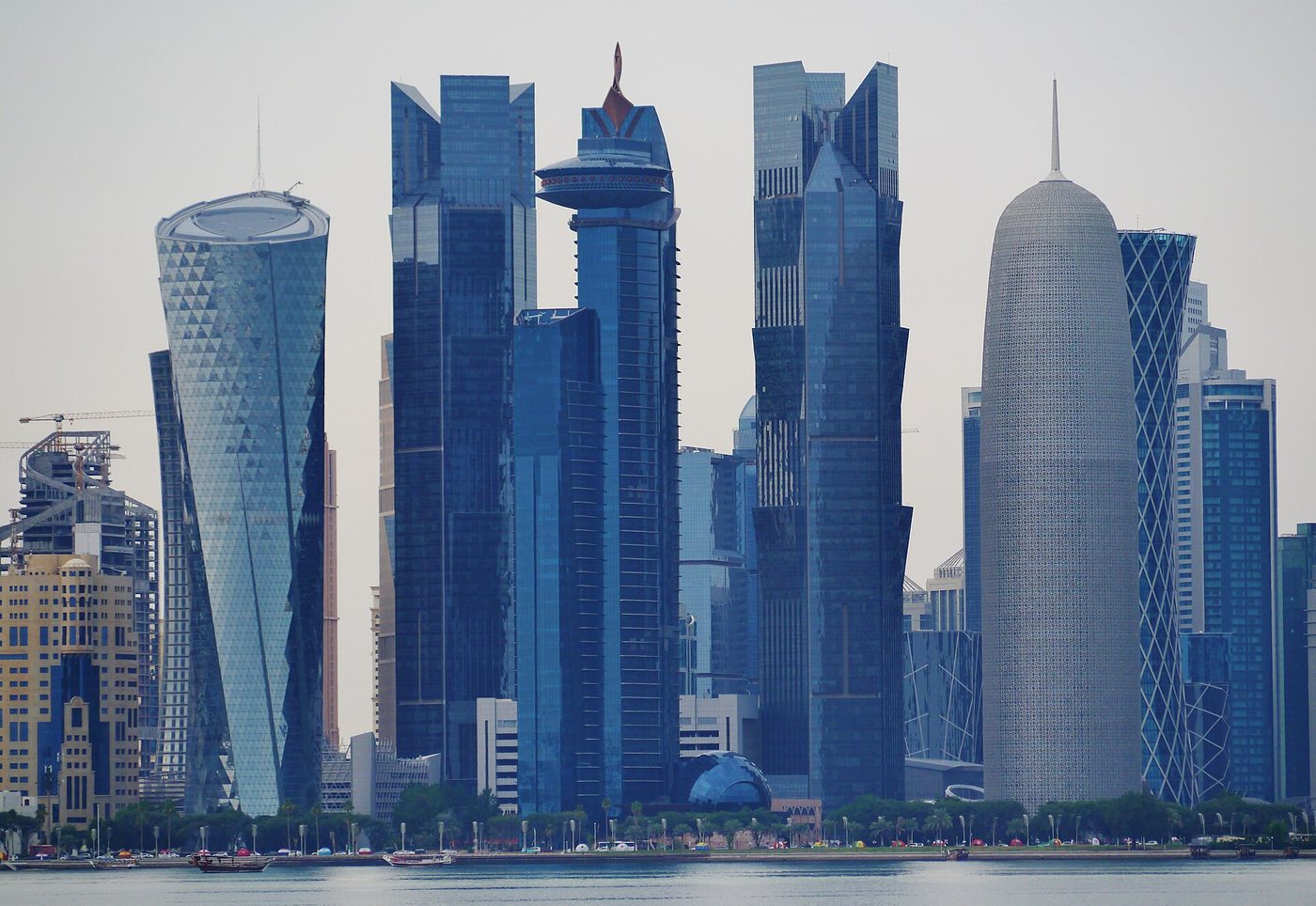
Doha's urban core is home to about 1,980,416 people.
That's bigger than Amsterdam — each a great world city in its own right.
Among the world's megacities, though, it's one of many — the giants of Asia and Latin America run larger still:
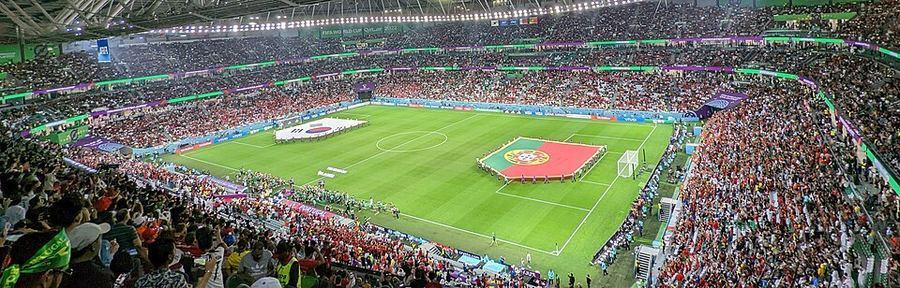
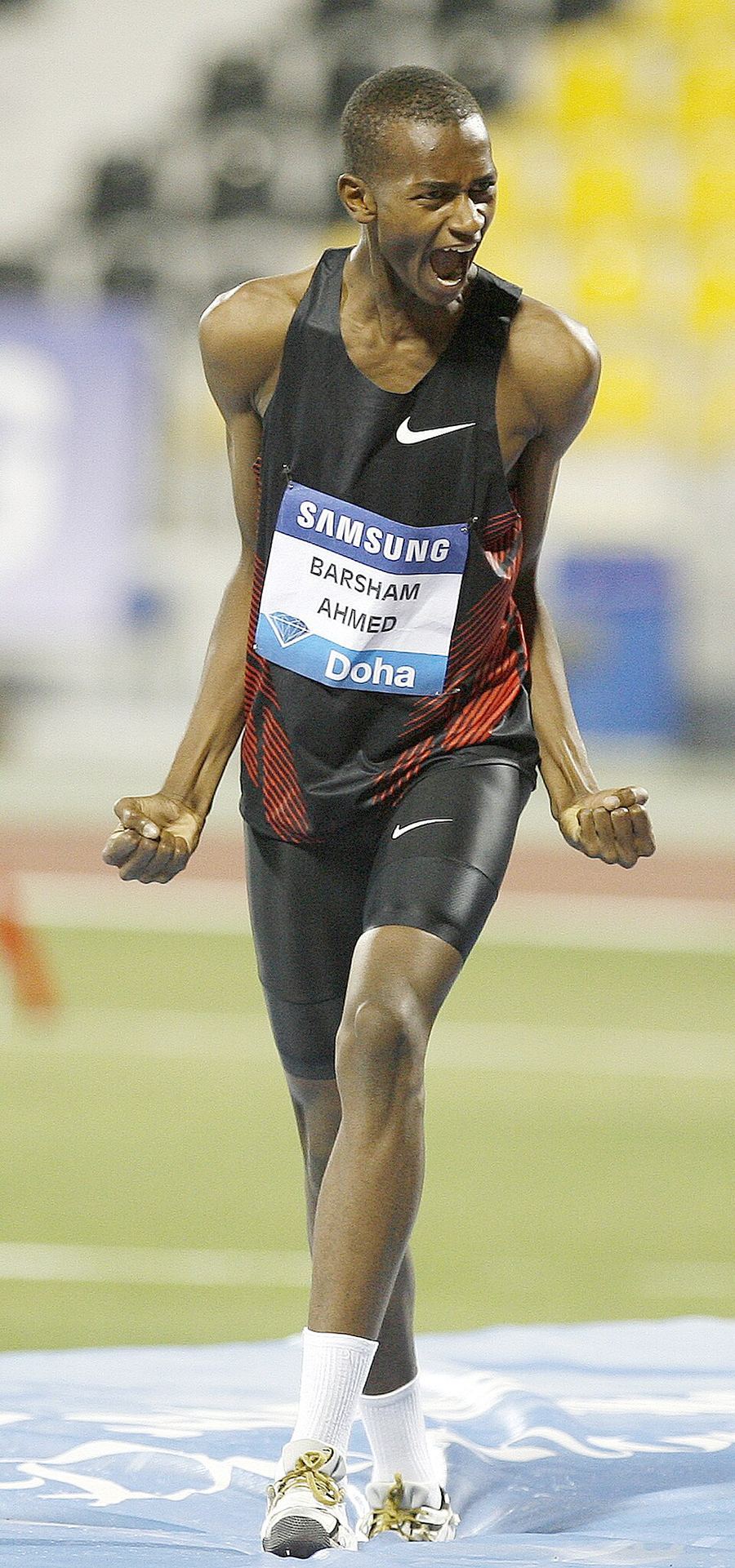
Qatar hosted the FIFA World Cup from 20 November to 18 December 2022, the first in the Arab world and the first held in the northern-hemisphere winter, moved from summer because of the heat. Eight stadiums were built or rebuilt within roughly 50 kilometres of central Doha, making it the most compact World Cup of the modern era, and the tournament ended with Argentina beating France on penalties at the Lusail Stadium in a final widely rated among the best played. The award and the preparation were also the most heavily contested of any World Cup: the 2010 vote was the subject of long-running corruption investigations, and the treatment of the migrant workforce that built the infrastructure drew sustained reporting and campaigning, with the International Labour Organization and human rights organisations documenting deaths, wage theft and the constraints of the kafala sponsorship system. Under that pressure Qatar introduced a non-discriminatory minimum wage and removed the requirement for employer permission to change jobs or leave the country, reforms whose enforcement remains disputed. Beyond football, Doha hosted the World Athletics Championships in 2019 and the World Aquatics Championships in 2024, and Qatari investment has reached deep into global sport, most visibly through Qatar Sports Investments' ownership of Paris Saint-Germain since 2011.
Absolute monarchy
Tamim bin Hamad Al Thani — Amir
In office since 25 June 2013
Muhammad bin Abd al-Rahman Al Thani — Prime Minister and Foreign Minister
Unicameral
Composition — 49 seats
Last election 10/9/2025 · 6.1% women
consists of the court president and several judges); Supreme Constitutional Court (consists of the chief justice and 6 members
Qatari Rial — QAR (﷼)
GDP (PPP): $317.064 billion (2024 est.)
Per capita: $110,900 (2024 est.)
$125.216 billion (2024 est.)
natural gas, crude petroleum, refined petroleum, plastics, fertilizers (2023)
Partners: China 18%, India 11%, S. Korea 10%, Japan 7%, Pakistan 6% (2023)
$69.692 billion (2024 est.)
gas turbines, cars, aircraft, iron pipes, ships (2023)
Partners: USA 12%, China 12%, UAE 9%, UK 7%, India 5% (2023)
Type: absolute monarchy
Independence: 3 September 1971 (from the UK)
How mountains, coasts, and rivers shape settlement (LandScan).
Coming — dataWhere groups settled and how people move (GeoEPR + UNHCR).
Coming — dataNotable institutions, mappable as points.
Coming — data