HERA · Human Entity Reference Atlas by Masego Inc

← Romania 🌐 3D View
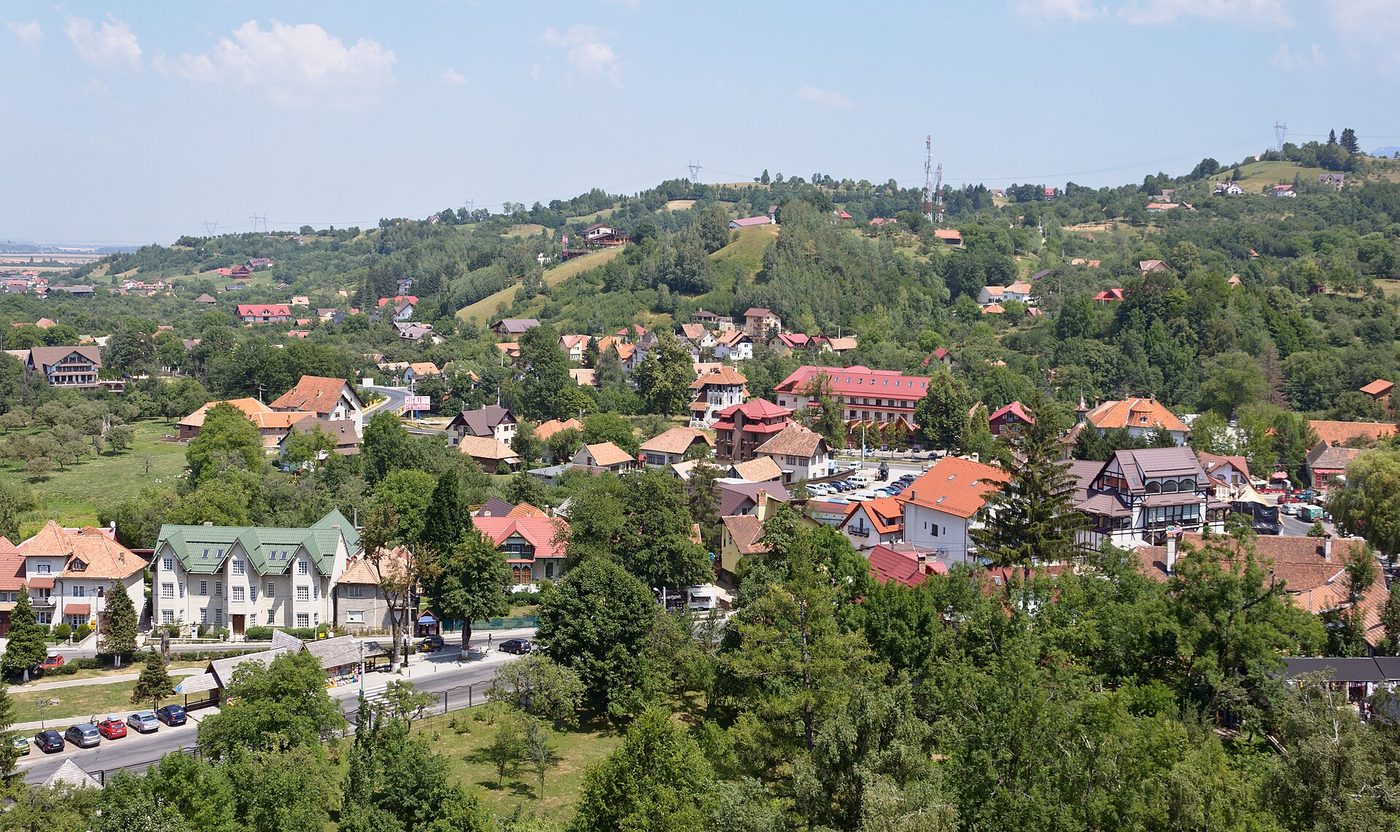
Bran seen from Bran Castle, Romania
Romania ROU
Bran seen from Bran Castle — Photo: Myrabella / CC BY-SA 3.0 via Wikimedia Commons
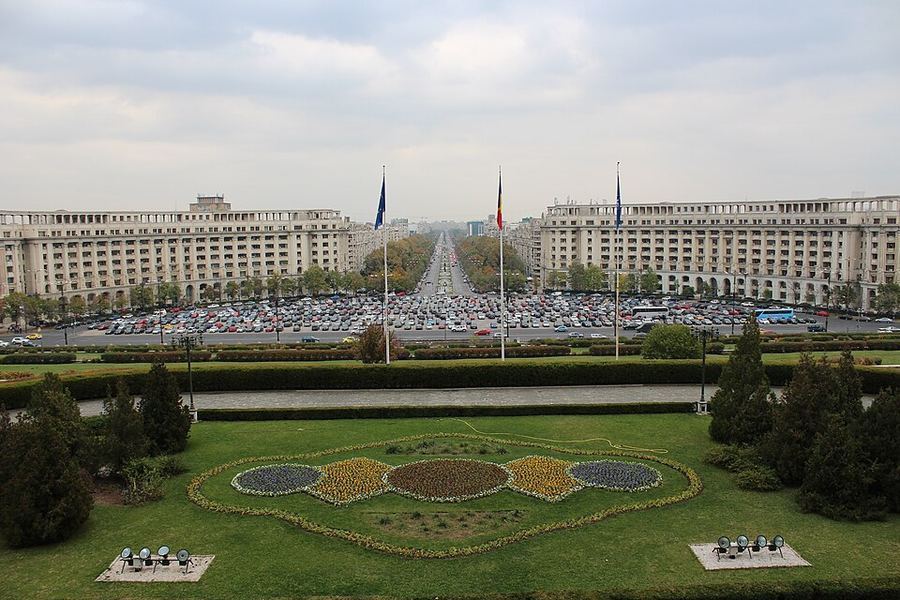
Did You Know The Palace of the Parliament in Bucharest, built under Ceaușescu, is among the largest and heaviest administrative buildings in the world, and much of its interior was never fitted out for use. — Encyclopaedia Britannica

Romania is a semi-presidential republic of roughly 18 million people occupying the lower Danube basin and the great arc of the Carpathian Mountains, bordered by Ukraine, Moldova, Bulgaria, Serbia and Hungary and opening onto the Black Sea. Bucharest, the capital, is the country's political, financial and cultural centre. Romania is unusual in eastern Europe for speaking a Romance language: Romanian descends from the Latin carried into Dacia after Trajan's conquest in the second century, then layered with Slavic, Hungarian, Turkish and Greek vocabulary. About 89% of the population identifies as Romanian, with a Hungarian minority of roughly 6% concentrated in Transylvania and a Romani minority of about 3%; Romanian Orthodoxy is professed by some 85%. The modern state was assembled in stages — the 1859 union of Wallachia and Moldavia, independence from the Ottoman Empire recognised in 1878, and the 1918 union with Transylvania — before four decades of communist rule ended in the violent revolution of December 1989. Romania joined NATO in 2004 and the European Union in 2007. Its economy is upper-middle-income and industrial, exporting cars, vehicle parts, insulated wire and wheat, with Germany and Italy as its largest trading partners.

CIA World FactbookEncyclopaedia Britannica
Population
18,148,155
Capital
Bucharest
Currency
lei RON
Time zones
Largest city
Bucharest
Human Geography Themes
Loading national figures…
Largest Cities
Bucharest1,971,350
Timișoara335,525
Cluj-Napoca321,095
Iași304,851
Constanța273,012
Craiova260,150
Galați232,217
Brasov230,438
In Perspective

Bucharest's urban core is home to about 1,971,350 people.

That's bigger than Amsterdam — each a great world city in its own right.

Bucharest1,971,350
Amsterdam1,223,407

Among the world's megacities, though, it's one of many — the giants of Asia and Latin America run larger still:

Bucharest1,971,350
Jakarta40,545,126
Dhaka37,307,160
Tokyo33,244,670
Shanghai30,678,616
Cairo25,230,325
The Country & Its People

History

The territory's recorded history begins with the Dacians, whose kingdom under Decebalus was conquered by the emperor Trajan in AD 106 — a campaign commemorated in relief on Trajan's Column in Rome and the origin of the Latin that became Romanian. After Rome withdrew in the 270s, waves of migration passed through, and by the fourteenth century two Orthodox principalities had emerged: Wallachia and Moldavia. Both fought and then paid tribute to the Ottoman Empire; Vlad III of Wallachia and Stephen the Great of Moldavia, who reigned from 1457 to 1504, became the enduring warrior figures of national memory. Michael the Brave briefly held Wallachia, Moldavia and Transylvania together in 1600, an episode later read as a first unification. The modern state took shape when the two principalities elected the same prince, Alexandru Ioan Cuza, in 1859; independence was proclaimed in 1877 and recognised by the Treaty of Berlin in 1878, and a kingdom was declared in 1881. The union with Transylvania proclaimed at Alba Iulia on 1 December 1918 created Greater Romania and is still the national day. The Second World War brought alliance with the Axis under Ion Antonescu, then a switch to the Allies in August 1944. Communist rule followed, culminating in the Ceaușescu dictatorship, which ended when the revolution that began in Timișoara in December 1989 toppled and executed him.
Culture

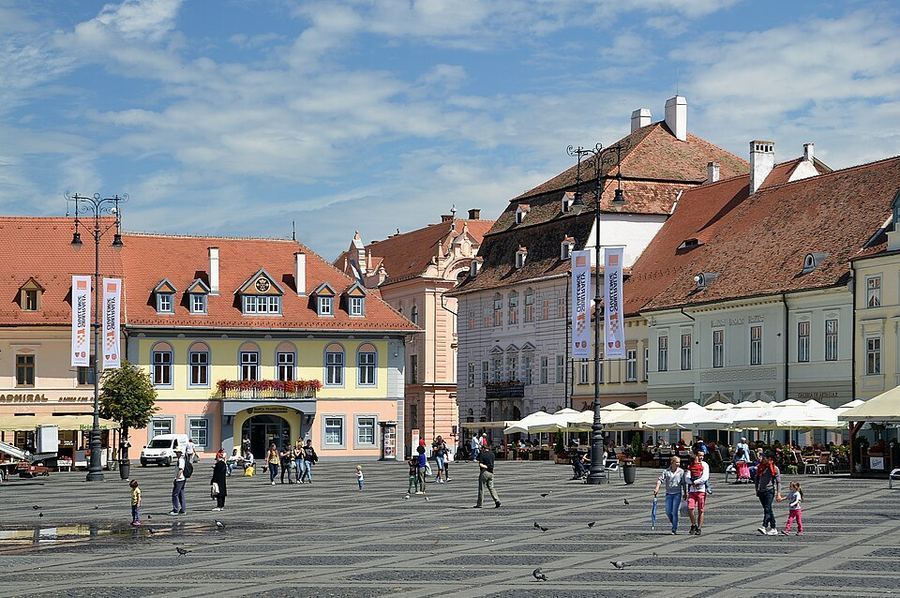
Romanian culture rests on a Latin language inside an Orthodox Christian world, a combination that gives it a distinct position in Europe. The Romanian Orthodox Church, professed by about 85% of the population, structures the calendar through Easter — the greatest feast of the year — patron-saint days and Christmas colinde. Alongside it runs a deep peasant tradition that survived into the twentieth century largely intact and became the raw material for national art, music and scholarship: the sociologist Dimitrie Gusti sent research teams into villages in the 1930s, and the open-air Village Museum on Bucharest's Herăstrău lake preserves relocated houses, churches and windmills from every region. Seasonal customs remain widely observed. On 1 March people exchange the mărțișor, a red-and-white twisted thread pinned to the coat to mark the arrival of spring; midsummer brings Sânziene. Regional identities are strong — Transylvania, Moldavia, Wallachia, Banat, Maramureș and Oltenia each carry distinct dialect, dress and building traditions. Hospitality is ritualised around bread, salt and homemade țuică. The country's minorities add further layers: Hungarian-language theatre and schooling in Transylvania, the Saxon towns of Sibiu and Brașov, and the lăutari musician families of Romani communities.

Points Of Pride

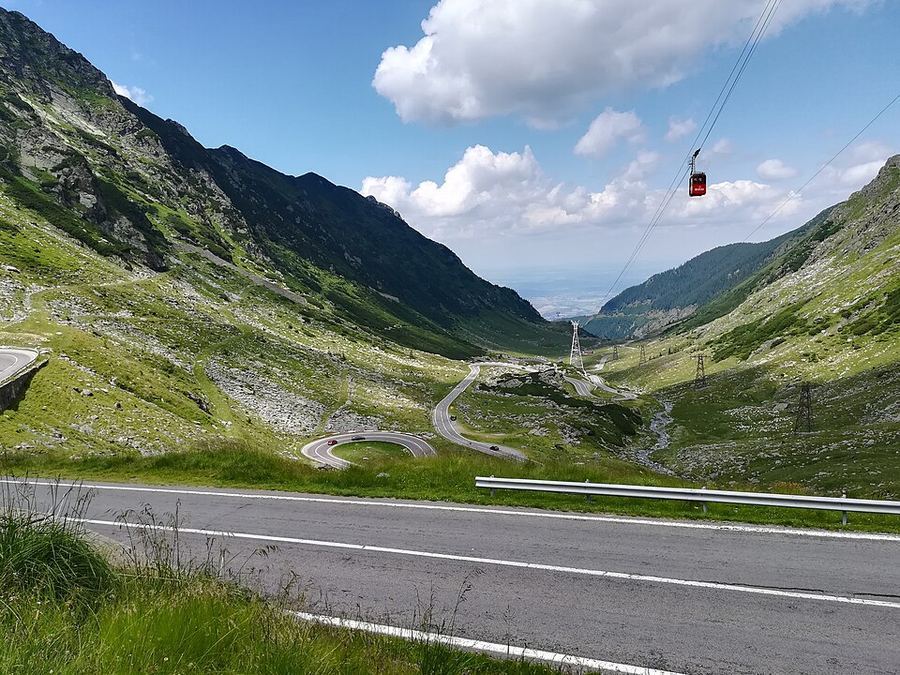
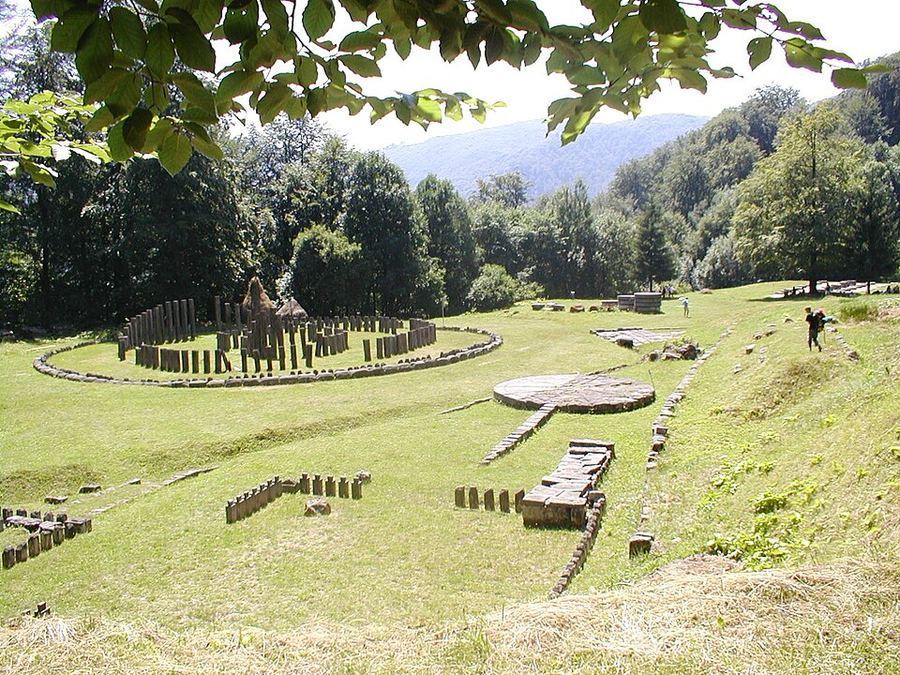
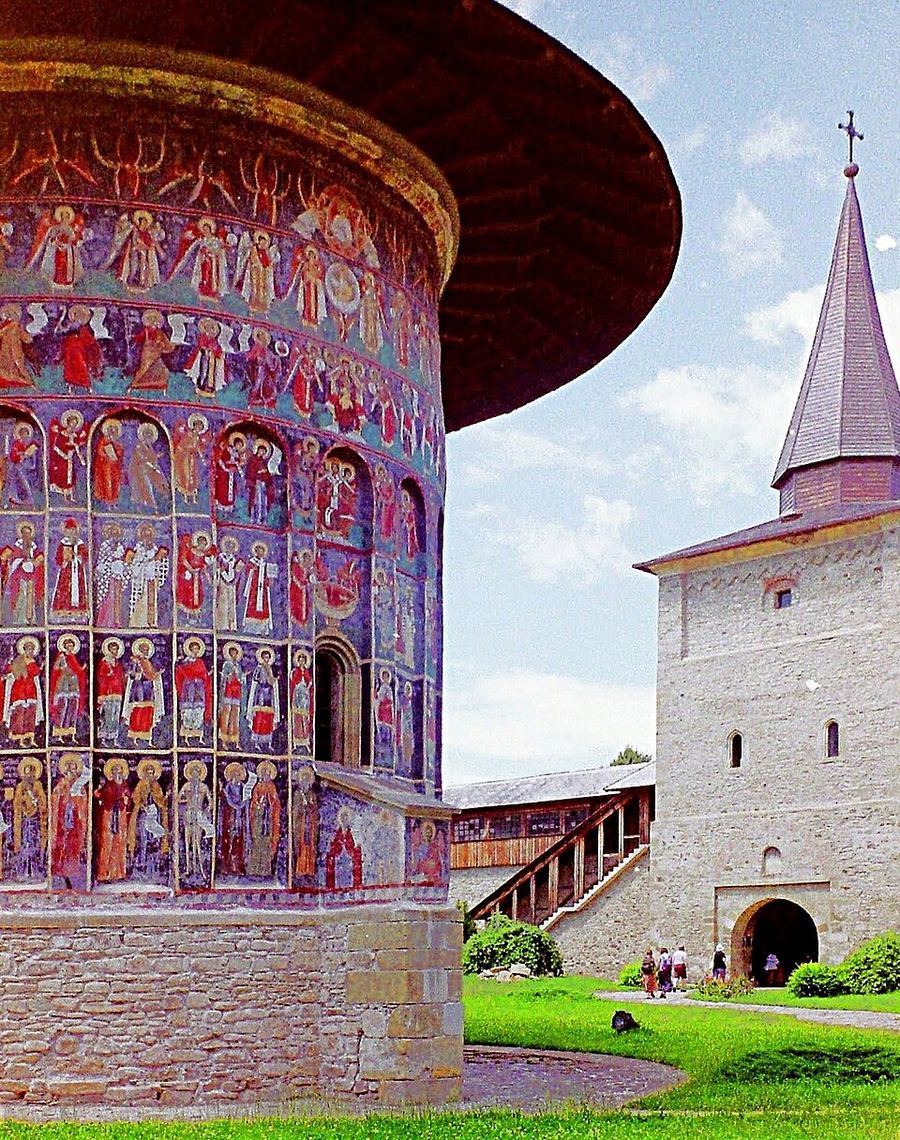
Romania holds a broad spread of UNESCO World Heritage inscriptions. The painted churches of northern Moldavia — Voroneț, Sucevița, Moldovița, Humor and Arbore — carry complete cycles of exterior frescoes painted in the sixteenth century, with the deep blue of Voroneț known by name. The wooden churches of Maramureș raise shingled Gothic spires over log naves. In Transylvania, seven villages with fortified churches, built by Saxon settlers, and the walled hill town of Sighișoara are inscribed, along with the Dacian fortresses of the Orăștie Mountains and the Monastery of Horezu in Wallachia. The Danube Delta, where the river breaks into channels and reed islands before the Black Sea, is a UNESCO biosphere reserve and the best-preserved delta in Europe, hosting one of the world's largest colonies of great white pelicans. In Bucharest, the Palace of the Parliament — begun under Ceaușescu and finished after his fall — is among the largest and heaviest administrative buildings on earth. Romania also shelters the largest brown bear population in the European Union, and the Transfăgărășan road, cut across the Făgăraș range in the 1970s, is a landmark of engineering ambition.

Cultural Fusion

Romania is a layered country, and the layers are legible in ordinary speech. Romanian is a Romance language whose core vocabulary is Latin, but centuries inside the Orthodox and Slavic world left a large Slavic stratum, and Ottoman suzerainty and the eighteenth-century Phanariot princes sent from Istanbul added Turkish and Greek words for food, administration and trade. The language was written in Cyrillic until the Latin alphabet was formally adopted in the nineteenth century, part of a deliberate reorientation toward France and Italy that also produced Bucharest's boulevards and its French-trained painters. Transylvania compounds the mixture: Hungarian rule for centuries, German-speaking Saxons invited in the twelfth century who built Sibiu, Brașov and Sighișoara, and Armenian and Jewish communities in the market towns. Dobruja, on the Black Sea, retains Turkish and Tatar villages and mosques. Romani musicians, the lăutari, became the professional carriers of village repertoire and shaped what much of the world hears as Romanian music. Cuisine records the same history — sarmale and musaca from the Ottoman world, schnitzel and strudel from Habsburg Transylvania, polenta from the Italian-influenced maize trade.

Music & Dance

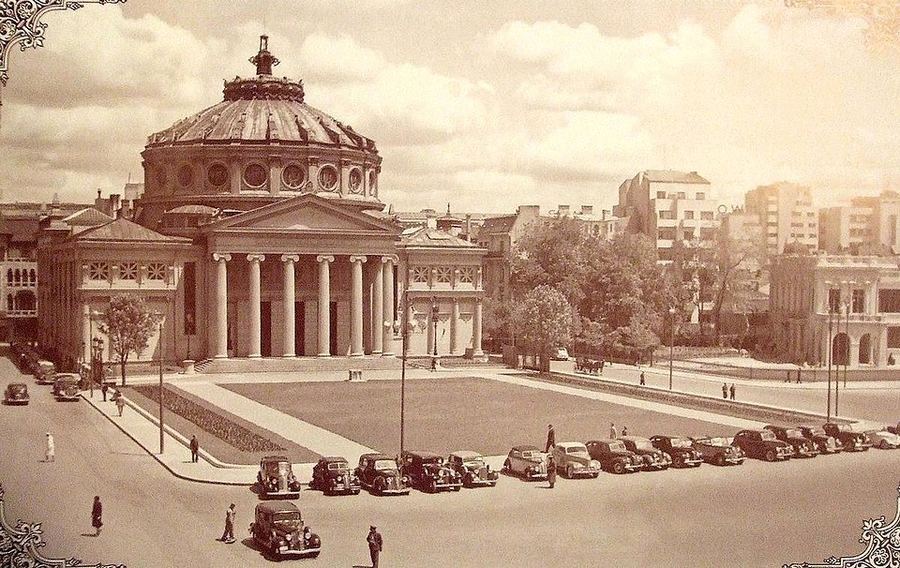
The doina, a free-rhythm solo lament sung or played on flute, is the central form of Romanian folk music and was inscribed on UNESCO's Representative List of the Intangible Cultural Heritage of Humanity in 2009. The Căluș ritual of Oltenia — a men's dance troupe performing at Whitsun with healing and fertility associations — was inscribed in 2005, and men's group Colindat, the Christmas-time carolling tradition shared with the Republic of Moldova, followed in 2013. Dance is overwhelmingly communal: the hora, danced in a closed circle, and the sârba, a fast chain dance, anchor weddings and village festivals. The characteristic instruments are the nai or pan flute, the cimbalom, the violin and the taragot; Gheorghe Zamfir made the nai internationally familiar, and the Romani ensemble Taraf de Haïdouks from Clejani carried lăutar playing onto world stages. In art music, George Enescu — composer of the two Romanian Rhapsodies and the opera Oedipe, and a violinist who taught Yehudi Menuhin — is the towering figure; the George Enescu Festival, held in Bucharest since 1958, is among the largest classical festivals in eastern Europe. Maria Tănase remains the defining voice of twentieth-century Romanian song.

Cuisine & Misattributed Foods

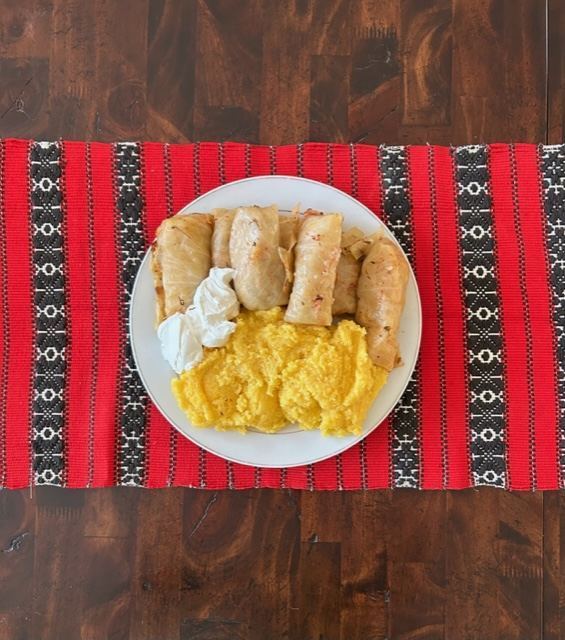
Romanian cooking is built on pork, dairy, maize and sour flavours. Mămăligă, a boiled maize porridge, took the place bread holds elsewhere and is still served with sheep's cheese, sour cream and a fried egg. Sarmale — minced pork and rice wrapped in cabbage or vine leaves and slow-cooked — are the festive dish, made in quantity for Christmas and weddings and eaten with mămăligă and hot pepper. Soups divide into supă and ciorbă, the latter soured with borș, a fermented wheat-bran liquid that gives Romanian soup its particular tang; ciorbă de burtă, a garlicky tripe soup finished with cream, is the classic restorative. Mici or mititei, skinless grilled rolls of seasoned minced meat, are the standard of any summer grill. Preserving remains a household activity: zacuscă, a roasted aubergine and pepper spread, and salată de vinete are put up in autumn jars. Sweet cozonac, a yeast loaf swirled with walnut or poppy-seed paste, marks Easter and Christmas, and papanași are fried cheese doughnuts served with sour cream and jam. Țuică and the stronger palincă, distilled from plums, accompany almost every occasion.

National Dress

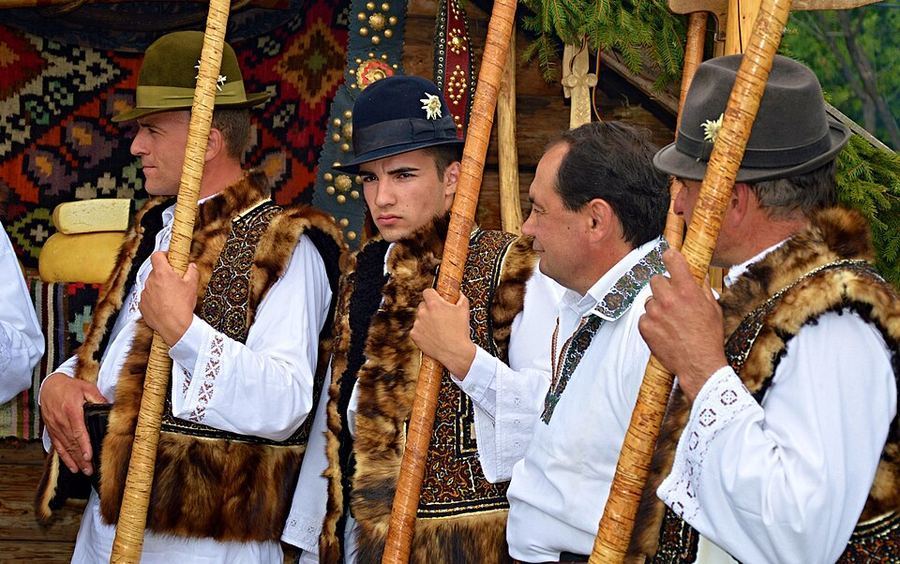
The emblem of Romanian dress is the ie, a white blouse of linen, hemp or cotton embroidered on the sleeves, shoulders and neckline, with the motifs, colours and stitch density varying so precisely by region that a knowledgeable eye can place a blouse in a valley. It is worn with a fotă or catrință — a wrapped or panelled woollen skirt, often woven with vertical stripes — a woven belt, and opinci, soft leather shoes with upturned toes bound to the leg with thongs. Men wear a long white shirt belted over trousers, a leather or woollen belt called a chimir, and in Maramureș a small straw hat known as a clop; sheepskin waistcoats and coats, the cojoc and the sarică, handle mountain winters. Queen Marie of Romania wore the ie publicly and helped make it a national symbol, and Henri Matisse painted La Blouse Roumaine in 1940, which carried the garment into modern art. Since 2013 the Universal Day of the Romanian Blouse has been marked on 24 June, and the ie has had a sustained revival in contemporary Romanian fashion.

Sports & Inspiring Athletes

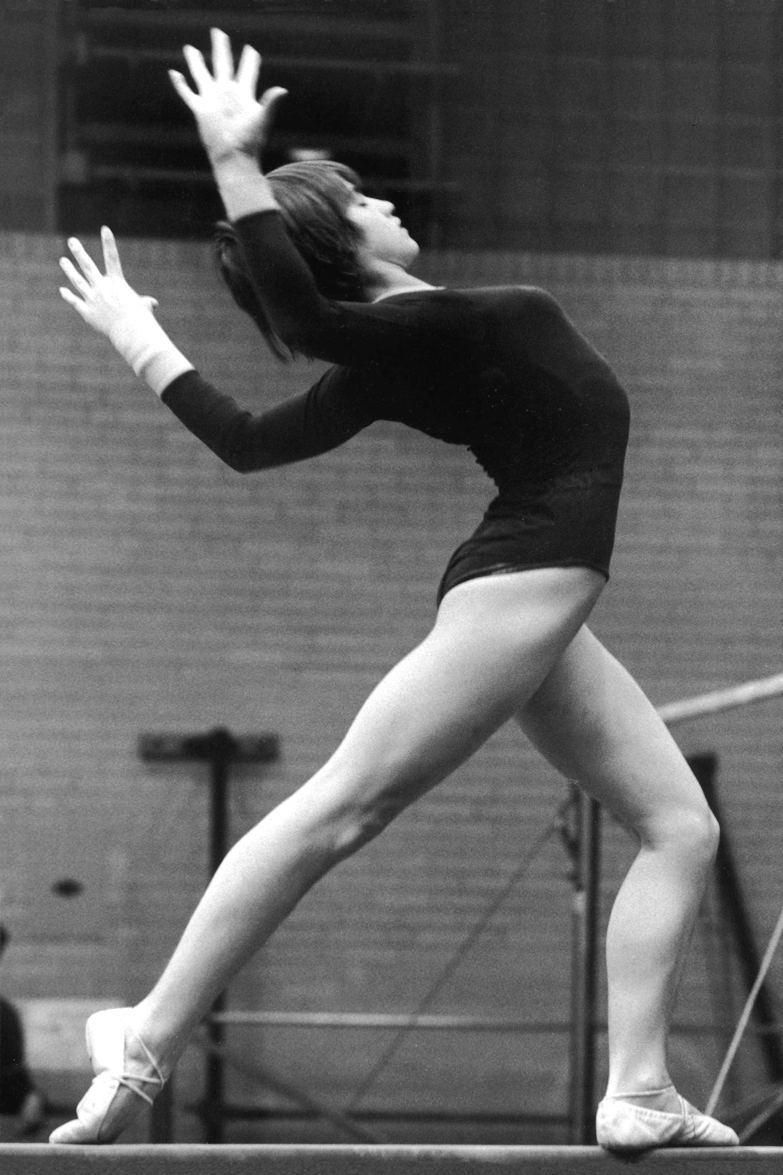
Gymnastics is the sport Romania is known for. At the Montreal Olympics in 1976 the fourteen-year-old Nadia Comăneci scored the first perfect 10 in Olympic gymnastics history, on the uneven bars, and went on to seven of them and three golds at those Games; the Romanian women's team then remained among the world's strongest for three decades, winning team gold in 1984, 2000 and 2004. Rowing has been just as productive — Elisabeta Lipă is one of the most decorated Olympic rowers of all time — and canoeing produced Ivan Patzaichin, who won four Olympic titles. Football is the mass-participation sport: Steaua București won the European Cup in 1986, beating Barcelona on penalties in Seville, and the national team reached the World Cup quarter-final in 1994 with Gheorghe Hagi as its playmaker. Tennis has given Romania two world number ones — Ilie Năstase, the first player to top the ATP rankings when they began in 1973, and Simona Halep, who won the French Open in 2018 and Wimbledon in 2019. Handball, particularly the men's teams of the 1960s and 1970s, brought four world titles.

Notable Educational Programs

Education in Romania is compulsory and free through the secondary level, and completion of upper-secondary school is certified by the Bacalaureat examination, whose national pass rates are a perennial subject of public argument. Higher education has been aligned to the Bologna three-cycle structure since Romania joined the European Higher Education Area, and Romanian students and staff participate fully in the EU's Erasmus+ mobility programmes. The oldest universities are Alexandru Ioan Cuza University in Iași, founded in 1860, and the University of Bucharest, founded in 1864; Babeș-Bolyai University in Cluj-Napoca is notable for teaching in Romanian, Hungarian and German, reflecting Transylvania's composition. The Politehnica University of Bucharest and the Carol Davila University of Medicine and Pharmacy anchor engineering and medical training, and Romanian medical schools attract large numbers of international students taught in English and French. Romania has a particularly strong tradition in competitive mathematics: the journal Gazeta Matematică has published problems since 1895, the country hosted the first International Mathematical Olympiad at Brașov in 1959, and Romanian teams have remained among the consistent high performers at the Olympiad since.

Wars & Conflicts

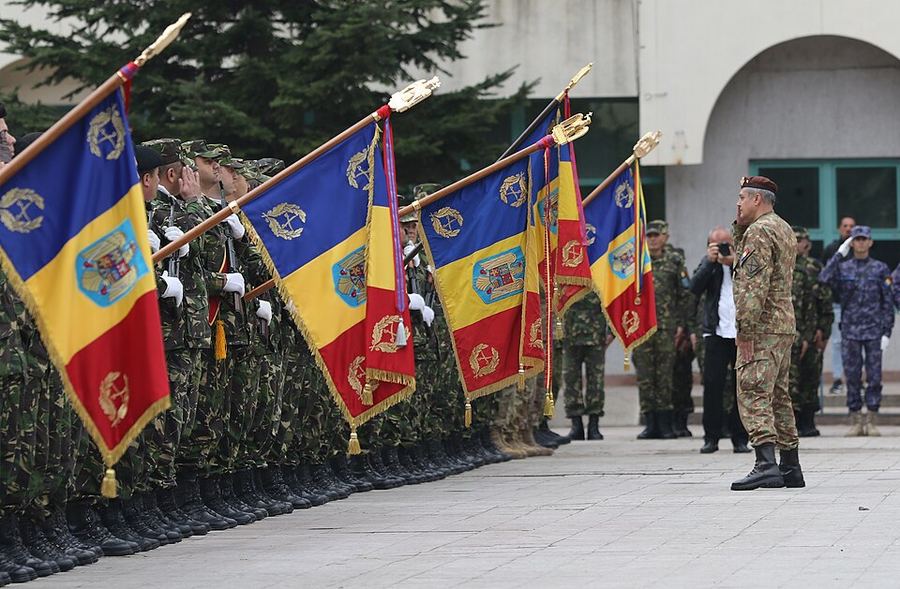
Romania's twentieth century was defined by two world wars and a dictatorship. It entered the First World War in 1916, was largely occupied, and emerged in 1918 with Transylvania, Bessarabia and Bukovina. In the Second World War the Antonescu regime allied with Nazi Germany and took part in the invasion of the Soviet Union; the same period saw the mass killing of Romanian and Ukrainian Jews and Roma, including the Iași pogrom of June 1941 and deportations to Transnistria. The international commission chaired by Elie Wiesel, which reported to the Romanian government in 2004, concluded that the regime was responsible for the deaths of between 280,000 and 380,000 Jews. Romania changed sides in August 1944. The communist period ended in the revolution of December 1989, which began with protests in Timișoara, spread to Bucharest and left more than a thousand people dead before Nicolae and Elena Ceaușescu were tried and executed on 25 December. Since Russia's full-scale invasion of Ukraine in 2022 Romania, a NATO member since 2004, has hosted allied forces, absorbed large refugee flows and repeatedly reported drone debris falling on its Danube Delta territory near Ukrainian river ports.
Current as of 2026-08-07

Land & Border Disputes

Romania's principal modern international dispute was settled in court. Romania and Ukraine disagreed over the delimitation of the continental shelf and exclusive economic zones in the Black Sea, and specifically over the weight to be given to Serpent Island, a small Ukrainian island off the Danube mouth, in drawing the boundary. Romania brought the case to the International Court of Justice, which delivered its judgment on 3 February 2009, drawing a single maritime boundary that gave the island no effect beyond its territorial sea; both states accepted the ruling and it is regularly cited as a model of peaceful settlement. A separate long-running environmental disagreement with Ukraine concerns the Bystroye Canal, a deep-water shipping channel cut through the Ukrainian side of the Danube Delta, which Romania has challenged as damaging to the shared biosphere reserve. Relations with Hungary carry a recurring domestic dimension over the rights and institutions of the Hungarian minority in Transylvania, and Romania maintains a close but constitutionally distinct relationship with the Republic of Moldova. Romania completed its accession to the Schengen area, with land border controls lifted at the beginning of 2025.
Land, Life & Legacy

Land & Climate

Romania is often described as having three roughly equal parts — mountains, hills and plains — arranged around the Carpathian arc, which sweeps in from Ukraine, turns west across the country's centre and encloses the Transylvanian Plateau. The highest summit is Moldoveanu, at 2,544 metres in the Făgăraș Mountains, and the Southern Carpathians hold Romania's glacial lakes and its most dramatic ridges; Retezat National Park protects some of Europe's remaining old-growth forest. Outside the mountains lie the Wallachian Plain in the south, the Moldavian plateau in the east, and the flat Bărăgan steppe. The Danube forms most of the southern border with Bulgaria, cuts through the Iron Gates gorge on the Serbian frontier, and ends in the Danube Delta, a 580,000-hectare maze of channels, reed beds and sandbanks that is still growing seaward. The Black Sea coast runs about 245 kilometres. The climate is temperate continental, with cold winters, hot summers and marked temperature swings between the Transylvanian basin and the exposed southern plain, where drought is a recurring agricultural risk.

Entertainment

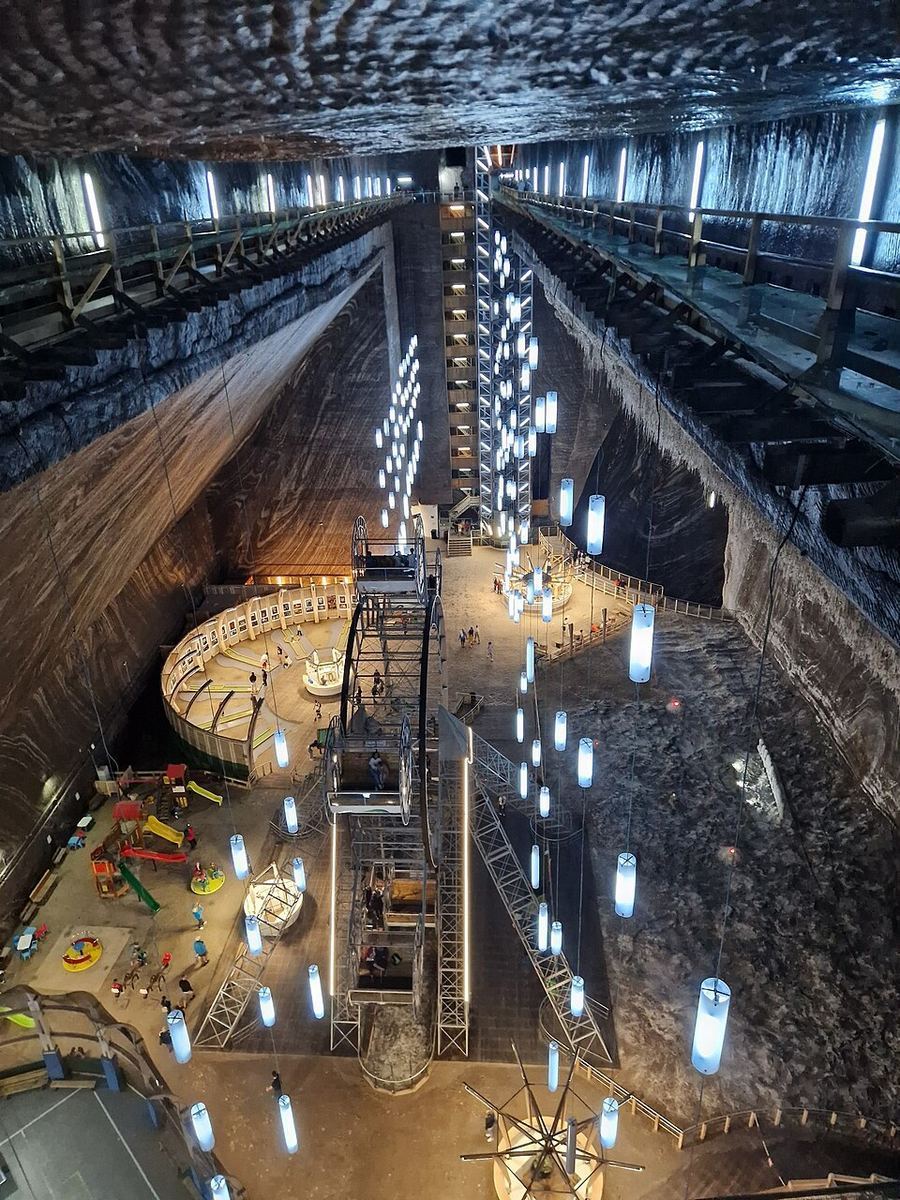
Romanians take their holidays in two directions: the mountains and the sea. The Black Sea resorts strung south of Constanța — Mamaia above all — fill through July and August, while the Prahova Valley and Poiana Brașov draw skiers in winter and hikers in summer, with the Bucegi plateau's wind-carved Sphinx and Babele formations a standard destination. Hiking and cabin culture are strong: the Făgăraș ridge is a multi-day traverse, and the Transfăgărășan and Transalpina roads have become drives undertaken for their own sake. Spa-going is a long habit, with thermal and mineral resorts at Băile Herculane, Băile Felix and Sovata. Salina Turda, a medieval salt mine near Cluj-Napoca refitted with an underground amusement park and boating lake, has become one of the country's most-visited attractions. Summer is festival season — Untold in Cluj-Napoca and Electric Castle at Bonțida draw large international crowds, and the Sibiu International Theatre Festival is among Europe's biggest. In everyday life, the grătar or outdoor grill with mici and beer, long restaurant meals and the evening walk through the town centre remain the ordinary pleasures.

Art & Museums

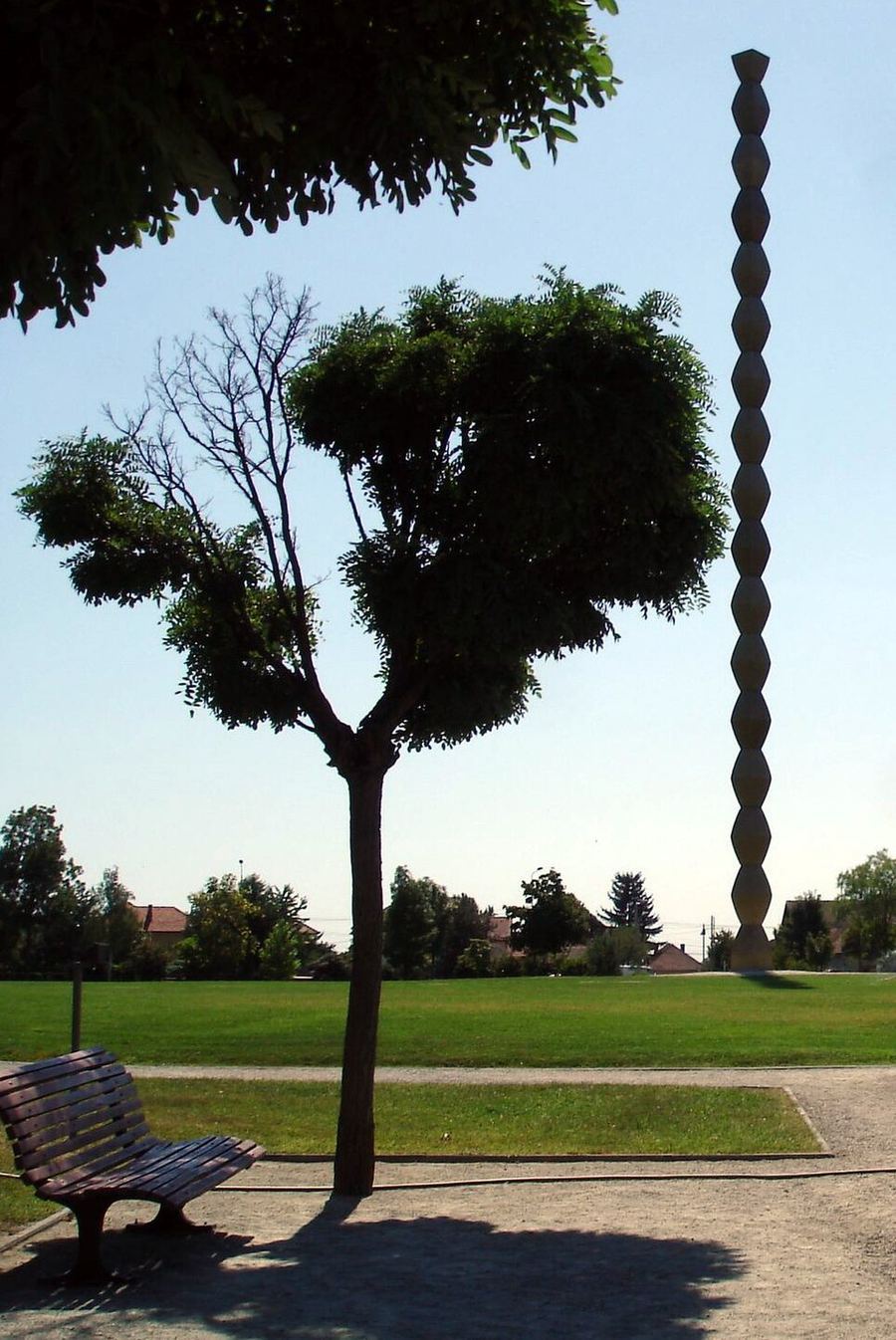
Romania's greatest contribution to modern art is Constantin Brâncuși, who left Oltenia for Paris in 1904 and reduced sculpture to essential forms in works such as Bird in Space, The Kiss and Sleeping Muse. His monumental ensemble at Târgu Jiu — the Endless Column, the Table of Silence and the Gate of the Kiss, completed in 1938 as a memorial to the dead of the First World War — remains in place and is among the defining sculptural sites of the twentieth century. In painting, Nicolae Grigorescu brought plein-air technique home from Barbizon and made the Romanian peasant and landscape his subject; Theodor Aman founded the national art school, Ștefan Luchian pushed toward expressive colour, and Ion Țuculescu drew on folk carpet motifs. The avant-garde had Romanian roots too: Tristan Tzara, born in Moinești, co-founded Dada in Zurich in 1916, and the surrealist Victor Brauner worked in Paris. Older traditions run alongside — Byzantine fresco and icon painting, the distinctive icons painted on glass at Nicula in Transylvania, and the woodcarving of Maramureș gates. The National Museum of Art of Romania, in the former royal palace in Bucharest, holds the principal collections.

Notable People

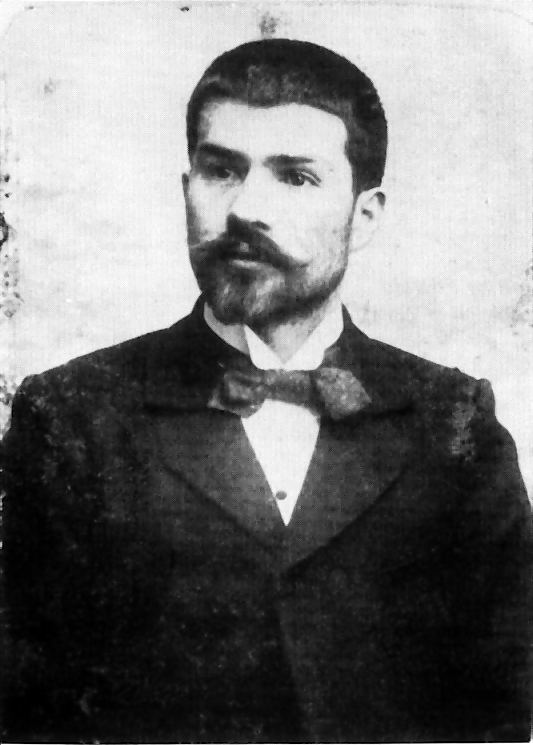
Romania's international reputation rests heavily on people who worked abroad. The sculptor Constantin Brâncuși and the composer and violinist George Enescu both made careers in Paris. Eugène Ionesco, born at Slatina, wrote The Bald Soprano and Rhinoceros in French and became a founder of the Theatre of the Absurd; the philosopher Emil Cioran and the historian of religions Mircea Eliade belonged to the same emigration. Herta Müller, from the German-speaking Banat village of Nițchidorf, won the Nobel Prize in Literature in 2009 for work about life under the Ceaușescu regime. Elie Wiesel, born in Sighetu Marmației, survived Auschwitz and received the Nobel Peace Prize in 1986. In sport, the gymnast Nadia Comăneci, the tennis players Ilie Năstase and Simona Halep and the footballer Gheorghe Hagi are the household names. Contemporary figures include the soprano Angela Gheorghiu, the conductor Sergiu Celibidache, the film director Cristian Mungiu, whose 4 Months, 3 Weeks and 2 Days won the Palme d'Or at Cannes in 2007, and Daniel Dines, who built the software firm UiPath from Bucharest to a New York listing.

Inventions & Breakthroughs

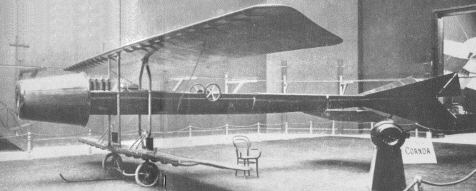
Romanian engineers were unusually prominent in early aviation. Traian Vuia flew a self-propelled, wheeled monoplane a short distance near Paris in March 1906, one of the first powered take-offs made without a catapult or headwind assist. Aurel Vlaicu designed and flew his own aircraft from 1910. Henri Coandă built and displayed an unconventional jet-propelled machine at the 1910 Paris aeronautical salon and later described the Coandă effect, the tendency of a fluid jet to follow an adjacent curved surface, which is named for him and is fundamental to modern aerodynamics and flow control. In medicine, Nicolae Paulescu isolated a pancreatic extract he called pancreine and published on its effect on blood sugar in 1921, work regarded as an important precursor to the isolation of insulin. Lazăr Edeleanu first synthesised amphetamine in 1887 and later developed the Edeleanu process, the first industrial method of refining petroleum with a selective solvent. Petrache Poenaru patented an early fountain pen with a replaceable ink barrel in Paris in 1827, and Ana Aslan founded modern Romanian gerontology at the institute in Bucharest that still bears her name.

Science & Technology

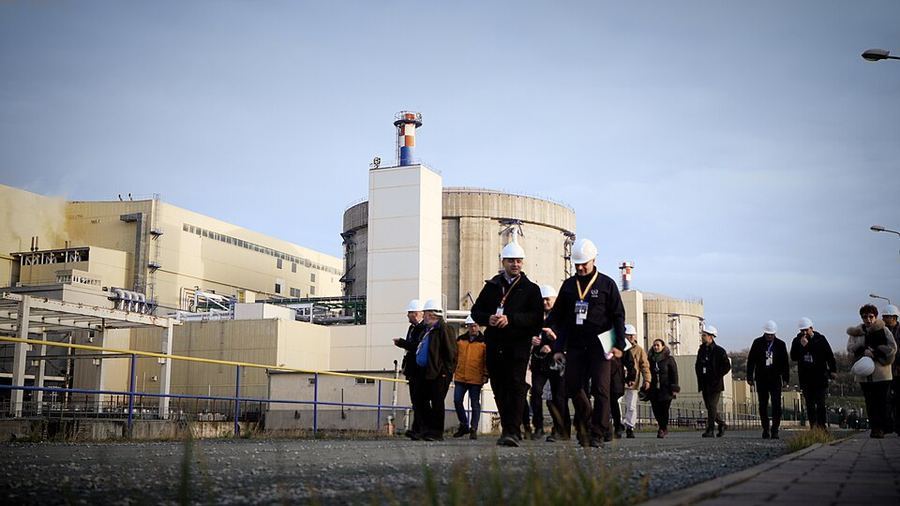
The largest scientific installation in Romania is Extreme Light Infrastructure – Nuclear Physics at Măgurele, outside Bucharest, one of the three pillars of the European ELI project. Its high-power laser system, rated at 10 petawatts, is among the most powerful ever built and is used for research in nuclear photonics, materials and photonuclear reactions; Măgurele has hosted the Horia Hulubei National Institute of Physics and Nuclear Engineering since the 1950s, and the site has grown into the country's main physics cluster. Romania's energy mix includes the Cernavodă nuclear power station on the Danube–Black Sea Canal, which runs CANDU heavy-water reactors supplied under a long-standing partnership with Canada, and the country has offshore natural gas resources in the Black Sea. Romania is a member state of the European Space Agency, which it joined in 2011. Its commercial technology sector is one of the region's strongest, built on a large pool of engineering graduates in Bucharest, Cluj-Napoca, Timișoara and Iași: the cybersecurity firm Bitdefender and the automation company UiPath, which listed on the New York Stock Exchange in 2021, are the best-known Romanian technology companies internationally.
On The World Stage

Champions & Defining Moments

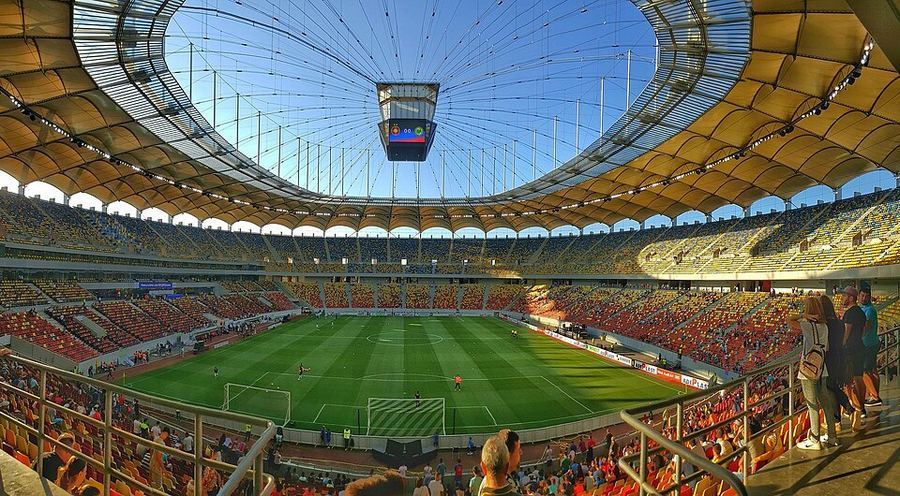
Romania competes at the Summer and Winter Olympics through the Romanian Olympic and Sports Committee and has been a consistent medal-winning nation, with its totals concentrated in gymnastics, rowing, canoeing, athletics, fencing and weightlifting. It was one of the few Eastern Bloc states to defy the Soviet-led boycott of the 1984 Los Angeles Games, and its team was received accordingly. In athletics, Iolanda Balaș won consecutive Olympic high jump titles in 1960 and 1964, Lia Manoliu took discus gold in 1968, Gabriela Szabo dominated middle-distance running in the late 1990s, and Constantina Diță won the Olympic marathon in Beijing in 2008. On the football calendar, the Arena Națională in Bucharest hosted the UEFA Europa League final in 2012 and was one of the host venues for the pan-European UEFA Euro 2020 tournament played in 2021. Romanian clubs and players remain visible in European competition, and the country's rugby union side is one of the traditional second-tier European teams, having appeared at multiple Rugby World Cups since the tournament began in 1987.

IOCOlympediaWorld AthleticsFIFA
Economy, Trade & Government

Currency & GDP

Romanian Leu — RON (lei)

GDP (PPP): $774.376 billion (2024 est.)

Per capita: $40,600 (2024 est.)

Exports

$136.253 billion (2024 est.)

cars, vehicle parts/accessories, insulated wire, garments, wheat (2023)

Partners: Germany 19%, Italy 10%, France 6%, UK 5%, Hungary 4% (2023)

Imports

$159.575 billion (2024 est.)

vehicle parts/accessories, packaged medicine, cars, crude petroleum, plastic products (2023)

Partners: Germany 19%, Italy 8%, Hungary 6%, Poland 6%, China 6% (2023)

Government

Type: semi-presidential republic

Independence: 9 May 1877 (independence proclaimed from the Ottoman Empire; 13 July 1878 (independence recognized by the Treaty of Berlin); 26 March 1881 (kingdom proclaimed); 30 December 1947 (republic proclaimed)

Terrain → Where People Live

How mountains, coasts, and rivers shape settlement (LandScan).

Coming — data

Migration & Ethnic Settlement

Where groups settled and how people move (GeoEPR + UNHCR).

Coming — data

Universities

Notable institutions, mappable as points.

Coming — data
Economy & government facts: CIA World Factbook (public domain), via OpenFactBook / factbook.json.
Every fact and narrative claim will carry a visible source citation. Data-driven sections light up automatically wherever HERA has coverage.