HERA · Human Entity Reference Atlas by Masego Inc

← Rwanda 🌐 3D View
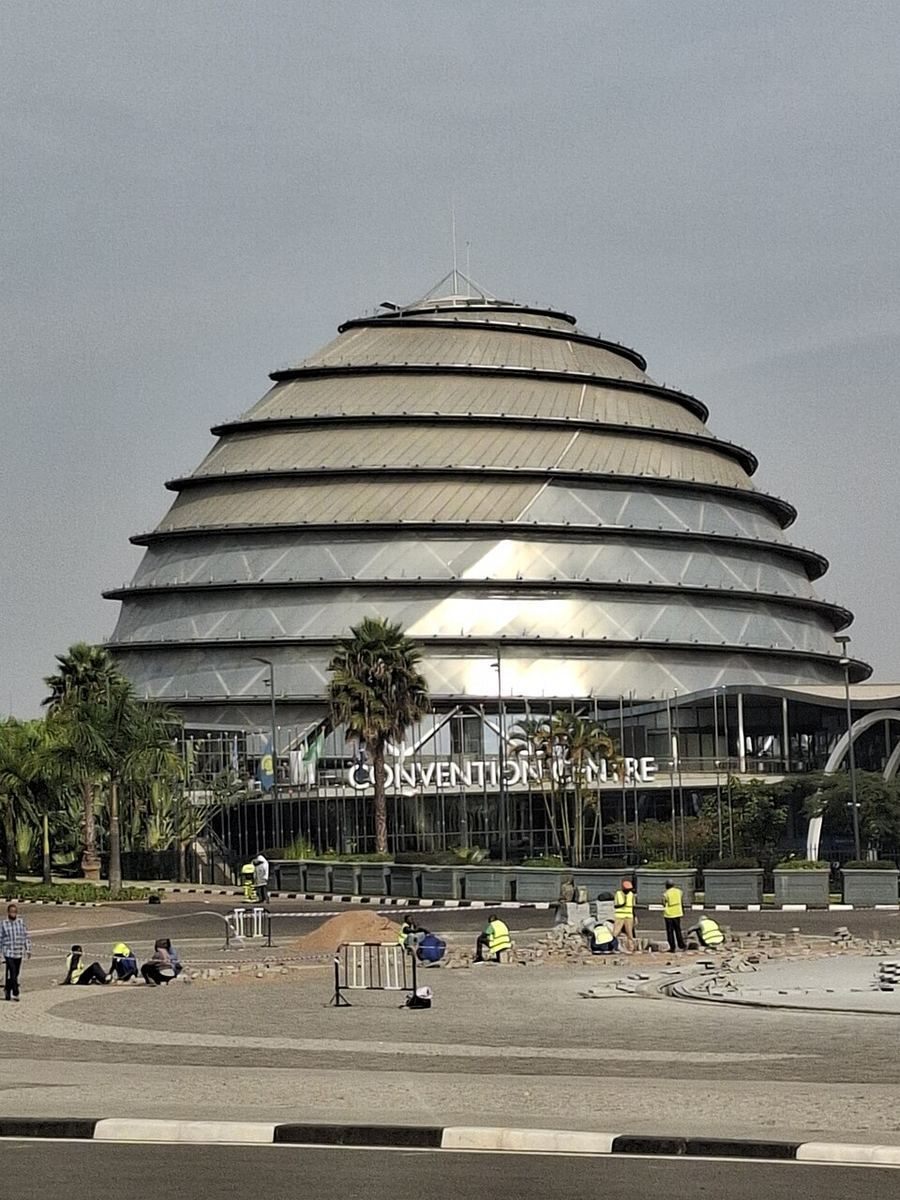
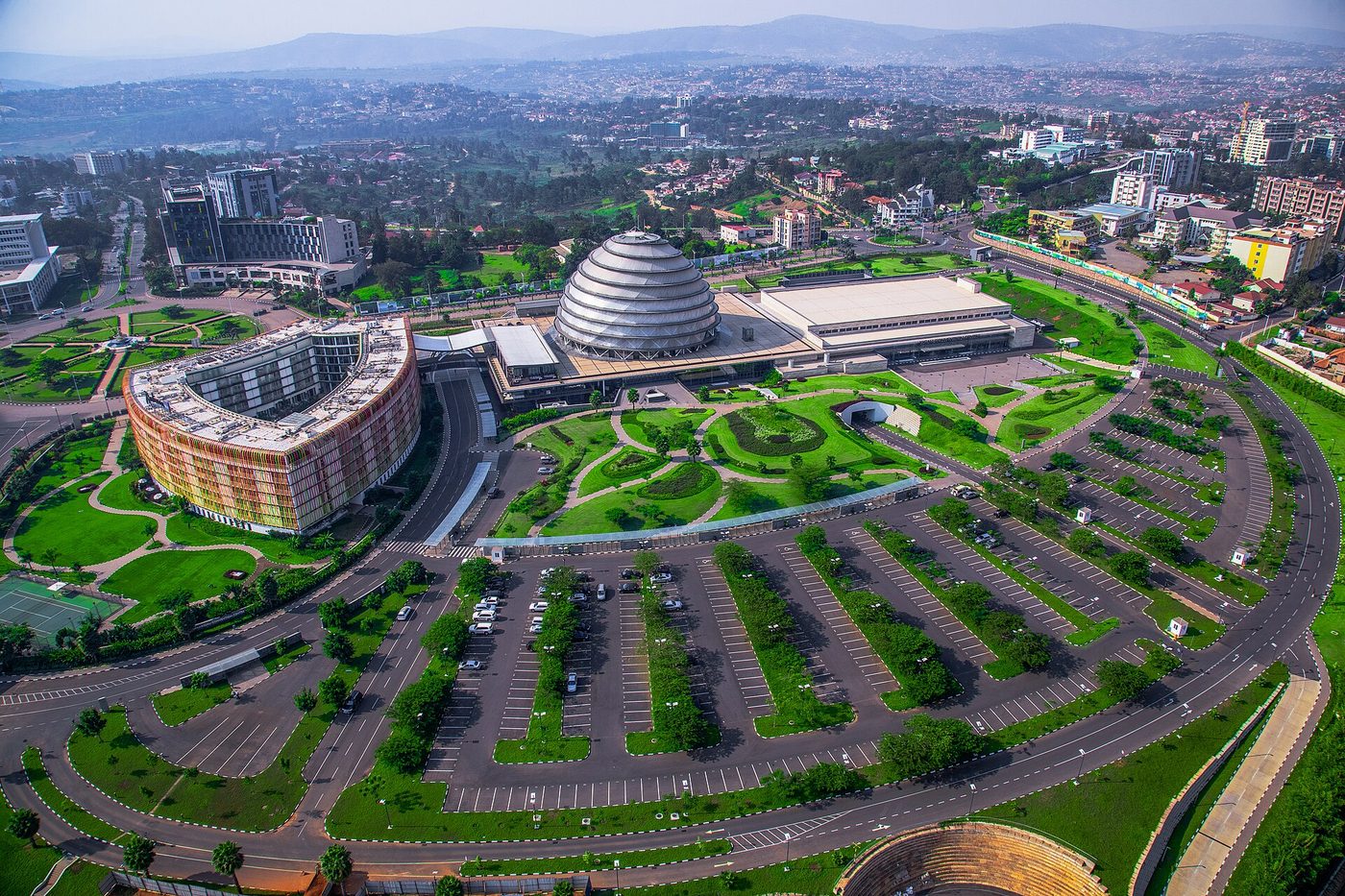
Kigali Convention Centre, Rwanda
Rwanda RWA
Kigali Convention Centre — Photo: Emmanuelkwizera / CC BY-SA 4.0 via Wikimedia Commons
Did You Know Rwanda is one of very few African countries where a single indigenous language, Kinyarwanda, is spoken as a first language by essentially the entire population — alongside three other official languages: French, English and Swahili. — CIA World Factbook

Rwanda is a small, densely populated, landlocked presidential republic in the Great Lakes region of east-central Africa, bordered by Uganda, Tanzania, Burundi and the Democratic Republic of the Congo. About 13.6 million people live in roughly 26,000 square kilometres of steep, cultivated hills, which give the country its byname, the Land of a Thousand Hills. Kigali, the capital, sits on ridges in the centre of the country. Rwanda is unusual in Africa for linguistic unity: Kinyarwanda is spoken as a universal vernacular by essentially the whole population, and it shares official status with French, English and Swahili. The population is overwhelmingly Christian, with Catholics at about 40% and Pentecostal, Protestant and Adventist churches accounting for most of the rest. Rwanda's modern history is dominated by the 1994 genocide against the Tutsi and by the reconstruction that followed under a government led since 2000 by Paul Kagame. The economy is low-income and largely agricultural but has grown quickly, exporting gold, rare-earth ores, coffee and tea, with the United Arab Emirates as its dominant export destination. Rwanda has invested heavily in services, conservation tourism and its reputation as a clean, orderly and administratively capable state.

CIA World FactbookEncyclopaedia BritannicaWorld Bank
Population
13,623,302
Capital
Kigali
Currency
None RWF
Time zones
Largest city
Kigali
Human Geography Themes
Loading national figures…
Largest Cities
Kigali1,621,760
Rubavu342,555
Musanze144,218
Muhanga65,499
Kayonza53,238
In Perspective

Kigali's urban core is home to about 1,621,760 people.

That's bigger than Amsterdam — each a great world city in its own right.

Kigali1,621,760
Amsterdam1,223,407

Among the world's megacities, though, it's one of many — the giants of Asia and Latin America run larger still:

Kigali1,621,760
Jakarta40,545,126
Dhaka37,307,160
Tokyo33,244,670
Shanghai30,678,616
Cairo25,230,325
The Country & Its People

History

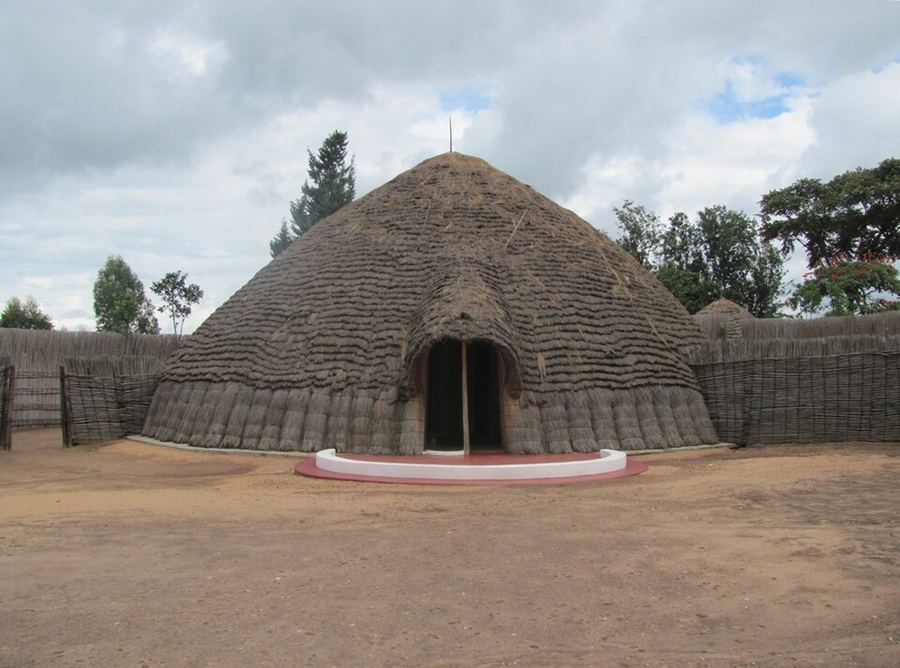
Rwanda was a centralised kingdom long before European contact, ruled by a mwami of the Nyiginya dynasty; under Kigeli IV Rwabugiri in the late nineteenth century it reached close to its modern borders with a sophisticated system of cattle clientship and court ritual. Germany claimed the territory in the 1890s as part of German East Africa. After the First World War, Belgium administered Ruanda-Urundi under a League of Nations mandate and then a United Nations trusteeship, ruling indirectly through the Tutsi aristocracy and, from 1933, issuing identity cards that fixed Hutu, Tutsi and Twa as rigid legal categories — a colonial hardening of what had been a more fluid social order. The Hutu revolution of 1959 overturned that hierarchy, abolished the monarchy and drove large numbers of Tutsi into exile. Independence came on 1 July 1962 under Grégoire Kayibanda, followed by a 1973 coup that installed Juvénal Habyarimana. In 1990 the Rwandan Patriotic Front, formed largely by exiles in Uganda, invaded, beginning a civil war that the Arusha Accords of 1993 were meant to end. The shooting down of Habyarimana's plane on 6 April 1994 triggered the genocide against the Tutsi; the RPF took Kigali that July, and Paul Kagame has led the country since, becoming president in 2000.
Culture

Rwandan culture is shaped by the fact that everyone shares a language. Kinyarwanda carries a dense literature of proverbs, praise poetry and oral history, and the old court traditions of dynastic poetry and cattle praise remain reference points. Cattle are the deepest cultural symbol: the long-horned inyambo were royal animals, cows sealed alliances through the gift relationship of gukunda inka, and cow-horn shapes recur in dance, hairstyles and design. Since 1994 the state has deliberately built a civic culture around shared obligation and recovered tradition. Umuganda, a morning of compulsory community work held on the last Saturday of every month, closes shops and roads nationwide while neighbourhoods build, clean and repair together. Imihigo, historically a warrior's public vow to accomplish a feat, has been revived as the framework for performance contracts signed by mayors and ministers. Itorero, a pre-colonial school of civic and cultural instruction, has been reintroduced for young people. Umuganura, the first-fruits harvest festival, is again a national holiday. Alongside these run strong church attendance, a national reticence about ethnic labels, and an emphasis on agaciro — dignity and self-reliance — as public philosophy.

Points Of Pride

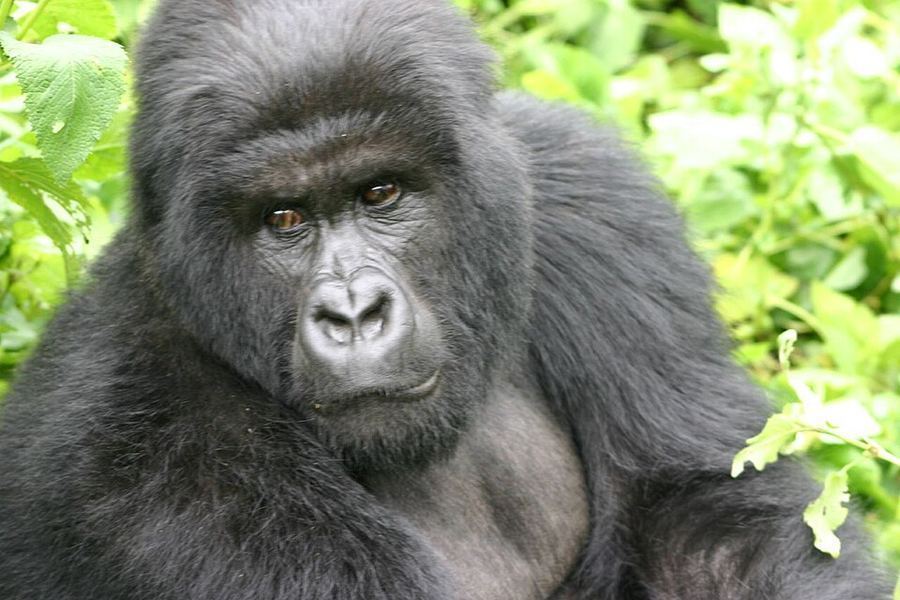
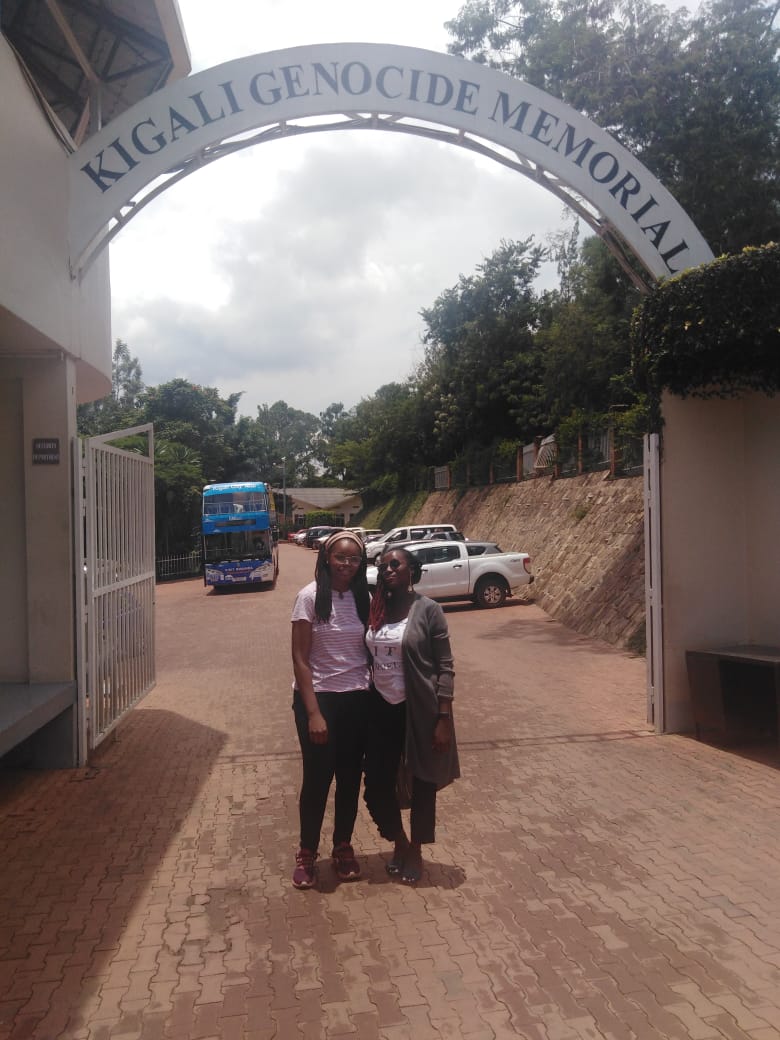
Rwanda's best-known asset is its mountain gorillas. Volcanoes National Park, on the Virunga range in the north-west, protects a share of the world's only wild population, and it is where Dian Fossey established the Karisoke Research Center in 1967; the species' recovery from the brink is one of conservation's few clear successes. Nyungwe National Park, a large montane rainforest in the south-west with thirteen primate species and a canopy walkway suspended above the valley, was inscribed as a UNESCO World Heritage site in 2023. Akagera National Park in the east has been restocked to hold the full complement of large mammals, with lions returned in 2015 and eastern black rhinos in 2017. Rwanda banned single-use plastic bags in 2008, well ahead of most of the world, and Kigali has an international reputation for cleanliness and public order. The country consistently records the highest share of women in a national legislature anywhere, with women holding more than sixty per cent of seats in the Chamber of Deputies. The Kigali Genocide Memorial at Gisozi, where more than 250,000 victims are buried, is the country's principal site of remembrance.

Cultural Fusion

Rwanda's mixing is linguistic and regional rather than ethnic. Kinyarwanda is universal, but on top of it sit three further official languages, each marking a different chapter: French from Belgian rule, Swahili from East African trade and Rwanda's 2007 accession to the East African Community, and English, which replaced French as the medium of instruction in schools in 2008 and was reinforced when Rwanda joined the Commonwealth in 2009. That English shift also reflected the return after 1994 of hundreds of thousands of Tutsi from exile — anglophone communities from Uganda and Kenya, francophone ones from Burundi and Congo, Swahili speakers from Tanzania — who repopulated Kigali with different accents, schooling and habits, and whose informal nicknames for one another are still current. Religion layers Catholic and Protestant mission inheritance with fast-growing Pentecostal and Adventist churches and a small Muslim minority. Popular music absorbs Congolese rumba from across Lake Kivu, Tanzanian bongo flava and West African Afrobeats, while gospel remains the largest single genre. Kigali's restaurant scene similarly mixes brochettes and isombe with Indian, Chinese and Ethiopian cooking.

Music & Dance

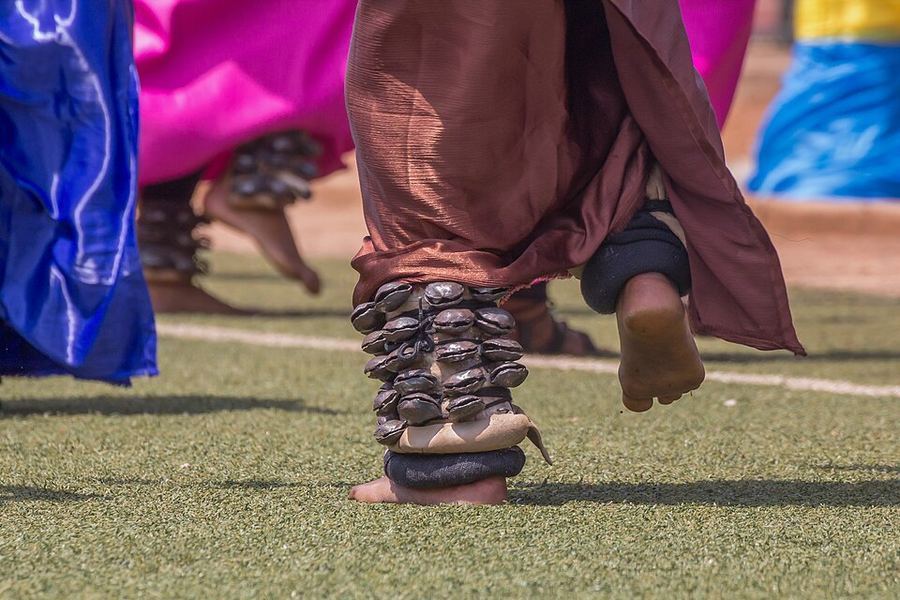
The signature Rwandan performance is the Intore, meaning the chosen ones, a dance descended from the training of the royal warrior corps. Male dancers wear long headdresses of flax fibre that swing like a lion's mane and carry spears and shields, moving in leaping, stamping formations; the accompanying women's dance, umushagiriro or umushayayo, is fluid and undulating, with the arms raised and curved to evoke the horns of cattle. Both are driven by the ingoma, the royal drum ensemble, in which a battery of drummers plays interlocking patterns — an art historically reserved for men until Ingoma Nshya, founded in Huye in 2005 and drawn from both sides of the genocide, established Rwanda's first women's drumming troupe. The melodic instruments are the inanga, a trough zither played to accompany sung narrative poetry, the umuduri musical bow, and the amakondera horns of court processions. The national troupe Urukerereza performs the classical repertoire. Contemporary Rwandan popular music is dominated by gospel and by Afrobeats-influenced artists such as Bruce Melodie, The Ben and Meddy, whose songs circulate across the region.

Cuisine & Misattributed Foods

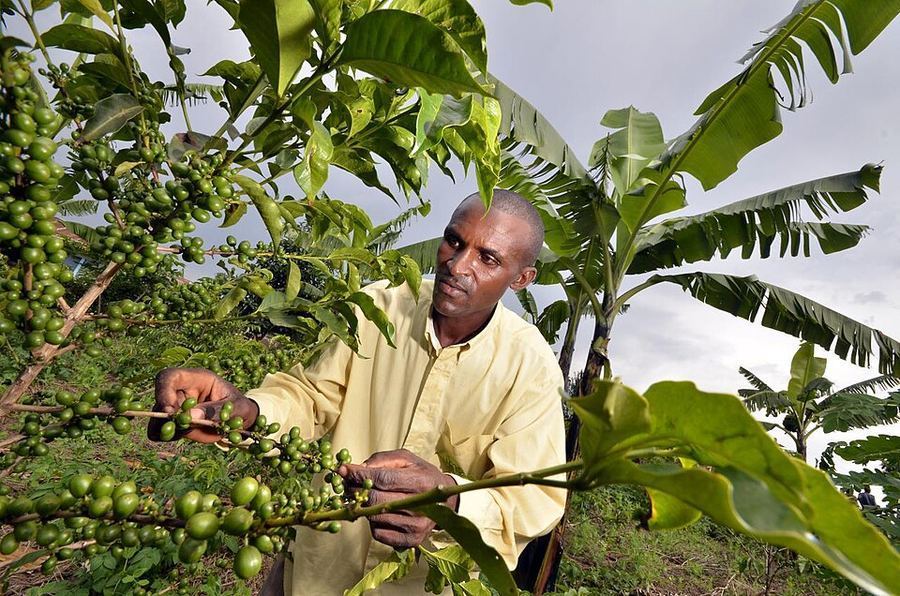
Rwandan cooking is starch-centred, gently seasoned and built on what the hills produce. The staple is ubugali, a stiff paste of cassava or maize flour eaten by hand and dipped into sauce, alongside boiled or fried ibirayi potatoes, beans, and ibitoke — cooking bananas served as a savoury mash or stew. The classic accompaniment is isombe, cassava leaves pounded and simmered slowly with onion, palm oil and often aubergine or smoked fish. Meat is eaten in modest quantities: brochettes of goat, beef or fish, grilled over charcoal and served with a roasted plantain, are the standard evening food of any bar, and akabenzi, fried pork, is a weekend indulgence. Rwanda's mid-day buffet, a spread of a dozen starches and stews charged by the plate, is the everyday urban meal. Milk holds cultural weight far beyond its calories, and Kigali's milk bars serve ikivuguto, a thick fermented milk, by the mug. Beverages include urwagwa banana beer and ikigage sorghum beer for ceremonies. Rwanda's high-altitude bourbon arabica coffee and its tea are among the country's most valuable exports.

National Dress

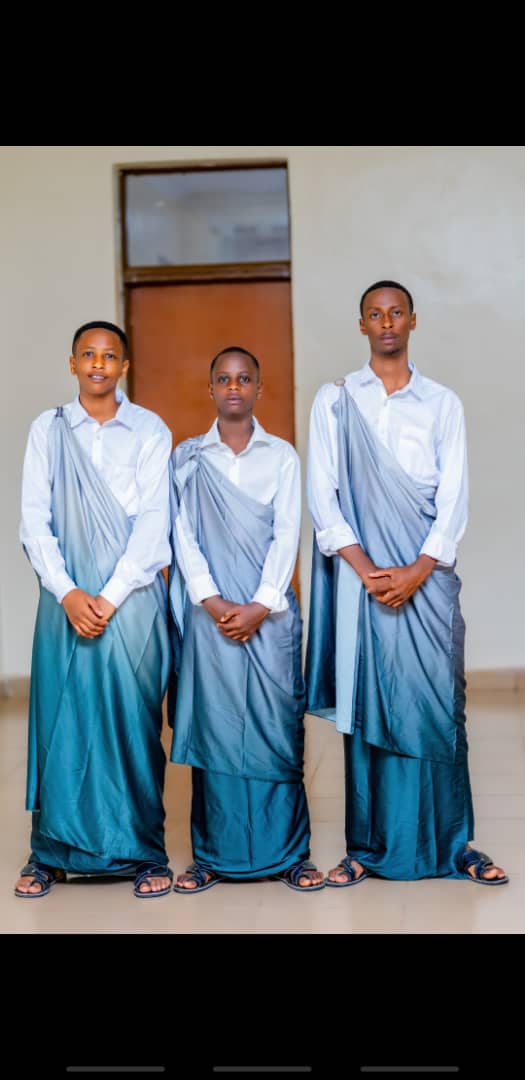
The Rwandan national dress for women is the umushanana, a two-piece ceremonial outfit consisting of a long wrapped skirt worn to the ankle and a sash of light fabric draped diagonally over one shoulder and pinned, leaving the arms free and the drape falling behind. Traditionally made in undyed or plain cloth, it is now made up in bright silks, chiffons and printed fabrics, and it is the expected dress for brides, bridesmaids and guests at the gusaba engagement ceremony, as well as for women representing Rwanda at official events. Men wear the umwitero, a cloth draped over one shoulder, over a tunic or shirt, and carry a staff or spear in ceremonial contexts. Historically, distinctive crescent-shaped amasunzu hairstyles, sculpted into ridges and crests, signalled age, status and marital availability, and they have had a revival among Rwandan designers and photographers. The visual vocabulary of Rwandan dress and craft returns constantly to the cow: horn curves in hairstyles, in dance gesture, and in the conical lid of the woven agaseke basket that appears on the national coat of arms.

Sports & Inspiring Athletes

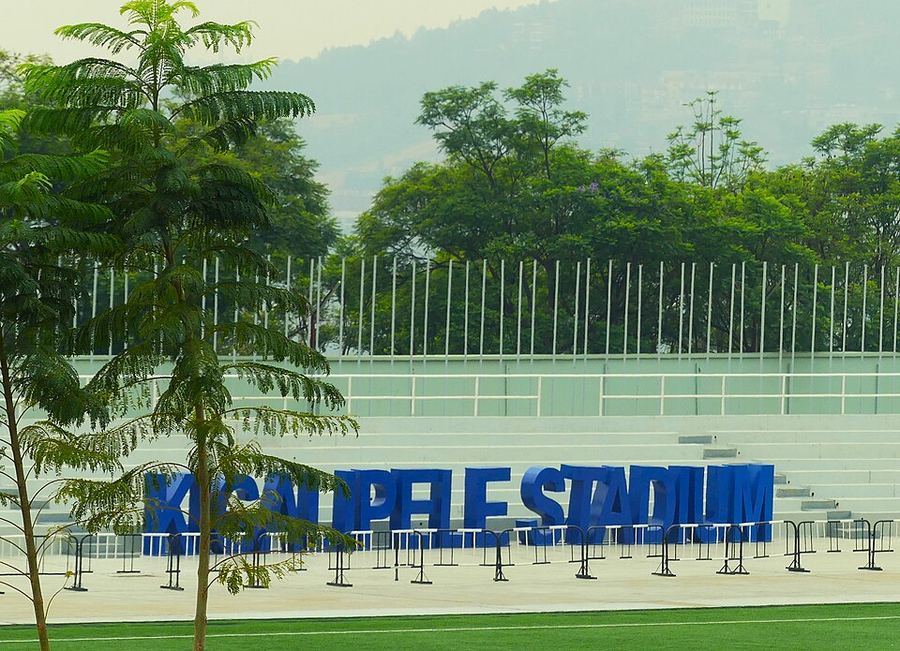
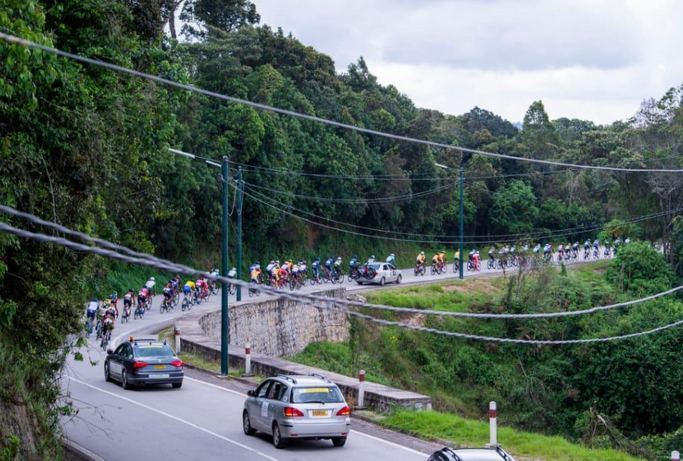
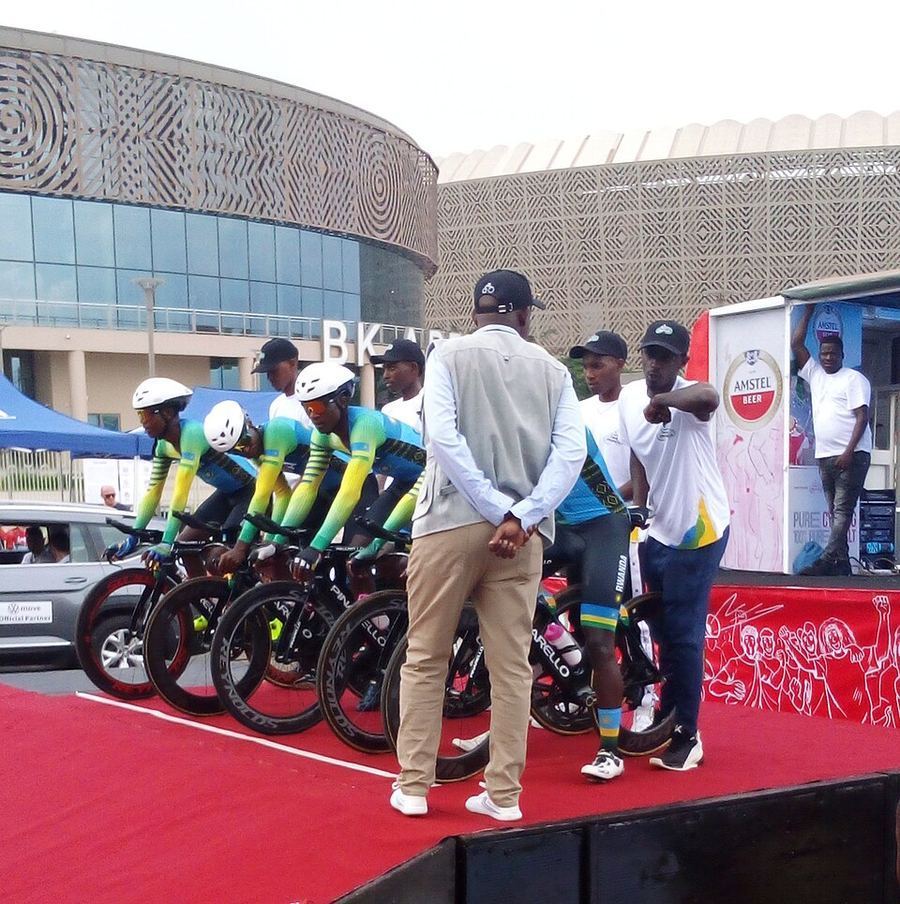
Cycling is Rwanda's national sport in a way that is unusual in Africa. The Tour du Rwanda, run since 1988 and upgraded to a UCI-ranked international stage race in 2019, draws enormous roadside crowds through the hills, and the Africa Rising Cycling Center at Musanze has served as a training base for riders from across the continent. Adrien Niyonshuti became the emblem of the sport, riding for Rwanda at the 2012 London Olympics after losing six brothers in the genocide. Football, run by the national side known as the Amavubi, or wasps, remains the mass-participation game; Rwanda's high point was qualifying for the Africa Cup of Nations in 2004. Basketball has grown quickly on the back of new facilities, and the BK Arena in Kigali, opened in 2019, is one of the best indoor venues in the region. Volleyball, athletics and, in schools, handball are widely played. Rwanda has competed at the Summer Olympics since 1984, and joined the Commonwealth Games movement after entering the Commonwealth in 2009.
IOCOlympediaFIFACommonwealth Games Federation

Notable Educational Programs

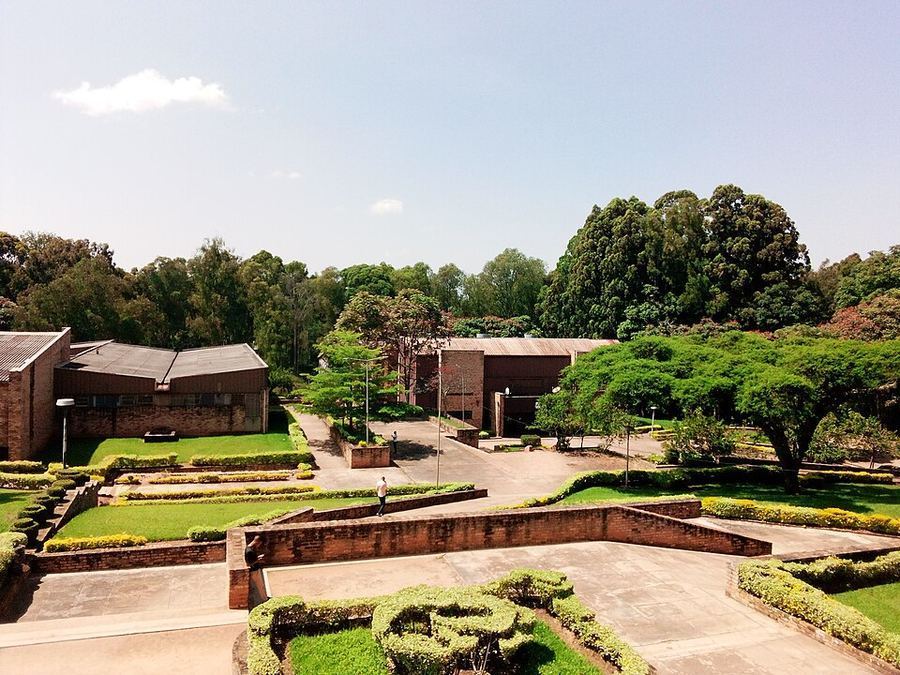
Rwanda has pushed hard on access, adopting a Nine-Year and then a Twelve-Year Basic Education policy that made schooling free and universal through secondary level, with primary enrolment now near-universal and a strong emphasis on gender parity. The most consequential single decision was the 2008 switch of the medium of instruction from French to English across the school system, made to align the country with the East African Community and global markets — a rapid change that required mass retraining of teachers and remains a subject of debate about learning outcomes. Higher education was consolidated in 2013 when several public institutions merged to form the University of Rwanda, now the country's main degree-granting body. Kigali has also become a hub for international campuses: Carnegie Mellon University Africa opened there in 2011, the first US research university to operate a degree-granting campus on the continent, and African Leadership University established a campus in the city. The University of Global Health Equity at Butaro trains physicians for rural practice, and the Rwanda Coding Academy focuses secondary students on software skills.

Wars & Conflicts

The defining event of Rwanda's modern history is the 1994 genocide against the Tutsi. Following the shooting down of President Habyarimana's aircraft on 6 April 1994, government forces, the Interahamwe militia and mobilised civilians killed an estimated 800,000 or more people, overwhelmingly Tutsi along with Hutu who opposed the killing, in roughly a hundred days, while a small United Nations force stood by under a mandate that was not strengthened. The Rwandan Patriotic Front ended the genocide militarily by July, and around two million people, including many perpetrators, fled into what was then Zaire. The UN Security Council established the International Criminal Tribunal for Rwanda in November 1994; sitting at Arusha, it convicted 62 people, including a former prime minister, and closed in 2015, while the gacaca courts handled roughly two million cases domestically. The exodus fed directly into the First and Second Congo Wars, in which Rwanda intervened repeatedly from 1996. Eastern Congo remains unresolved: the M23 rebellion resumed in 2021, and successive UN Group of Experts reports have documented Rwandan support for it, which Kigali denies.
Current as of 2026-08-07

Land & Border Disputes

Rwanda's borders are settled and it has no significant territorial claim against a neighbour; its disputes are political and security-based. The most serious concerns the eastern Democratic Republic of the Congo, where the M23 armed group has operated in North Kivu since 2021 and where UN Group of Experts reporting has found evidence of Rwandan military support, an allegation Kigali rejects while pointing to the continued presence in Congo of the FDLR, a group founded by perpetrators of the 1994 genocide. Relations with Burundi have swung between open hostility and cautious normalisation, with mutual accusations of hosting rebel movements and periodic border closures. The land border with Uganda at Gatuna was closed by Rwanda in 2019 amid mutual accusations of espionage and interference and reopened in early 2022. Separately, the migration partnership signed with the United Kingdom in 2022, under which asylum seekers would be relocated to Rwanda, was ruled unlawful by the UK Supreme Court in November 2023 and abandoned by the incoming British government in July 2024, ending a two-year diplomatic controversy.
Land, Life & Legacy

Land & Climate

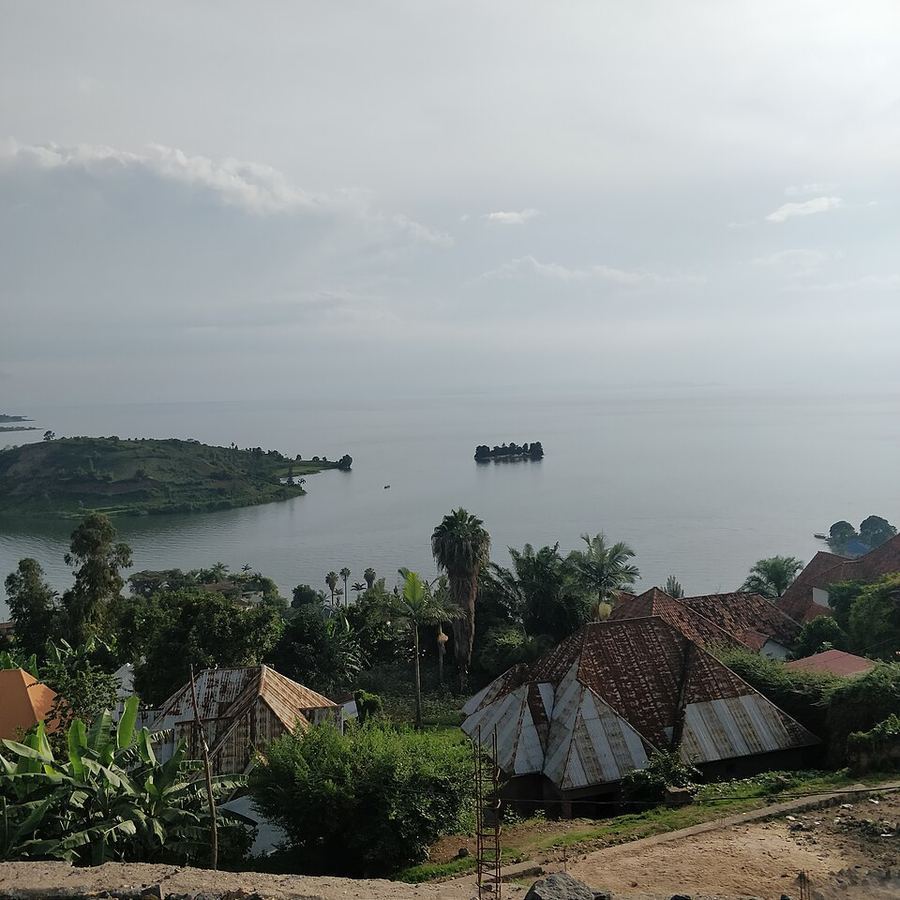
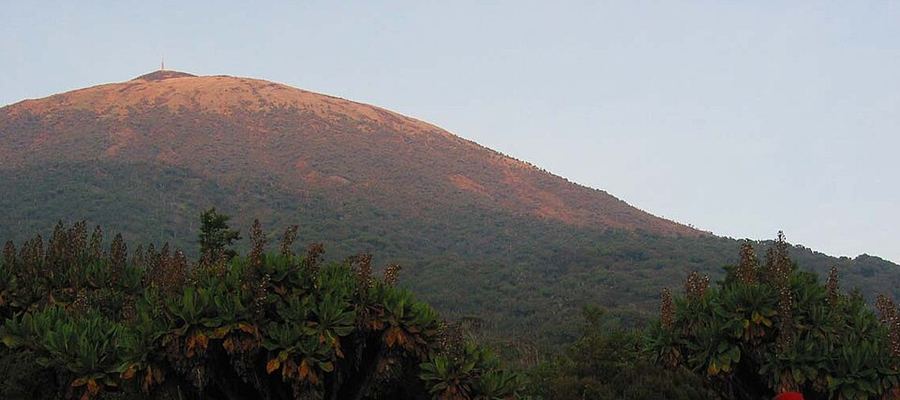
Rwanda is a compact, high, corrugated country of roughly 26,000 square kilometres, almost entirely above 1,000 metres and rising westward. Its nickname, the Land of a Thousand Hills, describes a landscape of steep ridges terraced and cultivated nearly to the summits, which makes Rwanda one of the most densely populated countries in Africa and gives it acute pressure on land and erosion risk. The north-west is dominated by the Virunga chain of volcanoes, where Mount Karisimbi reaches 4,507 metres, the country's highest point, beside Bisoke and Muhabura. The western border runs down Lake Kivu, one of a small number of lakes worldwide holding vast volumes of dissolved carbon dioxide and methane in its deep waters — a hazard that is also now a fuel resource. The Congo–Nile divide runs north to south through the country's western highlands, and a stream in Nyungwe Forest is one of the contenders for the most remote headwater of the Nile. Despite lying just south of the equator, altitude gives Rwanda a temperate climate with mild temperatures year-round and two distinct rainy seasons.

Entertainment

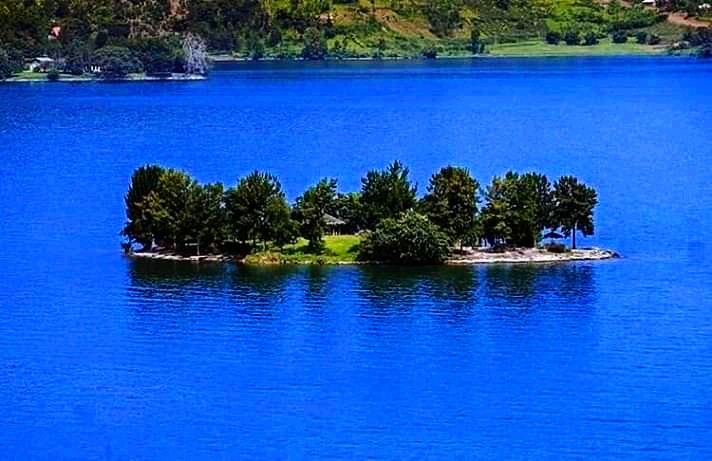
Rwanda's premium leisure experience is gorilla trekking in Volcanoes National Park, a strictly limited, permit-controlled hike to spend an hour with a habituated family; the annual Kwita Izina ceremony, held since 2005, names the year's newborn gorillas in a public event that has become a fixture of the national calendar. Nyungwe offers rainforest hiking and a suspended canopy walkway, and Akagera provides savannah game drives and boat trips on Lake Ihema. Lake Kivu is the country's holiday coast, with beaches and hotels at Rubavu and Karongi and the 227-kilometre Congo Nile Trail running along its shore for hikers and cyclists. In Kigali, the twice-monthly Car Free Day closes central roads for mass public exercise and free health screening, and the city's art spaces, notably the Inema Arts Center, double as bars and music venues. Everyday leisure means football and basketball — watched in crowded bars and played on every available flat surface — long evenings over brochettes, and church activities. Domestic tourism has been actively promoted through discounted park access for Rwandan residents.

Art & Museums

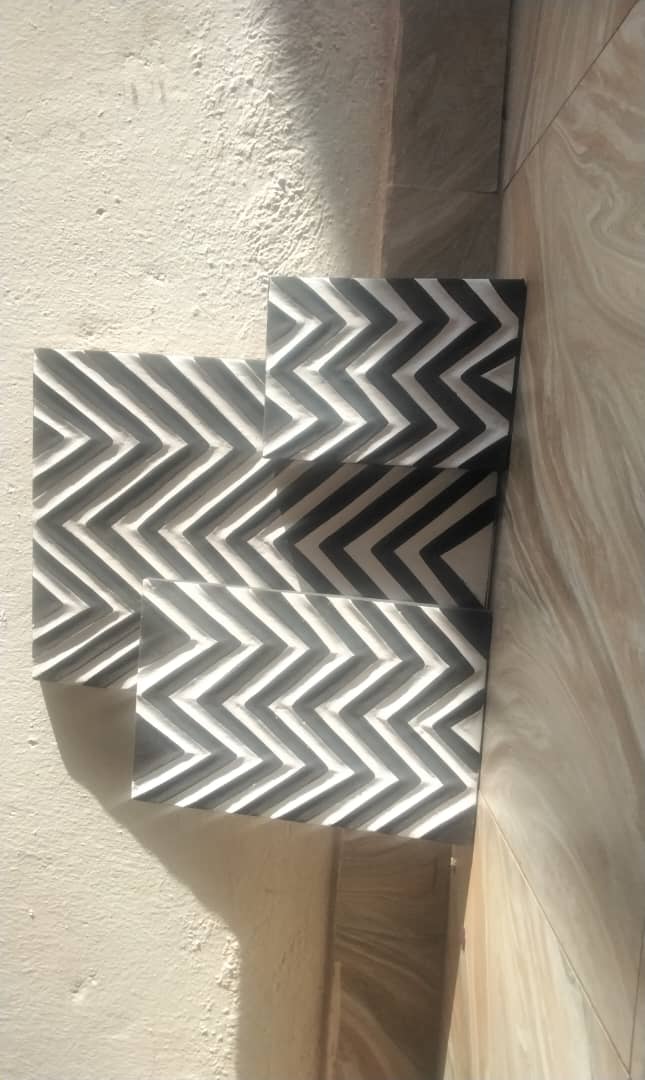
Rwanda's most distinctive visual tradition is imigongo, geometric relief painting made with cow dung mixed with ash and clay, built up into ridged spirals, zigzags and diamonds on a board and finished in black, white, red-ochre and cream. The technique is associated with the eastern district of Kirehe and the village of Nyakarambi, and tradition attributes its origin to Prince Kakira, who is said to have decorated the walls of his home; nearly extinguished in the twentieth century, it was revived by women's cooperatives and is now Rwanda's most recognisable design motif. The other great craft is basketry: the agaseke, a tightly coiled sisal basket with a tall conical lid, was given as a gift of trust and appears on the national coat of arms, and it is widely known as the peace basket. Contemporary art is concentrated in Kigali, where Ivuka Arts and the Inema Arts Center, founded in 2012 by the brothers Emmanuel Nkuranga and Innocent Nkurunziza, sustain a generation of painters and sculptors. The Ethnographic Museum in Huye holds one of the strongest material-culture collections in the region, and the Rwanda Art Museum occupies a former presidential residence.

Notable People

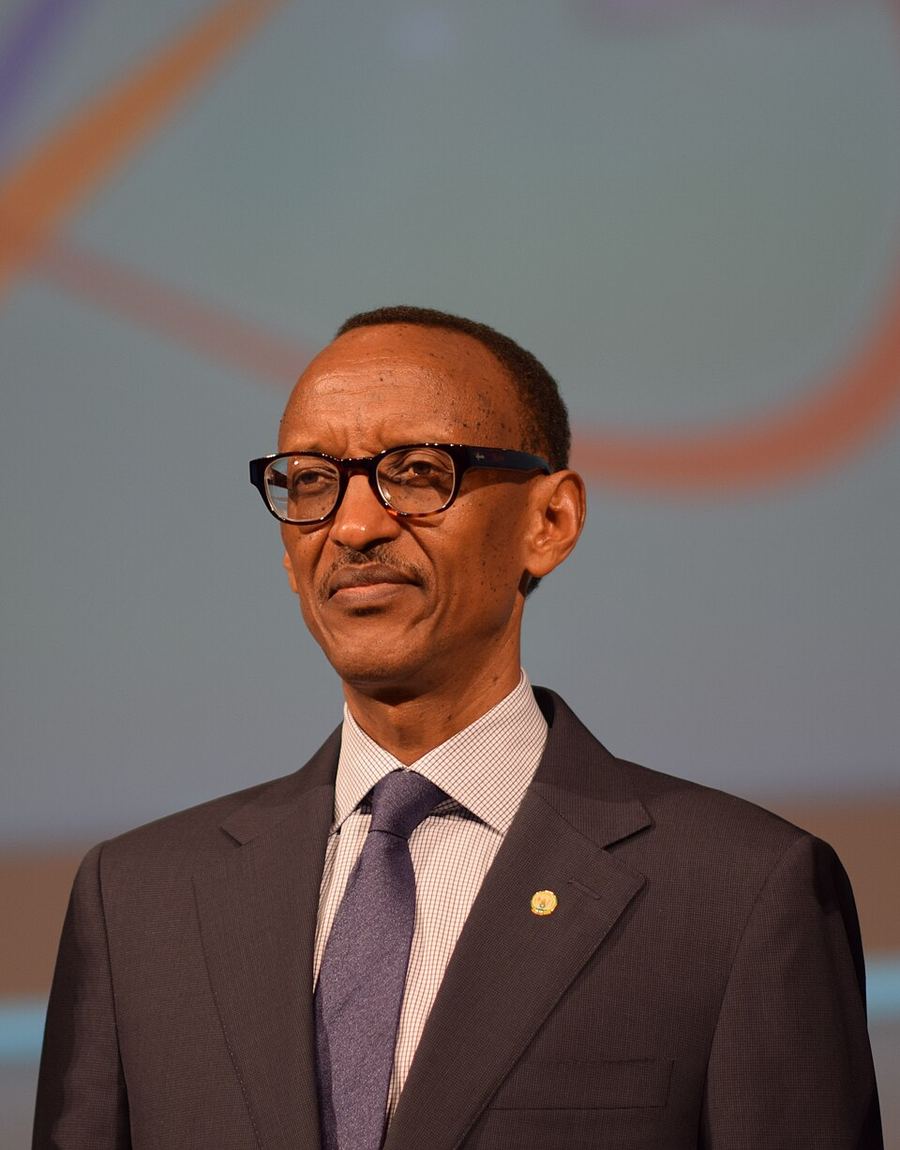
Paul Kagame, who commanded the Rwandan Patriotic Front that ended the genocide in 1994 and has been president since 2000, is the dominant figure in modern Rwandan public life. Louise Mushikiwabo, a former foreign minister, has served since 2019 as Secretary-General of the Organisation Internationale de la Francophonie. Agnès Binagwaho, a paediatrician and former health minister, helped design Rwanda's community health system and co-founded the University of Global Health Equity at Butaro. Immaculée Ilibagiza, who survived the genocide hidden in a bathroom for three months, wrote the widely translated memoir Left to Tell, and Yolande Mukagasana's testimony did comparable work in French. The American primatologist Dian Fossey, though not Rwandan, is inseparable from the country's story: she studied mountain gorillas at Karisoke from 1967 until her murder there in 1985, and she is buried beside them. In sport, the cyclist Adrien Niyonshuti, who lost six brothers in 1994, carried Rwanda's flag at the 2012 London Olympics. Popular musicians including Meddy, The Ben and Bruce Melodie are among the country's most visible contemporary figures abroad.

Inventions & Breakthroughs

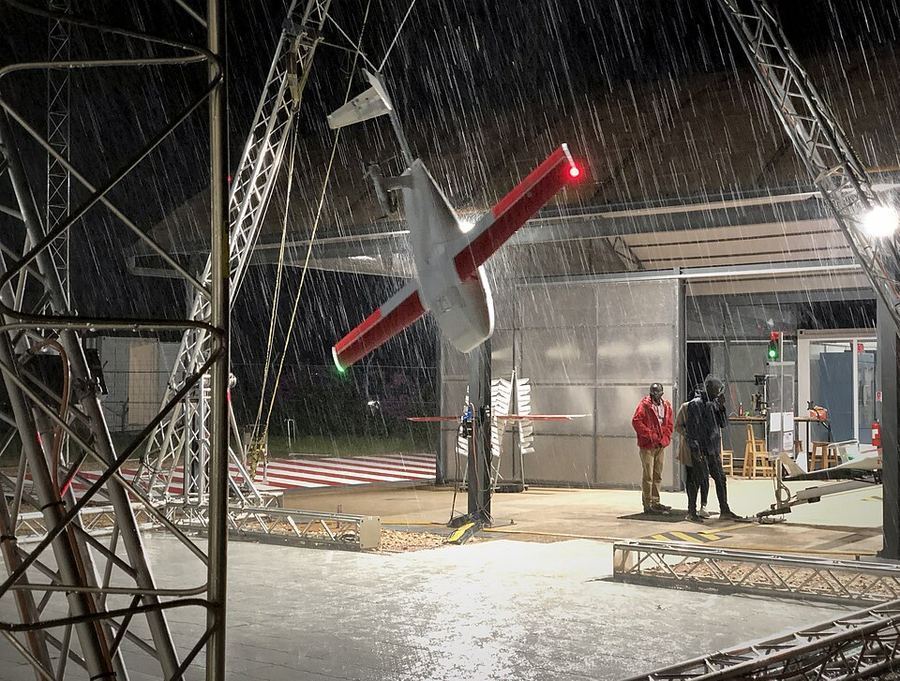
Rwanda's international reputation rests less on invention in the laboratory sense than on being an unusually willing testbed for new systems at national scale. In 2016 it became the first country to build a routine national drone delivery service for medical supplies, launching flights of blood, plasma and platelets from a distribution centre at Muhanga to hospitals across the hills, with a second centre later added at Kayonza; the model has since been exported to other countries. Rwanda's Irembo platform moved hundreds of government services online through a single portal, and a national digital identity underpins them. In justice, the country adapted an indigenous institution into something without close precedent: the gacaca courts, drawn from a customary practice of resolving village disputes on the grass, were reconstituted between 2005 and 2012 to try roughly two million genocide cases in open-air hearings before locally elected lay judges — an experiment in mass transitional justice that is still studied and debated worldwide. In craft, the imigongo technique of relief painting in cow dung is a genuinely Rwandan invention with no equivalent elsewhere.

Science & Technology

Rwanda has positioned technology as a development strategy rather than a sector. The Kigali Innovation City project on the Special Economic Zone was designed to cluster universities, technology firms and research institutes, anchored by Carnegie Mellon University Africa. A national fibre backbone and a 4G network built through a joint venture with Korea Telecom brought broadband to most of the country early by regional standards, and the Irembo portal moved public services online. The Rwanda Space Agency was established in 2020; in 2019 the country's Icyerekezo satellite was launched to deliver internet connectivity to a rural school, and Rwanda has since filed for large satellite constellation allocations. In health, drone delivery of blood products has been routine since 2016, and the community health worker network combined with the Mutuelles de Santé community insurance scheme is credited with sharp falls in child and maternal mortality. In 2023 the German company BioNTech began installing modular mRNA vaccine manufacturing units at a site in Kigali, part of an effort to build African production capacity for vaccines after the disparities exposed by the COVID-19 pandemic.
On The World Stage

Champions & Defining Moments

Rwanda has used sport deliberately as an instrument of national branding. From 2018 the Visit Rwanda campaign began buying sleeve and stadium sponsorship with major European football clubs, starting with Arsenal and followed by Paris Saint-Germain and Bayern Munich, putting the country's name in front of global television audiences and drawing both praise for ambition and criticism over the cost. In cycling, Kigali hosted the UCI Road World Championships in 2025 — the first time the sport's premier annual championship had been staged anywhere in Africa — with courses climbing the city's ridges. Basketball has been the other pillar: the BK Arena in Kigali has been a central venue for the Basketball Africa League, the NBA-backed continental competition launched in 2021, hosting group stages and finals. Rwanda competes at the Summer Olympics through its national Olympic committee and at the Commonwealth Games, with its athletes concentrated in distance running, cycling and swimming, and it regularly bids to host continental federation events and congresses as part of a broader conference-tourism strategy.

IOCReutersBBCCommonwealth Games Federation
Economy, Trade & Government

Currency & GDP

Rwanda Franc — RWF (None)

GDP (PPP): $46.543 billion (2024 est.)

Per capita: $3,300 (2024 est.)

Exports

$3.509 billion (2023 est.)

gold, rare earth ores, coffee, tea, tin ores (2023)

Partners: UAE 66%, China 10%, USA 3%, Kenya 3%, Thailand 2% (2023)

Imports

$5.783 billion (2023 est.)

broadcasting equipment, fish, corn, packaged medicine, plastic products (2023)

Partners: China 19%, Kenya 14%, Uganda 13%, Tanzania 9%, UAE 7% (2023)

Government

Type: presidential republic

Independence: 1 July 1962 (from Belgium-administered UN trusteeship)

Terrain → Where People Live

How mountains, coasts, and rivers shape settlement (LandScan).

Coming — data

Migration & Ethnic Settlement

Where groups settled and how people move (GeoEPR + UNHCR).

Coming — data

Universities

Notable institutions, mappable as points.

Coming — data
Economy & government facts: CIA World Factbook (public domain), via OpenFactBook / factbook.json.
Every fact and narrative claim will carry a visible source citation. Data-driven sections light up automatically wherever HERA has coverage.