HERA · Human Entity Reference Atlas by Masego Inc

← Saudi Arabia 🌐 3D View
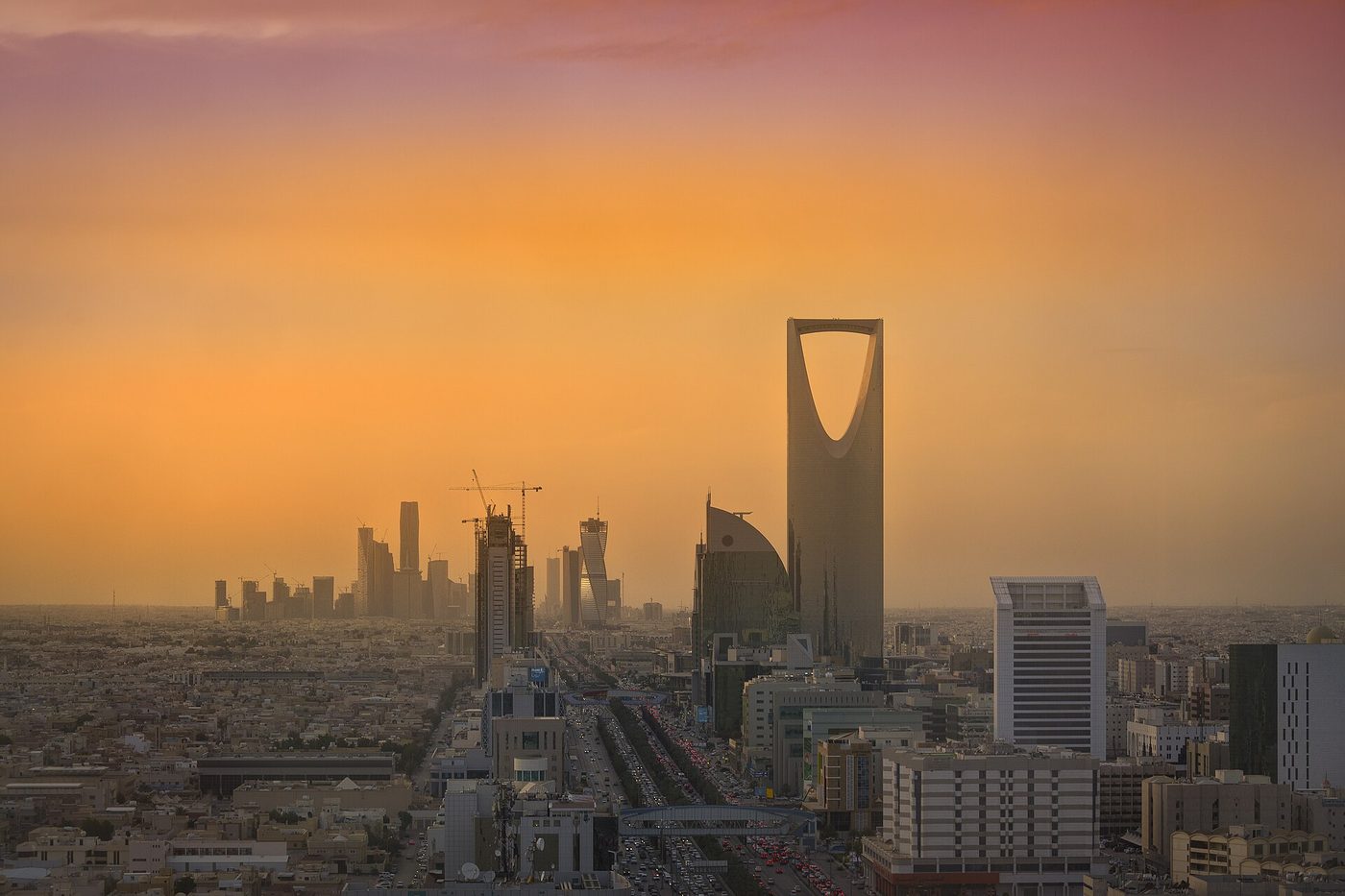
Kingdom Centre Riyadh, Saudi Arabia
Saudi Arabia SAU
Kingdom Centre Riyadh — Photo: B.alotaby / CC BY-SA 4.0 via Wikimedia Commons
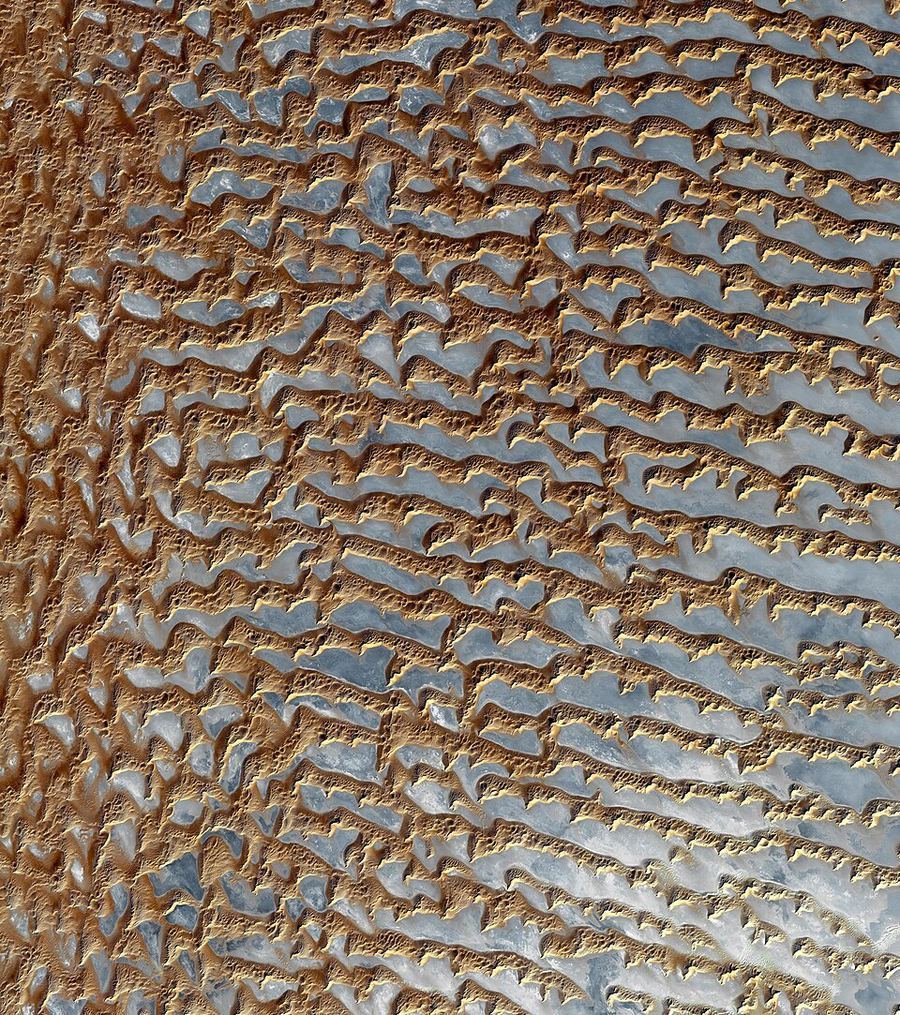
Did You Know The Rub' al Khali, or Empty Quarter, in Saudi Arabia's south-east is the largest continuous sand desert on earth, with dunes reaching over 200 metres. — Encyclopaedia Britannica

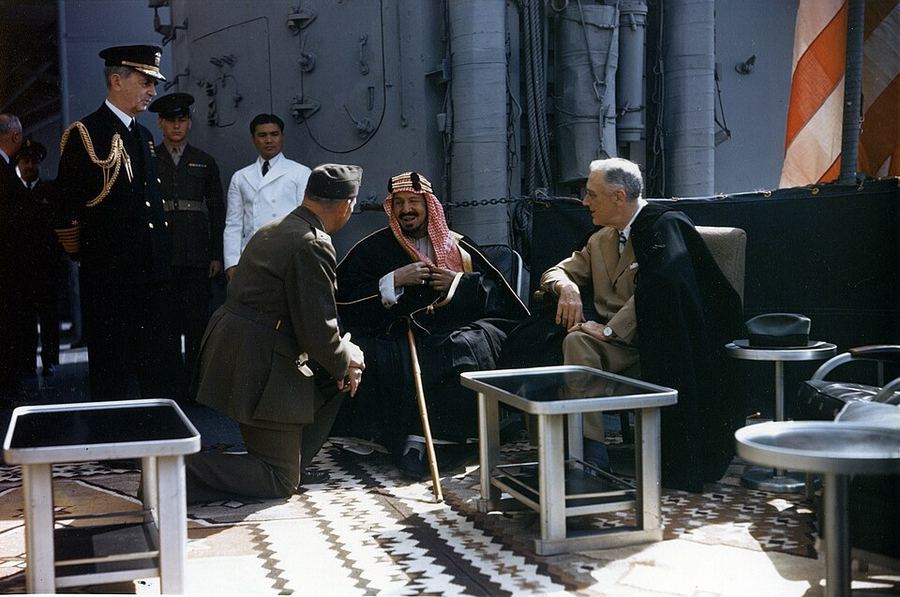
Saudi Arabia is an absolute monarchy of about 36.5 million people occupying roughly four-fifths of the Arabian Peninsula, between the Red Sea and the Persian Gulf. Riyadh, in the interior region of Najd, is the capital and largest city; Jeddah is the commercial port on the Red Sea, and Mecca and Medina, the two holiest cities of Islam, sit in the western Hejaz. The kingdom was unified in 1932 by Abdulaziz ibn Saud, and the discovery of oil in commercial quantity six years later transformed a poor desert territory into one of the world's decisive energy producers; Saudi Aramco holds some of the largest proven reserves on earth, and crude and refined petroleum still dominate exports, with China, India and Japan as the leading buyers. Arabic is the sole official language and Islam the official religion, with citizens overwhelmingly Sunni and a Shia minority concentrated in the Eastern Province; a very large expatriate workforce, drawn mainly from South and Southeast Asia and other Arab states, makes up a substantial share of residents. The king holds the title Custodian of the Two Holy Mosques. Since 2016 the Vision 2030 programme has driven rapid social and economic change aimed at reducing dependence on oil.

CIA World FactbookEncyclopaedia BritannicaIMF
Population
36,544,431
Capital
Riyadh
Currency
﷼ SAR
Time zones
Largest city
Riyadh
Human Geography Themes
Loading national figures…
Largest Cities
Riyadh7,970,319
Jeddah4,842,257
Dammam2,634,829
Mecca1,876,451
Medina1,565,146
Al Ahsa796,536
At Ta'if614,644
Tabuk586,538
In Perspective

Riyadh's urban core is home to about 7,970,319 people.

That's bigger than Madrid, Toronto, Chicago and Sydney — each a great world city in its own right.

Riyadh7,970,319
Madrid5,680,137
Toronto5,566,382
Chicago5,318,735
Sydney4,375,394

Among the world's megacities, though, it's one of many — the giants of Asia and Latin America run larger still:

Riyadh7,970,319
Jakarta40,545,126
Dhaka37,307,160
Tokyo33,244,670
Shanghai30,678,616
Cairo25,230,325

More people live in Riyadh than in the entire nation of Denmark, Singapore, Finland or Norway.

The Country & Its People

History

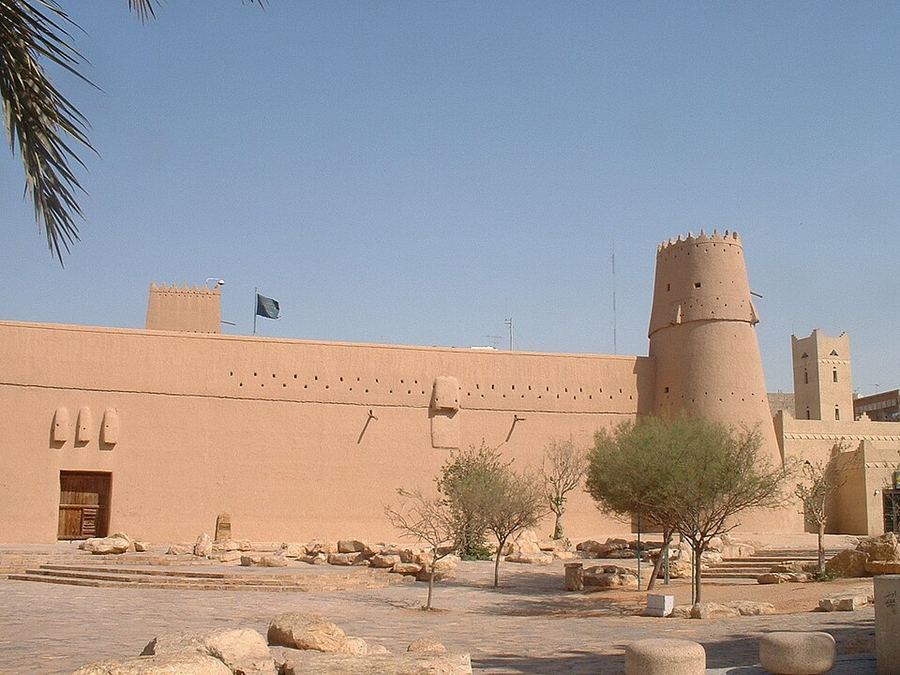
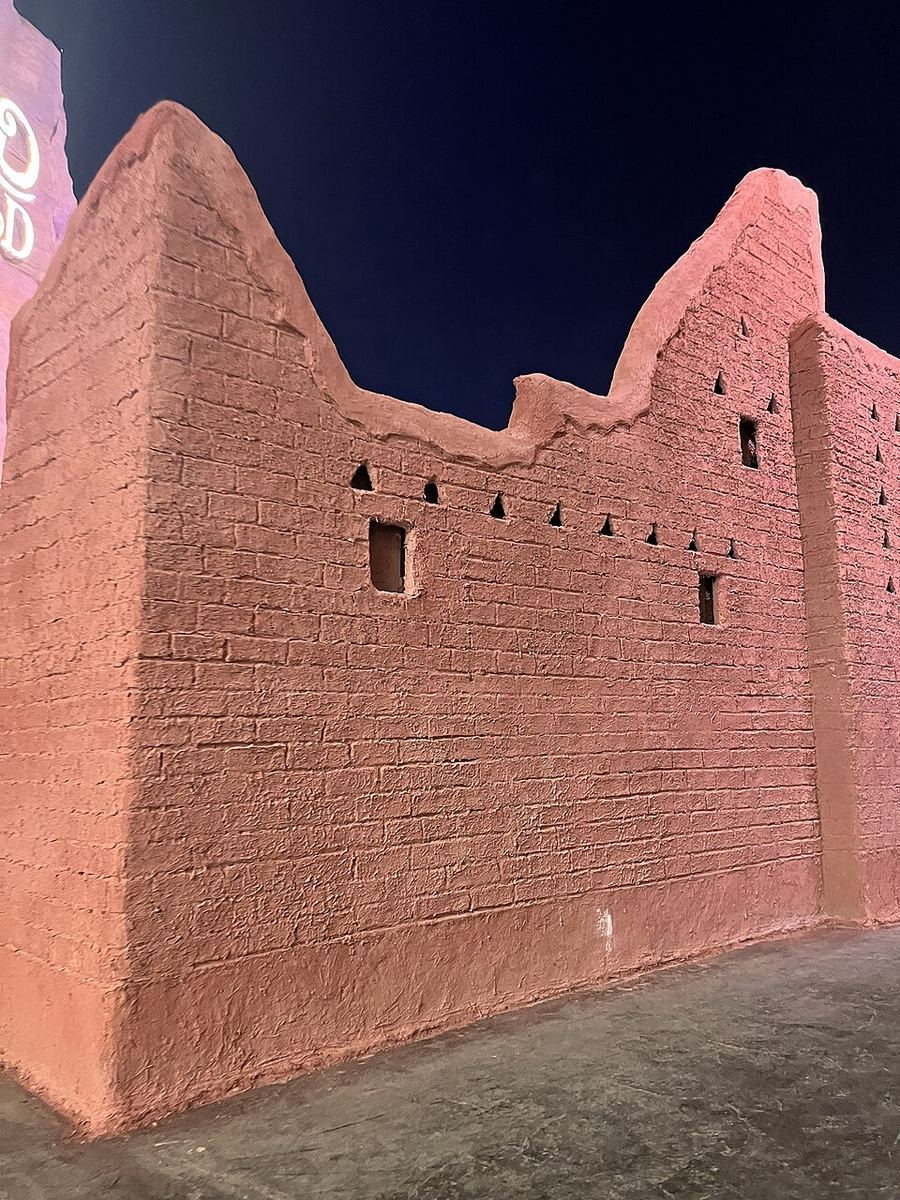
The peninsula's central place in world history begins with the birth of Islam: Muhammad was born in Mecca around 570, and after the migration to Medina in 622 the new faith spread outward within a century, though the political capitals soon moved to Damascus and Baghdad. The Saudi state itself dates from a pact made in 1744 at Diriyah between Muhammad ibn Saud, the local emir, and the religious reformer Muhammad ibn Abd al-Wahhab — an alliance of dynasty and doctrine that has structured the country ever since. This first Saudi state expanded across much of the peninsula before Egyptian forces acting for the Ottomans destroyed Diriyah in 1818. A second state centred on Riyadh lasted through the nineteenth century until rival Rashidi rulers ended it. The modern kingdom was rebuilt by Abdulaziz ibn Saud, who retook Riyadh in a night raid on the Masmak fortress in 1902, absorbed the Hejaz and its holy cities by 1925, and proclaimed the Kingdom of Saudi Arabia on 23 September 1932. Oil was struck at Dammam Well No. 7 in 1938, and the wealth that followed underwrote a rapid transformation. Later landmarks include the 1973 oil embargo under King Faisal, the 1979 seizure of the Grand Mosque, the 1990–91 Gulf War, and the Vision 2030 reform programme launched in 2016.
Culture

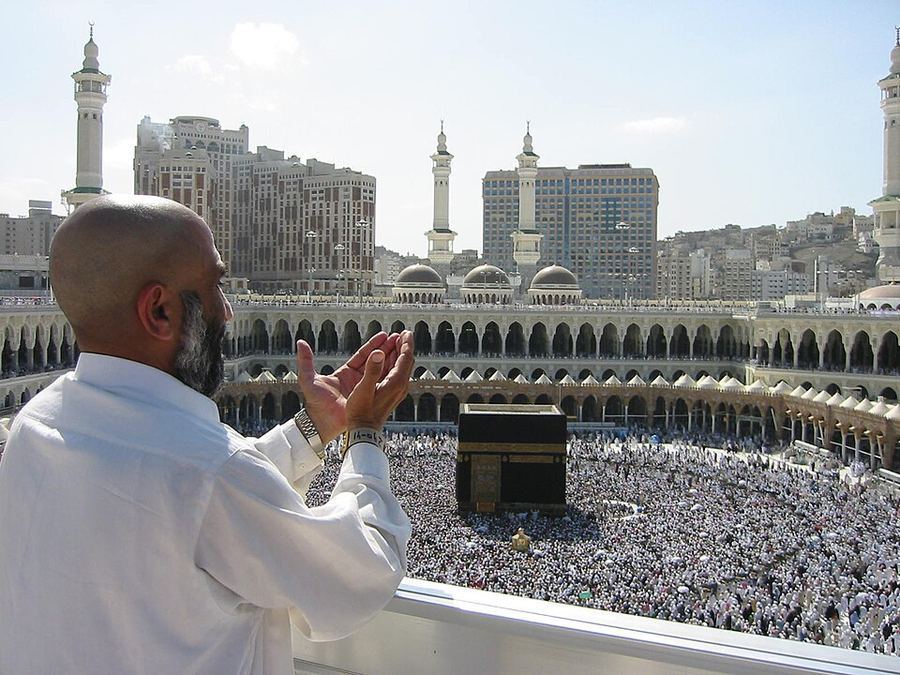
Saudi culture is organised around Islam, family and tribe. The kingdom holds Islam's two holiest sites — the Masjid al-Haram in Mecca, containing the Kaaba toward which Muslims worldwide pray, and the Prophet's Mosque in Medina — and hosting the annual Hajj pilgrimage, which draws well over a million people from abroad, is a defining national responsibility. The rhythm of the year runs on the Islamic calendar: Ramadan reorders daily life around the fast and the evening iftar, and the two Eids are the great family occasions. Descent and extended family remain central, and the majlis — a reception room and the practice of open sittings where men gather to talk, receive petitions and settle matters — is recognised by UNESCO as intangible cultural heritage. Hospitality is highly ritualised around Arabic coffee, lightly roasted and spiced with cardamom, poured from a dallah into small handleless cups and served with dates; the practice is itself UNESCO-listed. Nabati poetry, composed in vernacular Arabic rather than classical, retains extraordinary popular prestige. Since 2016 the social texture has changed quickly, with cinemas, concerts and mixed public entertainment reintroduced and women permitted to drive from June 2018.

Points Of Pride

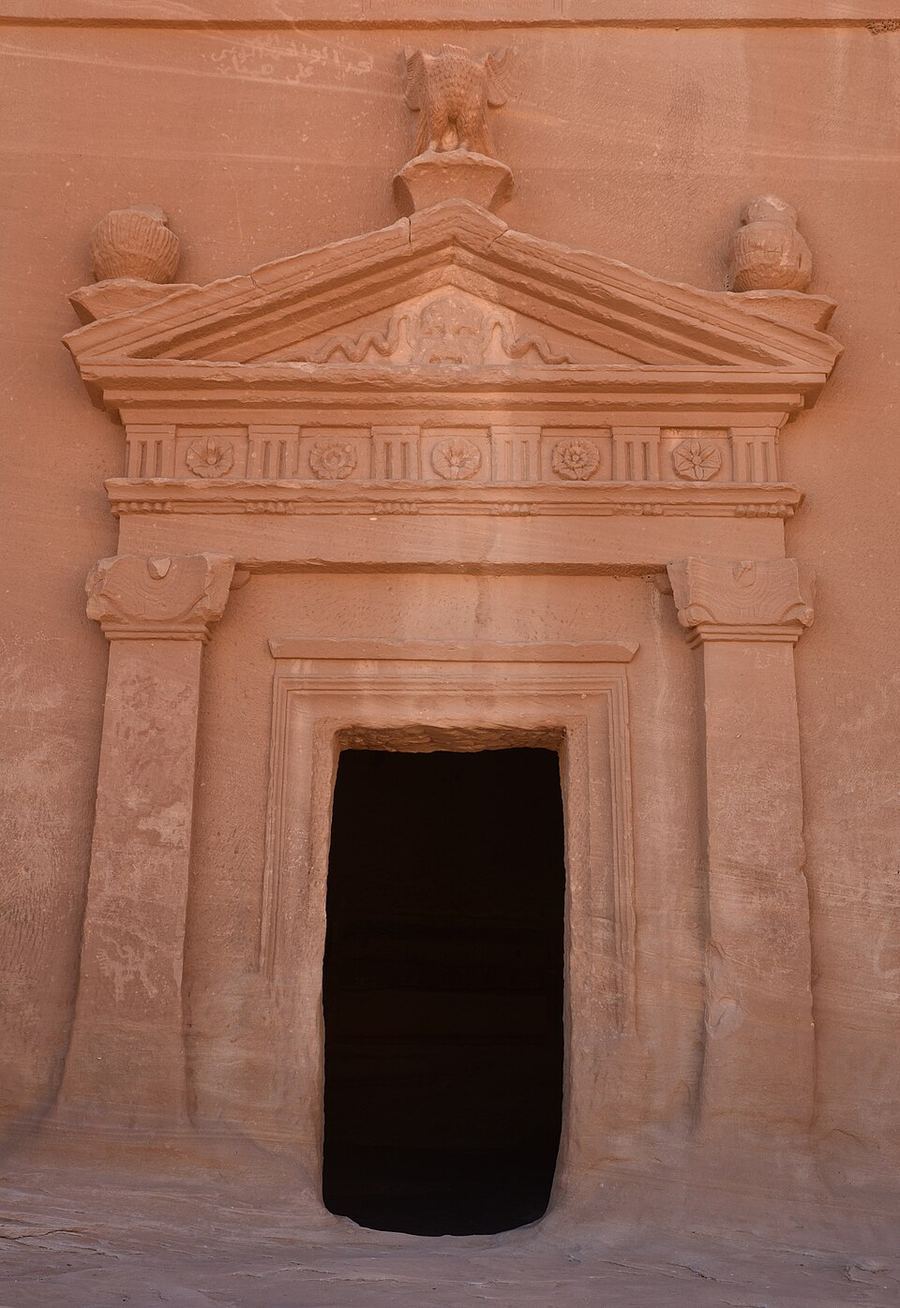
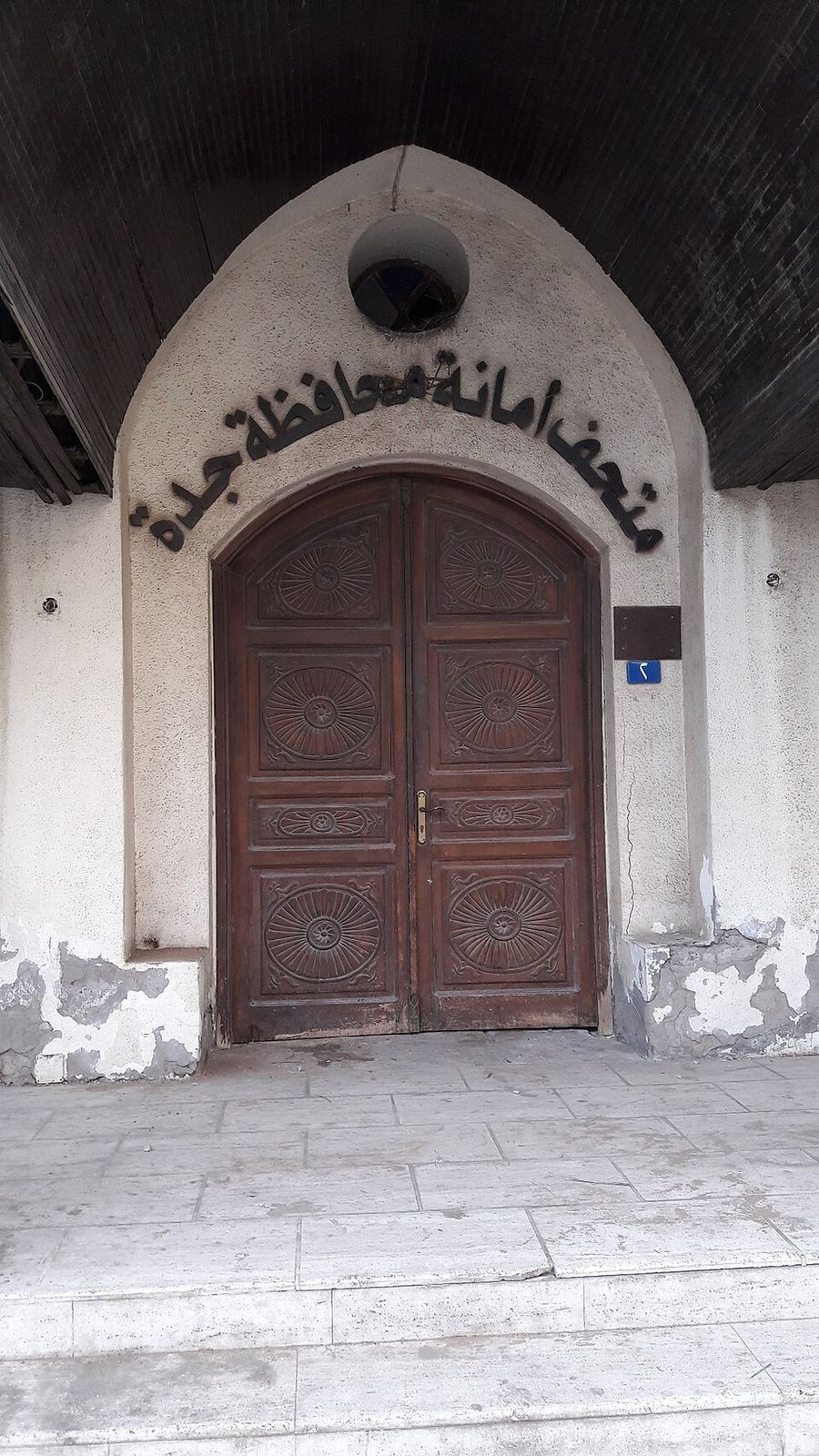
Custodianship of Mecca and Medina is the kingdom's foremost source of standing in the Muslim world, and the vast expansions of the Grand Mosque and the Prophet's Mosque are presented as national undertakings. Saudi Arabia has seven UNESCO World Heritage sites. Hegra, near AlUla, was the first, inscribed in 2008: the southern city of the Nabataeans, with more than a hundred monumental tombs carved into sandstone outcrops. At-Turaif in Diriyah, the mud-brick district where the first Saudi state was founded, followed in 2010, and Historic Jeddah — the coral-stone merchant houses of Al-Balad with their carved wooden rawasheen screens, long the gateway for pilgrims arriving by sea — in 2014. The rock art of the Hail region at Jubbah and Shuwaymis, inscribed in 2015, and the Ḥimā cultural area near Najran, inscribed in 2021, preserve tens of thousands of years of carved images and inscriptions. Al-Ahsa, listed in 2018, is among the largest oases in the world, with millions of date palms fed by artesian springs. ʿUruq Bani Ma'arid, on the western edge of the Empty Quarter, was inscribed in 2023 as the kingdom's first natural site and is where the Arabian oryx was returned to the wild.

Cultural Fusion

Saudi Arabia's regions differ more than outsiders often expect. The Hejaz, in the west, has been cosmopolitan for centuries because pilgrims stayed: Jeddah and Mecca hold families of Indonesian, Indian, Hadhrami, Bukharan, Turkish and West African descent, and Hejazi speech, food and the mizmar dance carry that inheritance. Najd, the central plateau from which the ruling family comes, is more homogeneously tribal and is the source of the Ardah and of Nabati poetry. The Eastern Province, on the Gulf, has old agricultural oases at Al-Ahsa and Qatif, a substantial Shia population, and cultural links across the water to Bahrain and Iraq, overlaid by the international company town that grew around the oil industry at Dhahran. Asir, in the mountainous south-west, has terraced farming, monsoon rain and cultural affinities with Yemen, including its own building styles and the painted interiors of Al-Qatt Al-Asiri. Above all this sits the expatriate population — millions of Indian, Pakistani, Bangladeshi, Filipino, Egyptian, Yemeni and Sudanese workers whose languages, restaurants and remittances are woven into daily life in every Saudi city.

Music & Dance

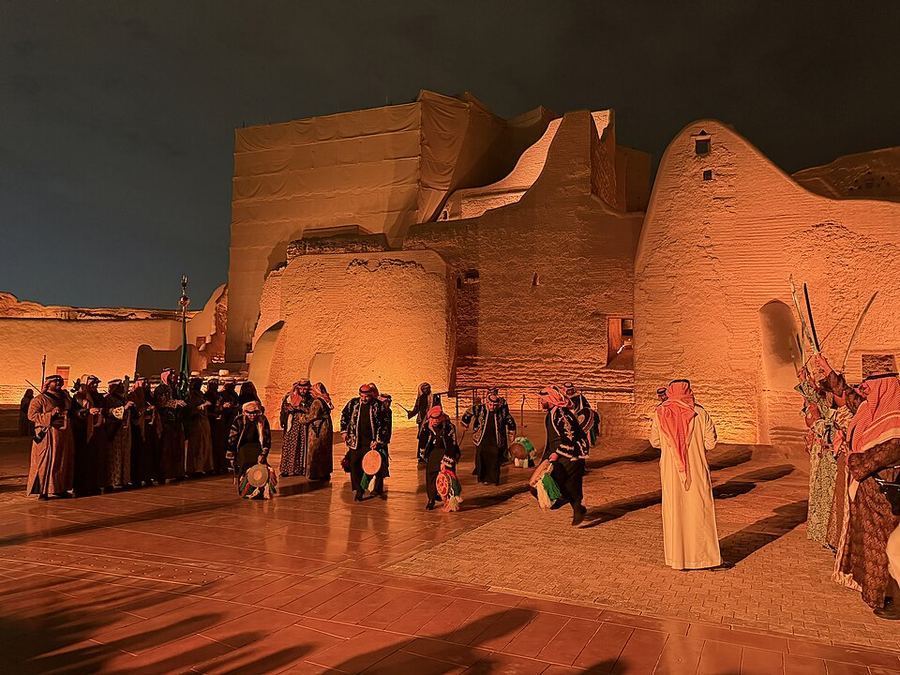
The best-known Saudi performance is the Alardah Alnajdiyah, the Najdi ardah, inscribed by UNESCO as intangible cultural heritage in 2015. Two facing rows of men carrying swords advance and sway in unison to large tabl drums while a poet chants verses that the lines answer — a war dance turned into the standard expression of national ceremony, performed at Founding Day and National Day and when the king receives guests. Regional forms are distinct: the Hejaz has the mizmar, danced to a shrill double-reed pipe of the same name and often performed with a stick; Najd has the samri, in which seated singers play daff frame drums; Taif has al-majrour; and the south has its own ardah variants. The core instruments are the oud, the rebab, the daff and the tabl. In popular music the towering figure is Mohammed Abdu, known across the Arab world as the Artist of the Arabs, alongside Talal Maddah and Abdul Majeed Abdullah. Since restrictions on public performance were lifted after 2017, large-scale concerts have returned, and the MDLBEAST Soundstorm festival in Riyadh has become one of the region's biggest electronic music events.

Cuisine & Misattributed Foods

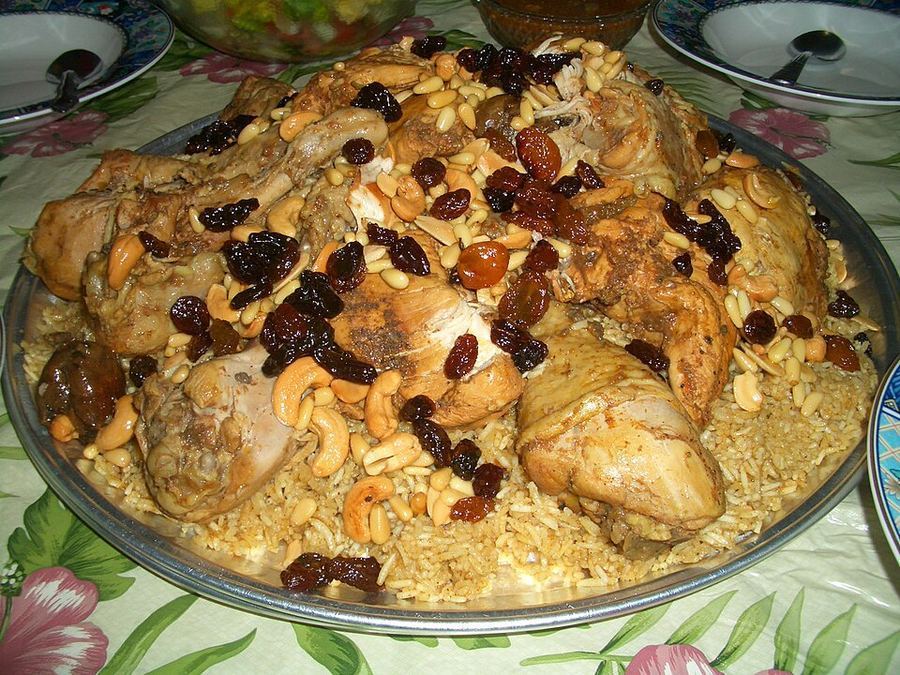
The national dish is kabsa, long-grain rice cooked with meat — usually chicken, lamb or camel — and a spice blend of black lime, cardamom, cinnamon, clove and saffron, served on a communal platter and eaten with the right hand, often with a tomato-chilli relish called daqqus. Mandi and madhbi, of Yemeni origin, cook meat over or beneath coals in a pit and are ubiquitous in restaurants. Regional dishes include Hejazi saleeg, a soft rice cooked in milk and broth, and mutabbaq, a thin stuffed pancake folded around spiced mince or egg; Najdi jareesh, made from crushed wheat; and marqooq, a stew thickened with hand-stretched flatbread. Ramadan brings samboosa, soups and luqaimat, fried dough balls in date syrup. Dates are both staple and symbol — the kingdom is among the world's leading producers, and varieties are named and graded with connoisseurship, from the Ajwa of Medina to the Sukkari of Qassim. Camel meat and camel milk remain part of the diet. Arabic coffee, served alongside dates, opens almost every social encounter, and Saudi Arabia's specialty coffee scene has grown rapidly in the cities.

National Dress

Saudi men wear the thobe, an ankle-length tailored robe, white and lightweight in summer and in darker, heavier wool in winter. On the head goes a ghutra, plain white, or a shemagh, the red-and-white checked cloth, draped over a skullcap and held in place by the igal, a doubled black cord that descends from the camel hobble. For formal occasions a bisht is worn over the thobe — a fine, translucent cloak of camel hair or wool, edged in gold thread, worn by kings, officials and bridegrooms, and given as a mark of honour. Women's public dress is the abaya, a loose black over-garment worn over ordinary clothes, commonly with a headscarf and, for many, a face veil; beneath it, regional dresses can be richly embroidered, and Asiri, Najdi and Hejazi embroidery traditions each have their own palettes and stitches. Since 2019 the requirement that foreign women wear the abaya has been relaxed in favour of a general expectation of modest dress, and Saudi designers have made a visible business of reinterpreting both the abaya and the thobe in contemporary cuts.

Sports & Inspiring Athletes

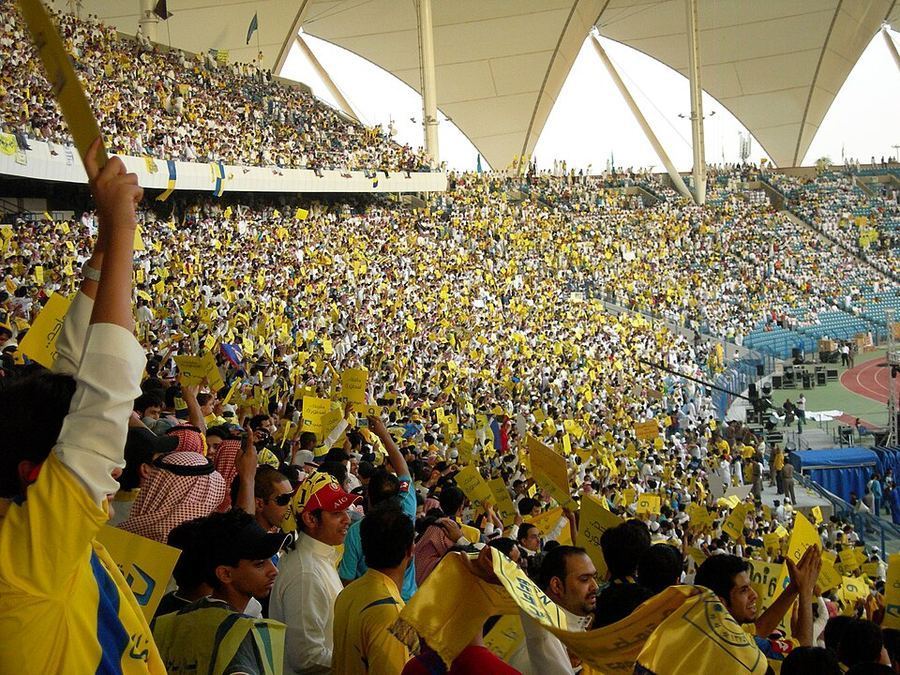
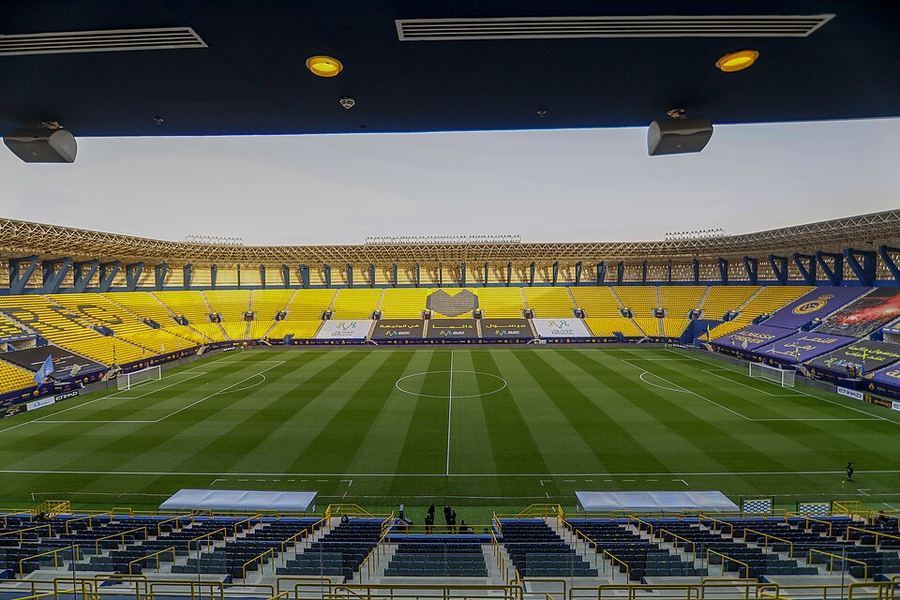
Football is overwhelmingly the national sport. The Saudi Pro League is among Asia's strongest, and Al-Hilal of Riyadh is the most successful club in the history of the AFC Champions League, with Al-Nassr, Al-Ittihad and Al-Ahli its principal rivals. The national team, the Green Falcons, won the AFC Asian Cup in 1984, 1988 and 1996 and reached the last sixteen at its first World Cup in 1994, where Saeed Al-Owairan's solo run and finish against Belgium became one of the tournament's most replayed goals; at Qatar 2022 the side beat Argentina, the eventual champions, in the opening round. From 2023 the league recruited aggressively in Europe, beginning with Cristiano Ronaldo's move to Al-Nassr. Traditional sports retain real popularity, particularly camel racing, falconry and horse racing — the Saudi Cup, run at the King Abdulaziz Racecourse in Riyadh since 2020, carries the largest purse of any horse race in the world. At the Olympics, Saudi Arabia's medals came at Sydney in 2000, where Hadi Soua'an Al-Somaily took silver in the 400 metres hurdles and Khaled Al-Eid bronze in show jumping.

Notable Educational Programs

Public education is free at every level and enrolment is near-universal, with women now forming a majority of university students. King Saud University in Riyadh, founded in 1957, was the kingdom's first; King Abdulaziz University in Jeddah and King Fahd University of Petroleum and Minerals in Dhahran, long the leading engineering school, followed in the 1960s, and Umm Al-Qura in Mecca and the Islamic University of Madinah anchor religious scholarship, the latter drawing students from across the Muslim world. Princess Nourah bint Abdulrahman University in Riyadh is the largest women's university anywhere. The most consequential recent institution is the King Abdullah University of Science and Technology, opened in 2009 at Thuwal on the Red Sea: graduate-only, taught in English, heavily endowed, and mixed-gender from its founding at a time when that was exceptional in the kingdom. Study abroad has been transformative — the King Abdullah Scholarship Programme, launched in 2005, sent well over a hundred thousand Saudi students to universities in the United States, the United Kingdom, Australia and elsewhere, and the returning cohort has reshaped professional life at home.

Wars & Conflicts

In November 1979 armed men led by Juhayman al-Otaybi seized the Grand Mosque in Mecca and held it for two weeks, an event that shook the state and pushed it toward greater religious conservatism for a generation. When Iraq invaded Kuwait in August 1990 the kingdom became the staging ground for the US-led coalition, absorbed Iraqi Scud missile strikes and fought the battle of Khafji on its own soil in early 1991; the long-term presence of foreign troops became a grievance that al-Qaeda exploited, and between 2003 and 2006 the country faced a domestic insurgency including the Riyadh compound bombings of May 2003. Since March 2015 Saudi Arabia has led a military coalition in Yemen against the Houthi movement. The war has caused what the United Nations has described as one of the world's worst humanitarian crises, with coalition airstrikes on civilian targets documented by UN experts and human rights organisations, while Houthi missiles and drones struck Saudi territory, most spectacularly the September 2019 attack on the Abqaiq and Khurais oil facilities. A truce from April 2022 and direct Saudi–Houthi talks have since reduced, without ending, the fighting.
Current as of 2026-08-07

Land & Border Disputes

Most of Saudi Arabia's land borders, long left vague across open desert, have been settled by treaty. The frontier with Yemen was fixed by the Treaty of Jeddah in 2000, ending a dispute that dated to the 1934 war, and the boundaries with Qatar, Oman and Kuwait have been demarcated. The neutral zone shared with Iraq was dissolved in 1991. The Saudi–Kuwaiti Partitioned Neutral Zone survives as a jointly administered area whose Khafji and Wafra oilfields are shared equally; production there was suspended in 2014 amid a bilateral disagreement and resumed only after a new agreement signed in December 2019. In 2016 Egypt agreed to transfer sovereignty over the Red Sea islands of Tiran and Sanafir, at the mouth of the Gulf of Aqaba, to Saudi Arabia, a decision confirmed by the Egyptian parliament in 2017 after considerable domestic controversy. The kingdom's sharpest regional rift was with Iran, severed in 2016 and restored under an agreement brokered in Beijing in March 2023, and with Qatar, which Saudi Arabia and three partners blockaded from June 2017 until the Al-Ula reconciliation of January 2021.
Land, Life & Legacy

Land & Climate

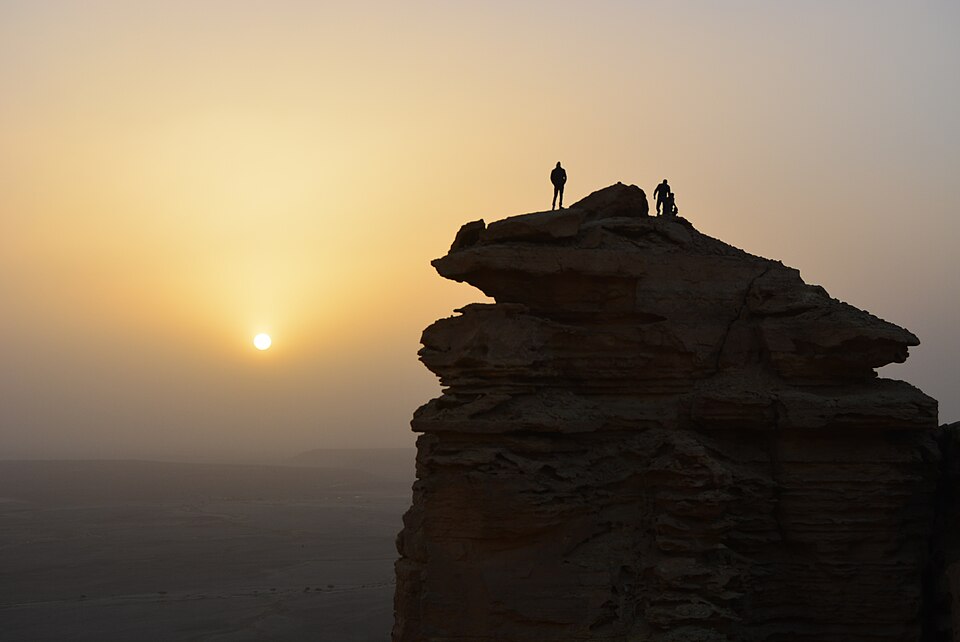
Saudi Arabia covers roughly two million square kilometres and has no permanent rivers or lakes — a fact that has shaped every aspect of its settlement and engineering. The south-east is filled by the Rub' al Khali, the Empty Quarter, the largest continuous sand desert on earth, extending into Oman, the United Arab Emirates and Yemen; the An-Nafud desert lies in the north, and the narrow Ad-Dahna sand corridor curves between them. Through the centre runs the Tuwaiq escarpment, a long limestone cliff whose northern end near Riyadh is known as the Edge of the World. The Red Sea coast is fringed by some of the most intact coral reef systems in the world, backed by the Hejaz mountains, which rise southward into the Asir highlands where Jabal Sawda near Abha approaches 3,000 metres — high enough to catch monsoon moisture and support terraced farming, juniper woodland and genuine cloud. Most of the country has a hot desert climate with very high summer temperatures, sharp diurnal swings and rainfall of a few centimetres a year, which arrives in sudden storms capable of causing serious flash flooding in cities.

Entertainment

The great seasonal pastime is kashta — winter desert camping, when families drive out from the cities to pitch tents, light fires and cook, and the sand around Riyadh fills with encampments from November to February. Falconry remains a serious pursuit rather than a heritage display, with breeders, auctions and the King Abdulaziz Falconry Festival, and camel racing and camel beauty judging draw large crowds at the King Abdulaziz Camel Festival. Escaping the heat is its own tradition: Taif and Abha in the south-western highlands are the classic summer destinations, and the Red Sea coast offers world-class diving on reefs that see comparatively little traffic. Since 2018, when cinemas reopened after a thirty-five-year absence, urban leisure has expanded quickly — Riyadh Season and Jeddah Season stage months of concerts, sport and funfairs, and AlUla has been developed for cultural tourism around Hegra and the Winter at Tantora festival. Alongside all of this, the constants of Saudi social life remain the shopping mall, the long restaurant dinner, the coffee house and the family visit.

Art & Museums

The peninsula holds some of the richest rock art anywhere: the engraved panels at Jubbah and Shuwaymis in the Hail region and at Ḥimā near Najran record human and animal figures, hunting scenes and inscriptions across thousands of years, and are UNESCO-inscribed. Within the Islamic tradition, calligraphy, geometry and architectural ornament carried the visual arts, and figurative painting was historically limited. One striking exception is Al-Qatt Al-Asiri, the geometric wall painting made by women on the interiors of houses in Asir in vivid bands of colour, inscribed by UNESCO in 2017. Contemporary Saudi art emerged forcefully in the 2000s and travels widely: Ahmed Mater, a physician by training, is known for Magnetism, in which iron filings swarm a magnet in the pattern of pilgrims circling the Kaaba, and for his long photographic study of Mecca's transformation; Abdulnasser Gharem, a former army officer, makes conceptual work about faith and authority; Manal AlDowayan and Maha Malluh have exhibited internationally. Jeddah's corniche holds an open-air collection of modern sculpture, including works by Henry Moore and Joan Miró, assembled in the 1970s and 1980s.

Notable People

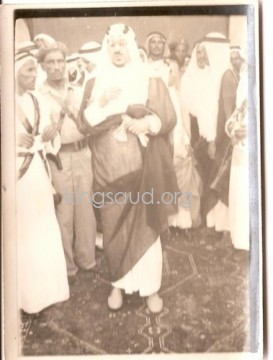
Abdulaziz ibn Saud, who rebuilt the family's fortunes from the 1902 capture of Riyadh and proclaimed the kingdom in 1932, is the founding figure; his sons have ruled in succession since his death in 1953, including King Faisal, who oversaw the 1973 oil embargo and was assassinated in 1975, and the present King Salman. Crown Prince Mohammed bin Salman has been the driving force of the Vision 2030 programme since 2016. Prince Sultan bin Salman became the first Arab, the first Muslim and the first member of a royal house to fly in space when he joined the crew of Space Shuttle Discovery in 1985; in May 2023 Rayyanah Barnawi, a biomedical researcher, became the first Saudi woman in space, travelling to the International Space Station with the pilot Ali AlQarni. In the arts, Raja Alem became the first woman to win the International Prize for Arabic Fiction in 2011, and Haifaa al-Mansour directed Wadjda, the first feature film shot entirely in the kingdom. Mohammed Abdu is its most celebrated singer, and the footballers Saeed Al-Owairan and Salem Al-Dawsari are national sporting icons.

Inventions & Breakthroughs

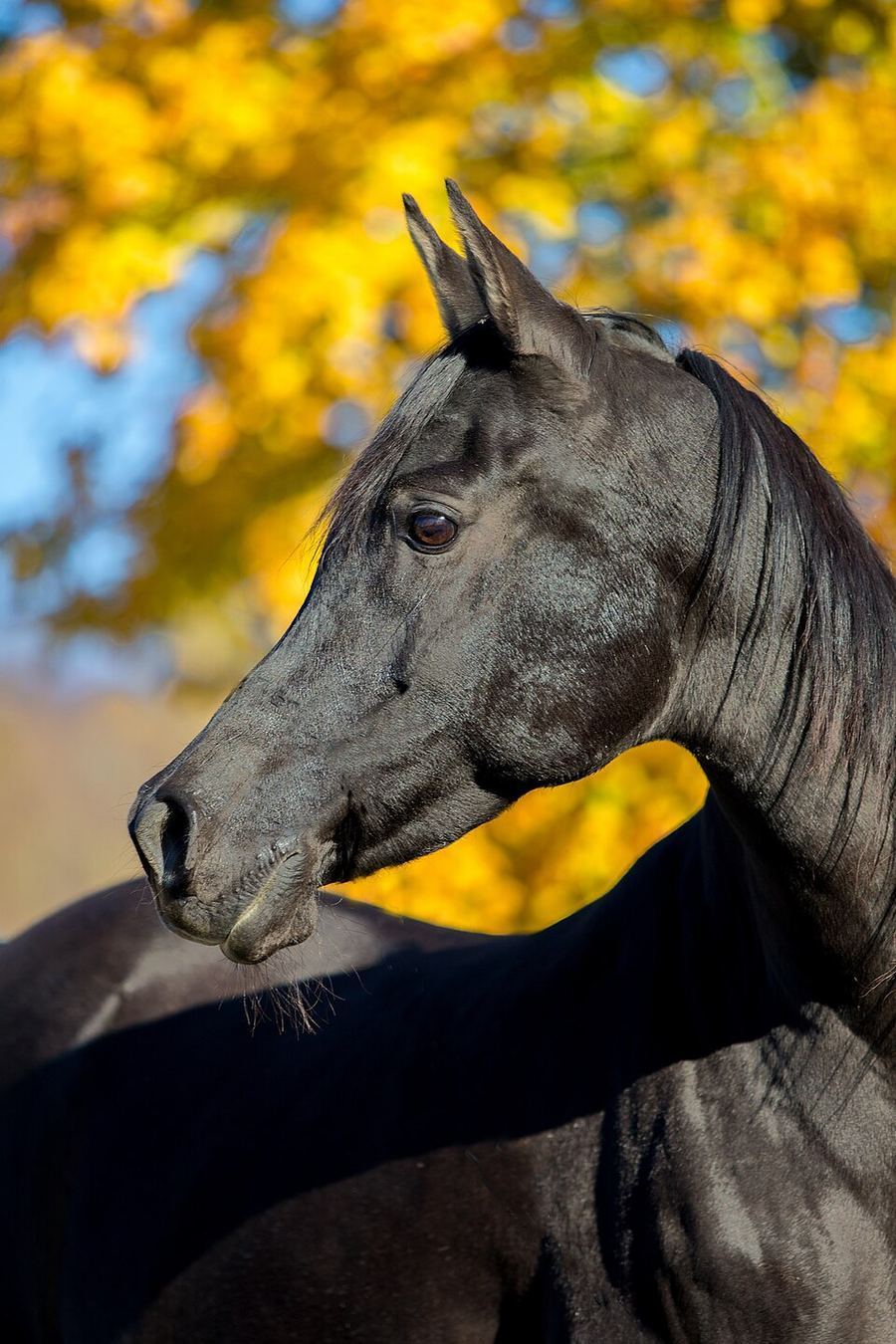
Saudi Arabia's contributions are less a list of laboratory inventions than a set of very old technologies for living in an arid land, and a very new record of engineering at extreme scale. The peninsula gave the world the Arabian horse, one of the oldest and most influential breeds, whose blood runs through most modern light horse breeds, and it perfected the husbandry of the dromedary camel as a transport and dairy animal. Oasis agriculture at Al-Ahsa developed sophisticated management of artesian springs and date palm cultivation over millennia, and Nabataean engineers at Hegra cut water channels and cisterns into rock. In the modern era the country's engineering record lies in doing very large things in hostile conditions: Saudi Aramco pioneered peripheral seawater injection to maintain pressure across giant oilfields, built the Master Gas System to capture gas that had been flared, and constructed a causeway of artificial islands to develop the shallow offshore Manifa field. Saudi Arabia is also the world's largest producer of desalinated water, and its plants at Ras Al Khair and Jubail are among the biggest ever built.

Science & Technology

The kingdom's flagship research institution is the King Abdullah University of Science and Technology at Thuwal, whose work concentrates on the problems its geography imposes — desalination and water reuse, solar energy in high-dust conditions, catalysis, and the ecology of the Red Sea, one of the warmest and saltiest seas in the world and therefore a natural laboratory for how corals respond to heat. Saudi Arabia is the world's largest producer of desalinated water, and the Saline Water Conversion Corporation operates some of the biggest plants ever constructed, at Ras Al Khair and Jubail. King Abdulaziz City for Science and Technology has run the national research agenda since 1977 and built the SaudiSat satellite series. The space programme, reorganised under the Saudi Space Agency, put Prince Sultan bin Salman aboard a Space Shuttle mission in 1985 and sent two astronauts to the International Space Station in 2023. Vision 2030 has driven very large infrastructure bets, including the NEOM development on the Gulf of Aqaba and utility-scale solar plants at Sakaka and Sudair, alongside a national push on data and artificial intelligence coordinated by the Saudi Data and AI Authority.
On The World Stage

Champions & Defining Moments

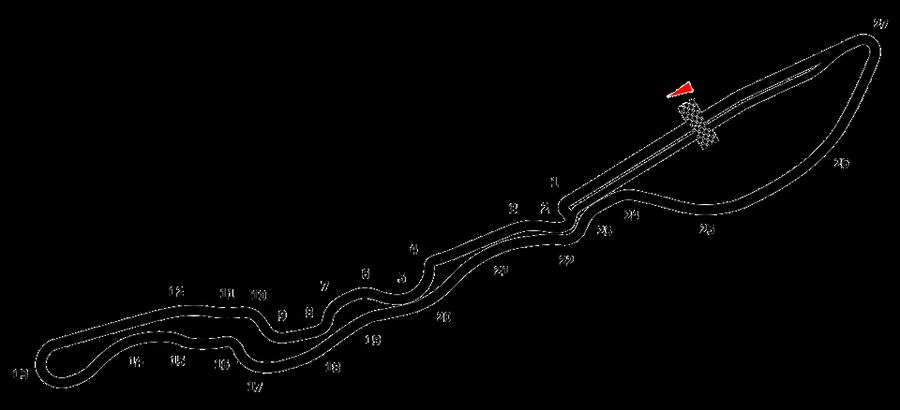
Since about 2018 Saudi Arabia has become one of the largest buyers of international sport. Formula One has raced at the Jeddah Corniche Circuit since 2021, the Dakar Rally has been staged in the kingdom since 2020, and Riyadh and Diriyah have hosted world heavyweight boxing title fights, beginning with the Joshua–Ruiz rematch in 2019. The Public Investment Fund founded and financed LIV Golf in 2022, precipitating the deepest split in professional golf in decades, and it has taken stakes in football clubs at home and abroad. In December 2024 FIFA confirmed Saudi Arabia as host of the 2034 men's World Cup; the country is also due to host the AFC Asian Cup in 2027, the Asian Winter Games at Trojena in 2029 and the Asian Games in Riyadh in 2034. This programme is contested. Amnesty International and Human Rights Watch have argued that the investment functions to distract from the kingdom's record on political prisoners, freedom of expression and the treatment of migrant workers, and FIFA's 2034 decision drew formal objections from human rights organisations.

FIFAReutersAmnesty InternationalHuman Rights WatchIOC
Economy, Trade & Government

Currency & GDP

Saudi Riyal — SAR (﷼)

GDP (PPP): $2.213 trillion (2024 est.)

Per capita: $62,700 (2024 est.)

Exports

$360.897 billion (2024 est.)

crude petroleum, refined petroleum, plastics, alcohols, ships (2023)

Partners: China 21%, India 12%, Japan 12%, USA 6%, UAE 4% (2023)

Imports

$317.012 billion (2024 est.)

cars, refined petroleum, gold, broadcasting equipment, packaged medicine (2023)

Partners: China 21%, UAE 8%, USA 7%, India 6%, Germany 5% (2023)

Government

Type: absolute monarchy

Independence: 23 September 1932 (unification of the kingdom)

Terrain → Where People Live

How mountains, coasts, and rivers shape settlement (LandScan).

Coming — data

Migration & Ethnic Settlement

Where groups settled and how people move (GeoEPR + UNHCR).

Coming — data

Universities

Notable institutions, mappable as points.

Coming — data
Economy & government facts: CIA World Factbook (public domain), via OpenFactBook / factbook.json.
Every fact and narrative claim will carry a visible source citation. Data-driven sections light up automatically wherever HERA has coverage.