HERA · Human Entity Reference Atlas by Masego Inc

← Sudan 🌐 3D View
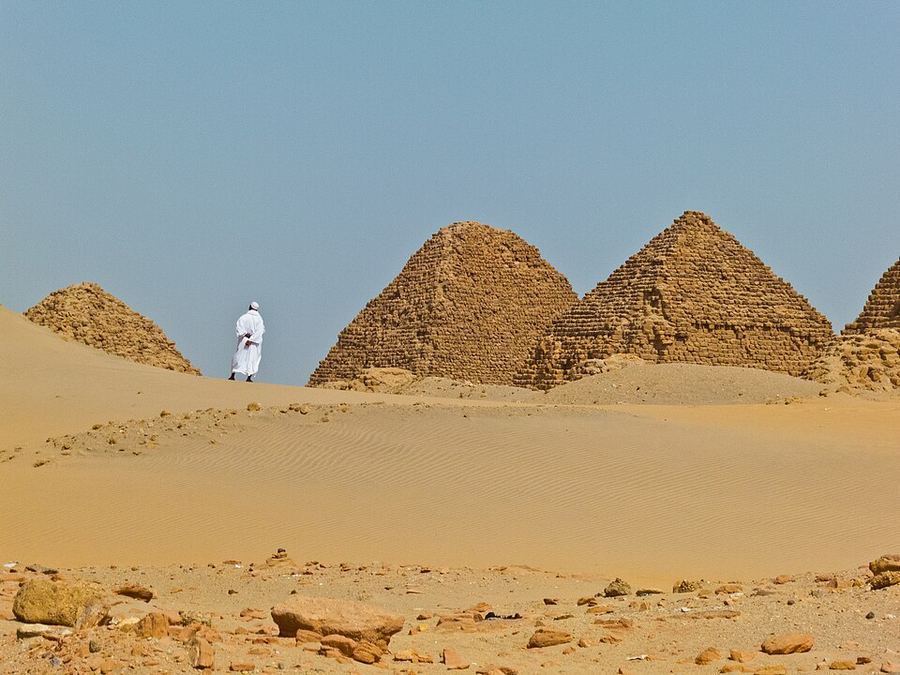
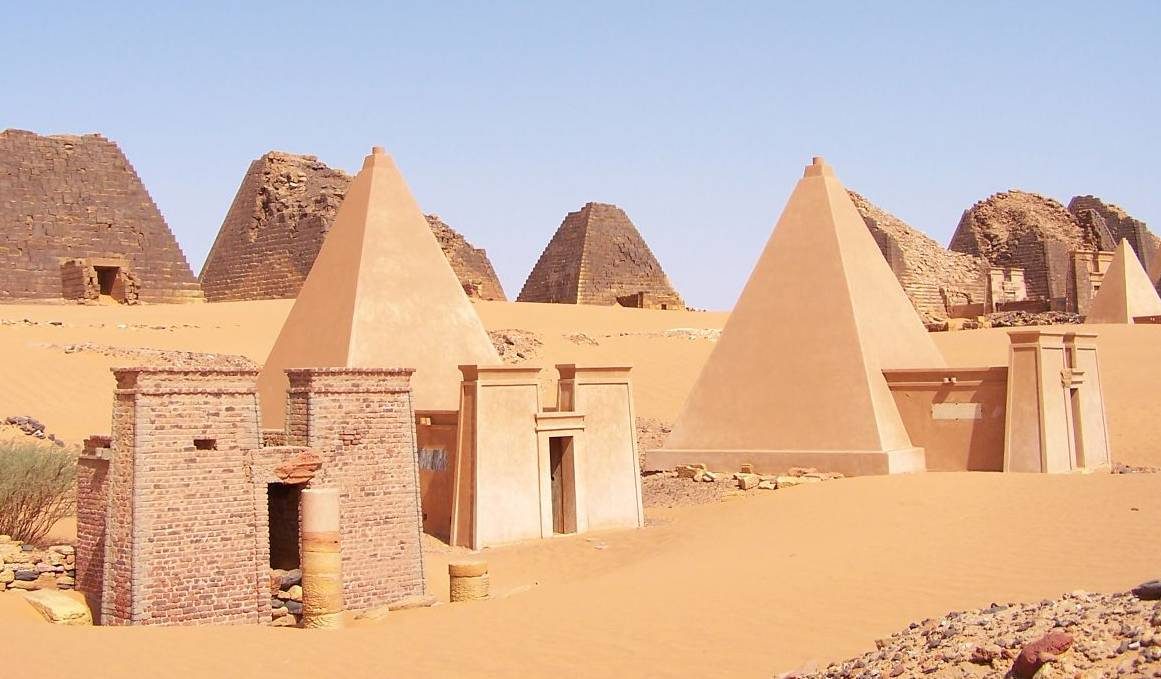
Sudan Meroe Pyramids 30sep2005 2, Sudan
Sudan SDN
Sudan Meroe Pyramids 30sep2005 2 — Photo: Fabrizio Demartis / CC BY-SA 2.0 via Wikimedia Commons
Did You Know At Khartoum the sediment-dark Blue Nile from Ethiopia meets the paler White Nile from the south, and the two waters run visibly side by side for some distance before mixing. — Encyclopaedia Britannica

Sudan is a large, arid country of roughly 50 million people in north-east Africa, spanning the middle Nile from the Egyptian border to the savannas of the Sahel and reaching the Red Sea at Port Sudan. Khartoum, the capital, stands at the confluence where the Blue Nile, descending from the Ethiopian highlands, meets the White Nile. Sudan was the largest country in Africa by area until South Sudan seceded in 2011, taking with it around three-quarters of oil production; it remains the third largest. Its population is exceptionally diverse — Sudanese Arabs are about seventy per cent, alongside Fur, Beja, Nuba, Masalit, Zaghawa and more than five hundred ethnic groups in total — and Arabic and English are both official, with Nubian, Beja and Fur among many other languages spoken. Sunni Islam is the dominant faith, with Sufi orders holding great influence. The economy is agricultural and mineral, exporting gold, oil seeds, livestock and groundnuts, and Sudan supplies most of the world's gum arabic. Since April 2023 the country has been consumed by war between the Sudanese Armed Forces and the Rapid Support Forces, producing the largest displacement crisis in the world.

CIA World FactbookEncyclopaedia BritannicaUN
Population
50,467,278
Capital
Khartoum
Currency
None SDG
Time zones
Largest city
Khartoum
Human Geography Themes
Loading national figures…
Largest Cities
Khartoum7,114,789
Port Sudan1,291,442
Nyala1,129,548
Kassala937,711
Kebkabiya727,487
Al-Ubayyid679,642
Al-Fashir665,730
Ad Da'ein606,604
In Perspective

Khartoum's urban core is home to about 7,114,789 people.

That's bigger than Madrid, Toronto, Chicago and Sydney — each a great world city in its own right.

Khartoum7,114,789
Madrid5,680,137
Toronto5,566,382
Chicago5,318,735
Sydney4,375,394

Among the world's megacities, though, it's one of many — the giants of Asia and Latin America run larger still:

Khartoum7,114,789
Jakarta40,545,126
Dhaka37,307,160
Tokyo33,244,670
Shanghai30,678,616
Cairo25,230,325

More people live in Khartoum than in the entire nation of Denmark, Singapore, Finland or Norway.

The Country & Its People

History

The middle Nile carried one of Africa's oldest state traditions. The kingdom of Kush, centred first at Kerma, then Napata and finally Meroë, ruled the region for more than a thousand years; its kings conquered Egypt and reigned there as the 25th Dynasty in the eighth and seventh centuries BC, and Meroë developed its own script and an ironworking industry on an unusual scale. Christian Nubian kingdoms — Nobatia, Makuria and Alodia — succeeded Kush and held the Nile for some eight hundred years, sustained in part by the baqt, a durable truce agreed with Muslim Egypt in the seventh century. Islam spread gradually through traders and Sufi teachers, and by the sixteenth century the Funj sultanate of Sennar and the sultanate of Darfur dominated. Egypt under Muhammad Ali conquered the region from 1820 and founded Khartoum; against that rule Muhammad Ahmad declared himself the Mahdi in 1881, took Khartoum in 1885 and killed General Gordon, before Kitchener destroyed the Mahdist state at Omdurman in 1898. Anglo-Egyptian rule followed until independence on 1 January 1956. Two long civil wars, thirty years of Omar al-Bashir's rule from 1989, the secession of South Sudan in 2011 and the revolution of 2018–19 have shaped the years since.
Culture

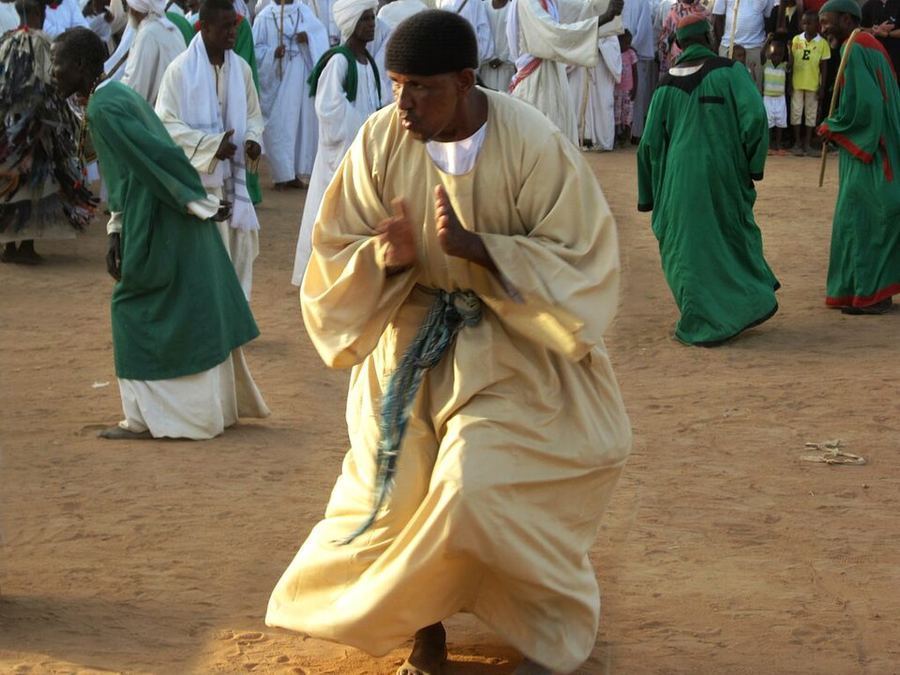
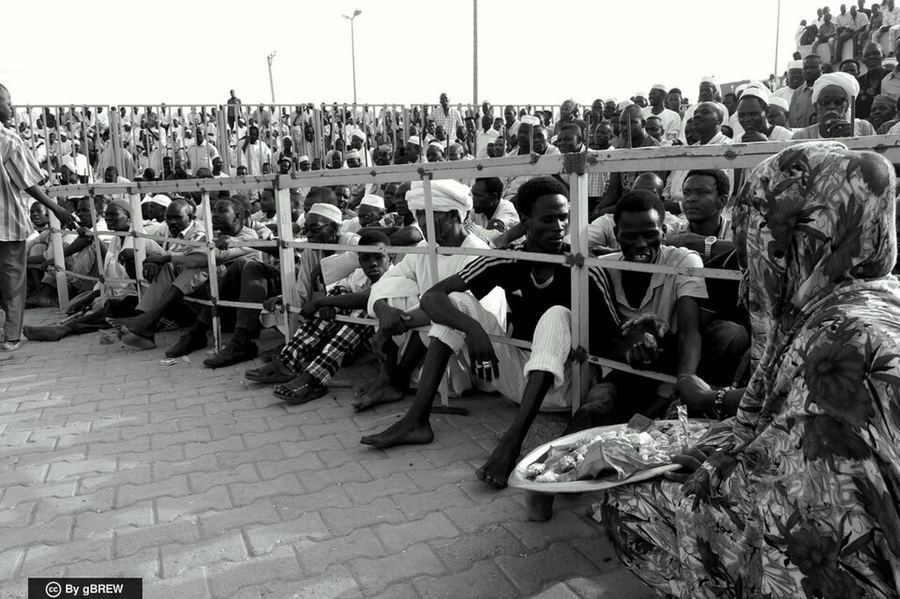
Sudanese culture is held together by two things — the Nile and Sufism — across enormous ethnic variety. Sufi brotherhoods, above all the Qadiriyya, the Khatmiyya and the Sammaniyya, shape religious life far more than formal scholarship does, and the Friday dhikr at the tomb of Hamed al-Nil in Omdurman, where dervishes in patched green and red jibbas whirl and chant to drums as the sun goes down, is the most photographed expression of Sudanese devotion. Hospitality is close to obligatory: guests are offered jebena coffee, roasted with ginger over coals and poured through a fibre strainer from a long-necked clay pot, and no visitor is allowed to leave hungry. Women's ceremonial life is elaborate, from the intricate black henna applied over days before a wedding to the jirtig ritual in which bride and groom are dressed in red and gold, and to the zar, a spirit-possession ceremony with drumming and incense that persists alongside orthodox practice. Poetry carries unusual weight in public life. The old distinction between the Arabised riverine centre and the peripheries — Darfur, the Nuba Mountains, the east — is the country's deepest cultural and political fault line.

Points Of Pride

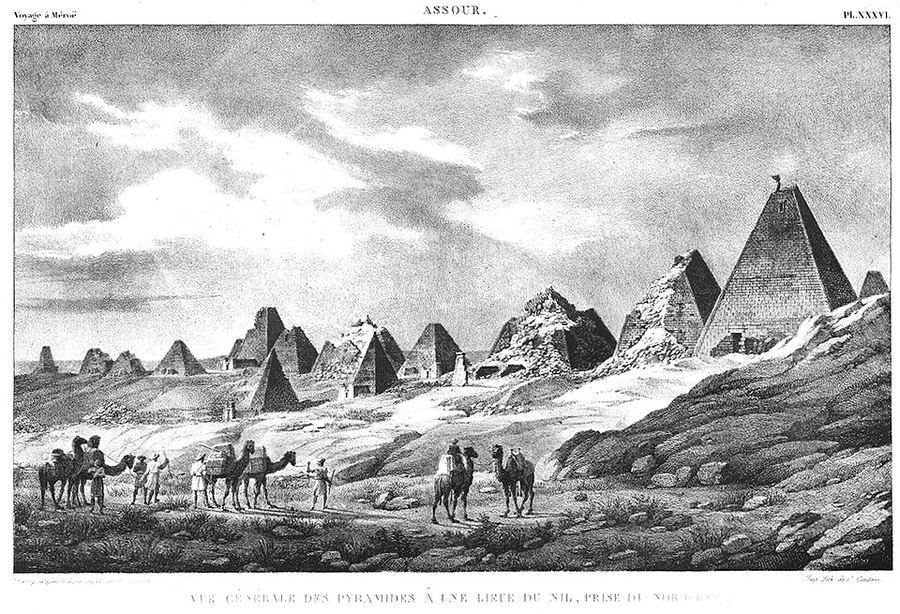
Sudan contains more pyramids than Egypt. More than two hundred steep-sided Nubian pyramids, smaller and sharper than their Egyptian counterparts, cluster at Meroë, Nuri and El-Kurru, and the archaeological sites of the island of Meroë were inscribed as a UNESCO World Heritage site in 2011. Gebel Barkal and the sites of the Napatan region, inscribed in 2003, centre on a flat-topped sandstone butte that Egyptians and Kushites alike held to be the dwelling place of the god Amun, with temples cut into its base. On the Red Sea, Sanganeb atoll and Dungonab Bay–Mukkawar Island were jointly inscribed in 2016 for coral reefs, dugongs and seabird colonies that are among the least disturbed in the region. Khartoum's own landmark is natural: al-Mogran, the confluence where the sediment-dark Blue Nile meets the paler White Nile and the two waters run visibly side by side before mixing. Sudan is also the world's dominant source of gum arabic, harvested from acacia trees across the Sahel belt and used as an emulsifier in soft drinks, confectionery and pharmaceuticals worldwide.

Cultural Fusion

Sudan sits precisely where the Arab world, the Nile valley and sub-Saharan Africa overlap, and the mixture is visible in nearly everything. Arabic is the lingua franca, but Nubian languages survive along the northern Nile, Beja is spoken in the eastern hills, and Fur, Masalit and Zaghawa across Darfur, among more than a hundred languages in all. Islam arrived slowly and by persuasion rather than conquest, which left space for older practices to continue inside it — the veneration of Sufi shaykhs' tombs, the zar ceremony, and pre-Islamic wedding rites all coexist with orthodox observance. Communities descended from West African pilgrims who settled on the road to Mecca, known collectively as Fallata, have lived in Sudan for generations. British administration left English as a co-official language and the shape of the education system, while Ottoman-Egyptian rule left vocabulary and cuisine. Sudanese music makes the synthesis audible, setting Arabic maqam melody against pentatonic scales and African rhythms. The same blending is contested politically: whether Sudan is an Arab or an African country has been the argument beneath its wars.

Music & Dance

Modern Sudanese song begins with haqiba, a style that emerged in Omdurman in the 1920s in which a solo singer and a chorus were accompanied only by the tar frame drum, keeping melody and poetry at the centre. From the 1940s the oud, violin and accordion were added, producing the orchestral golden age of Sudanese music: Mohammed Wardi, a Nubian from Sawarda whose songs of love and politics made him one of the most loved singers anywhere in Africa, alongside Abdel Karim El Kabli, Abdel Aziz El Mubarak, Sayed Khalifa and Mohammed El Amin. Sharhabil Ahmed pushed the style toward electric guitar and was crowned king of Sudanese jazz. The traditional instruments are the tambour, a five-string lyre played in Nubian and eastern Sudan, and the dalouka, a clay hand drum that drives women's wedding songs and the sequence of dances performed for the bride. In the Nuba Mountains, wrestling and harvest festivals carry their own dance repertoires, and Beja music of the Red Sea Hills is distinct again. Sufi dhikr, chanted and drummed to the point of trance, remains the most widely practised musical ritual in the country.

Cuisine & Misattributed Foods

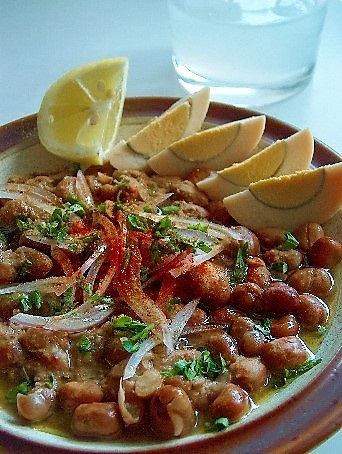
The Sudanese day begins with ful medames — fava beans stewed slowly and served hot in a metal bowl, mashed at the table with sesame oil, white cheese, chopped tomato and green chilli, and scooped up with bread. The two great staples are kisra, a paper-thin fermented sorghum flatbread poured onto a hot plate and peeled off in sheets, and asida, a stiff sorghum or millet porridge served in a mound with a well of sauce poured into it. Those sauces are the mullah family: mullah waika, thickened with powdered dried okra to a deliberately slippery texture, mullah rob made with soured milk, and tagalia built on fried onion. Grilled and spiced meats — agashe rubbed with peanut and chilli, and shaiyah — are the standard of butcher-restaurants, and kajaik is a stew of dried fish. Sudanese coffee is a ceremony in itself, roasted with ginger and cardamom and poured from a jebena. Karkade, a deep red infusion of dried hibiscus drunk hot or iced, is the national soft drink, and helo-murr, fermented from sorghum, is made for Ramadan.

National Dress

Sudanese men wear the jalabiya, a loose ankle-length robe, most often in white, over a sirwal, with a waistcoat added for formality and sandals below. The distinguishing item is the imma, a very long strip of white muslin wound in careful turns around a skullcap into a turban whose exact shape and size signals region, age and status; the fabric is unwound and rewound as a matter of routine. Women wear the Sudanese thobe, which is not the Gulf garment of the same name but a single length of light cloth, several metres long, wrapped around the body over an underdress and drawn up over the hair. It comes in every register — plain white for older women and for formal dignity, sheer and richly printed for celebration — and the way it is held and adjusted is itself a learned skill. During the 2019 uprising the white thobe became a symbol of protest, fixed in the widely shared image of the student Alaa Salah standing on a car roof addressing demonstrators in Khartoum. Beja men in the eastern hills keep distinctive dressed hairstyles and carry swords at ceremonies.

Sports & Inspiring Athletes

Football dominates. Sudan was one of the four founding members of the Confederation of African Football in 1957, alongside Egypt, Ethiopia and South Africa, and Khartoum hosted the very first Africa Cup of Nations in February that year. Sudan won the tournament in 1970, again on home soil, beating Ghana in the final in Khartoum — the country's greatest sporting achievement. Domestic football revolves entirely around the Omdurman derby between Al-Hilal and Al-Merrikh, both of which have long records in continental competition and support that extends well beyond Sudan's borders. In athletics, Ismail Ahmed Ismail took silver in the 800 metres at Beijing in 2008, the only Olympic medal Sudan has ever won, and the country has produced other strong middle-distance runners. Nuba wrestling, in which competitors grapple on sand to throw one another to the ground before a drumming crowd, is the most important traditional sport and has an urban following in Khartoum. Basketball and volleyball are played in the cities. The war that began in April 2023 suspended the national league and displaced the major clubs.

Notable Educational Programs

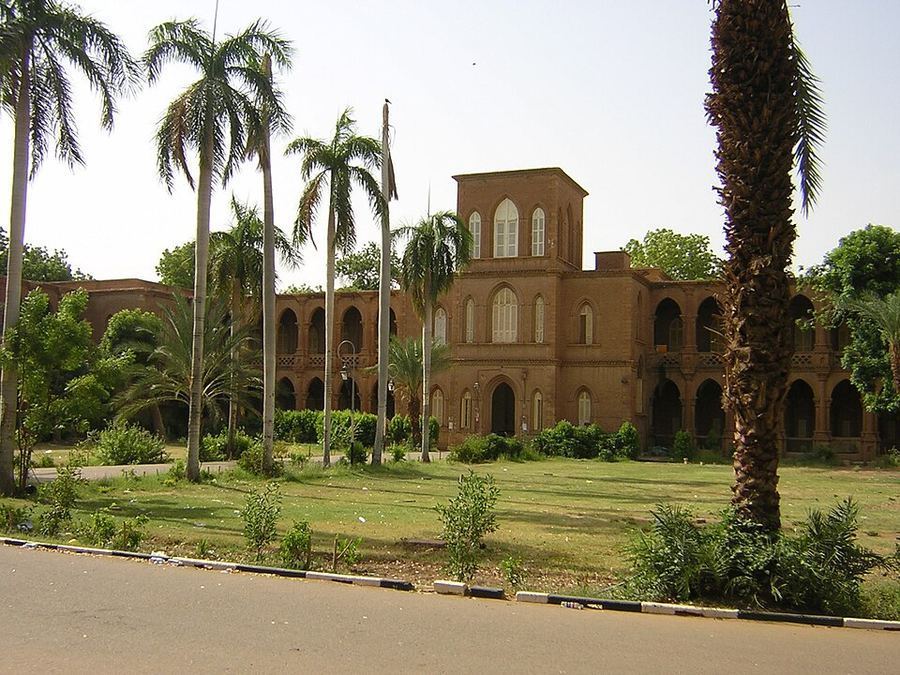
Sudan's flagship institution began as Gordon Memorial College, founded in Khartoum in 1902 and raised to full university status as the University of Khartoum at independence in 1956. For decades it was among the most respected universities in Africa and the Arab world, and its students have been at the centre of every Sudanese uprising, from the overthrow of Abboud in 1964 to the revolution of 2019. Ahfad University for Women in Omdurman grew from a girls' school opened by Babiker Badri in 1907 and is one of the oldest institutions on the continent devoted to women's education, with a strong record in rural development and public health. Omdurman Islamic University serves religious scholarship, and Quranic khalwas remain widespread in rural areas. A rapid expansion of universities in the 1990s multiplied enrolment and shifted instruction from English to Arabic, with contested effects on quality. The war since April 2023 has closed universities and schools across much of the country; UNICEF has described the resulting loss of schooling for millions of Sudanese children as one of the worst education crises in the world.

Wars & Conflicts

Sudan has been at war for most of its independent existence. A southern rebellion ran from 1955 to 1972, resumed in 1983 under the Sudan People's Liberation Army, and ended with the Comprehensive Peace Agreement of 2005 after roughly two million deaths; South Sudan voted for independence in 2011. In Darfur from 2003, government forces and allied Janjaweed militias fought rebel movements and attacked civilian populations; the International Criminal Court issued arrest warrants for President Omar al-Bashir in 2009 and 2010, including on charges of genocide — the first ICC warrants ever issued against a sitting head of state. Mass protests beginning in December 2018 forced Bashir out in April 2019, but paramilitaries killed protesters at the Khartoum sit-in that June, and a coup in October 2021 ended the civilian transition. On 15 April 2023 fighting broke out between the Sudanese Armed Forces under Abdel Fattah al-Burhan and the Rapid Support Forces under Mohamed Hamdan Dagalo. The war has driven more than ten million people from their homes — the largest displacement crisis in the world — and the IPC confirmed famine conditions in 2024, with renewed atrocities documented in Darfur.
UNUCDPICCHuman Rights WatchReutersUNHCR
Current as of 2026-08-07

Land & Border Disputes

Sudan's longest-running territorial dispute is over the Halayeb Triangle, a stretch of Red Sea coast claimed by both Sudan and Egypt and administered by Egypt since 1995. The claim turns on two colonial-era lines: the political boundary of 1899 drawn along the 22nd parallel, which places the area in Egypt, and an administrative boundary of 1902 that assigned it to Sudan because its inhabitants were more closely tied to the south. With South Sudan, the status of Abyei remains unsettled more than a decade after separation; a United Nations interim security force has been deployed there since 2011, and the promised referendum on its future has never been held. Stretches of the wider Sudan–South Sudan border and the terms of oil transit through Sudanese pipelines are also unresolved. On the Ethiopian frontier, the fertile Al-Fashaga borderland has seen recurrent armed clashes between farmers, militias and both armies, particularly since late 2020. Sudan is additionally a downstream party to the dispute over the Grand Ethiopian Renaissance Dam on the Blue Nile, where it has interests in both flood regulation and dam safety.
Land, Life & Legacy

Land & Climate

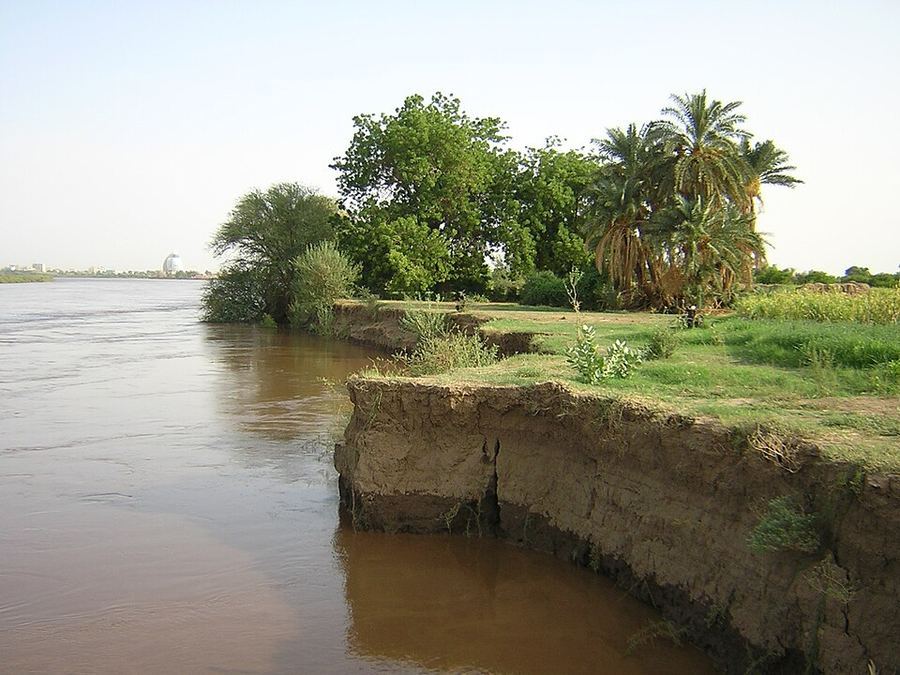
Sudan covers roughly 1.86 million square kilometres, the third largest area in Africa, and its organising feature is the Nile. The Blue Nile enters from the Ethiopian highlands carrying the silt and the flood, the White Nile arrives from the south carrying steadier volume, and they join at Khartoum before the combined river cuts north through a series of rocky cataracts toward Egypt, taking its last tributary, the Atbara, on the way. North of Khartoum lies true desert — the Nubian Desert east of the river and the Bayuda within its great bend — where cultivation is confined to a thin ribbon of bank. Southward the land grades through the Sahel into savanna and seasonal grazing. In the far west of Darfur the volcanic massif of Jebel Marra rises to about 3,000 metres, cool enough for orchards and holding crater lakes. Along the Red Sea a coastal plain about 850 kilometres long is backed by the Red Sea Hills. The climate is hot and dry, with a single summer rainy season that weakens sharply toward the north, and haboob dust storms that can bury the capital in an advancing wall of sand.

Entertainment

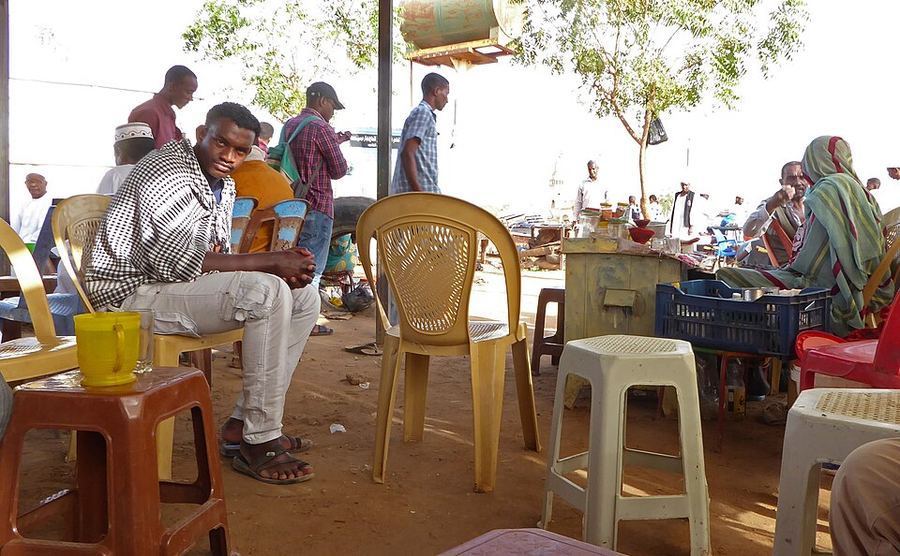
Ordinary Sudanese leisure is sociable and inexpensive. Street tea and coffee sellers, almost always women working from a low stool with a charcoal brazier and a rack of glasses, are the country's real public institution, and men gather at them for hours. Football is the mass passion: the Omdurman derby between Al-Hilal and Al-Merrikh, two of the most heavily supported clubs on the continent, divides families. Nuba wrestling, brought to Khartoum from the Nuba Mountains, is staged on Friday afternoons on open ground in the city's outskirts, with drummers, chanting and a ring of spectators around the sand. The Friday dhikr at Hamed al-Nil in Omdurman draws worshippers and onlookers alike. Families picnic on the Nile banks and take boats to Tuti Island at the confluence, and Souq Omdurman is the country's great market for silver, ebony and ivory-substitute carving. All of this has been severely disrupted since April 2023: Khartoum was emptied by fighting, the football league was suspended, and the markets and tea stands of the capital were destroyed or abandoned.

Art & Museums

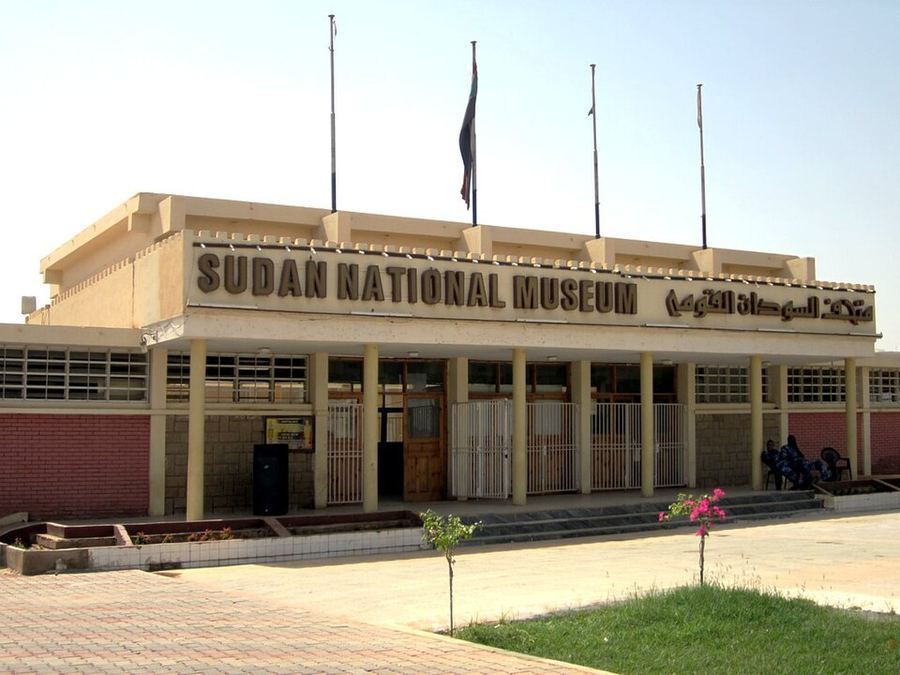
Modern Sudanese art has a defined origin: the Khartoum School, which formed in the late 1950s and 1960s around the College of Fine and Applied Art in the capital and set out to build a visual language from Arabic calligraphy, Islamic ornament and African form. Its leading figure is Ibrahim El-Salahi, whose spare, calligraphic canvases made him the most internationally recognised African modernist of his generation and earned him a full retrospective at Tate Modern in London in 2013 — the first for an African artist there. Ahmed Shibrain worked the same calligraphic seam, while Kamala Ishaq broke away in the 1970s to co-found the Crystalist movement, painting the enclosed inner worlds of women in translucent, bubble-like forms. Older traditions include the painted and relief-decorated facades of Nubian houses along the northern Nile and fine silverwork and basketry. During the 2019 revolution the walls around the army headquarters sit-in in Khartoum were covered in murals that became the visual record of the uprising. The National Museum of Sudan, holding Kushite antiquities and temples rescued before the Aswan flooding, was looted and damaged in the war that began in 2023.

Notable People

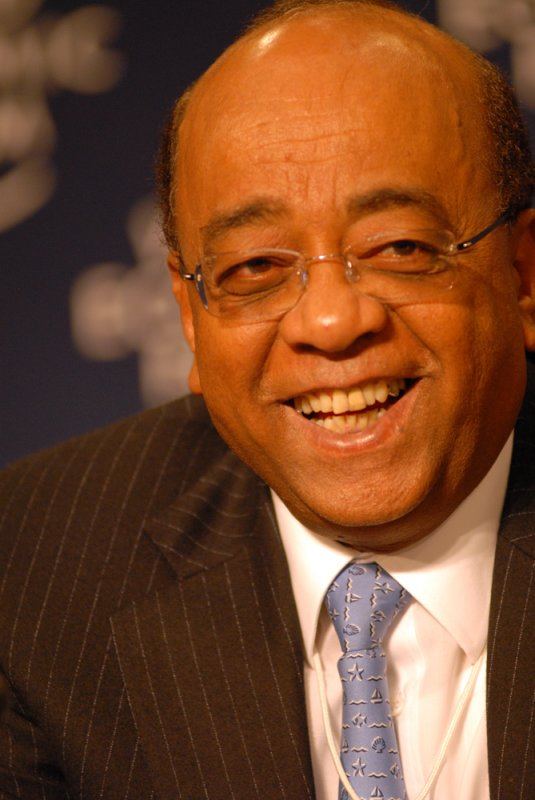
Sudan's most celebrated writer is Tayeb Salih, whose 1966 novel Season of Migration to the North, a reckoning with colonialism set in a village on the northern Nile, is regularly named among the finest Arabic novels of the twentieth century. Leila Aboulela has built a substantial body of fiction in English on Sudanese and Muslim migrant experience. In art, Ibrahim El-Salahi and Kamala Ishaq are the defining modernists; in music, Mohammed Wardi remains the country's most beloved voice, and his songs were sung again in the streets during the 2019 revolution. Mo Ibrahim, born in Sudan and educated in Alexandria and Britain, built the mobile operator Celtel across Africa and now funds the Mo Ibrahim Foundation and its prize for African leadership. Ismail al-Azhari led the country to independence as its first prime minister in 1956, and the economist Abdalla Hamdok served as prime minister of the transitional government from 2019. The runner Ismail Ahmed Ismail won silver in the 800 metres at the 2008 Beijing Olympics, still Sudan's only Olympic medal, and Alaa Salah became the image of the 2019 uprising.

Inventions & Breakthroughs

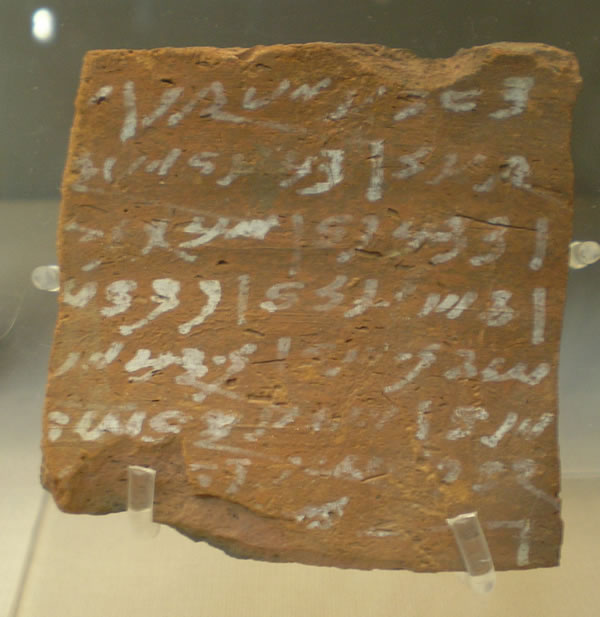
Ancient Sudan's contributions were substantial. Meroë, the later capital of Kush, developed the Meroitic script around the third century BC — the earliest known writing system devised in sub-Saharan Africa, whose signs can be read phonetically but whose language remains largely undeciphered. Meroë was also one of antiquity's great iron-producing centres, and the enormous slag heaps still surrounding the site testify to smelting on an industrial scale that supplied weapons and tools across the region. Nubian builders developed a mud-brick barrel vault raised without any timber formwork or centring, leaning each course against the last; the technique is genuinely ancient and has been revived in recent decades as a low-cost, timber-free roofing method for construction across the Sahel. Nubian irrigation using the ox-driven saqia water wheel made cultivation possible on the narrow Nile terraces. In the modern era Sudan's most globally consequential product is agricultural rather than mechanical: the country supplies the large majority of the world's gum arabic, tapped by hand from acacia trees, and it is an ingredient in a great many soft drinks, sweets and medicines.

Science & Technology

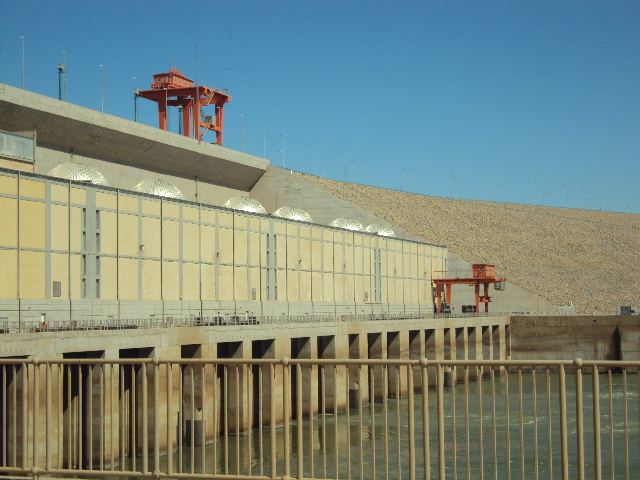
Archaeology is the science most identified with Sudan. Excavations at Kerma, Gebel Barkal, Meroë, Naga and Musawwarat es-Sufra have rewritten the understanding of Kush as an independent civilisation rather than an Egyptian offshoot, and the international campaign to rescue Nubian monuments before the Aswan High Dam flooded the valley in the 1960s brought several relocated temples to the National Museum in Khartoum. In medicine, Sudan has an outsized record in the study of mycetoma, a disfiguring chronic infection of the foot common in the country's central belt: the Mycetoma Research Centre at the University of Khartoum, led by the surgeon Ahmed Fahal, assembled the world's largest patient cohort and led the campaign that persuaded the World Health Organization to formally recognise mycetoma as a neglected tropical disease in 2016. Sudan sits above the Nubian Sandstone Aquifer System, one of the largest bodies of fossil groundwater on earth, shared with Egypt, Libya and Chad. The Merowe Dam on the Nile, completed in 2009, remains the country's largest single power project. War since 2023 has devastated laboratories, universities and collections.
On The World Stage

Champions & Defining Moments

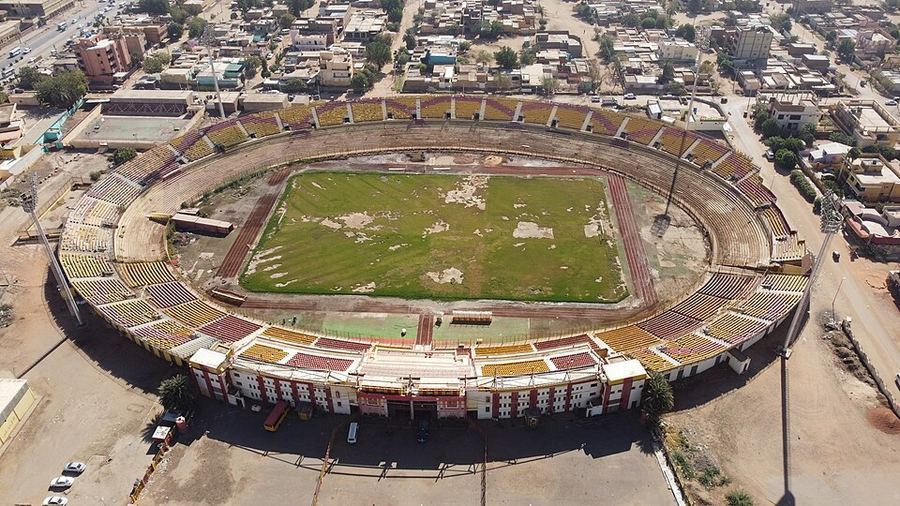
Sudan's place in international sport rests on its founding role in African football. It was present at the creation of the Confederation of African Football in 1957 and hosted the inaugural Africa Cup of Nations in Khartoum that same year, then hosted and won the 1970 edition. Sudanese clubs, particularly Al-Hilal and Al-Merrikh of Omdurman, have been fixtures of the CAF Champions League for decades and have reached its later stages repeatedly. Sudan has competed at the Summer Olympics since 1960, with its athletes concentrated in middle-distance running, and Ismail Ahmed Ismail's 800 metres silver at Beijing in 2008 remains the nation's sole medal. World Athletics competition has been the country's most reliable international showing. Since the outbreak of war in April 2023 Sudanese football has continued in exile: with stadiums in Khartoum and Omdurman unusable, the national team and the major clubs have played their designated home fixtures in other countries, and Sudanese players scattered across the region have kept the national side in continental competition.

FIFAIOCWorld AthleticsOlympediaReuters
Economy, Trade & Government

Currency & GDP

Sudanese Pound — SDG (None)

GDP (PPP): $94.42 billion (2024 est.)

Per capita: $1,900 (2024 est.)

Exports

$5.908 billion (2022 est.)

crude petroleum, gold, oil seeds, sheep and goats, ground nuts (2023)

Partners: UAE 21%, China 17%, Saudi Arabia 16%, Malaysia 9%, Egypt 8% (2023)

Imports

$11.575 billion (2022 est.)

raw sugar, wheat flours, refined petroleum, garments, packaged medicine (2023)

Partners: China 21%, India 19%, Egypt 16%, UAE 14%, Saudi Arabia 7% (2023)

Government

Type: presidential republic

Independence: 1 January 1956 (from Egypt and the UK)

Terrain → Where People Live

How mountains, coasts, and rivers shape settlement (LandScan).

Coming — data

Migration & Ethnic Settlement

Where groups settled and how people move (GeoEPR + UNHCR).

Coming — data

Universities

Notable institutions, mappable as points.

Coming — data
Economy & government facts: CIA World Factbook (public domain), via OpenFactBook / factbook.json.
Every fact and narrative claim will carry a visible source citation. Data-driven sections light up automatically wherever HERA has coverage.