HERA · Human Entity Reference Atlas by Masego Inc

← Senegal 🌐 3D View
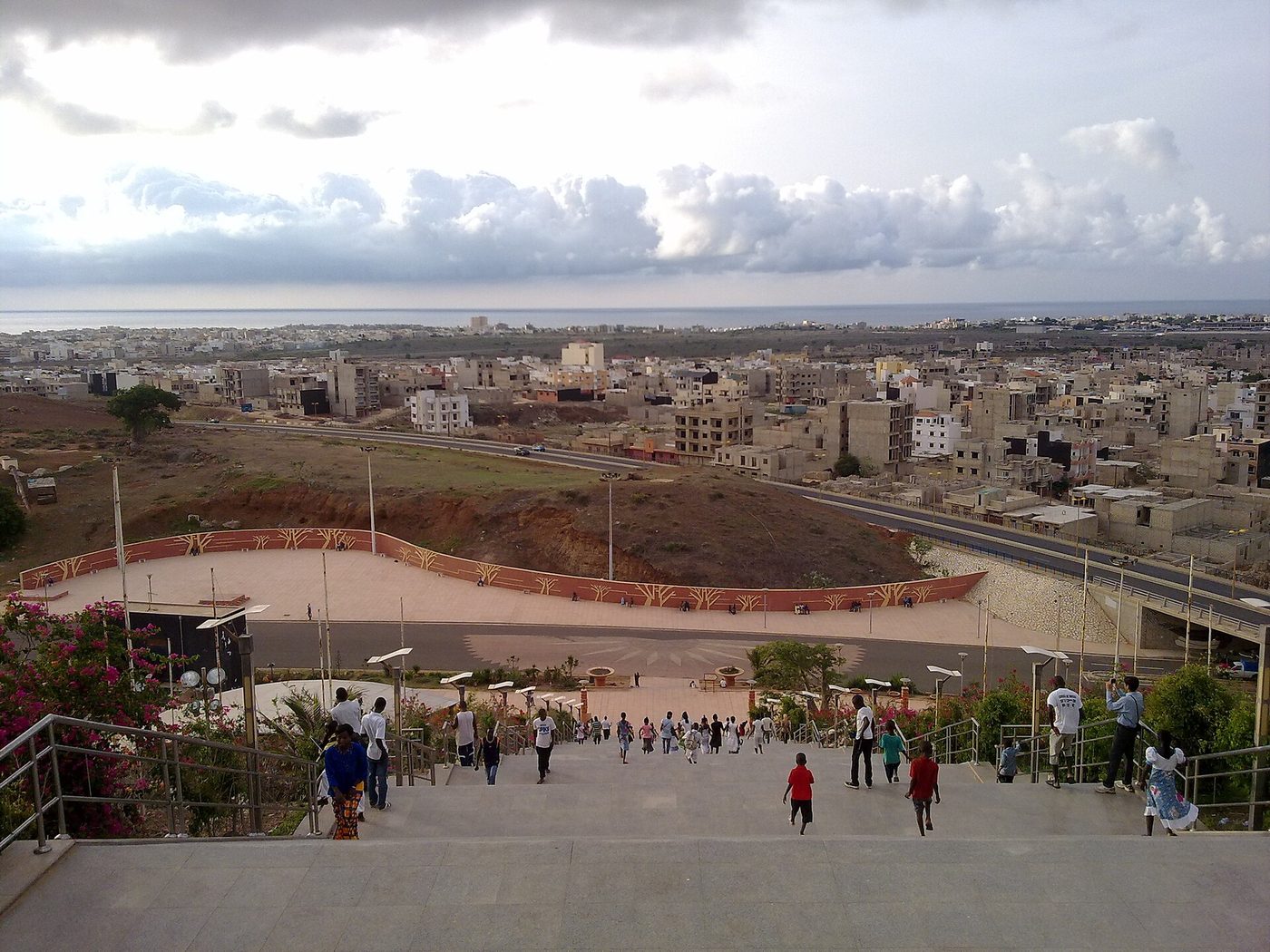
Au pieds du monument de la renaissance africaine, Senegal
Senegal SEN
Au pieds du monument de la renaissance africaine — Photo: Bigfall91 / CC BY-SA 4.0 via Wikimedia Commons
Did You Know Senegal has never experienced a successful military coup since independence in 1960 — a record unmatched by most of its neighbours — and has changed governing party peacefully at the ballot box three times. — Encyclopaedia Britannica

Senegal is a presidential republic of about 18.8 million people at the westernmost point of continental Africa, where the Sahel meets the Atlantic. Dakar, the capital, sits on the Cap-Vert peninsula and has been the region's principal port and intellectual centre since it replaced Saint-Louis as the seat of French West Africa in 1902. The country nearly encloses The Gambia, which runs inland along its river — a legacy of Anglo-French partition. Wolof is the everyday lingua franca and Wolof speakers are the largest group at about 40%, alongside Pulaar, Sereer, Mandinka, Jola and Soninke communities; French remains the official language of government and schooling. Some 97% of Senegalese are Muslim, almost all belonging to one of the Sufi brotherhoods, with a Catholic minority of under 3% that nonetheless produced the country's first president. Senegal is unusual in West Africa for its political record: it has never had a successful military coup and has transferred power peacefully at the ballot box three times, most recently in 2024. The economy exports gold, refined petroleum, phosphoric acid, fish and cement, and offshore oil and gas production began in 2024.

CIA World FactbookEncyclopaedia BritannicaWorld Bank
Population
18,847,519
Capital
Dakar
Currency
Fr XOF
Time zones
Largest city
Dakar
Human Geography Themes
Loading national figures…
Largest Cities
Dakar4,280,547
Touba1,170,259
M'bour506,407
Thiès493,353
Kaolack406,201
Ziguinchor288,804
Saint-Louis287,266
Tambacounda241,377
In Perspective

Dakar's urban core is home to about 4,280,547 people.

That's bigger than Barcelona, Berlin, Rome and Amsterdam — each a great world city in its own right.

Dakar4,280,547
Barcelona3,908,362
Berlin3,601,776
Rome2,556,354
Amsterdam1,223,407

Among the world's megacities, though, it's one of many — the giants of Asia and Latin America run larger still:

Dakar4,280,547
Jakarta40,545,126
Dhaka37,307,160
Tokyo33,244,670
Shanghai30,678,616
Cairo25,230,325
The Country & Its People

History

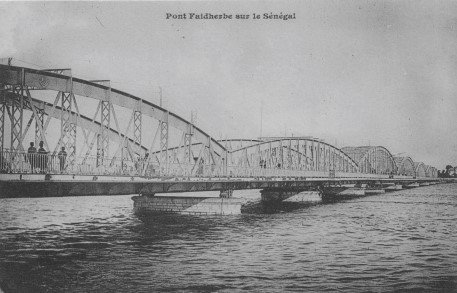
The territory lay on the western edge of the Sahelian empires of Ghana and Mali, and by the fourteenth century the Jolof empire had drawn the Wolof states together before fragmenting into the kingdoms of Cayor, Baol, Waalo, Sine and Saloum, with Takrur on the Senegal River and Mandinka polities in the south. Portuguese ships reached the coast in the 1440s, and over the following centuries Gorée island and the river mouth passed between Portuguese, Dutch, English and French hands as trading stations in the Atlantic slave trade. Saint-Louis, founded in 1659, became the first permanent French settlement in West Africa. French conquest of the interior accelerated under Louis Faidherbe from the 1850s and met sustained resistance from El Hadj Umar Tall, Maba Diakhou Bâ and Lat Dior of Cayor, who died in 1886 fighting the advance of the railway. Amadou Bamba, founder of the Mouride brotherhood, was exiled for years by the French. In the coastal Four Communes, residents held French political rights, and Blaise Diagne became the first African elected to the French National Assembly in 1914. Senegal became independent on 4 April 1960 within a short-lived federation with Mali, and fully so that August, under the poet Léopold Sédar Senghor.
Culture

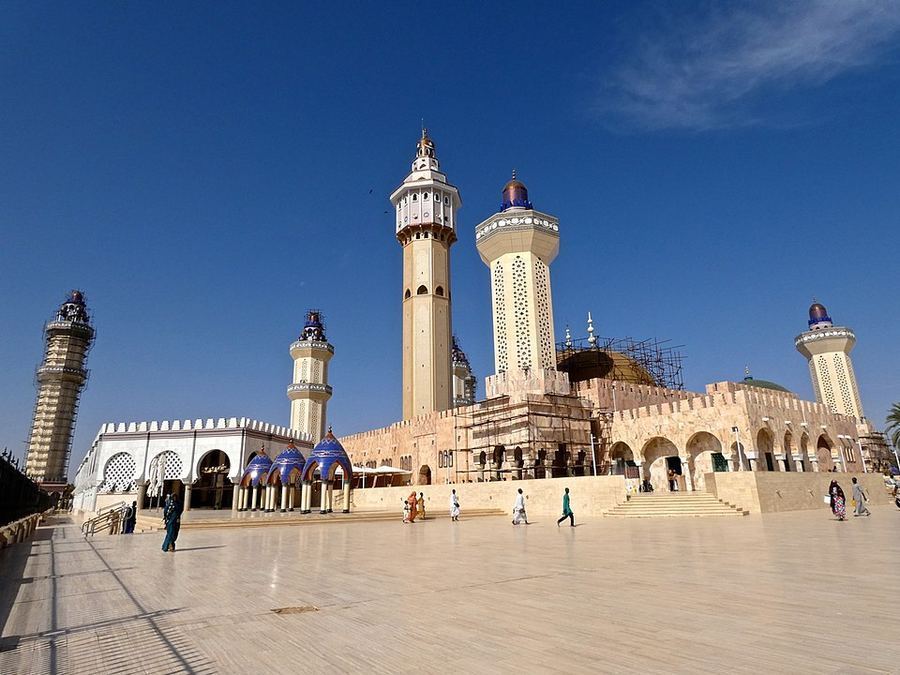
The word Senegalese people use to describe their own society is teranga, a Wolof term for hospitality that stretches to cover generosity, welcome and mutual obligation, and the country markets itself as the pays de la teranga. Religious life is organised through Sufi brotherhoods rather than a state clergy: the Mourides, founded by Amadou Bamba and based at the holy city of Touba, the Tijaniyya centred at Tivaouane and Kaolack, the Qadiriyya and the Layene. The relationship between a marabout and his talibés structures social networks, commerce and, less formally, politics, and the annual Grand Magal pilgrimage to Touba draws millions. Griots — the hereditary caste of praise-singers, genealogists and musicians known in Wolof as géwël — remain the keepers of family history and are engaged at every naming ceremony and wedding. A distinctive institution is the joking kinship, or cousinage à plaisanterie, which licenses ritual mockery between particular families and ethnic groups and works in practice as a mechanism for defusing tension. Tea drinking, in the three progressively sweeter rounds of ataya, is the ordinary frame for hours of conversation.

Points Of Pride

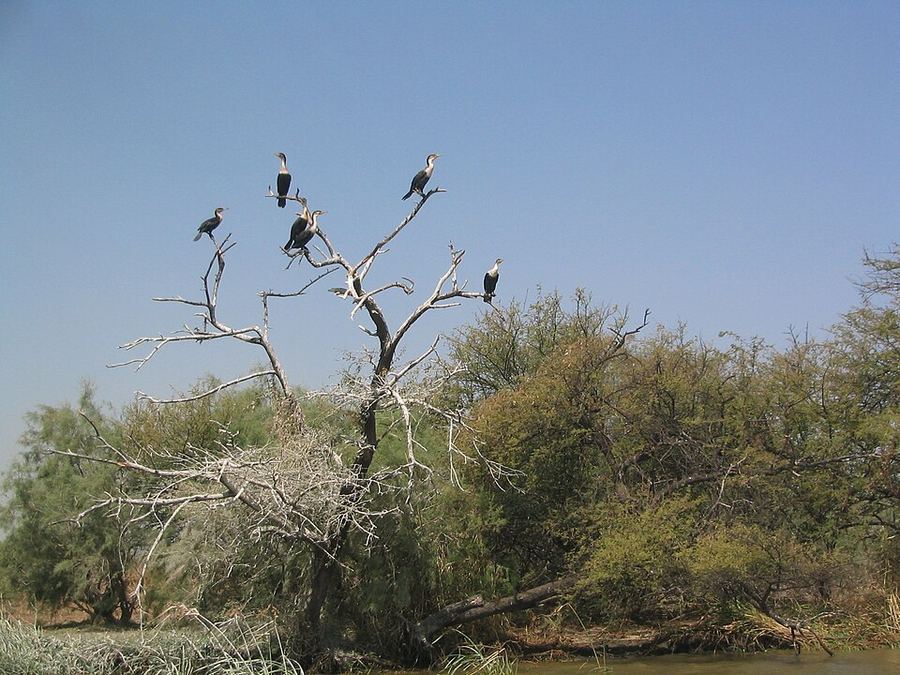
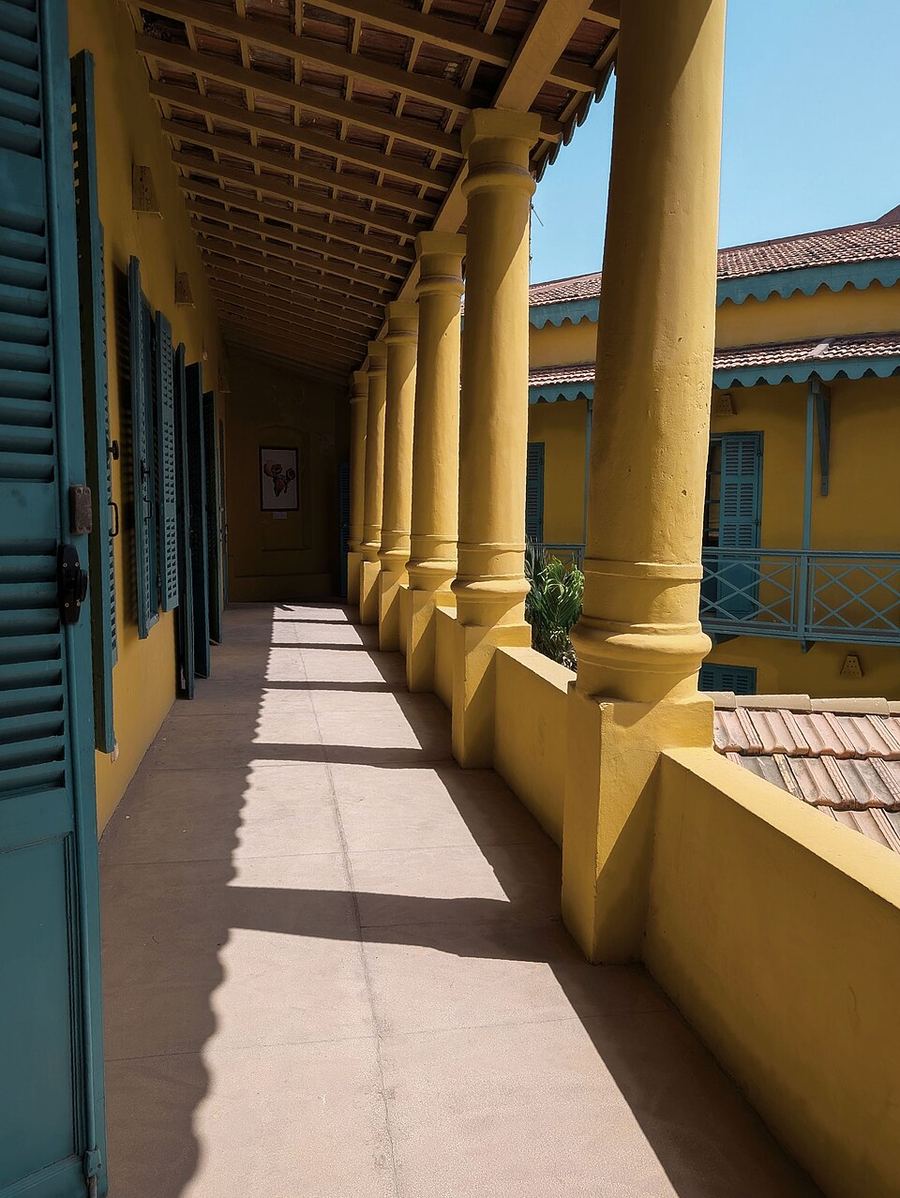
Senegal has seven UNESCO World Heritage sites. The island of Gorée, inscribed in 1978, faces Dakar across a short stretch of water and holds the House of Slaves, which stands as the principal memorial to the Atlantic slave trade and is visited by heads of state as a place of reckoning. The island of Saint-Louis, inscribed in 2000, preserves the grid and balconied colonial architecture of the old capital at the Senegal River mouth. The Stone Circles of Senegambia, shared with The Gambia and inscribed in 2006, comprise more than a thousand laterite megaliths raised over burial grounds across several centuries. Djoudj, in the Senegal River delta, is one of the world's great bird sanctuaries and a refuge for millions of migrants crossing the Sahara; Niokolo-Koba protects savanna wildlife in the south-east; the Saloum Delta guards mangroves and enormous shell middens; and the Bassari, Fula and Bedik cultural landscapes of the south-east were inscribed in 2012. Beyond heritage, Senegalese cite their democratic record — no coup since independence and three peaceful changes of governing party — as the achievement they are proudest of.

Cultural Fusion

Senegal absorbs without erasing. Sufi Islam took hold across the country but did not displace older layers: the Serer still practise the Xooy divination ceremony, in which saltigué seers publicly forecast the coming rains, and the Jola of Casamance maintain sacred groves and initiation rites, while the Lebou of the Dakar peninsula hold ndeup healing ceremonies for spirit affliction. French rule left the language of administration, the baguette, and the architecture of Saint-Louis and Dakar. That colonial port produced a distinctive Afro-European society of its own — the signares, women of mixed descent who ran trading households and set a style of dress and jewellery still evoked at weddings. Ziguinchor in Casamance carries Portuguese Creole traces and Cape Verdean connections, and a Lebanese commercial community has been established since the 1890s. The fusion is loudest in music: mbalax was made by setting Wolof sabar drumming against the Cuban dance-band music that had itself travelled from West Africa and back. Even the national dish shows it, and Dakar's most popular street snack is the nem, a Vietnamese spring roll that arrived by colonial routes.

Music & Dance

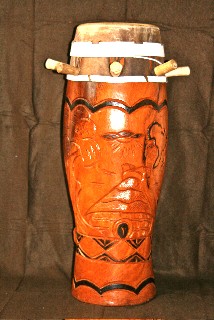
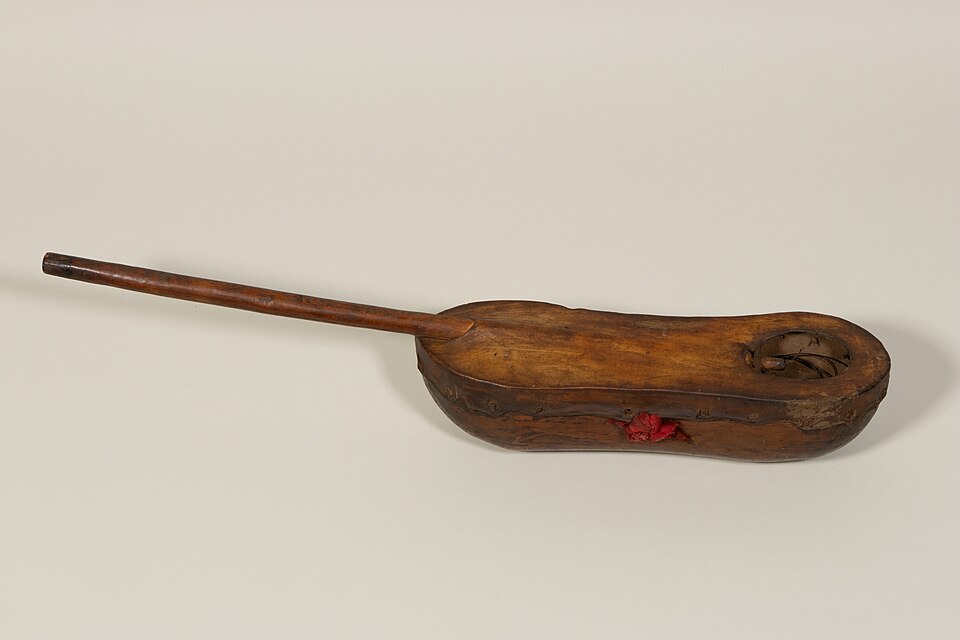
The foundation of Senegalese music is the sabar, a family of tall carved drums played with one hand and one thin stick, and the dance of the same name — fast, percussive and improvisational, performed at women's tannebeer gatherings where dancers take the floor one at a time to answer a drummed phrase. Out of that came mbalax, the national popular genre, which set sabar rhythms under Cuban-derived dance band arrangements and became the sound of independent Senegal. Youssou N'Dour is its defining figure, moving from Étoile de Dakar to the Super Étoile, winning a Grammy for Egypt in 2005 and later serving as a government minister; Orchestra Baobab kept the Afro-Cuban strand alive, and Baaba Maal brought the Pulaar tradition of the north to international audiences. Ismaël Lô, Thione Seck and Cheikh Lô are equally established at home. In the south, the Mandinka kora — a twenty-one-string harp-lute — and the xalam lute carry griot repertoire. Senegal also has one of Africa's oldest and most political hip-hop scenes, from Positive Black Soul in 1989 to the Y'en a Marre movement founded by rappers in 2011.

Cuisine & Misattributed Foods

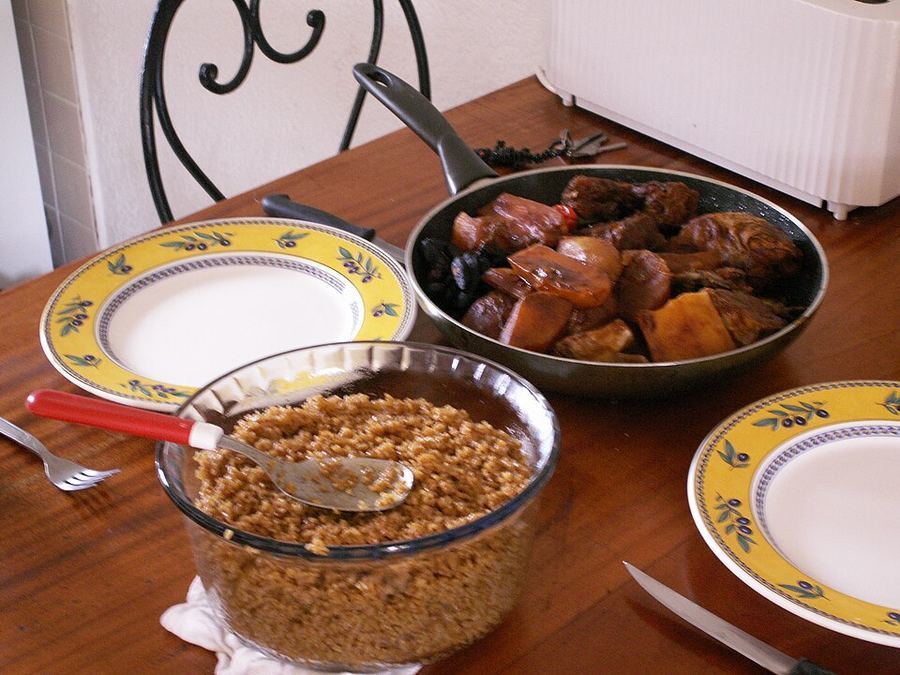
The national dish is ceebu jën, thieboudienne in French — literally rice and fish. Broken rice is cooked in a tomato and fish broth with a whole fish stuffed with a herb paste called rof, and served with cassava, carrot, cabbage, aubergine and sweet potato, sharpened with tamarind and a fermented condiment; tradition credits its creation to Penda Mbaye, a cook in nineteenth-century Saint-Louis, and UNESCO inscribed it on the Representative List of Intangible Cultural Heritage in 2021. Its rivals are yassa, a Casamance dish of chicken or fish marinated in lemon, mustard and a great quantity of slowly softened onion, and mafé, meat in a rich groundnut sauce. Casamance also gives caldou, a lighter fish and lemon broth. Street food means dibi — mutton grilled over wood and served on paper with onion — accara fritters of black-eyed pea, fataya pastries and nems. Millet couscous is eaten in the interior. Drinks are bissap, a tart hibiscus infusion, bouye from baobab fruit, and ginger juice, with ataya green tea brewed and poured in three rounds.

National Dress

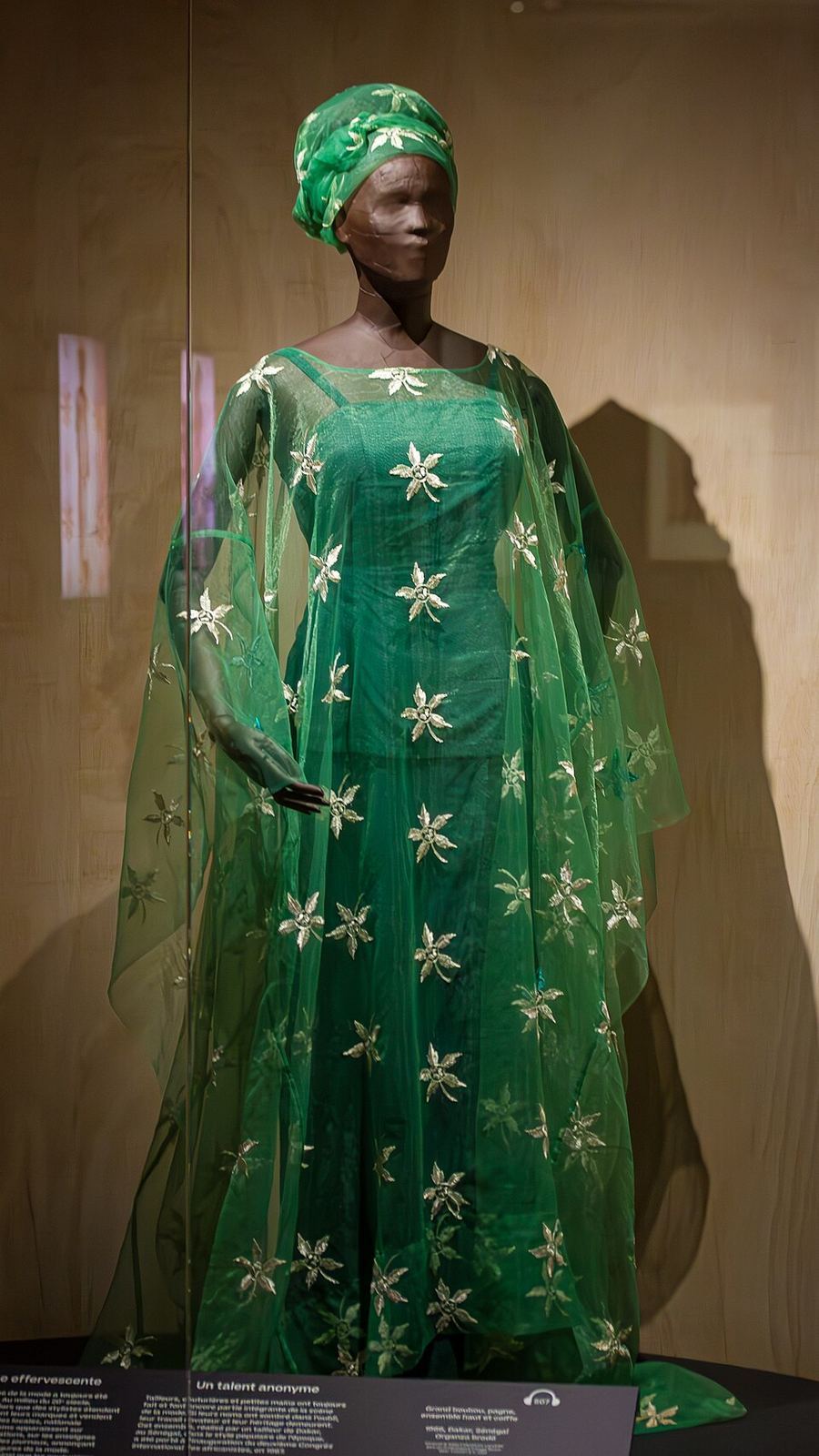
Senegalese formal dress centres on the grand boubou, a wide flowing robe worn by both men and women. Men wear it over a matching tunic and narrow drawstring trousers; women wear a longer version over an underdress with a wrapped pagne and a moussor headwrap tied with considerable art. The prestige fabric is bazin riche, a heavy cotton damask that is dyed, starched and then beaten with wooden mallets by specialist workshops until it takes on a hard, almost metallic sheen, and the neckline and chest are finished with dense machine or hand embroidery. Women's alternative is the taille basse, a fitted top over a long skirt. Gold filigree jewellery in the Saint-Louis manner, and thiouraye incense burned into clothing, complete the effect for a ceremony. Senegalese tailoring is a substantial industry rather than a heritage practice: neighbourhood tailors work to measure for everyone, and the country supports a professional fashion sector, with Dakar Fashion Week running since the early 2000s and designers such as Oumou Sy exhibiting internationally.

Sports & Inspiring Athletes

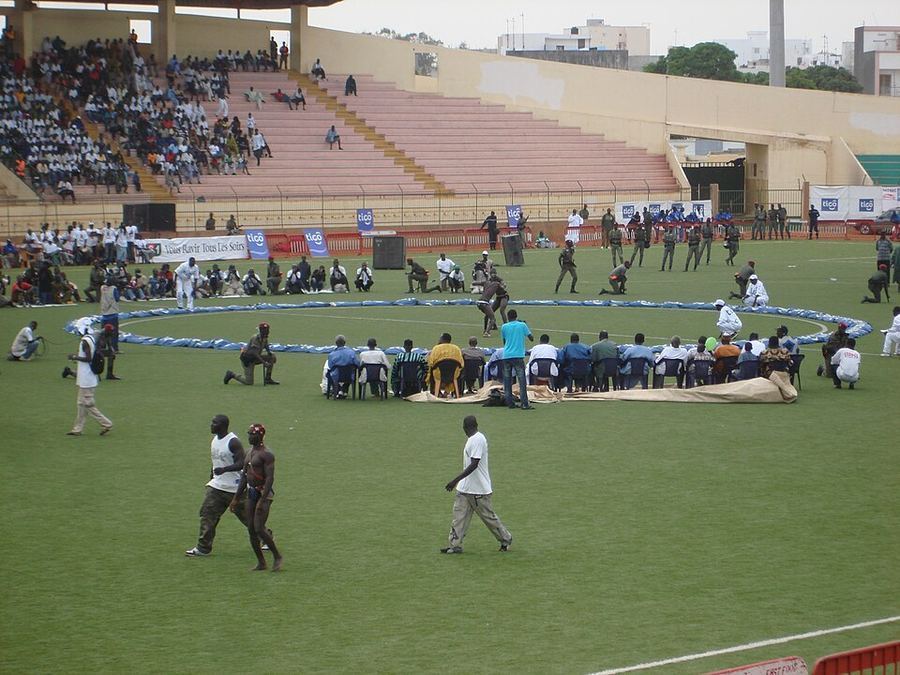
The sport that fills Senegal's arenas is laamb, the traditional wrestling that permits striking with the bare fist. Bouts are preceded by long, theatrical preparation — protective charms, ritual washing, and the bàkk, a boasting dance performed to drums — and the leading wrestlers are among the highest-paid and most recognisable people in the country, fighting before packed crowds at the Arène Nationale in Pikine. Football is the other national passion, and the Lions of Teranga have had a remarkable quarter-century: they beat the reigning world champions France in the opening match of the 2002 World Cup and reached the quarter-finals on their debut, returned to the last sixteen in 2022, and won the Africa Cup of Nations for the first time in 2022, beating Egypt on penalties. Sadio Mané, twice African Footballer of the Year, is the emblem of that side. Basketball is genuinely strong: Senegal has won the men's AfroBasket five times, the women's team is among the continent's most decorated, and the NBA's academy for Africa is based at Saly. Amadou Dia Ba's 400 metres hurdles silver at Seoul in 1988 remains Senegal's only Olympic medal.
FIFAIOCOlympediaWorld AthleticsEncyclopaedia Britannica

Notable Educational Programs

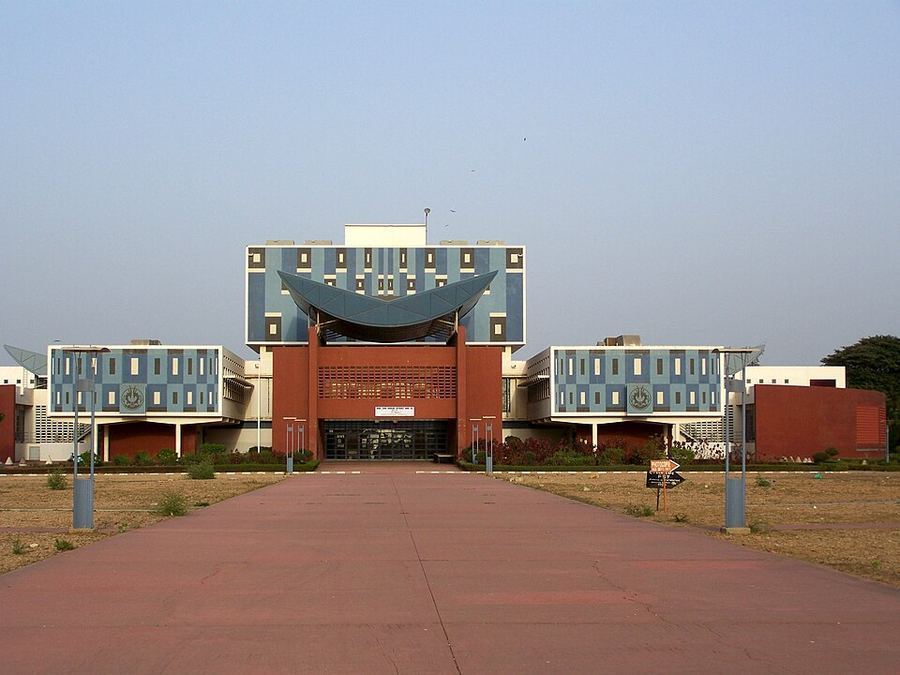
Senegal's education system operates in French, with a parallel network of daaras, Quranic schools that many families use alongside or instead of state schooling; the condition of talibé children sent to beg by some daara masters has been repeatedly documented by human rights organisations and is a live policy issue. Université Cheikh Anta Diop in Dakar, founded in 1957 and renamed in 1987 for the historian, is among the oldest and most prestigious francophone universities in West Africa and a centre of national political life; Université Gaston Berger in Saint-Louis, opened in 1990, is the principal second campus. Senegal has also become a regional hub for specialist training: the African Institute for Mathematical Sciences established a centre at Mbour, drawing graduate students from across the continent. The country has invested in early childhood provision and in literacy taught in national languages such as Wolof and Pulaar alongside French. Dakar's place in global education policy was fixed in 2000, when it hosted the World Education Forum that produced the Dakar Framework for Action on Education for All.

Wars & Conflicts

Senegal's internal conflict has been confined to Casamance, the southern region separated from the rest of the country by The Gambia. The Movement of Democratic Forces of Casamance took up arms in 1982 seeking independence, and the resulting low-intensity insurgency became one of the longest-running conflicts in Africa, marked by ambushes, banditry and landmine contamination rather than large battles, and by repeated splits among rebel factions. Peace agreements signed with major factions in 2022 and 2023 have brought a substantial reduction in violence, though demining and the return of displaced villagers continue. Beyond its borders, Senegal has been a contributor rather than a combatant: it sent troops to the coalition in the 1991 Gulf War and has served in United Nations peacekeeping missions, and in January 2017 it led the ECOWAS force whose deployment persuaded Yahya Jammeh to leave power in The Gambia. A violent breakdown with Mauritania in 1989 produced expulsions and killings on both sides of the Senegal River. Domestically, protests connected to the prosecution of the opposition leader Ousmane Sonko in 2021 and 2023 led to dozens of deaths.
Current as of 2026-08-07

Land & Border Disputes

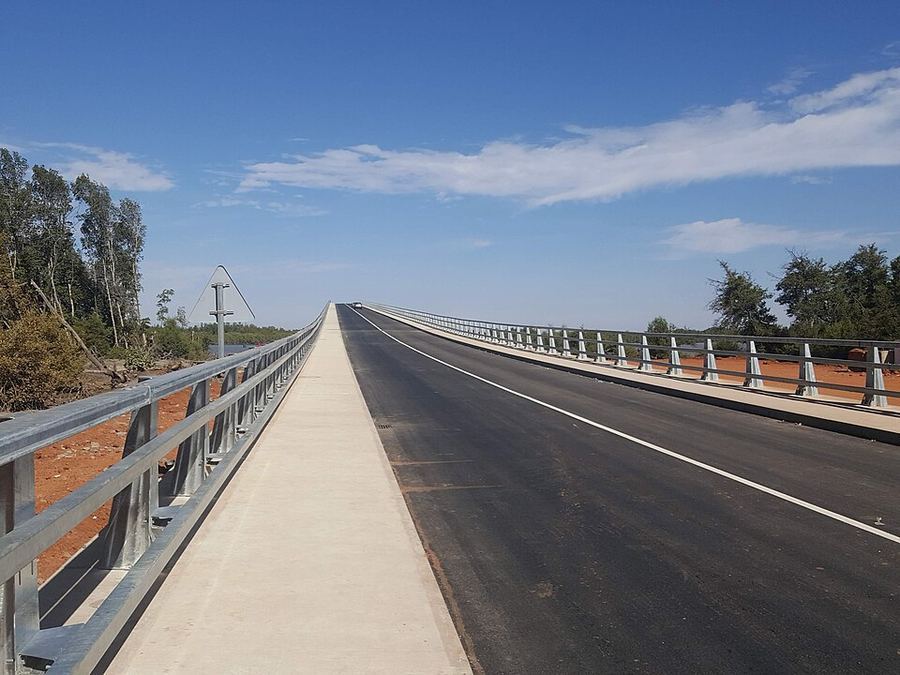
Senegal's land borders are settled and its principal boundary dispute was resolved judicially. Guinea-Bissau challenged the validity of a 1960 Franco-Portuguese agreement fixing the maritime boundary between the two countries; an arbitral tribunal upheld the line in 1989, Guinea-Bissau then took the matter to the International Court of Justice, and the Court's judgment of 12 November 1991 found the arbitral award valid and binding on both states. The two governments subsequently established a joint zone for managing fisheries and hydrocarbons in the area. The geography of The Gambia, which cuts Senegal nearly in two along its river, has produced decades of friction over transit, ferry queues and road tolls on the route to Casamance, substantially eased by the opening of the Senegambia bridge in 2019. Water in the Senegal River is managed jointly with Mauritania, Mali and Guinea through the OMVS river basin organisation. Offshore, the Greater Tortue Ahmeyim gas field straddles the maritime boundary with Mauritania and is being developed under a cooperation agreement signed in 2018 rather than contested.
Land, Life & Legacy

Land & Climate

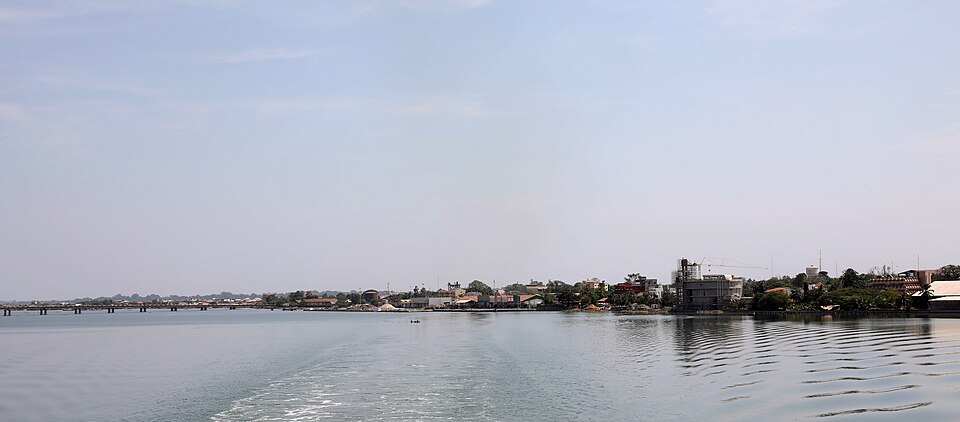
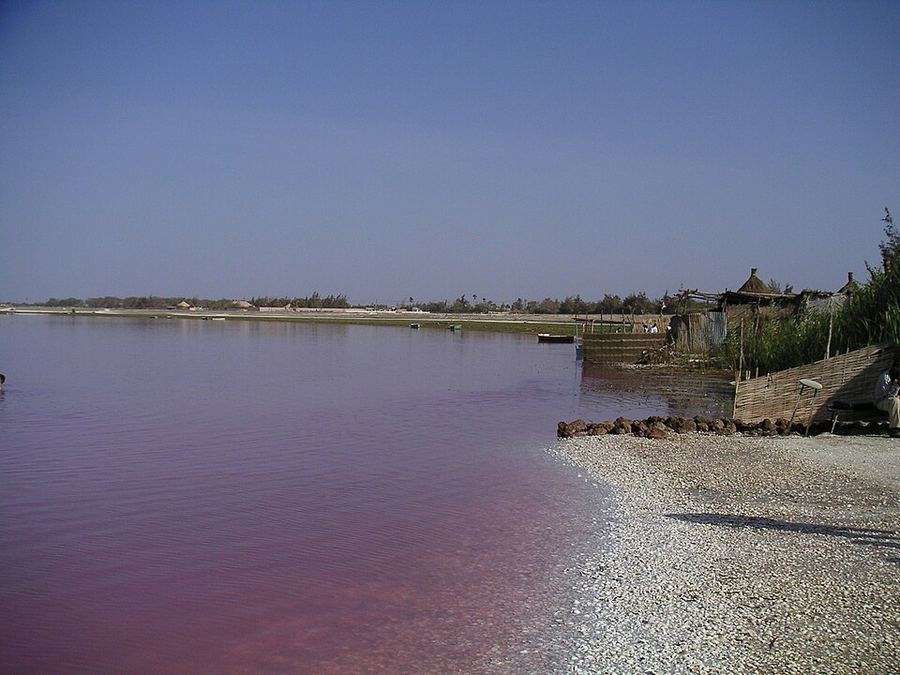
Senegal covers about 197,000 square kilometres of mostly low, flat country, and Pointe des Almadies on the Dakar peninsula is the westernmost point of mainland Africa. The highest ground, in the south-east near the Fouta Djallon foothills, barely exceeds 580 metres. Four rivers organise the land: the Senegal, which forms the northern border with Mauritania and ends in a delta behind the long sandspit of the Langue de Barbarie at Saint-Louis; the Gambia, which crosses the country inside the enclave of The Gambia; the Casamance in the far south; and the Saloum, whose delta is a maze of mangrove creeks, islands and ancient shell mounds. Lake Retba near Dakar is a hypersaline lagoon whose water can turn pink with salt-tolerant algae, and salt is harvested from it by hand. The climate is Sahelian: a long dry season under the dusty harmattan, then rains from roughly July to October that grow heavier southward, so that the north is semi-desert while Casamance is genuinely tropical and green. Cold Atlantic upwelling makes Senegalese waters among the most productive fisheries in West Africa. Coastal erosion and drought are pressing concerns.

Entertainment

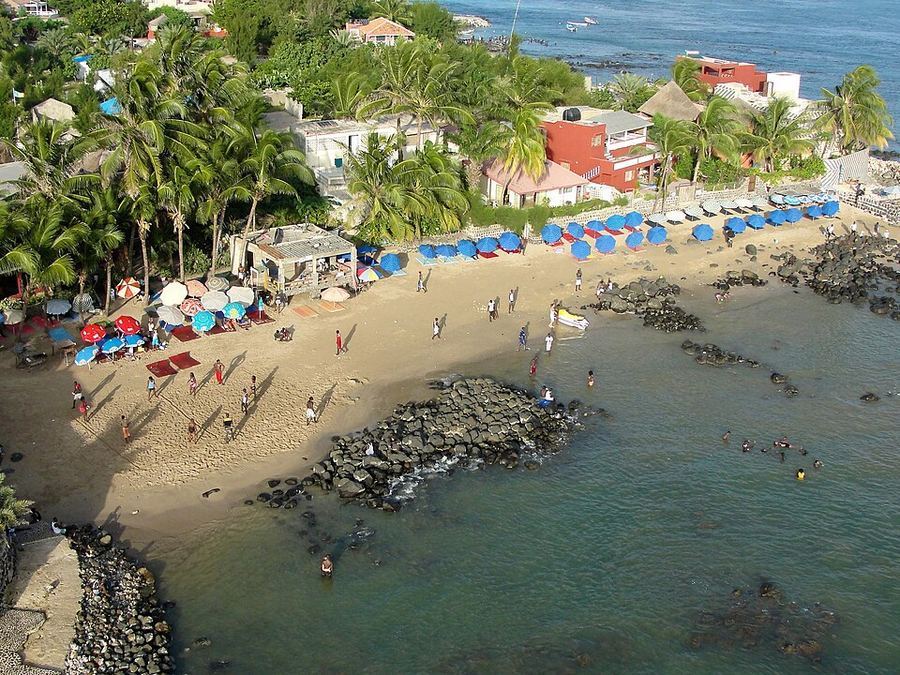
Senegalese leisure is highly social and mostly conducted outdoors. Ataya, the three-round tea ceremony, is an event in itself, occupying an afternoon on a mat or a shopfront step. Wrestling is the great spectacle, filling arenas and television schedules, and football is watched communally wherever a screen can be found. The Atlantic provides the rest: Dakar's beaches at Yoff and Ngor, the surf breaks off Ngor island and the Almadies that have made the city a genuine surfing destination, the resort coast at Saly, and Cap Skirring in Casamance. Day trips run constantly to Gorée. Birdwatchers go north to Djoudj, and pirogues take visitors through the mangrove channels of the Sine-Saloum. The Grand Magal of Touba is the largest single gathering in the country, drawing millions of Mourides in a matter of days. Dakar's nightlife is built around live mbalax, played late in clubs including Youssou N'Dour's own venue, and the Dak'Art biennale fills the city's galleries and disused buildings every two years.

Art & Museums

President Senghor made culture an instrument of state, funding the École des Arts in Dakar and hosting the First World Festival of Negro Arts there in 1966, a landmark pan-African gathering. From that emerged the École de Dakar, with painters including Papa Ibra Tall and Iba N'Diaye, who pointedly resisted the movement's Négritude aesthetic, and the tapestry manufactory at Thiès, founded in 1966, which wove painters' designs into large hangings that were exported worldwide. Older popular tradition survives in souwère, painting made in reverse on the back of a sheet of glass, developed in the nineteenth century to depict Sufi saints and now used for everyday and satirical scenes. The sculptor Ousmane Sow made monumental figures of Nuba wrestlers, Zulu warriors and the combatants of Little Bighorn, and became the first African elected to France's Académie des Beaux-Arts in 2013. Dak'Art, running since 1992, is the continent's leading biennale of contemporary African art, and the Museum of Black Civilisations opened in Dakar in 2018. Senegal is also the birthplace of African cinema through Ousmane Sembène, whose successors include Djibril Diop Mambéty and Mati Diop.

Notable People

Léopold Sédar Senghor — poet, co-founder with Aimé Césaire of the Négritude movement, first president of Senegal, the first African elected to the Académie française, and unusual among his generation for stepping down voluntarily in 1980 — is the country's defining figure. Cheikh Anta Diop, historian and physicist, argued for the African identity of ancient Egypt and gave his name to Dakar's main university. Ousmane Sembène, a docker and novelist turned film-maker, is widely called the father of African cinema for films including La Noire de… and Moolaadé, made in Wolof so that non-literate audiences could follow them; Djibril Diop Mambéty and, more recently, Mati Diop, who won the Cannes Grand Prix for Atlantics and the Berlin Golden Bear for Dahomey, continue that line. Mariama Bâ's So Long a Letter is a founding text of African women's writing. Amadou Mahtar Mbow served as Director-General of UNESCO from 1974 to 1987, the first African to hold the post. Youssou N'Dour, Baaba Maal and the sculptor Ousmane Sow carry Senegalese art abroad, as do the footballers Sadio Mané and Kalidou Koulibaly.

Inventions & Breakthroughs

Senegal's inventiveness has been intellectual and artistic rather than mechanical. Négritude, formulated in 1930s Paris by Senghor with Aimé Césaire and Léon Damas, was a new framework for asserting the value of African civilisation and reshaped writing and politics across the francophone world. Cheikh Anta Diop, working from a radiocarbon laboratory he established in Dakar, brought physical and chemical methods to bear on questions of ancient Egyptian identity and forced a lasting reconsideration of how African history was written. Ousmane Sembène effectively created a cinematic language for the continent, deciding to make films in Wolof rather than French so that they could reach audiences who could not read — an argument about the medium as much as about politics. In music, mbalax is a genuinely new genre, and in cooking, ceebu jën is a documented culinary invention attributed to a named nineteenth-century cook. Senegal is also the most active implementer of the Great Green Wall, the pan-African effort to restore degraded land in a belt across the Sahel through assisted natural regeneration.

Science & Technology

The Institut Pasteur de Dakar, founded in 1896, is one of the oldest members of the Pasteur network and one of very few facilities anywhere producing yellow fever vaccine prequalified by the World Health Organization, supplying much of Africa's supply. It developed low-cost rapid diagnostic tests during the COVID-19 pandemic and has since launched a project to expand vaccine manufacturing in Senegal, part of a continental effort to reduce dependence on imports. The Institut Fondamental d'Afrique Noire, established in Dakar in 1936, remains a major centre for African studies and natural history collections, and the African Institute for Mathematical Sciences centre at Mbour trains graduate mathematicians from across the continent. In August 2024 Senegal launched GaindeSAT-1A, its first satellite, developed by Senegalese engineers working with Université Cheikh Anta Diop and a French partner, for Earth observation and data relay. Energy has changed rapidly: the Sangomar oilfield began production offshore in 2024, the Greater Tortue Ahmeyim project shared with Mauritania began exporting liquefied natural gas, and utility-scale solar plants have given Senegal one of the higher renewable shares in West Africa.
On The World Stage

Champions & Defining Moments

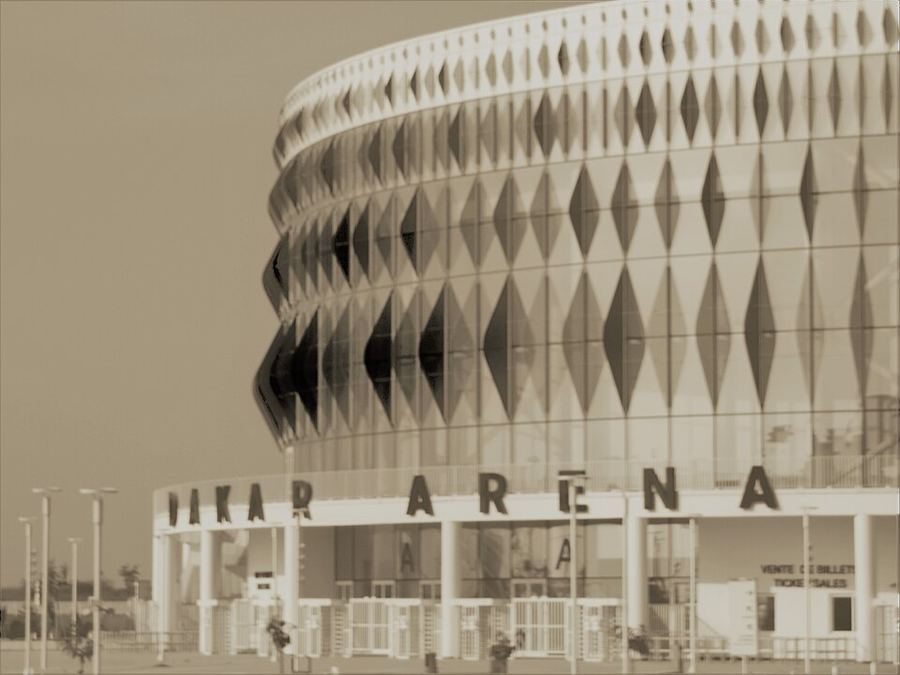
Dakar's name was attached to one of the world's best-known motor sport events for nearly three decades: the Paris–Dakar Rally finished on the Senegalese coast from 1979 until 2007, when security concerns in the Sahara ended the African route. Senegal's most significant sporting appointment is ahead of it — the International Olympic Committee awarded Dakar the Summer Youth Olympic Games, later rescheduled to 2026, making it the first Olympic event of any kind to be staged on the African continent, with venues in Dakar, Diamniadio and Saly. In football, the 2022 Africa Cup of Nations title and consecutive strong World Cup showings have put Senegal among Africa's leading national sides, and Senegalese players are numerous in the major European leagues. In basketball, the Dakar Arena at Diamniadio has hosted rounds of the Basketball Africa League, the NBA-backed continental competition, and the NBA Academy Africa at Saly trains prospects from across the region. Senegal has competed at the Summer Olympics since 1964 and has also entered alpine skiers at the Winter Games.

Economy, Trade & Government

Currency & GDP

CFA Franc BCEAO — XOF (Fr)

GDP (PPP): $83.183 billion (2024 est.)

Per capita: $4,500 (2024 est.)

Exports

$7.001 billion (2023 est.)

gold, refined petroleum, phosphoric acid, fish, cement (2023)

Partners: Mali 21%, India 12%, Switzerland 11%, China 5%, UAE 4% (2023)

Imports

$14.916 billion (2023 est.)

refined petroleum, crude petroleum, rice, garments, wheat (2023)

Partners: China 19%, France 9%, Nigeria 7%, India 7%, Russia 5% (2023)

Government

Type: presidential republic

Independence: 4 April 1960 (from France); 20 August 1960 (full independence after federation with Mali is dissolved)

Terrain → Where People Live

How mountains, coasts, and rivers shape settlement (LandScan).

Coming — data

Migration & Ethnic Settlement

Where groups settled and how people move (GeoEPR + UNHCR).

Coming — data

Universities

Notable institutions, mappable as points.

Coming — data
Economy & government facts: CIA World Factbook (public domain), via OpenFactBook / factbook.json.
Every fact and narrative claim will carry a visible source citation. Data-driven sections light up automatically wherever HERA has coverage.