HERA · Human Entity Reference Atlas by Masego Inc

← Singapore 🌐 3D View
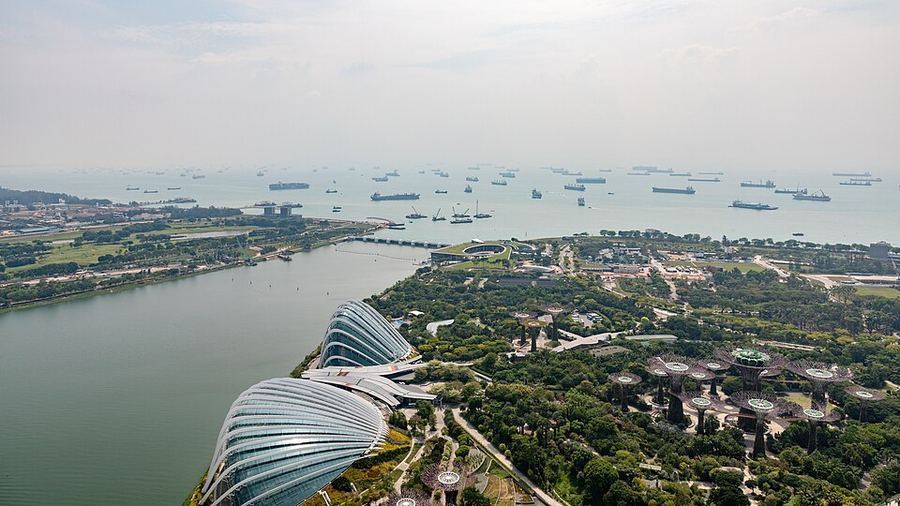
Marina Bay Sands Singapore, Singapore
Singapore SGP
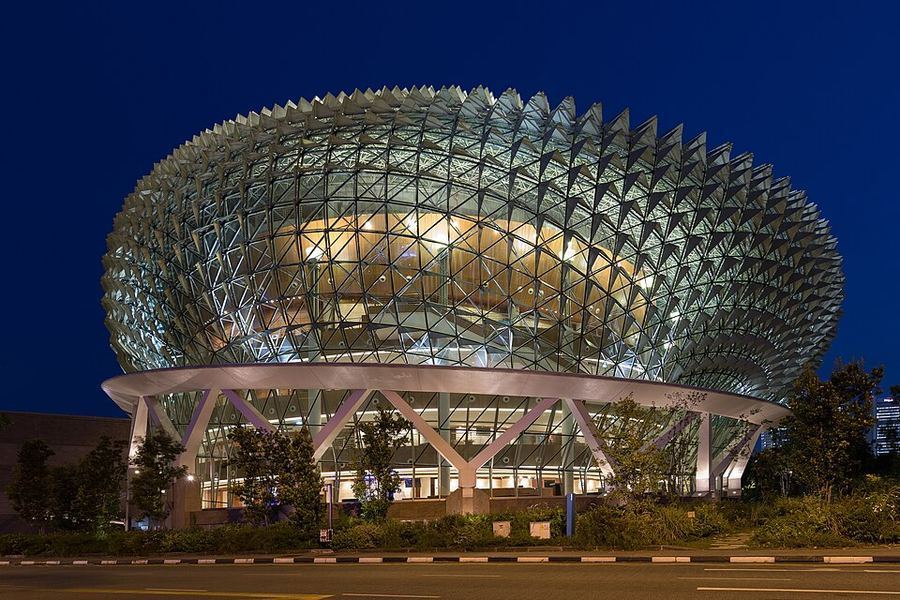
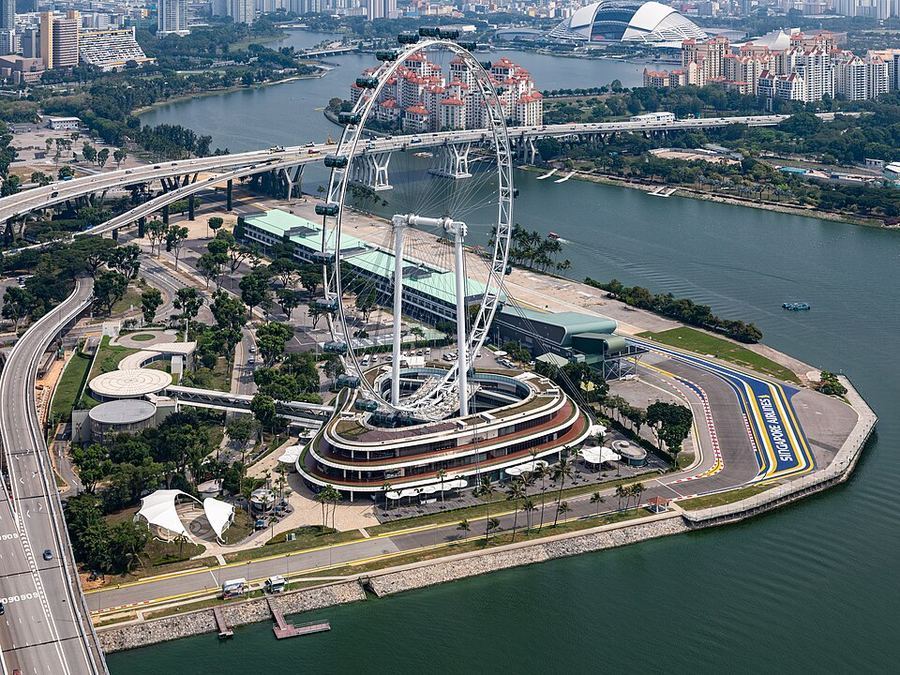
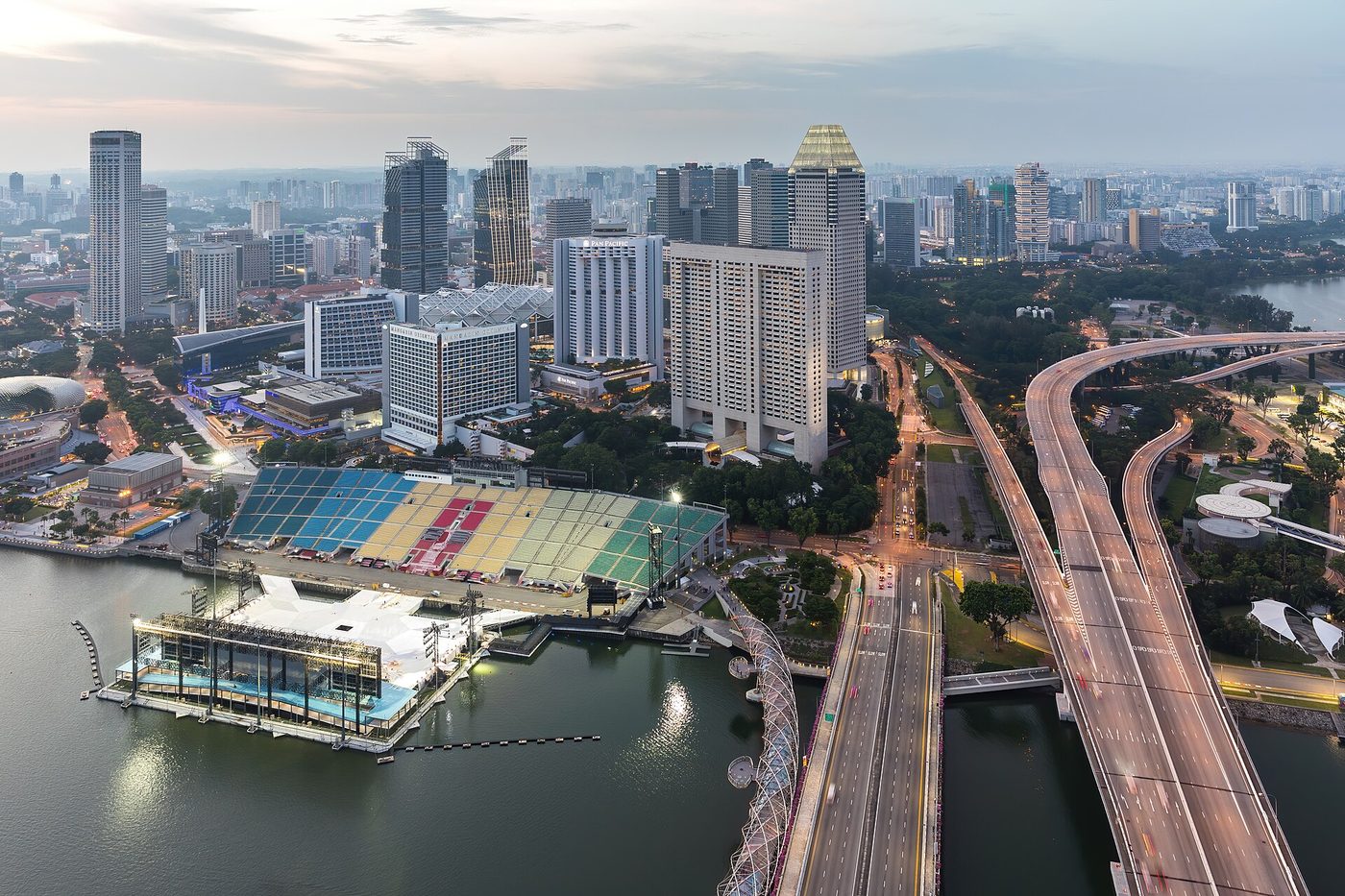
Marina Bay Sands Singapore — Photo: Basile Morin / CC BY-SA 4.0 via Wikimedia Commons
Did You Know In December 2020 Singapore became the first country in the world to approve cultivated meat, grown from animal cells rather than slaughtered animals, for commercial sale. — Reuters

Singapore is a parliamentary republic and city-state of about six million people occupying a main island and some sixty smaller ones at the southern tip of the Malay Peninsula, roughly one degree north of the equator. It has no hinterland, almost no natural resources and very little fresh water, and it has built one of the highest per-capita incomes in the world — around $132,600 at purchasing power parity — on trade, shipping, refining, electronics and finance. Integrated circuits, refined petroleum, machinery and vaccines lead its exports, and the port and Changi Airport handle volumes far beyond what the domestic economy could generate. The population is about 74% Chinese, 14% Malay and 9% Indian, and there are four official languages: English, which is the language of administration and schooling, Mandarin, Malay, which is the national language, and Tamil. No religion holds a majority — Buddhists are the largest group at about 31%, followed by Christians, Muslims, Taoists and Hindus, with a fifth of the population professing none. Singapore was expelled from the Malaysian Federation on 9 August 1965 and has been governed by the People's Action Party ever since.

CIA World FactbookEncyclopaedia BritannicaIMF
Population
6,080,545
Capital
Singapore
Currency
$ SGD
Time zones
Largest city
Singapore
Human Geography Themes
Loading national figures…
Largest Cities
Singapore5,117,759
Sembawang960,308
In Perspective

Singapore's urban core is home to about 5,117,759 people.

That's bigger than Sydney, Barcelona, Berlin and Rome — each a great world city in its own right.

Singapore5,117,759
Sydney4,375,394
Barcelona3,908,362
Berlin3,601,776
Rome2,556,354

Among the world's megacities, though, it's one of many — the giants of Asia and Latin America run larger still:

Singapore5,117,759
Jakarta40,545,126
Dhaka37,307,160
Tokyo33,244,670
Shanghai30,678,616
Cairo25,230,325
The Country & Its People

History

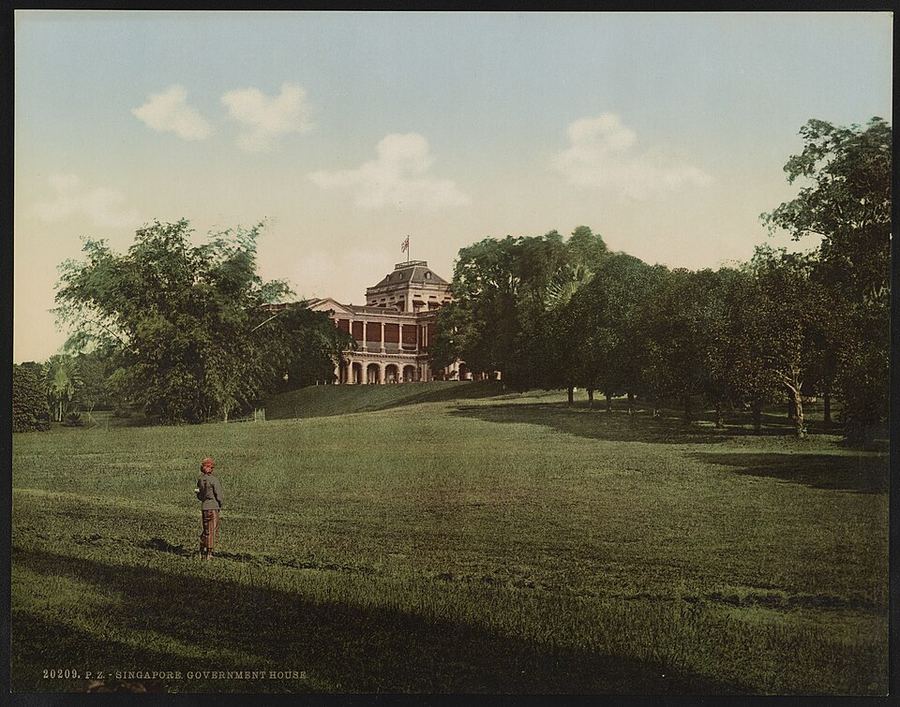
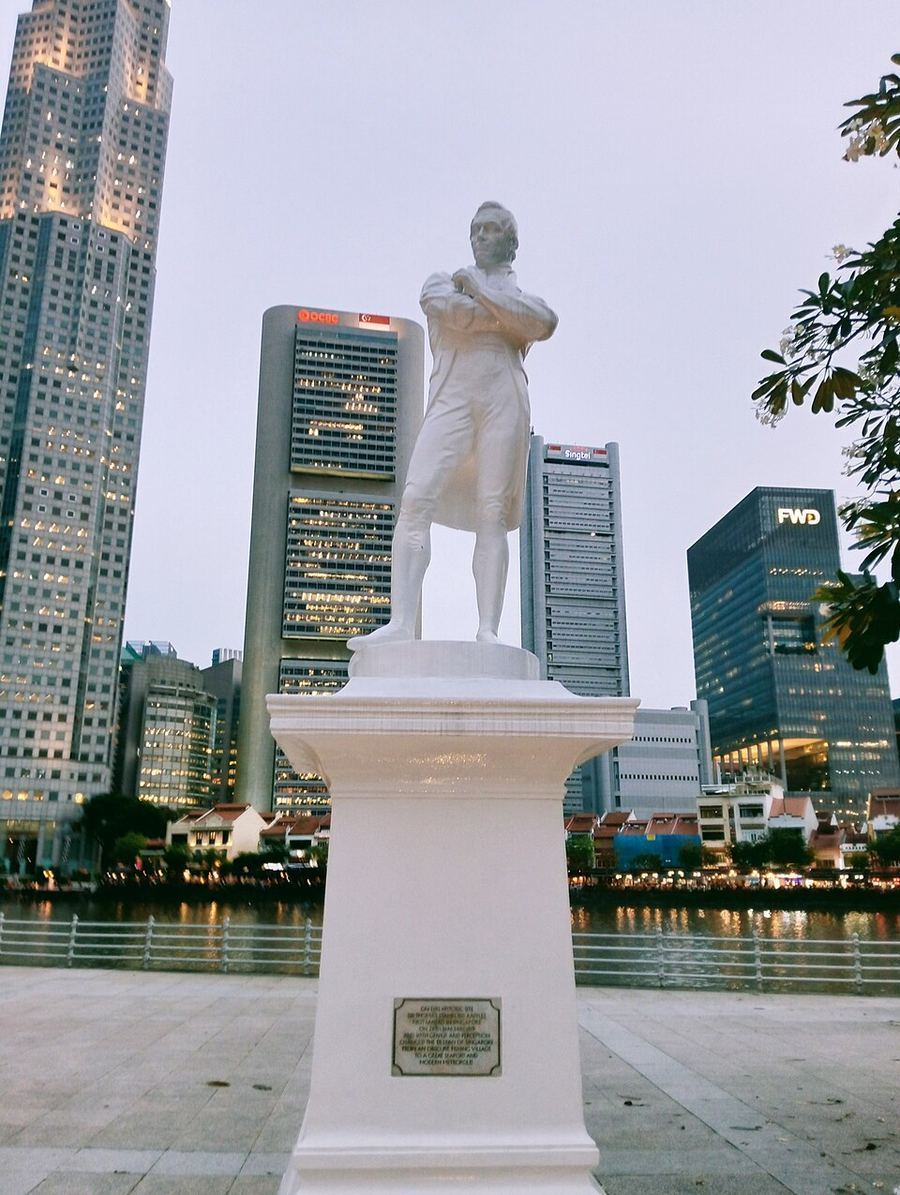
A trading settlement existed on the island in the fourteenth century — excavations on Fort Canning Hill have recovered Chinese ceramics and coins from that period — and Malay chronicles record it as Temasek and then Singapura, the lion city. It later fell within the Johor sultanate and had dwindled to a small settlement when Stamford Raffles landed in January 1819 and concluded a treaty allowing the British East India Company to establish a post. Declared a free port, it grew explosively, drawing merchants and labourers from southern China, India and the archipelago, and joined Penang and Malacca as the Straits Settlements, becoming a Crown Colony in 1867. On 15 February 1942 the British garrison surrendered to the Japanese in the largest capitulation of British-led forces in history; three and a half years of occupation followed, including the Sook Ching killings of Chinese civilians. Self-government came in 1959 with the People's Action Party and Lee Kuan Yew as prime minister, merger with Malaysia in 1963, and then separation on 9 August 1965, when Singapore became independent essentially against its own wishes. The decades since have been a sustained programme of industrialisation, public housing and state-directed development.
Culture

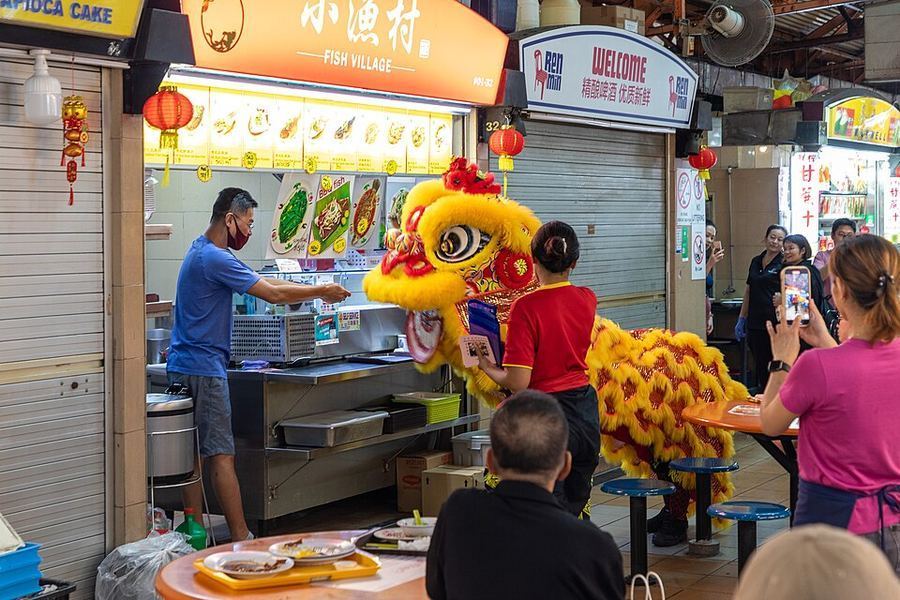
Singapore treats its own diversity as a matter of deliberate policy. The state organises society through the categories Chinese, Malay, Indian and Others, gives each community official language status and public holidays, and enforces ethnic quotas in public housing blocks so that no neighbourhood becomes a single-group enclave — a policy introduced in 1989. Around eighty per cent of residents live in flats built by the Housing and Development Board, most of which they own on long leases, which makes public housing the physical setting of nearly all Singaporean life. Racial Harmony Day each 21 July marks the anniversary of the 1964 riots and is observed in schools. The calendar carries Chinese New Year, Hari Raya Puasa and Haji, Deepavali, Vesak Day, Thaipusam and Christmas in succession. Eating is the great shared activity, and hawker centres — open-air complexes of cheap stalls where strangers share tables — were inscribed by UNESCO as intangible cultural heritage in 2020. Singlish, the English-based creole that borrows grammar and vocabulary from Hokkien, Malay and Tamil, is the unofficial common tongue, and national service remains compulsory for male citizens.

Points Of Pride

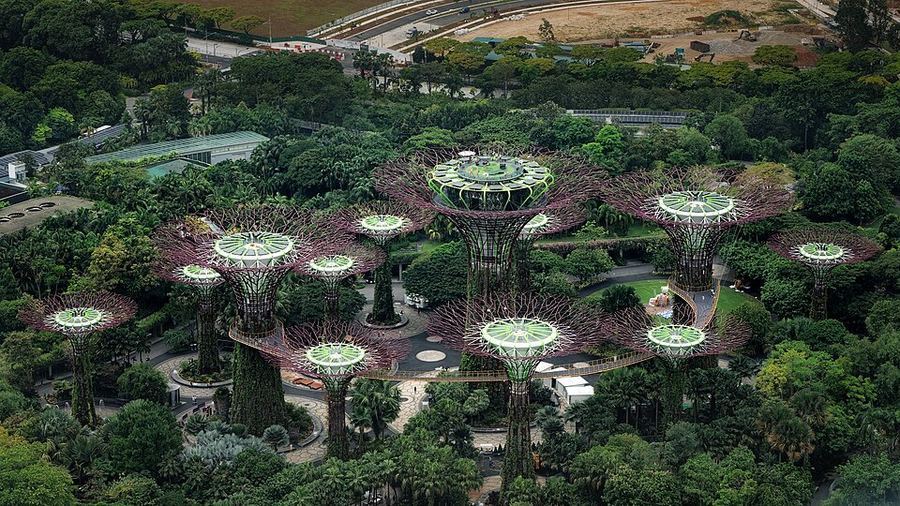
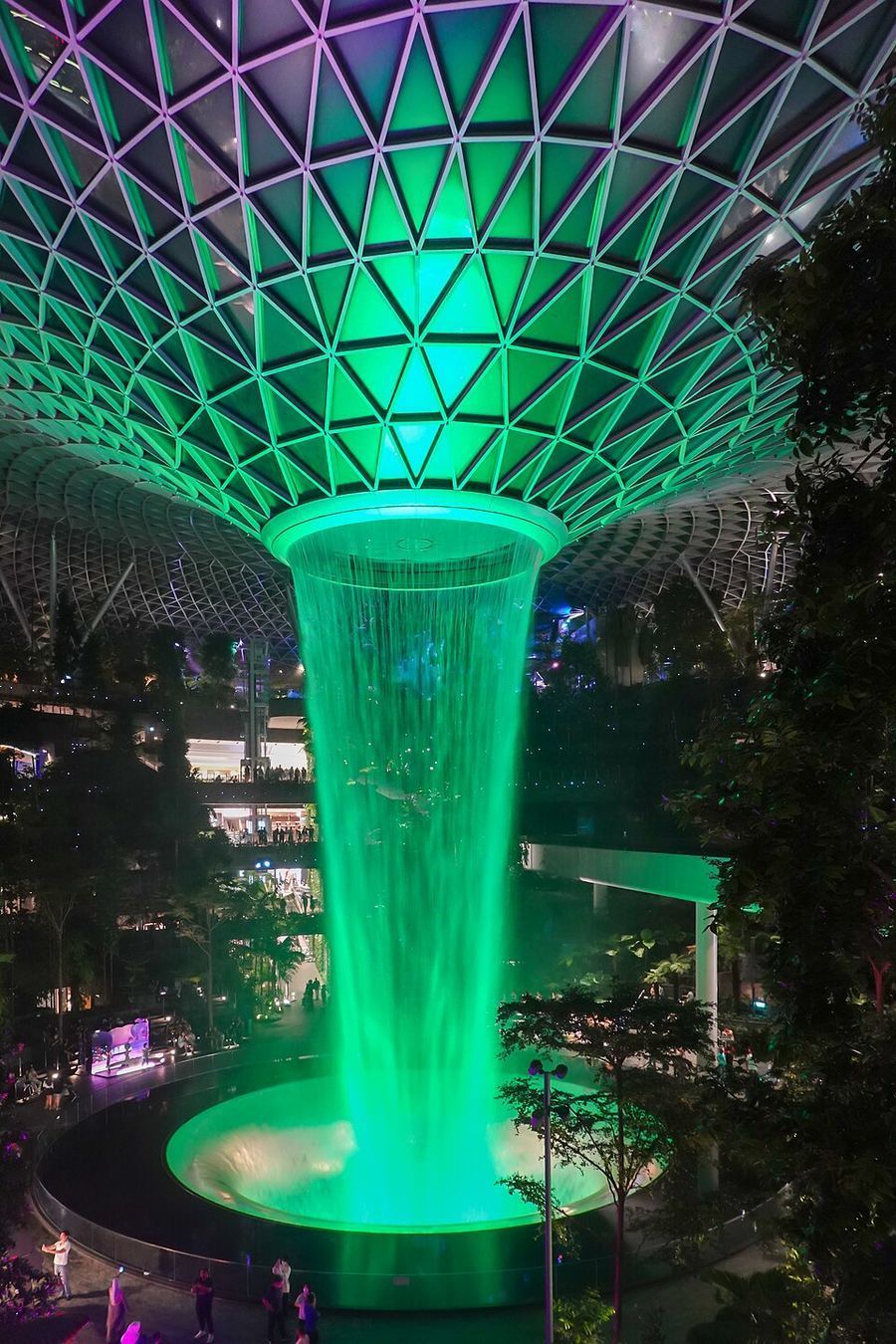
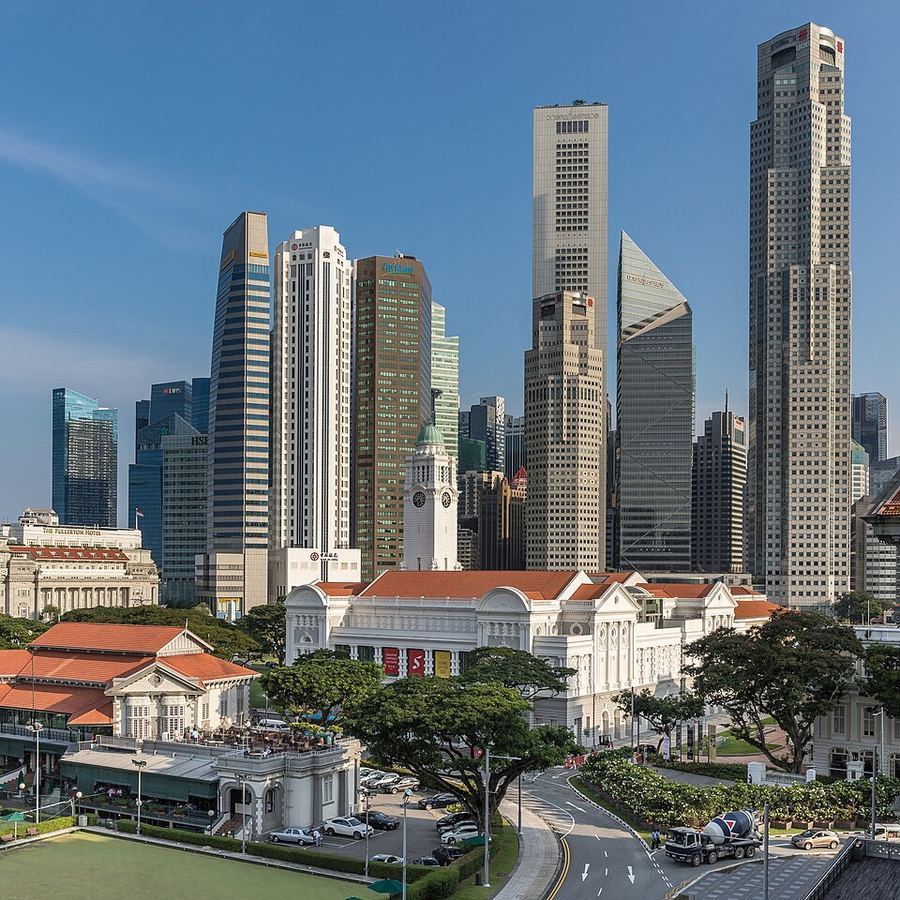
The Singapore Botanic Gardens, founded in 1859, became a UNESCO World Heritage site in 2015 — the first tropical botanic garden ever inscribed and the country's only World Heritage listing. It is where Henry Ridley worked out the tapping and propagation methods that seeded the Southeast Asian rubber industry, and its National Orchid Garden holds one of the largest orchid displays in the world. Changi Airport, repeatedly ranked among the best anywhere and now anchored by the Jewel complex with its indoor waterfall, and the port, one of the world's busiest container terminals and its largest bunkering hub, are the twin engines of national self-image. Gardens by the Bay, with its Supertrees and cooled conservatories, and Marina Bay Sands have given the skyline a globally legible silhouette. Singaporeans also take pride in things that are less photogenic: near-universal home ownership through public housing, one of the lowest crime rates in the world, and a water strategy that has taken a country with almost no natural supply close to self-sufficiency through catchment, recycling and desalination.

Cultural Fusion

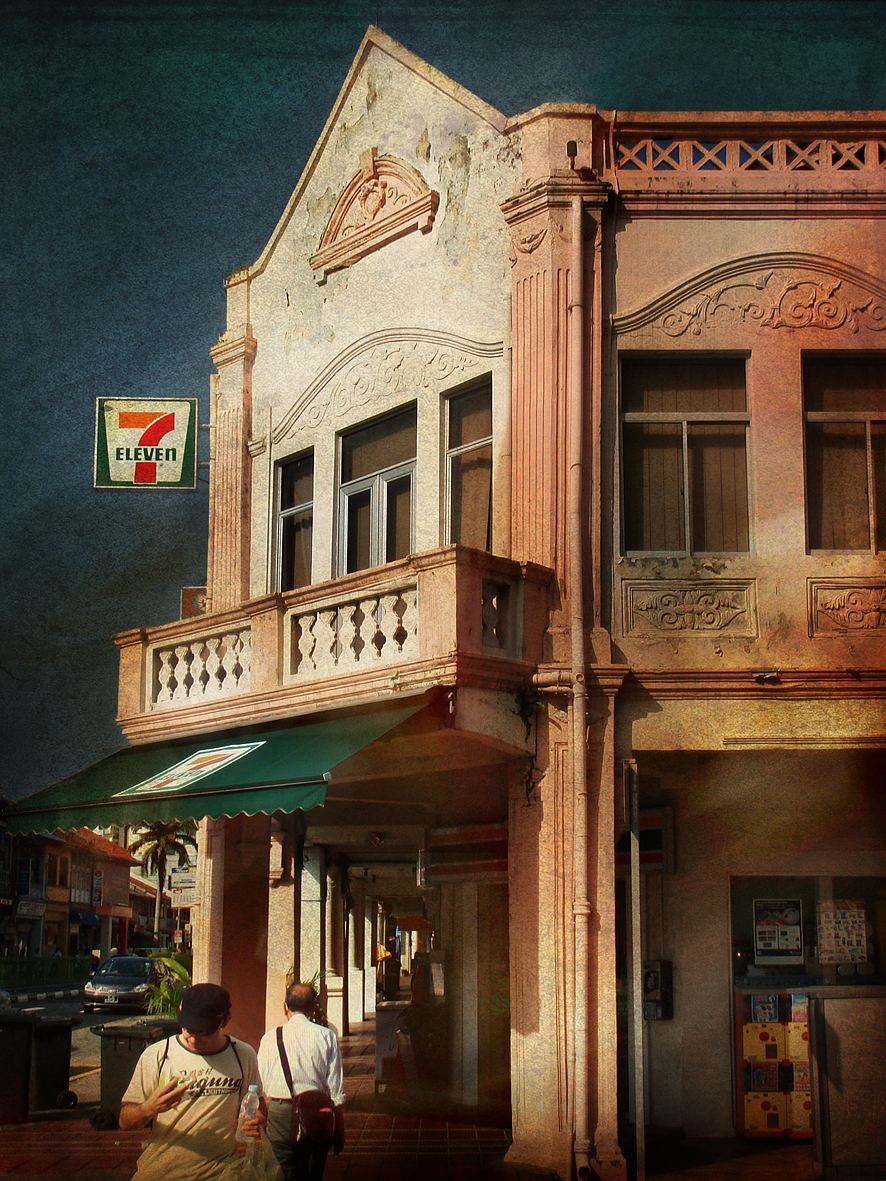
Singapore's mixing is old, not recent. The Peranakan or Straits Chinese communities descend from Chinese traders who settled generations ago and married local Malay women, producing a distinct culture with its own patois, beadwork, porcelain, and a cuisine that applies Chinese technique to Malay spice; the Peranakan Museum and the shophouses of Katong and Joo Chiat preserve it. Eurasian families of Portuguese, Dutch and Malay descent keep their own dishes, including devil's curry. Within the Chinese majority, Hokkien, Teochew, Cantonese, Hakka and Hainanese origins still shape food and family; the Indian population is largely Tamil, with Malayali, Punjabi and Gujarati communities alongside. Telok Ayer Street shows the compression physically: a Hokkien temple, an Indian Muslim shrine and a mosque stand within a short walk of one another, all built for immigrants arriving by sea. Singlish is the audible result of the same process. And several of the dishes Singaporeans consider most their own are frankly hybrid — fish head curry was devised in 1949 by a Malayali cook adapting a South Indian dish to Chinese customers.

Music & Dance

Each community brought its own performance traditions, and all survive in some form: Hokkien and Teochew street opera, once staged on temporary platforms during the seventh lunar month; Malay dikir barat, joget and kuda kepang; Bharatanatyam and Carnatic music in the Indian community; and Javanese gamelan. The most distinctively Singaporean form is getai — brash, amplified variety shows performed on outdoor stages during the Hungry Ghost Festival, where singers move between Hokkien, Teochew and Mandarin before an audience that leaves the front row empty for the spirits. In the late 1970s and 1980s xinyao, a movement of Mandarin campus songwriting led by figures such as Liang Wern Fook, gave a generation its own idiom. Zubir Said composed the national anthem Majulah Singapura in 1958, and the annual National Day song has become a genre of its own, with Dick Lee's Home the most enduring example. The Singapore Symphony Orchestra was founded in 1979 and the Esplanade concert complex opened on the waterfront in 2002, while JJ Lin and Stefanie Sun have become leading Mandopop stars across Asia.

Cuisine & Misattributed Foods

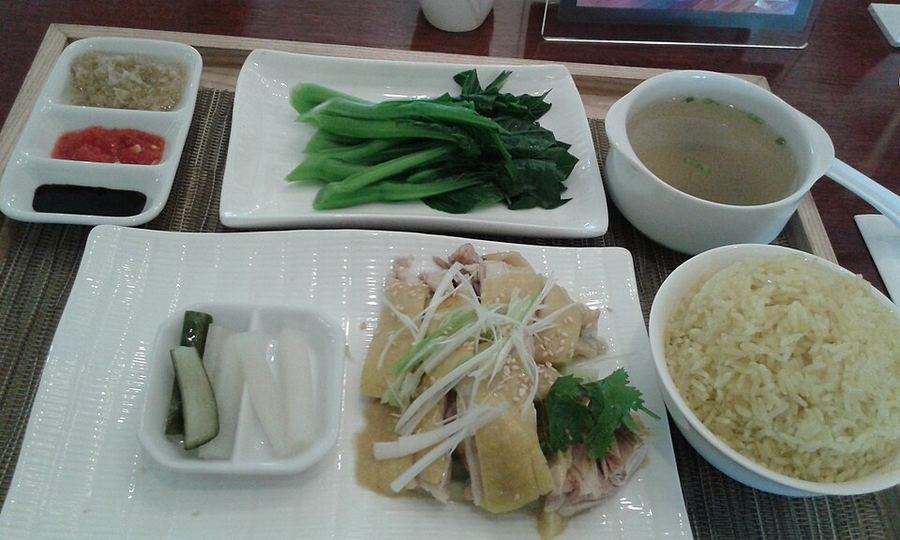
Food is Singapore's dominant leisure activity and its most confident cultural export, eaten mostly in hawker centres, which UNESCO inscribed as intangible cultural heritage in 2020. Hainanese chicken rice — poached chicken with rice cooked in its stock, served with chilli and ginger sauces — is the closest thing to a national dish. Chilli crab, developed in Singapore in the 1950s and served in a thick sweet-savoury tomato and egg gravy with fried buns to mop it up, is the celebratory one. The everyday repertoire includes char kway teow fried in dark soy and lard, Hokkien mee, laksa in the coconut-rich Katong style, peppery Teochew bak kut teh, roti prata, nasi lemak, satay and rojak. Breakfast is kaya toast with coconut-egg jam, soft-boiled eggs and strong kopi. Peranakan cooking contributes ayam buah keluak and a whole family of kueh. In 2016 two Singaporean hawker stalls, one selling soya sauce chicken and one pork noodles, became the first street-food stalls anywhere in the world to be awarded Michelin stars.

National Dress

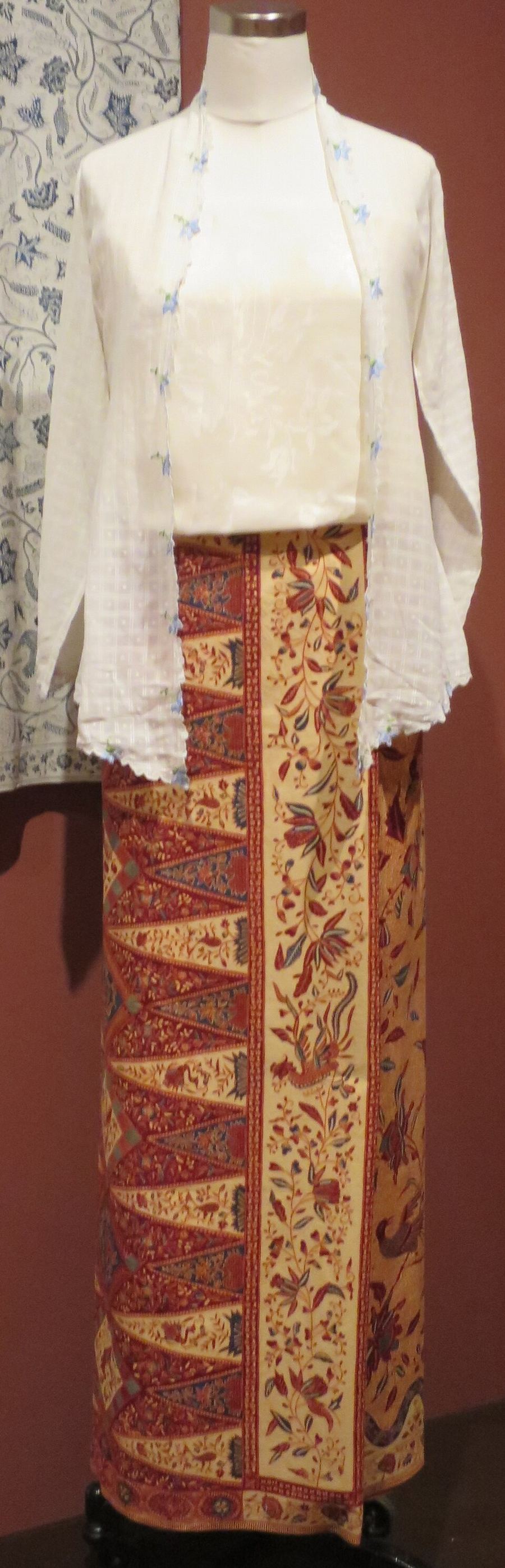
Singapore has no single national dress, which is itself the point: formal occasions display each community's clothing side by side. Malay Singaporeans wear the baju kurung and, for men, the baju melayu with a samping and songkok; Chinese Singaporeans the cheongsam or samfoo; Indian Singaporeans the sari, salwar kameez or dhoti. The garment that comes closest to standing for the country as a whole is the sarong kebaya — a sheer, finely embroidered fitted blouse fastened with kerongsang brooches over a batik sarong, worn with beaded kasut manek slippers. It is the classic dress of Peranakan women, and it became internationally recognisable when Pierre Balmain designed Singapore Airlines' cabin crew uniform around it in 1968. In December 2024 the kebaya was inscribed on UNESCO's Representative List of the Intangible Cultural Heritage of Humanity in a joint nomination submitted by Singapore together with Malaysia, Indonesia, Brunei and Thailand. Batik shirts are the standard men's dress for National Day and state occasions, and school uniforms remain universal.

Sports & Inspiring Athletes

Football has the deepest hold, dating to the Malaysia Cup years when the Kallang stadium's roar was a national reference point; the national team has won the regional ASEAN championship four times, in 1998, 2004, 2007 and 2012, and the domestic Singapore Premier League plays on. The country's Olympic record is small but vivid. The weightlifter Tan Howe Liang won silver at Rome in 1960, and no further medal came for forty-eight years, until the women's table tennis team took silver in Beijing in 2008 and bronze in London in 2012, with Feng Tianwei adding an individual bronze. Then in 2016 the swimmer Joseph Schooling won the 100 metres butterfly in Rio, beating Michael Phelps and setting an Olympic record, to claim Singapore's first gold. Swimming and table tennis remain the strongest disciplines, alongside sailing, badminton, bowling and water polo, in which Singapore dominated the Southeast Asian Games for decades. The Sports Hub at Kallang, opened in 2014 with a retractable-roof national stadium, is the principal venue, and physical fitness testing is embedded in schools and national service.

Notable Educational Programs

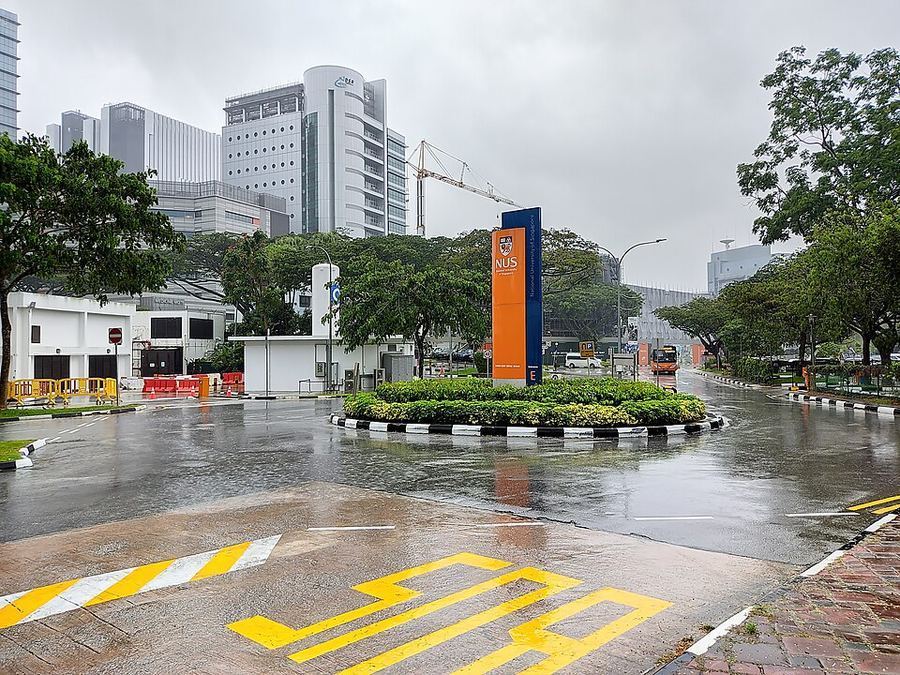
Education is the central instrument of Singaporean social policy and the country's students consistently place at or near the top of the OECD's PISA assessments in mathematics, reading and science, and of the TIMSS studies. The defining policy is bilingualism: all subjects are taught in English, while every student also studies a designated mother tongue — Mandarin, Malay or Tamil — a structure introduced under Lee Kuan Yew to give the country a common working language without severing communities from their heritage. Streaming after the Primary School Leaving Examination has been progressively softened into subject-based banding. The system is unusual in giving genuine parity of esteem to the technical route through the polytechnics and the Institute of Technical Education, which are studied internationally as a vocational model. The National University of Singapore and Nanyang Technological University rank among Asia's strongest research universities, joined by Singapore Management University and the Singapore University of Technology and Design, founded with MIT. SkillsFuture, launched in 2015, gives every citizen aged twenty-five and over credits for continued training.

Wars & Conflicts

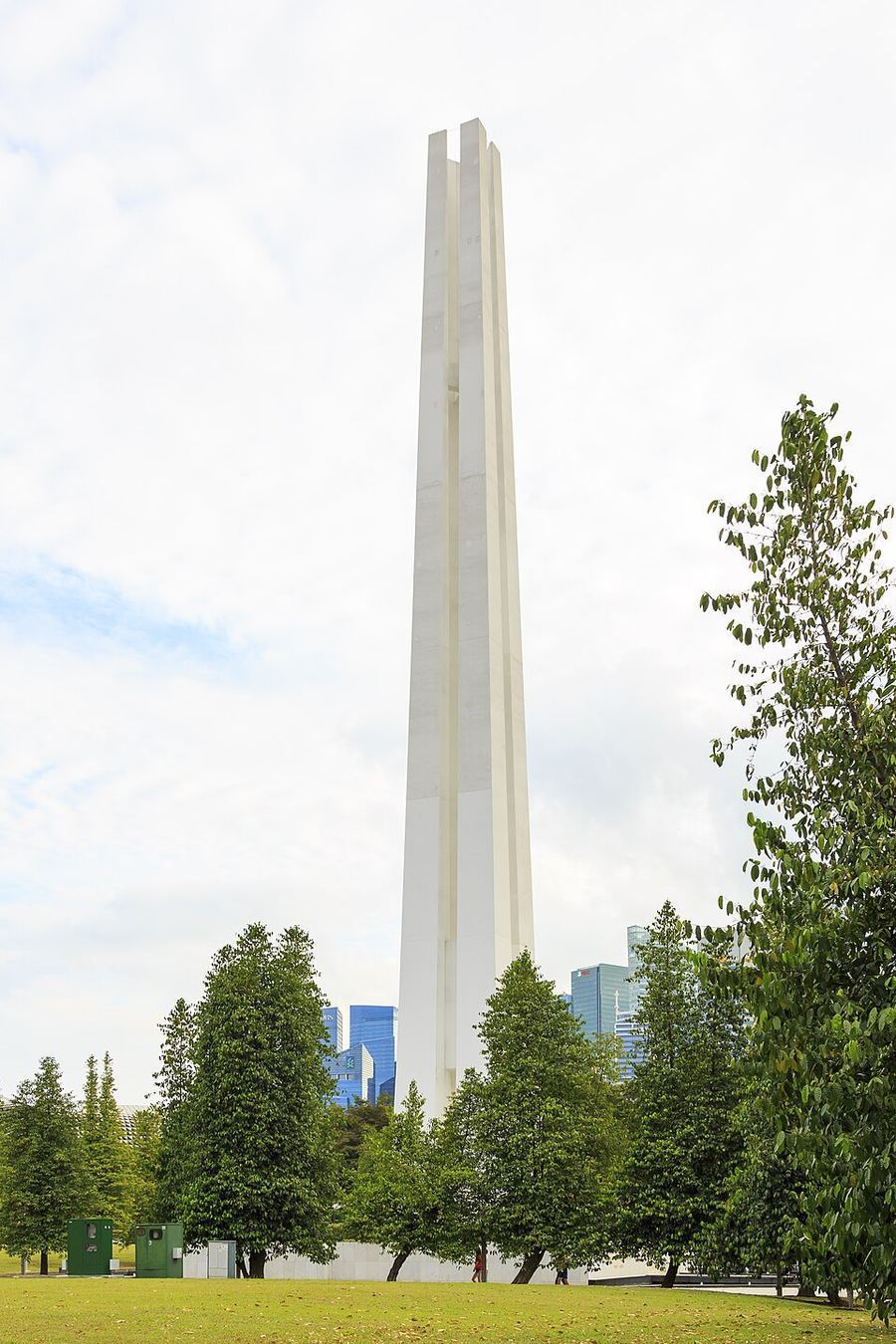
Singapore's formative trauma is the Second World War. The island fell to Japanese forces on 15 February 1942 in what remains the largest surrender of British-led troops in history, and the occupation that followed, under the name Syonan-to, included the Sook Ching screening operation in which thousands of Chinese men were taken away and killed; the Civilian War Memorial on Beach Road commemorates the victims, and remains are still occasionally recovered. The post-war years brought communal violence — the Maria Hertogh riots of 1950 and the racial riots of 1964 during the merger with Malaysia, which are the reason Racial Harmony Day is observed each July. During Indonesia's Konfrontasi campaign against Malaysia, a bomb at MacDonald House on Orchard Road killed three people in March 1965. Internal security detentions without trial, most notably Operation Coldstore in 1963, remain historically contested. Since independence Singapore has fought no war. It maintains conscription and, by regional standards, very high per-capita defence spending, and has contributed to counter-piracy patrols in the Malacca Strait and to multinational security operations.
Current as of 2026-08-07

Land & Border Disputes

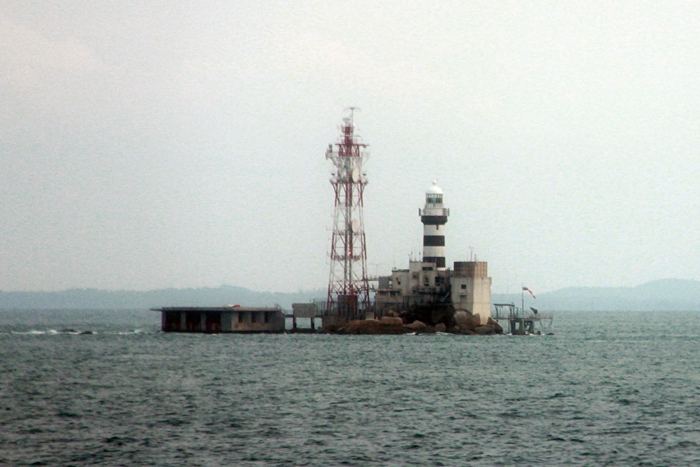
Singapore's main territorial dispute was settled by the International Court of Justice. Singapore and Malaysia disagreed over sovereignty of Pedra Branca, a rocky islet at the eastern entrance to the Singapore Strait on which the Horsburgh Lighthouse has stood since 1851, together with the nearby Middle Rocks and South Ledge. In its judgment of 23 May 2008 the Court awarded Pedra Branca to Singapore, Middle Rocks to Malaysia, and left South Ledge to whichever state's territorial waters it falls within; Malaysia sought revision and interpretation of the judgment in 2017 but discontinued those proceedings in 2018. Water is the other perennial issue: a 1962 agreement lets Singapore draw raw water from the Johor River at a price fixed until 2061, and Malaysian governments have periodically pressed to renegotiate it. A 2018 disagreement over port limits off Tuas and over airspace management in southern Johor was defused by mutual suspension of the extended claims in 2019, and an earlier objection by Malaysia to Singapore's land reclamation, taken to the International Tribunal for the Law of the Sea in 2003, was resolved by settlement in 2005.
Land, Life & Legacy

Land & Climate

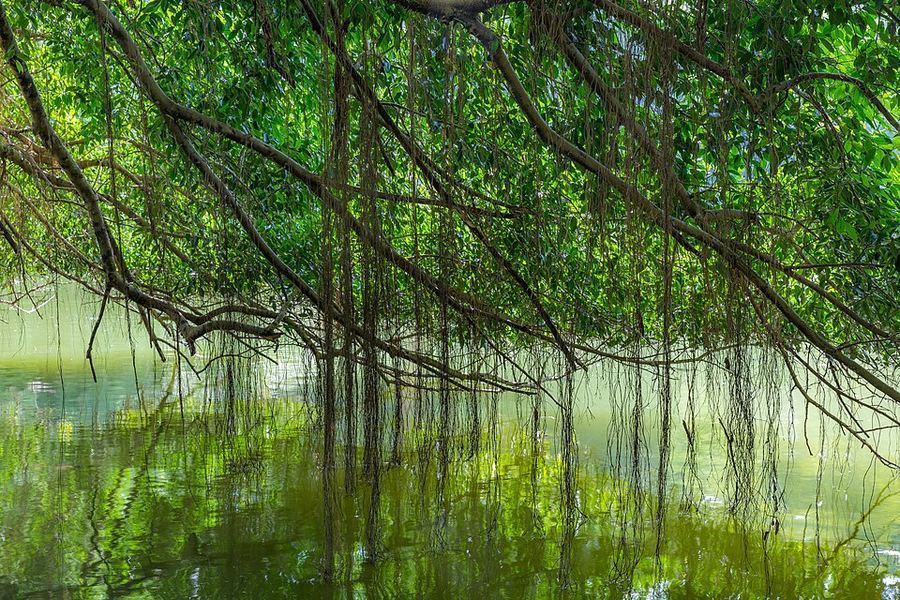
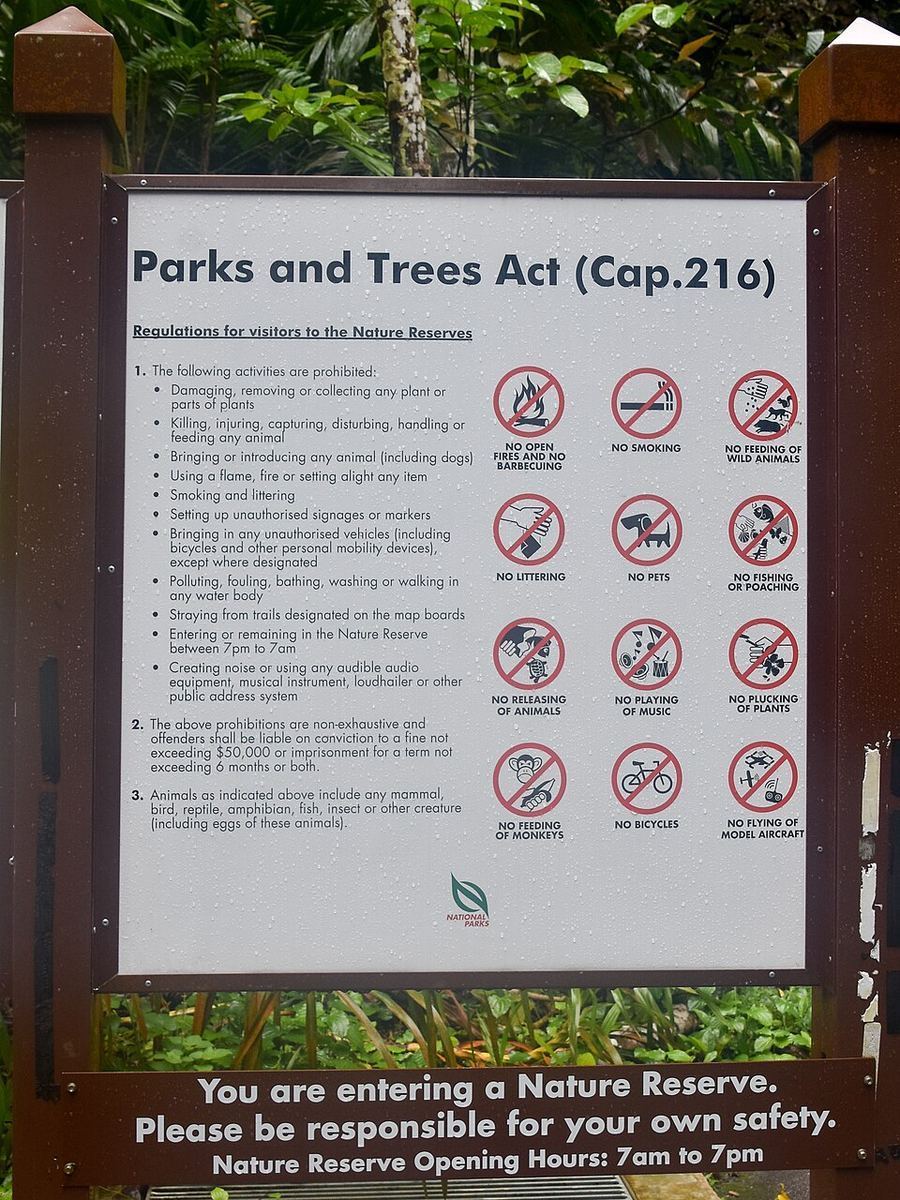
Singapore consists of one main island and around sixty smaller ones covering roughly 730 square kilometres — an area that has grown by about a quarter since independence, because the state has systematically reclaimed land from the sea using sand and rock imported from the region. The terrain is low and gentle; Bukit Timah Hill, at 164 metres, is the highest point. The narrow Johor Strait separates the island from Malaysia and is crossed by the 1923 Causeway and the 1998 Second Link, while the busy Singapore Strait to the south divides it from Indonesia's Riau islands. Lying almost on the equator, Singapore has a tropical rainforest climate with no real seasons: temperatures sit between roughly 25 and 32 degrees year-round, humidity is high, and around 2,300 millimetres of rain falls annually, concentrated by the north-east and south-west monsoons. Fragments of the original forest survive within the city at Bukit Timah Nature Reserve and around the MacRitchie catchment, and mangroves at Sungei Buloh host migratory shorebirds. Low elevation makes sea-level rise a first-order national planning problem, and coastal protection has been designated a long-term state commitment.

Entertainment

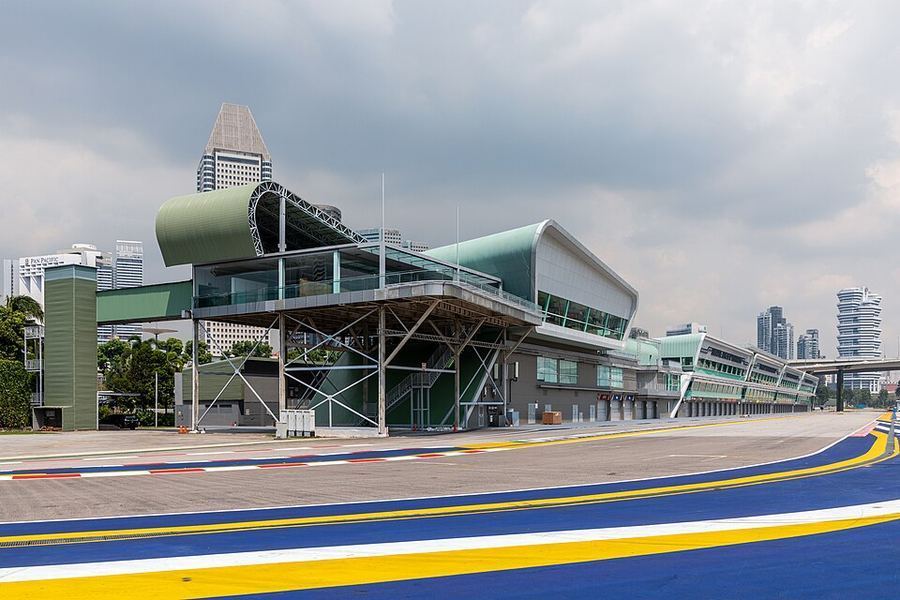
Singaporeans organise their free time around eating, and the queue outside a well-regarded hawker stall is a genuine social phenomenon. Beyond that, Orchard Road remains the shopping spine, and Sentosa island holds beaches and Universal Studios Singapore. The green infrastructure is unusually good for a dense city: an extensive network of park connectors links reservoirs and coastal parks, East Coast Park fills at weekends with cyclists and barbecues, the TreeTop Walk crosses the MacRitchie forest on a suspension bridge, and Gardens by the Bay stays busy after dark. The Singapore Zoo pioneered open, moated enclosures and opened the world's first nocturnal zoo, the Night Safari, in 1994. Pulau Ubin, reached by bumboat, preserves the last village landscape in the country. Because the island is small, leaving it is part of the routine — weekend trips run constantly to Johor, Batam and Bintan. The fixed points of the year are the National Day Parade, the Formula One night race that closes the streets around Marina Bay, and the festive light-ups in Chinatown, Geylang Serai and Little India.

Art & Museums

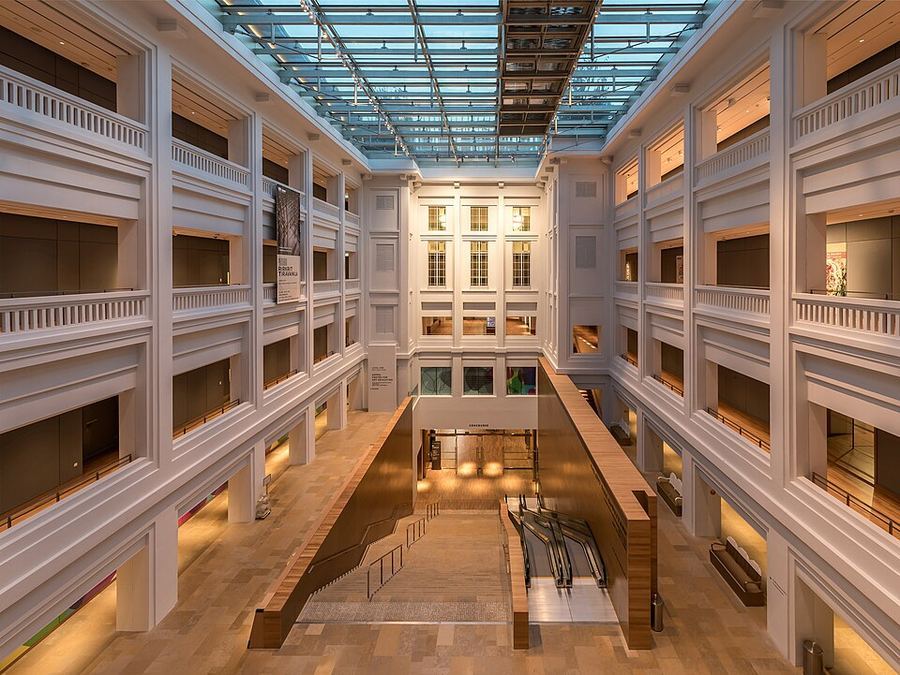
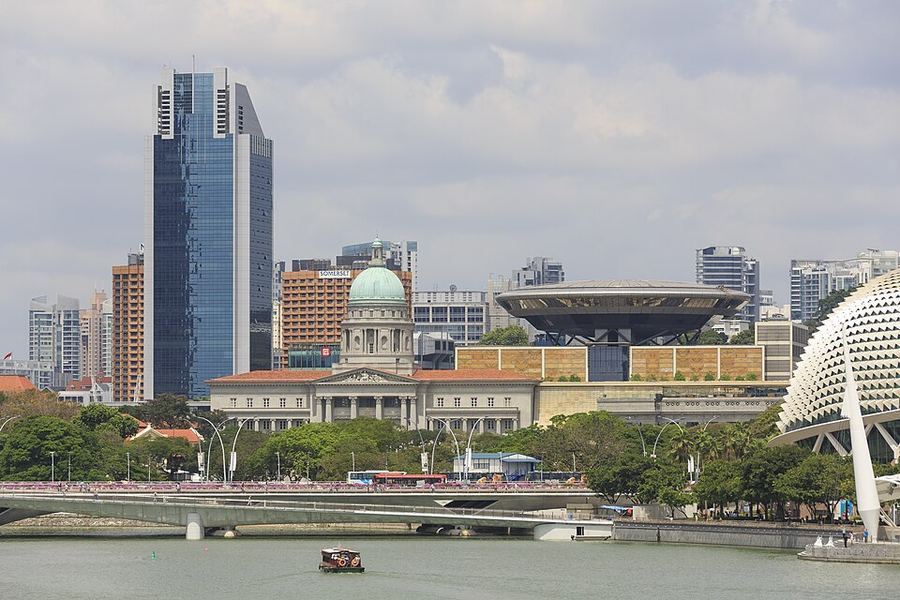
The National Gallery Singapore, which opened in 2015 in the converted former Supreme Court and City Hall buildings, holds the largest public collection of modern Southeast Asian art in the world and made the case that the region has a coherent art history of its own. That history's Singaporean chapter is the Nanyang Style, formed in the mid-twentieth century by artists including Liu Kang, Chen Wen Hsi, Chen Chong Swee and Cheong Soo Pieng, who combined Chinese ink technique with School of Paris colour and took Southeast Asian subjects — a direction crystallised by a shared painting trip to Bali in 1952. Georgette Chen, trained in Paris and Shanghai, is among the most admired painters of that generation. Contemporary practice runs through the Singapore Art Museum, the galleries at Gillman Barracks, the Singapore Biennale and the Art SG fair. In theatre, Kuo Pao Kun's bilingual plays remain foundational; in film, Anthony Chen's Ilo Ilo won the Caméra d'Or at Cannes in 2013; and in comics, Sonny Liew's The Art of Charlie Chan Hock Chye won three Eisner Awards in 2017.

Notable People

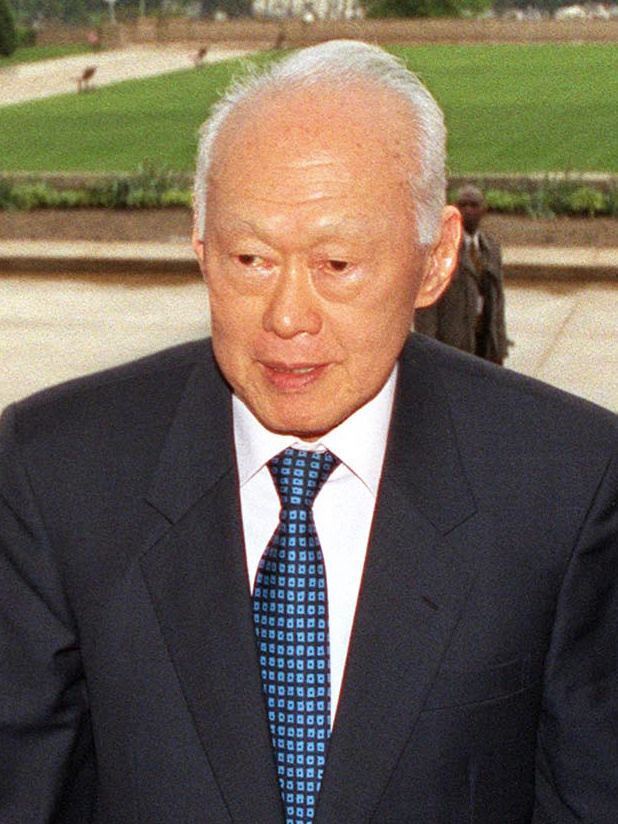
Lee Kuan Yew, prime minister from 1959 to 1990, is inseparable from the modern country; his colleagues Goh Keng Swee, who built the economic apparatus, and S. Rajaratnam, who wrote the National Pledge, belong beside him. His son Lee Hsien Loong led the government from 2004 until handing over to Lawrence Wong in 2024, and Halimah Yacob served from 2017 to 2023 as Singapore's first woman president. Zubir Said composed the national anthem and Georgette Chen anchored Singaporean modern painting; Kuo Pao Kun shaped its theatre and Wang Gungwu its historiography of the Chinese overseas. In sport, Joseph Schooling won the 100 metres butterfly at the 2016 Rio Olympics ahead of Michael Phelps, taking Singapore's first Olympic gold, half a century after the weightlifter Tan Howe Liang had won the country's first medal with silver in Rome in 1960. In business and technology, Sim Wong Hoo founded Creative Technology, whose Sound Blaster card dominated PC audio in the 1990s. The singers JJ Lin and Stefanie Sun and the film-maker Anthony Chen carry Singaporean culture abroad.

Inventions & Breakthroughs

Singapore's inventiveness has mostly been in systems for running a dense city with no resources. In 1975 it introduced the world's first urban congestion charge, initially as a paper licence scheme for entering the central area, and in 1998 replaced it with the first fully electronic road pricing system anywhere, using in-vehicle units and overhead gantries — a design later studied and adapted by London and Stockholm. Water produced the other signature innovation: NEWater, launched in 2003, treats used water through microfiltration, reverse osmosis and ultraviolet disinfection to a standard cleaner than tap water, and the Marina Barrage, completed in 2008, dammed a tidal channel in the middle of the city to create a freshwater reservoir that doubles as flood control. Together with imported and desalinated supply these form the Four National Taps. In education, the bar-model approach developed by curriculum designers in the 1980s is now taught internationally as Singapore Maths. In December 2020 Singapore became the first country in the world to approve cultivated meat for commercial sale. Creative Technology's Sound Blaster was designed in Singapore in 1989.

Science & Technology

Research is concentrated at one-north, a planned district in the west of the island where the Biopolis and Fusionopolis complexes house the Agency for Science, Technology and Research alongside the National University of Singapore and Nanyang Technological University, both among Asia's leading research institutions. Biomedical science, materials and semiconductor engineering are the priority areas, and semiconductor fabrication is a substantial share of national manufacturing output. Water technology remains the field in which Singapore leads globally, from NEWater reclamation and the Tuas desalination plants to the Deep Tunnel Sewerage System that carries used water across the island for treatment and reuse. Food security has driven investment in vertical farming and alternative proteins under a target of producing thirty per cent of nutritional needs locally by 2030, and the country granted the world's first regulatory approval for the sale of cultivated meat in 2020. The Smart Nation programme built a national digital identity and instant payment infrastructure, and Tuas is being developed as what is intended to be the largest fully automated container port in the world.
On The World Stage

Champions & Defining Moments

Singapore's most visible contribution to world sport is the Formula One Singapore Grand Prix, run on the Marina Bay street circuit since 2008 as the first night race in the championship's history — a floodlit street event scheduled so that it could be watched live in European evening time. The city also hosted the first Summer Youth Olympic Games in 2010, an event created by the International Olympic Committee and staged in Singapore before it went anywhere else. It held the WTA Finals, women's tennis's season-ending championship, from 2014 to 2018, hosts an annual leg of the World Rugby Sevens Series and the HSBC Women's World Championship in golf, and staged the Southeast Asian Games in 2015. In 2025 it hosted the World Aquatics Championships. ONE Championship, one of the largest mixed martial arts promotions in the world, is headquartered in the city. The pattern is consistent: a small state using its logistics, safety record and airport connectivity to attract events far larger than its own sporting base would justify.

Economy, Trade & Government

Currency & GDP

Singapore Dollar — SGD ($)

GDP (PPP): $800.304 billion (2024 est.)

Per capita: $132,600 (2024 est.)

Exports

$978.597 billion (2024 est.)

integrated circuits, refined petroleum, machinery, vaccines, gold (2023)

Partners: Hong Kong 13%, China 11%, USA 10%, Malaysia 9%, S. Korea 6% (2023)

Imports

$786.02 billion (2024 est.)

integrated circuits, refined petroleum, crude petroleum, gold, gas turbines (2023)

Partners: China 15%, Malaysia 11%, Taiwan 11%, USA 10%, S. Korea 6% (2023)

Government

Type: parliamentary republic

Independence: 9 August 1965 (from Malaysian Federation)

Terrain → Where People Live

How mountains, coasts, and rivers shape settlement (LandScan).

Coming — data

Migration & Ethnic Settlement

Where groups settled and how people move (GeoEPR + UNHCR).

Coming — data

Universities

Notable institutions, mappable as points.

Coming — data
Economy & government facts: CIA World Factbook (public domain), via OpenFactBook / factbook.json.
Every fact and narrative claim will carry a visible source citation. Data-driven sections light up automatically wherever HERA has coverage.