History
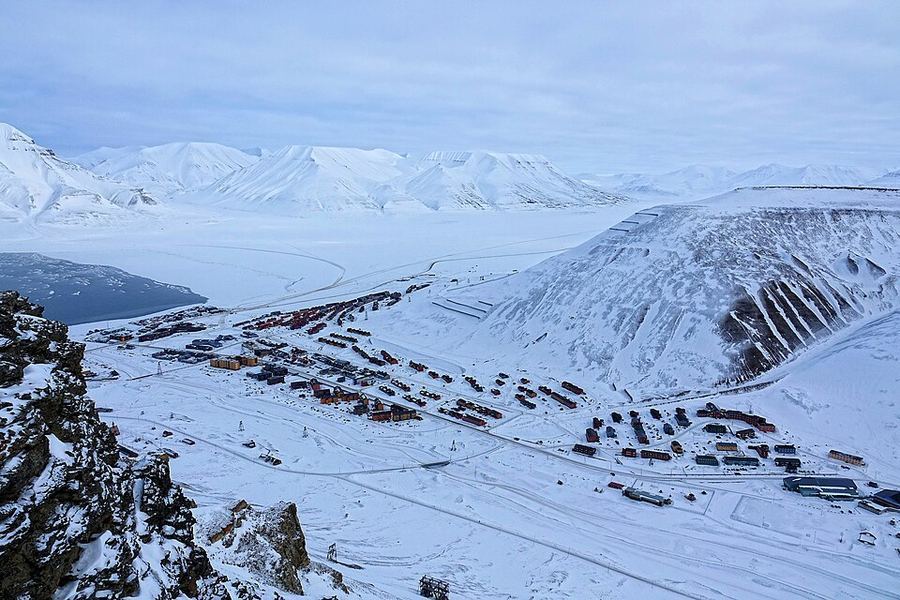
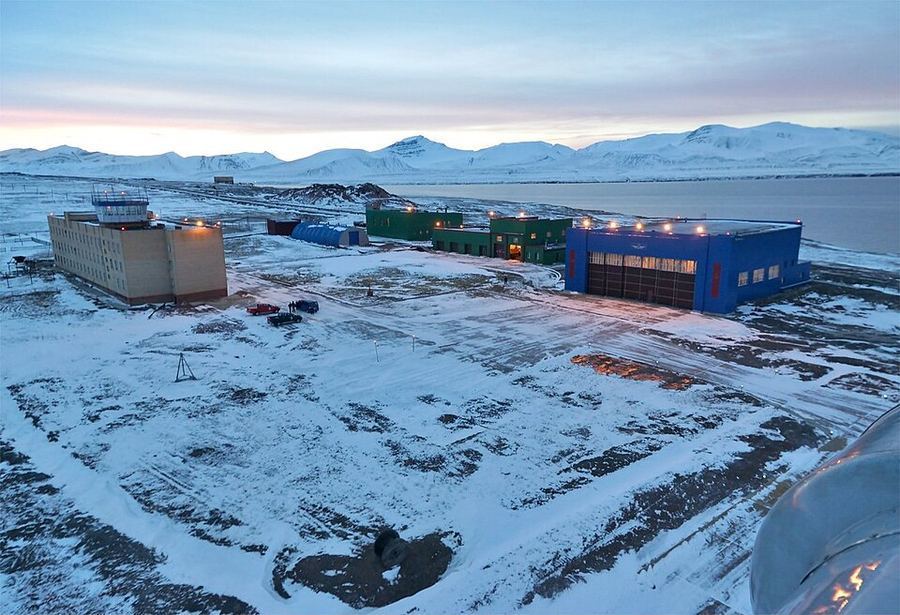
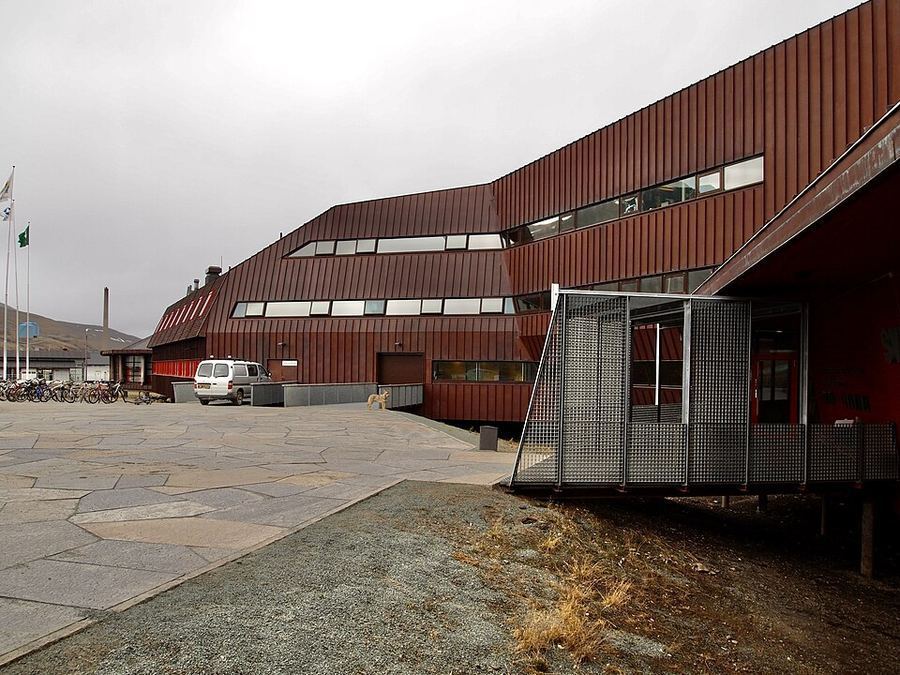
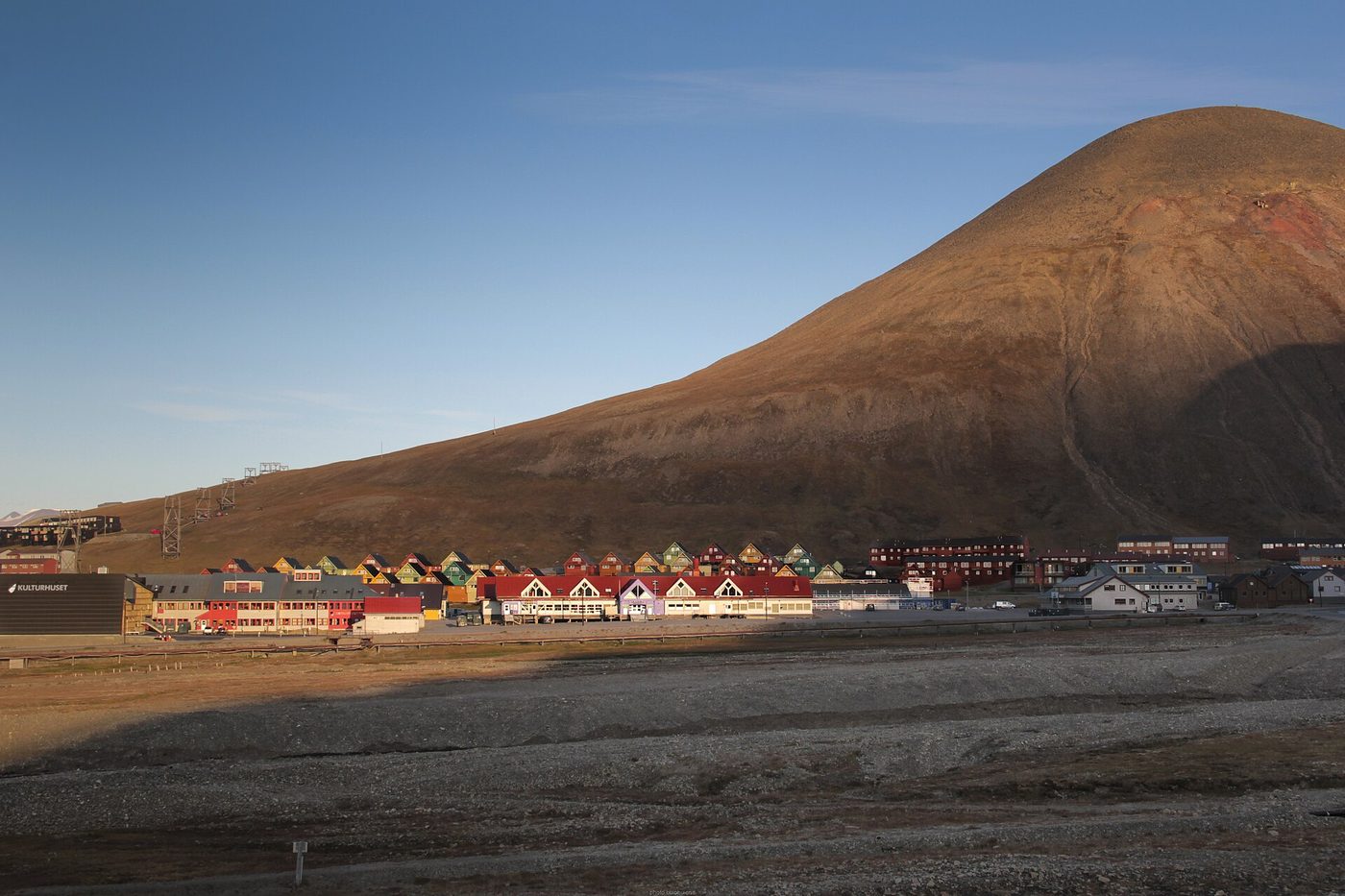
Svalbard and Jan Mayen is a statistical pairing of two Norwegian Arctic territories that share almost nothing except latitude and cold. Svalbard is an archipelago of some 61,000 square kilometres between mainland Norway and the North Pole, from about 74 to 81 degrees north, with roughly 2,550 residents concentrated in Longyearbyen, the Russian mining settlement of Barentsburg, and the research village of Ny-Ålesund. Jan Mayen is a narrow volcanic island in the Greenland Sea with no permanent population at all, staffed on rotation by a handful of Norwegian military and meteorological personnel. Neither has, or has ever had, an indigenous population: everyone on Svalbard is there because of coal, science, tourism or the services that support them, and about 39% of residents are foreign nationals — chiefly Russians, Thais, Swedes, Filipinos and Ukrainians. Svalbard's legal status is unique. The 1920 Svalbard Treaty gave Norway sovereignty on the condition that citizens of every signatory state enjoy equal rights of residence and commercial activity, and that the archipelago be demilitarised, so a Norwegian territory operates as one of the few genuinely visa-free places on earth. The Norwegian krone is the currency and there is no local nationality.
None reported at the level of international representation. Svalbard and Jan Mayen are part of the Kingdom of Norway and have no separate national olympic committee, no membership of FIFA or any other international federation, and no distinct national teams; residents who compete internationally do so for Norway, or for whichever country they hold citizenship in. The territories have never appeared as a delegation at the Olympic Games, the Commonwealth Games or any world championship. What the archipelago does host is a small circuit of international participation events rather than competitions between nations: the Spitsbergen Marathon and the Svalbard Skimaraton draw entrants from across Europe and beyond precisely because of where they are, and long-distance expedition skiing and sledding routes across Spitsbergen attract polar travellers preparing for larger journeys. The most globally visible sporting connection is as a training and testing environment — Arctic and polar expedition teams use the archipelago to trial equipment and technique before attempting Greenland or the poles themselves.
Norwegian Krone — NOK (kr)
Type: non-self-governing territory of Norway
Independence: none (territory of Norway)
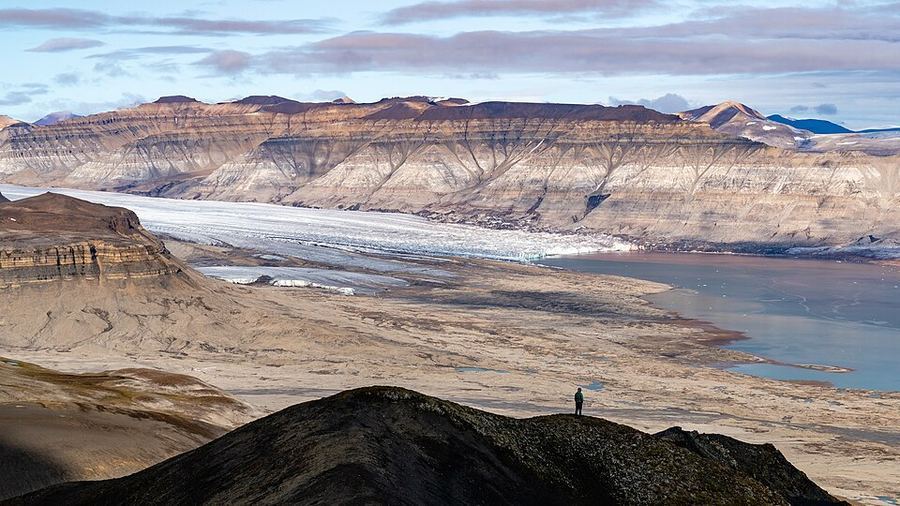
How mountains, coasts, and rivers shape settlement (LandScan).
Coming — dataWhere groups settled and how people move (GeoEPR + UNHCR).
Coming — dataNotable institutions, mappable as points.
Coming — data