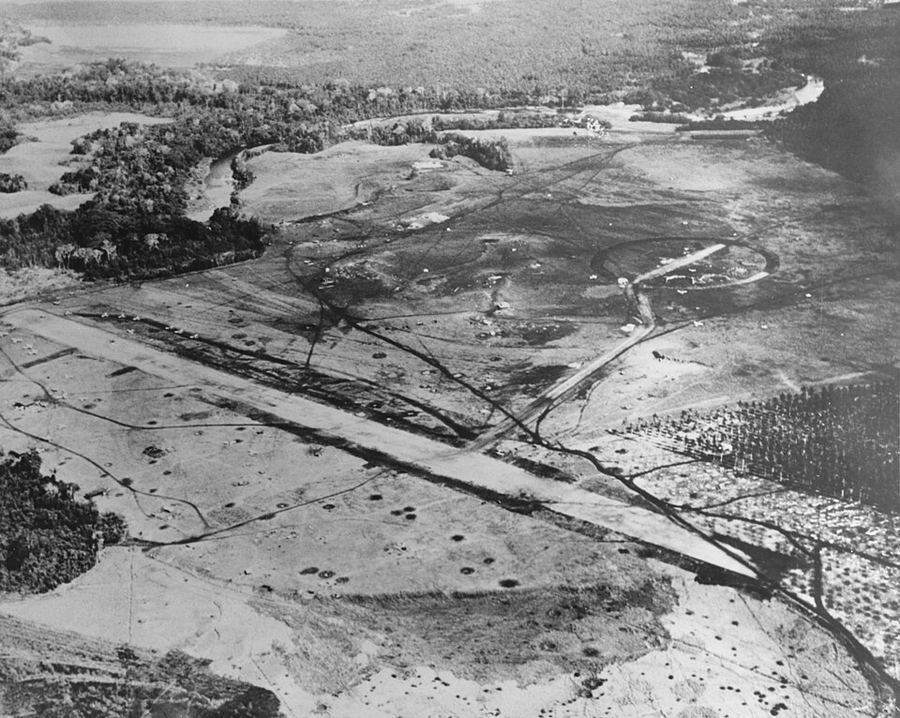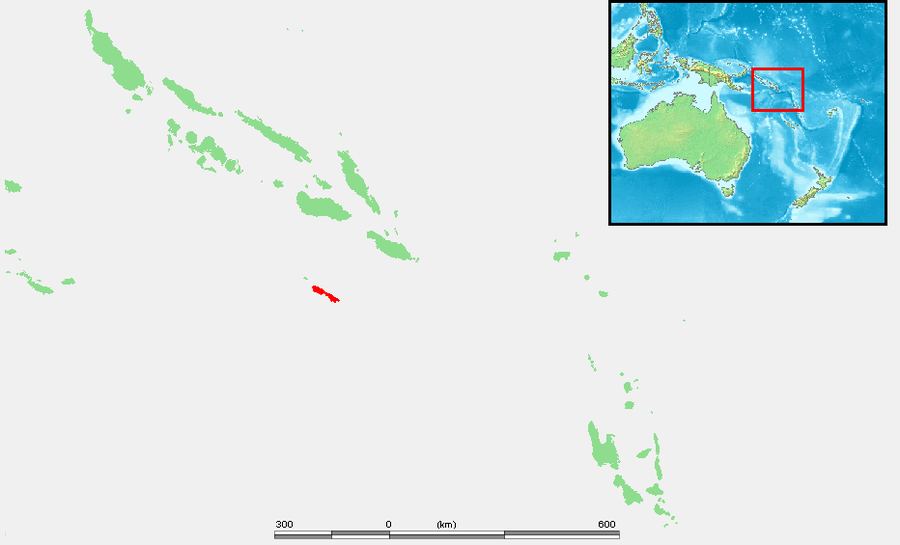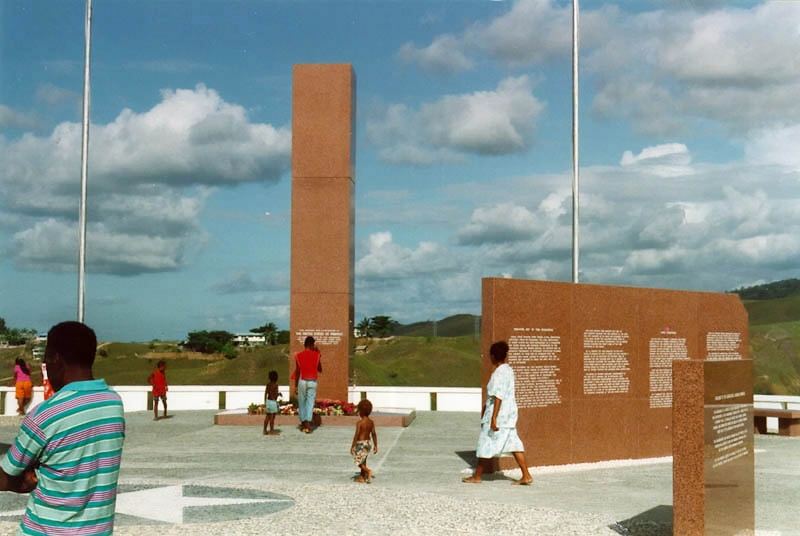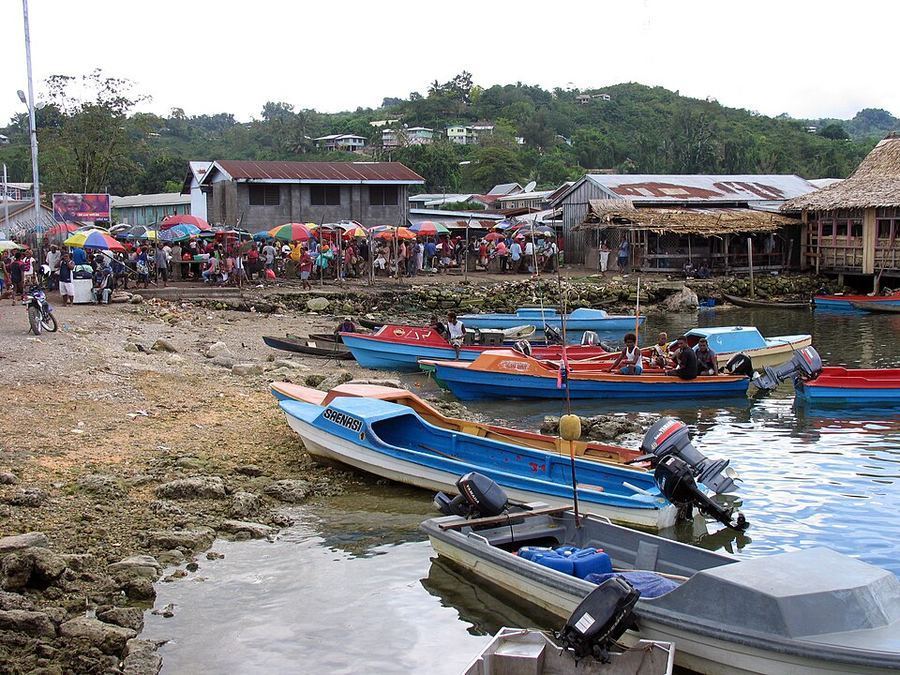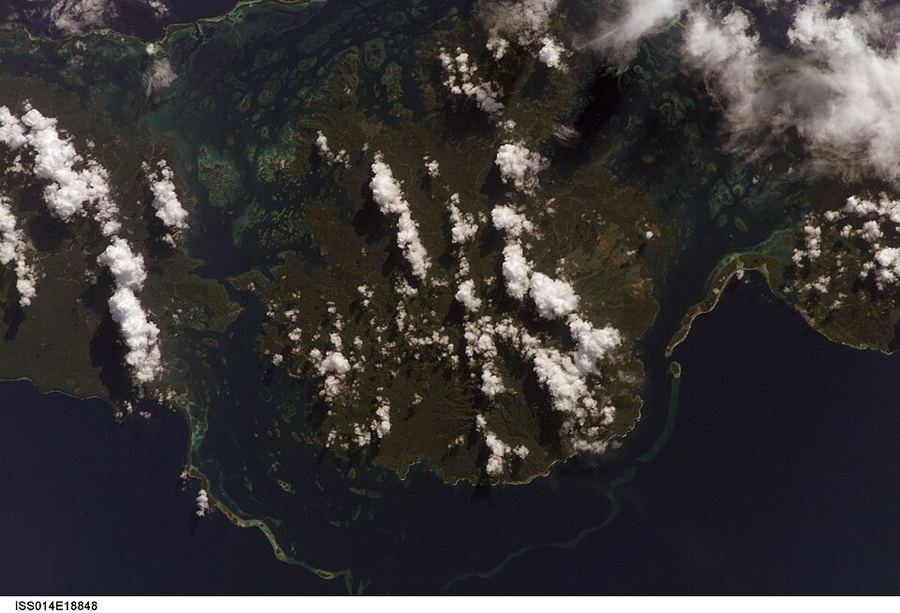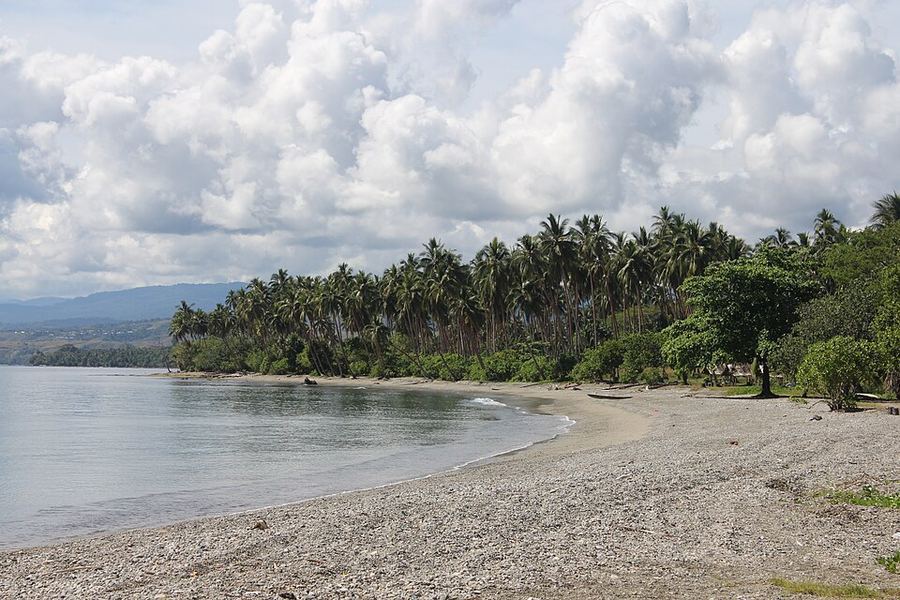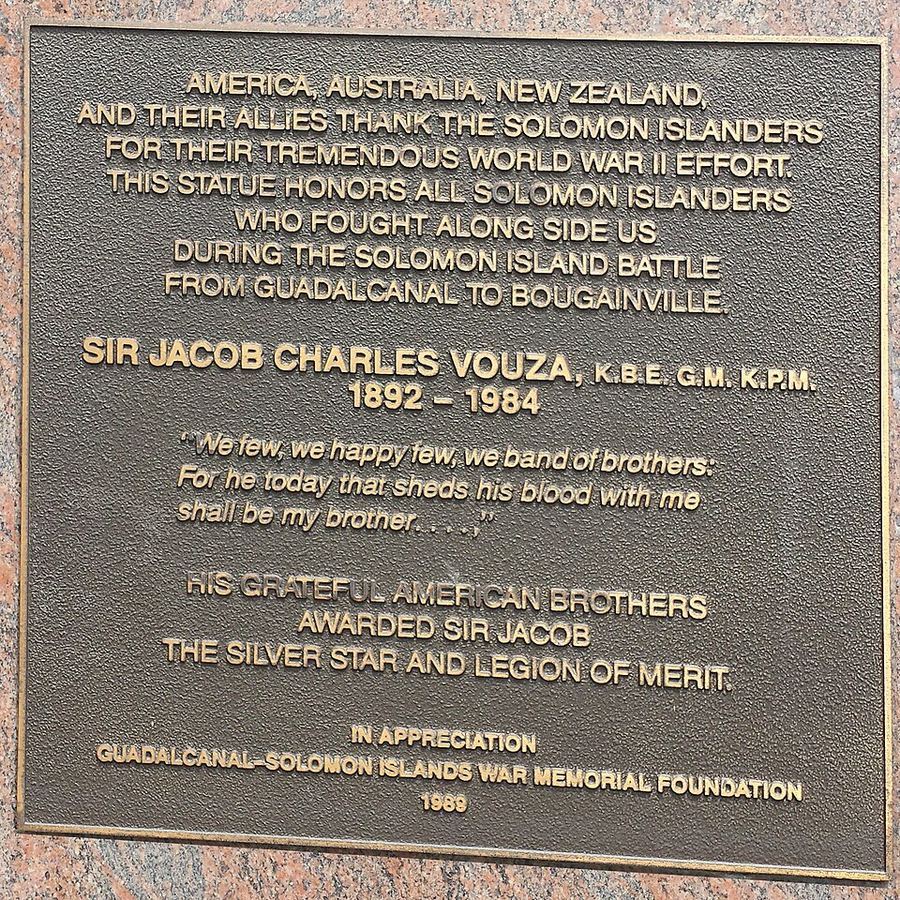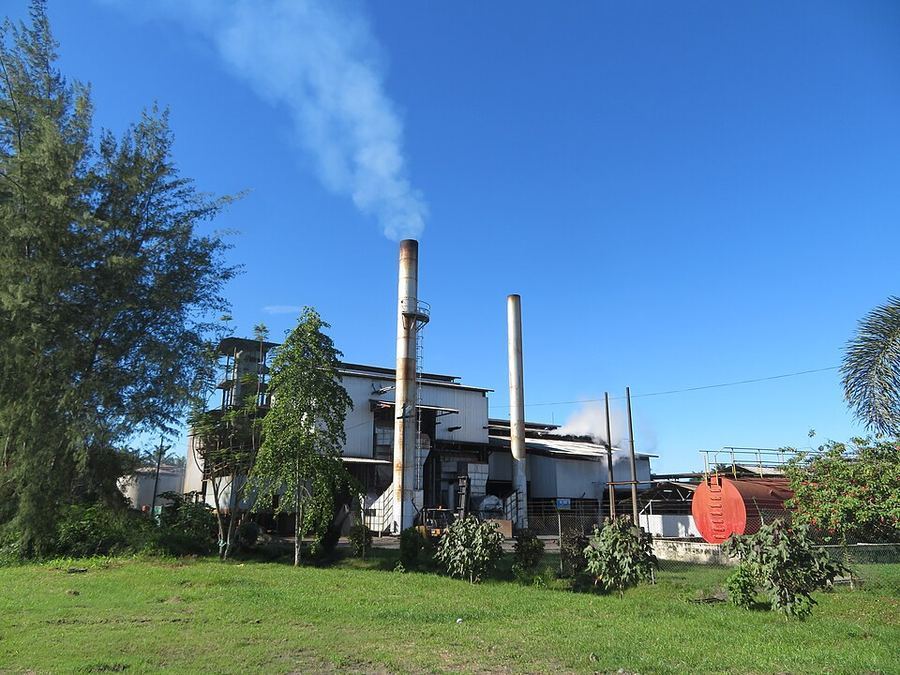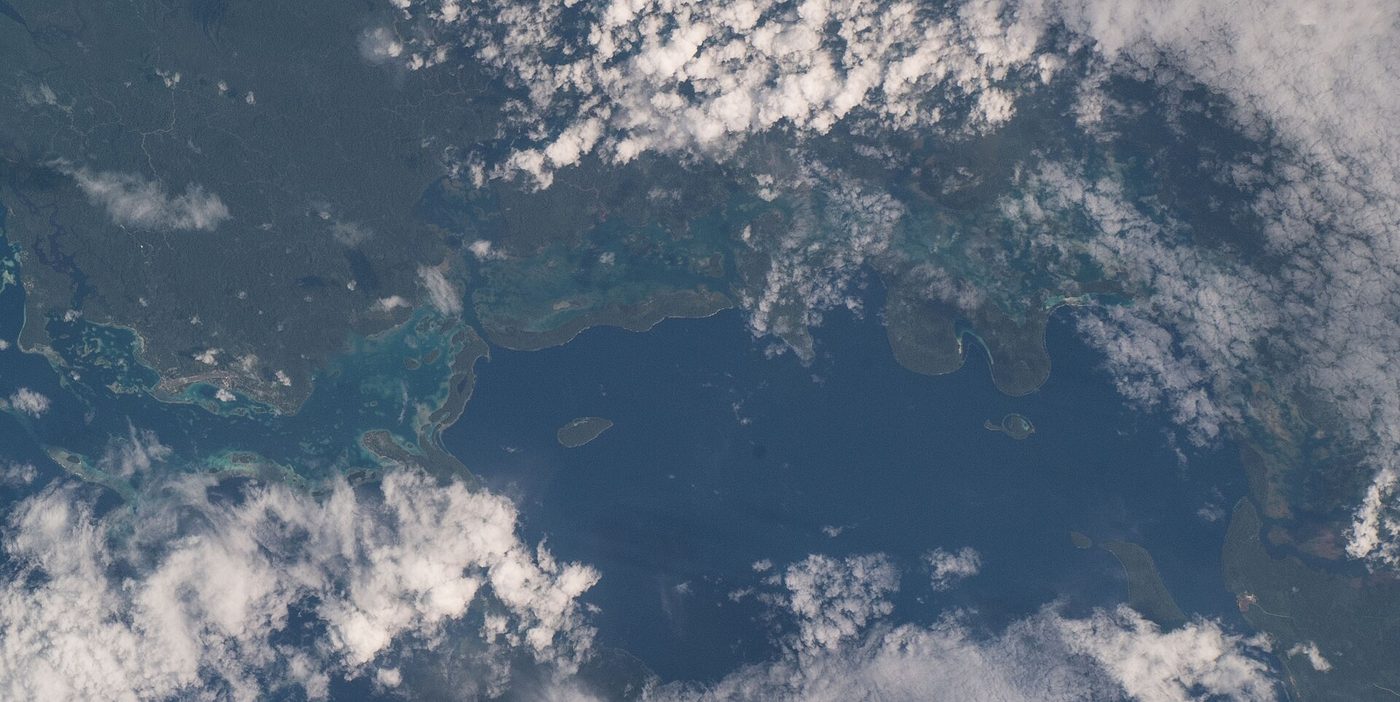
Solomon Islands is a Melanesian archipelago of nearly a thousand islands scattered in a double chain across some 1,500 kilometres of the southwest Pacific, east of Papua New Guinea and north of Vanuatu. About 739,000 people live there, 95% of them Melanesian, with Polynesian and Micronesian minorities on outlying atolls. The country's most striking statistic is linguistic: roughly 120 indigenous languages are spoken by a population smaller than that of a mid-sized city, one of the densest concentrations of language diversity anywhere on earth, held together by Solomon Islands Pijin as the lingua franca while English, the official language, is used by only one or two per cent. Christianity is near-universal and overwhelmingly Protestant — the Anglican Church of Melanesia, South Sea Evangelicals, Seventh-day Adventists and the United Church between them account for most of the population, with about a fifth Roman Catholic. Independence from Britain came on 7 July 1978, and the country remains a Commonwealth realm. The economy is small and resource-dependent — round logs, tuna, gold and palm oil — with the great majority of people living from subsistence gardening and fishing on customary land. Guadalcanal's role in the Second World War gives the country a place in global memory quite disproportionate to its size.
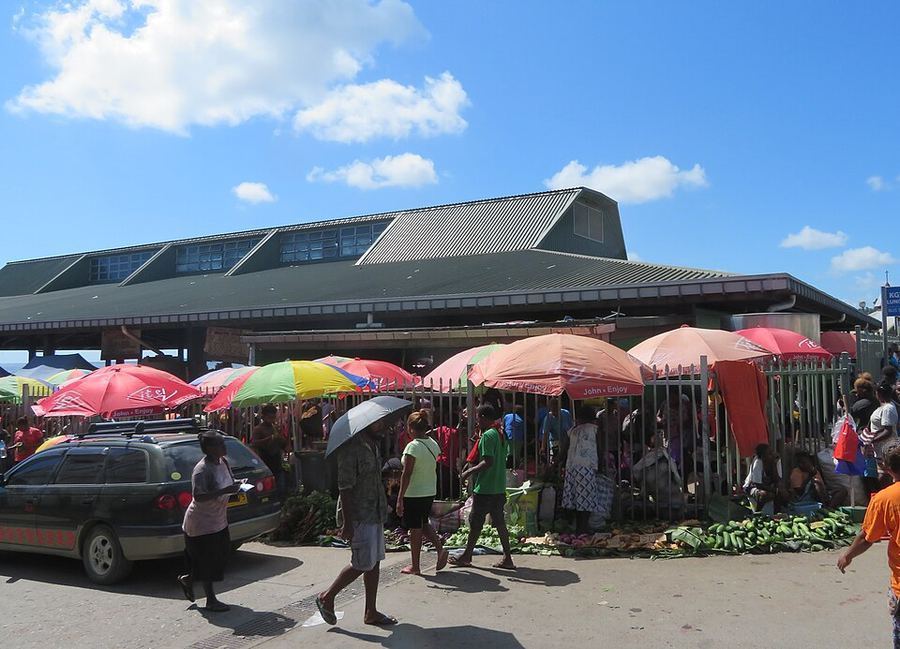
Honiara's urban core is home to about 137,201 people.
Among the world's megacities, though, it's one of many — the giants of Asia and Latin America run larger still:
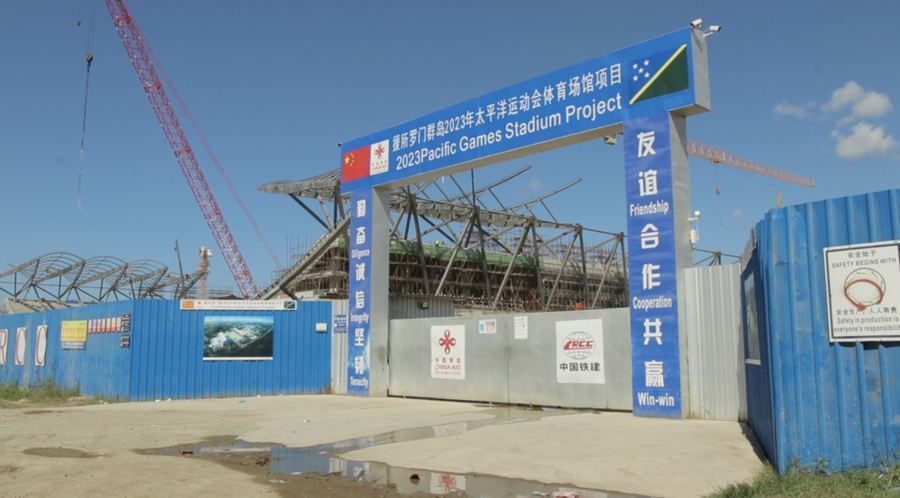
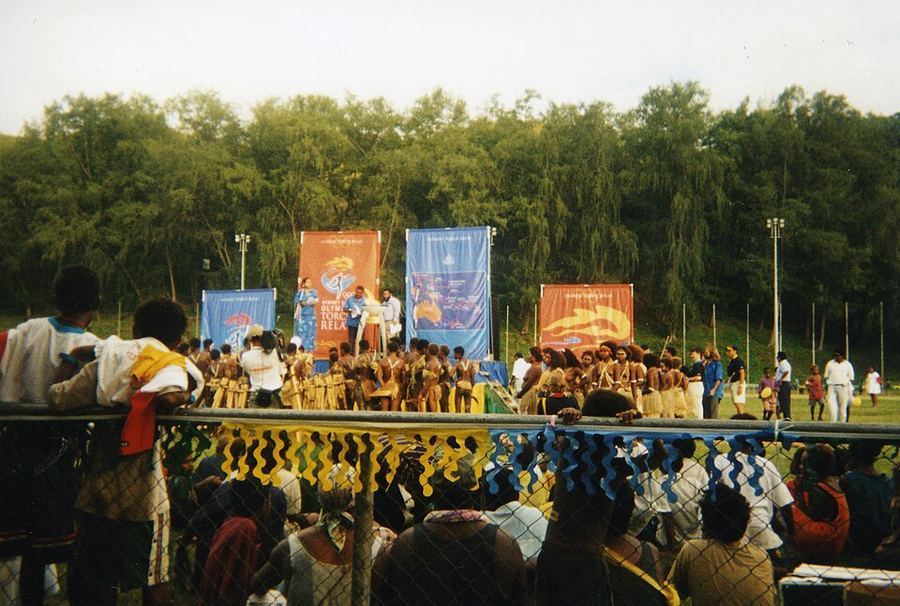
The national football team's high-water mark came in the qualifying campaign for the 2006 World Cup, when Solomon Islands finished ahead of New Zealand to win Oceania's place in the intercontinental play-off against Australia — the first time any Pacific island nation other than New Zealand had done so — before losing the two-legged tie heavily. The country has never reached a World Cup finals, but its futsal and beach soccer teams have repeatedly qualified for their respective FIFA world tournaments, making Solomon Islands one of the very few small states to be a genuine world-level presence in any football code. Solomon Islands has competed at the Summer Olympic Games since Los Angeles in 1984, principally in athletics, boxing, weightlifting and archery, without winning a medal, and takes part in the Commonwealth Games on the same basis. Its main international arena is the Pacific Games, and in November 2023 Honiara hosted them for the first time, building a new national stadium and aquatic centre for the purpose — the largest sporting infrastructure project in the country's history.
Solomon Islands Dollar — SBD (None)
GDP (PPP): $2.07 billion (2024 est.)
Per capita: $2,500 (2024 est.)
$642.877 million (2024 est.)
wood, fish, gold, precious metal ore, palm oil (2023)
Partners: China 56%, Australia 11%, Italy 10%, Spain 5%, Netherlands 4% (2023)
$857.128 million (2024 est.)
refined petroleum, plastic products, fish, broadcasting equipment, iron structures (2023)
Partners: China 42%, Singapore 13%, Australia 13%, Taiwan 5%, Malaysia 5% (2023)
Type: parliamentary democracy under a constitutional monarchy; a Commonwealth realm
Independence: 7 July 1978 (from the UK)
How mountains, coasts, and rivers shape settlement (LandScan).
Coming — dataWhere groups settled and how people move (GeoEPR + UNHCR).
Coming — dataNotable institutions, mappable as points.
Coming — data