HERA · Human Entity Reference Atlas by Masego Inc

← Sierra Leone 🌐 3D View
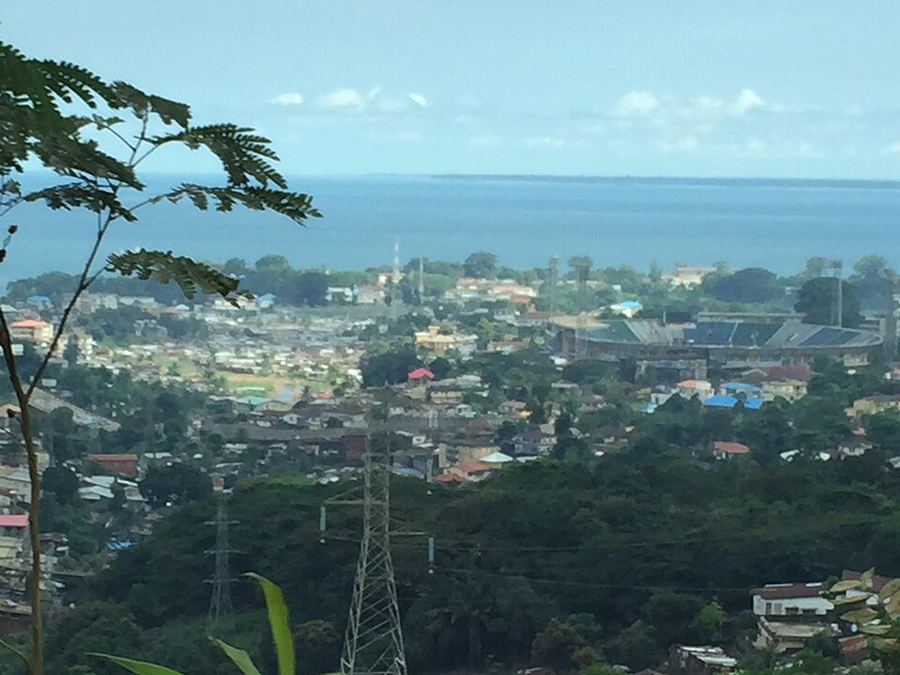
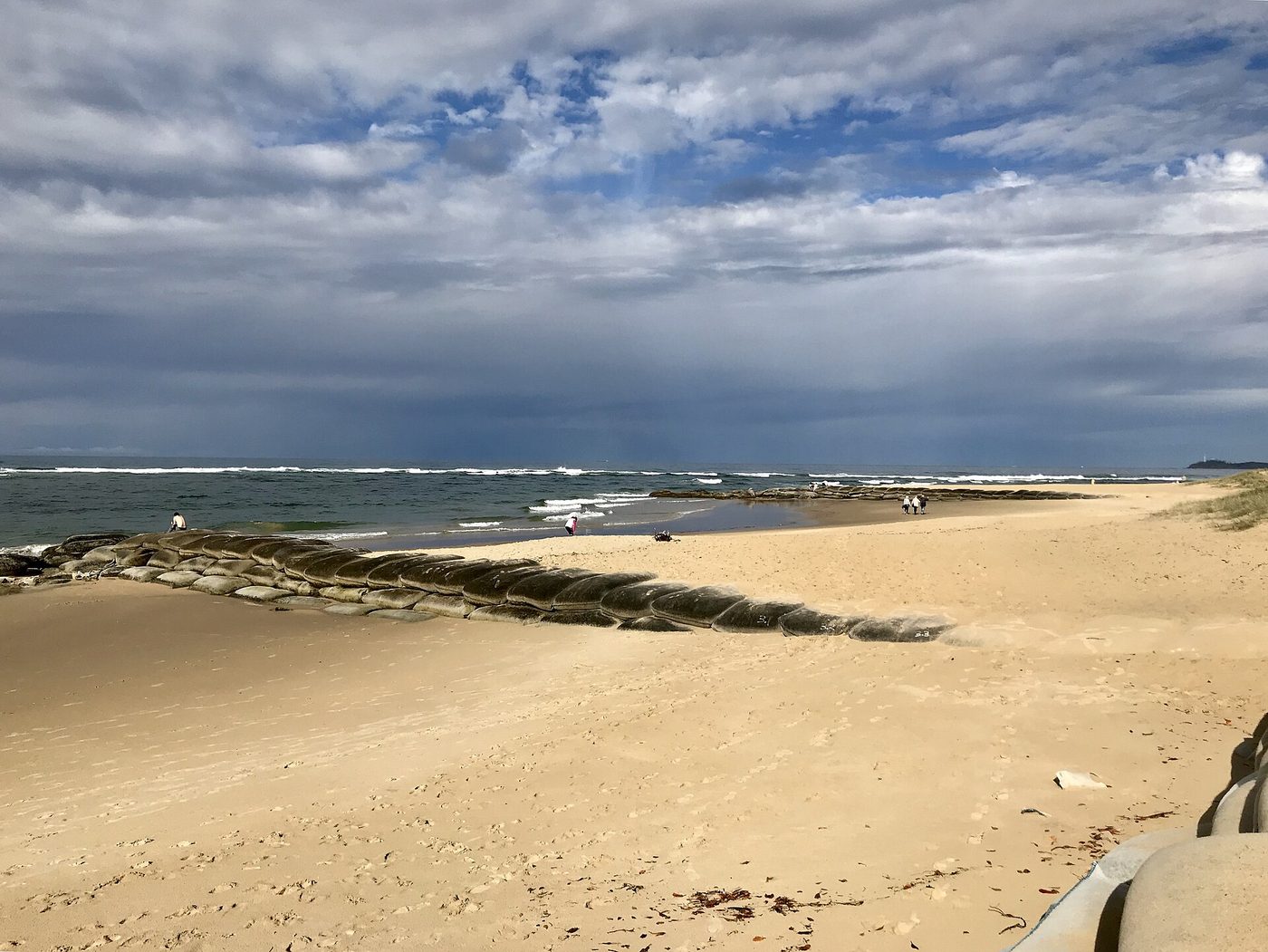
Cotton Tree Beach in Cotton Tree, Queensland 01, Sierra Leone
Sierra Leone SLE
Cotton Tree Beach in Cotton Tree, Queensland 01 — Photo: Kgbo / CC BY-SA 4.0 via Wikimedia Commons
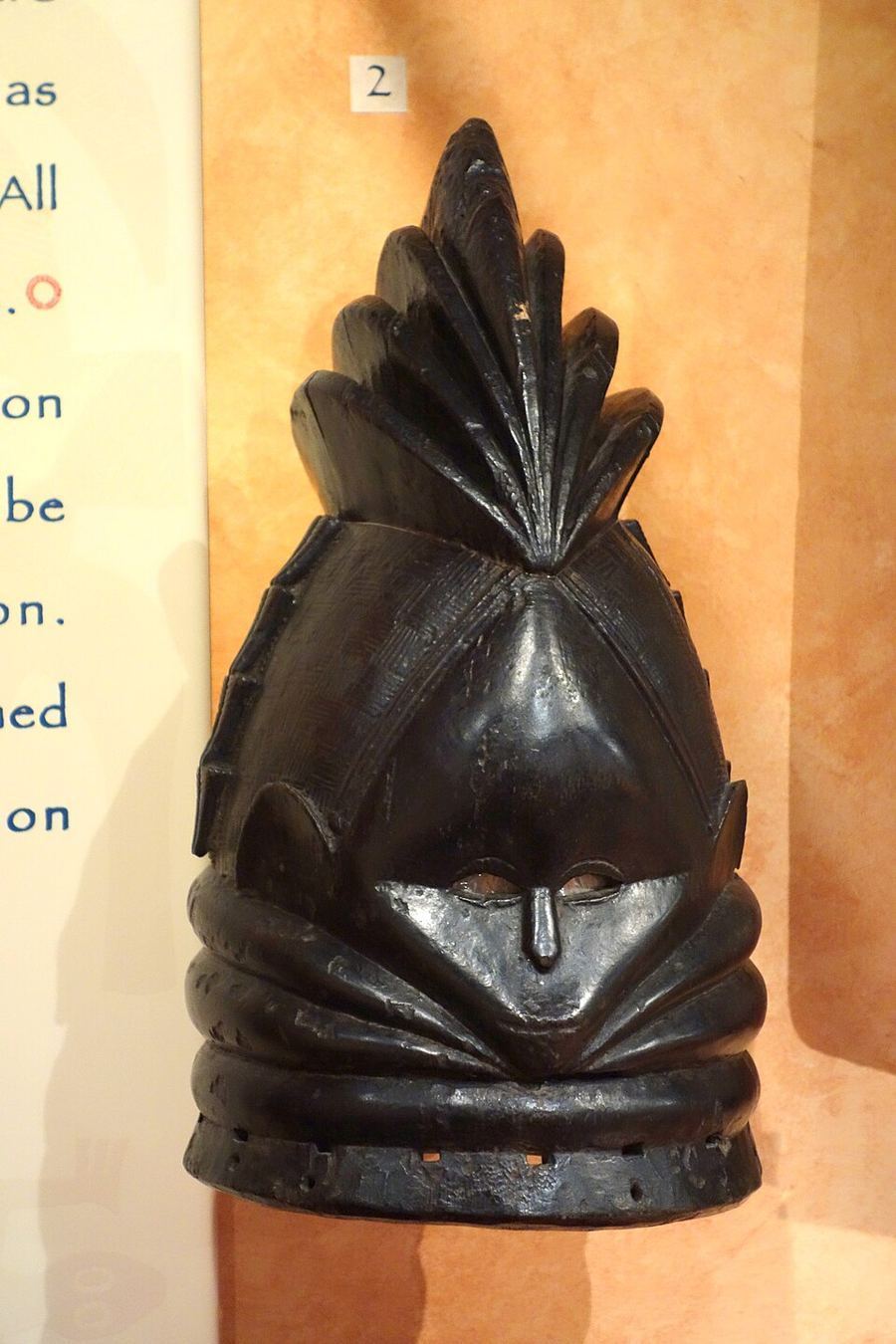
Did You Know The Sande society's helmet masks are very widely described as the only masking tradition in sub-Saharan Africa in which the masks are owned and danced by women. — British Museum

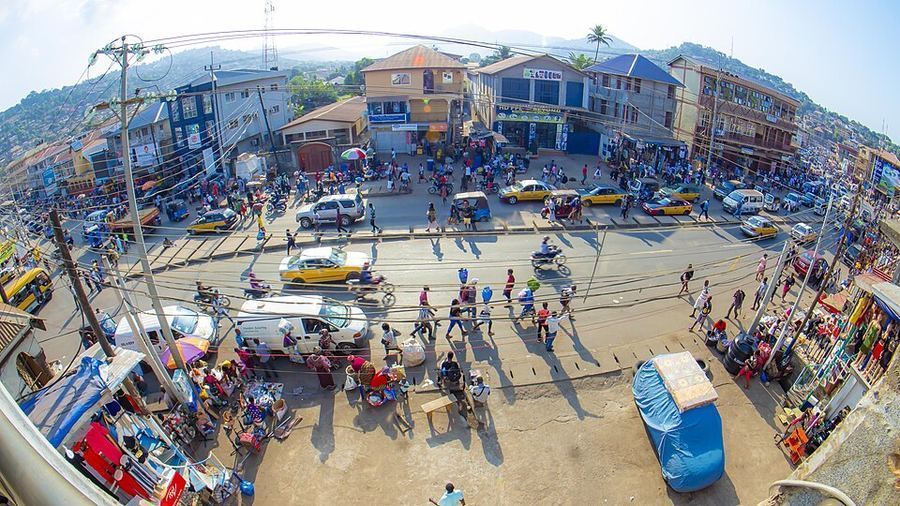
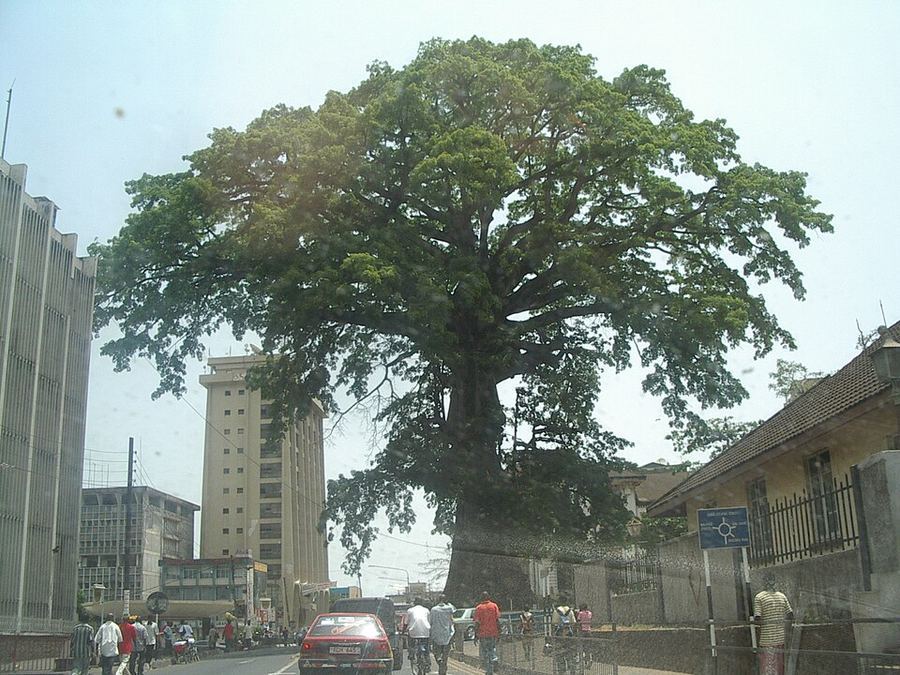
Sierra Leone is a West African republic of roughly 9.3 million people on the Atlantic coast between Guinea and Liberia, built around one of the finest natural harbours on the continent. Its capital, Freetown, was founded in the late eighteenth century as a settlement for freed and formerly enslaved Africans — Black Loyalists from Nova Scotia, Jamaican Maroons, and later thousands of 'recaptives' landed from slave ships intercepted by the Royal Navy — and that founding gives the country a place in Atlantic history out of all proportion to its size. The population is overwhelmingly young, with a median age of about 19.7 years, and is divided among Temne, Mende, Limba, Kono and a dozen smaller groups, alongside the Krio descendants of the Freetown settlers. Roughly 77% of Sierra Leoneans are Muslim and 23% Christian, and the two communities coexist with a degree of intermarriage and mutual observance that the country regards as a defining virtue. The economy rests on minerals — iron ore, titanium ore, diamonds and bauxite — and on cocoa and fisheries, with China taking about two-thirds of exports. A brutal civil war from 1991 to 2002 and the Ebola epidemic of 2014–16 set development back severely; recovery has been steady but incomplete.

CIA World FactbookEncyclopaedia BritannicaWorld Bank
Population
9,331,203
Capital
Freetown
Currency
None SLL
Time zones
Largest city
Freetown
Human Geography Themes
Loading national figures…
Largest Cities
Freetown2,150,533
Bo376,731
Kenema270,866
Makeni213,385
Koidu Town173,058
Mahera97,367
Magburaka77,501
Kambia75,702
In Perspective

Freetown's urban core is home to about 2,150,533 people.

That's bigger than Amsterdam — each a great world city in its own right.

Freetown2,150,533
Amsterdam1,223,407

Among the world's megacities, though, it's one of many — the giants of Asia and Latin America run larger still:

Freetown2,150,533
Jakarta40,545,126
Dhaka37,307,160
Tokyo33,244,670
Shanghai30,678,616
Cairo25,230,325
The Country & Its People

History

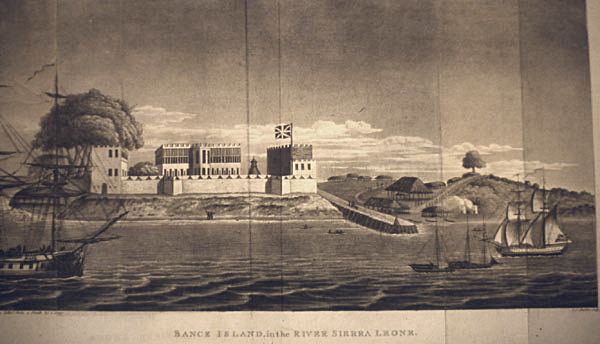
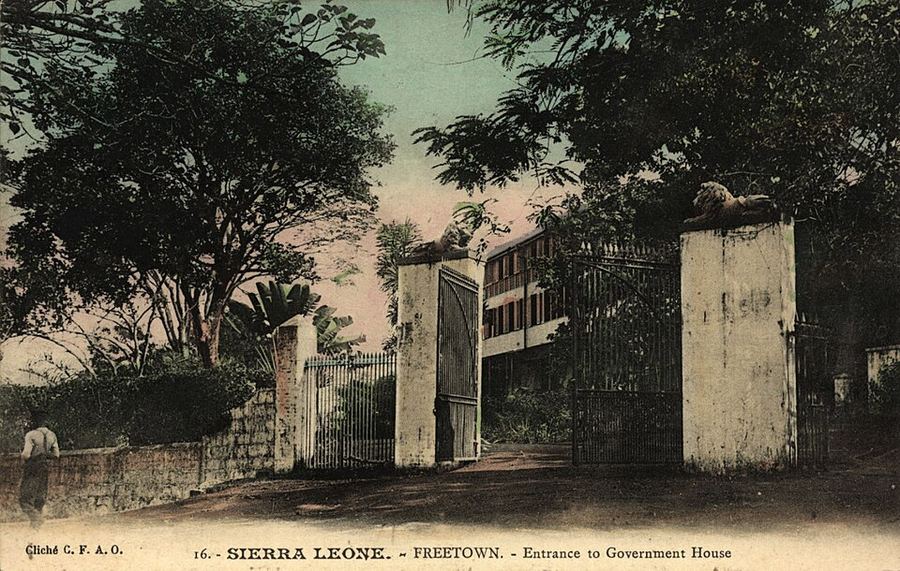
Portuguese navigators charting the coast in the fifteenth century named the mountainous peninsula behind the harbour Serra Lyoa, the lion range, and the name stuck to the whole territory. For three centuries the estuary was a slaving coast: Bunce Island, a British trading post in the Sierra Leone River, shipped captives to the rice plantations of South Carolina and Georgia, seeding the Gullah communities whose speech and foodways still echo the region. The modern country begins with the counter-current — the 1787 Province of Freedom, refounded in 1792 by Black Loyalists brought from Nova Scotia, then reinforced by Jamaican Maroons in 1800 and, after Britain's 1807 abolition of the slave trade, by tens of thousands of Africans freed from intercepted ships and landed at Freetown. Britain made the coastal colony a Crown Colony in 1808 and declared a protectorate over the interior in 1896; the hut tax imposed on the protectorate provoked the 1898 rising led by the Temne chief Bai Bureh. Independence came on 27 April 1961 under Milton Margai. Siaka Stevens's All People's Congress consolidated a one-party state through the 1970s, and the resulting collapse of state authority set the stage for the war that began in 1991.
Culture

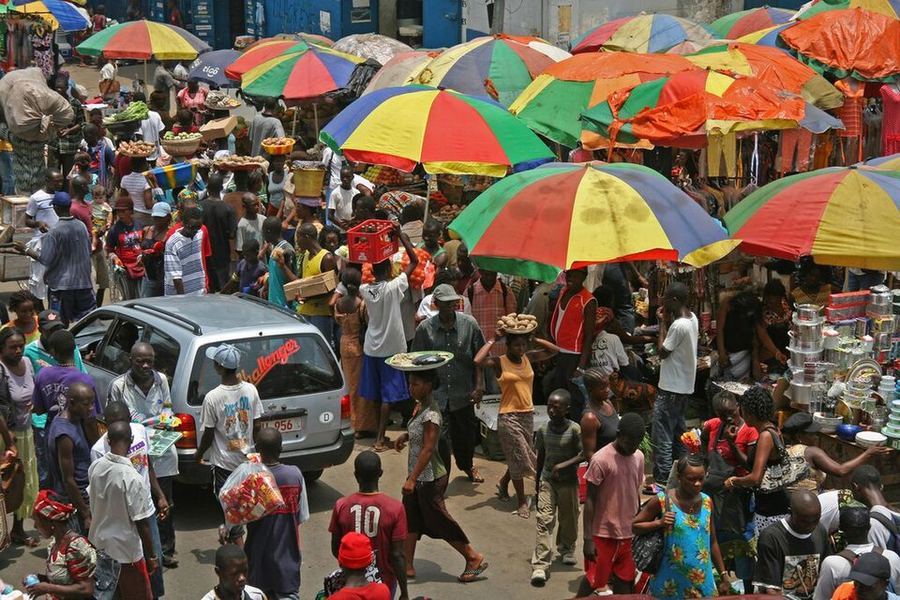
Sierra Leonean society is organised around lineage, chieftaincy and initiation rather than around the state, and the institutions that carry culture forward are the men's and women's societies. The Poro society initiates boys into adulthood and, historically, regulated law and land across Mende and Temne country; the women's Sande — called Bondo in the north — does the same for girls and is the custodian of the masking tradition. Paramount chieftaincies, several of them held by women in the south, remain a live layer of authority alongside elected government. Language marks the country's layers: Mende dominates the south, Temne the north, and Krio, an English-based creole born of the Freetown settlements, is a first language for about a tenth of the population but understood by nearly everyone, which makes it the true national tongue. Religious life is Muslim-majority and Christian-minority, but the boundary is unusually porous — mixed families are ordinary, Ramadan and Christmas are both widely marked, and interfaith attendance at funerals and naming ceremonies is expected. Hospitality obligations are strong, extended-family remittance from the diaspora is a normal household income line, and public life is conducted at high volume and with considerable humour.

Points Of Pride

The founding of Freetown as a home for freed Africans is the country's central claim on world history, and Sierra Leoneans invoke it constantly. Fourah Bay College, established in Freetown in 1827, was the first Western-style degree-granting institution in sub-Saharan Africa and earned the city the nickname 'the Athens of West Africa'; for a century it educated the clergy, teachers and civil servants of British West Africa, and its graduates staffed governments far beyond Sierra Leone's borders. Religious coexistence is a second point of pride, and the country is regularly cited as one of the most interfaith-tolerant in Africa. The natural inheritance is a third: Tiwai Island Wildlife Sanctuary on the Moa River and the adjoining Gola Rainforest National Park protect one of the last substantial blocks of Upper Guinean rainforest, with one of the densest primate populations recorded anywhere. Sierra Leoneans also take pride in the country's mineral legend — the Star of Sierra Leone, a 968.9-carat rough diamond found in the Koidu alluvial fields in 1972, remains among the largest gem diamonds ever recovered — and in the peaceful transfers of power that have followed the war.

Cultural Fusion

Sierra Leone is a country made by returns. The Krio are the descendants of four distinct diasporas — Black Loyalists from Nova Scotia, Maroons deported from Jamaica, the London 'Black Poor' of the first settlement, and the Liberated Africans landed from intercepted slavers, who came from across the West African coast and beyond. Their fusion produced Krio: an English-lexicon creole carrying Yoruba, Portuguese, Temne and Mende in its grammar and vocabulary, and with it a distinct Anglican-inflected culture of Victorian house-forms, elaborate funerals and awujoh feasts that blend Christian, Muslim and Yoruba ancestral practice in a single sitting. The interior contributed the Mande and Mel-speaking traditions of Poro and Sande. Islam arrived by trade routes with Fula, Mandingo and Susu merchants and now claims a large majority of the population without displacing older ritual life. A Lebanese trading community, established from the late nineteenth century, became central to commerce in Freetown and the provincial towns. The Atlantic link runs both ways: the Gullah of the Carolina and Georgia lowcountry trace ancestry to this coast, and reciprocal 'homecoming' visits between Gullah families and Sierra Leonean communities have been made since the 1980s.

Music & Dance

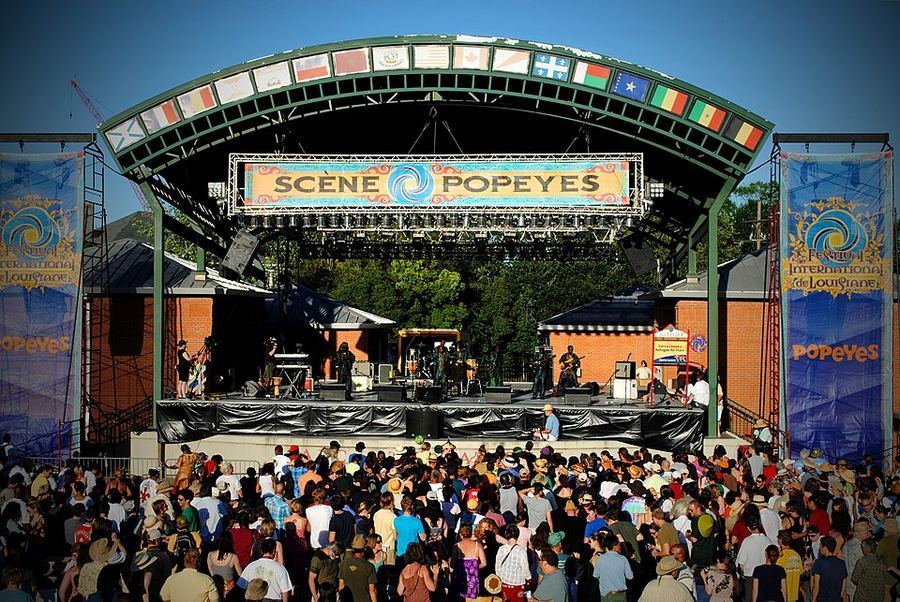
The defining Sierra Leonean popular style is palm-wine music — maringa — played on acoustic guitar in the bars where poyo, the tapped palm sap, is drunk, with lyrics that gossip, moralise and comment on the news. Ebenezer Calender, a Freetown coffin-maker turned bandleader active from the 1930s, made maringa the sound of the colony's radio; S. E. Rogie carried the palm-wine guitar style to international audiences from the 1960s, and his slow, conversational fingerpicking is the country's most recognisable musical export. Older layers persist underneath: the bubu wind-and-drum processional music of Temne country, the sasa and shegureh gourd rattles associated with women's societies, the balangi xylophone of the east, and the masked dances of Poro and Sande in which the dancer is understood to embody a spirit rather than represent one. Devil dancing at Christmas and Easter fills Freetown streets with costumed masquerades and their attendant crowds. Since the war, hip-hop and Afrobeats in Krio have dominated the youth market, and musicians have taken an explicitly political role; the Sierra Leone's Refugee All Stars, formed by musicians in Guinean refugee camps during the war, became the country's best-known international touring act.

Cuisine & Misattributed Foods

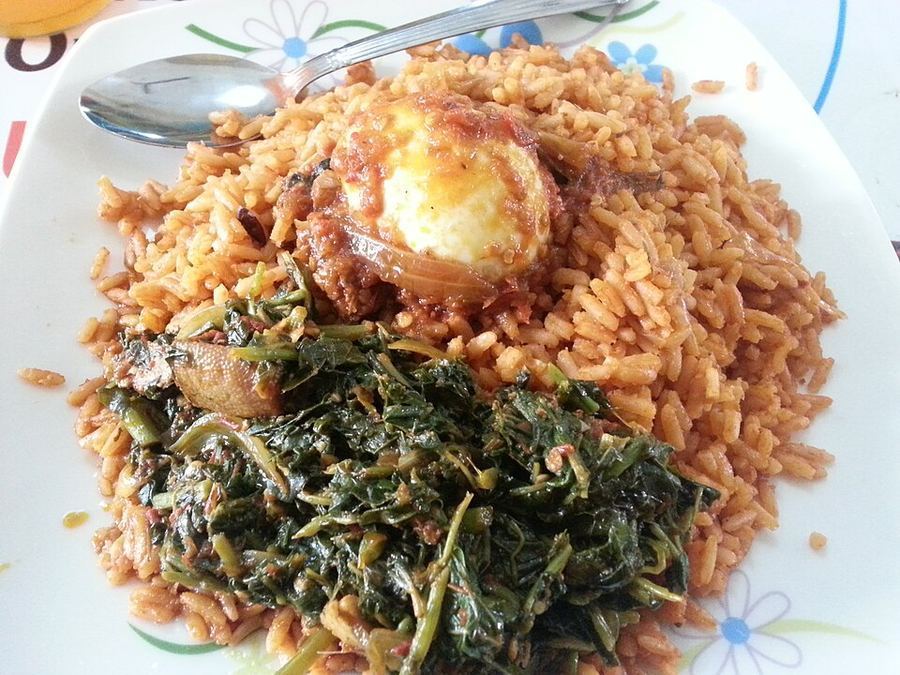
Rice is not a component of the Sierra Leonean meal but its entire premise — a household that has eaten cassava or bread has, by common reckoning, not yet eaten. The staple plate is a mound of rice under a stew thickened with red palm oil and dried or smoked fish. Cassava leaf, pounded fine and cooked long with palm oil, groundnut and fish or beef, is the closest thing to a national dish; potato leaf and krain krain, the mucilaginous jute leaf, are its everyday siblings. Groundnut stew, okra soup, and pepper soup fill out the repertoire, and the heat comes from small local chillies used without restraint. Cassava itself appears as gari and as foofoo, fermented and pounded; plantain is fried as a snack or pounded. Coastal and riverine communities eat heavily from the sea and the mangrove creeks — bonga fish, barracuda, crayfish and oysters. Jollof rice appears at celebrations, and the fierce regional argument over its correct preparation is entered enthusiastically. Street food means roast corn, groundnut cake, fried plantain and akara bean fritters, and the drink beside it is poyo, ginger beer or strong sweet green tea.

National Dress

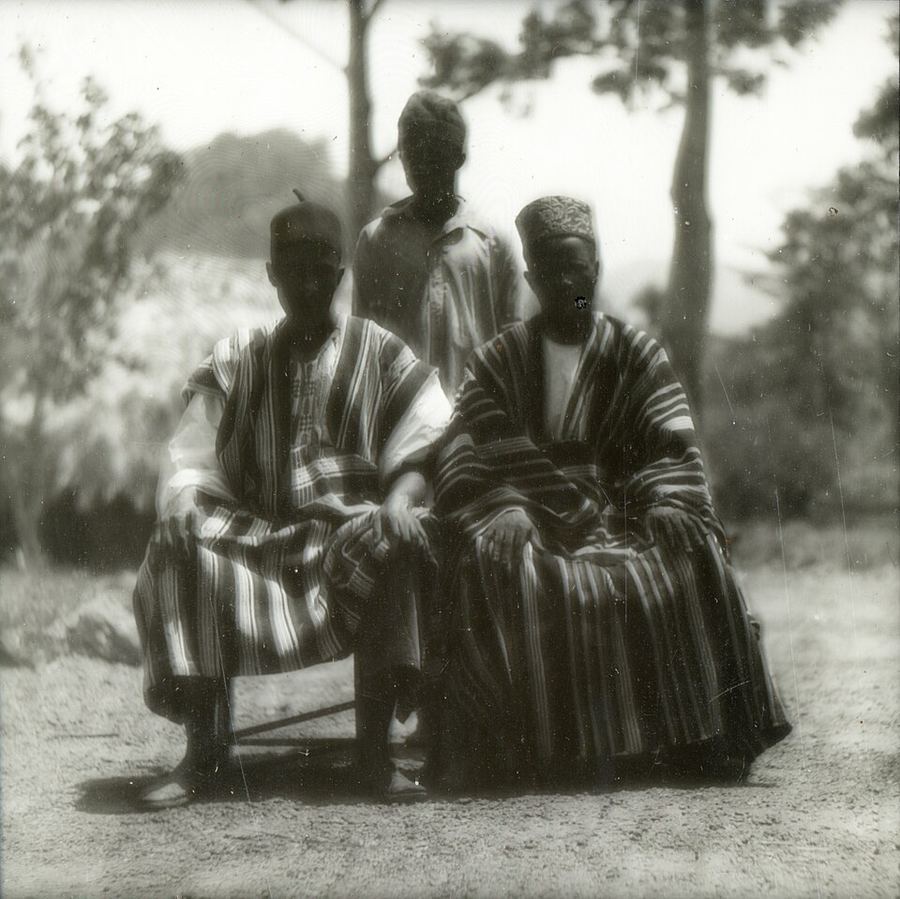
There is no single codified national costume; there are instead two well-defined traditions that meet in Freetown. From the interior comes country cloth, woven in narrow strips on the horizontal loom and sewn edge to edge into blankets, robes and the loose ronko shirt, historically worn by warriors and hunters and treated as a garment carrying protective power. From the same region comes gara — indigo and kola-dyed cloth produced by tie-and-fold resist and, more recently, by stencilled batik — which is worked by women's cooperatives and is the fabric most visitors take home. Men's formal dress is the embroidered wide-sleeved gown of the wider Sahelian and Mande world, worn with a cap; women wear the wrapper-and-blouse ensemble with an elaborately tied head-tie, the height and architecture of which is a matter of considerable skill. The Krio tradition is distinct again and consciously nineteenth-century in ancestry: the kabaslot, a loose embroidered gown worn over a wrapper, with a print head-tie, is the dress of Krio weddings, thanksgivings and awujoh. Western clothing is otherwise universal in daily life, with traditional dress reserved for ceremony, worship and national days.

Sports & Inspiring Athletes

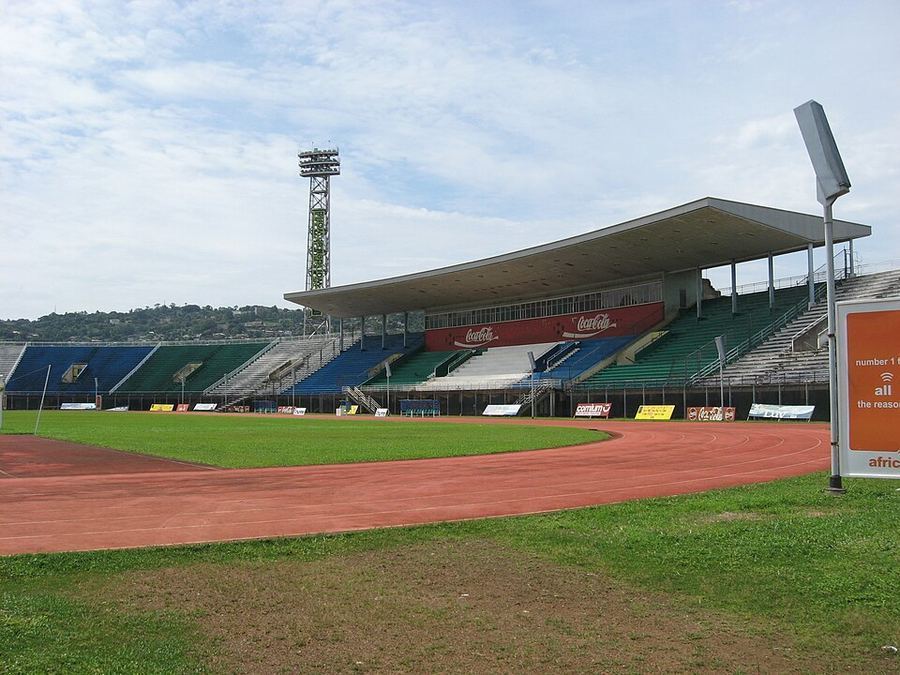
Football is the national sport without serious competition. The men's national side, the Leone Stars, plays at the National Stadium in Freetown, a ground that doubles as the country's principal public gathering place; the domestic Sierra Leone Premier League is contested most fiercely by the Freetown clubs East End Lions and Mighty Blackpool, whose derby has repeatedly required the stadium's full capacity and a heavy police presence. Street and beach football is ubiquitous, and Lumley Beach hosts informal tournaments most weekends. Athletics is the second organised sport, run out of the same stadium and through school competitions, with sprinting the strongest discipline. Basketball has grown in Freetown, and cricket retains a foothold inherited from the colonial school system, with the national side competing in the lower divisions of the African regional structure. Boxing has a small but persistent following. Traditional physical culture survives in the wrestling and dance contests attached to society initiations and to harvest and Christmas masquerades, and canoe racing is a feature of riverine and island communities on the Moa, the Rokel and around Sherbro.

Notable Educational Programs

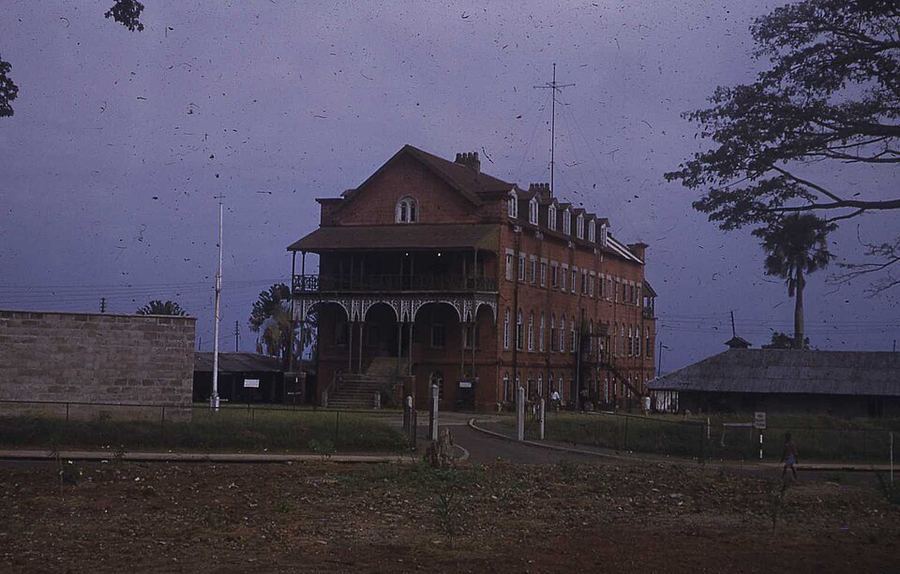
Education is where post-war Sierra Leone has made its most visible policy bet. Fourah Bay College, founded in Freetown in 1827 and affiliated to Durham University from 1876, was the first institution of its kind in sub-Saharan Africa and is now the senior campus of the University of Sierra Leone; Njala University, with campuses at Njala and Bo, carries agriculture and education, and Milton Margai Technical University handles technical and teacher training. The defining recent programme is Free Quality School Education, launched in 2018, which abolished fees for government and government-assisted schools and funded core textbooks and examination costs; the government has committed an unusually large share of the national budget to it, and enrolment rose sharply. It was paired with a 'radical inclusion' policy that in 2020 overturned the standing ban on pregnant girls attending school and sitting examinations — a ban the ECOWAS Court of Justice had found discriminatory — and that extended provision to children with disabilities and to those in rural and low-income districts. The persistent constraints are teacher supply and qualification, crowded classrooms, and completion rates that fall away sharply between primary and senior secondary school.

Wars & Conflicts

The civil war of 1991 to 2002 defines modern Sierra Leone. The Revolutionary United Front, led by Foday Sankoh and backed by Charles Taylor of Liberia, crossed from Liberian territory in March 1991 and fought a campaign financed by alluvial diamonds and characterised by mass amputation, mass rape and the conscription of children by all sides. The state effectively collapsed: a 1992 coup, a 1997 coup that installed a junta alongside the RUF, intervention by the Nigerian-led ECOMOG force, the failed Lomé accord of 1999, and the near-overrunning of Freetown. The war ended after the deployment of what was then the largest UN peacekeeping operation in the world, UNAMSIL, and a decisive British military intervention in 2000; disarmament was declared complete and the war formally over in January 2002. Estimates of the dead run to roughly 50,000, with over two million displaced. The Special Court for Sierra Leone and a Truth and Reconciliation Commission followed. Since then the country has been at peace and has held repeated multiparty elections, though an armed attack on a Freetown barracks and prison in November 2023 — prosecuted by the government as an attempted coup — was a reminder of how thin the margin remains.
Current as of 2026-08-07

Land & Border Disputes

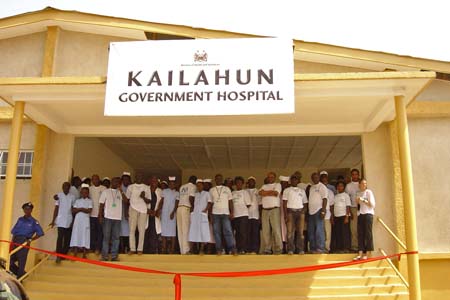
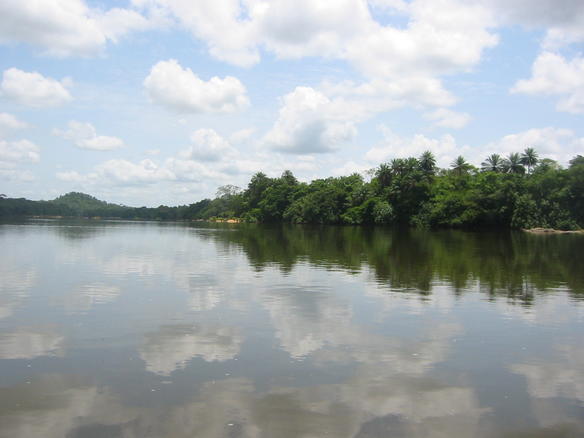
Sierra Leone's only substantive territorial dispute is with Guinea over Yenga, a small village in Kailahun District at the eastern tip of the country on the Makona River, which forms the boundary. Guinean troops entered the area during the civil war, with Sierra Leone's consent, to help contain RUF forces operating from the border zone, and did not fully withdraw when the war ended. Both governments have repeatedly acknowledged in joint communiqués that Yenga lies on the Sierra Leonean side of the boundary and have signed successive agreements — most prominently in 2005 and again in 2012 — to demilitarise the village and complete demarcation, but implementation has been slow and the issue resurfaces periodically in both parliaments. The wider difficulty is that the colonial-era boundary description follows a river whose course has shifted, so that demarcation requires fresh survey rather than simple reference to the original text. Elsewhere the country's borders are settled: the Liberian boundary along the Mano and Morro rivers is not contested, and Sierra Leone's maritime limits in the Atlantic have not generated litigation. No case involving Sierra Leone's land borders has been brought before the International Court of Justice.
Land, Life & Legacy

Land & Climate

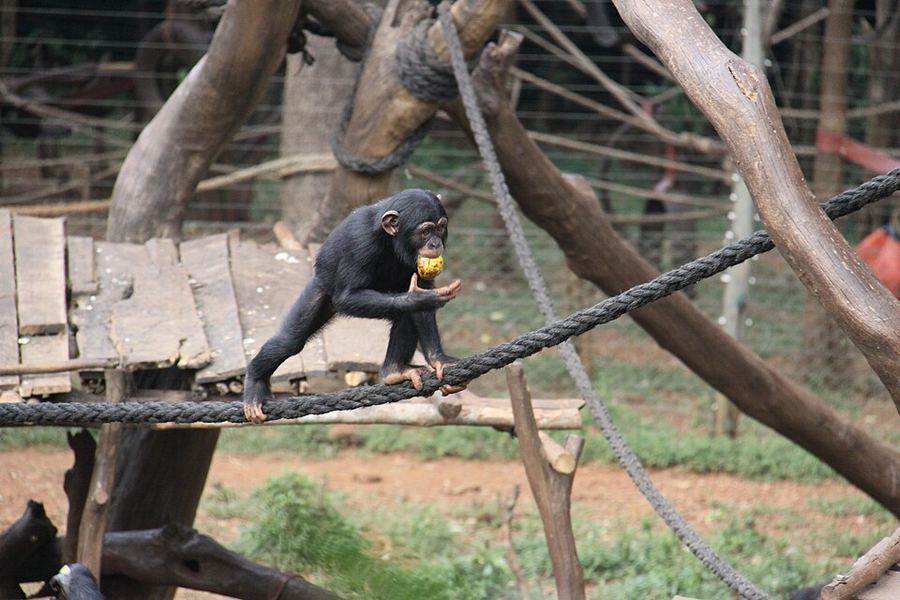
Sierra Leone is small — roughly the size of Ireland — but sharply varied. The Freetown Peninsula rises abruptly from the Atlantic in forested hills, the 'lion mountains' of the Portuguese name, and shelters the deep-water estuary of the Sierra Leone River that made the site strategically valuable to every power that used it. South and east of the peninsula the coast is a belt of mangrove swamp, tidal creeks and low islands — Sherbro, the Banana Islands, the Turtle Islands — behind which lies a wooded plain that rises eastward to the plateau and finally to the Loma Mountains, where Mount Bintumani reaches about 1,950 metres, the highest ground in the country. The climate is tropical monsoon and emphatically wet: a rainy season from roughly May to November that makes Freetown one of the wettest capitals in West Africa, then a dry season under the dust-laden Harmattan wind off the Sahara. That rainfall on steep, deforested slopes is the country's gravest natural hazard — the mudslide that came off Sugar Loaf mountain onto the Freetown suburb of Regent in August 2017 killed more than a thousand people.

Entertainment

Leisure in Sierra Leone is public, loud and mostly free. The beaches of the Freetown Peninsula are the great collective amenity: Lumley Beach on the city's western edge fills every weekend with football games, sound systems and food stalls, and the calmer sands further south at River No. 2, Tokeh and Bureh Town draw day-trippers and, increasingly, a small surfing scene run by local clubs. Football is watched as intensely as it is played — European league fixtures are shown in bars and on hand-painted screens in every neighbourhood, and Premier League allegiances are declared on clothing and minibuses. The poda-poda minibuses and okada motorbike taxis that carry all this traffic are themselves an aesthetic, painted with slogans and portraits. Palm-wine bars remain a fixture of evening sociability in town and village alike, and the ataya base — the spot where young men brew strong sweet green tea over charcoal for hours — is the standard venue for argument about politics and football. Christmas and Easter masquerades, Independence Day on 27 April, and the two Eids all shut ordinary business down and put the whole country in the street.

Art & Museums

The most internationally significant Sierra Leonean art form is the Sande society's helmet mask, carved in blackened wood with a high glossy forehead, downcast eyes, elaborate coiffure and rings at the neck. It is worn by a senior woman of the society, the Sowei, and is very widely described as the only masking tradition in sub-Saharan Africa in which the masks are owned and danced by women; examples are held by the British Museum, the Smithsonian's National Museum of African Art and the Metropolitan Museum of Art. Alongside it stand the Poro society's masks, the Mende and Temne carved figures used in divination and healing, and the nomoli — small soapstone figures unearthed by farmers in Mende and Kissi country, made by an earlier population and reused by present-day communities as rice-field guardians. Textiles carry as much artistic weight as carving: strip-woven country cloth and indigo gara are made to be seen and read. Freetown's visual art scene has grown since the war around galleries and the fine-art teaching at Fourah Bay College and Milton Margai, with painters working in a documentary, high-colour idiom that takes markets, fishing and city life as its subject.
British MuseumSmithsonianMetropolitan Museum of ArtEncyclopaedia Britannica

Notable People

Sengbe Pieh, a Mende man seized near Freetown and shipped to Cuba, led the 1839 revolt aboard the schooner Amistad and won his freedom before the United States Supreme Court; he returned to Sierra Leone and his portrait has appeared on the national currency. Bai Bureh, the Temne war chief who led the 1898 rising against the hut tax, is the country's other founding hero. Sir Milton Margai, a physician, led Sierra Leone to independence in 1961 and served as its first prime minister; Siaka Stevens, who dominated the following two decades, is the more contested figure. In letters, Ishmael Beah's memoir of conscription as a child soldier, A Long Way Gone, and the novels and reportage of Aminatta Forna have given the country a substantial literary presence in English. S. E. Rogie carried palm-wine guitar abroad. Eunice Barber, born in Freetown, competed for Sierra Leone before taking French nationality and winning the world heptathlon title in 1999 and the world long jump title in 2003. Mohamed Kallon, who played in Italy's Serie A, remains the country's best-known footballer, and the actor Idris Elba, of Sierra Leonean paternal descent, has invested publicly in the country.

Inventions & Breakthroughs

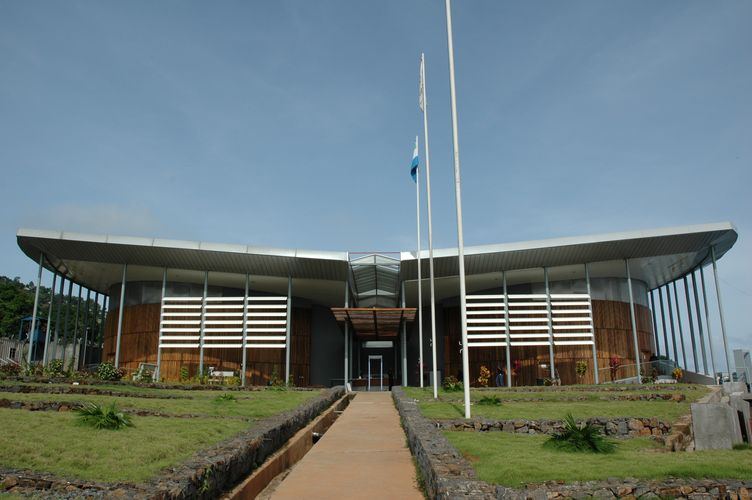
Sierra Leone is not a source of industrial patents, and its distinctive contributions are better described as techniques and institutions. Strip-loom weaving and the indigo and kola resist-dyeing that produces gara cloth are inherited craft technologies still practised commercially, and the fermenting and pounding of cassava into foofoo and gari is a preservation technology that made a toxic root into a staple. The country's most consequential invention is arguably legal. The Special Court for Sierra Leone, established in 2002 by agreement between the United Nations and the government, was the first hybrid international-domestic tribunal to sit in the country where the crimes it tried had been committed, mixing international and Sierra Leonean judges and law. It produced two firsts in international criminal law: the first convictions anywhere for the recruitment and use of child soldiers, and the first for forced marriage as a crime against humanity. It also tried and convicted Charles Taylor, the former president of Liberia, the first head of state convicted by an international tribunal since Nuremberg. That model — a court seated among the affected population, with a fixed mandate and a completion date — has since been studied as a template for post-conflict justice elsewhere.
UNEncyclopaedia BritannicaHuman Rights Watch

Science & Technology

Sierra Leone's scientific profile is small but has had moments of genuine global consequence. During the 2014 Ebola epidemic, clinicians and scientists working at Kenema Government Hospital collected and sequenced viral genomes from the earliest Sierra Leonean cases; the resulting analysis, published in Science in 2014, established that the outbreak had a single introduction into the country from Guinea and tracked the virus mutating in real time as it spread. Five of the paper's co-authors, including the hospital's lead physician Sheik Humarr Khan, died of the disease before publication. The epidemic killed roughly 4,000 people in Sierra Leone and reshaped the national health system, which now maintains a much stronger surveillance and laboratory capacity than it had in 2014. On the applied side, the government established the Directorate of Science, Technology and Innovation in 2018 to build data and digital capacity inside ministries, and it has focused on national data infrastructure, digital identity and education technology. The country's best-known young technologist, Kelvin Doe of Freetown, built generators, batteries and a working FM transmitter from scavenged parts as a teenager and was hosted as a visiting practitioner at the Massachusetts Institute of Technology in 2012.
On The World Stage

Champions & Defining Moments

Sierra Leone has never qualified for the FIFA World Cup. Its international football high points are three appearances at the Africa Cup of Nations — in 1994 and 1996, and then a twenty-five-year absence before returning at the 2021 edition played in Cameroon in January 2022, where the Leone Stars drew with Algeria, the defending champions, and with Ivory Coast before going out at the group stage. Mohamed Kallon's career in Italy and Kei Kamara's long scoring record in Major League Soccer are the individual careers that have carried the flag furthest. The country made its Olympic debut at Mexico City in 1968 and has competed at most Summer Games since, in athletics and boxing, without winning a medal. Its most decorated athlete of Sierra Leonean birth, the heptathlete and long jumper Eunice Barber, took her world titles after transferring allegiance to France. Sierra Leone is a member of the Commonwealth and competes at the Commonwealth Games, again principally in athletics and boxing. The national football federation's periodic governance crises and suspensions have repeatedly interrupted international participation, a recurring obstacle to building on the 2021 result.

FIFAIOCOlympediaWorld AthleticsCommonwealth Games Federation
Economy, Trade & Government

Currency & GDP

SLL — SLL (None)

GDP (PPP): $26.728 billion (2024 est.)

Per capita: $3,100 (2024 est.)

Exports

$1.382 billion (2023 est.)

iron ore, titanium ore, diamonds, aluminum ore, cocoa beans (2023)

Partners: China 67%, India 6%, Belgium 5%, Netherlands 4%, Ireland 3% (2023)

Imports

$2.264 billion (2023 est.)

rice, plastic products, packaged medicine, cement, cars (2023)

Partners: China 32%, India 15%, UAE 5%, USA 5%, Turkey 5% (2023)

Government

Type: presidential republic

Independence: 27 April 1961 (from the UK)

Terrain → Where People Live

How mountains, coasts, and rivers shape settlement (LandScan).

Coming — data

Migration & Ethnic Settlement

Where groups settled and how people move (GeoEPR + UNHCR).

Coming — data

Universities

Notable institutions, mappable as points.

Coming — data
Economy & government facts: CIA World Factbook (public domain), via OpenFactBook / factbook.json.
Every fact and narrative claim will carry a visible source citation. Data-driven sections light up automatically wherever HERA has coverage.