HERA · Human Entity Reference Atlas by Masego Inc

← Serbia 🌐 3D View
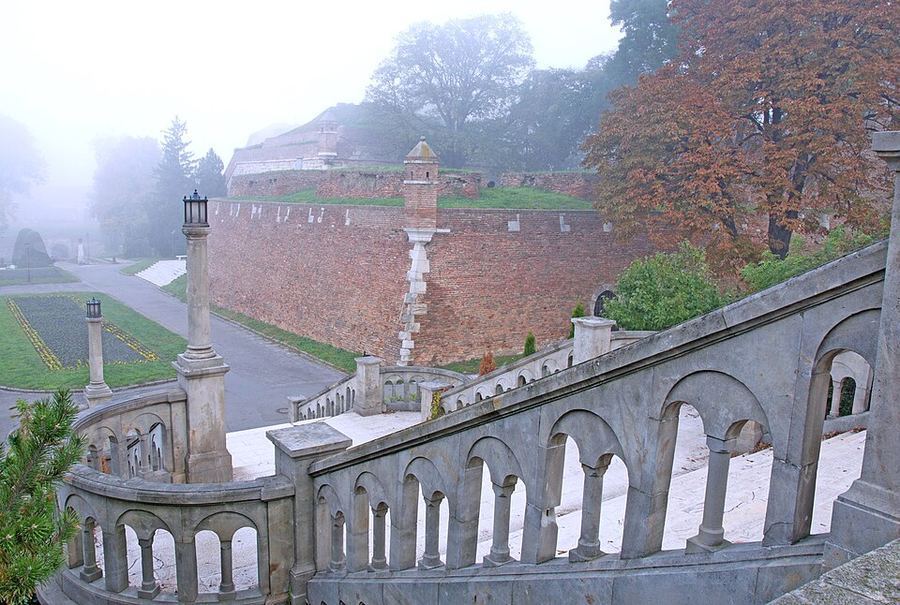
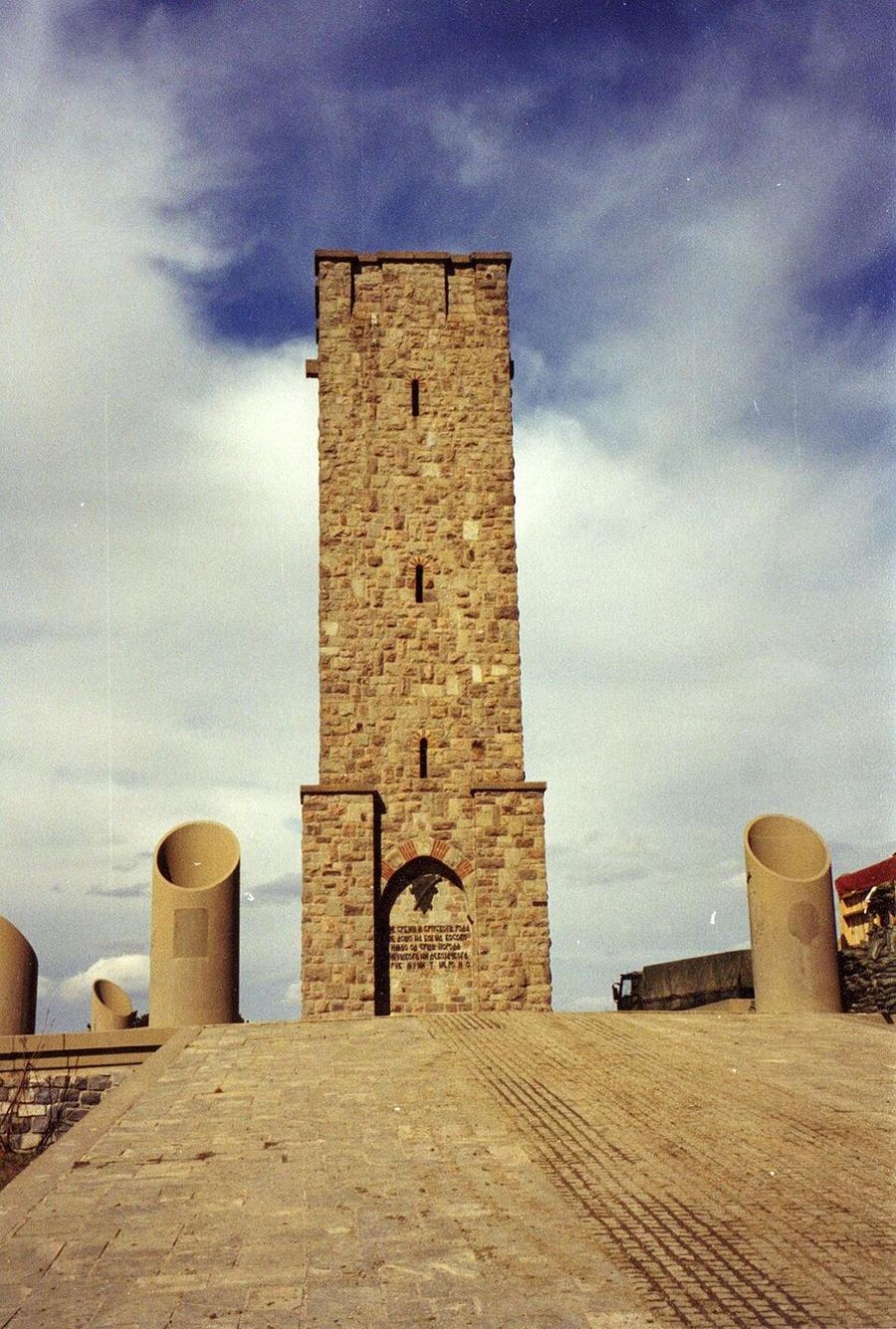
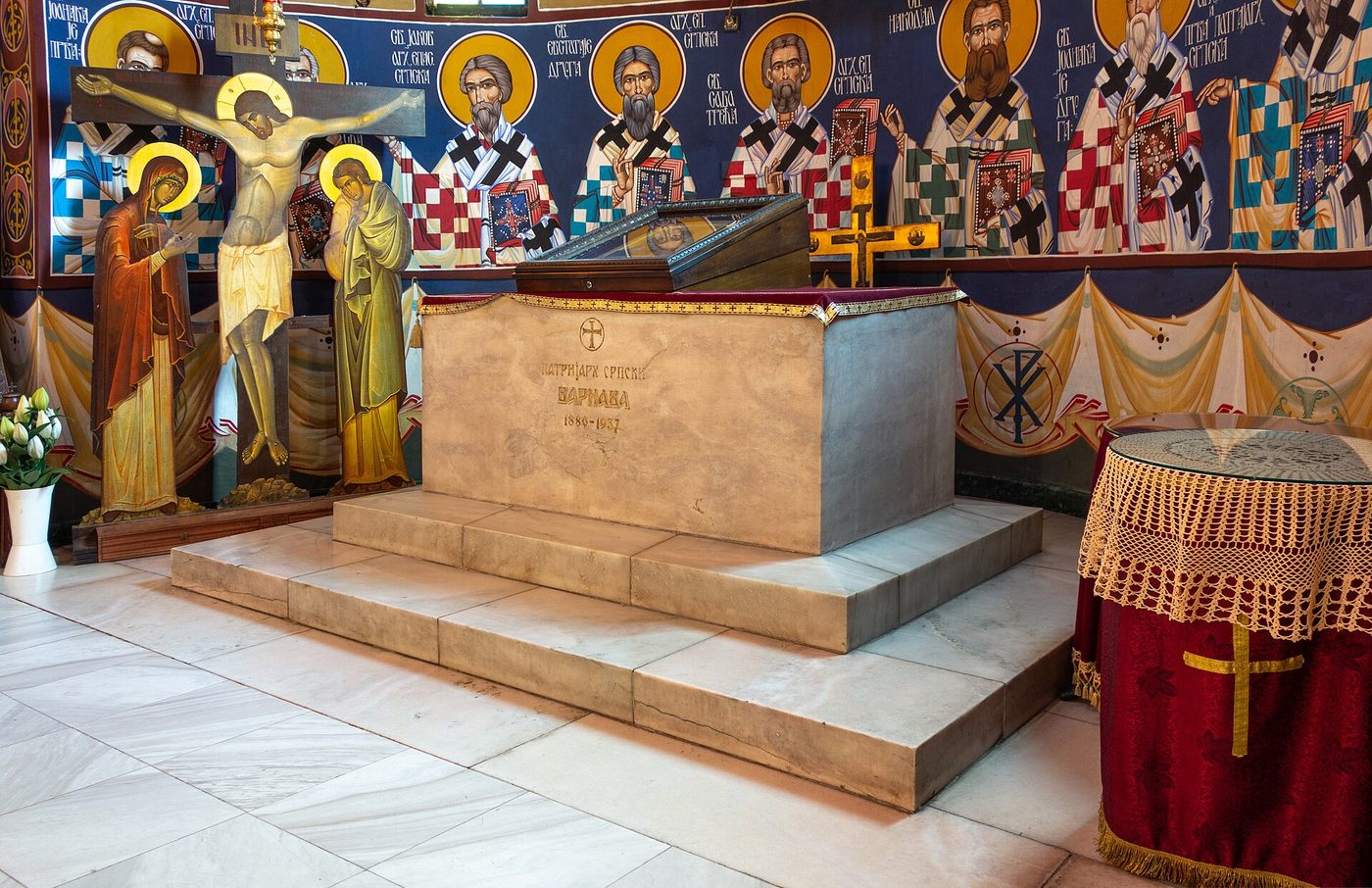
Patriarch Varnava Rosić resting place (church Saint Sava, Belgrade), Serbia
Serbia SRB
Patriarch Varnava Rosić resting place (church Saint Sava, Belgrade) — Photo: Petar Milošević / CC BY-SA 4.0 via Wikimedia Commons
Did You Know As many as seventeen Roman emperors were born on the territory of modern Serbia, among them Constantine the Great, born at Naissus — today's Niš. — Encyclopaedia Britannica

Serbia is a landlocked republic of roughly 6.7 million people in the central Balkans, straddling the point where the Pannonian plain of central Europe gives way to the mountains of the peninsula's interior. Belgrade, at the confluence of the Sava and the Danube, has been fought over by Romans, Byzantines, Hungarians, Ottomans and Habsburgs and remains the country's political, economic and cultural centre. About 83% of the population is Serb, with Hungarians, Roma and Bosniaks the largest minorities, most of them concentrated in the northern autonomous province of Vojvodina, which alone recognises six official languages. Serbian Orthodoxy is professed by around 81%, and the Serbian Orthodox Church, autocephalous since 1219, is the country's oldest continuous institution. Serbian is the only European language in standard everyday use with two alphabets — Cyrillic and Latin, taught and used interchangeably. The median age of about 44 is among the world's highest, and sustained emigration and low birth rates make demographic decline the country's defining long-run problem. The economy is industrial and increasingly services-based, exporting insulated wire, electricity, copper ore and vehicle components, chiefly to the European Union. Serbia has been an EU candidate since 2012 while maintaining close ties to Russia and China.

CIA World FactbookEncyclopaedia BritannicaWorld Bank
Population
6,652,212
Capital
Belgrade (Beograd)
Currency
None RSD
Time zones
Largest city
Belgrade
Human Geography Themes
Loading national figures…
Largest Cities
Belgrade1,200,547
Novi Sad286,753
Niš219,095
Kragujevac140,856
Novi Pazar93,110
Subotica79,457
Borca79,245
Čačak70,622
In Perspective

Belgrade's urban core is home to about 1,200,547 people.

Among the world's megacities, though, it's one of many — the giants of Asia and Latin America run larger still:

Belgrade1,200,547
Jakarta40,545,126
Dhaka37,307,160
Tokyo33,244,670
Shanghai30,678,616
Cairo25,230,325
The Country & Its People

History

Serbian statehood is conventionally dated to the Nemanjić dynasty founded by Stefan Nemanja in the twelfth century. His son Stefan was crowned king in 1217, and another son became Saint Sava, who secured autocephaly for the Serbian Church in 1219 and wrote its first legal and literary texts. The kingdom reached its height under Stefan Dušan, crowned emperor in 1346, whose legal code of 1349 is a landmark of medieval European law. Ottoman pressure followed: the Battle of Kosovo on 28 June 1389 became the central event of Serbian national memory, and by 1459 the last Serbian despotate had fallen. Four centuries of Ottoman rule were punctuated by the Great Migration of 1690, when Patriarch Arsenije III led tens of thousands north into Habsburg territory. The First Serbian Uprising of 1804 under Karađorđe and the second of 1815 under Miloš Obrenović won autonomy, and the Congress of Berlin recognised full independence in 1878. The assassination of Archduke Franz Ferdinand in Sarajevo in June 1914 by Gavrilo Princip triggered the world war in which Serbia lost a devastating share of its population. It led the Kingdom of Serbs, Croats and Slovenes from 1918, was a republic of socialist Yugoslavia after 1945, and became independent again on 5 June 2006 when Montenegro left the state union.
Culture

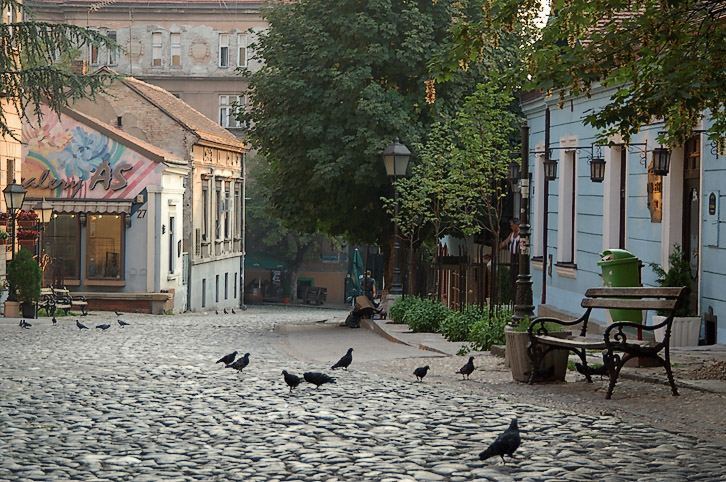
The institution that most distinguishes Serbian culture is the slava, the celebration of a family's patron saint, inherited down the male line and observed on the same day every year with a blessed loaf, boiled wheat, a lit candle and an open house for anyone who comes; UNESCO inscribed it as intangible cultural heritage in 2014, and it is the practice Serbs abroad keep longest. Around it sits an Orthodox calendar of fasts and feasts, with Christmas celebrated on 7 January according to the Julian reckoning and marked by the burning of the badnjak oak branch. Sociability is conducted in the kafana, a tavern that is simultaneously restaurant, music venue and forum, where meals run for hours and where live singing is expected rather than incidental. Hospitality is close to obligatory and is measured in food and rakija pressed on the guest. Serbs describe themselves in terms of inat — a stubborn, defiant spite that turns adversity into a point of honour — and the self-image is thoroughly ironic, sustained by a rich tradition of black humour about politics and history. Family ties remain strong and multigenerational households common, reinforced by an economy that keeps young adults at home.

Points Of Pride

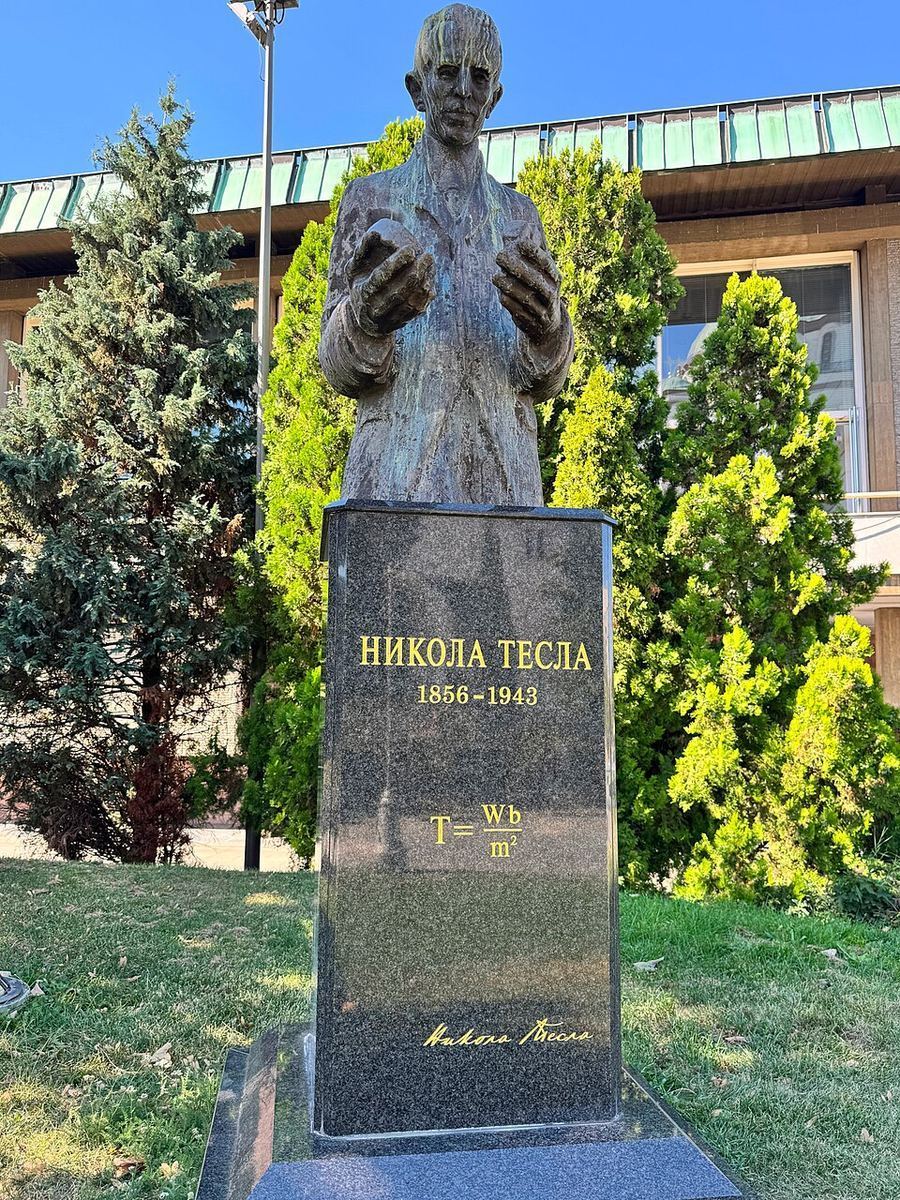
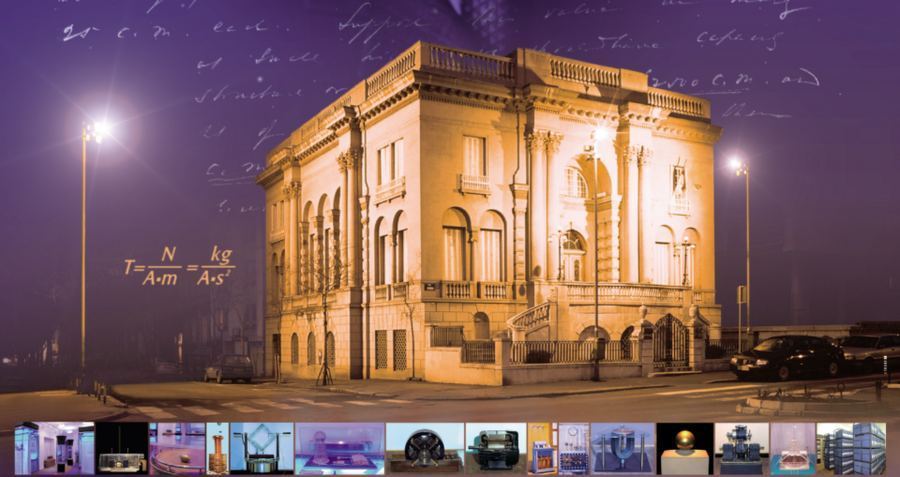
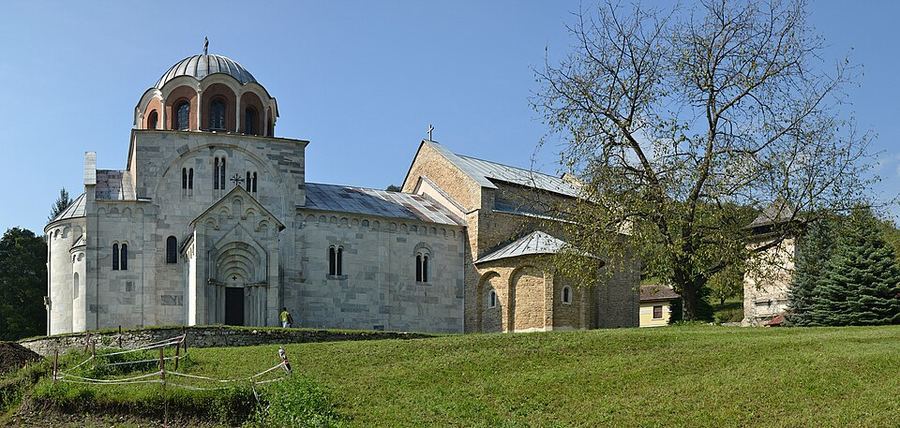
Serbia's proudest exports are people, and Nikola Tesla heads the list: born to a Serb family in the Military Frontier of the Habsburg Empire, he is commemorated in Belgrade by a museum that holds his ashes and his personal archive, which UNESCO added to its Memory of the World register in 2003. Mihajlo Pupin and Milutin Milanković complete the scientific triumvirate. The medieval monasteries are the other great inheritance: Studenica, with its white marble church and thirteenth-century frescoes, Sopoćani and the Stari Ras complex, and the late Roman imperial palace of Gamzigrad-Romuliana are all UNESCO World Heritage sites. Serbs also note that a remarkable number of Roman emperors — as many as seventeen by common count — were born on the territory of modern Serbia, Constantine the Great among them at Naissus, today's Niš. Sporting achievement is a live and constant source of pride, from Novak Djokovic's record haul of Grand Slam titles to a water polo team that has won three consecutive Olympic golds. Four Serbian practices are on UNESCO's intangible heritage lists: the slava, the kolo circle dance, epic singing to the gusle, and the making of šljivovica plum brandy.

Cultural Fusion

Serbia sits precisely on the fault line between the Byzantine and Latin worlds, and the seam runs through everything. The church, script and iconography are Byzantine; the administrative habits, urban planning and civic architecture of Vojvodina are Habsburg; the food, the coffee, and several hundred everyday words are Ottoman. Serbian's two alphabets are the most literal expression of the split: Cyrillic is constitutionally the official script and Latin is used just as freely, and educated Serbs read both without noticing the difference. Vojvodina, held by Vienna and Budapest while the south was Ottoman, is the country's plural region, with Hungarian, Slovak, Romanian, Croatian and Rusyn recognised alongside Serbian and with Slovak Lutheran towns such as Bački Petrovac and the Rusyn communities of Ruski Krstur maintaining their own schools and press. Roma communities, about 2% of the population by census and larger in practice, have shaped the country's music profoundly, above all the brass band tradition. Sremski Karlovci, seat of the Orthodox metropolitanate under Habsburg rule and site of the first Serbian gymnasium, was where the northern and southern strands of Serbian culture were reconciled into a single modern national project.

Music & Dance

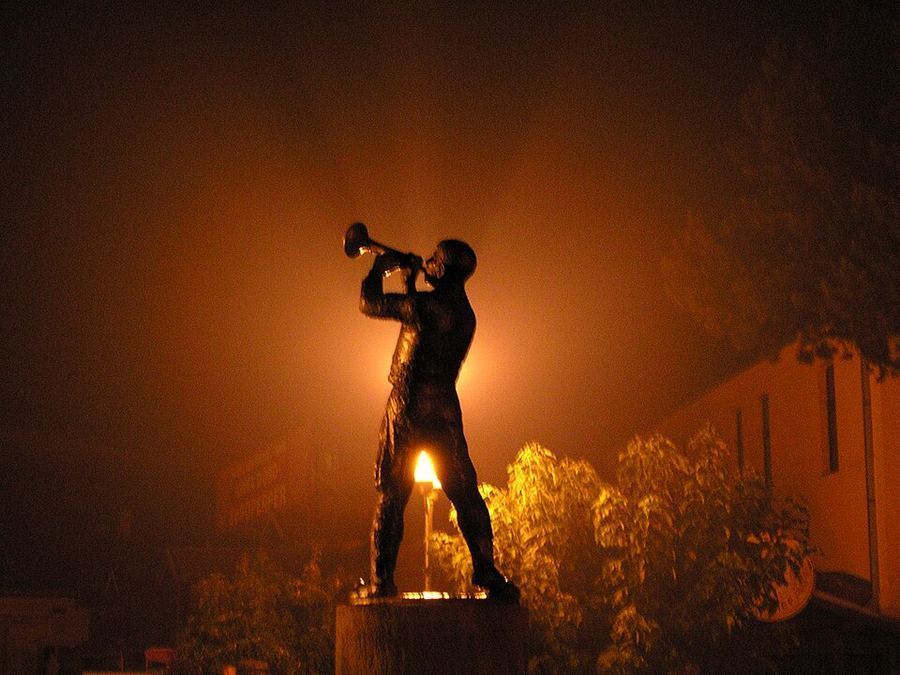
The kolo, a chain or circle dance in which dancers link hands or belts and move through repeating step patterns, is the national dance and is performed at every wedding and celebration; UNESCO inscribed it in 2017. Its accompaniment is the accordion, and behind that lies the older tradition of the gusle, a single-stringed bowed instrument to which epic poems about Kosovo, Marko Kraljević and the uprisings are chanted — a practice also on UNESCO's list. The most exported Serbian sound is the brass band, the truba, developed largely by Roma musicians in the south and central regions into a fast, ornamented, blaring ensemble music; its shrine is the Dragačevo trumpet assembly at Guča, held annually since 1961, which draws hundreds of thousands of people for several days of competition and continuous playing. Stevan Stojanović Mokranjac built the classical tradition in the late nineteenth century by arranging folk song into his Rukoveti garlands. In popular music, turbo-folk fused folk melody with electronic production and dominated the 1990s, and Marija Šerifović's victory at the 2007 Eurovision Song Contest brought the following year's contest to Belgrade. The EXIT festival, staged in the Petrovaradin fortress at Novi Sad since 2000, is among Europe's larger music events.

Cuisine & Misattributed Foods

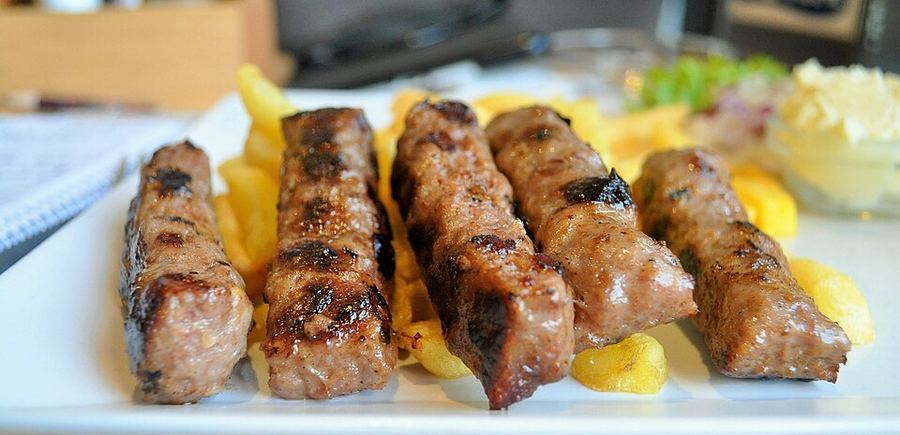
Serbian food is meat-forward, generous and stubbornly seasonal. The grill — the roštilj — supplies the national dishes: ćevapi, small skinless minced-meat rolls served with chopped onion and flatbread; pljeskavica, the same mixture as a broad patty; and karađorđeva šnicla, a rolled and crumbed veal or pork cutlet stuffed with kajmak, invented in a Belgrade restaurant in the 1950s. Kajmak itself, a matured clotted-cream product somewhere between butter and cheese, is the country's most distinctive dairy item. Autumn is defined by ajvar, the roasted red pepper and aubergine relish made in bulk by whole families and stored for the year, and by pickling and preserving generally. Sarma, cabbage leaves rolled around minced meat and rice, is the winter and celebration dish; gibanica, a layered cheese pie in filo, and proja, maize bread, accompany almost anything. Pasulj bean stew and pihtije jellied pork carry the traditional table. The national spirit is rakija, above all šljivovica from plums, distilled domestically on a very large scale and inscribed by UNESCO in 2022; Serbia is one of the world's leading plum producers and among the largest exporters of frozen raspberries, most of them from the Arilje region.

National Dress

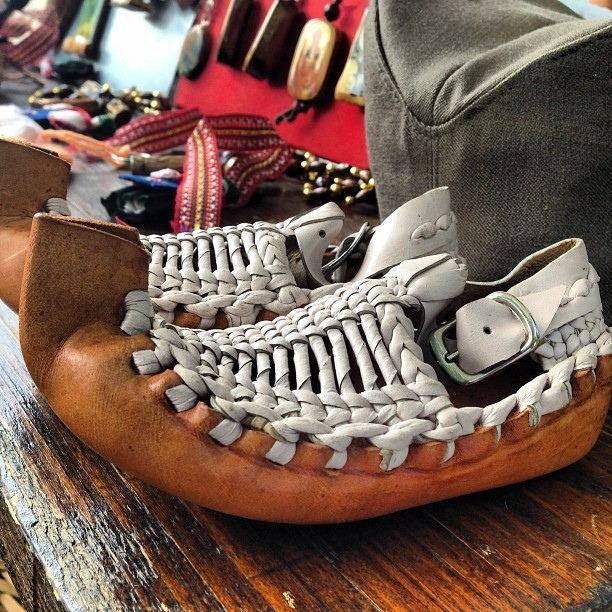
Traditional Serbian dress varies by region but shares recognisable components. On the feet are opanci, soft leather shoes with a distinctive upturned and pointed toe, plaited from a single piece of hide. Men wear a white linen shirt and trousers under a sleeveless or short jacket, with a woven sash and, in the Šumadija and southern styles, dark woollen breeches and a waistcoat heavily trimmed with braid. Two hats carry particular national weight: the šajkača, a soft cap with a distinctive V-shaped crown, which became the Serbian army's field cap in the Balkan Wars and the First World War and remains a patriotic symbol, and the šubara, a tall fur hat associated with the uprisings and with the Second World War Chetnik forces. Women's dress centres on a long embroidered chemise worn under the zubun, a sleeveless open coat of white or dark felted wool with dense appliqué and embroidery at the hem, with an apron front and back, a woven tkanica belt and, for married women, a headscarf. Vojvodina's costumes are Pannonian in cut and much closer to Hungarian and Slovak styles. Everyday clothing is entirely modern, with folk dress worn by ensembles, at slava and village festivals, and for weddings.

Sports & Inspiring Athletes

Serbia's sporting culture is disproportionate to its population and concentrated in team sports played indoors and in the water. Basketball is close to a national religion, inherited from the Yugoslav school that produced a stream of European and world titles, and sustained by a coaching tradition and by the fierce Belgrade rivalry between Crvena Zvezda and Partizan, whose Euroleague matches are among the loudest in Europe. Water polo has been the most consistently successful discipline of all. Volleyball, handball and tennis complete the picture; Serbia's tennis boom, built around Novak Djokovic, Ana Ivanović and Jelena Janković, took a country with almost no courts to the top of both the men's and women's world rankings within a decade. Football commands the largest everyday following, and the Belgrade derby between Red Star and Partizan is regarded as one of the most intense fixtures in European football. Athletics has produced world-class jumpers and throwers, and taekwondo, shooting, wrestling and canoeing supply steady international medals. Physical education and club sport remain well organised at school level, which is the usual explanation offered for the country's output.

Notable Educational Programs

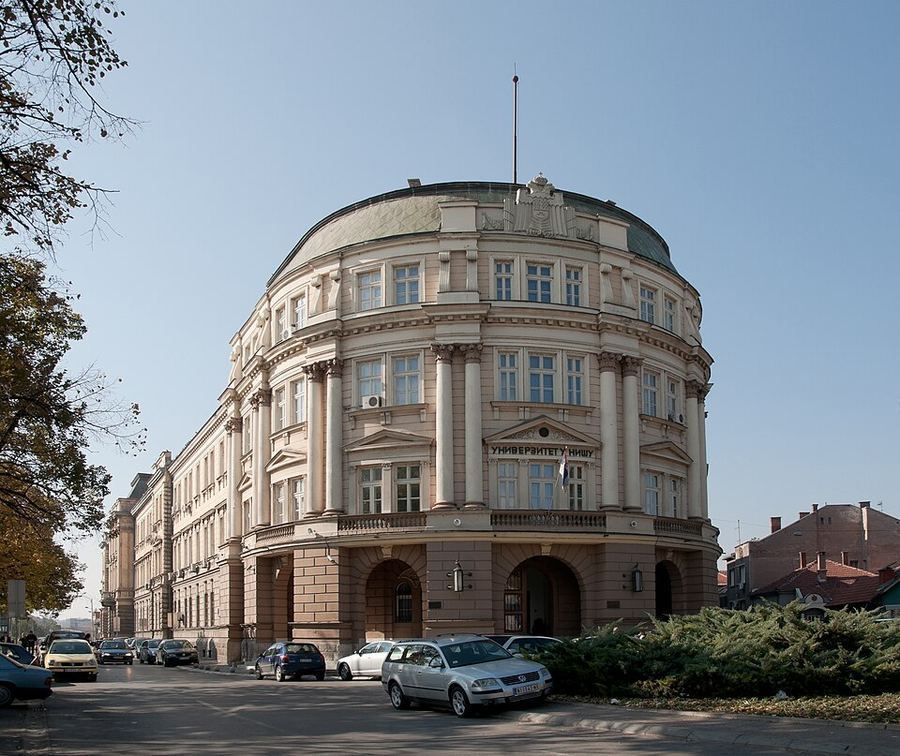
Education is free and compulsory for eight years of primary schooling, followed by four-year gimnazija or vocational secondary schools, and the system retains the broad, examination-heavy character inherited from the Yugoslav period. The University of Belgrade, whose lineage runs back to the Great School of 1808 and which took university status in 1905, remains by far the largest institution, with Novi Sad, Niš and Kragujevac the other major public universities. Two specialist institutions give the country an outsized presence in international competition. The Mathematical Grammar School in Belgrade, founded in 1966 as a selective secondary school for mathematically gifted students, has supplied a steady stream of medallists to the International Mathematical Olympiad and the international physics and informatics olympiads. The Petnica Science Center, established in 1982 near Valjevo, is an independent extracurricular institution where thousands of secondary students a year run their own research projects in the sciences and humanities under working researchers — a model with few equivalents anywhere. The system's central problem is not quality but retention: emigration of graduates, particularly in medicine and engineering, is heavy enough to be treated as a national policy issue.

Wars & Conflicts

Serbia's recent history is dominated by the violent breakup of Yugoslavia. Under Slobodan Milošević, who came to power in the late 1980s, Belgrade backed Serb forces in the wars in Croatia from 1991 and Bosnia from 1992, conflicts that killed over 100,000 people and produced the Srebrenica genocide of July 1995, for which the International Criminal Tribunal for the former Yugoslavia later convicted Radovan Karadžić and Ratko Mladić. In 1998 fighting escalated in Kosovo between Serbian forces and the Kosovo Liberation Army; after the failure of the Rambouillet talks, NATO conducted an air campaign against Serbia from 24 March to 10 June 1999 without a UN Security Council mandate, and Kosovo passed to UN administration under Resolution 1244. Milošević was removed by mass protest on 5 October 2000 and died in ICTY custody in 2006; the reformist prime minister Zoran Đinđić was assassinated in Belgrade in 2003. Serbia has been at peace since, though northern Kosovo remains volatile — an armed clash at Banjska in September 2023 killed a Kosovo police officer and three attackers. Domestically, the collapse of a canopy at Novi Sad railway station on 1 November 2024, which killed more than a dozen people, triggered the largest sustained protest movement in decades.
Current as of 2026-08-07

Land & Border Disputes

The central dispute is Kosovo. The territory, administered by the United Nations after 1999, declared independence on 17 February 2008; it has been recognised by roughly a hundred UN member states but not by Serbia, which regards it as its southern autonomous province, nor by Russia, China and five EU members, and it is therefore not a UN member. The International Court of Justice, asked for an advisory opinion by the General Assembly, held in July 2010 that the declaration of independence did not violate general international law, an opinion that resolved nothing politically. Since 2011 the European Union has facilitated a normalisation dialogue between Belgrade and Pristina, producing the Brussels Agreement of 2013 and the Ohrid framework of 2023; implementation, particularly of the promised association of Serb-majority municipalities and of arrangements for the Serb population of northern Kosovo, has repeatedly stalled. A second, quieter dispute runs with Croatia along the Danube, where the two states disagree over whether the boundary follows the river's current channel or the older cadastral lines of the pre-regulation meanders, leaving several pockets of land claimed by neither or both. Serbia's other borders are settled.
Land, Life & Legacy

Land & Climate

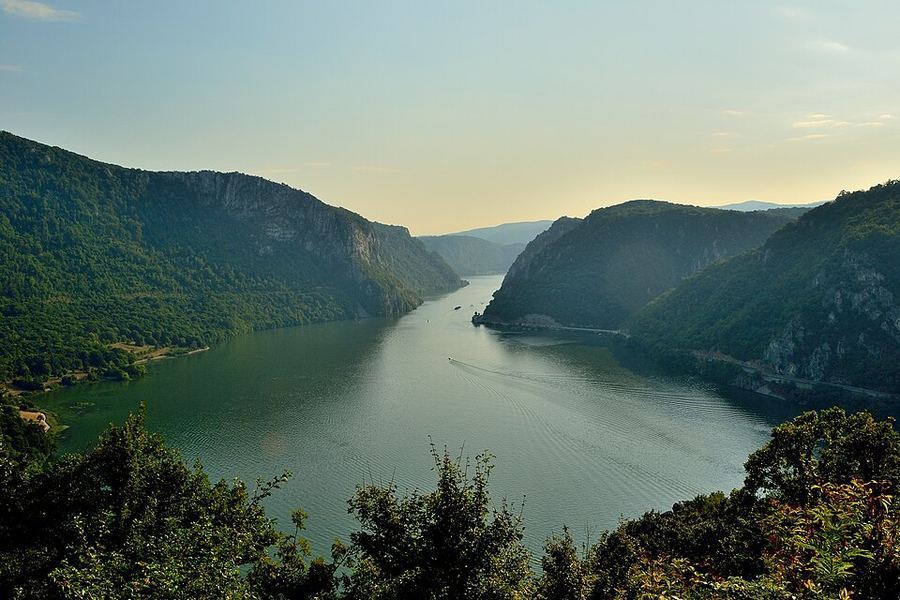
Serbia has been landlocked since Montenegro's departure in 2006, and its geography divides cleanly in two. North of the Sava and Danube lies Vojvodina, part of the flat, black-earthed Pannonian basin and the country's agricultural heartland, broken only by the low ridge of Fruška Gora and by the Deliblato Sands, an inland dune field sometimes called the European Sahara. South of the rivers the land rises into hills and then into the Dinaric, Carpathian and Balkan ranges, with Midžor on the Bulgarian border the highest point at about 2,170 metres and Kopaonik, Tara and Zlatibor the best-known massifs. The Danube crosses the country for nearly 600 kilometres and, at the Iron Gates, cuts the Đerdap gorge between the Carpathian foothills — one of the longest and deepest river gorges in Europe and the site of the Lepenski Vir settlement. The Sava, Tisa, Drina and the three Moravas complete the drainage. The climate is continental, with cold winters and hot summers, moderated toward the southwest; the country is exposed to the košava, a strong southeasterly winter wind. Flooding on the Sava and Kolubara is the principal natural hazard, as the catastrophic floods of May 2014 demonstrated.

Entertainment

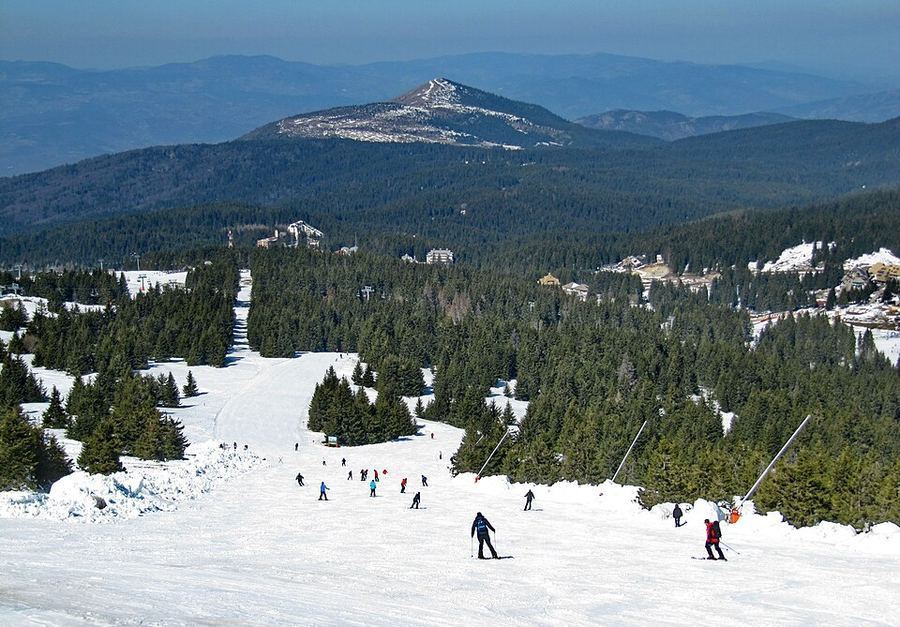
Belgrade's nightlife is the country's best-known leisure asset, and its most distinctive form is the splav — a floating club moored on the Sava or Danube, of which dozens operate through the summer, ranging from brass-band and folk venues to electronic music. The kafana remains the everyday alternative, and long lunches that turn into evenings are the standard weekend structure. Outside the capital, Serbs go to the mountains and the water: Kopaonik is the main ski resort, Zlatibor and Tara are year-round highland retreats, and the country has an unusually dense network of spa towns — Vrnjačka Banja, Sokobanja, Niška Banja — where thermal-water holidays have been a middle-class habit since the nineteenth century. Fruška Gora combines seventeen Orthodox monasteries with the vineyards of Sremski Karlovci, and the Uvac canyon, with its meanders and griffon vulture colony, has become a favourite domestic excursion. Festivals structure the summer: Guča for brass, EXIT at Novi Sad for popular music, and a full calendar of village fairs. Watching sport is close to a civic activity, with basketball, water polo, volleyball and Djokovic's tennis matches followed collectively in bars and squares.

Art & Museums

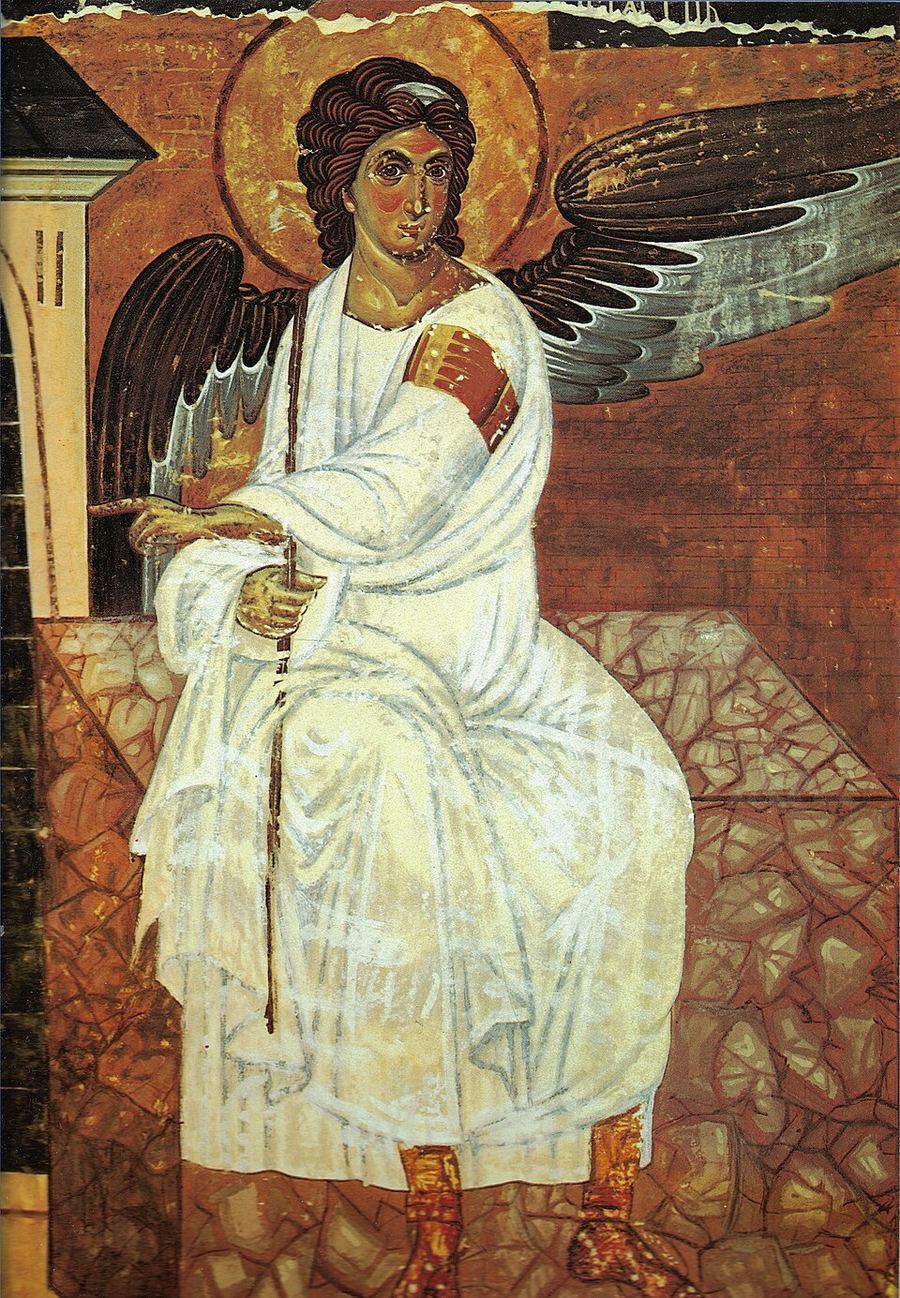
Serbian art's high point is medieval fresco painting, executed in the Nemanjić monasteries between the twelfth and fourteenth centuries and standing among the finest surviving Byzantine-tradition wall painting anywhere. The White Angel at Mileševa, painted around 1235 — a seated angel at Christ's empty tomb, rendered with unusual softness and gesture — is the single most reproduced image in Serbian art, and the frescoes of Sopoćani are frequently ranked with the best of the European thirteenth century. Studenica's Church of the Virgin combines Byzantine painting with Romanesque marble carving, a hybrid characteristic of the Raška school. Modern Serbian painting begins in Habsburg Vojvodina with the academic and historical canvases of Paja Jovanović and Uroš Predić, whose Kosovo Maiden is a national icon, and turns to modernism with Nadežda Petrović's fauvist landscapes and Sava Šumanović's figures. Belgrade's Museum of Contemporary Art and the National Museum hold the principal collections. In performance art, Marina Abramović, born in Belgrade in 1946, is one of the most influential living artists in the world, and her 2010 retrospective at the Museum of Modern Art in New York made durational performance a mainstream subject.

Notable People

Saint Sava, who won the Serbian Church its independence in 1219 and wrote its first laws, and Emperor Stefan Dušan, whose 1349 code is a monument of medieval jurisprudence, anchor the medieval canon; Karađorđe and Miloš Obrenović led the risings that recreated the state. In science, Nikola Tesla, Mihajlo Pupin — whose loading coils made long-distance telephony practical — and Milutin Milanković, who worked out the astronomical theory of ice ages, form a trio Serbs invoke constantly; Mileva Marić, the physicist and Einstein's first wife, was born in Vojvodina. Ivo Andrić won the Nobel Prize in Literature in 1961, and Miloš Crnjanski and Danilo Kiš are the twentieth century's other major prose writers. Emir Kusturica has twice won the Palme d'Or at Cannes. Marina Abramović is the country's most prominent living artist. In sport, Novak Djokovic holds the record for men's Grand Slam singles titles and won Olympic gold in Paris in 2024; Nikola Jokić, a multiple NBA Most Valuable Player and an NBA champion with the Denver Nuggets, is the latest in a long line of Serbian basketball players that includes Vlade Divac and Dejan Bodiroga.

Inventions & Breakthroughs

Two Serbian engineers changed how the modern world moves electricity and speech. Nikola Tesla's polyphase alternating-current system and induction motor, patented in the United States in the late 1880s, settled the argument over how to distribute power and are the basis of essentially every grid built since; the SI unit of magnetic flux density carries his name. Mihajlo Pupin, working at Columbia University, patented the loading coil that made long-distance telephone transmission economically possible, extending usable line length by an order of magnitude. Milutin Milanković contributed two things of lasting consequence: the astronomical theory of climate, in which cycles in the Earth's eccentricity, axial tilt and precession — now universally called Milankovitch cycles — drive the ice ages, and the Revised Julian calendar of 1923, the most astronomically accurate calendar yet devised. Serbia is also, unexpectedly, the source of a word: vampire entered western European languages in the 1720s and 1730s from Serbian, after Habsburg military officials investigated and documented the exhumations at Kisiljevo and Medveđa and published their reports across Europe. The country's older technical traditions include Zlakusa's unglazed calcite-tempered cooking pottery, inscribed by UNESCO in 2020.
Encyclopaedia BritannicaNatureUNESCOOxford Reference

Science & Technology

Serbia's scientific reputation rests heavily on three figures — Tesla, Pupin and Milanković — but the contemporary base is more substantial than that history suggests. The Vinča Institute of Nuclear Sciences near Belgrade, founded in 1948, remains the country's largest research institution, working in radiation physics, materials and environmental science. Serbia became a full member state of CERN in 2019, having participated in its experiments for decades, and Serbian groups contribute to the large detector collaborations at the Large Hadron Collider. Astronomy has a long institutional tradition through the Belgrade Astronomical Observatory. The most visible recent development is commercial: information technology has become one of Serbia's fastest-growing export sectors, with software development and outsourcing clusters in Belgrade, Novi Sad and Niš, a large freelance developer population, and locally founded companies — the game studio Nordeus among the best known — building products for global markets. The government has backed this with science and technology parks and tax incentives, while continuing to run a nuclear-free energy system dominated by lignite and hydropower. The constraint on all of it is the same as in education: sustained emigration of skilled researchers and engineers.
On The World Stage

Champions & Defining Moments

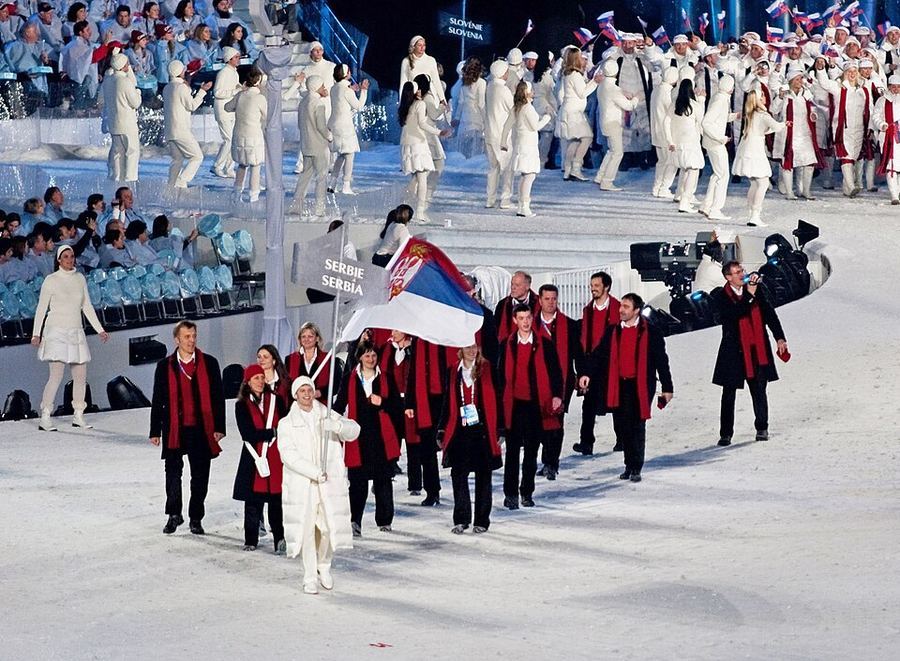
Serbia's men's water polo team is the country's greatest sustained success, winning Olympic gold at Rio in 2016, Tokyo in 2021 and Paris in 2024 — three consecutive titles. Basketball has produced Olympic silver at Rio 2016 and bronze at Paris 2024, and silver at the 2014 FIBA World Cup. The women's volleyball team won the world championship in 2018 and 2022 and Olympic silver at Rio 2016; Milica Mandić won taekwondo gold at both London 2012 and Tokyo 2021. Novak Djokovic has won a record number of men's Grand Slam singles titles and completed his career with Olympic gold in Paris in 2024, having led Serbia to the Davis Cup in 2010. In football, Serbia has qualified for the World Cup in 2010, 2018 and 2022 without reaching the knockout rounds, though the Yugoslav sides that preceded it reached two semi-finals; Red Star Belgrade's victory in the 1991 European Cup final, followed by the Intercontinental Cup the same year, remains the high point of Serbian club football. Serbia has hosted the European Athletics Indoor Championships and the EuroBasket group stage in Belgrade.

IOCOlympediaFIFAWorld Athletics
Economy, Trade & Government

Currency & GDP

Serbian Dinar — RSD (None)

GDP (PPP): $177.093 billion (2024 est.)

Per capita: $26,900 (2024 est.)

Exports

$44.352 billion (2023 est.)

insulated wire, electricity, copper ore, plastic products, electric motors (2023)

Partners: Germany 15%, Hungary 7%, Bosnia & Herzegovina 5%, Italy 5%, Romania 5% (2023)

Imports

$48.158 billion (2023 est.)

crude petroleum, natural gas, packaged medicine, plastic products, cars (2023)

Partners: Germany 12%, China 10%, Italy 7%, Turkey 5%, Hungary 5% (2023)

Government

Type: parliamentary republic

Independence: 5 June 2006 (from the State Union of Serbia and Montenegro); notable earlier dates: 1217 (Serbian Kingdom established); 16 April 1346 (Serbian Empire established); 13 July 1878 (Congress of Berlin recognizes Serbian independence); 1 December 1918 (Kingdom of Serbs, Croats, and Slovenes established, later known as Yugoslavia)

Terrain → Where People Live

How mountains, coasts, and rivers shape settlement (LandScan).

Coming — data

Migration & Ethnic Settlement

Where groups settled and how people move (GeoEPR + UNHCR).

Coming — data

Universities

Notable institutions, mappable as points.

Coming — data
Economy & government facts: CIA World Factbook (public domain), via OpenFactBook / factbook.json.
Every fact and narrative claim will carry a visible source citation. Data-driven sections light up automatically wherever HERA has coverage.