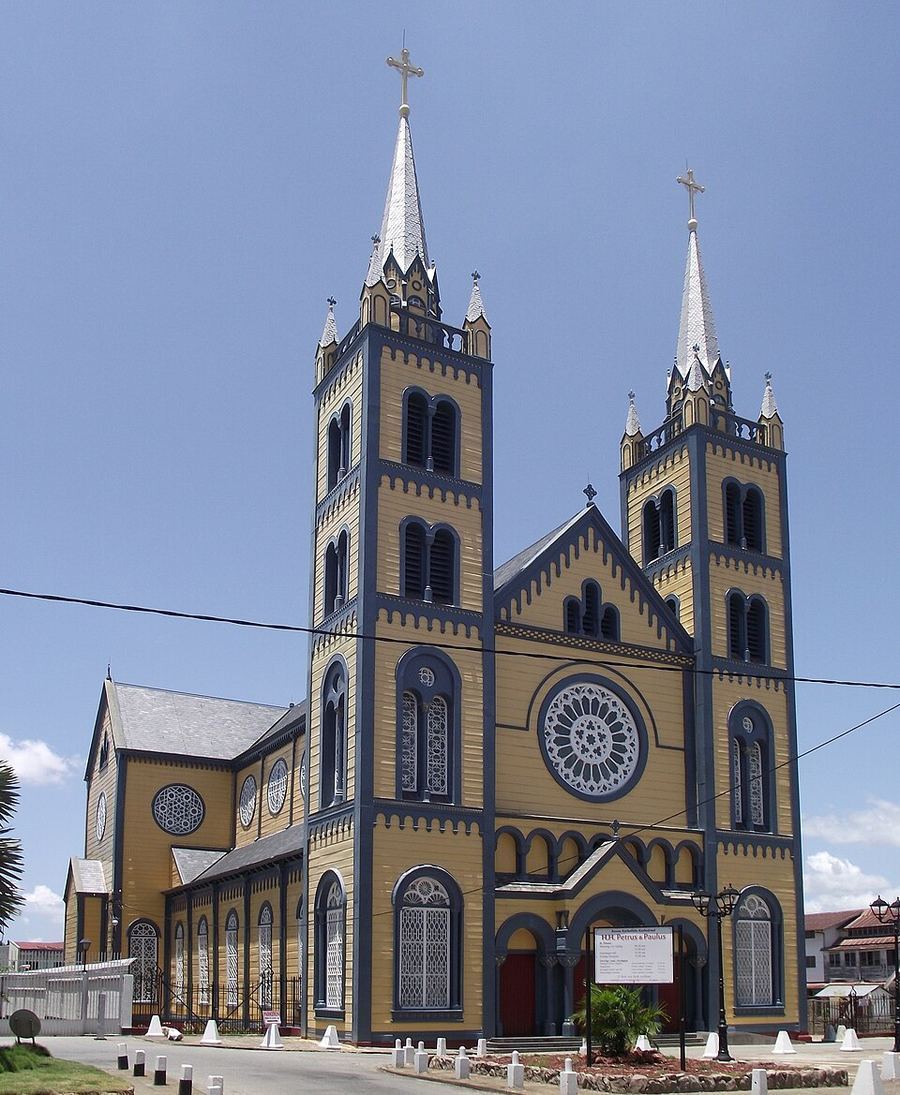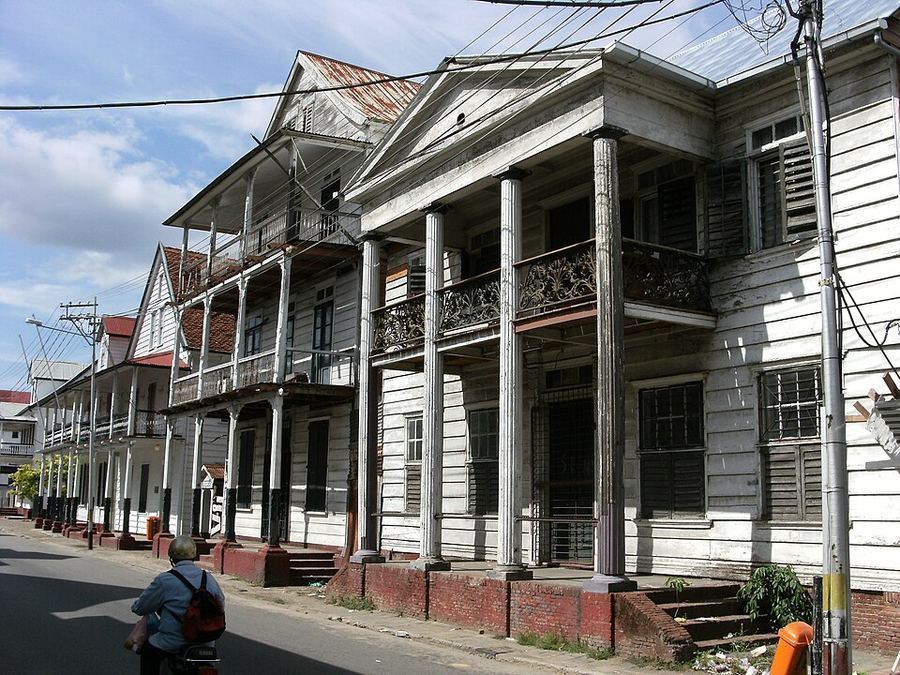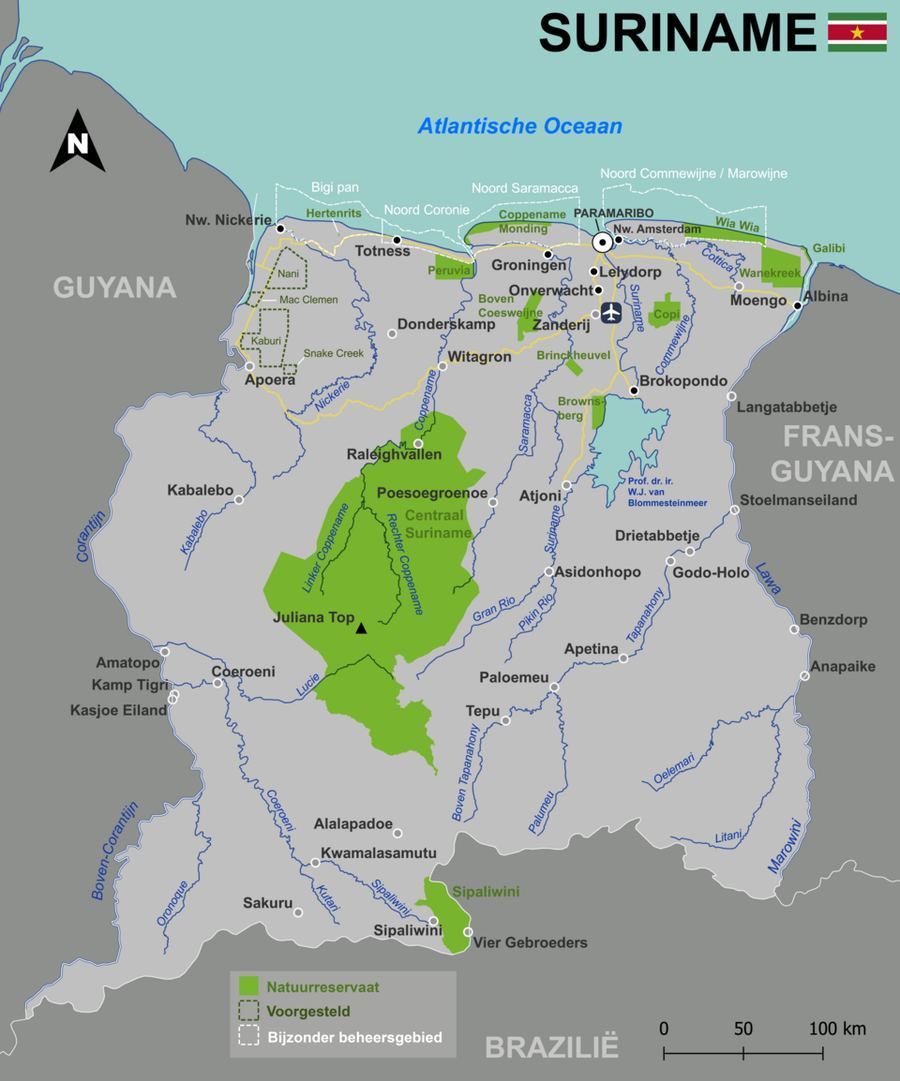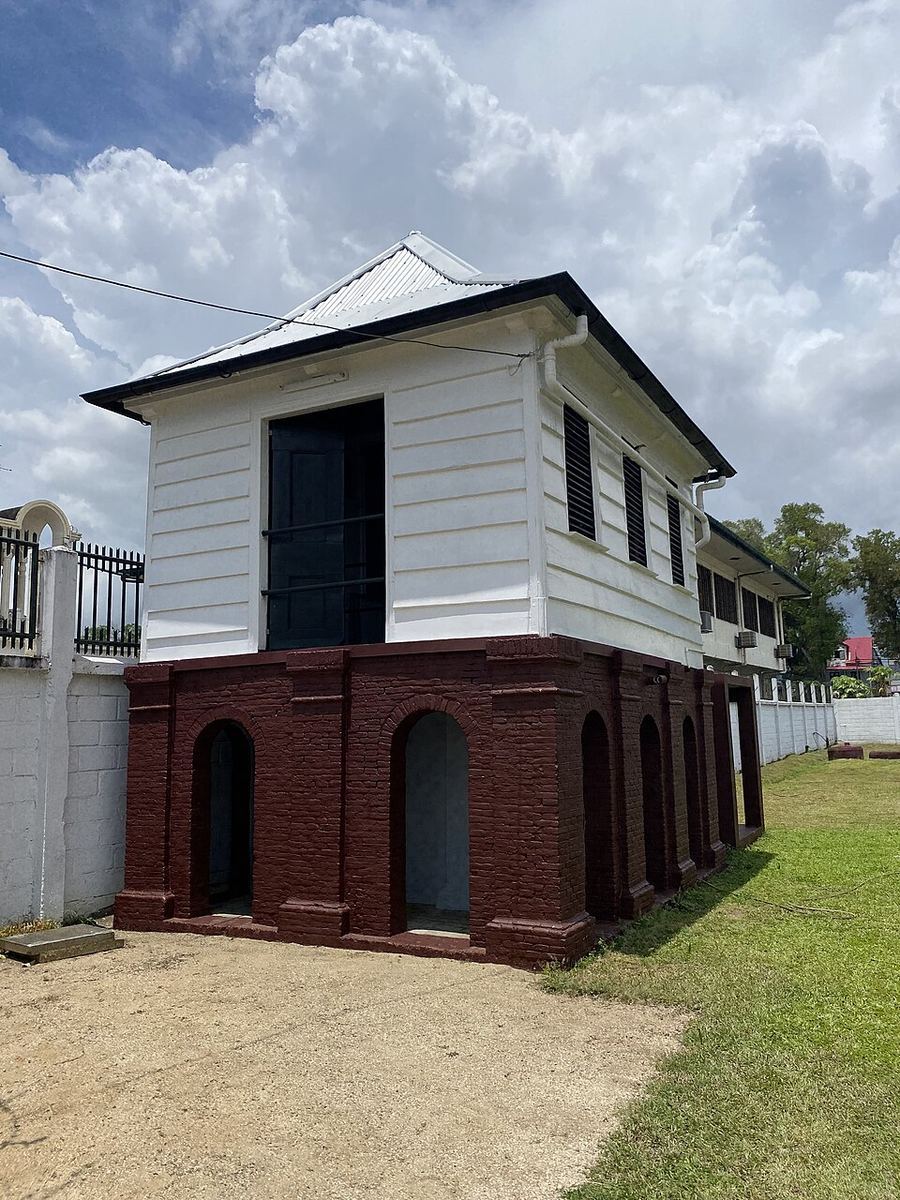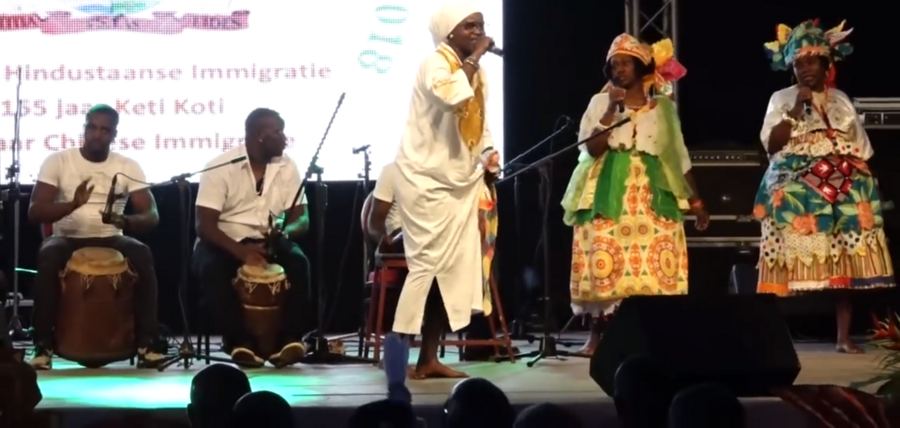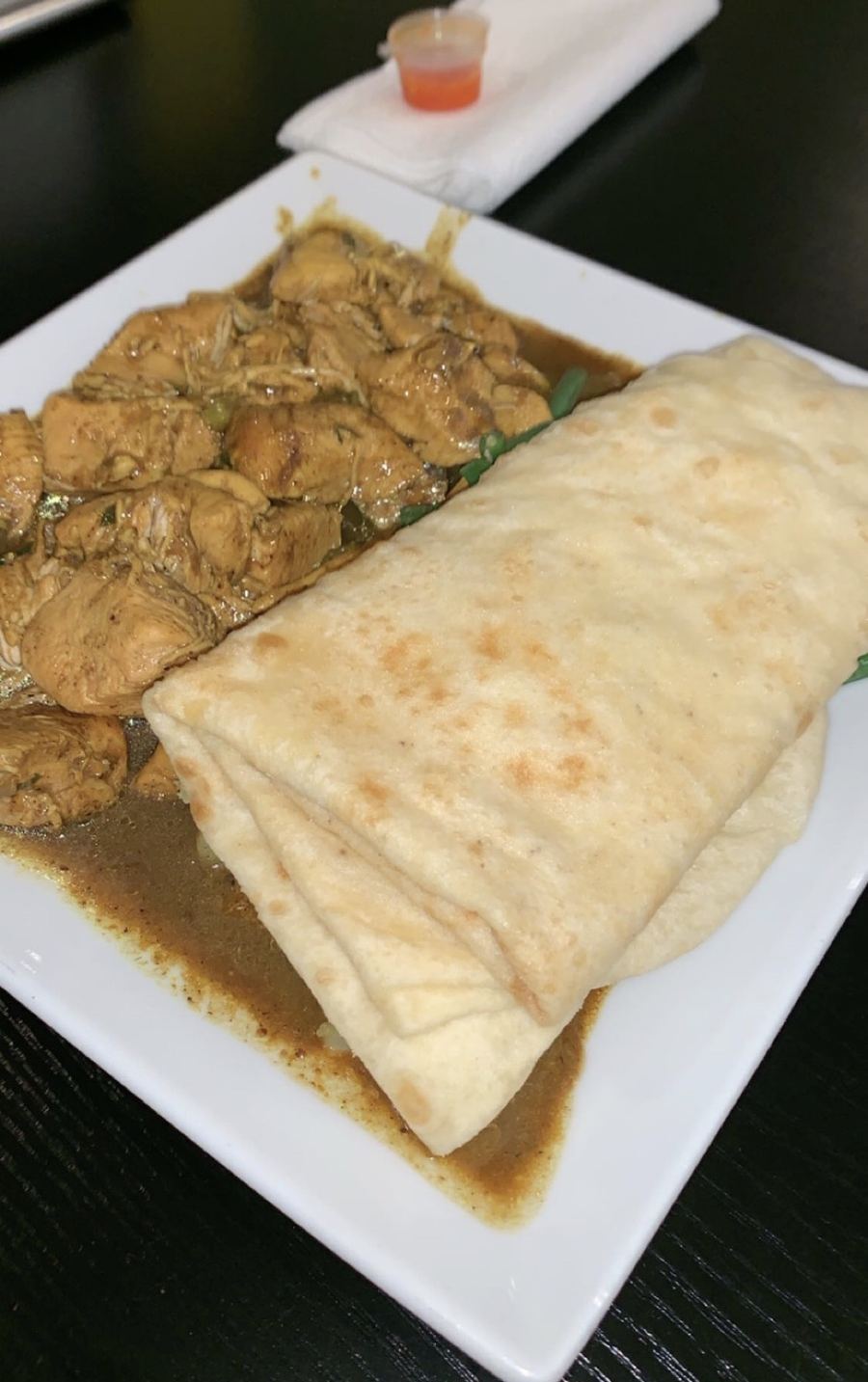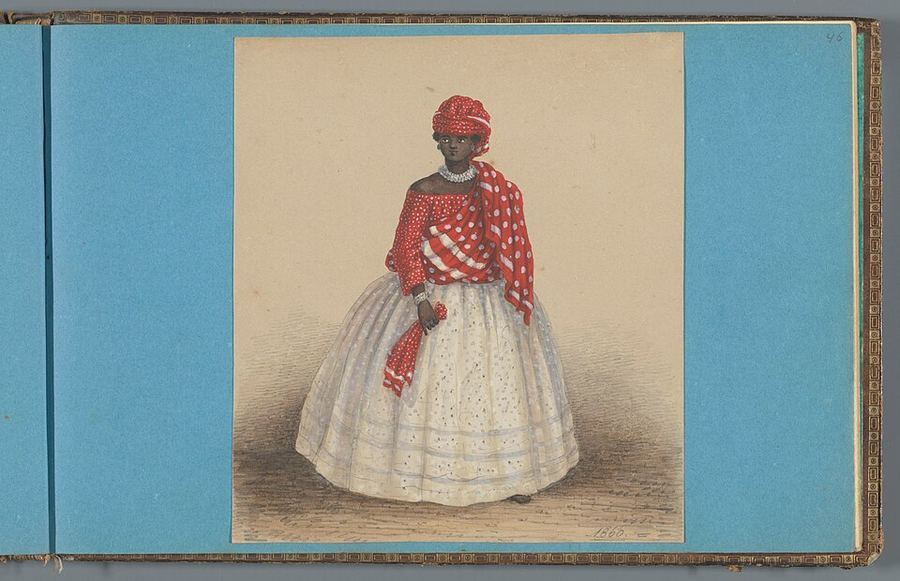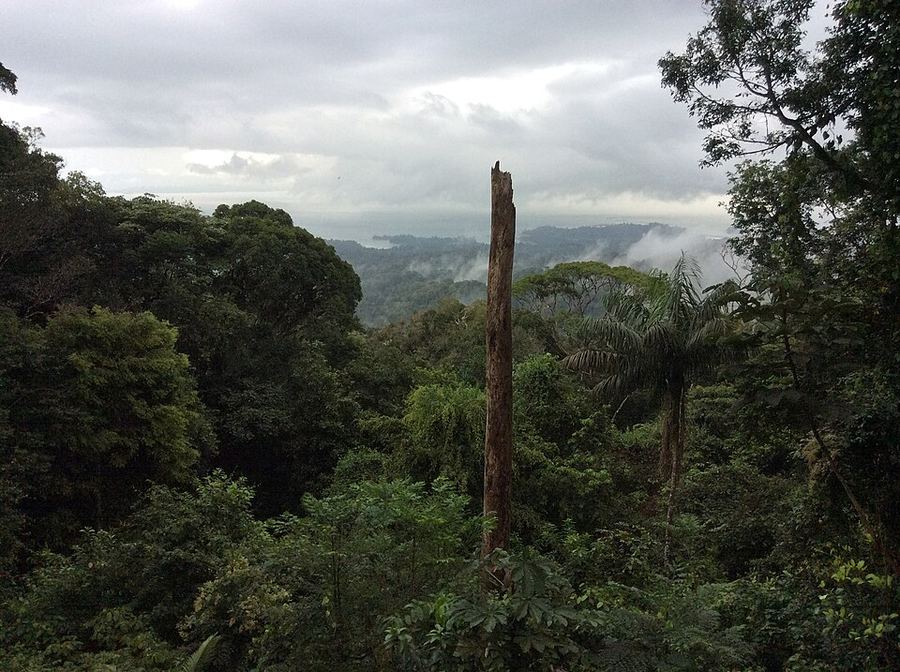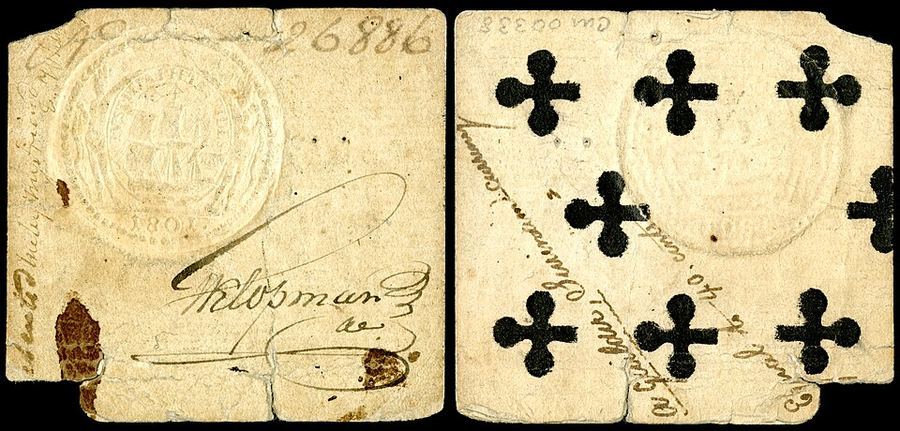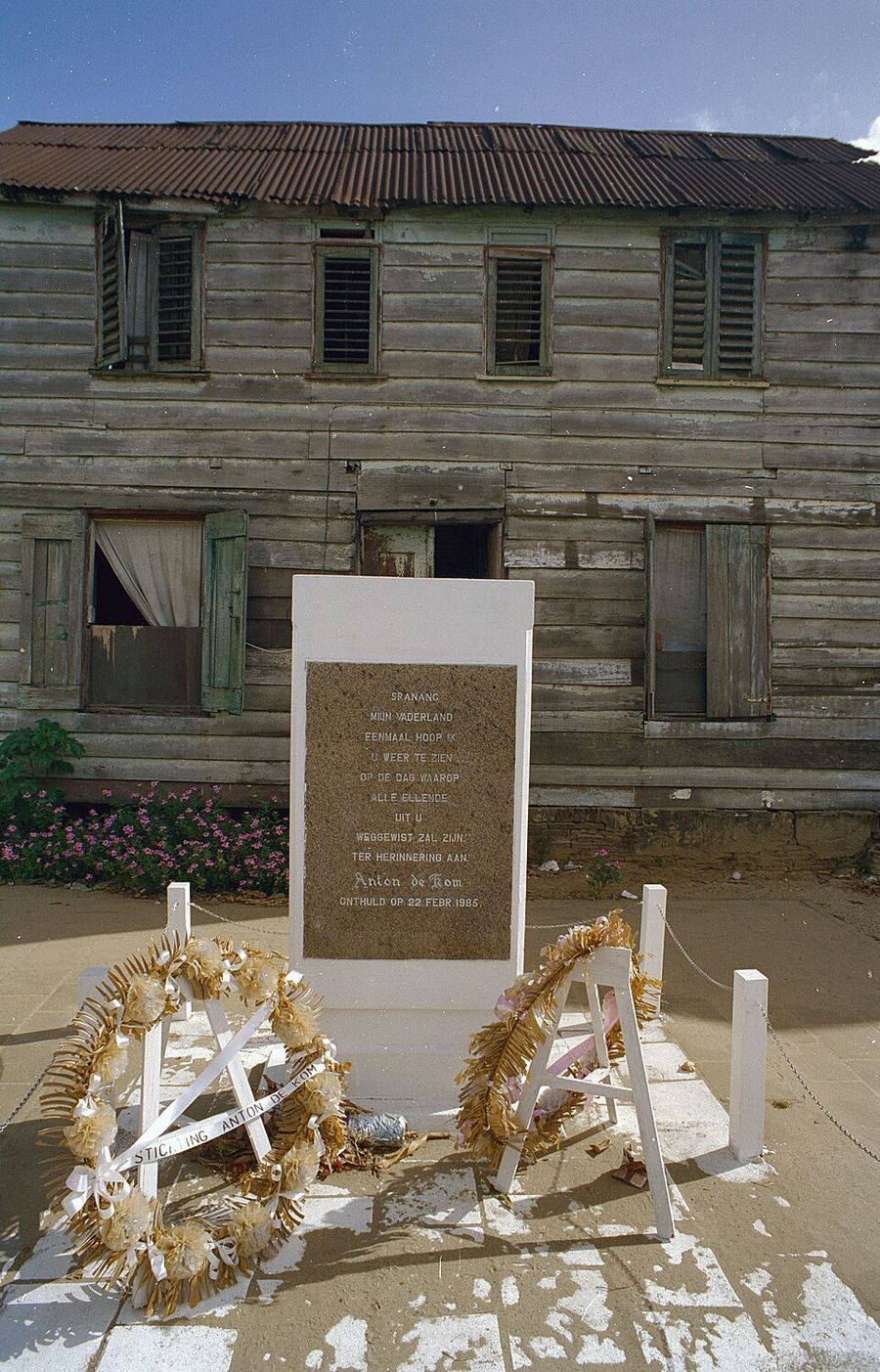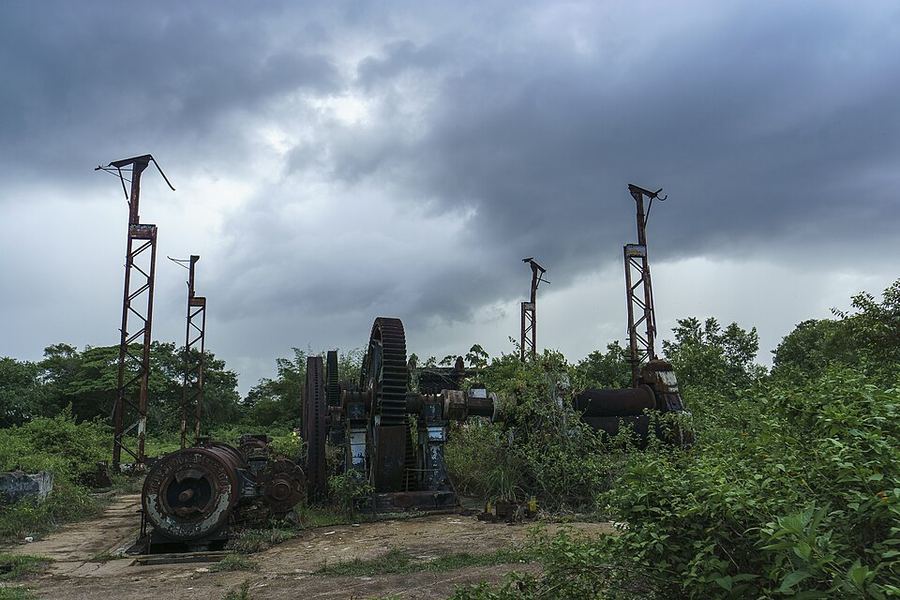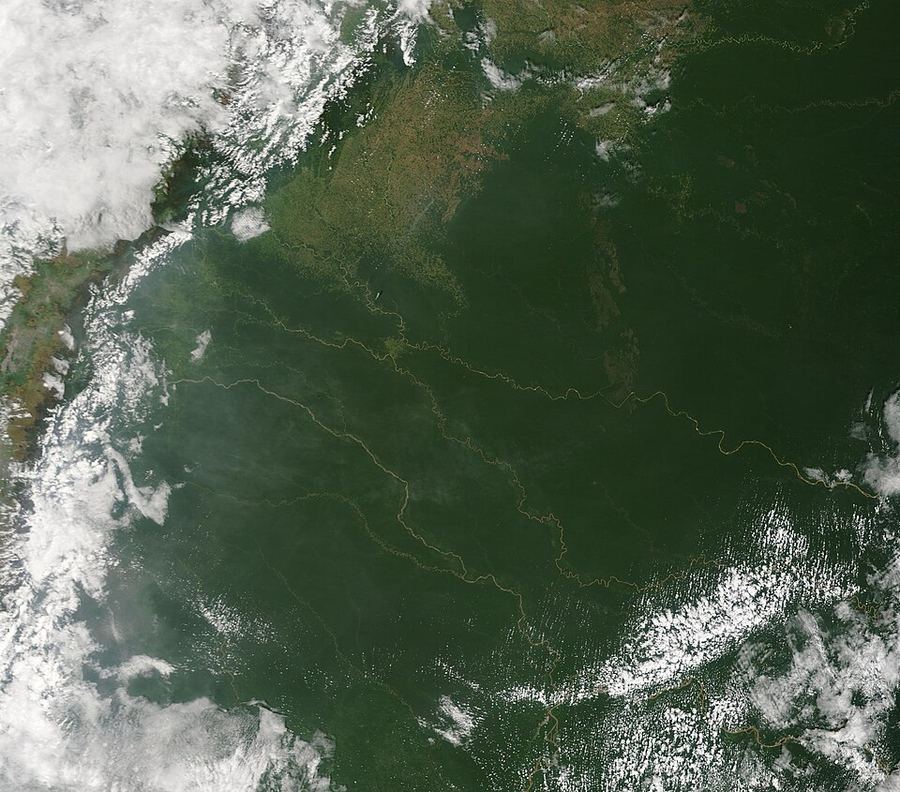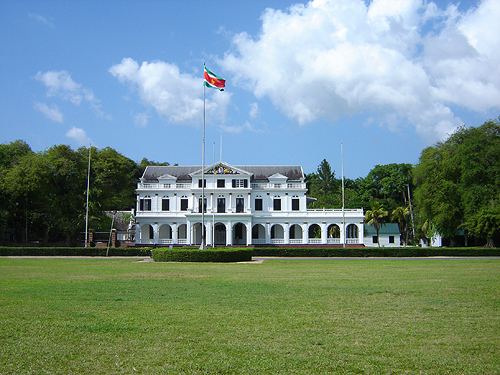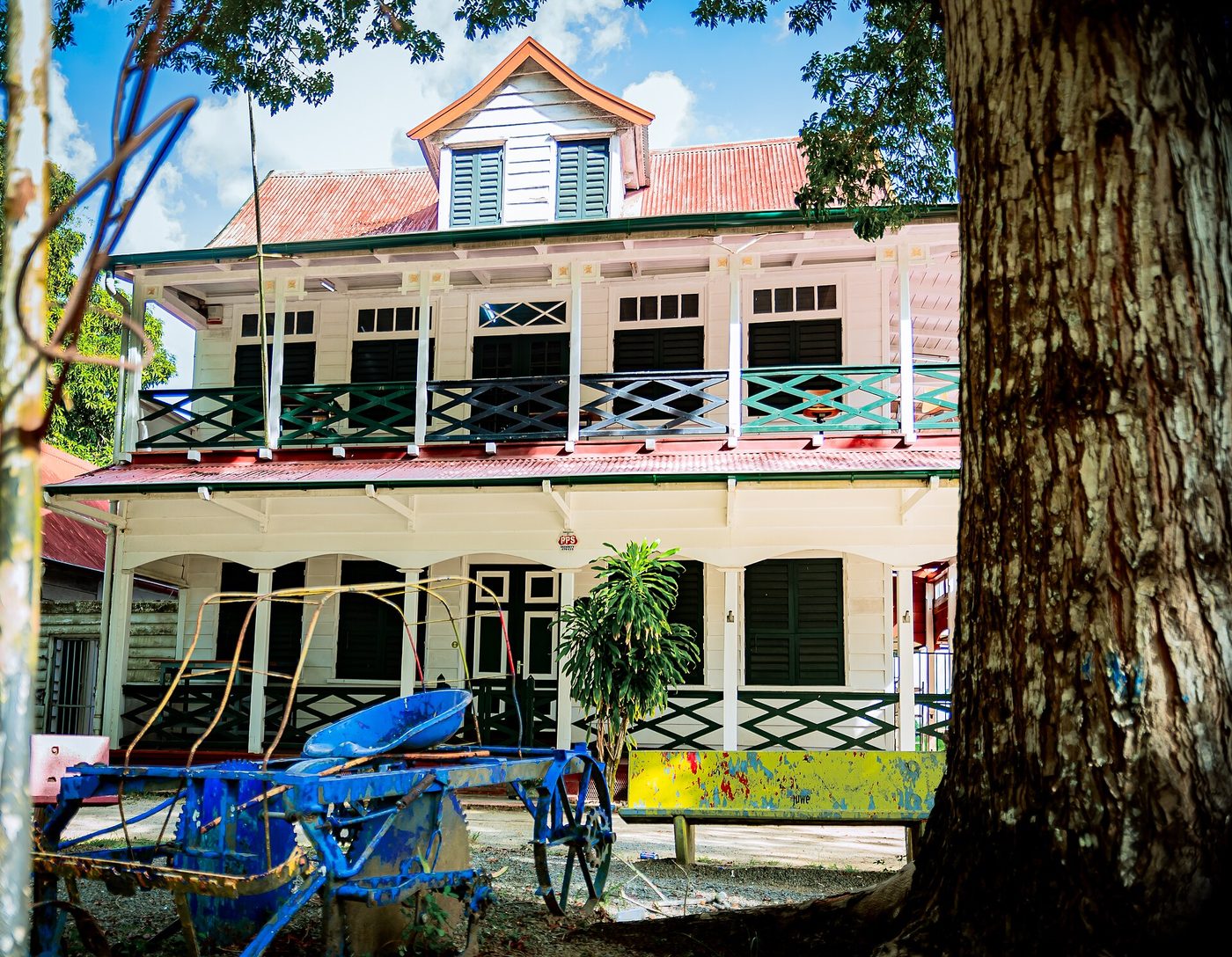
Suriname is the smallest sovereign country in South America by both area and population — roughly 650,000 people on a wedge of the Guiana Shield between Guyana, Brazil and French Guiana — and the only one where Dutch is the official language. Almost the entire population lives on a narrow coastal plain around the capital, Paramaribo, while the interior is unbroken tropical rainforest covering the great majority of the national territory and inhabited by Indigenous peoples and by Maroon communities descended from Africans who escaped the coastal plantations. No group is a majority: Hindustanis descended from Indian indentured workers, Maroons, Creoles, Javanese and people of mixed ancestry all hold substantial shares, and the religious profile is equally plural, with Protestants, Hindus, Catholics and Muslims all significant — the largest proportions of Hindus and Muslims of any country in the Americas. Dutch is the language of school and state, but Sranan Tongo, an English-lexified creole, is the everyday lingua franca that lets everyone speak to everyone. Gold dominates exports, offshore petroleum discoveries have transformed the country's economic prospects since 2020, and a very large Surinamese population lives in the Netherlands. Independence came on 25 November 1975, followed by a coup, a military period and an interior war before the restoration of civilian rule.
Paramaribo's urban core is home to about 276,990 people.
Among the world's megacities, though, it's one of many — the giants of Asia and Latin America run larger still:
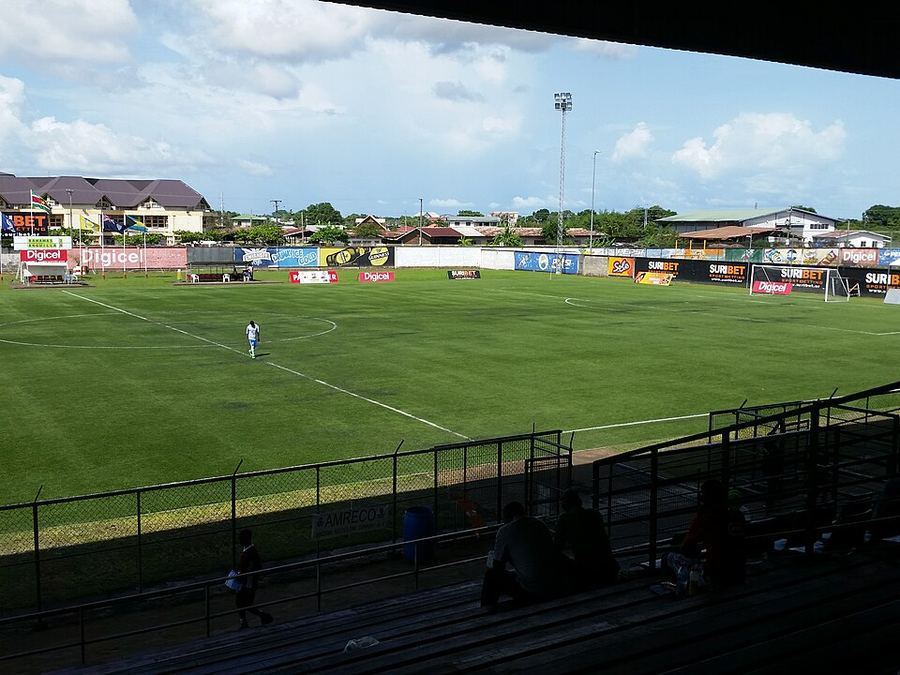
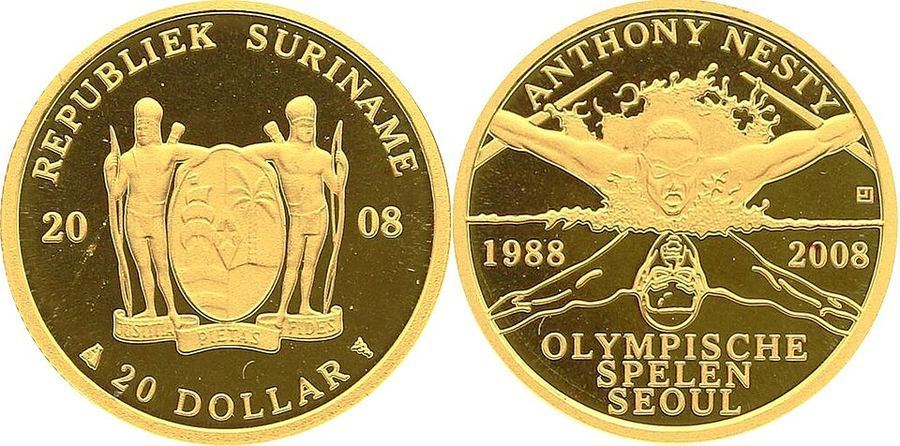
Suriname's place in world sport rests on two things quite out of proportion to its size. The first is Anthony Nesty, who at the Seoul Games in 1988 beat the American favourite Matt Biondi by a hundredth of a second in the 100 metres butterfly to win Suriname's first and so far only Olympic gold, becoming the first Black swimmer to win an Olympic swimming title; he added a bronze at Barcelona in 1992. The second is football, though largely at one remove. An extraordinary line of players of Surinamese descent has represented the Netherlands — among them Ruud Gullit, Frank Rijkaard, Edgar Davids, Clarence Seedorf, Patrick Kluivert and Aron Winter — to the point where Dutch football's great period in the late 1980s and 1990s is inseparable from Surinamese migration. Suriname's own national team qualified for the CONCACAF Gold Cup for the first time in 2021, having joined the North and Central American confederation rather than the South American one, and now competes in the CONCACAF Nations League. Beyond these, Surinamese athletes appear at each Olympic Games in small numbers, mainly in athletics, swimming and judo, without further medals to date.
Surinam Dollar — SRD (None)
GDP (PPP): $12.316 billion (2024 est.)
Per capita: $19,400 (2024 est.)
$2.793 billion (2024 est.)
gold, fish, refined petroleum, wood, tobacco (2023)
Partners: Switzerland 49%, UAE 28%, Guyana 5%, USA 4%, France 3% (2023)
$2.571 billion (2024 est.)
refined petroleum, ships, excavation machinery, trucks, tobacco (2023)
Partners: USA 22%, China 12%, Netherlands 11%, Trinidad & Tobago 9%, Guyana 8% (2023)
Type: presidential republic
Independence: 25 November 1975 (from the Netherlands)
How mountains, coasts, and rivers shape settlement (LandScan).
Coming — dataWhere groups settled and how people move (GeoEPR + UNHCR).
Coming — dataNotable institutions, mappable as points.
Coming — data